


Top 20 British Directors

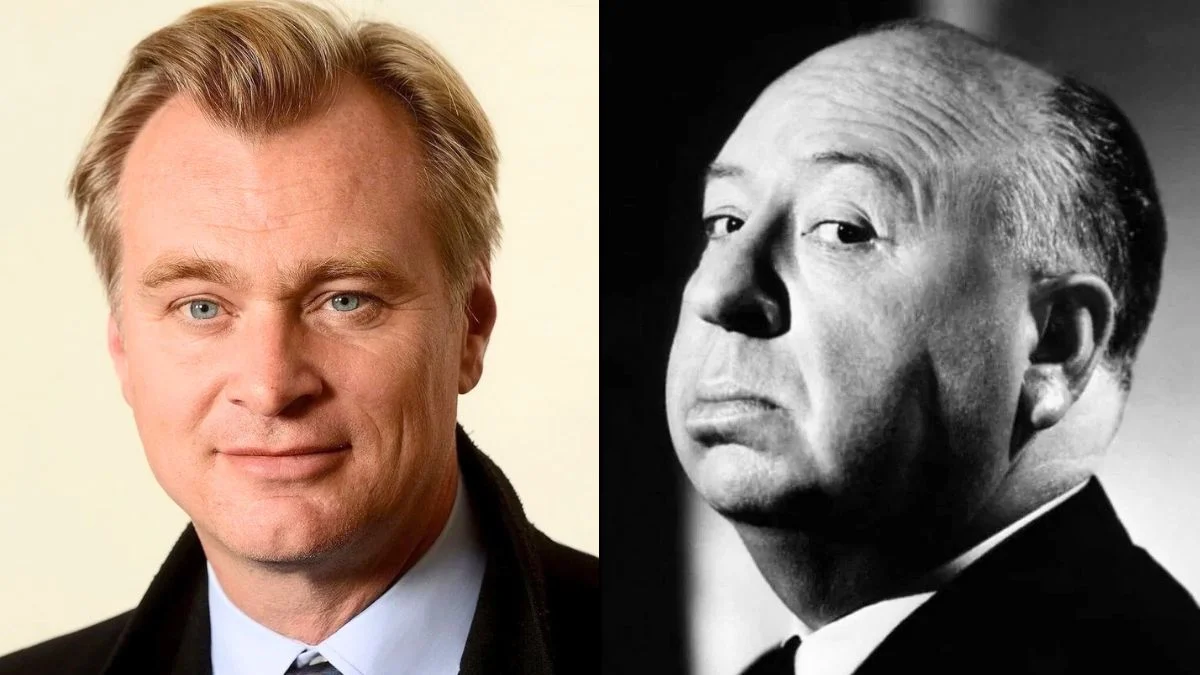


The United Kingdom has produced some of the most influential and visionary filmmakers in the history of cinema. These directors have shaped genres ranging from gritty social realism to expansive science fiction epics. Their unique visual styles and storytelling techniques continue to resonate with audiences around the globe. This collection highlights twenty remarkable talents who have left an indelible mark on the film industry.
Alfred Hitchcock
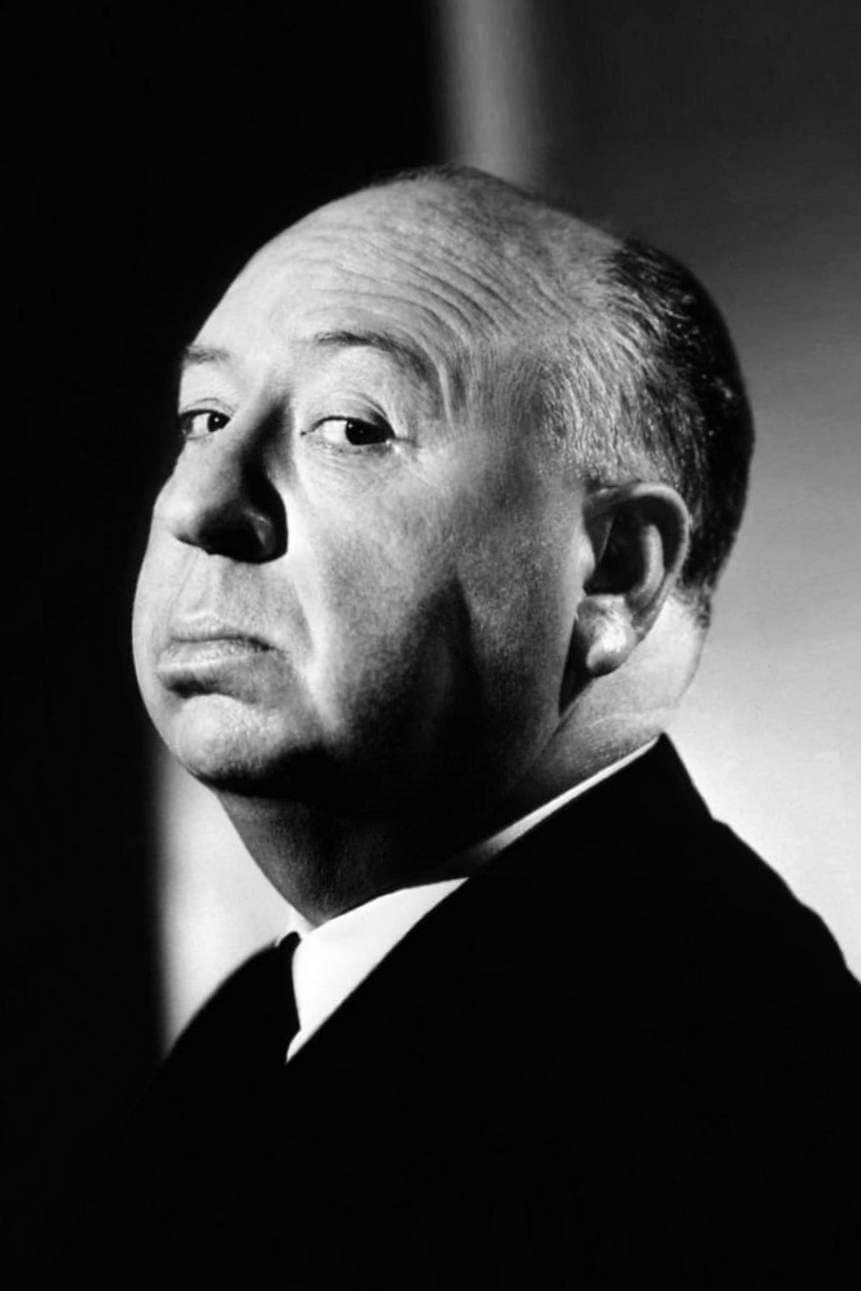
Alfred Hitchcock is widely recognized as the Master of Suspense for his innovative directing techniques. He pioneered the use of the dolly zoom and explored voyeurism in films like ‘Rear Window’. His psychological thrillers such as ‘Vertigo’ and ‘Psycho’ challenged censorship codes of the era. Hitchcock crafted a distinct directorial persona through his cameo appearances and television hosting duties.
Christopher Nolan

Christopher Nolan is known for his complex storytelling structures and practical special effects. He revitalized the superhero genre with ‘The Dark Knight’ trilogy by grounding it in realism. His original blockbusters like ‘Inception’ and ‘Interstellar’ explore themes of time and memory on a massive scale. Nolan remains a staunch advocate for shooting on celluloid film rather than digital formats.
David Lean
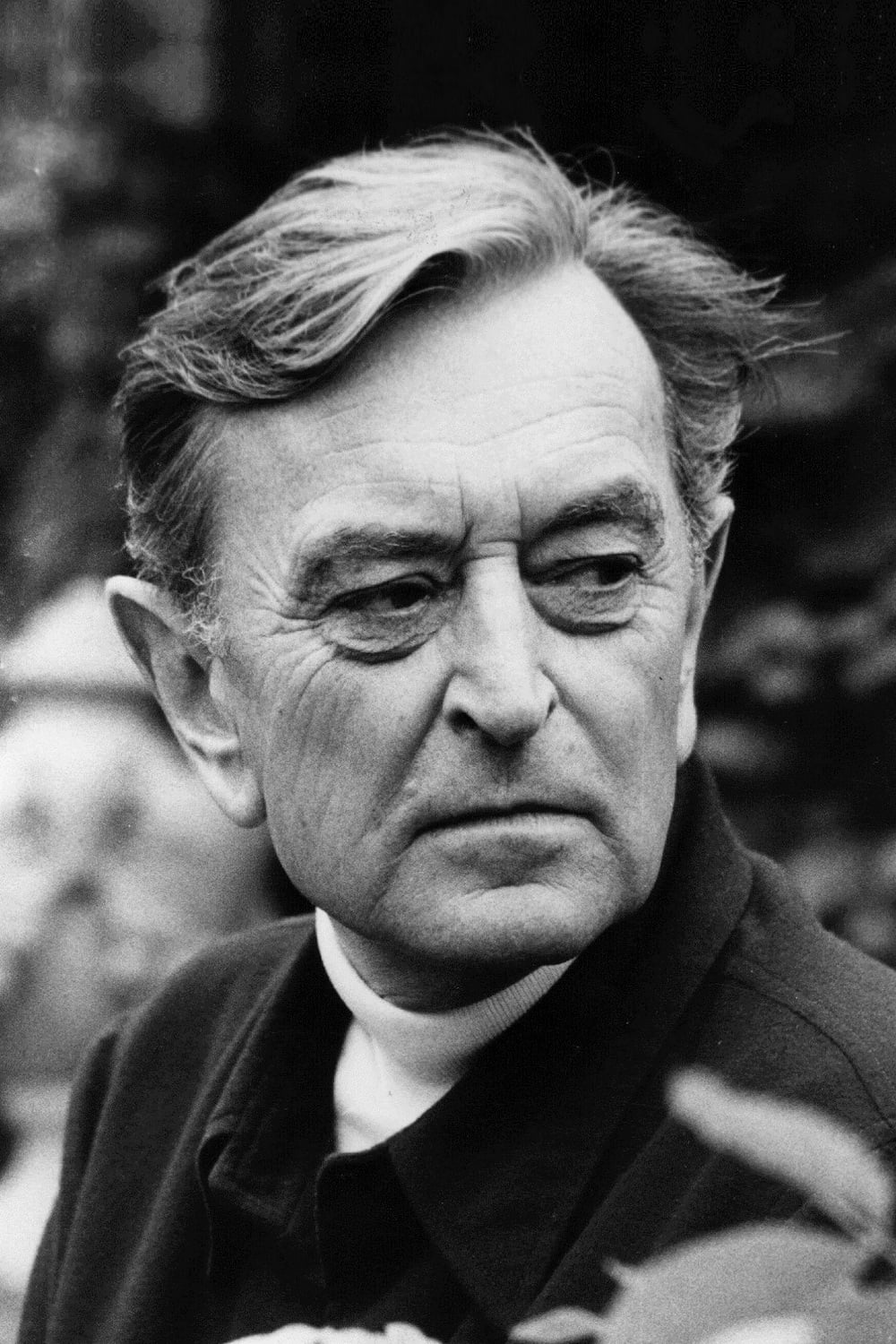
David Lean is celebrated for his transition from intimate dramas to sweeping historical epics. He directed masterpieces like ‘Lawrence of Arabia’ which set a benchmark for widescreen cinematography. His collaborations with playwright Noel Coward resulted in British classics such as ‘Brief Encounter’. Lean was known for his perfectionism and rigorous control over every aspect of production.
Ridley Scott
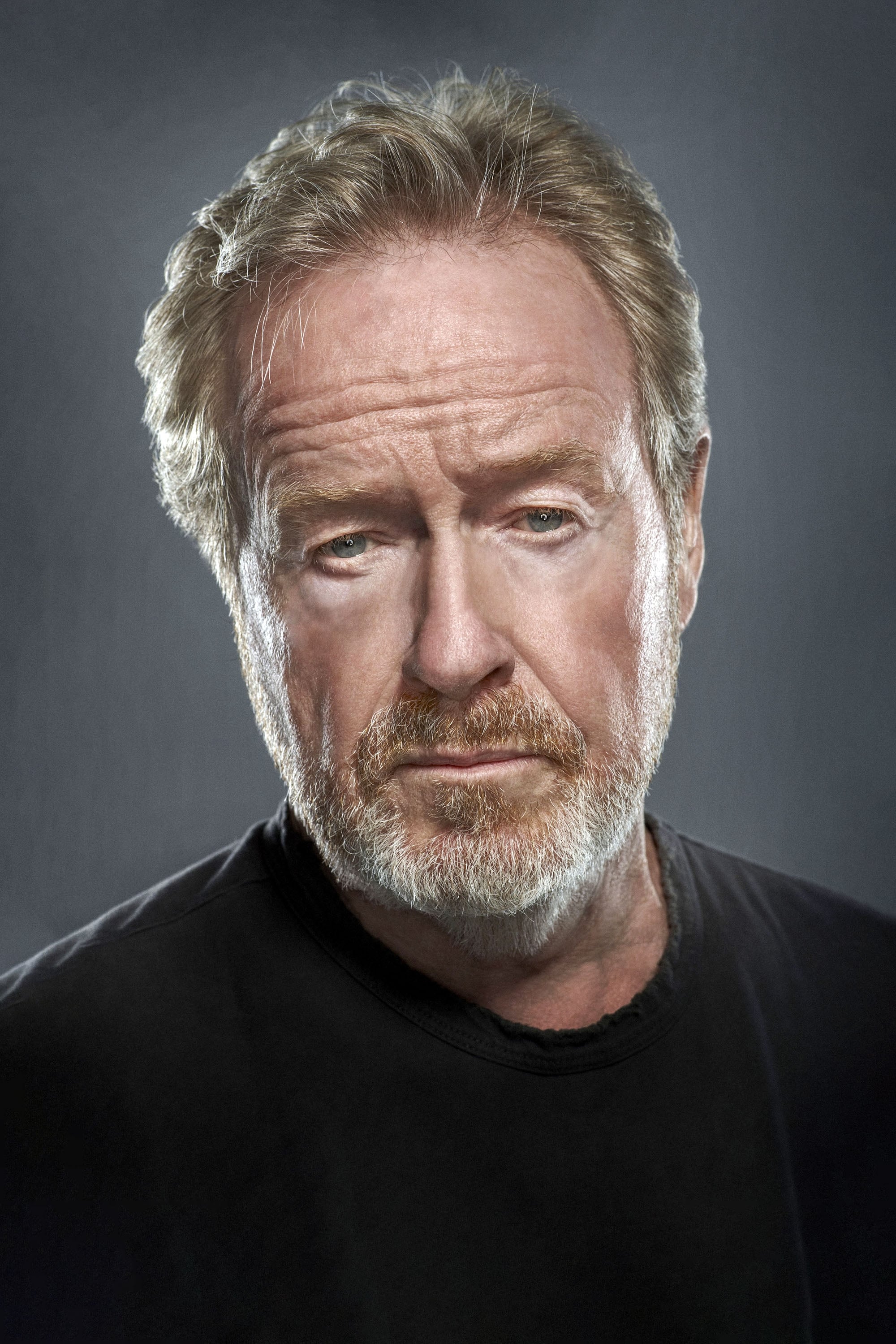
Ridley Scott established a reputation for atmospheric visual style and detailed production design. He defined modern science fiction with the release of ‘Alien’ and the neo-noir classic ‘Blade Runner’. His versatility is evident in historical epics like ‘Gladiator’ and war films such as ‘Black Hawk Down’. Scott continues to produce and direct high-budget features well into his eighties.
Danny Boyle
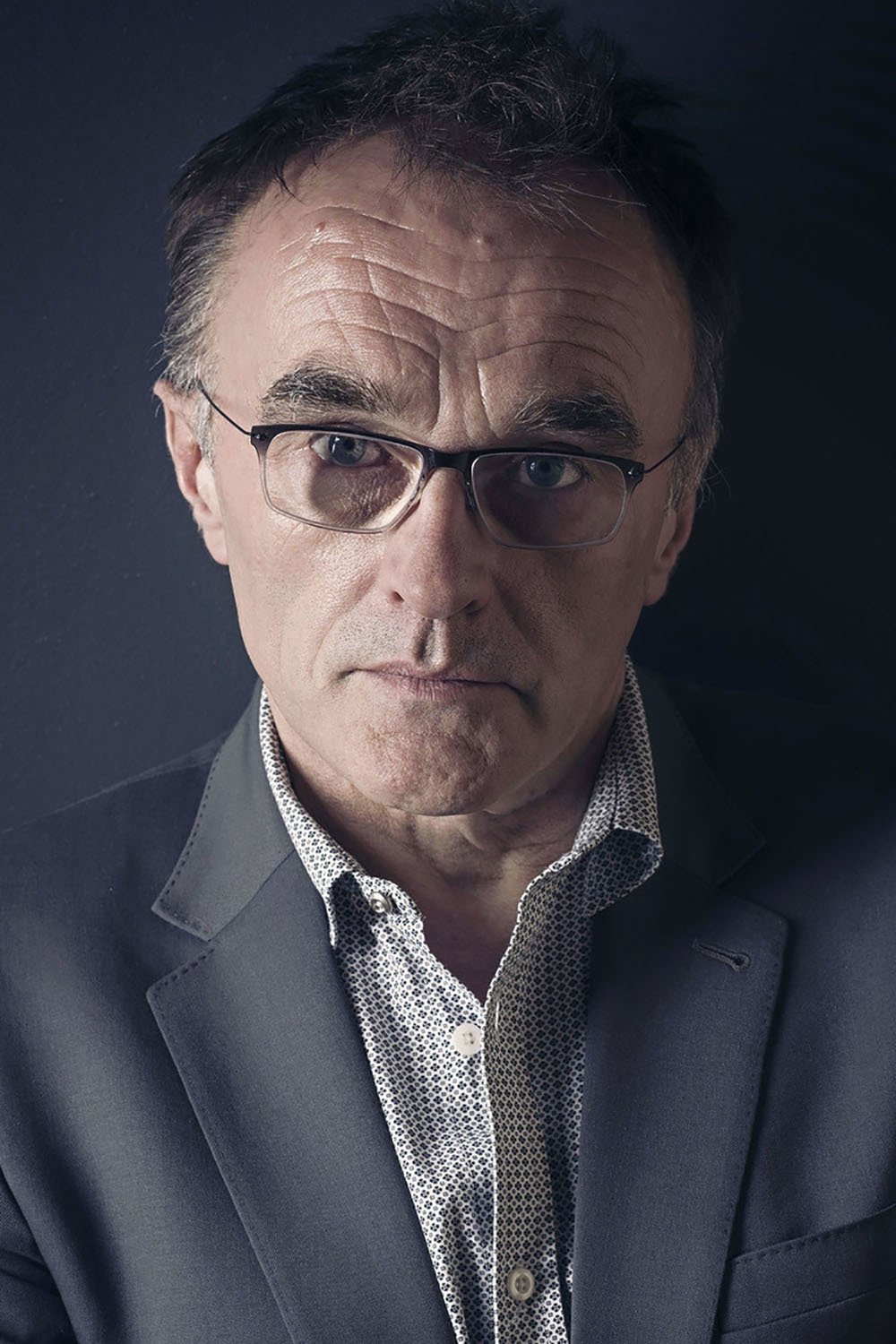
Danny Boyle burst onto the scene with the energetic and gritty ‘Trainspotting’. His films often feature vibrant color palettes and driving musical scores. He achieved global recognition and Academy Award success with ‘Slumdog Millionaire’. Boyle demonstrated his versatility by directing the opening ceremony for the London 2012 Olympic Games.
Steve McQueen
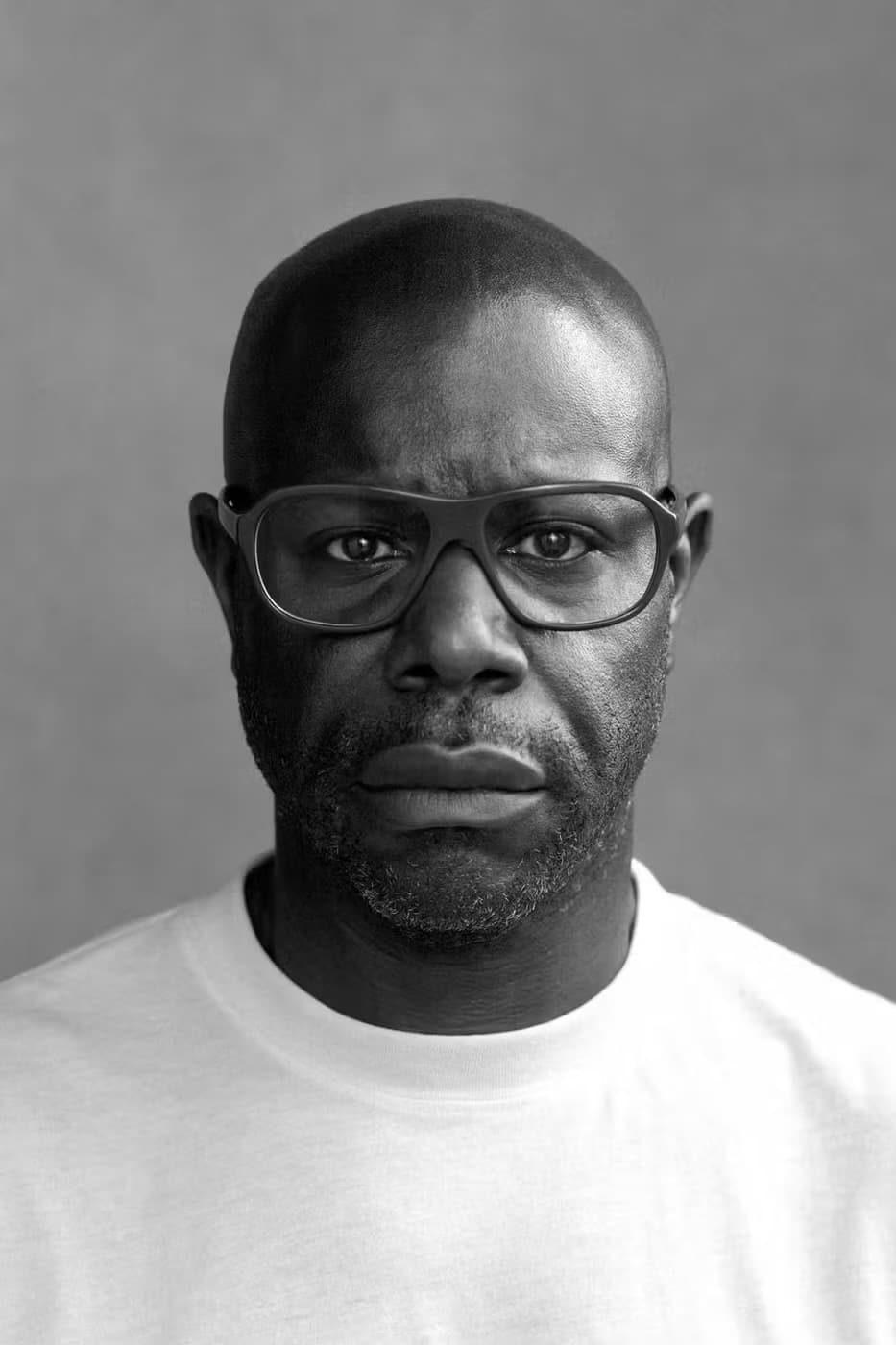
Steve McQueen transitioned from being a Turner Prize winning video artist to a celebrated feature filmmaker. His films are characterized by long takes and unflinching examinations of difficult subjects. ‘Hunger’ and ‘Shame’ showcased his intense collaboration with actor Michael Fassbender. He became the first black director to win the Academy Award for Best Picture with ’12 Years a Slave’.
Sam Mendes
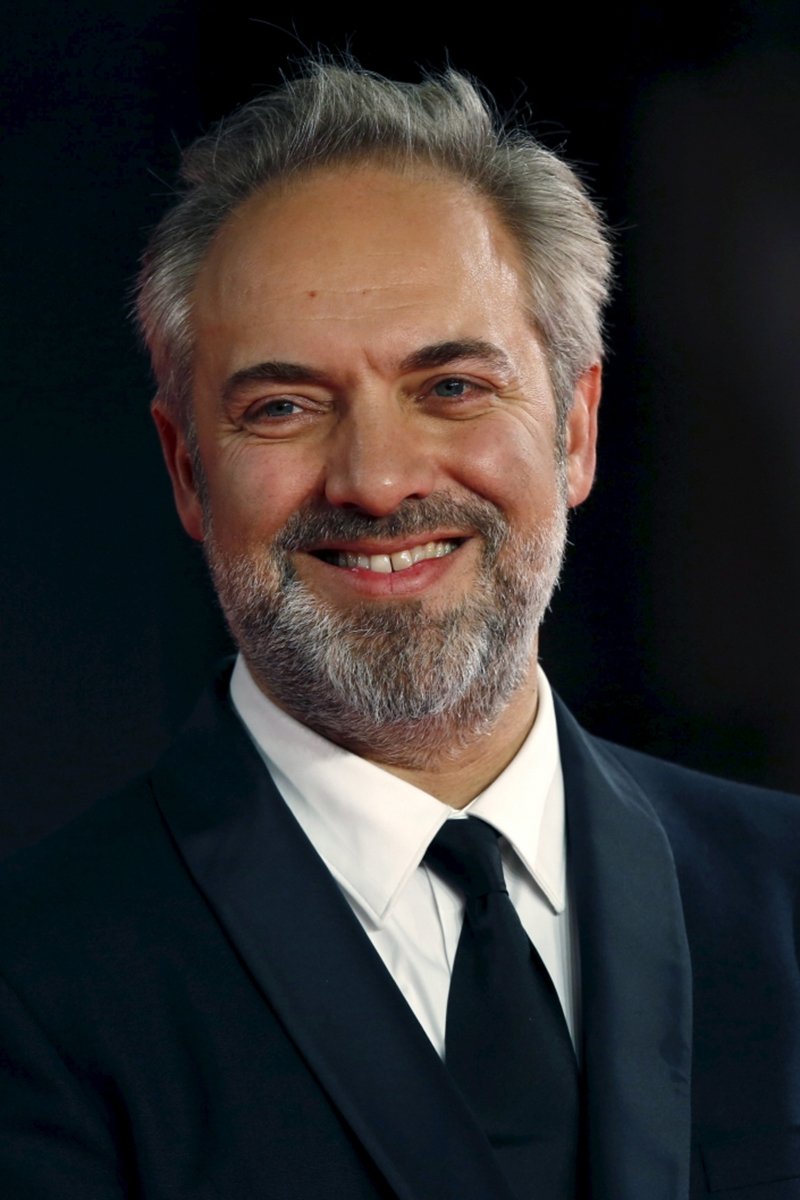
Sam Mendes gained immediate acclaim by winning an Oscar for his debut feature ‘American Beauty’. He successfully transitioned from theater direction to helming major cinematic productions. His contributions to the James Bond franchise include the commercially successful ‘Skyfall’. Mendes experimented with the appearance of a single continuous shot in the war film ‘1917’.
Edgar Wright

Edgar Wright developed a signature style defined by fast cutting and kinetic camera movement. He gained a cult following with the Cornetto Trilogy which includes ‘Shaun of the Dead’ and ‘Hot Fuzz’. His work frequently pays homage to genre cinema while subverting typical tropes. Wright seamlessly integrates music into the narrative flow of movies like ‘Baby Driver’.
Guy Ritchie
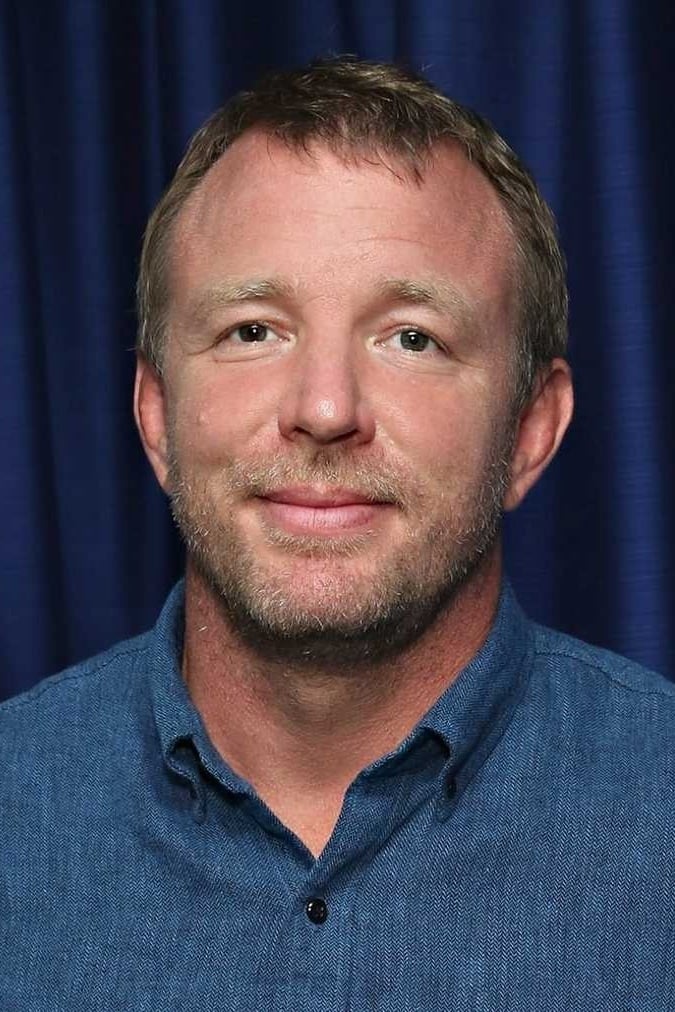
Guy Ritchie revitalized the British gangster genre with his stylized dialogue and nonlinear narratives. His debut ‘Lock, Stock and Two Smoking Barrels’ introduced a fresh visual language to crime comedies. He later transitioned to big-budget studio filmmaking with the ‘Sherlock Holmes’ adaptations. Ritchie maintains a distinct directorial voice characterized by quick editing and ensemble casts.
Ken Loach
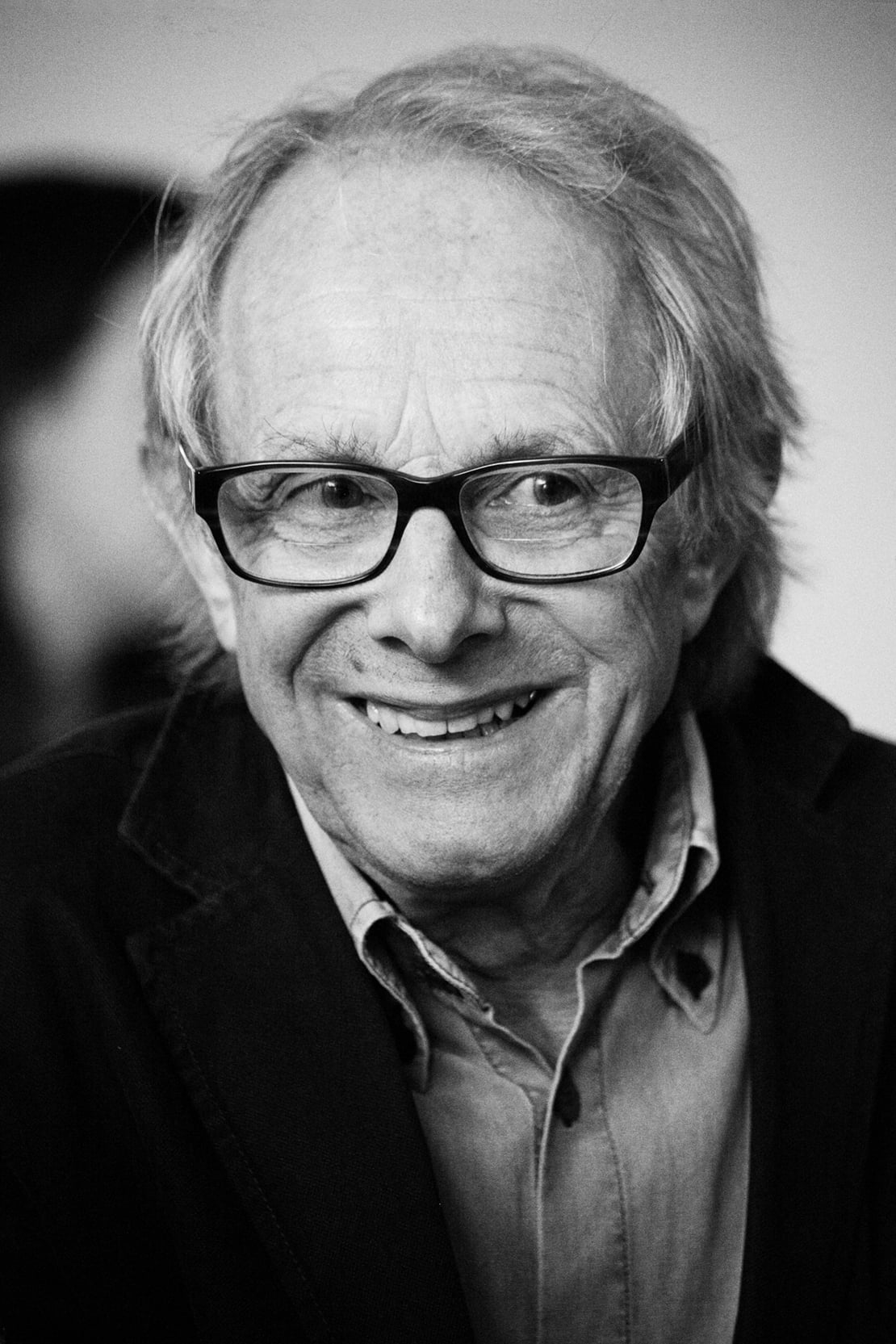
Ken Loach is a leading figure in social realist cinema and focuses on the lives of the working class. His naturalistic style often utilizes non-professional actors to achieve a sense of authenticity. Films like ‘Kes’ and ‘I, Daniel Blake’ critique social systems and government policies. Loach is one of the few directors to win the Palme d’Or at Cannes twice.
Mike Leigh
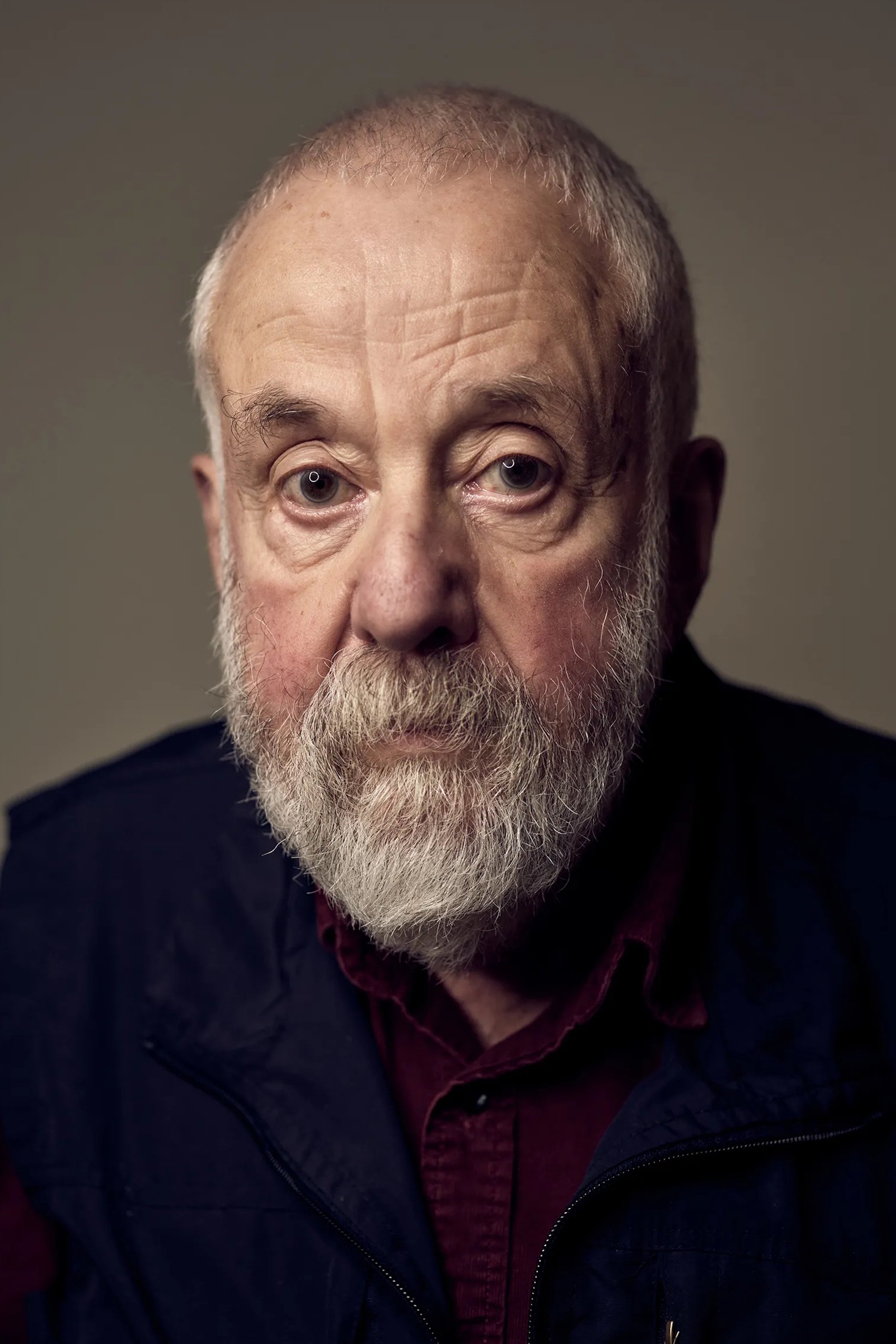
Mike Leigh uses a unique method of extensive improvisation and rehearsal to build characters with his actors. This process results in deeply emotional and realistic dramas such as ‘Secrets & Lies’. His films frequently explore the complexities of family dynamics and British suburban life. Leigh depicts both the humor and tragedy inherent in ordinary human existence.
Michael Powell
Michael Powell formed a legendary creative partnership with Emeric Pressburger known as The Archers. They created technicolor masterpieces like ‘The Red Shoes’ and ‘Black Narcissus’. Their work is noted for its magical realism and expressive use of color and music. Powell influenced generations of filmmakers including Martin Scorsese with his bold visual imagination.
Carol Reed
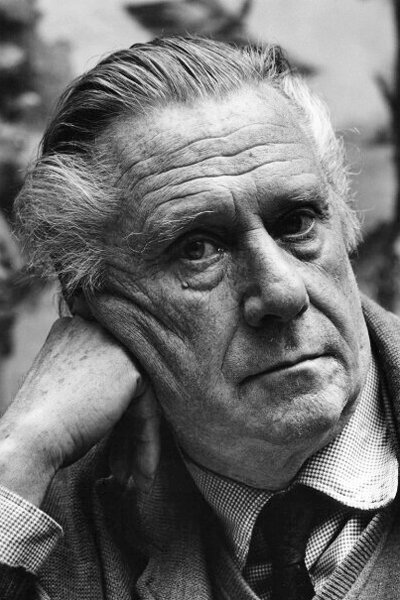
Carol Reed is best known for directing the celebrated noir thriller ‘The Third Man’. His work in the post-war era captured the moral ambiguity and atmospheric tension of the time. He demonstrated remarkable range by also directing the musical adaptation ‘Oliver!’ which won Best Picture. Reed was the first British film director to be knighted for his craft.
Charlie Chaplin
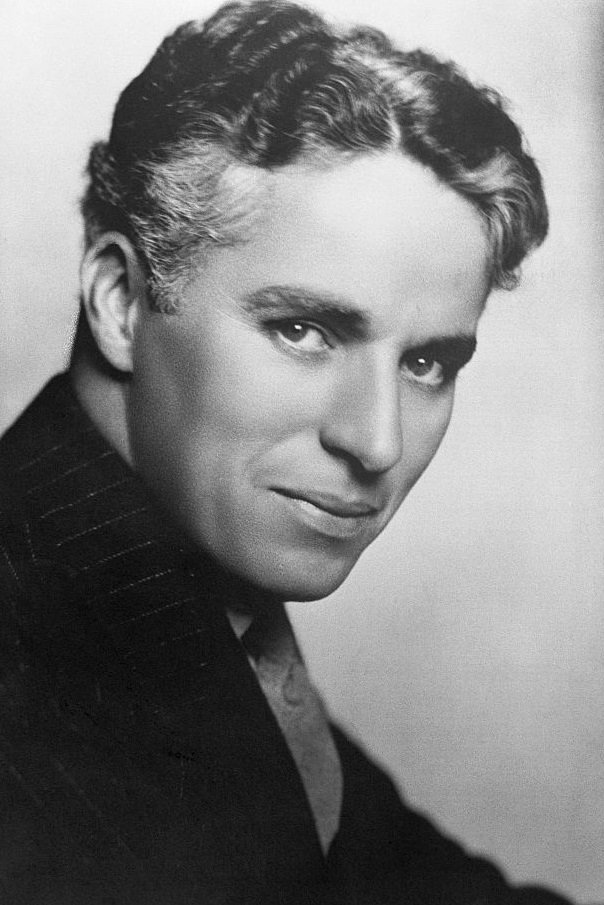
Charlie Chaplin was a pioneer of the silent era who wrote and directed his own vehicles. He created the iconic Tramp character that became a worldwide symbol of comedy and pathos. Masterpieces like ‘City Lights’ and ‘Modern Times’ combined slapstick humor with social commentary. Chaplin helped found United Artists to give filmmakers control over their own work.
Tony Scott
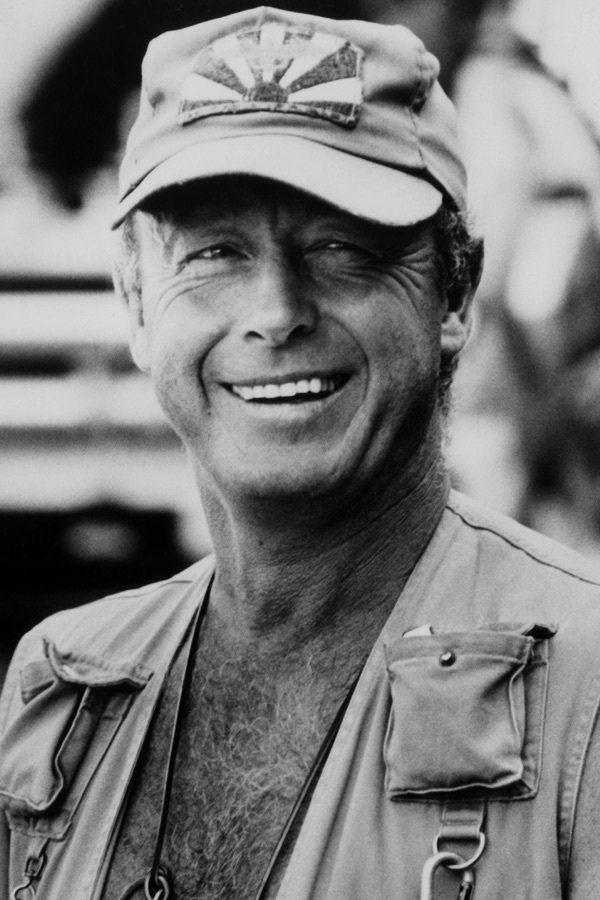
Tony Scott was a master of the high-octane action thriller and developed a hyper-kinetic visual style. He directed the defining blockbuster of the eighties with ‘Top Gun’. His collaboration with Denzel Washington produced intense films like ‘Man on Fire’ and ‘Crimson Tide’. Scott frequently utilized saturated colors and rapid editing to build tension.
Stephen Frears
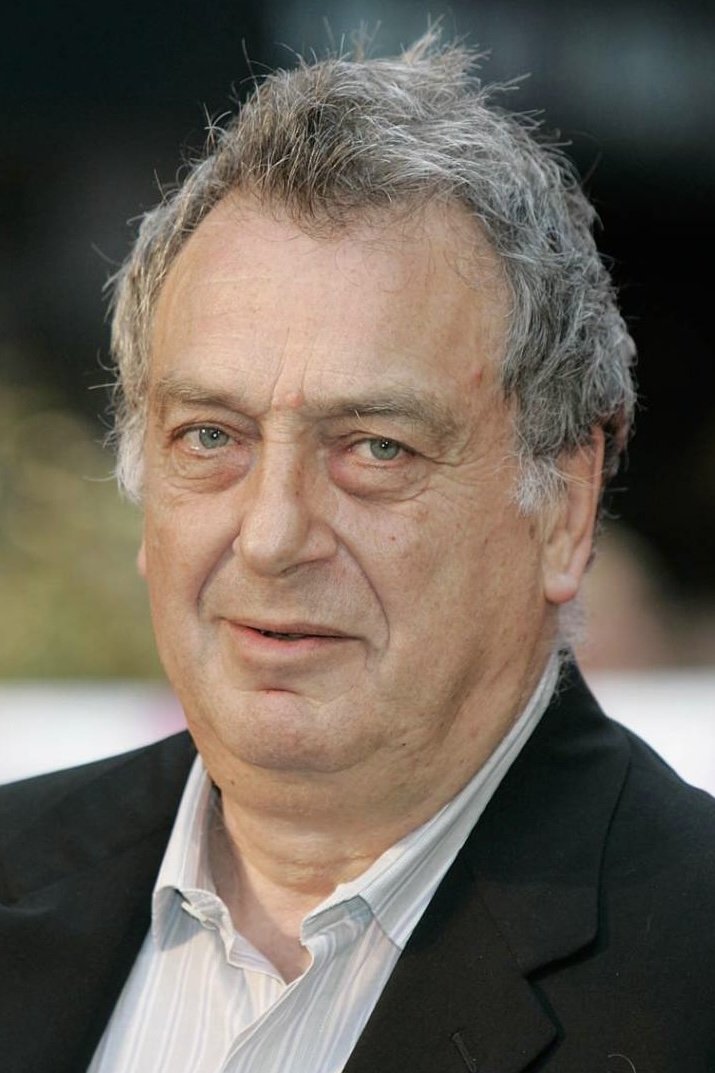
Stephen Frears has built a diverse filmography that spans gritty dramas and polished biopics. He gained attention with ‘My Beautiful Laundrette’ which tackled issues of race and sexuality. His direction of ‘The Queen’ earned critical praise for its sensitive portrayal of the British monarch. Frears seamlessly moves between television projects and major motion picture releases.
Alan Parker
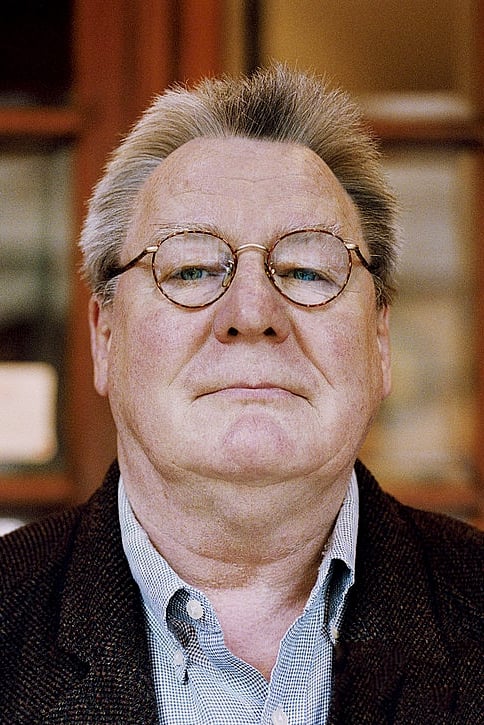
Alan Parker worked across a wide variety of genres from musical dramas to psychological thrillers. He employed striking imagery in films such as ‘Pink Floyd: The Wall’ and ‘Midnight Express’. His ability to work with musical elements was evident in ‘The Commitments’ and ‘Evita’. Parker was a founding member of the Directors Guild of Great Britain.
John Schlesinger
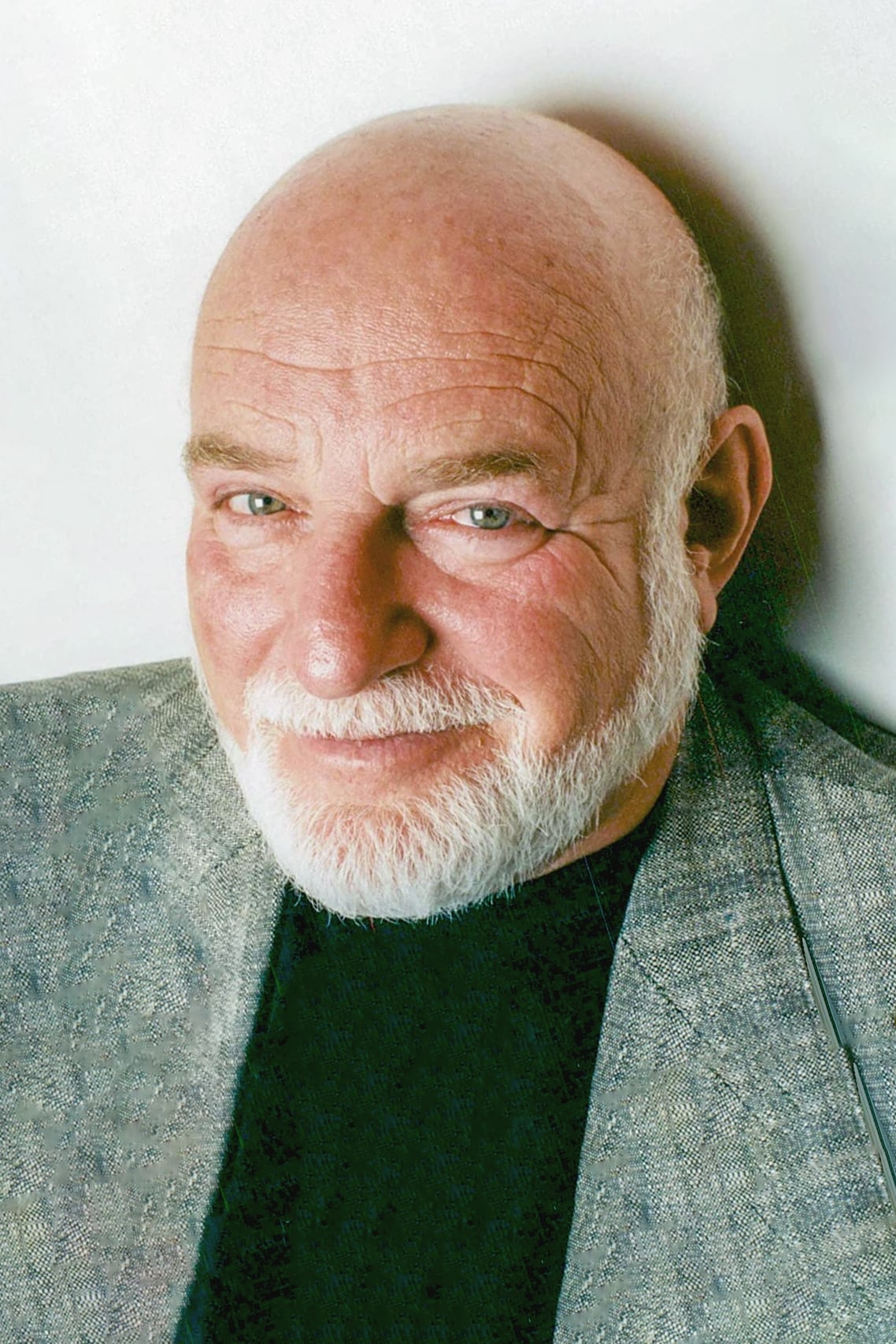
John Schlesinger was a key figure in the British New Wave before finding success in Hollywood. He directed ‘Midnight Cowboy’ which remains the only X-rated film to win the Best Picture Oscar. His work often focused on alienated individuals and complex human relationships. Schlesinger brought a distinct documentary realism to his narrative features.
Nicolas Roeg
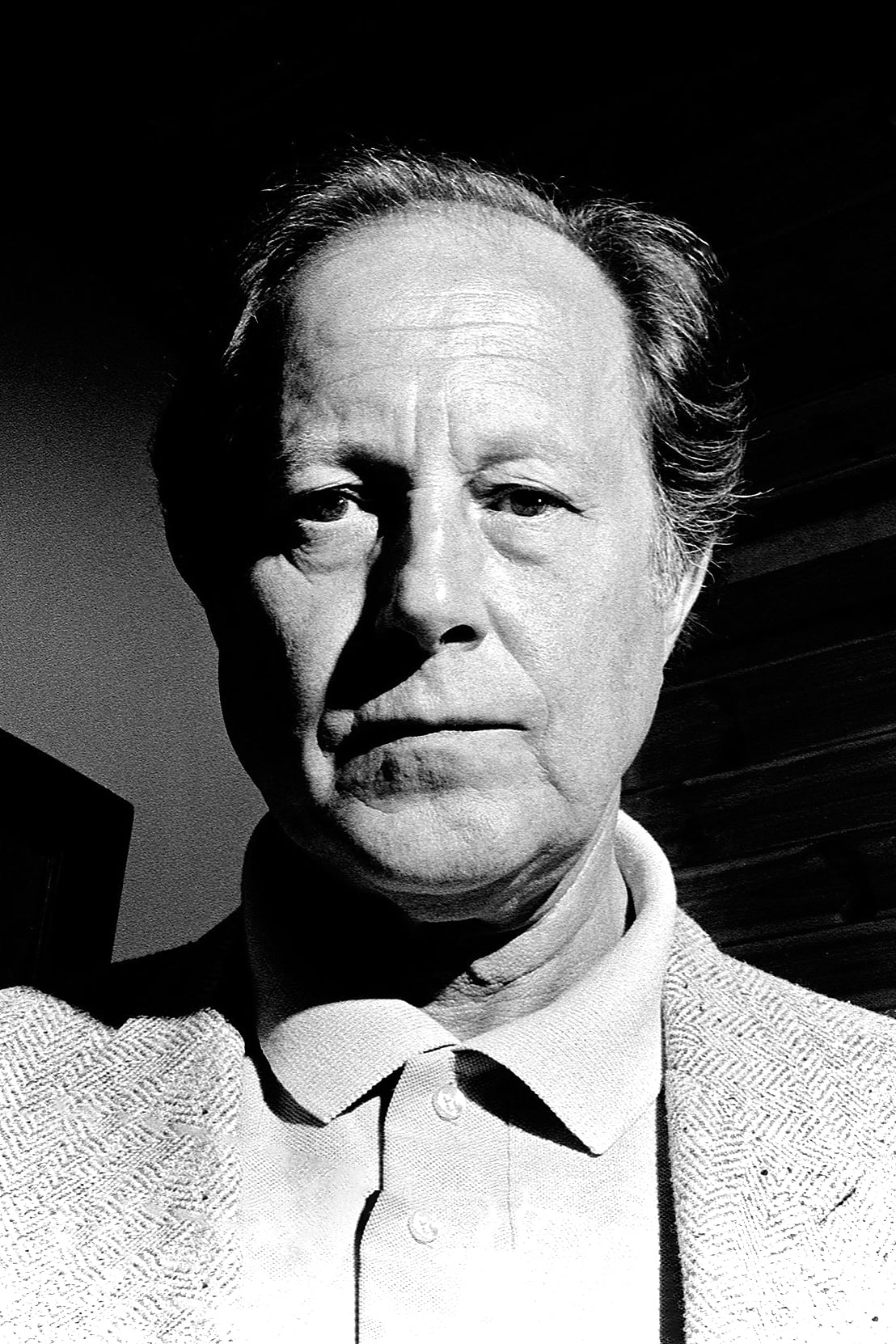
Nicolas Roeg started as a cinematographer before becoming a director known for fragmented editing. His psychological horror ‘Don’t Look Now’ is famous for its innovative use of recurring visual motifs. He directed David Bowie in the surreal science fiction film ‘The Man Who Fell to Earth’. Roeg challenged audiences with non-linear storytelling and provocative themes.
Joe Wright
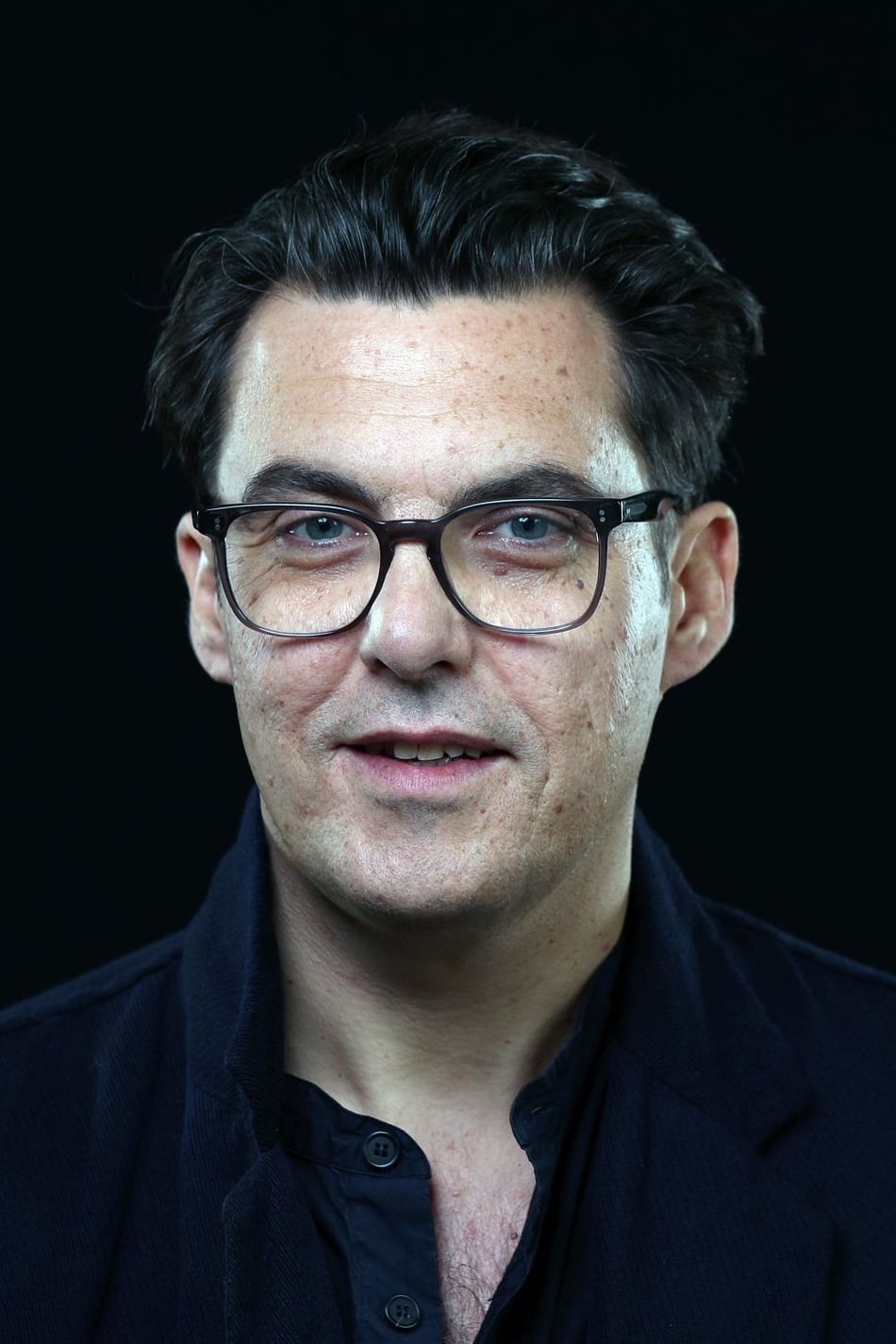
Joe Wright is recognized for his intricate camera work and fresh takes on literary adaptations. He garnered acclaim for ‘Pride & Prejudice’ and the complex tracking shots in ‘Atonement’. His visual flair extends to theatrical stylings in films like ‘Anna Karenina’. Wright continues to explore different genres including thrillers and historical biopics.
Please describe which British director has influenced your taste in movies the most in the comments.