


Top 25 Cable TV Shows of All Time, Ranked

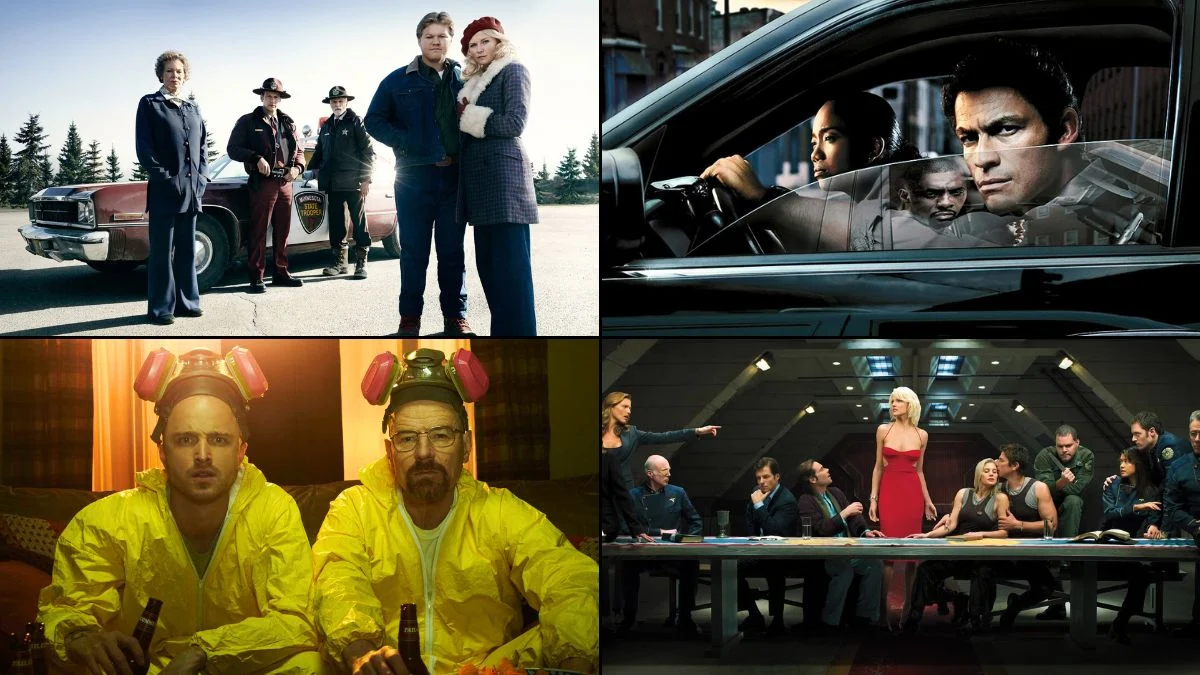


Cable television has delivered decades of ambitious storytelling across drama, comedy, animation, and limited series. These shows arrived on networks that took big swings with format, subject matter, and scale, and the results shaped how television is written, shot, and released. From premium channels to basic cable, they pushed production values and narrative scope while building devoted followings.
This list spans crime sagas, sci fi epics, workplace period pieces, and inventive anthologies. You will find long running favorites, short but complete limited series, and titles that reinvented themselves season to season. Each entry notes core facts about the series, including network, creative team, cast, awards, episode structure, and why the show stands as a landmark in cable history.
‘Halt and Catch Fire’ (2014–2017)
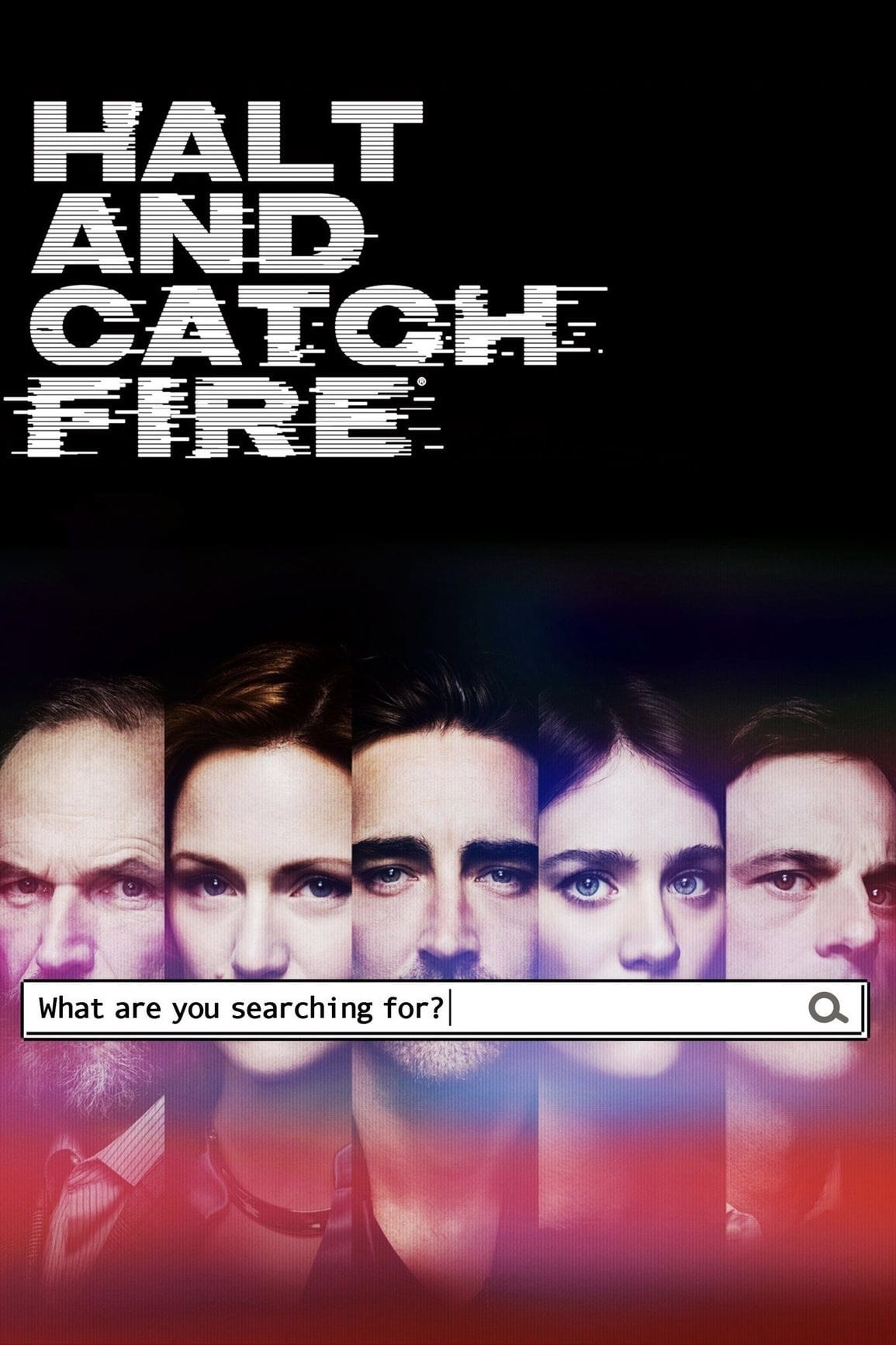
AMC’s ‘Halt and Catch Fire’ follows a group of engineers and entrepreneurs as personal computers and the internet transform the tech landscape of the 1980s and 1990s. Created by Christopher Cantwell and Christopher C Rogers, the series ran for four seasons and starred Lee Pace, Scoot McNairy, Mackenzie Davis, and Kerry Bishé. The production filmed largely in the Atlanta area and traced shifts from hardware cloning to online communities and search.
The show used time jumps between seasons to track new product cycles and workplace dynamics inside startups and corporate labs. Storylines drew on real world milestones such as early portable machines, bulletin boards, and the rise of the web while keeping its companies fictional. The ensemble’s arc is mapped through relocations from Texas to California, reflecting where the industry’s center of gravity moved during the period.
‘The Americans’ (2013–2018)
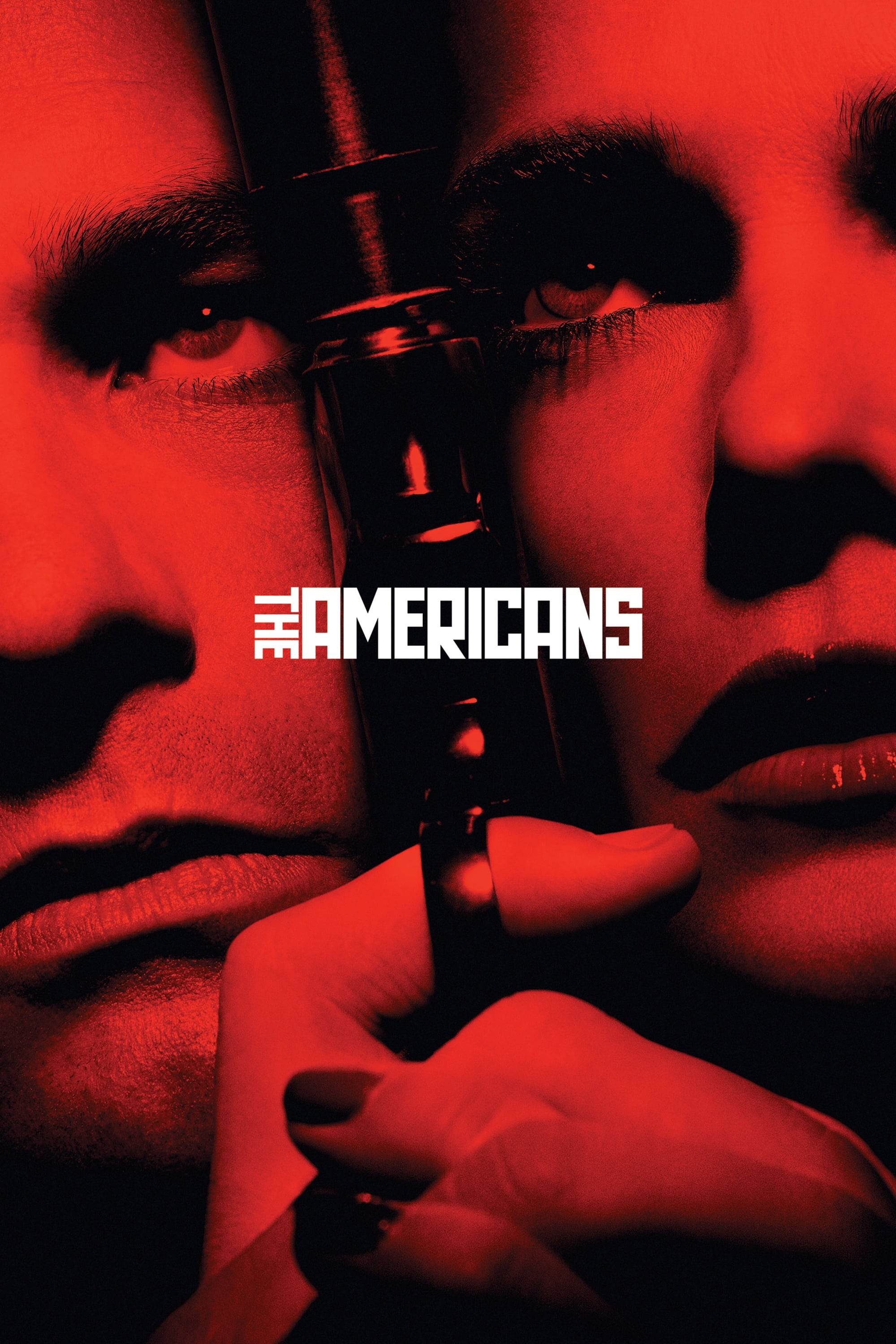
FX’s ‘The Americans’ is a Cold War espionage drama created by former CIA officer Joe Weisberg and set in early 1980s Washington DC. Keri Russell and Matthew Rhys play deep cover KGB operatives posing as a suburban couple while running complex operations across six seasons. The series incorporated historical events and agencies and featured a strong supporting cast including Noah Emmerich as an FBI counterintelligence agent.
Production used period cars, wardrobe, and technology to root missions in the analog tradecraft of the era. The show earned multiple awards, including an Emmy for Matthew Rhys and repeated recognition from the Peabody Awards. Its music supervision highlighted contemporary tracks that anchored key sequences, and the writers room kept a detailed internal timeline to align family life with spy activity.
‘The Knick’ (2014–2015)
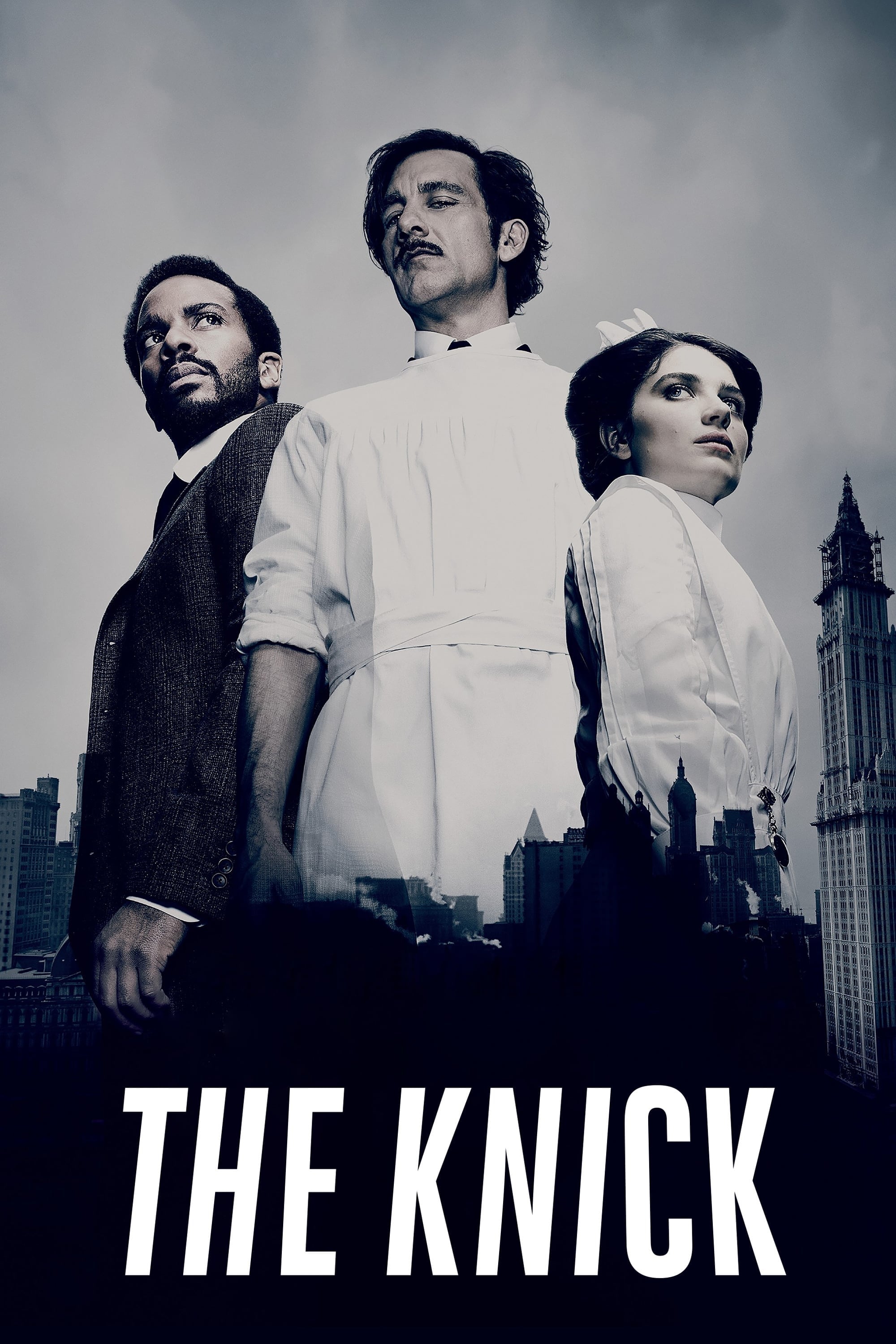
Cinemax’s ‘The Knick’ is a two season medical drama directed by Steven Soderbergh, who shot and edited every episode. Set in early twentieth century New York City, it stars Clive Owen as the lead surgeon at a hospital experimenting with risky procedures before antibiotics and modern anesthesia. The production staged surgical set pieces with period instruments and prosthetics designed to reflect medical knowledge of the time.
The series used a modern electronic score by Cliff Martinez that contrasted with its historical setting while the camera favored long takes to capture full operations and crowded wards. Storylines addressed hospital funding, racial segregation in medicine, and the adoption of electricity and x ray technology. The show became a signature title for Cinemax’s push into prestige drama.
‘Mr. Robot’ (2015–2019)
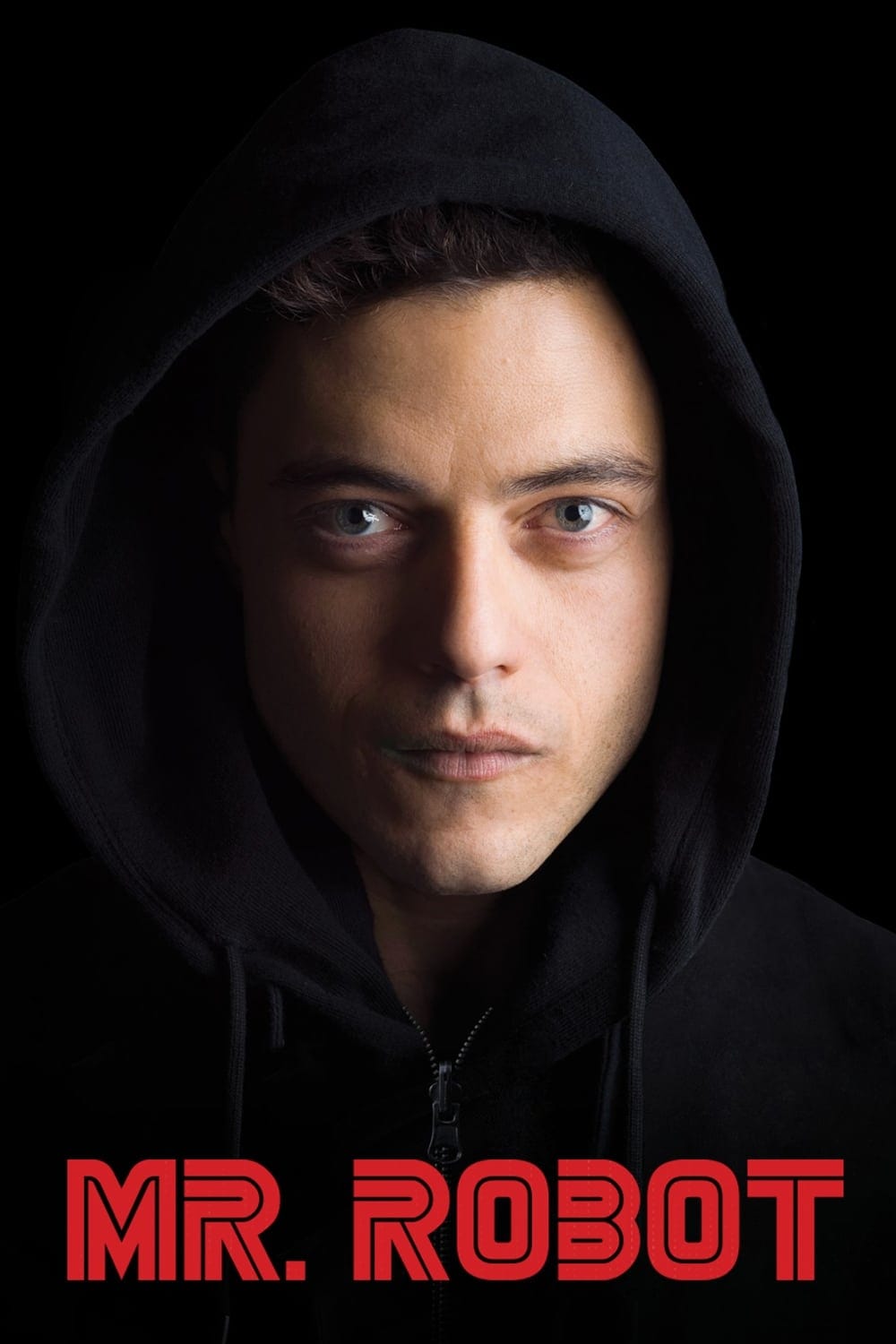
USA Network’s ‘Mr. Robot’ centers on cybersecurity engineer and hacker Elliot Alderson, portrayed by Rami Malek, in a four season story about corporate breaches and digital sabotage. Created by Sam Esmail, the series combined realistic command line techniques with psychological drama and used New York locations for its urban scale. The pilot won awards on the festival circuit, leading to a rapid series pickup.
The production favored distinctive visual framing, including negative space compositions and carefully placed insert shots of tools and code. Rami Malek won an Emmy for lead actor, and the show received a Golden Globe for best drama series. Later seasons integrated long unbroken sequences and bottle episodes that matched narrative stakes with formal experimentation.
‘Mad Men’ (2007–2015)
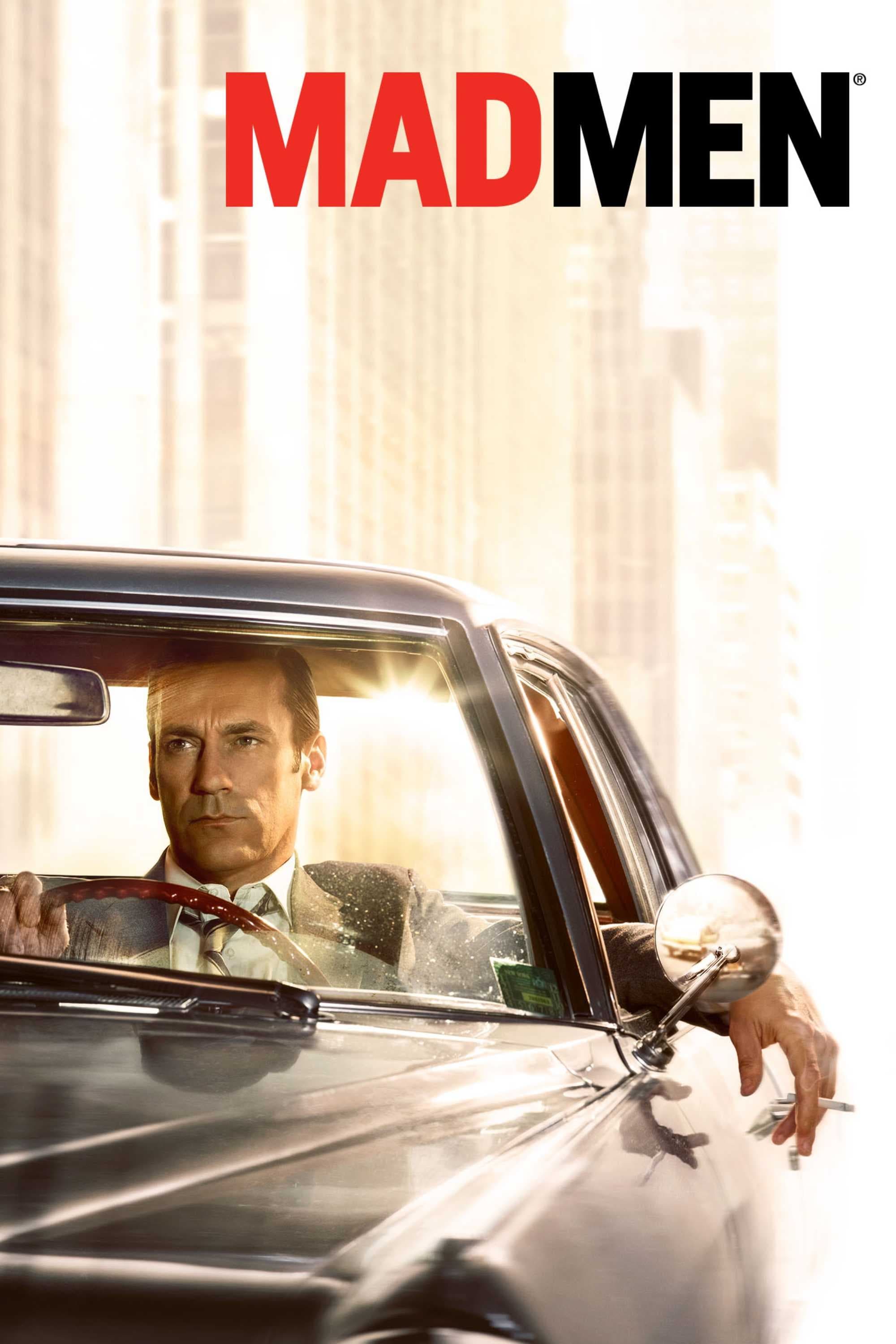
AMC’s ‘Mad Men’ is a period workplace drama created by Matthew Weiner and set inside a Madison Avenue advertising agency during the 1960s. The series ran for seven seasons with Jon Hamm, Elisabeth Moss, Christina Hendricks, John Slattery, and January Jones leading an ensemble across 92 episodes. Production design, props, and cinematography tracked historic shifts in fashion, office culture, and consumer goods.
The show won multiple Emmys, including four consecutive awards for outstanding drama series. Writers blended original campaigns with real brands and regulatory changes while licensing contemporary music for key scenes. Episodes recorded industry procedures from pitch meetings to focus groups and included depictions of mergers, new media channels, and demographic research.
‘Boardwalk Empire’ (2010–2014)
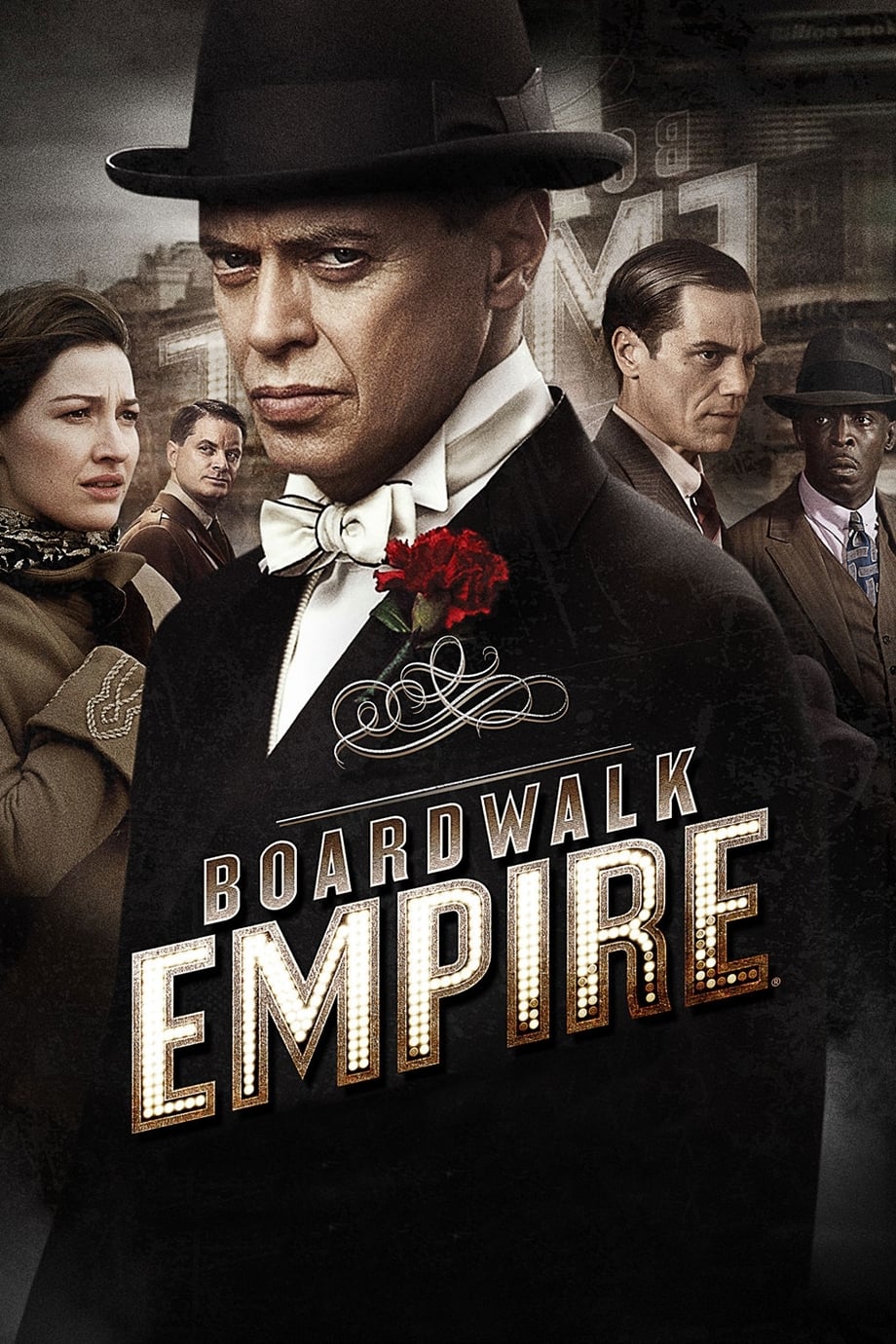
HBO’s ‘Boardwalk Empire’ chronicles Prohibition era politics and bootlegging in Atlantic City. Created by Terence Winter, the series starred Steve Buscemi as political boss Enoch Nucky Thompson and featured a large ensemble across five seasons. The pilot was directed by Martin Scorsese, and a full scale period boardwalk set anchored production throughout the run.
The show documented alliances between city machines and national figures as Prohibition reshaped revenue and law enforcement. Costuming tracked changing styles through the 1920s, and the storylines moved between Atlantic City, New York, and Chicago to cover routes, rackets, and federal investigations. The series received multiple Emmys for production design, costumes, and cinematography.
‘Deadwood’ (2004–2006)
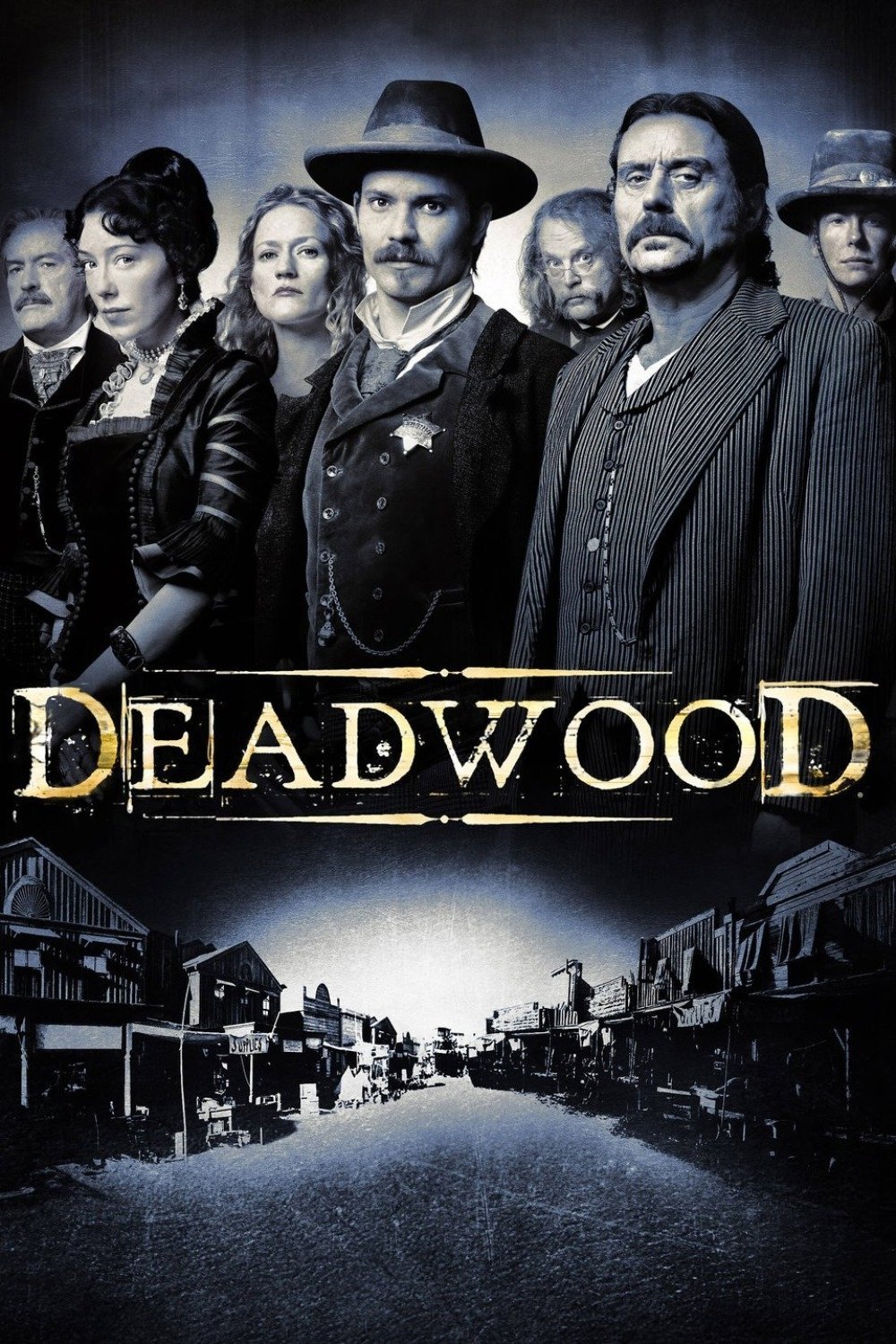
HBO’s ‘Deadwood’ is a western set in a lawless South Dakota mining camp during the 1870s. Created by David Milch, the series ran for three seasons with Timothy Olyphant and Ian McShane among its principal cast. The production built a full town set with evolving storefronts and muddy streets to match growth as claims changed hands.
Dialogue drew on period documents and contemporary linguistic research to shape legal disputes, saloon dealings, and territorial politics. The show returned with ‘Deadwood: The Movie’ in 2019 to provide a concluding chapter featuring many original cast members. Episodes explored the transition from informal arrangements to formal governance through courts, telegraph, and rail.
‘Rome’ (2005–2007)
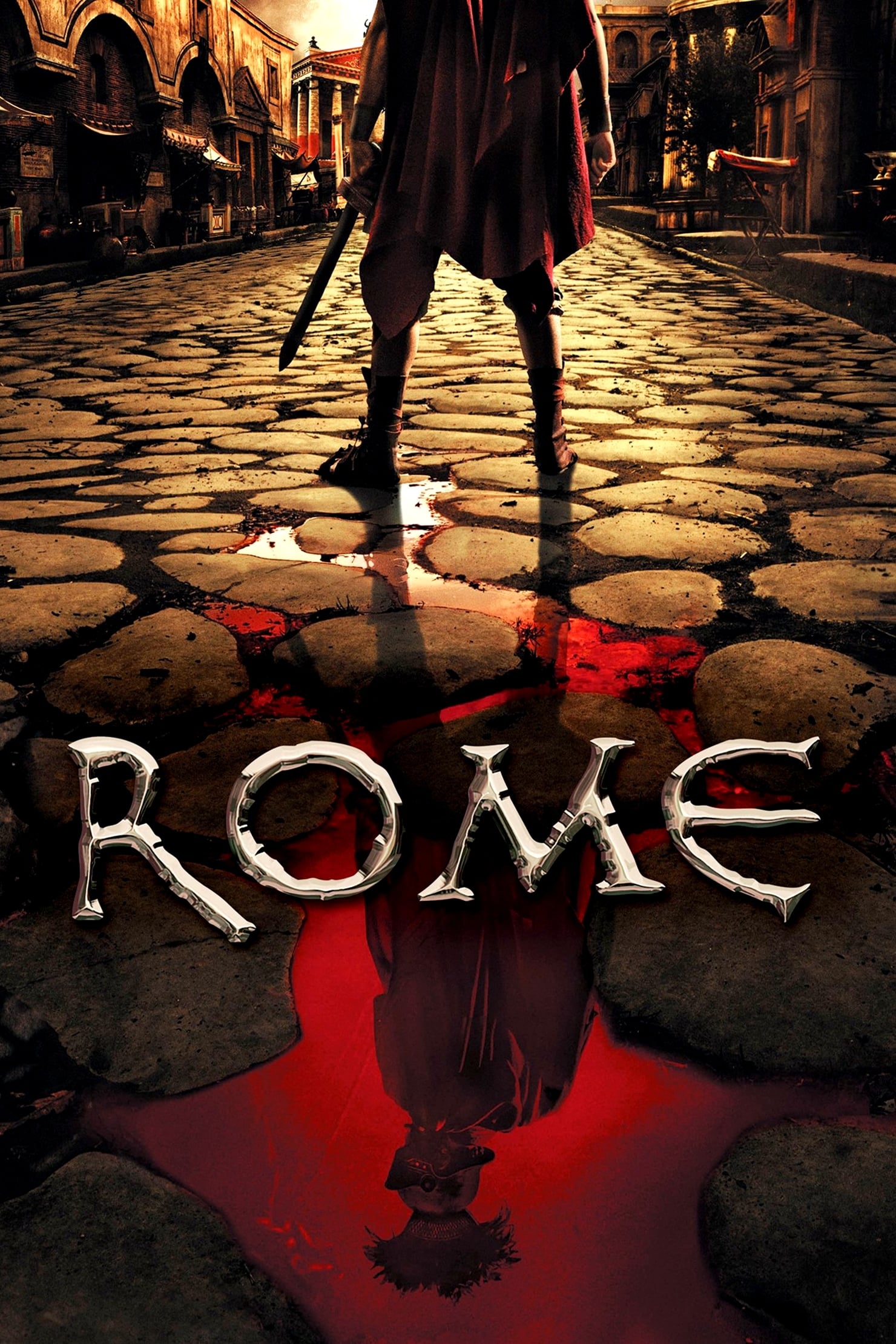
A co production between HBO, BBC, and Rai, ‘Rome’ tells the story of the late Republic through the eyes of soldiers and politicians. The series ran for two seasons and filmed on extensive sets at Cinecittà Studios in Italy. Kevin McKidd and Ray Stevenson starred alongside an ensemble portraying historical figures including Julius Caesar and Mark Antony.
The production invested heavily in costumes, props, and crowd scenes to depict civic rituals, military campaigns, and domestic life. Scripts followed political alliances and reforms while interweaving household storylines to connect major events with daily realities. Budget considerations and set losses contributed to its shortened run, yet the scope covered a large span from civil war to the rise of Octavian.
‘Oz’ (1997–2003)
HBO’s ‘Oz’ is set inside the experimental Emerald City unit of the Oswald State Correctional Facility. Created by Tom Fontana, it ran for six seasons and is widely noted as the network’s first hour long original drama. The series used a rotating cast of inmates and staff to show administration, healthcare, and gang structures within a maximum security prison.
Production design emphasized modular cells and glass partitions that allowed complex choreography within scenes. Episodes introduced and retired characters frequently to reflect violence, transfers, and parole decisions. The anthology like casting across arcs helped launch or expand the careers of many actors who later appeared in other cable dramas.
‘Six Feet Under’ (2001–2005)
HBO’s ‘Six Feet Under’ centers on a family owned funeral home in Los Angeles. Created by Alan Ball, the series ran for five seasons with Peter Krause, Michael C Hall, Frances Conroy, Lauren Ambrose, and Rachel Griffiths. Each episode opened with a death that connected to the week’s preparations and personal developments for the Fisher family.
The writers used the business’s logistics to explore embalming, memorial planning, and the economics of independent mortuaries. Music cues and dream sequences were integrated to show interior perspectives while the production maintained a consistent house set that aged across seasons. The series earned multiple Emmys for acting and writing.
‘Battlestar Galactica’ (2004–2009)
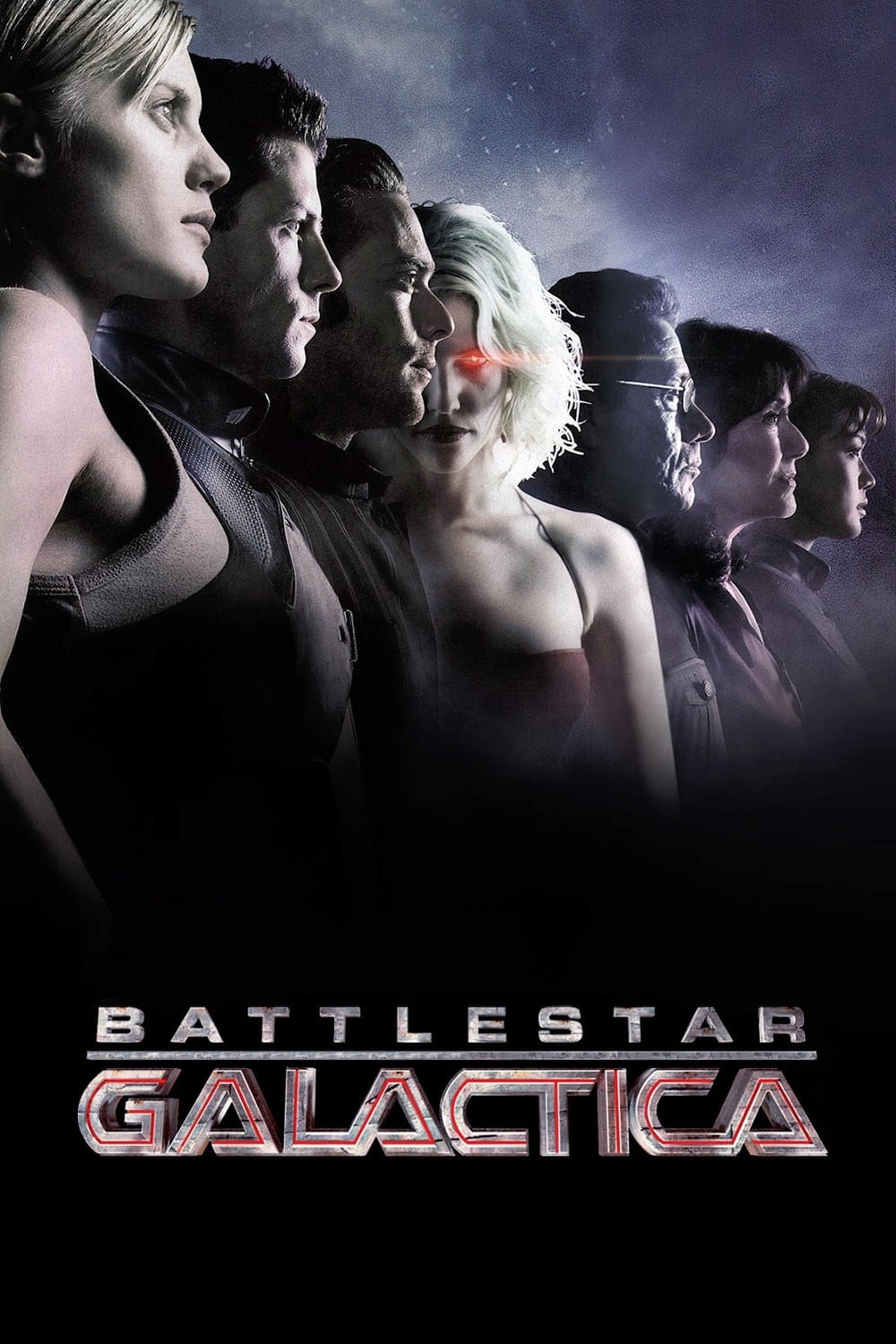
Syfy’s ‘Battlestar Galactica’ reimagines the 1978 space opera as a serialized military and political drama. Developed by Ronald D Moore, it began with a miniseries before a four season run. Edward James Olmos and Mary McDonnell led the cast as survivors flee a Cylon attack and manage a civilian fleet while searching for a new home.
The series used handheld cinematography and model work combined with digital effects to stage space battles and shipboard life. It received a Peabody Award and recognition for visual effects and sound. The production created a detailed ship layout, rank structure, and command protocols that grounded its science fiction setting in consistent procedures.
‘South Park’ (1997–present)
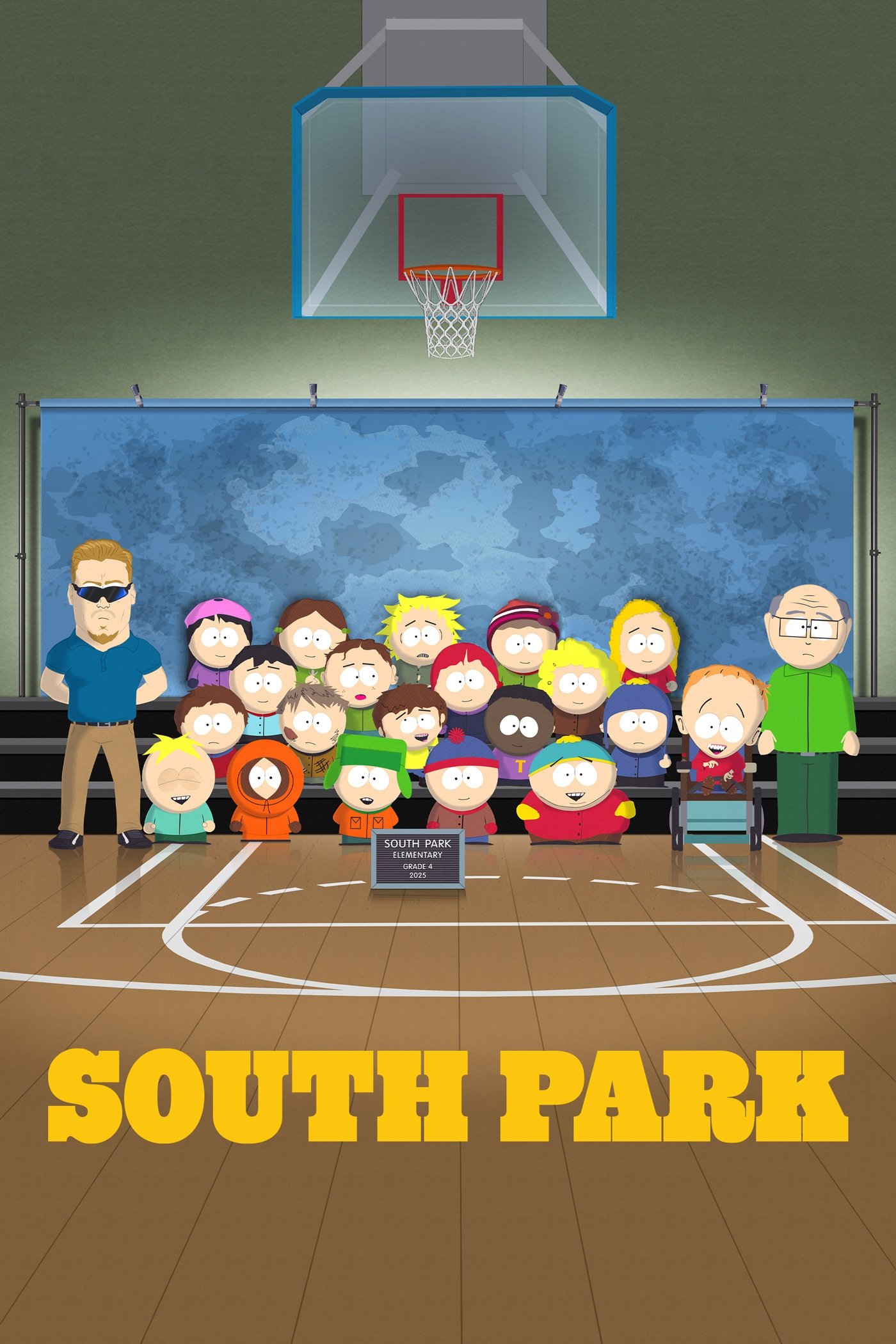
Comedy Central’s ‘South Park’ is an animated series from Trey Parker and Matt Stone set in a Colorado mountain town. The show began with construction paper inspired animation and evolved into a digital pipeline that enables rapid production of topical episodes. Voice work, music, and writing are led by Parker and Stone with a small core team.
The series has produced hundreds of episodes across multiple decades while adding specials and films under new distribution agreements. Its schedule allows quick turnarounds that reference current events within days. Merchandising, games, and tours expanded the brand while the main series remains anchored to the original quartet of school friends.
‘The Shield’ (2002–2008)
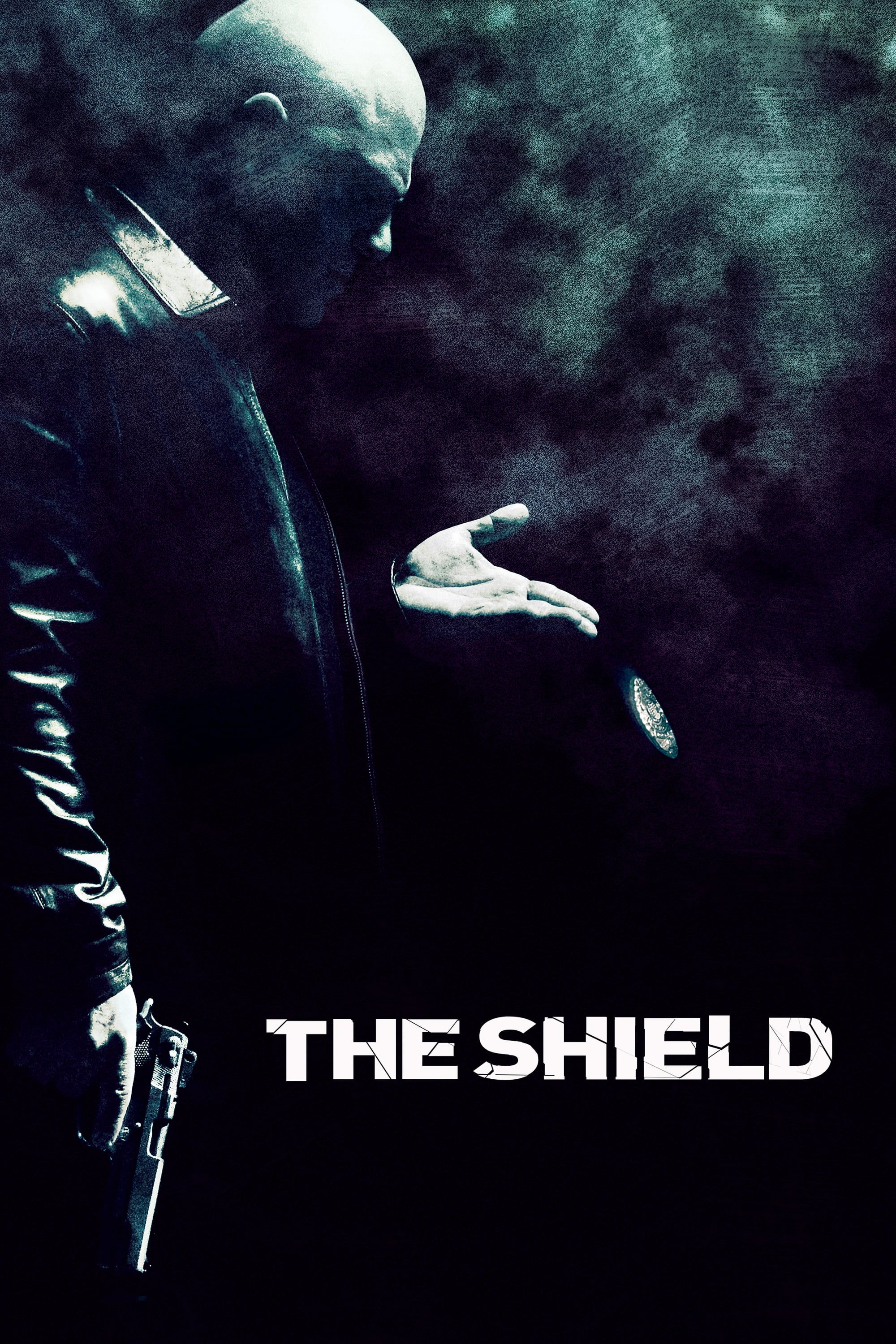
FX’s ‘The Shield’ follows an elite Los Angeles police unit led by Vic Mackey, portrayed by Michael Chiklis. The series ran for seven seasons and was shot with handheld cameras and available light to emphasize immediacy. It premiered with strong ratings for the network and helped establish FX as a home for gritty serialized drama.
Michael Chiklis won both an Emmy and a Golden Globe for his performance. The show’s production schedule balanced standalone cases with long arcs about internal affairs investigations and corruption. Its finale closed out multiple seasons of planted evidence and crew dynamics through a story built around informant agreements and task force assignments.
‘It’s Always Sunny in Philadelphia’ (2005–present)
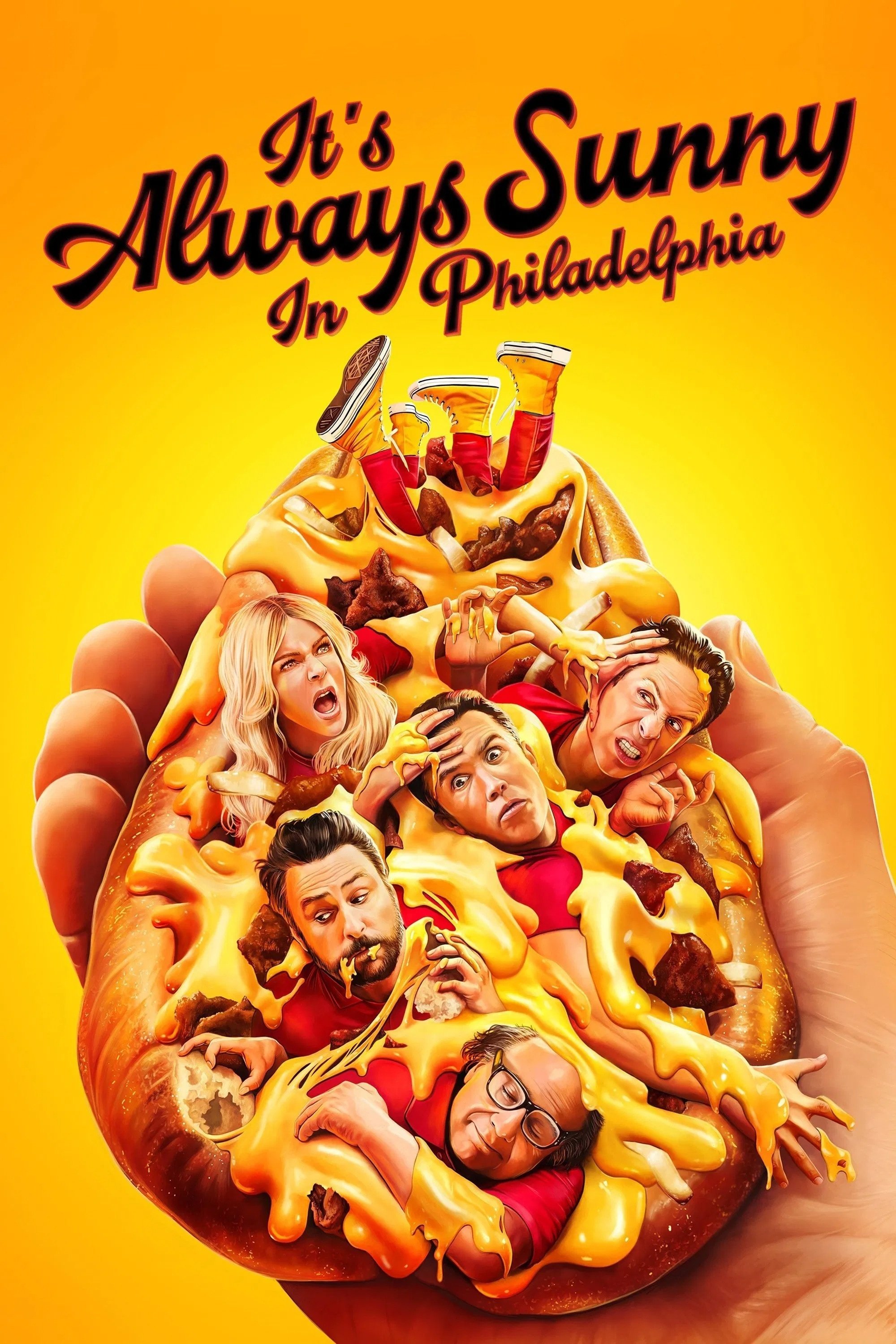
FX and later FXX air ‘It’s Always Sunny in Philadelphia’, a long running comedy created by Rob McElhenney. The series stars McElhenney, Glenn Howerton, Charlie Day, Kaitlin Olson, and Danny DeVito, who joined in the second season. It is set around a South Philadelphia bar and uses half hour episodes that often return to recurring schemes and side characters.
The show’s production moved from ultra low budget beginnings to a stable schedule while retaining a small writers room led by the cast. It became the longest running live action American sitcom by seasons and expanded into podcasts and live shows. Episodes frequently build on earlier plots, allowing the ensemble to revisit and escalate familiar situations.
‘Curb Your Enthusiasm’ (2000–2024)

HBO’s ‘Curb Your Enthusiasm’ stars Larry David as a fictionalized version of himself navigating social misfires in Los Angeles and beyond. The series released seasons intermittently across two decades and used loose outlines rather than fully scripted scenes, relying on improvisation from guest stars and the core cast.
Production kept a nimble footprint by shooting in real locations with a single camera style. The show featured recurring arcs involving personal and professional misadventures while bringing back characters from early seasons for later payoffs. Its final season arrived in 2024, closing a run that spanned changing platforms and viewing habits.
‘The Leftovers’ (2014–2017)
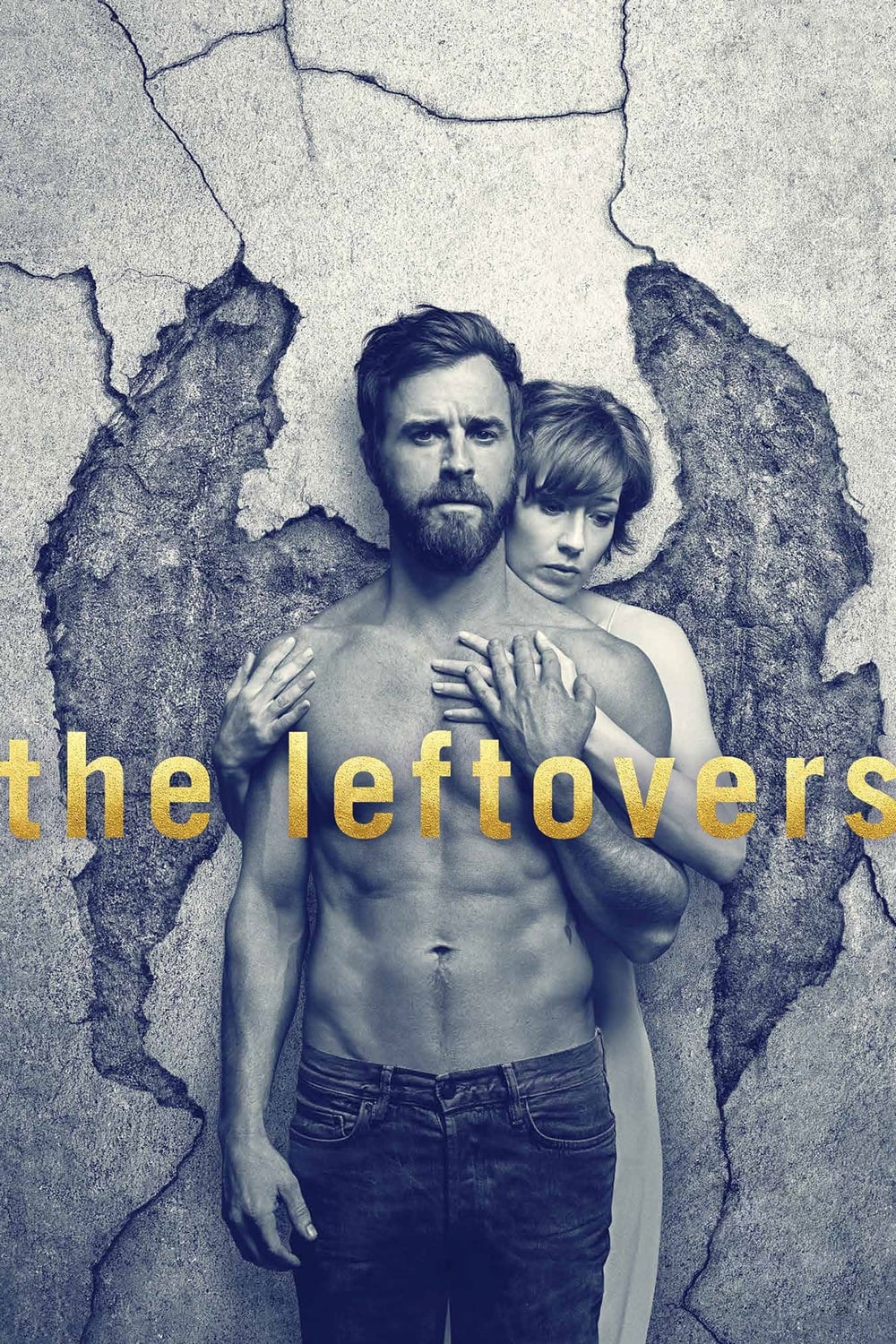
HBO’s ‘The Leftovers’ adapts Tom Perrotta’s novel and was developed by Perrotta and Damon Lindelof. The series begins three years after a global event in which a significant share of the population vanishes and follows survivors across three seasons. It stars Justin Theroux, Carrie Coon, Christopher Eccleston, and Regina King.
Production relocated each year, moving from New York to Texas and then to Australia as the narrative shifted focus. The show mixed grounded drama with spiritual and metaphysical questions while maintaining a consistent episode count that allowed compact seasons. Music by Max Richter and careful sound design supported the show’s reflective tone.
‘Fargo’ (2014–present)
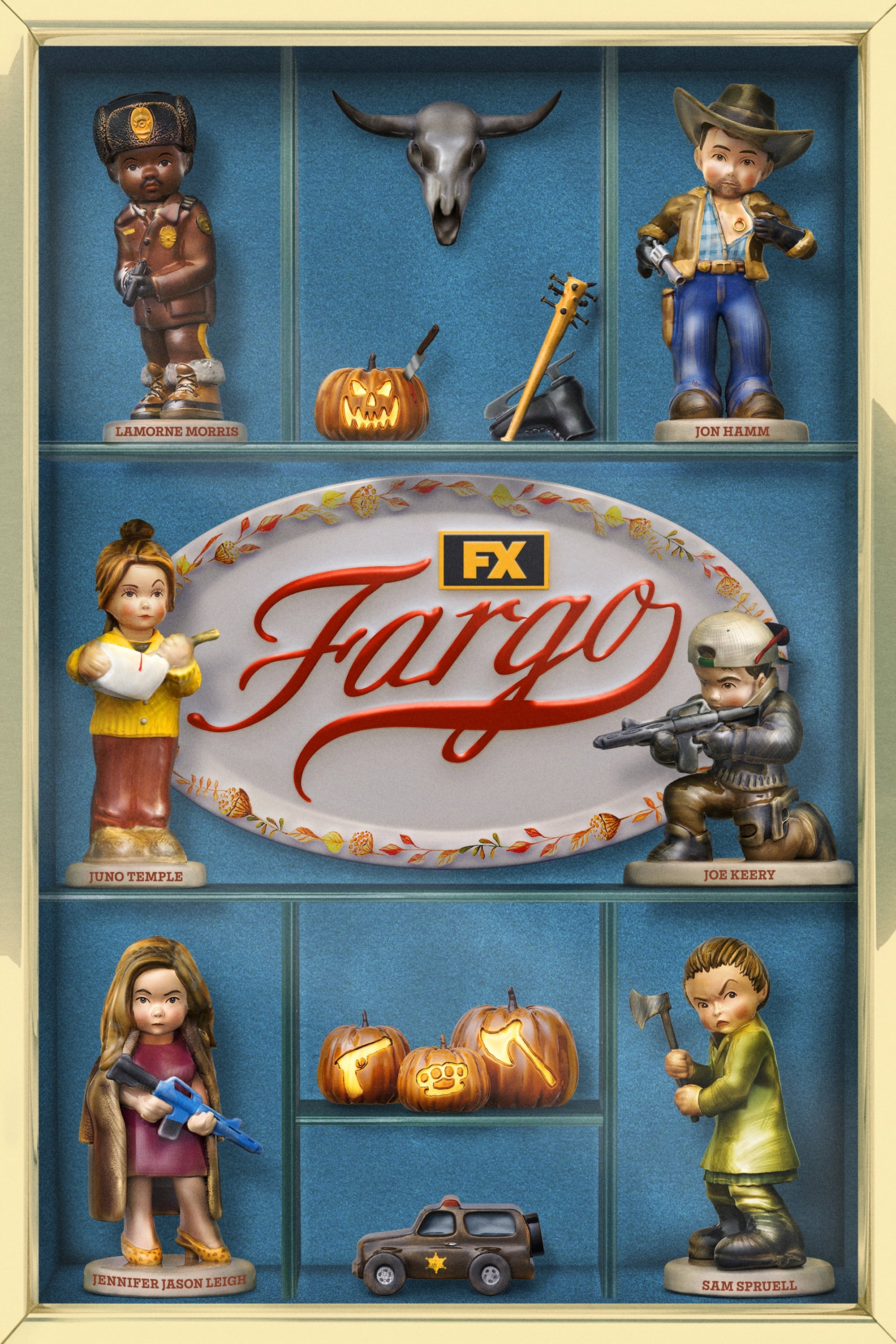
FX’s ‘Fargo’ is an anthology series created by Noah Hawley and inspired by the Coen brothers’ film. Each season features a new cast, location, and era while maintaining thematic links to criminal schemes gone sideways. The series has starred performers including Billy Bob Thornton, Kirsten Dunst, Ewan McGregor, Chris Rock, and Juno Temple.
The show employs a distinct visual grammar with title cards and wry on screen notes, along with snowbound or prairie backdrops depending on the year. Production units build complete towns or neighborhoods that fit the season’s timeline, and scripts layer local lore with interstate crime. The series has collected multiple Emmys for acting and writing.
‘True Detective’ (2014–present)
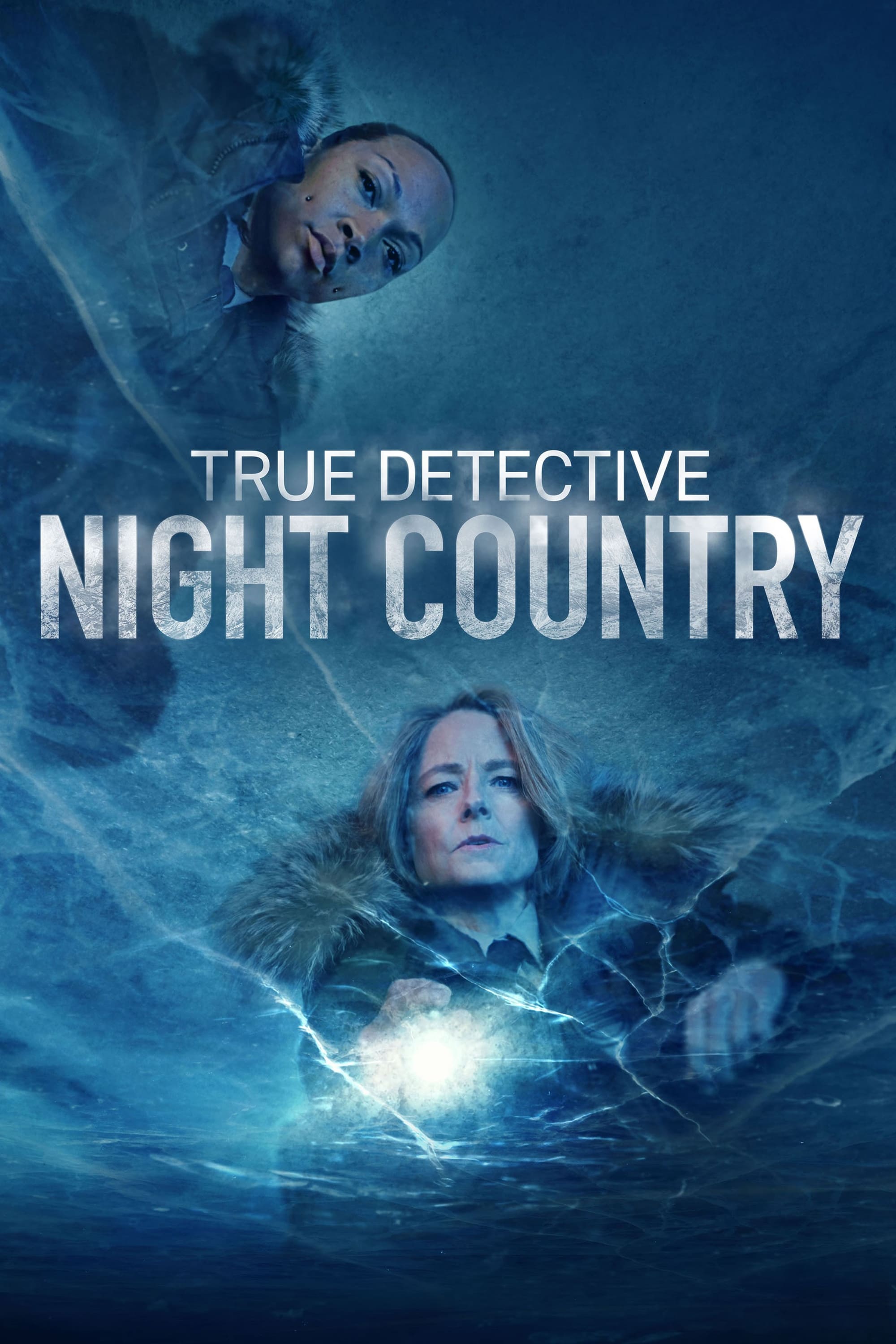
HBO’s ‘True Detective’ launched as an anthology series created by Nic Pizzolatto. Season one starred Matthew McConaughey and Woody Harrelson in a case that unfolded across two timelines. Subsequent seasons told new stories with new casts, including a 2024 installment subtitled ‘Night Country’ led by Jodie Foster and produced with Issa López as showrunner.
The series is known for single case seasons that use eight or fewer episodes to trace investigations from discovery to resolution. Directors such as Cary Joji Fukunaga brought long take sequences and controlled color palettes to the early run. Later seasons shifted settings and climates while retaining the structure of parallel personal and professional unraveling.
‘Rick and Morty’ (2013–present)
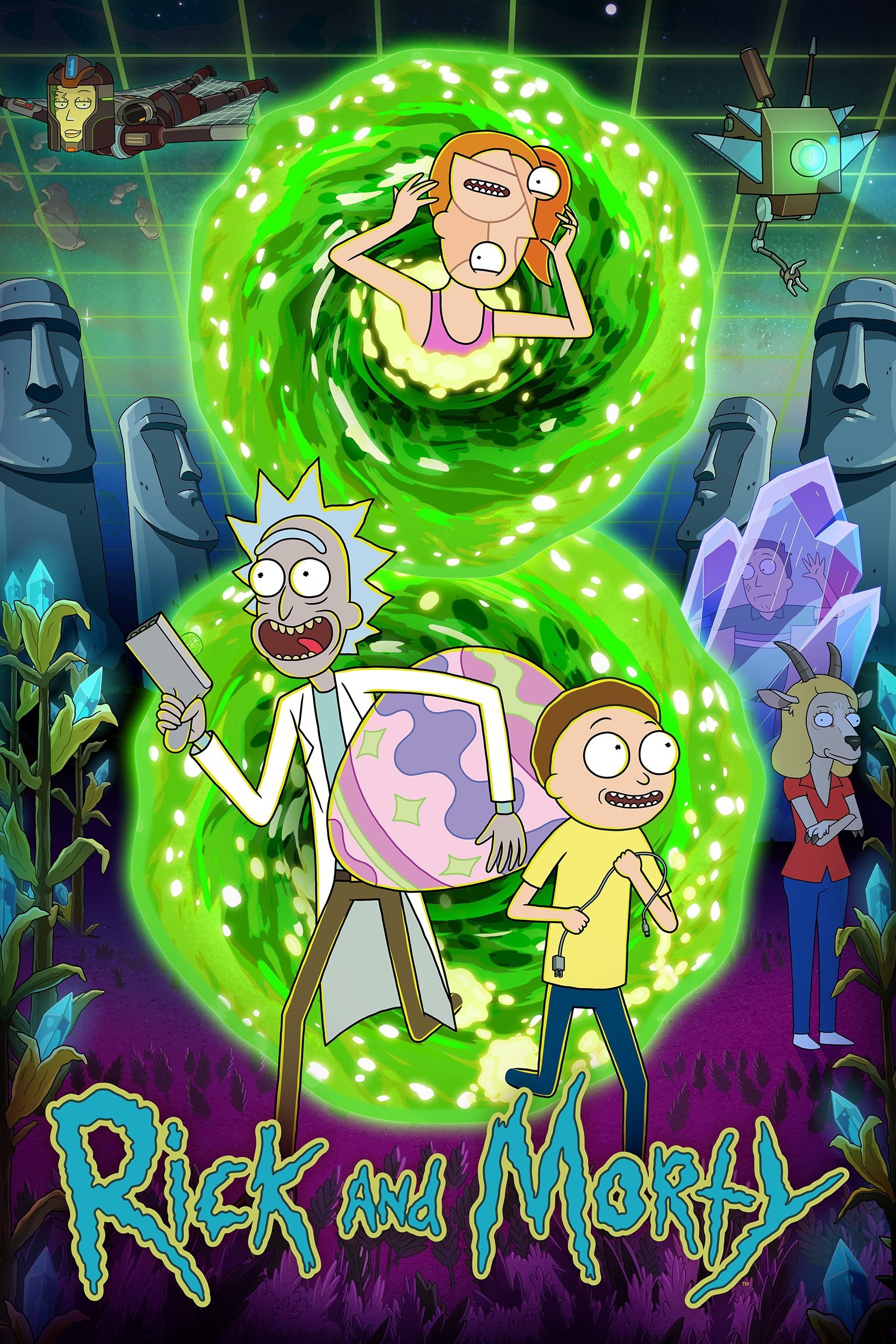
Adult Swim’s ‘Rick and Morty’ is an animated science fiction comedy created by Dan Harmon and Justin Roiland. The series follows a dimension hopping scientist and his grandson through standalone adventures that connect to a larger continuity. A long term episode order secured production stability, and later seasons recast principal voices while maintaining writing and animation teams.
Episodes experiment with formal devices like clip shows built from original material, anthology interludes, and self contained bottle episodes. The show’s success expanded into comics and games while the main series continued to deliver tightly timed half hours. Animation pipelines moved between studios while retaining a consistent look and rapid visual gags.
‘The Sopranos’ (1999–2007)
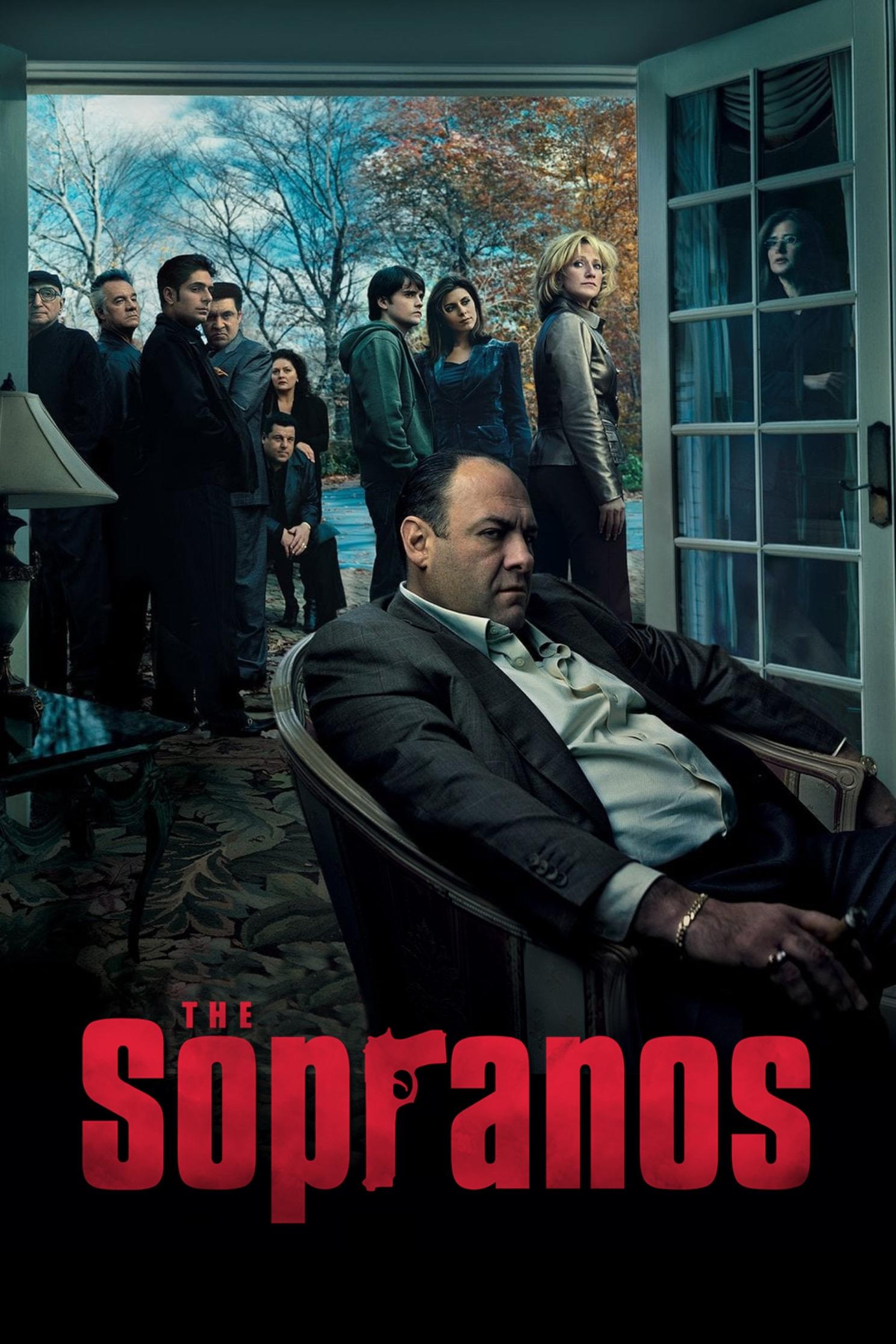
HBO’s ‘The Sopranos’ follows New Jersey crime boss Tony Soprano as he balances family life with leadership of a criminal organization. Created by David Chase, the series ran for six seasons and starred James Gandolfini, Edie Falco, Lorraine Bracco, and Michael Imperioli. The production used North Jersey and New York locations and employed a mix of studio sets and practical sites.
The show won multiple Emmys and influenced casting and writers rooms across cable networks that followed. Episodes combined therapy sessions, business disputes, and domestic scenes, with music supervision that often placed classic tracks over montage. The finale aired in 2007 and remains a major cultural reference point for cable era storytelling.
‘Game of Thrones’ (2011–2019)
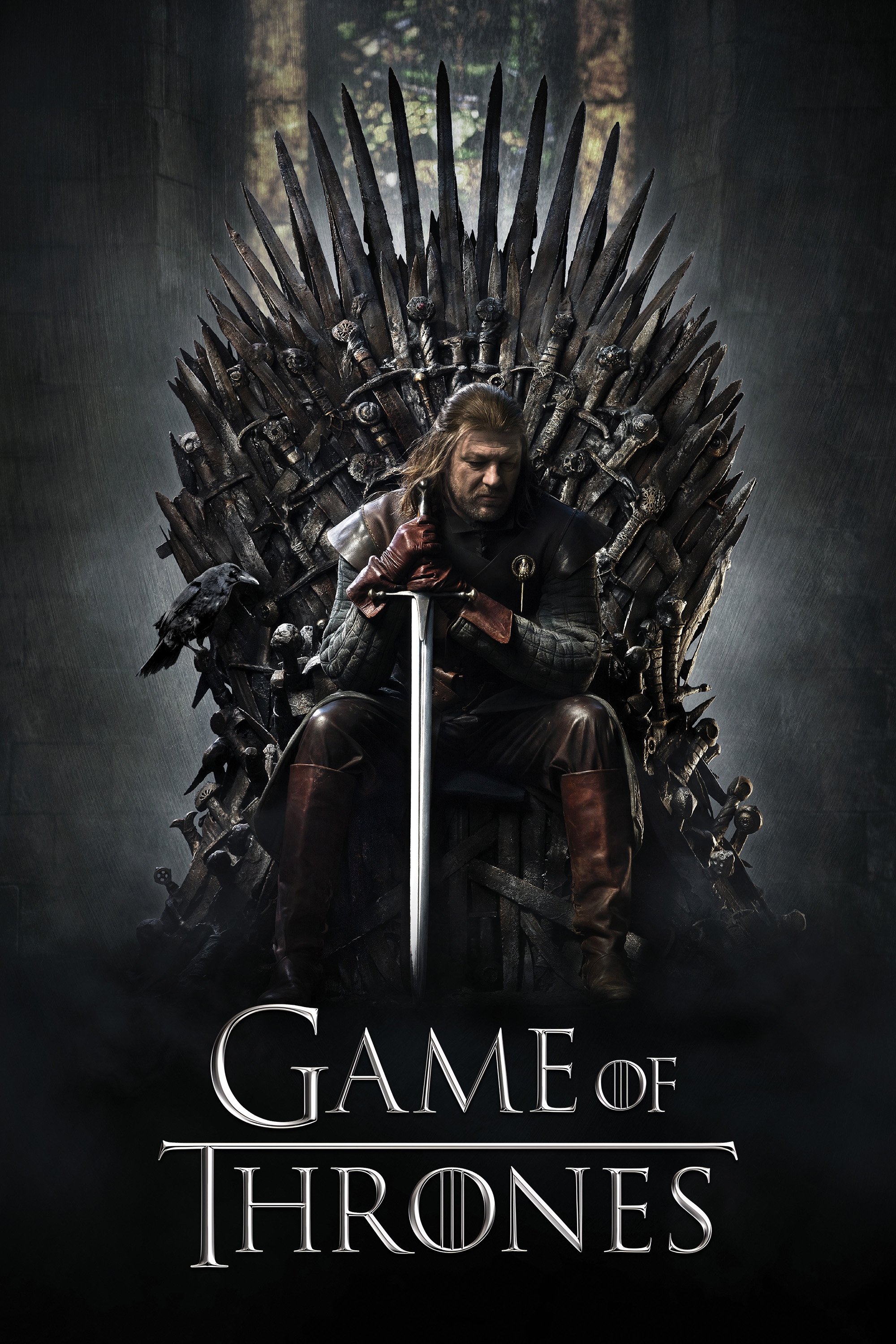
HBO’s ‘Game of Thrones’ adapts George RR Martin’s fantasy saga into eight seasons of large scale production. Filming took place across several countries and involved multiple units working simultaneously. The show assembled a large ensemble cast and introduced characters and regions gradually while tracking dynastic claims and alliances.
The series set ratings records for the network and collected a record number of Emmys for a drama. Battle episodes employed extended night shoots, stunts, horse work, and large extras calls to stage sieges and field engagements. Visual effects vendors collaborated across continents to render creatures, landscapes, and environments.
‘The Wire’ (2002–2008)
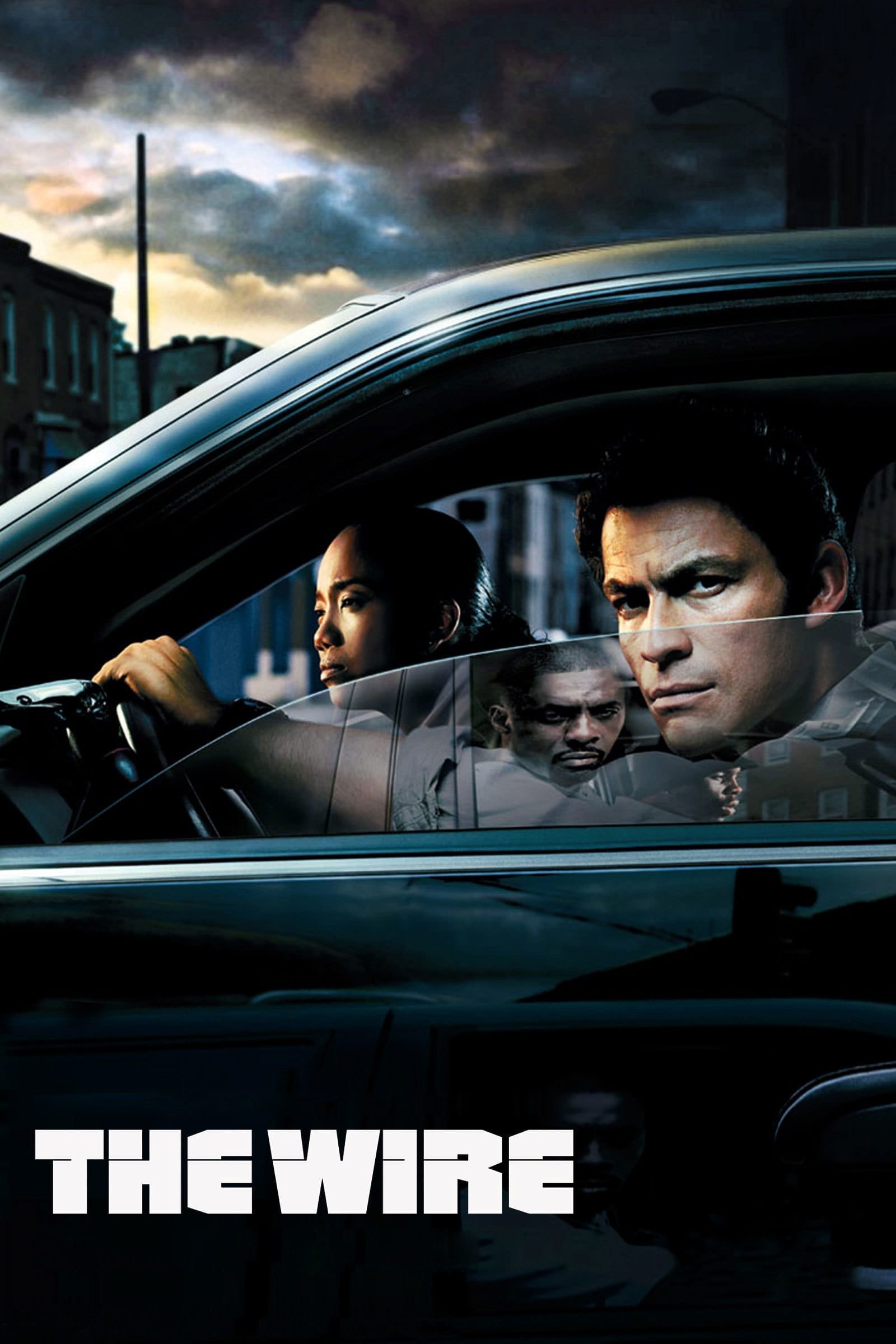
HBO’s ‘The Wire’ was created by David Simon with frequent collaborator Ed Burns and set in Baltimore. The five season structure examined a different civic institution each year, including the drug trade, the port, city hall, public schools, and the press. The series used a large ensemble cast featuring Dominic West, Idris Elba, Sonja Sohn, Wendell Pierce, and Michael K Williams.
Writers drew on reporting and case work to depict long investigations, budget constraints, and political tradeoffs. The production filmed on location, and episodes often followed multiple organizations in parallel to show how incentives shape outcomes. The show’s casting and crew pipeline fostered further projects from the same creative team on cable.
‘Chernobyl’ (2019)
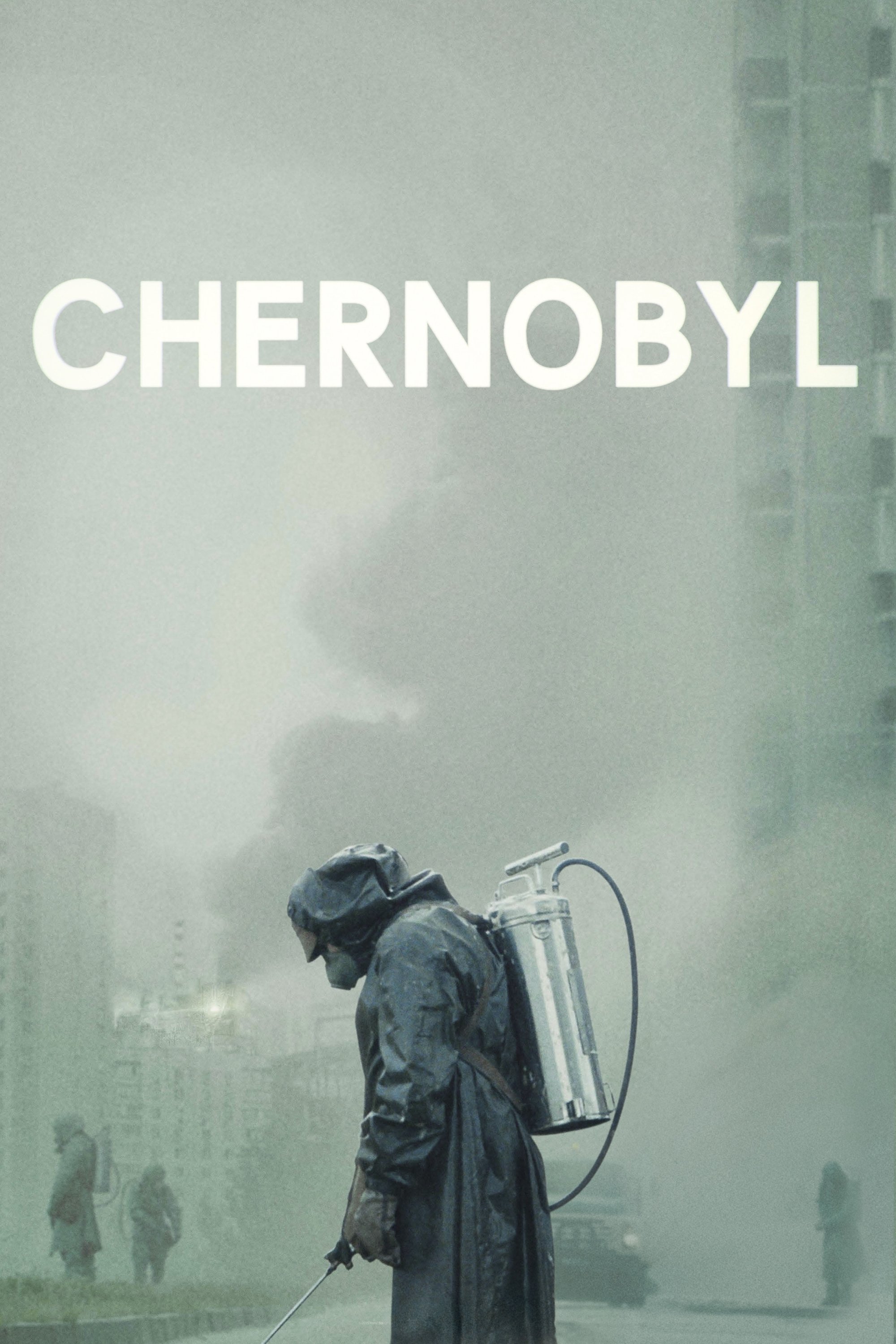
HBO’s ‘Chernobyl’ is a five part limited series created by Craig Mazin that dramatizes the 1986 nuclear accident in the Soviet Union. The production filmed in Lithuania and other Eastern European locations that could replicate the power plant and nearby city. Jared Harris, Stellan Skarsgård, and Emily Watson led the cast.
The series detailed emergency response, evacuation, and investigation procedures through recreated control rooms, hospital wards, and court proceedings. It received multiple Emmys including outstanding limited series. Props and visual effects blended practical builds with digital elements to depict graphite fires, helicopter operations, and cleanup logistics.
‘Band of Brothers’ (2001)
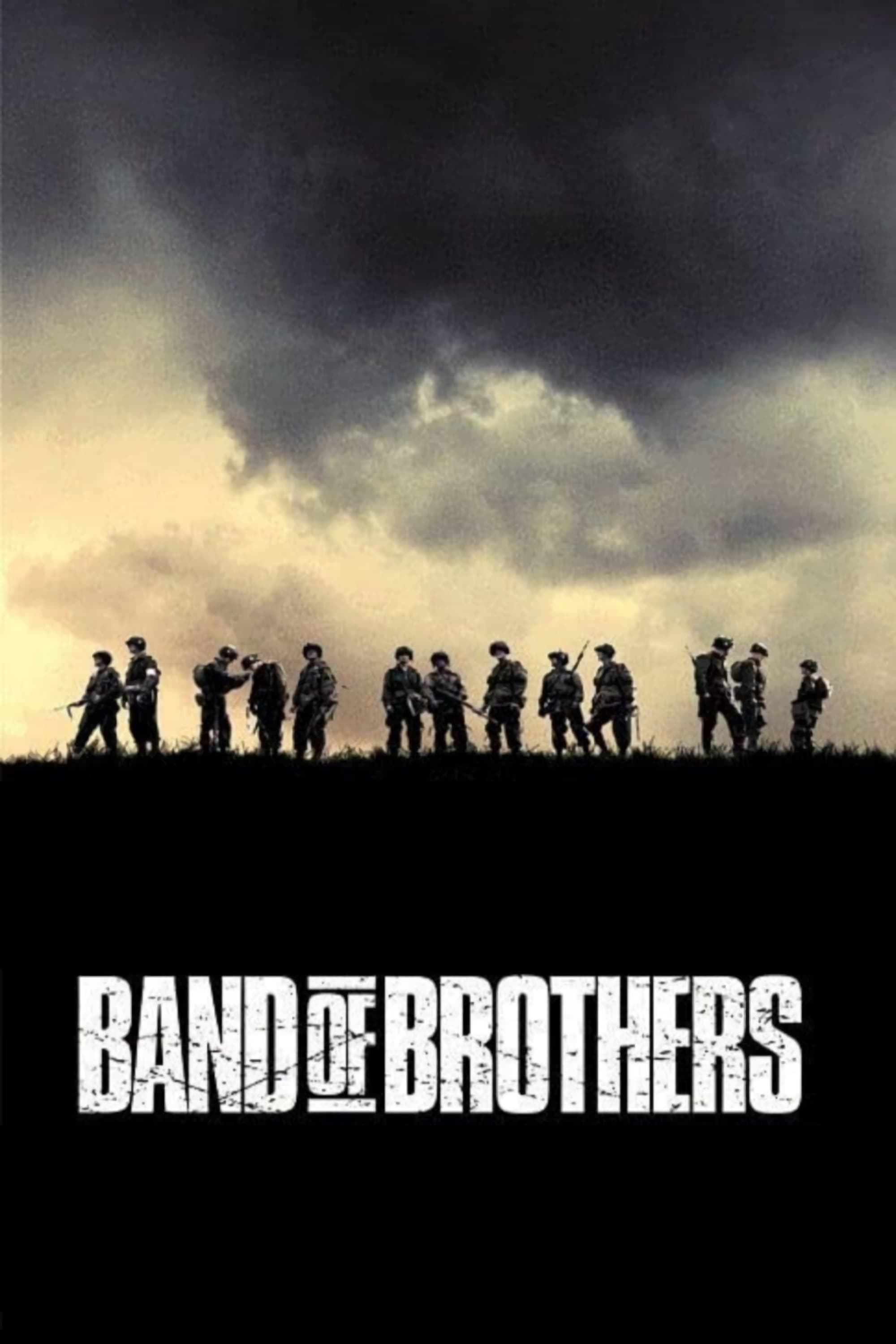
HBO’s ‘Band of Brothers’ is a ten episode limited series produced by Steven Spielberg and Tom Hanks and based on Stephen E Ambrose’s book. It follows Easy Company of the 506th Parachute Infantry Regiment from training through major European campaigns. The production constructed large outdoor sets and used extensive pyrotechnics and period vehicles.
The series employed interviews with surviving veterans to frame episodes and provide historical context. It won multiple Emmys including outstanding miniseries and was followed by a related Pacific theater project on the same network. Casting featured many actors in early career roles who continued on to prominent film and television work.
‘Breaking Bad’ (2008–2013)
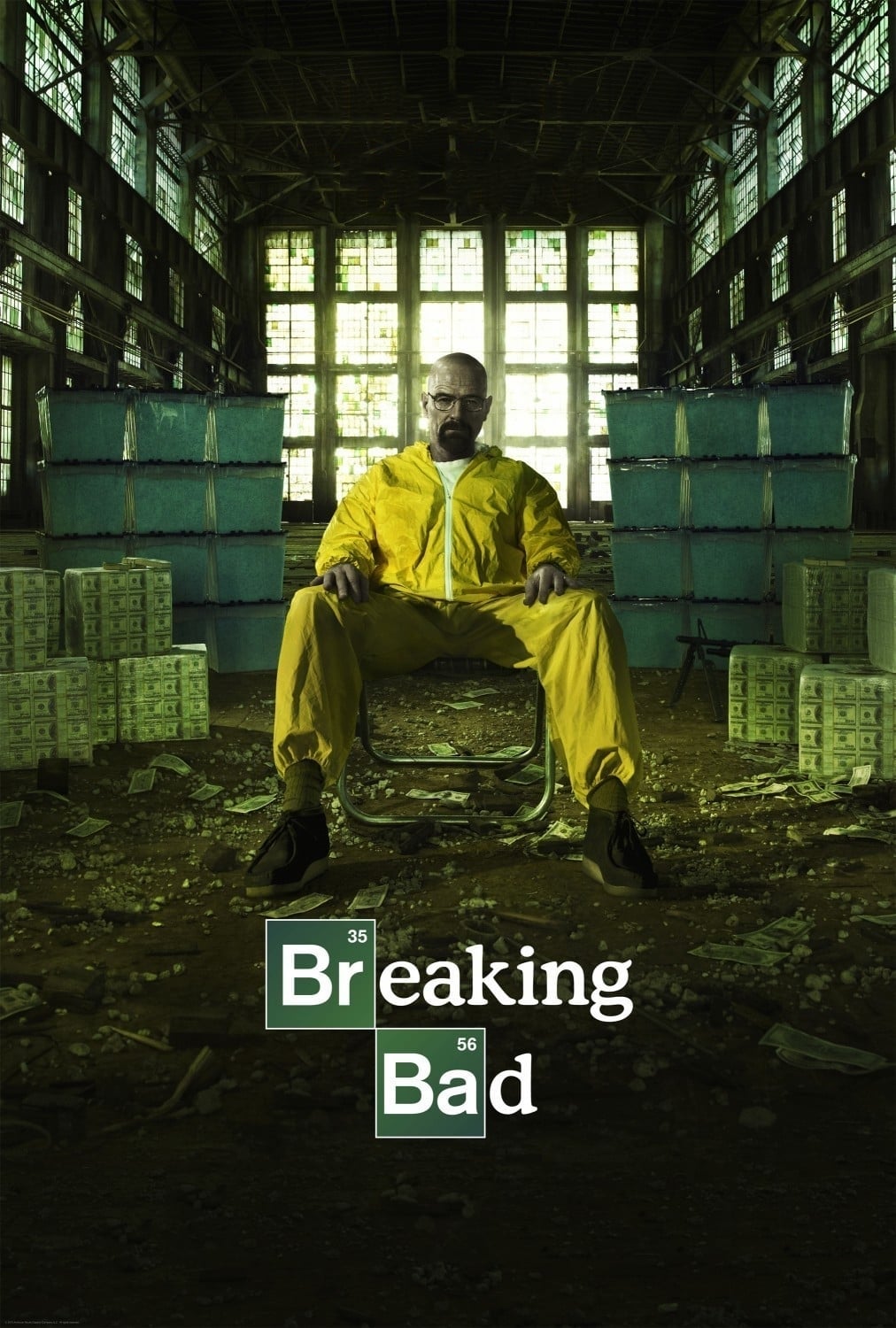
AMC’s ‘Breaking Bad’ was created by Vince Gilligan and filmed largely in Albuquerque, New Mexico. Over five seasons it follows a high school chemistry teacher who forms a partnership with a former student to manufacture and distribute methamphetamine. The series stars Bryan Cranston and Aaron Paul and includes a supporting cast led by Anna Gunn, Dean Norris, and Bob Odenkirk.
The production used a mix of practical stunts, visual effects, and real locations, including industrial sites and desert vistas. The show received multiple Emmys across acting, writing, and cinematography and later expanded into the prequel series ‘Better Call Saul’ and the film ‘El Camino’. The finale in 2013 closed out character arcs that had been set up since the pilot.
Share your own all time cable favorites in the comments and tell us which titles you think belong on this list.