


Top 20 Celebrity Boycotts of All Time

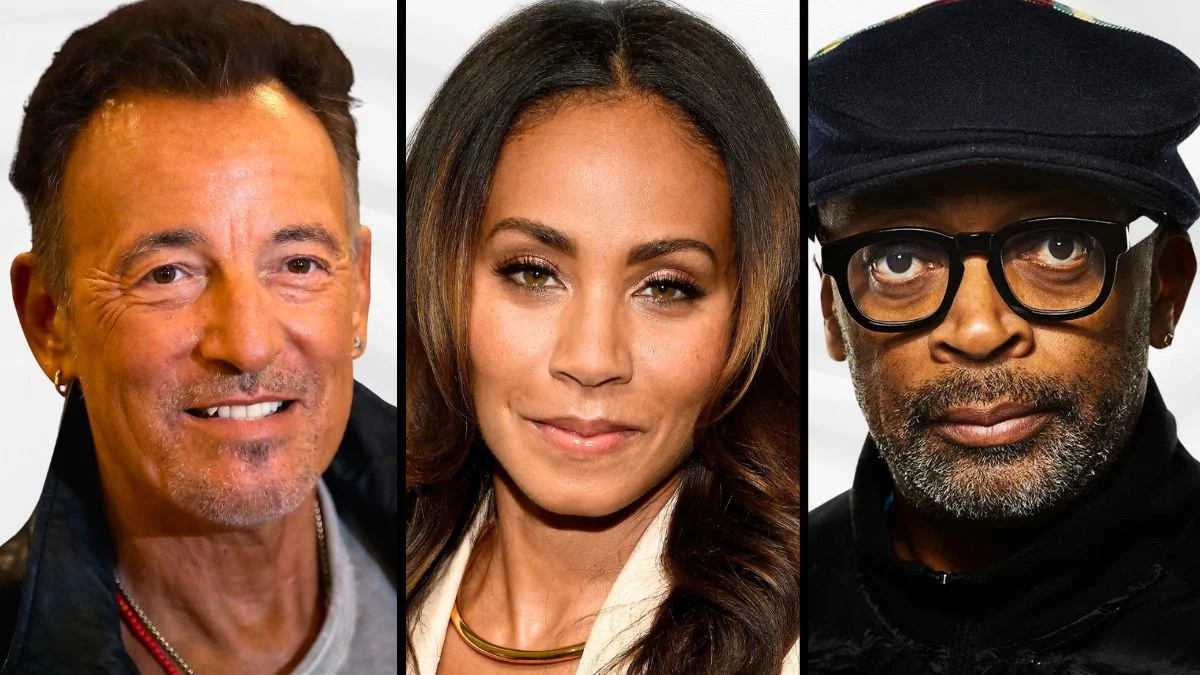


Celebrity boycotts come in many forms, from refusing award shows to pulling entire music catalogs from platforms. Each action aims to push for change, whether that means fair pay for artists, better representation, or opposition to laws and policies. These moments often ripple far beyond one event and can shift industry standards or corporate decisions.
This list rounds up major boycotts where famous figures took a stand by opting out. You will find concerts canceled in protest, ceremonies skipped to make a point, and platforms abandoned until policies shifted. Each entry explains what happened and what followed so you can see the cause, the action, and the outcome in clear terms.
Taylor Swift

In 2014 she removed her catalog from Spotify after raising concerns about free tier payouts and the value of recorded music. In 2015 she wrote an open letter to Apple Music about nonpayment during free trials and withheld her album until the company agreed to pay rights holders during that period.
Her actions led Apple to change its policy within days, and she later restored her music to major services after negotiating terms. The move put pressure on streaming platforms to address how free trials and tiers compensate artists and songwriters.
Pearl Jam
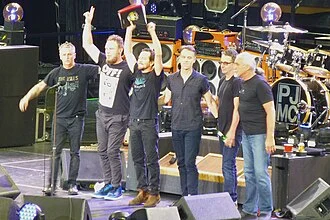
In the mid 1990s the band challenged Ticketmaster over service fees and tried to mount tours without using the company. They filed complaints and attempted to book alternative venues that did not rely on the dominant ticketing system.
The effort faced logistical barriers since many large venues were tied to Ticketmaster. Even so, the campaign drew national attention to ticketing practices and set a template for later pushback against live event fees.
The Weeknd
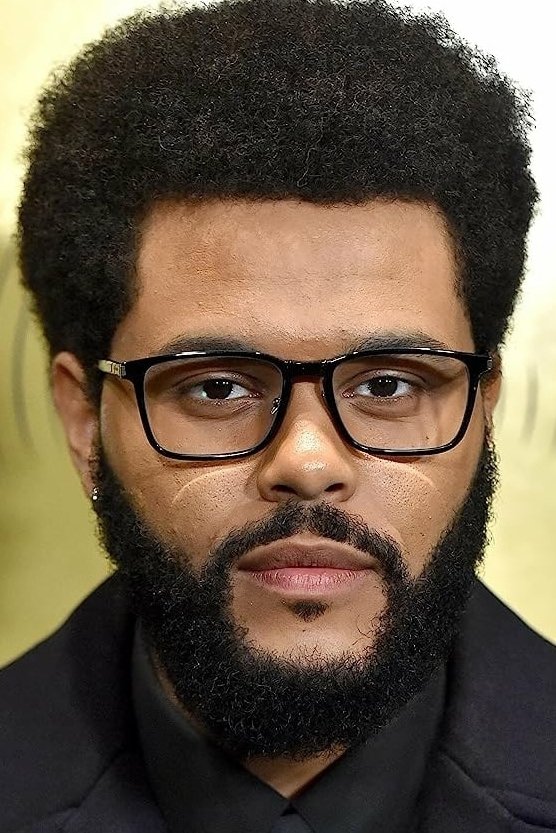
After receiving no nominations for a chart topping release, he announced in 2021 that he would no longer permit his label to submit his music to the Grammys. He cited concerns with the awards process and said he would opt out going forward.
The Recording Academy later ended most nomination review committees, which had been a focus of criticism. He continued to skip submissions for his solo work while still appearing on collaborations that other artists submitted.
Frank Ocean
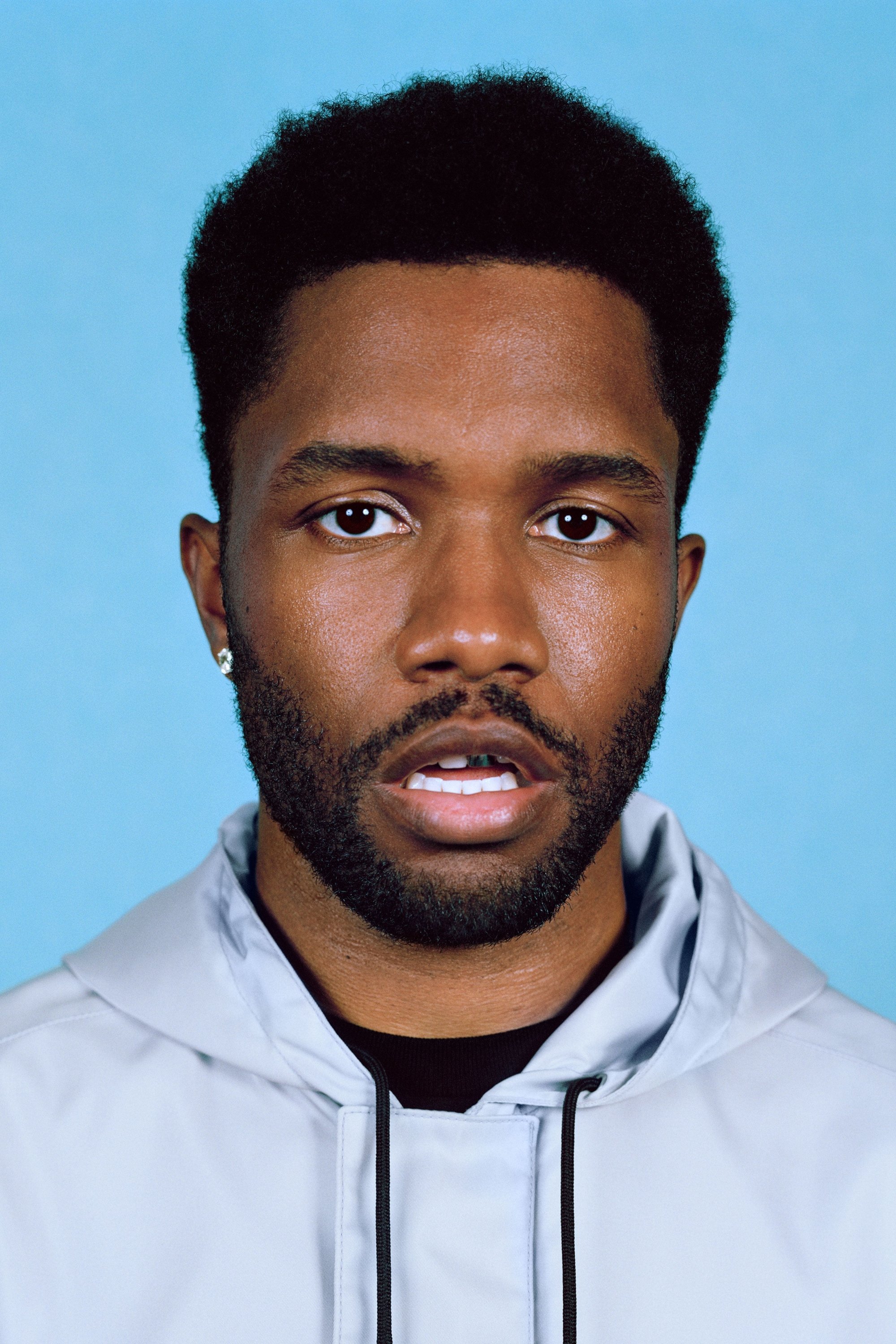
He chose not to submit his albums for Grammy consideration in 2016 and 2017 and explained that the awards did not align with how he measured artistic success. He also declined to participate in planned tribute performances tied to the telecast.
The decision sparked debate inside the industry about genre categories and representation within the voting body. It also showed how high profile artists can challenge legacy institutions by staying away at key moments.
Jay-Z

In 1999 he did not attend the Grammys in protest after DMX was not recognized despite major commercial and cultural impact. His absence underscored ongoing concerns about how hip hop was evaluated by voters at the time.
Years later he returned and became one of the most nominated artists in history. The early stand is still cited in discussions about how award shows treat rap and R and B.
Sinéad O’Connor
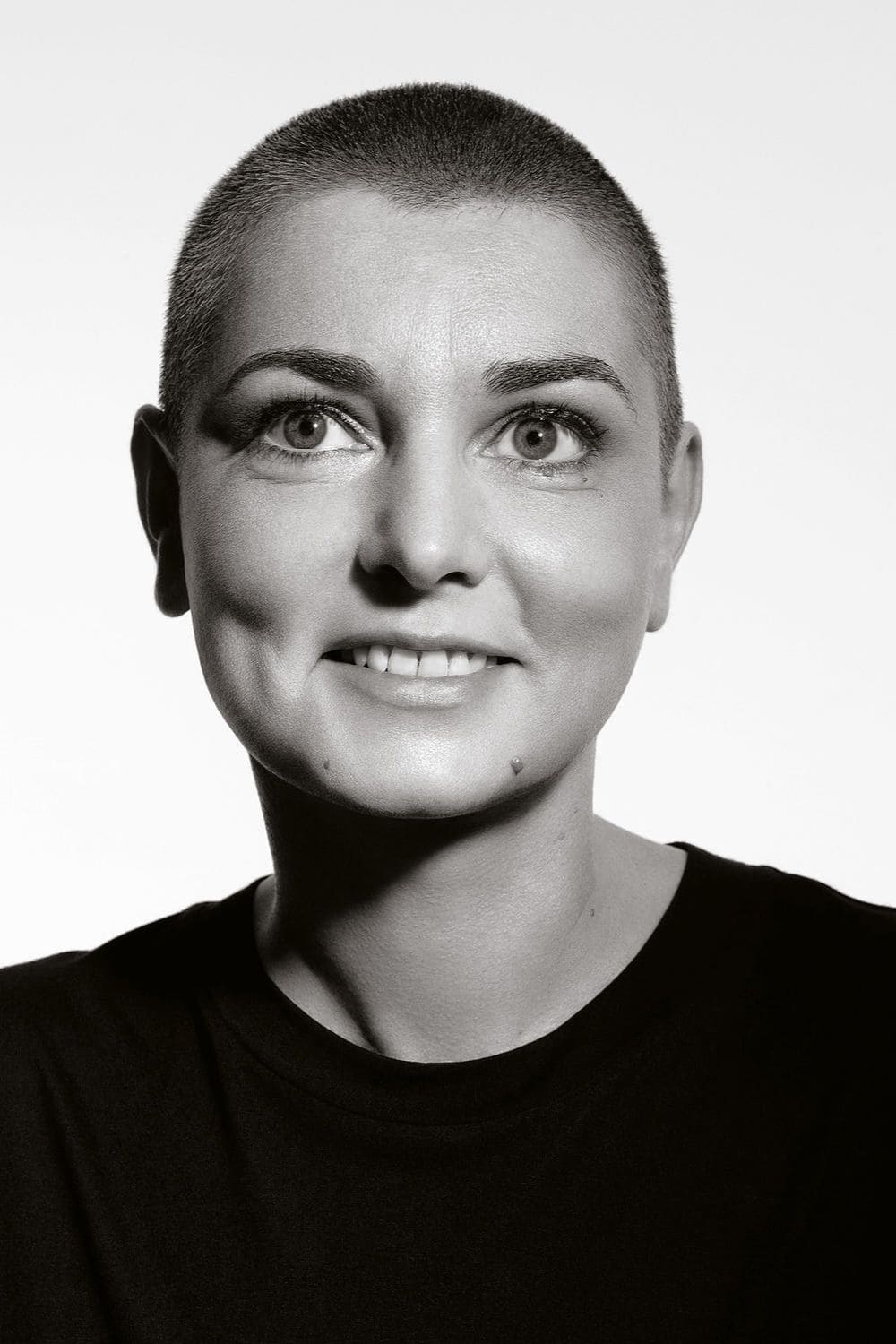
In 1991 she boycotted the Grammys and refused to accept her award, saying the event did not reflect the values she wanted to support. She stayed away from the ceremony even as her album earned top honors.
The step drew attention to the commercialization of music ceremonies and the role artists play in legitimizing them by appearing. Her boycott is remembered as a clear example of using absence to spotlight principles.
Marlon Brando
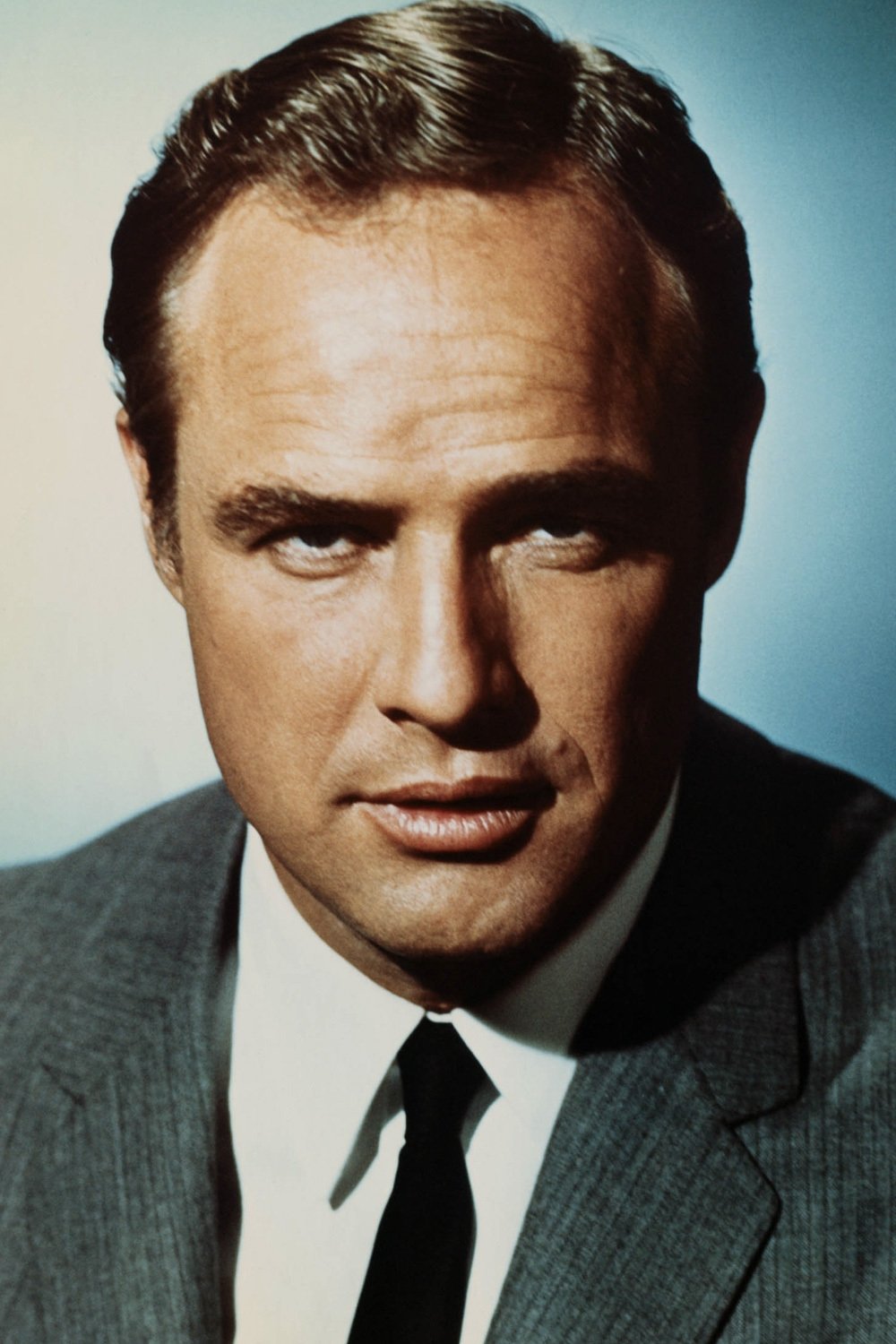
In 1973 he declined to attend the Academy Awards and sent Sacheen Littlefeather to read a statement in his place. The message explained his refusal to accept the trophy and criticized Hollywood’s portrayal of Native Americans.
The appearance prompted coverage across the world and forced the industry to confront on screen representation. It remains one of the most discussed refusals in awards history.
Jada Pinkett Smith
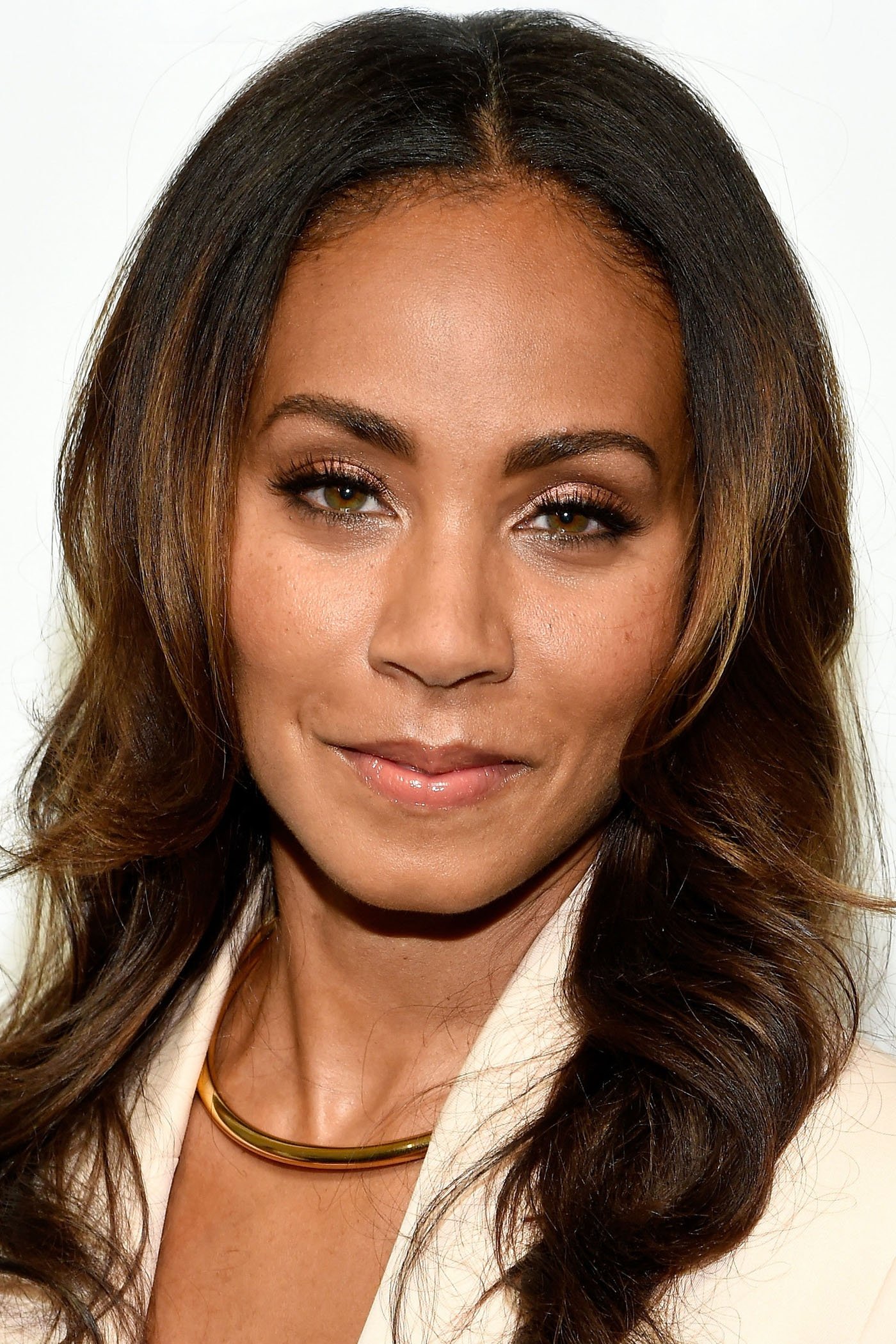
In 2016 she announced that she would not attend or watch the Oscars to protest the lack of diversity among nominees. Her statement amplified the ongoing conversation that became known as Oscars So White.
Her move encouraged other figures to sit out the event and pushed studios and the Academy to examine pipelines and membership. The Academy later expanded its membership and set inclusion goals for future awards eligibility.
Spike Lee
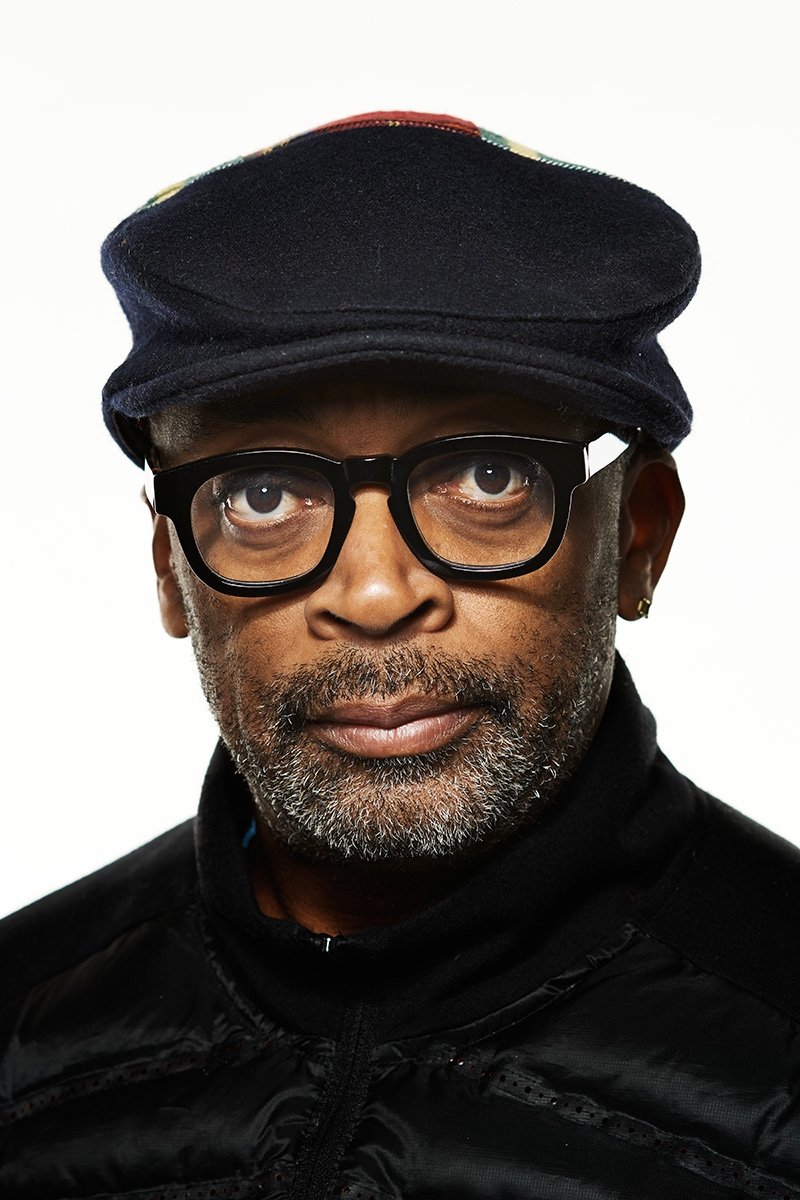
He also skipped the 2016 Oscars and explained that he could not support the ceremony given the nominations that year. His decision added weight to the call for structural change inside the Academy.
The combined pressure kept attention on voting demographics and access for underrepresented creators. Subsequent years saw new members invited from a wider range of backgrounds and regions.
Bruce Springsteen
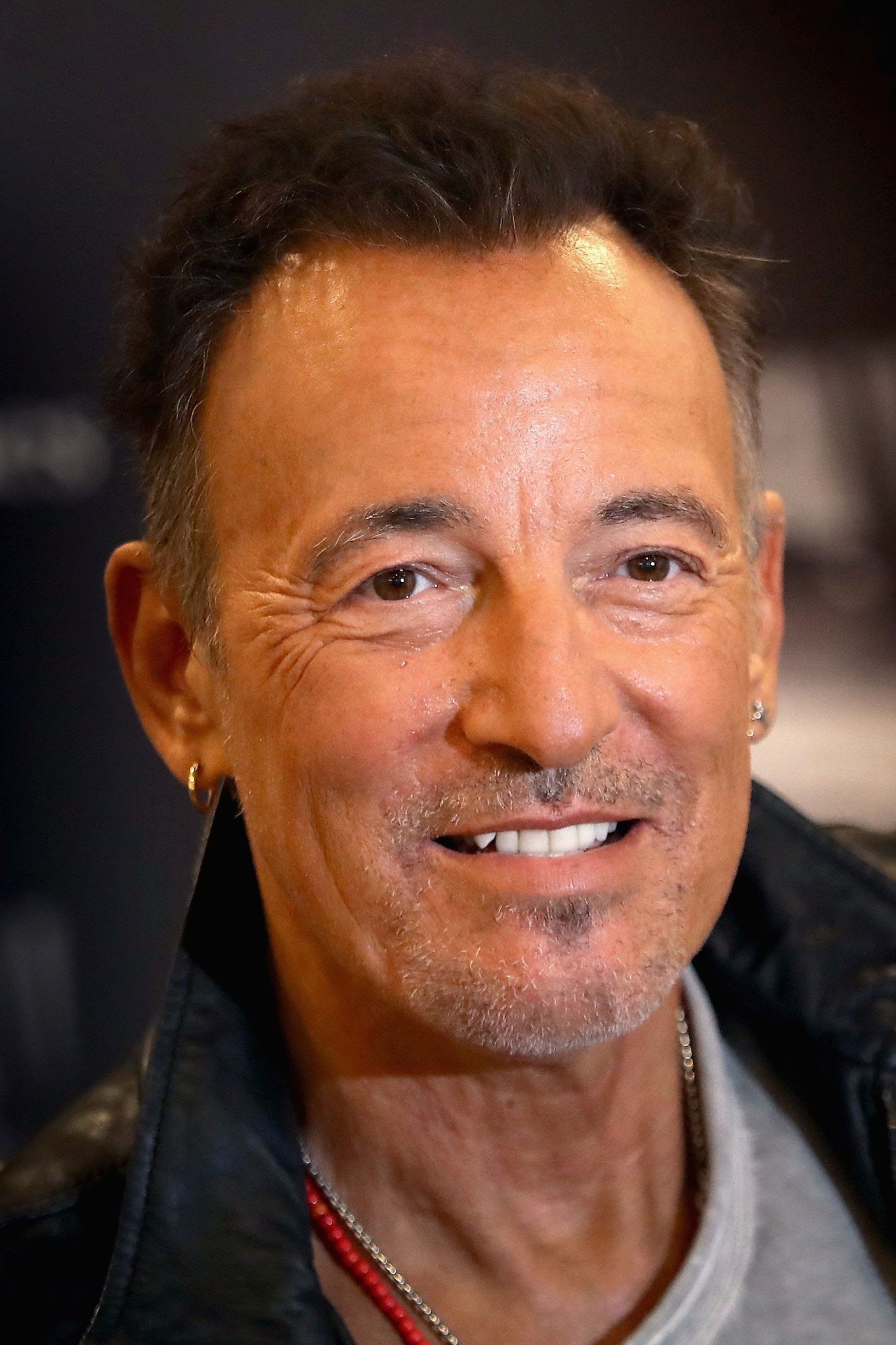
In 2016 he canceled a North Carolina show in protest of a state law that restricted protections for transgender people. He issued a statement saying the cancellation was meant to stand with those affected by the law.
The decision cost revenue for the venue and the tour stop but raised national focus on the policy. Other performers followed with similar cancellations, which increased pressure on state leaders.
Ringo Starr
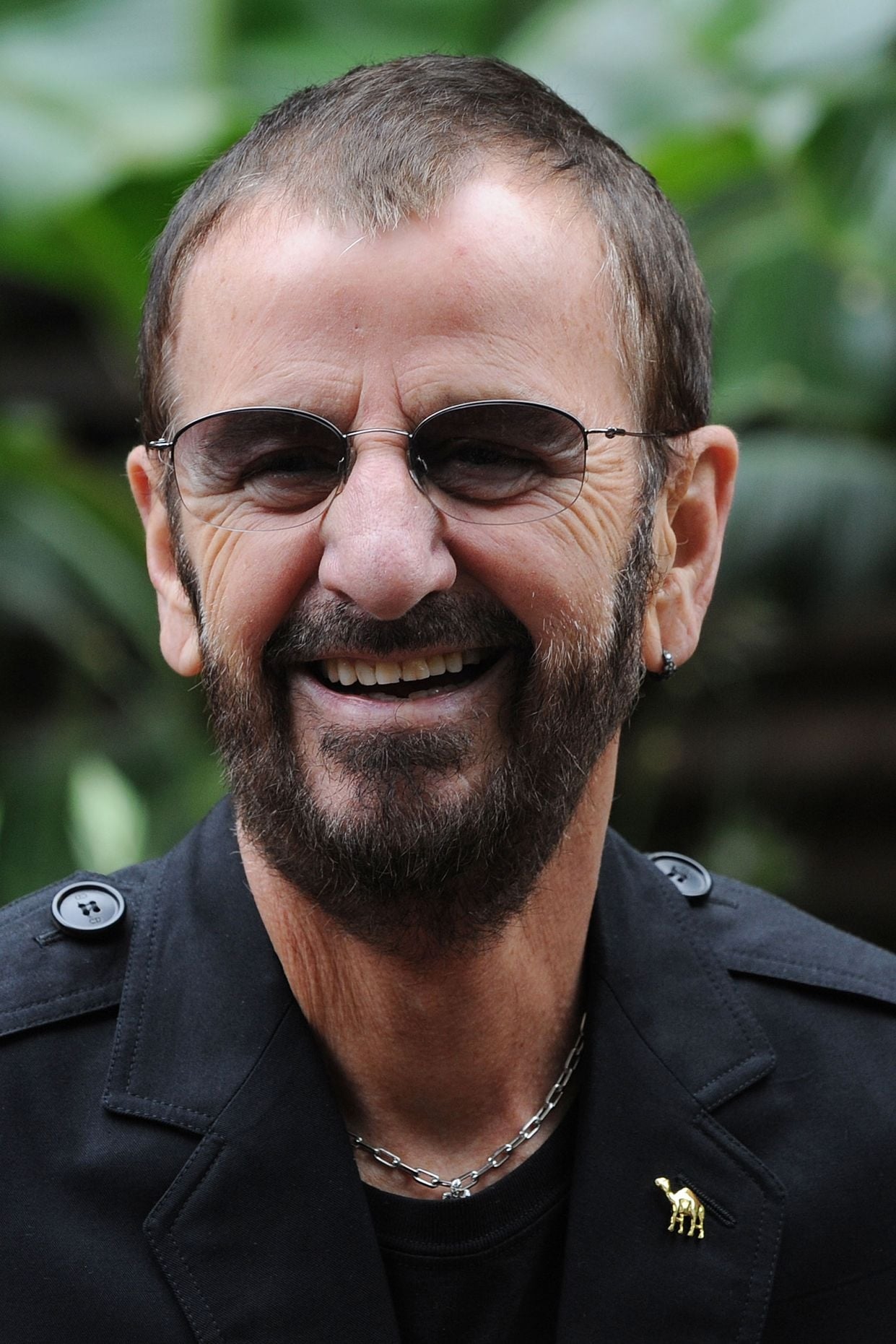
He called off a North Carolina concert in 2016 for the same reason and urged fans to support organizations working for equality. His announcement helped keep the spotlight on the ongoing impact of the law beyond a single tour date.
Local officials and business leaders cited the wave of cancellations when they assessed the law’s economic fallout. The sustained push contributed to later legislative changes in the state.
Bryan Adams
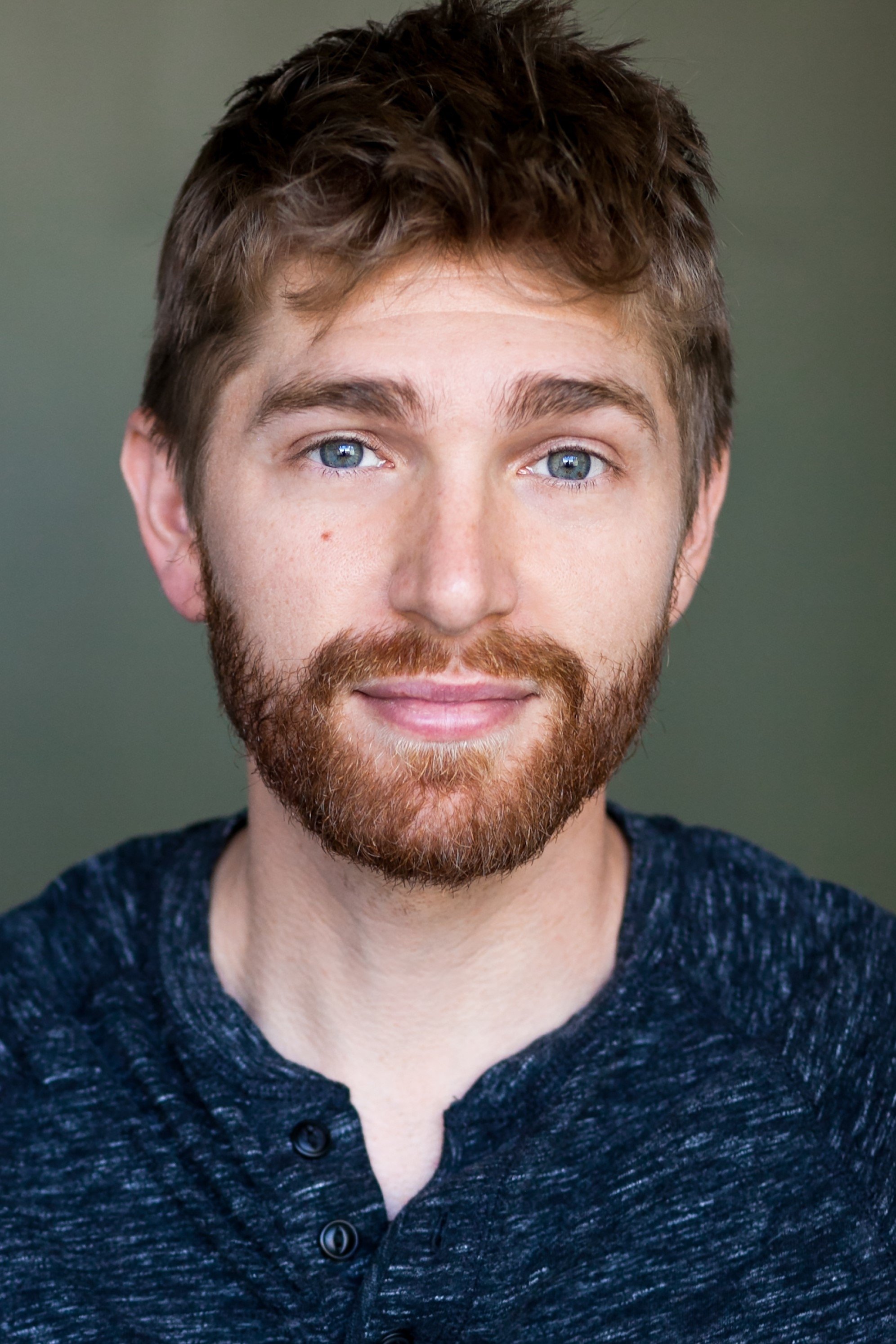
He canceled a 2016 Mississippi performance after the passage of a law that allowed certain discrimination based on religious grounds. He stated that the show would not go on under those conditions.
Promoters and tourism officials noted the financial hit from the lost event. The move added to a broader chorus of artists and companies that raised concerns about the law’s effect on residents and visitors.
George Clooney
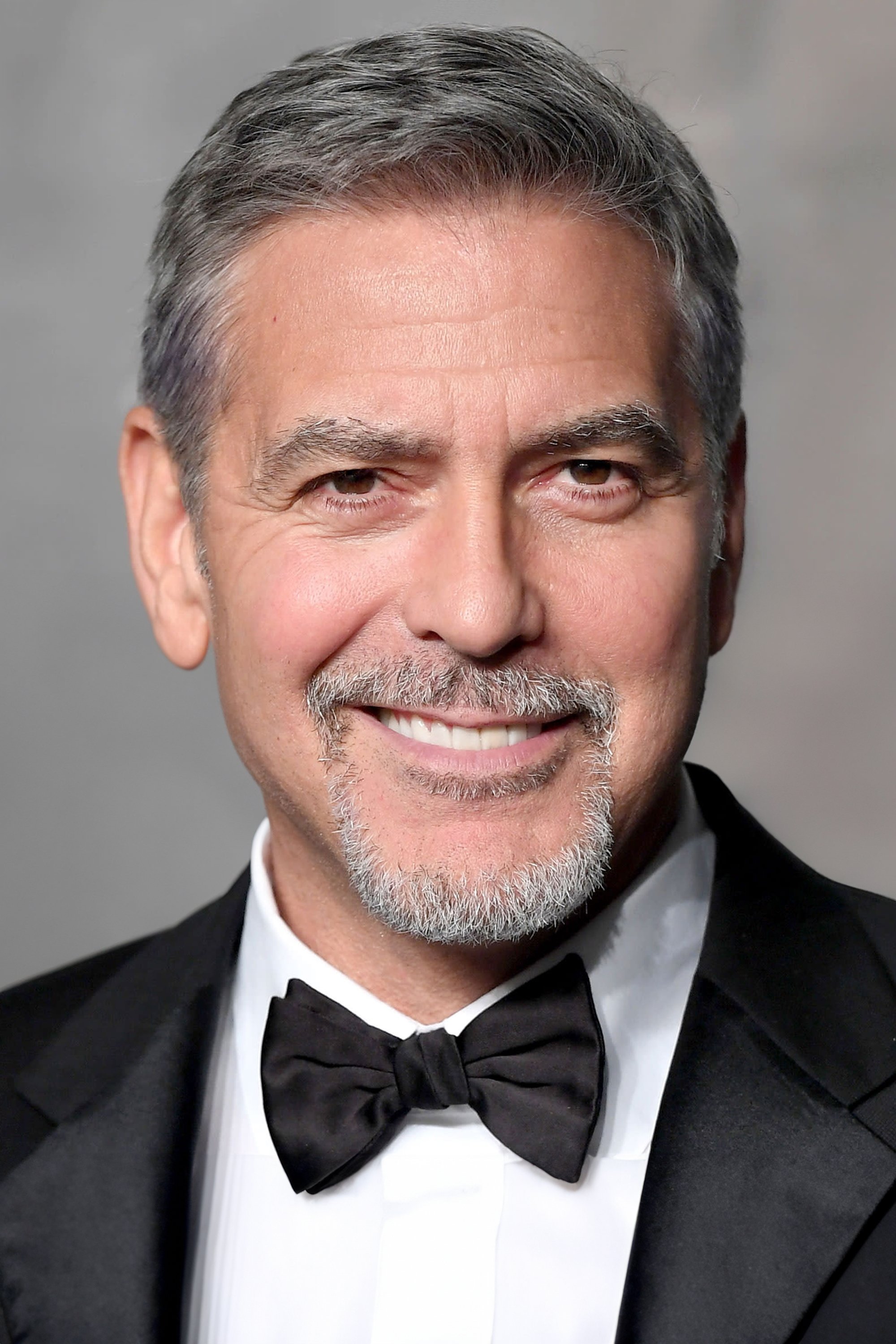
In 2019 he urged a boycott of hotels owned by the government of Brunei after the country announced harsh penalties under new laws. He listed well known properties and asked travelers and studios to take their business elsewhere.
The campaign drew quick support from actors, musicians, and production companies. Brunei later announced a moratorium on the most severe punishments, and the hotel boycott remained a reference point for star led economic pressure.
Lorde
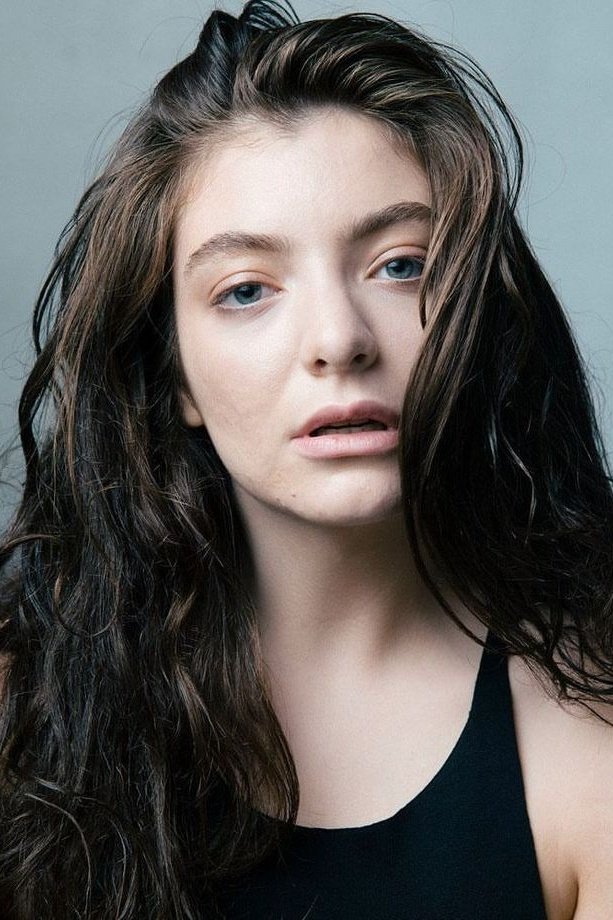
She canceled a planned concert in Tel Aviv in 2018 after public appeals and a period of review. She explained the decision as the result of reading, discussion, and consideration of the local context.
The cancellation prompted strong reactions from supporters and critics around the world. It also highlighted how a single show can become a focal point in broader debates about touring and international policy.
Neil Young
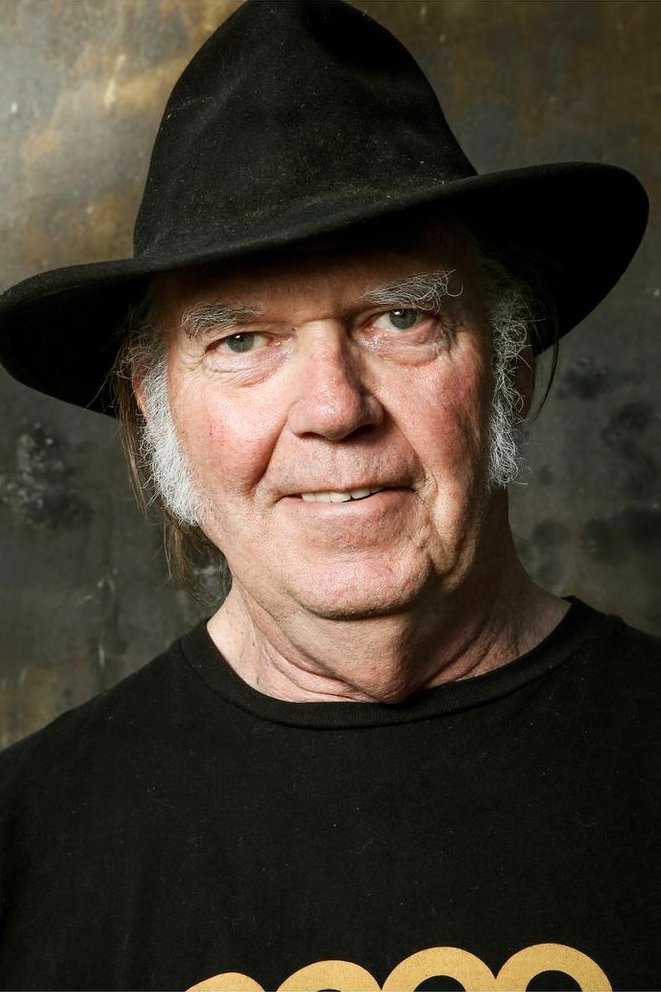
In 2022 he asked Spotify to remove his music over concerns about health misinformation on the platform. His catalog came down shortly after his request.
The move prompted a wave of artists and listeners to reassess where they streamed music. It pushed streaming services to publish and revise content policies and to add advisory labels to certain programs.
Joni Mitchell
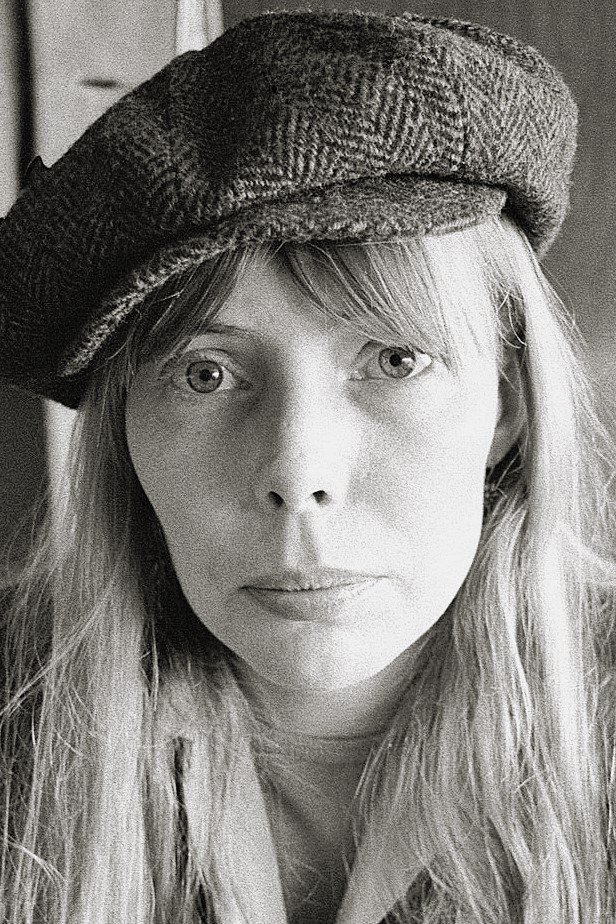
She followed Neil Young by asking for her recordings to be taken off Spotify in 2022. Her statement cited the same concerns and noted support for the medical and scientific community.
Her action showed how an established artist can leverage a classic catalog to make a present day point. It also demonstrated how multiple high profile exits can intensify pressure on a platform.
Rihanna
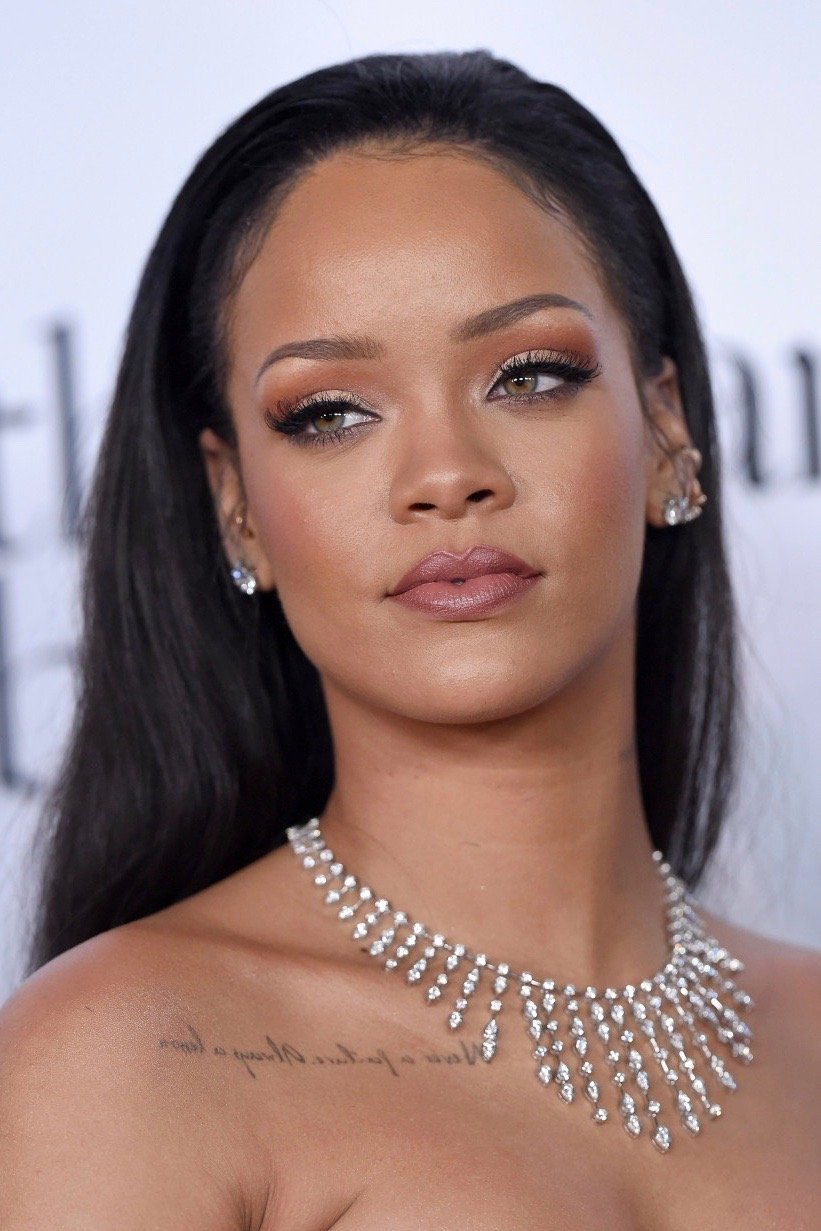
She declined the Super Bowl halftime show in 2019 in solidarity with Colin Kaepernick. She later confirmed that she turned down the opportunity because of that stance.
Her decision signaled to other performers that major stages could be passed up for principle. It kept attention on player protests and on how the league responded to concerns raised by artists and fans.
Brendan Fraser
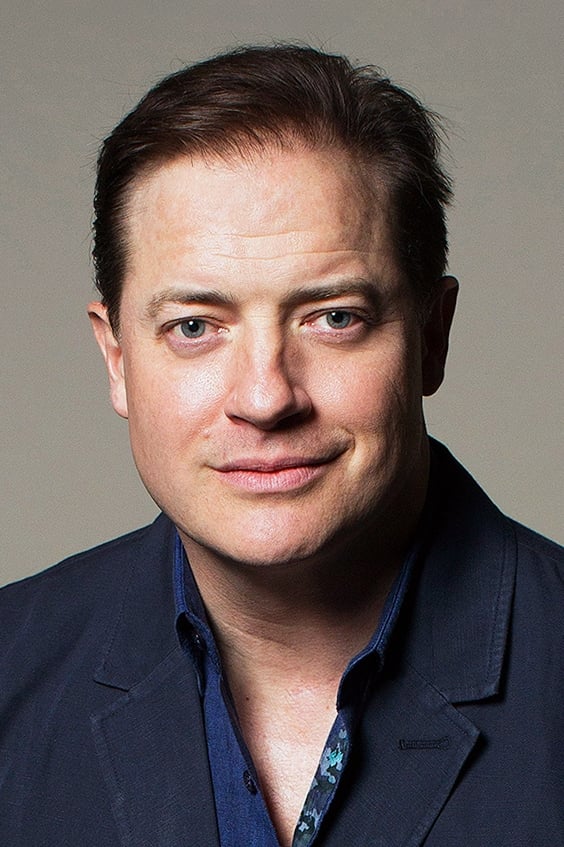
He announced that he would not attend the Golden Globes if nominated because of past experiences and a complaint he made about a former leader of the organizing group. When he received a nomination in 2023 he stayed away from the ceremony.
His absence maintained focus on accountability and reform at the organization. It also showed that individual nominees can withhold their presence even at peak career moments.
Natalie Portman
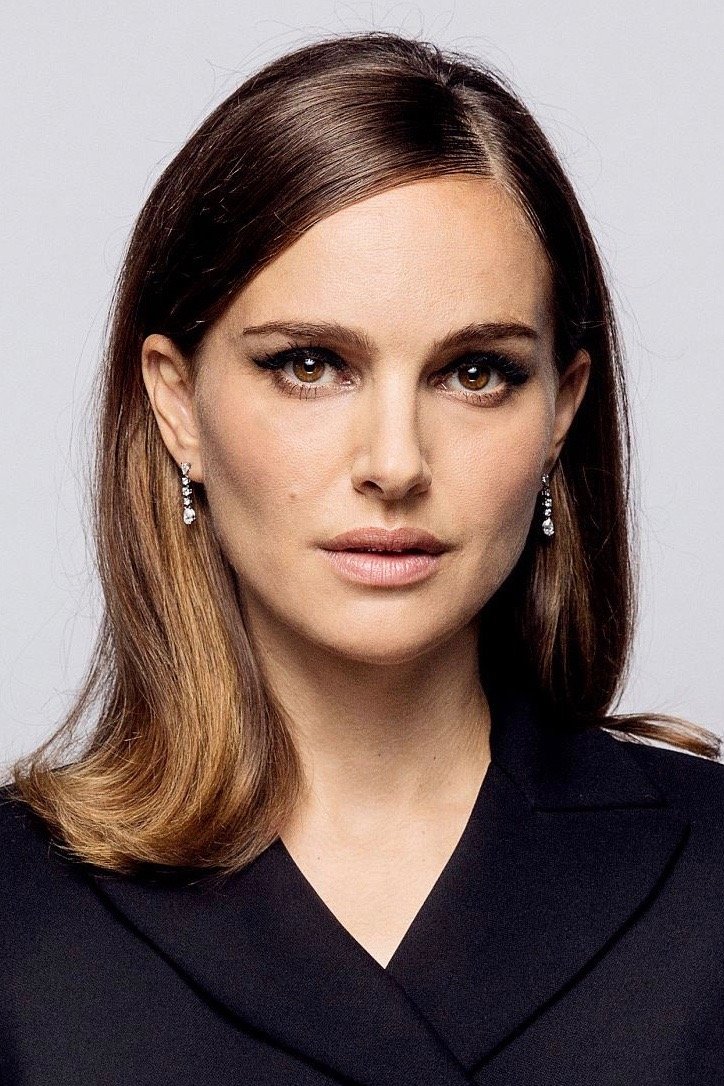
She declined to attend the Genesis Prize ceremony in 2018 and said she did not want her appearance to be seen as an endorsement of specific political leaders. She kept the focus on the event itself and on how public appearances can be interpreted.
The organizers canceled the ceremony and redirected the program. The decision sparked conversation about the role of honorees in shaping the message of award events through attendance or absence.
Dave Chappelle
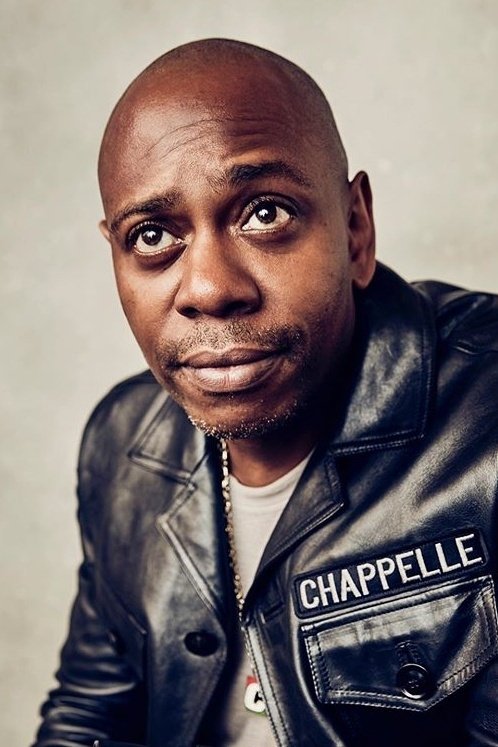
In 2020 he asked fans not to stream ‘Chappelle’s Show’ because he was not being paid for the licensing of the series. He explained the contract history and requested that viewers support him by avoiding the program.
Netflix quickly removed the show, and later HBO Max did the same. After new terms were reached and payment was made, the show returned to platforms, which illustrated how a coordinated audience pause can lead to a new agreement.
Share your picks and the boycotts you think had the biggest impact in the comments.