


Top Celebs Who Lost Studios The Most $




Studios spend big on star power expecting box office results, but sometimes the math does not work out. Budgets balloon, marketing bills pile up, and a movie underperforms in theaters or on digital platforms. When that happens, the headlines often focus on the famous faces at the center, even though many factors shape a film’s financial fate.
This list looks at well known cases where a celebrity’s projects led to sizable shortfalls for studios. Each entry highlights specific titles, reported budgets, global grosses, and the kind of write downs or red ink that industry watchers discussed at the time. It is a snapshot of costly bets that did not pay off, not a judgment on talent or long term careers.
Taylor Kitsch

Disney’s ‘John Carter’ carried a production cost that soared well past the 200 million mark and global earnings that landed far short of what was needed to break even. Analysts widely cited a nine figure write down that became one of the most discussed losses of the decade. The film’s expensive reshoots and lengthy marketing push added to the financial burden.
Kitsch also headlined ‘Battleship’, which reported a budget in the 200 million range before prints and advertising. Worldwide ticket sales could not cover costs once marketing and exhibitor splits were accounted for, leading trade coverage to peg it as another major shortfall within the same year.
Johnny Depp

‘The Lone Ranger’ arrived with a production spend that reportedly climbed toward 225 million and a heavy promotional outlay. The domestic run stalled, and worldwide totals did not clear the hurdle needed for profitability, prompting studio guidance that reflected a significant loss for the quarter.
‘Mortdecai’ had a much smaller budget but delivered very little at the box office. International play could not rescue the film, and ancillary revenue could not close the gap, which added another red entry to the balance sheet tied to a Depp vehicle.
Will Smith

‘After Earth’ carried a production budget reported around 130 million, then required a global marketing campaign that pushed total costs higher. Overseas grosses outpaced domestic, yet the final tally fell short of the level needed to recoup investment, and coverage at the time framed it as a costly miss for the studio.
‘Gemini Man’ used cutting edge high frame rate tech and de-aging, which increased production expenses and limited premium format screens. Global revenue did not match the combined production and marketing costs, leading analysts to identify it as a loss despite worldwide distribution.
Eddie Murphy
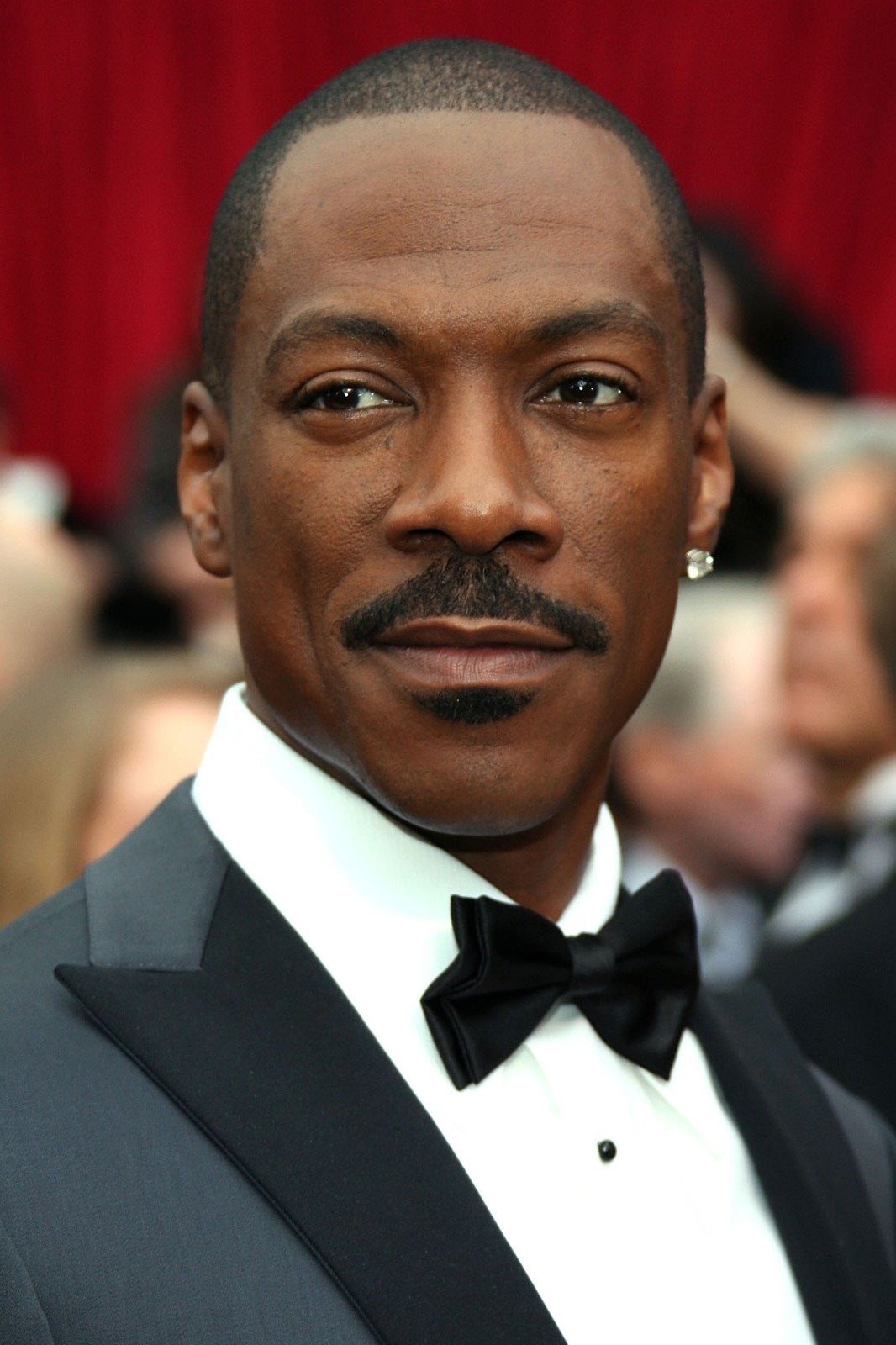
‘The Adventures of Pluto Nash’ became a textbook case of an outsized budget paired with minimal theatrical revenue. The film’s worldwide gross landed well below ten percent of reported costs, which translated into a large negative margin even after home entertainment.
‘Meet Dave’ and ‘A Thousand Words’ also underperformed relative to their budgets. Neither reached the levels required for a profit once advertising and distribution fees were added, and both appeared frequently in lists of the most unprofitable star led titles of their years.
Ryan Reynolds
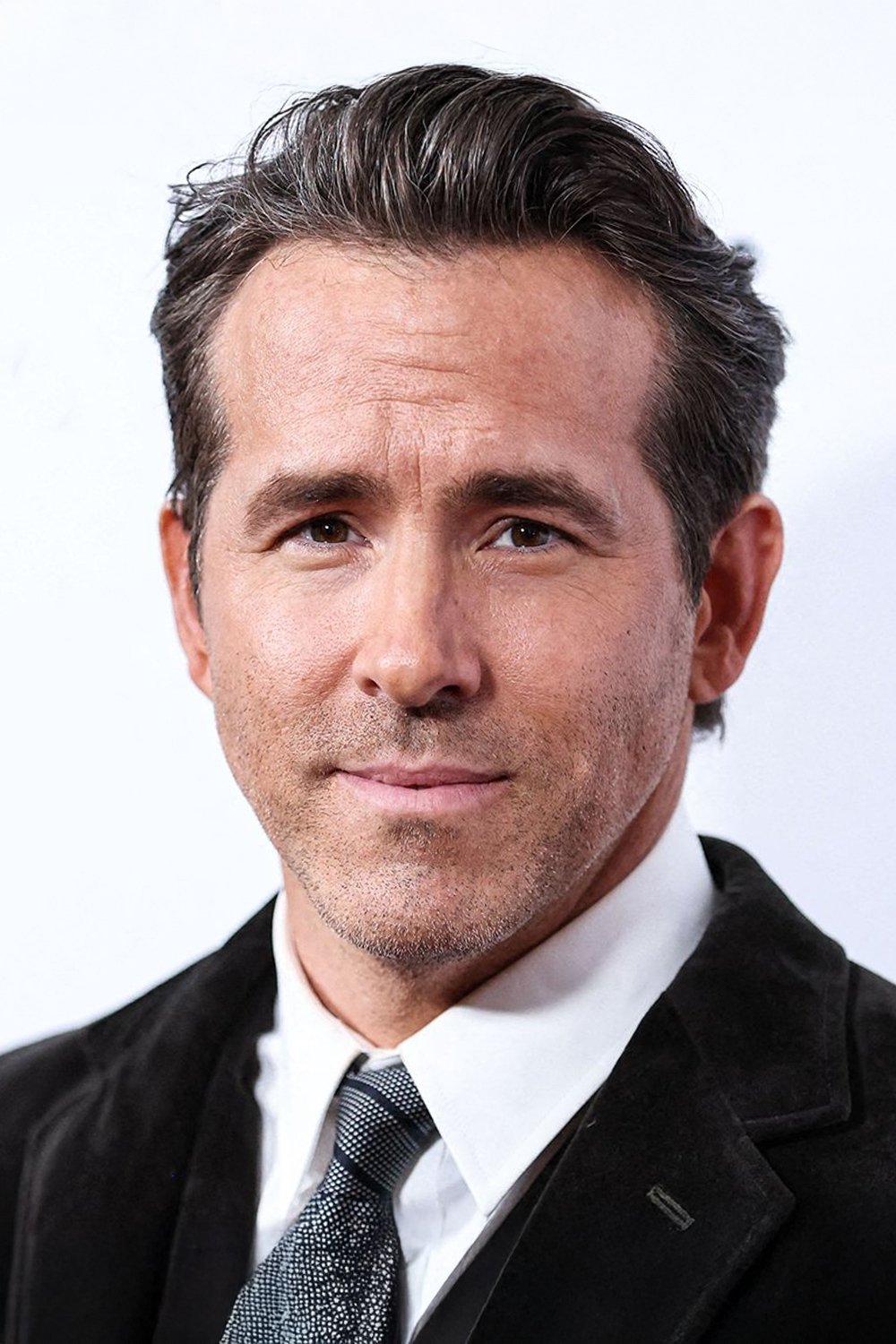
‘Green Lantern’ posted a nine figure budget before advertising and launched into a crowded summer corridor. The domestic total stalled and international markets did not supply enough lift, which meant the studio recorded a shortfall once all costs were counted.
‘R.I.P.D.’ paired Reynolds with Jeff Bridges on another effects heavy project with a large spend. Global receipts finished far below the breakeven threshold, and the film became a common reference point in discussions about big budget misfires.
Ben Affleck

‘Gigli’ opened to very low domestic numbers against a production tab that could not be covered by theatrical play. Even with eventual television and home media, industry estimates placed the title in clear loss territory for the company behind it.
‘Live by Night’ arrived with a reported budget near 65 million and a sizable marketing push for an awards season release. The film’s worldwide revenue did not meet expectations, and trade reports described an eight figure loss when all costs were reconciled.
Tom Cruise

‘The Mummy’ in 2017 was designed to launch a larger monster universe and carried a production budget well into nine figures. While some international markets performed better than domestic, the global total did not support the full costs of production and marketing, resulting in a write down.
‘Rock of Ages’ had a moderate budget compared with many summer releases but still failed to generate enough revenue to cover expenses. Theatrical returns proved insufficient, and ancillary income did not reverse the film’s overall unprofitable status.
Channing Tatum

‘Jupiter Ascending’ required extensive visual effects work and a production spend in the 175 million range before promotion. The film’s international performance could not offset the high costs, and analysts labeled it a significant loss for the studio.
‘White House Down’ competed with a similar themed title in the same year and carried a budget around 150 million. The domestic total fell short and worldwide revenue did not reach the breakeven mark once marketing was included, which left the film in the red.
Michael Fassbender

‘Assassin’s Creed’ leveraged a major game franchise and invested heavily in action sequences and locations. The film’s global gross did not rise enough to counterbalance production and advertising, and trade outlets identified it as a losing bet.
‘The Snowman’ had a smaller budget but delivered weak results in the United States and abroad. Poor holds across subsequent weekends limited revenue potential, which left the project unable to recover its costs.
Hugh Jackman

‘Pan’ took on a well known property with a production budget that hovered around 150 million. The movie’s domestic start was soft and overseas play did not scale high enough, leading the studio to acknowledge a loss when final accounting was done.
‘Australia’ featured prestige scale production spending and extensive location work. While the film drew interest in several markets, the global total did not push beyond total costs by the margin needed for profitability, and it was widely considered an unprofitable title.
Kevin Costner

‘Waterworld’ became famous for production overruns that drove costs upward. Although global box office eventually reached a sizable figure, the film did not cover its combined expenses during the initial window and needed years of ancillary revenue to narrow the deficit.
‘The Postman’ followed with another large scale production that earned a fraction of its budget in theaters. The result compounded Costner’s association in the late 1990s with projects that placed heavy pressure on studio finances.
Kevin Spacey
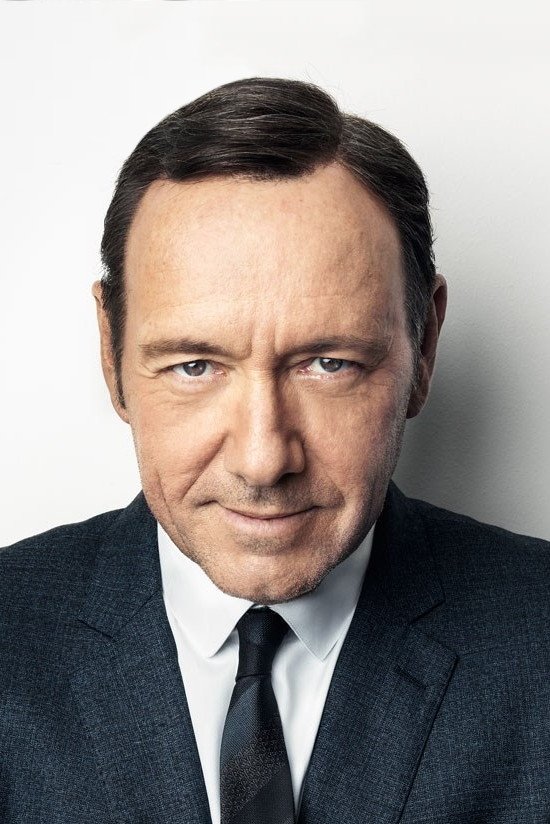
‘Billionaire Boys Club’ received a limited release that generated extremely low theatrical revenue. With distribution kept small and marketing minimal, the film offered no path to recover production costs, so it represented a near total loss.
‘Nine Lives’ arrived with modest spending but earned modest revenue as well. After exhibitor splits and marketing, the title did not move into profit, adding to a period of weak financial performance for films featuring Spacey.
Halle Berry

‘Catwoman’ posted a production budget estimated around 100 million and produced domestic and international totals far below what was needed. The title became a frequent example of a superhero film that did not translate its spend into box office return.
‘The Call’ performed better relative to cost, but ‘Gothika’ and ‘Movie 43’ were associated with disappointing results in several territories. When costs and marketing were tallied, the combined performance did not add a profitable outcome for the studios involved.
Charlize Theron

‘Aeon Flux’ reported a budget in the mid range but drew low domestic revenue and limited international traction. The outcome fell short of theatrical breakeven and required ancillary sales that still could not erase the loss.
‘The Astronaut’s Wife’ with Johnny Depp opened to small numbers against its costs. The modest worldwide figure left the film unprofitable, keeping it on lists of late 1990s underperformers.
Dwayne Johnson

‘Black Adam’ carried a production spend reported around 195 million and a global promotional push. The worldwide total did not cover production and marketing once distribution splits were applied, and industry analysis framed it as a notable loss for the studio.
‘Baywatch’ had a smaller budget but still underdelivered against expectations. After marketing and overhead, theatrical and home entertainment revenue did not fully offset costs, which left the title short of profitability.
Vin Diesel
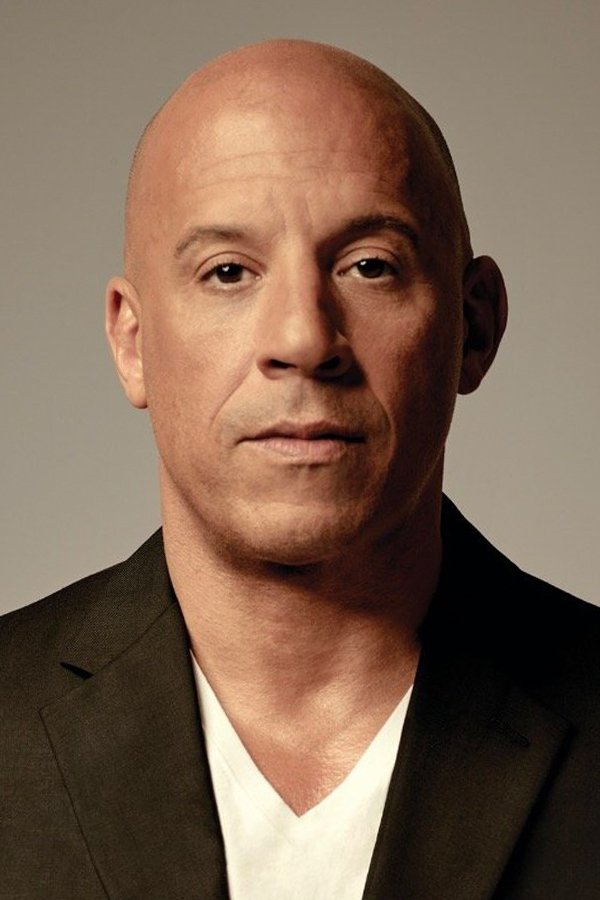
‘The Last Witch Hunter’ invested in effects and world building for a planned franchise. The global gross did not reach the level needed to justify the budget and promotion, so it was assessed as a loss in many trade roundups.
‘Bloodshot’ released at a difficult moment for theaters and earned limited revenue during its initial window. Even with digital releases, the film did not achieve the returns necessary to clear costs for the company behind it.
George Clooney

‘Tomorrowland’ featured large scale production design and a reported budget around 180 million plus marketing. The domestic run underperformed, and worldwide totals could not reach the breakeven line, leading to a widely reported studio write down.
‘The Monuments Men’ earned a respectable sum but not enough to offset its full cost profile by a healthy margin. Once advertising and distribution were included, the project did not generate significant profit for the studio.
John Travolta
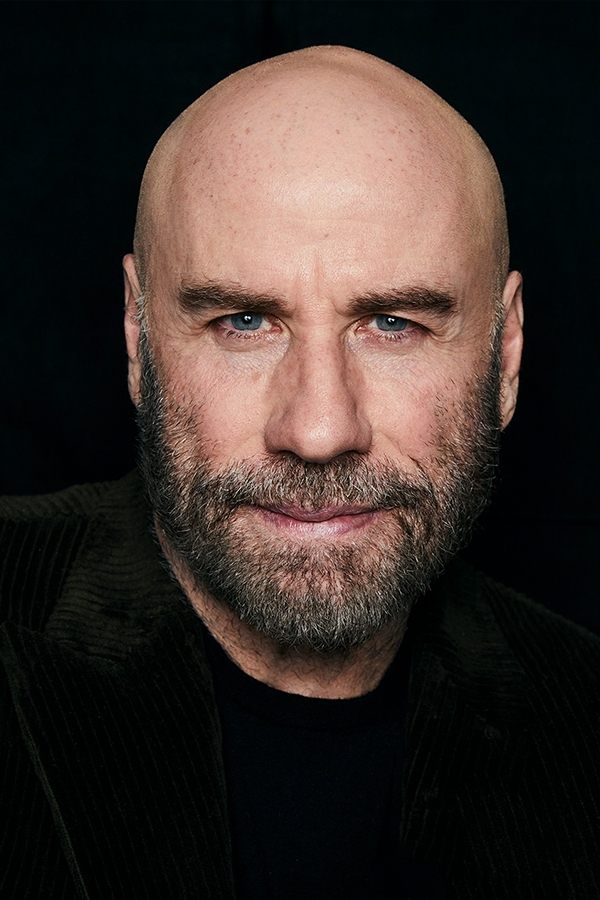
‘Battlefield Earth’ became one of the most cited box office failures of the early 2000s. Theatrical revenue landed far below production spending, and ancillary markets did little to recover the gap, resulting in a substantial loss.
‘Gotti’ arrived with a modest budget but extremely low box office. The small theatrical take and limited ancillary returns left the film unable to recoup costs, placing another unprofitable entry on Travolta’s ledger.
Scarlett Johansson

‘Ghost in the Shell’ invested heavily in visual effects and world building. The global total did not match the combined production and marketing costs, which led analysts to categorize it as a money losing title for its backers.
‘Lucy’ delivered strong numbers, yet ‘The Spirit’ and ‘Rough Night’ brought in much smaller returns relative to expectations and spend. When looking across projects with significant lead roles, the misses offset the hits in ways that affected studio bottom lines.
Armie Hammer

‘The Lone Ranger’ placed Hammer as the title character alongside Johnny Depp and carried a very high budget. Worldwide earnings did not approach the breakeven threshold, and the result became one of the most expensive misfires of its year.
‘The Man from U.N.C.L.E.’ had a mid level budget but finished with modest global revenue. The totals were not enough to justify a sequel and did not cover combined costs once marketing and distribution shares were removed.
Share the cases you think belong on this list in the comments.