


Top 20 Celebs Who Tried Their Hand at Boxing

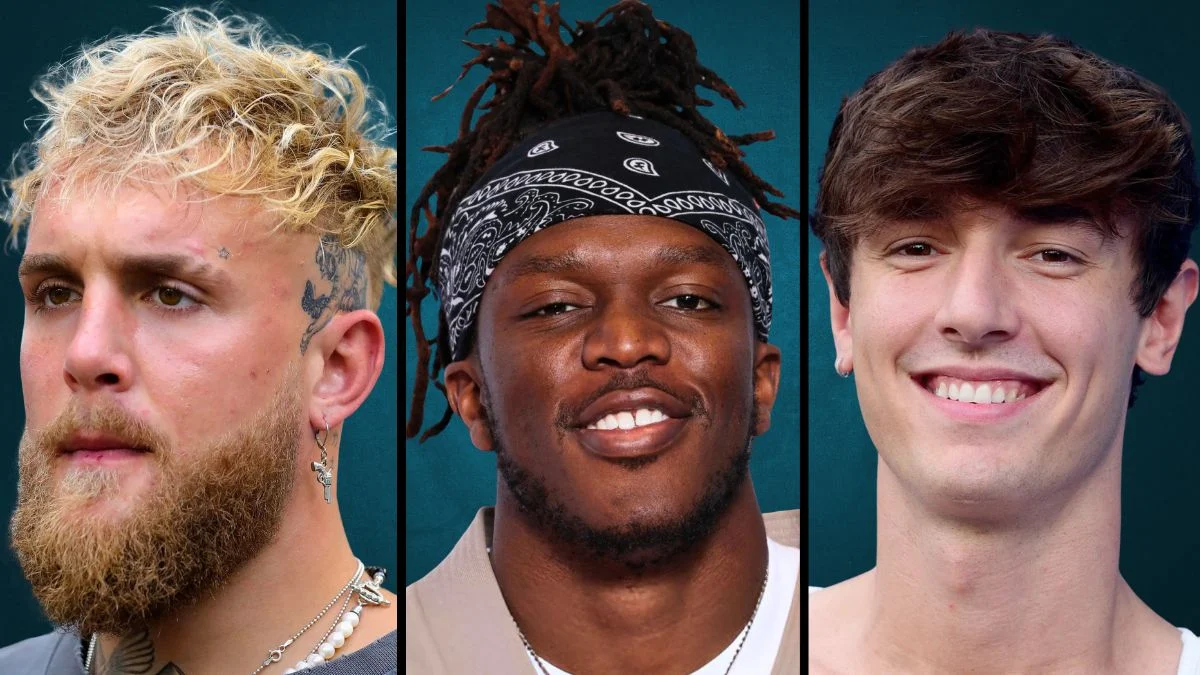


Plenty of famous faces have stepped through the ropes to see what boxing really feels like. Some trained for charity cards or exhibitions with headgear. Others took full professional bouts with judges and official records. Either way, the ring has a way of revealing who did the work and who only liked the idea.
This list looks at celebrities who actually boxed in public events or widely covered exhibitions. You will find the matchups they took part in, the kind of preparation they did, and the outcomes that followed. It shows where they fought, why they signed on, and how the experience reshaped their image, for better or worse.
Jake Paul
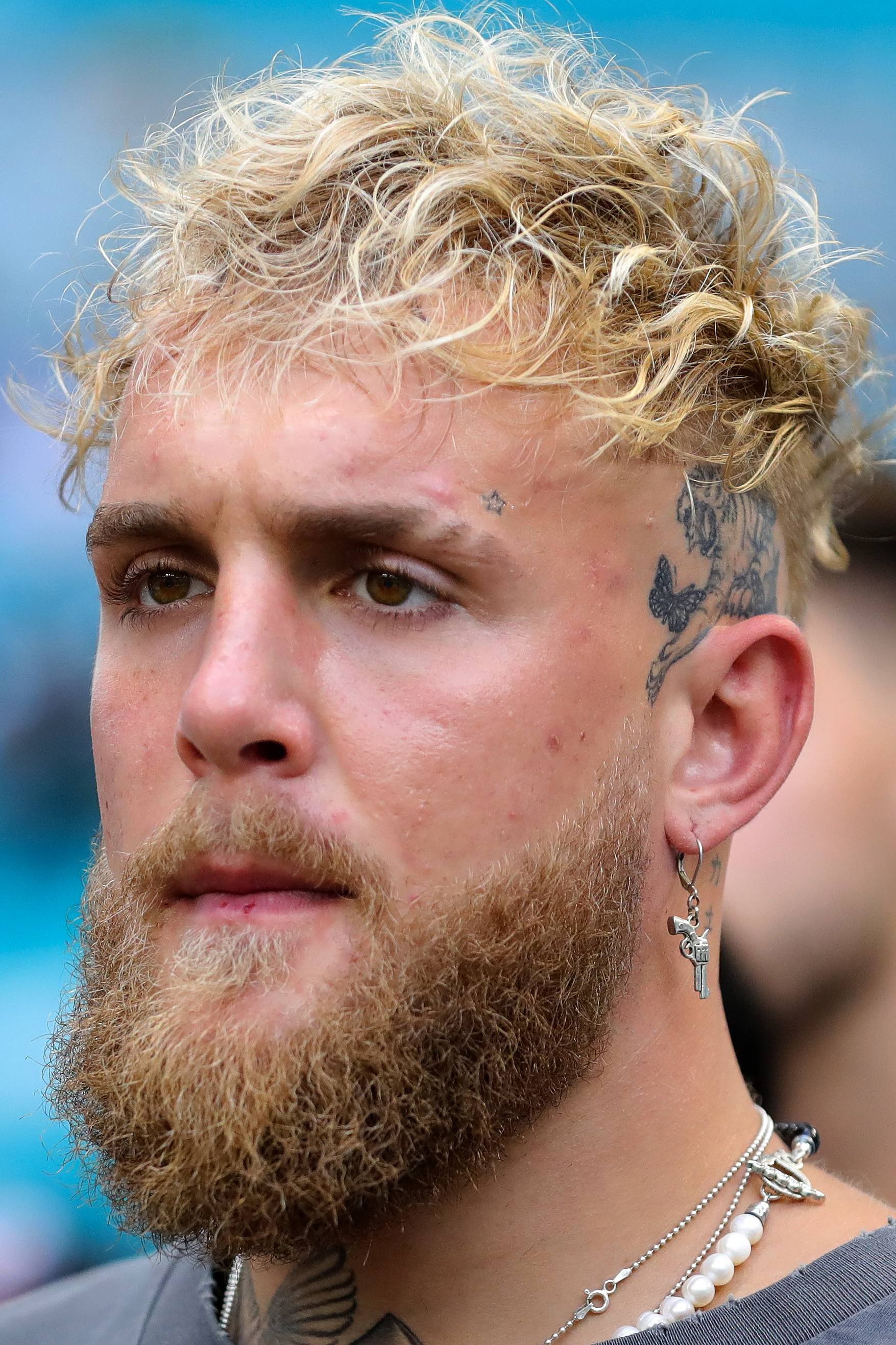
Jake Paul moved from viral videos to sanctioned fights with athletic commission oversight and professional referees. He began with influencer bouts then shifted to licensed pro contests against opponents with athletic backgrounds, often at catchweights announced at press events and weigh ins. His fights typically used 10 ounce gloves and standard pro round lengths depending on the commission.
He built full training camps with recognized coaches, paid sparring partners, and structured strength and conditioning blocks. Pay per view events carried his name as the headliner and used conventional fight week routines such as open workouts and ceremonial weigh ins. Over time his opposition included former champions from other sports which kept media attention high and ensured sold out arenas.
Logan Paul
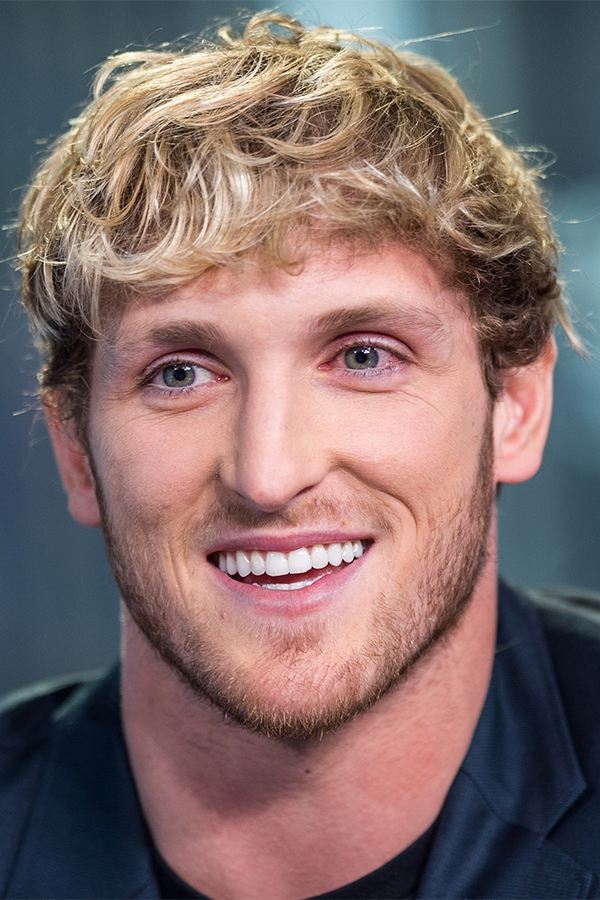
Logan Paul made his debut in exhibition settings before appearing on cards that used professional style promotion and broadcast production. Early matchups drew large streaming audiences and featured YouTuber rivalries that moved from online callouts to real rings with judges when specified.
His preparation included extended camps focused on cardio base work, mitt sessions, and sparring under time limits that mirrored scheduled rounds. He balanced boxing with other entertainment ventures while maintaining skills through interval roadwork and gym drills. His events often featured cruiserweight style limits and required medical clearances that matched state standards.
KSI
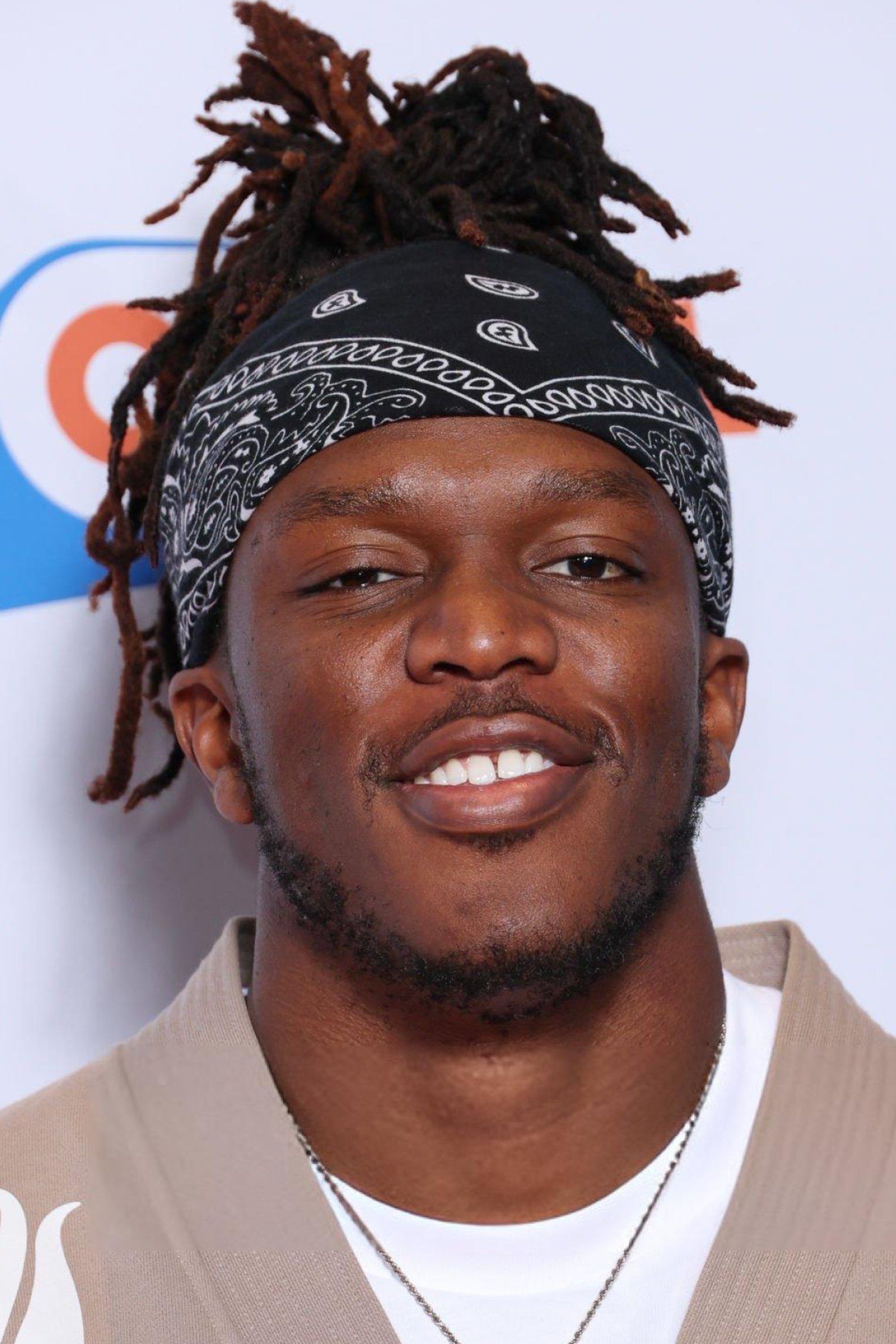
KSI helped kickstart the influencer boxing wave with events that packed arenas and introduced crossover matchups to new audiences. He progressed from headgear bouts to no headgear contests under commission rules where available and frequently fought at weights around the cruiser range used for many creator cards.
His camps emphasized fundamentals such as the jab and high guard defense along with sprint intervals to improve late round output. He also co promoted cards that brought in other creators which added undercard depth. These shows used professional walkouts, licensed officials, and ringside doctors which placed creator fights within a regulated framework.
AnEsonGib
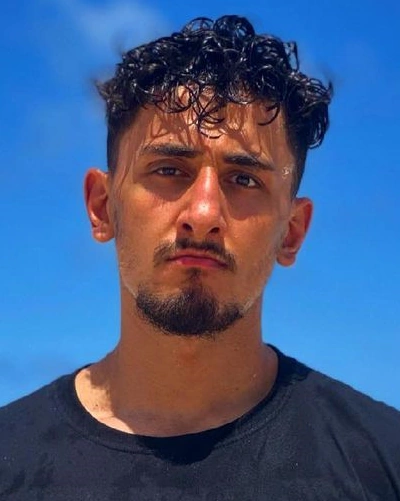
AnEsonGib transitioned from gaming content to sanctioned bouts that required full medicals and weigh ins. After early setbacks he returned with improved conditioning and tighter defense, focusing on compact combinations and pressure footwork.
He worked with coaches who stressed volume punching and inside control. His bouts frequently took place on creator heavy cards that used standard gloves and round structures. As results improved he moved into co main event roles and faced opponents with size advantages, relying on pace and activity to influence judges.
Deji Olatunji
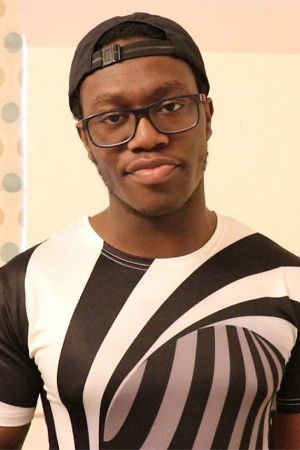
Deji Olatunji entered the ring multiple times, using each appearance to build experience against progressively tougher opponents. His early fights highlighted gaps in conditioning and shot selection which he addressed by bringing in new trainers and increasing sparring rounds.
Training blocks added roadwork and defensive drills focused on catching and parrying. He returned to big arenas on creator cards with proper commissions and ringside medical teams. Over time he showed better stamina management and punch economy which allowed him to finish strong in later rounds.
Austin McBroom
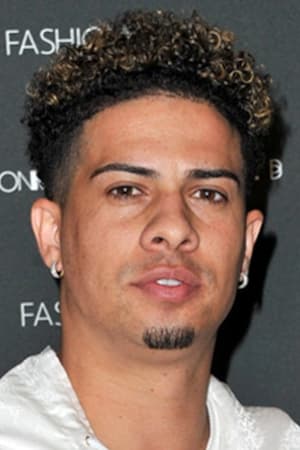
Austin McBroom organized and headlined large creator events that blended entertainment with regulated boxing. He fought in main events after completing medicals, press obligations, and open workouts that mirrored traditional fight weeks.
His preparation included sessions with boxing coaches known for professional stables. Camps focused on straight shot mechanics and counterpunching. He also managed promotional duties such as venue selection and broadcast arrangements which added complexity around training and recovery during fight week.
Bryce Hall
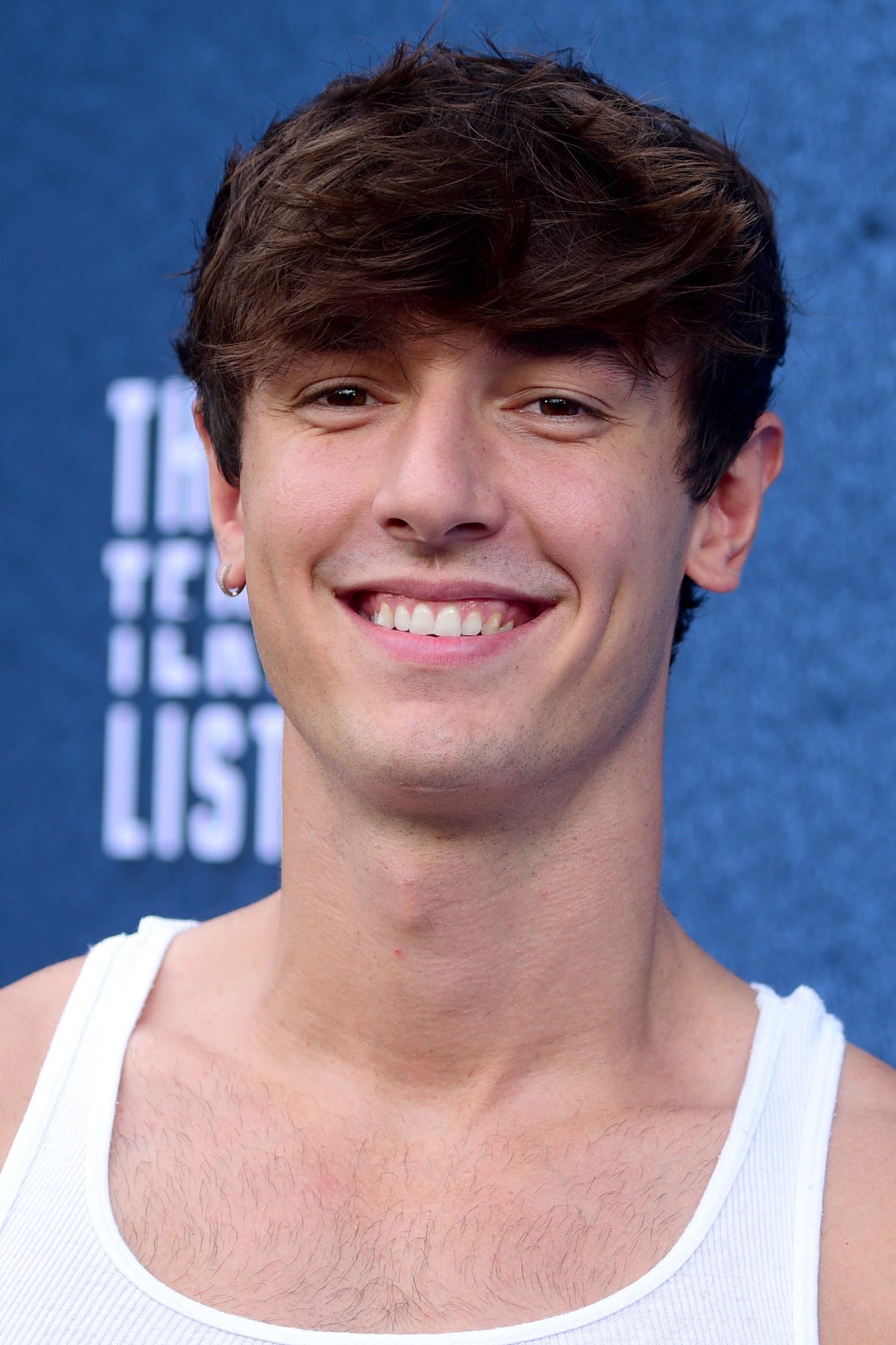
Bryce Hall stepped into boxing on creator cards where matchmaking placed him against fellow influencers with limited ring time. He trained in Los Angeles based gyms that hosted sparring with amateurs and lower level pros to simulate real pressure.
His events used professional production with judges and timekeepers and followed typical weigh in procedures. Hall focused on improving balance and ring awareness after early struggles, adding strength work to handle clinch exchanges and inside fighting.
iDubbbz
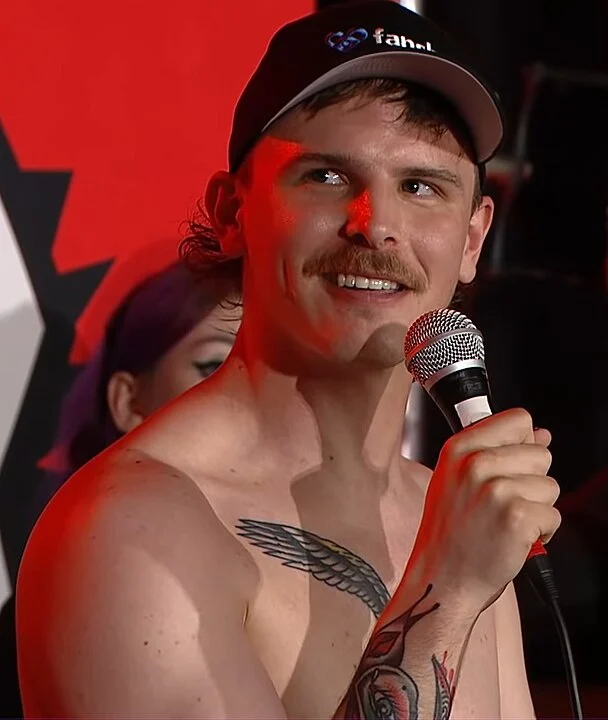
iDubbbz moved from YouTube production work to organizing charity driven fight nights that followed commission standards. He competed himself while co producing cards that donated proceeds to nonprofit causes, making sure medical protocols and insurance were in place.
His own training emphasized technical basics such as stance, guard, and straight punches. Camps also covered recovery strategies like mobility work and structured rest. The events featured multiple creator matchups, certified officials, and unified glove and round rules to keep bouts consistent.
Dr. Mike Varshavski

Dr. Mike, known for medical content, trained extensively in boxing gyms before taking a charity bout under amateur style rules. The event used headgear, larger gloves, and shorter rounds which reduced risk while still demanding solid conditioning.
His preparation included supervised sparring, mitt work, and heart rate monitored intervals. He raised funds for health related causes while demonstrating that creator events can blend strict safety standards with entertainment value. Post fight he discussed concussion awareness and emphasized medical screenings for participants.
Harley Morenstein

Harley Morenstein from Epic Meal Time took part in creator boxing with well publicized training camps. He worked on building a gas tank suitable for heavyweight frames by using long roadwork sessions and controlled sparring against larger partners.
His events followed commission rules with doctor checks before and after the fight. Harley’s approach highlighted realistic expectations for first time heavyweights such as keeping hands high, jabbing consistently, and avoiding early burnout through paced output.
Nate Robinson
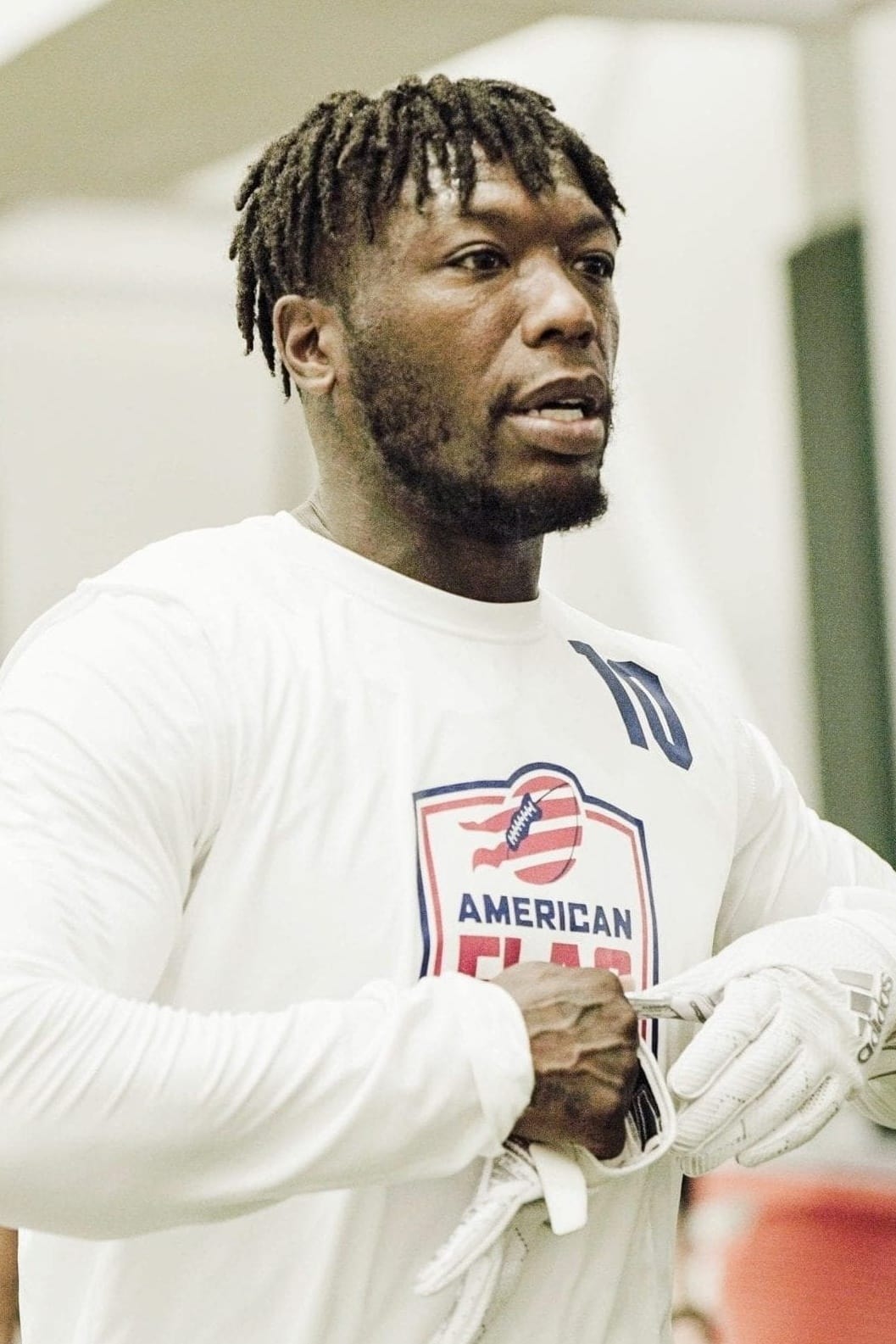
Former NBA guard Nate Robinson switched courts for the ring and accepted a matchup against a younger opponent with more recent gym time. The bout used professional style rules without headgear which placed a premium on defense and ring craft.
Robinson’s camp leaned on athleticism and speed development along with beginner friendly boxing drills. The result showed the difference between elite basketball conditioning and boxing specific endurance. His appearance helped push crossover events into mainstream sports conversation.
Deron Williams
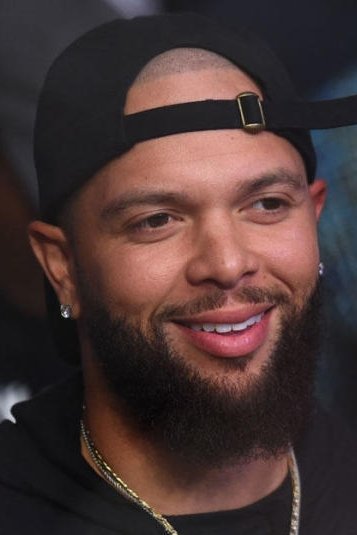
Three time NBA All Star Deron Williams trained in combat sports for years and accepted a heavyweight boxing bout against another former pro athlete. The matchup used commission rules with standard gloves and contracted rounds that matched exhibition length seen on crossover cards.
Williams prepared with experienced coaches and leaned on footwork and range management. He showed poise in clinch positions and kept a consistent jab to score. The fight demonstrated how prior cross training can translate into competent ring fundamentals under bright lights.
Frank Gore
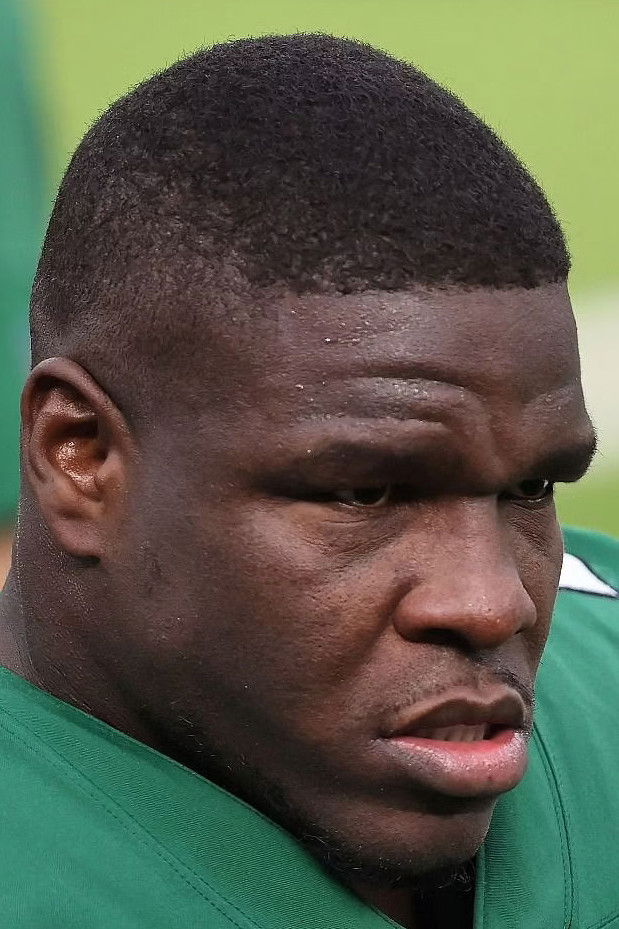
Frank Gore, one of football’s most durable running backs, moved into boxing after his NFL career. He brought serious strength and cardio into camps that focused on pad work, sparring, and defensive head movement.
His fight appearances used professional officiating and followed athletic commission requirements such as pre fight exams and weigh ins. Gore’s compact build and balance helped him absorb contact and return to stance quickly, a skill that comes from years of contact sport discipline.
Le’Veon Bell
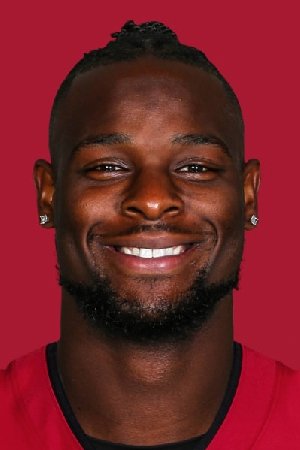
Le’Veon Bell took multiple high profile boxing bouts against fellow athletes and influencers. He committed to boxing specific conditioning like bag rounds that mirror fight pacing and agility drills to keep feet under punches.
Bell’s events were promoted on major streaming platforms with full production crews, judges, and ring announcements. He showcased straight right timing and counter opportunities created by patient setups, which are teachable elements for athletes crossing in from other sports.
Adrian Peterson
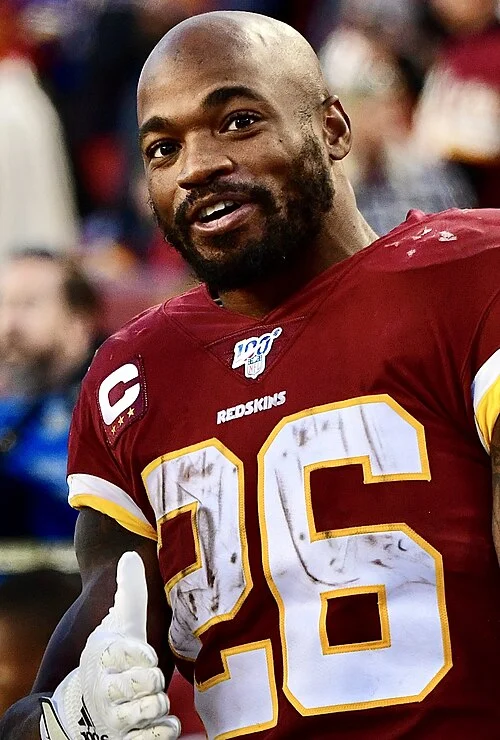
Adrian Peterson entered the ring for an exhibition style bout against another NFL veteran. With shorter rounds and heavier gloves compared to some pro cards, the format balanced safety and competition while still delivering knockdowns and momentum swings.
Peterson trained with reputable coaches who stressed defensive responsibility and balance. His participation underscored how elite running backs can carry over lower body strength and explosiveness yet still need discipline to manage distance against experienced punchers.
Danny Bonaduce
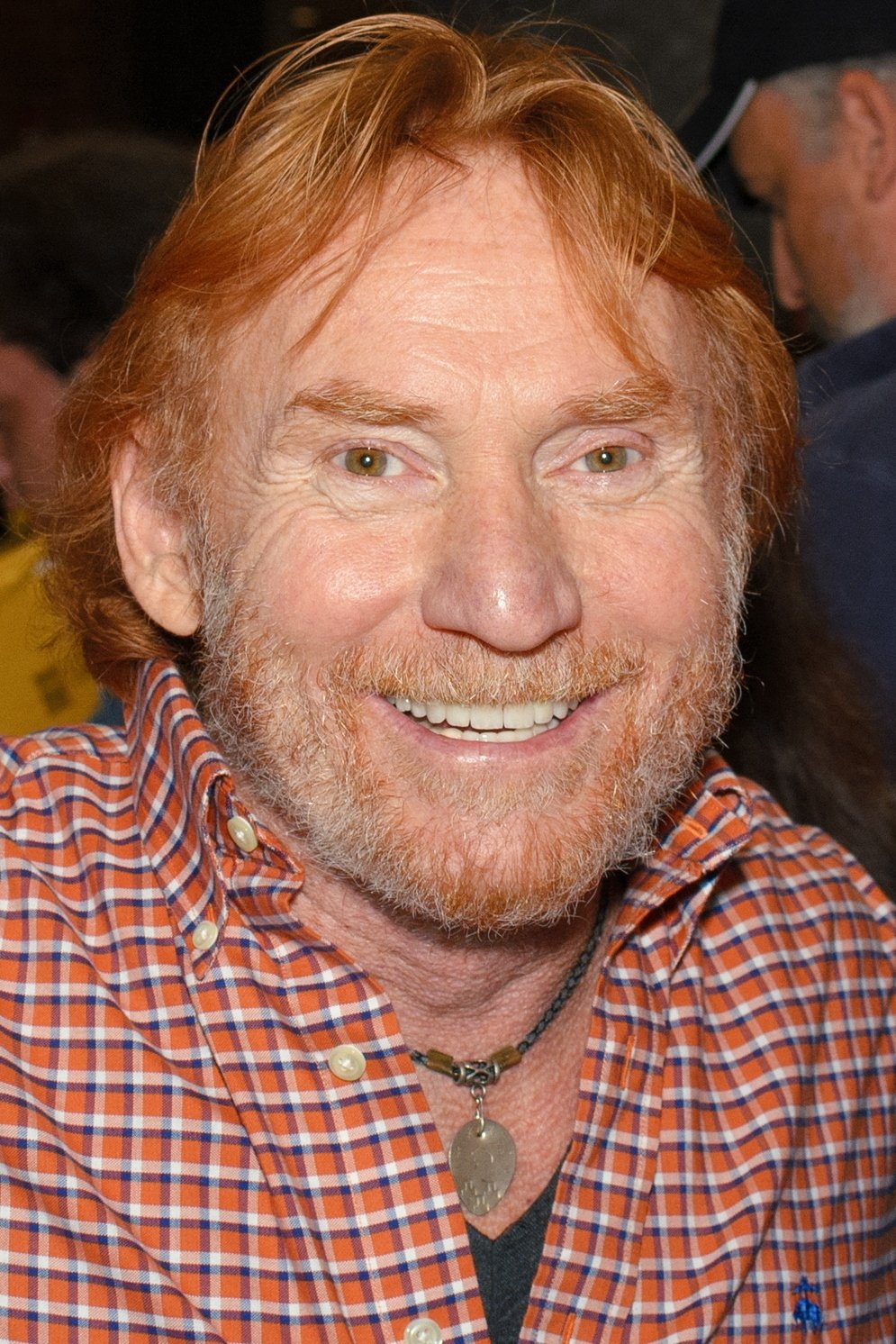
Danny Bonaduce built a long running reputation for celebrity fighting that included boxing matches arranged for television and live audiences. He kept a busy schedule of appearances and often accepted late notice opponents which created unpredictable styles on fight night.
His preparation mixed old school roadwork with gym circuits and mitt sessions. Bouts typically used amateur style headgear when produced for TV and followed weight agreements set during the week. Bonaduce’s activity level made him a fixture of early celebrity boxing eras.
Tonya Harding
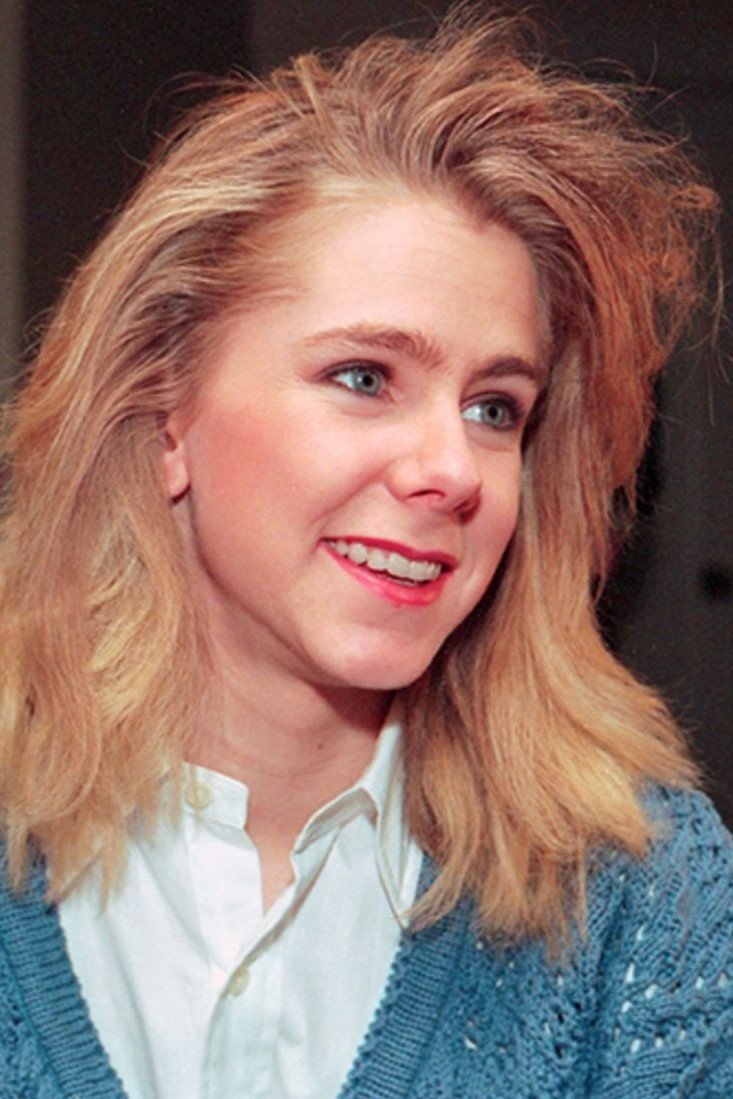
After her figure skating career, Tonya Harding competed in professional women’s boxing and faced licensed opponents under standard rules. Her fights counted on official records, used regulated gloves, and followed round structures common to the period.
She trained in regional gyms, focused on conditioning and basic combinations, and dealt with media coverage that followed every result. Harding’s transition showed that athletes from precision sports can adapt to the different rhythm of ring footwork and timing.
Jose Canseco
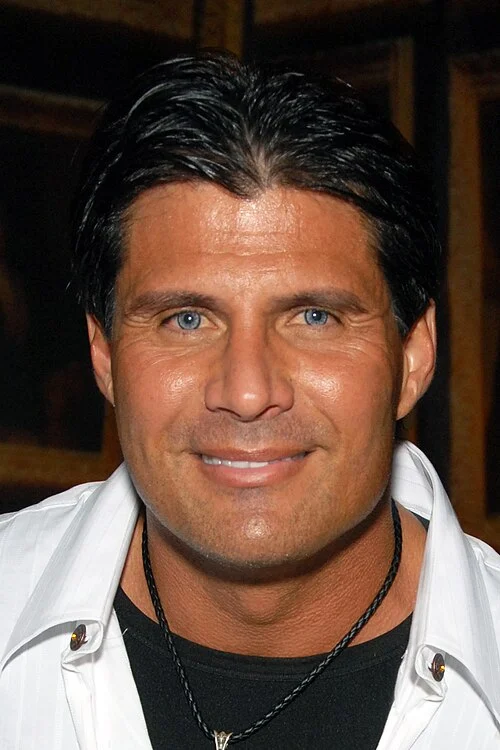
Former MLB slugger Jose Canseco stepped into celebrity boxing and later accepted a range of combat sports challenges including short notice matchups. His appearances drew attention due to his baseball fame and willingness to fight at heavier weights.
Camps focused on strength maintenance and basic defensive drills, while bouts varied from exhibitions to pro style rules depending on the promoter. Canseco’s name recognition consistently attracted audiences and helped early crossover events gain mainstream press.
Aaron Carter
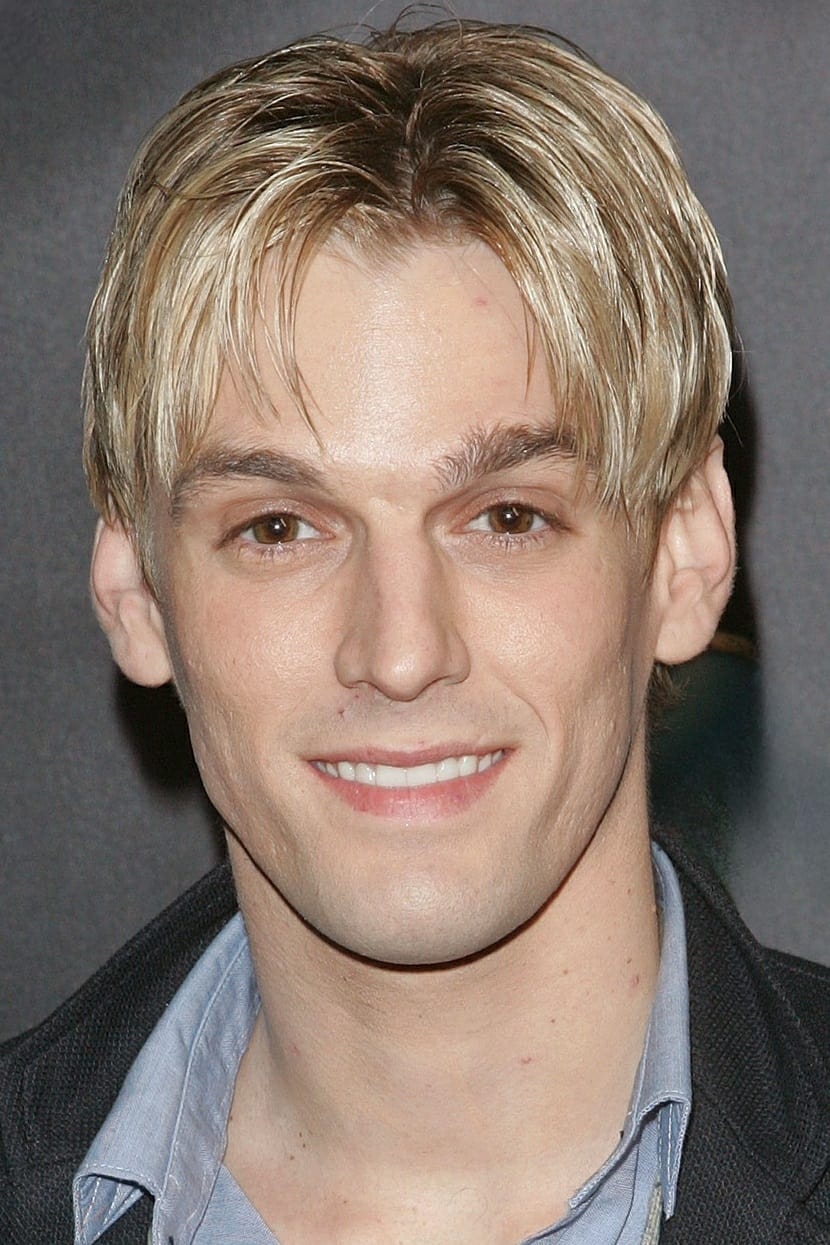
Singer Aaron Carter participated in a celebrity exhibition that matched him against a taller opponent from the sports world. The bout featured larger gloves, shorter rounds, and a referee quick to intervene which is common in entertainment first events.
Carter’s training emphasized weight management and cardio to meet contracted limits. He worked through open media workouts and embraced the challenge publicly, offering a clear example of how performers can step into boxing with safety minded parameters.
Lamar Odom
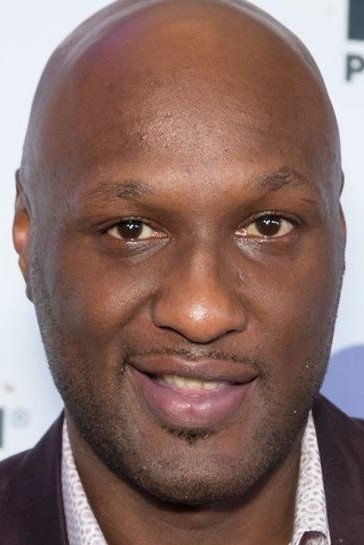
Two time NBA champion Lamar Odom boxed in a celebrity event that paired him with a smaller opponent from music. The size difference was managed through exhibition rules and a referee ready to stop exchanges early when needed.
Odom trained under boxing coaches who focused on basic stance width, guard position, and straight punches. His fight used headgear during early camp sparring and included standard medical checks before and after the bout, demonstrating the protective measures common to modern celebrity cards.
Share your favorite or most surprising celebrity boxing moment in the comments.