


Top 20 Controversial Comedy Films

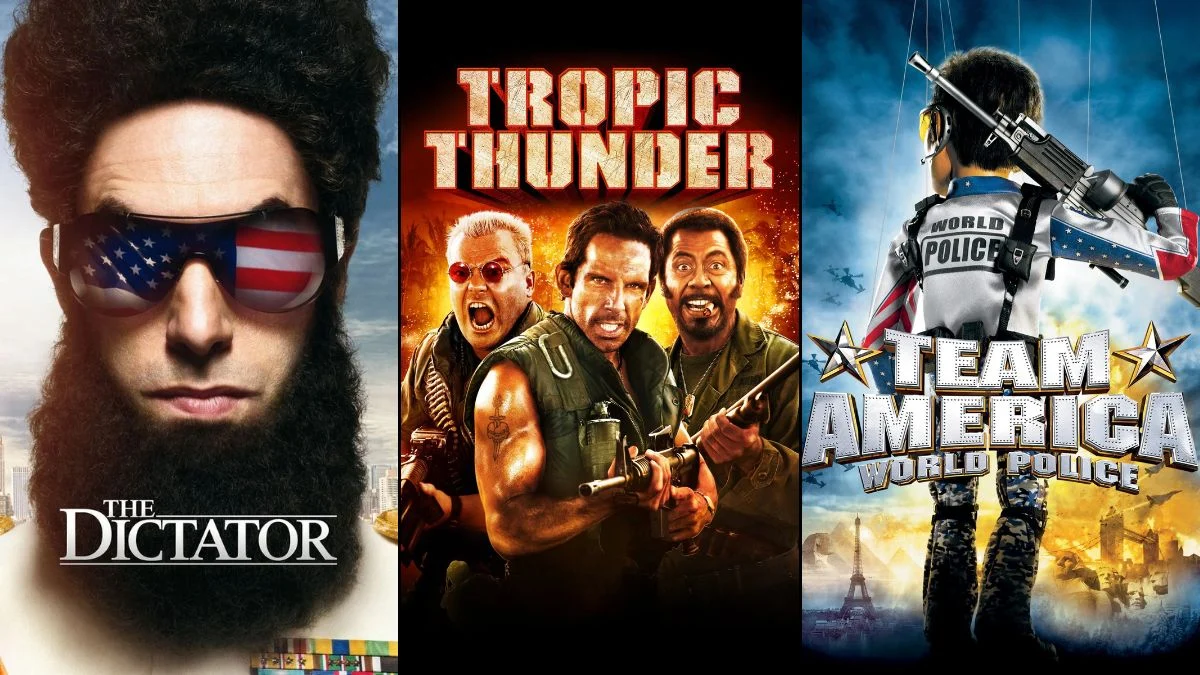


Controversial comedy films often ignite heated discussion because their stories push boundaries, question social norms, or use humor in ways some viewers find provocative. These films sometimes spark debates about taste, intent, and cultural impact while still gaining attention for their bold approaches. This list explores twenty such titles that became talking points for audiences around the world.
‘The Interview’ (2014)
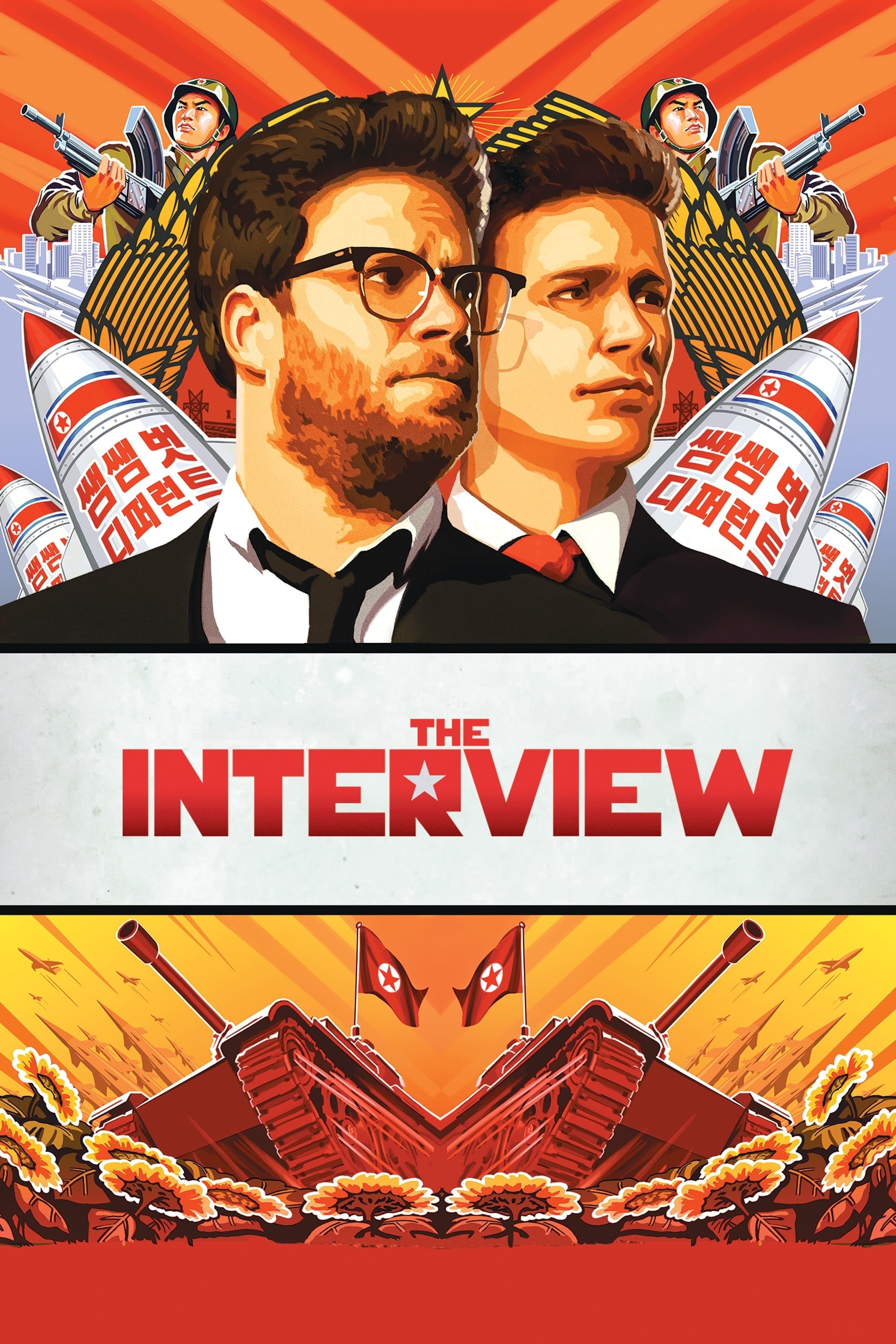
This film drew international headlines due to its story centered on a fictional plot involving a real world political leader. The studio faced public pressure after security concerns led to a limited release. The film used satire to explore media manipulation and global tension. Its distribution strategy became an important moment for conversations about safety and artistic expression.
‘Borat: Cultural Learnings of America for Make Benefit Glorious Nation of Kazakhstan’ (2006)
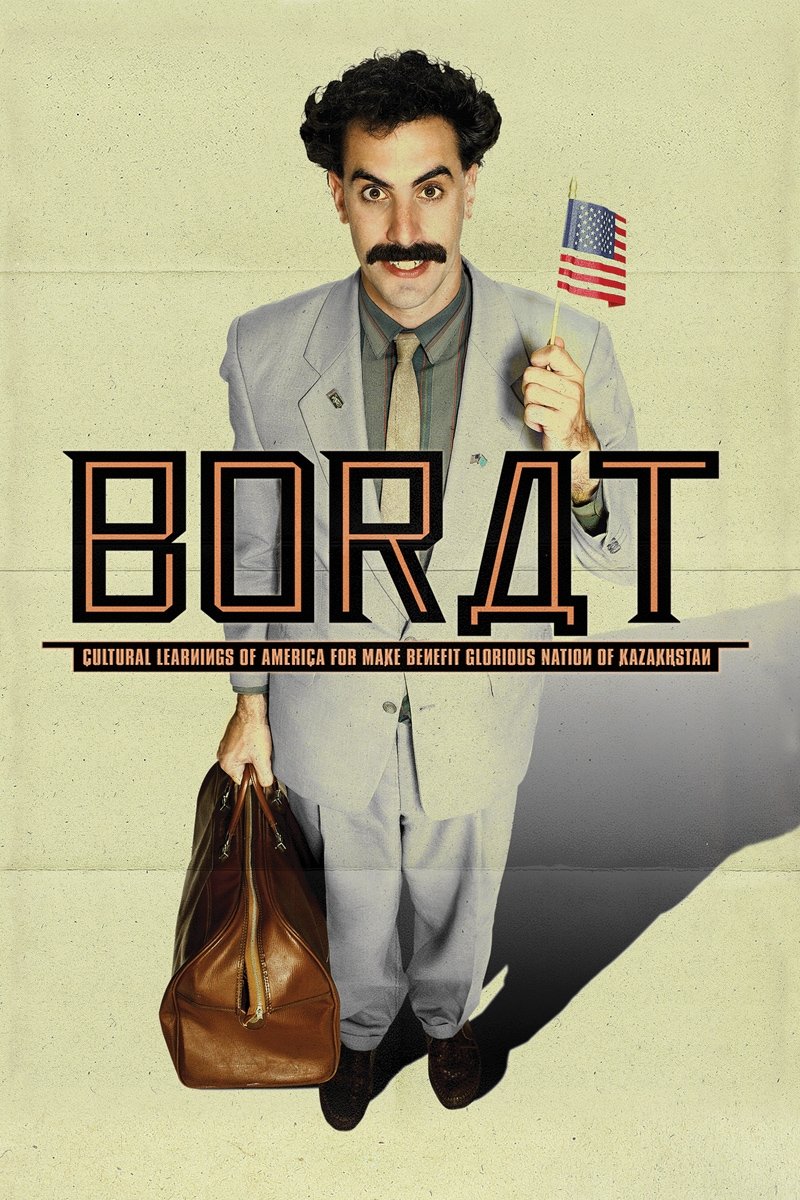
The film used mockumentary style comedy to capture unscripted reactions from everyday people. Many scenes sparked debate because participants later questioned how they were portrayed. The central character highlighted cultural misunderstandings through exaggerated behavior. The release led to ongoing discussion about consent in unscripted filmmaking.
‘Tropic Thunder’ (2008)
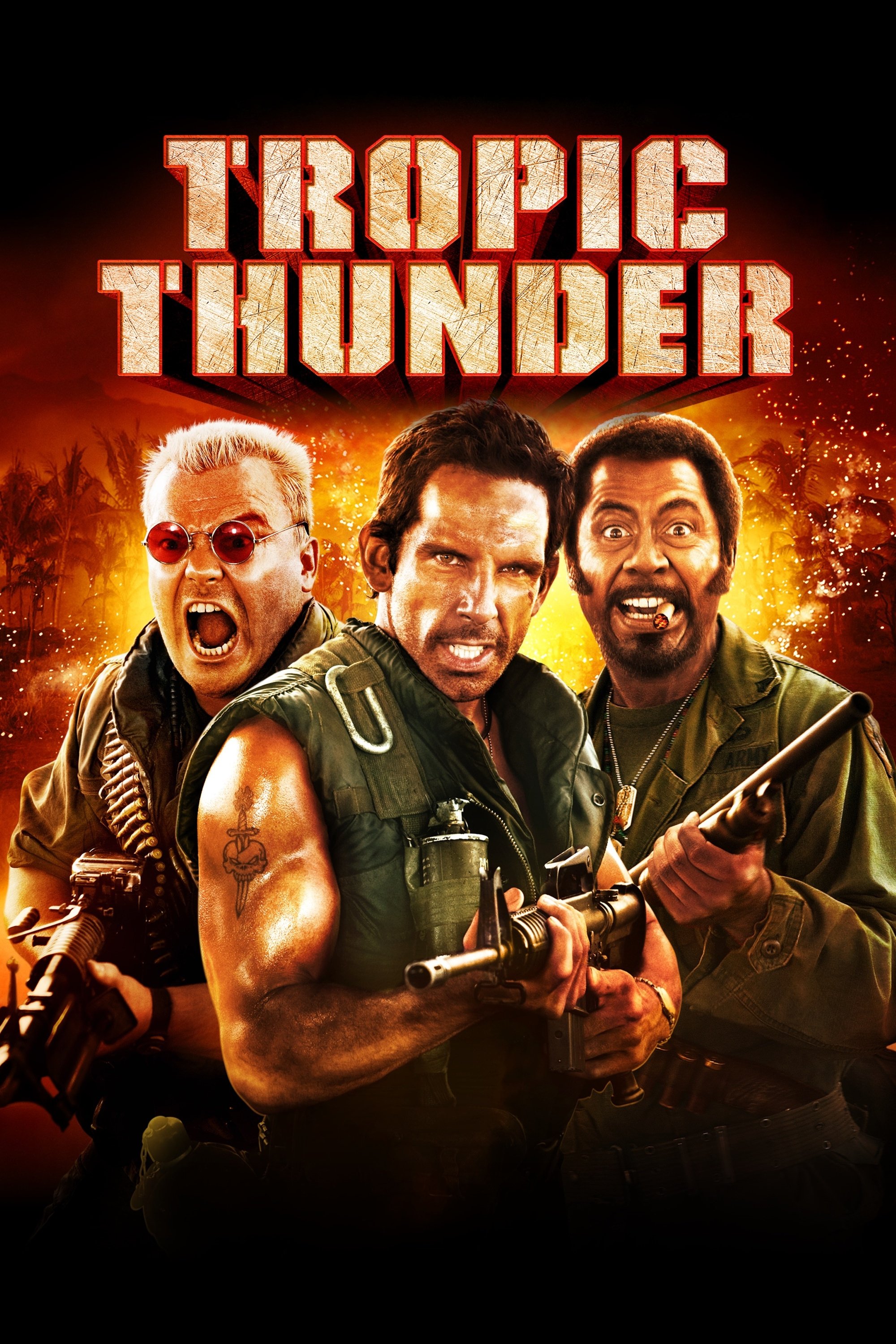
This film stirred discussion due to its satirical take on Hollywood stereotypes. Some viewers questioned the portrayal of certain character types while others defended it as commentary on the industry. The narrative focused on actors who become trapped in a dangerous situation while filming a war movie. Its themes encouraged conversation about satire in entertainment.
‘Team America: World Police’ (2004)
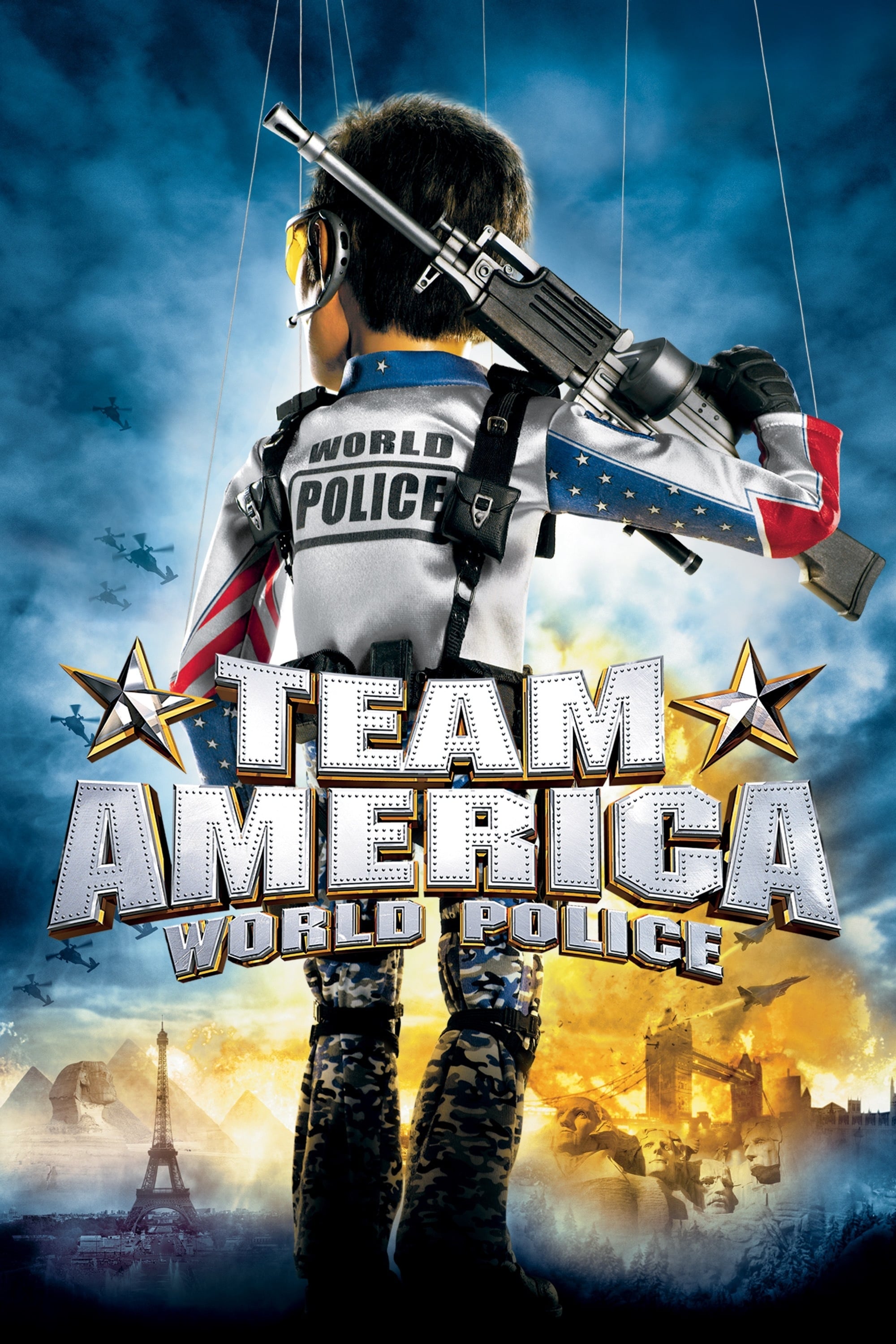
The film used marionette puppetry to present an exaggerated version of global conflict. It drew attention for its approach to political and cultural targets. The creators used comedy to critique international intervention. Some audiences questioned the tone while others viewed it as political parody.
‘South Park: Bigger, Longer & Uncut’ (1999)
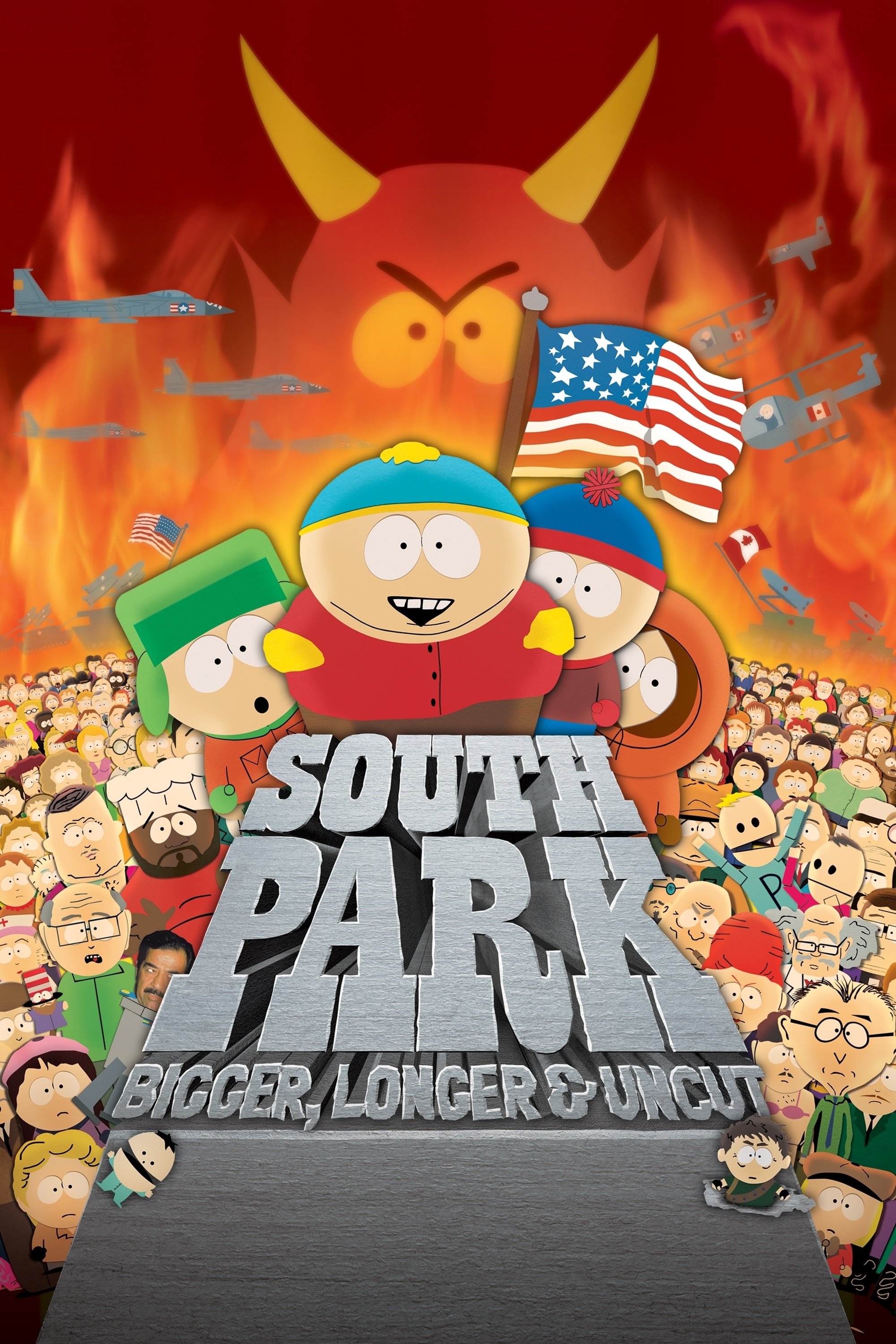
This animated film expanded the irreverent style of its television predecessor. The story explored themes of censorship and parental influence. Its musical format allowed the creators to push satirical elements even further. The film sparked public debate over animated content aimed at adults.
‘The Dictator’ (2012)
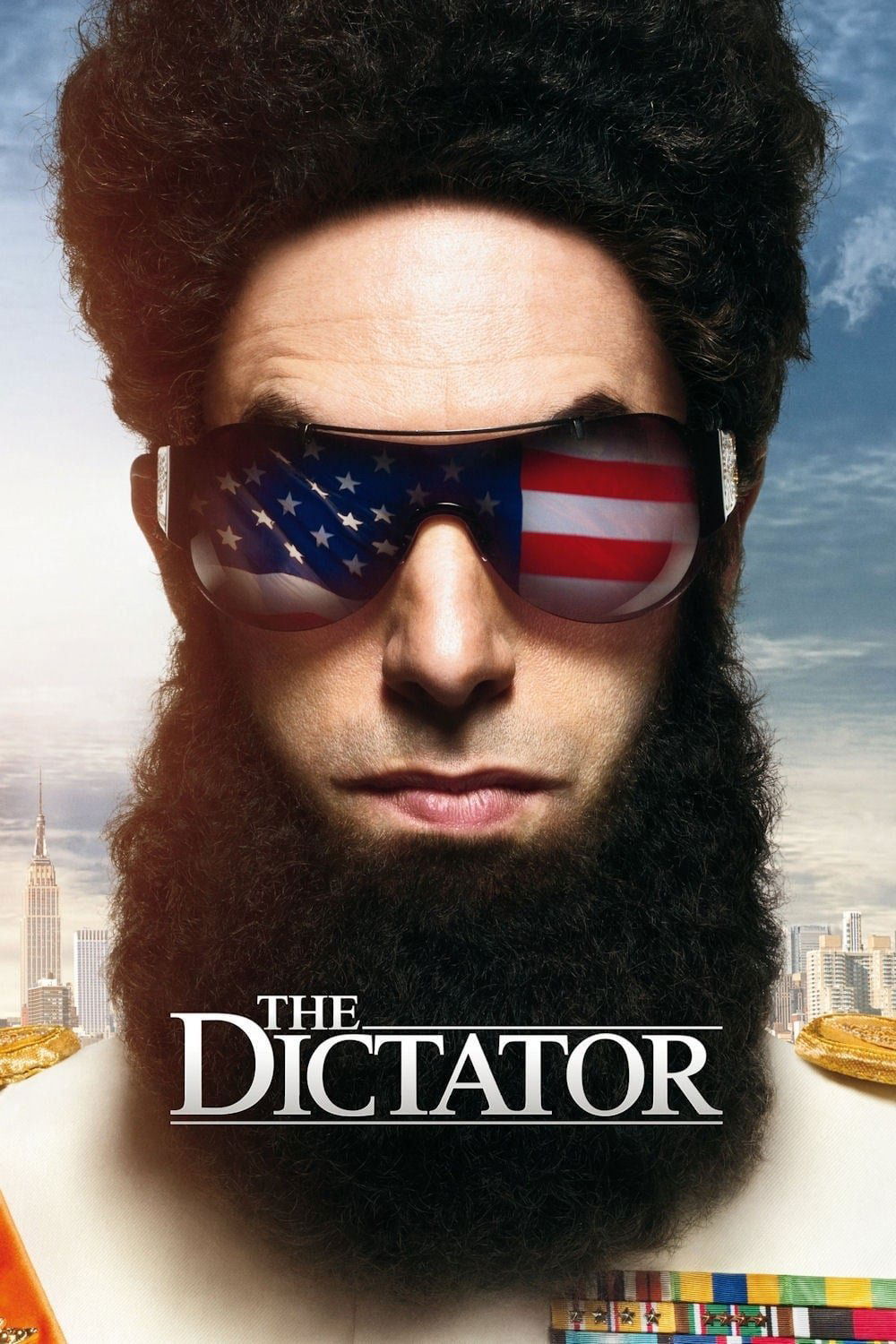
The story followed a fictional leader whose actions mirrored recognizable political behaviors. Its humor relied on extreme scenarios that sparked discussion about cultural representation. The film used comedy to examine totalitarian power. Some audiences debated the line between satire and insensitivity.
‘Brüno’ (2009)
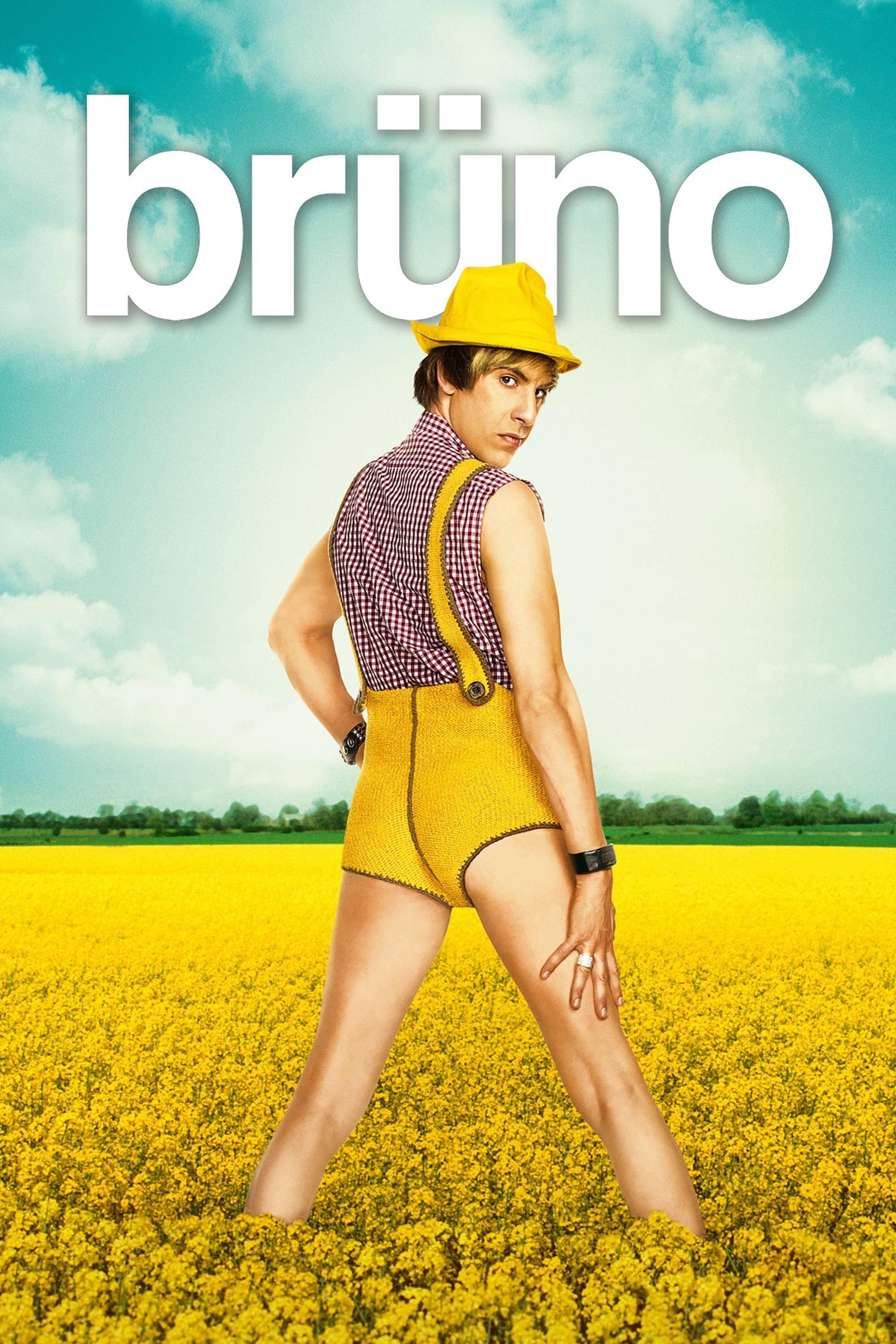
This film presented a flamboyant fashion personality placed in unscripted situations. Reactions from real people became a central part of the comedic approach. The film generated conversation about representation in media. Many debated whether the humor challenged stereotypes or reinforced them.
‘The Death of Stalin’ (2017)
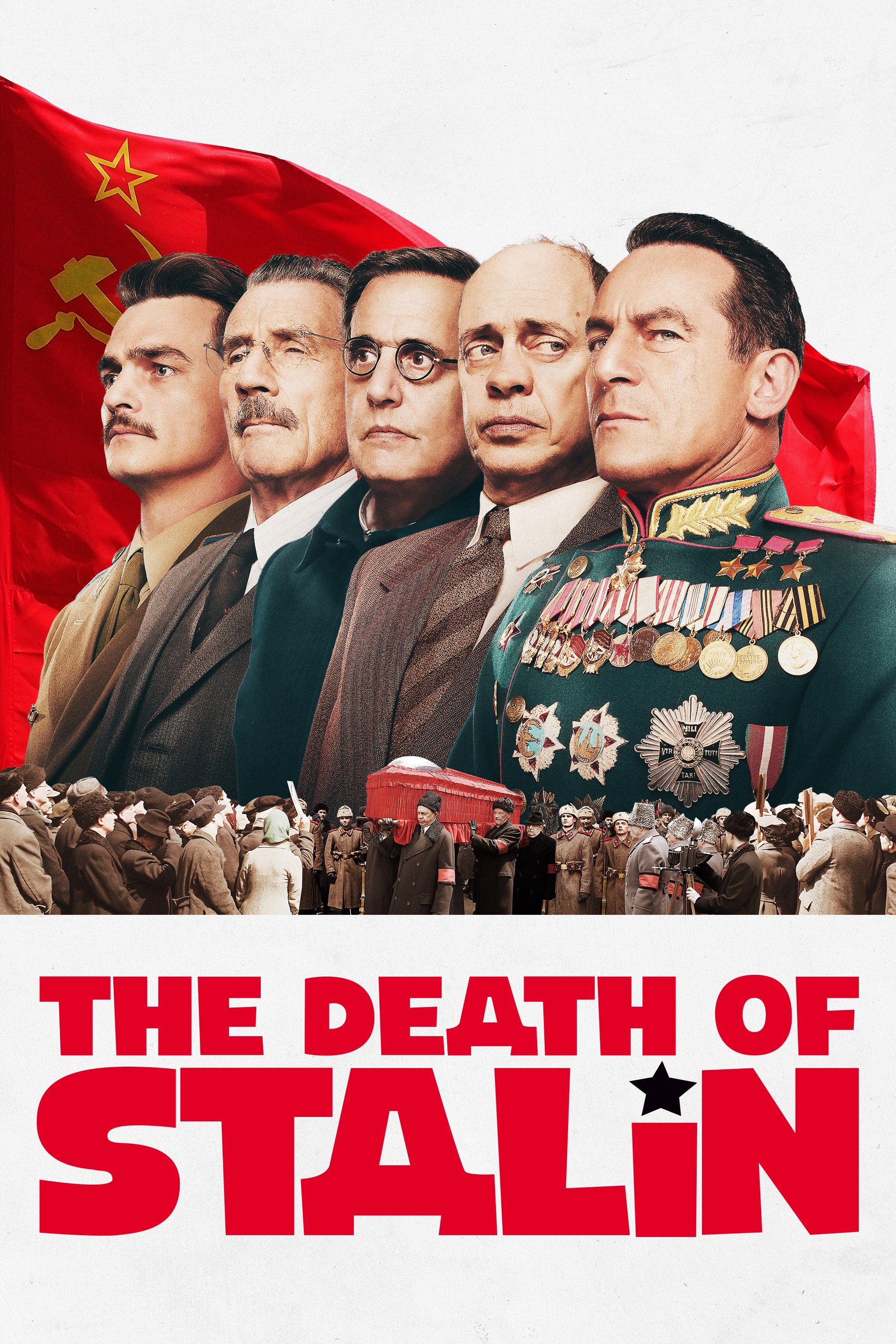
This political satire drew attention for portraying real historical figures in comedic fashion. The narrative explored power struggles within a brutal regime using sharp humor. Some countries restricted its release due to concerns about historical portrayal. Audiences discussed the use of comedy to examine authoritarian systems.
‘Ace Ventura: Pet Detective’ (1994)
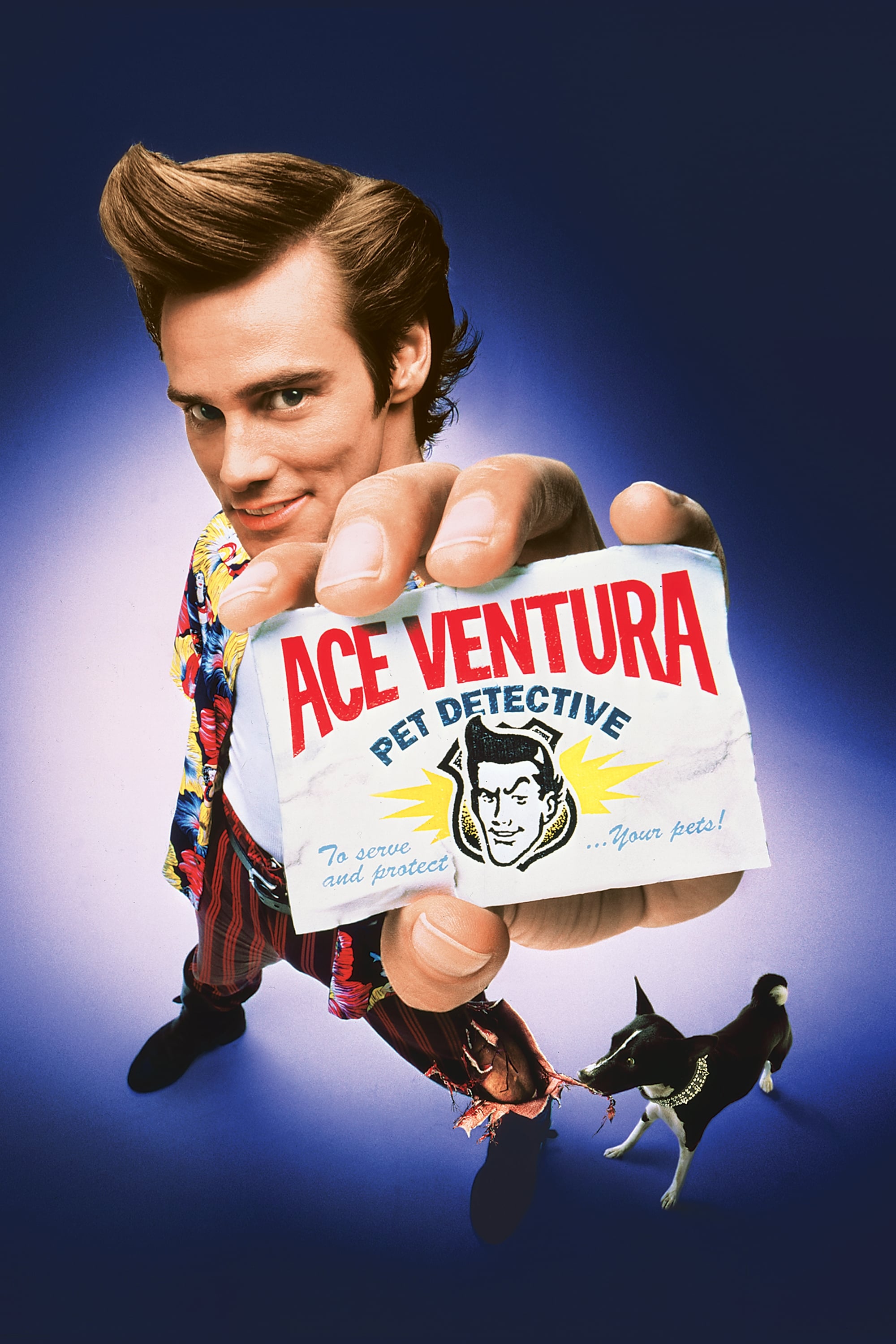
The film became a talking point years after release due to criticism of certain plot twists. Discussions centered on how the portrayal of a character affected public perception. The narrative relied on broad physical comedy across a detective story. The film remains an example of how humor can be reevaluated through modern lenses.
‘White Chicks’ (2004)

The story followed two law enforcement officers who disguise themselves to solve a kidnapping case. Its premise raised debate about identity and comedic transformation. Many discussed the film in relation to portrayals of race in entertainment. Its approach remains a frequent topic in cultural commentary.
‘The Hangover Part II’ (2011)
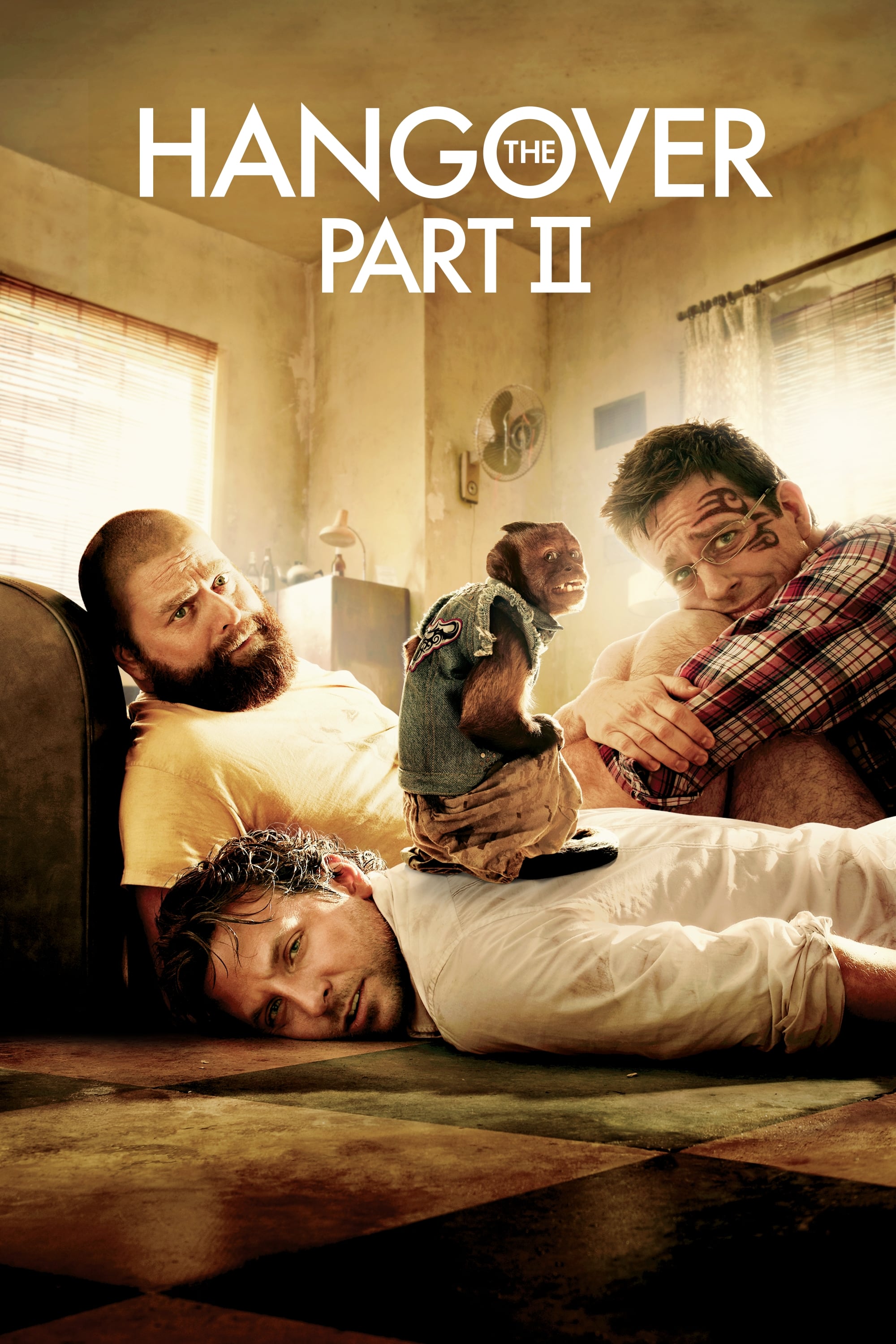
The film followed a group of friends navigating a chaotic series of events abroad. Some critics debated its portrayal of cultural elements in the city where it was set. The story used escalating comedic situations to mirror the structure of the first film. Its global backdrop became a key part of the public conversation.
‘EuroTrip’ (2004)
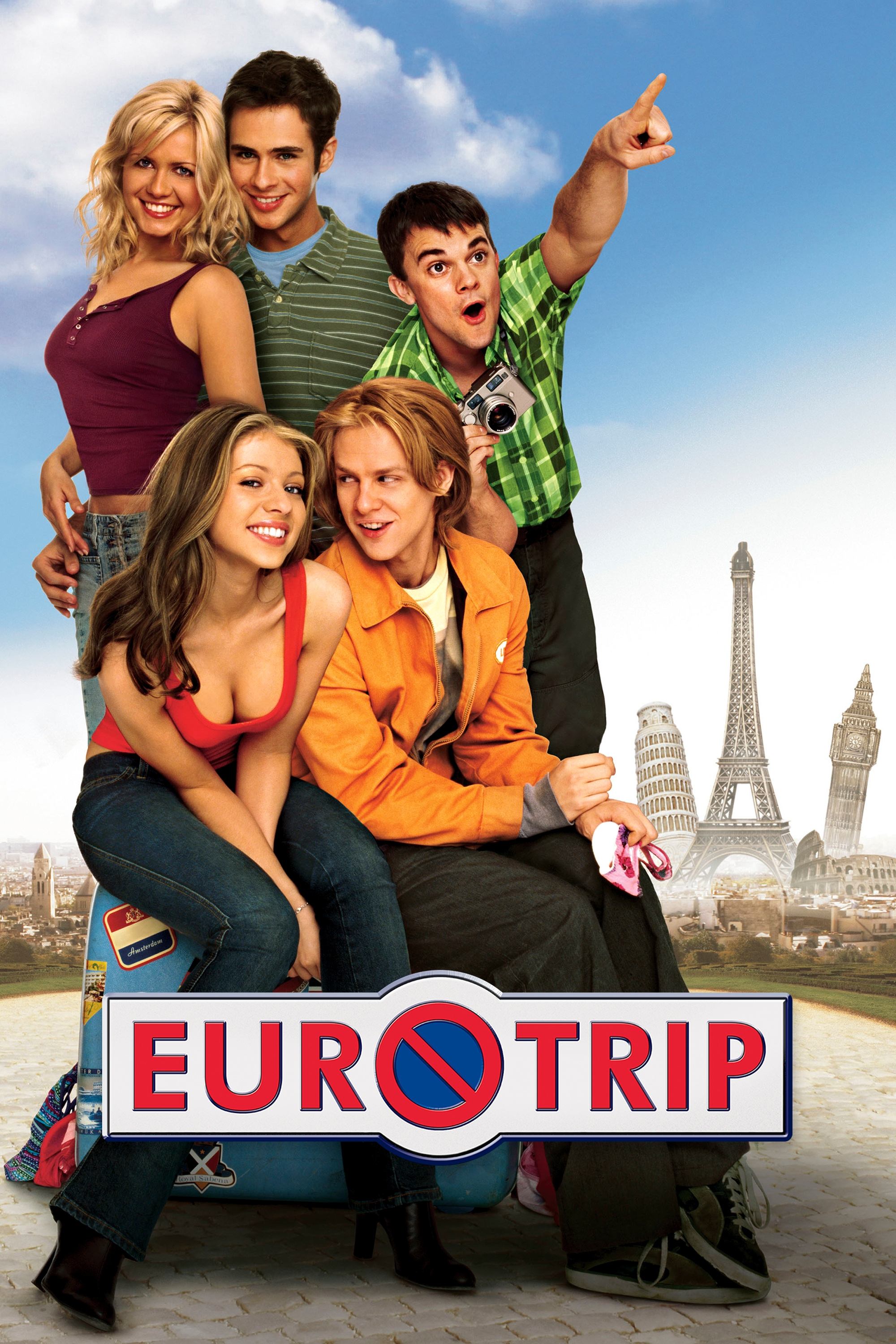
The story followed teenagers traveling across Europe after a misunderstanding. Some sequences sparked debate about cultural stereotypes in youth comedies. The narrative relied on a series of misadventures across different countries. Audiences continued to discuss its portrayal of regional identities.
‘Zoolander’ (2001)

This satire of the fashion world used exaggerated characters to portray industry excess. The plot involved a conspiracy that placed a model at the center of international intrigue. Its humor generated discussion about the portrayal of creative industries. The film maintained a cult following despite debates surrounding its tone.
‘The House Bunny’ (2008)
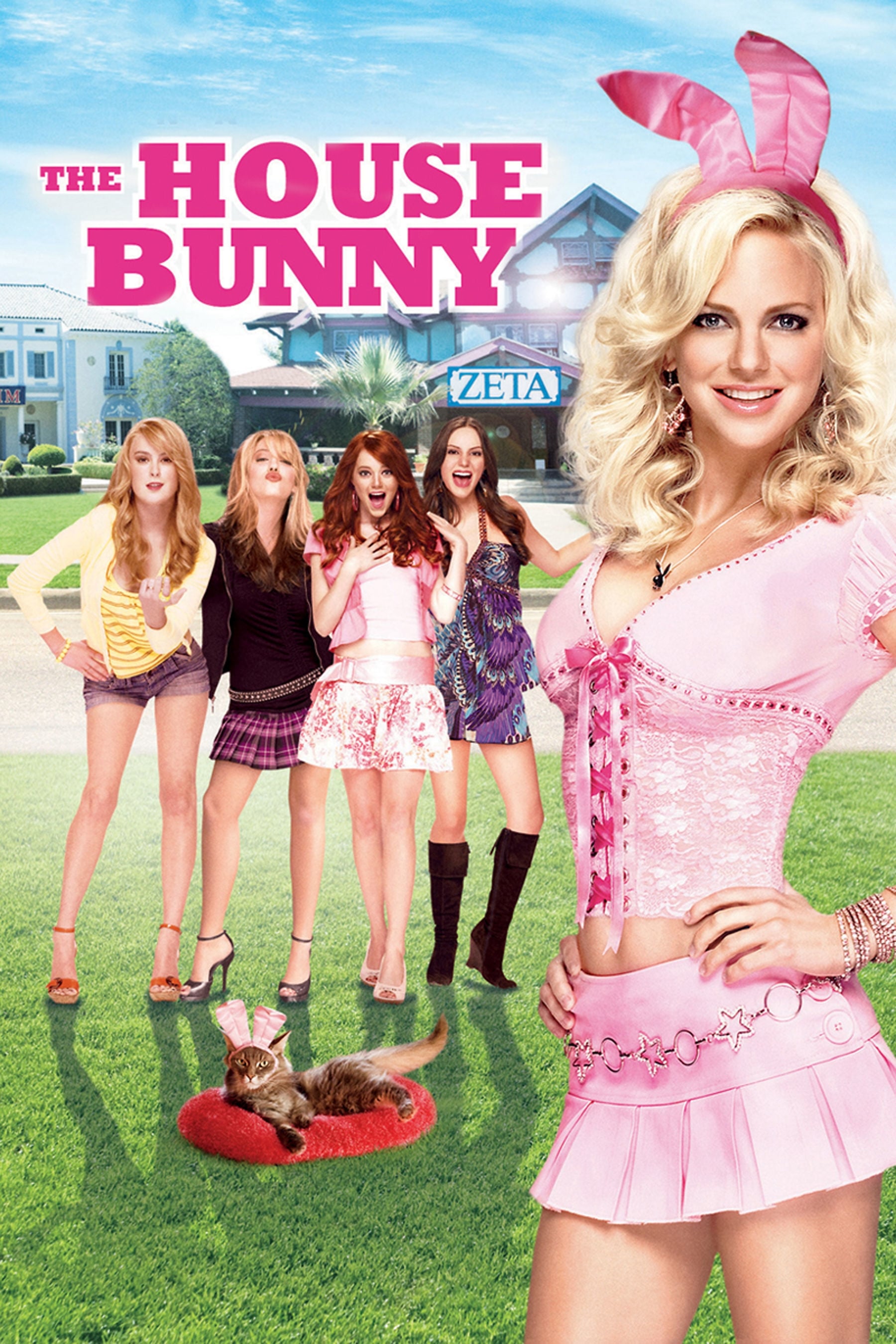
The story featured a former model who becomes a mentor to a group of socially isolated students. Some discussions centered on beauty standards presented within the narrative. The comedic approach explored themes of confidence and personal growth. Viewers debated how the film addressed appearance based expectations.
‘The Love Guru’ (2008)
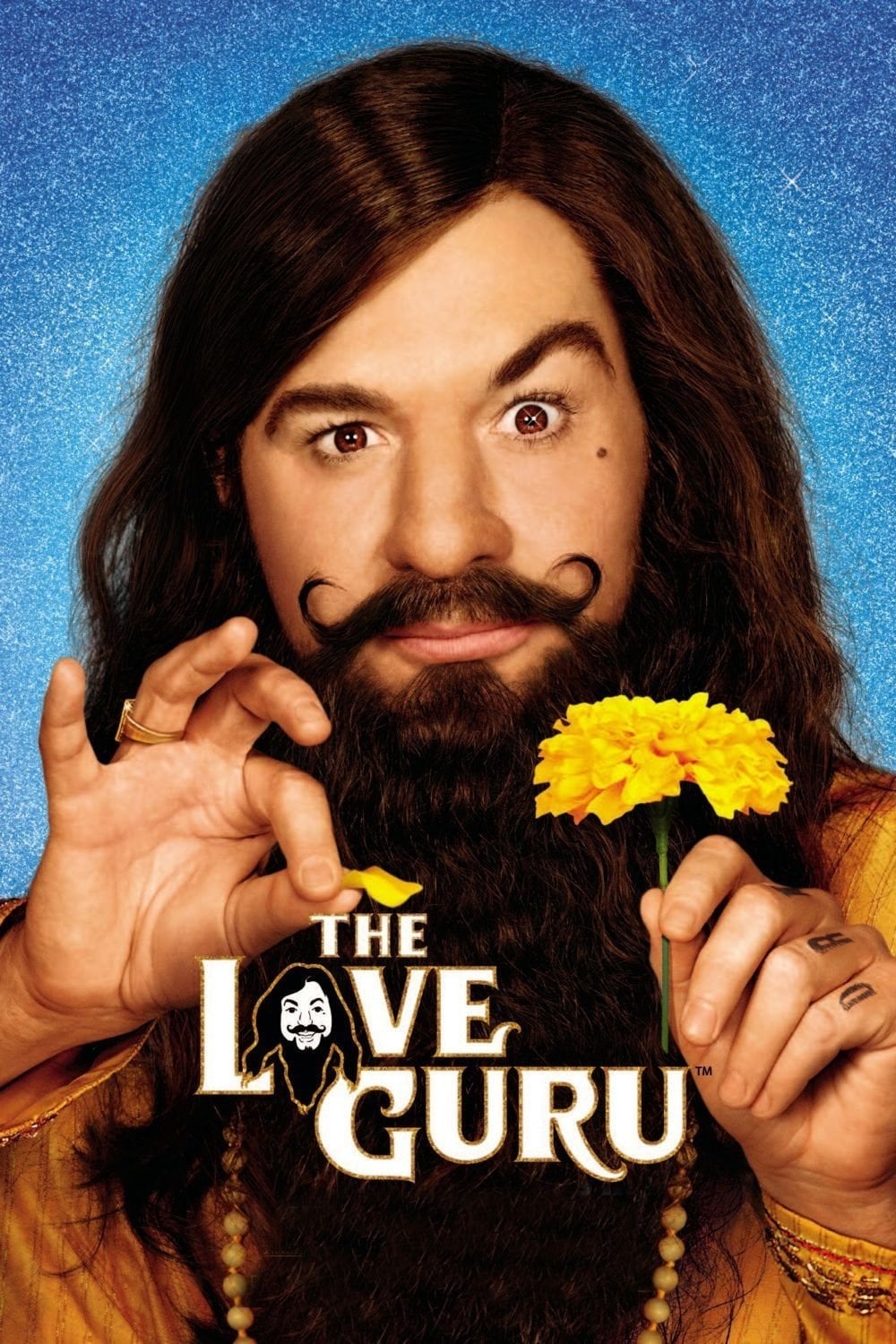
This film used exaggerated spiritual themes as part of its comedic framework. Discussions followed regarding the portrayal of cultural traditions. The narrative involved a self help figure tasked with repairing a troubled relationship. The film prompted conversation about respectful representation in comedy.
‘Harold & Kumar Go to White Castle’ (2004)
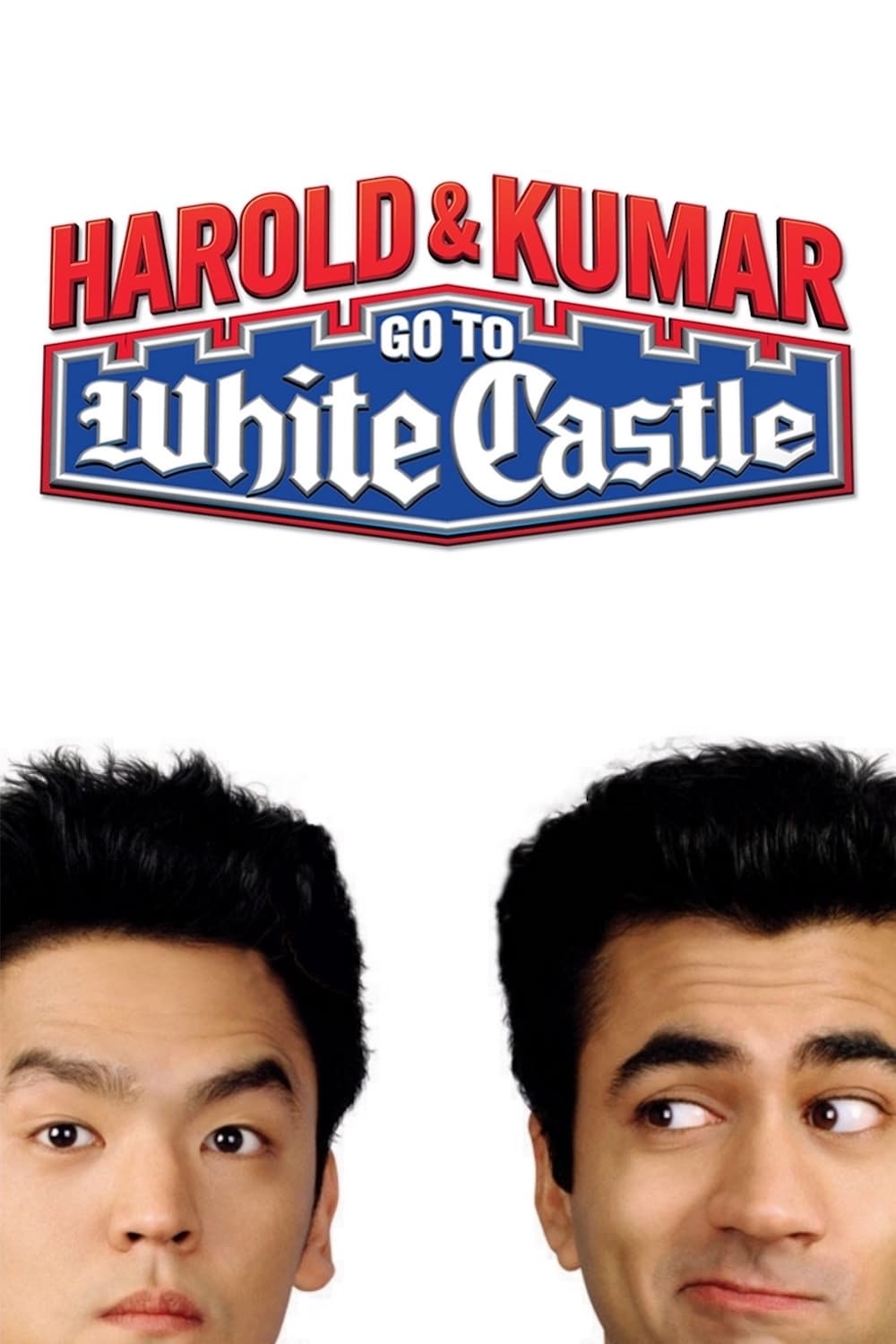
The story followed two friends on a late night quest that quickly spirals into chaotic encounters. It became notable for addressing stereotypes in humorous fashion. Viewers discussed how the film balanced comedy with cultural commentary. Its approach contributed to conversations about representation in mainstream films.
‘Heathers’ (1989)
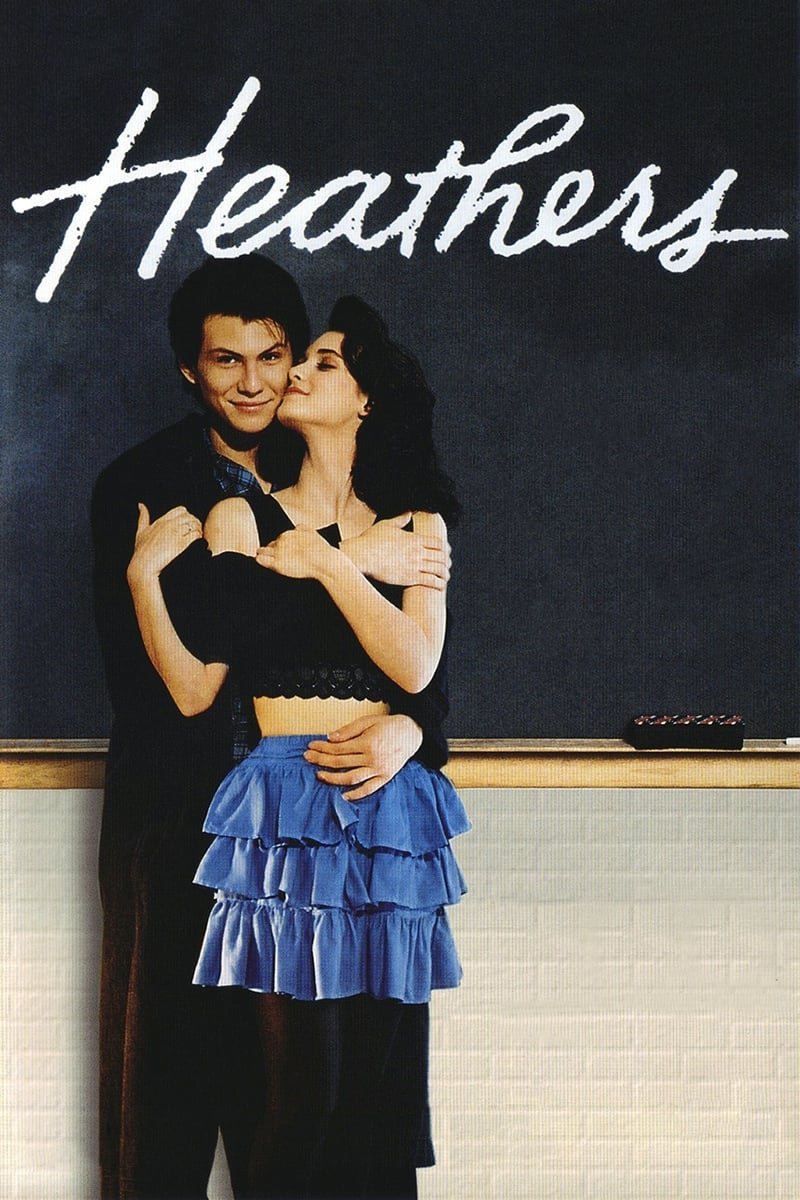
This dark comedy examined social groups within a high school setting. The story involved a series of extreme events that sparked discussion about youth culture. The film explored themes of popularity and peer influence. Audiences debated the use of humor to frame serious subject matter.
‘Drop Dead Gorgeous’ (1999)
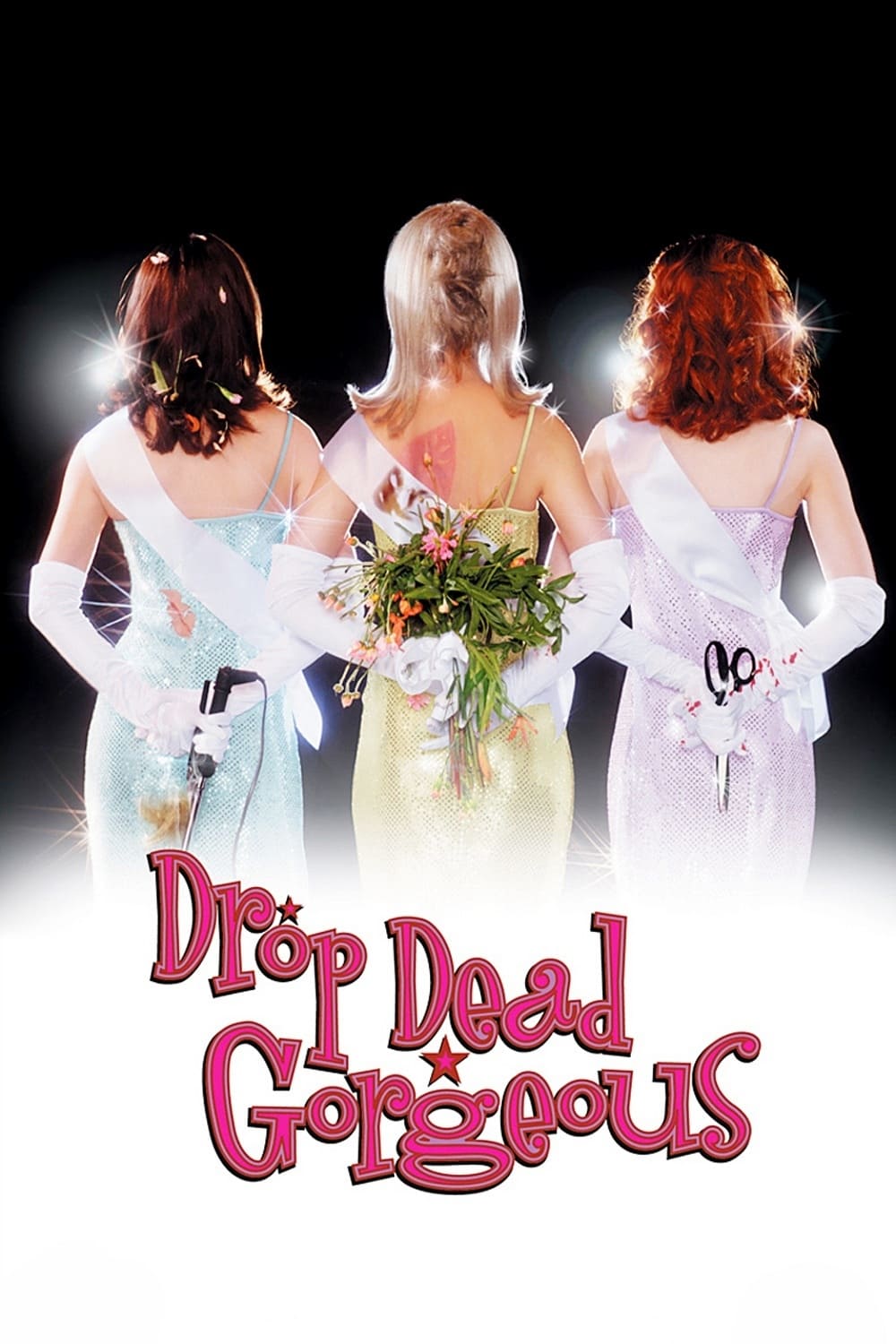
This mockumentary style comedy looked at competition dynamics within a beauty pageant. Viewers discussed its portrayal of small town life and ambition. The film used exaggerated characters to examine social pressure. Its sharp tone generated conversation about humor built around personal aspirations.
‘Election’ (1999)
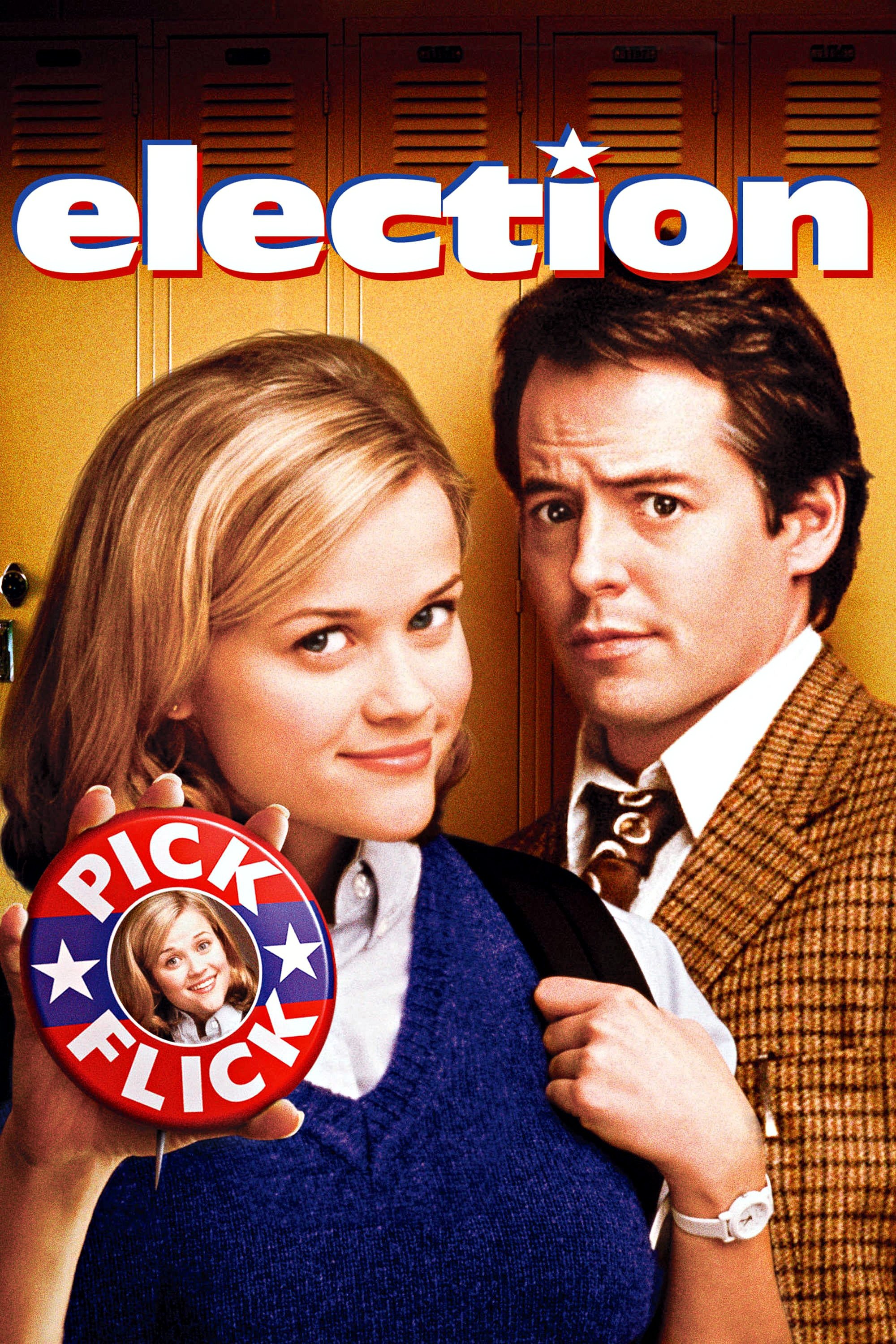
This political school based comedy focused on the race for student body president. The story explored themes of ambition and public image. Viewers debated the portrayal of flawed characters striving for advantage. The film became known for its examination of personal motives within competitive environments.
‘American Pie’ (1999)
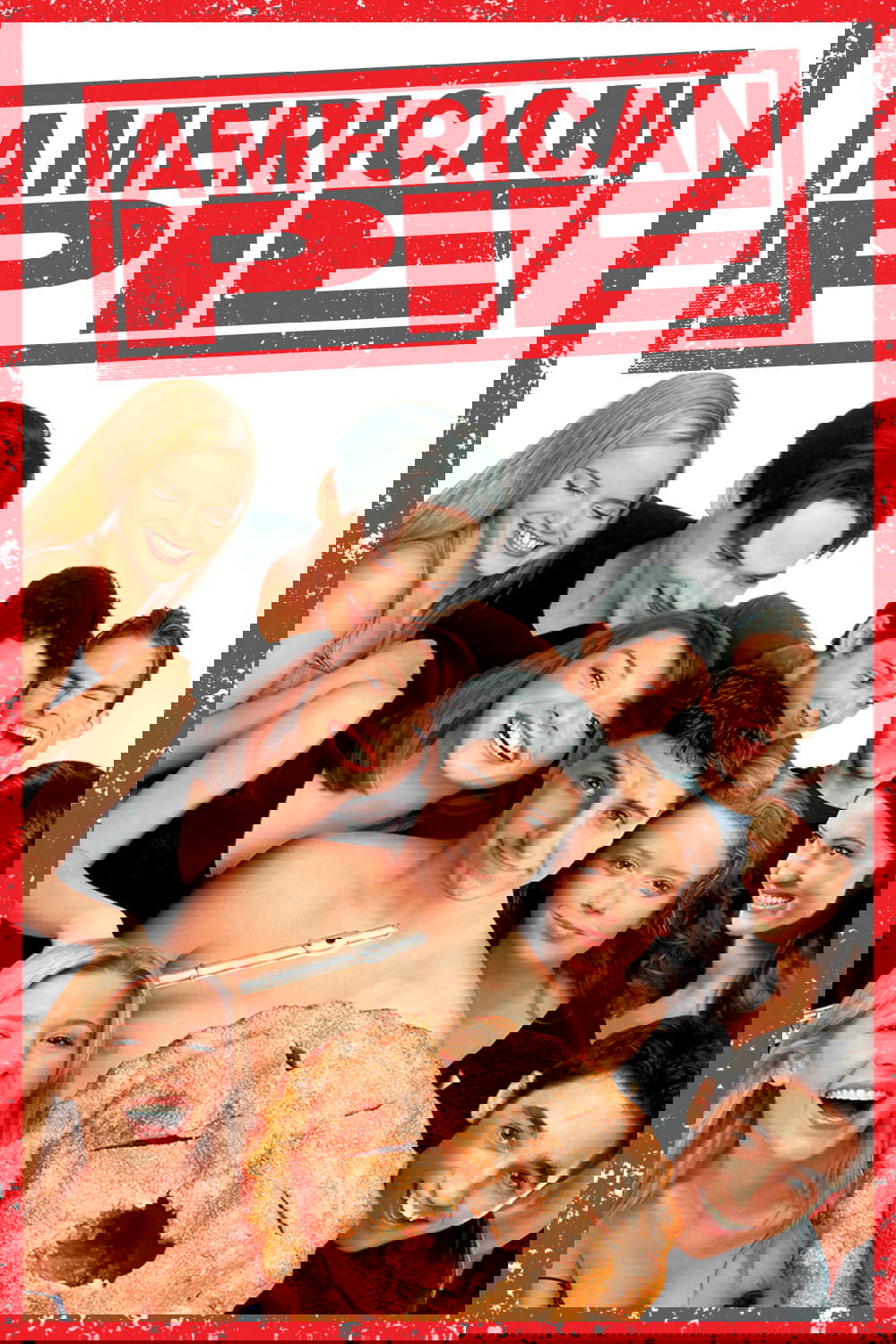
This teen comedy centered on a group of friends approaching their final days of school. Debates followed regarding the portrayal of relationships and adolescent behavior. The story used comedic misunderstanding to drive its narrative. Its themes became a frequent reference point in discussions about youth focused films.
Share your thoughts on which of these films sparked the most discussion in the comments.