


Top 10 Coolest Things About Bilbo Baggins

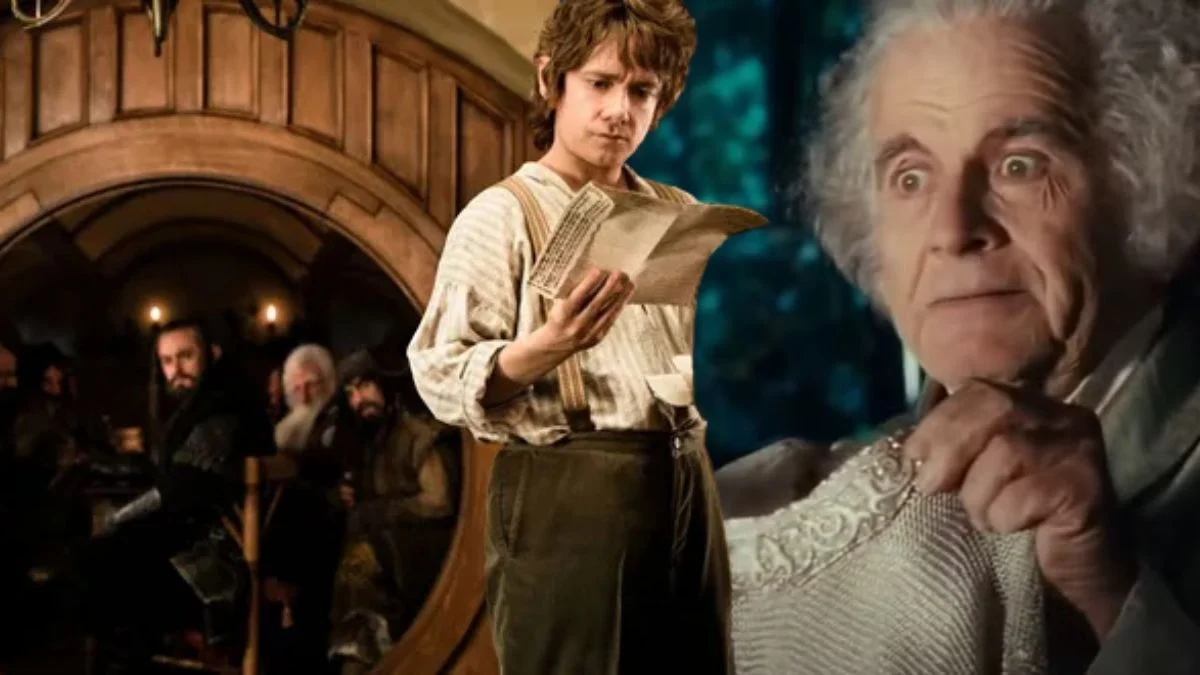


Bilbo Baggins begins as a quiet hobbit from Bag End in the Shire and ends up at the center of events that reshape Middle-earth. He is introduced living a comfortable life with a well known dislike for adventures, yet one unexpected visit from a wizard sets his entire path in motion and places him among dwarves, elves, and dragons.
Across his journeys he acquires artifacts that matter to later history, writes accounts that preserve what happened, and forges ties that connect races that rarely meet. His choices influence the fates of kingdoms and also the safety of his own home, even when he is far away from it.
The Unexpected Burglar
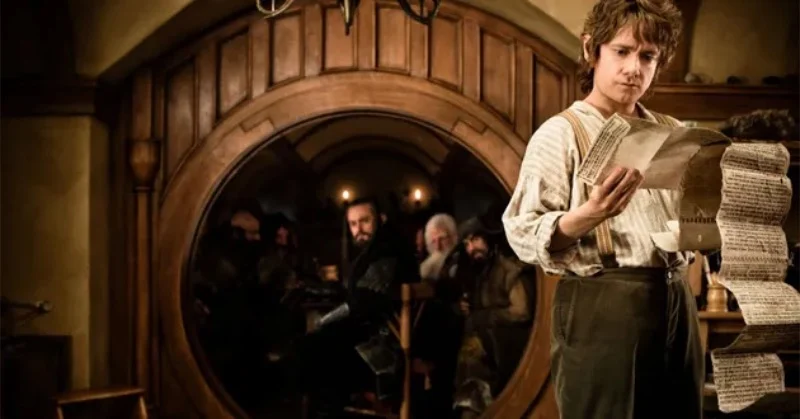
Gandalf selects Bilbo as the fourteenth member of Thorin Oakenshield’s company to reclaim Erebor. Bilbo signs a contract that outlines his share of profits and his responsibilities, and he departs the Shire at age fifty in the spring of the year the quest begins. His small size and quiet steps make him suited for scouting and slipping past threats.
On the journey east he takes point in several key moments such as infiltrating the trolls’ camp and exploring the goblin tunnels under the Misty Mountains. The role of burglar is not about theft for its own sake but about stealth and initiative that the company lacks, which Bilbo steadily provides as they travel through the Wild.
The Riddle Game With Gollum
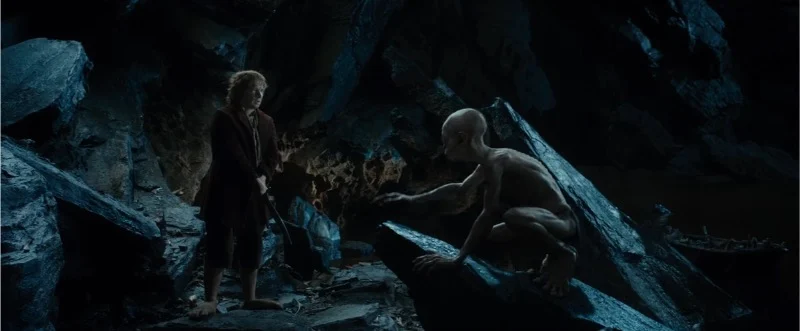
In the depths beneath the Misty Mountains Bilbo encounters Gollum and enters a traditional contest of riddles. The exchange follows long standing riddle customs of question and answer, with each side posing challenges drawn from everyday things and natural phenomena. Victory means a safe guide out of the darkness while failure means remaining at Gollum’s mercy.
Bilbo ultimately asks a question about what he has in his pocket, which is not a formal riddle, and this unsettles the agreement but also leads to his escape. The meeting establishes knowledge of the creature who once possessed the Ring and creates a first link between the Shire and the long hidden legacy of the Second Age that later surfaces again in ‘The Lord of the Rings’.
The Finding of the One Ring
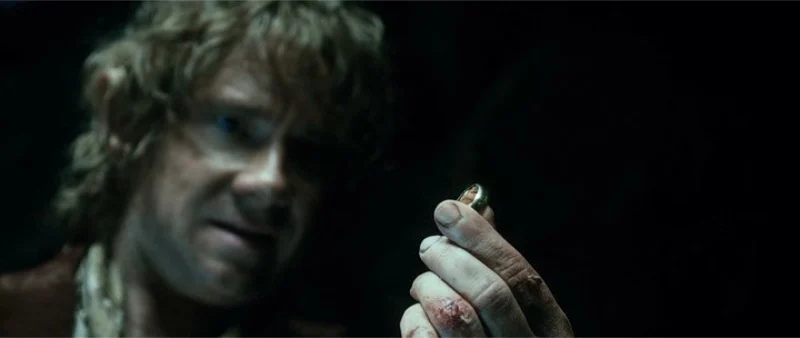
While crawling in the dark Bilbo discovers a golden ring that seems ordinary at first. He learns its power when he accidentally slips it on and becomes invisible to those around him. This power allows him to evade goblins and later to scout enemy positions without being seen.
The Ring’s nature is not fully revealed to Bilbo during his travels, yet its effects slow his aging and affect his mood and attachment to the trinket. The discovery sets up the later quest to destroy the Ring and explains how the most dangerous artifact in Middle-earth moves from Gollum’s keeping into a hobbit hole in the Shire, which is shown in ‘The Hobbit’ and then brought to a climax in ‘The Lord of the Rings’.
Sting and the Mithril Shirt
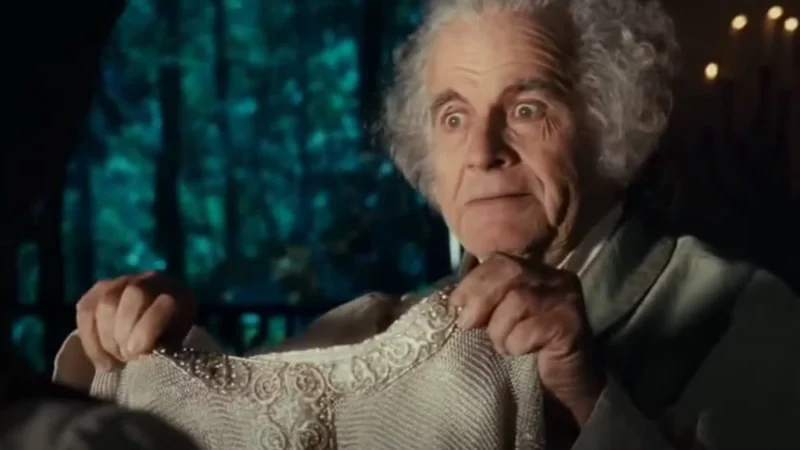
Bilbo acquires a short Elvish blade in the trolls’ hoard that glows in the presence of nearby orcs. He names it Sting after using it to drive off giant spiders in Mirkwood and keeps it sheathed at his side for the rest of the journey. The sword’s origin from Elven craft gives it unusual sharpness and a warning light that proves vital more than once.
He later receives a shirt of mithril in Erebor’s treasury. The mail is made of the rare metal mined by the Dwarves of Khazad-dûm and is light yet harder than steel. Bilbo gifts both items to Frodo many years later in Rivendell, and the mithril shirt saves Frodo’s life in events depicted in ‘The Lord of the Rings’.
The Barrel Escape From Thranduil’s Halls
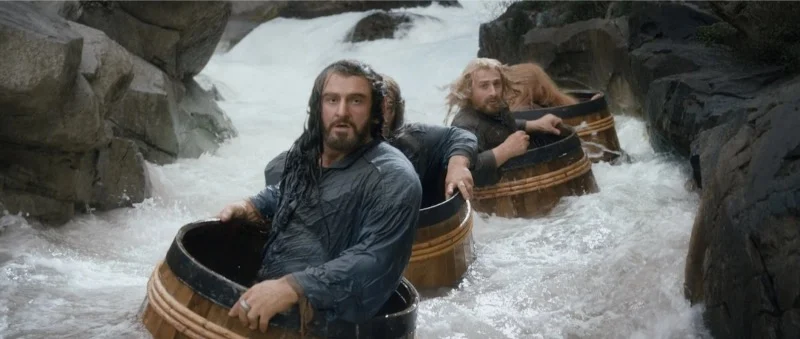
When the company is captured in the Woodland Realm Bilbo remains unseen thanks to the Ring. He scouts the Elvenking Thranduil’s underground halls and discovers the water gate and the wine cellars that lead to the river. Using the dwarven keys and his position outside the cells he engineers a plan that loads the dwarves into empty barrels for a covert exit.
Bilbo guides the release by opening the trapdoor and riding a barrel himself, which carries them down the Forest River toward Lake-town. The escape shifts the quest back on track after weeks of confinement and shows how stealth and planning overcome a situation that direct force could not solve, a sequence portrayed on screen in ‘The Hobbit’.
The Conversation With Smaug
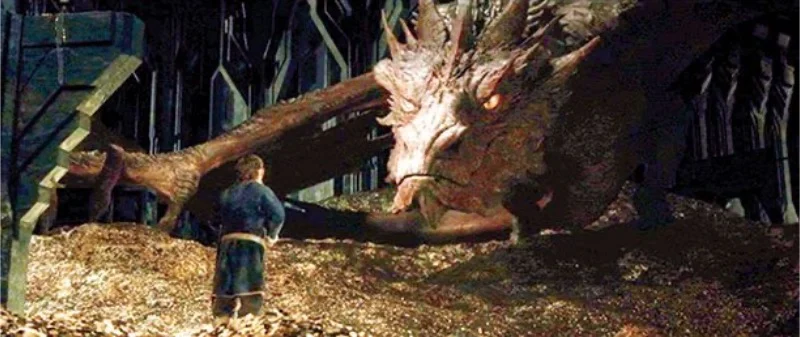
Bilbo enters the treasure chambers under the Lonely Mountain through a secret door opened by moon letters and the setting sun. He confronts Smaug through careful wordplay that avoids giving his name or homeland, using riddling titles such as clue giving descriptions to mask his identity. During the exchange he notices a bare patch in the dragon’s armored underside.
He returns with this information, which later helps Bard of Lake-town to target the weak spot with the Black Arrow. The meeting also confirms that the dragon knows about the stirrings in the wider world, hinting at shadowed powers rising again. The entire encounter is a pivotal step that connects the quest for Erebor with the fate of the towns along the Long Lake, which appears in ‘The Hobbit’.
The Arkenstone as a Bargaining Chip
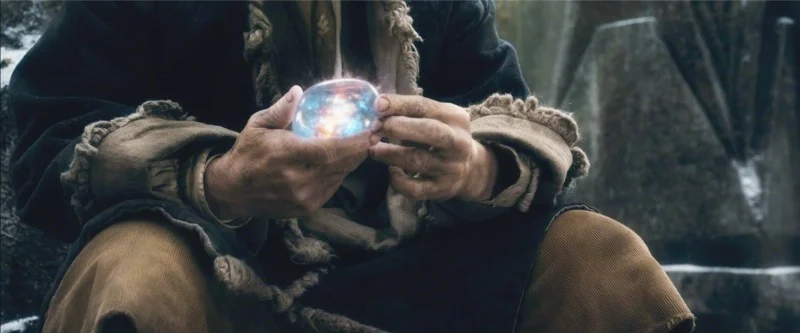
Inside Erebor Bilbo finds the Arkenstone of Thrain, the heart of the mountain and a symbol of kingship for Durin’s line. He keeps it hidden from Thorin as tensions rise over treasure distribution and alliances outside the mountain. Recognizing its leverage, he later delivers the Arkenstone to Bard and Thranduil to use in negotiations.
This act compels Thorin to consider terms because the Arkenstone carries the weight of lawful claim. The decision helps to avert immediate bloodshed before the Battle of Five Armies draws all sides together against a common enemy. The diplomatic use of a contested heirloom shows how Bilbo’s choices shape outcomes beyond combat, as shown in ‘The Hobbit’.
The Red Book and the Record of Events
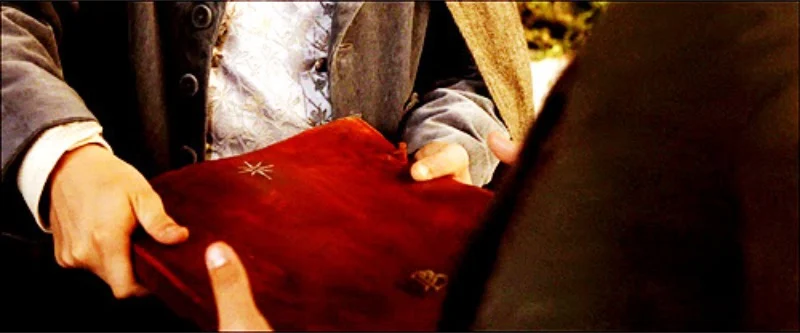
Bilbo writes his account of the journey to Erebor and the early years after, which becomes the core of the Red Book of Westmarch. The manuscript preserves details of routes, songs, languages, and the customs he witnessed among dwarves and elves. It also includes poems and translations that reflect his long residence in Rivendell.
Frodo later continues the same volume with the War of the Ring and Samwise adds further entries, forming a primary historical source within the story world. The existence of the Red Book explains how the narrative of hobbit adventures reaches readers inside the fiction and also provides framing for the events depicted in ‘The Lord of the Rings’.
The Long Life and Final Journey West
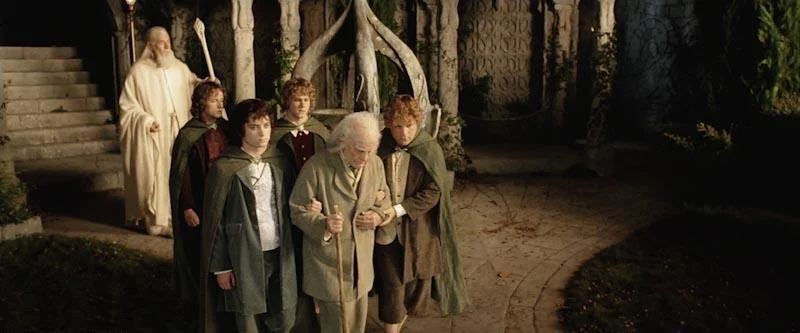
Thanks to his years with the Ring Bilbo ages more slowly than other hobbits, reaching his eleventy-first birthday in remarkable health. After his farewell party in the Shire he relocates to Rivendell to live among the elves and to finish his writing and translations. He stores his possessions with care and passes on what will be needed for the next quest.
At the end of the Third Age he is granted passage aboard the White Ship from the Grey Havens. He sails into the West in the year the Ring is destroyed, accompanied by Frodo, Gandalf, and the elves. This voyage marks the closing of one era and the passing of many ancient powers, a moment that concludes the timeline followed through ‘The Lord of the Rings’.
The Baggins and Took Heritage
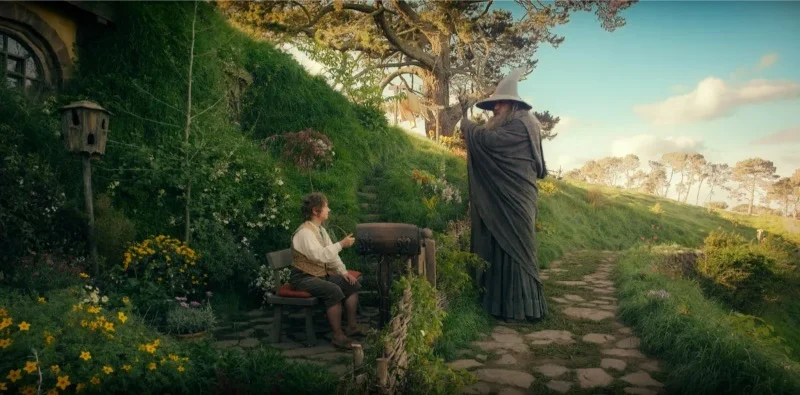
Bilbo’s family line combines the steadiness of the Baggins clan with the adventurous streak of the Tooks. His mother Belladonna was a Took, which the Shire often notes when explaining his taste for travel. His father Bungo built Bag End, the comfortable hobbit hole that becomes famous for hospitality and well stocked pantries.
This mixed heritage explains both his love of home and his aptitude for bold choices when duty calls. The balance between restraint and curiosity helps him navigate councils, caves, and courts from the Green Dragon Inn to the halls of Elrond. The background of his parents and relations gives context to his reactions in ‘The Hobbit’ and later references in ‘The Lord of the Rings’.
Share your favorite Bilbo moments in the comments and tell us which detail you think best captures who he is.