


Top 10 Coolest Things About Bruce Lee

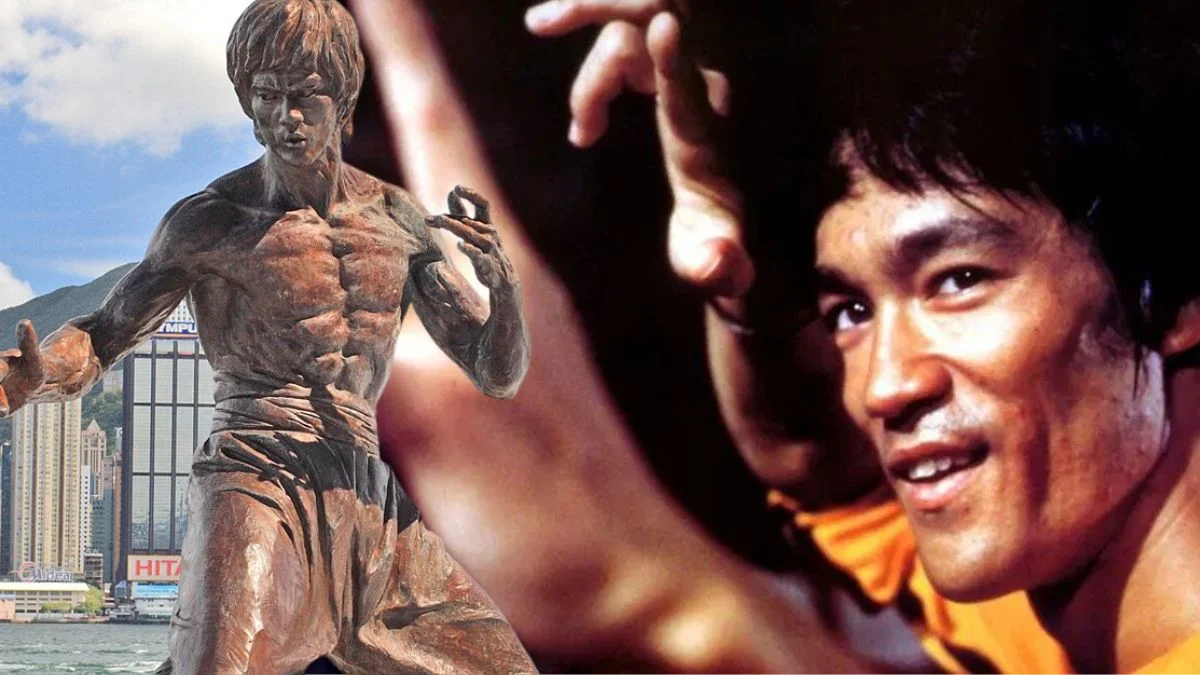


Bruce Lee’s life is packed with details that read like a blueprint for modern action cinema and contemporary martial arts training. He was born in San Francisco in 1940, grew up in Hong Kong, and returned to the United States as a teenager, which gave him a rare cross cultural perspective that shaped everything he created. He studied philosophy at the University of Washington and taught martial arts in Seattle, Oakland, and Los Angeles, building a network of students who helped share his ideas across film, sports, and fitness.
His career moved fast, from television appearances to international film stardom in only a few years. He designed his own training equipment, wrote extensively about combat principles, and developed a personal system that prioritized practicality and personal expression. His films introduced authentic speed and rhythm to fight scenes, and his public demonstrations showed techniques that caught on with athletes and performers for decades after.
Founder of Jeet Kune Do

Bruce Lee developed Jeet Kune Do in the late 1960s as a personal approach to combat that emphasized efficiency, directness, and adaptability. He removed rigid patterns and encouraged practitioners to absorb what is useful and discard what is not, blending techniques from boxing, fencing, Chinese martial arts, and street oriented training. He documented drills, timing concepts, and footwork in notes and lesson plans that circulated among his students.
He opened schools known as Jun Fan Gung Fu Institutes in Seattle, Oakland, and Los Angeles, where he refined the curriculum that would inform Jeet Kune Do. Senior students such as Dan Inosanto, Taky Kimura, and Ted Wong helped preserve and pass on his material, which focused on structure, interception, and real world application rather than performance forms.
Legendary Speed and Demonstrations
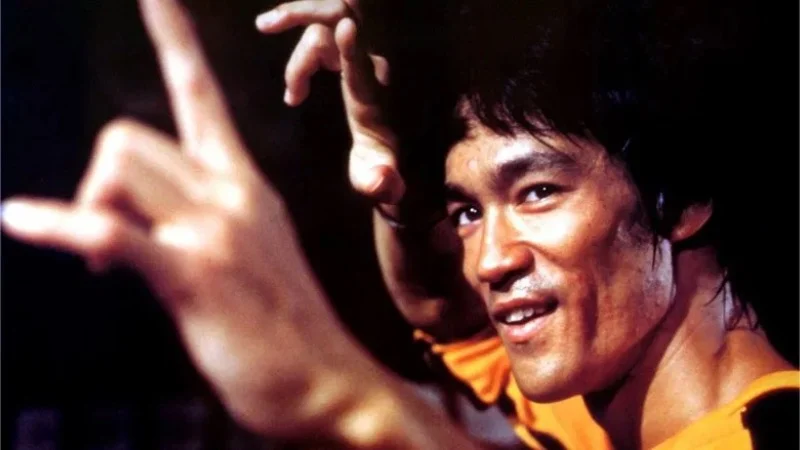
Bruce Lee’s live demonstrations became a calling card during the 1960s, including his appearances at the Long Beach International Karate Championships. Spectators saw focus mitt drills done at close range, rapid fire lead hand strikes, and his well known one inch punch that illustrated body mechanics and power generation from short distances. These exhibitions were recorded and shared, turning training room ideas into widely discussed examples.
He also showcased timing exercises such as stop hits and footwork that closed distance quickly while maintaining balance. Training partners and students described drills that used light contact to test reaction time and accuracy, which later informed how he staged fights on camera. These displays helped bridge the gap between practice halls and popular culture.
Cross Cultural Breakthrough
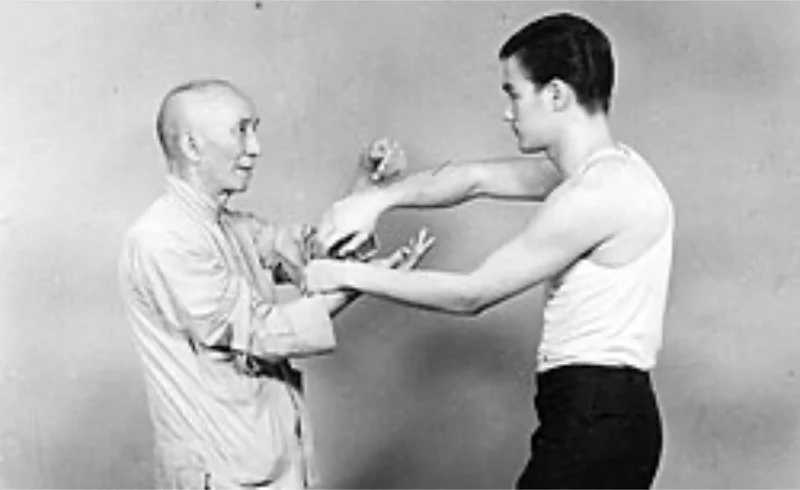
Bruce Lee worked in both the American and Hong Kong entertainment industries at a time when few performers crossed that divide. He moved from guest roles and supporting parts in the United States to leading roles in Hong Kong, then leveraged that momentum into international distribution deals. This path exposed audiences to Chinese martial arts on a scale that had not existed before.
His bilingual background and experience in different film systems helped him navigate casting, choreography, and marketing. He shaped scripts, character arcs, and fight design to make stories accessible to viewers in multiple regions, which paved the way for later global action stars to move between markets with fewer barriers.
Training Methods Ahead of Their Time
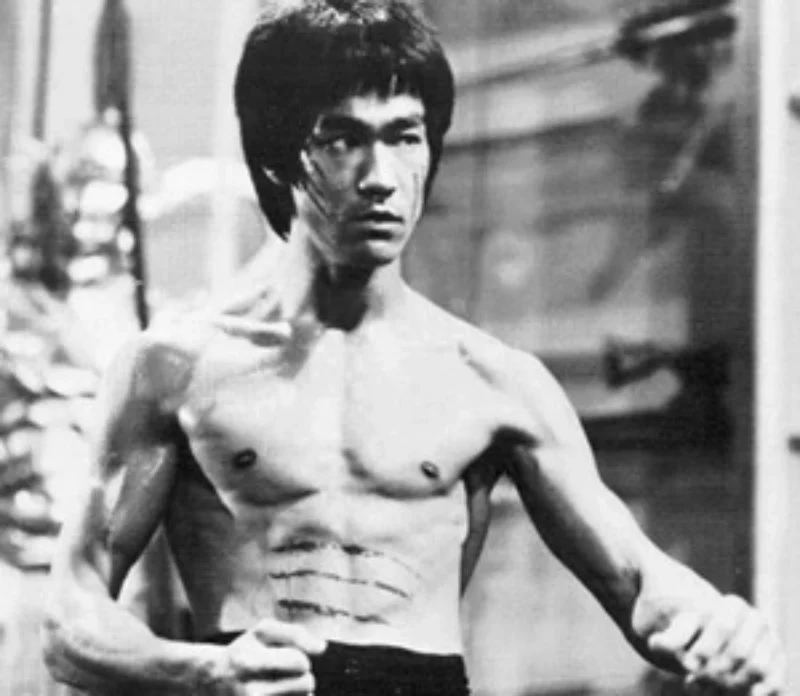
Bruce Lee combined roadwork, calisthenics, isometrics, and weight training with technical practice. He kept detailed notes on exercises, set and rep schemes, and ways to balance speed and strength without sacrificing agility. He used equipment such as focus mitts, heavy bags, skipping ropes, grip tools, and improvised gear to develop specific attributes that carried over into sparring and choreography.
Nutrition and recovery appeared in his logs alongside drill progressions. He documented how to structure practice time into warm ups, attribute training, partner drills, and controlled sparring. Many of these methods resemble modern mixed discipline programs where athletes rotate between skill sessions and conditioning to build transferable performance.
Fight Choreography Innovation
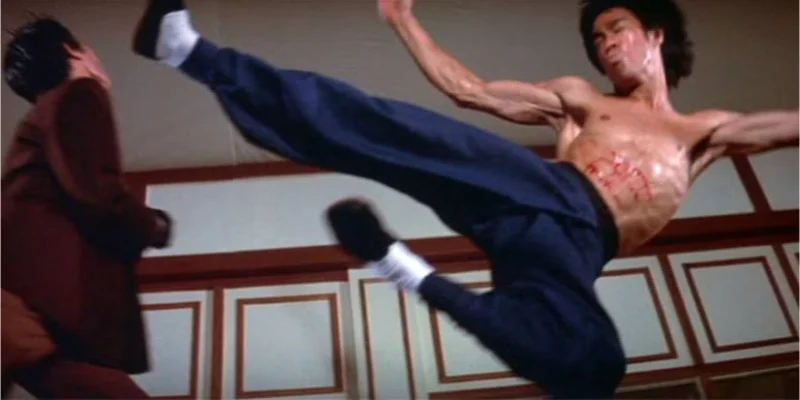
Bruce Lee’s approach to on screen action focused on clarity, rhythm, and storytelling. He used longer takes to show techniques, adjusted camera distance to capture full body movement, and built sequences around setups and payoffs that matched character traits. He insisted on clean exchanges that an audience could follow while still feeling the impact.
He worked closely with cinematographers and editors to place strikes, reactions, and footwork inside the frame in a way that felt real and exciting. He also cast capable opponents and trained co performers so that timing looked authentic. These choices influenced action design across Hong Kong and Hollywood productions that followed.
Influence on Mixed Style Training
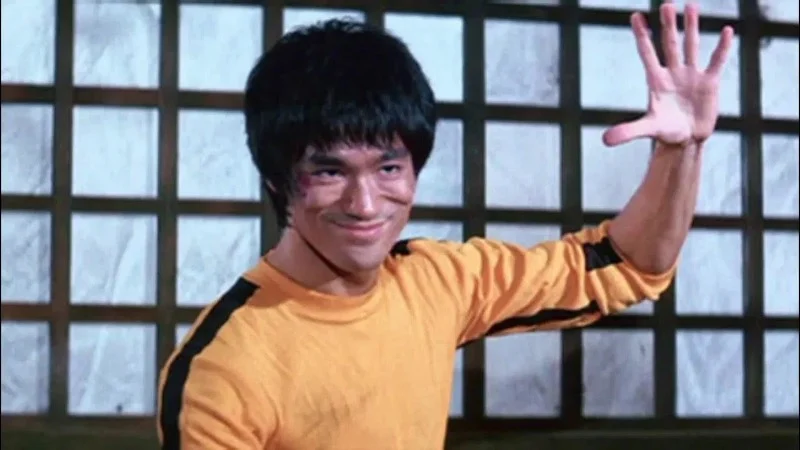
Bruce Lee’s research into boxing, wrestling positions, kicking arts, and weapon drills encouraged practitioners to cross train. His notes describe integration rather than collection, which means techniques were selected for function and tested under pressure. This mindset anticipated the way modern gyms combine striking, clinch work, and ground awareness.
Students and readers adopted concepts like interception, economy of motion, and adaptability. As combat sports evolved, coaches cited his emphasis on practical outcomes over stylistic loyalty, and his writings continued to circulate in gyms where athletes value efficient movement and measured experimentation.
Student Network and Celebrity Pupils
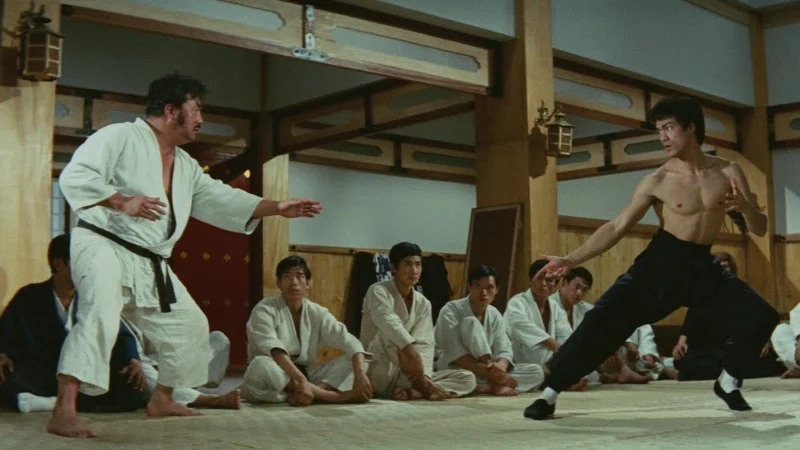
Bruce Lee taught a wide range of students, from everyday practitioners to high profile actors and athletes. Notable names included Steve McQueen, James Coburn, and Kareem Abdul Jabbar, who trained with him in Los Angeles. He also mentored instructors such as Dan Inosanto who became key figures in preserving and teaching his material.
These connections helped his ideas spread through film sets and sports communities. He developed private lesson plans tailored to individual goals, which accelerated skill development for performers who needed convincing action on camera. The network also built lasting archives of notes, photos, and footage that document his curriculum.
Iconic ‘Game of Death’ Footage
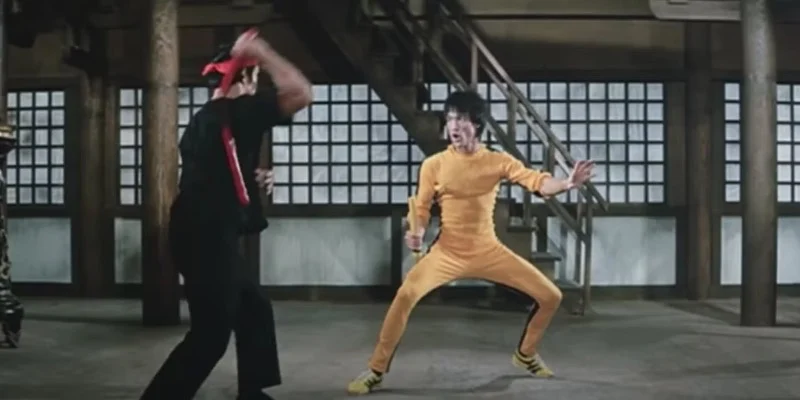
Bruce Lee filmed original footage for ‘Game of Death’ that featured a series of opponents with distinct styles, including a memorable sequence with Kareem Abdul Jabbar. Although the movie released after his death with additional material, the original scenes provide insight into his ideas about adapting to different ranges and tactics. The yellow tracksuit became a recognizable costume that later productions referenced.
Production notes and surviving reels reveal progressive challenges designed to test strategy as much as technique. The choreography emphasized problem solving under pressure and showed how he wanted to express Jeet Kune Do principles on screen. The preserved footage remains a study resource for action designers and martial artists.
Global Cultural Impact
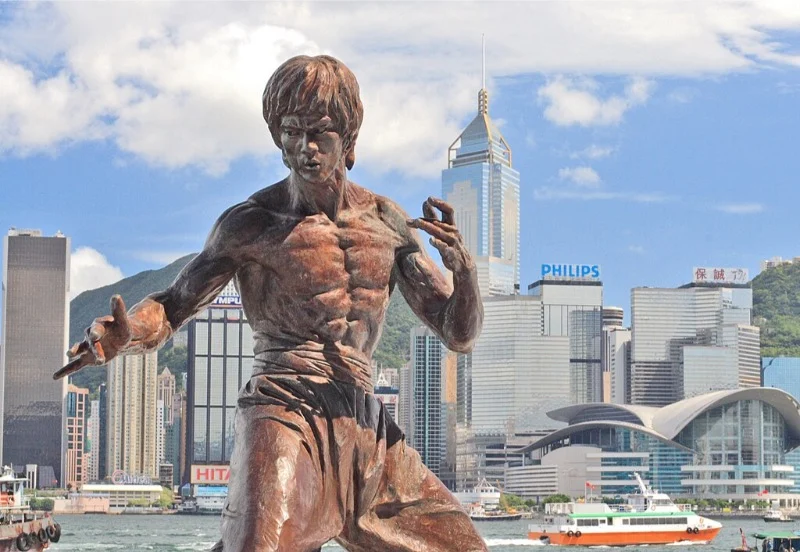
Bruce Lee’s image appears in murals, documentaries, museum exhibits, and academic courses that explore cinema, identity, and physical culture. His interviews, including the widely shared conversation where he said to be like water, continue to circulate in classrooms and training halls. These materials provide primary sources that students and fans can examine directly.
Festivals and retrospectives screen restored prints of his films for new audiences. Biographies and oral histories record detailed accounts from collaborators and family members, creating a documented timeline of his work and methods. This ongoing attention keeps his techniques and ideas active in public discussion.
Kareem Abdul Jabbar ‘Game of Death’ Tower Fight
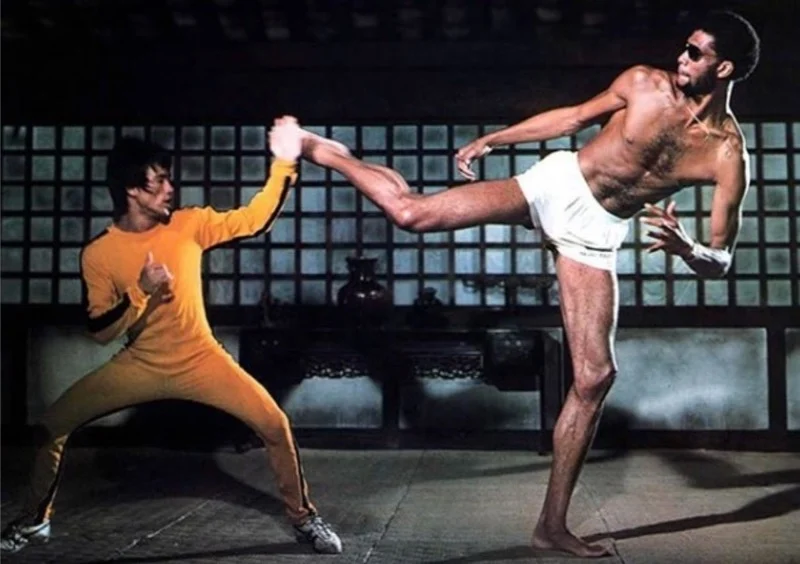
Bruce Lee filmed a towering opponent sequence with Kareem Abdul Jabbar for ‘Game of Death’, building a visual contrast that highlighted range management, footwork, and adaptability. The choreography used height difference as a tactical puzzle, with Bruce adjusting guard positions, targeting choices, and rhythm to solve problems created by reach and leverage. The footage became famous for its clear demonstration of strategy as well as technique.
Behind the scenes materials describe how the two trained specific exchanges that showcased Bruce’s ideas about interception and angle changes. The yellow tracksuit from these scenes turned into an enduring icon, and the matchup gave audiences a concrete example of Jeet Kune Do principles applied against an unconventional challenge. The preserved reels continue to serve as study material for action designers and martial artists.
Share your favorite piece of Bruce Lee history in the comments and tell us which detail you think more people should know.