


Top 10 Coolest Things About Jackie Chan

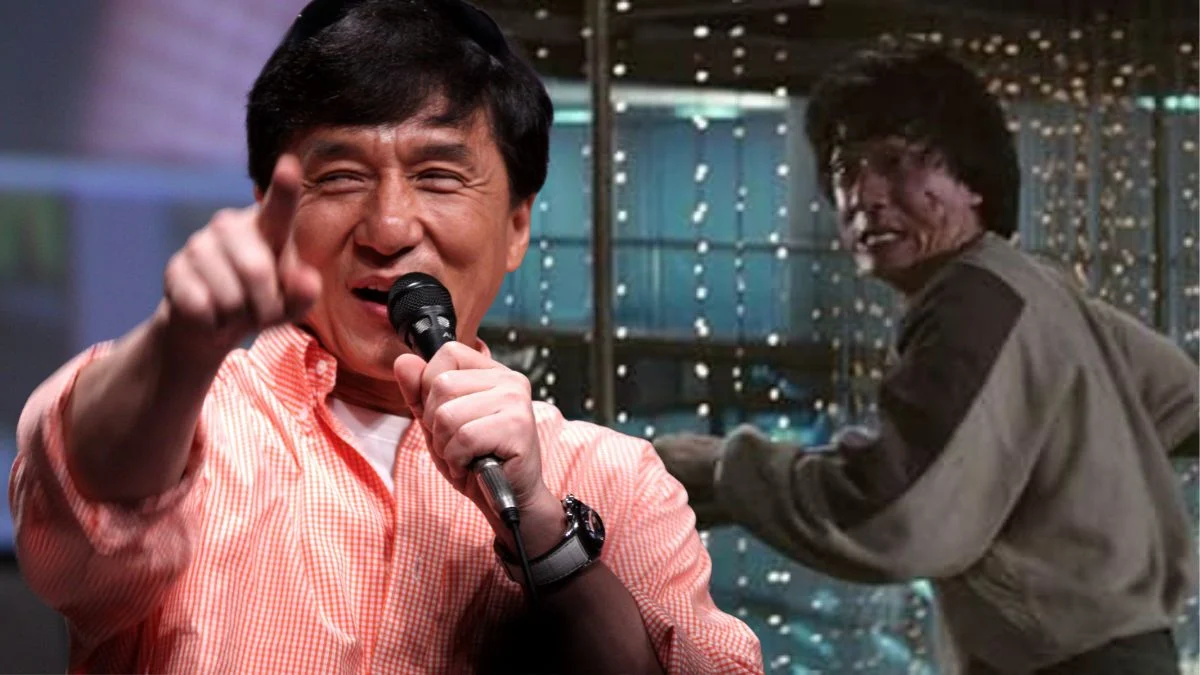


Jackie Chan built a career on doing the hard things for real and showing audiences exactly how it was done. He blended martial arts, comedy, and filmmaking craft in a way that turned behind the scenes details into part of the show and inspired a generation of action creators around the world. His work spans Hong Kong and Hollywood and includes a long list of innovations that changed how action movies are made and marketed.
Along the way he formed tight knit crews, set unusual records, and even sang the theme songs to his own films. He also put his name and resources behind education and disaster relief through charities that have operated for decades. Here are ten concrete parts of his story that explain why his work stands out.
He Performs His Own Stunts
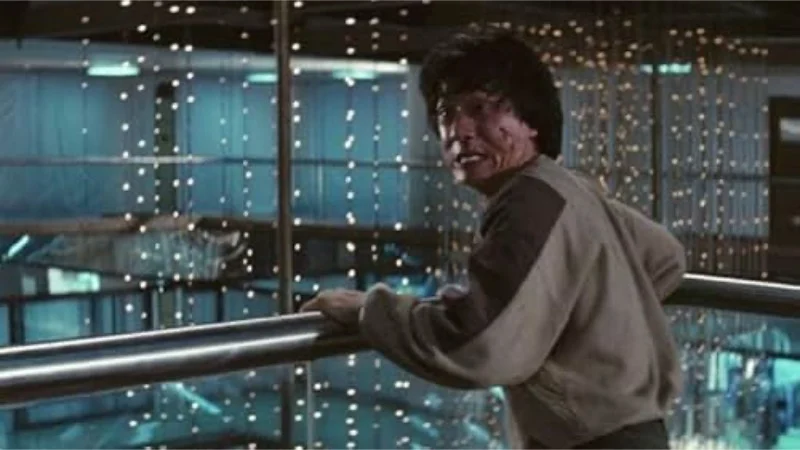
Chan is known for performing high risk action himself, including building to building jumps, falls from significant heights, and complex acrobatics through moving traffic or busy sets. Many films end with outtakes that show the exact stunt setups and the real injuries he sustained, which makes the physical reality of the scenes clear to viewers.
Insurance companies were often reluctant to cover him, so productions planned sequences with extensive rehearsal and custom rigging. This approach resulted in sequences that were shot on location using practical effects and precise camera placement so the audience could see that no doubles were used.
The Jackie Chan Stunt Team
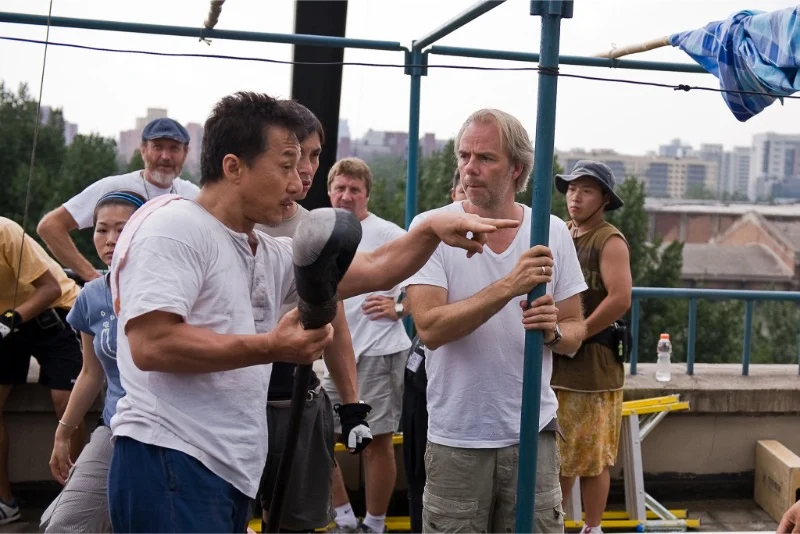
He assembled the Jackie Chan Stunt Team in the late nineteen seventies and formalized it in the following decade so the same performers could train together and develop shared timing and safety standards. The group introduced a company style built on rhythm, prop work, and environmental interaction that let fights unfold like choreographed storytelling.
Team members rotated across films as stunt performers, coordinators, and second unit leaders. This continuity created a pipeline for new talent and ensured that complex gags could be repeated reliably across multiple takes with the same partners who knew his movements and signals.
Opera School Training And The Seven Little Fortunes
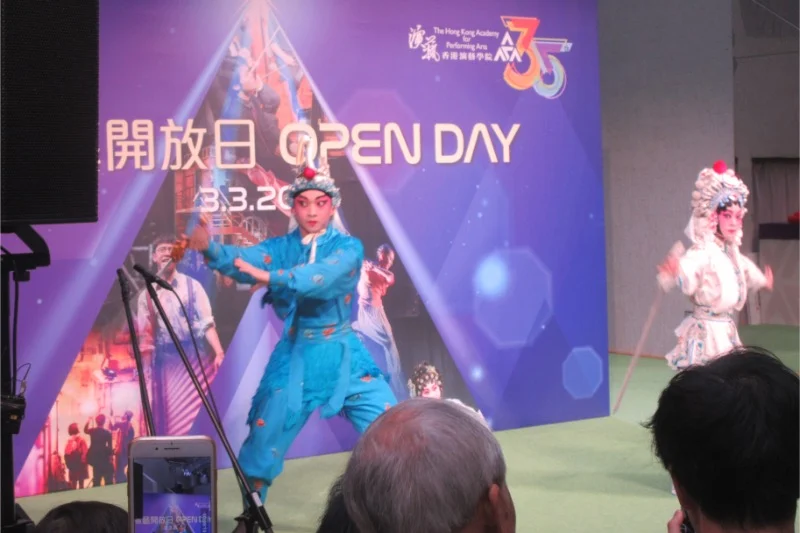
Chan trained at the China Drama Academy under master Yu Jim Yuen, where students learned Beijing opera skills including acrobatics, stage combat, and musical performance. That education emphasized flexibility, balance, and full body control along with the ability to hit marks and sell reactions to a live audience.
He joined the performing troupe known as the Seven Little Fortunes alongside future collaborators like Sammo Hung and Yuen Biao. The trio later transferred opera stage timing to film sets, turning traditional flips, rolls, and slapstick into camera friendly action that played clearly in wide shots.
Distinctive Action Comedy Style
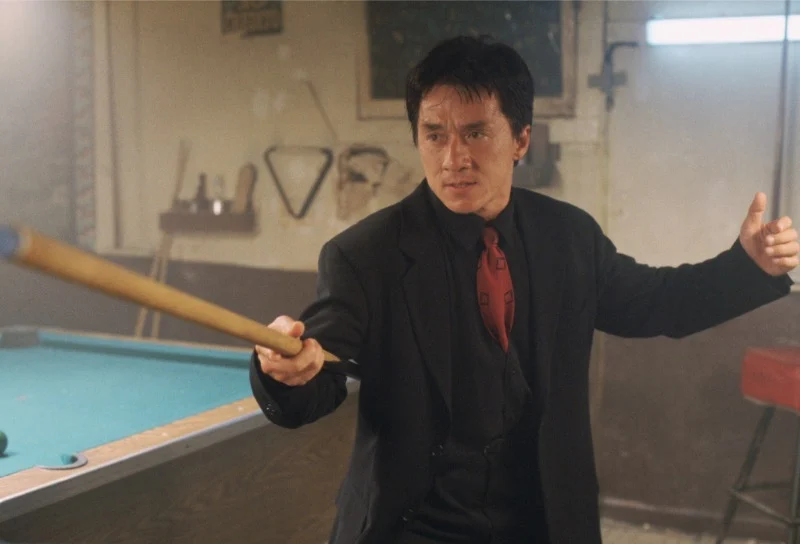
His screen fights often read like puzzles where he uses ladders, jackets, benches, and any nearby furniture as extensions of movement. This focus on everyday objects keeps choreography grounded in real spaces like factories, markets, and apartment blocks so viewers can follow geography without confusion.
Editing typically holds on the action and cuts only when a gag completes, which lets audiences see setups and payoffs in full. The approach relies on clean framing, multiple angles of the same stunt, and reaction shots that confirm impact without relying on quick cuts.
Landmark Stunts Fans Can Pinpoint
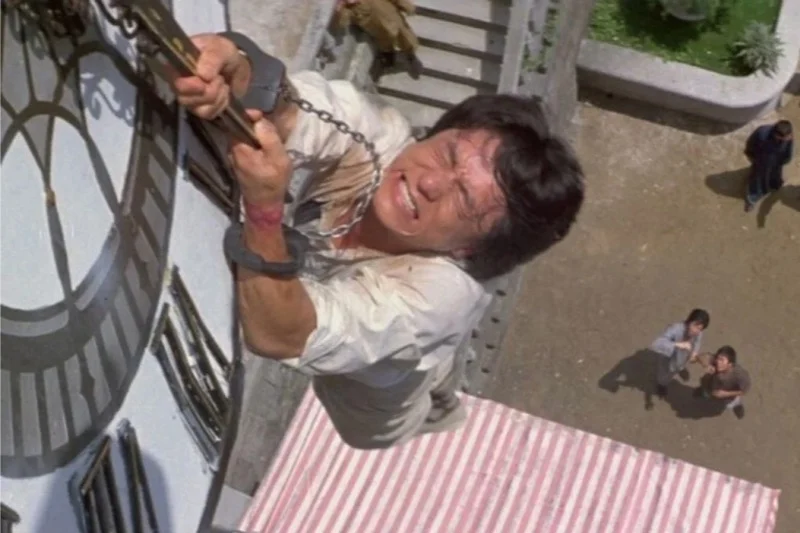
Several stunts became calling cards, including the clock tower fall in ‘Project A’, the glass shattering mall finale in ‘Police Story’, and the rooftop slide down the side of a skyscraper in ‘Who Am I’. These sequences were planned with repeatable camera positions so the same moment could be captured from different angles for clarity.
Each of those gags combined rehearsal footage, safety prep, and multiple takes to manage risk while preserving the real motion on screen. The finished scenes remain useful case studies for stunt coordinators who analyze landing zones, wire assists, and the timing of crowd reactions.
Global Crossover Success
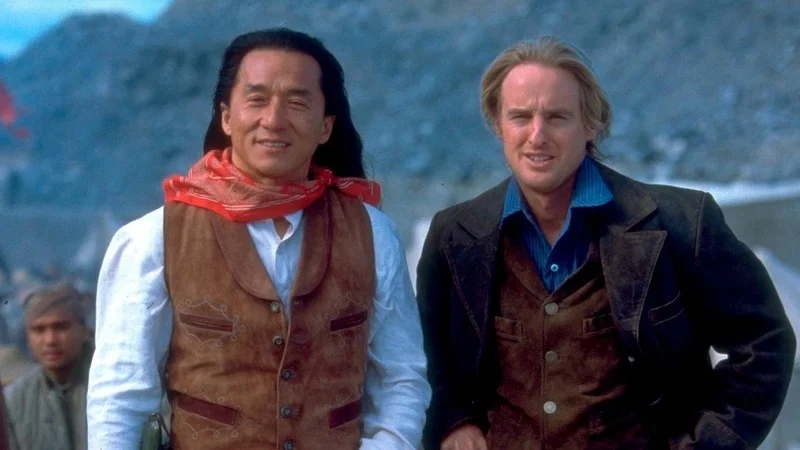
He built a large following in Hong Kong and other parts of Asia before breaking widely into North America and Europe. Releases like ‘Rumble in the Bronx’ introduced his Hong Kong work to new audiences, which led to mainstream leads in ‘Rush Hour’ and ‘Shanghai Noon’.
That crossover meant he was often involved in localization tasks such as dubbing, reediting, and crafting new trailers for different markets. The result was a body of work that traveled internationally while keeping the same visual emphasis on practical gags and clear choreography.
Guinness World Records And Filmmaking Credits
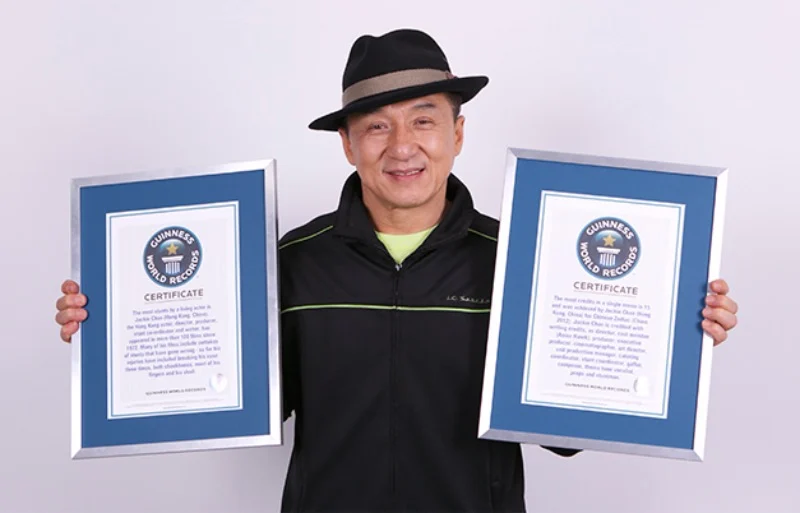
Chan holds a Guinness World Records title for most stunts performed by a living actor and another for most credits on a single film for ‘Chinese Zodiac’. On that production he is credited with roles including actor, director, writer, and multiple behind the scenes positions.
Taking on many responsibilities let him align stunt design, camera setups, and editing needs from the start of production. This streamlined approach reduced miscommunication across departments and ensured that the final cut preserved the beats he designed on the set.
Honorary Academy Award Recognition
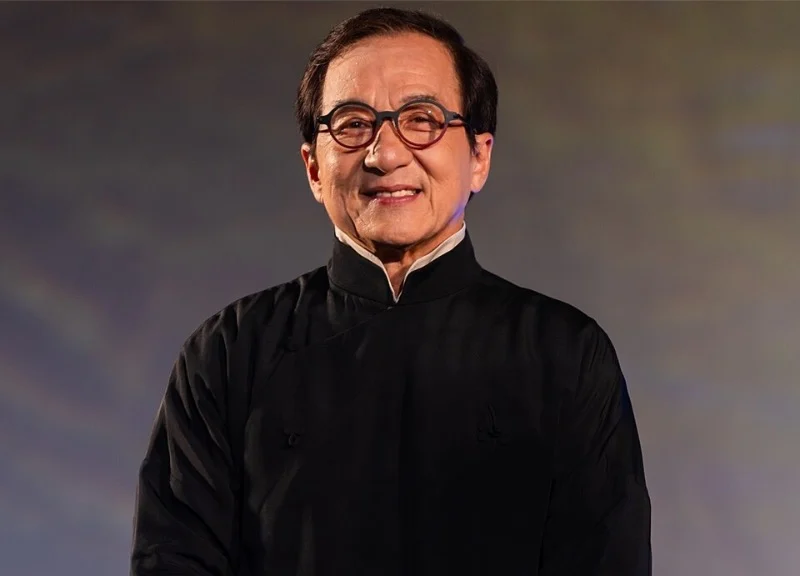
He received an Honorary Academy Award at the Governors Awards in two thousand sixteen for his lifetime achievements in film. The recognition highlighted decades of contributions to action design, international cinema, and the fusion of comedy with martial arts on screen.
The award also acknowledged his influence on how productions capture physical performance. His preference for wide lenses, locked frames, and visible landings created a template that many filmmakers still use when they want audiences to feel the weight of real motion.
A Parallel Career As A Recording Artist
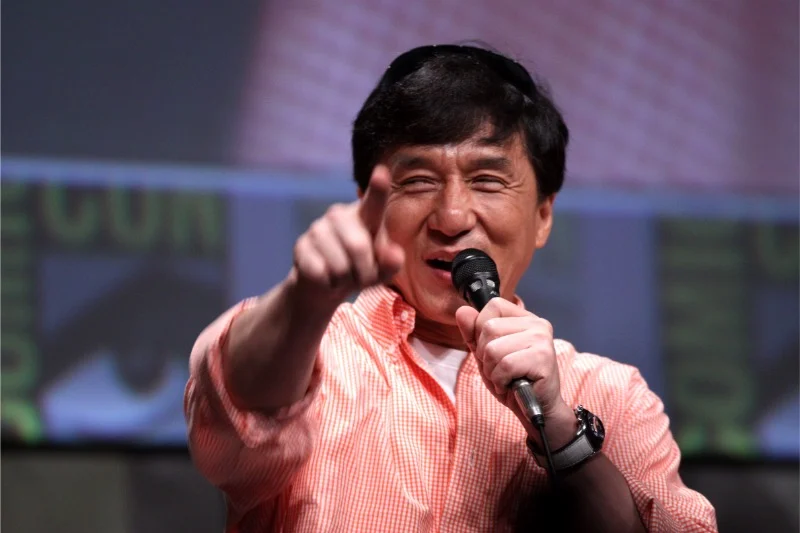
Chan has released numerous albums in Cantonese and Mandarin and has performed theme songs for several of his films. His training in opera school included singing, which made transitions into studio recording and live performance a natural extension of his on screen work.
He has recorded duets with other artists and contributed charity singles tied to relief efforts. These projects helped promote film releases in different regions and built a broader public presence that connected movie audiences with music fans.
Long Running Philanthropy

The Jackie Chan Charitable Foundation, established in Hong Kong in nineteen eighty eight, supports scholarships, medical services, and disaster relief. He later launched the Dragon’s Heart Foundation to fund schools and aid programs for children and seniors in rural communities.
His fundraising often ties into film tours and public events where memorabilia and set pieces are auctioned for specific causes. The organizations maintain ongoing programs, which means support continues after media coverage of a particular disaster fades.
Share your favorite Jackie Chan moments in the comments so everyone can compare notes on the coolest parts of his incredible career.