

Top 10 Coolest Things About Joel (The Last of Us)

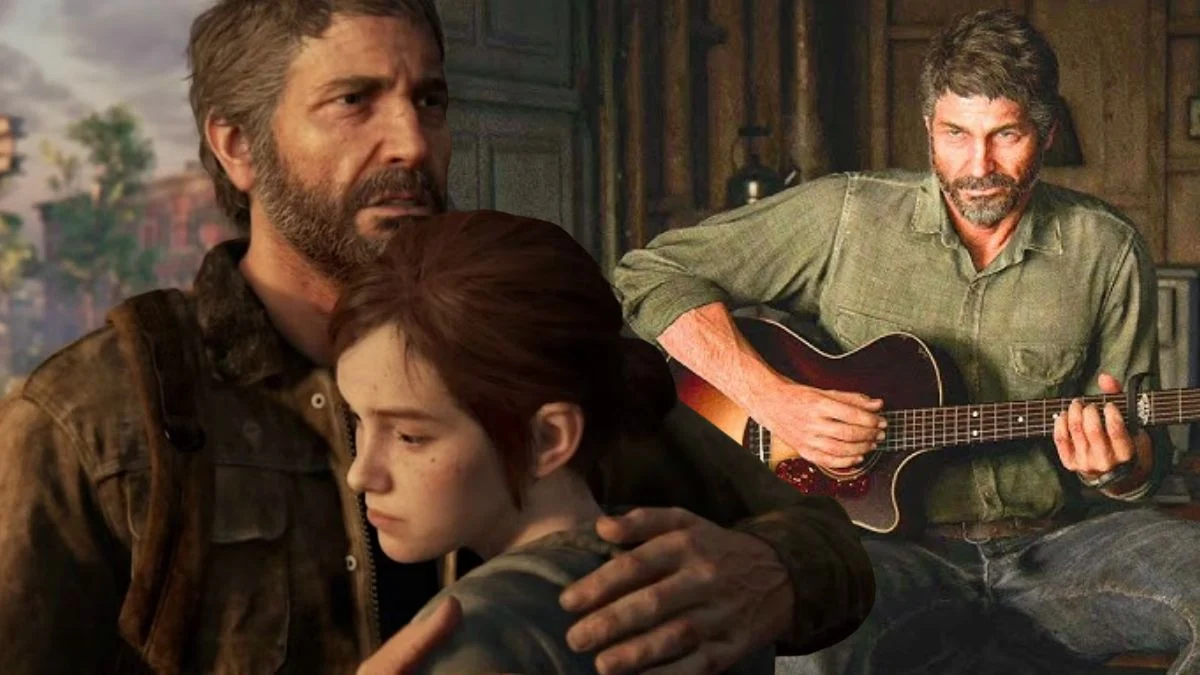


Joel stands out in the games for the way his skills and history shape nearly every encounter the player faces. His background, his toolkit, and his relationships are all tied directly into the mechanics and the story moments that define both ‘The Last of Us’ and ‘The Last of Us Part II’.
Across quarantine zones, small towns, and ruined highways, Joel’s methods are grounded in practical survival. Players see how his past informs his decisions, from careful scouting to improvised problem solving, and those choices are reflected in the systems that drive exploration, combat, and narrative outcomes.
Smuggler Roots That Drive The Story
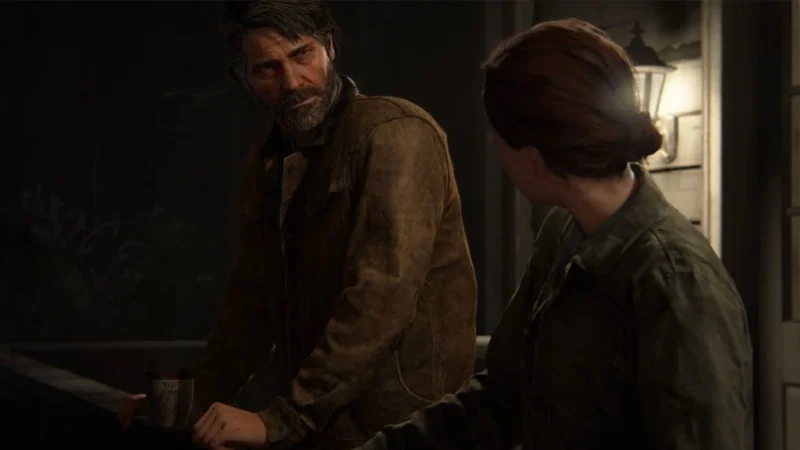
Before the cross country trek, Joel works as a smuggler with a reputation for getting contraband through the Boston QZ. His network includes fixers like Tess and contacts who can move goods past FEDRA patrols, which sets up the initial job involving the Fireflies and the handoff that becomes the main journey.
Those smuggling ties explain why he knows back channels, hidden routes, and barter dynamics in early chapters. They also establish the stakes when factions compete over resources, since Joel has history with people who control checkpoints, stockpiles, and safehouses that players pass through.
Stealth That Rewards Patience And Positioning
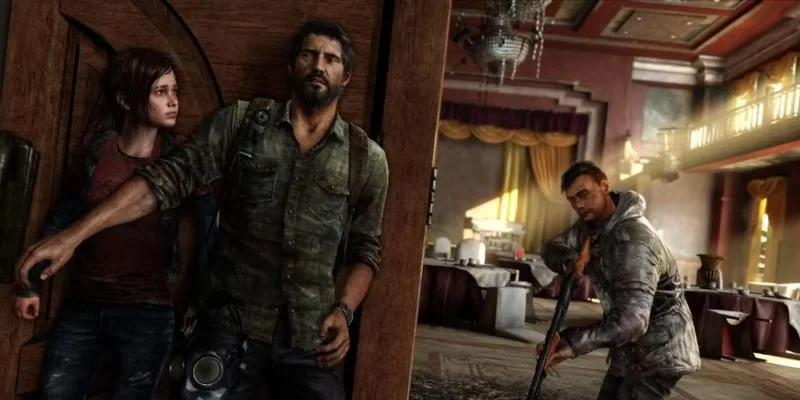
Joel’s stealth options let players stay quiet, avoid direct conflict, and conserve supplies. Crouch movement, line of sight, and sound propagation determine whether human enemies or Infected detect the player, and cover objects create clear paths for silent takedowns or bypasses.
Bottle and brick throws can redirect patrols, and strangling from behind removes targets without gunfire. Stealth also interacts with enemy states, so awareness shifts from unalerted to suspicious to engaged, giving players windows to reposition or escape.
Crafting That Turns Junk Into Tools
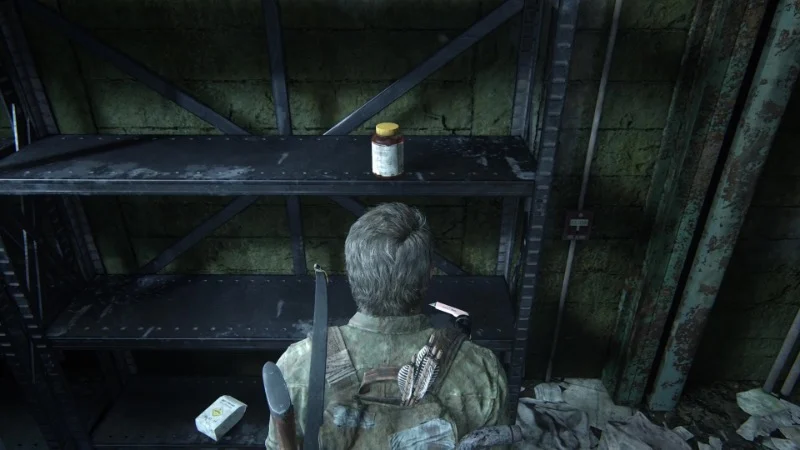
Joel gathers rags, alcohol, blades, binding, explosives, and sugar to craft field tools on the fly. The crafting menu lets players build health kits, Molotovs, shivs, nail bombs, and smoke bombs, and each item draws from overlapping components that force resource choices.
Because crafting happens in real time, fights push players to find cover before assembling an item. Upgrades from training manuals improve the effectiveness of certain crafts, such as wider explosion radius or stronger healing, which creates a visible progression through the campaign.
Listening Mode For Situational Awareness
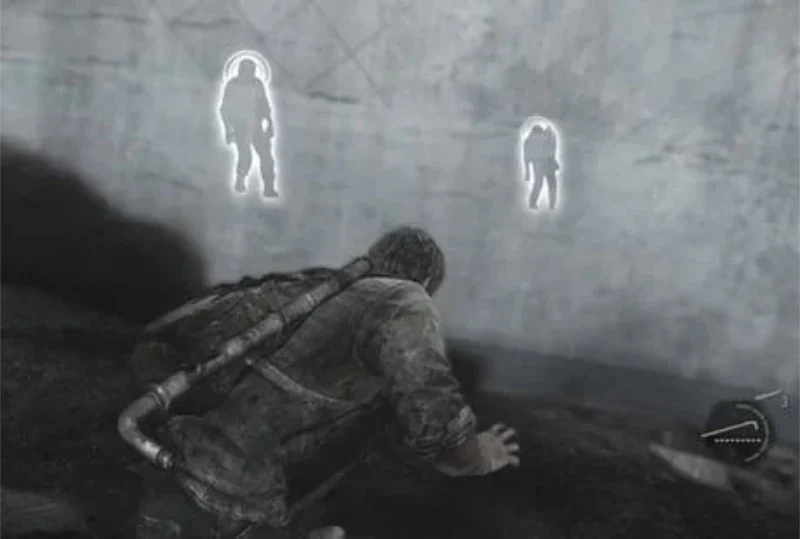
Listening Mode visualizes nearby threats by translating sound into silhouettes through walls and obstacles. The mechanic emphasizes the importance of footstep noise, conversational cues from enemies, and environmental audio like clattering bottles.
Players can expand its range with supplements, and its utility changes by difficulty. On higher settings the mode is reduced or disabled, which shifts the approach to slower peeking and manual pathing while still reflecting Joel’s practiced attention to danger.
Marksmanship And Melee That Feel Weighty
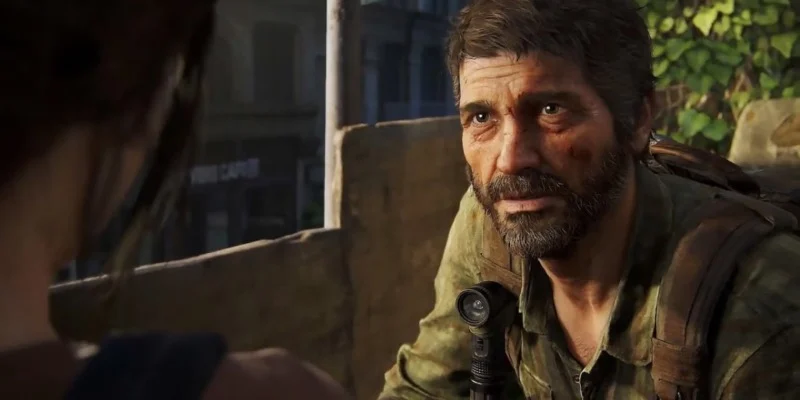
Joel’s arsenal includes revolvers, pistols, a hunting rifle, a shotgun, a bow, and later weapons such as the flamethrower. Each firearm handles different ranges, recoil patterns, and ammo scarcity, so encounters encourage switching tools based on distance and armor.
Melee integrates with these choices through bricks, two by fours, pipes, and machetes, with durability systems that break weapons after repeated use. Workbench upgrades add scopes, recoil reduction, and capacity, while hand to hand finishers take advantage of stagger states created by shots or thrown items.
Workbenches And Supplements That Shape Playstyle
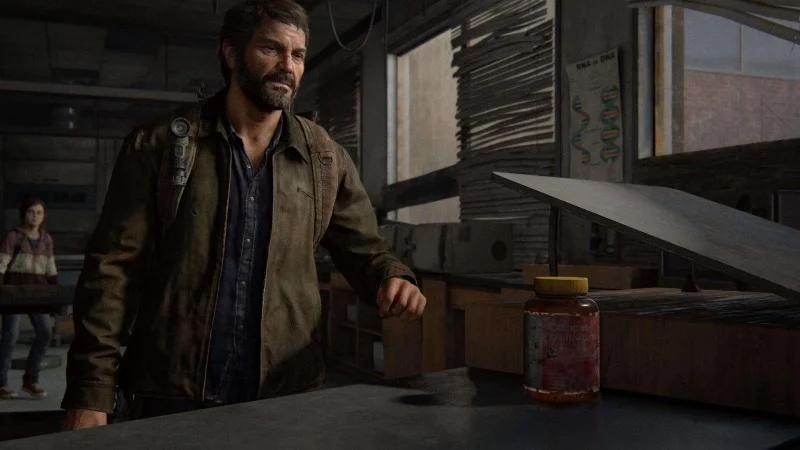
Workbench stations scattered through levels let Joel invest collected parts into weapon stability, reload speed, fire rate, and magazine size. Tools found in the world gate higher tier upgrades, which nudges exploration toward back rooms and locked side paths.
Supplements work on Joel himself by improving health, crafting speed, healing speed, and weapon sway. The mix of parts and supplements means players can specialize for stealth, durability, or midrange gunfights while still adapting to the ammo and materials available in each area.
Relationship With Ellie That Changes Combat And Exploration
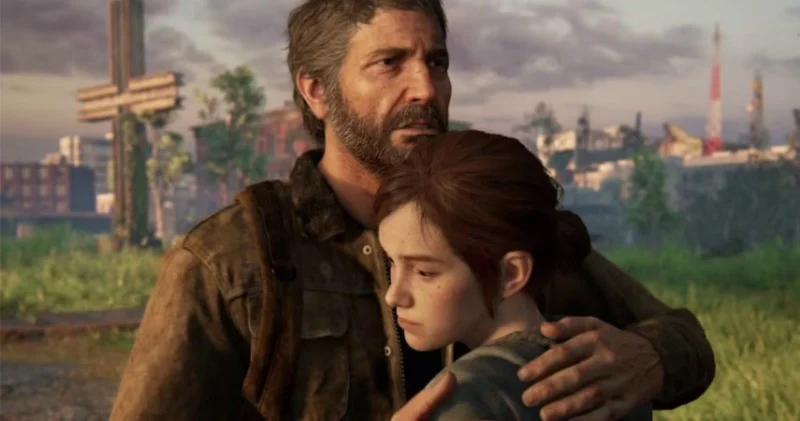
Joel’s partnership with Ellie affects encounter flow through contextual assists and dialogue. Ellie calls out flanks, tosses bricks, and occasionally jumps onto enemies in struggle states, which can open finish opportunities or save the player from grabs.
Exploration also relies on the duo’s cooperation. Boost interactions help reach high ledges, small openings let Ellie unlock doors from the other side, and conversational prompts reveal route hints or story details that guide players toward the next objective.
Environmental Problem Solving In Set Pieces
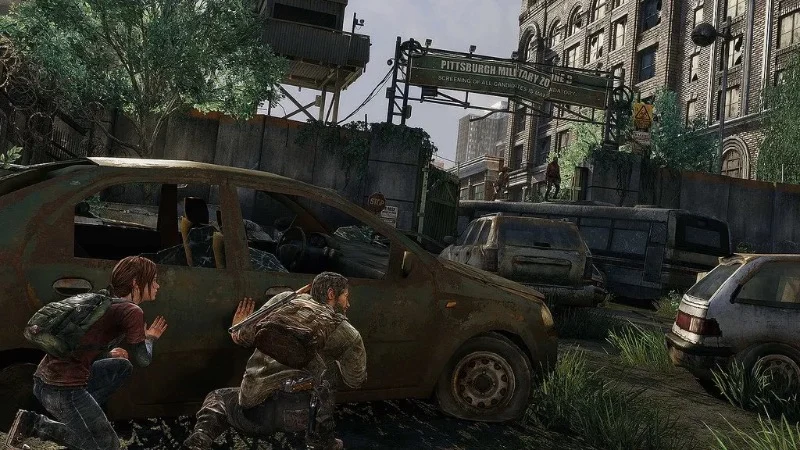
Joel navigates spaces that tie hazards to the narrative, like Bill’s town with tripwire bombs and clicker chokepoints or the Pittsburgh ambush where elevated shooters and trapped streets dictate movement. These areas push players to spot traps, harvest parts, and convert the environment into an advantage.
Basement and generator sequences emphasize limited visibility and sound management. Turning on power attracts threats while enabling progress, so players weigh timing, route planning, and escape options while juggling enemies that respond to light and noise.
Decisions In The Hospital That Reframe The Journey
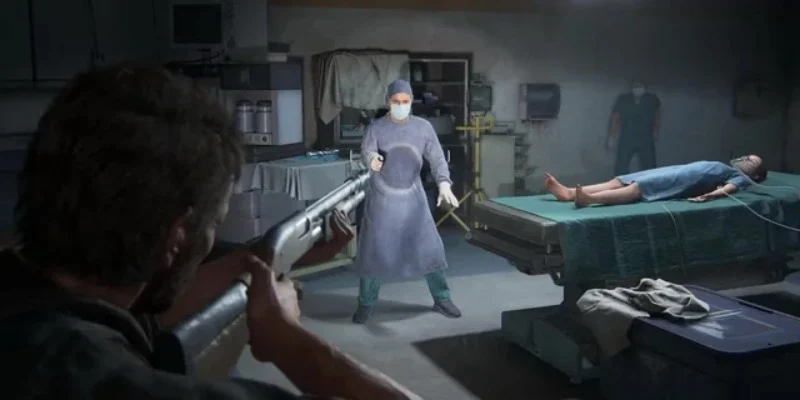
The final stretch in the hospital places Joel between the Fireflies and Ellie’s fate. Access badges, surgical wings, and layered security create a final gauntlet where players choose routes, pace, and confrontation level as they move through a facility designed to stop them.
Afterward the lie to Ellie becomes a key thread for character arcs in ‘The Last of Us Part II’. That choice defines relationships, explains tensions that surface in later flashbacks, and anchors how other characters interpret Joel’s actions across both games.
Music, Memory, And The Guitar Throughline
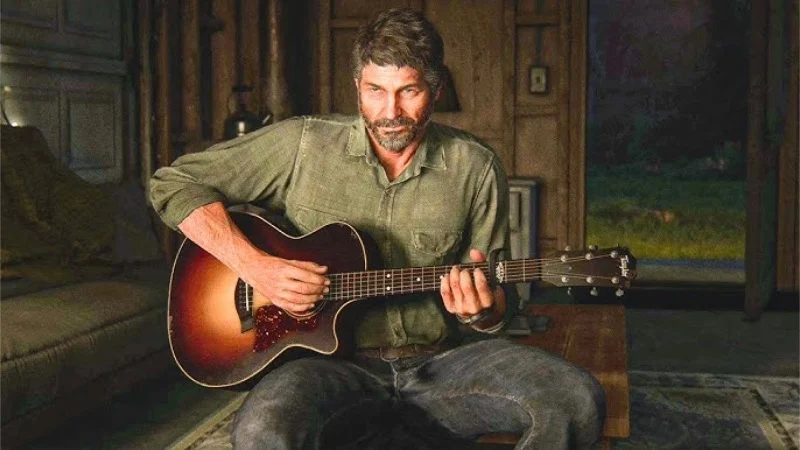
Joel’s connection to music flows through guitar moments that appear as playable interludes in ‘The Last of Us Part II’. Chord wheels, strumming inputs, and free play sections let players experiment while story sequences use songs to mark changes in trust and time.
Those scenes link to earlier promises and to shared days that show how Joel tries to preserve normalcy. The instrument shows up in safe spaces and flashbacks, tying gameplay controls to themes of teaching, memory, and the effort to hold on to pieces of life from before the outbreak.
Share your favorite Joel moments from the games in the comments so everyone can compare notes.