


Top 10 Coolest Things About Legolas

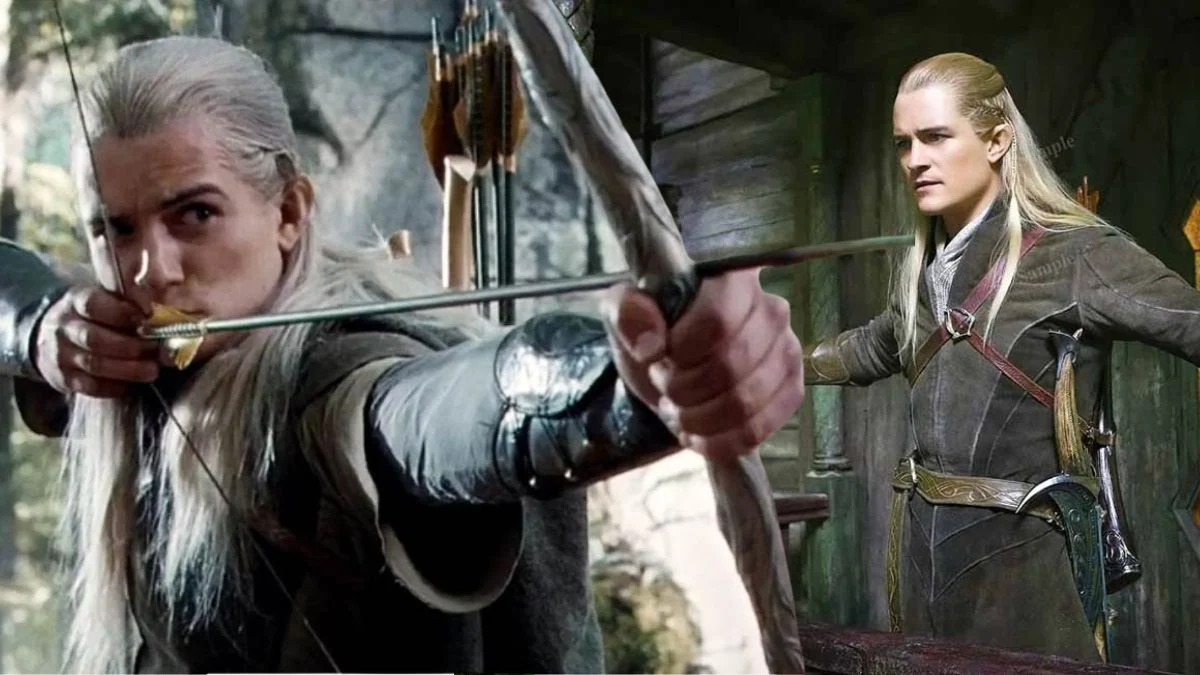


People who meet Legolas in the films see an elf who never seems to miss, never seems to panic, and always seems to know what to do next. He comes from the Woodland Realm and moves through Middle-earth with precision that looks effortless, whether he is scouting a trail or stepping into a battle. Viewers first meet him with the Fellowship and then later watch him serve his father’s realm before the events at the end of the Third Age.
Across two trilogies, the films show exactly how his skills work and where they come from. You see the tools he uses, the training he brings, and the choices he makes when danger closes in. None of it is guesswork. Every moment on screen gives you something concrete about his archery, his agility, his senses, and his bond with his companions.
Elven Archery Mastery
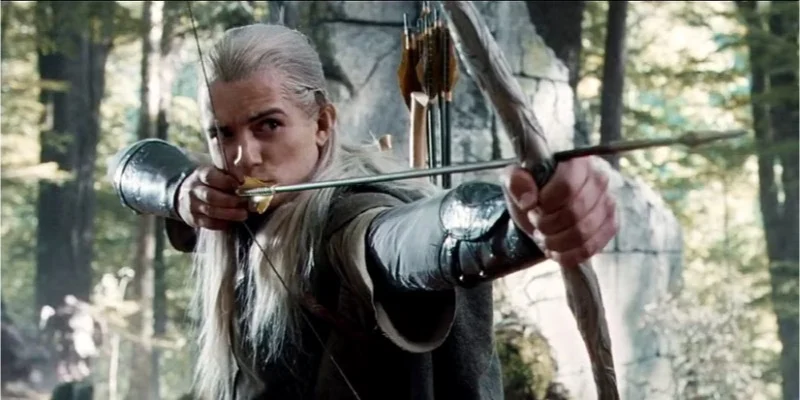
Legolas fights first and most with the bow. In ‘The Lord of the Rings: The Fellowship of the Ring’ he uses a Lothlórien bow given to him after the Fellowship enters the Golden Wood. The film shows rapid, accurate shots at moving targets, including cave trolls and orcs that charge in close quarters. In ‘The Two Towers’ and ‘The Return of the King’ he continues to loose arrows at high speed while moving across uneven ground and crowded battlements.
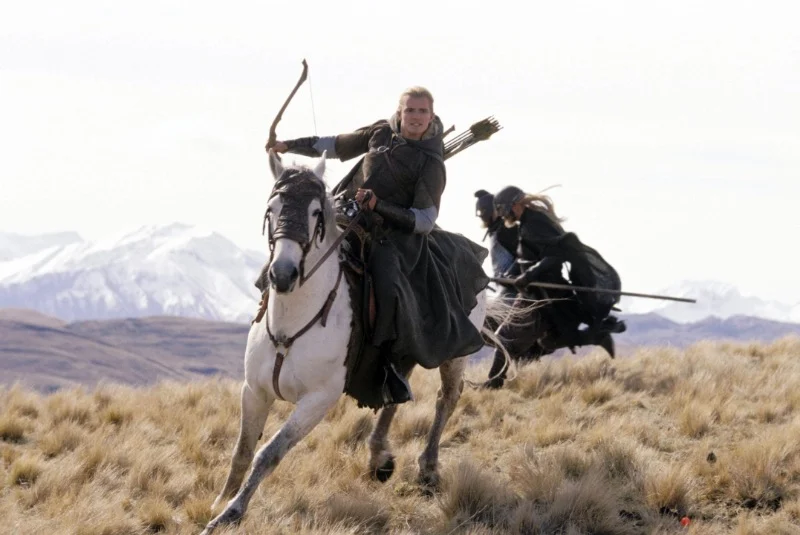
The films also show different shooting contexts rather than repeating the same setup. He shoots from standing positions, from elevated walls, and while riding. In ‘The Return of the King’ he even fires at mounted enemies during large field battles. This variety establishes that his accuracy holds under pressure, over distance, and while in motion.
Unusual Agility And Balance
Legolas often moves where others cannot. In ‘The Lord of the Rings: The Fellowship of the Ring’ he walks on top of deep snow on the slopes of Caradhras while the rest of the Fellowship struggles in the drifts. The camera frames his steps clearly so you can see the difference between elven lightness and the weight of mortals.
His balance remains steady during combat scenes. In ‘The Two Towers’ he slides down a flight of steps on a shield while shooting and lands without losing his stance. In ‘The Return of the King’ he climbs up a moving oliphaunt by using its harness and takes control of the situation mid-battle. Each sequence presents agility as a practical advantage rather than a trick.
Keen Senses And Long-Range Awareness
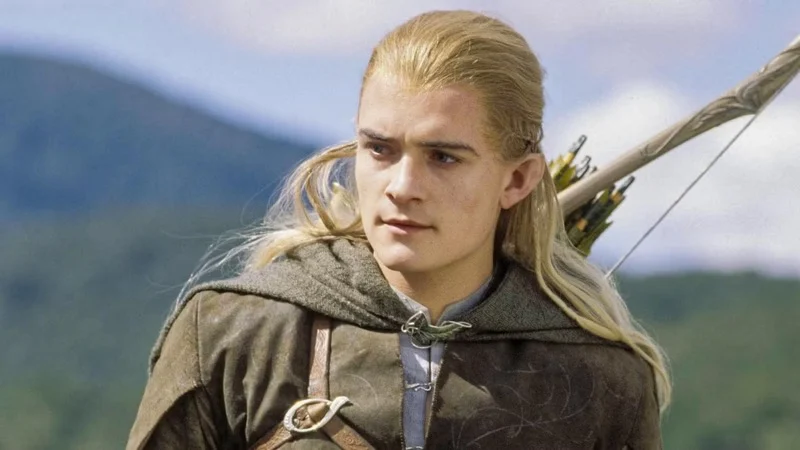
The films present Legolas as the earliest warning system in the group. In ‘The Fellowship of the Ring’ he detects movement and threats before they come into view for others, which helps the Fellowship avoid surprise. His gaze often fixes on distant figures, and the edits cut to what he sees next.
These scenes continue throughout the journey. In ‘The Two Towers’ he scans the plains of Rohan and reads signs the others miss. In ‘The Return of the King’ he notices shifts in the enemy’s formations during the siege. The pattern is consistent. He identifies danger early and communicates it quickly.
Close-Quarters Skill With Twin Knives
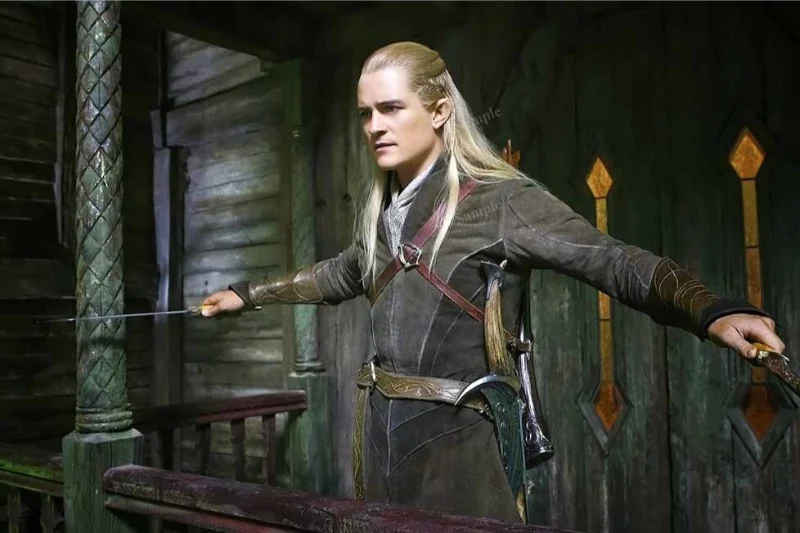
When enemies reach him, Legolas switches smoothly to his knives. In ‘The Fellowship of the Ring’ he draws and strikes in one motion inside tight corridors, which shows that his training covers narrow spaces where a bow is awkward. The movements are compact and efficient to reduce openings.
Later battles highlight sustained knife fighting. In ‘The Two Towers’ he uses both blades to parry and counter in crowded melees at Helm’s Deep. In ‘The Return of the King’ he moves from target to target without breaking rhythm. The choreography makes it clear that he treats knives as primary weapons whenever distance collapses.
Tracking And Fieldcraft
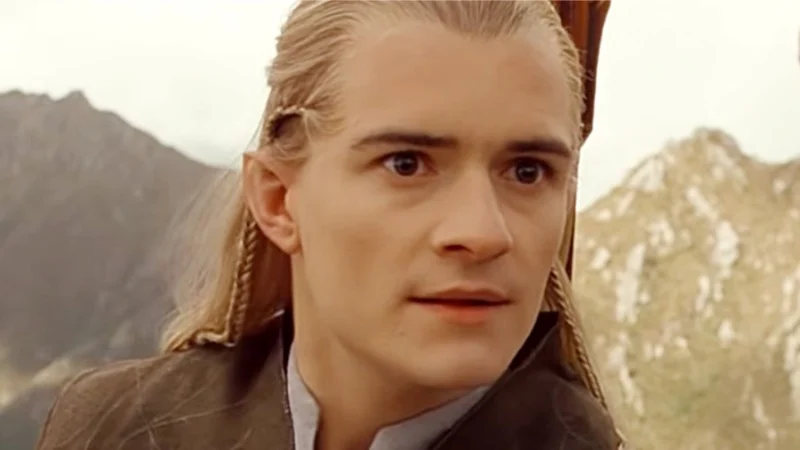
Legolas contributes tracking skills that support the Fellowship’s progress between battles. In ‘The Two Towers’ he helps follow Merry and Pippin across Rohan by reading the ground and interpreting signs of movement. He checks footprints, broken bindings, and disturbances in the grass to confirm direction.
The films also show him assessing environments before the group commits to a route. He studies forests and riverbanks for patterns of passage and probable ambush points. This reduces delays and keeps the party from doubling back. The result is steady travel with fewer surprises.
Endurance On Long Journeys
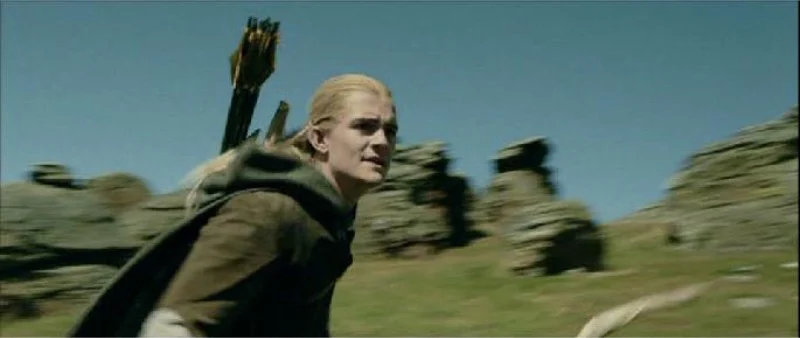
Legolas covers long distances without slowing the group. In ‘The Fellowship of the Ring’ he crosses mountain passes and ancient mines within the same push as the rest of the party while still taking point for reconnaissance. The scenes never depict him asking for rest, which underscores sustained stamina.
That consistency carries into later campaigns. In ‘The Two Towers’ he keeps pace during the chase across the Riddermark, and in ‘The Return of the King’ he remains active through multiple days of siege conditions. The films present endurance as a baseline feature of elven physiology and training.
Friendship With Gimli
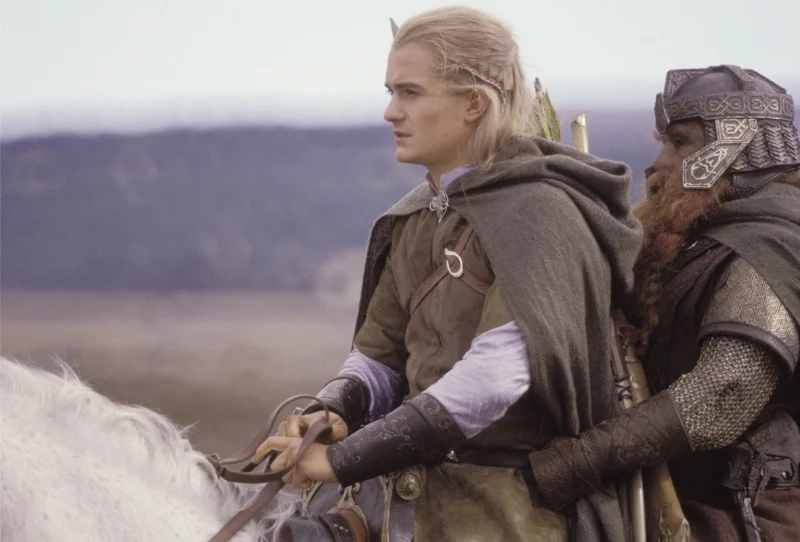
The films document a rivalry that becomes cooperation and then real friendship. In ‘The Two Towers’ Legolas and Gimli keep a running tally of enemies defeated, which starts as competition but quickly shows trust as they cover each other in combat. Shared danger turns their banter into coordination.
By ‘The Return of the King’ they make joint decisions and fight side by side in crowded battles without missteps. The camera frequently frames them within the same shot to show synchronized movement. This progression records a durable alliance that benefits both characters and their companions.
Royal Lineage And Duty To The Woodland Realm
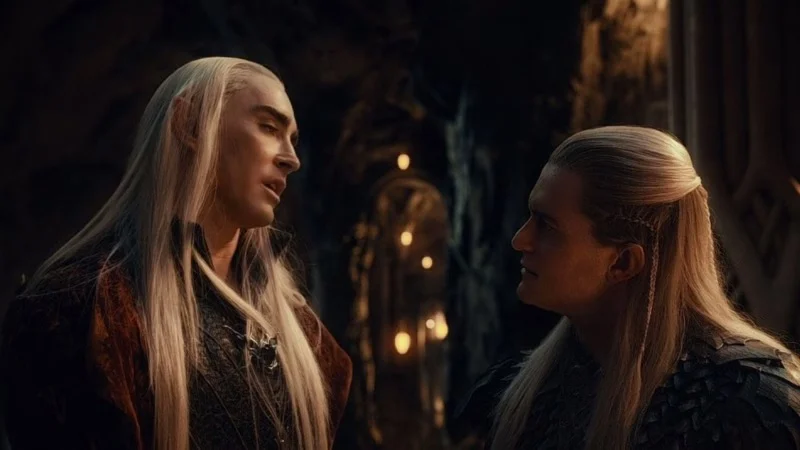
Legolas is the son of Thranduil, the Elvenking of the Woodland Realm. In ‘The Hobbit: The Desolation of Smaug’ and ‘The Hobbit: The Battle of the Five Armies’ he acts on behalf of his father’s court to protect Mirkwood’s borders and interests. His actions reflect responsibility to a realm rather than personal pursuit.
The films also show how that duty influences his choices. He patrols, interrogates, and defends strategic positions that matter to his people. This context explains why he is skilled in both solitary scouting and organized warfare. His training supports the security needs of a forest kingdom.
Multilingual Communication
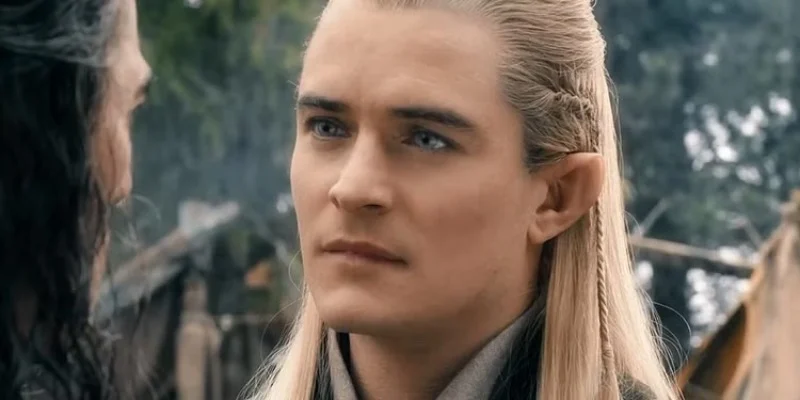
Legolas speaks with different peoples without delay. In ‘The Lord of the Rings: The Fellowship of the Ring’ he switches between the Common Speech and elven language when needed, which streamlines meetings and negotiations. He also addresses leaders directly, which keeps messages accurate.
In ‘The Two Towers’ and ‘The Return of the King’ he communicates with allies from Rohan and Gondor. The scenes keep dialogue moving during tense moments so commands and warnings reach the right ears immediately. The films use his languages as a functional bridge between cultures on the same battlefield.
Distinctive Gear From Lothlórien And Mirkwood
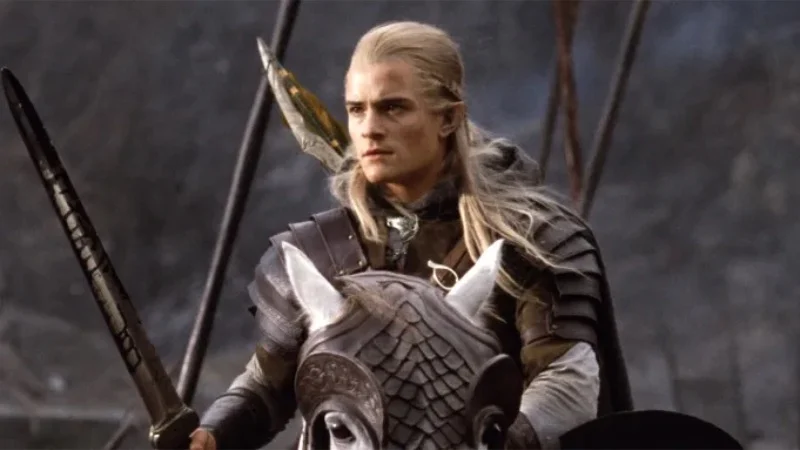
After entering Lothlórien in ‘The Fellowship of the Ring’ Legolas receives a bow and cloaked gear that blends with the environment. The quiver and arrows match the natural palette around him, which supports stealth in forests and on night marches. The equipment fits close to the body to avoid noise.
Across the trilogy he also carries twin white knives consistent with Mirkwood design. In ‘The Two Towers’ and ‘The Return of the King’ the scabbards sit for quick cross-draws so he can change weapons without breaking stride. The films present this kit as standard for an elven warrior who moves fast and stays quiet.
Share your favorite Legolas moments in the comments and let everyone know which scenes you revisit most.