


Top 10 Coolest Things About Michael Corleone Ranked

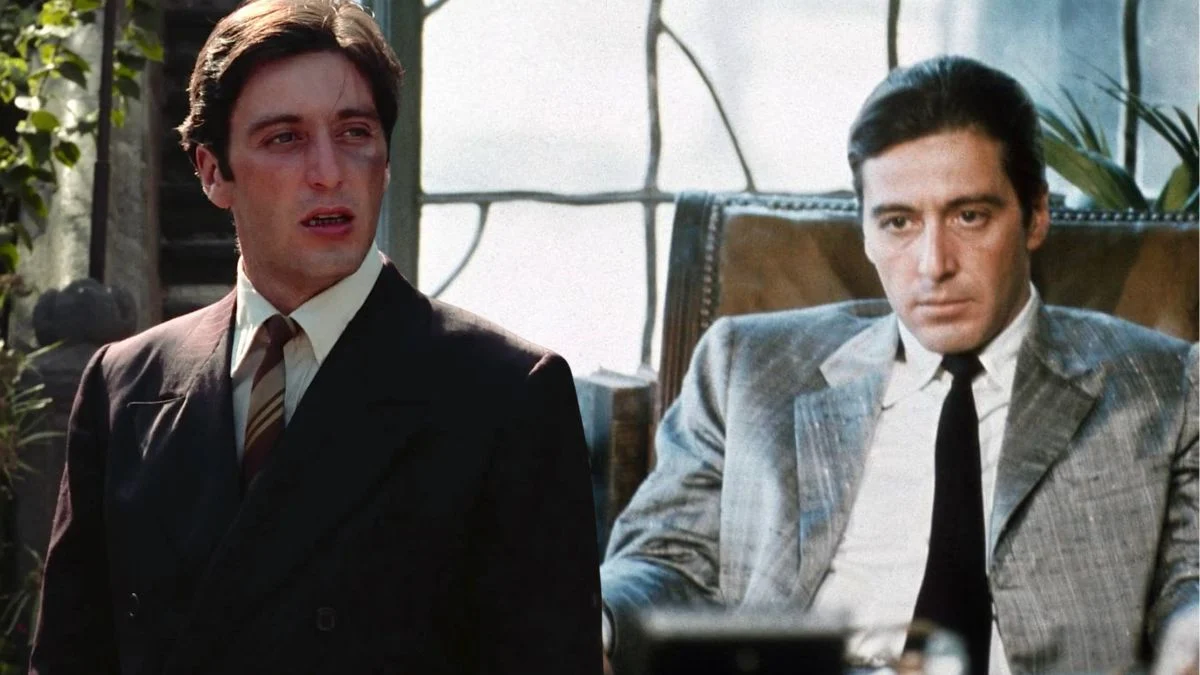


Michael Corleone stands as one of the most complex figures in cinematic history. His journey from a war hero to a ruthless crime boss offers a masterclass in character development. Al Pacino portrays this transformation with a chilling intensity that anchors the entire trilogy. The character represents the ultimate tragedy of power and corruption within the American Dream.
War Hero Background

Michael initially rejects the family business to serve his country in the Marine Corps during World War II. He returns home as a decorated hero who intends to lead a strictly legitimate life away from organized crime. This distinction separates him from his brothers who were always entangled in the operations of the Corleone family. His military discipline later translates into the cold tactical efficiency he uses to run the family empire.
Impeccable Fashion Sense
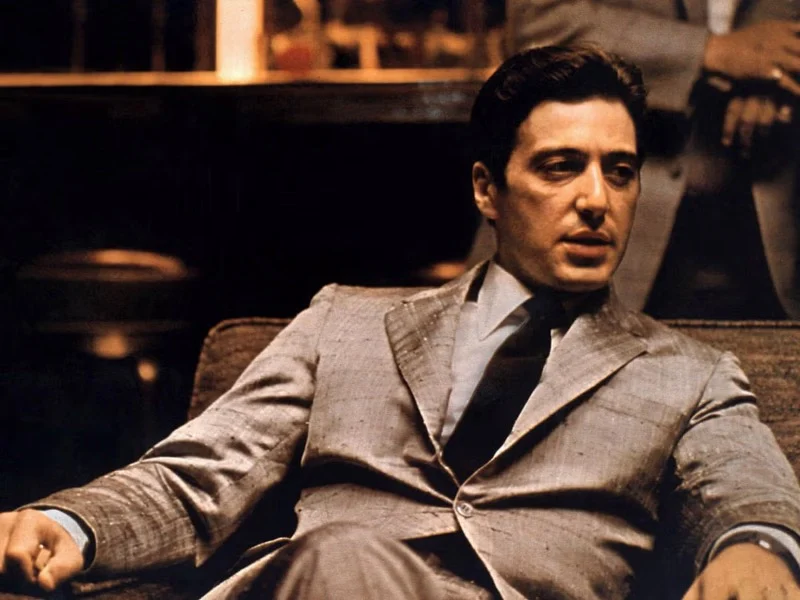
The character evolves from wearing ivy league aesthetic uniforms to donning sharp three-piece silk suits. His wardrobe changes reflect his growing power and the darkening of his soul throughout the saga. The gray silk suit he wears in Nevada has become an iconic piece of cinema costume design. This sartorial precision mirrors the meticulous way he conducts his criminal business.
Cold Negotiation Tactics
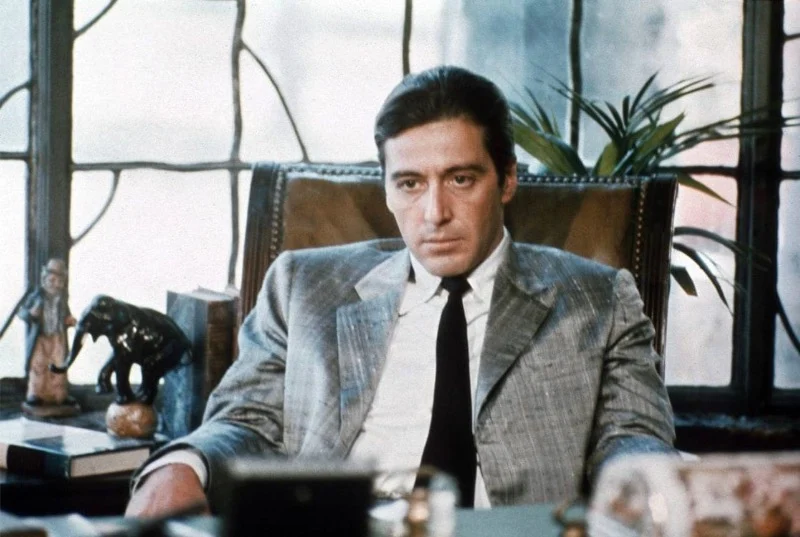
Michael approaches business meetings with a quiet intensity that unsettles his opponents. He rarely raises his voice and uses silence as a weapon to force others to reveal their hands. His ability to remain calm while Senator Geary insults his family in ‘The Godfather Part II’ demonstrates his immense self-control. He systematically dismantles the arguments of his adversaries before they realize they have lost.
The Sicilian Exile
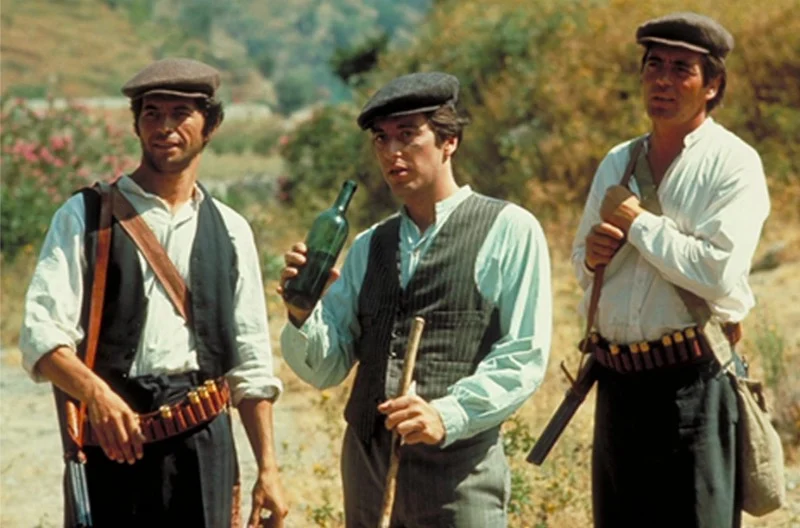
His time hiding in Sicily serves as a romantic yet tragic interlude that hardens his character. He learns the traditional roots of his family and falls deeply in love with Apollonia during his exile. The loss of his first wife in a car bomb meant for him destroys his last hold on innocence. This period connects him spiritually to the land of his father and solidifies his destiny.
The Restaurant Shootout
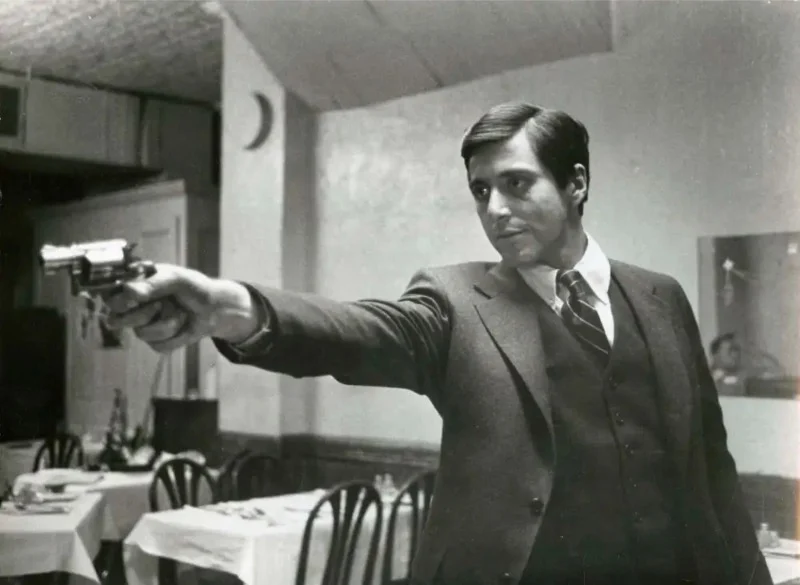
The decision to assassinate Sollozzo and Captain McCluskey marks the point of no return for his soul. Michael executes the plan with terrifying composure in a crowded Bronx restaurant. The sound design emphasizes the screeching train wheels as tension builds inside his mind before the shots are fired. This pivotal moment proves to the other families that the youngest Corleone son is a force to be reckoned with.
Closing the Door
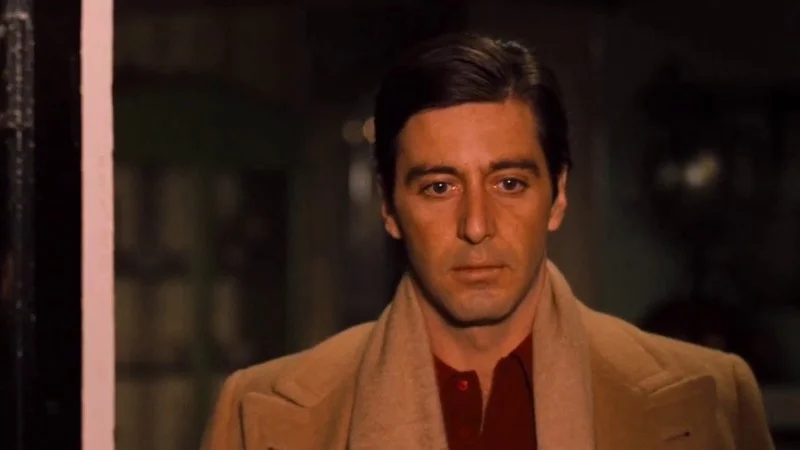
The final shot of ‘The Godfather’ shows the physical separation between Michael and his wife Kay. His associates close the door to his office while Kay watches from the hallway. It symbolizes his complete immersion into the criminal underworld and the exclusion of his legitimate family life. This visual metaphor perfectly encapsulates the isolation that comes with absolute power.
Expanding to Las Vegas

Michael displays immense foresight by moving the family business away from New York to Nevada. He ruthlessly pushes out Moe Greene to secure the Corleone interests in the gambling industry. This strategic pivot anticipates the changing landscape of organized crime in America. He understands that legitimacy and gambling offer a more sustainable future than street rackets.
The Baptism of Fire
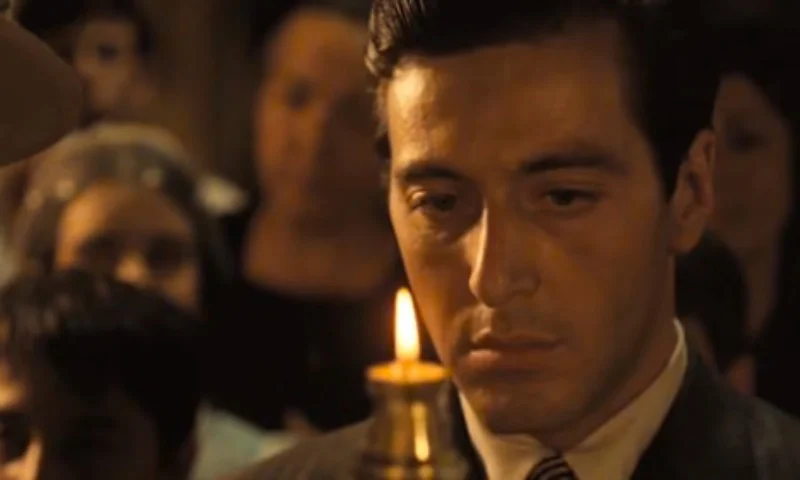
Francis Ford Coppola juxtaposes a sacred religious ceremony with the brutal elimination of the heads of the five families. Michael renounces Satan at the altar while his hitmen execute his enemies across the city. This sequence demonstrates his total compartmentalization of morality and duty. It stands as one of the most famous editing montages in the history of film.
The Betrayal of Fredo
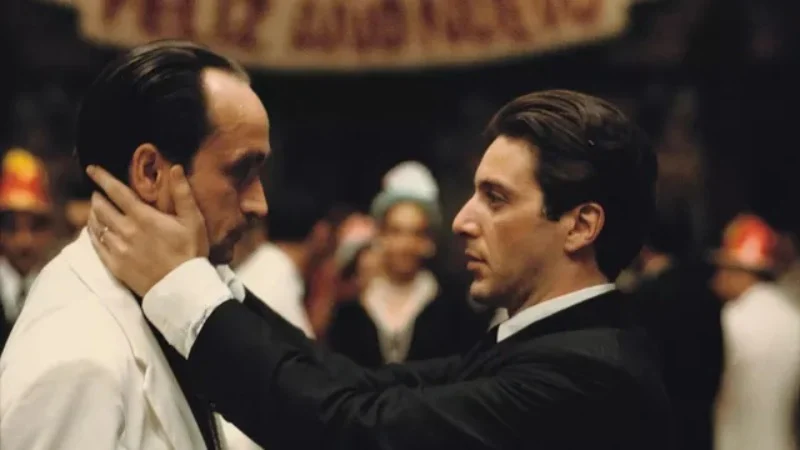
The complex relationship with his brother Fredo culminates in a heartbreaking realization of betrayal. Michael delivers the famous line telling his brother he knows it was him during a celebration in Havana. The subsequent order to have his own brother killed haunts him for the rest of his life. This act signifies the ultimate corruption of the family values he once swore to protect.
The Character Arc
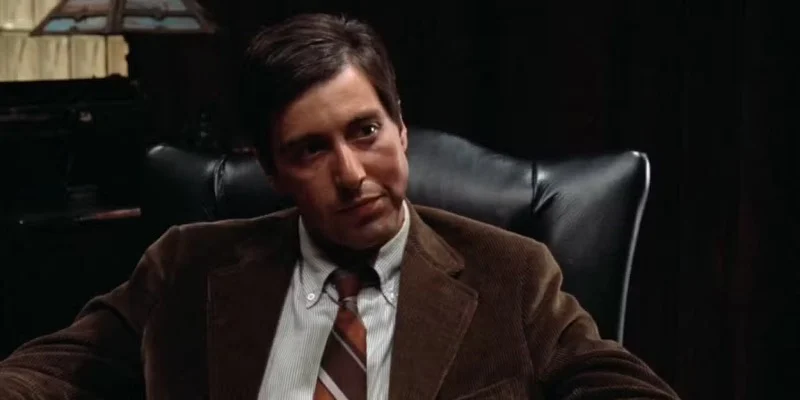
The evolution from an idealistic outsider to a morally bankrupt don defines the entire trilogy. Al Pacino utilizes subtle changes in posture and voice to convey the erosion of Michael Corleone humanity. Viewers watch a good man slowly succumb to the necessity of evil to preserve his family. It remains the gold standard for character progression in narrative storytelling.
Tell us which Michael Corleone moment you think is the most iconic in the comments.