

Top 10 Coolest Things About Sephiroth

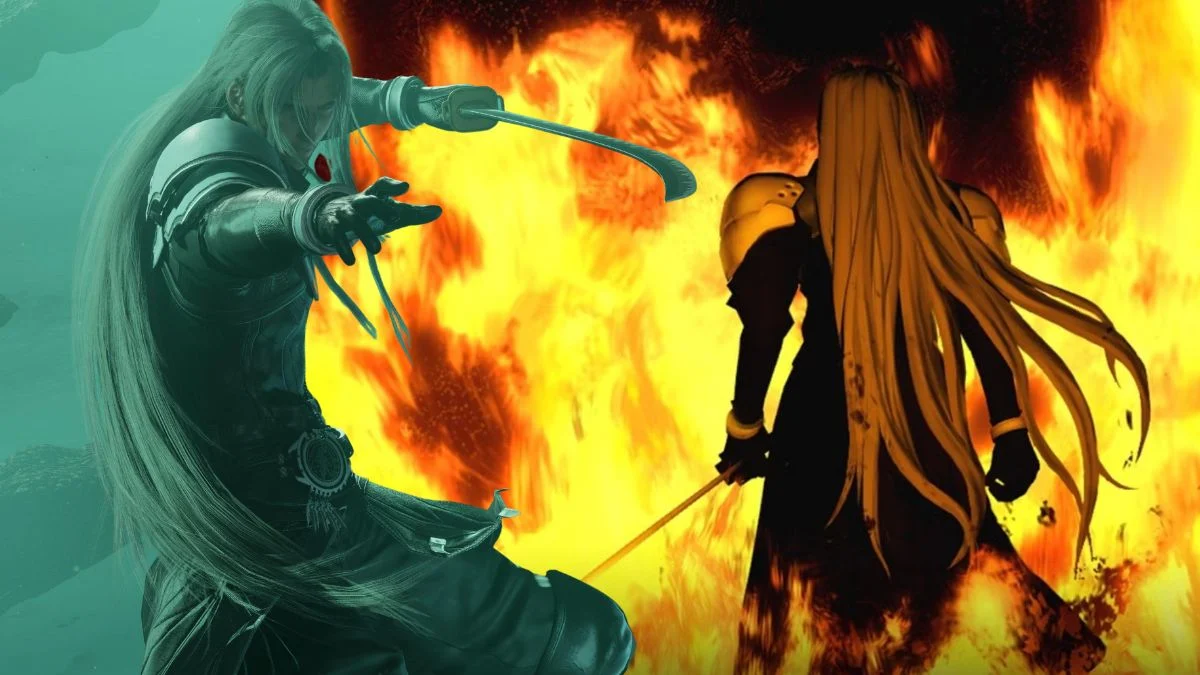


Sephiroth stands at the center of the world of ‘Final Fantasy VII’ as a towering figure whose presence shapes the story, the music, and even how boss battles feel. Everything from his sword to his theme song has specific choices behind it that give players concrete details to latch onto and remember. You can track his journey through the game’s lore, the extended projects, and crossovers that all use consistent traits to signal who he is and what he represents.
What follows is a collection of specific facts about his design, abilities, soundtrack cues, and story roles across games and films tied to ‘Final Fantasy VII’. Each entry focuses on verified elements like weapon measurements, composition techniques, and plot mechanics that explain why these aspects stand out. If you know the series, you will recognize these details immediately, and if you are new, you can use them as a guide to what the character actually does in each appearance.
The Masamune’s signature length and fighting style
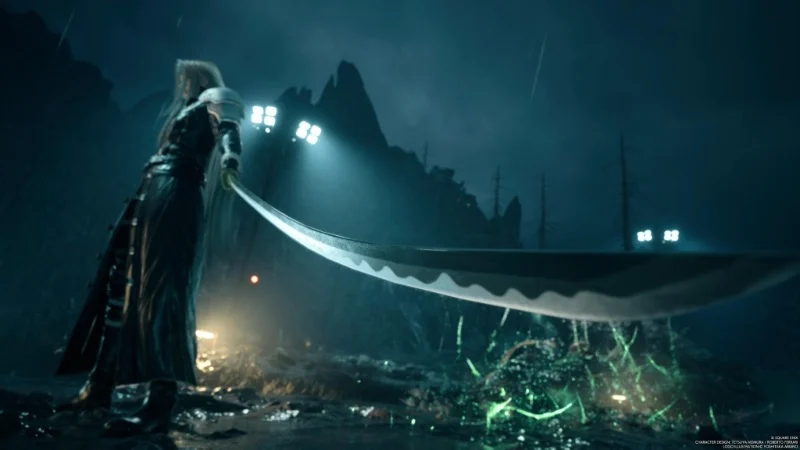
Sephiroth’s blade, the Masamune, is depicted as an odachi with a strikingly long reach that exceeds a standard katana by a large margin. Animators and modelers use that length to justify wide hitboxes in battles and distinctive idle stances that place the tip well past his opponent’s guard. Key art and in game cinematics keep the blade’s curvature shallow so the silhouette stays readable at a distance.
Combat animations show a consistent technique with long draw cuts and thrusts that take advantage of the weapon’s leverage. In player facing boss fights, the sword’s range creates telegraphed attacks with travel time that the game balances around dodges and parries. This makes the Masamune not just a visual flourish but a concrete tool that defines spacing and timing whenever Sephiroth engages.
The one wing motif and how it is used on screen
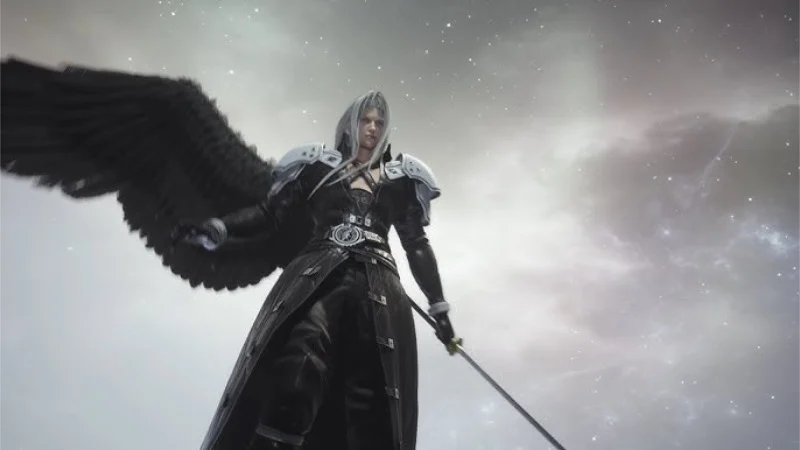
The single black wing appears in cutscenes and key art to signal moments where Sephiroth exerts control or transcends normal limits. Effects artists attach feather particles to camera sweeps and scene transitions, which gives editors a visual shorthand to mark his entrance or escape. The wing’s appearance also solves staging problems by letting the character move vertically without additional props.
Gameplay sequences use the motif for readability. When the wing unfurls, players know that a phase change or ability unlock is in progress. Animators time the wing reveal to specific audio cues, which keeps the visual and sound design locked together across the main game and its related titles like ‘Advent Children’ and ‘Crisis Core’.
The ‘One Winged Angel’ theme’s structure and instruments
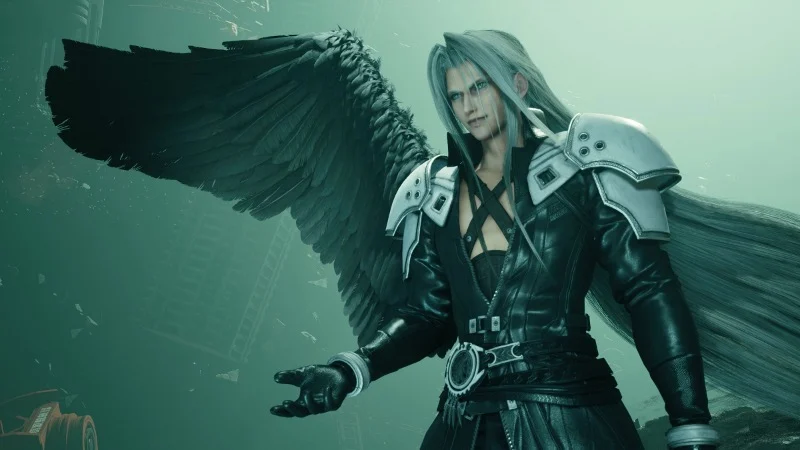
The track ‘One Winged Angel’ combines an orchestral foundation with a chorus that chants syllables set to a repeating rhythmic pattern. The arrangement moves through sections that shift tempo and density to match on screen escalation during the final confrontation. The use of a large choir with strings and percussion gives the theme a distinct texture that composers reprise in later arrangements.
Subsequent projects within the ‘Final Fantasy VII’ universe create variations that keep the melodic cells while changing orchestration. You will hear versions that emphasize electric guitar, synth layers, or extended percussion to fit new battle systems. These arrangements maintain the recognizable motif so players can identify Sephiroth’s presence as soon as the first phrases hit.
Supernova’s cinematic variations across versions
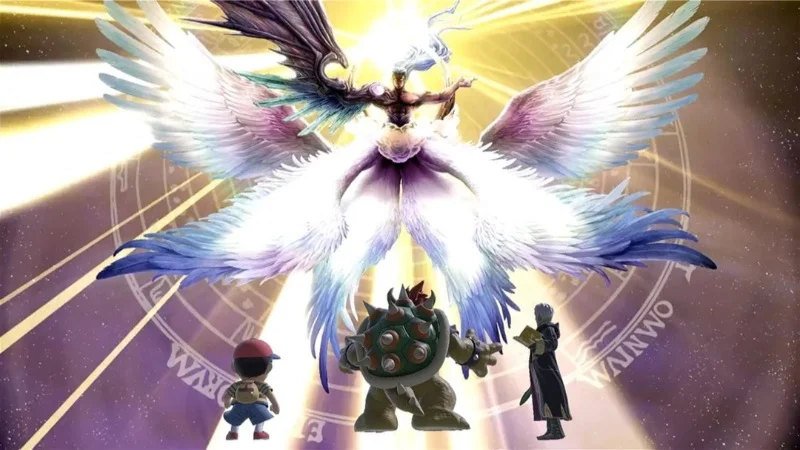
Supernova is presented as a cinematic attack that shows a celestial sequence where a destructive wave travels through space before striking the party. Different releases adjust the length, framing, and damage timing of the sequence to match hardware and pacing needs. Some versions place the damage calculation at a particular frame so the numbers land in sync with the visual impact.
Later games and remakes update the effect with modern shaders and particles but keep the core beats of the original concept. Designers preserve the sense of scale by moving the camera from macro shots to the battlefield at a precise cut. This maintains the identity of Supernova as a set piece that connects long form animation to a concrete gameplay outcome.
The Nibelheim incident’s role in the main narrative
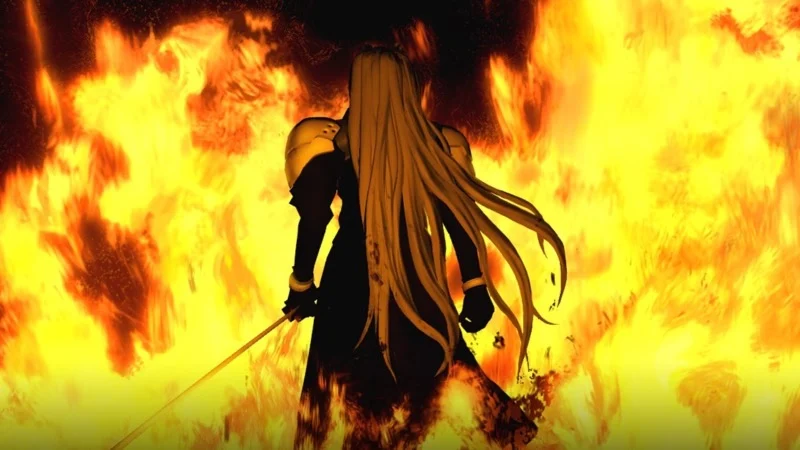
Sephiroth’s discovery of the research at the Nibelheim reactor sets off the chain of events that define Cloud’s backstory. The episode includes documented actions like the burning of the town and the confrontation at the mako reactor. In game flashbacks and later retellings present these scenes from different perspectives to reconcile memory gaps and unreliable narration.
The incident acts as a narrative anchor across the ‘Compilation of Final Fantasy VII’. Projects like ‘Crisis Core’ supply additional context for who was present and how the mission’s objectives shifted. This lets writers weave the same location and timeline into multiple character arcs without contradicting the original sequence of events.
Jenova cells and the Project S background
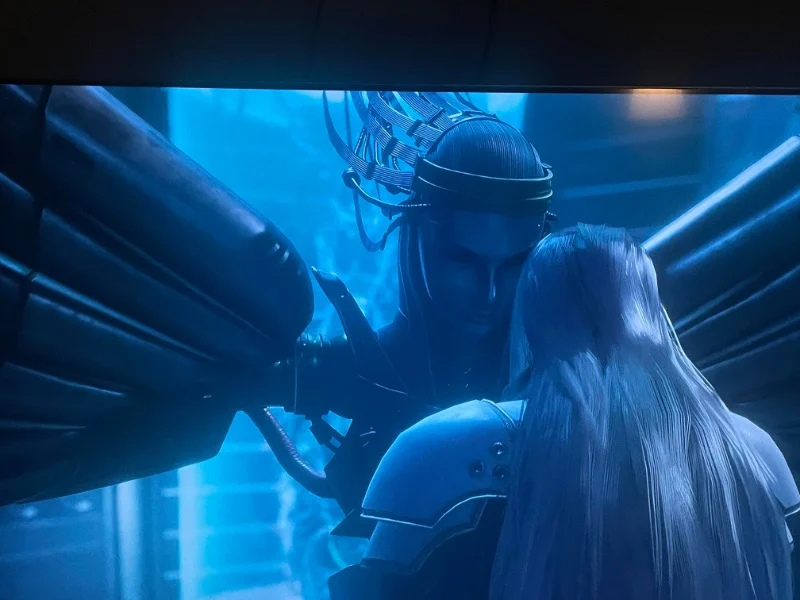
Sephiroth’s abilities are explained through exposure to Jenova cells under a program often referred to as Project S. The premise is that cellular integration grants enhanced strength and unusual resilience while introducing traits like telepathic influence. Logs and reports within the game world point to controlled experiments that differentiate subjects by method and timing of exposure.
These details drive plot mechanics such as Sephiroth’s ability to affect individuals who carry similar cells. Story beats use the connection to explain hallucinations, shared visions, and compelled movement known as the Reunion. By grounding powers in a fictional biological framework, the narrative can introduce new abilities while keeping internal rules consistent.
The Black Materia and the plan to summon Meteor
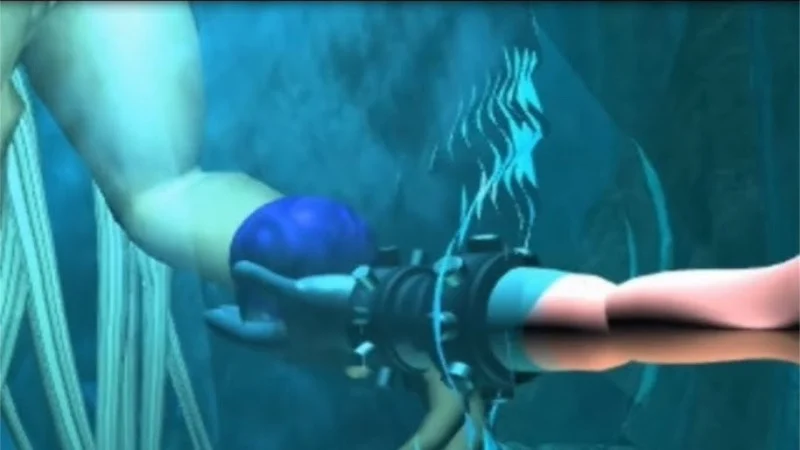
The Black Materia is defined as the materia that enables the summoning of Meteor. It exchanges control multiple times during the story with clear conditions for activation that require specific locations and events. This makes the item a focal point for party strategies and antagonist goals throughout the journey.
Sephiroth’s objective relies on the damage Meteor will cause to the Planet, which in turn would trigger a massive energy response that he intends to absorb. Scenes at key sites like the Northern Crater set up the geometry of the plan and the timing of the lifestream’s reaction. The plot uses these mechanics to align character motivations with world scale consequences.
Appearances across the ‘Compilation of Final Fantasy VII’
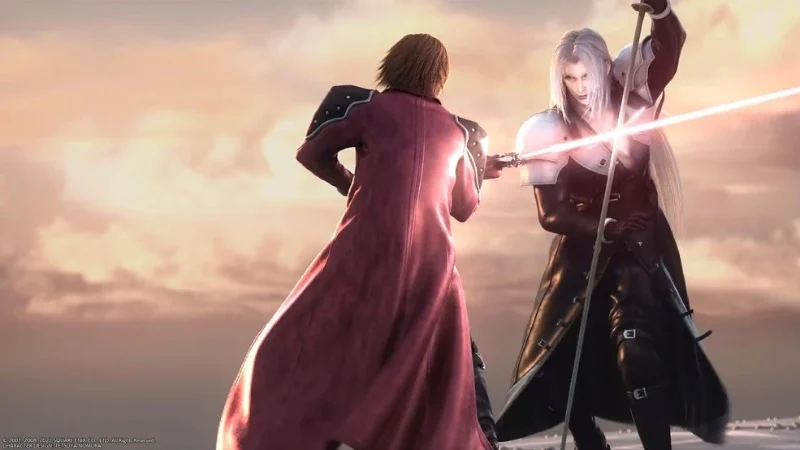
Sephiroth features across multiple entries that expand the original storyline. ‘Advent Children’ continues the conflict by building on the remnants plotline and introduces a form of reconstitution that ties back to Jenova’s properties. ‘Crisis Core’ moves backward to document interactions with Zack Fair and shows mission structures that foreshadow the main game.
‘Dirge of Cerberus’ and other releases keep references to Sephiroth through data logs, enemy designs, and world events that connect back to his actions. The ‘Remake’ and ‘Rebirth’ projects use modern presentation and revised sequences to place the character earlier and more frequently. These entries maintain consistent identifiers like the Masamune and musical cues so players can track continuity.
Crossovers in ‘Kingdom Hearts’ and ‘Super Smash Bros. Ultimate’
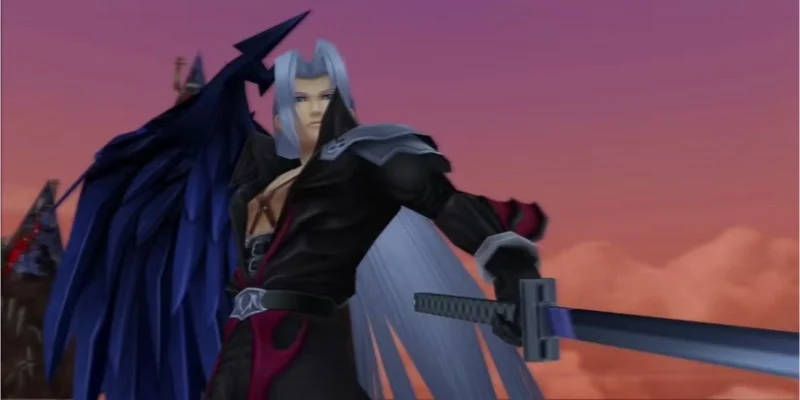
Sephiroth appears as a secret or bonus boss in several ‘Kingdom Hearts’ releases with move sets adapted to action oriented combat. Those fights include extended health bars, unique arena intros, and audio stingers that reuse fragments of ‘One Winged Angel’. Mechanical tweaks adjust invincibility frames and punish windows to suit the series’ aerial combos and magic systems.
In ‘Super Smash Bros. Ultimate’, Sephiroth joins the roster with a one wing mechanic that enhances speed and power under specific conditions. His reach with the Masamune defines spacing in neutral play and his special attacks create clear zoning tools. The character’s reveal also came with the Sephiroth Challenge event format that let players unlock content by defeating him within a limited time.
Character design lineage and production notes
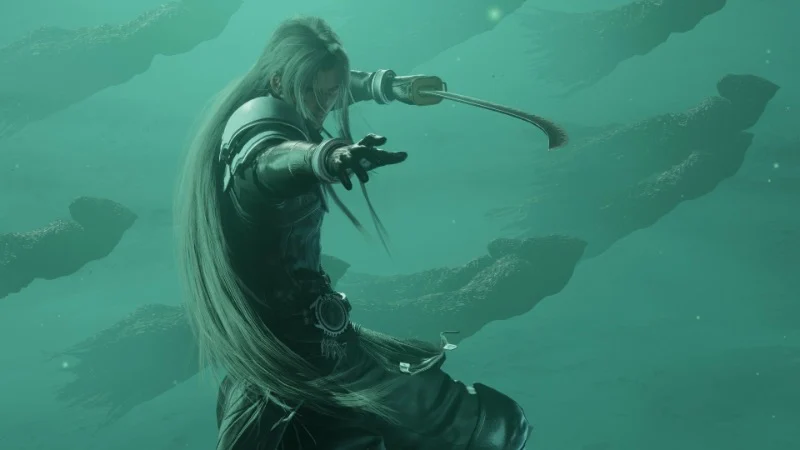
Sephiroth’s visual design comes from a process that settled on a tall, silver haired figure with a long coat and symmetrical pauldron placement. Artists chose a cool palette to contrast with the green glow associated with mako energy, which keeps the character readable against environments like reactors and laboratories. The overall silhouette is built to be identifiable from a distant camera.
Production materials describe a deliberate contrast between Sephiroth and other soldier characters through posture, coat length, and hair movement. Rigging teams assign extra bones to the hair and coat so they can move independently during cutscenes and gameplay. This ensures the character looks consistent whether he is standing still in dialogue or moving during a boss phase.
Share your favorite concrete detail about Sephiroth in the comments so everyone can compare notes.