


Top 10 Coolest Things About The Terminator (T-800)

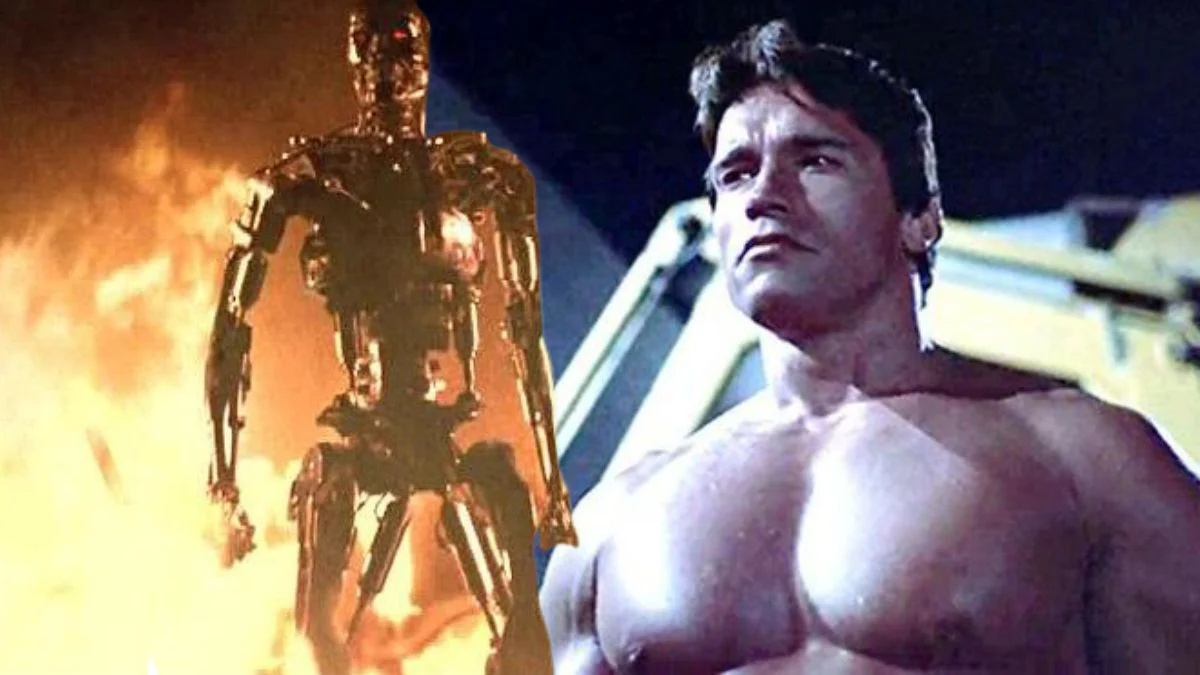


The T-800 is one of science fiction’s most recognizable machines because it blends believable engineering with a chillingly practical design. Built by Skynet as an infiltration and combat unit, it pairs a humanlike exterior with a rugged mechanical core. Across the films it demonstrates consistent rules about how it learns, moves, fights, and even travels through time. Here are the standout details that make the Series 800 model so unforgettable.
Living Tissue Cover
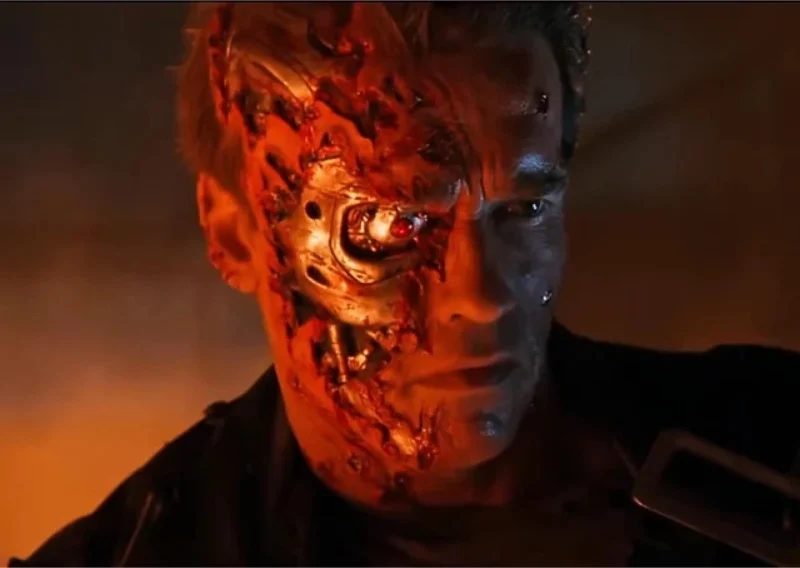
The T-800 carries living tissue grown over its metal frame, which lets it pass as human to casual observers and basic scans. This bio layer heals like ordinary flesh and can sweat and bleed, which helps it move through civilian spaces. The disguise also allows the unit to use time displacement since only organic matter can survive the trip. You see the effectiveness of this cover in both ‘The Terminator’ and ‘Terminator 2: Judgment Day’ during close quarters encounters.
Endoskeleton Design
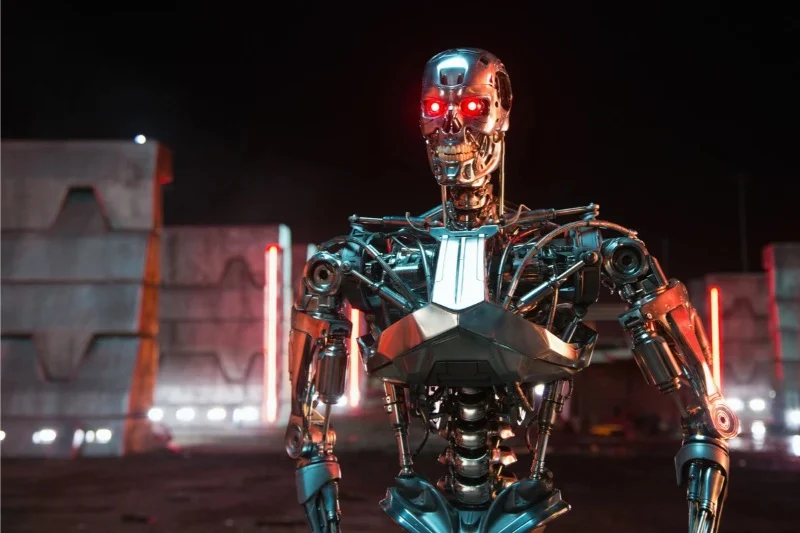
Under the skin is a titanium alloy endoskeleton built with hydraulic actuators and precise servos. The skeletal structure mimics human proportions which makes it fit standard clothing and vehicles. Its joints are engineered for durability and range of motion that supports sprinting, grappling, and heavy lifting. The red optical sensors mount in a skull chassis that is designed to keep functioning even after severe exterior damage.
Neural Net CPU

The T-800 runs on a neural net processor that can be set to a learning mode. When enabled it adapts to human behavior and can improve decision making beyond its default mission programming. This is why one unit becomes a more cooperative protector in ‘Terminator 2: Judgment Day’. The chip can also be physically accessed for maintenance or mode changes which the characters demonstrate on screen.
Vision and Target Acquisition

The T-800 processes a continuous visual overlay with data about range, wind, and targeting solutions. Its optical sensors handle low light and infrared which allows tracking through smoke or darkness. The heads up information feeds directly into motor control for quick aim adjustments. The display you see in ‘The Terminator’ reflects how it parses text, maps, and ballistic calculations in real time.
Voice and Identity Mimicry

It records voices with high fidelity and can reproduce them to impersonate other people over phones or intercoms. The unit studies speech patterns to match tone and cadence for short conversations. This tool supports infiltration and misdirection during missions. The tactic is shown clearly when it mimics voices in ‘The Terminator’ to lure targets into traps.
Strength and Combat Tactics
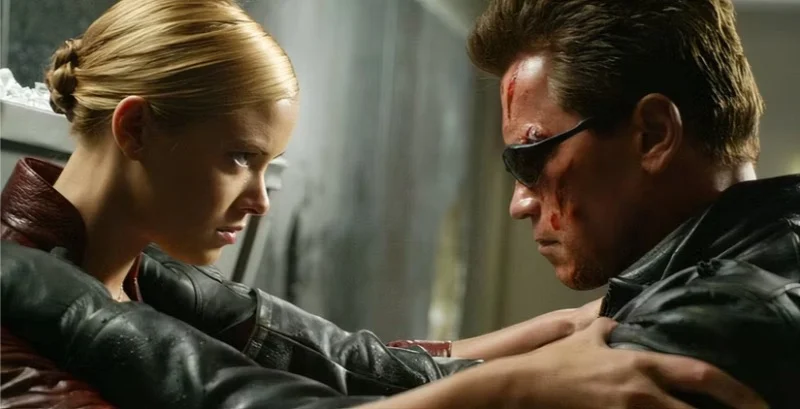
The T-800 can overpower most human opponents with ease thanks to mechanical leverage and actuator torque. It fires a wide range of small arms accurately and can maintain aim under recoil that would throw off human shooters. In close combat it uses direct and efficient strikes with little wasted motion. Its pursuit behavior favors relentless pressure that wears down targets in ‘The Terminator’.
Damage Resistance and Field Repairs
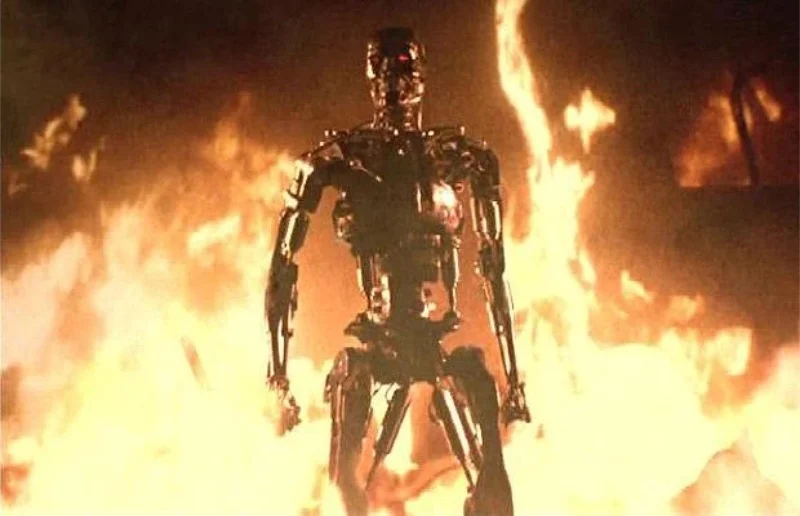
The endoskeleton shrugs off impacts that would incapacitate a person and can keep moving after severe structural hits. The unit is capable of basic self maintenance such as removing damaged components and resetting joints. It will prioritize function over appearance which is why it keeps fighting even as the skin burns away. Scenes in ‘The Terminator’ show it operating with exposed mechanics long after the disguise is compromised.
Mission Programming

Every deployment begins with a clear primary objective, such as termination or protection of a specific target. The T-800 will acquire clothing, transport, and weapons to fulfill that objective with minimal delay. It uses police databases, phone directories, and public records to locate people efficiently. In ‘The Terminator’ this step by step process is exactly how it tracks names and addresses.
Time Displacement Compatibility
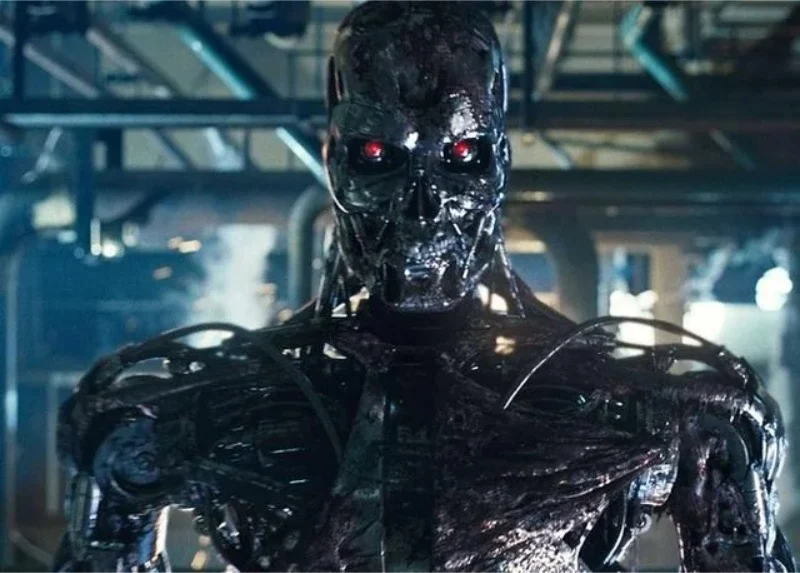
Only living tissue can travel through the time displacement field, so the T-800’s organic cover is essential for temporal insertion. Once in the past, the machine arrives without equipment and must source weapons locally. This constraint explains why it seeks out firearms and vehicles immediately after arrival. You see this play out at the start of both ‘The Terminator’ and ‘Terminator 2: Judgment Day’.
Model Variants and Designation

Series 800 refers to the machine line and Model 101 describes a particular outer appearance. The Model 101 frame is the one associated with the character played across multiple films. Later entries mention related models that adjust power supply and armor while keeping the same basic architecture. In ‘Terminator 3: Rise of the Machines’ you hear specifics that tie these designations to field roles and upgrades.
Tell us your favorite T-800 detail in the comments and share which moment made the machine feel most real to you.