

Top 20 Cozy Anime to Watch This Fall




When shorter days start to roll in, cozy anime shine with calm stories, gentle stakes, and worlds that feel like a warm blanket. These series and films focus on daily rituals, small victories, and the quiet charm of ordinary places, which makes them perfect companions for a relaxed evening. You will find slice of life standouts, food centered shows, and soft fantasy that leans into comfort rather than conflict.
Each pick below includes clear details that help you decide what fits your mood. You will see where a story came from, the studio behind it, the setting, and how many episodes or films you are signing up for. Use it like a simple guide and queue up what speaks to you.
‘Laid-Back Camp’ (2018–2021)

This series follows high school friends who explore campsites across Japan, with a strong focus on camping gear, safe practices, and scenic locations. It adapts Afro’s manga, was produced by C-Station, and spans two television seasons and a feature film along with shorts and a third season that continues the format. The show documents campsite routines, including meal prep, tent setup, and route planning.
Music and sound design emphasize environmental details, like wind and crackling fires, which support the travelogue approach. Location notes often reference real parks and lakes, and the production includes end cards that catalog tools and recipes. Viewers get a practical look at solo and group camping styles and how itineraries change with weather.
‘Natsume’s Book of Friends’ (2008–2017)
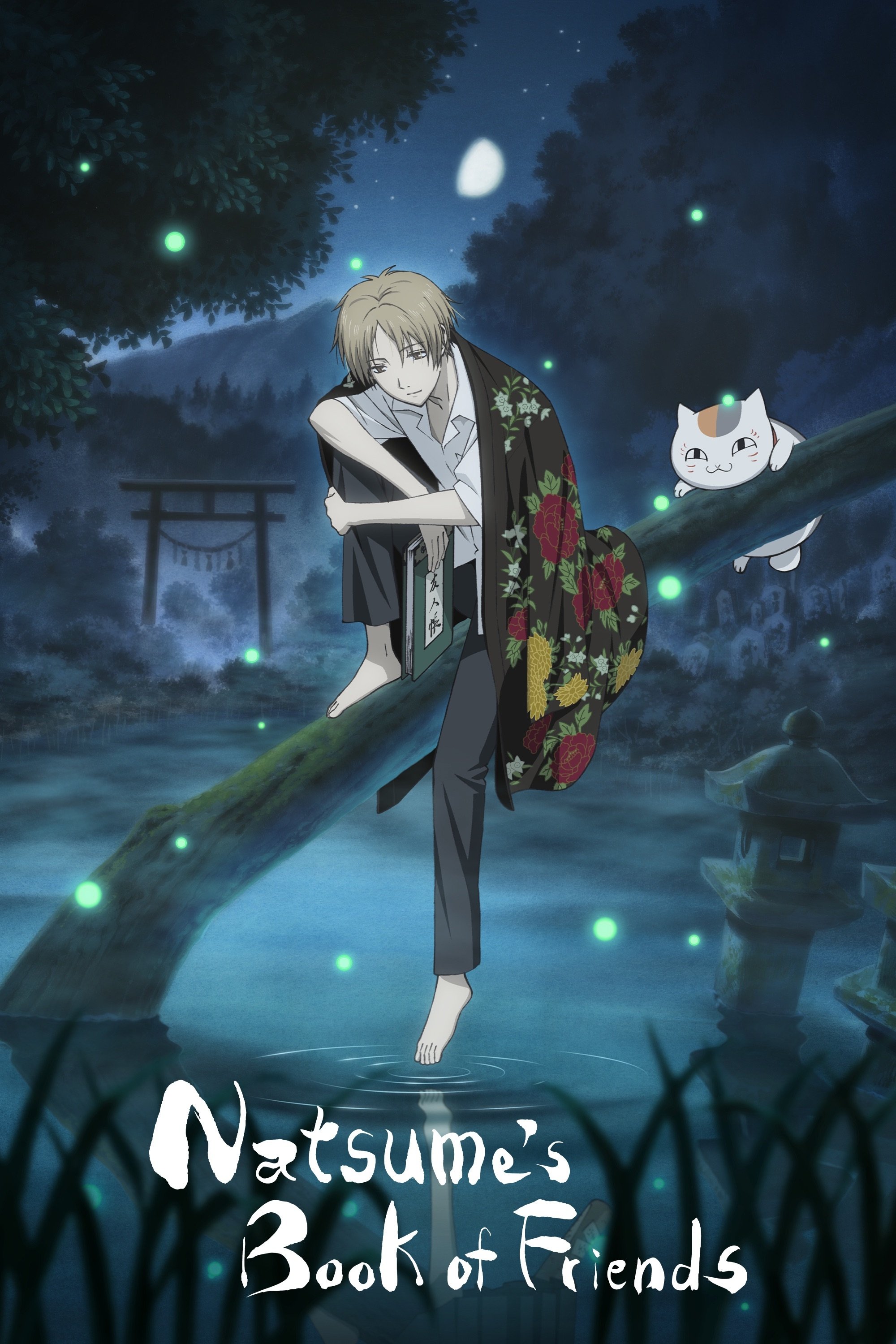
Based on Yuki Midorikawa’s manga, this series centers on a teenager who inherits a ledger of yokai names from his grandmother and returns those names to set spirits free. Brain’s Base and later Shuka handled multiple seasons that maintain the same episodic rhythm and focus on small towns and wooded areas.
The production leans on watercolor backgrounds and seasonal motifs to track time in rural settings. Each episode highlights a distinct local legend or memory, which builds a gentle folklore record. Consistent narrations and recurring yokai provide continuity across story arcs.
‘Barakamon’ (2014)
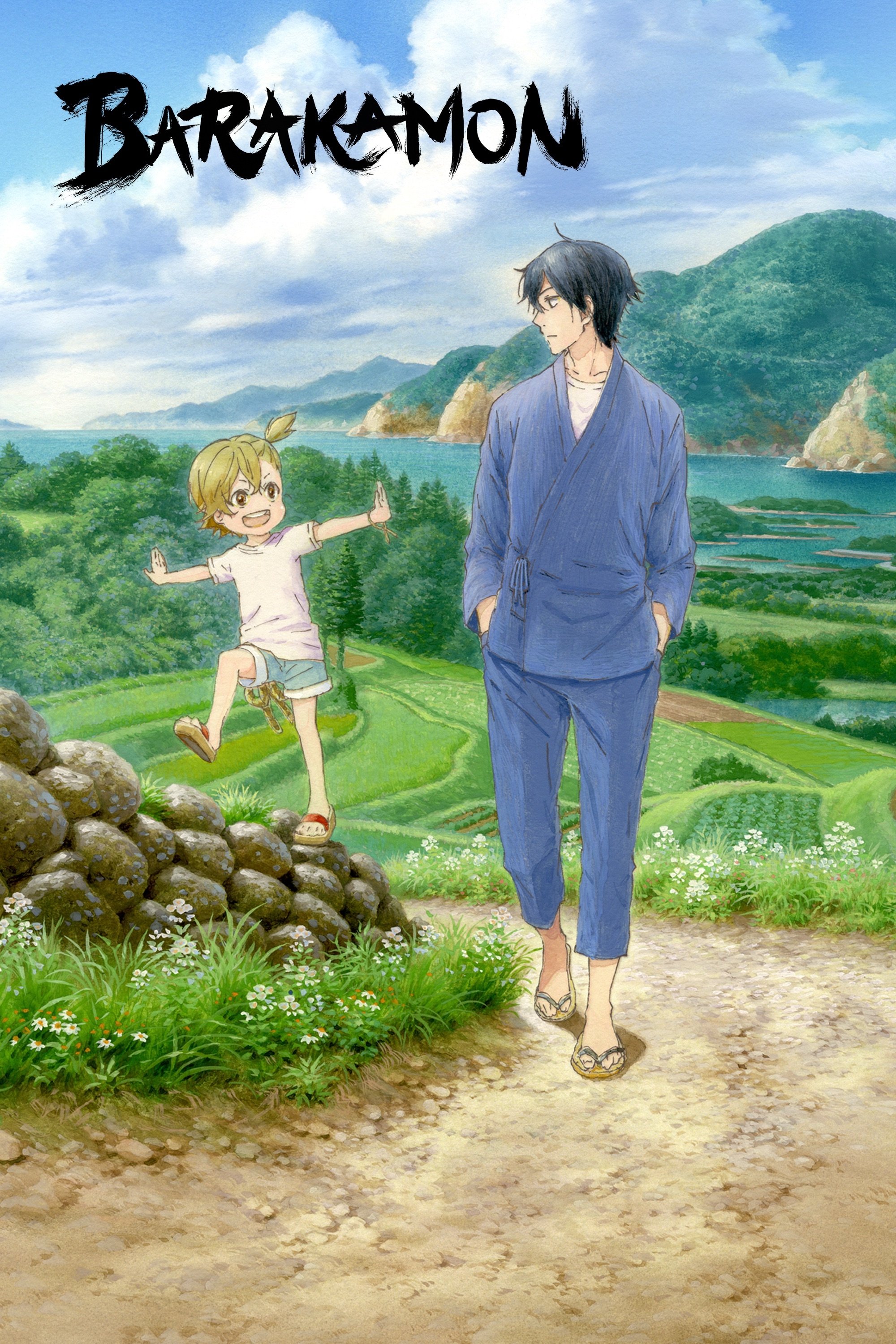
This adaptation of Satsuki Yoshino’s manga follows a professional calligrapher who relocates to the Goto Islands to refine his craft. Kinema Citrus produced the anime and mapped island life with attention to community festivals, school events, and local dialect.
Calligraphy is presented as a craft process, showing tools, paper, and technique, along with how environment influences brushwork. Episode structures pair creative challenges with village routines, so viewers see workshops, harvests, and visits that form a clear picture of remote island daily life.
‘Aria’ (2005–2008)
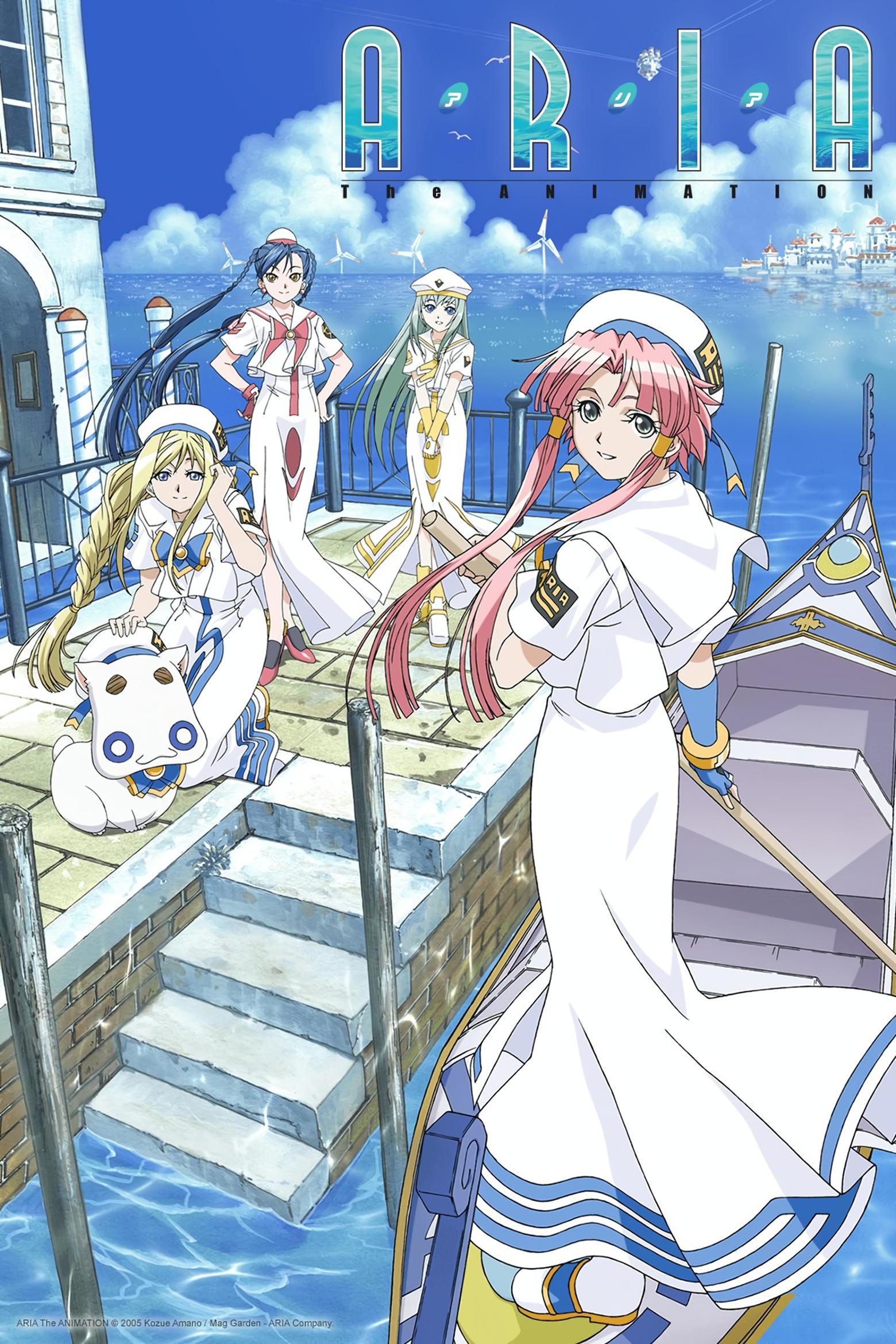
Set on a terraformed Mars known as Aqua, this series adapts Kozue Amano’s manga about apprentice gondoliers learning the trade in a Venice inspired canal city. Hal Film Maker produced the initial seasons with follow up projects that expand the city’s districts and guild traditions.
Episodes cover navigation training, uniforms, gondola care, and certification steps for Undines. The world building records seasonal events and guild hierarchies, while background art catalogs plazas, waterways, and shops with clear spatial continuity between episodes.
‘Non Non Biyori’ (2013–2021)
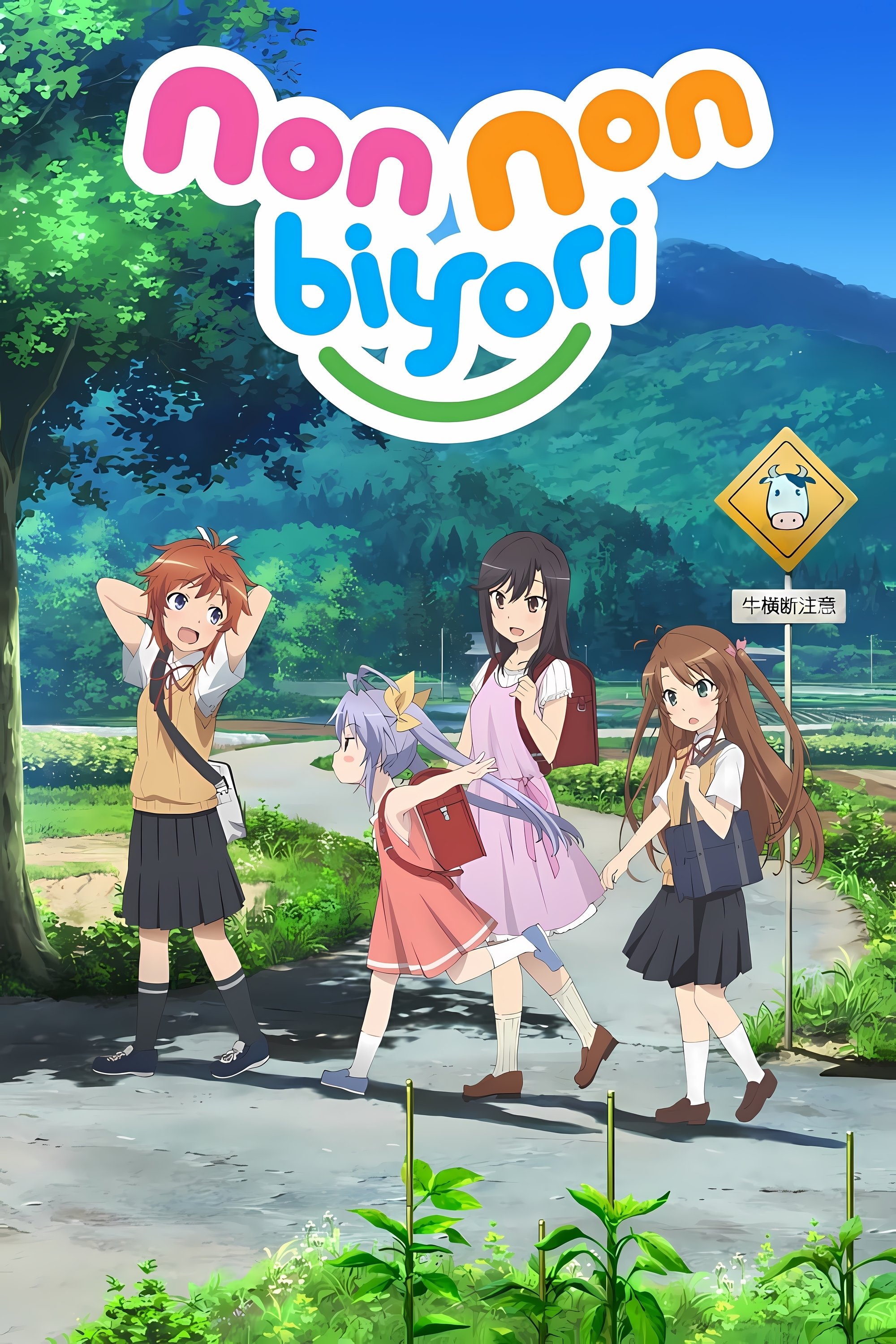
This adaptation of Atto’s manga documents the everyday lives of students in a rural village with a single combined grade school. Silver Link produced several seasons and a film, maintaining a consistent layout of roads, fields, and homes that anchors the timeline to school terms.
Episodes reference crop cycles, bus schedules, and club activities, which turn the calendar into a quiet plot device. Field trips and seasonal projects, like planting and snow play, map the area in a way that helps track distance and routine between the village and the nearby town.
‘Flying Witch’ (2016)
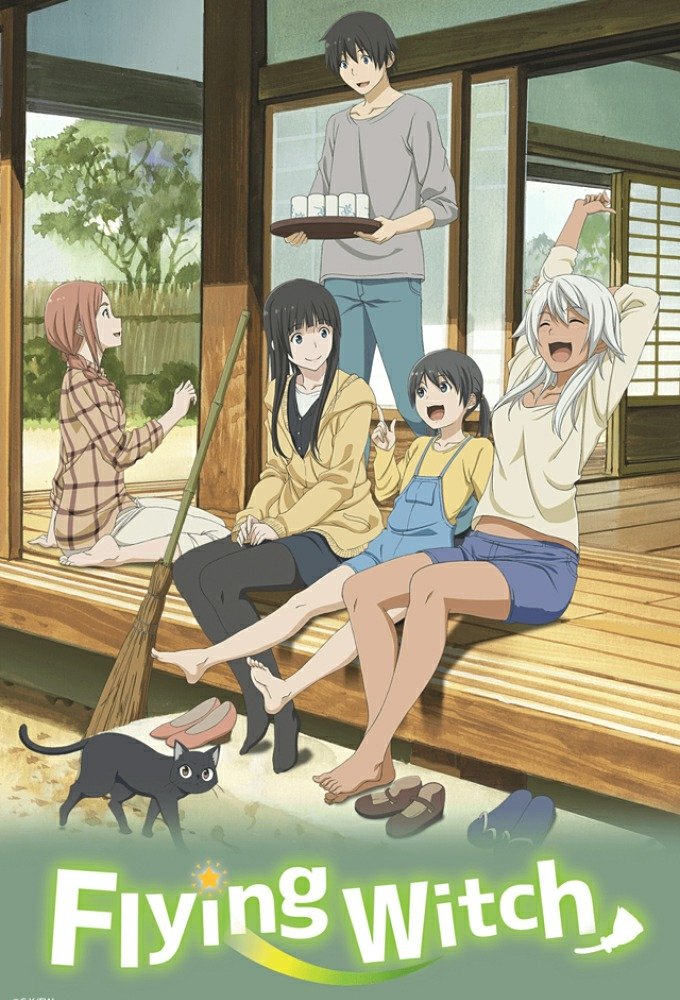
J.C.STAFF’s adaptation of Chihiro Ishizuka’s manga follows a trainee witch living with relatives in Aomori. The show blends light magic with clear domestic routines, like gardening, shopping, and local sightseeing, which gives the setting real world structure.
Magical elements have documented rules and tools, including enchanted guides and scheduled visits to supernatural markets. The production uses real locations for reference, and episodes often include recipes or plant notes that tie scenes to the region’s climate and harvests.
‘K-On!’ (2009–2010)

Kyoto Animation adapts Kakifly’s four panel manga about a high school light music club and records how a band forms and maintains rehearsal schedules. The series outlines instrument choices, club logistics, and concerts, which provides a repeatable pattern for school year progress.
Episode planning follows practice calendars and event sign ups, and it shows how budgets, rooms, and equipment are managed. Inserts detail sheet music props and brand modeled instruments, while concert episodes document stage flow, sound checks, and set lists.
‘Sweetness & Lightning’ (2016)

This TMS Entertainment adaptation of Gido Amagakure’s manga centers on a teacher and his daughter who learn home cooking with a student’s help. Each episode builds a full recipe sequence, from ingredient lists to steps, with on screen references to techniques and kitchen tools.
Dishes reflect seasonal produce and regional staples, and the story uses meal planning to track family routines like shopping and budgeting. The series treats cooking as a weekly practice and shows how recipe adjustments handle dietary needs and time limits.
‘Silver Spoon’ (2013–2014)

Adapted from Hiromu Arakawa’s manga, this series takes place at an agricultural high school in Hokkaido. A-1 Pictures produced two seasons that document coursework, farm duties, and internships, which together build a practical overview of agricultural education.
Episodes cover livestock care, crop management, and food processing, often pairing lectures with hands on tasks and exams. The show tracks semesters with events like festivals and competitions, and it includes career research assignments that outline paths into farming and food industries.
‘Amanchu!’ (2016–2018)

This series adapts Kozue Amano’s manga about a school diving club in a coastal town. J.C.STAFF produced multiple seasons that present diving certification steps, equipment basics, and club schedules, which create a clear learning curve for new divers.
Underwater scenes incorporate hand signal charts and buoyancy practice, while land scenes cover weather checks and shop visits. The production ties each dive to seasonal conditions and visibility, which helps explain how students plan sessions around safety and tide tables.
‘Super Cub’ (2021)
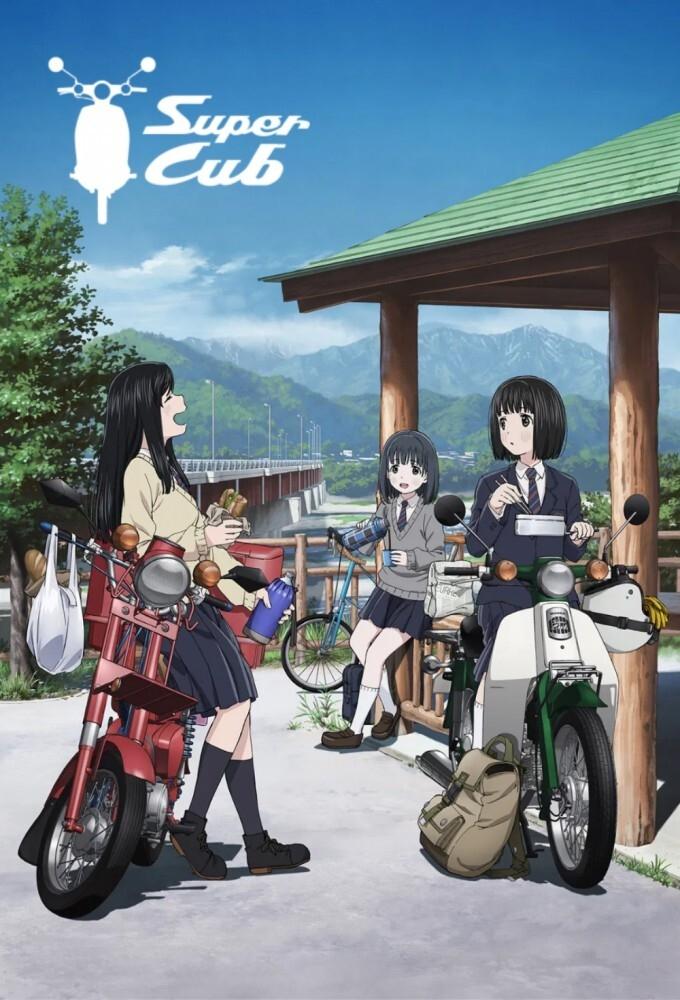
Studio Kai adapts Tone Koken’s light novels about a student who buys a used Honda Super Cub and learns daily mobility through careful riding habits. Episodes detail licensing, maintenance, fuel economy, and safe routes for rural roads.
The series keeps a log like structure where accessories, repairs, and upgrades are added over time. Weather and temperature influence wardrobe and planning, and the show demonstrates storage solutions for school and shopping, which gives the routine a clear technical spine.
‘Do It Yourself!!’ (2022)
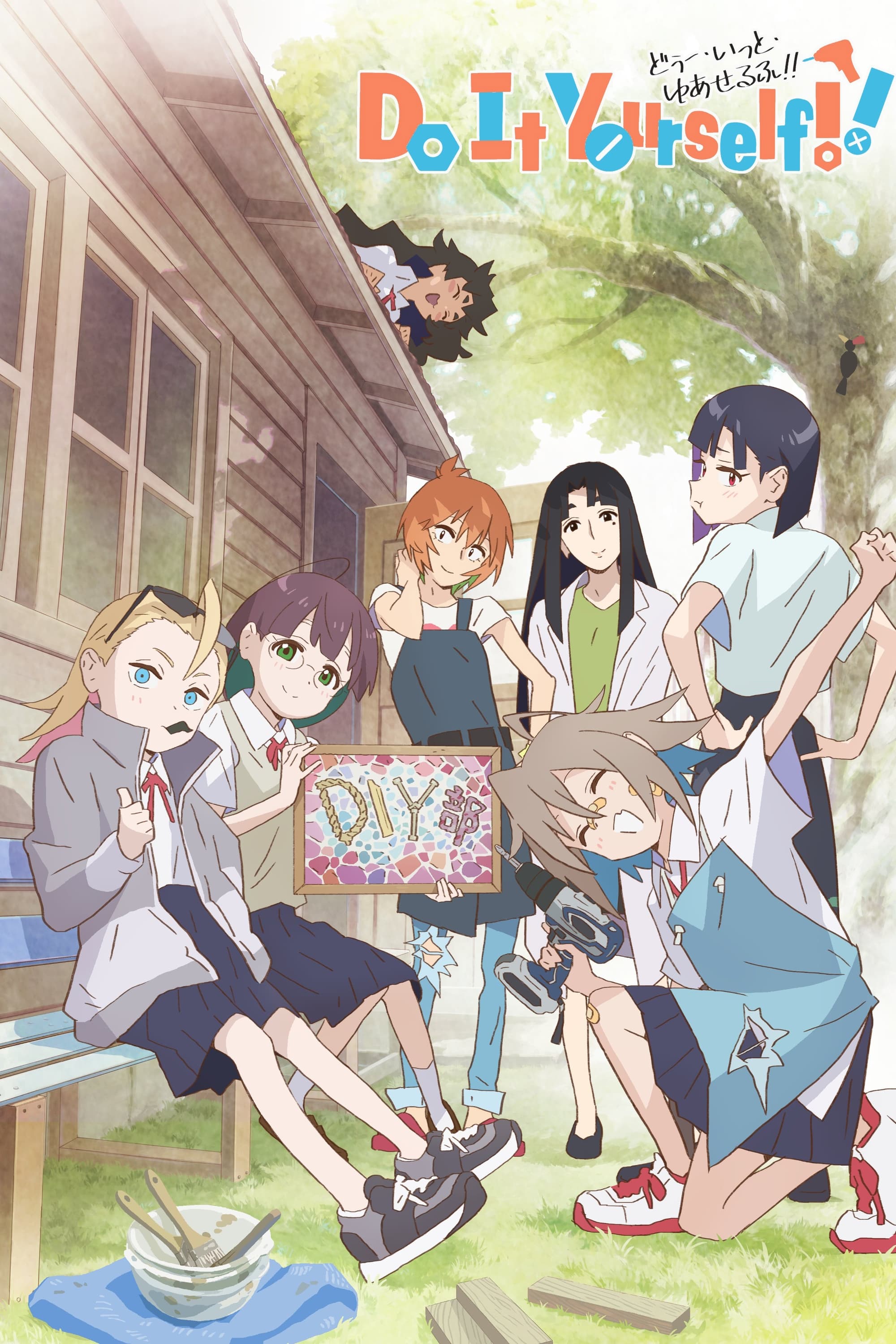
Pine Jam’s original series follows a group that forms a DIY club and completes beginner friendly builds. Each project lists materials, tools, and measurements, then shows step by step assembly that emphasizes safety practices like goggles and clamps.
The club room evolves with storage and workbench upgrades, which models how makerspaces grow. Episodes also include simple electronics and finishing techniques, and the production uses project boards that document timelines and roles for each member.
‘Deaimon: Recipe for Happiness’ (2022)
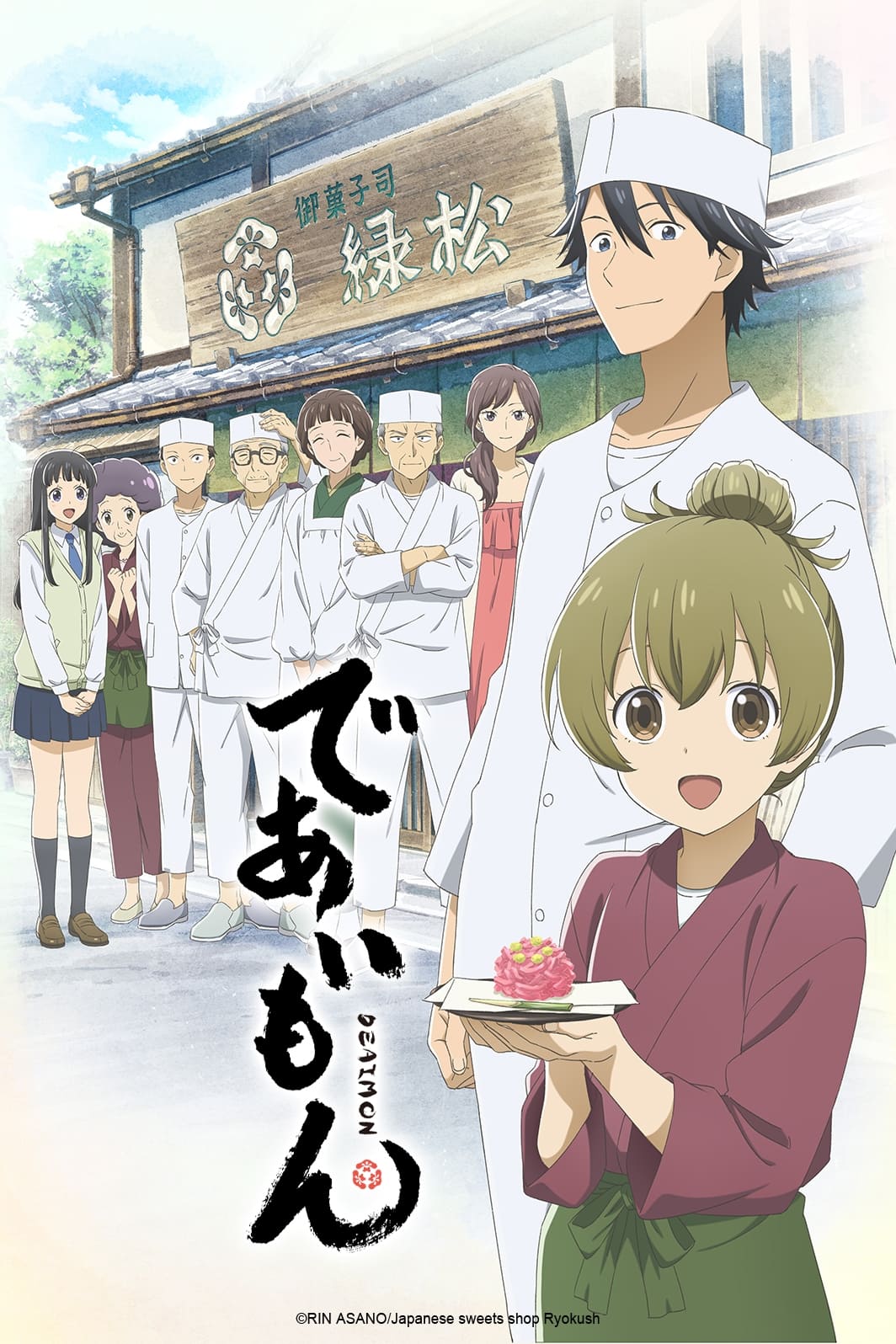
Encouraged by Rin Asano’s manga, this Encourage Films series takes place in a long running Kyoto wagashi shop. Episodes explain seasonal confections, ingredient sourcing, and the role of sweets in festivals and family milestones.
Production notes highlight regional names for confections and present tools like wooden molds and copper pans. The shop’s operations, from morning prep to storefront display, are shown in a repeatable cycle that follows the holiday calendar.
‘My Roommate Is a Cat’ (2019)
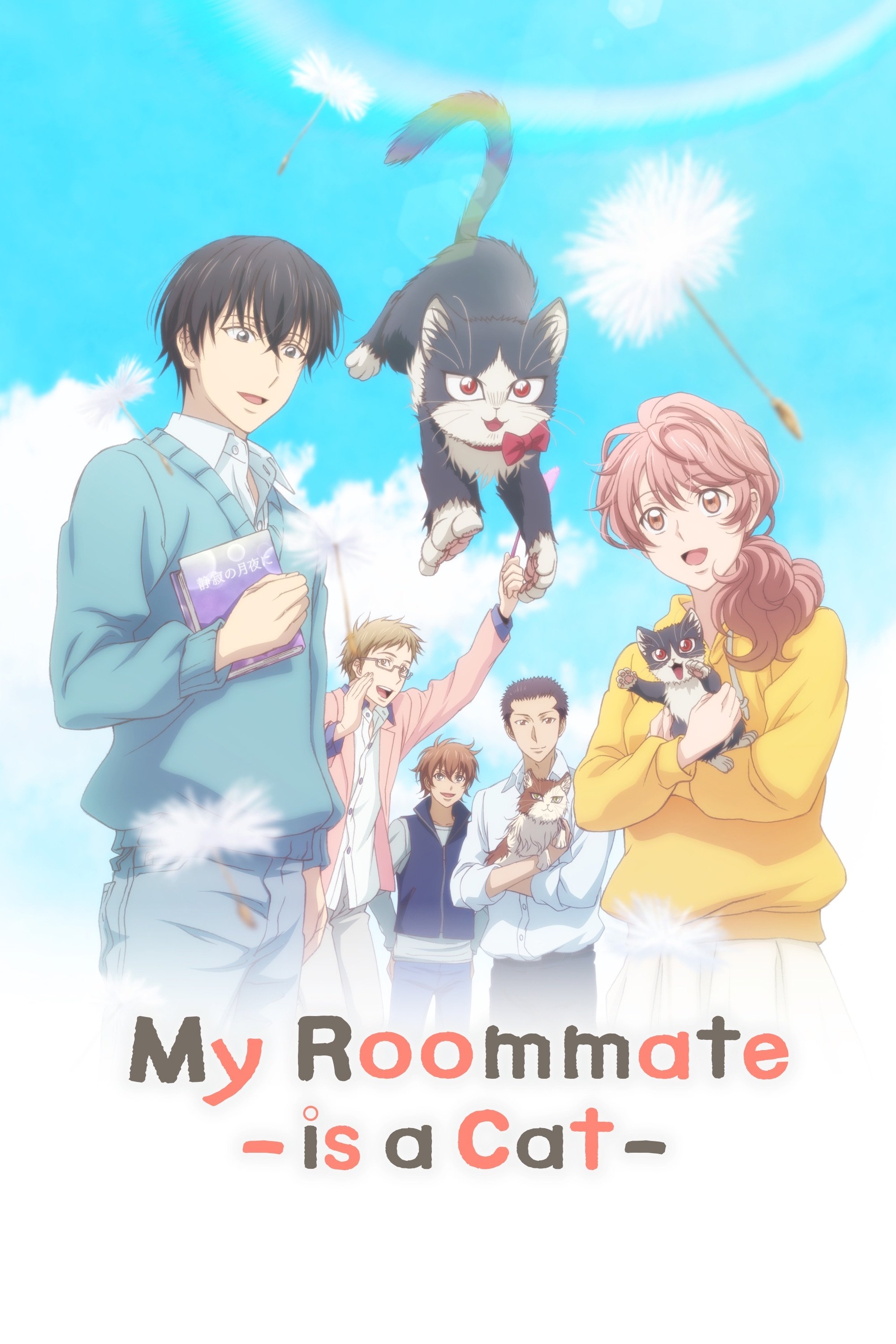
Adapted from Minatsuki and As Futatsu’s manga, this series follows an author who adopts a stray cat, with episodes split between human and cat viewpoints. Zero-G produced the anime with a structure that repeats scenes to provide both narrative tracks.
The show catalogs pet care basics like food types, vet visits, and home safety, and it uses publishing deadlines to mark the passage of time. Script segments and editorial meetings supply a steady work routine that balances with the care schedule.
‘Restaurant to Another World’ (2017–2021)
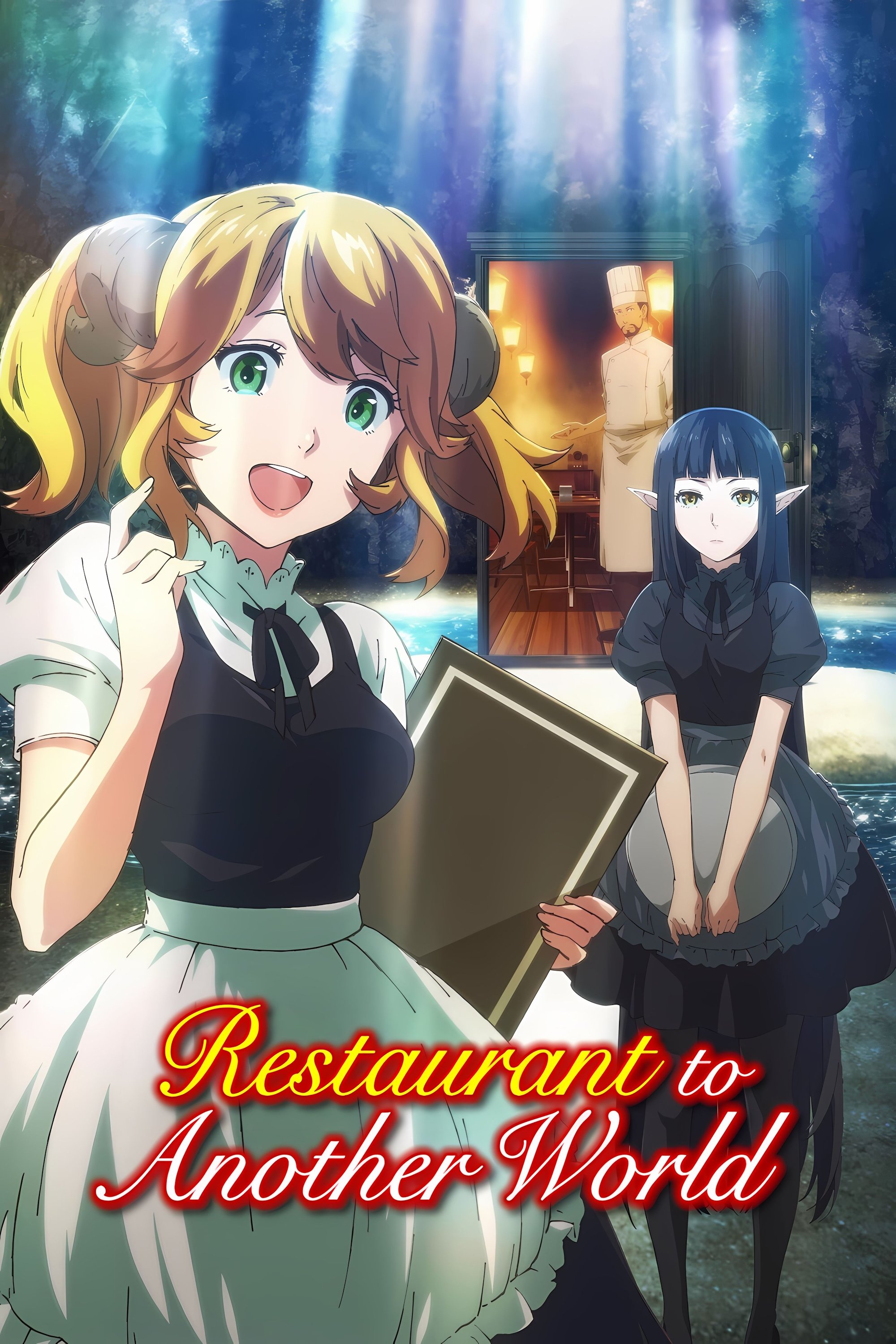
This adaptation of Junpei Inuzuka’s light novels presents a Western style restaurant that opens its door to fantasy realm patrons once a week. Silver Link produced the series with a menu format that introduces one or two dishes per episode.
Recipes are framed with origin notes and cooking steps, while guests provide cultural context for ingredients and dining etiquette. The kitchen workflow remains consistent across episodes, which creates a clear rhythm from prep to service to cleanup.
‘Kakuriyo -Bed & Breakfast for Spirits-‘ (2018)

Based on Midori Yuma’s light novels, this anime centers on a student who works at a traditional inn in the spirit world. Gonzo produced the series and devoted time to service training, room management, and menu development within the inn’s departments.
Episodes outline guest relations, seasonal menus, and uniform details, and they show how staff schedules coordinate large banquets. The production explores local markets and supplier visits, which gives the setting a grounded supply chain.
‘Somali and the Forest Spirit’ (2020)
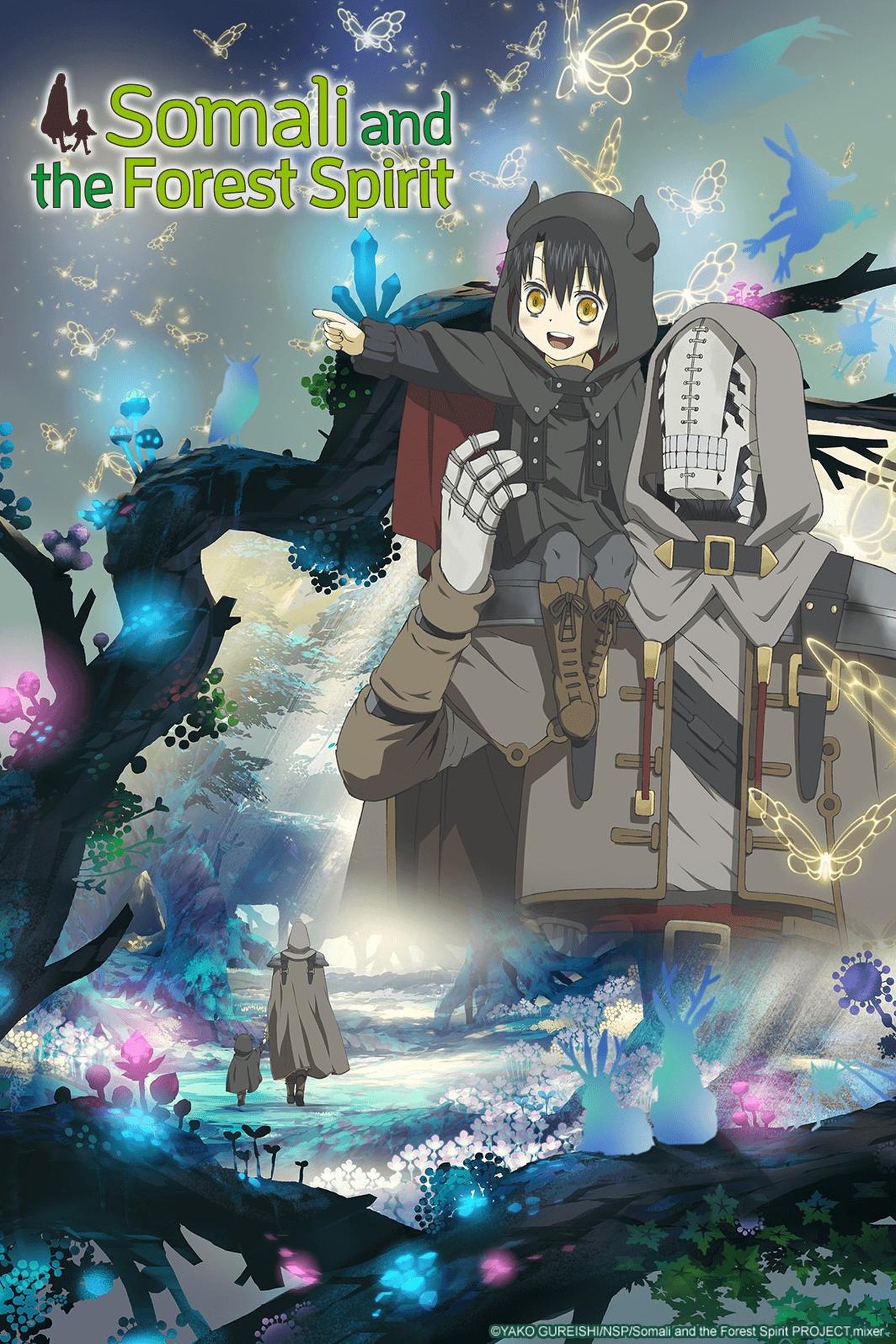
This adaptation of Yako Gureishi’s manga follows a forest golem and a human child who travel through towns with distinct crafts and customs. Satelight and HORNETS produced the series, focusing on maps, routes, and trade that connect markets and inns.
World building uses guilds, passes, and foraging guidelines that govern safe travel in each region. Episodes track distance and supplies, and the pair maintains simple routines for cooking, shelter, and record keeping, which structure each stop.
‘Tanaka-kun Is Always Listless’ (2016)
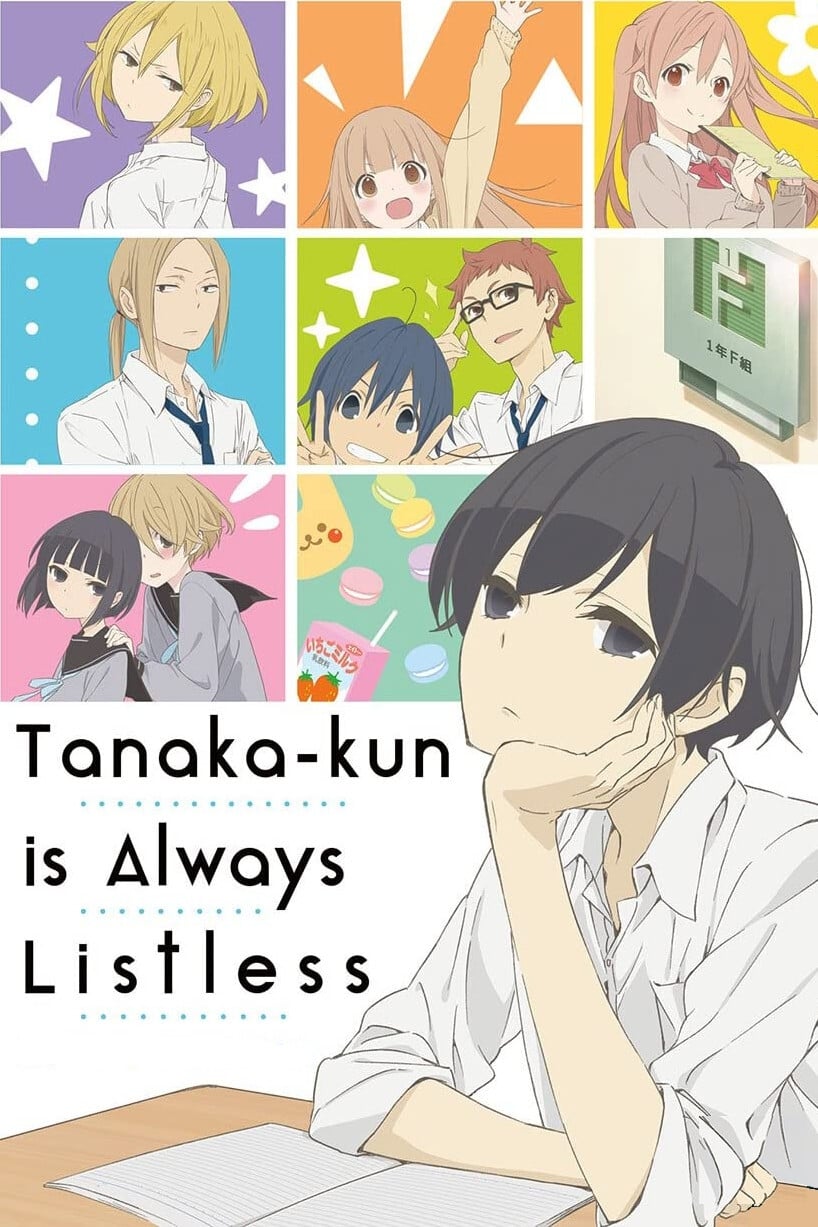
Silver Link adapts Nozomi Uda’s manga about a student who optimizes his school day for minimal effort. The series maps classroom layouts, seating, and club spaces, and it schedules tests and events that define each term.
Comedic setups revolve around repeatable habits, like shortcuts and packing lists, so viewers can follow consistent patterns. The production names side characters with clear roles and uses school announcements and posters to track time and activities.
‘Hyouka’ (2012)
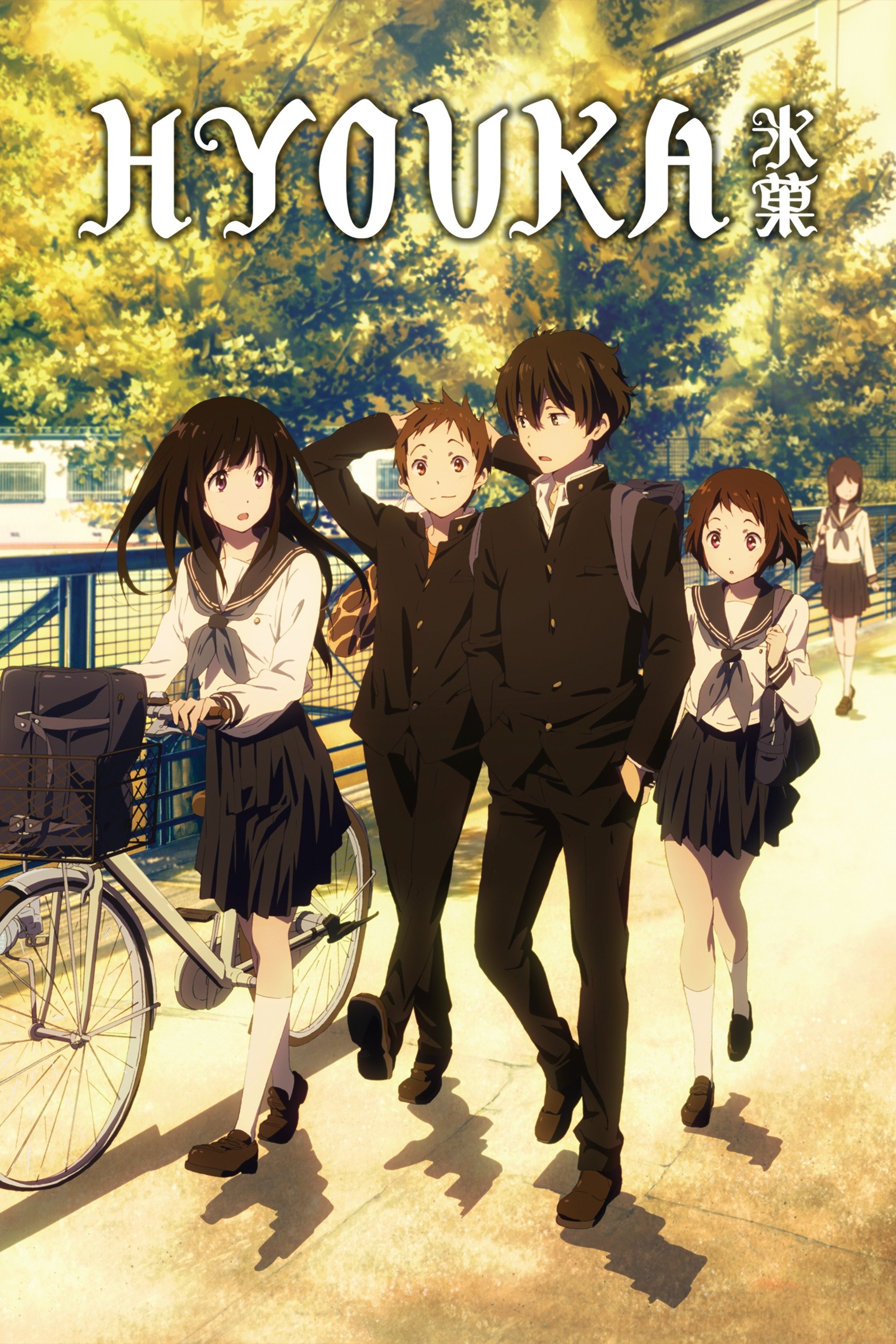
Kyoto Animation adapts Honobu Yonezawa’s Classic Literature Club novels, with a focus on everyday mysteries that arise in school life. The series documents club operations, festival planning, and research methods that rely on library archives and interviews.
Episodes often include timelines, maps, and print materials that support each case, which teaches how the club organizes clues. The festival arc catalogs booths, budgets, and publication runs, and it details how committees coordinate schedules and logistics.
‘Whisper of the Heart’ (1995)
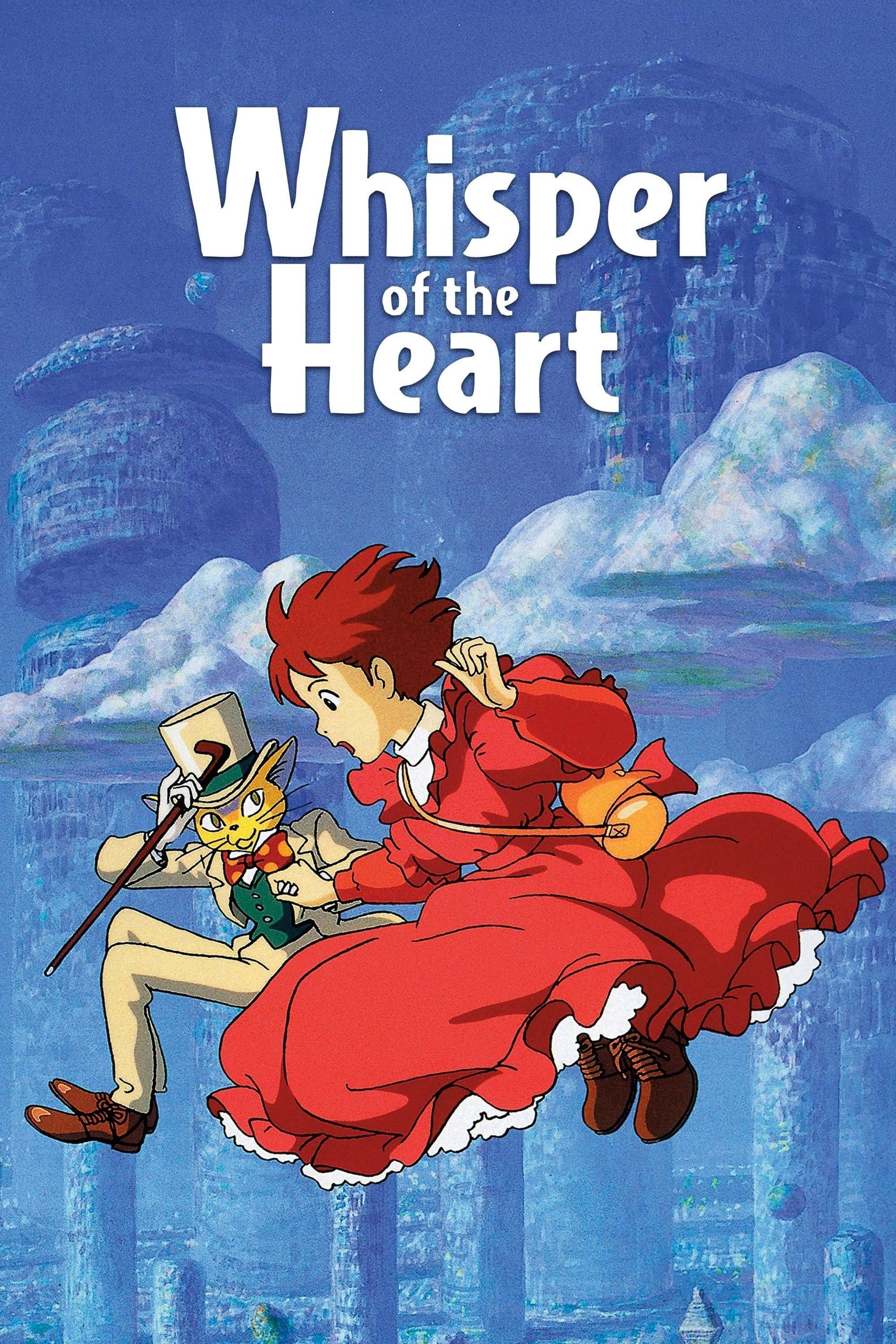
This Studio Ghibli film adapts Aoi Hiiragi’s manga and follows two students in suburban Tokyo who push forward on creative goals while preparing for exams. The production presents library systems, bus routes, and neighborhood geography that connect the characters’ routines.
Craftwork sequences, including violin making and songwriting, are shown with tool close ups and workshop steps. The film also traces school calendars and family schedules to show how deadlines shape progress, which grounds the creative arc in everyday structure.
Share your favorite cozy picks in the comments and tell everyone which ones you plan to curl up with first.