

Top 20 Darkest Shonen Anime

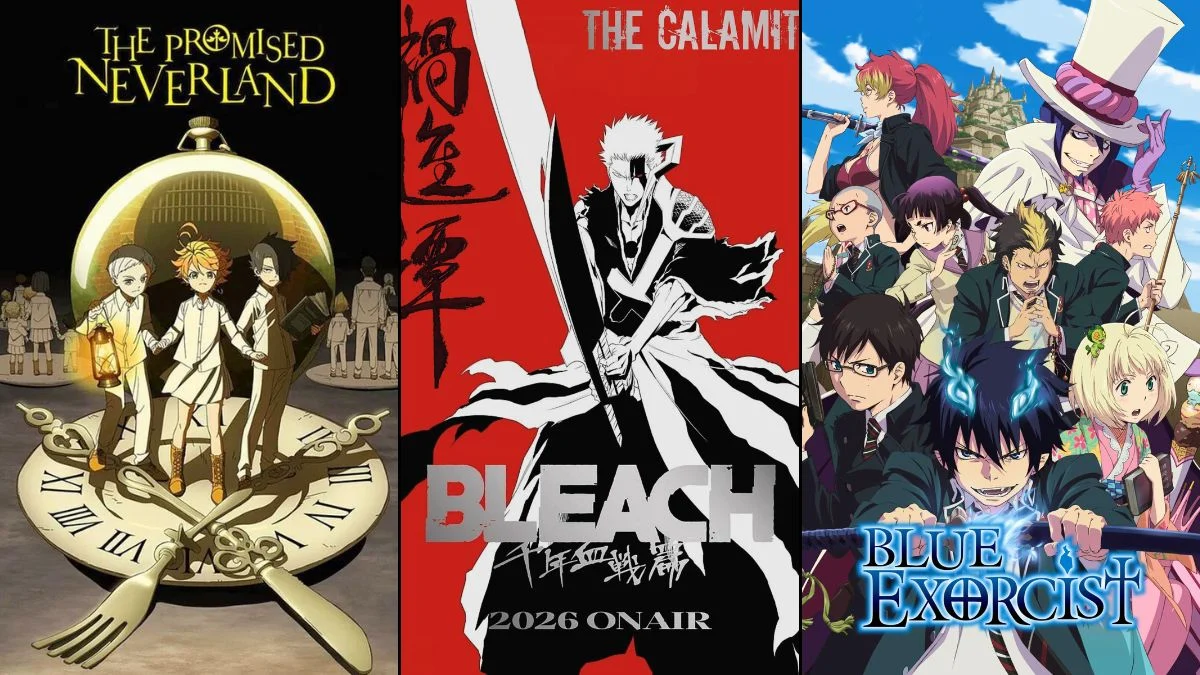


Shonen stories are usually about growth and grit, but some series push into truly bleak territory with moral dilemmas, brutal worlds, and heavy consequences. These titles explore loss, trauma, corruption, and the cost of power through tightly plotted arcs and high stakes. They also use unsettling imagery and tough choices to drive character development. Here are twenty shonen anime that lean hard into the dark side of adventure and survival.
‘Attack on Titan’ (2013–2023)
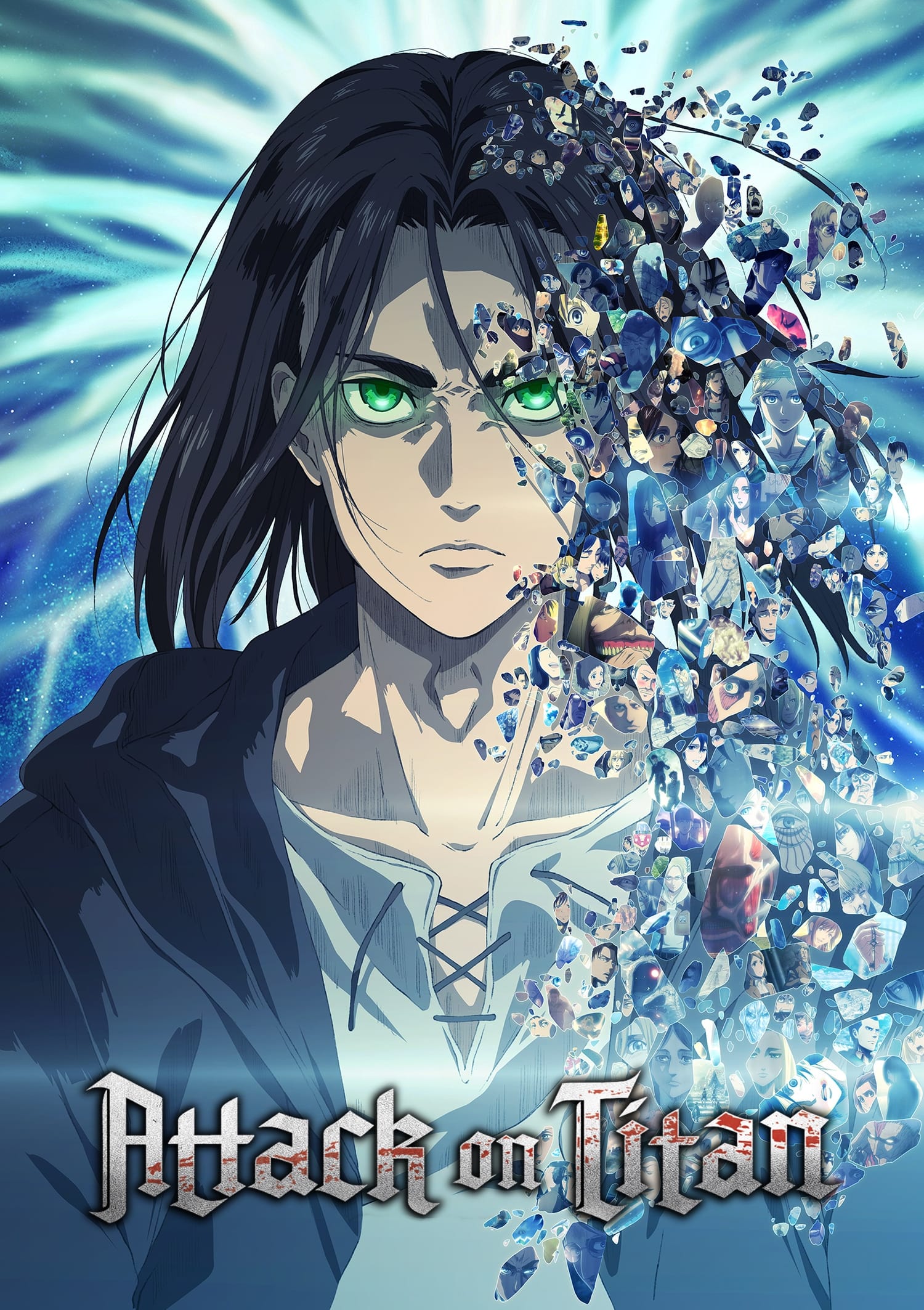
A walled society fights human eating giants while uncovering political secrets and the origin of the Titans. The plot tracks military training, urban battles, and expeditions beyond the walls as corrupt leadership and ethnic persecution come to light. Key arcs detail conspiracies, wartime atrocities, and the weaponization of a mysterious power. The story maps how generational violence shapes policy, identity, and the fate of entire nations.
‘Death Note’ (2006–2007)
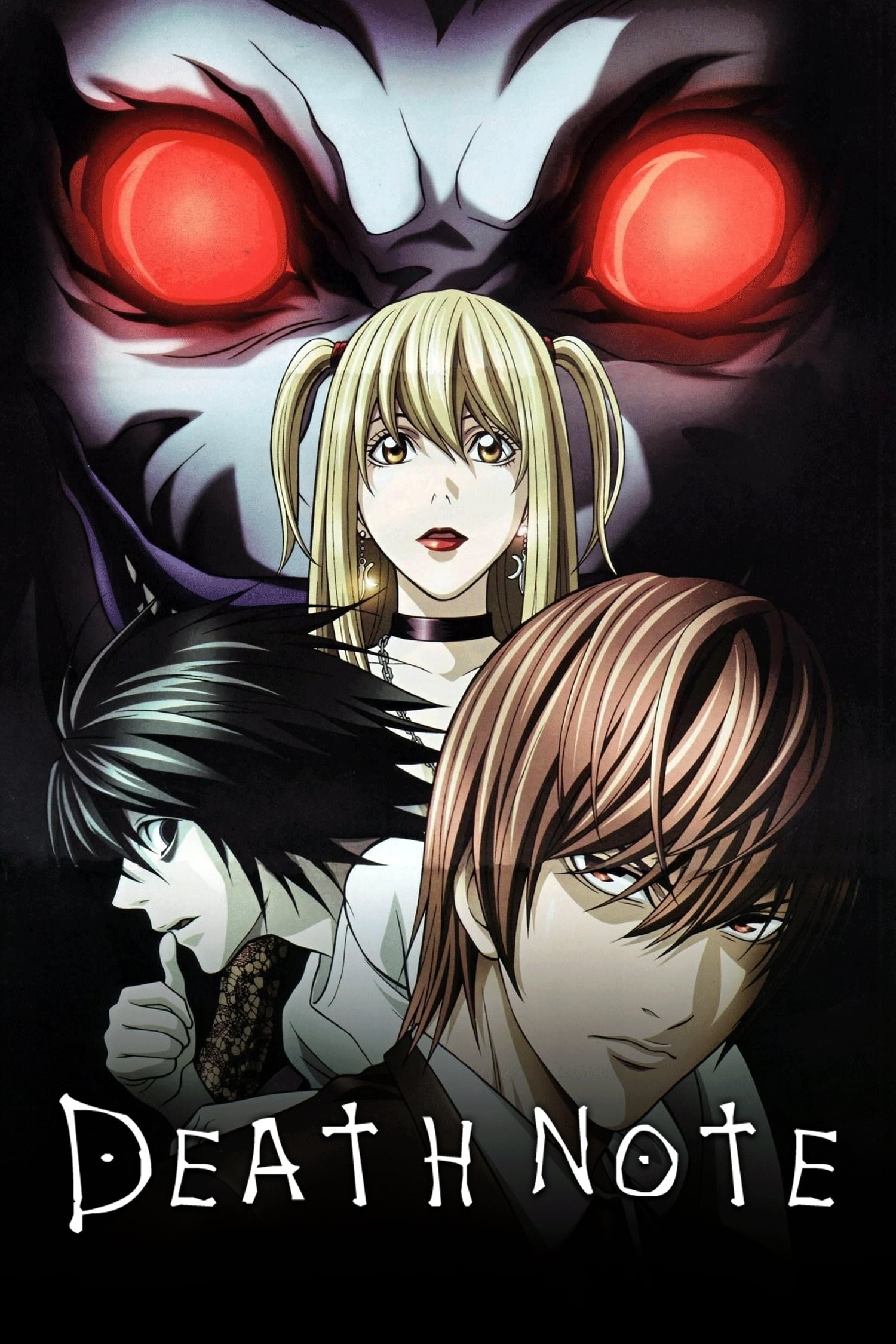
A student gains a notebook that can kill by name and launches a secret campaign against criminals. A world class detective counters with surveillance, bait operations, and psychological traps. The narrative becomes a study of anonymity, counterintelligence, and the legal gray zones of global manhunts. It shows how escalating rules and false identities turn justice into a chess match with deadly collateral.
‘Tokyo Ghoul’ (2014–2018)
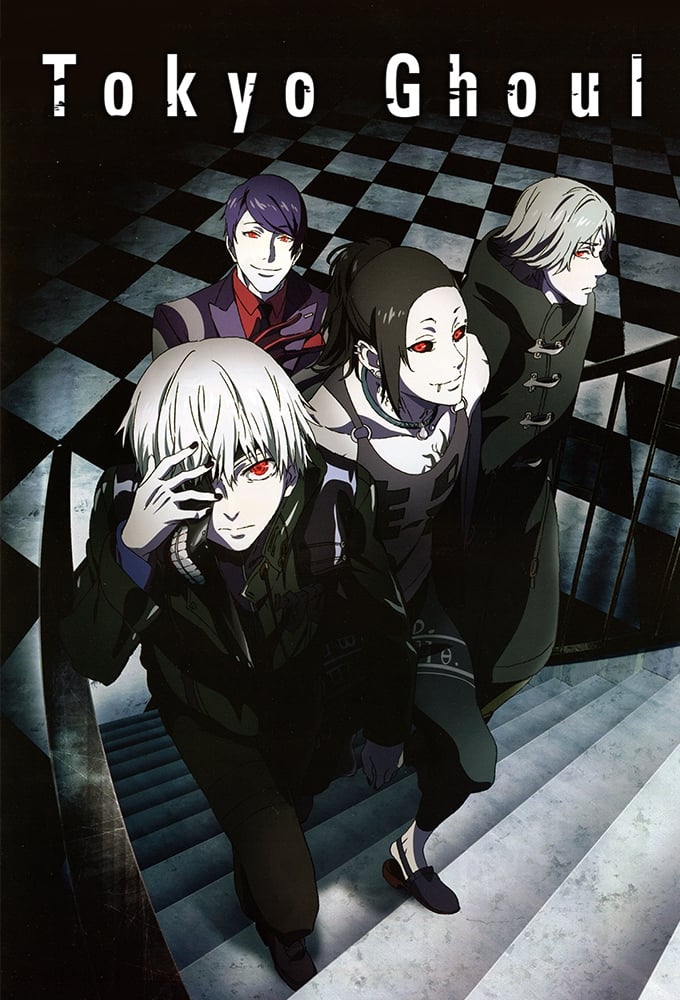
A college student becomes half ghoul after a transplant and must adapt to a predator society hidden within a modern city. Government agents conduct raids, experiments, and undercover operations to control ghoul activity. Restaurant fronts, masked factions, and ghoul ranked investigators define the power map of Tokyo. Torture, memory loss, and forced allegiances chart how identity fractures under constant threat.
‘Fullmetal Alchemist: Brotherhood’ (2009–2010)
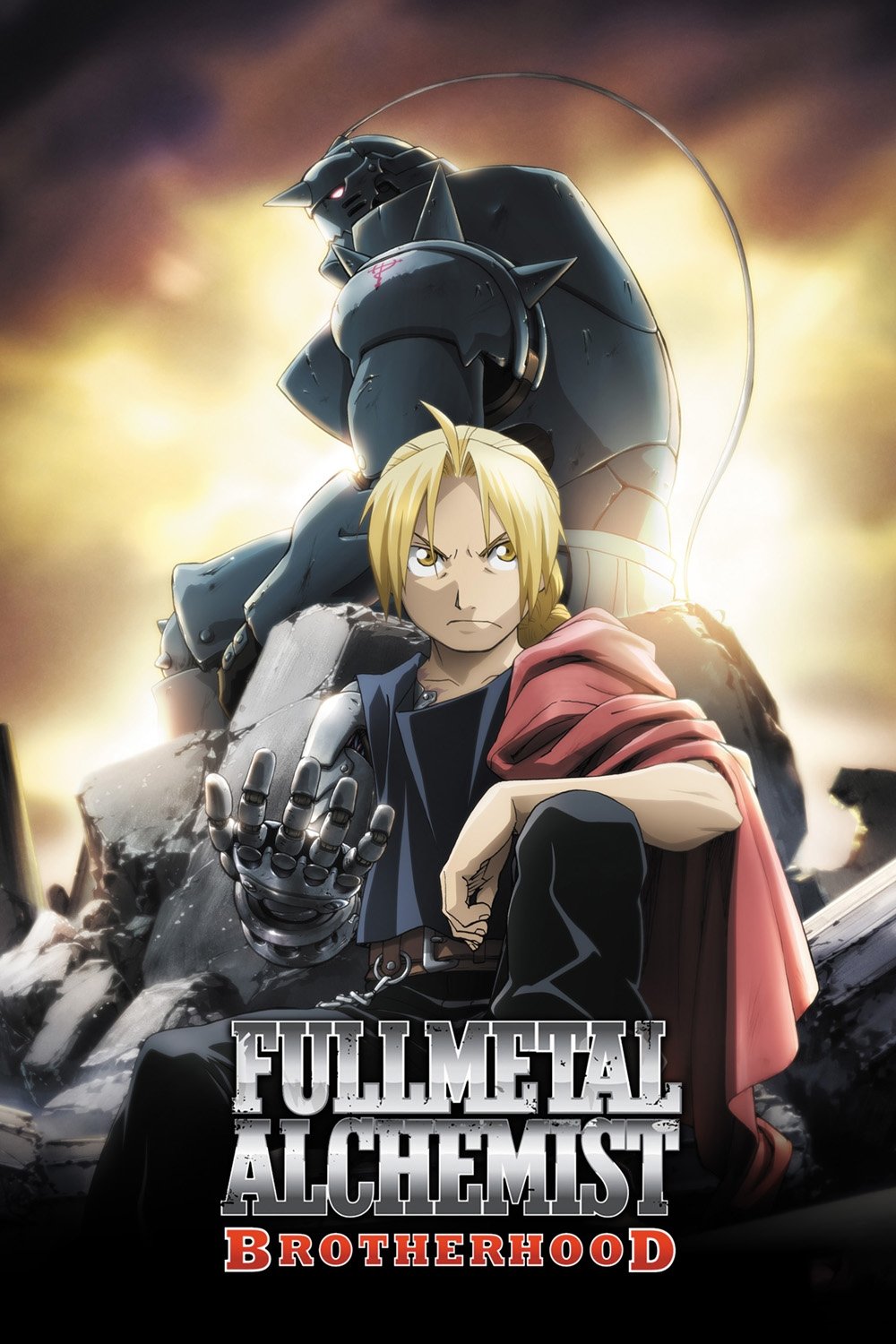
Two brothers use alchemy to correct a forbidden ritual that cost them their bodies and uncover a national plot. Military command, state alchemists, and human made homunculi intersect in a network of laboratories and occupied territories. The series explains equivalent exchange, transmutation circles, and the consequences of human experimentation. It documents war crimes, cover ups, and the logistics behind a continent wide sacrifice.
‘The Promised Neverland’ (2019–2021)
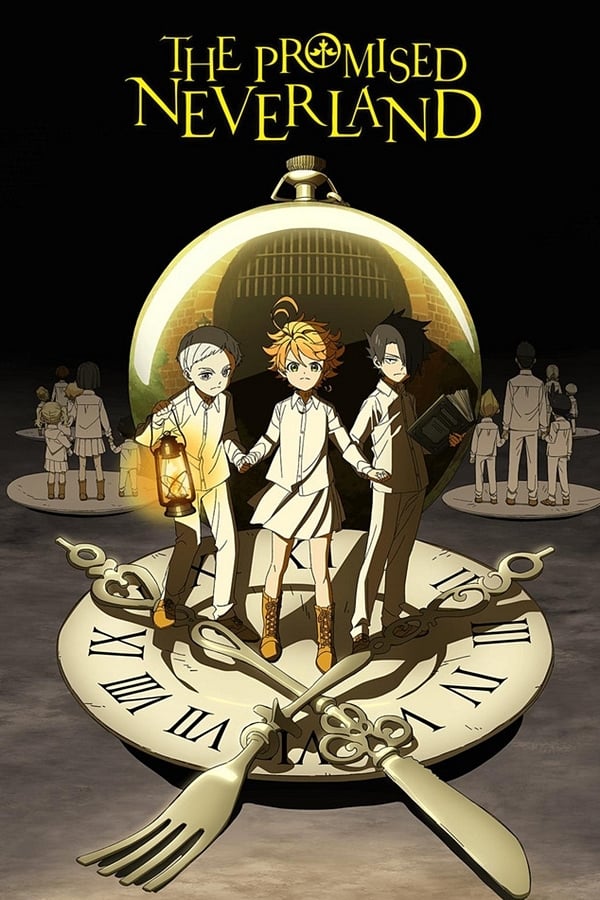
Children at a serene orphanage discover they are livestock for monsters and plan an escape. The story maps schedules, surveillance lines, and coded communications used to outmaneuver adult caretakers. External locations include feral zones, farms, and shelter networks with their own rules and risks. It tracks rationing, map making, and recruitment as the group builds a path to long term safety.
‘Jujutsu Kaisen’ (2020– )
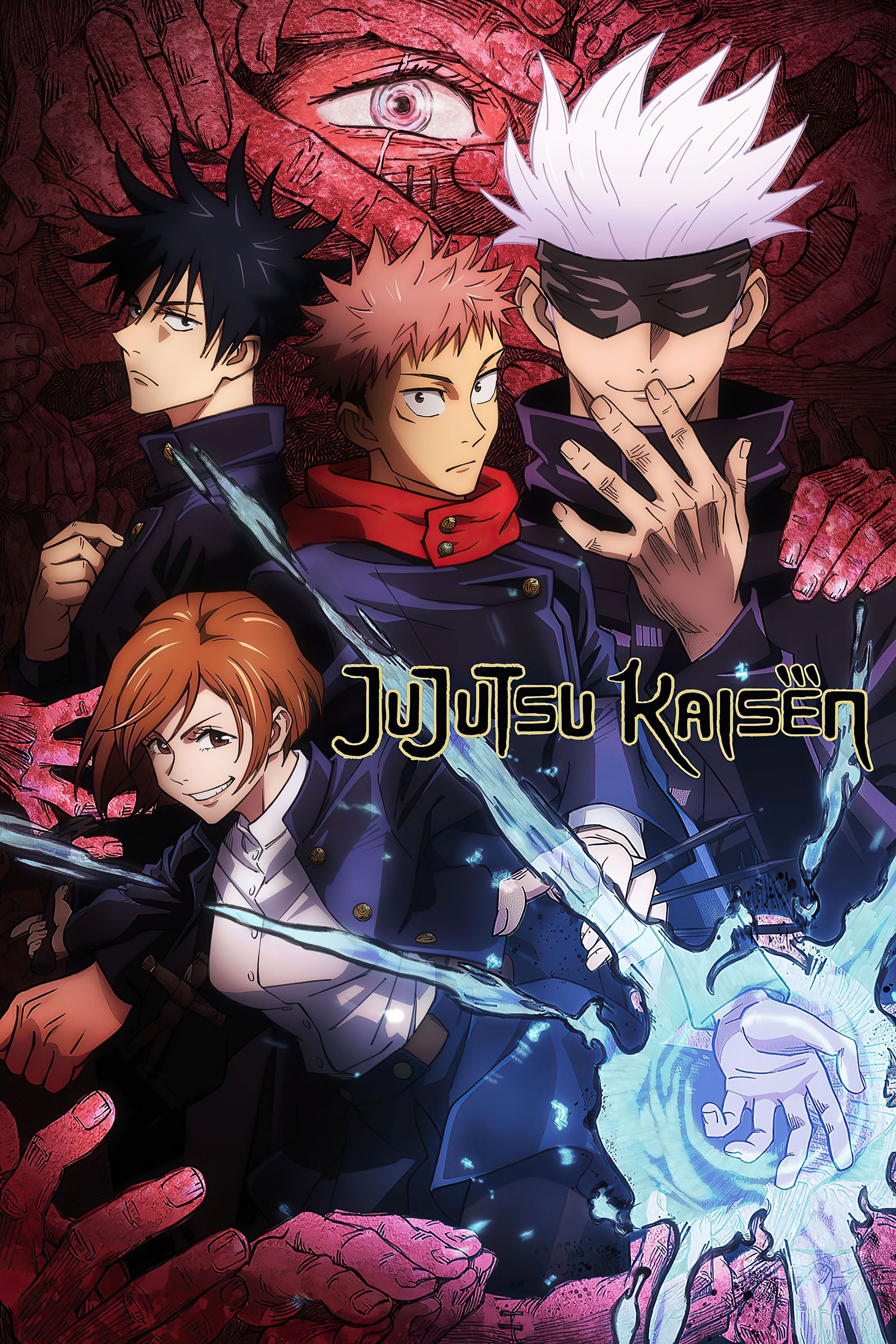
A student hosts a powerful curse and joins a sorcery school that handles lethal anomalies. The world uses techniques, domains, and cursed tools to neutralize threats tied to human negativity. Special grade entities, black ops missions, and inter school politics drive dangerous assignments. The series catalogs how training, contracts, and restrictions amplify or limit power in the field.
‘Chainsaw Man’ (2022– )

Devils manifest from human fears and form contracts with hunters in a rough public safety unit. Missions move through abandoned buildings, snowbound towns, and urban ambushes with high casualty risks. The setting treats bodies as expendable as characters trade organs and years of life for advantages. It records manipulation within agencies and the fallout of weapon class devils entering public view.
‘Hunter x Hunter’ (2011–2014)
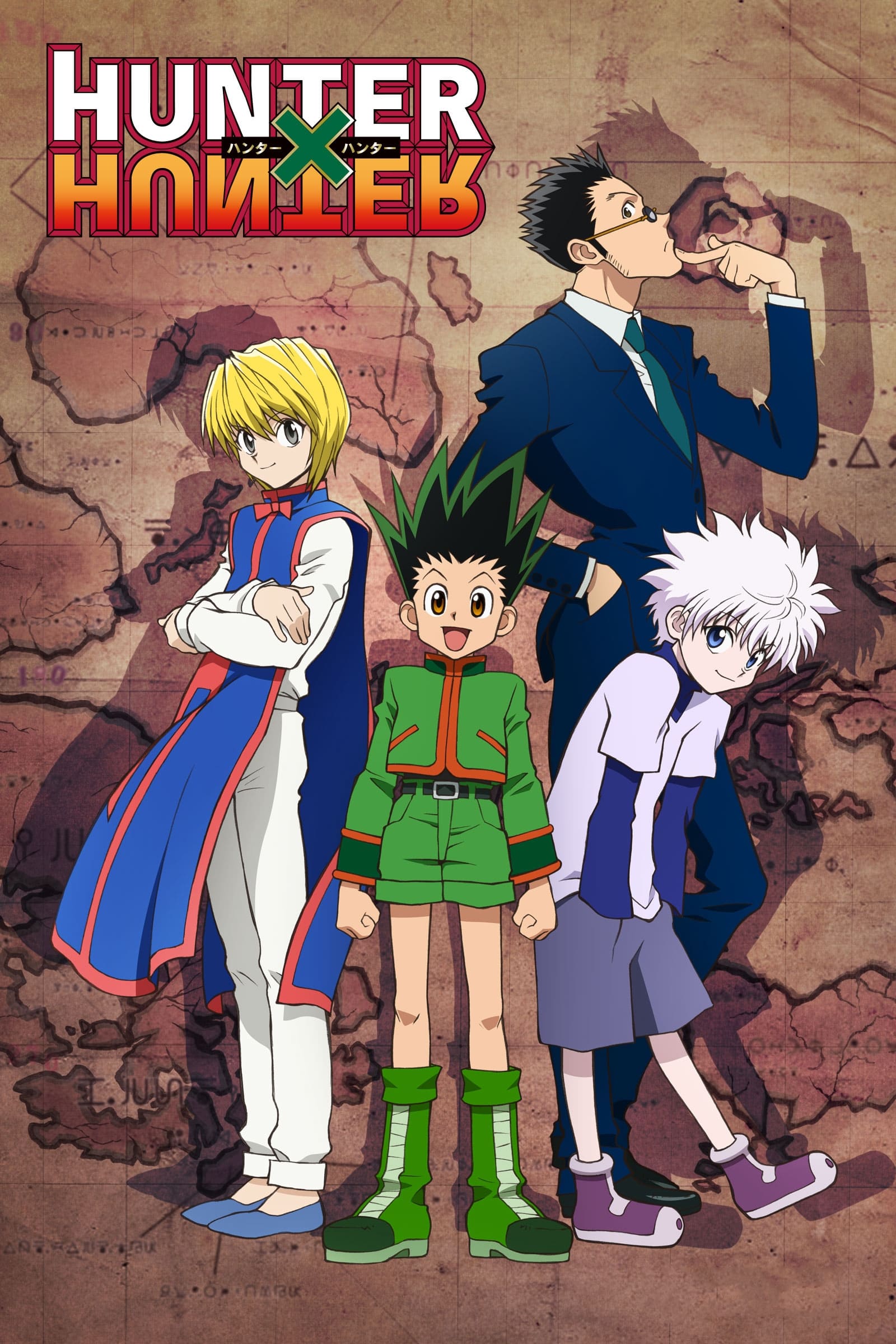
A boy pursues his father by earning a license that allows access to restricted zones and dangerous work. Nen systems define combat with categories, contracts, and conditions that change stakes mid fight. The story includes crime families, a deadly game island, and an invasion by a predatory species. It studies how rules of power force tactical planning, sacrifice, and strict moral tradeoffs.
‘Bleach: Thousand-Year Blood War’ (2022–2024)
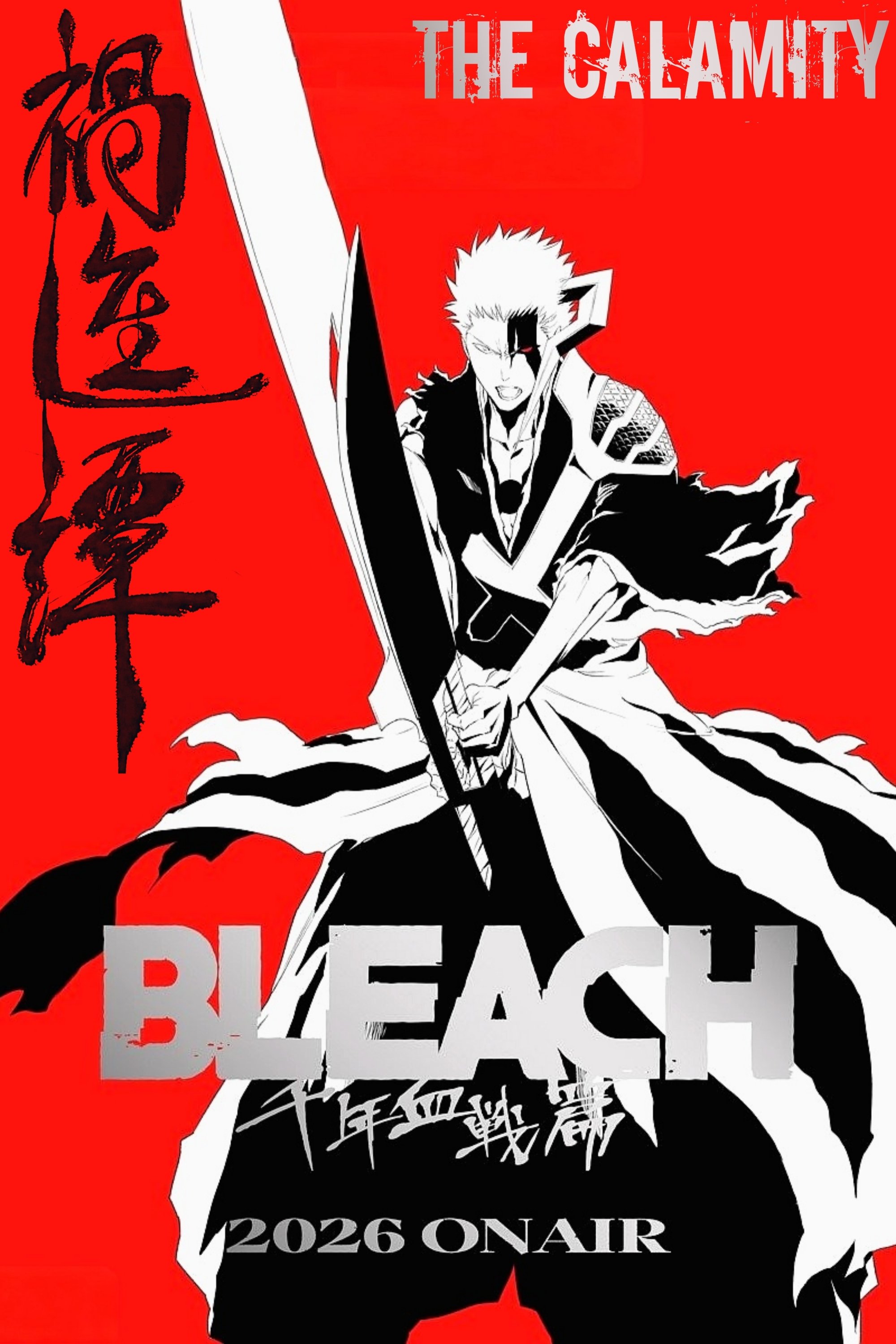
An ancient Quincy empire returns with techniques that erase soul reaper advantages. The conflict details Bankai thefts, fortress assaults, and sieges that reshape entire realms. Historical records and hidden labs reveal how past wars enabled the current invasion. It tracks command decisions, evacuations, and the reconstruction of power after catastrophic losses.
‘Claymore’ (2007)
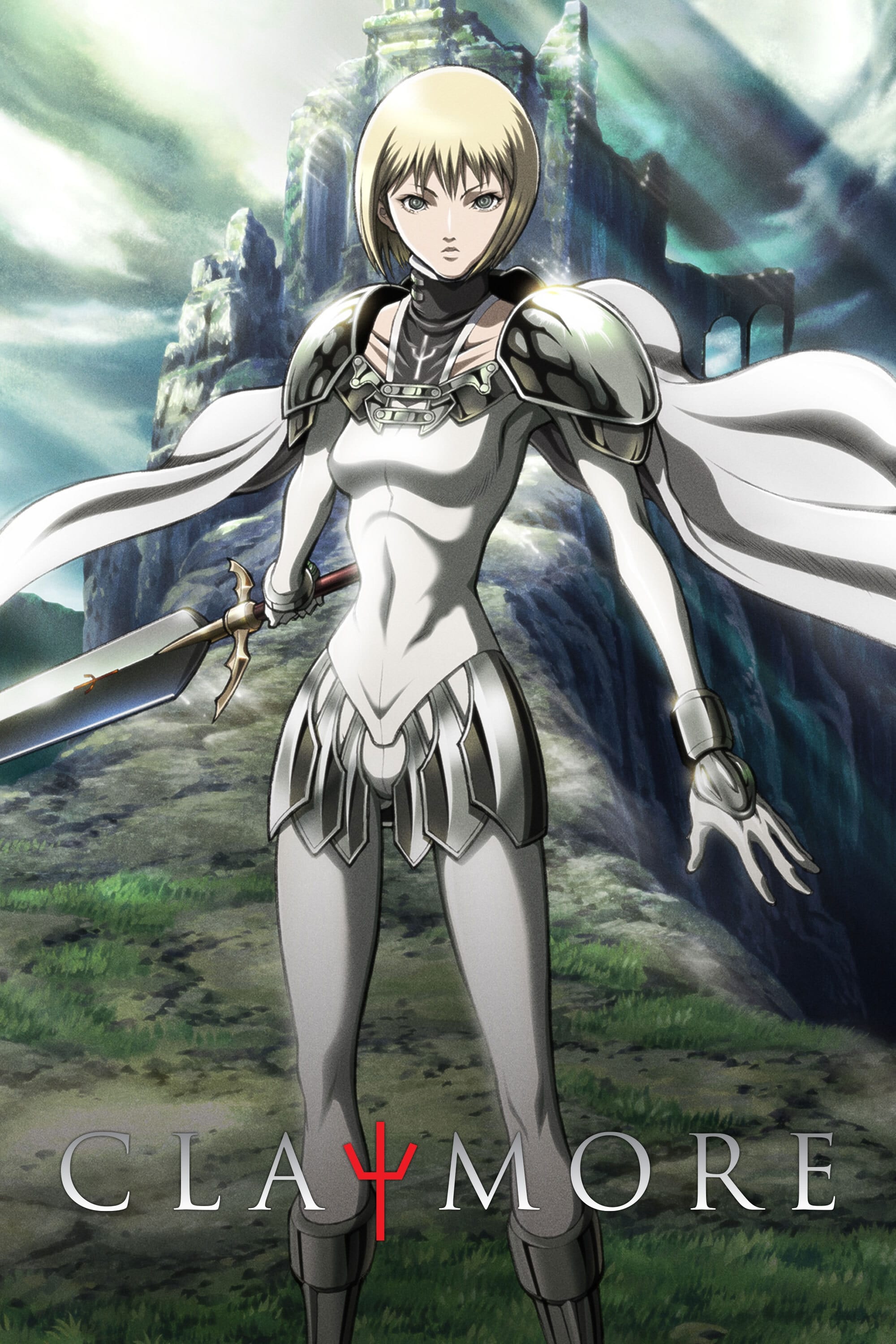
Half human warriors battle shape shifting monsters under the control of a secretive organization. Numbered ranks, assignments, and black card protocols structure how fighters are deployed and retired. Towns contract hunts while officials conceal the true source of the threat. The narrative logs awakenings, team operations, and the cost of suppressing inhuman strength.
‘Seraph of the End’ (2015– )
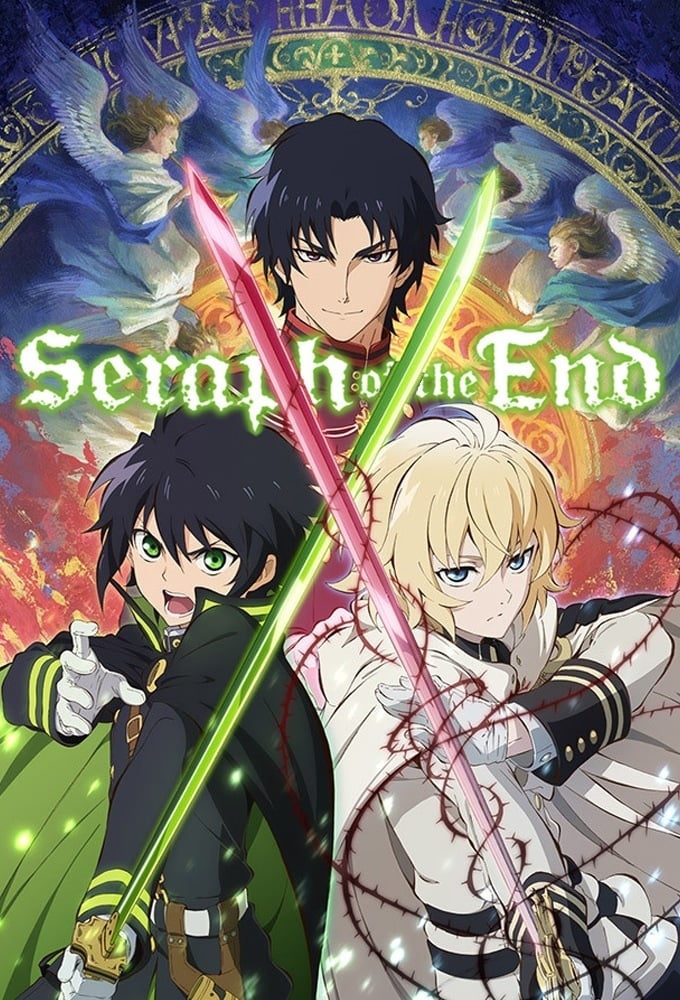
A virus decimates adults and leaves children vulnerable to vampire rule and military experimentation. Human resistance uses cursed gear powered by demons, which demands strict compatibility tests and binding rituals. Missions cover city retakes, supply runs, and high casualty battles for key districts. It outlines faction disputes and secret projects aimed at weaponizing supernatural forces.
‘Blue Exorcist’ (2011– )
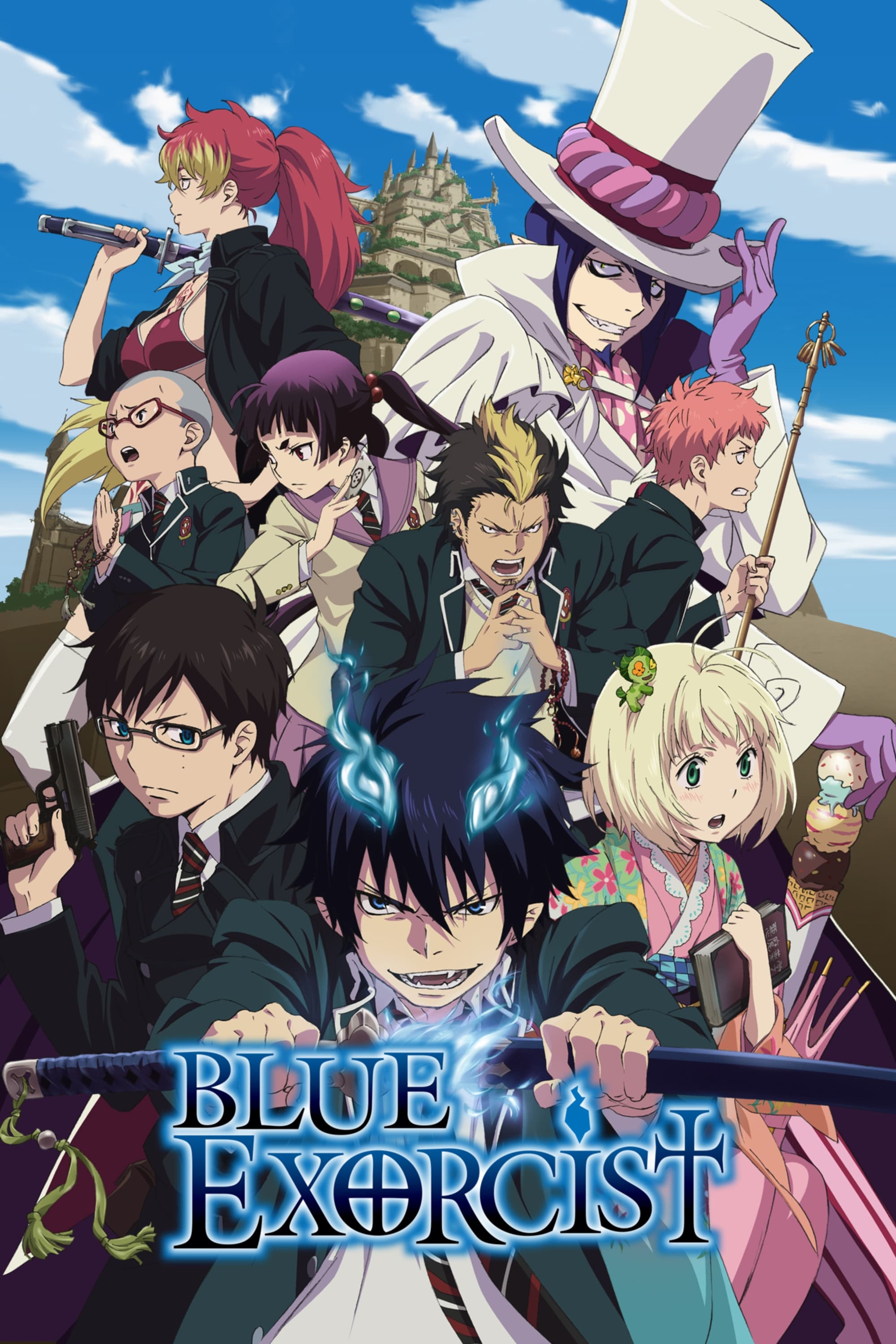
A teenager raised by an exorcist learns he is tied to a demonic lineage and trains to fight possession cases. The academy runs practical exams, field investigations, and rank certifications for exorcist types. Wards, barriers, and familiars play roles in containing outbreaks across campuses and cities. Internal councils and sects compete to control artifacts and research results.
‘Dororo’ (2019)
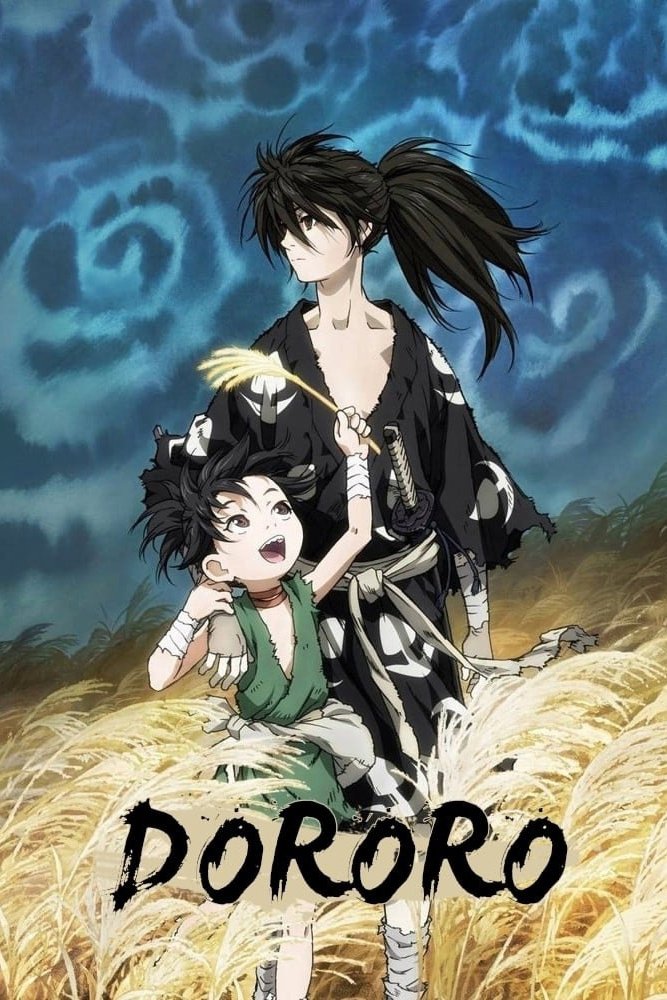
A ronin travels with a child thief while reclaiming body parts taken by demons through his father’s pact. Feudal domains suffer famines and wars that are tied to the pact’s prosperity. Each recovered limb changes combat style and risk as the journey crosses ruined villages and shrines. The story logs how supernatural bargains shape politics, agriculture, and clan survival.
‘Hell’s Paradise’ (2023– )
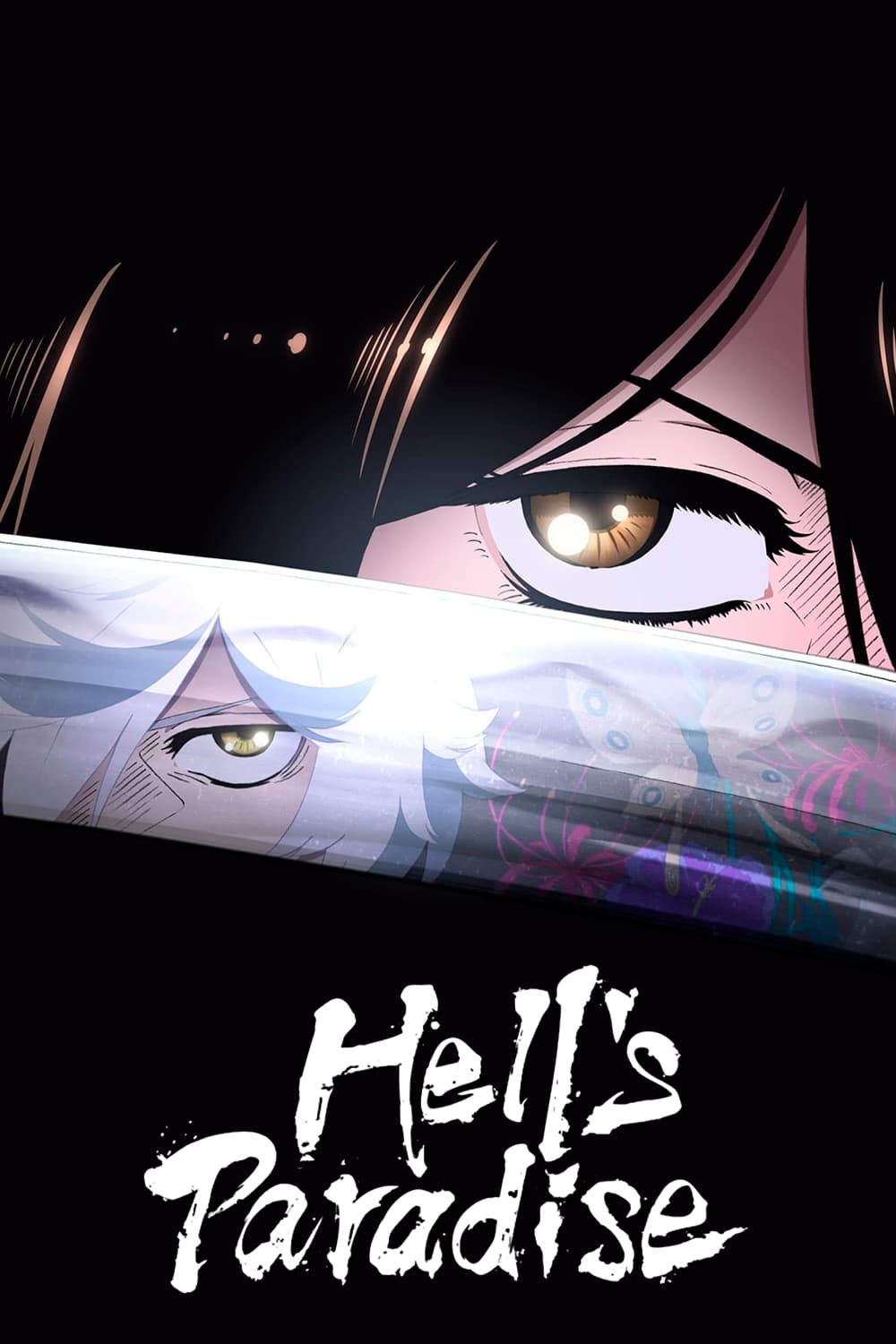
Condemned prisoners and executioners explore a lethal island to retrieve an elixir for the shogunate. The terrain contains man eating flora, autonomous guardians, and shifting biomes that nullify normal tactics. Survivor groups document corpse fields, language fragments, and regeneration rules of the island’s beings. It tracks supply counts, truce terms, and team losses during multi day expeditions.
‘Black Clover’ (2017–2021)

An orphan without magic enters a knight order using an anti magic grimoire. Squad rivalries, dungeon forays, and kingdom level defenses define the workflow of missions. Threats include devils, elves, and rogue mages with long term infiltration plans. The series explains grimoires, ranks, and promotion trials that govern advancement and deployment.
‘Yu Yu Hakusho’ (1992–1995)
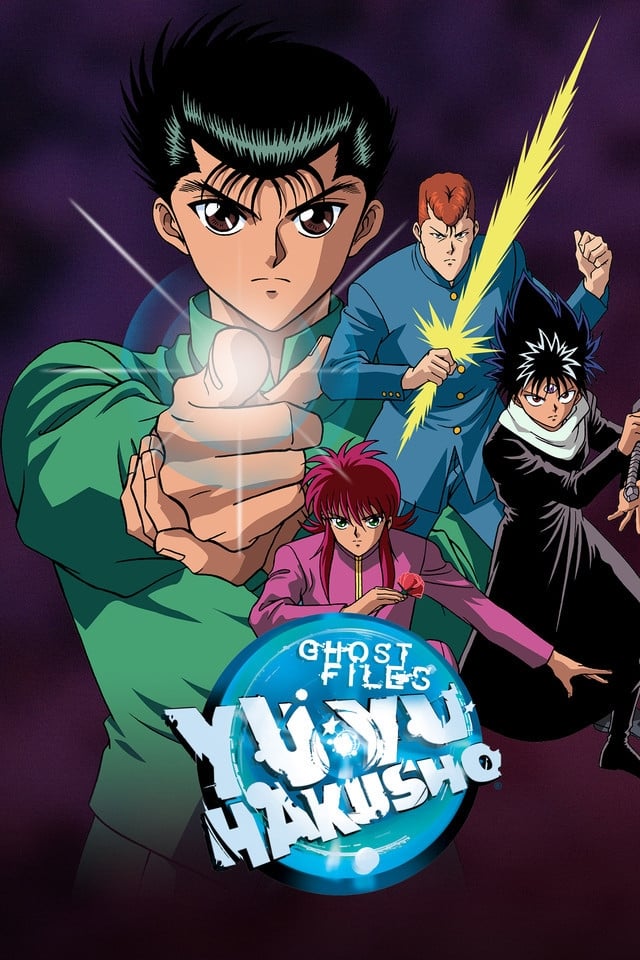
A delinquent gains spirit abilities and works cases that cross between human and demon worlds. Assignments involve arena regulations, hostage rescues, and investigations into crime rings. Spirit techniques categorize energy use and limit combat through stamina costs and training. It logs how tournaments, underworld politics, and gate controls regulate the flow of threats.
‘Soul Eater’ (2008–2009)
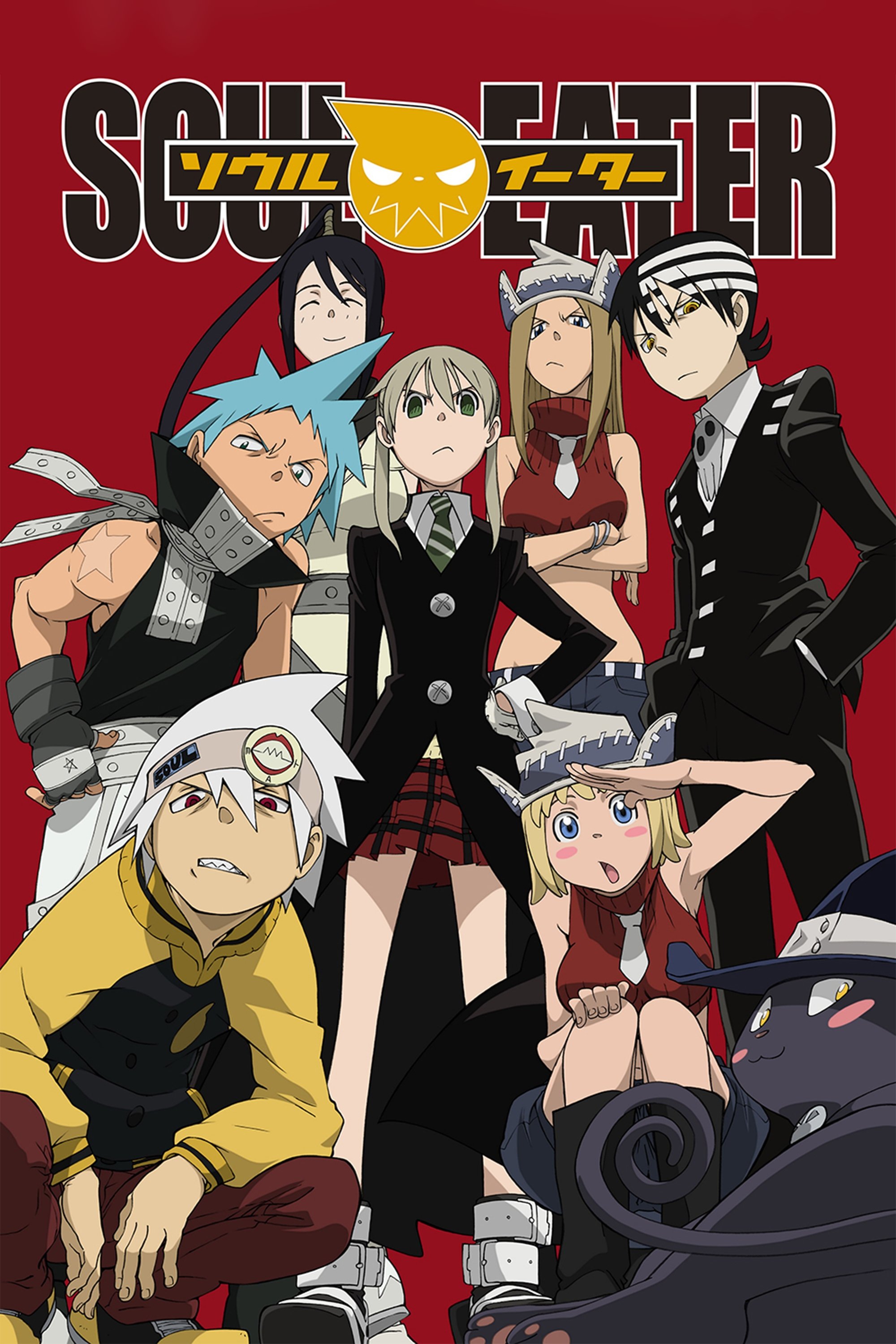
Students pair with weapon partners to collect corrupted souls for a specialized academy. Madness, resonance, and wavelength control shape how teams fight escalating anomalies. The setting details city patrols, class rankings, and soul quotas needed to upgrade weapons. It tracks containment procedures around witches and the spread of madness across urban centers.
‘Twin Star Exorcists’ (2016–2017)
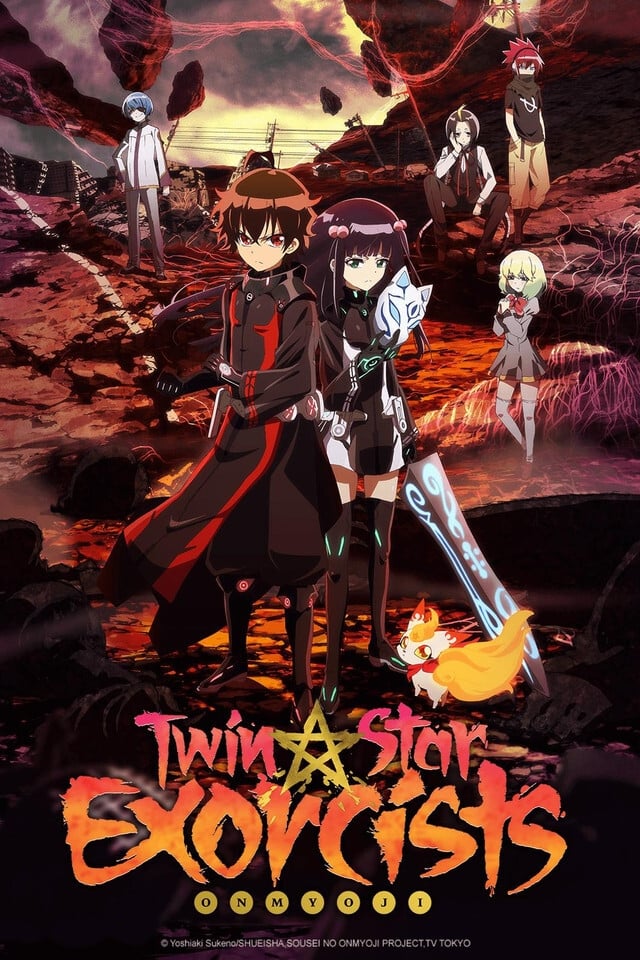
Two prodigies are prophesied to cleanse a demon infested realm connected to modern Japan. Exorcist clans manage wards, rankings, and travel to battle zones called Magano. Training, arranged partnerships, and artifact use determine success against corruption outbreaks. The plot follows territory disputes and how prophecy changes command decisions.
‘Fire Force’ (2019–2020)
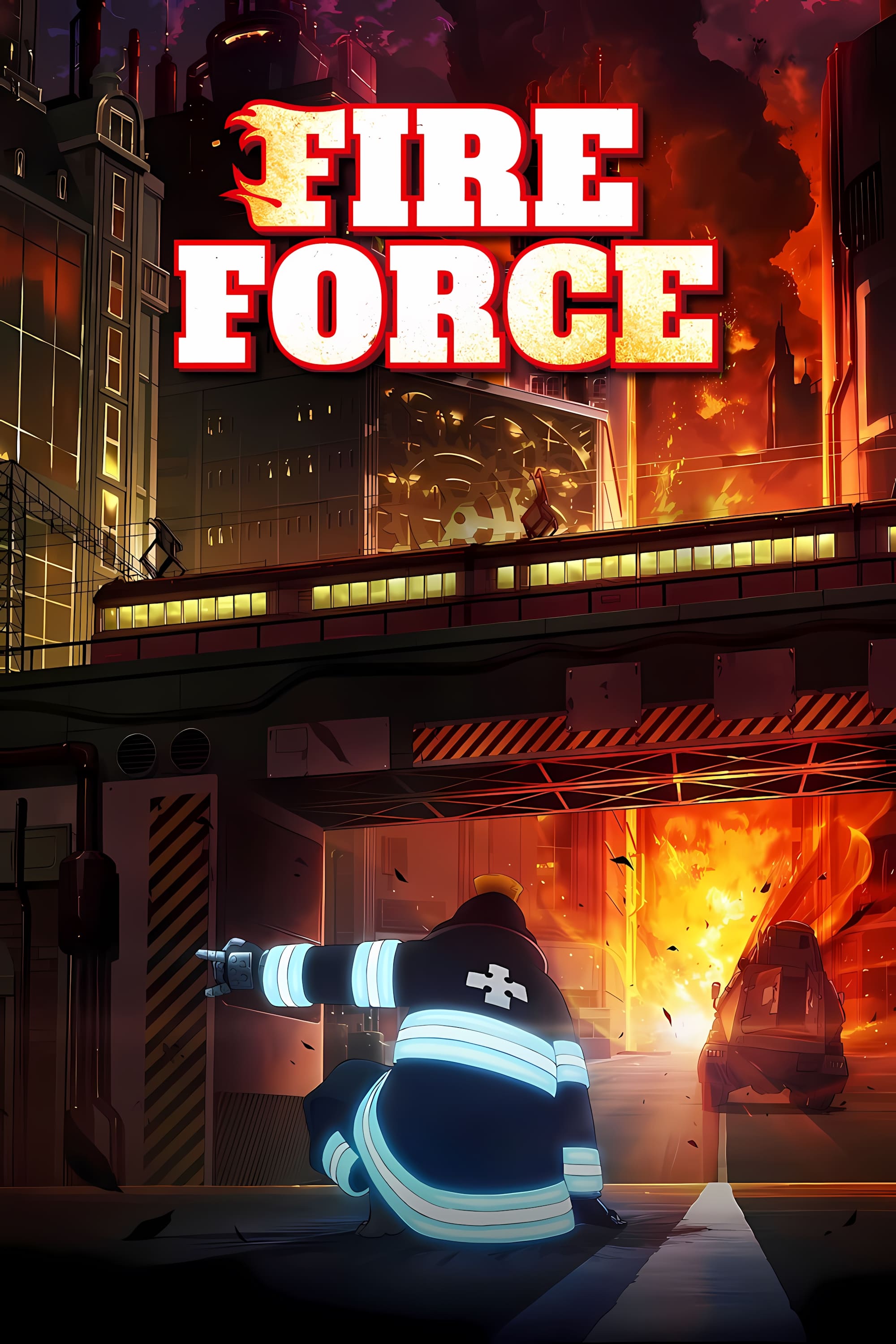
Special units fight spontaneous human combustion that turns victims into destructive creatures. Firefighting tactics combine rescue protocols with combustion research and sacred rites. Brigades investigate industries, cult activity, and energy experiments linked to mass incidents. It maps city planning around hazards, evacuation routes, and the origins of catastrophic ignitions.
‘D.Gray-man’ (2006–2016)
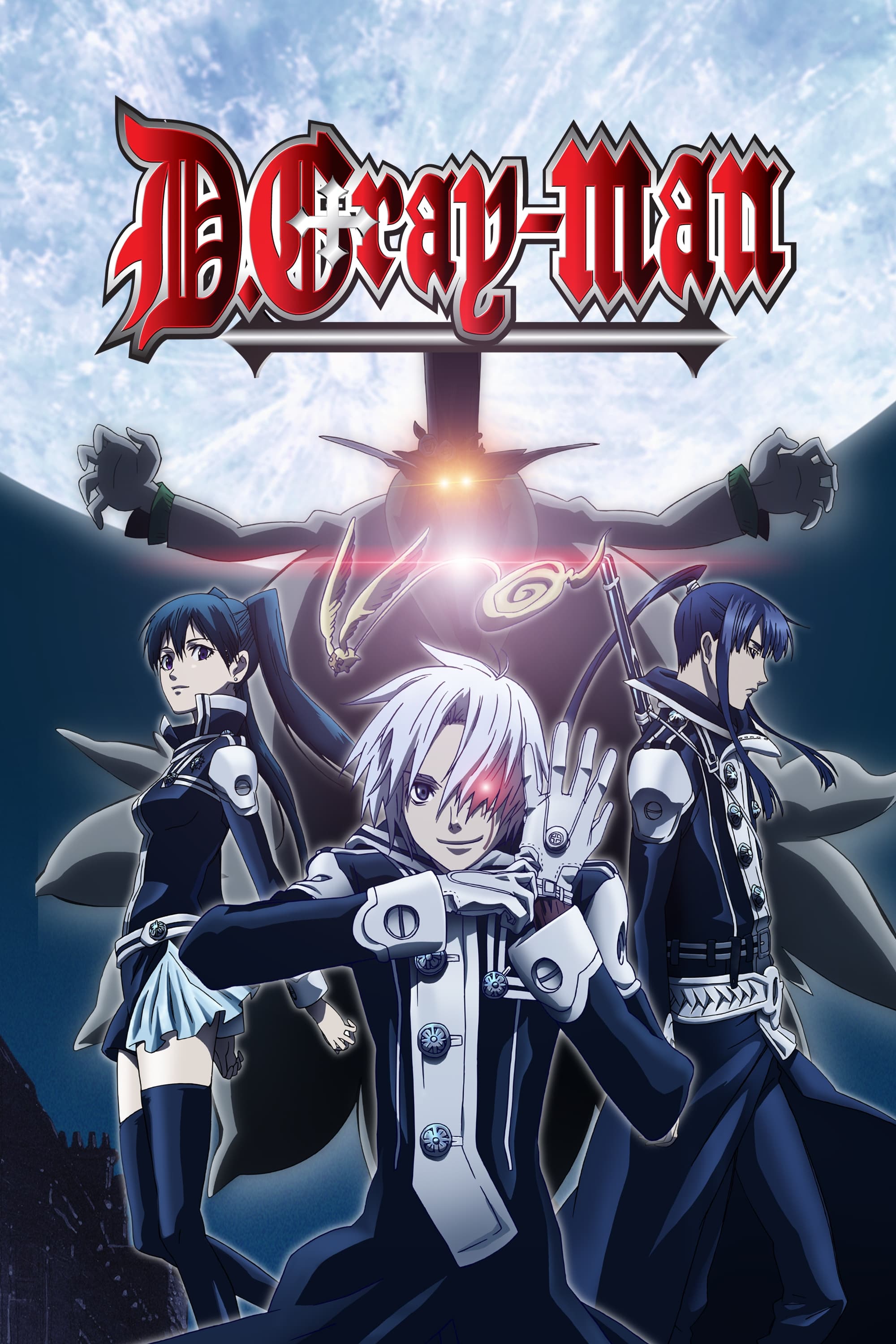
Exorcists wield anti Akuma weapons against a manufacturer of cursed machines powered by grief. Headquarters deploys finders and scientists to locate innocence fragments and secure transport. Missions cover Europe, Asia, and sea routes while a rival clan executes ambushes and kidnappings. The story records the biological toll of parasitic weapons and the secrecy needed to protect hosts.
Share your picks for the bleakest shonen in the comments and tell us which moments stuck with you the most.