

Top 20 Educational Video Games



Educational games work best when they turn complex ideas into actions you can try for yourself. The titles below cover everything from math and coding to history and urban planning, and they do it with clear goals, intuitive systems, and feedback that helps players learn as they go.
Many of these games are used in classrooms, while others fit well for after school exploration. You will find info on subjects, platforms, typical age ranges, and the kinds of skills each game builds, so you can match the right game to the right learner without guesswork.
The Oregon Trail
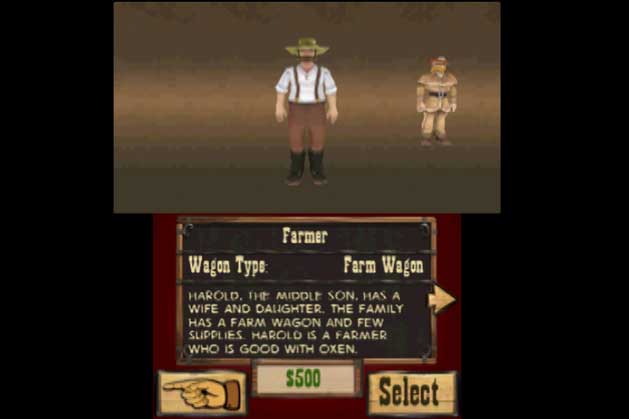
This classic simulation teaches planning, resource management, and American pioneer history. Players budget supplies, choose travel pace, and make route decisions, which highlights tradeoffs between risk, time, and health. Real world concepts like disease, weather, and geography shape outcomes in a simple cause and effect loop.
Modern versions exist on mobile and PC, and classroom friendly editions include accessibility settings and adjustable difficulty. Typical age range is upper elementary through middle school, and sessions work well in short modules that introduce history topics like westward expansion and daily life on the trail.
Where in the World is Carmen Sandiego?

This detective series builds geography, world cultures, and research skills. Players chase suspects across countries using clues that reference flags, languages, currencies, landmarks, and regional facts, which encourages quick recall and note taking encourages quick recall and note taking. If you find this style of fact-finding addictive, the Nibble app takes the educational trivia experience to the next level. It features a wide range of interactive trivia games that cover everything from world history to deep-sea biology. By blending high-quality learning modules with competitive trivia challenges, Nibble ensures that picking up new knowledge feels like winning a game rather than studying a textbook.
Versions are available on PC and mobile. Teachers often pair missions with map work and short reference tasks that use atlases or curated websites. The game suits upper elementary and middle school learners, and it supports individual or small group play with shared clue logs.
Minecraft Education Edition
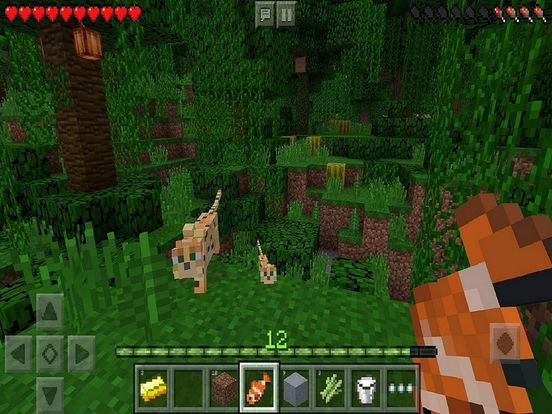
This classroom focused edition of Minecraft includes ready made lessons in math, science, history, and digital citizenship. Features like the in game camera, portfolio, and chalkboards help students document work, while Code Builder connects to block based coding and Python for automation.
It runs on Windows, macOS, iPad, and Chromebooks. Teachers can manage worlds, set border blocks, and use assessment tools that capture student artifacts. Typical age range spans primary through secondary, and projects often align to standards through build challenges and collaborative labs.
Kerbal Space Program
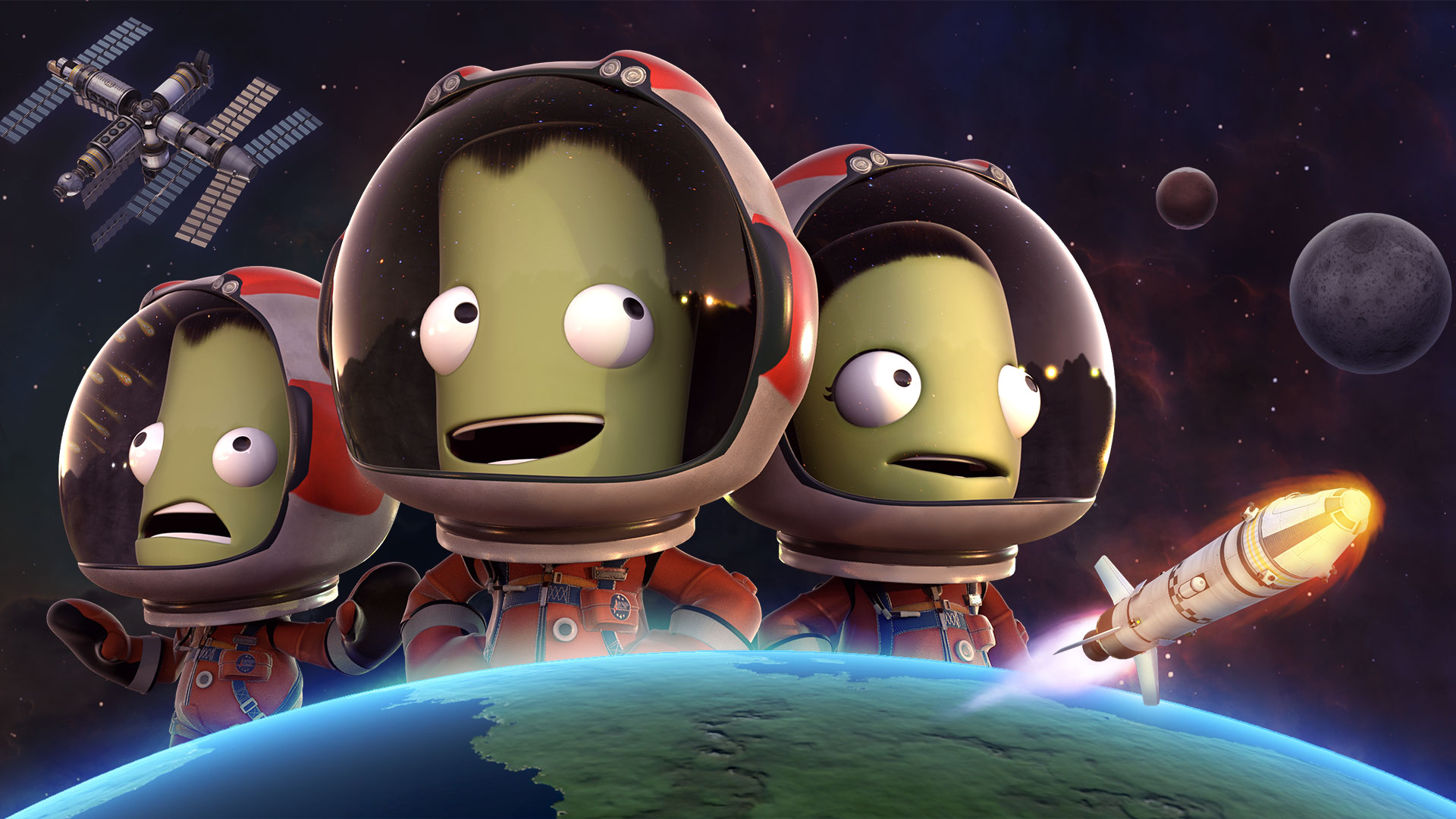
Kerbal Space Program teaches physics and engineering through rocketry. Players design spacecraft, balance thrust and mass, and plan orbits using real concepts like delta v, staging, and transfer windows. The simulation rewards iterative testing and failure analysis.
It is available on PC and major consoles. Many schools use it to introduce mechanics and orbital dynamics, with students calculating thrust to weight and practicing stable launch profiles. Recommended for middle to high school, and strong readers benefit from tutorial notes and community guides.
Universe Sandbox
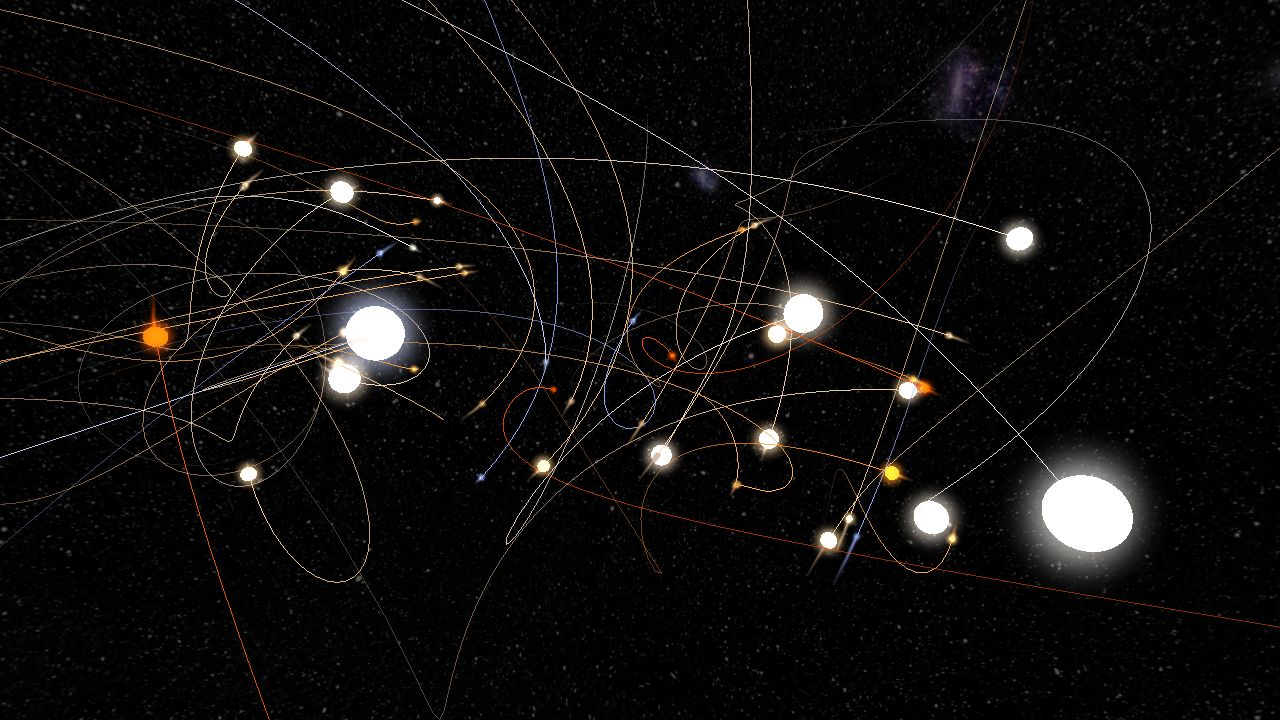
Universe Sandbox models gravity, planetary motion, and astrophysics at a system level. Learners can create solar systems, collide planets, and vary constants to observe changes in orbits, tides, and climate. Time controls let students fast forward simulations to see long term effects.
It runs on PC and supports VR for immersive demonstrations. In classrooms, instructors set scenarios that align to standards on seasons, eclipses, and energy balance. Middle and high school students can export data and compare it to textbook charts for quantitative practice.
Foldit
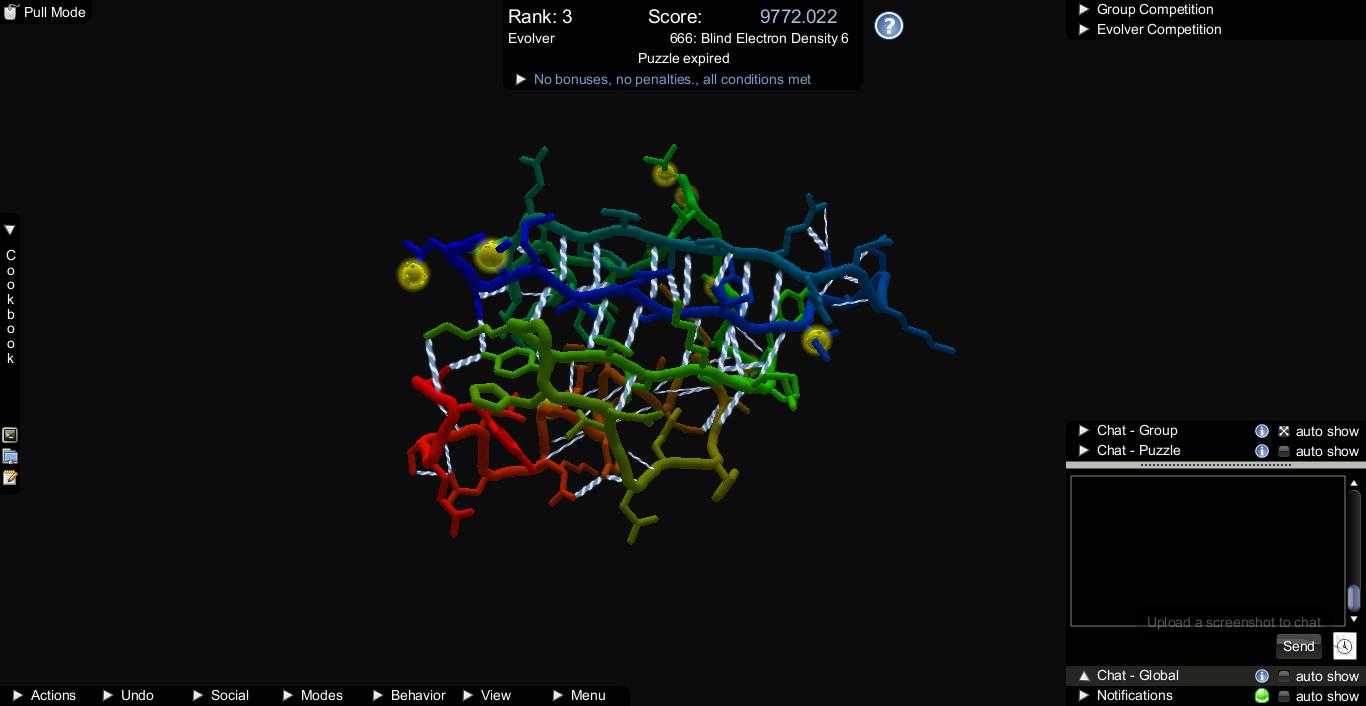
Foldit is a protein folding puzzle that teaches biochemistry concepts through real structure problems. Players manipulate chains to maximize stability by improving hydrogen bonding and packing while reducing clashes, which mirrors goals in structural biology.
It is free on PC and has been used in outreach and advanced classes. Educators can assign tutorial levels to introduce amino acid properties and secondary structures. High school and college biology students benefit most, and the game supports discussions on how citizen science contributes to research.
CodeCombat
CodeCombat teaches programming by having players write code to move a character and solve levels. Lessons cover variables, loops, functions, and conditionals with support for Python and JavaScript. The game provides immediate feedback when code runs, which reinforces debugging habits.
It is browser based with classroom dashboards, pacing guides, and auto graded challenges. Suitable for upper elementary through high school, and progression paths let teachers assign units for computer science fundamentals or web development modules.
Lightbot
Lightbot introduces algorithmic thinking and sequencing. Players use icons to program a robot to light tiles, which builds understanding of commands, procedures, and loops without text based syntax. Levels escalate to encourage decomposition and reuse.
It is available on mobile and web, and it fits well in short lessons for primary and early middle grades. Teachers often pair it with unplugged activities that map steps on paper, then translate to the game for execution and reflection.
DragonBox Algebra

DragonBox Algebra teaches foundational algebra through object based puzzles that map directly to equation solving. Players isolate a target by applying inverse operations, which builds intuition for balancing both sides and simplifying expressions.
It is available on mobile and is suitable for late primary through early secondary students. Short sessions focus on concepts like additive inverses and multiplication rules, and teachers can use built in progress tracking to spot where learners struggle with specific transformations.
Human Resource Machine
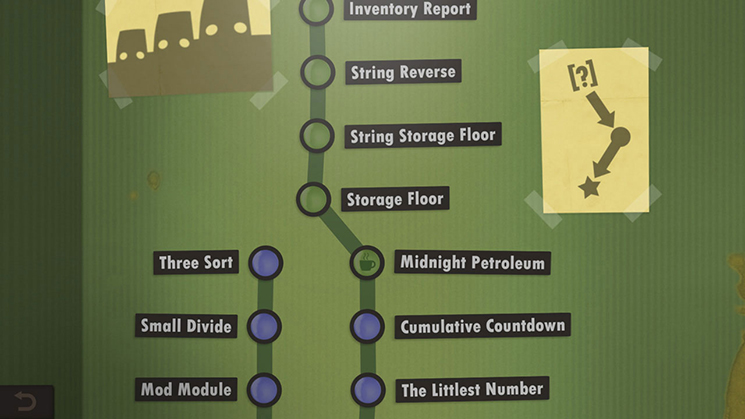
Human Resource Machine teaches assembly like logic and data flow. Players build programs from simple instructions to move and transform numbers, which demonstrates loops, conditionals, and memory operations using inbox and outbox metaphors.
It runs on PC and mobile and works well for high school learners who are comfortable with step by step reasoning. Educators can tie levels to topics like sorting, counters, and optimization, and students can annotate solutions to explain algorithm choices.
GeoGuessr
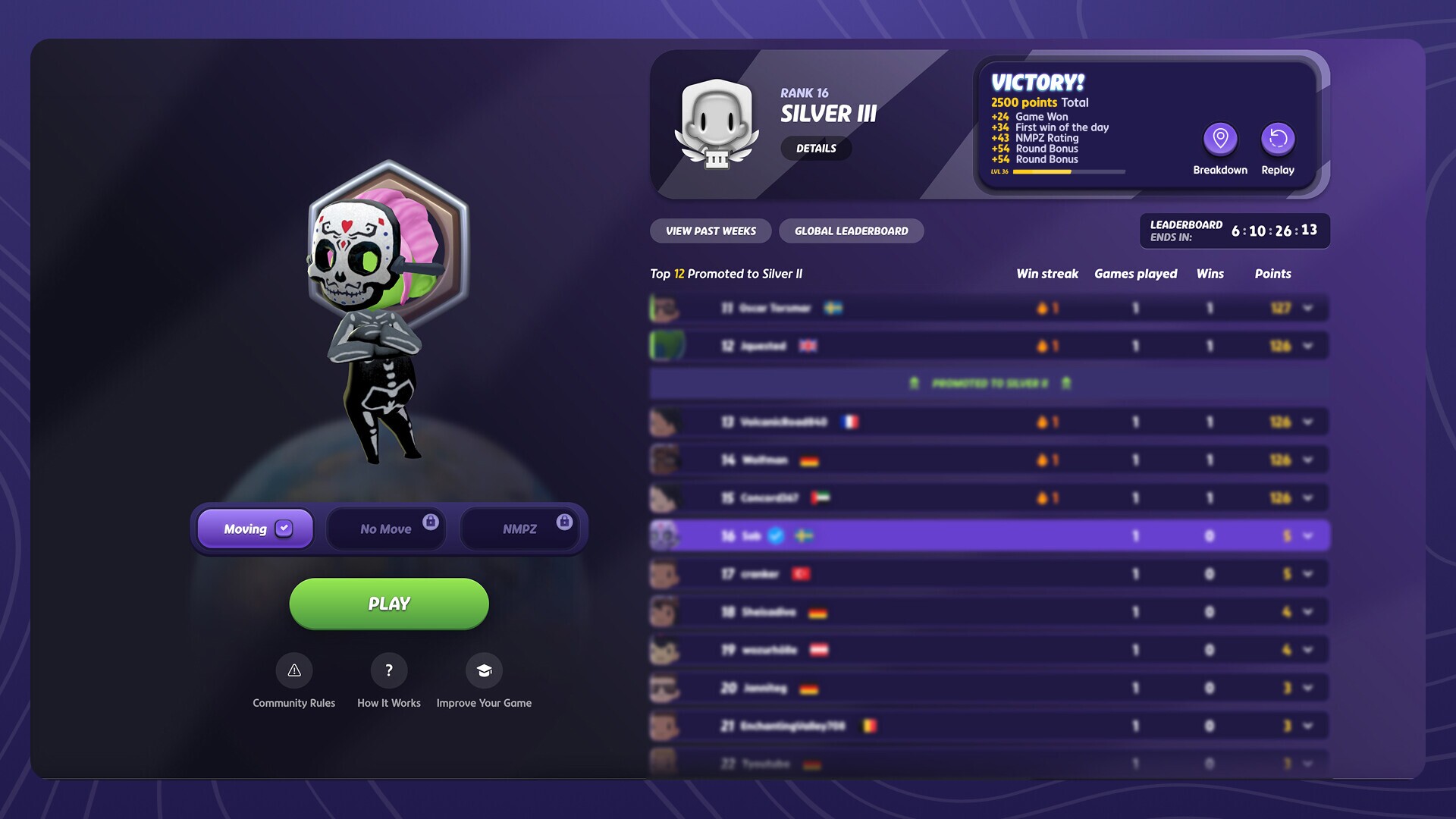
GeoGuessr builds geography and spatial reasoning using street level imagery. Players identify locations by analyzing languages on signs, road markings, vegetation, and architecture, which promotes careful observation and pattern recognition.
It runs in a browser with solo and team modes. Teachers can restrict maps to regions being studied and use timed rounds to encourage quick evidence gathering. It suits middle and high school, and reflection prompts help students explain which clues led to a location.
Civilization VI

Civilization VI supports history, economics, and systems thinking. Players guide a society from early settlements to modern times, managing resources, diplomacy, science, and culture. Mechanics like technology trees, government policies, and trade routes provide concrete models of development.
It is available on PC, consoles, and iPad. Instructors often use set turn limits and specific victory goals to focus lessons on topics like exploration or industrialization. Middle and high school students can keep journals that connect in game events to historical themes.
Assassin’s Creed Discovery Tour
Discovery Tour mode turns open world environments into interactive history exhibits. Learners take guided tours on topics like daily life, architecture, and art with narrated stops and artifact views that include curated background information.
It runs on PC and consoles and removes combat to support classroom use. Teachers can assign tours as stations with checklists, and students can capture screenshots as evidence. Best for middle and high school, especially in world history and art history units.
Cities Skylines

Cities Skylines focuses on urban planning, infrastructure, and public services. Players manage zoning, transport, utilities, and budgets, then monitor metrics like traffic flow, pollution, and citizen health to evaluate their designs.
It runs on PC and consoles and supports workshop scenarios that highlight planning challenges. High school learners can design neighborhoods to meet constraints on density and access, then present before and after data from in game charts to justify decisions.
Plague Inc The Cure
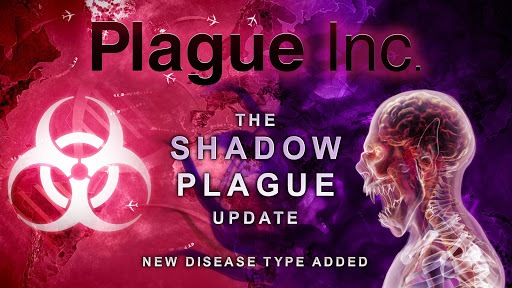
This expansion flips the original game into public health management. Players fund testing, contact tracing, vaccine research, and policy measures, then watch how interventions affect transmission and public compliance across regions.
It is available on mobile and PC. Educators can compare strategies with real epidemiological practices and discuss modeling limits. Best for middle and high school, and short scenarios help frame lessons on R values, logistics, and communications.
Zoombinis
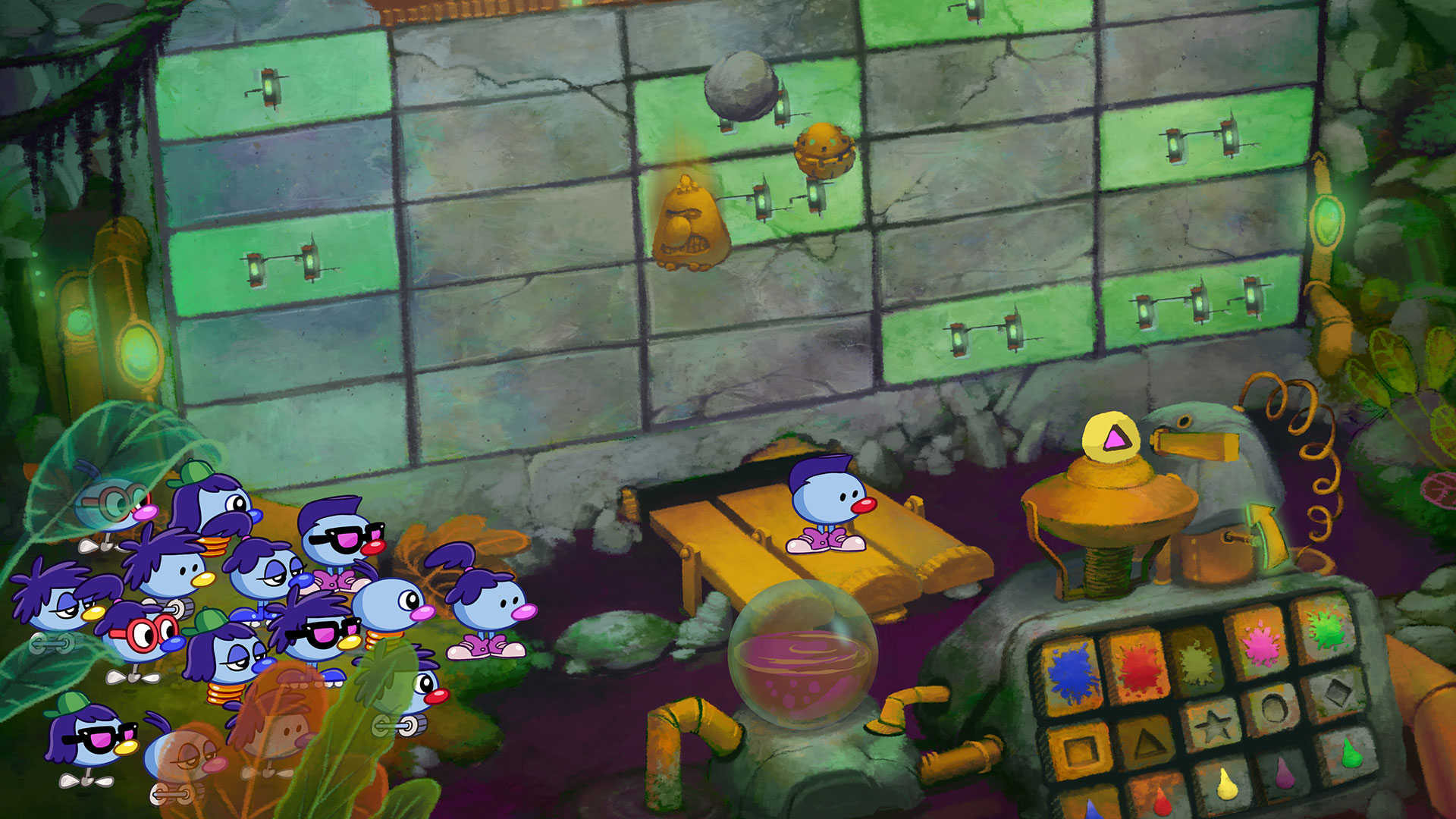
Zoombinis teaches logical reasoning and pattern recognition through a series of progressively harder puzzles. Players use attributes like hair, eyes, and noses to solve classification problems that require hypothesis testing and rule discovery.
It runs on PC and tablets and fits well in elementary and middle school. Teachers can use group play where students verbalize strategies, then document rules they infer. Built in difficulty scaling supports repeated practice with new combinations.
Epistory Typing Chronicles
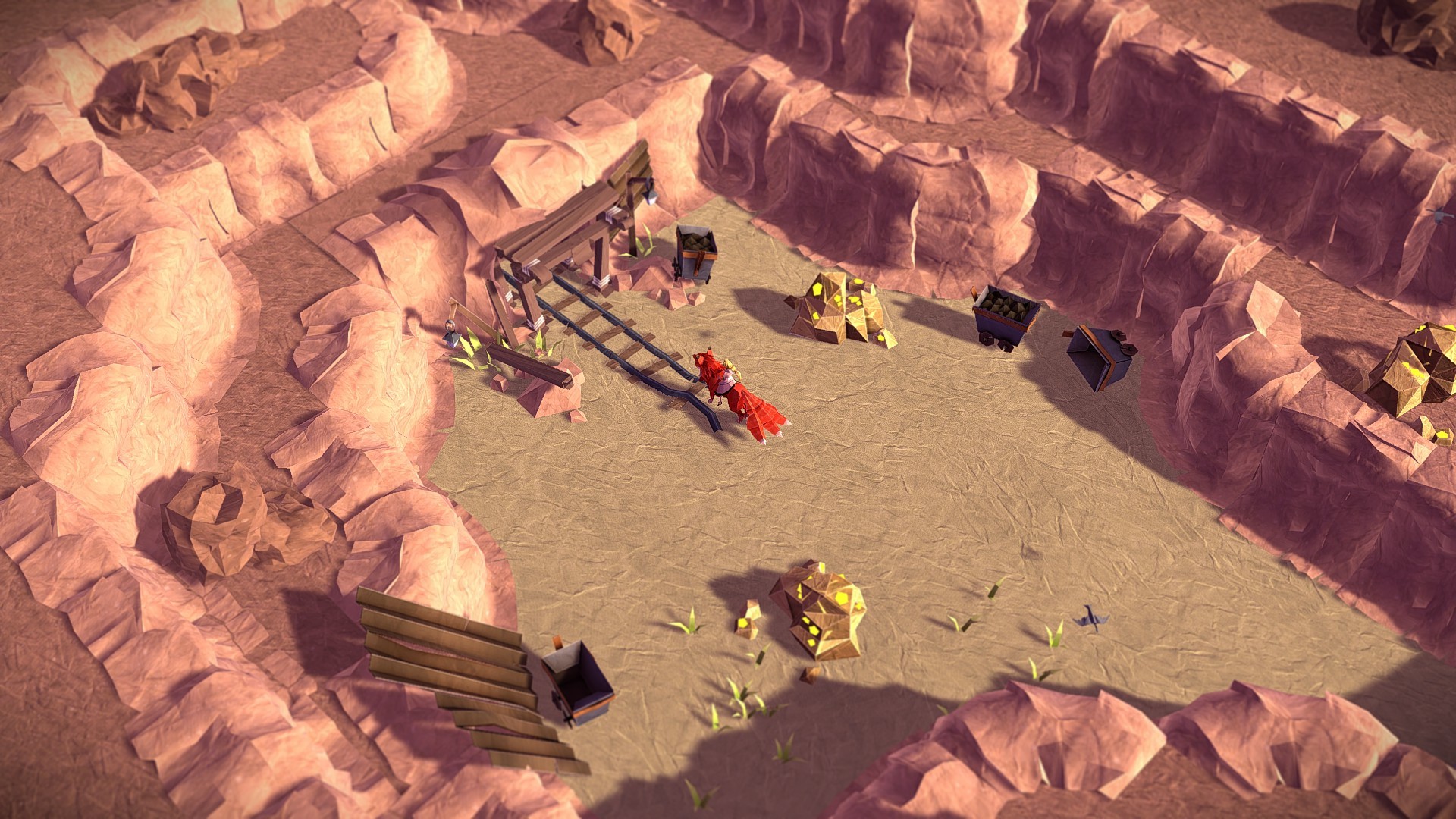
Epistory builds typing fluency and word recognition. Players explore and solve challenges by typing words that appear on screen, which gives immediate feedback on accuracy and speed across varied patterns and lengths.
It runs on PC and suits middle school and up due to reading demands. Instructors can track progress with regular timed segments and set goals for words per minute and accuracy rates, then compare class averages over time.
Spore

Spore presents life and society stages from single cell to space exploration. Players adjust traits and behaviors, then observe how choices affect survival, ecology, and social development across phases that model evolution concepts at a high level.
It runs on PC and is used for discussions on adaptation, niches, and design constraints. Teachers often pair gameplay with real biology readings and emphasize where the simulation abstracts or simplifies scientific processes to avoid misconceptions.
SpaceChem
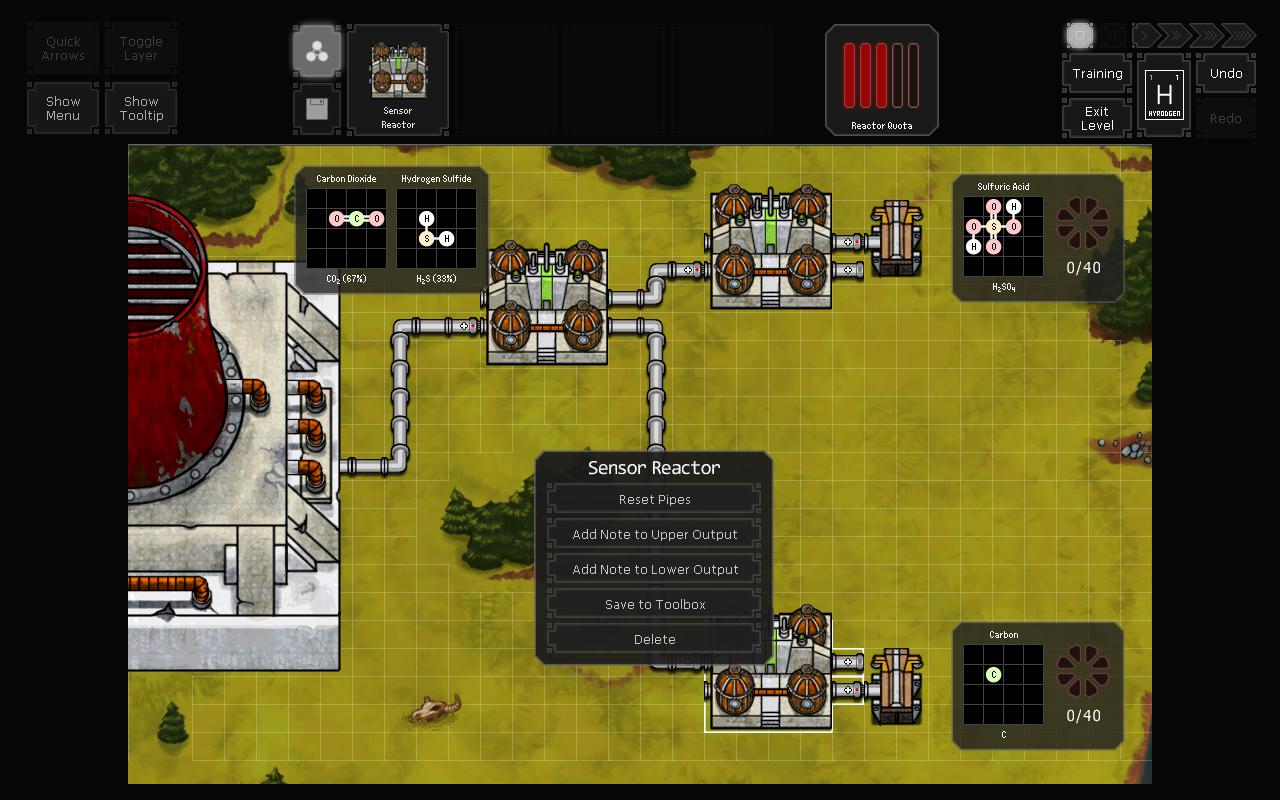
SpaceChem teaches chemical engineering style thinking through visual programming. Players design reactors that move and bond atoms along tracks, which introduces coordination, parallelism, and optimization under clear constraints.
It is available on PC and suits advanced middle through high school. Educators can connect puzzles to topics like conservation of mass and process design, and students can present solutions with step by step explanations of pipeline timing.
Democracy 4

Democracy 4 models public policy, voter groups, and budget tradeoffs. Players adjust taxes and programs, then watch how choices alter approval, deficits, and social indicators. The interface shows causal links that help learners trace downstream effects.
It runs on PC and supports civics and economics lessons in high school. Instructors can assign policy scenarios, require written rationales, and have students compare outcomes with real world data sources for critical evaluation.
SimCity 4

SimCity 4 emphasizes city building with a focus on zoning, transportation networks, and regional planning. Players balance budgets and citizen needs while monitoring indicators like pollution, traffic, and employment to keep a city functional.
It runs on PC and remains useful for urban studies despite its age. Teachers can set design briefs for transit corridors or mixed use districts and have students export maps to analyze land use patterns, grid efficiency, and access to services.
Share your favorite learning focused games in the comments and tell us which subjects they helped you or your students explore.