


Top 15 Environmental Warning Movies

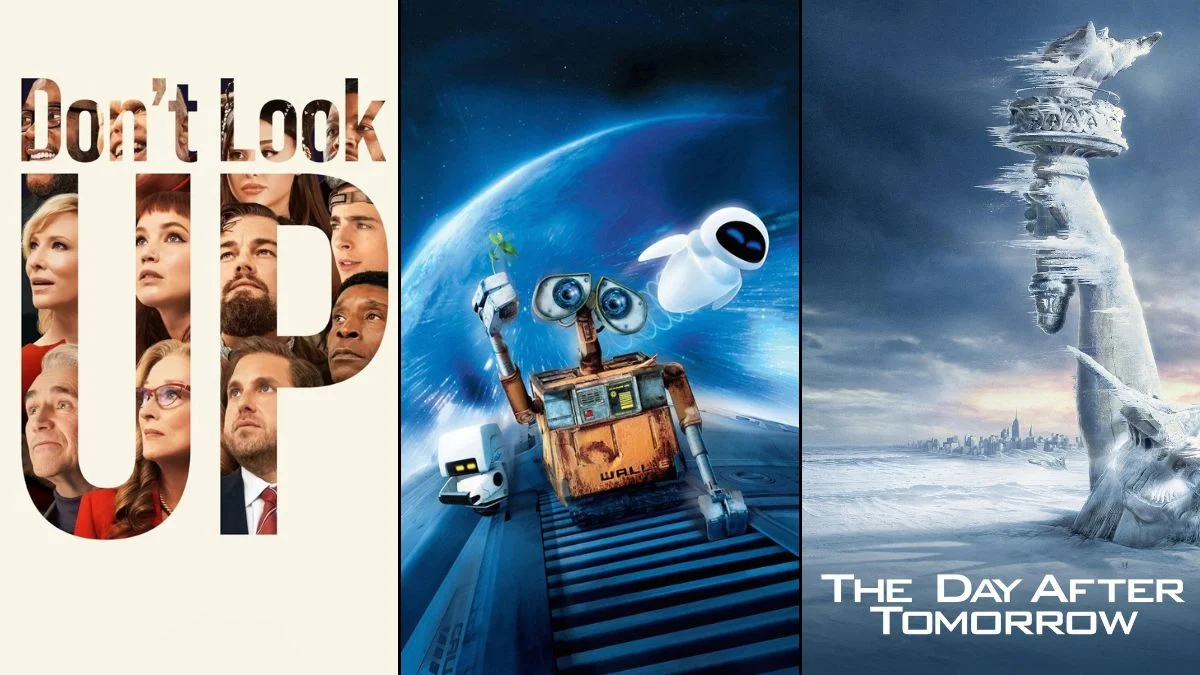


Environmental warning movies show how ecosystems respond when human activity pushes them past safe limits. These stories and documentaries track polluted water tables, collapsing ice sheets, runaway consumption, and industrial shortcuts that create long term harm. Many of them follow scientists, activists, or ordinary people who gather data, file lawsuits, or build coalitions that push for policy changes.
These films also document technology and systems that can reduce damage. Viewers see how monitoring networks, regulatory frameworks, renewable energy, and responsible supply chains factor into real outcomes. The focus stays on evidence, cause and effect, and the measurable consequences that unfold when warnings are ignored.
‘An Inconvenient Truth’ (2006)
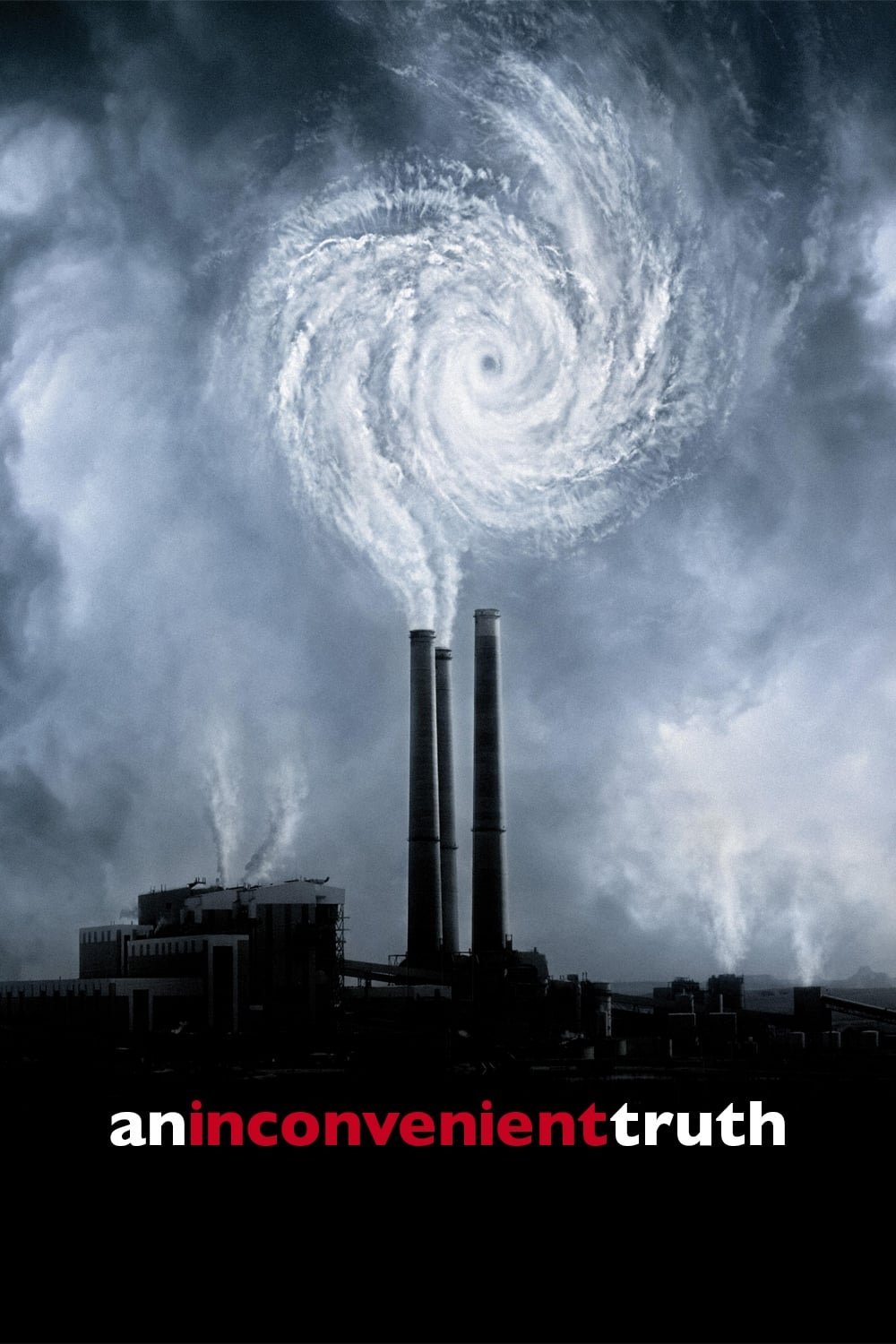
This documentary presents measured climate indicators such as atmospheric carbon concentrations, temperature anomalies, and glacier retreat records. It compiles findings from peer reviewed sources, national agencies, and field photography to show how warming trends align with rising emissions from energy, transport, and land use.
The film also outlines mitigation tools that were already available at the time, including efficiency standards, clean power portfolios, and carbon accounting methods used by cities and companies. It explains how data driven targets and public reporting can guide investment toward lower emission pathways.
‘The Day After Tomorrow’ (2004)
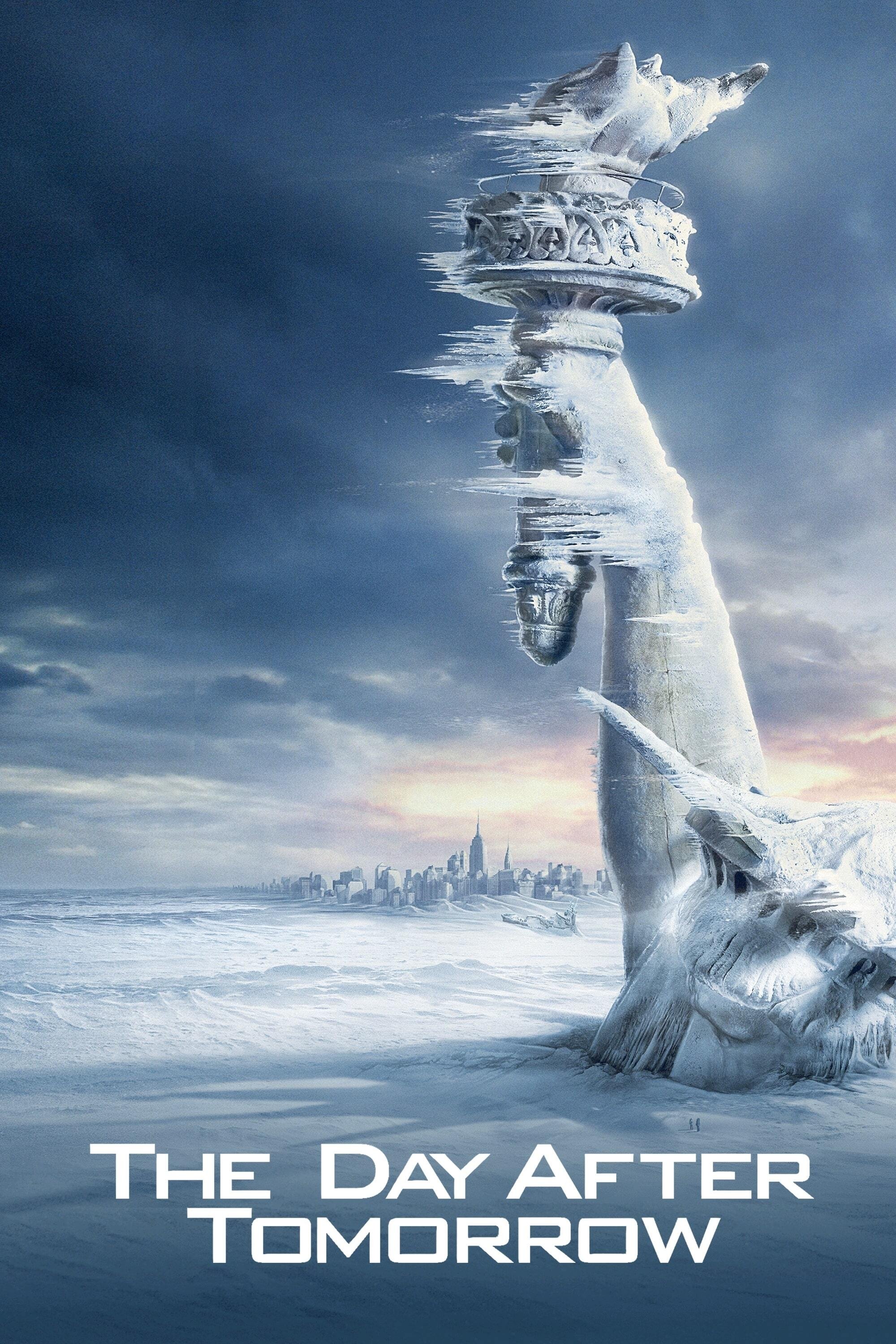
This disaster story builds its scenario from disruptions to ocean circulation and rapid climate shifts that affect weather systems. The plot tracks cascading failures in infrastructure and emergency response as storms intensify and populations move to safer zones.
Scientists in the film model climate feedbacks and warn decision makers about thresholds that could trigger severe events. The narrative shows how evacuation plans, communication networks, and cross border coordination determine survival during climate related disasters.
‘Don’t Look Up’ (2021)

This satire uses a comet as a clear stand in for a large scale planetary risk that requires coordinated action. Researchers calculate impact probabilities, design mission profiles, and request policy steps that are delayed by fragmented interests and conflicting incentives.
The story shows how media cycles, financial speculation, and political messaging can overpower expert communication during fast moving threats. It illustrates why transparent risk assessment, independent oversight, and international cooperation are essential when timelines are short.
‘Erin Brockovich’ (2000)

This legal drama documents a groundwater contamination case linked to industrial operations in a small community. The investigation compiles medical records, site histories, and storage logs to connect toxic exposure with health impacts among residents.
The case work in the film demonstrates how evidence chains are built, from sampling locations to document discovery and witness interviews. It also shows how settlements fund medical monitoring and remediation plans that include cleanup, containment, and long term testing.
‘Dark Waters’ (2019)
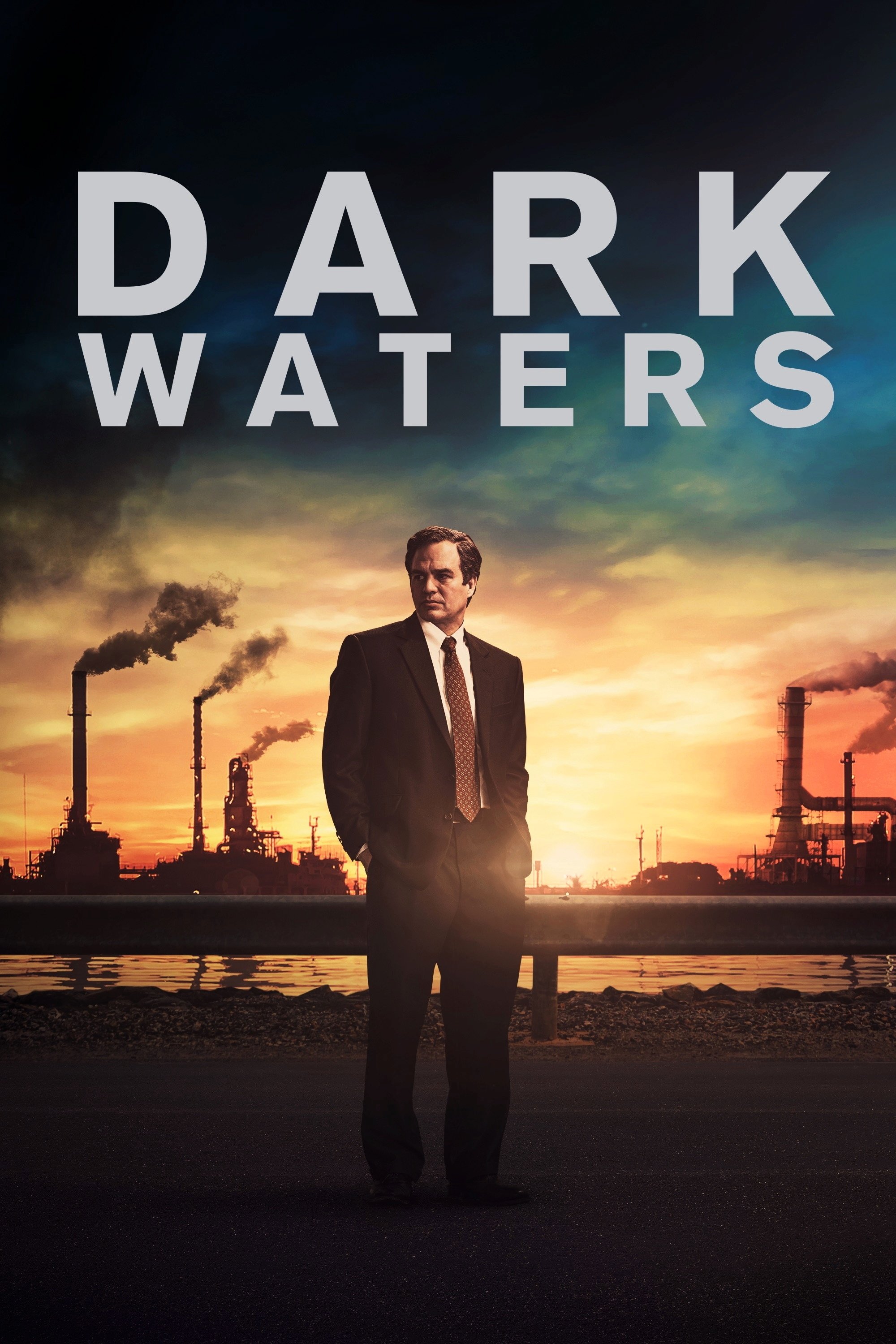
This story follows an attorney who investigates chemicals that migrated from manufacturing sites into water systems and soil. The film details internal studies, regulatory filings, and community health patterns that reveal persistence and bioaccumulation in people and animals.
It illustrates how litigation can surface proprietary research, expand disclosure requirements, and push agencies to set enforceable limits. The process depicted includes discovery, expert testimony, and consent orders that commit companies to monitoring and cleanup.
‘Wall E’ (2008)

This animated feature presents a future shaped by unchecked consumption and unmanaged waste streams. The setting visualizes landfill growth, abandoned infrastructure, and automated systems that continue to deliver goods without a functioning circular economy.
The film highlights material recovery steps such as sorting, compaction, and reuse that become central to rebuilding. It underscores how sustainable procurement, product design, and recycling infrastructure can lower the volume of waste and conserve resources.
‘Princess Mononoke’ (1997)

This epic shows conflict between forest guardians and human settlements that expand through mining and metalworking. The story maps how resource extraction alters wildlife habitats, water quality, and air conditions around foundries and transport routes.
It also records how negotiated boundaries and restoration efforts can reduce harm while supporting livelihoods. The film uses sacred sites, protected groves, and shared rules to illustrate ways communities can balance production with conservation targets.
‘Nausicaä of the Valley of the Wind’ (1984)

This adventure explores a world where toxic spores spread after ecological collapse. The characters study wind patterns, soil health, and insect behavior to understand why certain biomes recover while others degrade.
The plot follows the search for coexistence strategies that respect the functions of a dangerous yet stabilizing forest. It emphasizes how observation, sample collection, and careful movement through sensitive areas prevent further disturbance.
‘Okja’ (2017)

This story looks at industrial meat supply chains through the journey of a genetically engineered animal and the people who protect it. It examines breeding programs, transport logistics, and processing facilities that prioritize volume over welfare and transparency.
The film foregrounds labeling, third party audits, and footage from inside operations as tools for public awareness. It shows how consumers, advocacy groups, and investors influence corporate commitments on animal welfare and environmental impact.
‘Snowpiercer’ (2013)
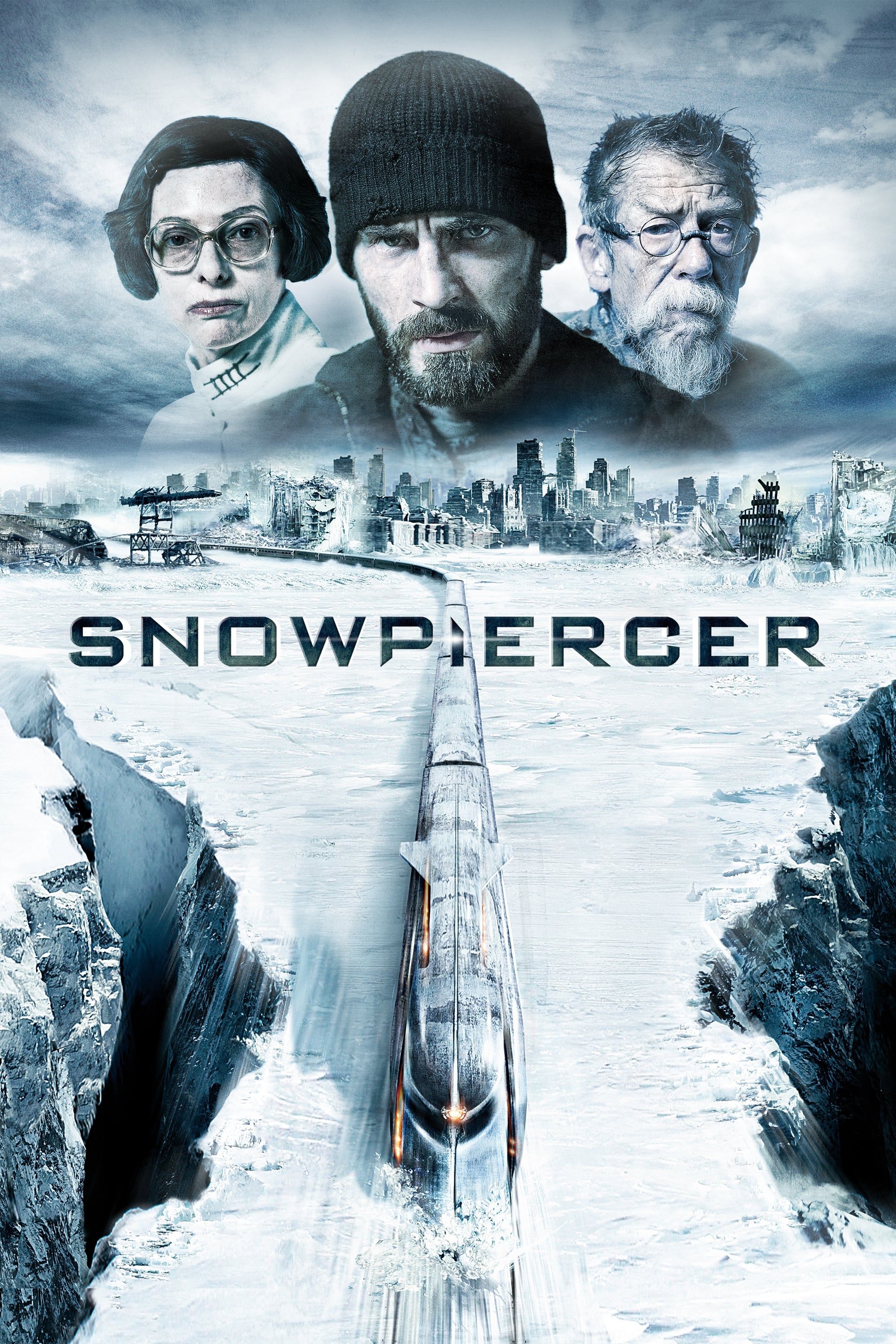
This science fiction tale imagines a failed climate intervention that locks Earth into severe cold. The survivors live on a train that runs on a closed loop resource system where energy, water, and food are strictly rationed.
The setting demonstrates feedback between technology and social structures when resources are finite. It presents filtration units, agricultural modules, and energy recovery as critical components of survival planning during systemic shocks.
‘A Plastic Ocean’ (2016)
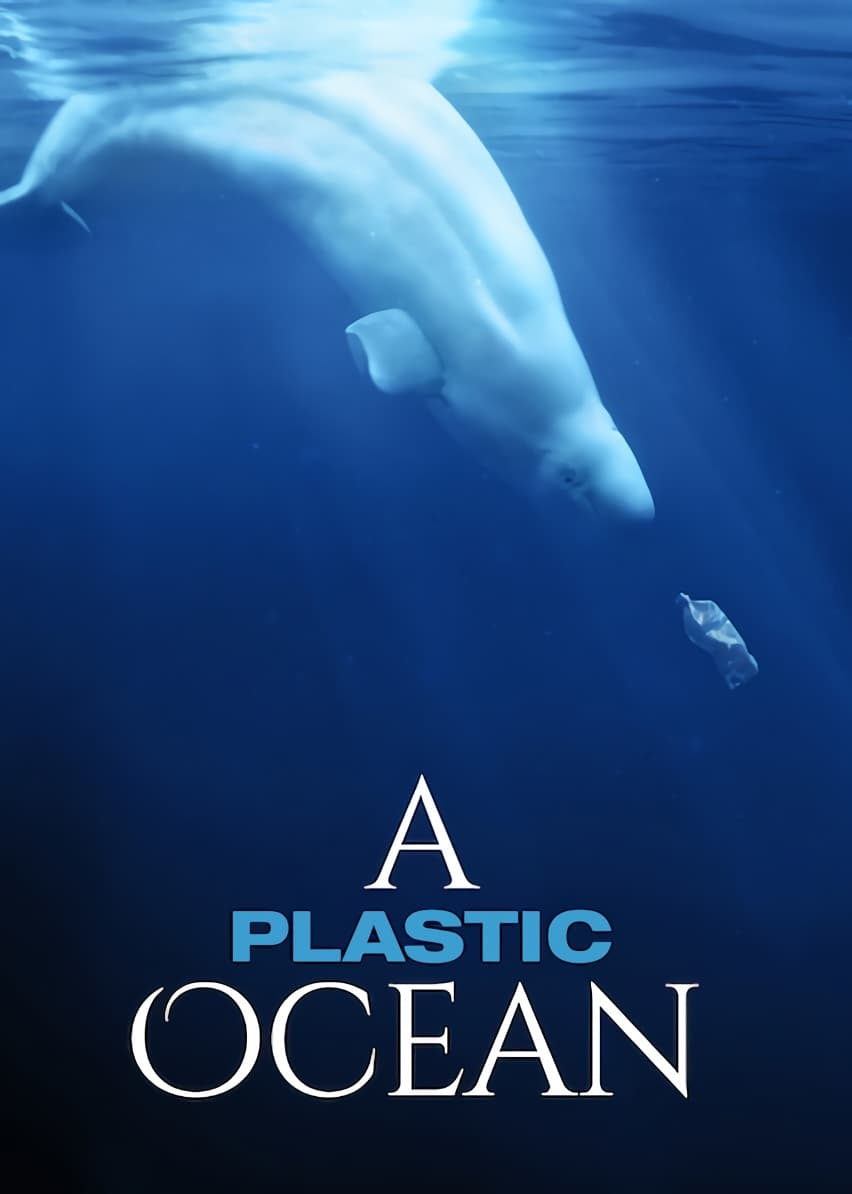
This documentary traces plastic waste from consumer use to rivers and open seas where currents distribute debris across regions. Researchers collect samples at various depths, identify polymer types, and document ingestion by marine species.
The film reviews interventions that reduce leakage, including extended producer responsibility, improved waste collection, and redesign of products to avoid single use formats. It also shows cleanup methods and recycling pilots in coastal communities.
‘Chasing Ice’ (2012)

This documentary deploys time lapse cameras on glaciers to measure retreat with image sequences. The project records calving events and seasonal changes, linking them to temperature records and precipitation trends from nearby stations.
The data presentation compares visual evidence with longitudinal datasets that show the pace of ice loss. It explains camera placement, calibration, and data recovery steps that ensure consistent measurements across sites.
‘Koyaanisqatsi’ (1982)
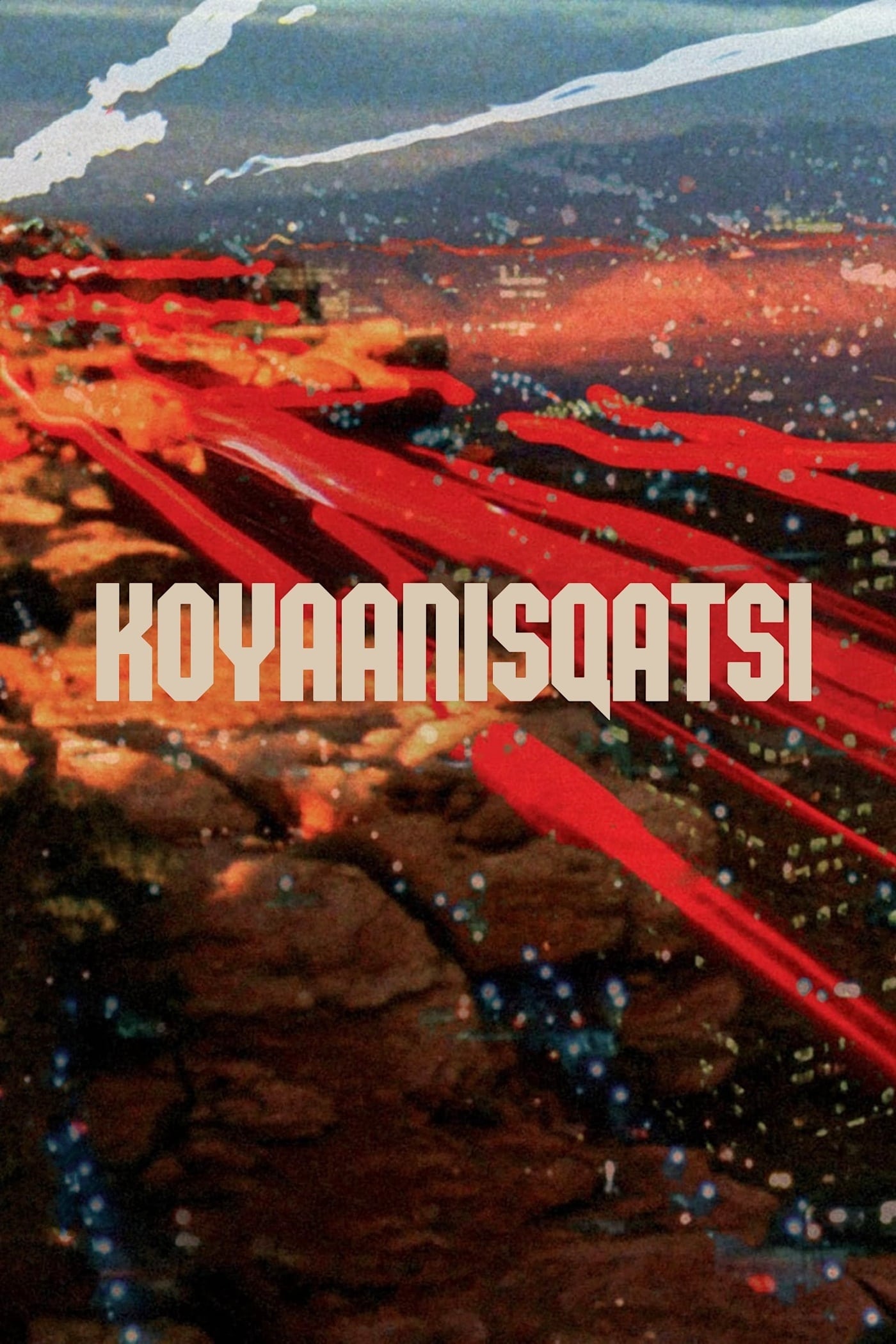
This experimental film juxtaposes natural landscapes with sequences of urban growth and industrial activity. It uses time lapse and slow motion to reveal patterns in traffic flows, power use, and manufacturing lines that map human impacts on ecosystems.
The imagery helps viewers see scale and speed in processes that are hard to grasp in real time. It serves as a visual record of energy intensive systems and the cumulative pressures they place on air, land, and water.
‘Before the Flood’ (2016)
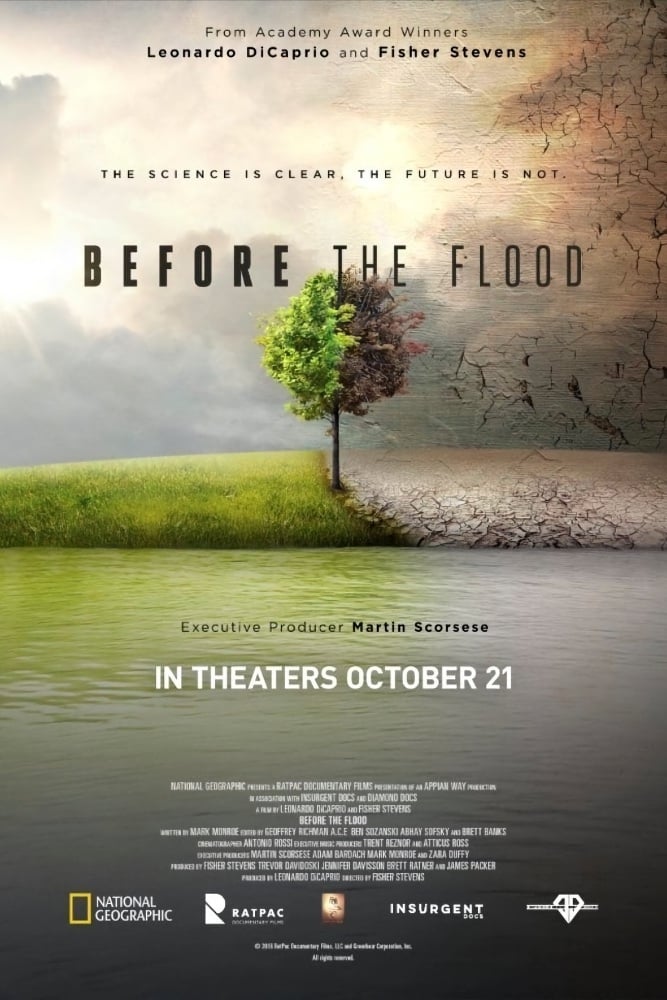
This documentary follows field visits to communities facing sea level rise, deforestation, and pollution from energy extraction. It includes interviews with scientists, local leaders, and policy makers who discuss mitigation and adaptation steps in progress.
The film details tools such as carbon pricing, renewable deployment, and land conservation to slow emissions growth. It also covers how dietary choices, transportation options, and building efficiency contribute to lower footprints at scale.
‘Deepwater Horizon’ (2016)
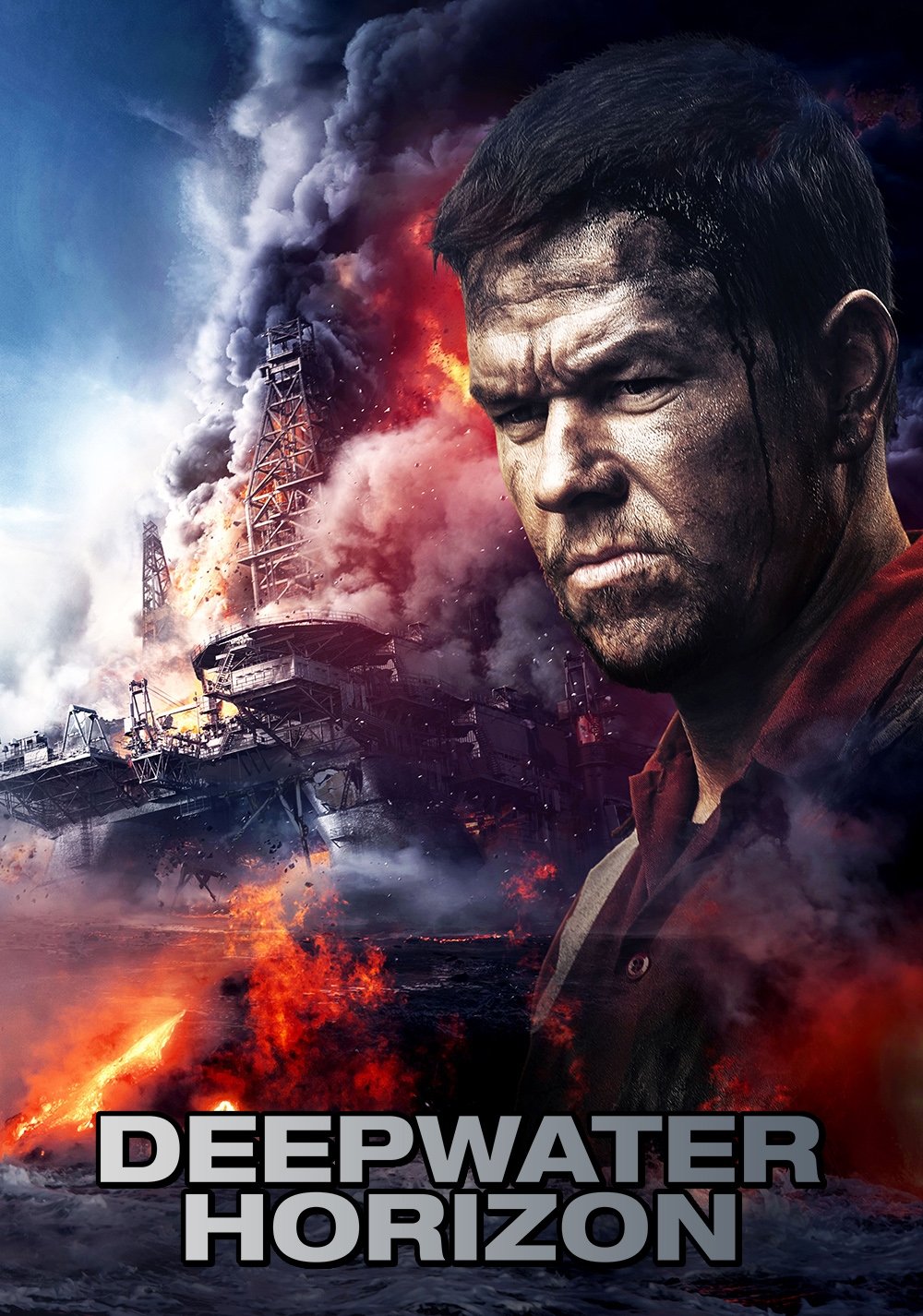
This drama reconstructs the sequence of technical and managerial failures that led to a major offshore spill. It documents well integrity tests, safety protocols, and pressure data that were interpreted incorrectly in the lead up to the blowout.
The aftermath shows response operations that include capping stacks, containment domes, and large scale skimming and burning to remove oil from the surface. It also addresses long term monitoring of fisheries, wetlands, and wildlife affected by contamination.
Share your picks for environmental warning movies that left a mark in the comments so everyone can compare notes and discover more titles.