


Top 20 Failed Summer Blockbusters

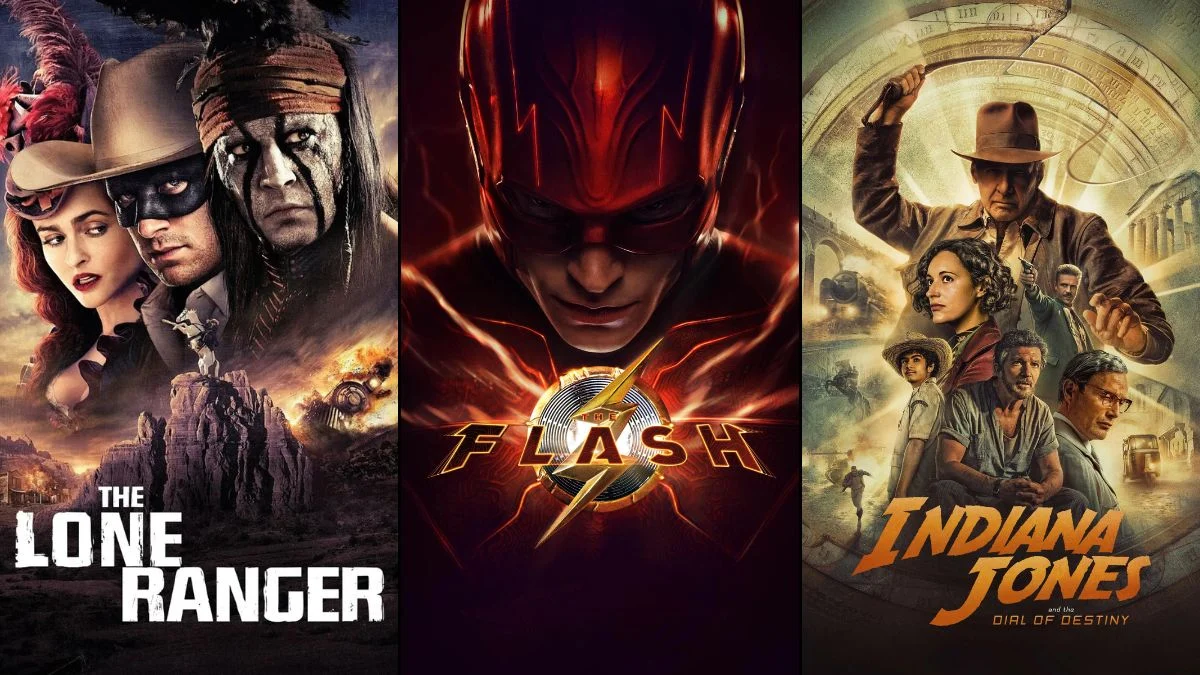


The summer movie season is built for crowd pleasers yet some huge releases miss expectations despite big brands and heavy marketing. These films arrived between May and August with wide distribution and high hopes but failed to match production and promotion costs through theatrical returns. Many faced scheduling issues, mid production changes, or fierce competition during crowded weekends. Here are twenty notable cases from recent decades that struggled to turn heat into box office momentum.
‘The Flash’ (2023)
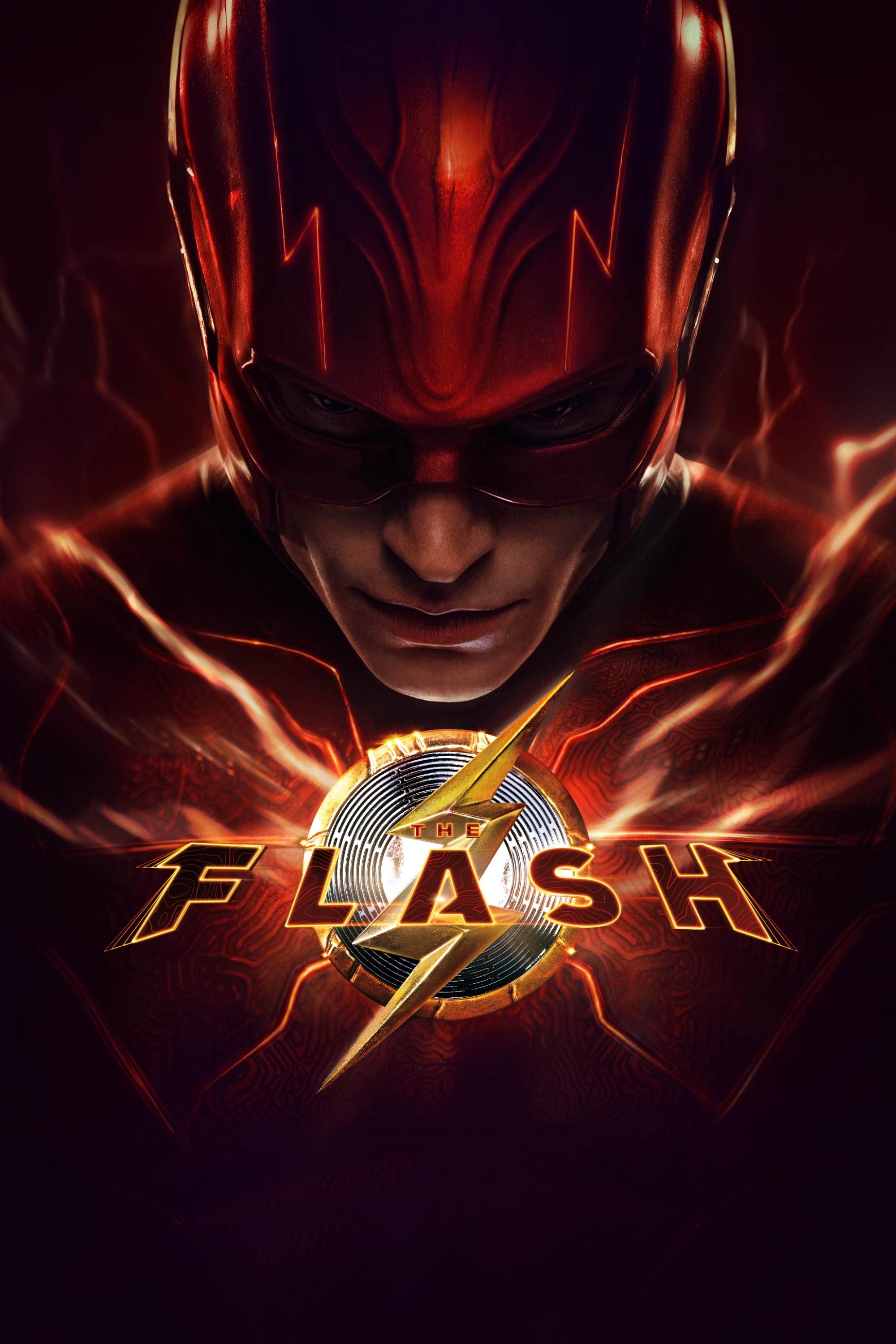
Warner Bros launched this DC title in June with premium formats and a multiverse hook yet turnout fell after the opening frame. The film relied on nostalgia driven cameos that did not translate into sustained weekday business. International play was softer than expected in key markets which limited global legs. Strong competition from other summer tentpoles compressed repeat viewing and merchandising lift.
‘Indiana Jones and the Dial of Destiny’ (2023)
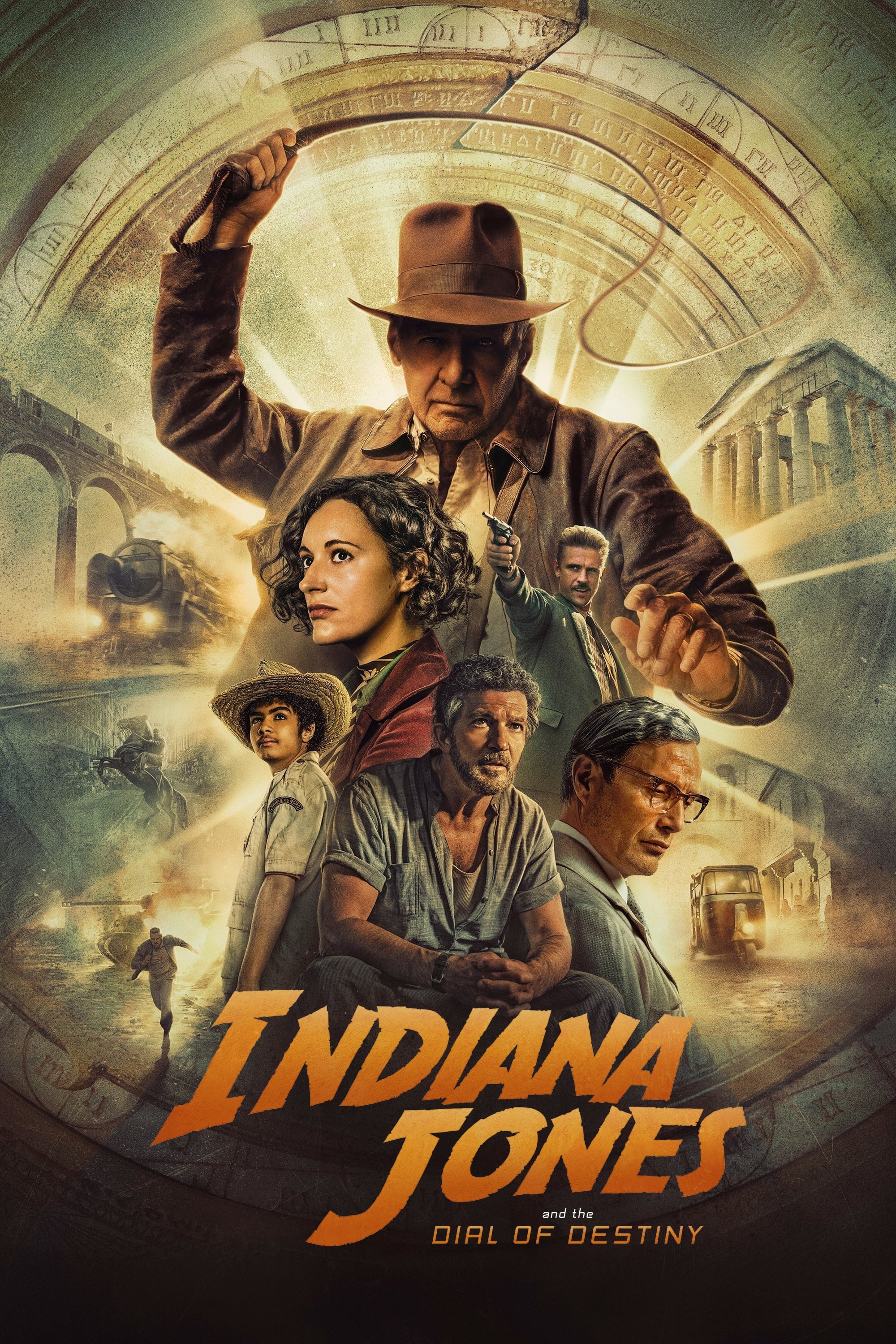
This entry premiered at a major festival then opened wide in early summer under the Disney label. A lengthy production cycle and extensive visual effects work elevated costs that theatrical revenue did not recoup. Word of mouth trended mixed which slowed family attendance after the first two weekends. Overseas grosses skewed older and did not reach the adventure series highs of prior decades.
‘The Lone Ranger’ (2013)
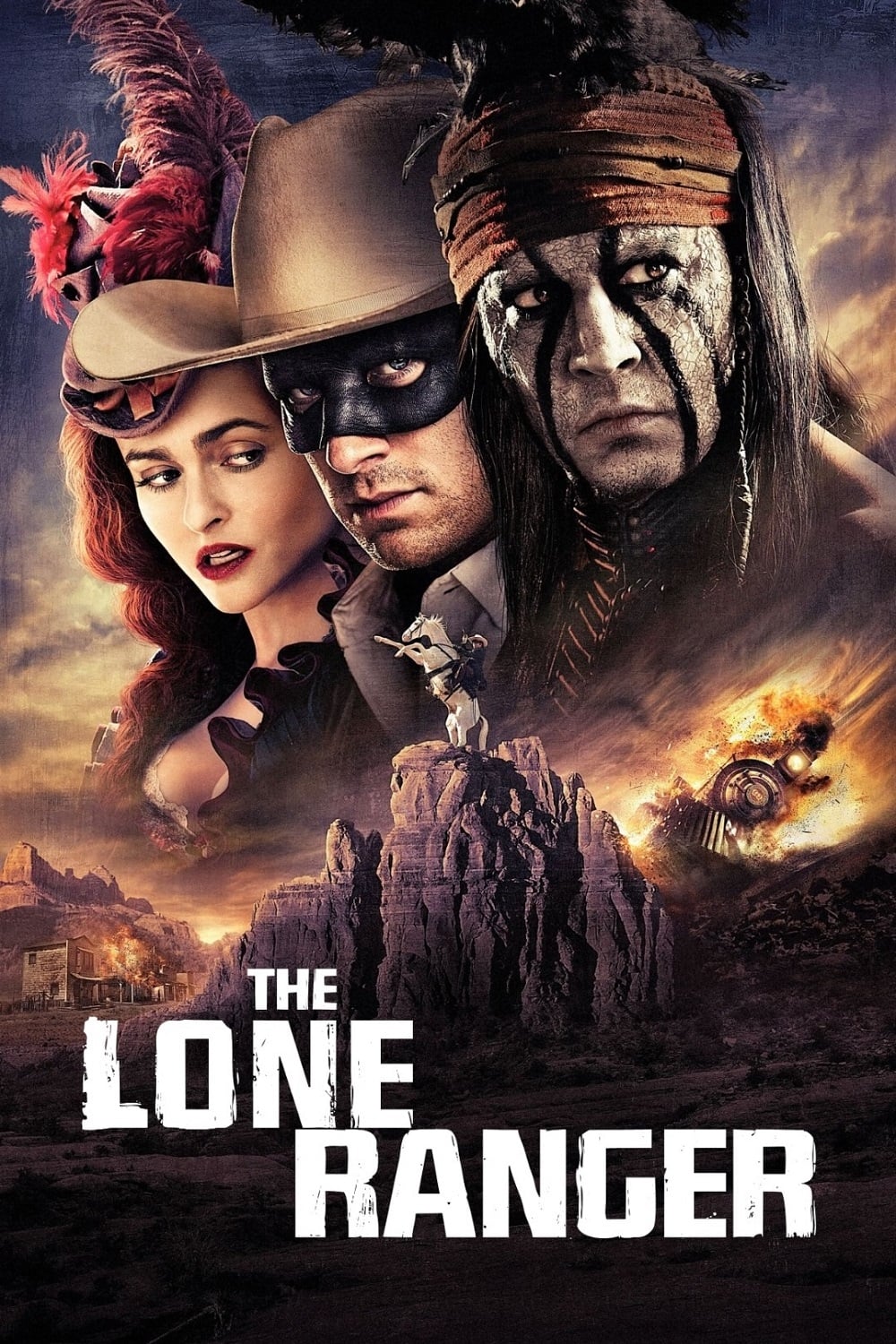
Disney positioned this western for the July holiday corridor with premium screen counts. A complex shoot and significant reshoots increased expenses before release. Reviews were tepid and the western genre struggled to draw younger audiences during midsummer. The movie’s domestic run stalled quickly and ancillary value could not offset the shortfall.
‘The Mummy’ (2017)
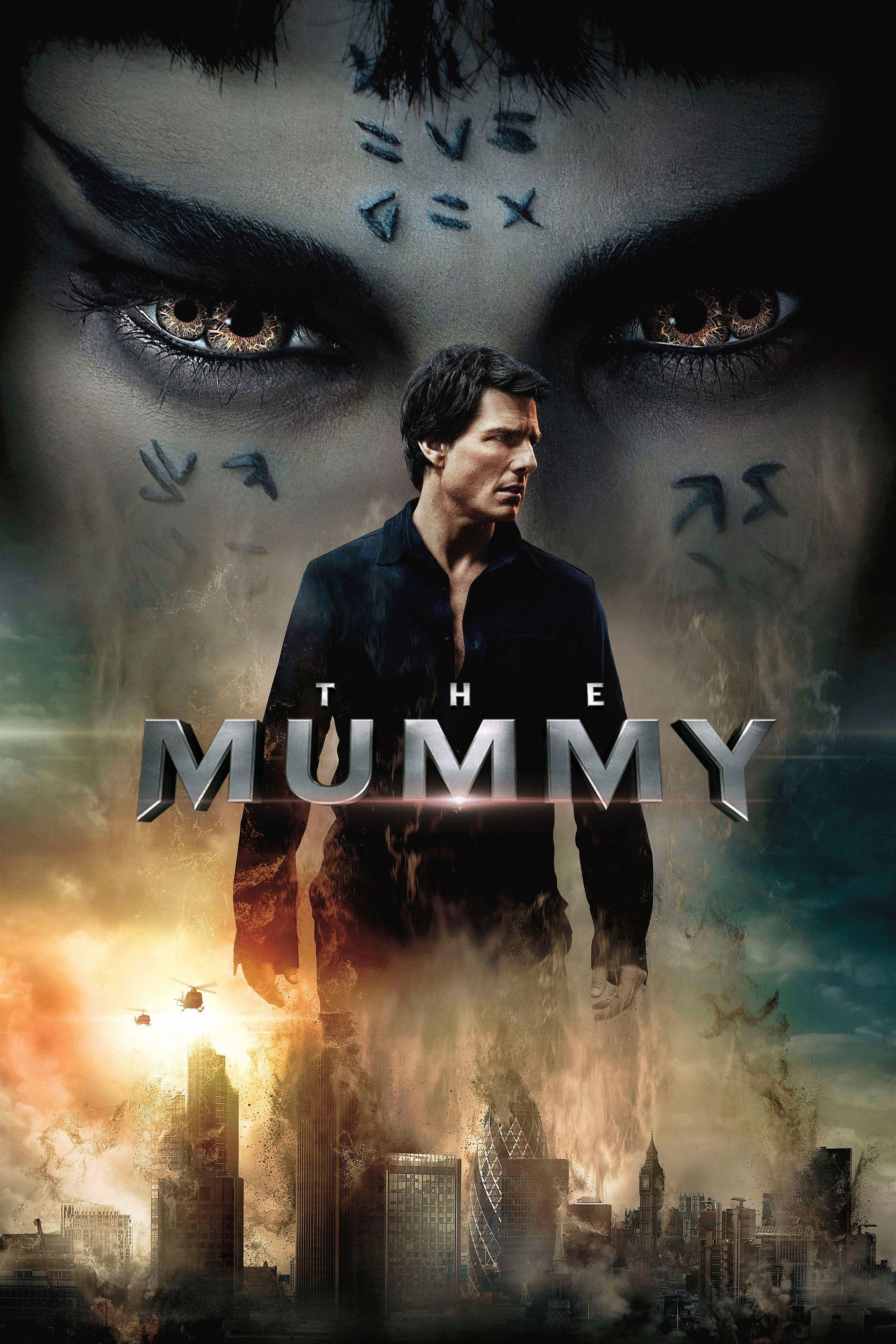
Universal launched this June release as a planned foundation for a shared monster universe. Despite a global star and extensive overseas campaign the film underperformed in North America. The domestic to international split was heavily tilted which limited profitability. Plans for follow up entries were paused after disappointing theatrical results.
‘Green Lantern’ (2011)
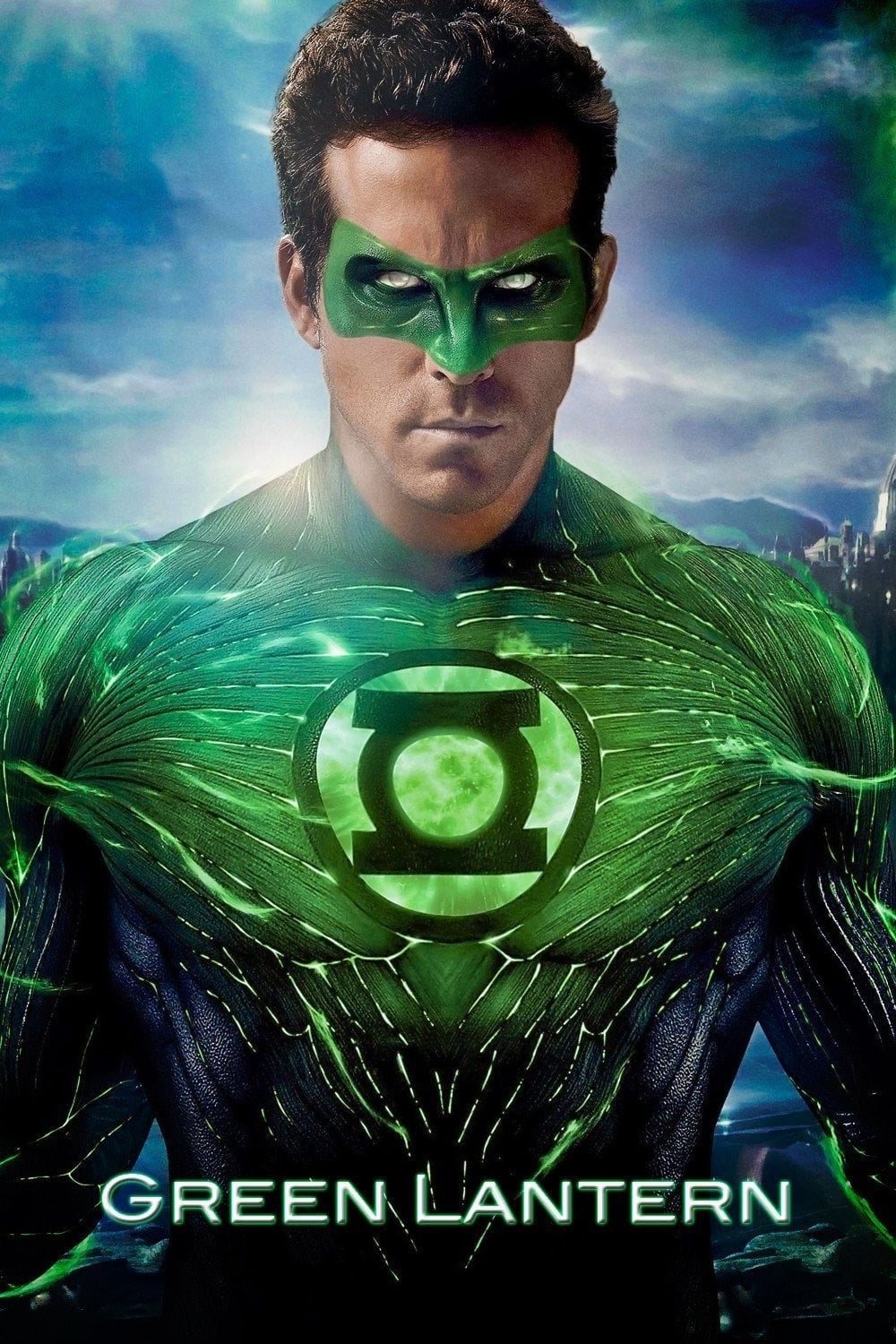
This DC adaptation opened in June with a broad marketing push and merchandise tie ins. Heavy reliance on digital suit effects and late stage postproduction increased spending. Audience interest dropped sharply after opening weekend as critical reception remained weak. International markets provided limited cushion compared to expectations for superhero titles.
‘Dark Phoenix’ (2019)
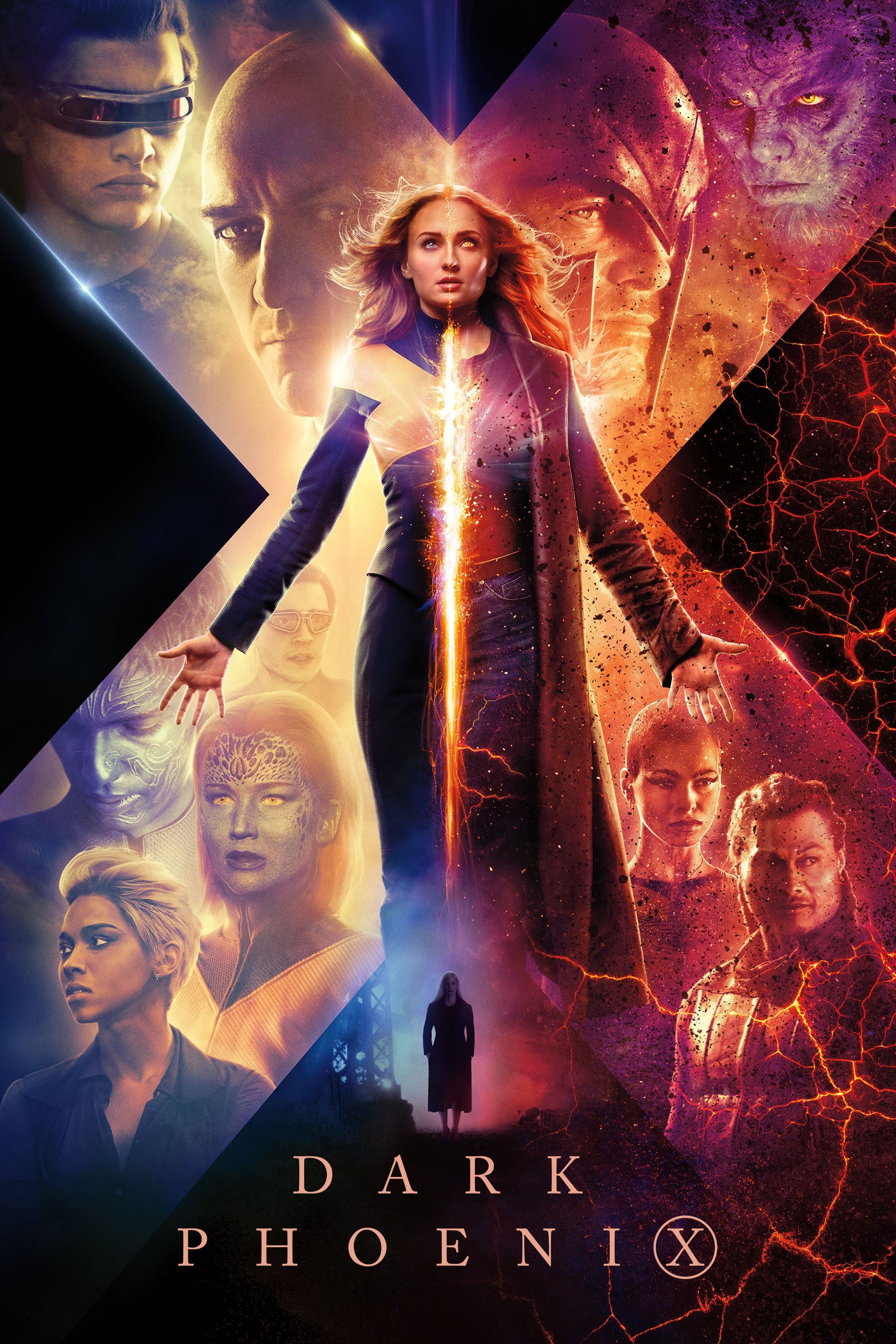
The X Men installment arrived in June following a delayed release and reported reshoots. Competition from earlier superhero films that spring reduced novelty with core fans. Domestic attendance was modest and international turnout lagged the franchise’s stronger entries. The film’s results contributed to a pause in continuation plans under the prior continuity.
‘Transformers: The Last Knight’ (2017)
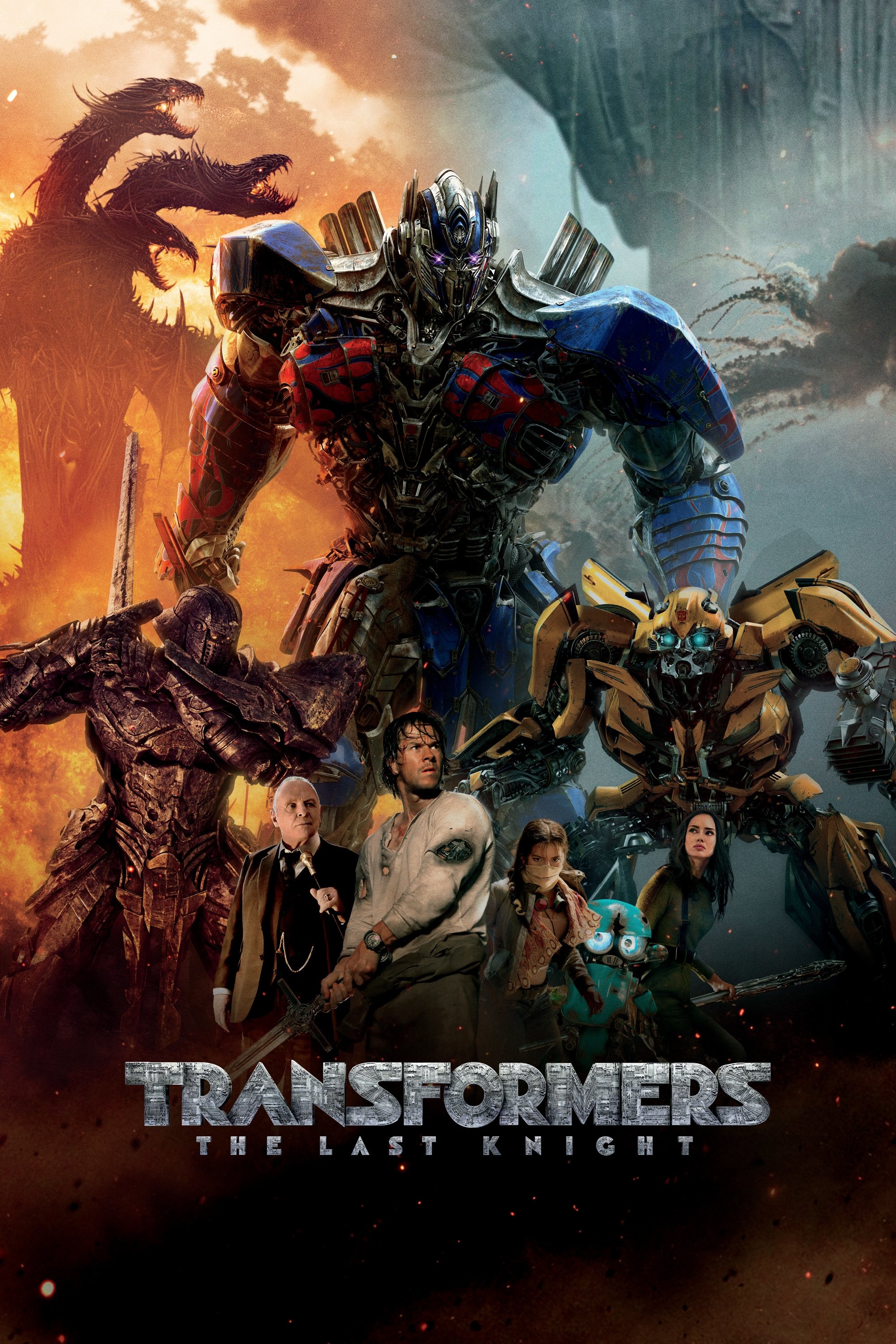
Paramount dated this franchise chapter for late June with a heavy effects showcase. Attendance fell from previous installments both domestically and abroad. The brand’s traditional strength in select overseas territories softened which hurt multiplier potential. Tie in consumer products and premium format surcharges did not close the revenue gap.
‘The BFG’ (2016)

This family adventure opened over the Independence Day corridor under the Disney banner. Despite a celebrated director and a well known book the film struggled to attract large family groups. Word of mouth was gentle but not urgent which produced low weekday holds when school was out. International performance was uneven with limited appeal in some major markets.
‘Tomorrowland’ (2015)
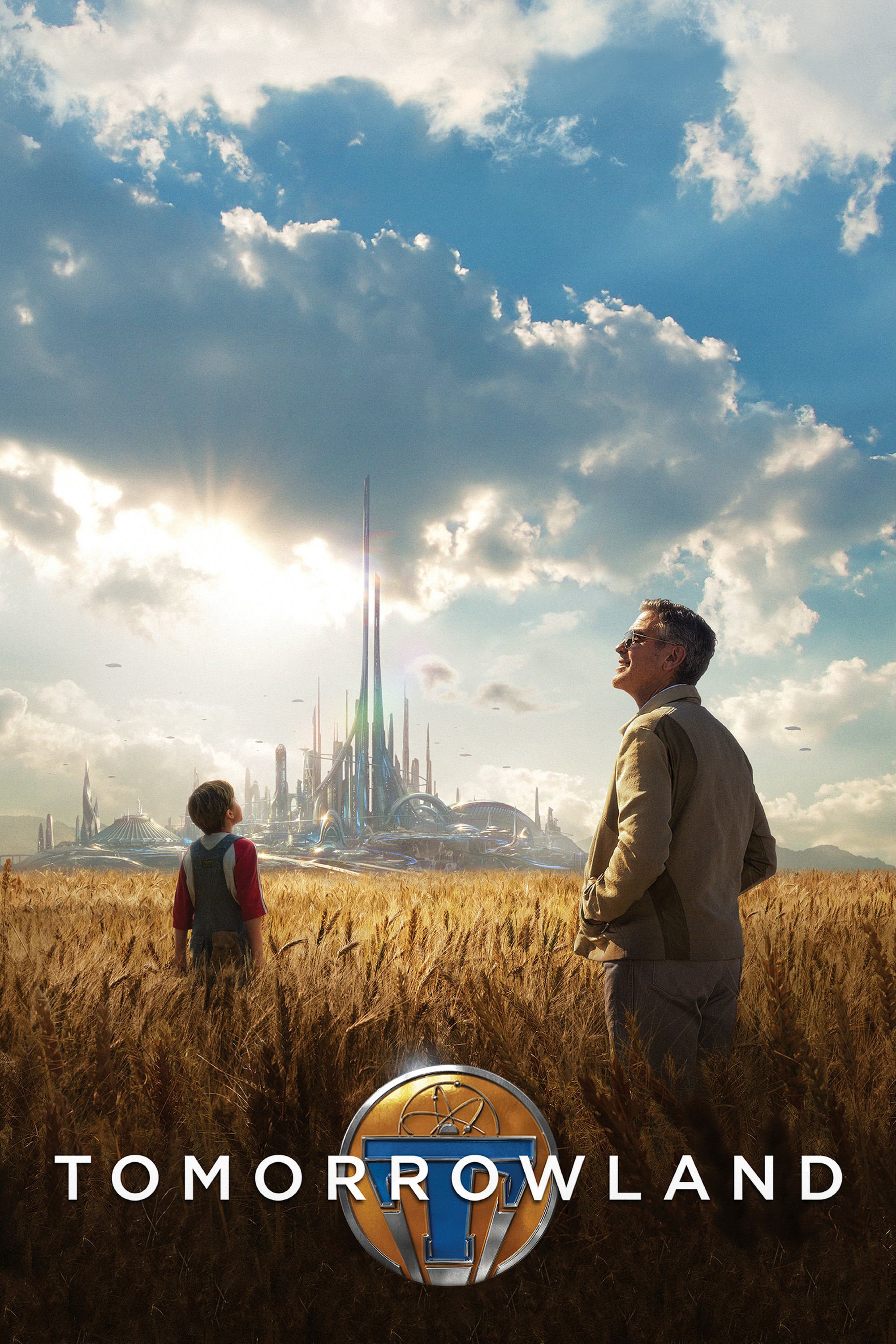
Disney released this original science fiction film in late May as counterprogramming to sequels. Awareness was high but the concept proved difficult to communicate which limited four quadrant pull. Premium screens were shared with competing titles that summer which reduced playtime. The film’s theatrical revenue fell short of its sizable production and marketing outlay.
‘Solo: A Star Wars Story’ (2018)
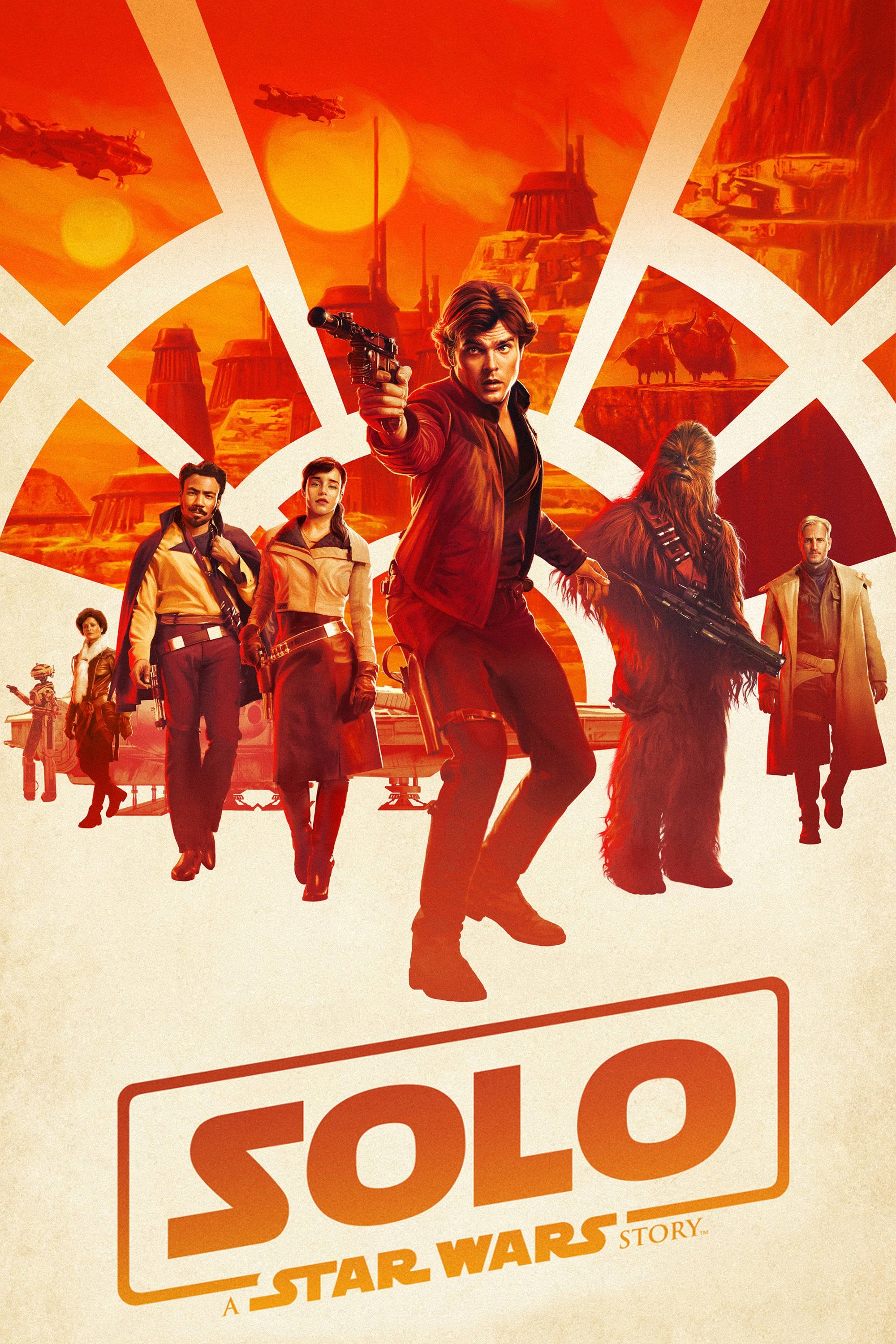
This spinoff moved from a winter corridor to a late May launch within months of another franchise installment. A change in directors mid production led to schedule and cost pressures. Competition from multiple early summer tentpoles split the target audience. The domestic run did not reach prior series benchmarks and global interest was muted.
‘Battleship’ (2012)
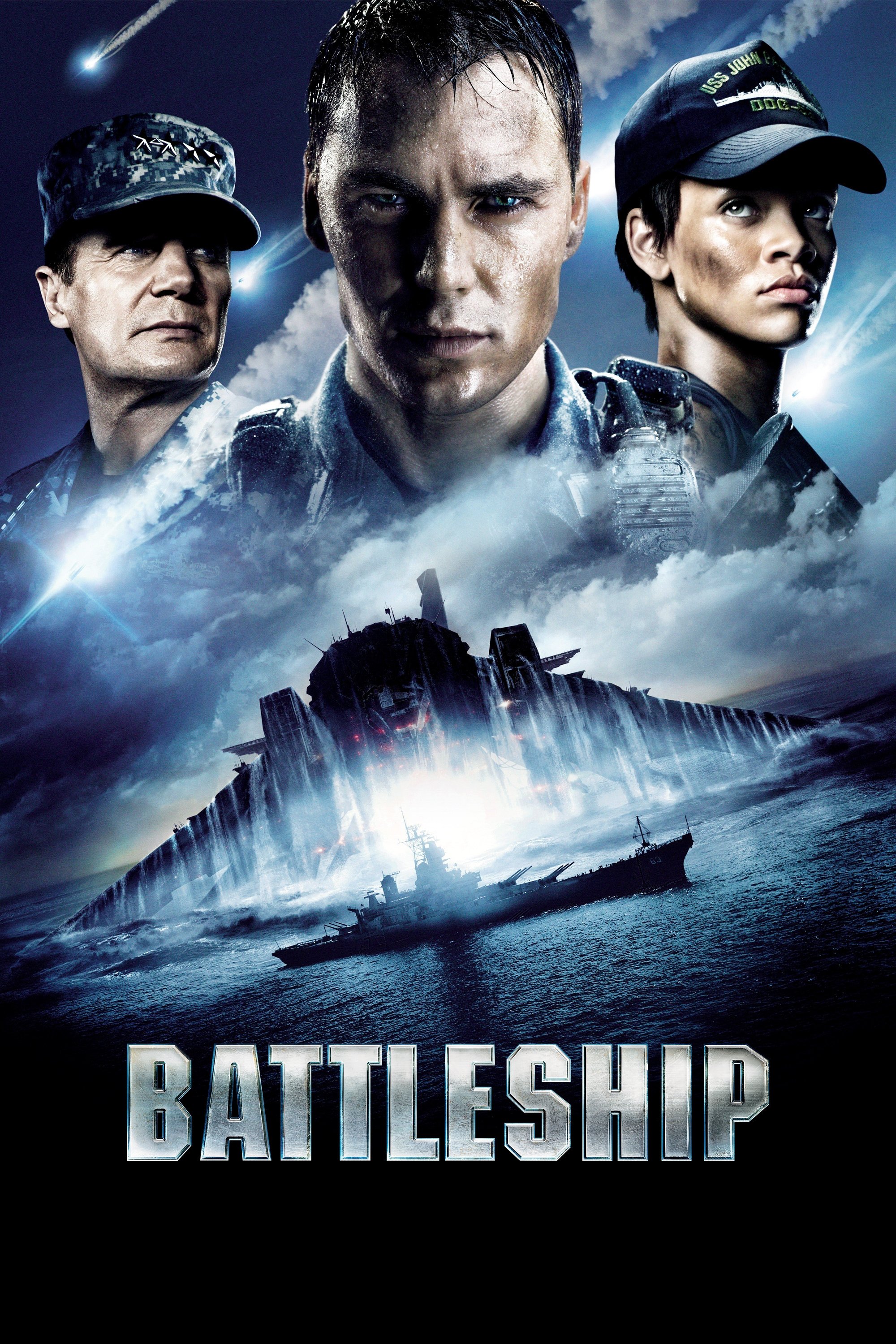
Universal positioned this effects heavy adaptation for May with an early overseas rollout. Staggered release dates met strong competition in North America which blunted momentum. Marketing stressed naval action yet younger viewers gravitated to other brands that season. Ancillary and television windows helped later but could not erase the theatrical miss.
‘Prince of Persia: The Sands of Time’ (2010)
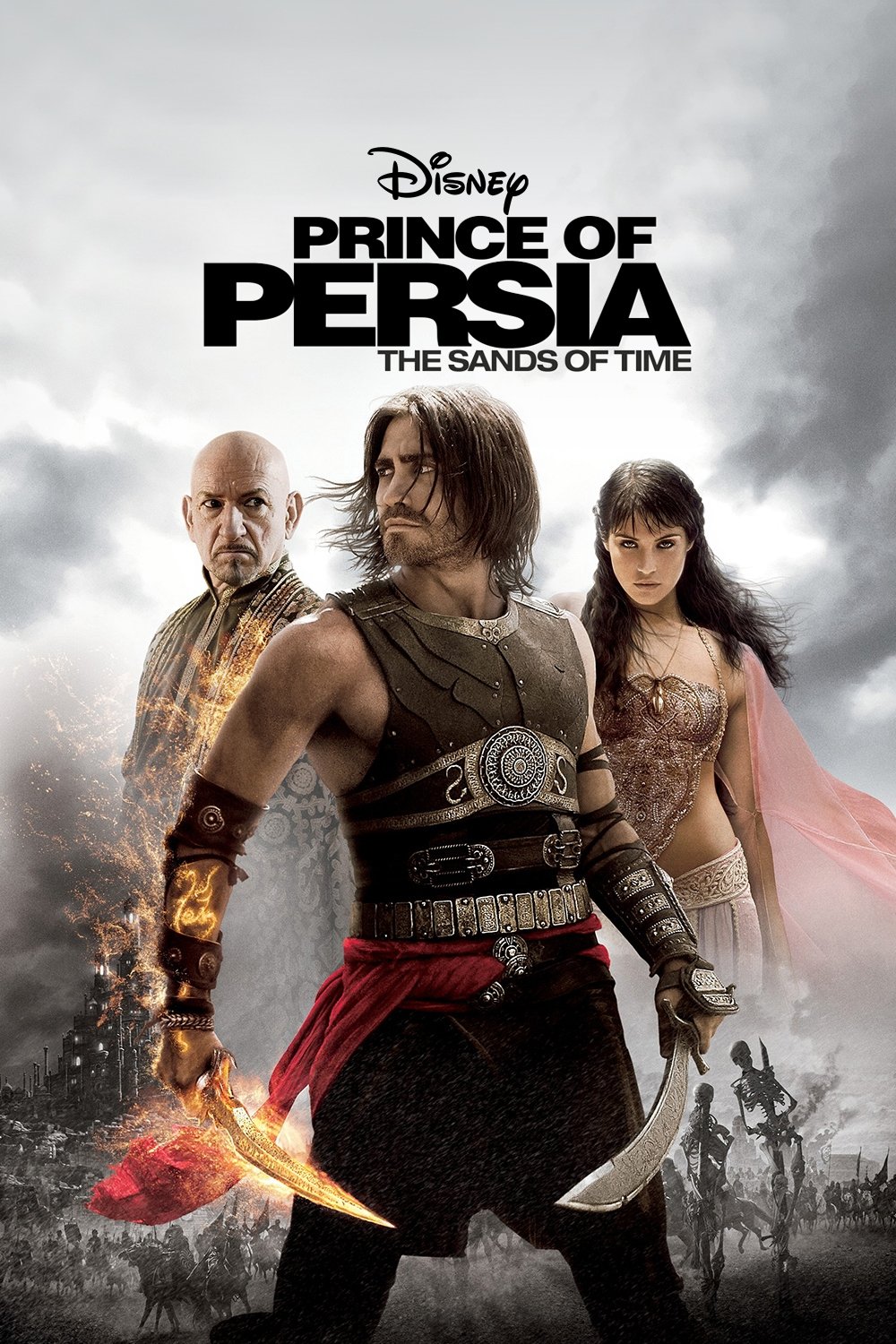
Disney aimed this video game adaptation at Memorial Day audiences with a broad international push. Despite a large footprint turnout remained moderate across key regions. The film’s performance reinforced the challenge of translating game properties to summer tentpoles at that time. Merchandise and licensing were limited compared to stronger adventure franchises.
‘Speed Racer’ (2008)
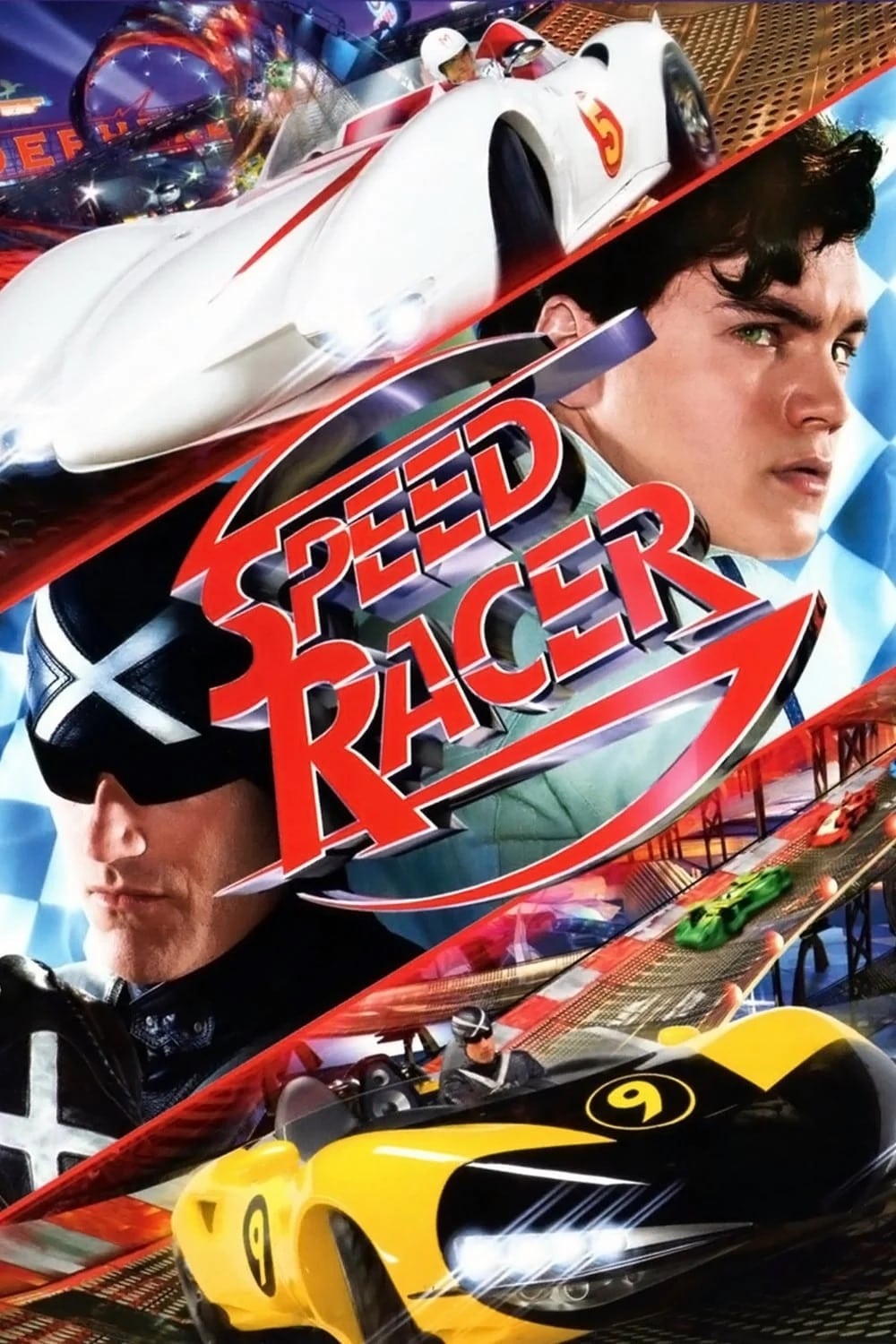
Warner Bros launched this stylized racing film in May against powerful competition. Families were split by a major superhero release which commanded premium screens. The experimental visual approach polarized interest and depressed repeat business. International results improved totals but were not enough for a profitable theatrical finish.
‘The 13th Warrior’ (1999)
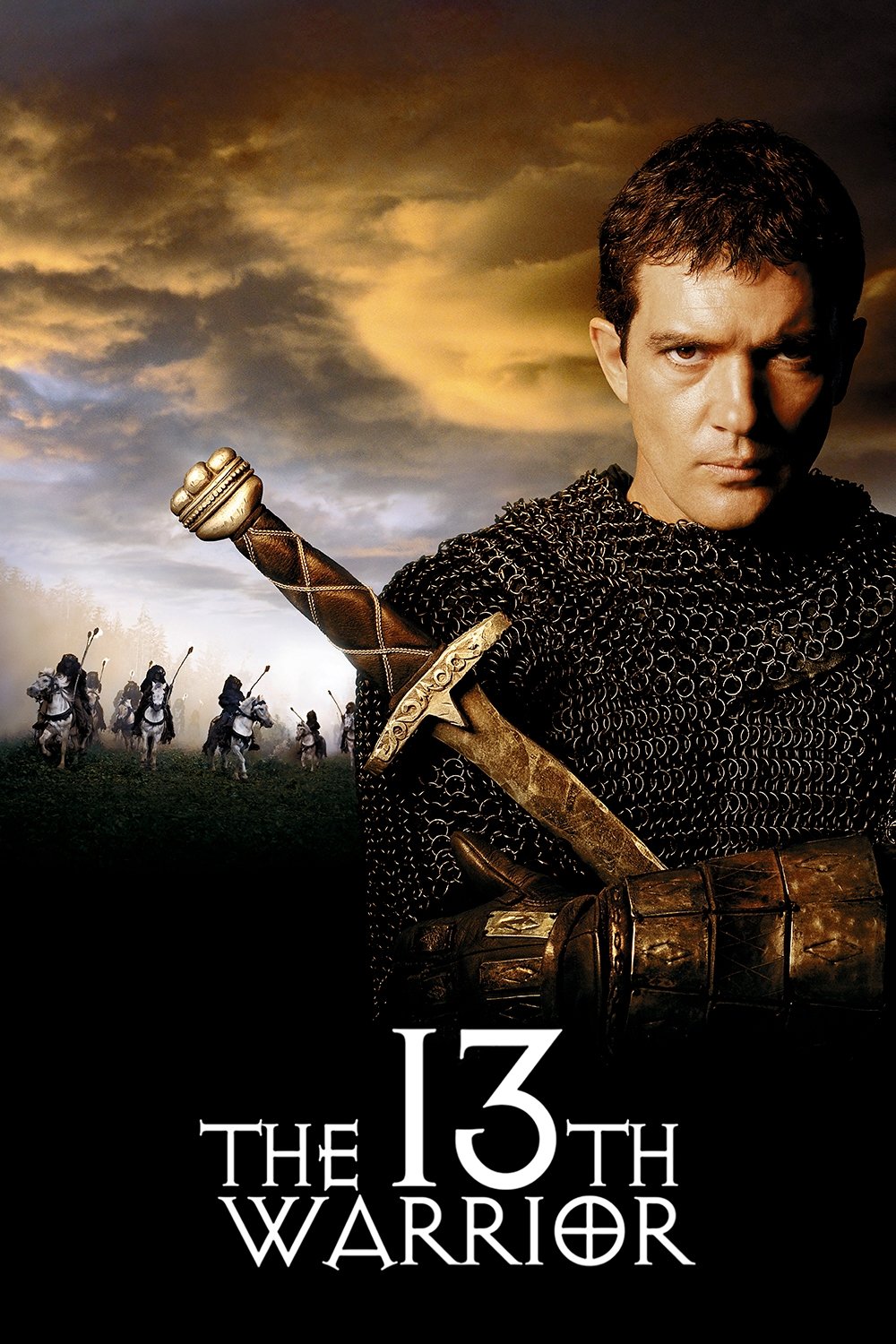
This adaptation reached theaters in late summer after an extended production period. Test screenings prompted edits and changes that delayed release and increased costs. Marketing centered on historical action yet awareness remained modest. The film exited theaters quickly with limited overseas momentum.
‘The Adventures of Pluto Nash’ (2002)
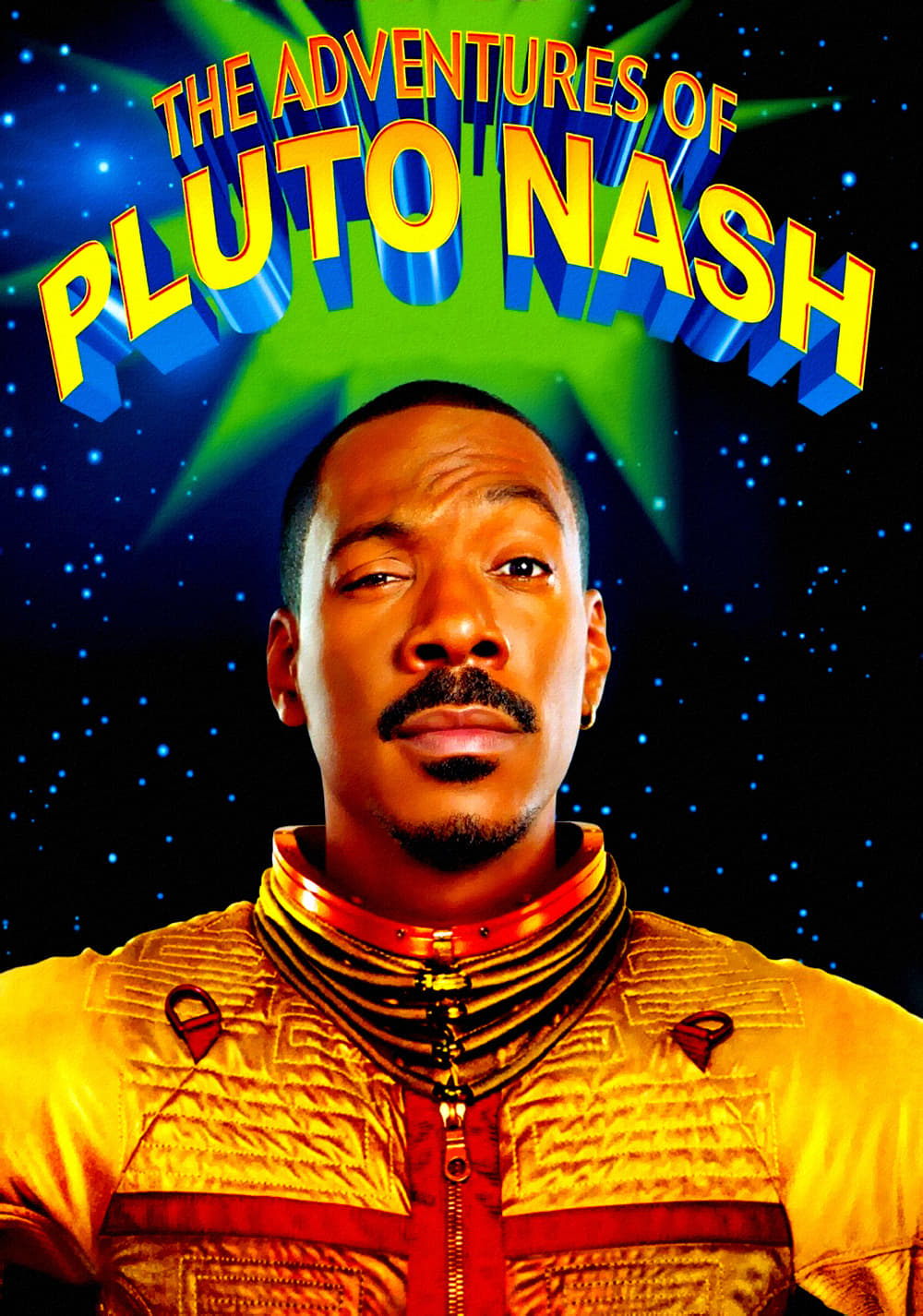
Warner Bros opened this science fiction comedy in August with a modest screen count relative to budget. The release came after a long delay which signaled risk to audiences and exhibitors. Reviews were poor and word of mouth did not develop across any demographic. Home entertainment returns were limited due to weak theatrical visibility.
‘Final Fantasy: The Spirits Within’ (2001)
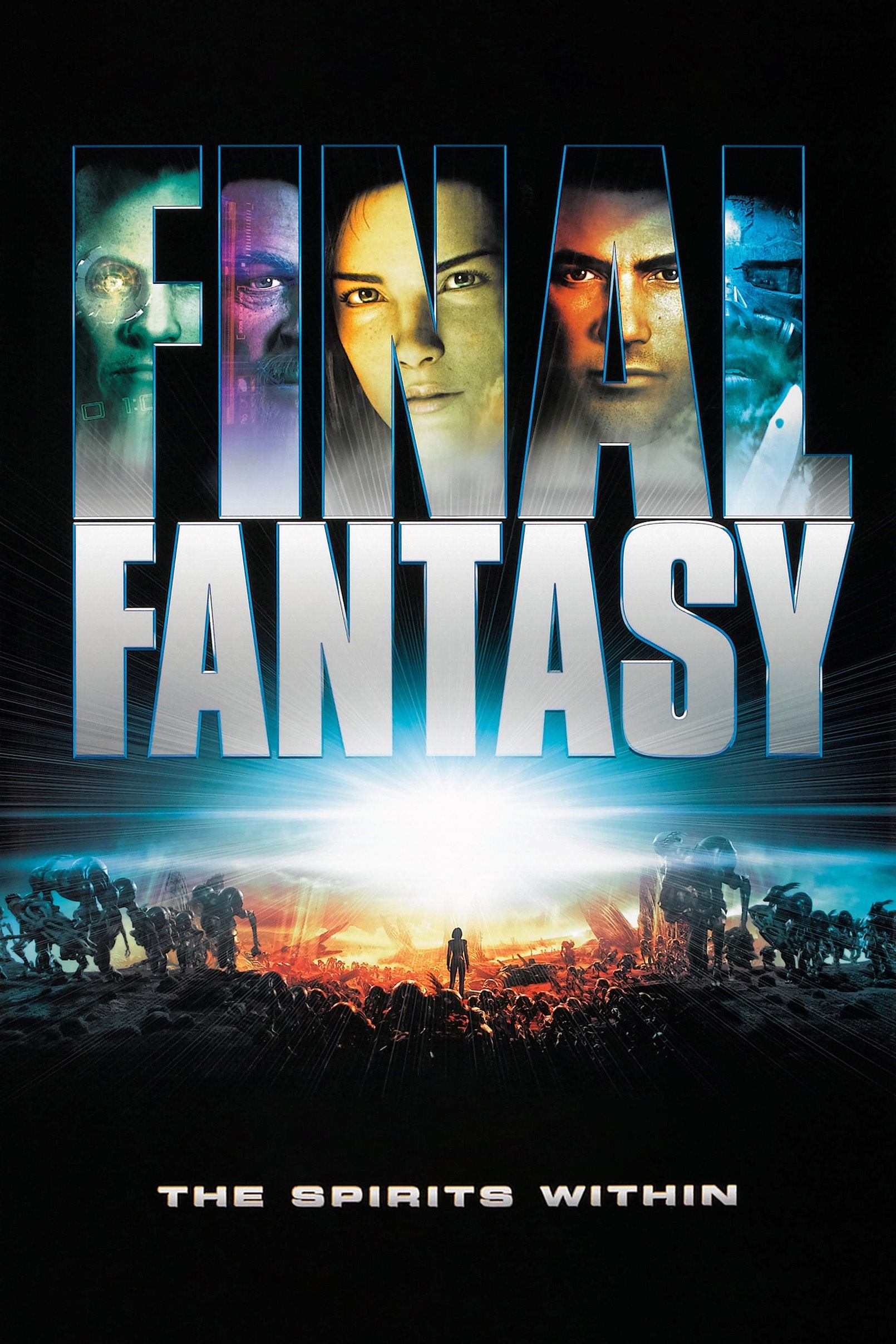
This animated feature debuted in July showcasing cutting edge photorealistic characters. Production expenses for pioneering technology were high compared to market demand. The film struggled to connect with mainstream viewers unfamiliar with the game franchise. The outcome impacted the studio that led the project and curtailed immediate sequel plans.
‘Sinbad: Legend of the Seven Seas’ (2003)
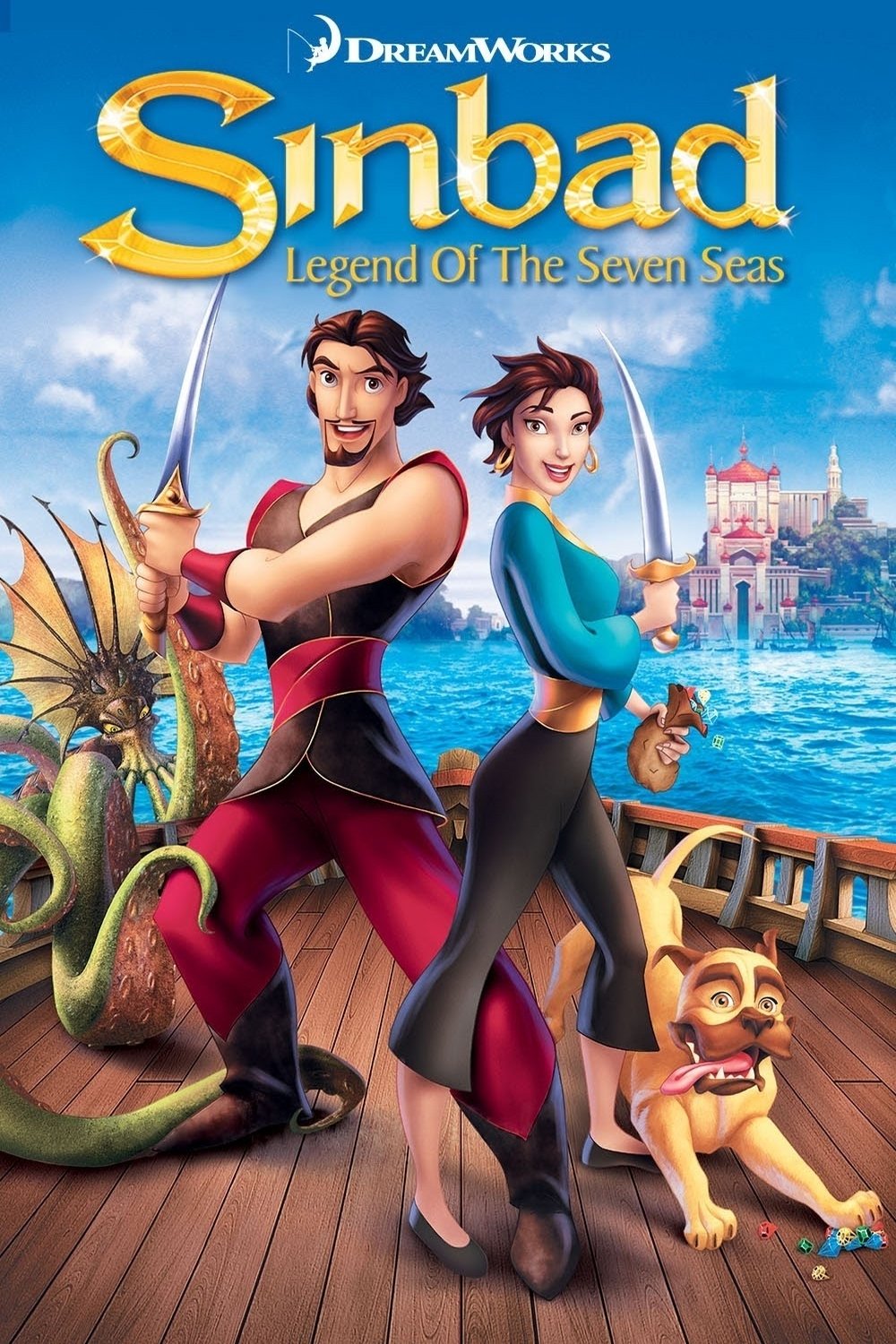
DreamWorks released this animated adventure in July as competition for other family titles intensified. Traditional hand drawn animation faced headwinds as audiences favored computer generated offerings. The film’s overseas play was constrained in several regions which reduced total revenue. Subsequent strategy shifted toward different animation pipelines at the studio.
‘Stealth’ (2005)
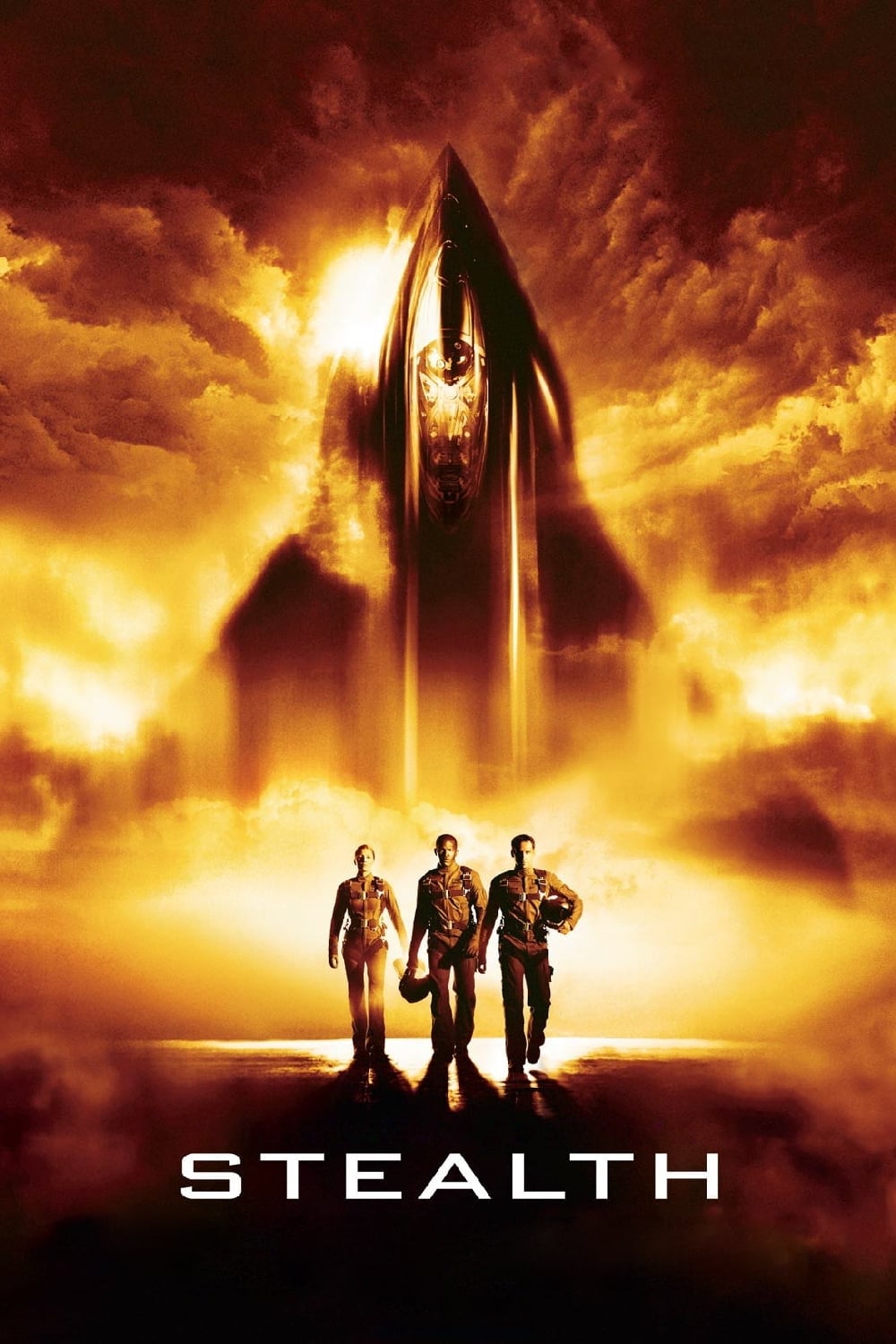
This action thriller opened in late July under the Sony banner with heavy effects sequences. Marketing emphasized aerial combat yet the core audience opted for alternative titles that season. Weekday retention was weak and premium format availability was limited. International grosses did not offset domestic softness which led to a short theatrical life.
‘Fantastic Four’ (2015)
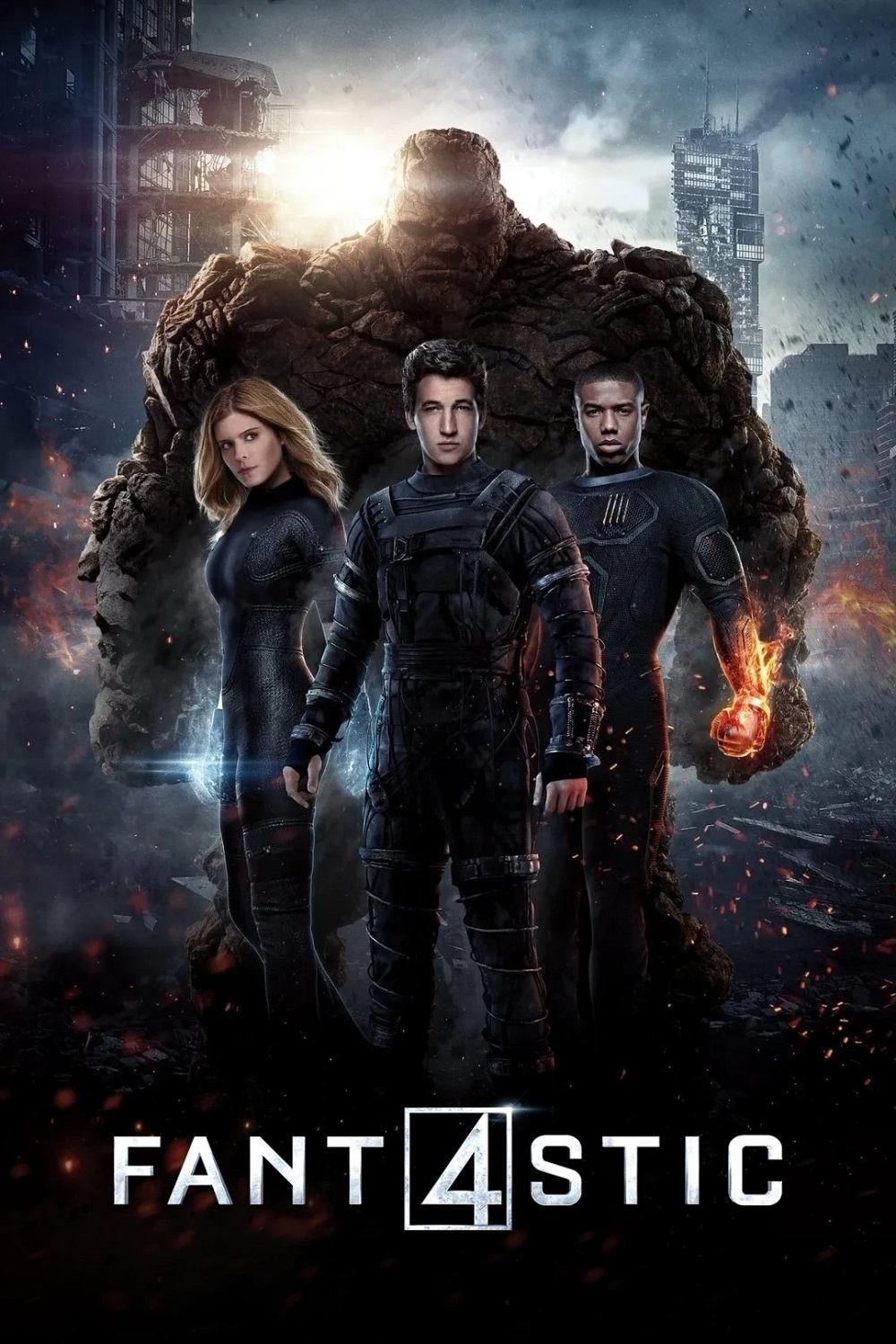
Fox launched this superhero reboot in August after widely reported production challenges. Critical reception was poor which hurt weekend to weekend holds even with brand recognition. Domestic interest dropped quickly and overseas turnout was similarly restrained. Plans for immediate continuation were shelved following the theatrical performance.
‘R.I.P.D.’ (2013)
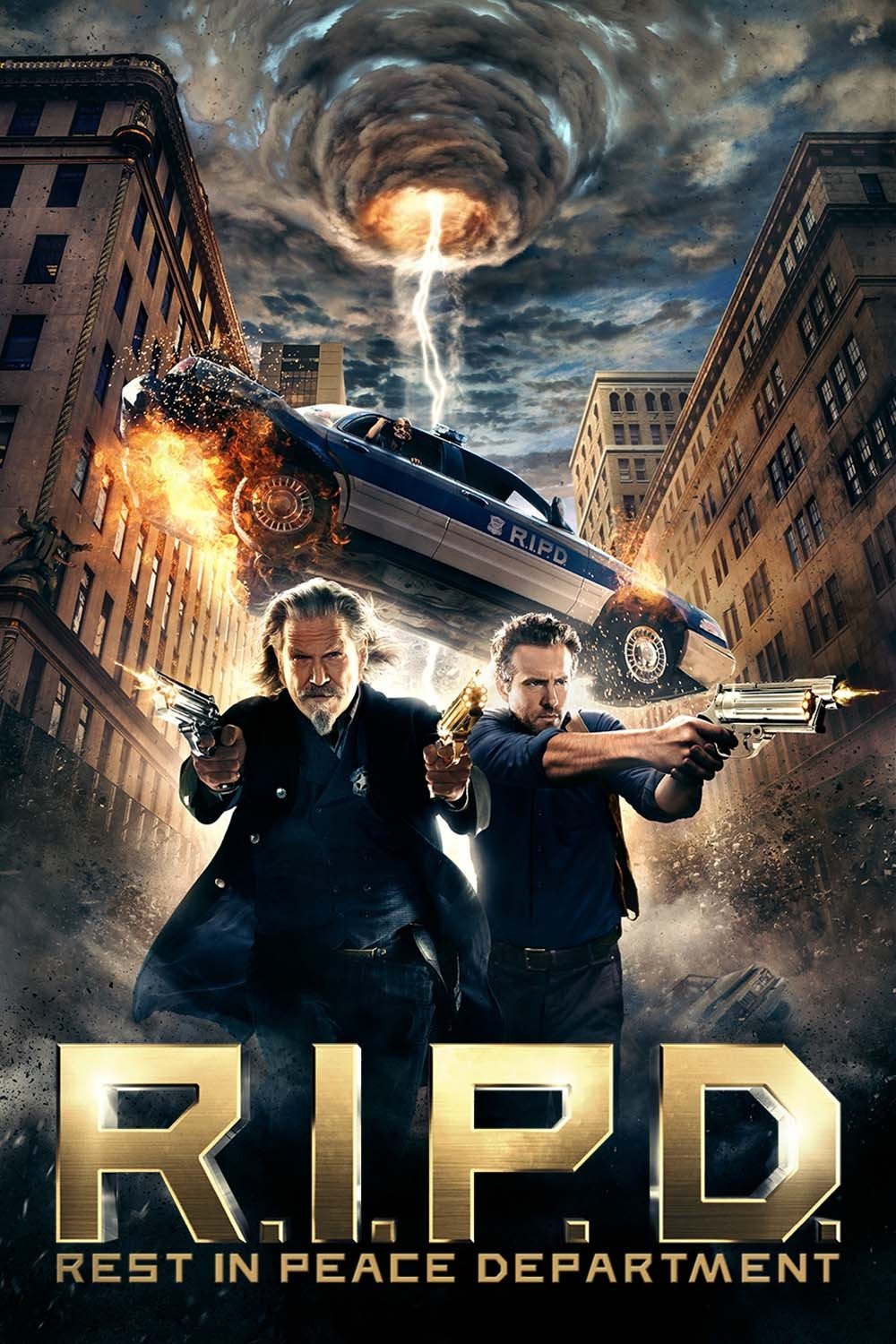
Universal opened this comic based action film in July opposite strong genre competition. The pairing of stars did not convert into high attendance across key demographics. Reviews were negative and audience exit scores pointed to limited repeat viewing. International performance was modest and could not overcome domestic weakness.
Share the summer misfires you would add to the list in the comments.