

Top 10 Fighting Game Bosses

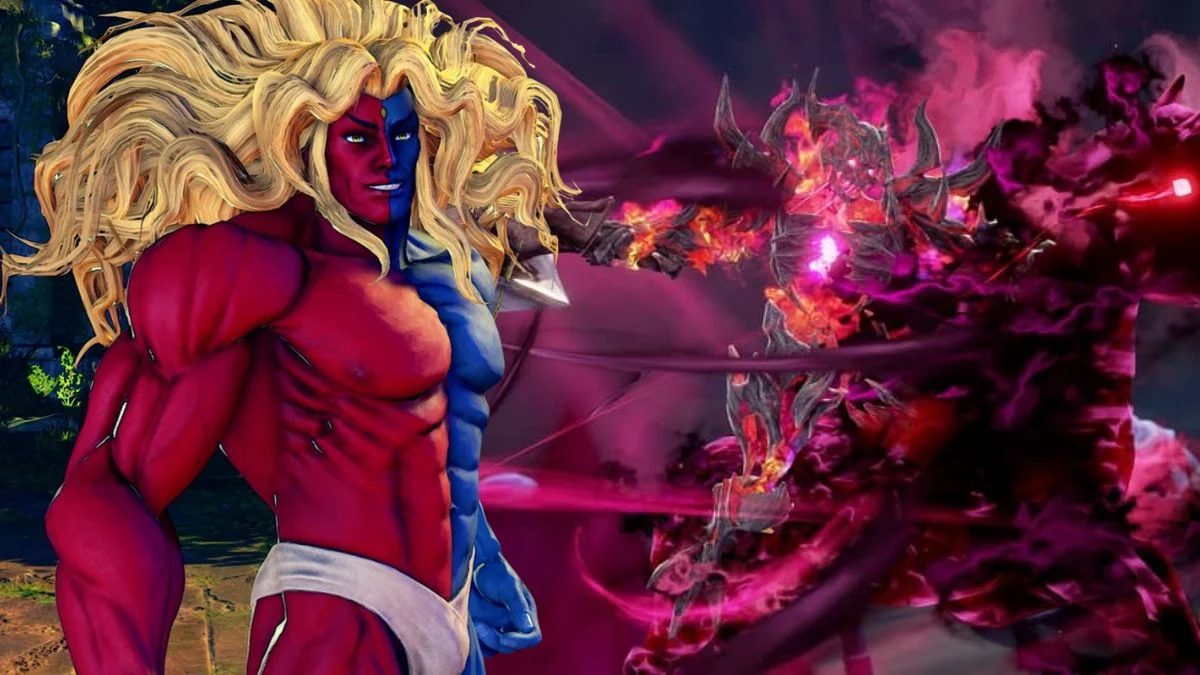


Fighting game bosses leave a mark because they test everything you have learned by the final round. They usually bring unique mechanics, surprise phases, or stage rules that change how you play. Many also tie directly into the story so beating them feels like a proper finale. Here are ten standout bosses across classic and modern series, with each entry noting the studio that built their legend.
Shao Kahn

Shao Kahn anchors Mortal Kombat’s endgame with armored strikes, taunts that punish mistakes, and a hammer that controls space. He first appeared as the final foe in Mortal Kombat II and returned in multiple sequels and story modes. The character originated under Midway Games and continues under NetherRealm Studios with refined move sets and cinematic finishes. Expect shoulder charges, spear tosses, and a rhythm that rewards patient blocks and whiff punishes.
Akuma
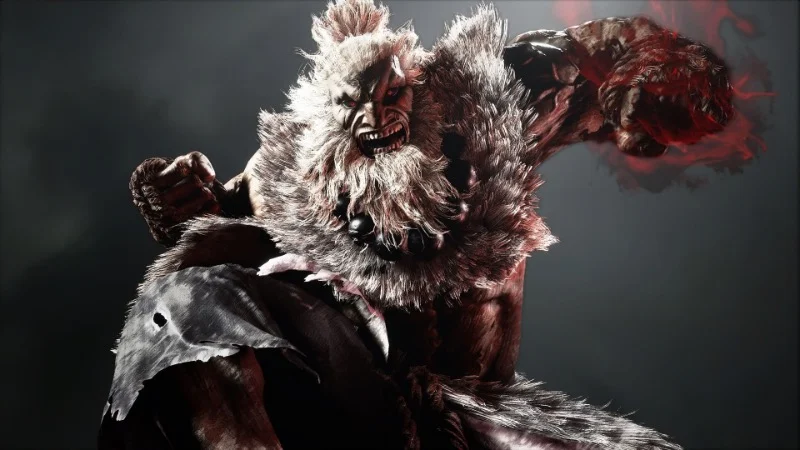
Akuma debuted as a hidden boss in Super Street Fighter II Turbo with teleports, air fireballs, and the Raging Demon super. Capcom positioned him as a crossover threat who appears in numerous Street Fighter entries and spin-offs with slight toolkit changes each time. His design blends high mobility with glass-cannon health so matchups hinge on controlling space and interrupting approach angles. Inputs favor precision since a single confirm can convert into corner pressure or supers.
Rugal Bernstein

Rugal headlines The King of Fighters ’94 and ’95 with projectile pressure, Genocide Cutter anti-airs, and screen-covering supers. SNK built him to test team order and meter management because his punish windows are small and his damage is high. Later versions like Omega Rugal add armor and new cancels that alter jump timing and roll usage. Pattern recognition and spacing against his uppercuts are the keys to surviving late rounds.
True Ogre
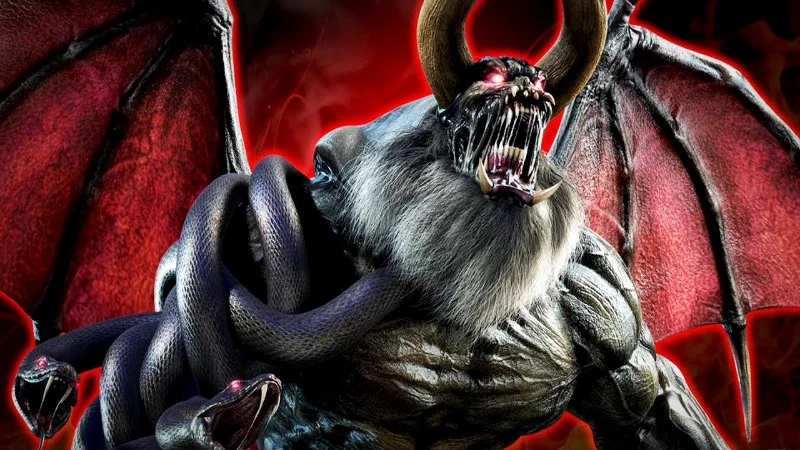
True Ogre closes Tekken 3 with long limbs, aerial snatches, and elemental breath that checks sidesteps. Namco crafted him to push new 3D movement mechanics, making lateral defense and backdashes crucial. His hitbox quirks change juggle routes so players adjust combo starters on the fly. Phase shifts add wings and extra range, which encourage safe pokes and whiff punishment over risky launchers.
Dural
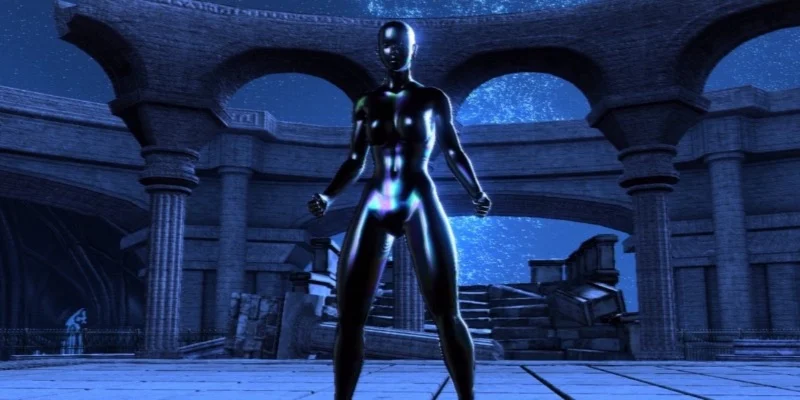
Dural caps Virtua Fighter campaigns with mirror-like adaptations and a slippery body that alters throw ranges. Sega AM2 designed her to stress core systems such as nitaku pressure, fuzzy guard, and throw breaks. She borrows tools from the roster so familiarity with universal frame data pays off. The ice-metal visuals also signify reduced friction, subtly changing how players read pushback and ring-out risk.
Justice

Justice serves as the end boss of the original Guilty Gear with massive normals, Homing Missiles, and an imposing Instant Kill threat. Arc System Works uses her to highlight resource control through meter, guard gauge, and space denial. Super armor properties and fullscreen options force careful air dashes and faultless defense. Later rebalances keep her identity intact while aligning damage with modern series pacing.
Eyedol
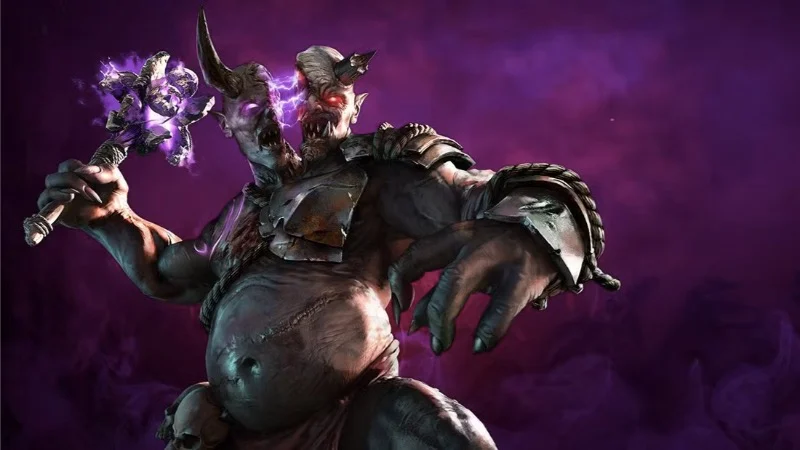
Eyedol stands at the end of the 1994 arcade Killer Instinct with club swipes, stomps, and a two-headed stance concept that shifts specials. Rare implemented inputs that emphasize reaction checks and counterplay to sudden full-screen rushes. His 2016 return introduced stance swapping for melee and magic archetypes to deepen matchup prep. Timing enders and breaker reads matter because his juggles and resets escalate quickly.
Gill
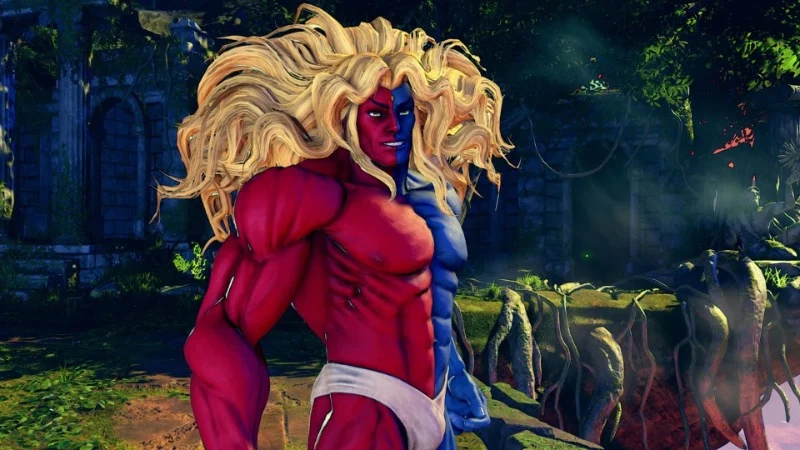
Gill leads Street Fighter III with resurrection, elemental normals, and Seraphic Wing that punishes careless jumps. Capcom framed him as a boss who asks players to manage meter and corner control so his revive never flips a round. Elemental properties demand awareness of chip and stun while maintaining safe pressure. Conditioning him to spend resources early reduces comeback chances in the final exchange.
Inferno
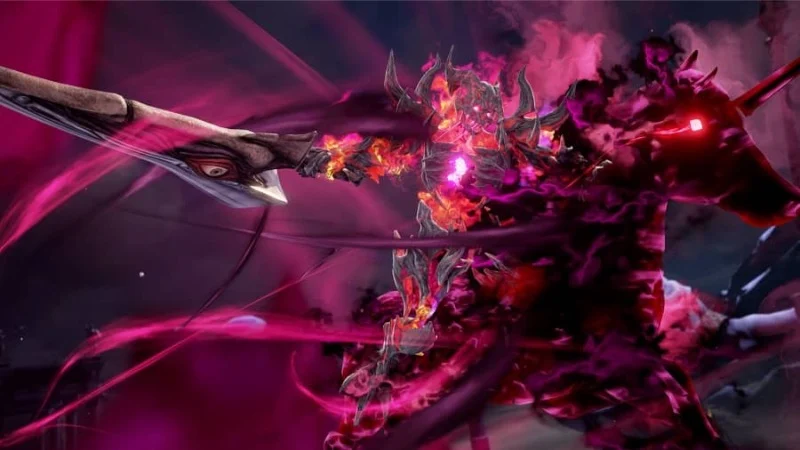
Inferno appears in the first Soulcalibur as a mimic boss who rotates movesets and pushes ring-out pressure. Project Soul under Bandai Namco Studios built him to showcase weapon variety while forcing adaptation each round. Stage selection and guard impact timing become critical because unfamiliar strings can appear at any moment. Defensive sidesteps and quick punishes help stabilize when the stance shifts mid-combo.
Tabuu

Tabuu is the final encounter in Super Smash Bros. Brawl’s Subspace Emissary with sweeping patterns like Off Waves that demand precise dodges. Sora Ltd. developed the adventure mode in collaboration with Nintendo so the fight blends platforming and arena mechanics. The boss uses telegraphed but high-damage attacks that reward learning visual cues over brute force. Party composition and stock management influence pacing since revives and assists change the final phase.
Share your favorite fighting game boss moments in the comments and tell us which showdown taught you the most.