

Top 20 FPS Games of All-Time, Ranked




First person shooters have shaped how people play on PC and consoles, pushing graphics, physics, and online play forward with every generation. The games below defined mechanics like precision aiming, reloading, hero abilities, and large scale multiplayer while spawning communities and esports scenes that still thrive. From single player campaigns with memorable set pieces to competitive modes that reward teamwork and strategy, each entry left concrete marks you can still see in today’s releases. Here is a countdown of landmark shooters that changed how the genre looks, moves, and competes.
20. Far Cry 3

Ubisoft’s open world formula took hold here with a tropical map full of outposts, wildlife, and crafting that encouraged flexible combat. The game introduced skill trees tied to stealth takedowns, weapon handling, and traversal that let players shape a preferred playstyle. Enemy AI patrolled dynamically and responded to alarms, which made silent approaches and fire propagation meaningful. Map editor and arcade style challenges extended replay well beyond the story.
19. Battlefield 3
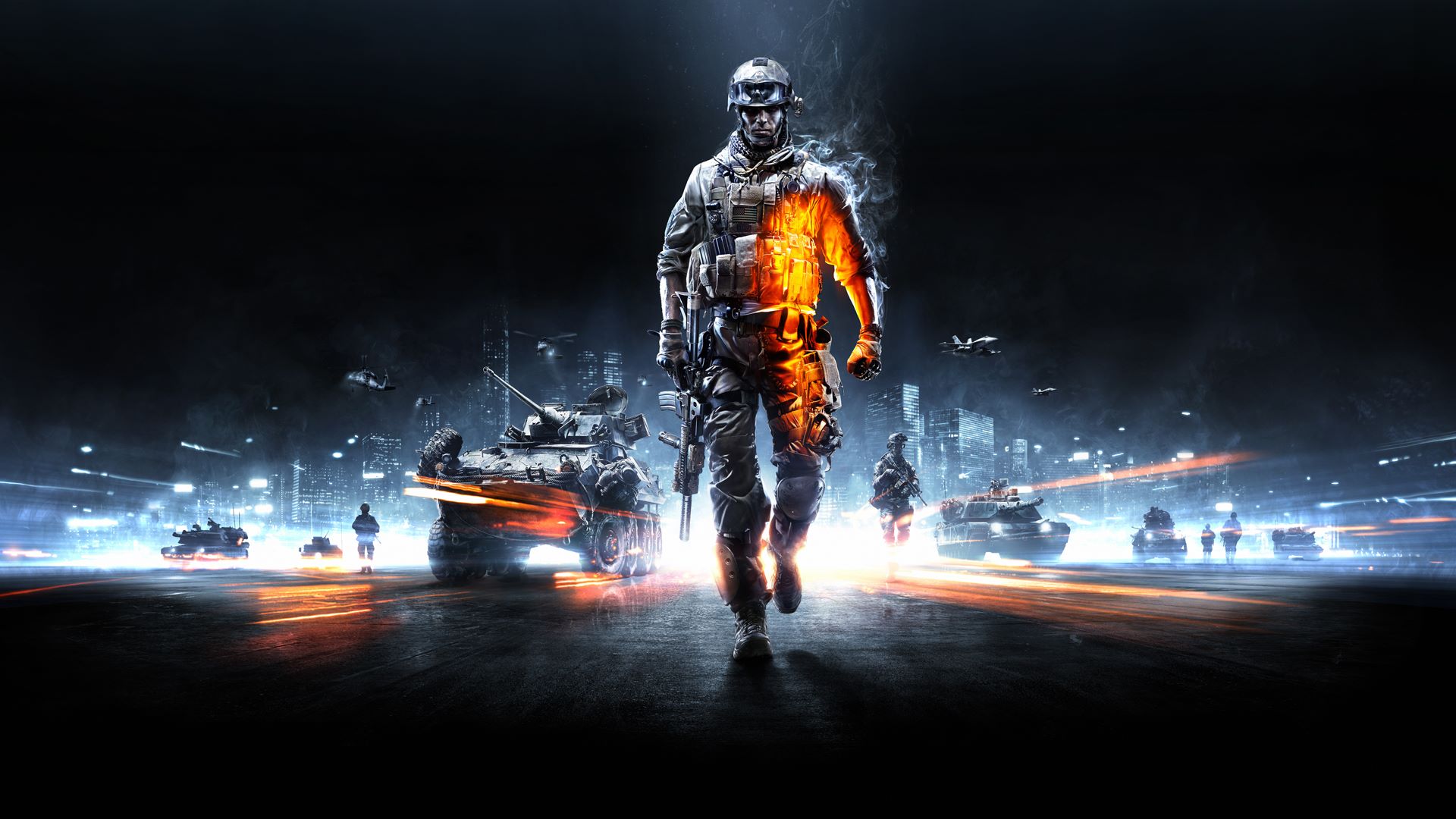
This entry pushed large player counts with combined arms battles across land and air on PC and consoles. Destruction 2.0 let players reshape cover by collapsing walls and punching sightlines through buildings. Battlelog tracked stats and social squads outside the game to organize matches. Its audio mix and animation system improved recoil feedback and made suppression and squad revives central to team play.
18. Doom Eternal
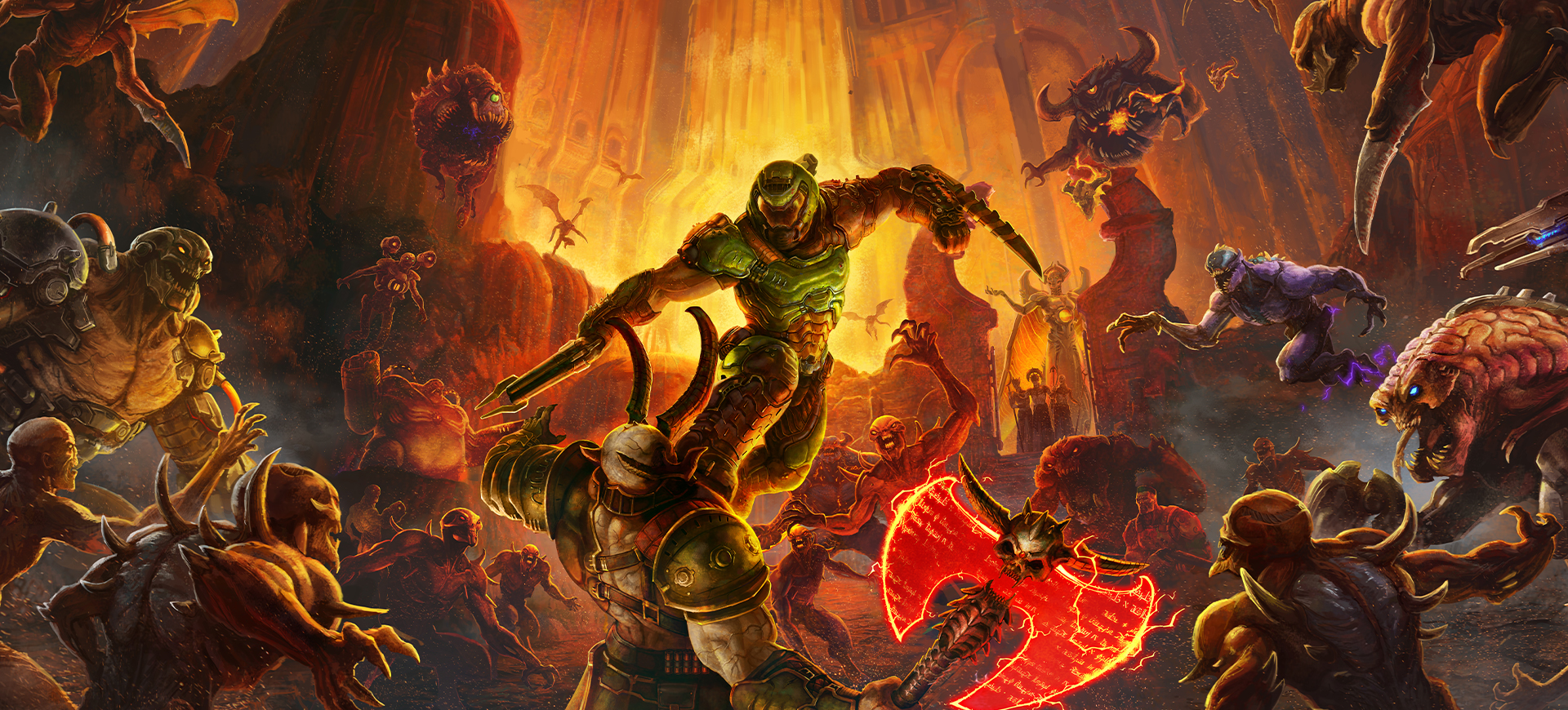
Id Software’s combat loop formalized resource economy through glory kills for health, chainsaw for ammo, and flame belch for armor. Arena layouts encouraged constant movement with jump pads, monkey bars, and weak point targeting for heavy demons. The weapon mod system added alternate fires that created counters for specific enemy types. Ultra Nightmare and master levels provided measurable skill tests for speedrunners and high level players.
17. Apex Legends
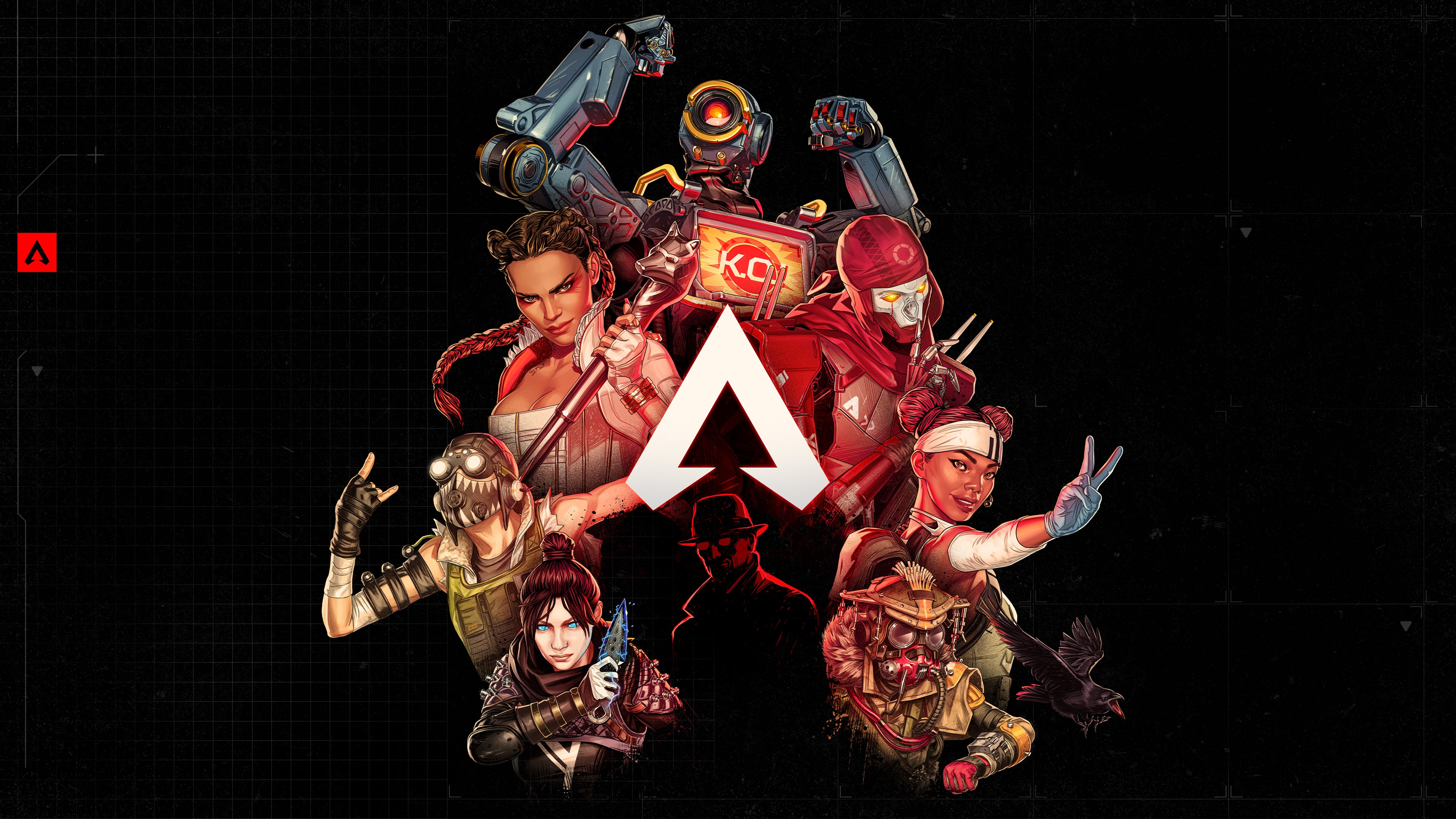
Respawn’s ping system standardized nonverbal communication for squads, covering loot, enemies, and routes without voice chat. The respawn banner mechanic changed battle royale flow by allowing teammate recovery at beacons. Legends brought unique tactical and ultimate abilities that complemented gunplay with mobility and area control. Regular seasons delivered new maps, limited time modes, and balance updates that kept metas evolving.
16. Overwatch
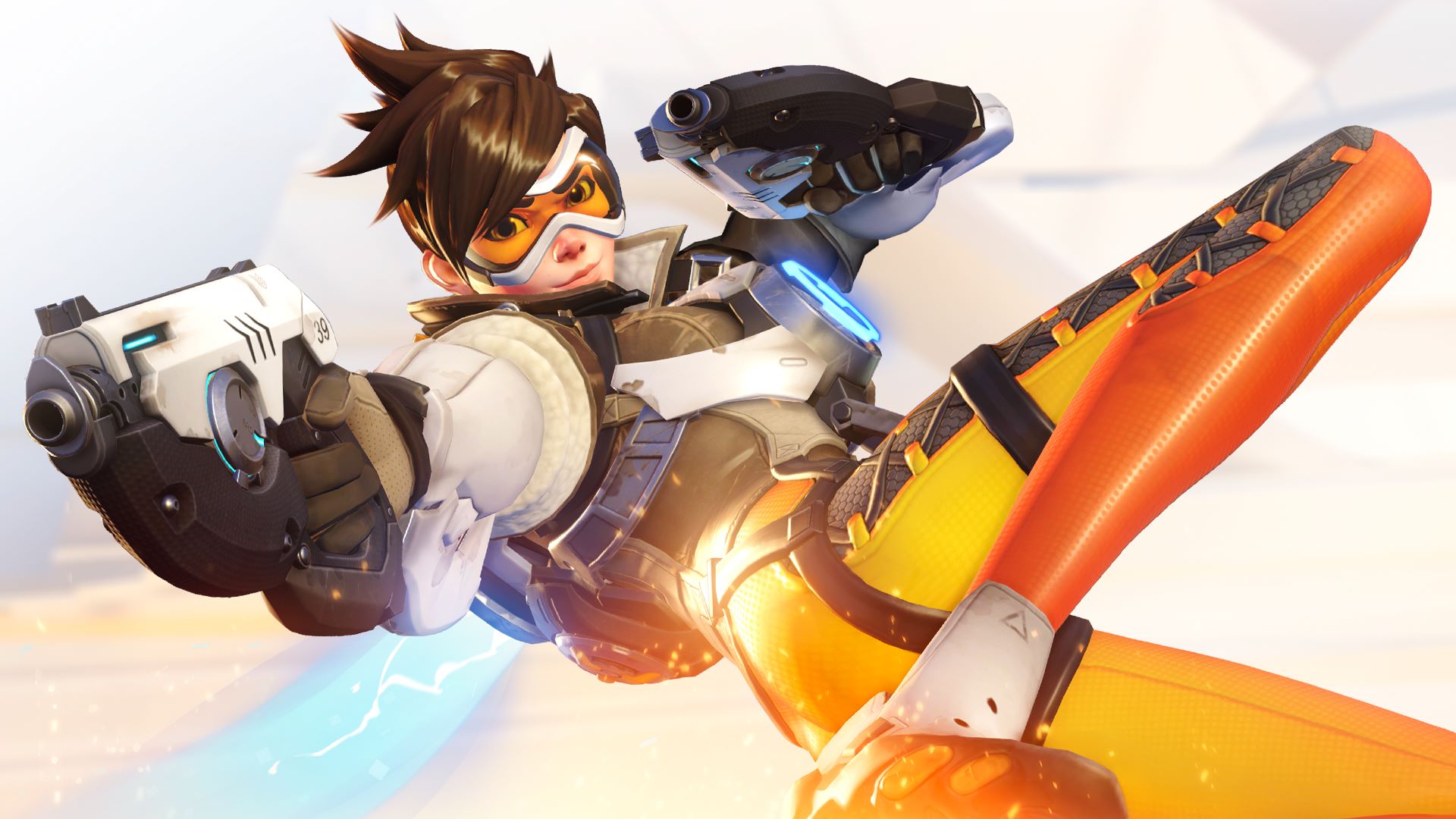
Blizzard’s hero shooter blended class roles of tank, damage, and support into six on six objective modes. Abilities such as barriers, mobility skills, and ultimates shaped team compositions and map control. Payload and control maps emphasized choke points, high ground, and ultimate economy tracking. Seasonal events and a structured competitive ladder created persistent progression targets for players.
15. Tom Clancy’s Rainbow Six Siege
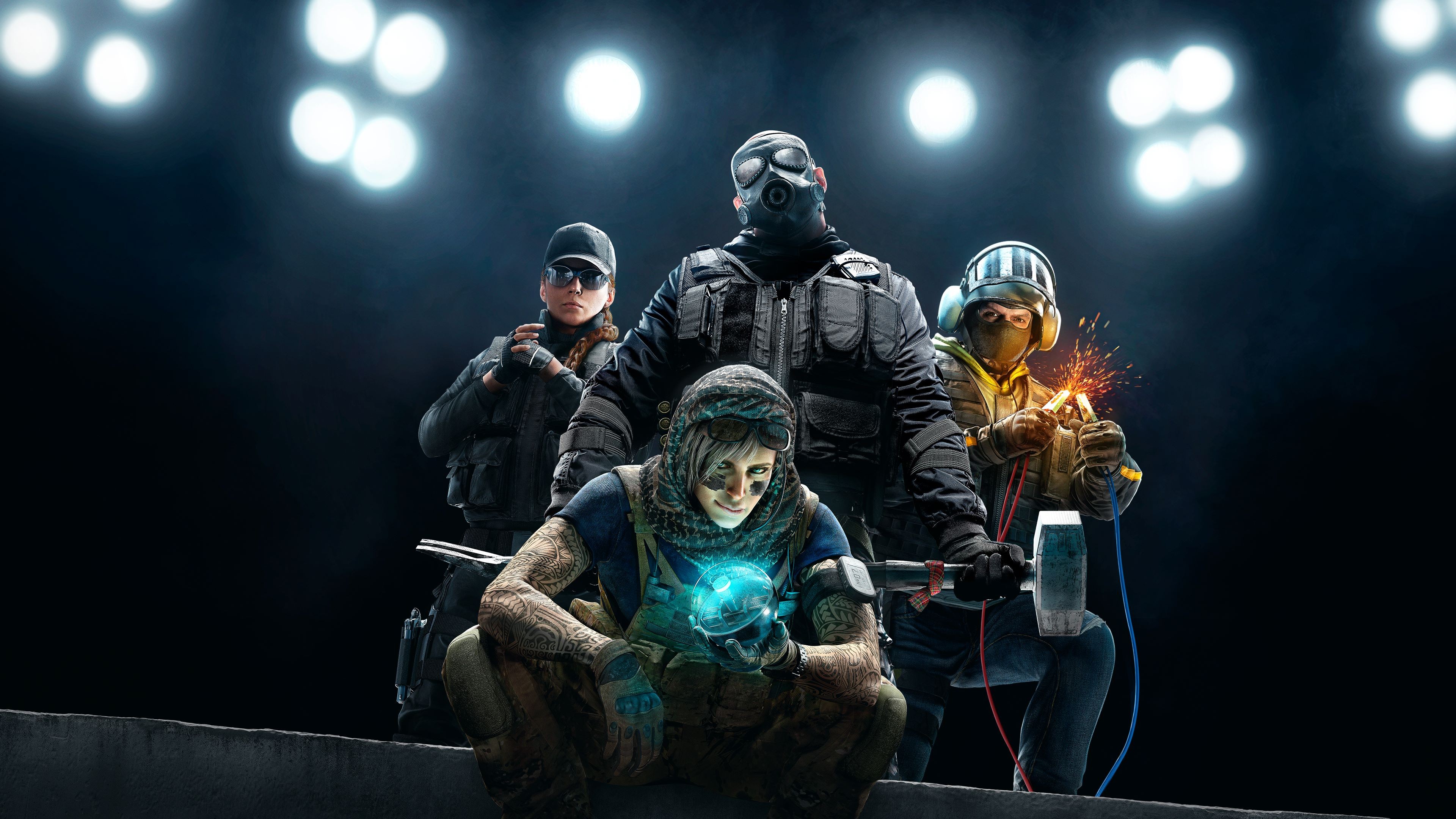
Siege centered every round on destructible environments where walls, floors, and hatches could be breached or reinforced. Attackers and defenders chose unique operators with gadgets like drones, cameras, and traps that added information warfare to firefights. The game’s round economy rewarded patient droning and coordinated utility over raw aim alone. Ongoing seasonal operations introduced operators and maps while reworking older content for balance.
14. Titanfall 2
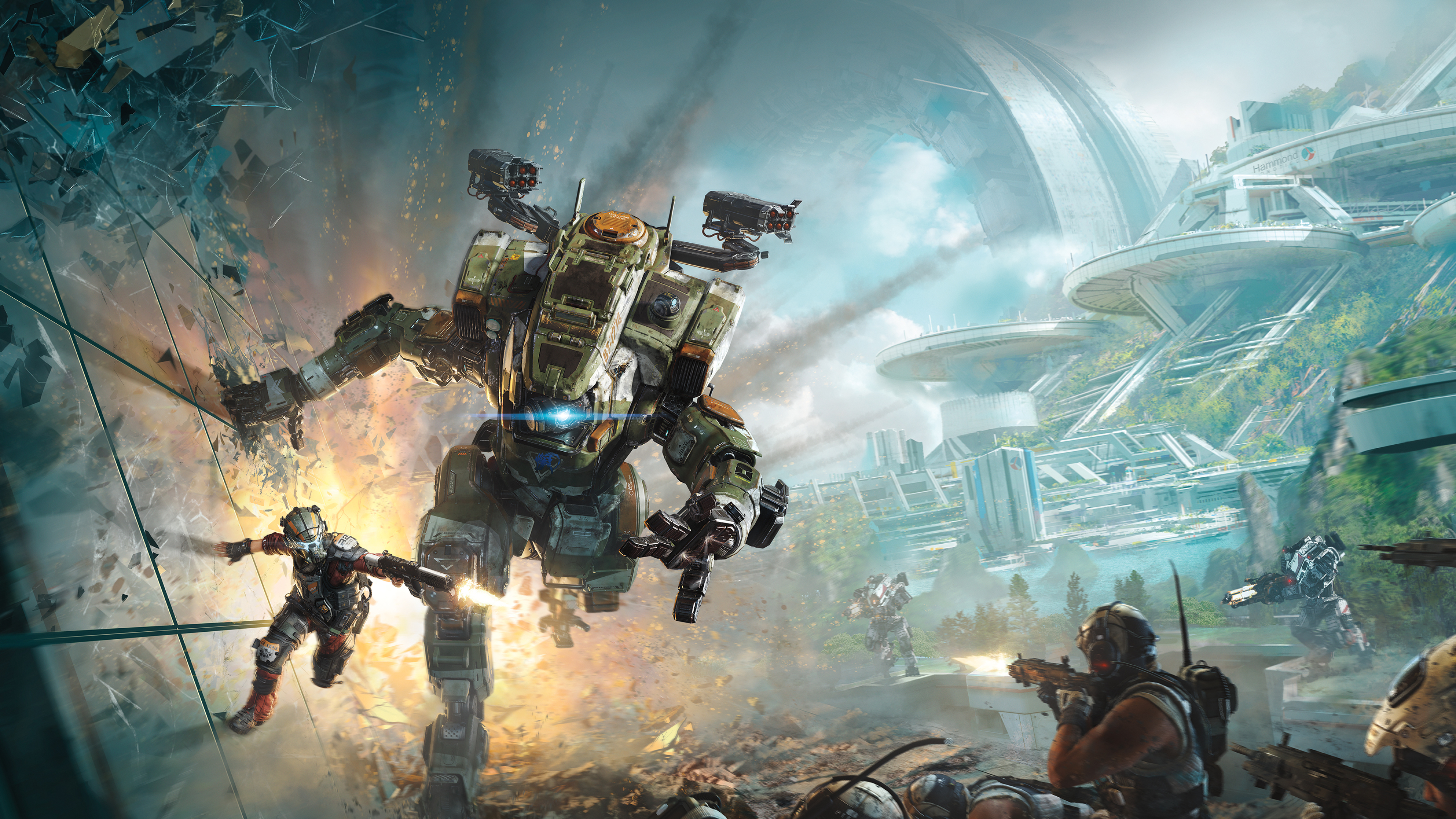
This shooter paired pilot mobility with wall running, slide hops, and grapples along with call in Titans for power spikes. The single player campaign used modular level design with time shift and platforming puzzles tied to combat scenarios. Multiplayer modes like Attrition mixed AI grunts with players to keep score flow steady. Loadouts and kits supported both close range pilot play and heavy Titan engagements.
13. Wolfenstein 3D
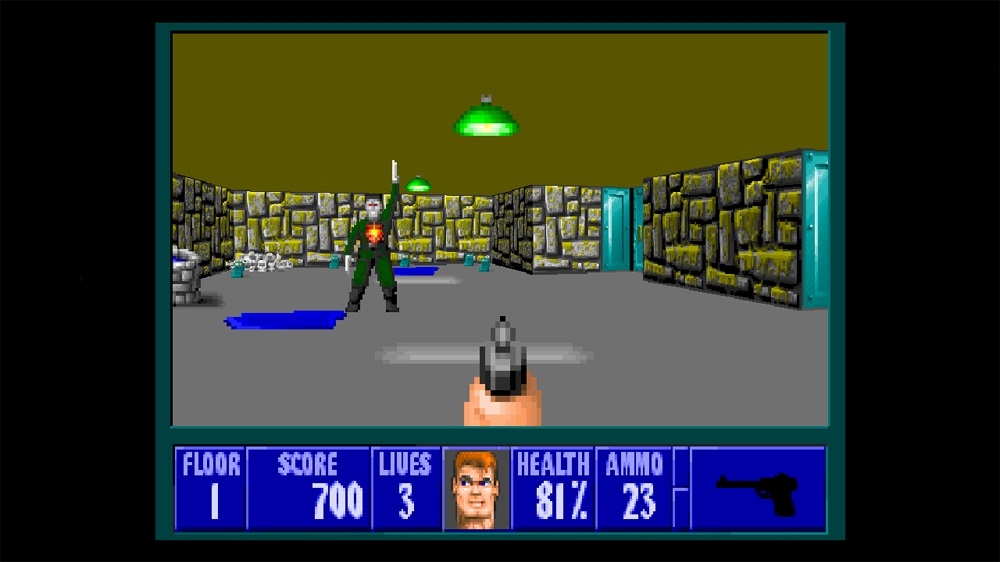
Id Software’s early title popularized fast first person movement on home computers with simple maze maps and sprite based enemies. It delivered weapons like the chaingun and clear keycard progression that taught players spatial navigation. Shareware distribution made the first episode widely accessible and spread modding culture. Its performance focused engine paved the way for later texture mapped 3D shooters.
12. GoldenEye 007
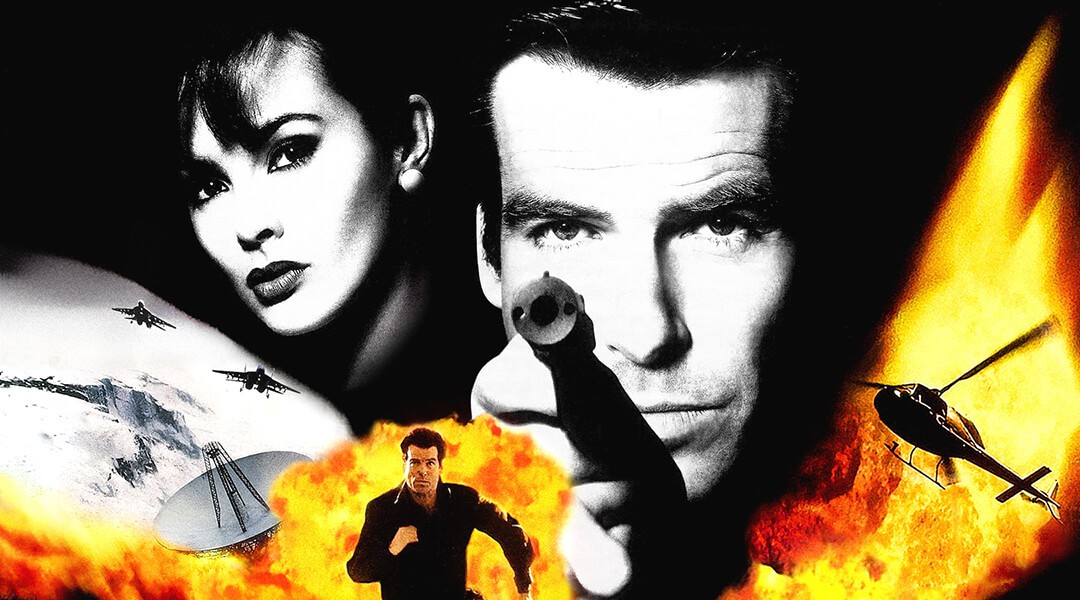
On the Nintendo 64, this game brought split screen deathmatch with customizable weapons and scenarios to living rooms. Mission objectives scaled by difficulty, asking for gadget use and stealth rather than simple key hunts. Aim assist and controller layout established a template for console shooter controls. Unlockable cheats and challenge times gave the campaign strong replay value.
11. Destiny 2
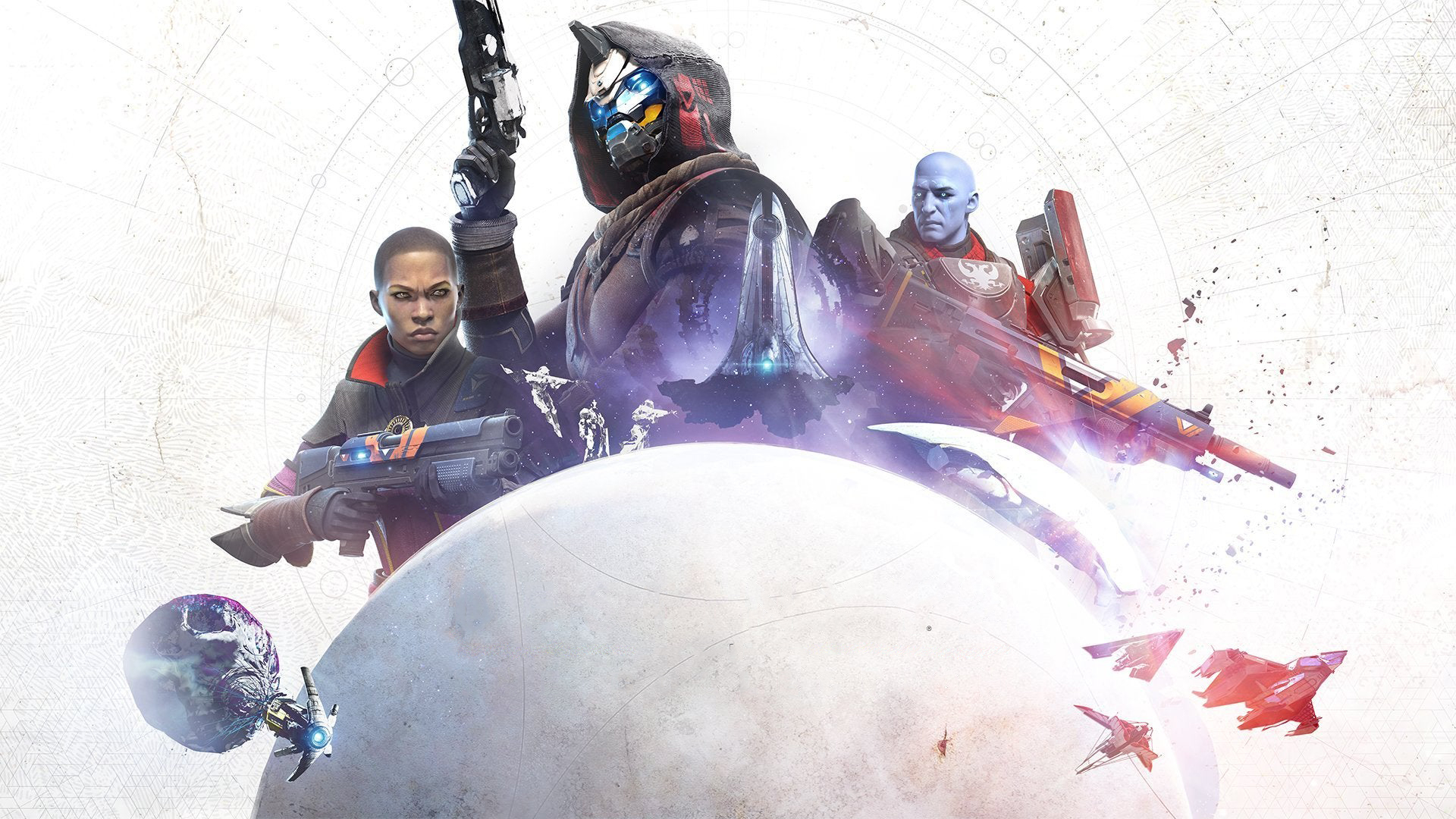
Bungie’s looter shooter combined tight hit scan and projectile gunplay with raids that required coordinated mechanics. Seasonal models added artifact mods, limited time activities, and power grind targets on a defined calendar. The buildcraft system tied armor energy and elemental verbs to weapon perks for synergy. Cross play and transmog improved long term account investment across platforms.
10. Left 4 Dead 2

Valve’s AI Director monitored player health and pace to spawn enemies and items dynamically for consistent tension. Cooperative campaigns featured distinct crescendo events that forced holdouts and movement coordination. Versus mode let players control special infected with complementary abilities that punished isolated survivors. Mod support added campaigns, mutations, and community balance tweaks for lasting variety.
9. Team Fortress 2
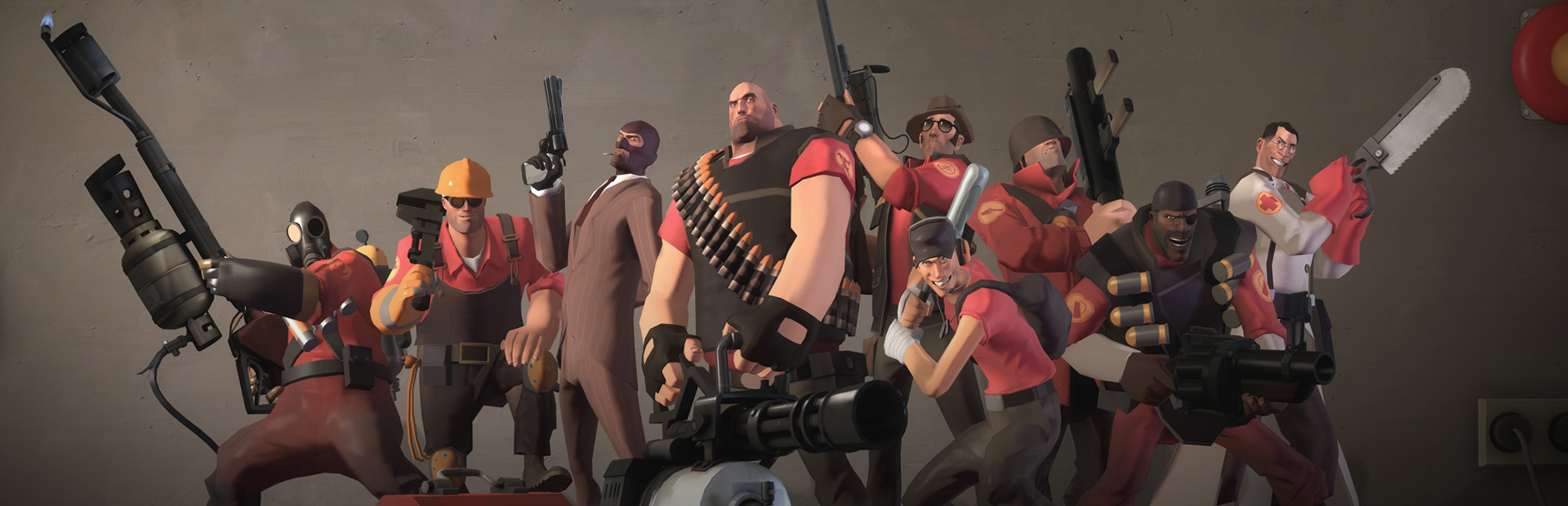
This class based shooter emphasized readable silhouettes and role clarity across nine distinct classes. Payload and capture point modes relied on teamwork, with ubers and sentry nests creating predictable power spikes. Itemization introduced weapon variants that shifted class roles without breaking identity. Community servers, workshop hats, and maps sustained the player base for many years.
8. Halo 3
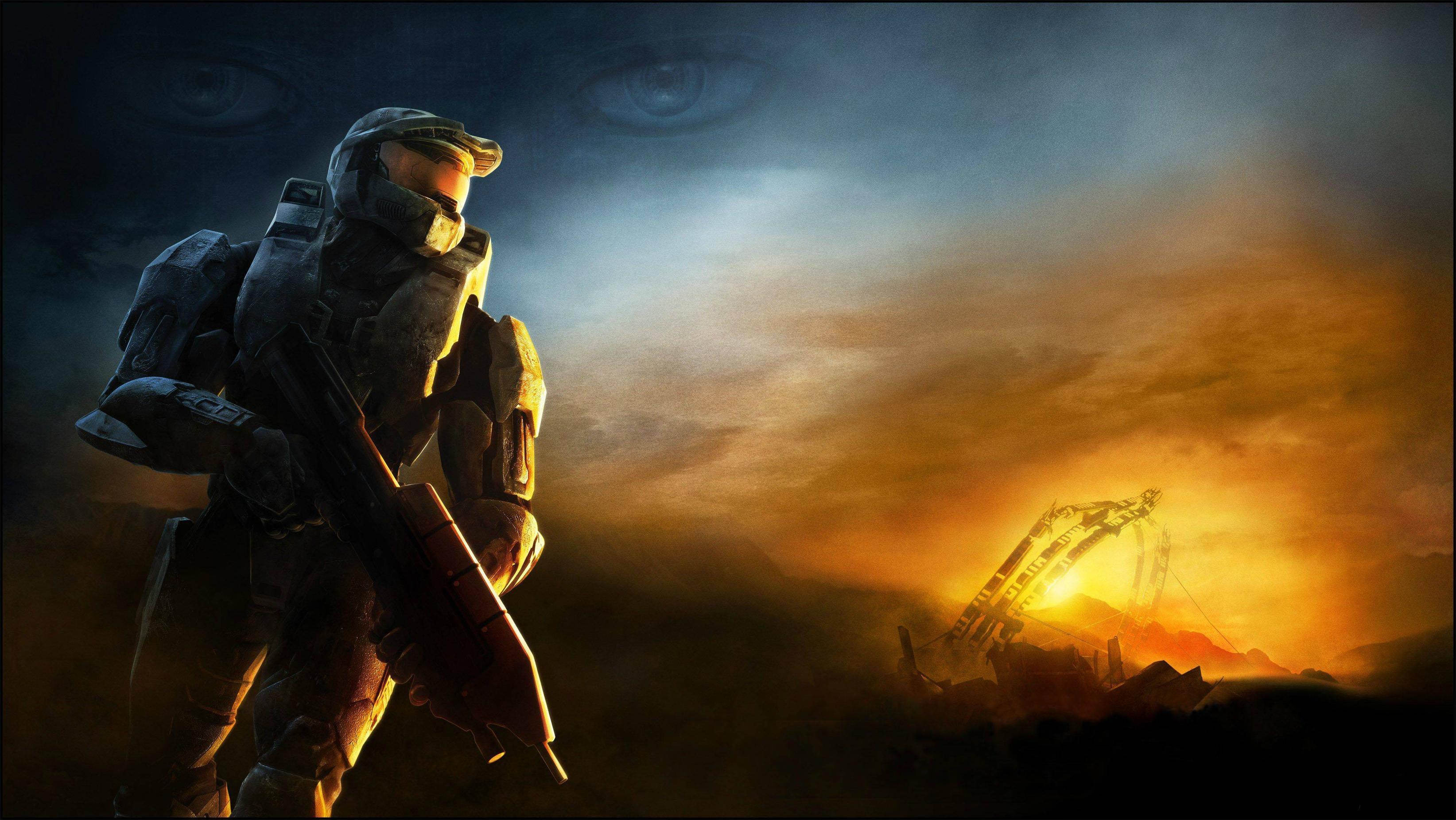
Halo 3 refined two stick aiming and aim assist curves for controllers while cementing four player co op over system link and online. Forge mode let players edit maps and spawn objects to create custom game types. Theater mode recorded recent matches for sharing clips and studying strategies. Equipment like bubble shields and power drainers added situational counters to vehicles and power weapons.
7. Metroid Prime

Retro Studios translated exploration and backtracking into a first person format with lock on combat and scanning for lore. The world connected through elevators and environmental gating based on suits and beams. Visor modes such as thermal and x ray added puzzle layers to corridors and bosses. Minimal HUD and environmental storytelling guided players without mission markers.
6. BioShock
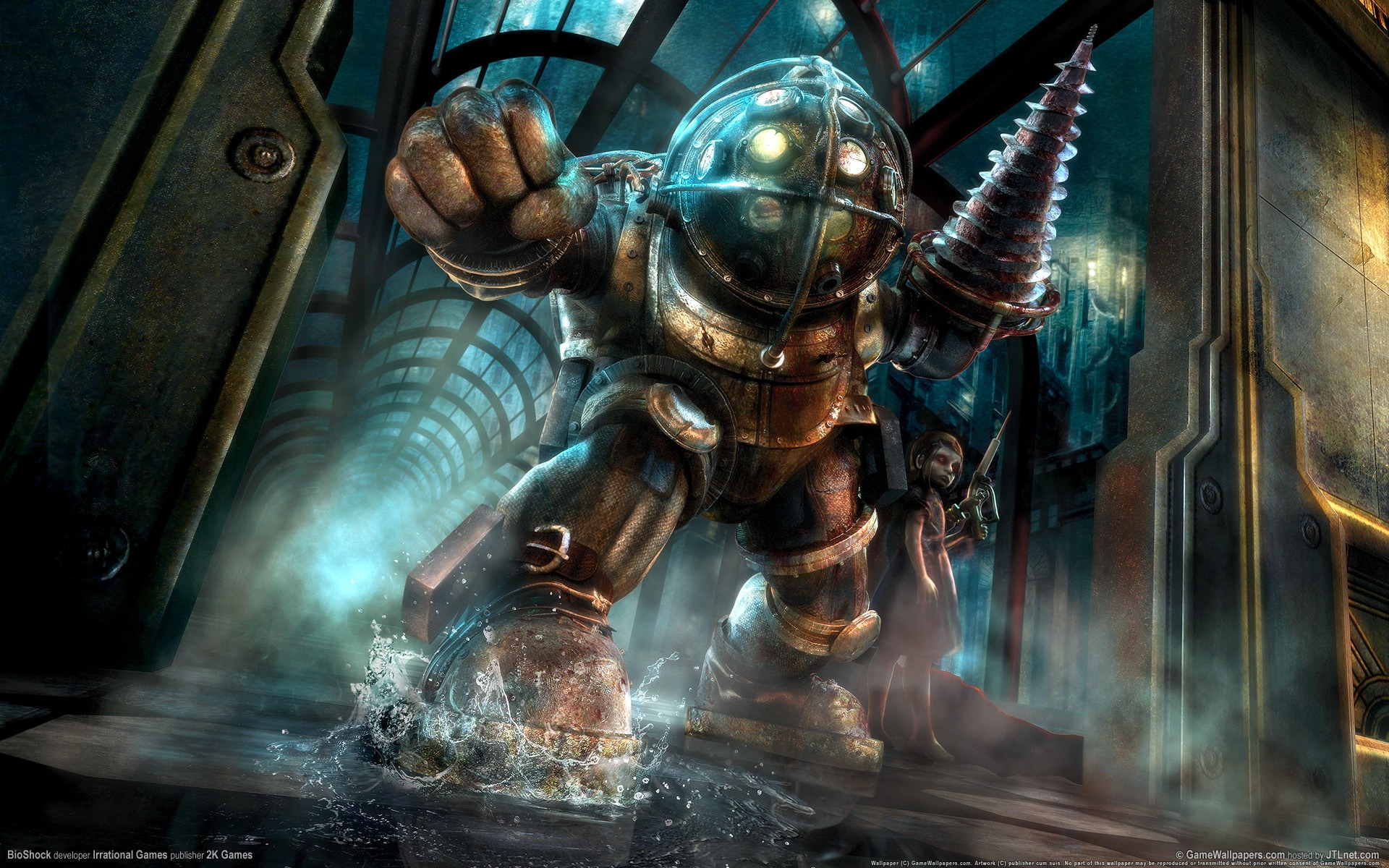
This game fused plasmid powers with conventional firearms to produce encounter planning around elemental combos. Rapture’s systems allowed hacking, turret control, and environmental traps that rewarded preparation. The morality system around Little Sisters altered rewards and certain scenes while leaving core combat intact. Audio logs and spatial storytelling delivered world building as players moved through hubs.
5. Halo Combat Evolved
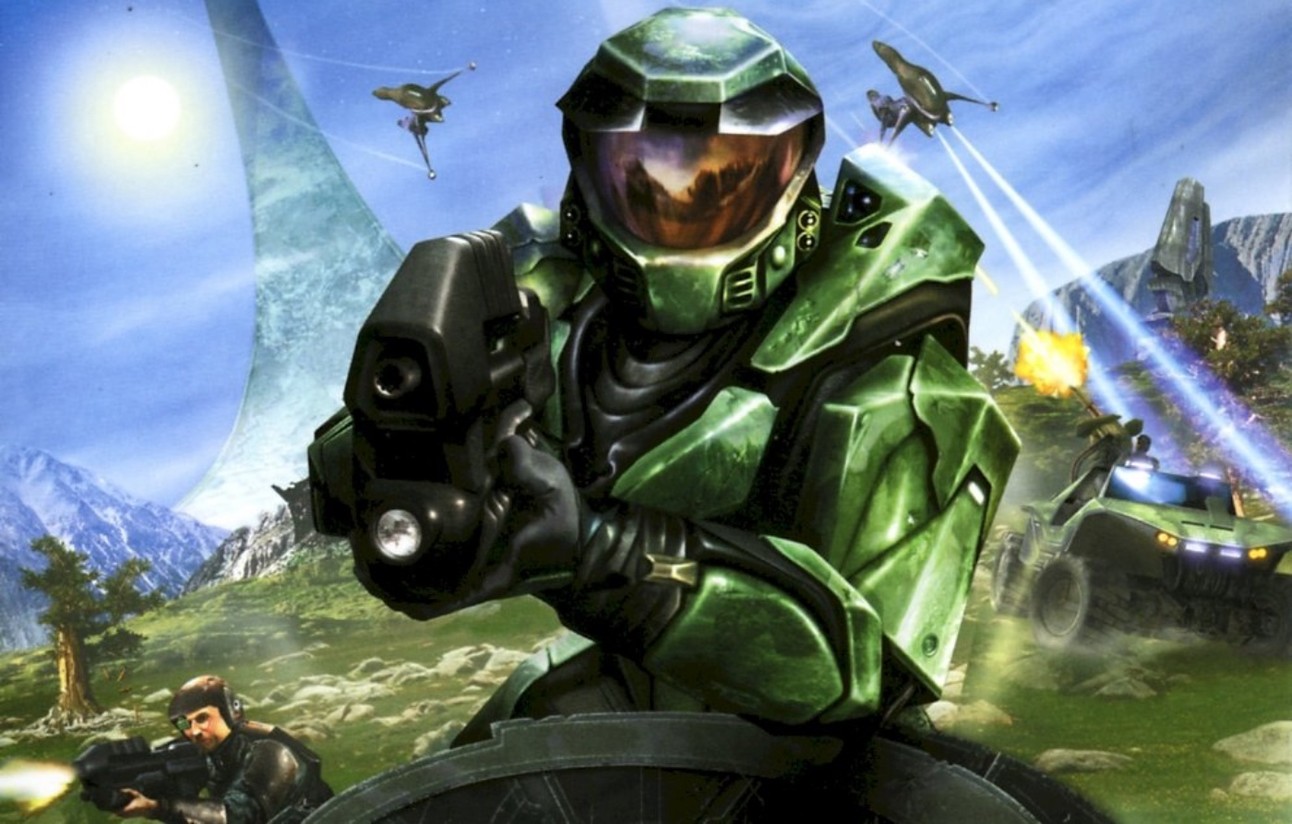
The original Halo set the standard for two weapon limits, rechargeable shields, and grenade based sandbox fights. Its campaign used wide combat bowls that enabled vehicles and multiple approach paths. Split screen and system link supported cooperative play from start to finish. The pistol, sniper, and plasma combo established a clear weapon triangle players could read instantly.
4. Call of Duty 4 Modern Warfare
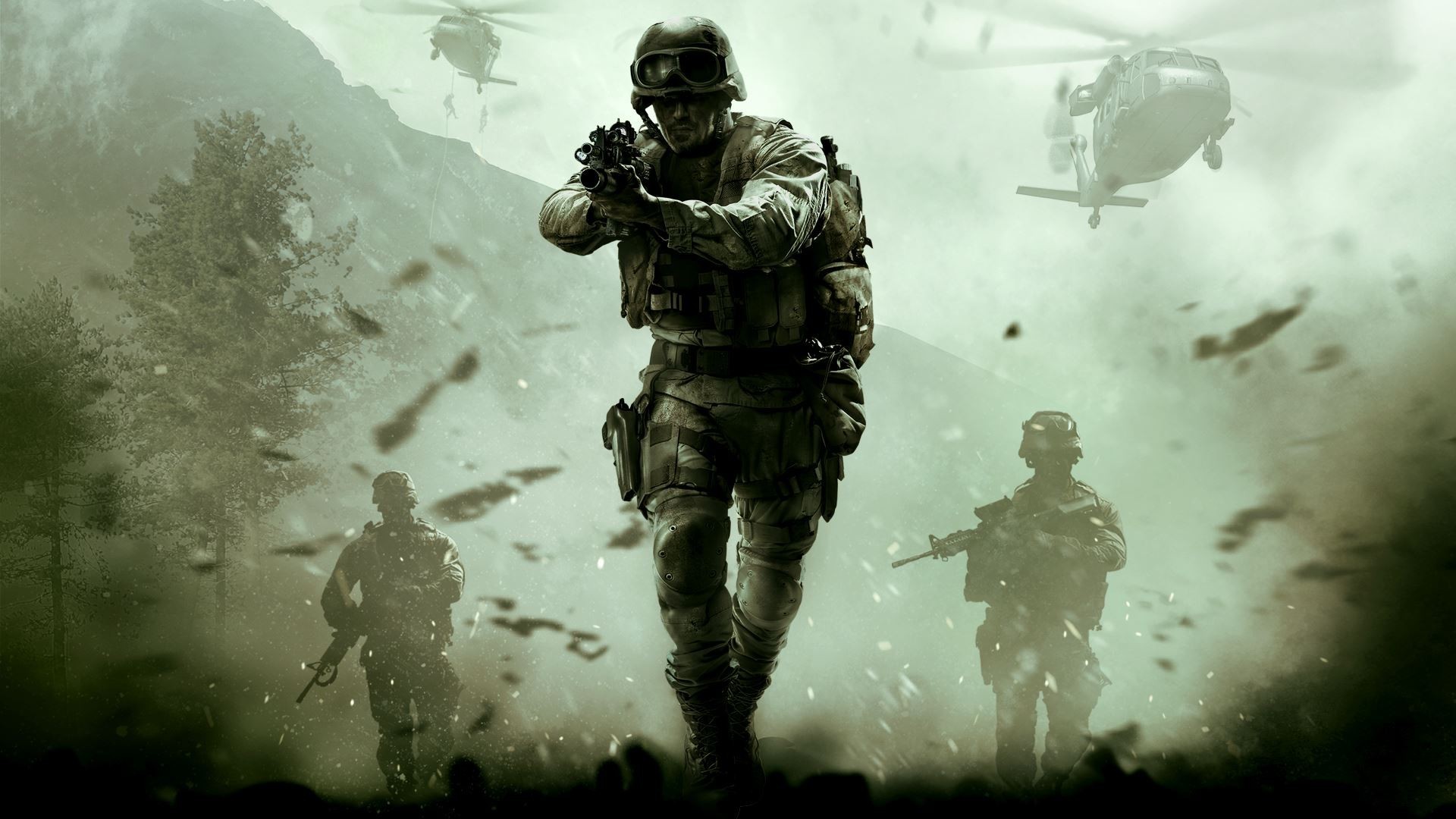
This release introduced create a class with perks and killstreaks that reshaped progression and match pacing. Hitscan rifles and fast time to kill prioritized positioning and map control. The campaign used set pieces and scripting to teach mechanics like night vision and target identification. Post launch map packs and prestige levels extended multiplayer engagement.
3. DOOM
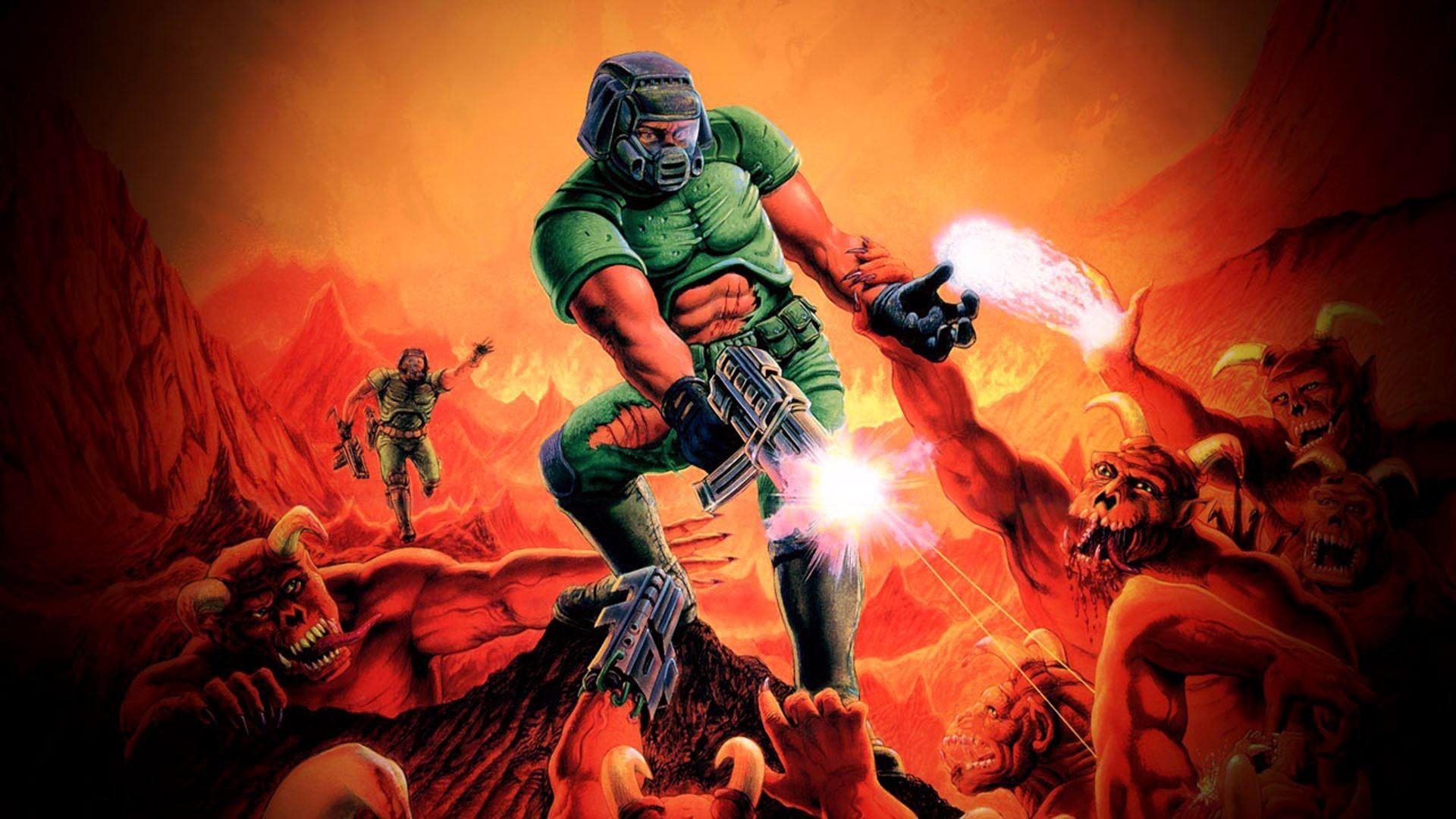
Id Software’s landmark title delivered high speed movement, key hunts, and layered maze maps that rewarded route knowledge. Moddable WAD files enabled total conversions and community megawads that kept content flowing. The game popularized deathmatch over local networks and modem connections. Enemy variety and projectile patterns encouraged circle strafing and weapon swapping at a rapid rhythm.
2. Half-Life
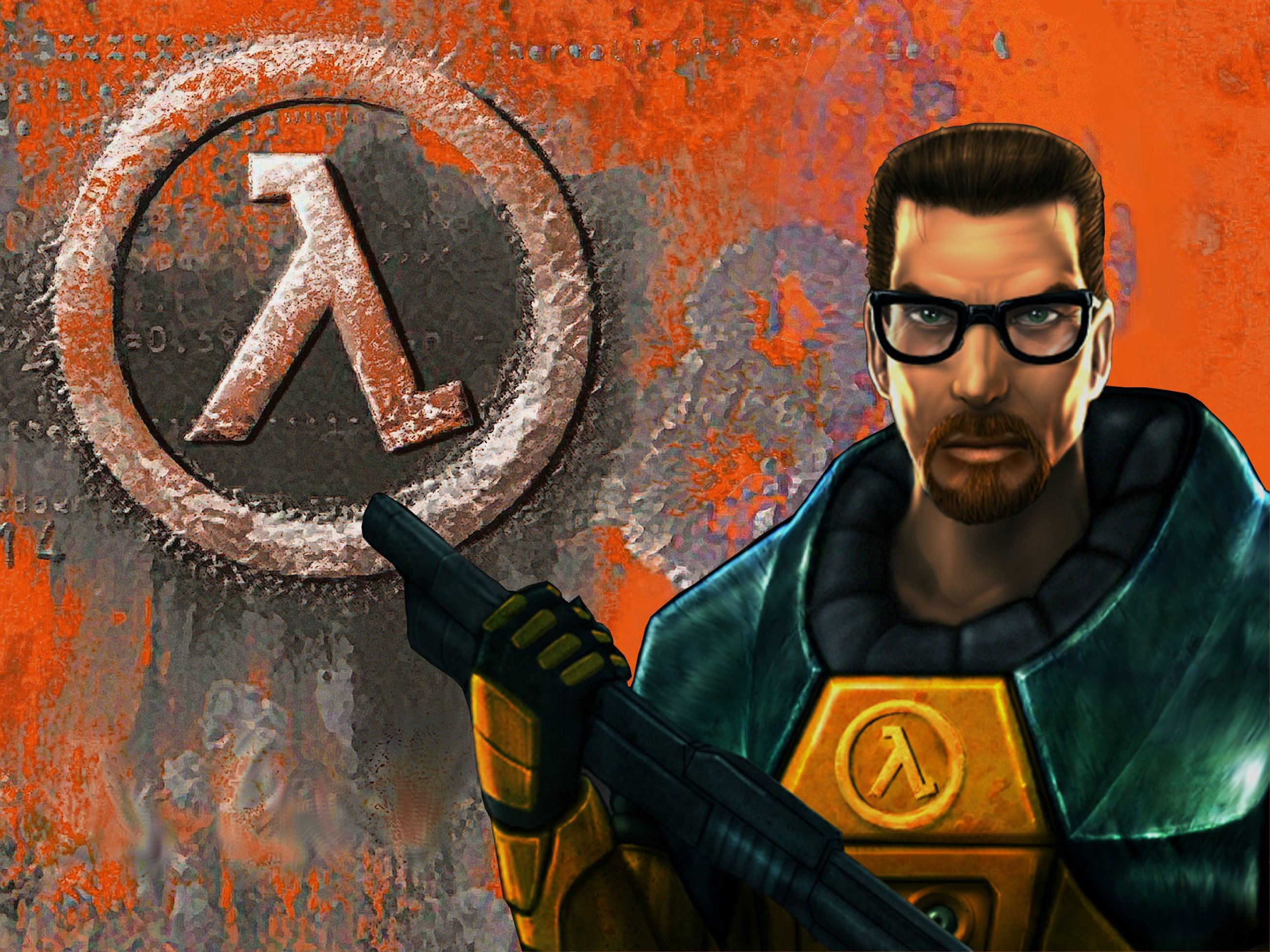
Valve integrated scripted sequences into levels to remove cutaways and keep control in the player’s hands. Enemy soldiers used squad tactics like flanking and grenade flushing, which pushed players to move. Environmental puzzles tied physics and hazards to traversal without breaking first person view. The SDK and mod scene produced projects that later became standalone releases.
1. Half-Life 2
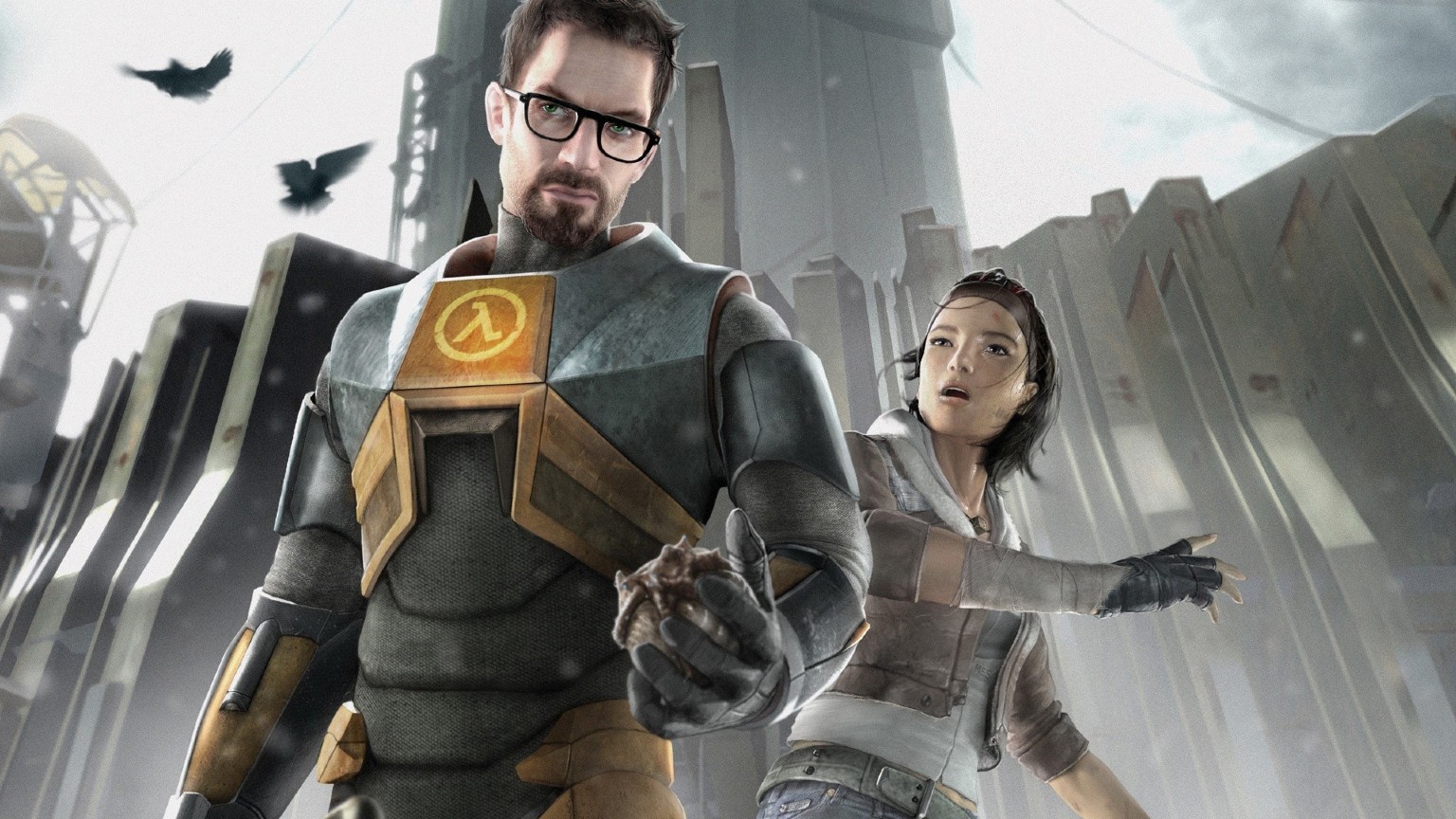
The Source engine’s physics enabled the Gravity Gun and puzzles that relied on buoyancy, levers, and weight. Facial animation and lip sync advanced character interaction in real time scenes. Level pacing moved from urban encounters to vehicle stretches and squad leadership to teach mechanics gradually. Steam distribution standardized auto updates, achievements, and community content delivery for PC shooters.
Share your personal top five in the comments and tell everyone which entry you still play today.