

Top 15 Funniest Dragon Ball Characters

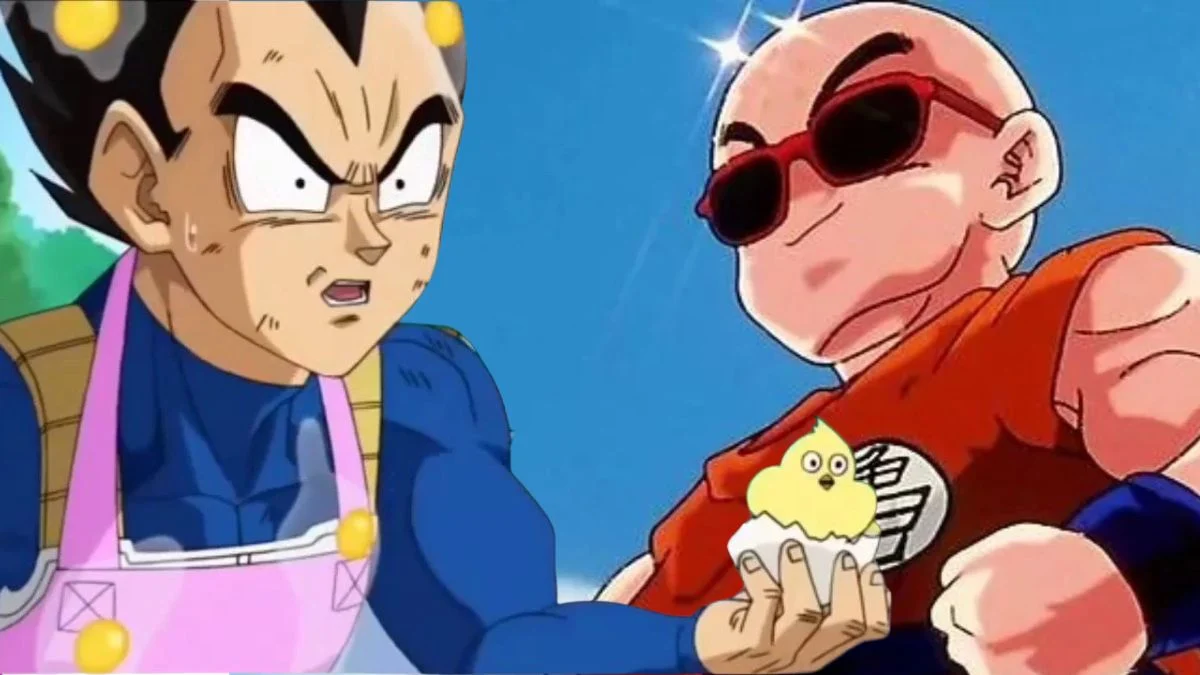


The world of ‘Dragon Ball’ has always balanced high energy battles with lighthearted gags and running jokes. From the original ‘Dragon Ball’ through ‘Dragon Ball Z’ and into ‘Dragon Ball Super’, the series uses wordplay, visual comedy, and character quirks to break up the tension and build personality. Many characters carry bits that return across arcs, so the humor lands even while the story races ahead.
Comedy in the franchise shows up in training scenes, tournament staging, slice of life detours, and even in major battles. Characters crack awkward introductions, misread situations, or lean into exaggerated traits that fans can spot right away. The result is a steady rhythm of laughs that sit comfortably beside transformations, fusions, and planet sized stakes.
Master Roshi
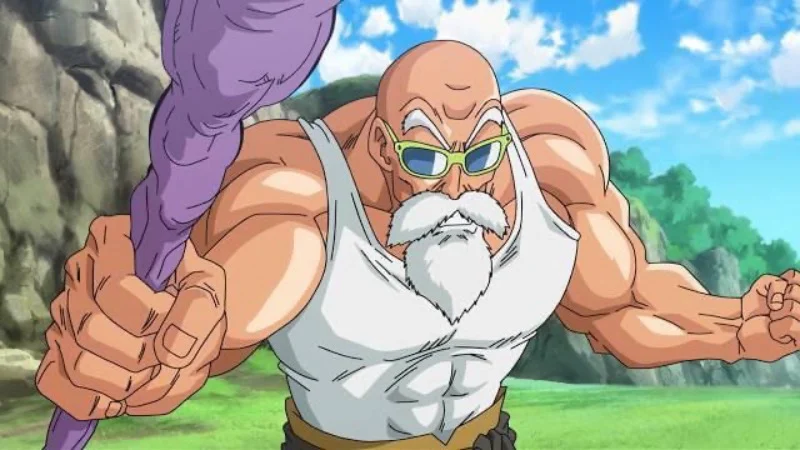
Master Roshi enters the story in ‘Dragon Ball’ as the Turtle Hermit who trains Goku and Krillin and he immediately sets a template for gag heavy scenes in early episodes. His disguise as Jackie Chun at the 21st World Martial Arts Tournament becomes a continuing setup for sight gags and reveals. Everyday chores at Kame House, deliveries with the Turtle, and interactions with Launch create short skits that bookend training progress and tournament rounds.
In ‘Dragon Ball Super’ he returns to combat readiness during the Tournament of Power, which places him in straight faced matchups that leave room for timing based humor. His weaknesses are often played for laughs without undercutting his mentor status, so he can teach serious lessons in one moment and stumble through a comic misunderstanding in the next. His item stash, beach routines, and sudden bursts of wisdom give editors reliable cutaway material across different arcs.
Krillin
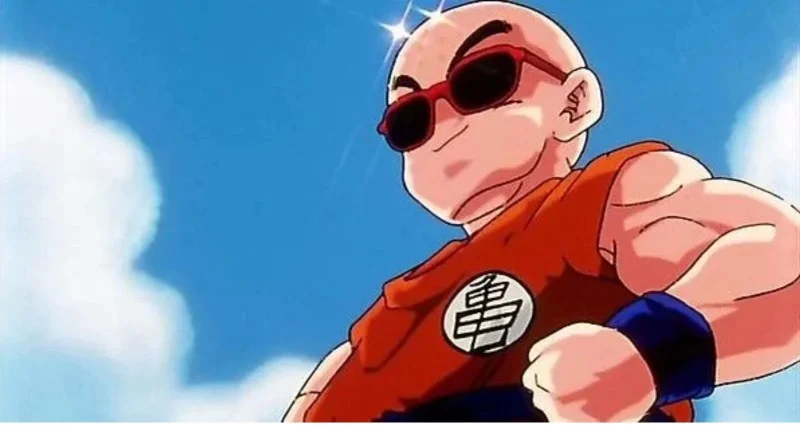
Krillin arrives as Goku’s training partner in ‘Dragon Ball’ and quickly becomes the series anchor for human scale reactions. His early attempts to impress Master Roshi, plus his rivalry turned friendship with Goku, build a base of quick jokes around chores, sparring, and tournament nerves. He often provides the straight faced reaction when more absurd characters enter the frame, which lets the show underline the contrast between normal life and Saiyan chaos.
In ‘Dragon Ball Z’ and ‘Dragon Ball Super’, Krillin’s police work, family life with Android 18, and duty as a father to Marron open scenes that mix everyday concerns with world ending stakes. His solar flare tactics and creative problem solving double as setups for punchy visual bits, especially when he tries to keep pace with rapid power jumps. The franchise frequently uses his perspective to explain rules, recap plans, and lighten intense moments without breaking continuity.
Goku

Goku’s humor in ‘Dragon Ball’ begins with his literal minded view of city life and social customs. He misreads phrases, mistakes identities, and treats new technology as a puzzle to poke at, which gives writers an easy route to short comedic exchanges. His appetite becomes a recurring bit across restaurants, camping scenes, and feast tables, letting animators cut to simple food montages for quick payoff.
In ‘Dragon Ball Z’ and ‘Dragon Ball Super’, Goku’s cheerful approach to opponents turns pre fight talks into low stakes chatter. He forgets small details, asks blunt questions about techniques, and happily tries odd ideas during training. These beats show up during time in other worlds with King Kai and during visits to Capsule Corp where machinery and family schedules collide with his one track training focus.
Vegeta
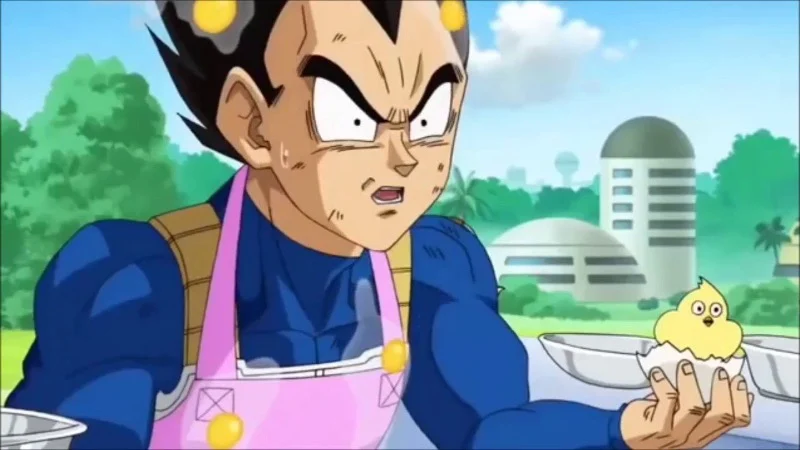
Vegeta’s early appearances in ‘Dragon Ball Z’ center on pride and rivalry, and that pride becomes a steady engine for dry humor once he lives at Capsule Corp. His attempts to maintain a stern image while dealing with home life lead to quick sight gags, especially when Bulma or Trunks interrupt his gravity room sessions. The show often cuts to his silent reactions to highlight social awkwardness in group scenes.
In ‘Dragon Ball Super’, Vegeta’s training trips with Whis and his visits to Beerus’s planet add layers to the routine. He follows rules with extreme focus, then loses patience when distractions pop up, which creates timing based jokes that play off his intense reputation. Moments like forced polite greetings, cooking tests, or shopping errands give the character reliable comedic beats that do not affect his core power arc.
Bulma
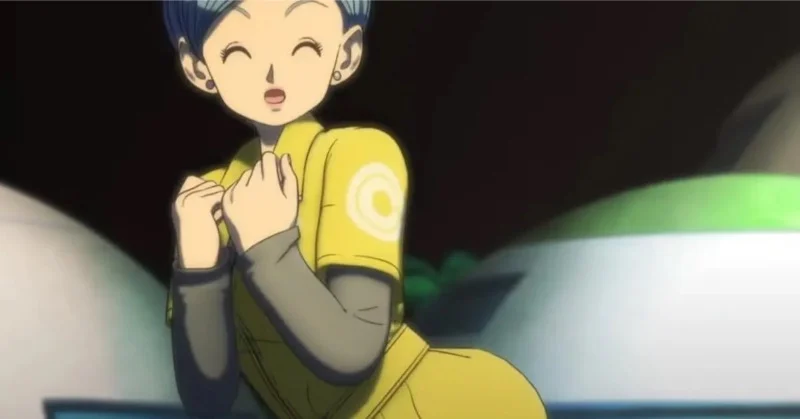
Bulma begins in ‘Dragon Ball’ as a teenager on a Dragon Radar quest, which places her in fish out of water scenes with wilderness hazards and unusual allies. Her gadgets malfunction at the worst time, and her Capsule Corp tech lets the series stage quick prop based gags, from instant houses to trick vehicles. Her exchanges with Oolong, Yamcha, and Master Roshi build a network of recurring jokes that resurface when the story returns to West City.
Across ‘Dragon Ball Z’ and ‘Dragon Ball Super’, Bulma’s role as inventor and organizer becomes a reliable hub for comic setups. She hosts gatherings where gods, Saiyans, and Earth friends mix, so misunderstandings and culture clashes land in her living room. Her confident attitude toward deities like Beerus creates short verbal standoffs that undercut danger long enough for a punchline before the plot moves on.
Mr. Satan
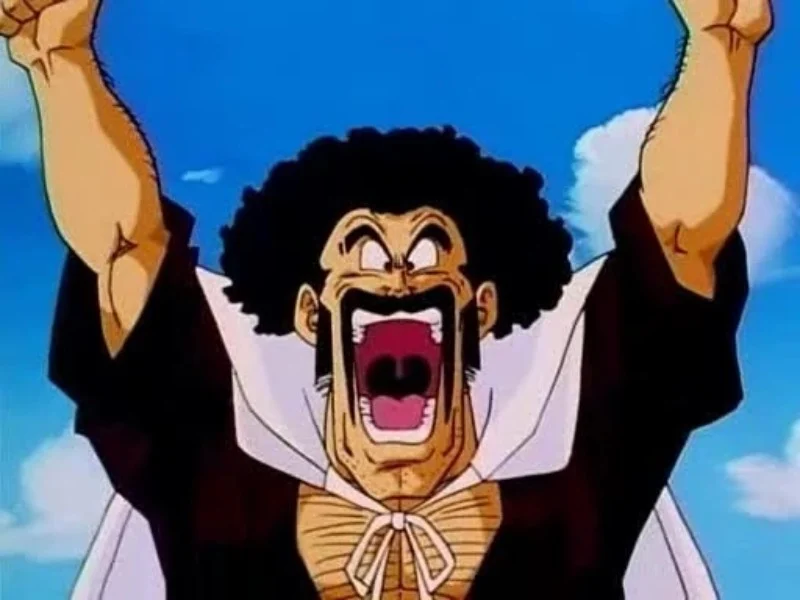
Mr. Satan enters during the Cell Games in ‘Dragon Ball Z’ as a world champion who believes his own press releases. He manufactures media friendly explanations for events he only half understands, which creates a running track of staged bravado and backstage panic. Reporters, autograph lines, and public speeches give the writers a steady supply of quick cut jokes that contrast with the real fight footage.
Later arcs continue the bit with charity events, parade appearances, and his caretaking bond with Majin Buu. He leverages accidental wins into endorsements and civic honors, and that public image lets the series create scenes where world leaders treat him as a spokesperson. Domestic scenes at his mansion with Videl add daily life punchlines built around training advice and show business routines.
Majin Buu
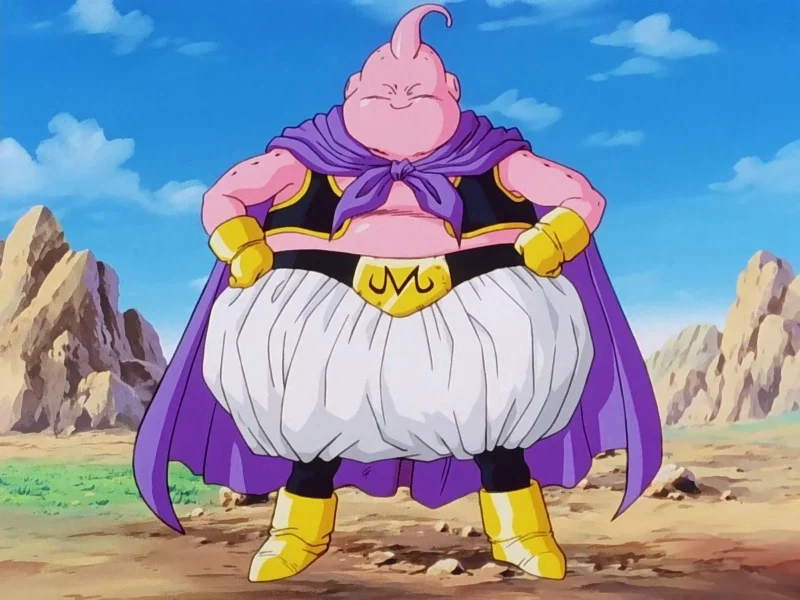
Majin Buu debuts in ‘Dragon Ball Z’ with childlike curiosity that drives food centric and shape shifting bits. He turns enemies into candy, remodels buildings with a wave, and plays with his environment in ways that switch quickly between danger and playful antics. The design supports squash and stretch animation that suits short form visual gags.
In ‘Dragon Ball Super’, Buu shifts through naps, training attempts, and friendly visits that create small comedic interludes between larger arcs. His bond with Mr. Satan fuels simple routines like snack time, television viewing, and pet care. The character’s pure reactions to common situations keep the humor clear even when the story involves cosmic rules and tournament regulations.
Gotenks
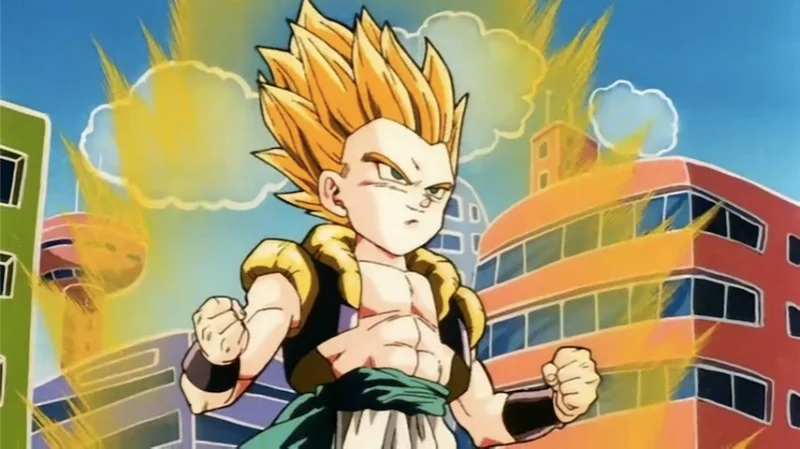
Gotenks arrives in ‘Dragon Ball Z’ through the fusion of Goten and Trunks, which introduces prank heavy energy into high stakes scenes. The fusion has a fixed time limit, so his battles often include impulsive choices and surprise techniques that lend themselves to quick gags. His naming conventions for attacks and sudden costume ideas supply short verbal punchlines.
In later appearances including ‘Dragon Ball Super’, Gotenks continues to show up when the story needs both power and a burst of juvenile mischief. Failed fusion attempts produce visual comedy that resets the stakes for a few minutes. The character’s confidence outpaces his planning, which opens space for cutaway jokes before the next strategy takes over.
Oolong
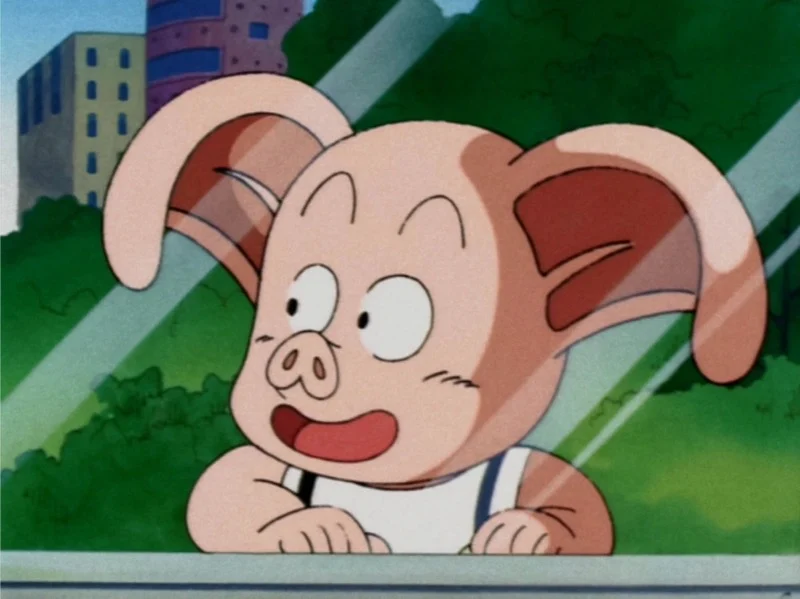
Oolong’s shape shifting talent in ‘Dragon Ball’ sets up sketches where a form change fixes a small problem and then backfires. His early encounters with Bulma and Goku produce classic road trip gags, as he alternates between bragging and retreating. The show uses his transformations to switch the framing of a scene mid gag without new sets or props.
He remains a background regular through ‘Dragon Ball Z’ and ‘Dragon Ball Super’, where house parties and urgent summons pull him into group scenes. Quick cut reaction shots from Oolong help highlight the absurdity of the situation, especially when gods appear in casual settings. His simple motives, like food and comfort, give writers an easy lever for fast comedic beats.
Yamcha

Yamcha starts in ‘Dragon Ball’ as a desert bandit who fears women, which immediately gives the series a straightforward comic setup. His partnership with Puar creates a buddy routine that carries through early adventures and tournament episodes. Training failures and social nerves become short form bits that sit between fight preparations.
As the story advances into ‘Dragon Ball Z’, Yamcha’s baseball career appears in filler and specials, which lets animators stage sports gags with power users in a normal league. Group gatherings at Capsule Corp often cut to Yamcha for grounded reactions. His history with Bulma provides callbacks that the show can use to transition into punchlines during otherwise serious planning scenes.
King Kai
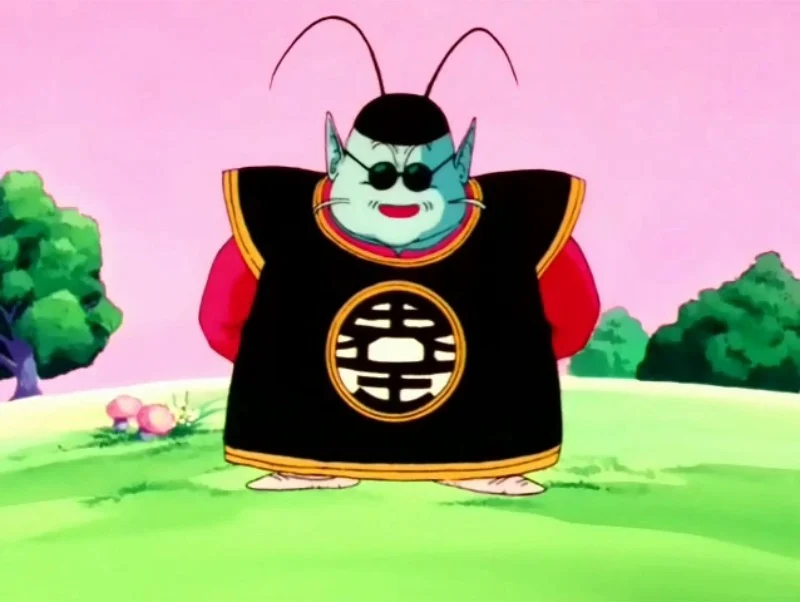
King Kai introduces Goku to training in the Other World during ‘Dragon Ball Z’, and he immediately sets a rhythm of groan worthy jokes and practical tests. His planet’s high gravity and tiny car create visual gags that pair with his pun based humor. The arrival sequence with Snake Way and the meeting with Bubbles and Gregory build a mini arc full of small comic trials.
Throughout later arcs, King Kai serves as a remote commentator who reacts to events from his planet. He interrupts tense moments with radio style updates, food breaks, and complaints about collateral damage. These inserts give editors a valve to release tension and recap rules while keeping the tone light.
Beerus

Beerus appears in ‘Dragon Ball Super’ as the God of Destruction who loves food, which turns diplomatic visits into restaurant tours. His interest in Earth cuisine sets up scenes that swing from polite tasting to sudden threats when a dish goes wrong. The character’s strict sense of balance gives writers a reason to stage etiquette based jokes around table manners and gift giving.
Training trips to his world add comic elements through unusual chores, fragile decor, and rules about noise and sleep. Frequent visits to Capsule Corp place Beerus in family situations where small accidents carry cosmic consequences that resolve with quick apologies and new meals. These patterns let the show fold humor into stories about universal scale power.
Whis
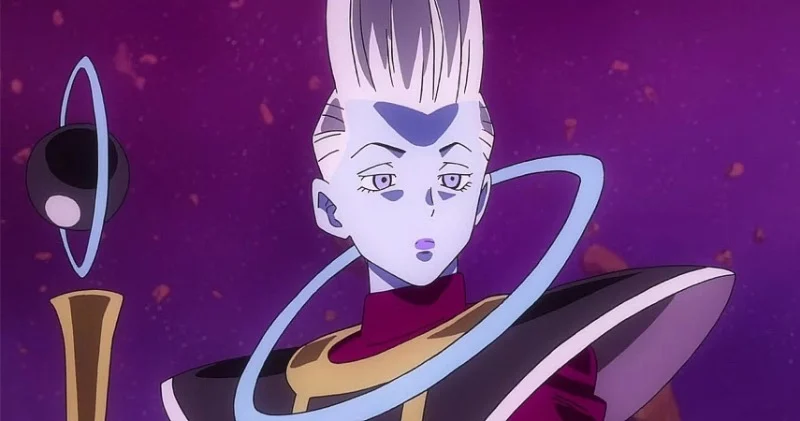
Whis acts as Beerus’s attendant in ‘Dragon Ball Super’, and he introduces calm commentary that underlines the chaos around him. His staff, time related technique, and refined taste in desserts let scenes flow from small talk to clever solutions without heavy exposition. He often quietly corrects misunderstandings, which gives the series neat punchlines hidden in polite phrasing.
When Whis trains Goku and Vegeta, he structures sessions around posture, rhythm, and light chores, which opens space for situational comedy. Trips to Earth for snacks and celebrations place him in everyday settings where his curiosity drives soft spoken jokes. His role as mediator allows quick comedic resets after loud conflicts.
Pilaf
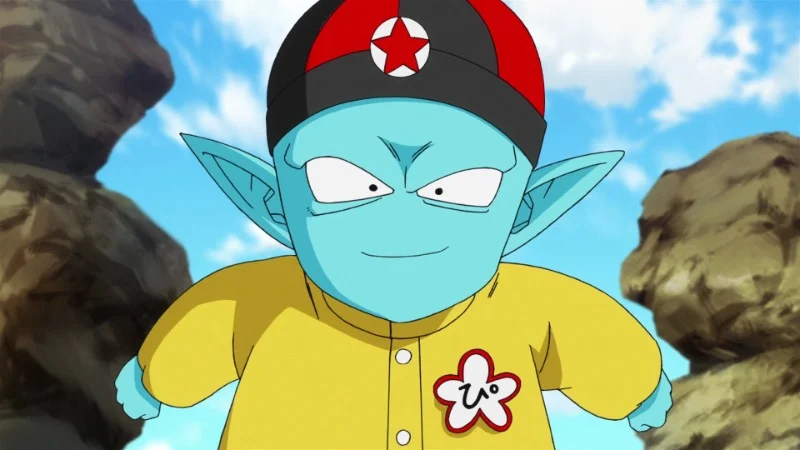
Emperor Pilaf debuts in ‘Dragon Ball’ with Shu and Mai as a trio of bumbling treasure seekers. Their elaborate traps malfunction in predictable ways, which turns serious ambitions into skits with gadgets and passwords. The trio’s small airship and hidden bases provide compact sets for repeat gags.
They return in ‘Dragon Ball Super’ in child form after a wish, which refreshes their old routines in school like scenes with Trunks and Goten. Pilaf schemes for the Dragon Balls using simple disguises and minor scams that collapse on contact with main characters. These appearances give the franchise quick comedic detours that do not affect larger arcs.
Chi Chi
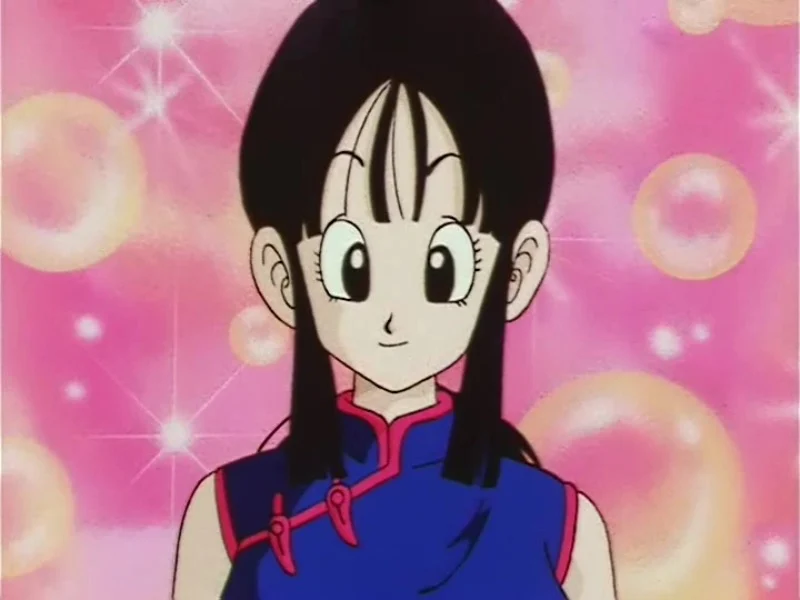
Chi Chi begins in ‘Dragon Ball’ with a straightforward mission to find Goku and later becomes a central family figure. Her focus on education and household order contrasts with Saiyan training habits, which creates repeated domestic comedy. Morning routines, study schedules, and budgeting talks offer a grounded counterpoint to battle planning.
In ‘Dragon Ball Z’ and ‘Dragon Ball Super’, Chi Chi’s scenes often frame the stakes in terms of school and work rather than power levels. She opens the door to guests like Piccolo, Beerus, and Whis and treats them with direct hospitality that still keeps rules in place. This structure lets the series stage quick scenes where heroes negotiate chores before running off to save the day.
Share your picks for the funniest moments and characters in the comments so everyone can compare favorites.