

Top 20 Games That Became Cultural Phenomenons



Some games do more than entertain for a weekend. They change how we talk, play, and connect with each other across ages and borders. They inspire memes, esports scenes, new genres, and even gym class moments in living rooms. The picks below each sparked trends that jumped from screens into everyday life. Together they show how interactive worlds can shape culture in surprising and lasting ways.
Minecraft
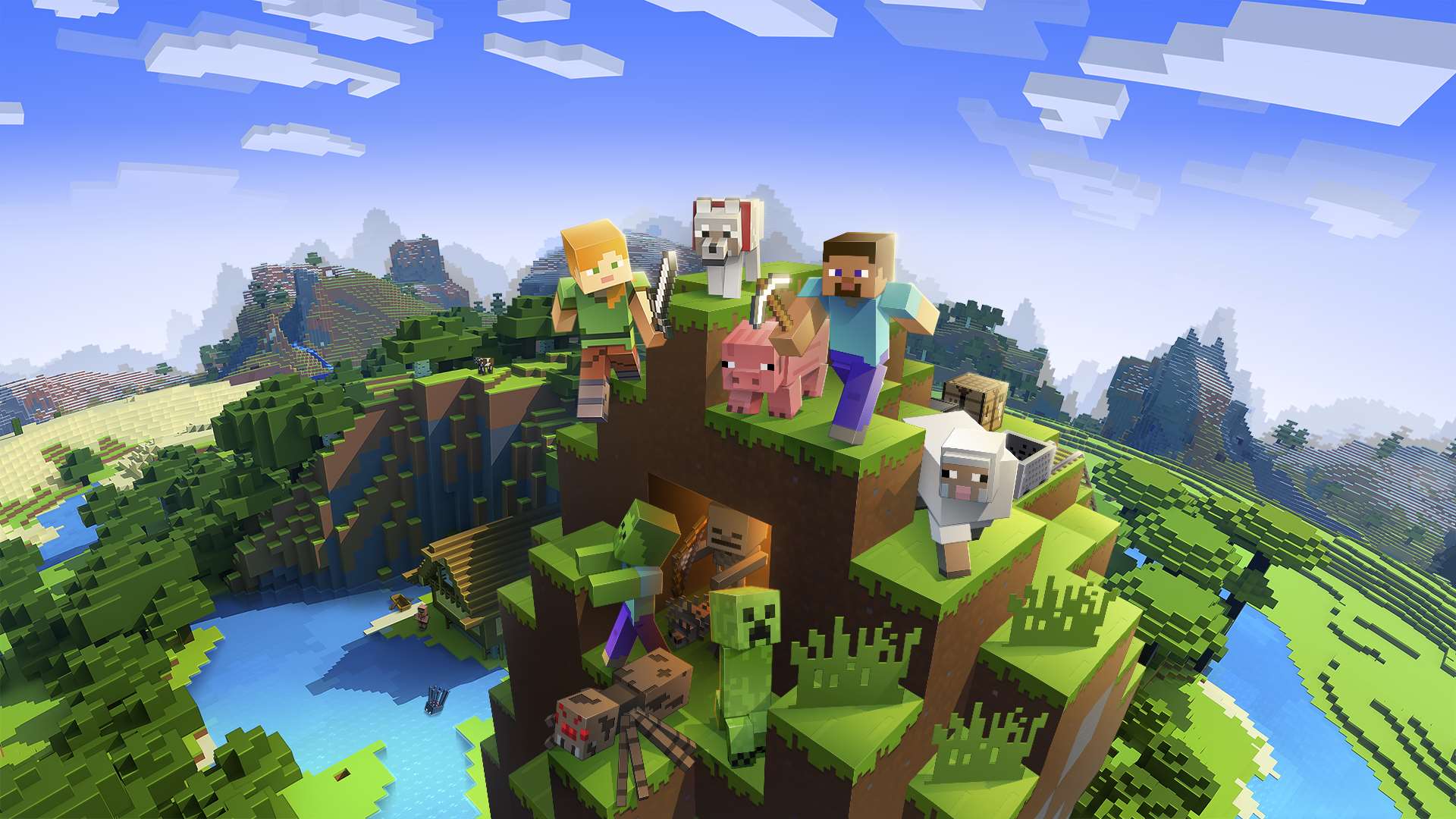
This open world sandbox turned building and survival into a global creative movement. Its block based design makes complex ideas easy to teach in classrooms and friendly for all ages. YouTube and streaming communities grew around massive builds and challenge runs. Cross platform play and constant updates kept the player base active for years. Modding tools and servers let communities invent entirely new game modes.
Tetris
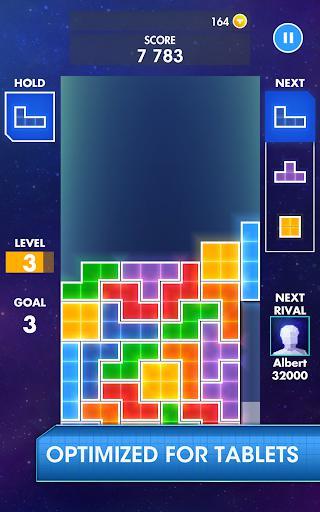
Simple falling blocks created a universal language of play that crossed borders and generations. It helped popularize portable gaming when it arrived on early handheld devices. The core loop supports both calm solo sessions and fierce competition. Variants and official championships keep the puzzle fresh today. Its shapes and music became instant pop culture icons.
Super Mario Bros.
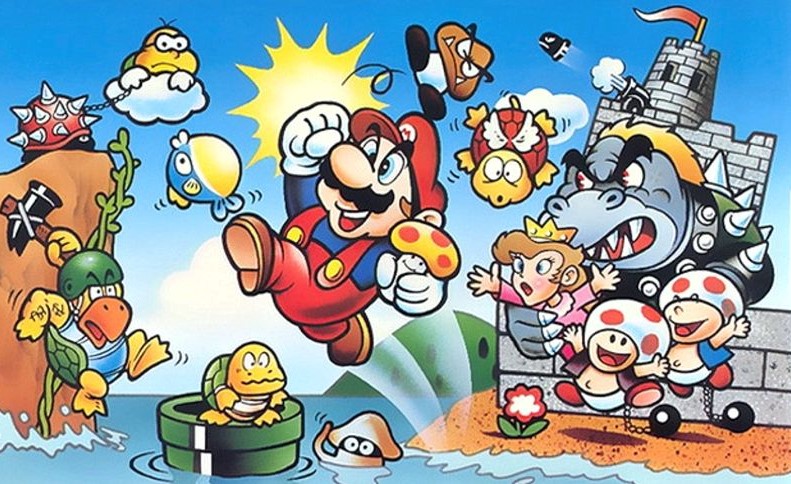
Side scrolling platforming found a blueprint here that influenced decades of level design. Tight controls and readable obstacles taught players new skills step by step. Mascot power helped revive interest in home consoles around the world. Speedrunning communities still dissect routes and tricks. Its characters and power ups appear across toys, clothing, and events.
Pac-Man
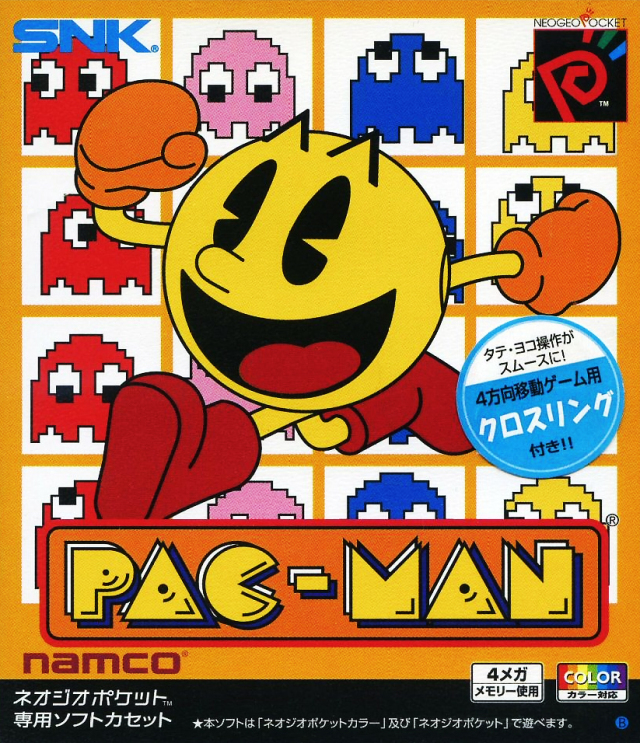
Maze chasing gameplay introduced a character that families recognized everywhere. High score tables turned arcades into social hubs. The game’s patterns encouraged strategy guides and friendly rivalry. Theme songs, cereal boxes, and cartoons showed how a game could become merchandise. Its design remains a reference point for clarity and charm.
Space Invaders
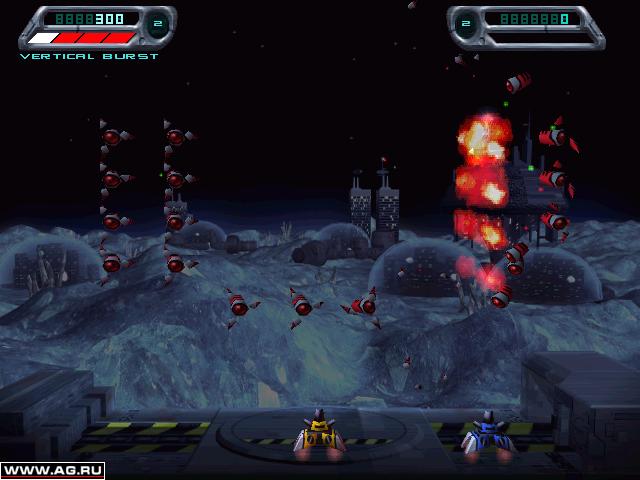
Wave based shooting created a new arcade sensation and a shared hangout culture. Simple rules made it easy to learn yet difficult to master. It influenced sound design by linking audio pace to gameplay tension. Cabinets filled venues and drew headlines about coin shortages. Many shooters still echo its escalating pressure.
Pokémon GO
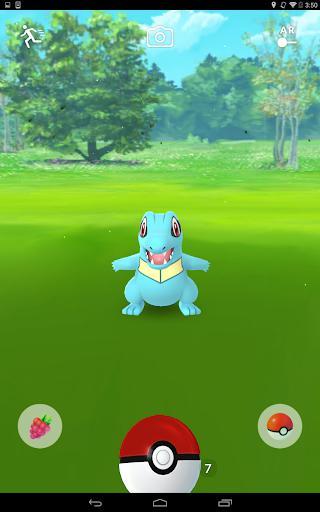
Augmented reality brought exploration into parks and city streets. Local landmarks became gyms and PokéStops which turned walks into social gatherings. Timed events encouraged meetups and community days. Health and tourism groups embraced it for outdoor activity. Seasonal updates kept creatures rotating and gave people reasons to return.
World of Warcraft
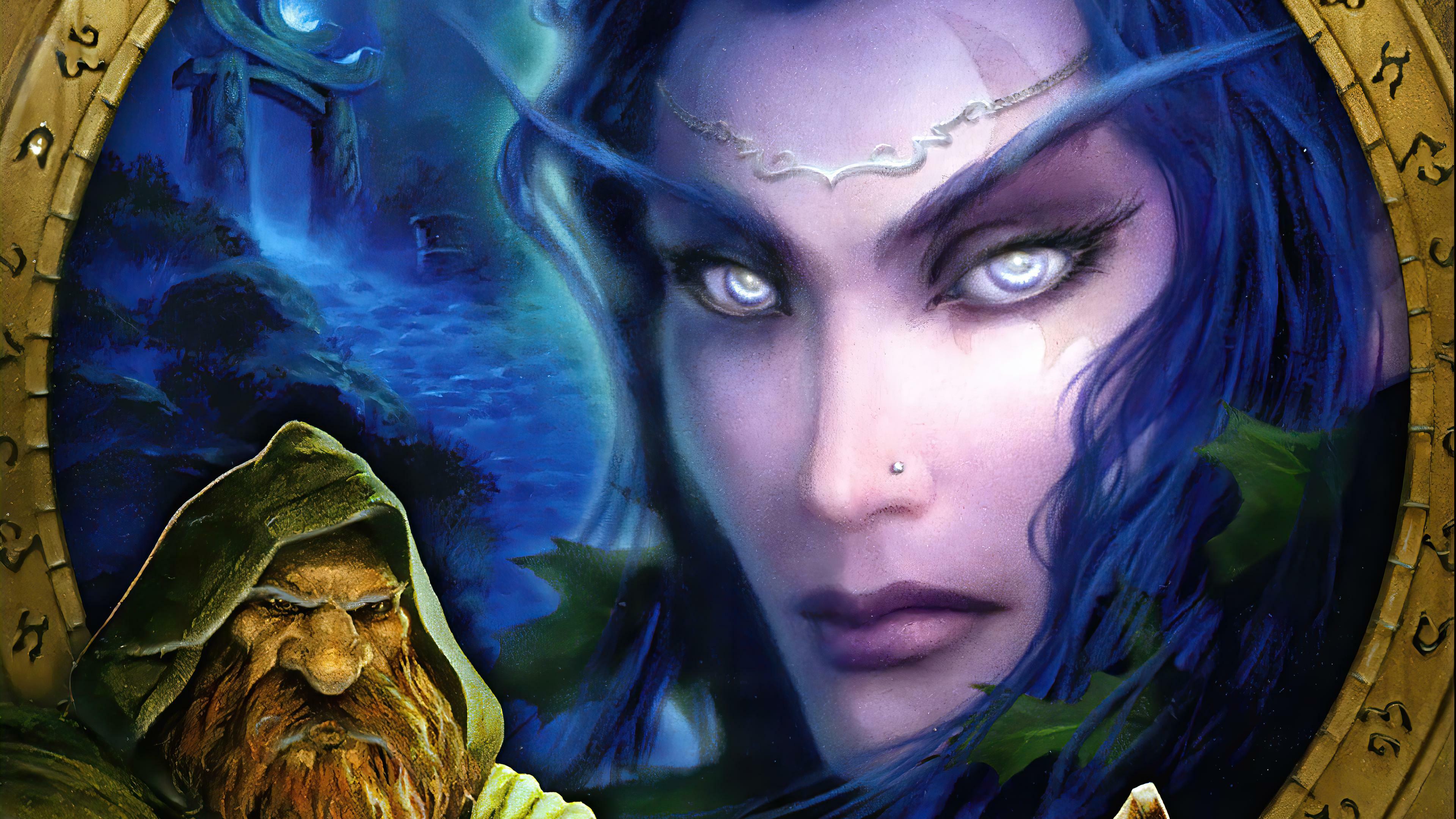
This online world made guild life and raids part of weekly routines. Expansions built long running stories and new zones to explore together. Player economies and crafting created their own social roles. Add ons and forums fueled a deep creator ecosystem. Conventions and esports kept the community visible outside the game.
The Sims
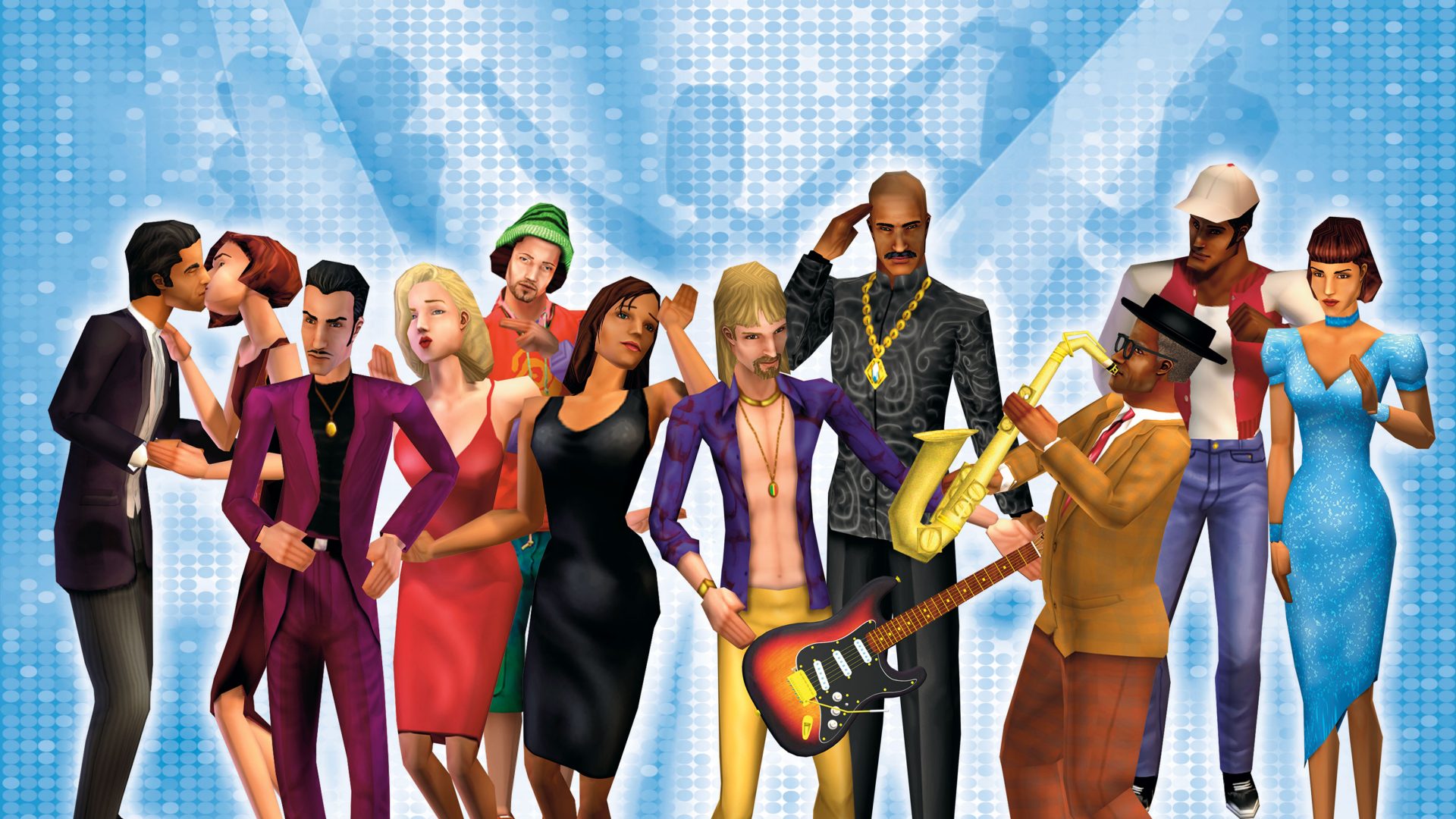
Life simulation let players design homes, families, and entire neighborhoods. User generated content filled galleries with furniture, fashion, and builds. It became a tool for storytelling on social platforms. Expansion packs mirrored real world trends in design and culture. The series helped bring more diverse audiences into gaming.
Grand Theft Auto V
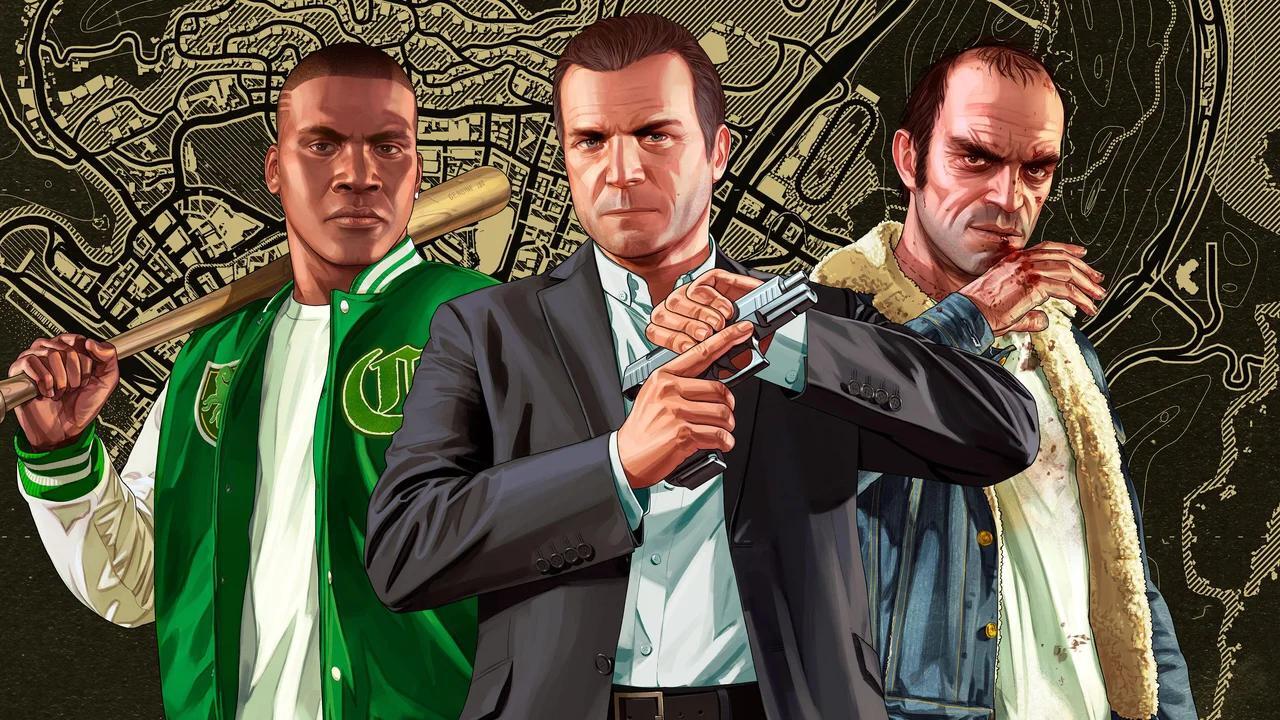
An enormous open world combined single player drama with an evolving online mode. Heists and creator tools turned sessions into social events. Roleplay servers inspired streaming communities and new formats. Regular updates added vehicles, businesses, and missions that refreshed the experience. The game’s city became a stage for music, fashion, and car culture.
Wii Sports
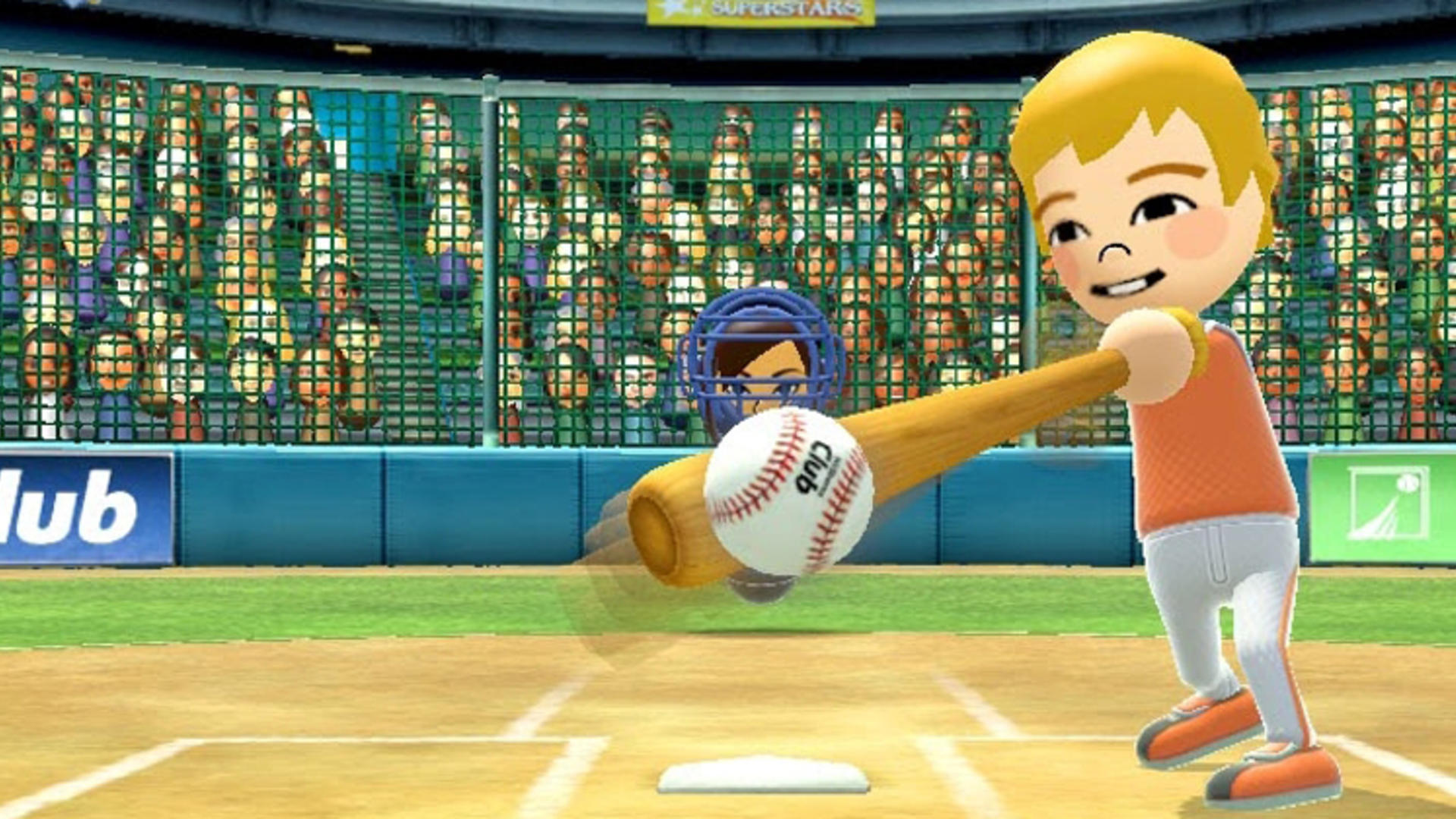
Motion controls invited grandparents and kids to play together in living rooms. Simple sports taught new ways to interact with games using real gestures. It became a favorite at parties, schools, and rehabilitation programs. The Mii avatars gave everyone an instant identity on screen. Bowling nights and tennis matches turned into family traditions.
Doom
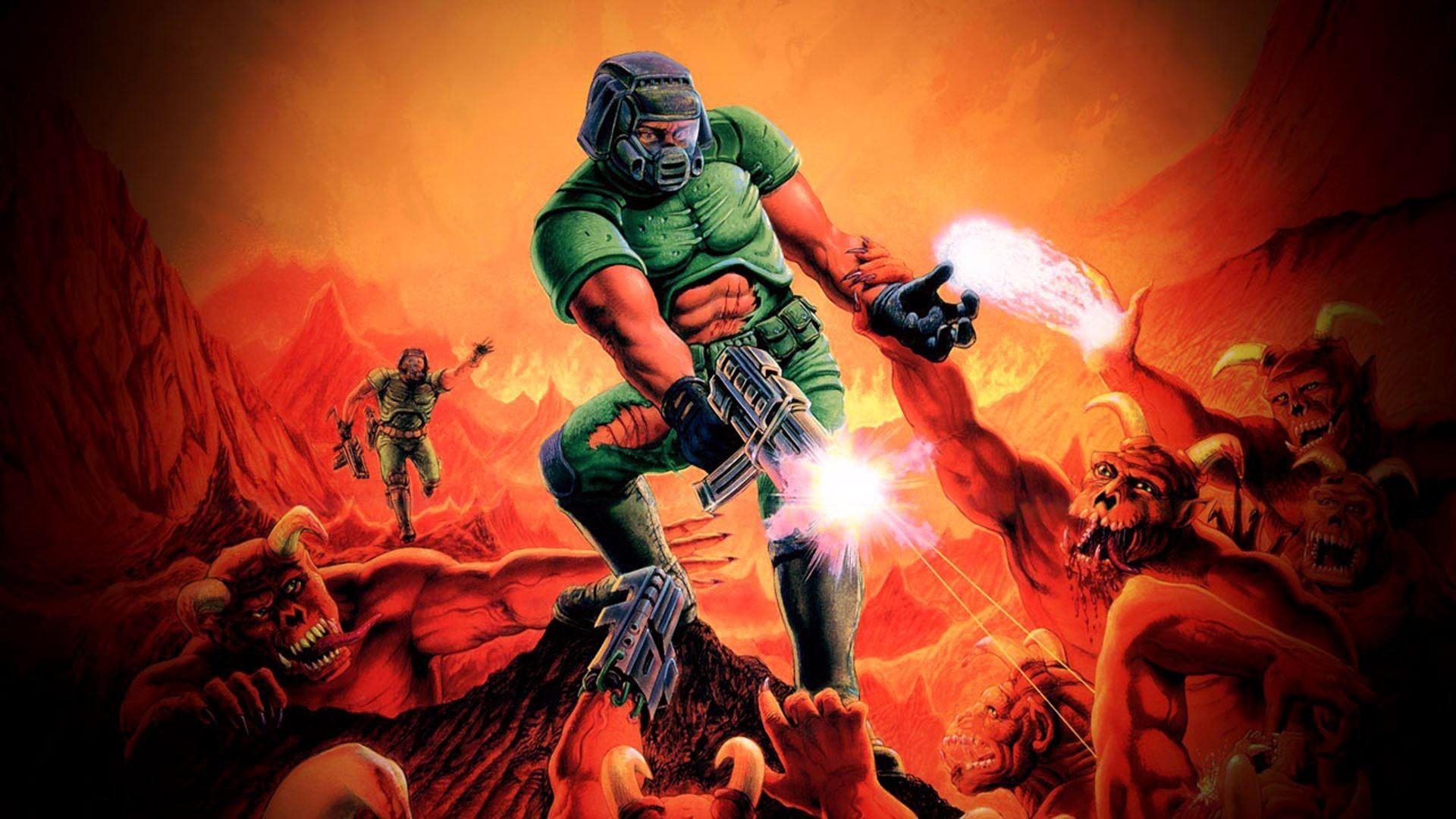
Fast first person combat defined standards for PC shooters. Mod tools and level editors cultivated a thriving user scene. Its engine tech powered many later games and experiments. LAN parties and shareware distribution helped spread PC gaming culture. The community still creates new maps and total conversions today.
Counter-Strike
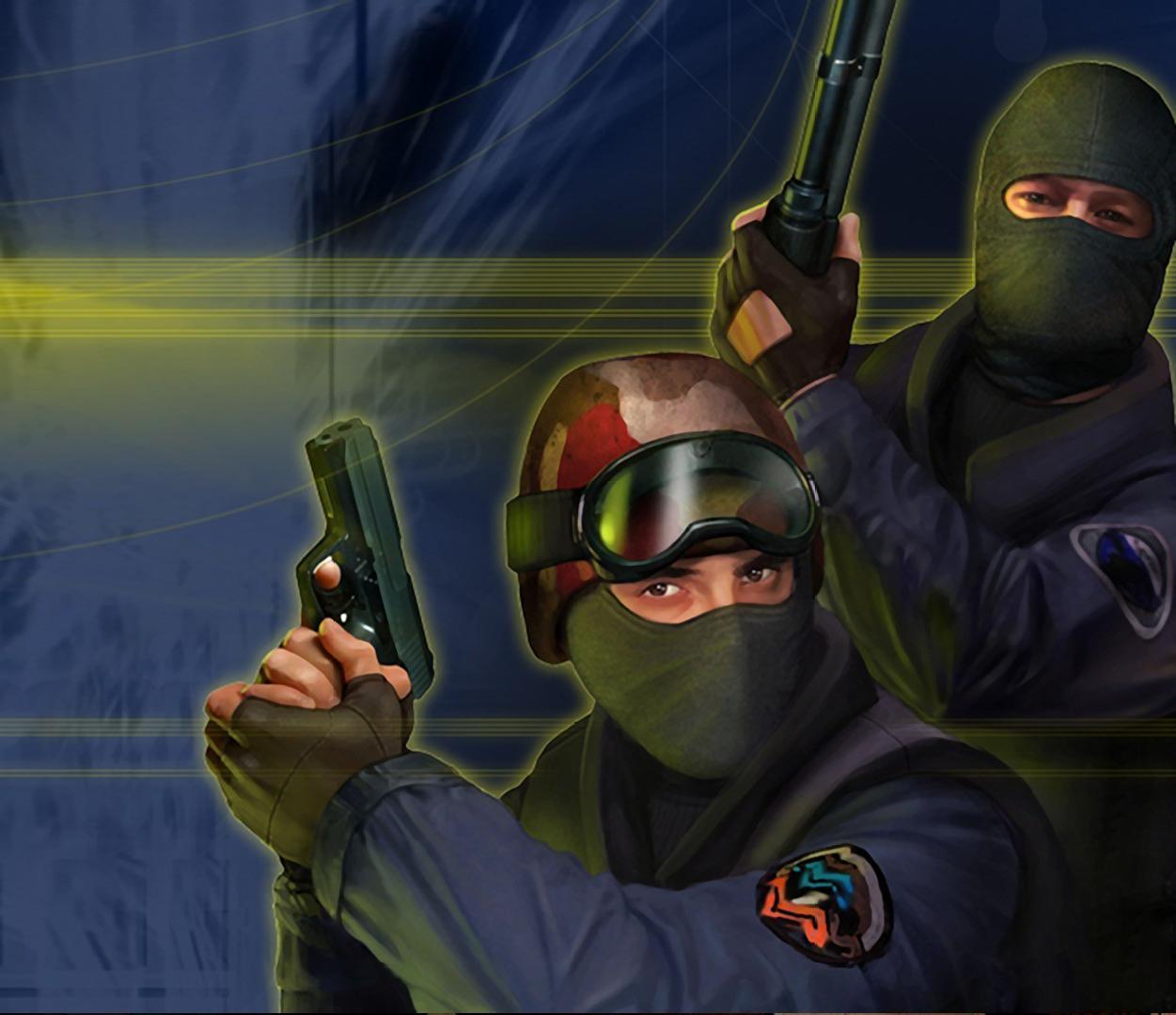
Team based bomb defusal and tight maps created a competitive staple. Community servers and mods kept the playlist fresh. Anti cheat efforts and ranking systems shaped modern matchmaking. Spectator friendly rules supported a global tournament circuit. Its strategies and callouts entered the vocabulary of esports.
League of Legends
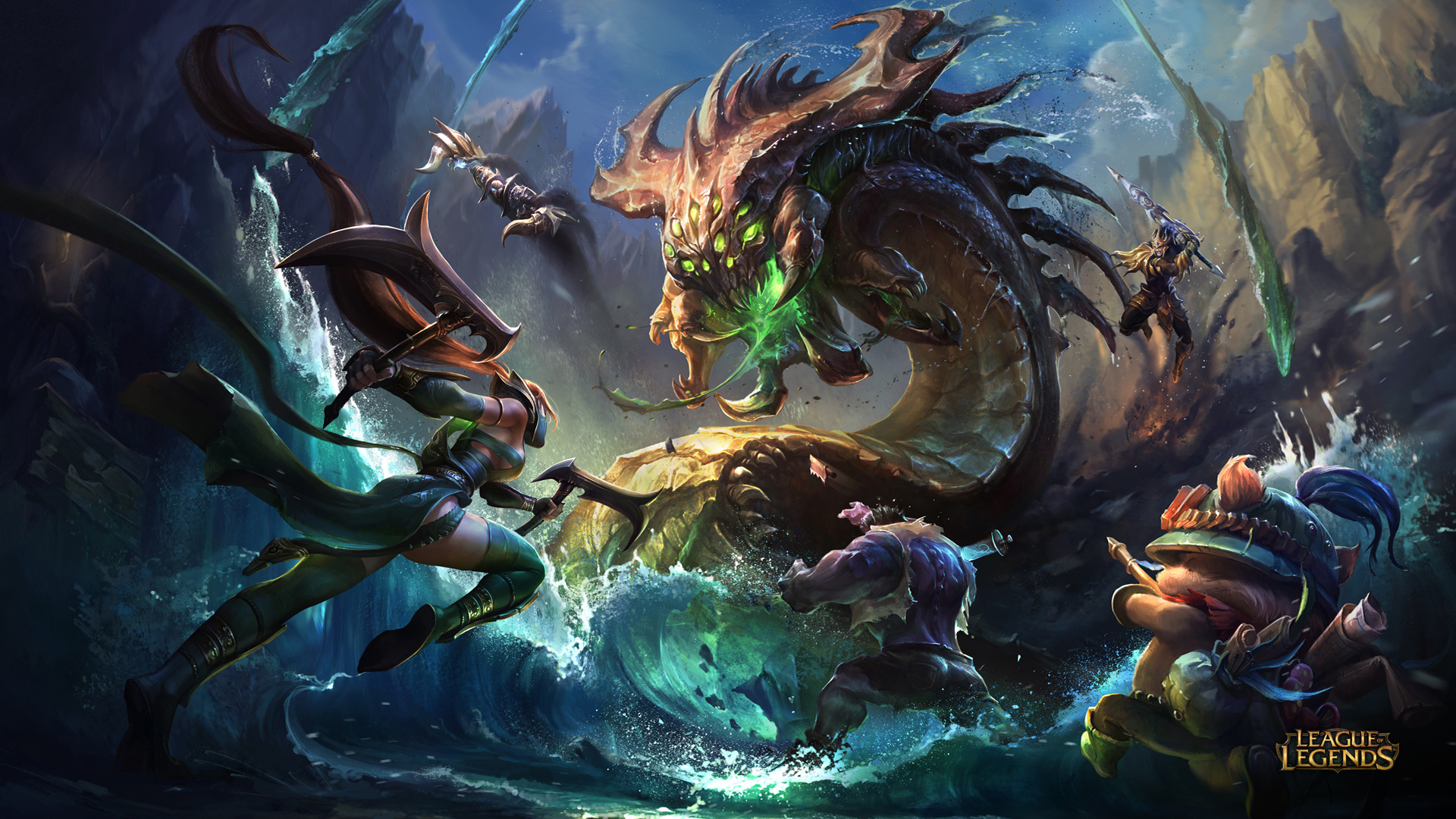
This multiplayer arena refined the MOBA format for accessibility and depth. A regular patch cadence made balance a shared conversation. International tournaments filled arenas and drew massive online audiences. Music videos, animated shorts, and pro personalities broadened its reach. Regional leagues created year round storylines for fans.
Dota 2
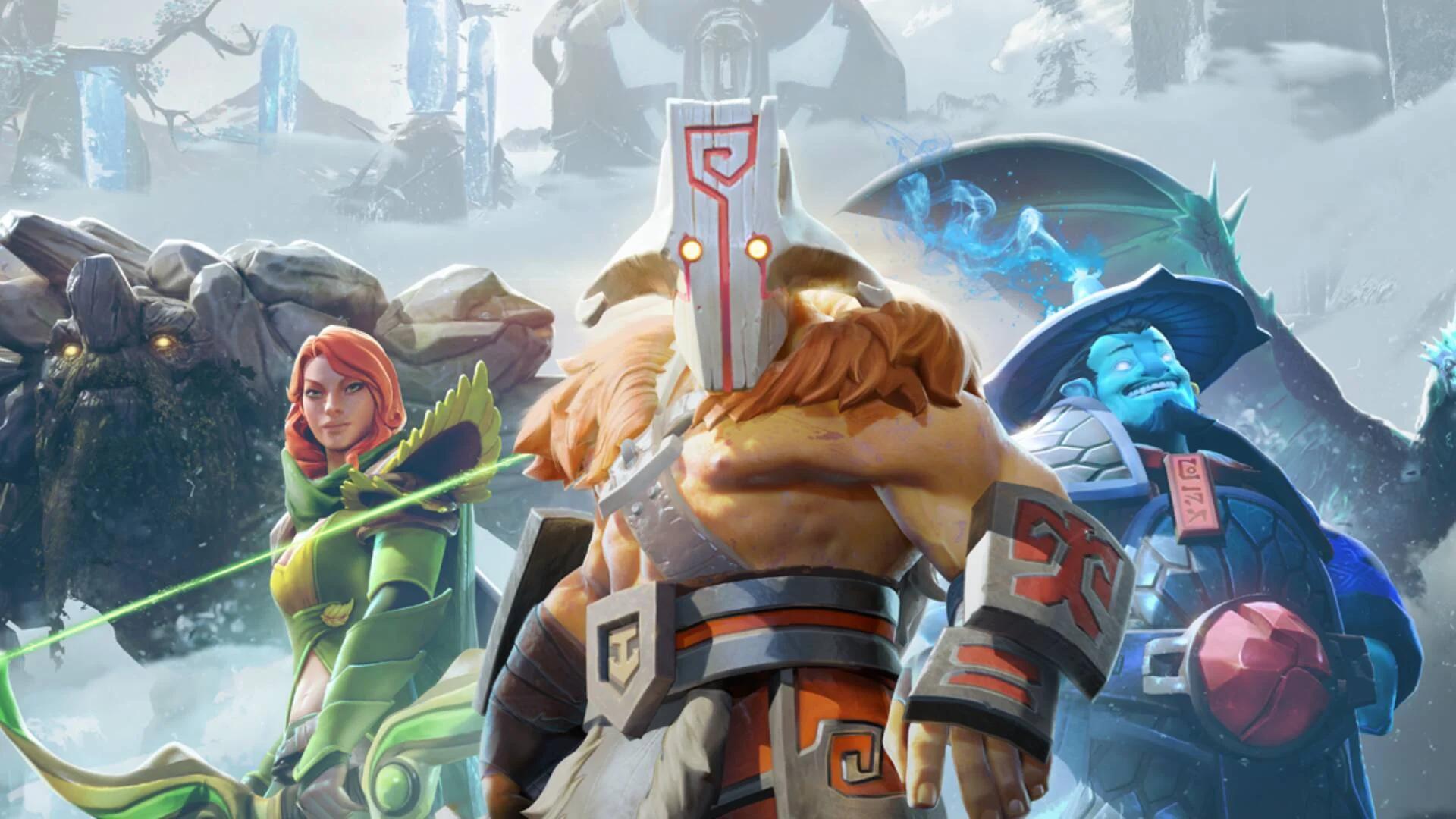
Deep hero interactions and community workshop tools defined a distinct identity. Large prize pools pushed esports production forward. Spectator features let viewers follow complex team fights with clarity. Steam integration made mods and cosmetic creation a community effort. Annual events turned in game items and predictions into global rituals.
Fortnite
A colorful battle royale fused building mechanics with social hubs. Live concerts and story events transformed the island into a media venue. Crossovers brought superheroes, athletes, and brands into one space. Creative mode let players design maps and mini games for friends. Frequent seasonal changes kept its culture moving.
Among Us
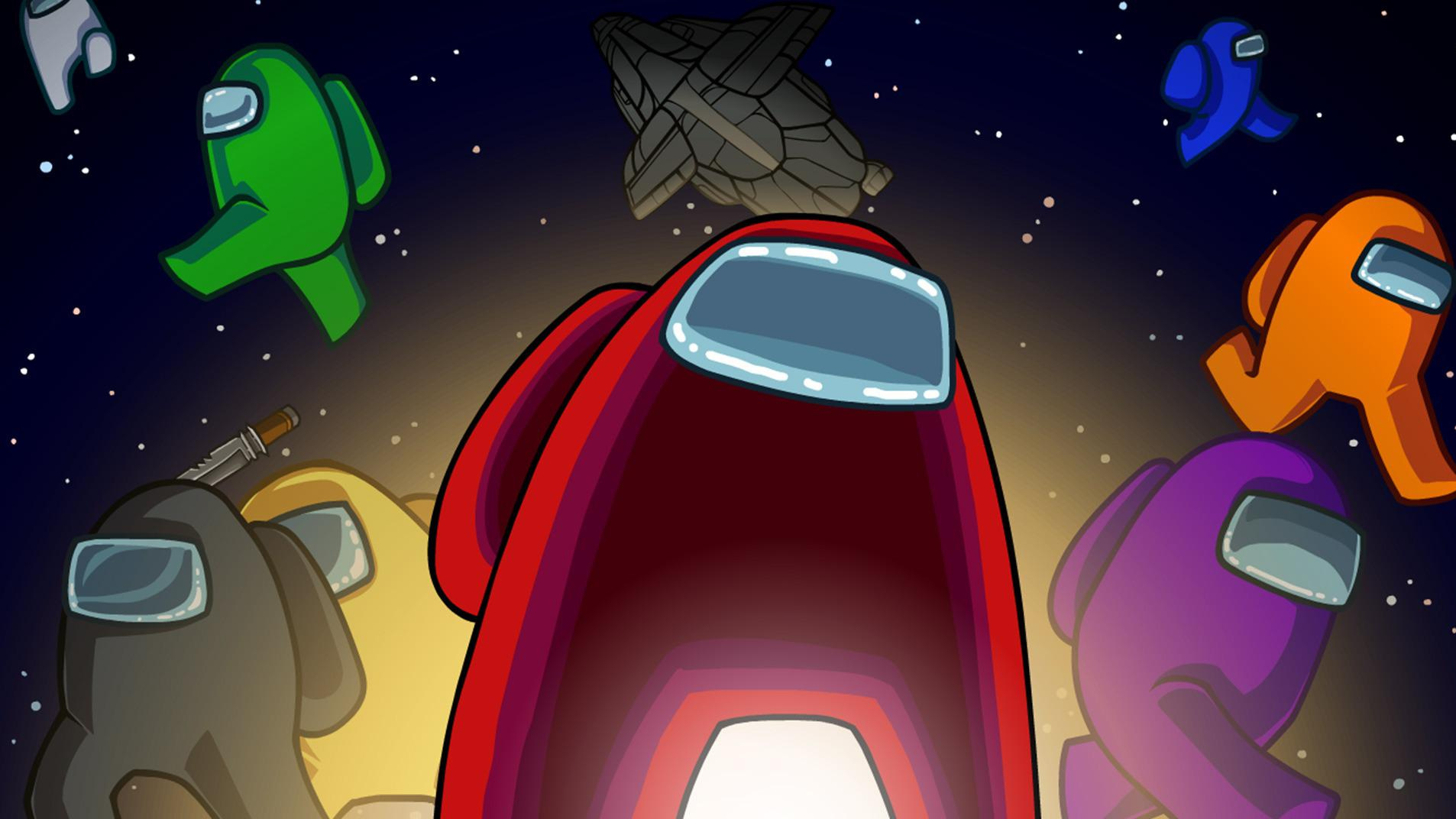
Social deduction became a worldwide party game through streaming and remote play. Quick rounds made it perfect for classrooms, clubs, and work socials. New roles and maps refreshed the guessing and bluffing. Fan art and memes spread its characters across social feeds. Low system requirements welcomed almost any device.
Candy Crush Saga
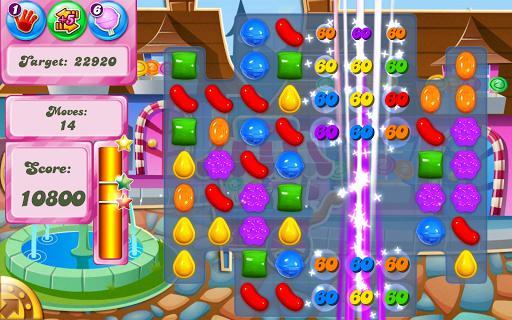
Match three puzzles reached commuters and casual players on phones. Daily lives adopted short sessions tied to energy systems. Social features let friends share lives and progress. In app events and themed levels kept content flowing. Its UI patterns influenced mobile design across genres.
Angry Birds
Slingshot physics and expressive characters turned quick play into a brand. Levels taught mechanics through playful animation and sound. Merchandise, cartoons, and a film series extended its world. Touchscreen controls showed the appeal of simple gestures. Seasonal packs kept the experience timely and fun.
Roblox
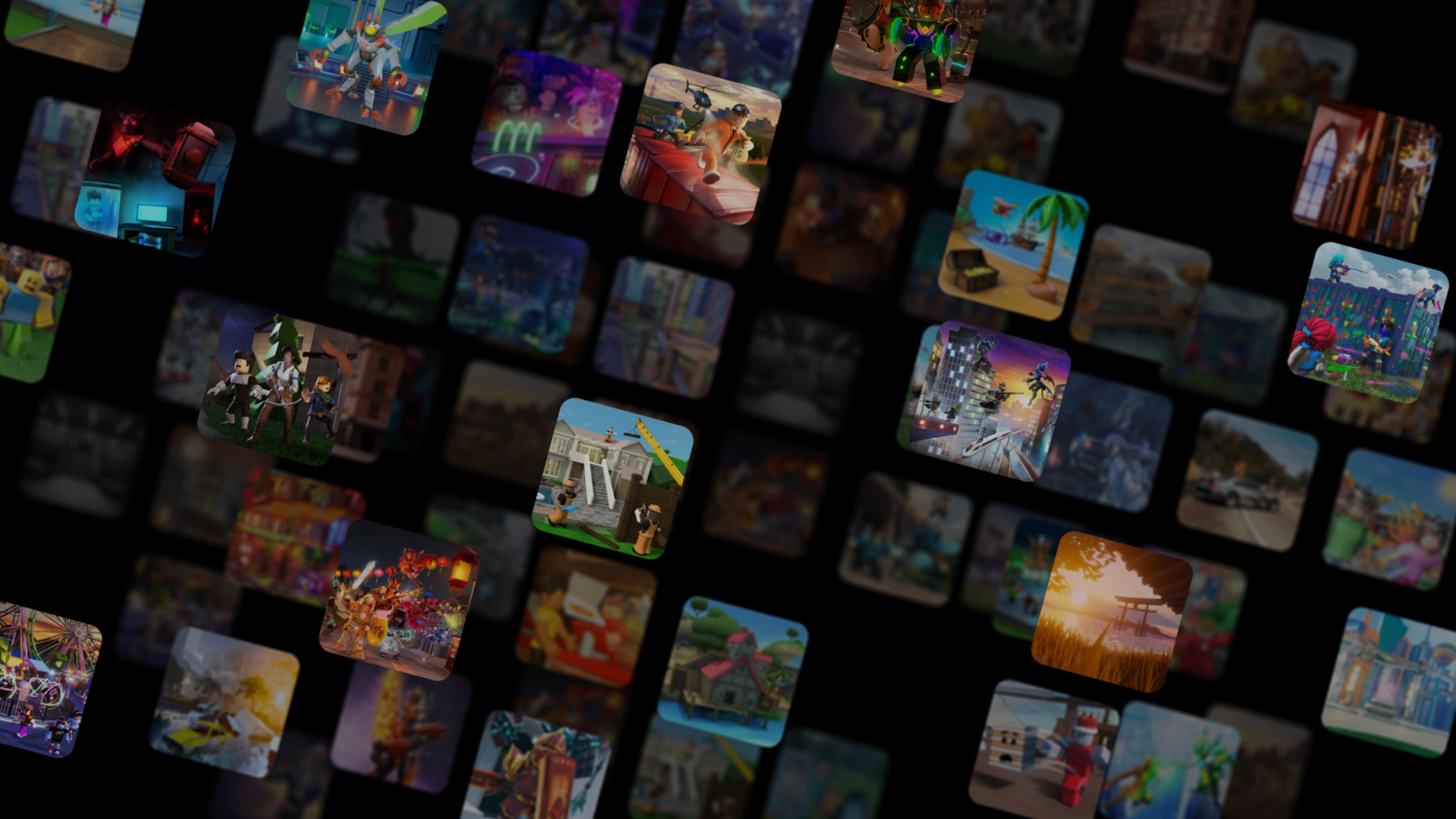
A platform of user created games let players become developers. Built in tools and economy systems taught coding and design. Popular experiences turned into shared cultural spots for kids and teens. Virtual concerts and brand events found ready audiences. Cross device access made it easy to join friends anywhere.
Street Fighter II
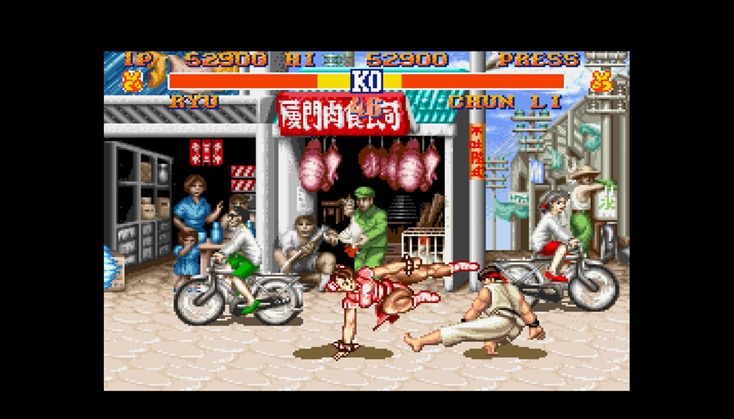
Precise inputs and distinct fighters created a template for competitive play. Arcades became gathering spots for local tournaments. Special move notation shaped how players discuss mechanics. Home versions brought versus modes to living rooms. The series helped standardize controllers and community rules.
Share your own picks for games that reshaped culture in the comments and tell us why they belong on the list.