

Top 20 Games That Came Out On The Wrong Console



Video games rely heavily on the hardware they are released on to find the right audience and achieve technical success. Some titles are masterpieces that were unfortunately tethered to failing consoles or platforms that did not align with their target demographic. These games often suffered from poor sales or technical limitations despite receiving critical acclaim from reviewers. Many of these experiences eventually found new life through ports or remasters on more suitable systems. The following list highlights twenty games that deserved a better home at their initial launch.
‘Bayonetta 2’ (2014)
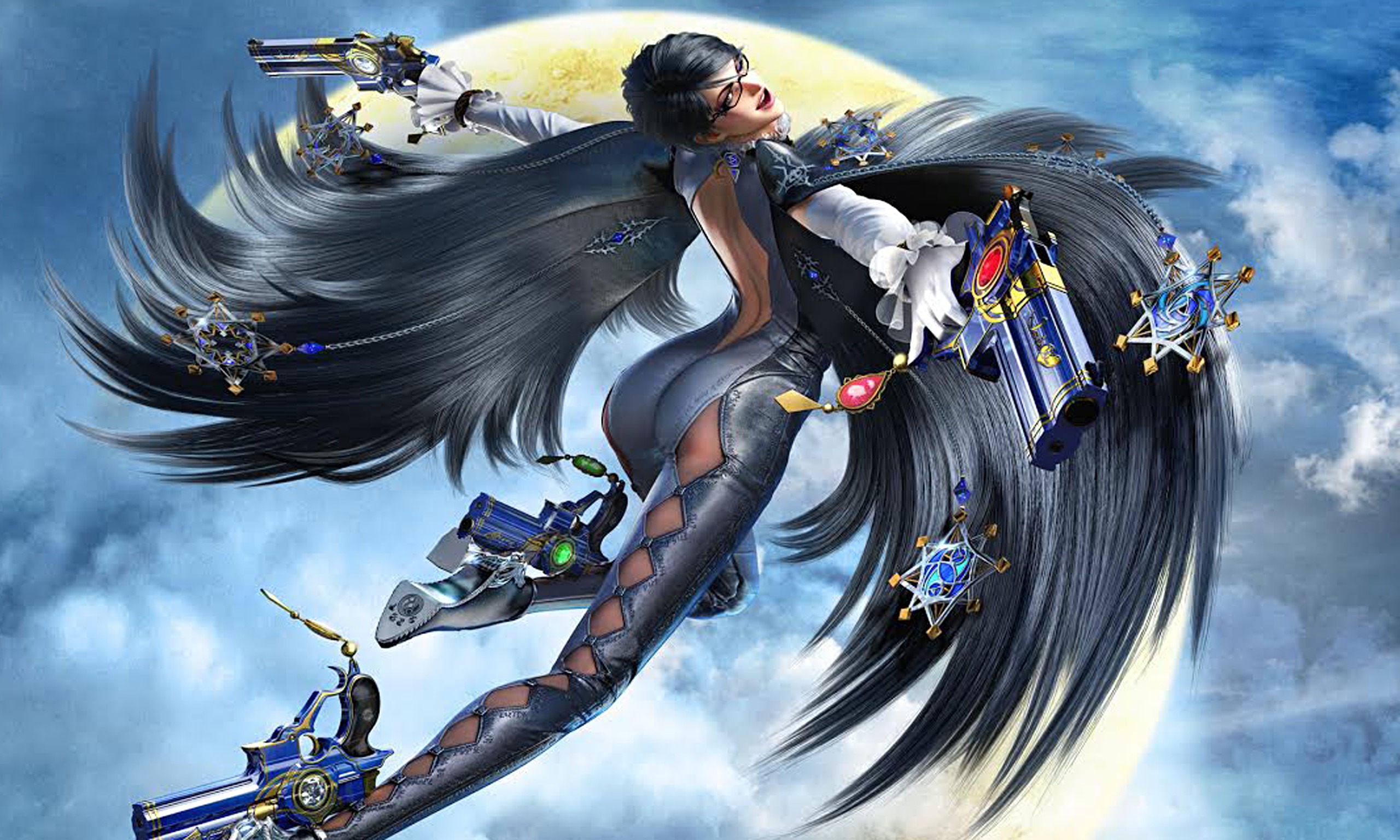
Nintendo stepped in to fund this sequel when Sega decided not to pursue it. The game launched exclusively on the struggling Wii U console which severely limited its potential player base. Fans of the original game on Xbox 360 and PlayStation 3 were forced to buy a new system to play the continuation. The title delivered intense action and fluid combat that few Wii U owners were looking for. It eventually found the success it deserved when it was ported to the Nintendo Switch years later.
‘Shenmue’ (1999)
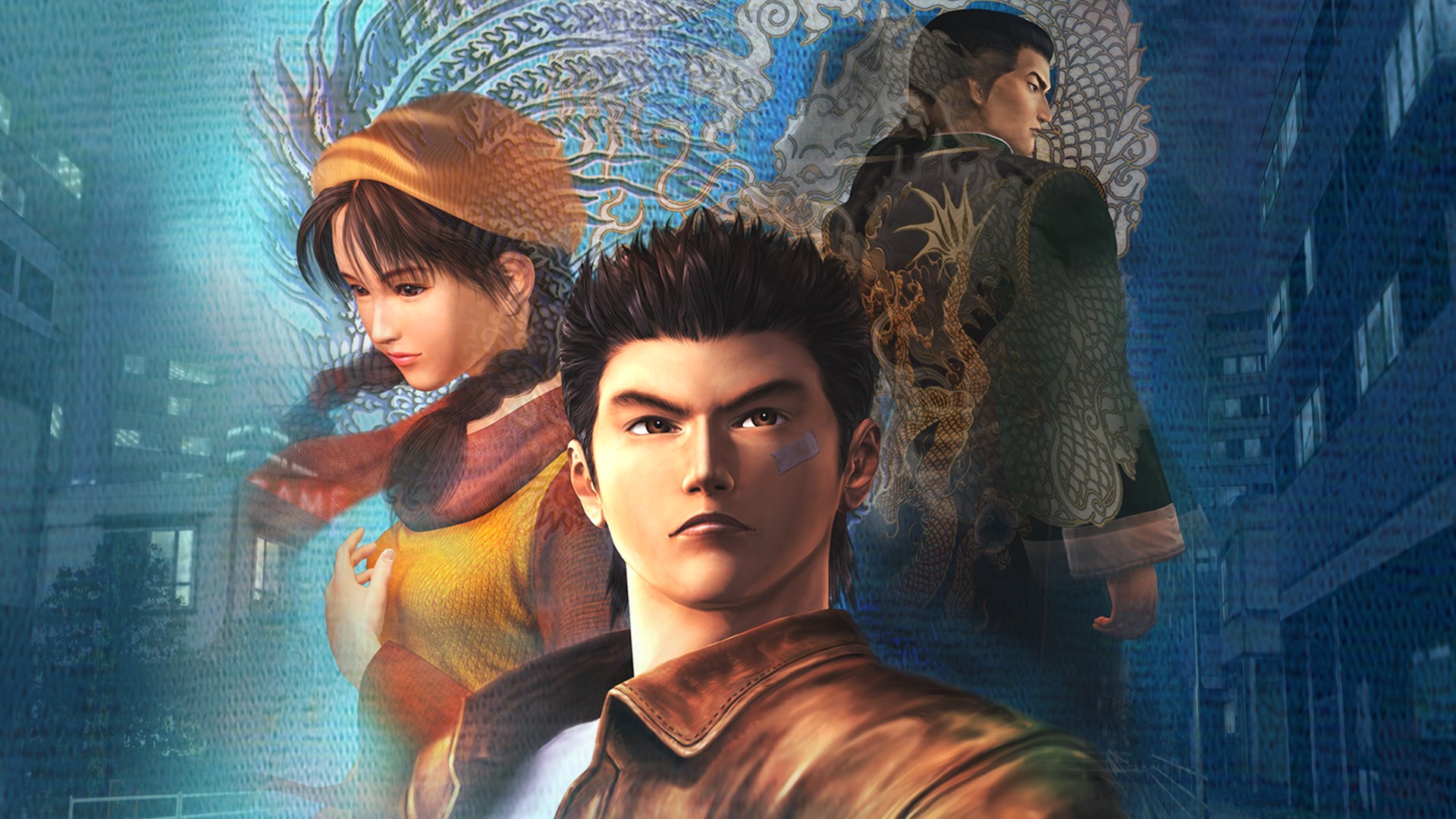
Yu Suzuki created a groundbreaking open world experience that was far ahead of its time. The Sega Dreamcast could not garner a large enough install base to recoup the massive development costs of the project. Players could explore a living version of Japan with unprecedented interactivity and detail. The game required a level of immersion that the arcade-focused marketing of the Dreamcast failed to convey properly. Its commercial failure played a significant role in Sega eventually exiting the console hardware market.
‘Conker’s Bad Fur Day’ (2001)
Rare developed this platformer with a mature rating that featured heavy drinking and crude humor. It was released on the Nintendo 64 which was known primarily as a family-friendly console. Nintendo did very little to market the game because the content clashed with their brand image. The game arrived extremely late in the lifecycle of the system just months before the GameCube launch. A release on the PlayStation would have likely resulted in much higher sales and cultural impact.
‘Panzer Dragoon Saga’ (1998)
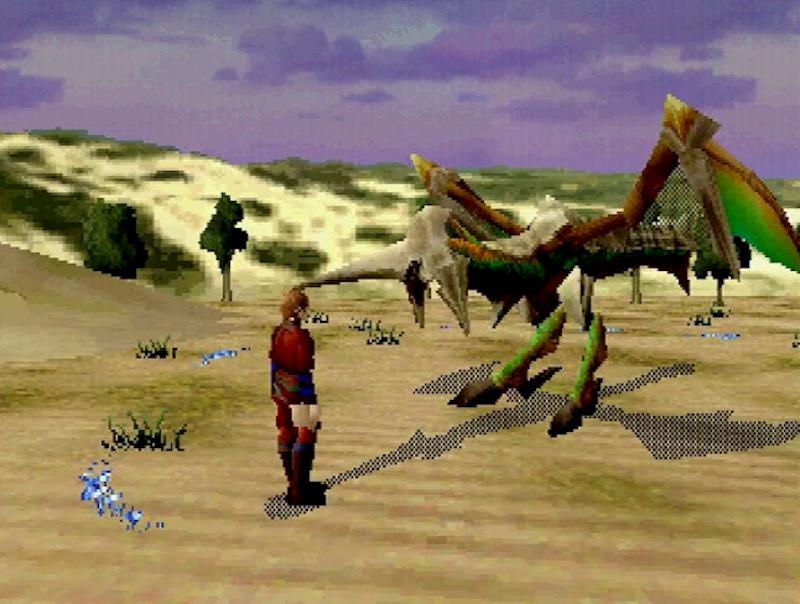
This role-playing game is widely considered one of the finest titles ever made for the Sega Saturn. The console was already failing in Western markets by the time the game was released. Team Andromeda pushed the hardware to its absolute limits to create a unique combat system and story. Very few copies were printed which makes it an incredibly expensive collector’s item today. The loss of the original source code has made porting this masterpiece to modern platforms nearly impossible.
‘Eternal Darkness: Sanity’s Requiem’ (2002)
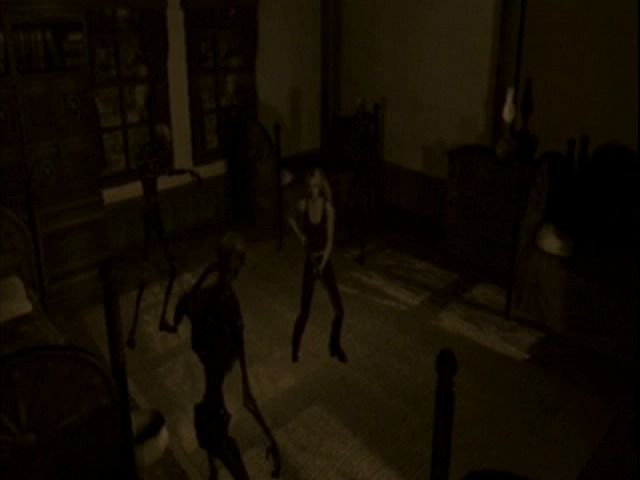
Silicon Knights created a psychological horror game that messed with the player’s mind as well as the character’s. It launched as a GameCube exclusive during a time when Nintendo was seen as the kiddie console option. The mature themes and Lovecraftian storytelling were a stark contrast to the colorful mascots dominating the platform. Sales were lackluster despite the game receiving near-universal praise from critics. A PlayStation 2 release might have connected the game with the survival horror audience it needed.
‘MadWorld’ (2009)
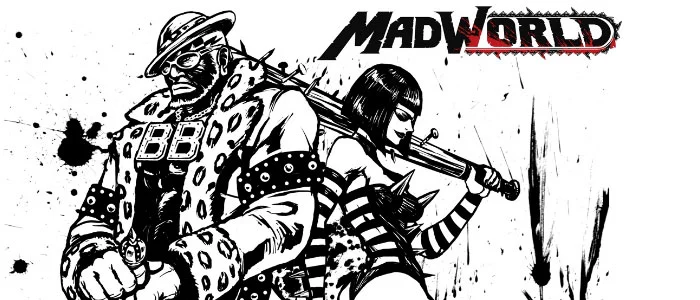
PlatinumGames developed this ultra-violent brawler with a distinct black and white visual style. The game was released exclusively on the Nintendo Wii which was populated mostly by casual gamers. The extreme violence and mature rating alienated the core demographic of the console. Reviewers praised the innovative use of motion controls and the striking art direction. It stands as a prime example of a hardcore game failing to find traction on a casual platform.
‘Grand Theft Auto: Chinatown Wars’ (2009)
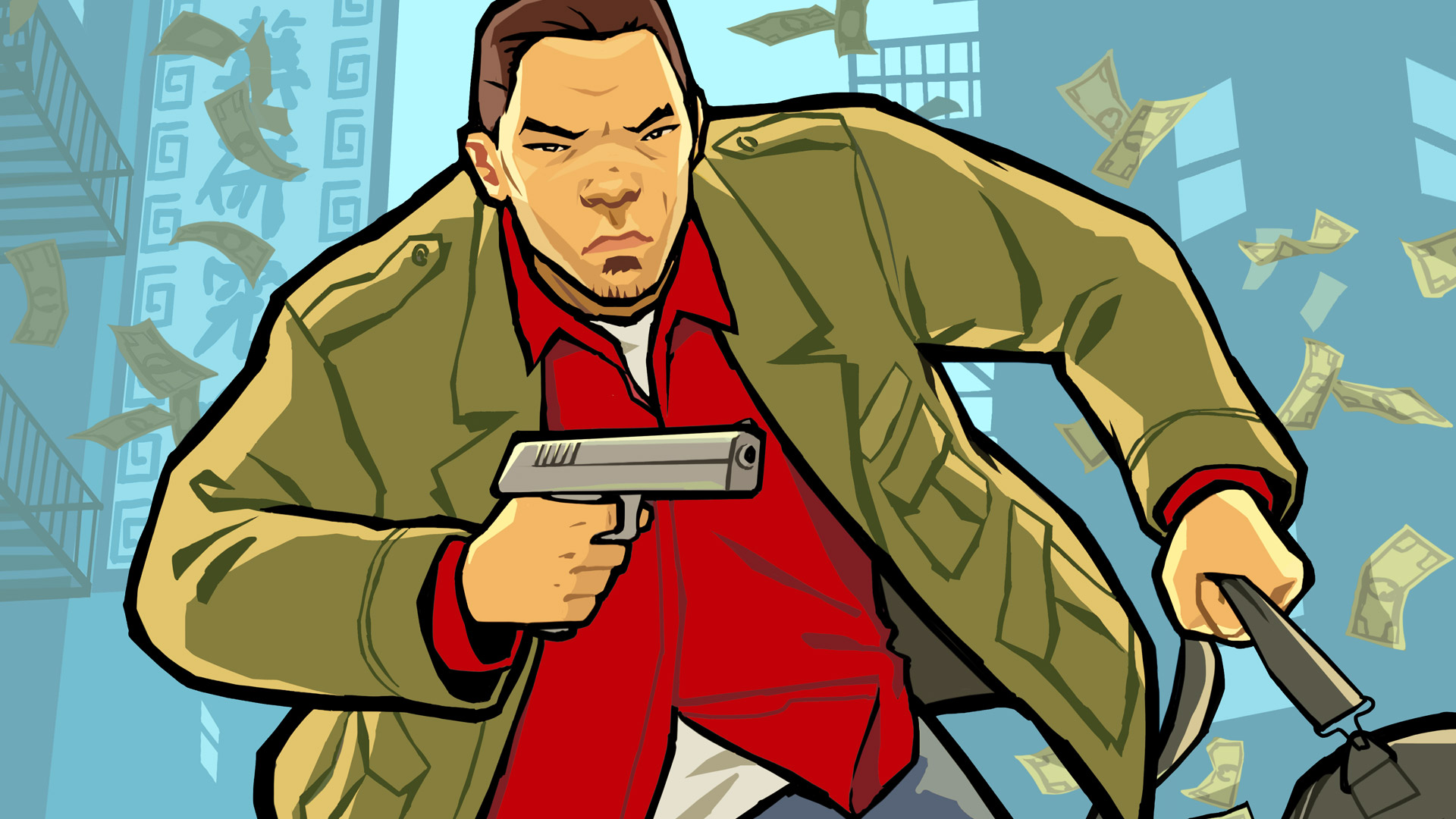
Rockstar Games brought their massive open world franchise to the Nintendo DS with surprising fidelity. The game utilized the touchscreen for unique mini-games like hotwiring cars and assembling weapons. The mature crime drama felt out of place on a handheld system popular with children. Sales were significantly lower than previous entries in the series despite being one of the highest-rated games on the portable. It was later ported to the PSP where it fit much better with the user base.
‘Resident Evil 4’ (2005)
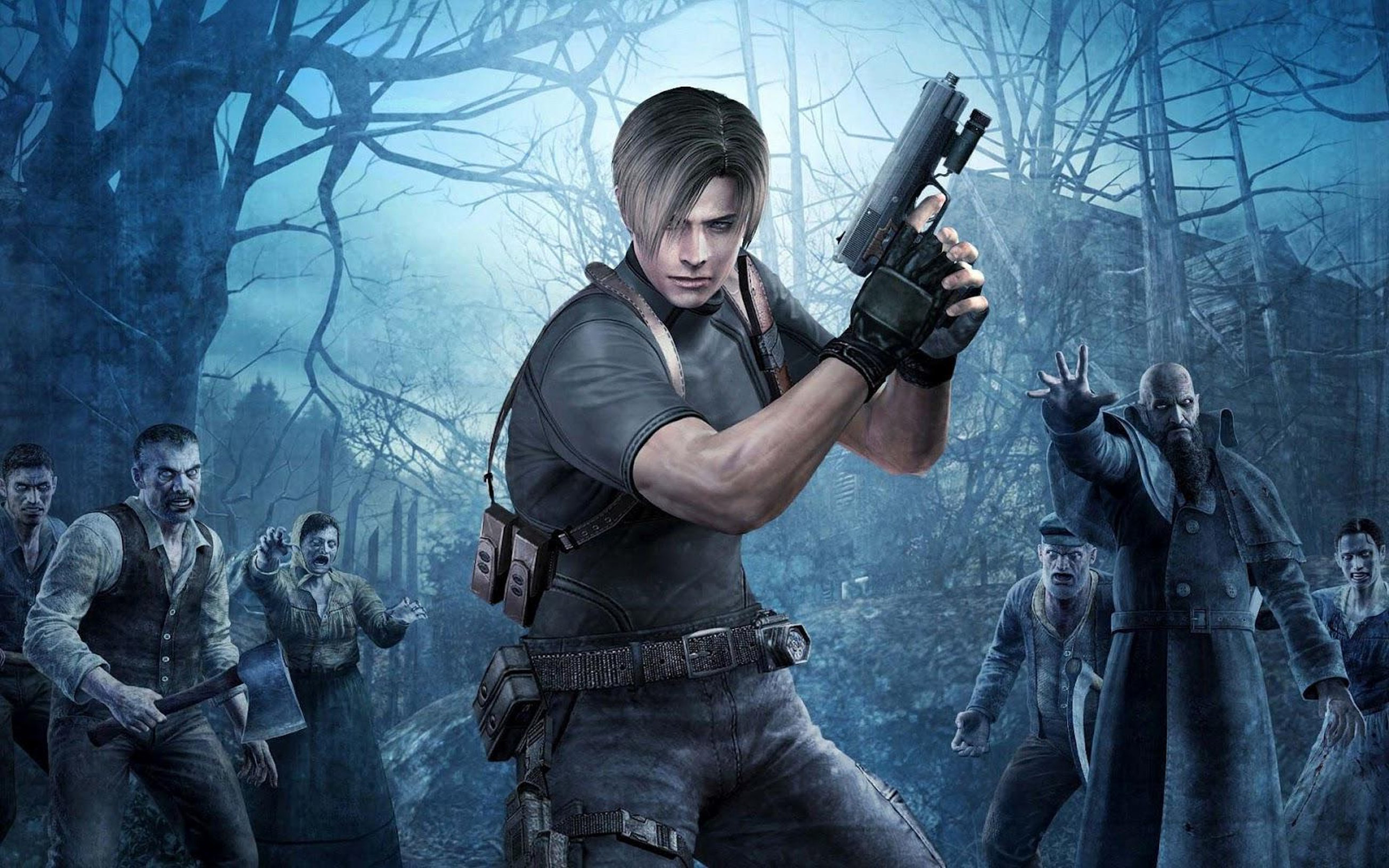
Capcom originally released this survival horror revolution as a GameCube exclusive. The install base of the GameCube was much smaller than that of the competing PlayStation 2. Many fans of the series were unable to play the game initially because they did not own Nintendo hardware. The game reinvented the third-person shooter genre and demanded a wider audience than the GameCube could provide. It was eventually ported to almost every gaming device in existence due to its overwhelming popularity.
‘Persona 4 Golden’ (2012)
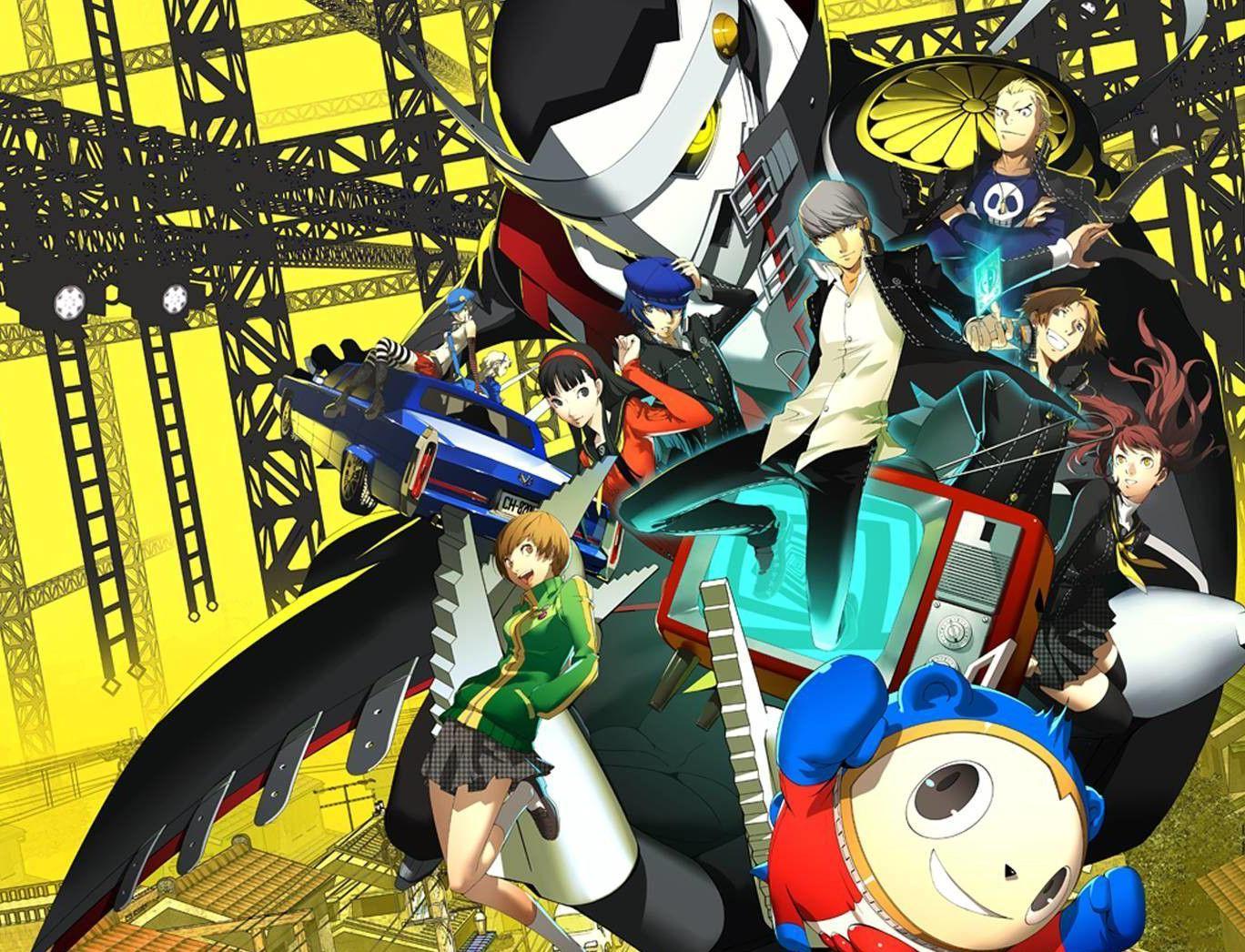
This definitive version of the beloved role-playing game was trapped on the PlayStation Vita for years. The Vita was a commercial failure that struggled to attract widespread support from developers or gamers. The game offered hundreds of hours of content and a deep social simulation system that deserved a main console audience. Fans bought the handheld system specifically for this game but the general public missed out. It finally reached a broader audience with a PC release nearly a decade later.
‘Skies of Arcadia’ (2000)
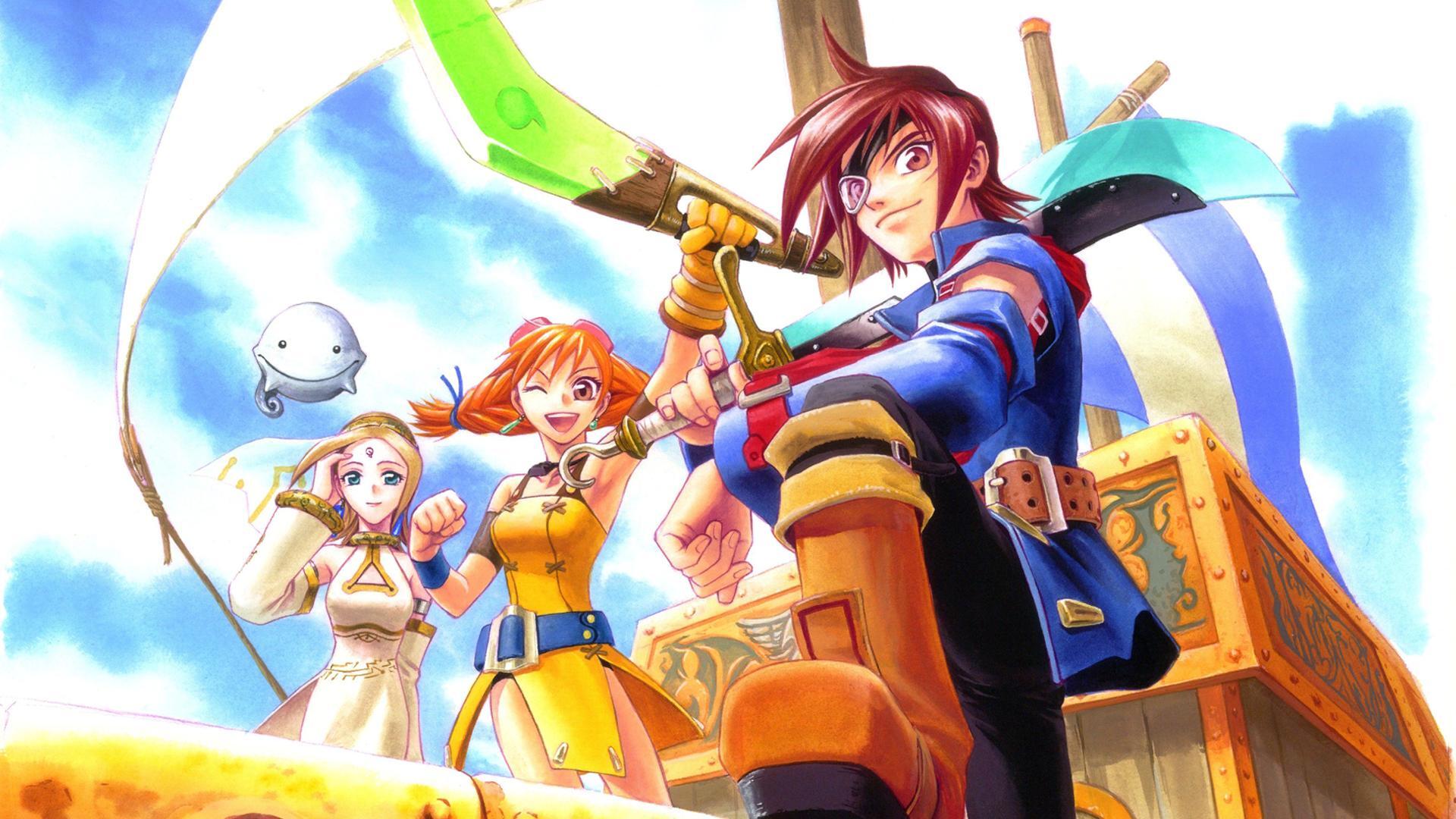
Sega produced a bright and optimistic role-playing game involving sky pirates and airship battles. The Dreamcast release suffered from a high encounter rate and technical limitations of the disc drive. It failed to find a large audience because the console itself was struggling to compete with the upcoming PlayStation 2. The game was ported to the GameCube later but still did not achieve mainstream success. It remains a cult classic that was simply too ambitious for the hardware situation at the time.
‘Metal Gear Solid: The Twin Snakes’ (2004)
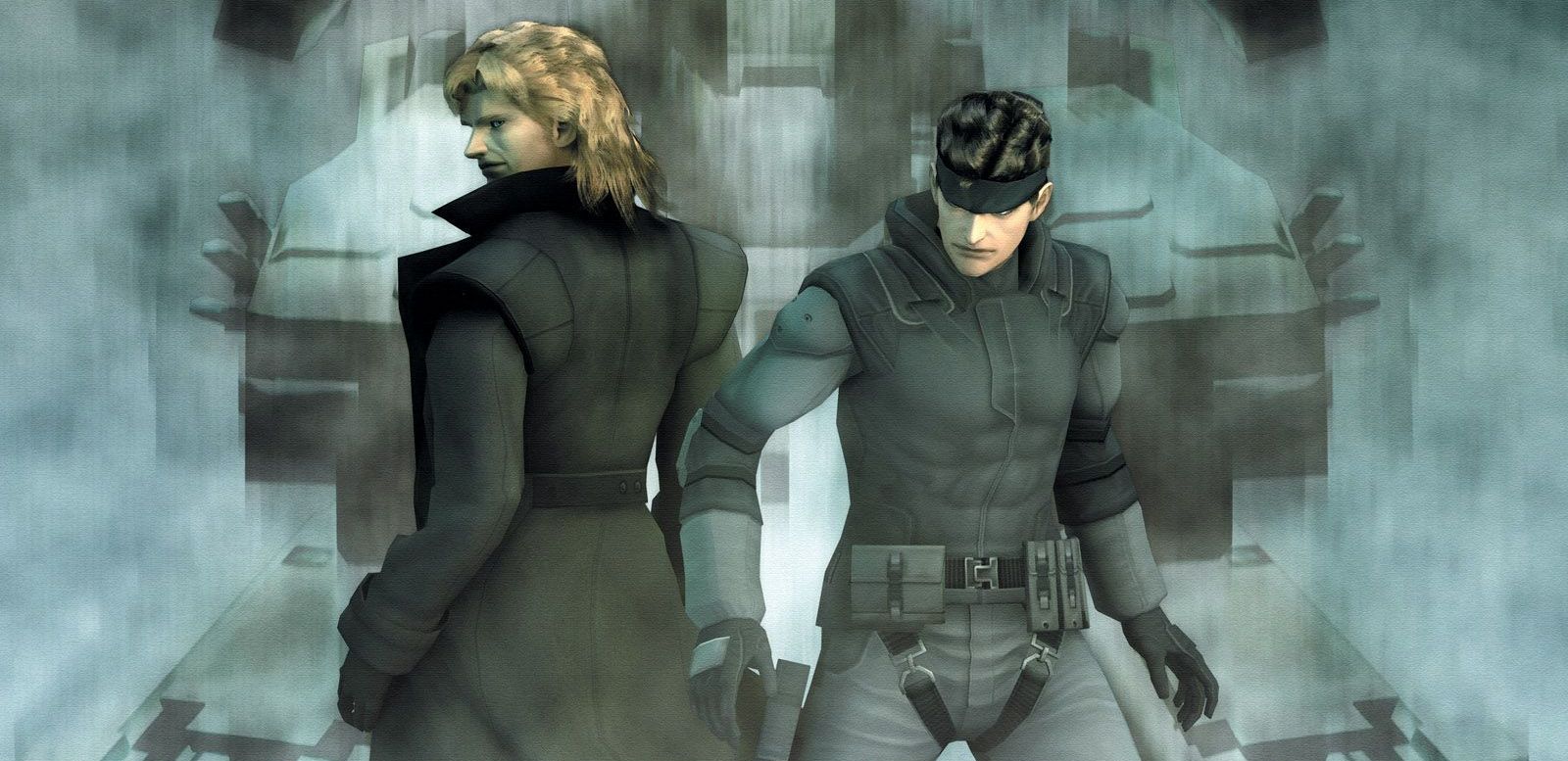
Silicon Knights remade the original PlayStation classic exclusively for the Nintendo GameCube. The cinematic style and complex stealth gameplay were staples of the PlayStation brand rather than Nintendo. The game featured updated mechanics from the second entry in the series and improved graphics. Many loyal fans of the franchise missed this entry entirely because they did not own a GameCube. It remains trapped on the console due to licensing issues and has never been re-released.
‘Dead Space: Extraction’ (2009)
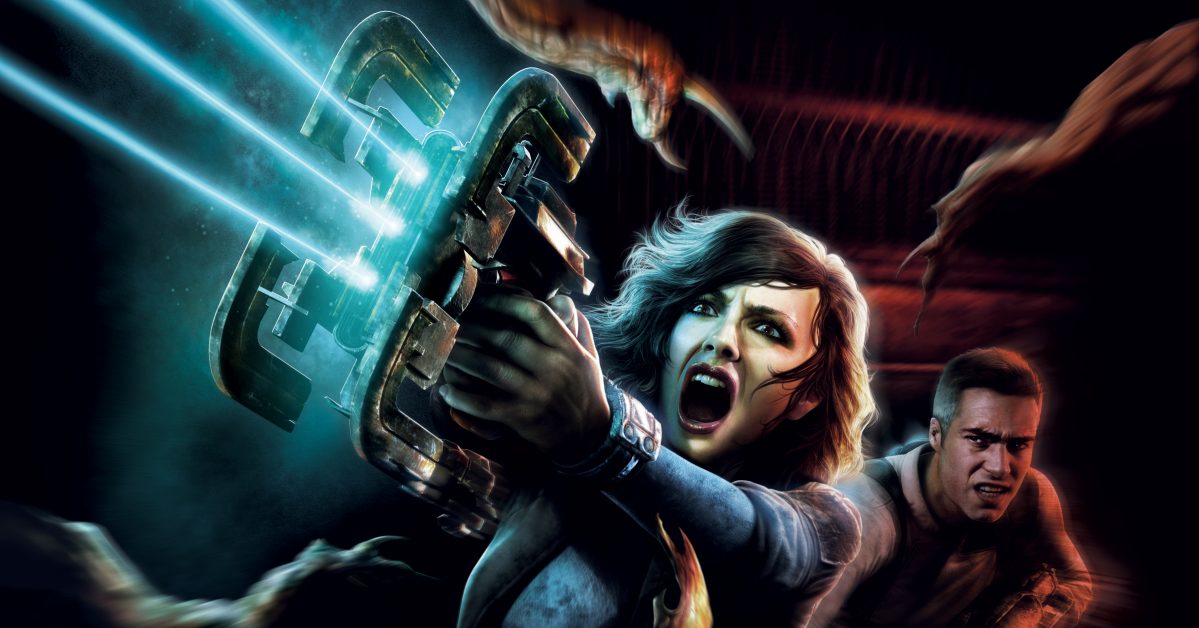
Visceral Games created this prequel as an on-rails shooter designed specifically for the Nintendo Wii. The game delivered a terrifying experience that utilized the Wii Remote for aiming and dismemberment. The Wii audience generally ignored mature horror titles in favor of party games and fitness titles. The high production values and strong narrative went largely unnoticed by the broader gaming community. It was eventually included as a bonus feature in the PlayStation 3 version of the sequel.
‘Snatcher’ (1988)
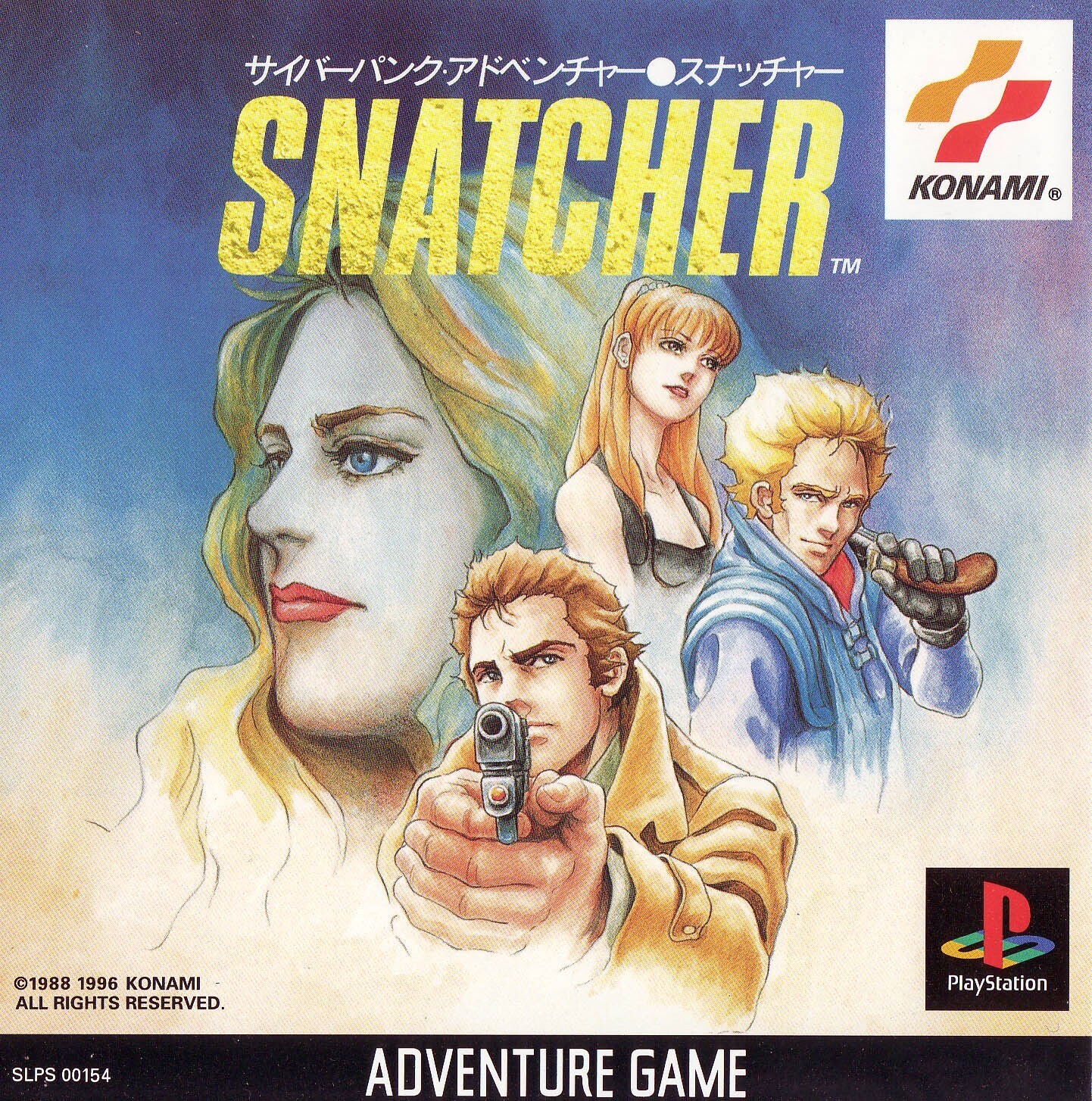
Hideo Kojima wrote and directed this cyberpunk graphic adventure early in his career. The English version was released on the Sega CD which was an expensive add-on for the Sega Genesis. The high cost of the hardware meant that very few players actually experienced the game. It featured voice acting and cinematic cutscenes that were revolutionary for the era. The game has since become a legendary collector’s item that most fans have only played through emulation.
‘The Wonderful 101’ (2013)
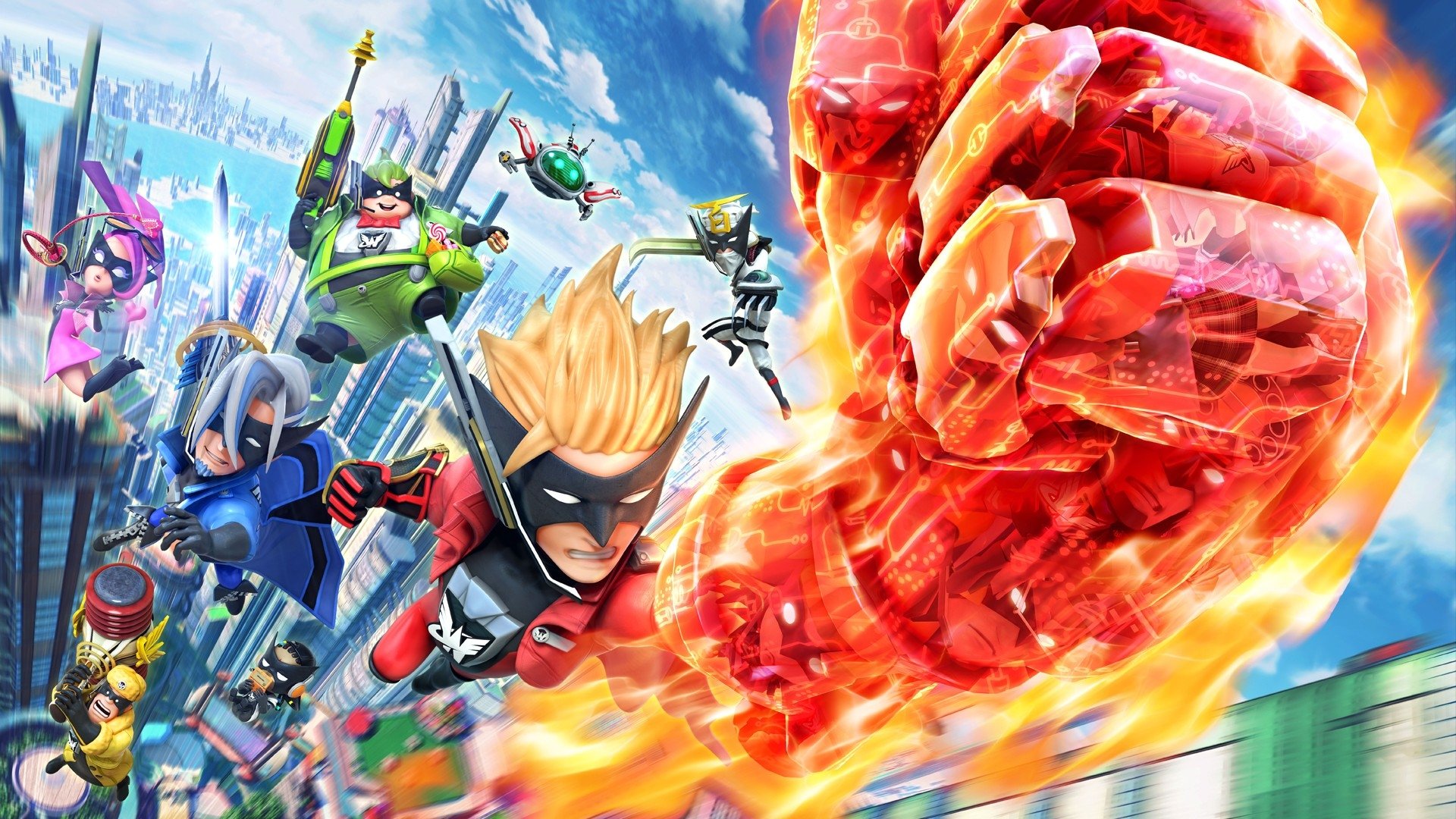
PlatinumGames directed this colorful action title that involved controlling a horde of superheroes simultaneously. The Wii U GamePad was used to draw shapes that transformed the team into giant weapons. The learning curve was steep and the Wii U install base was too small to support a niche new IP. Nintendo failed to market the complex gameplay effectively to a general audience. A Kickstarter campaign later succeeded in bringing the game to modern platforms.
‘House of the Dead: Overkill’ (2009)
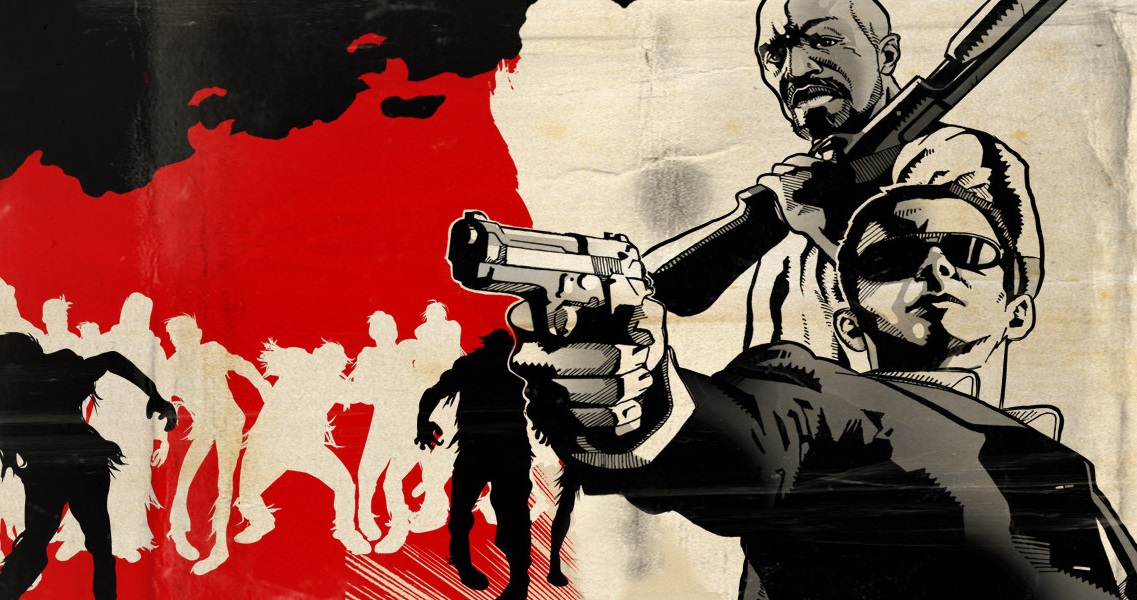
This rail shooter embraced a grindhouse cinema aesthetic complete with film grain and excessive profanity. It was released on the Nintendo Wii and holds the record for the most swearing in a video game script. The adult tone was completely at odds with the family-friendly image of the console. Hardcore light gun fans enjoyed it but the general Wii demographic avoided it. A typing version and PlayStation Move port later attempted to find a better market fit.
‘Gravity Rush’ (2012)
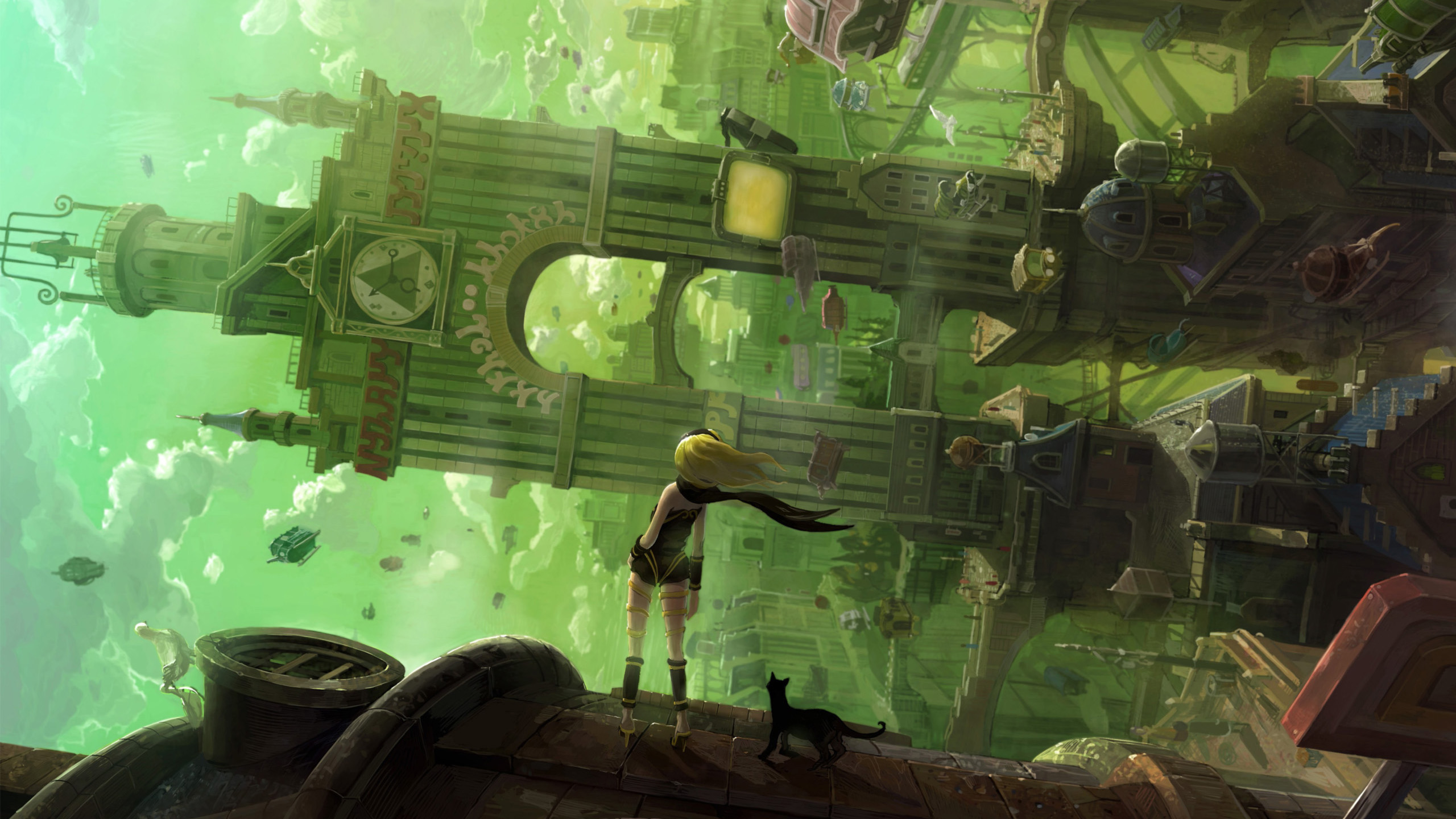
Sony Japan Studio created this innovative action game specifically to showcase the features of the PlayStation Vita. Players controlled a character who could manipulate gravity to fly through a vast open city. The failure of the Vita meant that this new intellectual property did not get the attention it deserved. The gyroscope controls were unique but few people owned the handheld to experience them. A remaster for the PlayStation 4 eventually allowed console players to enjoy the title.
‘ZombiU’ (2012)
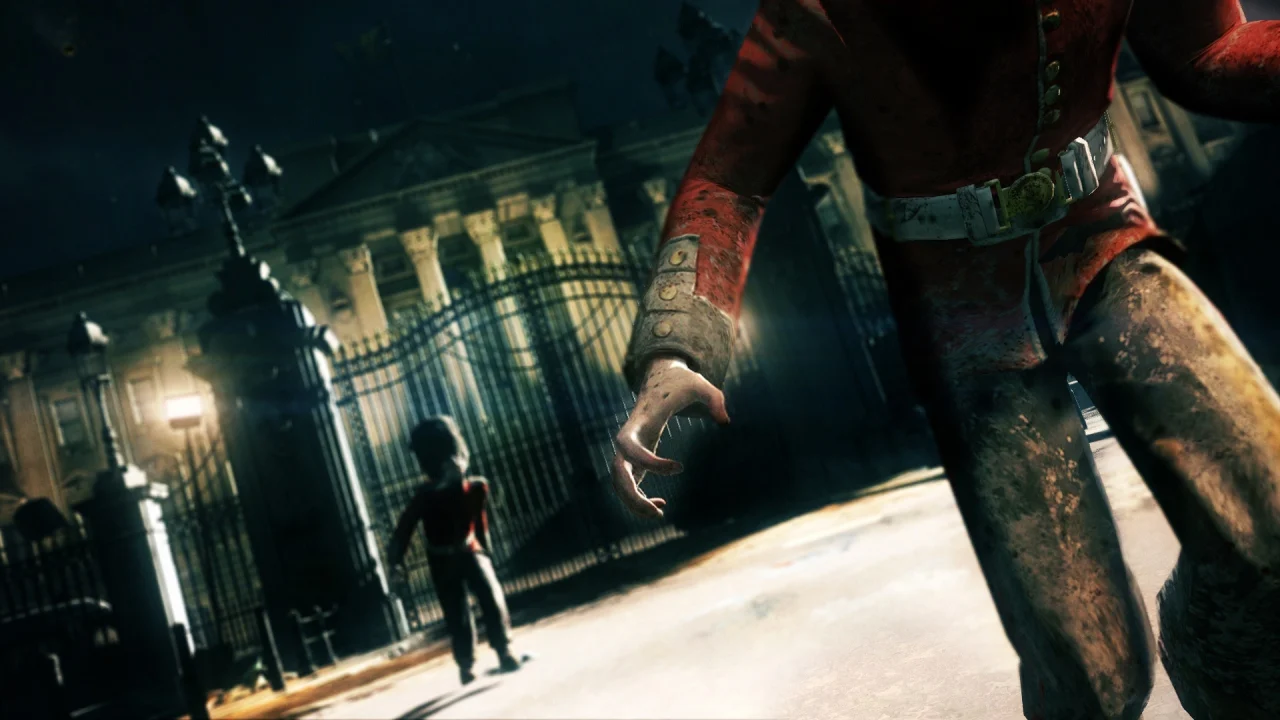
Ubisoft launched this survival horror game as a flagship title for the Wii U launch. The game utilized the GamePad screen for inventory management and tension-building mechanics. It was a true survival experience that punished players with permanent death for their characters. The commercial failure of the Wii U meant that the game quickly faded into obscurity. It was ported to other consoles later but lost the unique dual-screen features that made it special.
‘Valkyria Chronicles II’ (2010)
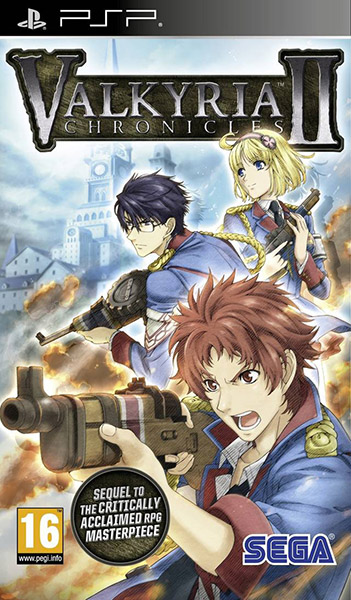
Sega moved the sequel to their acclaimed PlayStation 3 strategy game exclusively to the PlayStation Portable. The shift to a handheld device limited the graphical fidelity and scale of the battles. Fans of the original game wanted a true console sequel and were disappointed by the portable limitations. The PSP was popular in Japan but piracy was rampant in the West which hurt sales. The third game in the series was never even localized for Western territories as a result.
‘Kingdom Hearts: Chain of Memories’ (2004)
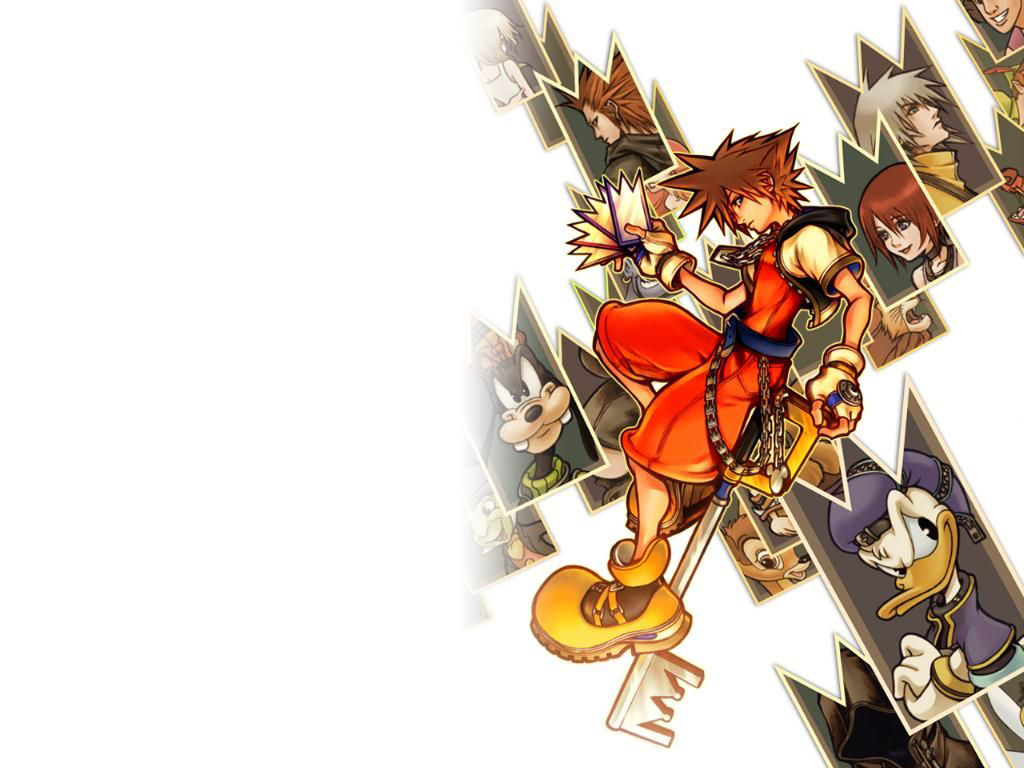
Square Enix released this crucial bridge between the first and second main games on the Game Boy Advance. The complex story and card-based battle system were difficult to manage on a small handheld screen. Console players were confused when the second main game referenced events that happened in this portable title. It forced fans of the action RPG series to buy a handheld to understand the full narrative. A 3D remake was later included in console collections to rectify this fragmentation.
‘Tearaway’ (2013)
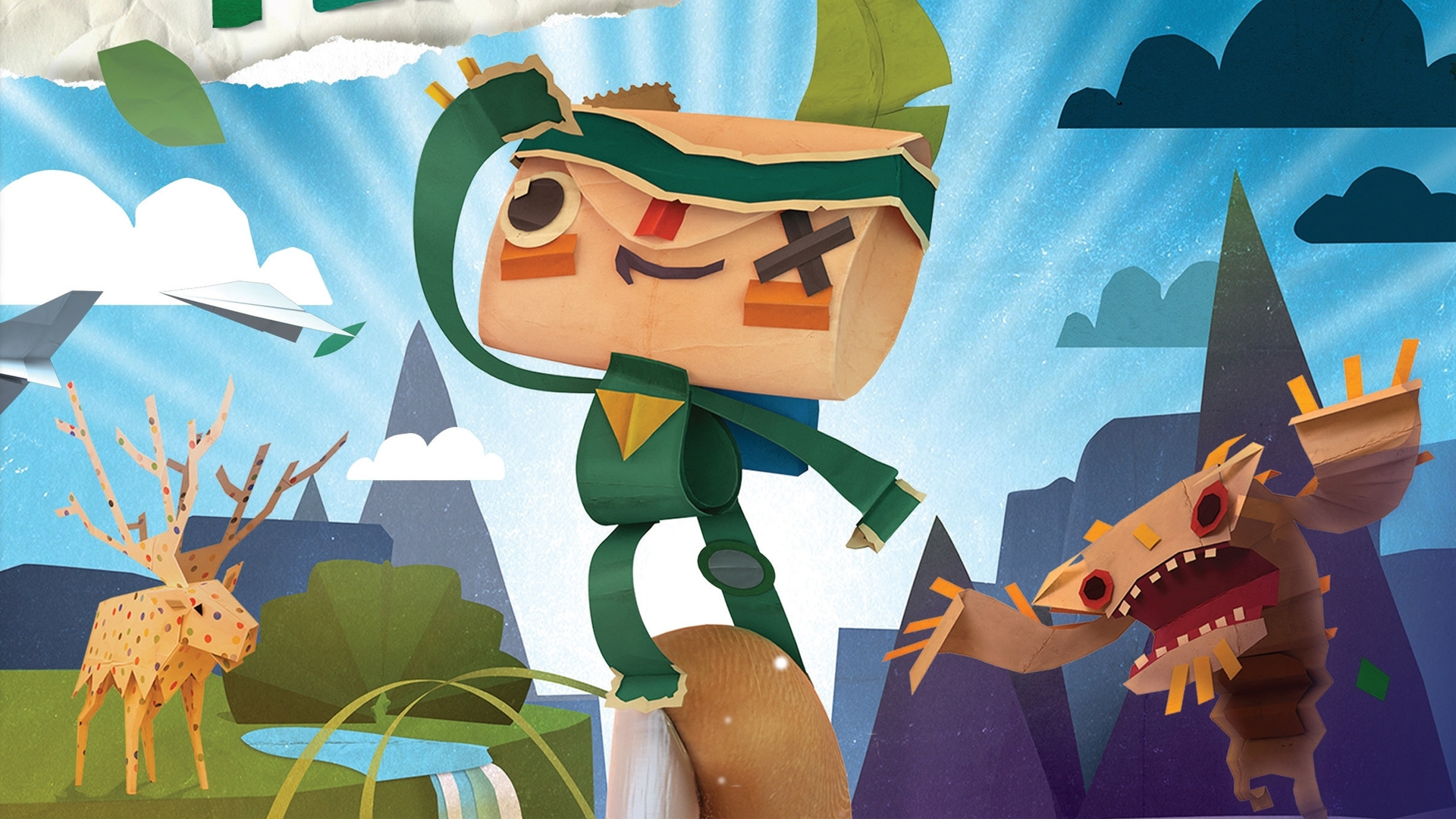
Media Molecule designed this charming platformer to use every single input feature of the PlayStation Vita. Players used the rear touch panel and cameras to interact with the papercraft world. The game was critically acclaimed for its creativity but sold poorly due to the small Vita user base. It was a perfect demonstration of hardware that unfortunately nobody was buying. The developers eventually reworked the entire game for the PlayStation 4 to reach a wider audience.
Tell us which of these gaming mismatches you played and which ones you think belong on a different system in the comments.