

Top 20 Games That Ruined Their Franchises

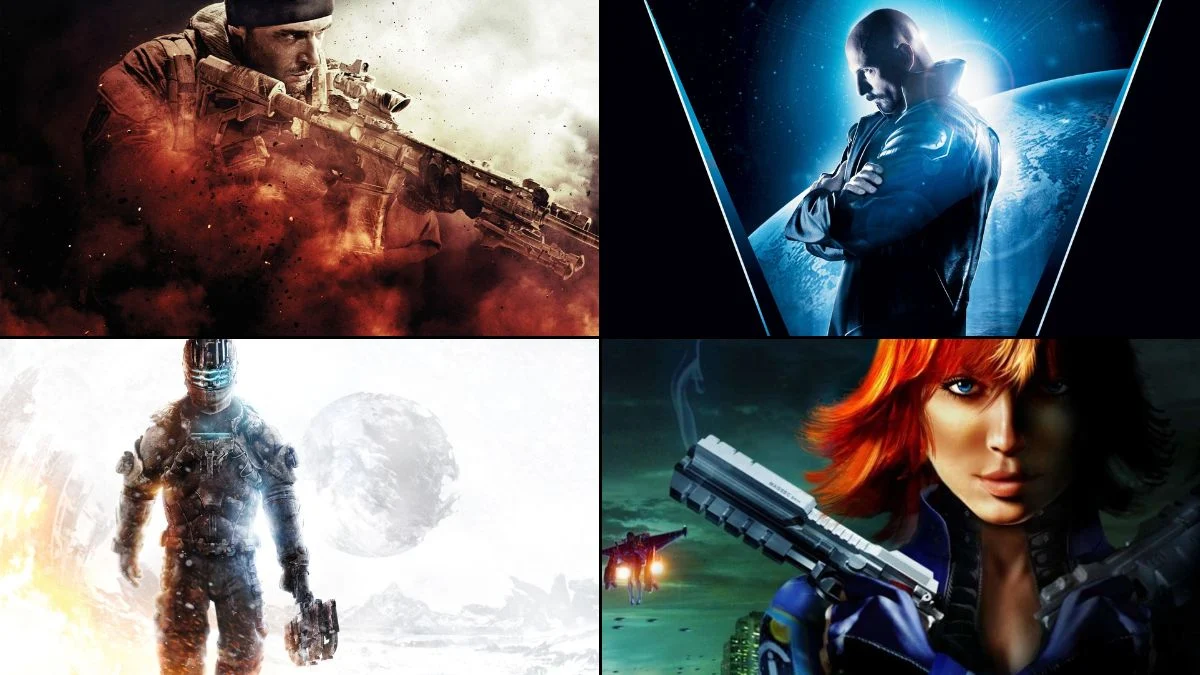


Every long running series has that one release that knocks it off course. Sometimes it is a technical mess that sends players away in frustration. Other times it is a dramatic design pivot that leaves the core audience behind and pushes the series into a long quiet period.
This list looks at games that triggered cancellations, studio closures, long hiatuses, or full reboots. For each entry you will find concrete details about what shipped, how it changed the series, and what happened next so you can see the turning point as it actually unfolded.
Sonic the Hedgehog
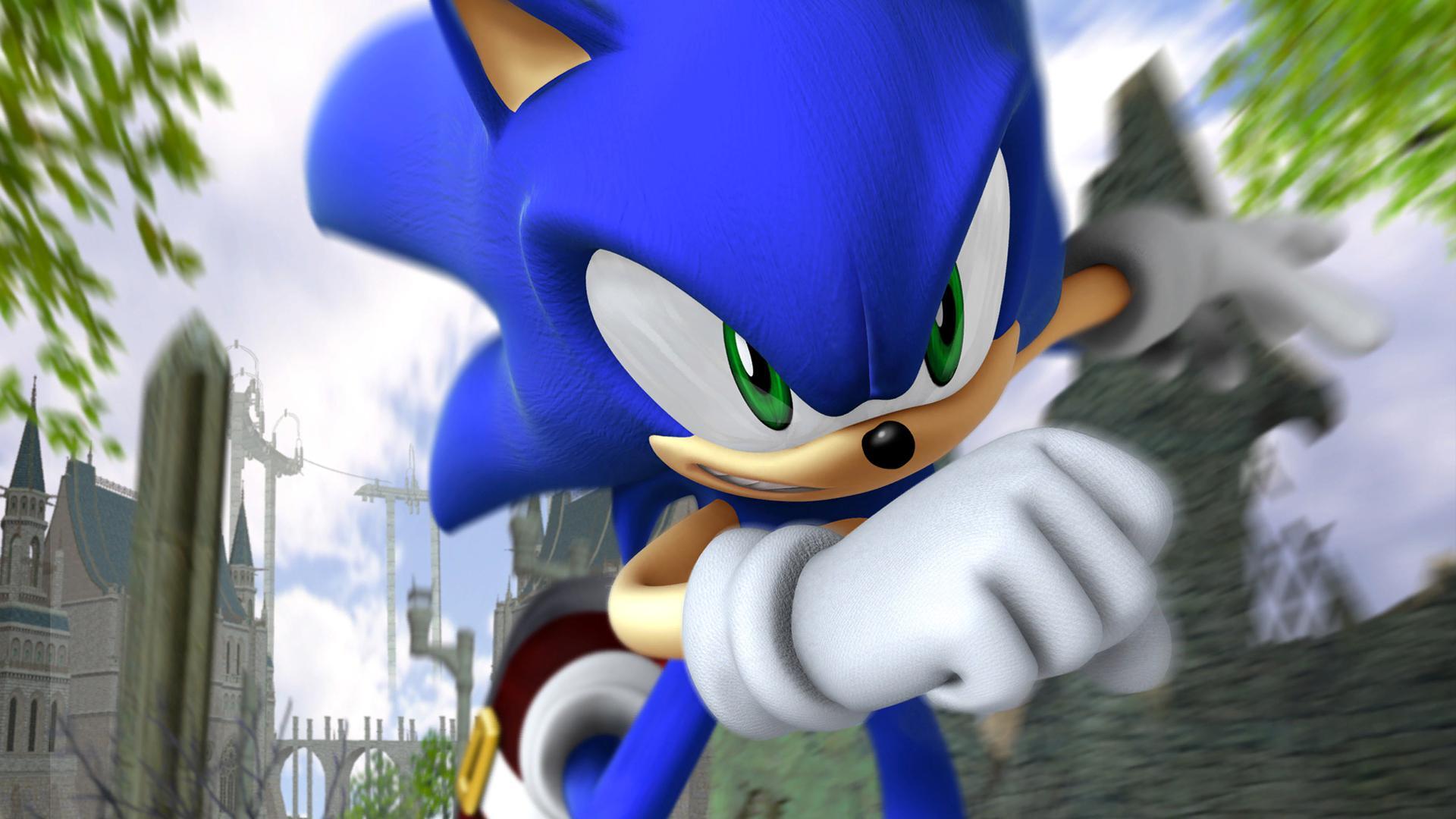
Sega launched a new mainline Sonic the Hedgehog on PlayStation 3 and Xbox 360 in 2006 with a new engine and an ambitious story. The release shipped with severe bugs and long load times that drew widespread attention. The game’s unstable performance and unfinished feel marked a sharp break with prior console entries.
In the years that followed Sega shifted focus to safer projects and side experiments while rebuilding Sonic Team’s technology. The next big steps arrived later with Sonic Unleashed and Sonic Colors as the brand worked to regain trust after the 2006 setback.
Command & Conquer 4 Tiberian Twilight
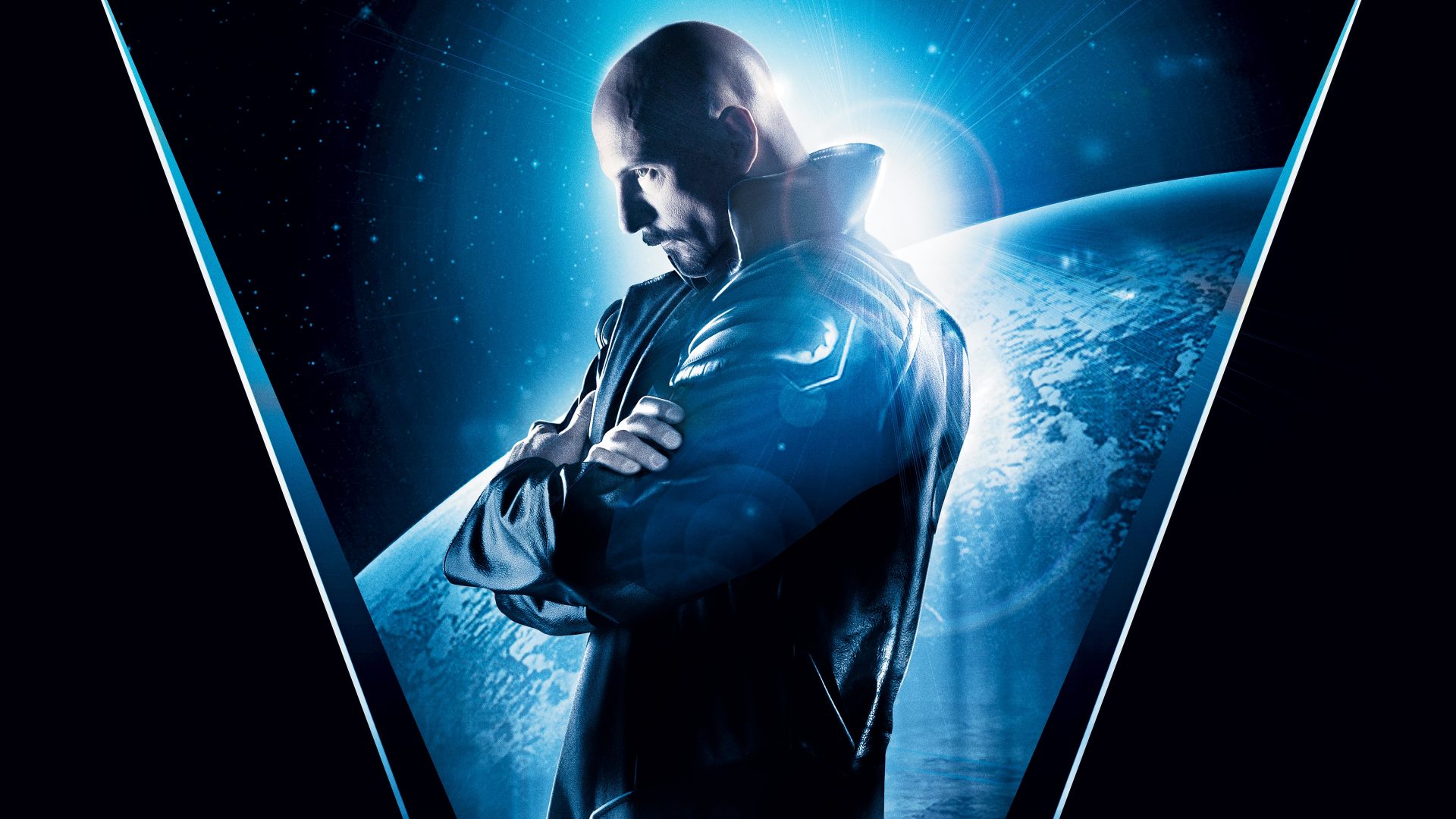
Released in 2010 as the final chapter of the Tiberium saga on PC, this entry removed traditional base building and required a constant online connection. The change in structure replaced classic Command and Conquer economy and expansion play with a smaller unit cap and mobile headquarters.
After weak reception the franchise stalled. A separate free to play reboot entered testing and was canceled in 2013 and the brand only resurfaced with smaller projects such as the mobile title Command and Conquer Rivals while the classic PC line stayed dormant.
SimCity
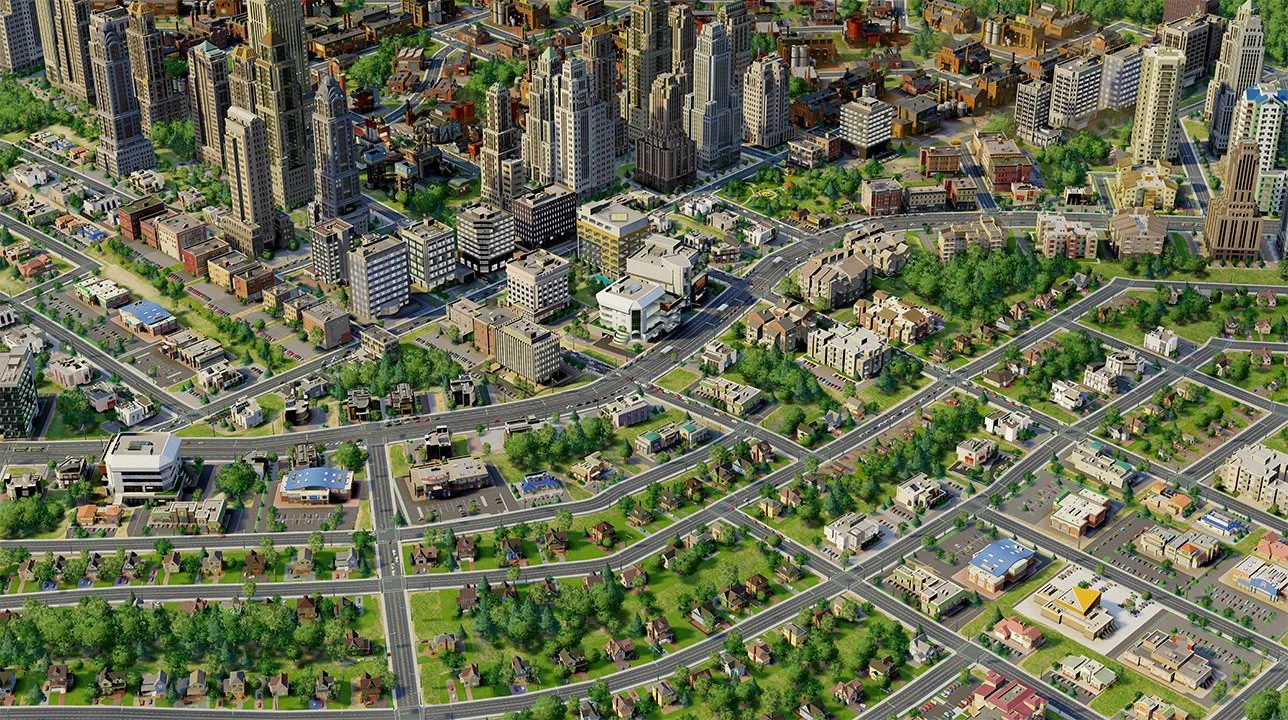
Maxis returned to the city builder in 2013 with a new simulation model that split cities into connected regions. The product launched with an always online requirement and heavy server congestion that kept many players from starting cities during the first weeks.
The fallout was swift. Maxis Emeryville was closed in 2015 and no new mainline SimCity has shipped since. City building fans moved to other series while Maxis focused its resources on The Sims.
Medal of Honor Warfighter
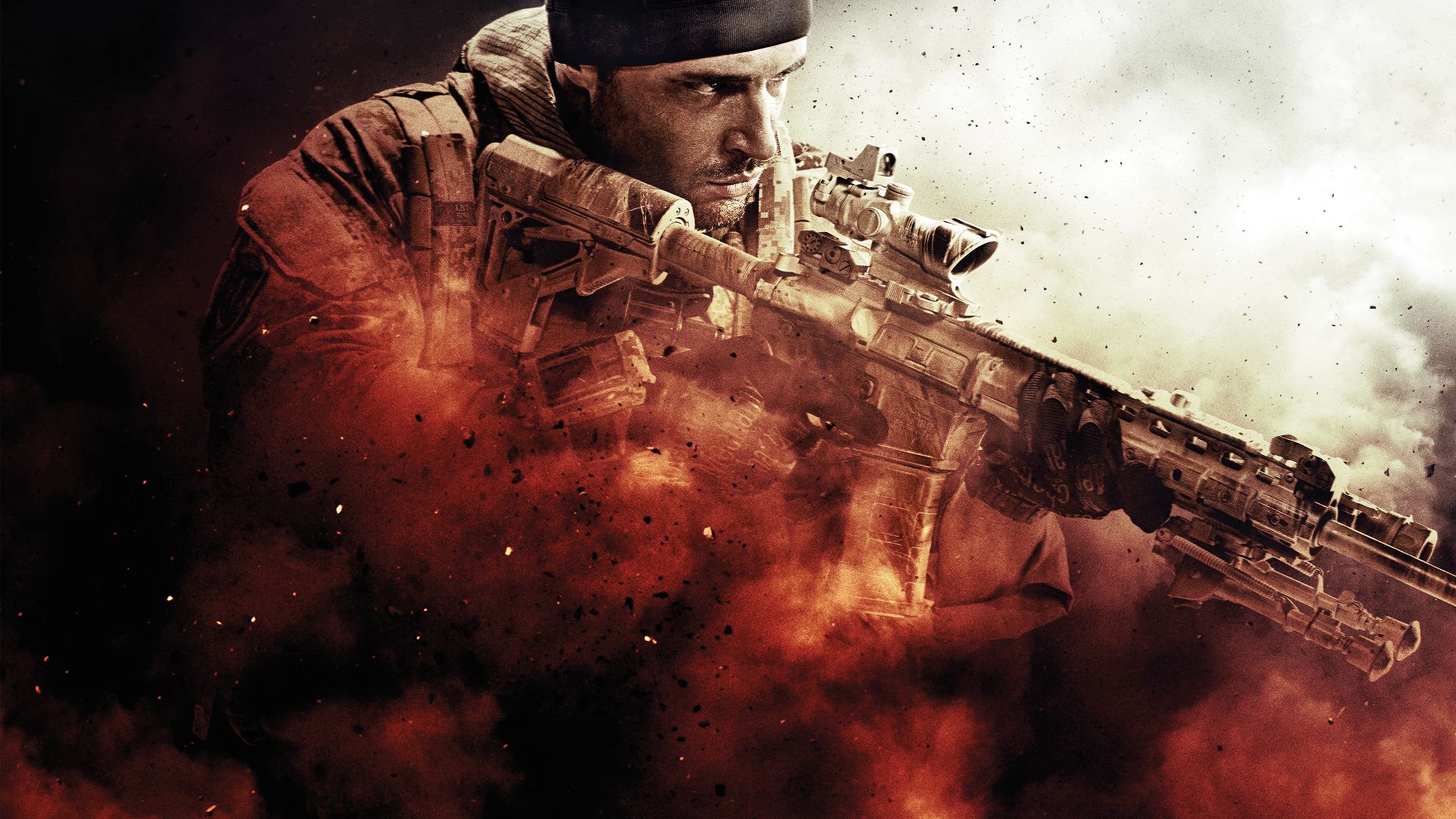
EA released this military shooter in 2012 using Frostbite 2 with single player missions inspired by real world operations. Technical issues and uneven design pulled down the reception and the game underperformed against rival shooters.
EA publicly placed Medal of Honor on hold in early 2013 and disbanded the Danger Close team. The brand returned only for a VR one off in 2020 while the traditional console and PC line remained inactive.
Dead Space 3
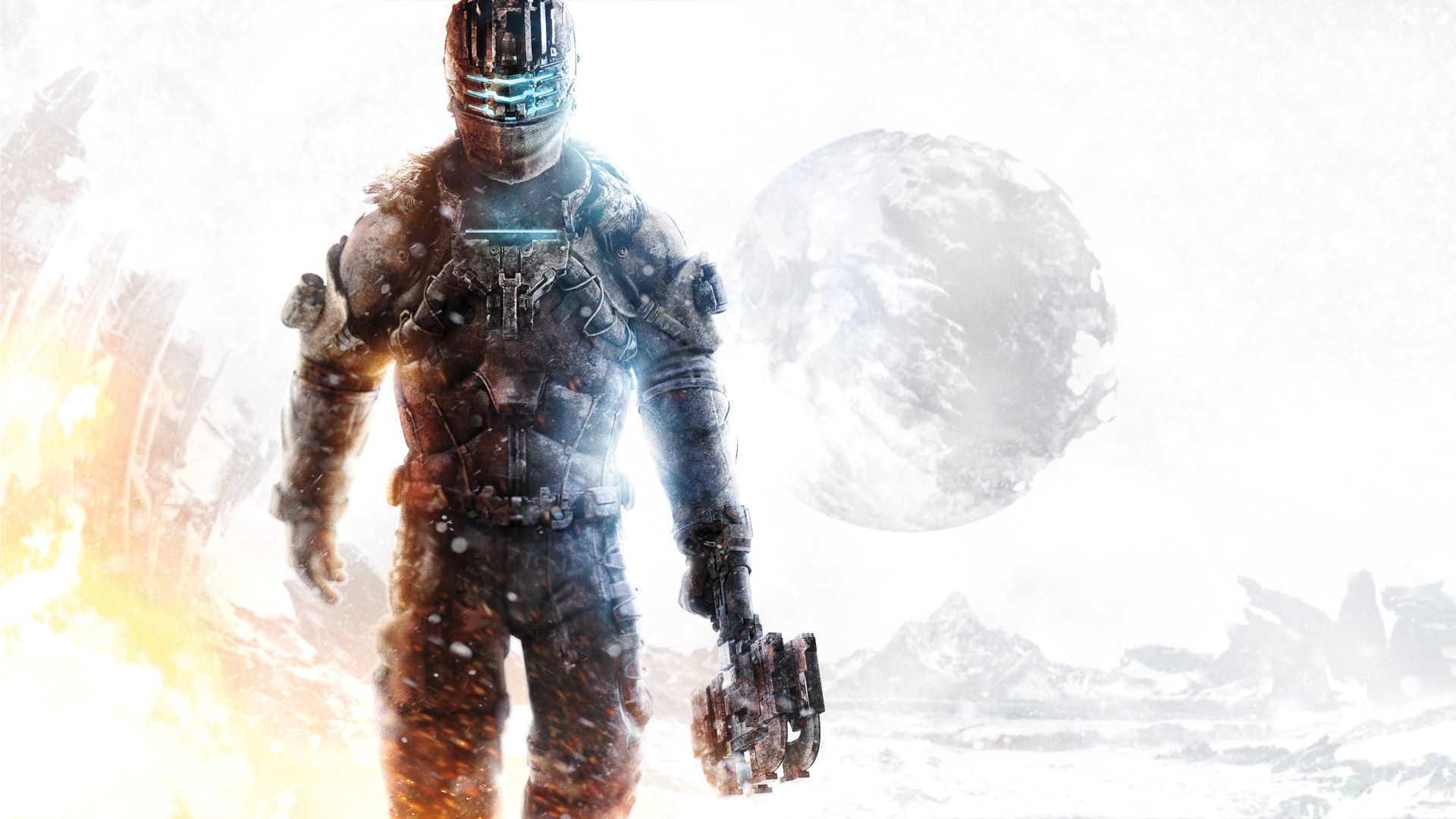
Visceral Games shipped the third numbered entry in 2013 with drop in co op and optional microtransactions. The bigger action focus and a higher budget raised the break even point and the game did not meet internal expectations.
EA closed Visceral in 2017 and the original Dead Space line ended. The series came back years later through a 2023 remake from Motive which restarted interest but the Visceral era of the franchise concluded with this release.
Duke Nukem Forever
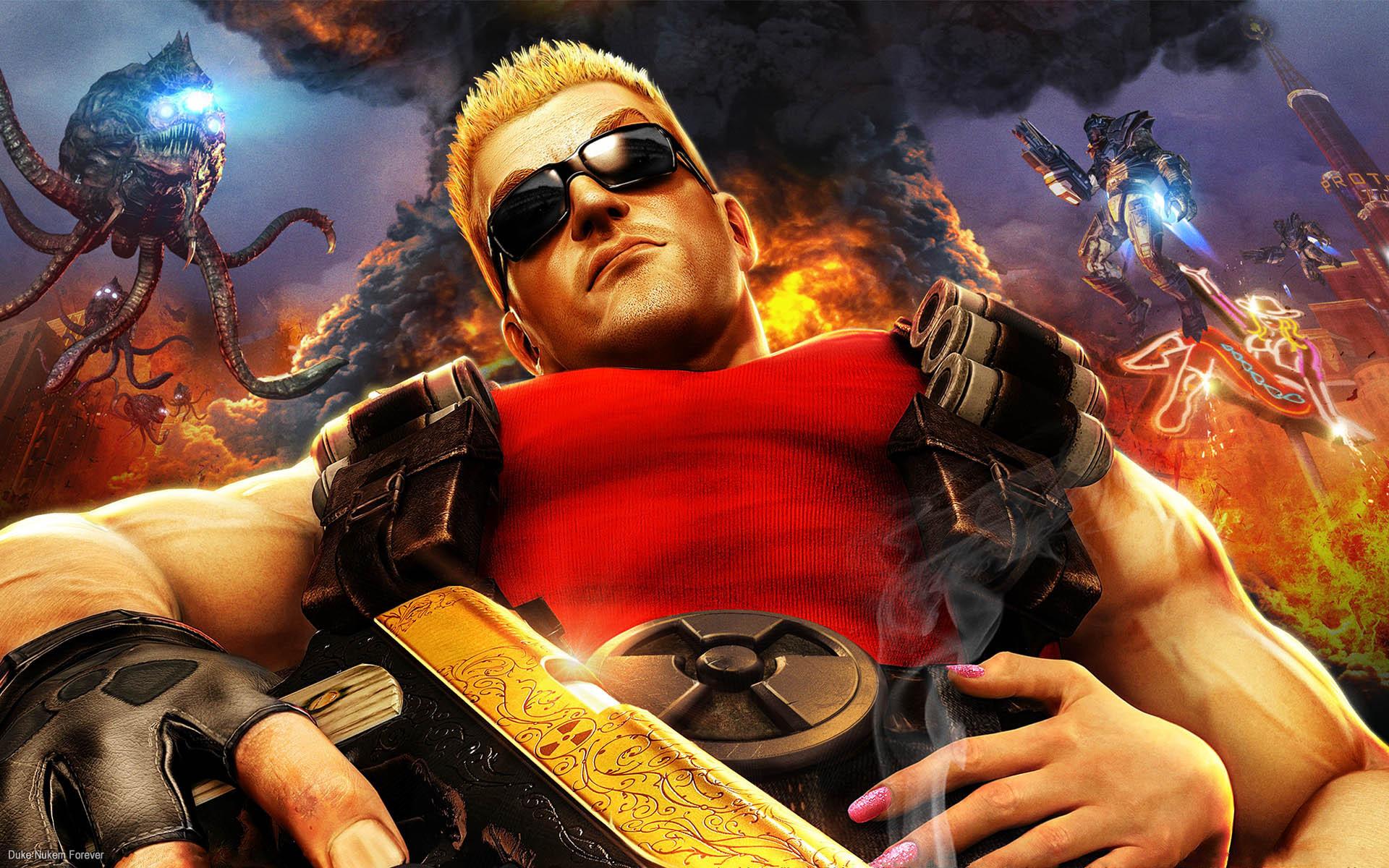
After a decade of changing engines and teams the long delayed shooter finally arrived in 2011 under Gearbox. The game carried over many dated design choices from its stop and start production and struggled to meet the standards of modern FPS titles.
Following launch the brand went quiet. Aside from small side projects there has been no new mainline Duke Nukem since, and the character largely disappeared from the release calendars of major platforms.
Star Fox Zero
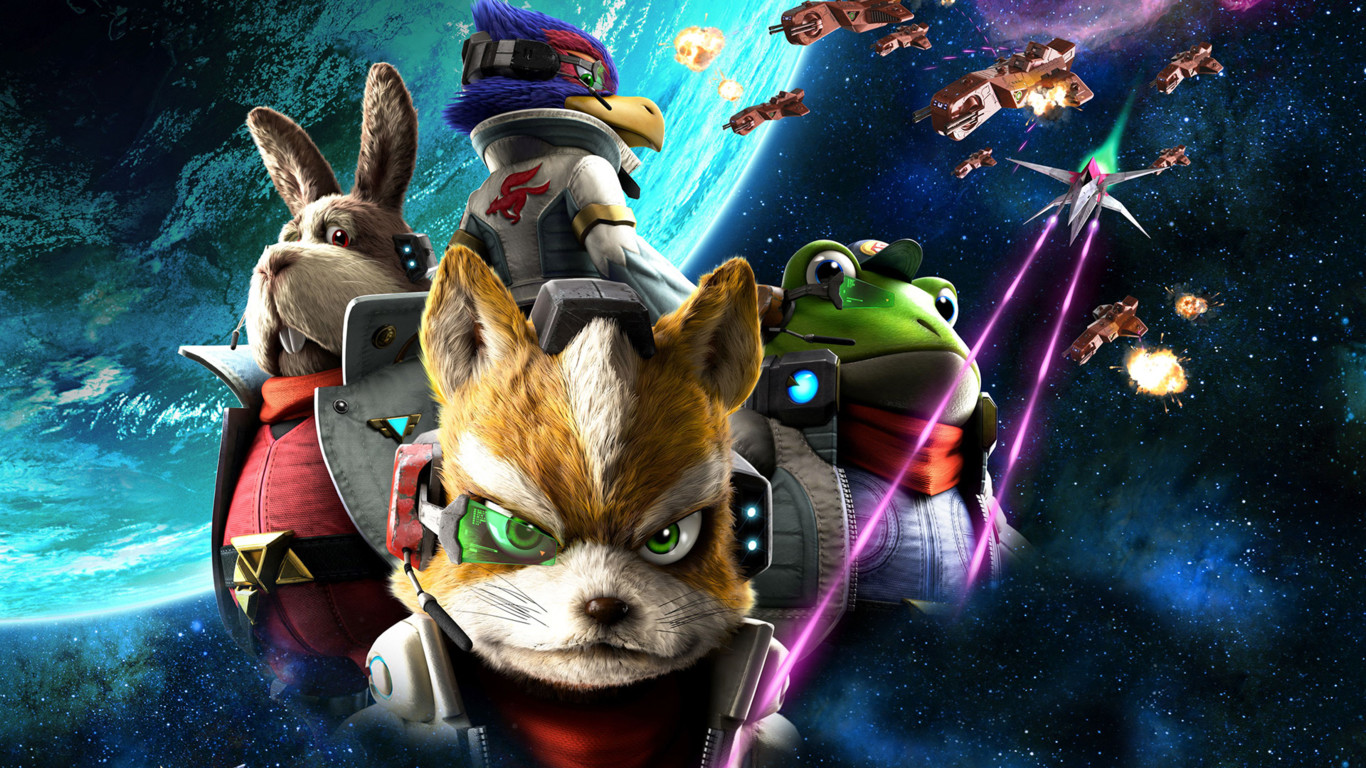
Nintendo partnered with PlatinumGames for a new Star Fox on Wii U in 2016. The game leaned on motion aiming with the GamePad screen and split attention between the TV and the controller display, which made its control scheme hard to learn for many players.
Sales were modest compared to earlier series highs and the brand entered a long pause on home consoles. Aside from re releases and cameos there has been no new mainline Star Fox after Zero, leaving the series without a follow up on Switch.
Metroid Other M
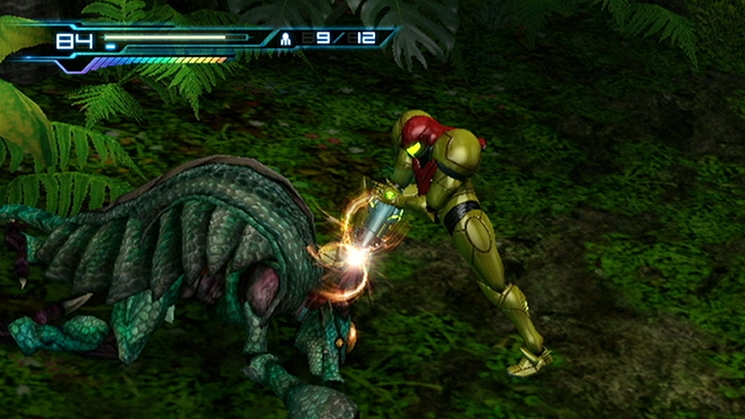
Team Ninja and Nintendo launched this action heavy Metroid on Wii in 2010 with a focus on third person combat and extensive cutscenes. The shift from exploratory pacing to scripted sequences created a sharp break from the Super Metroid and Metroid Prime template.
After release the franchise went quiet for years. Metroid returned first with a remake on 3DS in 2017 and then with a new 2D mainline entry in 2021, while the direction established by Other M was not continued.
Perfect Dark Zero
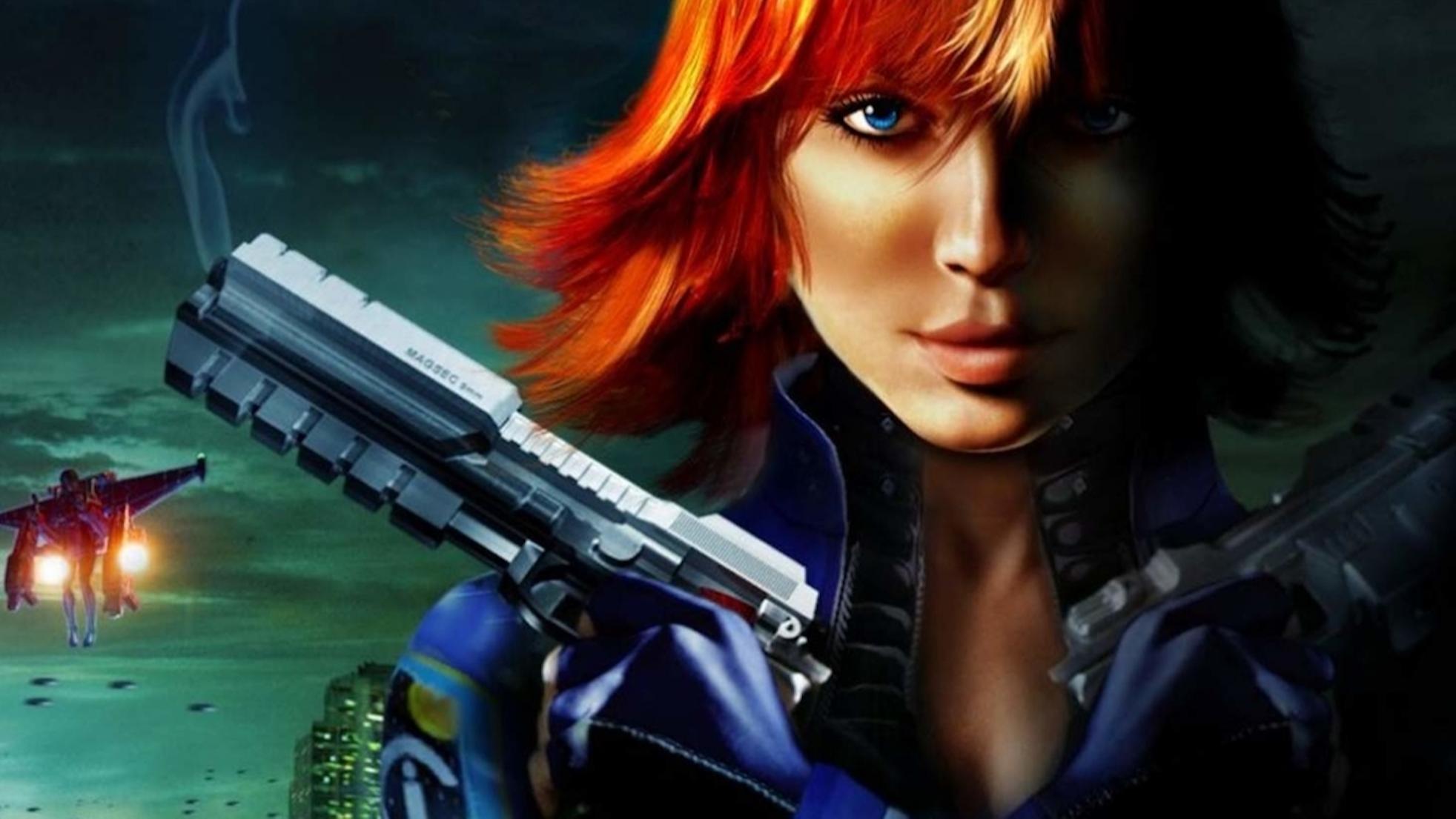
As an Xbox 360 launch title in 2005, Perfect Dark Zero introduced the series to a new platform with updated multiplayer and a glossy spy story. Despite the visibility of a launch slot the game did not establish a strong new foundation for the IP.
The brand then went into a long dormancy. Microsoft announced a reboot many years later with a new studio structure, but after Zero there were no new mainline releases for more than a decade.
Tomb Raider The Angel of Darkness
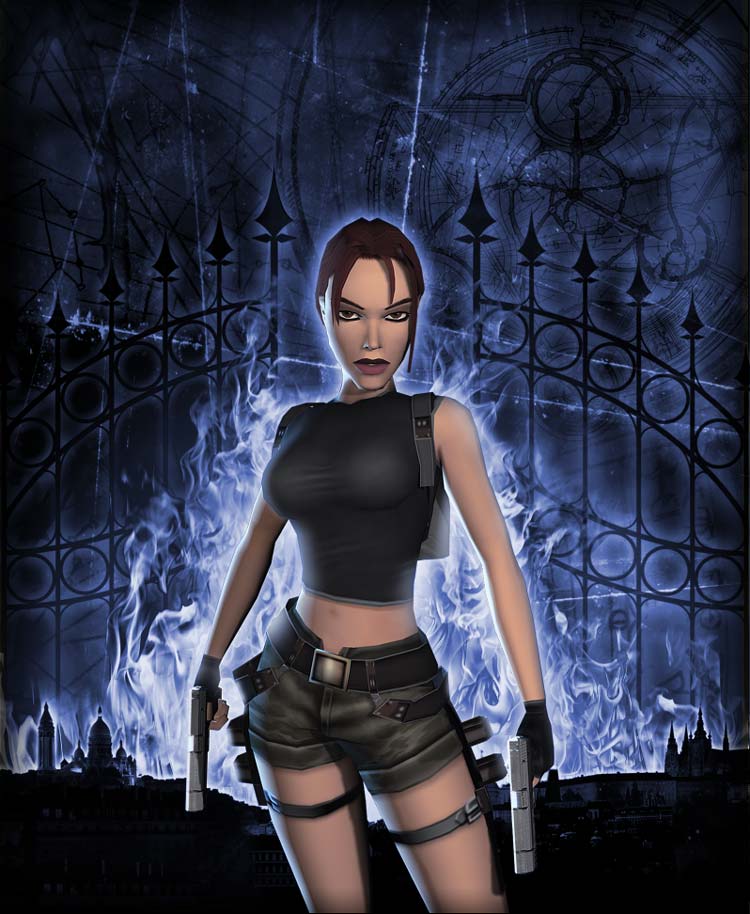
Core Design moved Lara Croft to PlayStation 2 and PC in 2003 with a darker tone and heavier adventure elements. The project shipped with bugs and uneven mechanics and it missed its planned tie in window, which hurt momentum.
Following this entry Eidos reassigned the franchise to Crystal Dynamics, which rebuilt the series with Tomb Raider Legend in 2006. Core Design’s time with the character ended and the original line effectively closed with Angel of Darkness.
Tony Hawk’s Pro Skater 5

Activision tried to revive the annual skateboarding series in 2015 with a quick turnaround project for modern consoles. The game launched with major technical problems and a small day one content set that relied on online features.
Within two years the online services were wound down and the game was delisted as music and branding licenses expired. The series shifted to a one time remaster in 2020 and then paused again as the studio behind the remaster was absorbed into other work.
Guitar Hero Live

This 2015 reboot used a new six button guitar and live action music videos that streamed from an online library. The physical track list on disc was limited and the majority of content depended on the GHTV service.
In 2018 Activision shut down GHTV, which removed access to most of the songs and left only the smaller on disc catalog. The brand was retired again and retailers offered refunds for a time as the service closure cut the core feature set.
Silent Hill Downpour
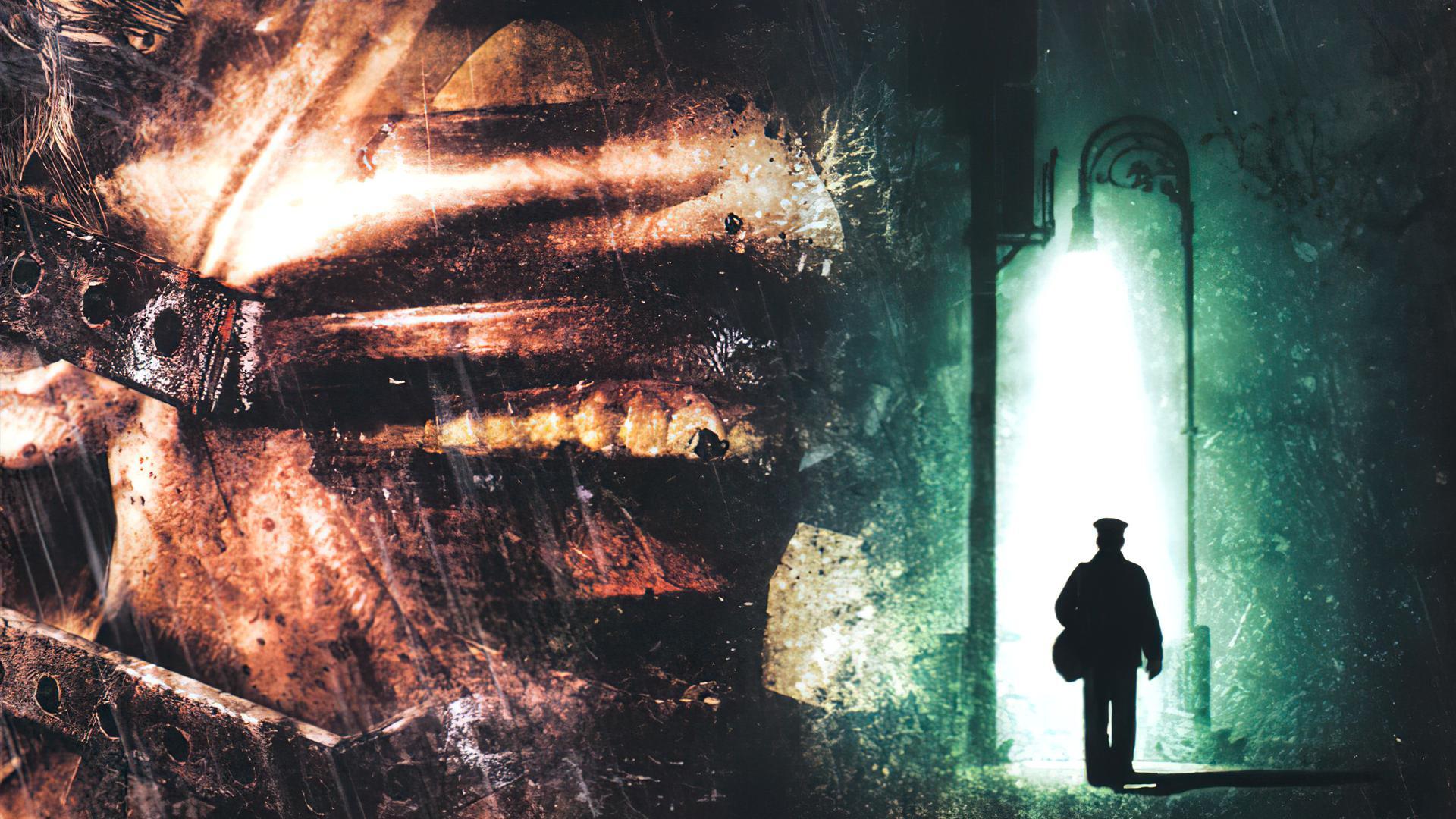
Konami handed the 2012 mainline entry to Vatra Games and released it on PlayStation 3 and Xbox 360 with a focus on exploration and smaller threats. The game arrived during a period of shifting direction across multiple Silent Hill projects.
After Downpour the brand entered a long lull. Konami canceled Silent Hills in 2015 and moved the franchise to external partners years later, leaving a gap of mainline releases throughout the late 2010s while the earlier approach wound down.
Ridge Racer Unbounded
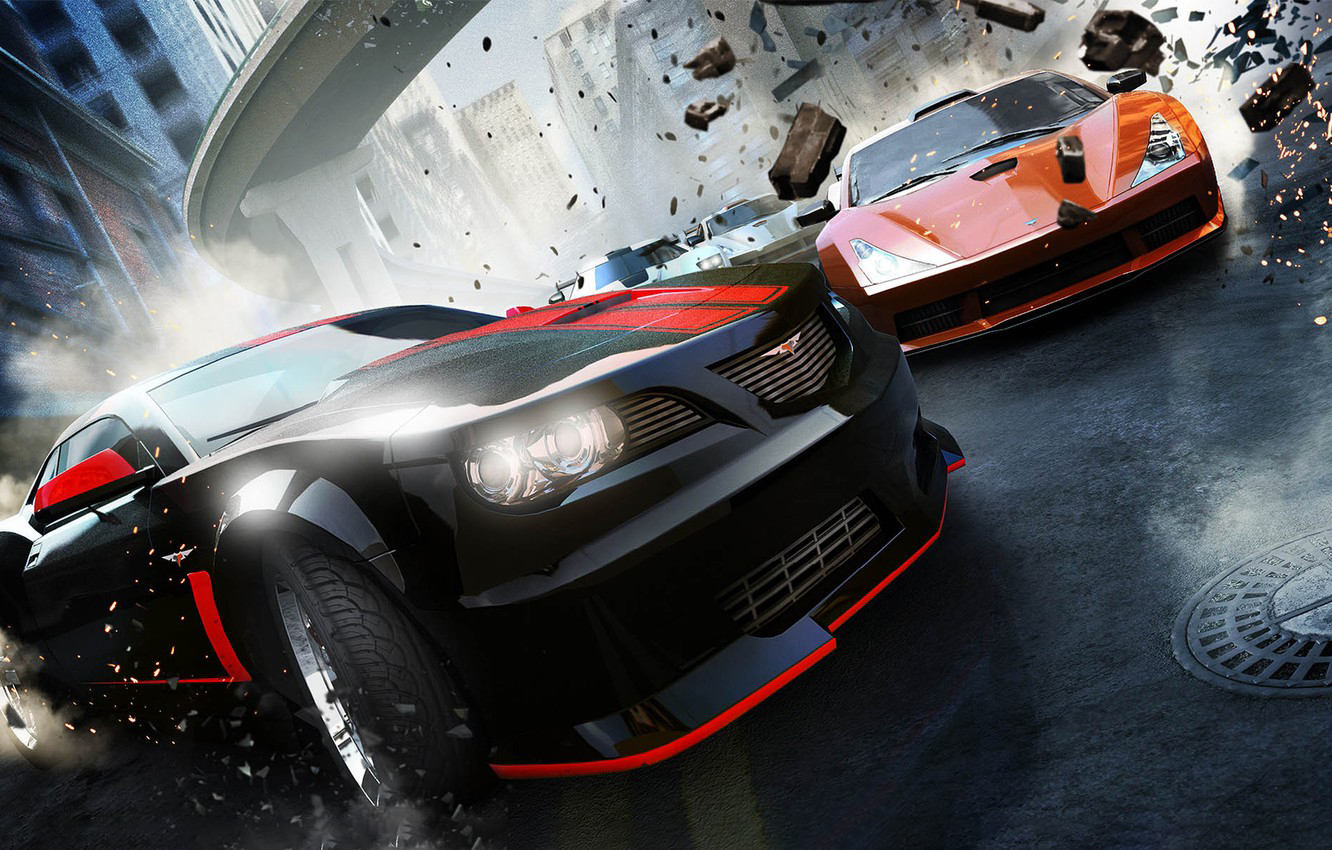
Namco Bandai handed the 2012 entry to Bugbear, the studio known for FlatOut, and shifted the series from pure drift racing to demolition style events with destructible track pieces. The change moved the game away from the arcade handling that defined past Ridge Racer titles.
Following Unbounded the console and PC line went quiet. The brand saw mobile experiments and re releases but the core premium series did not continue with a new numbered sequel, marking a clear pause after this pivot.
Commandos Strike Force
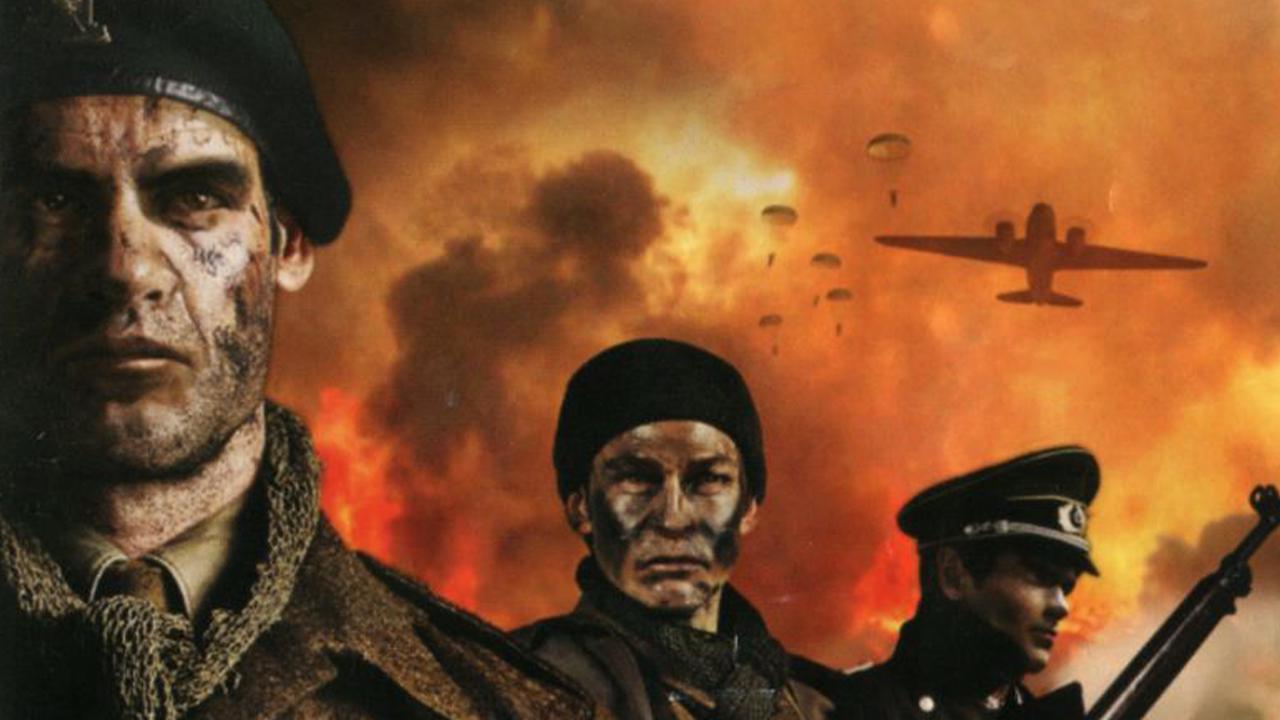
Pyro Studios took its tactical stealth series into a World War II first person shooter in 2006. The move traded squad based planning for direct gunplay and smaller scenario variety, which set it apart from the earlier isometric strategy formula.
The franchise went dormant afterward apart from remasters. Years later a new rights holder announced fresh projects, but the classic PC strategy lineage ended with this experiment and did not receive a direct continuation at the time.
Ultima IX Ascension
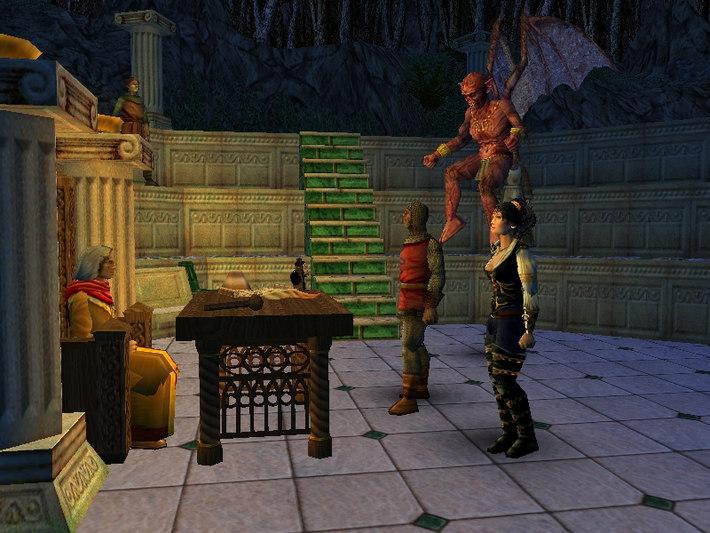
Origin Systems launched the ninth mainline Ultima on PC in 1999 with a new 3D engine and a push to close the Avatar saga. The release suffered from severe performance issues and required extensive patching to run smoothly on common hardware of the day.
The game marked the end of the single player Ultima line. Origin shifted fully to online projects and was closed by EA in 2004, and no new numbered Ultima followed Ascension.
Might and Magic IX
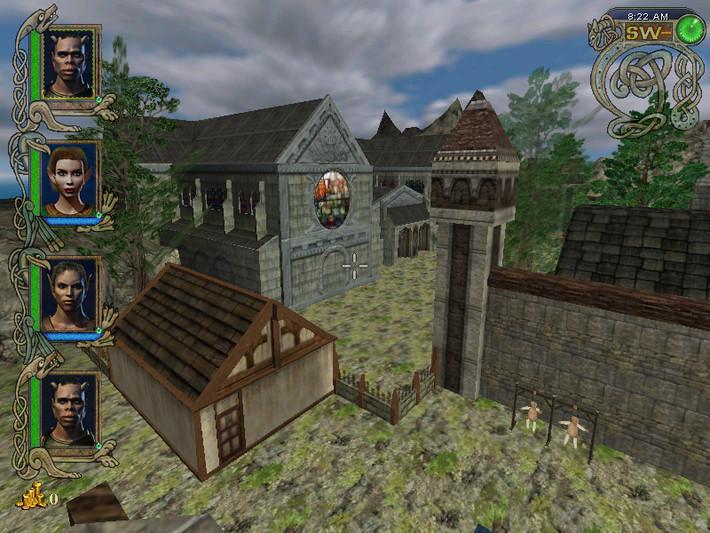
New World Computing shipped this PC RPG in 2002 on an aging engine with minimal modernization. The product released with significant bugs and limited quest polish compared with earlier entries, which signaled a troubled development cycle.
Shortly after, publisher 3DO filed for bankruptcy in 2003 and the IP was sold. Later owners revived the Heroes strategy subseries and eventually released a new first person RPG years down the line, but the classic mainline cadence ended with IX.
Driv3r
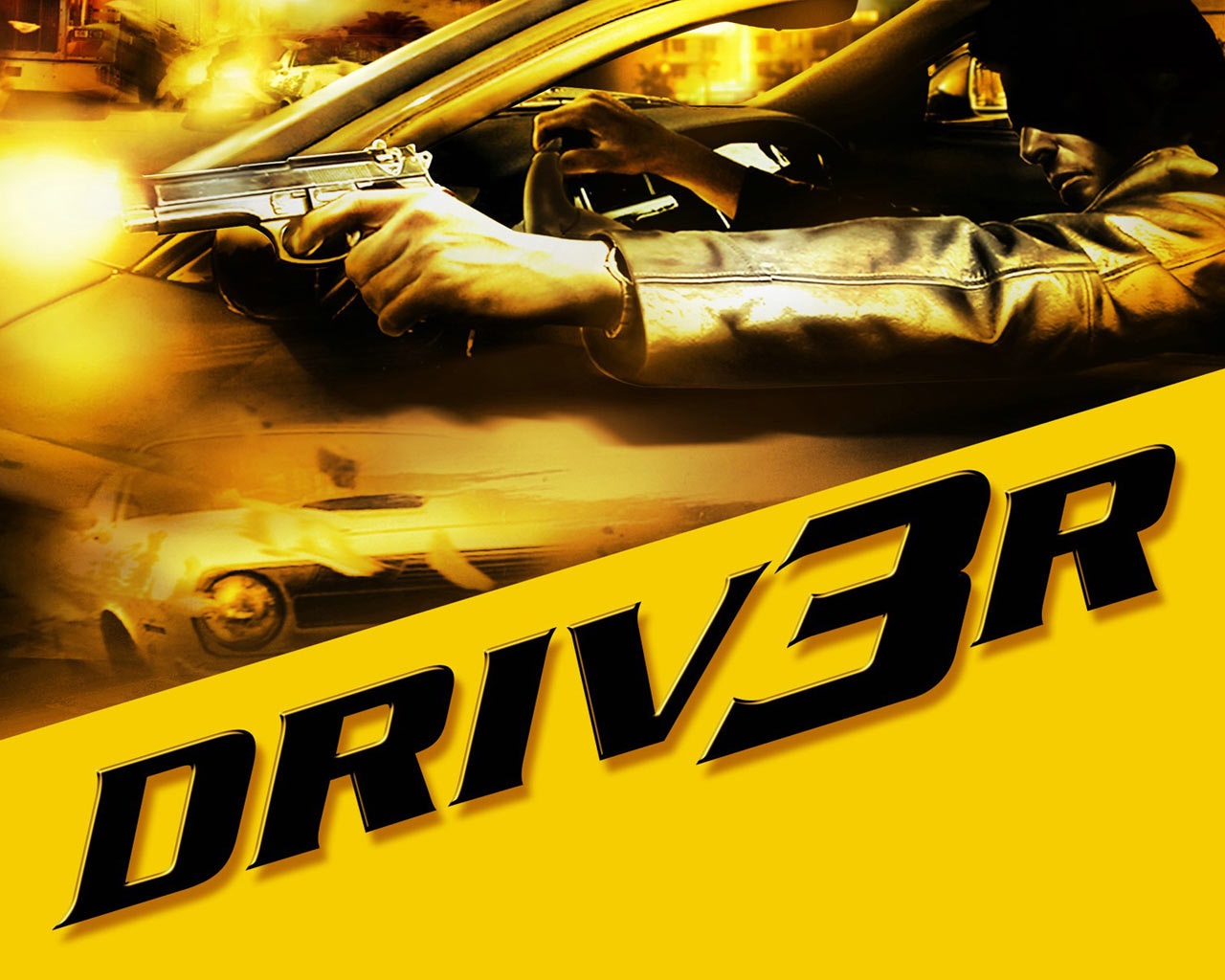
Reflections and Atari released the third Driver in 2004 on PlayStation 2 and Xbox with on foot combat added to the car chase formula. The game shipped with technical problems and aggressive difficulty spikes that drew attention at launch.
The franchise lost momentum after Driv3r. A follow up arrived in 2006 and a later comeback in 2011 with Driver San Francisco, but the series then faded from new releases as the studio shifted to support roles on other projects.
Warcraft III Reforged

Blizzard launched this remaster in 2020 on PC with updated assets and modern BattleNet integration. At release the client replaced the original Warcraft III installation and removed classic features such as clans and built in tournaments while some promised cutscene updates were scaled back.
The real time strategy brand has not received a new numbered entry since the early 2000s. Reforged narrowed the classic ecosystem and led to a long period without fresh RTS content from the franchise while Blizzard focused on other genres.
Dynasty Warriors 9

Omega Force moved the series to an open world structure in 2018 on consoles and PC. The new map design spread encounters across large empty spaces and the game struggled with frame rate and stability on launch hardware.
Sales and reception lagged behind prior entries and Koei Tecmo pivoted to a different format for the follow up with Empires. The mainline pace slowed and the series retreated from the experiment back toward more traditional designs in later releases.
Share the entries you would add to this list in the comments and tell everyone which turning point you think had the biggest impact on a series you loved.