

Top 20 Good Games with Bad Graphics

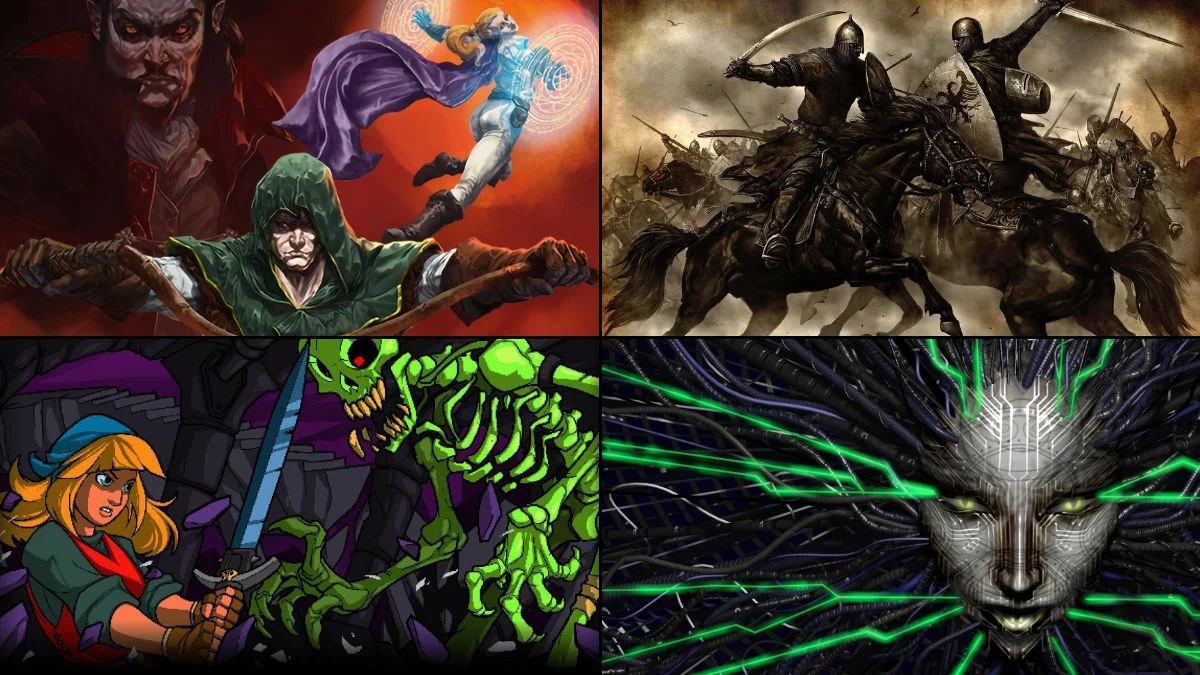


Video games often rely on cutting-edge technology to immerse players in hyper-realistic worlds. Many developers focus on gameplay mechanics and narrative depth over visual fidelity. A distinctive art style or a complete lack of polish does not stop a title from becoming a classic. The following releases prove that substance matters far more than style.
‘Deadly Premonition’ (2010)
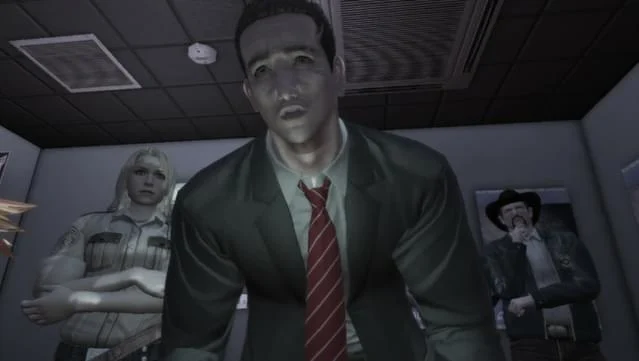
This open-world horror title became a cult classic despite its visual shortcomings. The graphics resemble a budget PlayStation 2 release rather than a game from the high-definition era. Players assume the role of an eccentric FBI agent investigating a murder in a small town. The gameplay mechanics are frequently clunky and the driving controls feel unresponsive. The bizarre story and memorable characters carry the experience and make it worth playing.
‘Dream Quest’ (2014)
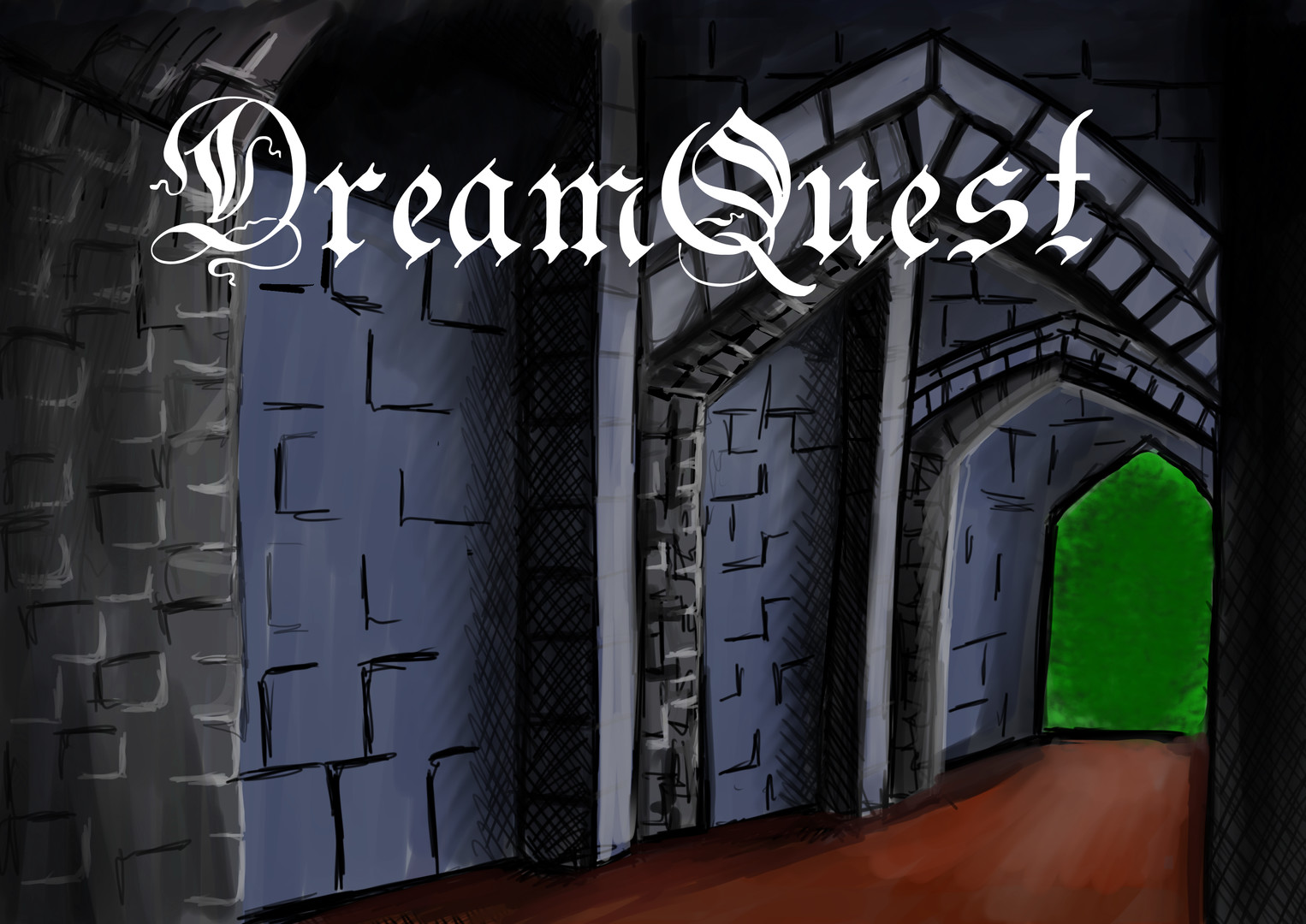
The artwork in this deck-building roguelike consists of crude stick figures and basic shapes. Many potential players dismiss the game immediately due to the amateurish interface. The underlying mechanics offer incredible depth and strategic variety that influenced the entire genre. Peter Whalen created a balanced system that challenges even the most experienced card game veterans. The gameplay loop is so compelling that the terrible art becomes part of the charm.
‘West of Loathing’ (2017)

The entire visual identity of this comedy adventure game relies on black and white stick figures. The animation is intentionally jerky and mimics the doodles in a notebook. Players explore a Wild West setting filled with goblins and demon cows. The writing delivers constant humor and clever puns that distract from the simplicity of the graphics. It serves as a perfect example of how a strong aesthetic choice can replace high fidelity.
‘Nidhogg’ (2014)
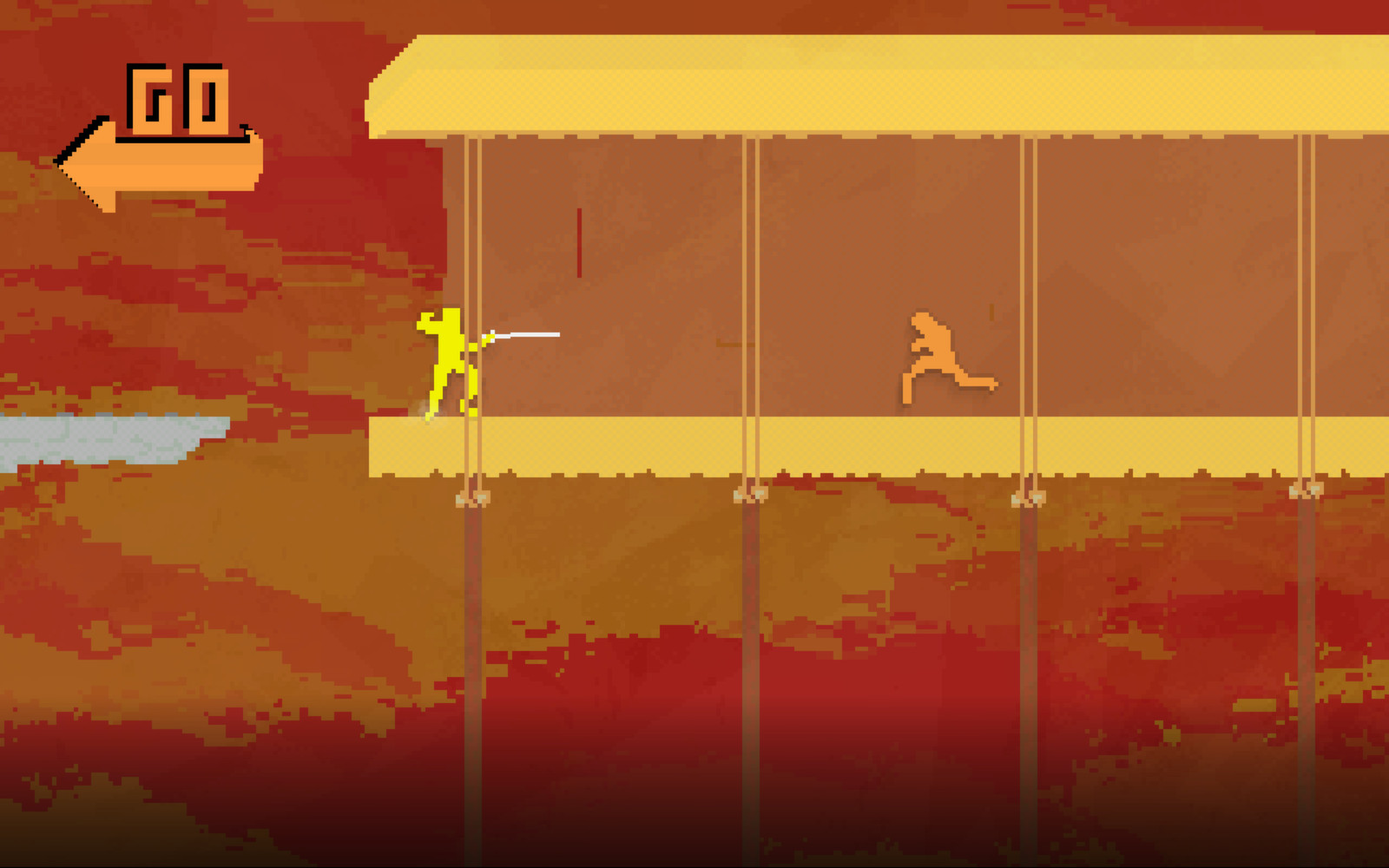
Two players face off in a pixelated fencing match where one hit means death. The character models are featureless blocky figures that lack any detail. The background environments are surreal and often hard to decipher. The intense back-and-forth combat creates exciting moments despite the visual minimalism. This game demonstrates that competitive depth requires precise controls rather than realistic graphics.
‘Thomas Was Alone’ (2012)
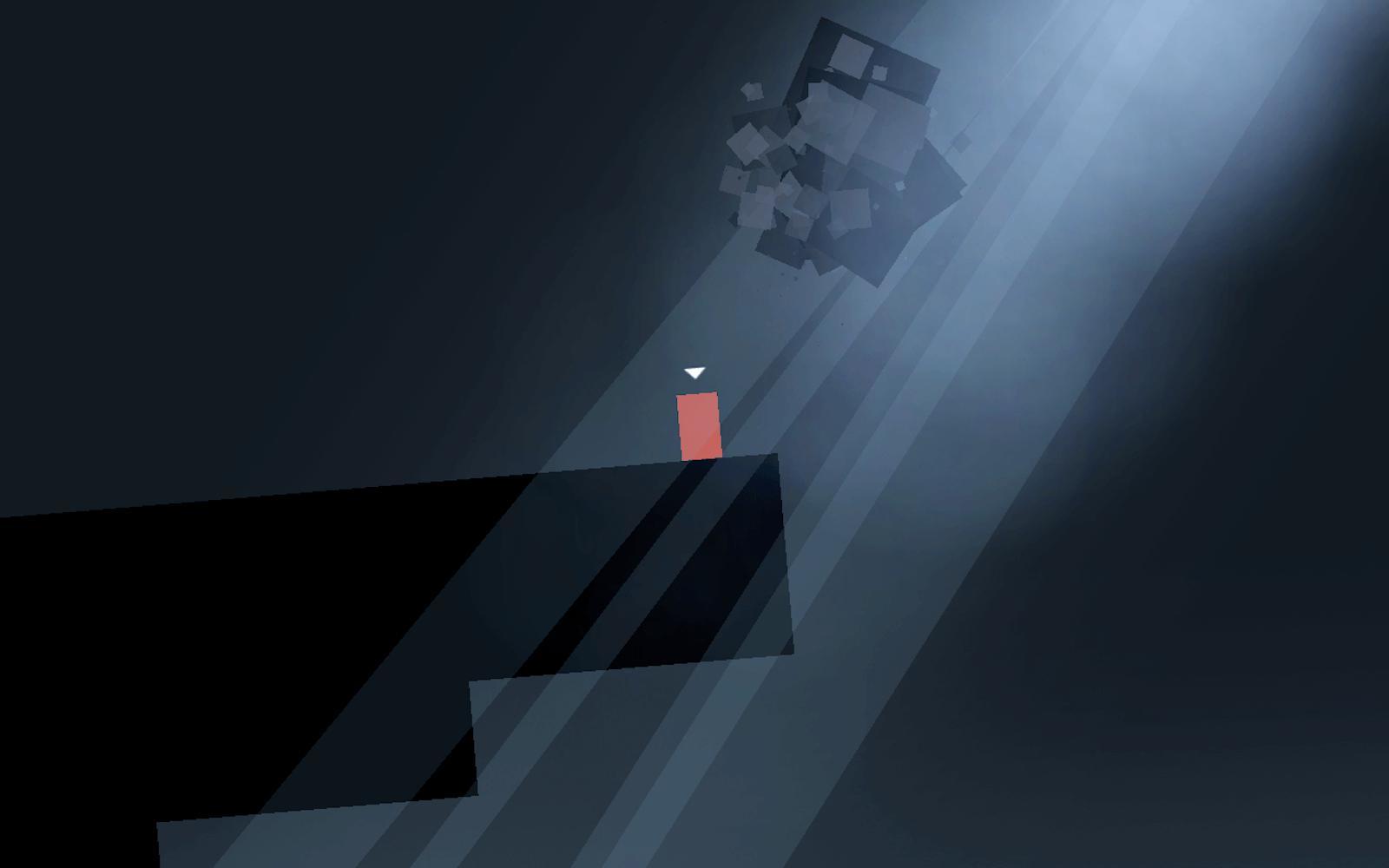
The cast of characters in this puzzle platformer consists entirely of colored rectangles. Each shape has different jump heights and abilities that players must utilize to progress. A narrator provides personality and backstory to these simple geometric forms. The emotional connection players form with the rectangles is surprisingly strong. The minimalist design forces the focus entirely onto the platforming challenges and the story.
‘Vampire Survivors’ (2022)
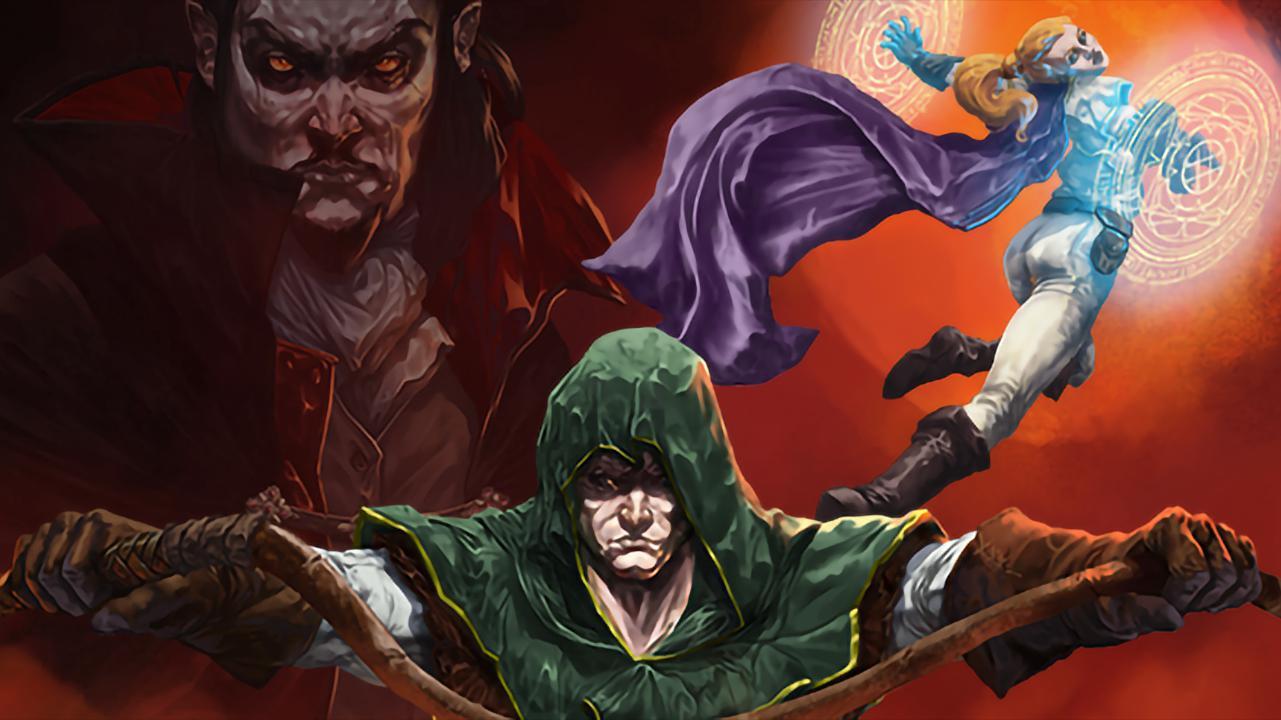
This roguelike shoot-em-up uses sprite assets that look ripped from a generic casino slot machine. The screen eventually fills with thousands of enemies that cause a chaotic visual mess. Players move a character around a flat plane while weapons fire automatically. The addictive loop of unlocking upgrades and new characters keeps players hooked for hours. It proves that dopamine-inducing gameplay loops do not require expensive graphical assets.
‘System Shock 2’ (1999)
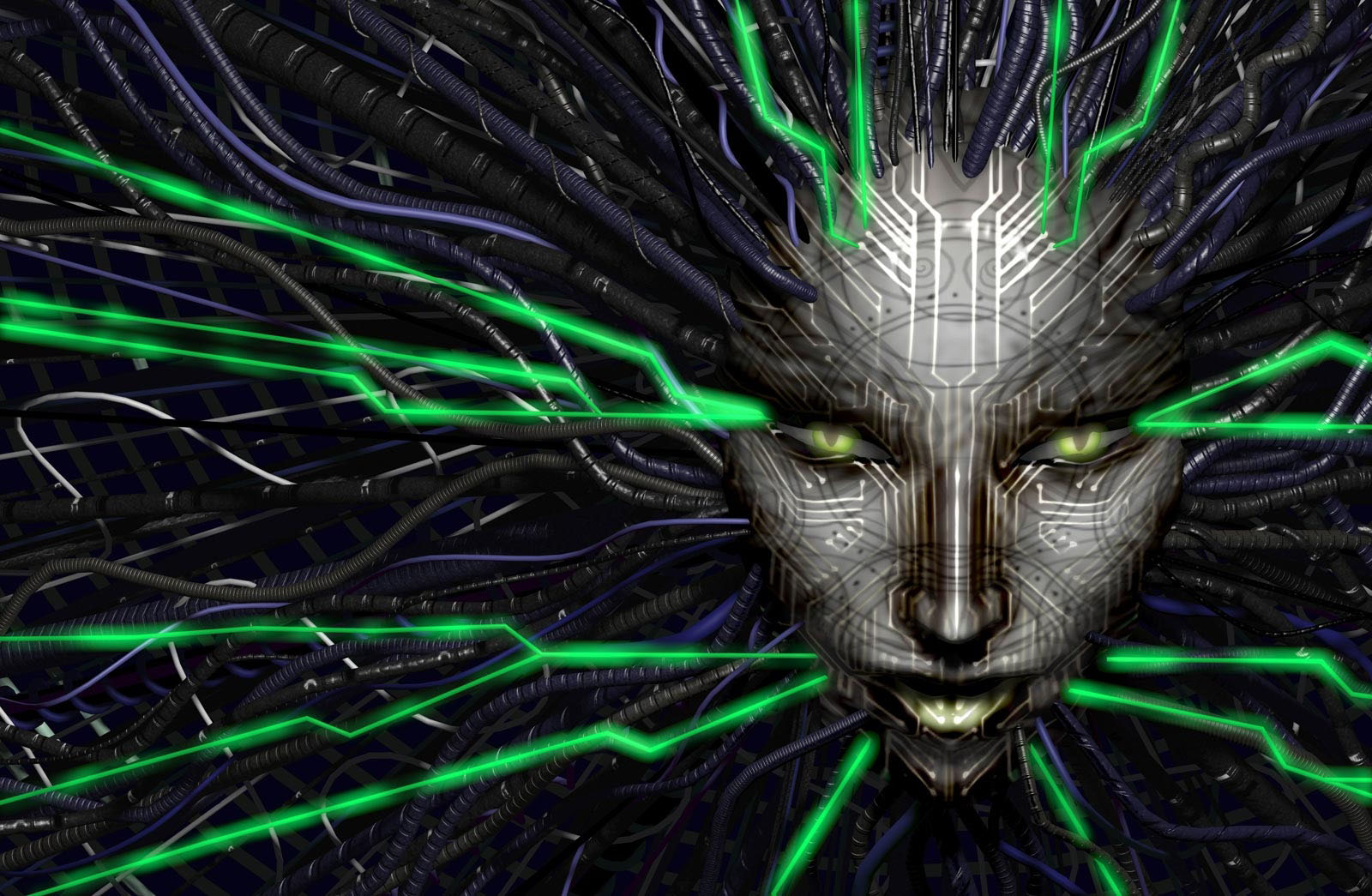
The character models in this sci-fi horror RPG are blocky and the textures are incredibly low resolution. The dark corridors and jagged environments show their age significantly on modern displays. The atmosphere remains terrifying thanks to exceptional sound design and writing. Players must navigate a spaceship infested with mutants while dealing with a rogue artificial intelligence. The immersive simulation mechanics set a standard that modern games still try to emulate.
‘Crypt of the NecroDancer’ (2015)

This rhythm-based dungeon crawler uses basic pixel art that looks like a game from the early nineties. Players must move and attack to the beat of the soundtrack to survive. The visuals are functional and allow players to read the grid easily. The innovative combination of music and roguelike mechanics creates a unique gameplay flow. The simple graphics ensure that there is no visual lag to interfere with the rhythm.
‘Mount & Blade: Warband’ (2010)
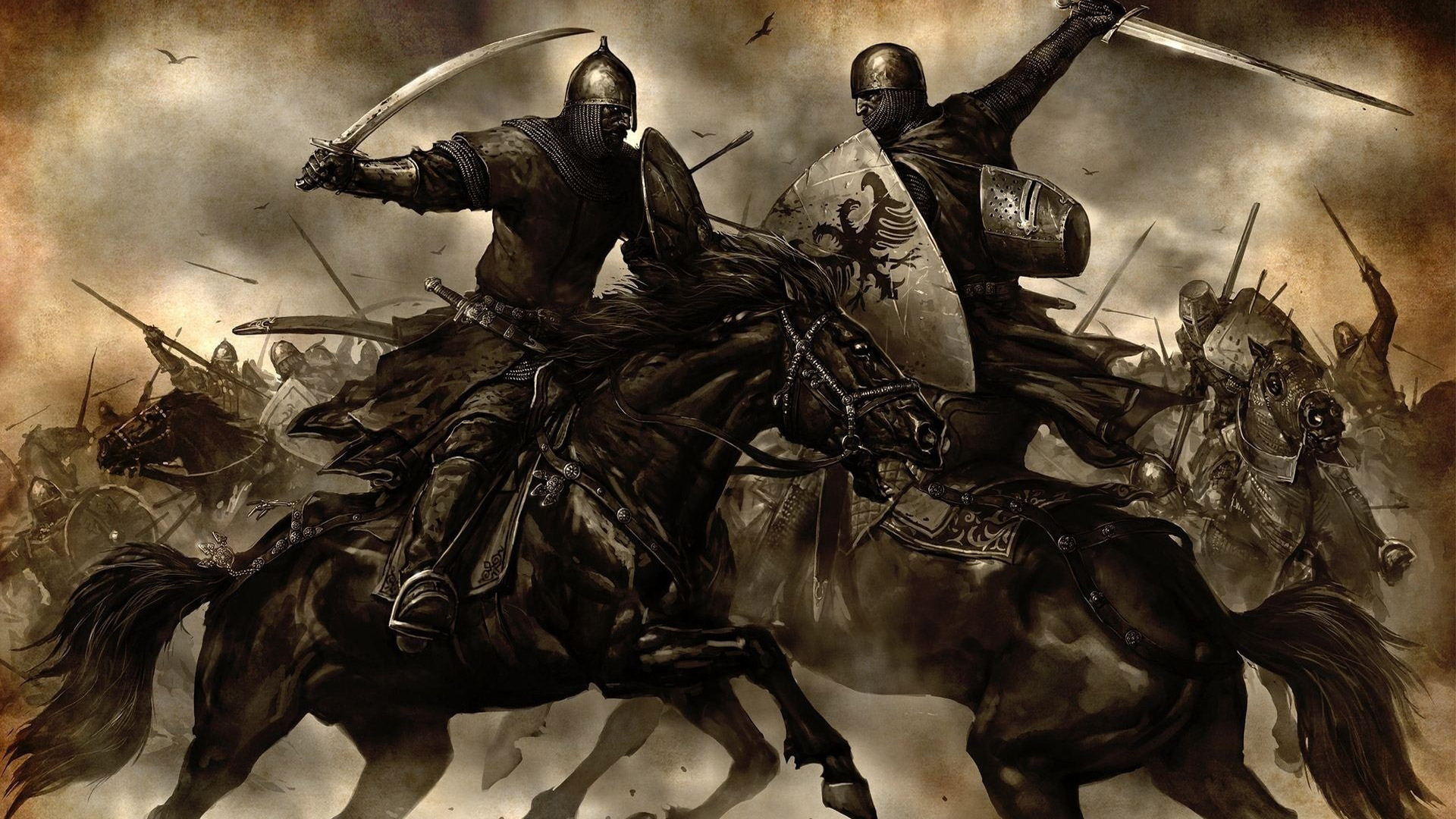
The character faces in this medieval sandbox are notoriously ugly and the landscapes are barren. The animations for combat and movement are stiff and lack fluidity. Players can command massive armies in real-time battles that offer immense tactical depth. The freedom to carve out a kingdom and manage political relations is unmatched. The gameplay loop captures the fantasy of being a warlord better than many prettier games.
‘Kenshi’ (2018)
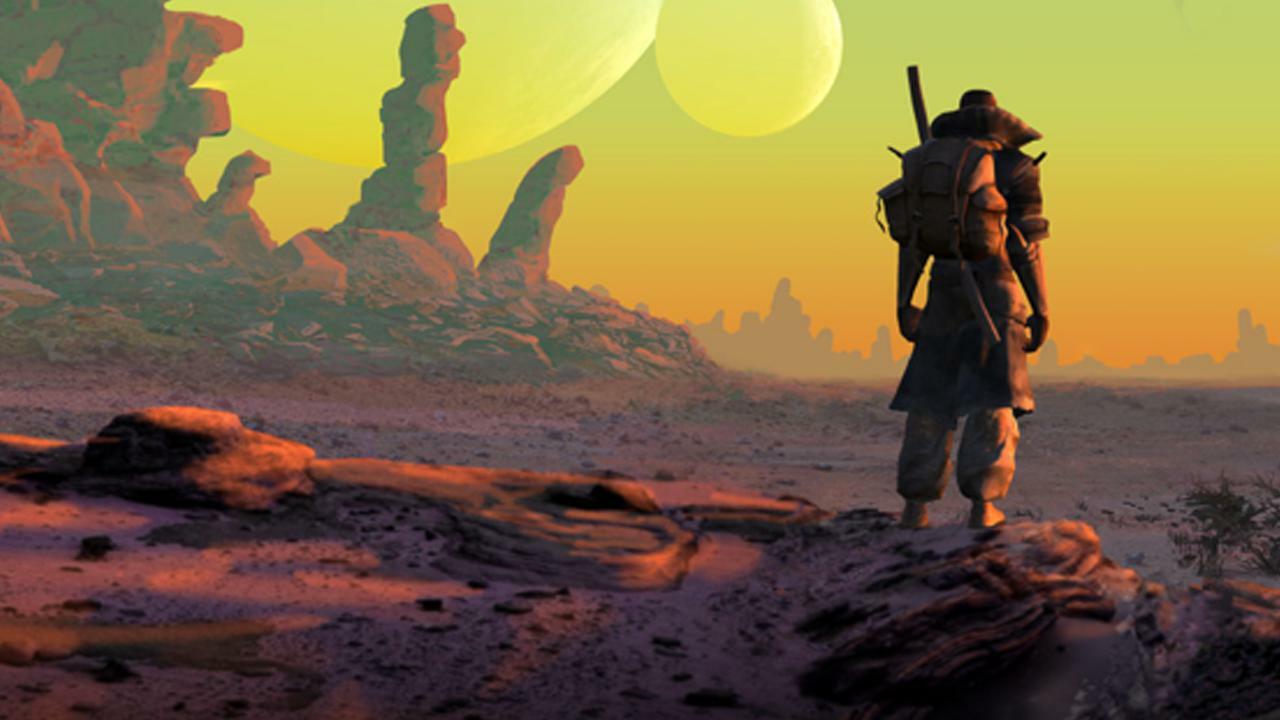
The color palette of this open-world RPG is dominated by washed-out browns and greys. The environment is vast but often looks empty and the character models clip through objects. Players control a squad of survivors in a brutal post-apocalyptic world that does not care if they live or die. The emergent storytelling and freedom of choice are virtually limitless. Fans overlook the rough presentation for the sheer scale of the simulation.
‘Hotline Miami’ (2012)

The top-down perspective and grime-filled pixel art create a disorienting and ugly aesthetic. The violence is graphic and the color scheme uses neon hues that can strain the eyes. Players must clear rooms of enemies using split-second reactions and strategy. The thumping soundtrack drives the fast-paced action and creates a trance-like state. The visuals perfectly match the gritty and disturbing tone of the narrative.
‘Papers, Please’ (2013)

The graphics in this document thriller consist of muted colors and low-resolution sprites. The entire game takes place at a border control booth with a cluttered desk interface. Players must examine documents to determine who enters the fictional country of Arstotzka. The tension comes from the moral dilemmas and the time pressure rather than visual spectacle. The dreary art style reinforces the oppressive atmosphere of the totalitarian setting.
‘Fallout 2’ (1998)
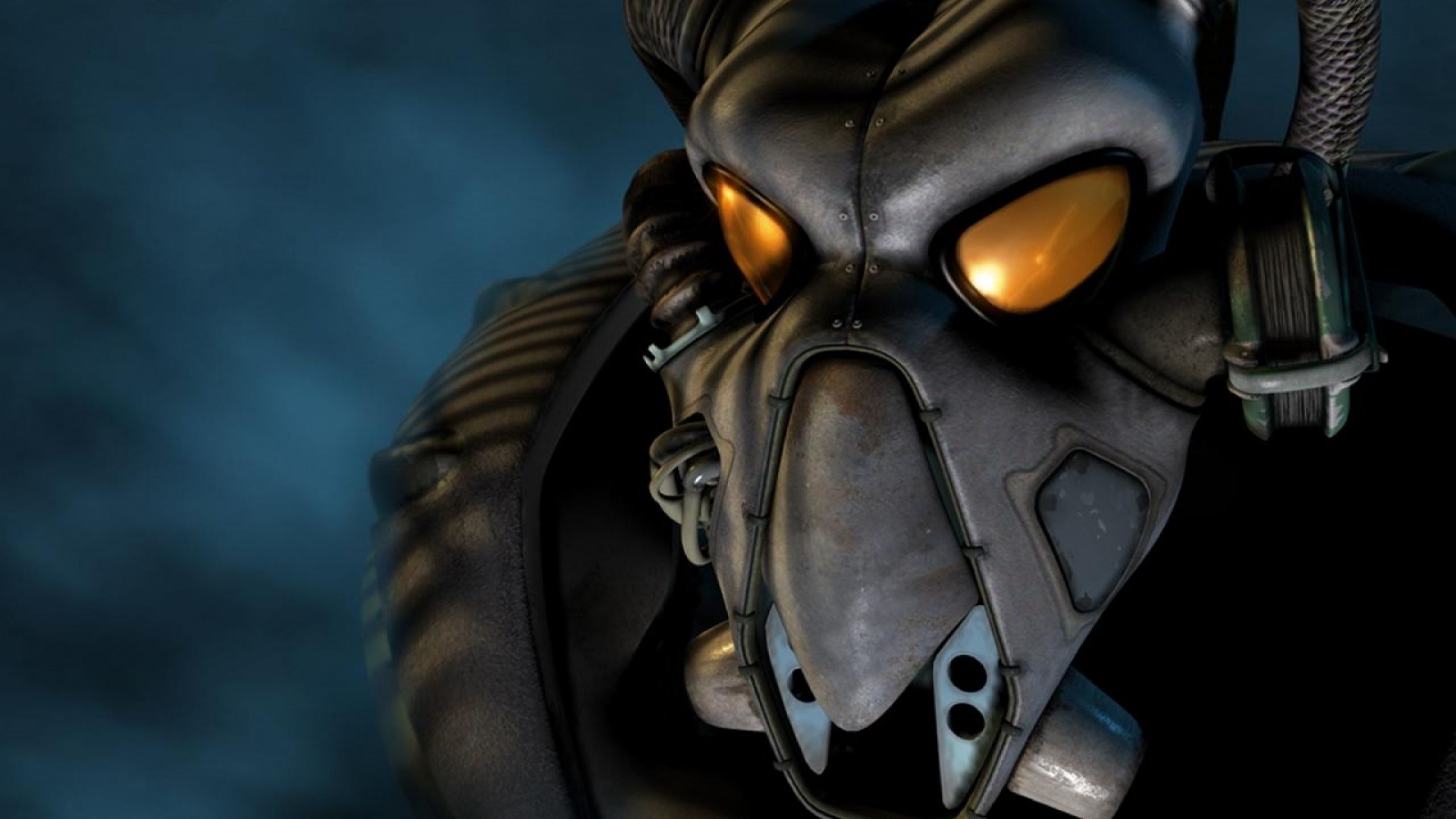
The isometric view and brown environments of this post-apocalyptic RPG appear dated to modern eyes. The character sprites lack detail and the animations are basic. The writing and world-building are among the best in the history of the genre. Players have an incredible amount of agency to solve quests through combat or diplomacy. The depth of the role-playing mechanics overshadows the limitations of the engine.
‘Deus Ex’ (2000)
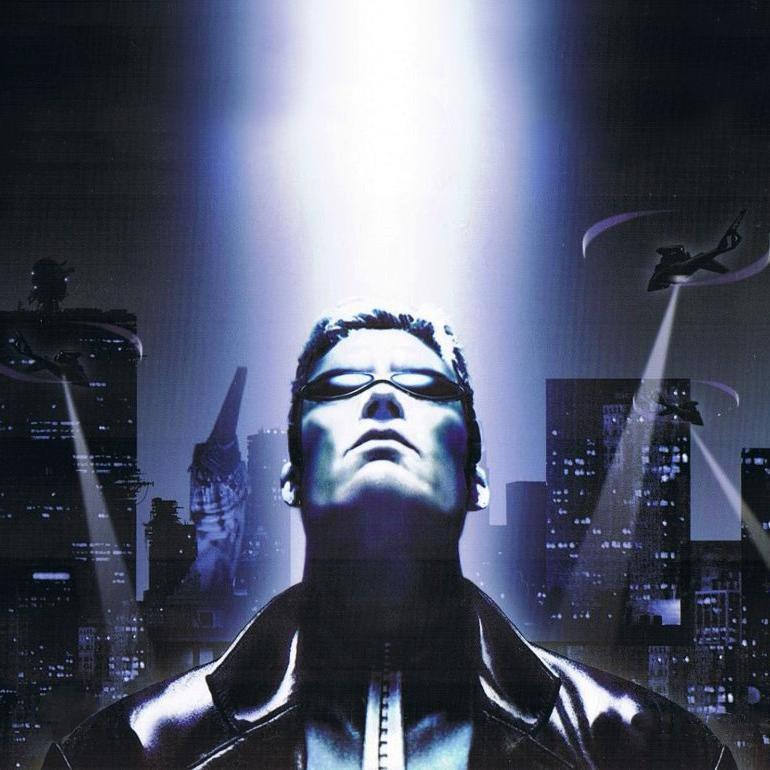
The environments in this cyberpunk classic are blocky and the lighting is often too dark. The character models have stiff faces and the voice acting is highly compressed. Players navigate a complex conspiracy through stealth or brute force. The level design offers multiple pathways and solutions for every objective. The freedom of approach makes it a masterpiece despite the primitive 3D graphics.
‘Terraria’ (2011)
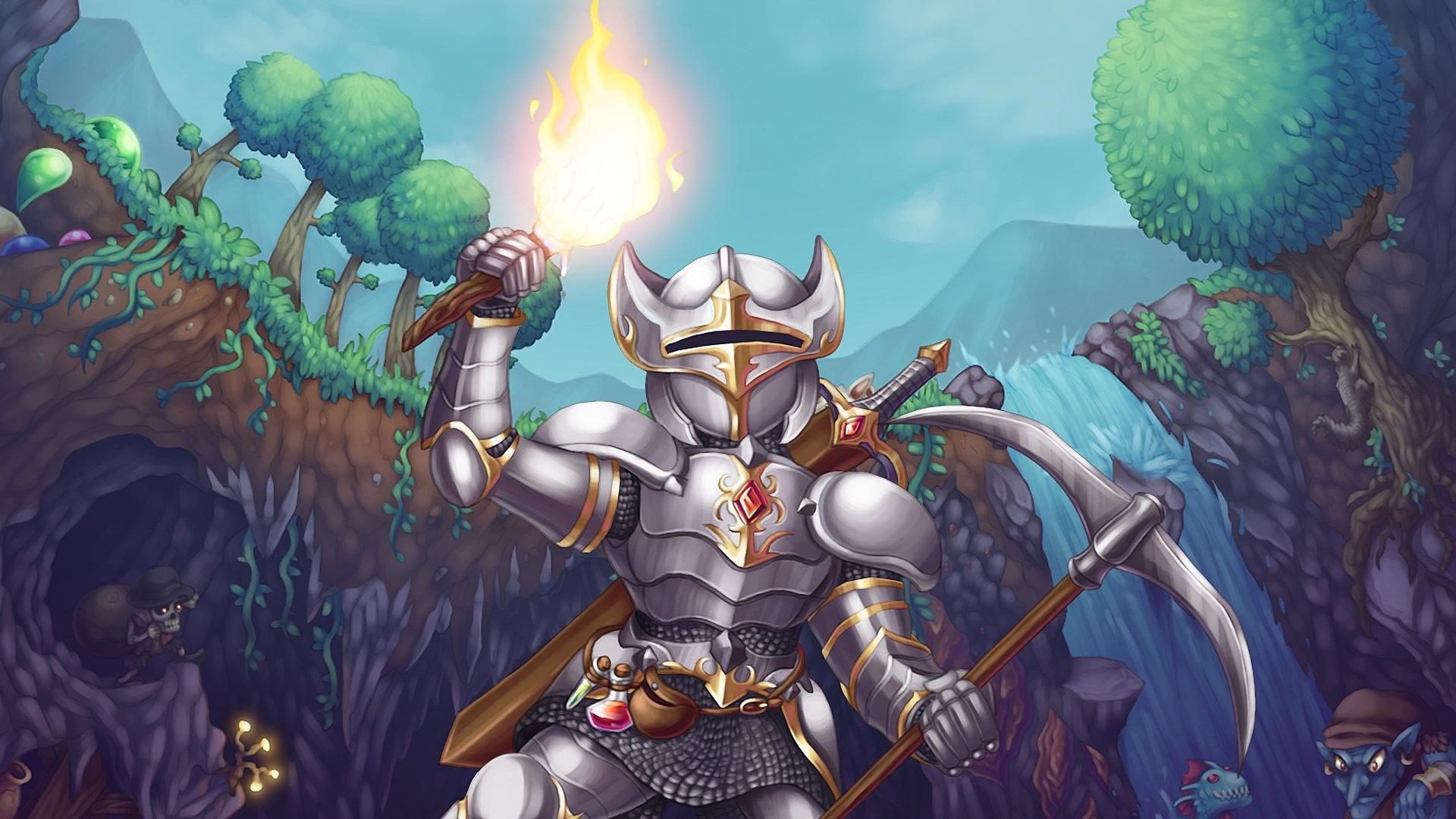
This 2D sandbox game looks like a flattened version of other block-building titles. The sprites are small and the animations are limited to simple movements. The game offers an absurd amount of content including boss fights and crafting recipes. Players can modify the world entirely and build complex structures. The depth of progression keeps players engaged long after they get used to the retro look.
‘Undertale’ (2015)
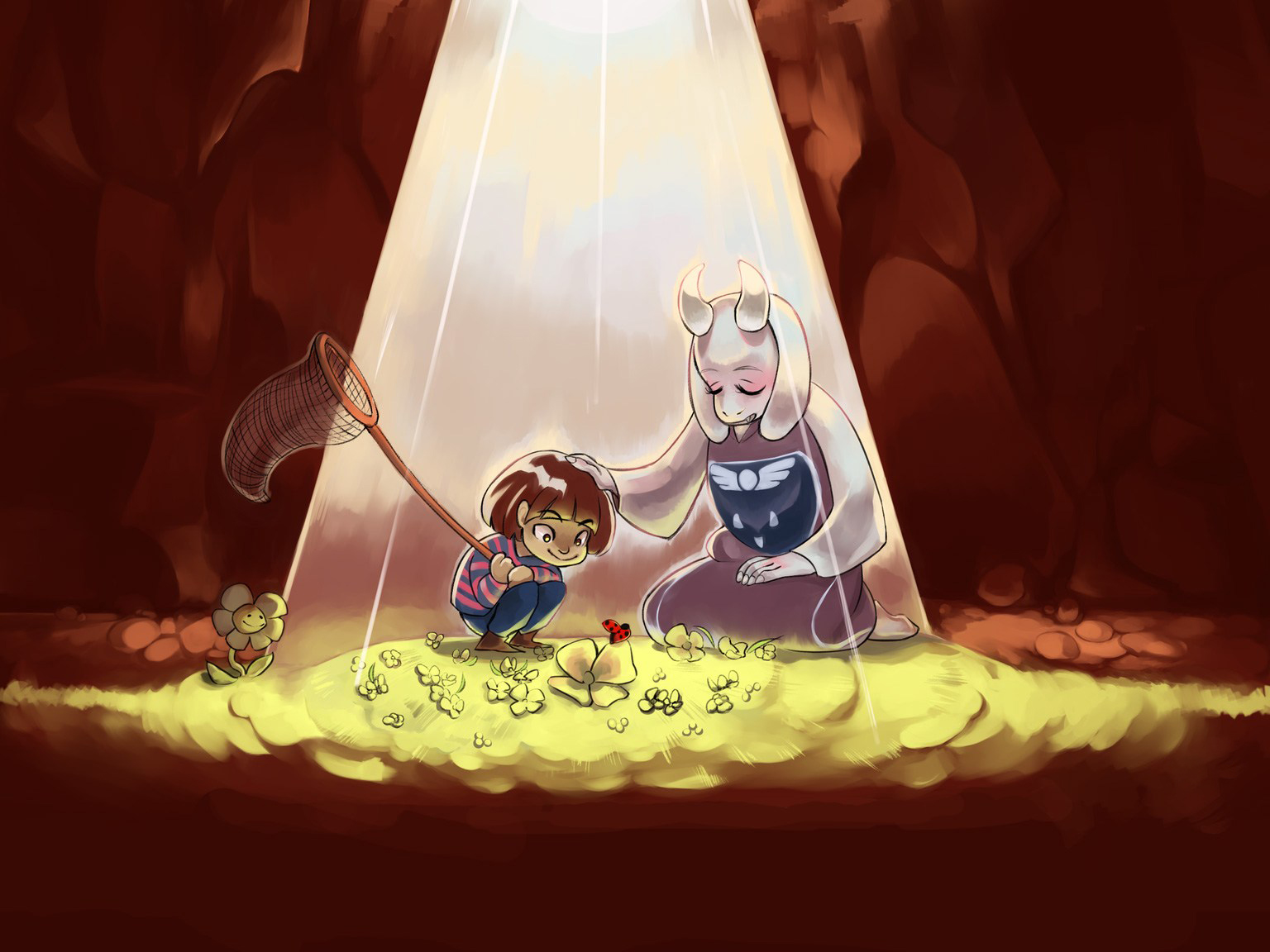
The battle screen in this RPG features black and white pixel art that looks like a developer sketch. The overworld graphics are colorful but extremely simple and flat. The game subverts expectations by allowing players to befriend enemies instead of killing them. The writing is humorous and emotional with a cast of unforgettable characters. The simple visuals hide a complex narrative that reacts to player choices.
‘Old School RuneScape’ (2013)
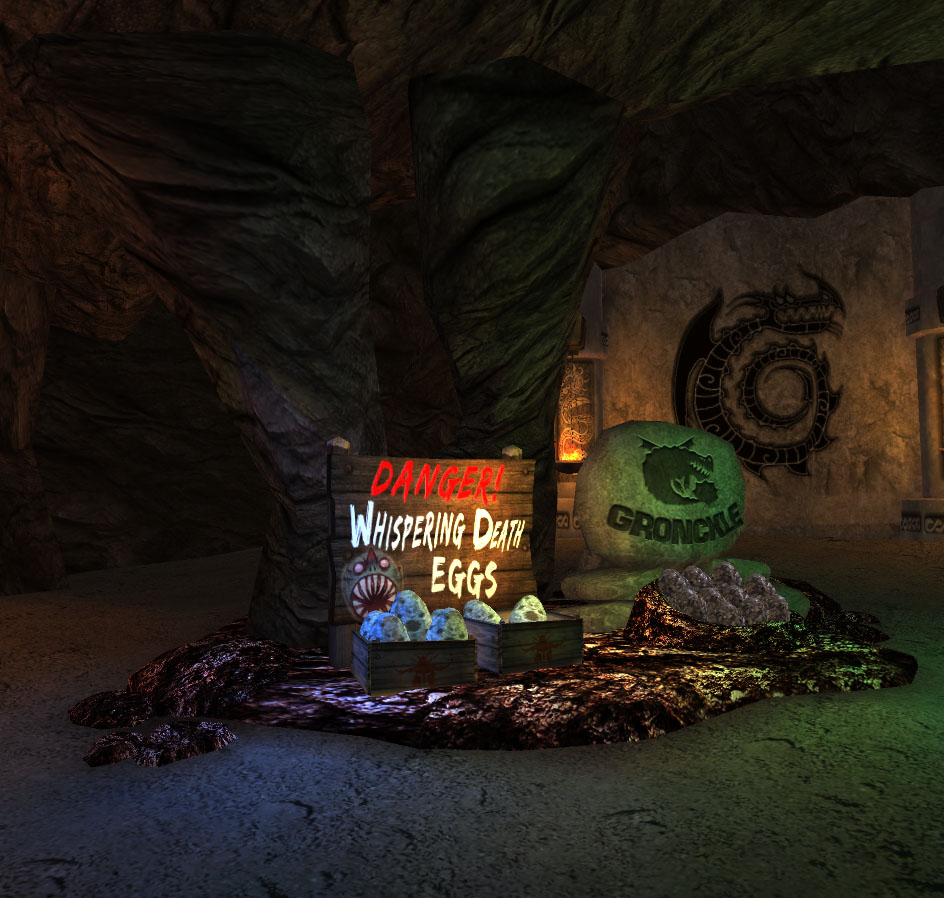
The graphics engine dates back to the early 2000s and features low-polygon models and flat textures. The animations are rigid and the draw distance is limited. This MMORPG retains a massive player base due to its quest design and skill progression. The community drives the economy and the development of new content. The nostalgia factor and the relaxing gameplay loop trump the need for modern visuals.
‘Project Zomboid’ (2013)
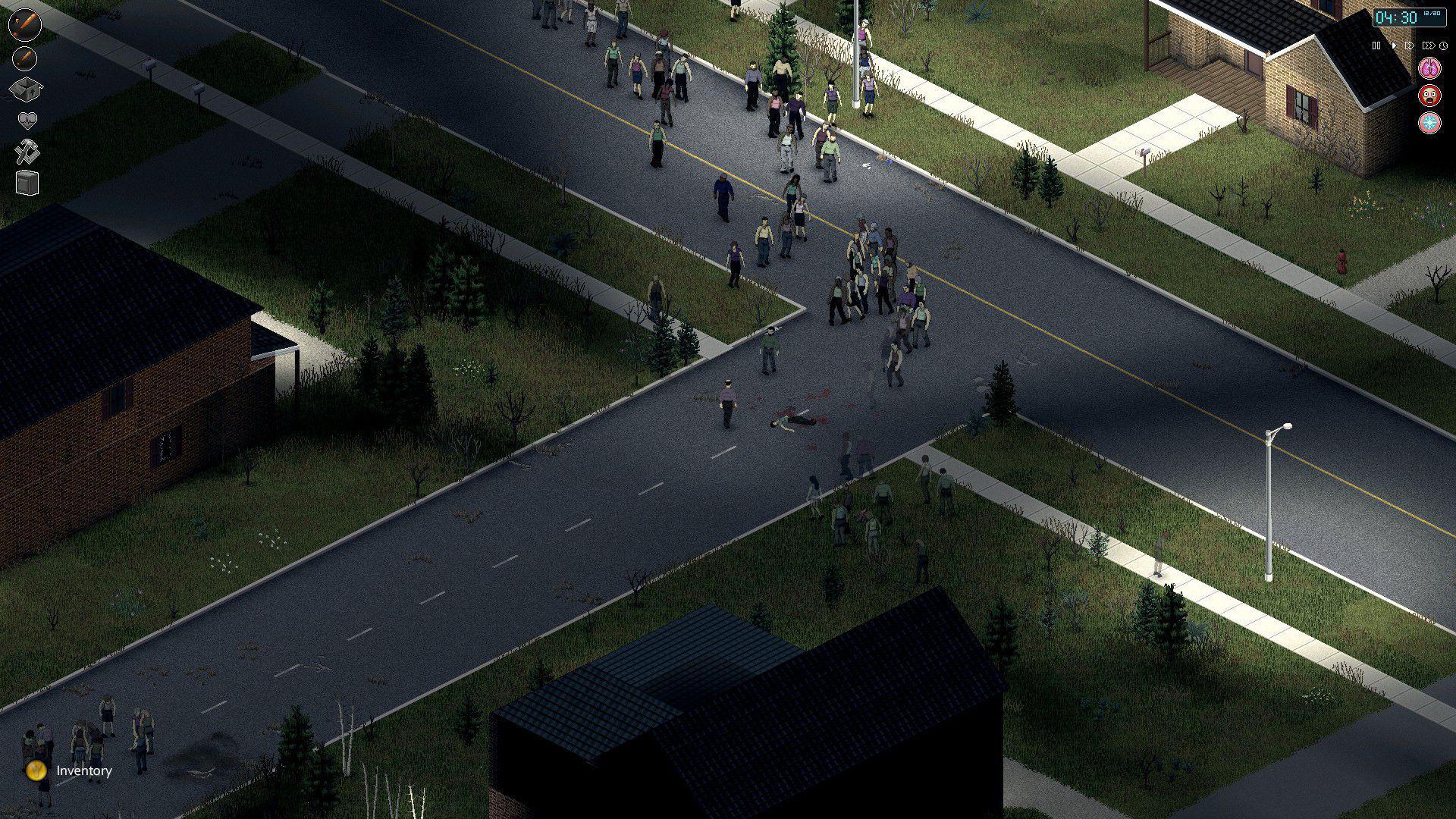
The isometric view and simple character sprites make this zombie survival game look like a relic. The interface is cluttered with text and menus that can overwhelm new players. The simulation tracks everything from hunger and thirst to depression and boredom. One mistake can lead to the permanent death of a character the player has spent weeks building. The complexity of the survival mechanics creates a terrifyingly realistic experience.
‘Minecraft’ (2011)
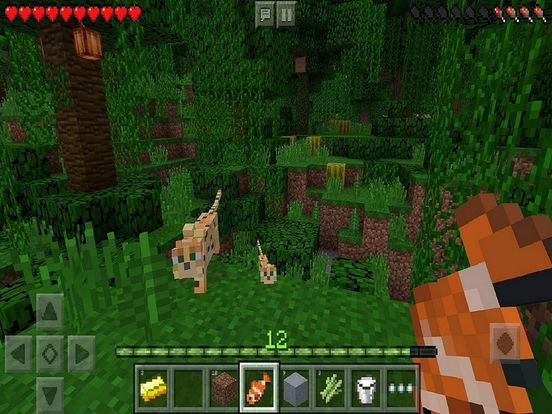
The world is made entirely of large blocks with low-resolution pixel textures. The visual style was initially criticized for looking cheap and unfinished. Players mine resources and build structures in a virtually infinite procedurally generated world. The creative freedom allowed by the simple voxel engine changed the gaming industry forever. It remains the best-selling video game of all time despite its refusal to embrace realistic graphics.
‘Dwarf Fortress’ (2006)
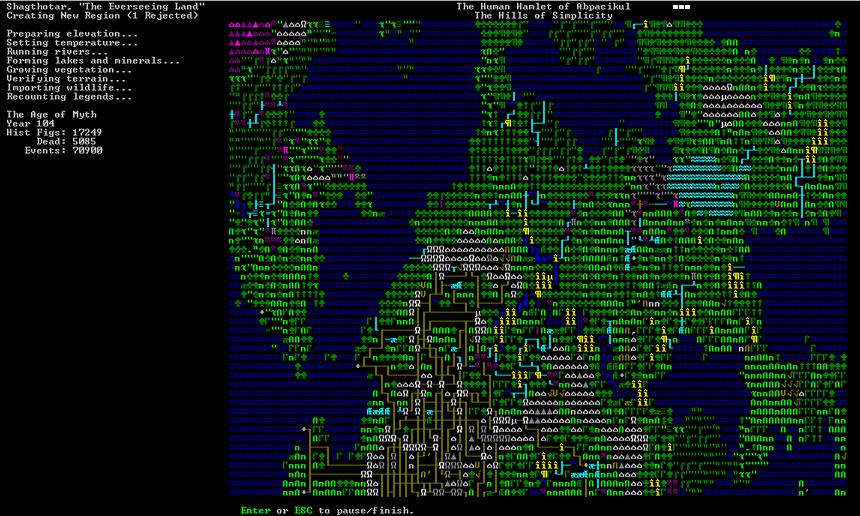
The original version of this management simulation used ASCII text characters to represent the world. Players must interpret symbols as dwarves and monsters while managing a complex underground colony. The simulation tracks details down to the individual organs of every creature. The depth of the history generation and physics is unmatched by any other game. It is widely considered the most complex video game ever created.
Share your favorite low-fidelity masterpiece in the comments below.