


‘Top Gun: Maverick’ Mistakes You’ll Never Be Able to Unsee

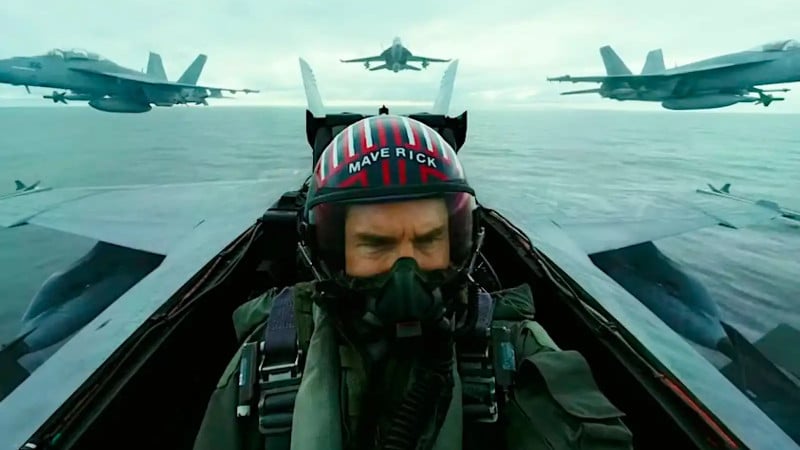


‘Top Gun: Maverick’ goes hard on white-knuckle set pieces, but a few moments bend physics, procedures, and aircraft capabilities more than a little. If you love the movie and military aviation, these slip-ups stand out once you notice them. From hypersonic survival to cold-starting museum-piece fighters, here are the most talked-about goofs and head-scratchers. Read on and you’ll spot them the next time you rewatch.
Hypersonic Ejection That Wouldn’t Be Survivable
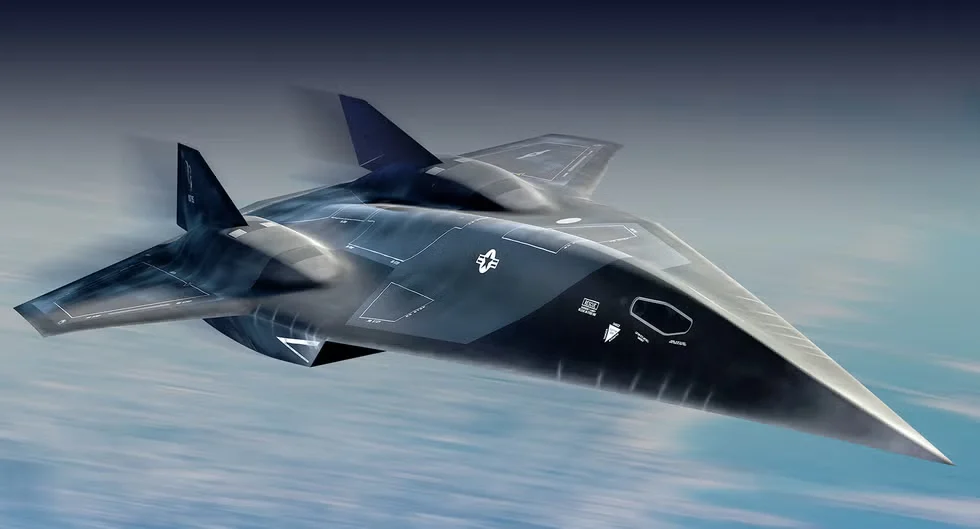
Maverick ejects from the Darkstar around Mach 10 and walks into a diner, singed but intact. At that speed the air is hypersonic, with temperatures and dynamic pressure that would shred an exposed human and most ejection systems long before a parachute could deploy. Real-world ejection envelopes are designed for far lower speeds and altitudes, and even “safe” high-speed ejections cause severe injury. The scene sells the drama, but the survivability isn’t realistic.
Hypersonic Canopy and Airframe Heating
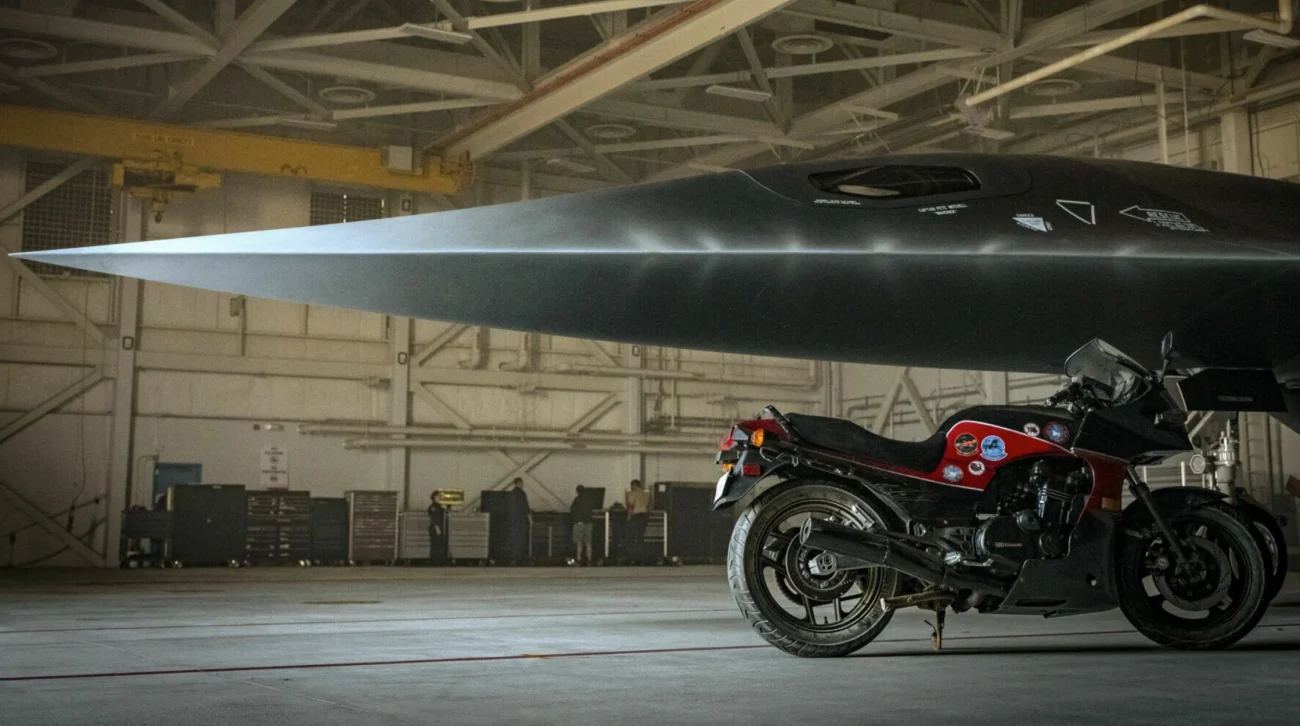
During the Darkstar run, the cockpit glass and airframe show only light scorching after sustained Mach 10 flight. Hypersonic heating would drive skin temperatures so high that specialized materials, ablatives, or active cooling are required, and even then windows are a major design challenge. A conventional-looking canopy staying intact without clouding, softening, or catastrophic failure is not credible. The visuals understate just how brutal hypersonic thermal loads are.
Super Hornet’s 10-G Pull-Up With Full Stores
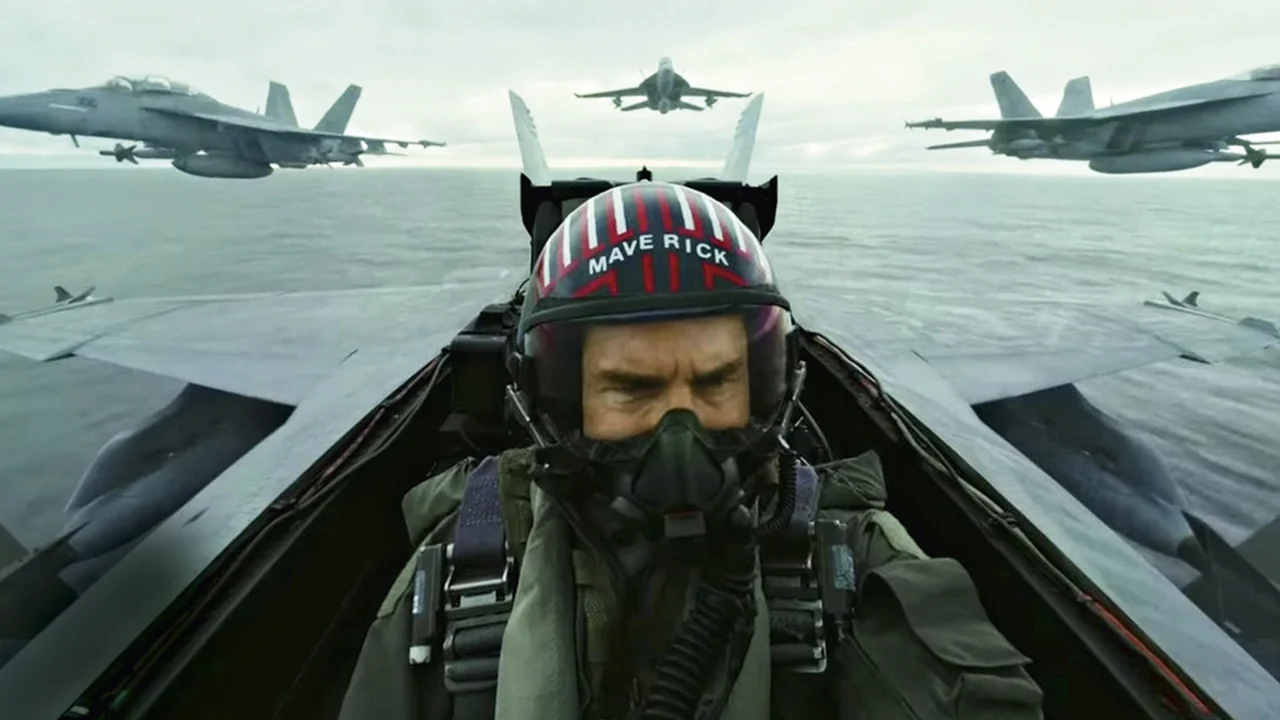
The trench-run climax has loaded F/A-18E/F Super Hornets yanking a 10-plus-G pull-up after weapons release. The Super Hornet’s flight-control limits and structural envelopes protect the jet from this kind of sustained over-G, and pilots train to avoid it even when clean. Aircrew wear anti-G gear, but maintaining consciousness and aircraft integrity through that maneuver as depicted is highly unlikely. The shot looks great; the numbers don’t.
Time–Speed–Distance Math in the Canyon Run
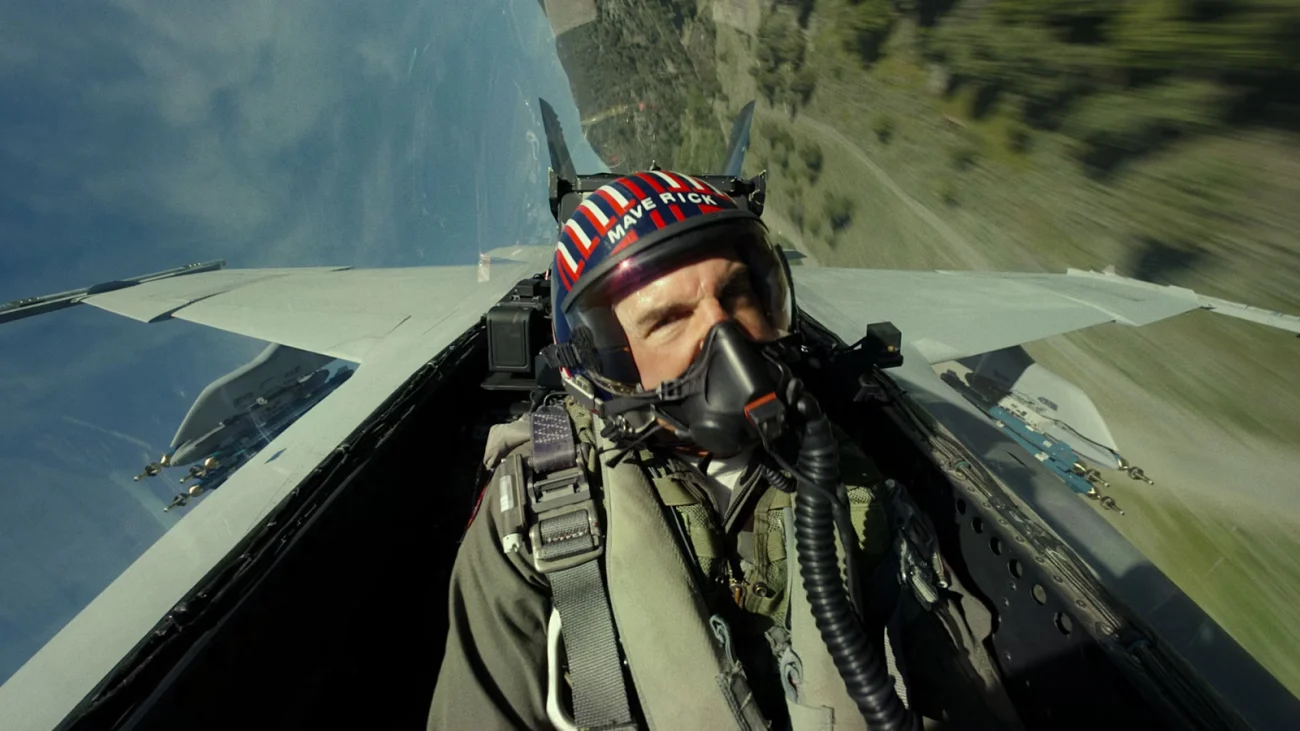
The mission clock, route length, and airspeeds shown in the low-level training runs don’t always add up. Ground speed at nap-of-the-earth altitude varies with turns, wind, and terrain masking, yet the stopwatch beats line up too neatly for the distances covered. Tight turns at the shown speeds would expand actual path length, further blowing the timing. It’s a classic case of cinematic pacing overriding navigation math.
Cold-Starting an F-14 Without External Support

Maverick and Rooster hop into an F-14 and bring it to life in minutes on an enemy ramp. The F-14A historically relied on external air and power—via a “huffer” and power cart—for engine start and systems checkout, especially from a dead jet. Rapid solo start without visible ground equipment, crew chiefs, or lengthy checks doesn’t match normal procedures. It’s a fun throwback, but the start sequence is movie-magic.
F-14 Takeoff Performance From a Short, Damaged Runway
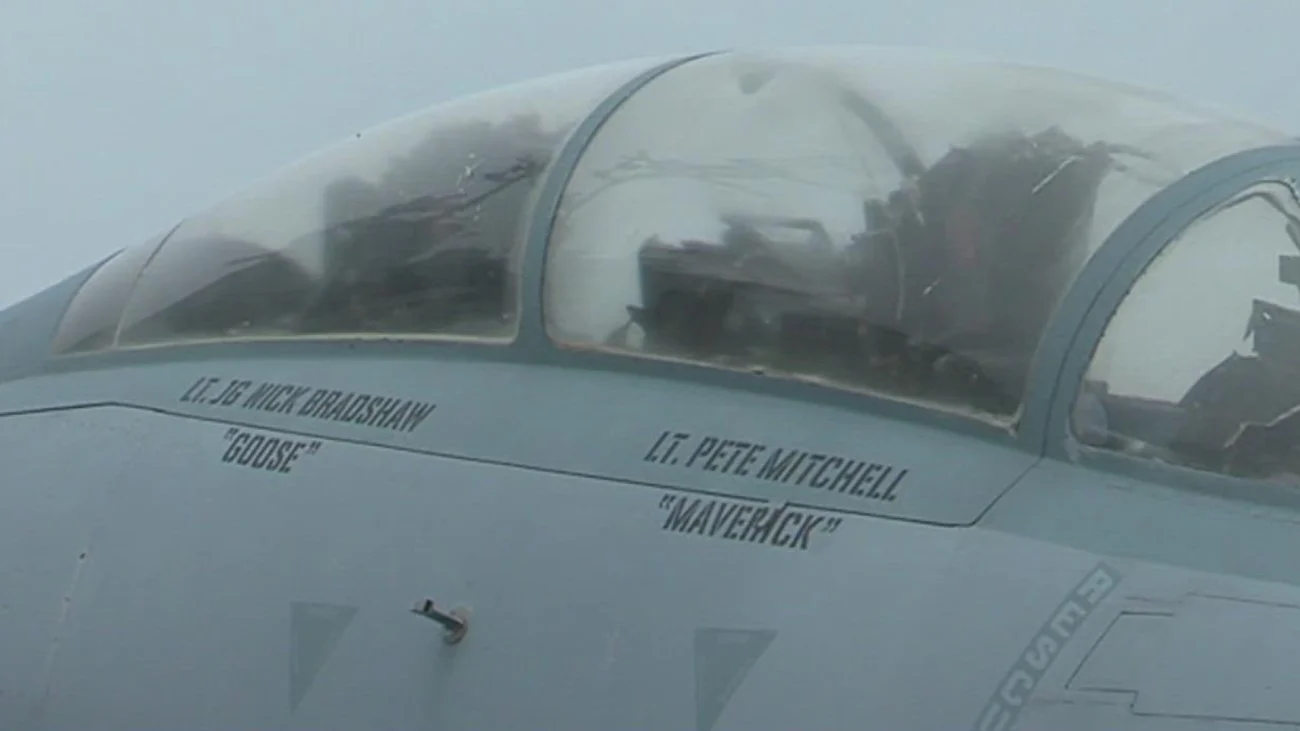
They then launch the F-14 from a bomb-damaged, short runway in mountainous terrain. The Tomcat’s takeoff roll depends on weight, density altitude, and thrust, and carrier-designed jets rely on catapults at high weights. A hasty, heavy takeoff with obstacles and marginal runway length would be a major risk for rotation speed and climb gradient. The departure as shown gives the F-14 more performance margin than it likely has.
Mixed-Bag Enemy Inventory and Basing
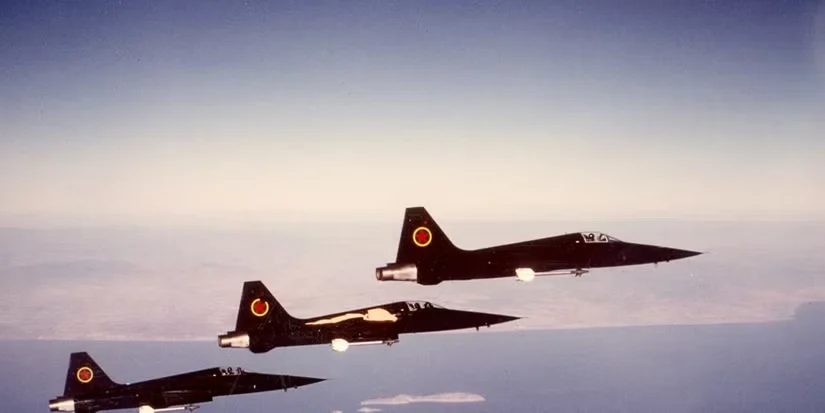
The unnamed adversary fields fifth-generation fighters, advanced SAMs, and—oddly—operational F-14s at a snowy, mountainous base. Only a handful of nations ever operated F-14s, and maintaining them demands parts, tooling, and specialized crews. Pairing that legacy fleet with stealth-era jets on the same base stretches geopolitical plausibility. It’s designed to enable specific set pieces rather than reflect a coherent real-world order of battle.
Carrier-Deck Procedures Compressed for Drama
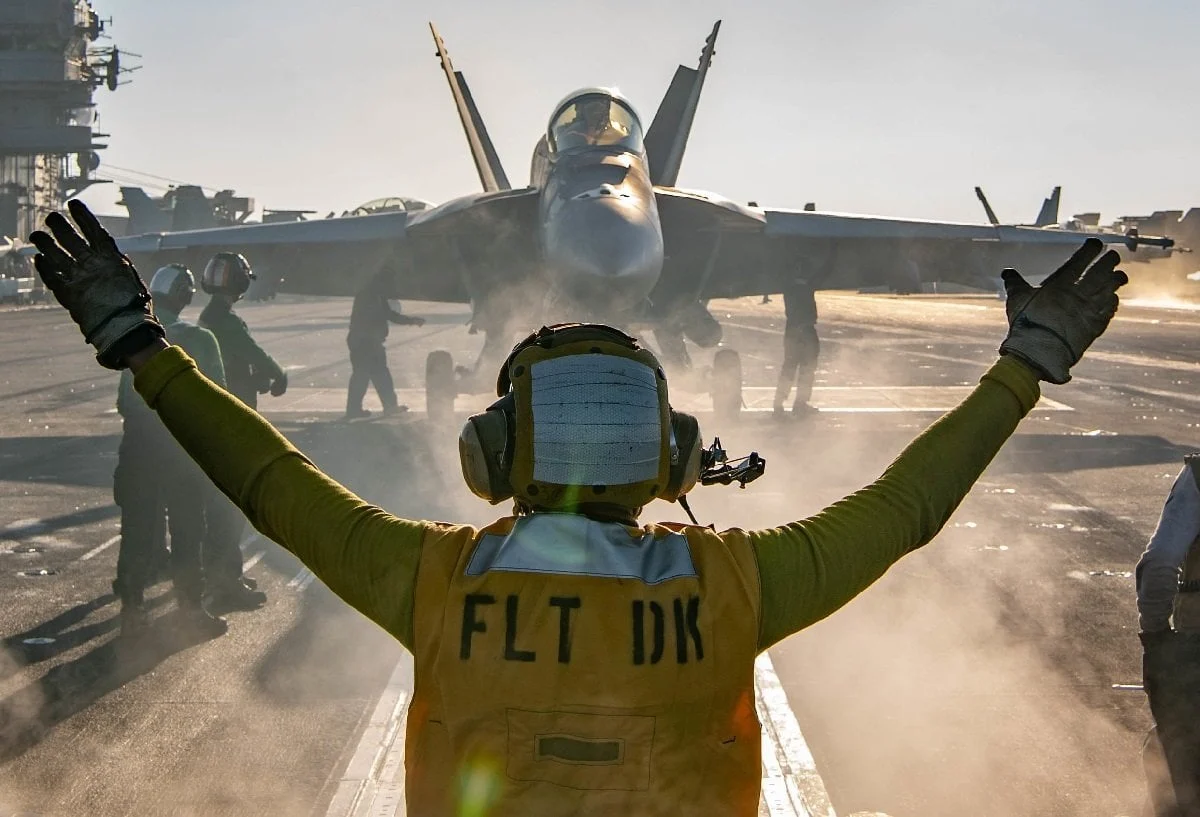
Several launch and recovery moments compress or skip standard carrier procedures. Arming, final checks, and taxi choreography are normally deliberate and heavily crewed, with strict hand signals and safing/arming steps before the catapult. The film trims or rearranges some of this to keep momentum, showing faster turns from briefing room to cat shot than is typical. It boosts tempo but doesn’t reflect deck-ops cadence.
Radio Calls and Brevity That Don’t Quite Track

Comms throughout the mission occasionally use nonstandard phrasing and call-and-response timing. Tactical brevity terms exist to reduce airtime and ambiguity, but the dialogue sometimes favors clarity for the audience over authentic brevity codes. You’ll also hear cross-talk and extended sentences that controllers would usually cut short. It keeps viewers oriented but drifts from real cockpit and controller rhythm.
G-LOC Portrayals and Rapid Recovery
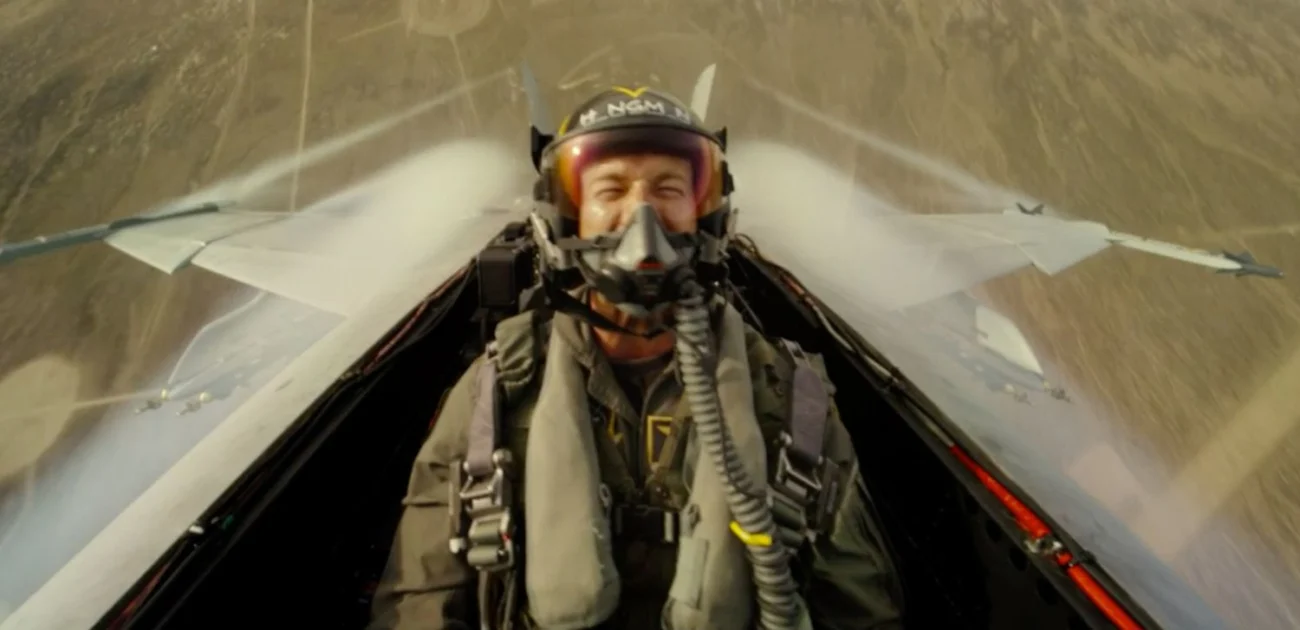
Training scenes show pilots graying out under high G, then snapping back quickly to continue maneuvering at the edge of blackout. While anti-G straining and gear help, G-LOC events can involve seconds of unconsciousness plus a longer period of incapacitation, during which the jet can depart controlled flight. The film’s recoveries are faster and cleaner than typical physiology would allow. It illustrates risk but softens the consequences.
Share your favorite eagle-eyed catches from ‘Top Gun: Maverick’ in the comments!