

Top 20 Historical Strategy Games

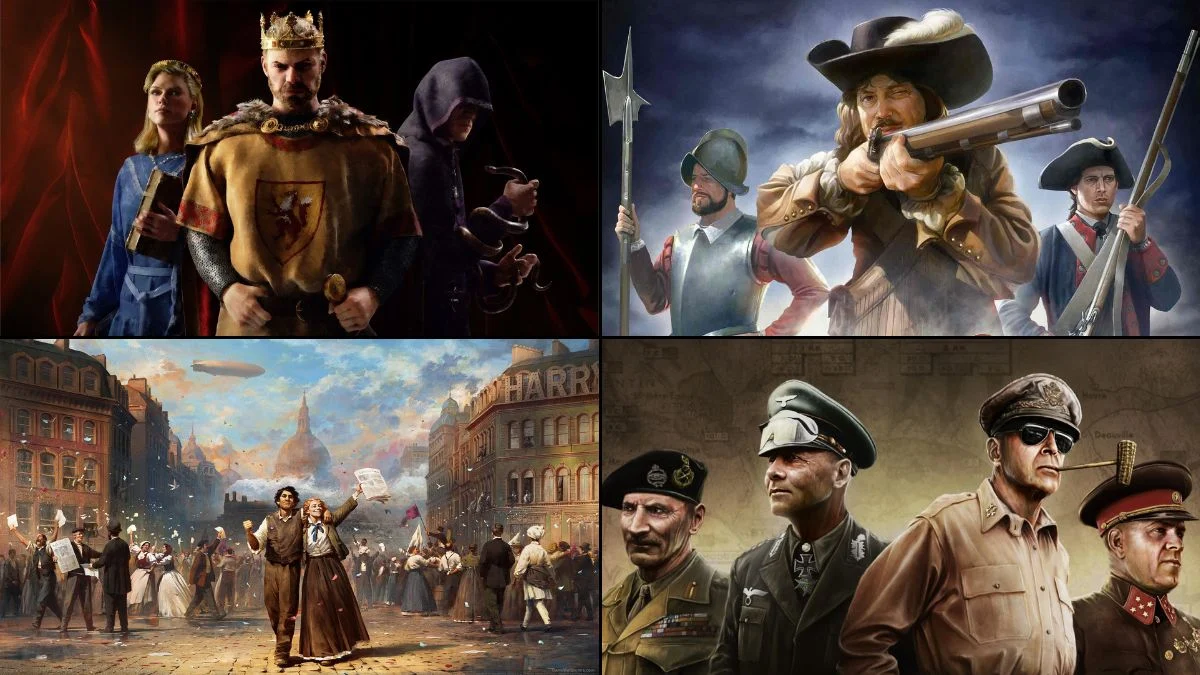


History comes alive when a smart strategy game hands you the map, the army roster, and a timeline full of turning points. The best titles mix research driven detail with systems that let you steer empires, manage economies, and command battles in real time or turn based play. From ancient dynasties to industrial powerhouses to global conflicts, these games turn complex eras into engaging decisions. Here are twenty standouts that focus on authentic settings, robust mechanics, and replayable campaigns.
Europa Universalis IV
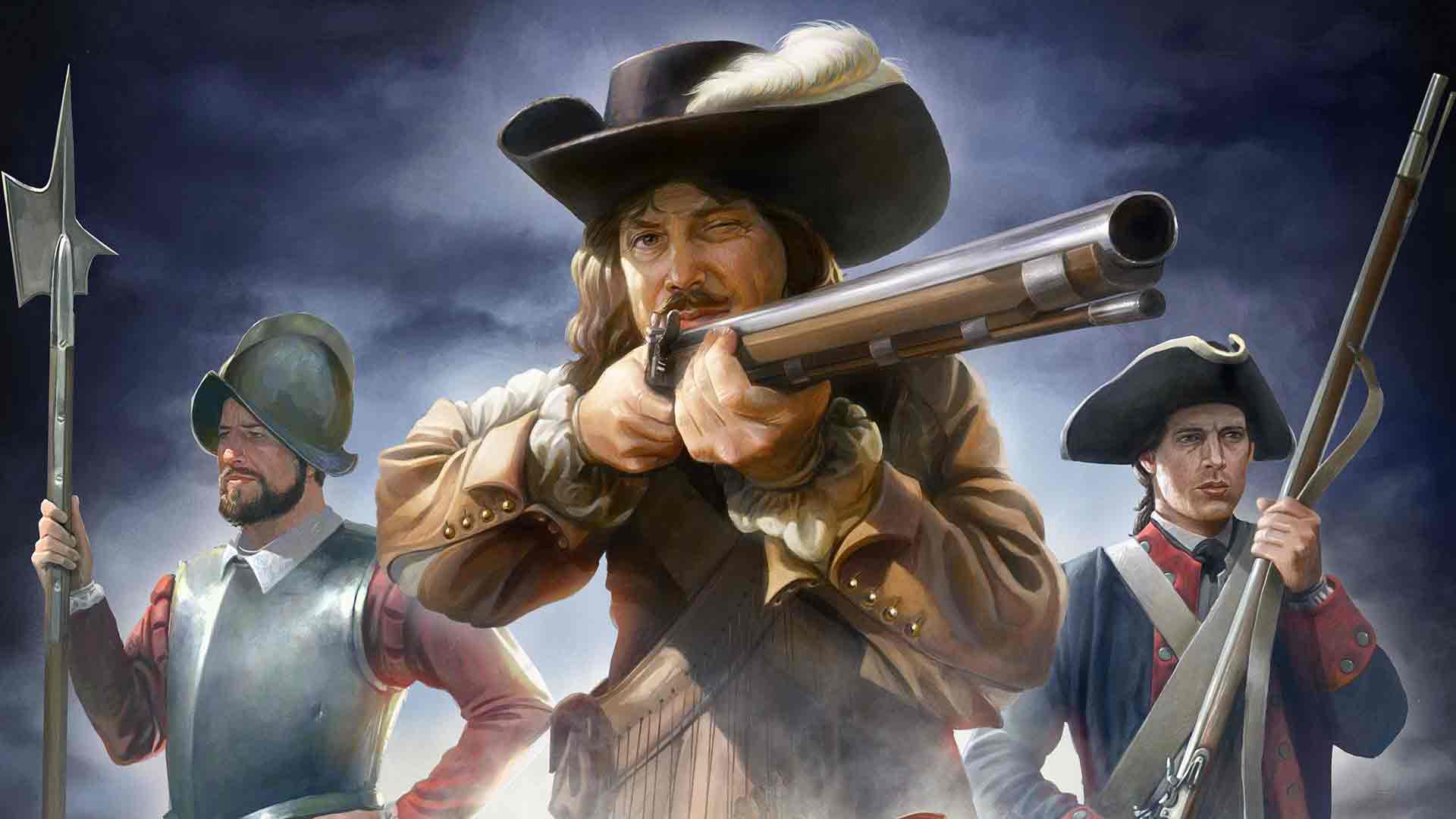
This grand strategy game covers the late Middle Ages through the early modern period with a map that stretches across the globe. Players guide a nation through diplomacy, warfare, trade, and colonization using detailed mechanics like estates, institutions, and government reforms. The timeline advances day by day, allowing flexible pacing and long term planning across centuries. Its event system models historical pressures such as religious turmoil and technological change.
Crusader Kings III
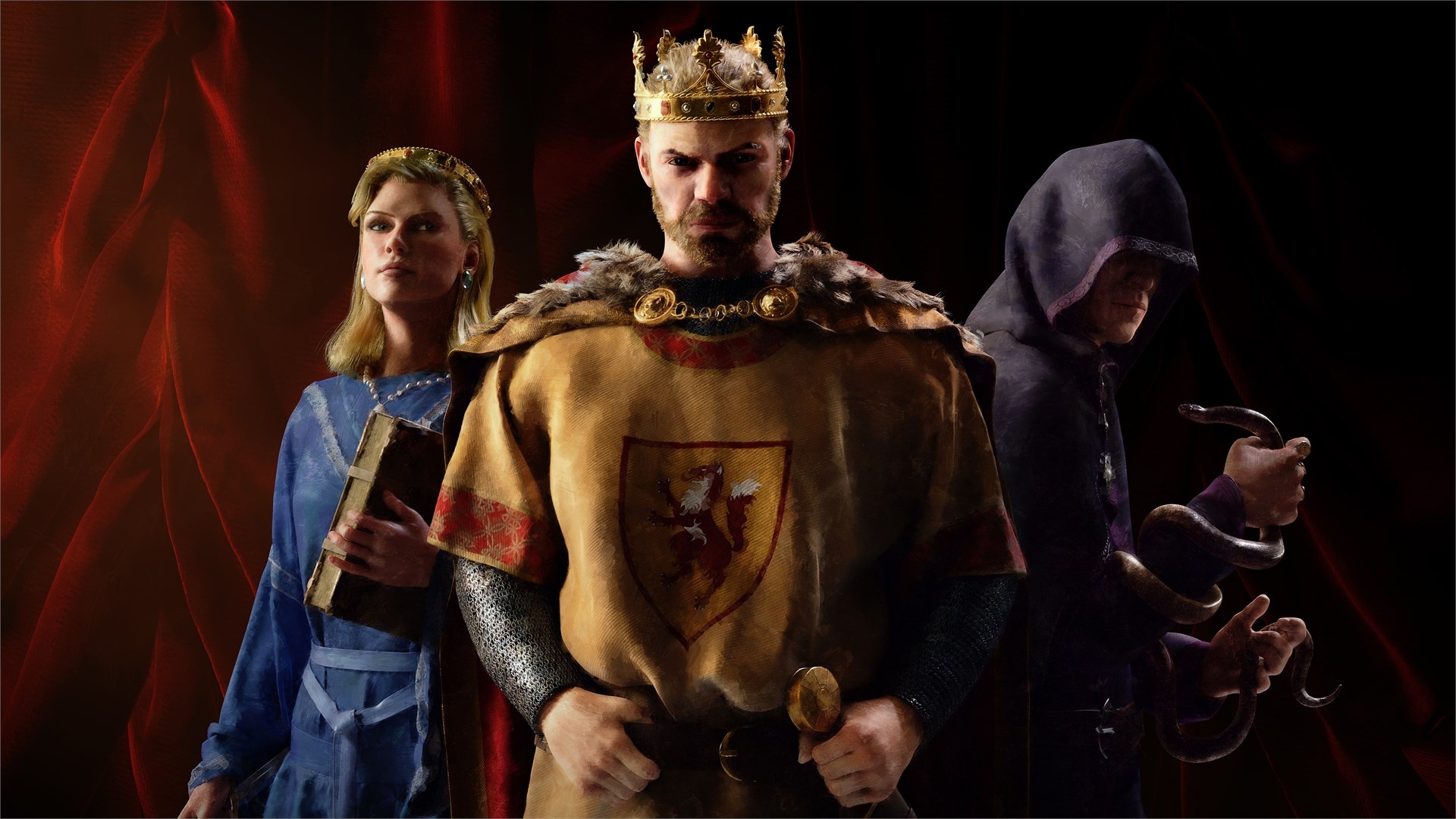
Set in the medieval era, this game centers on dynastic rule rather than only national borders. You manage characters with traits, claims, and relationships that influence politics, succession, and alliances. Feudal contracts, lifestyles, and cultural innovations give structure to internal development. Warfare coexists with intrigue, making marriages and vassal management as important as battlefield strength.
Hearts of Iron IV
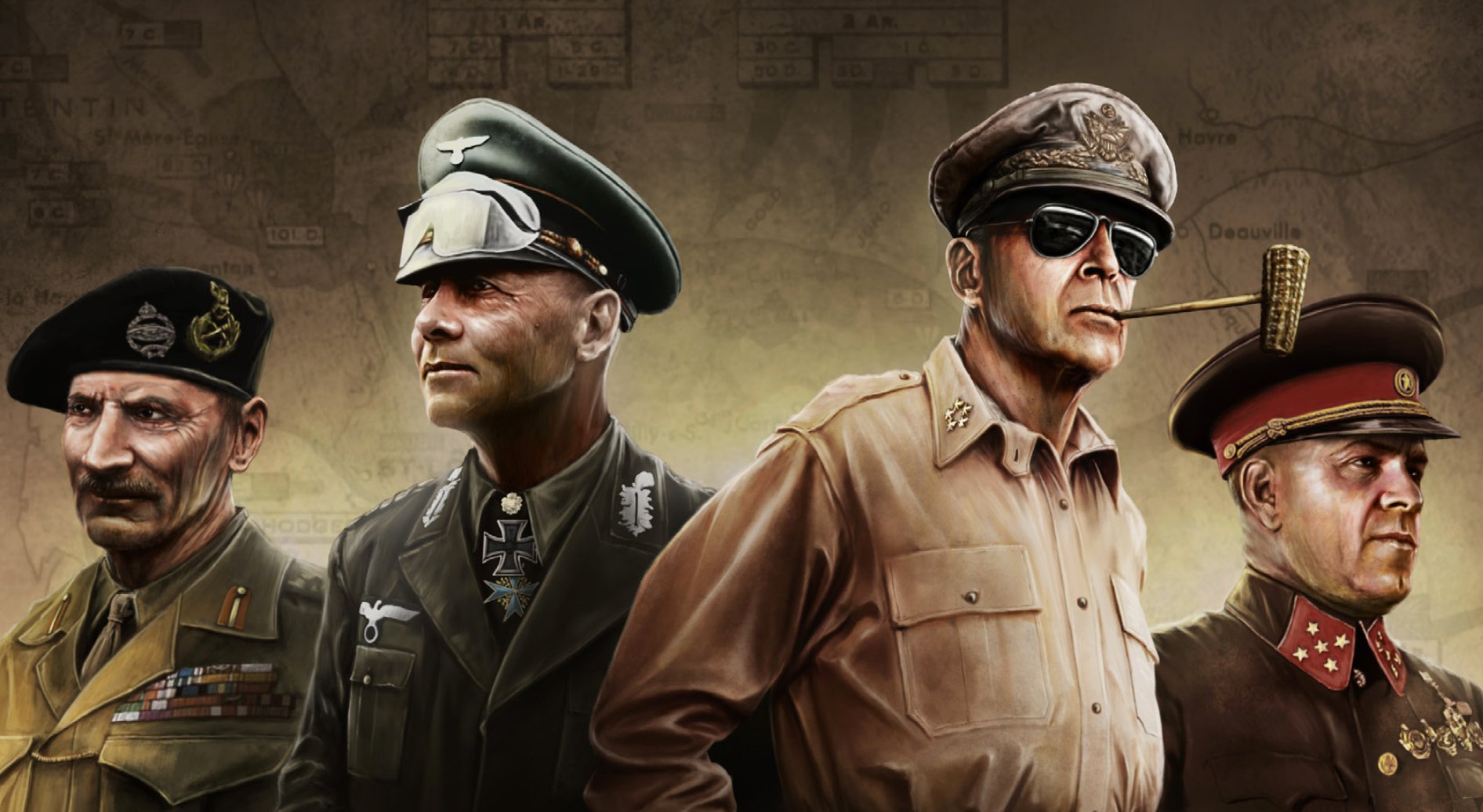
Focused on the period around World War II, this title models production lines, logistics, and battle planning at a national scale. Players design divisions, manage supply, and coordinate air, land, and naval operations across multiple fronts. National focus trees provide historically grounded paths and alternate options within defined constraints. The game tracks equipment, manpower, and doctrine to reflect industrial war.
Victoria 3
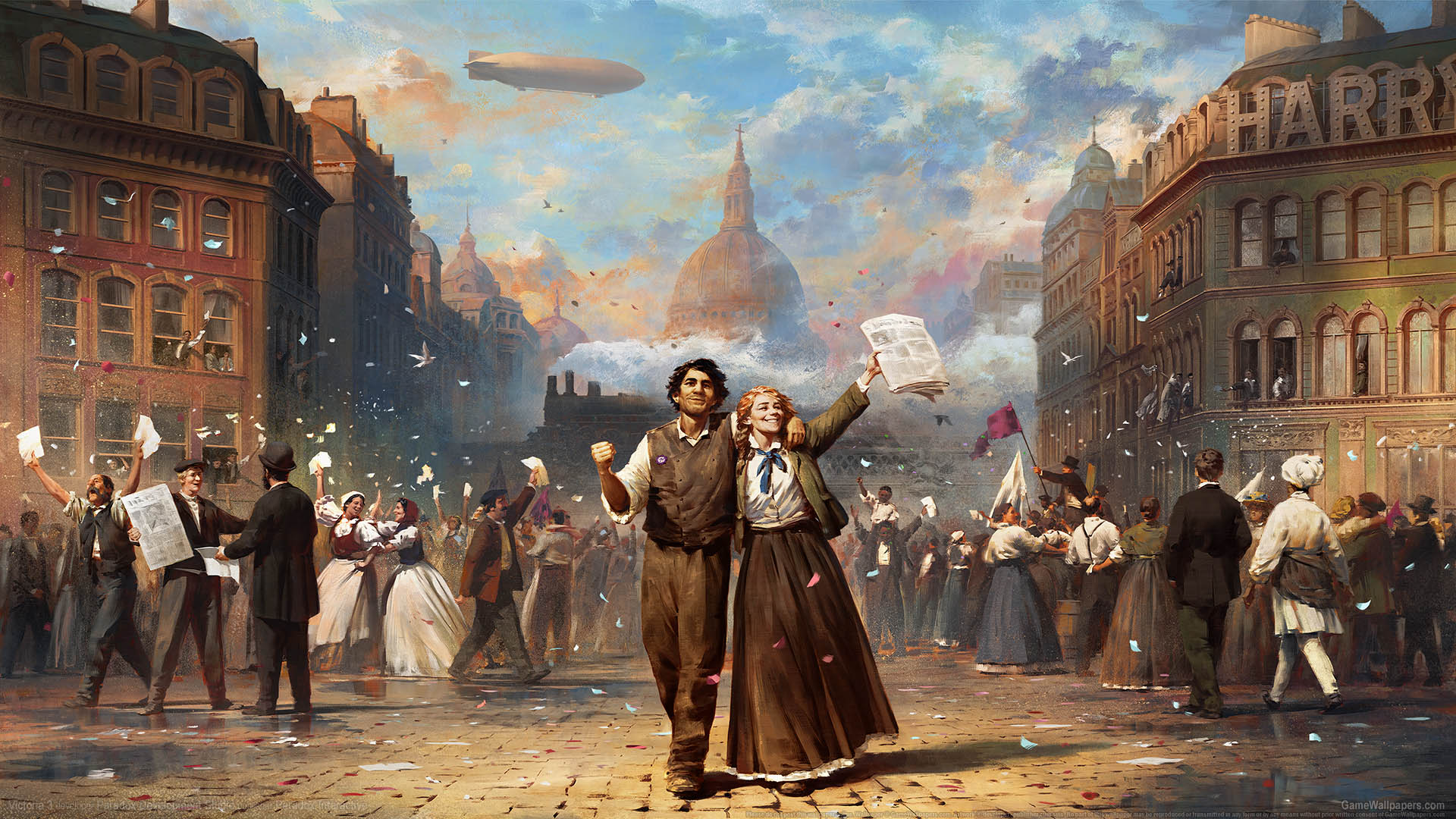
Covering the nineteenth and early twentieth centuries, this game emphasizes population groups and economic policy. Pops have professions, cultures, and political interests that respond to laws, standards of living, and market conditions. Production chains, trade routes, and taxation drive state capacity and growth. Diplomatic plays allow negotiation and pressure before conflicts escalate.
Total War Three Kingdoms
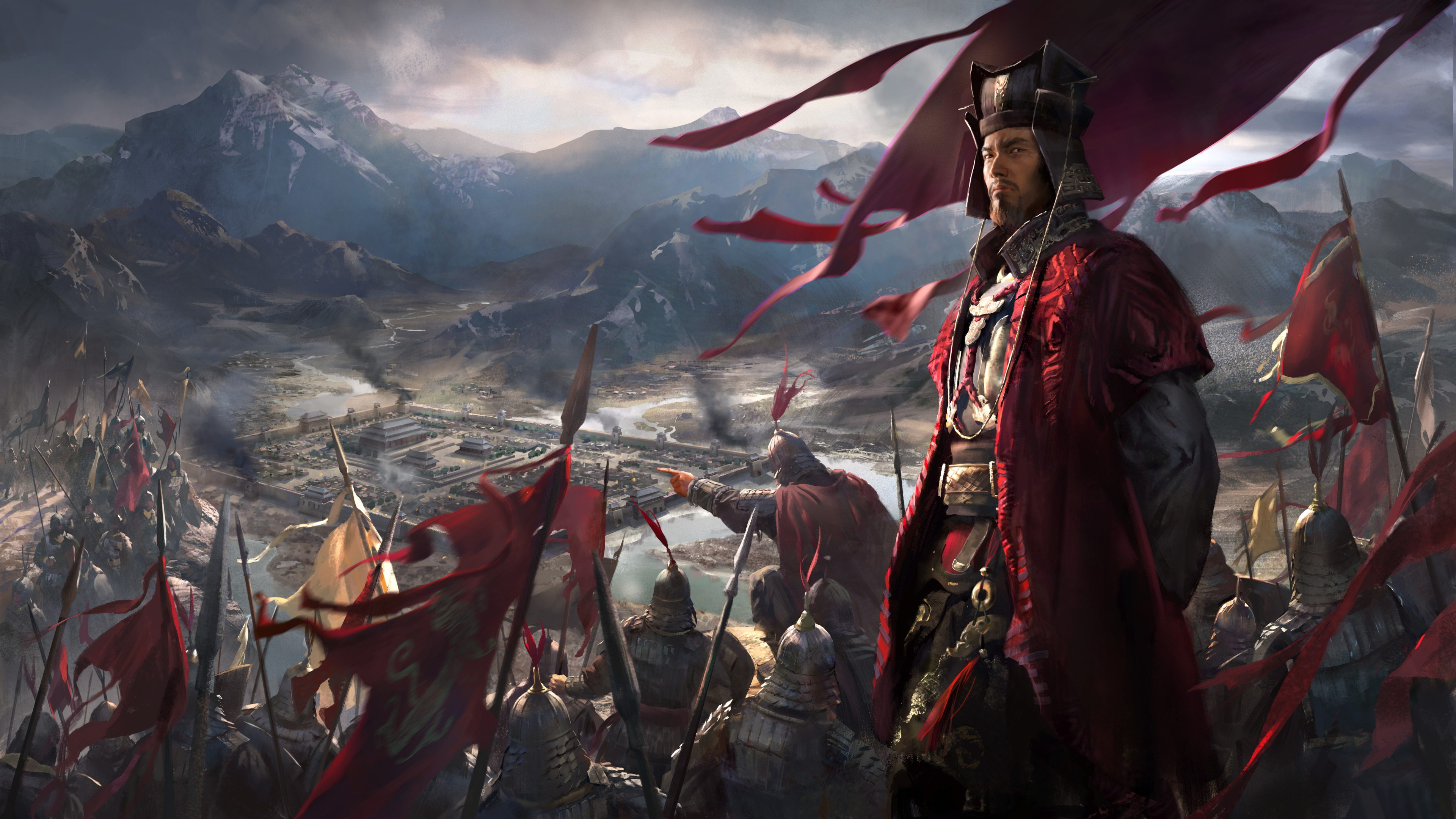
Set in ancient China, this entry blends a turn based campaign with real time battles involving large armies. Factions feature historical warlords with unique mechanics and relationships that affect alliances and rivalries. Commanders can duel on the battlefield while reforms, assignments, and population management shape development. The campaign models intrigue, diplomacy, and military logistics across the Han collapse.
Total War Shogun 2
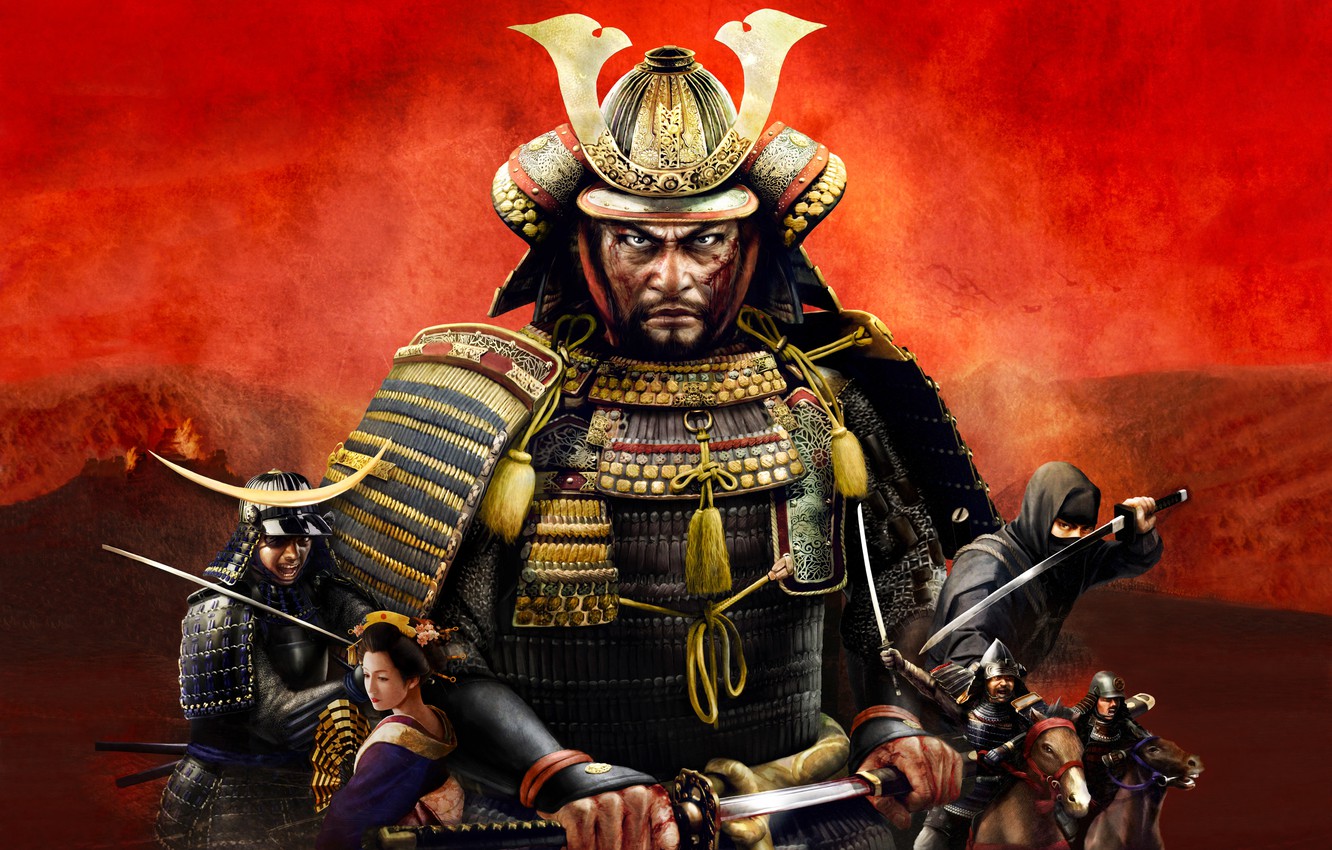
This game depicts the Sengoku period with a focus on clan leadership, honor, and province management. Players develop castles, craft military research, and field samurai, ashigaru, and naval forces. Realm Divide models the political consequences of rising power as other clans react to your expansion. The combination of tactical battles and strategic planning captures the era’s shifting alliances.
Total War Rome II
Set across the Mediterranean world, this title features multiple cultures with distinct unit rosters and building trees. The campaign uses provinces and edicts to streamline administration across larger territories. Armies and navies can operate together, enabling combined land and sea operations. Political parties and imperium levels influence internal stability and diplomatic reach.
Age of Empires II Definitive Edition
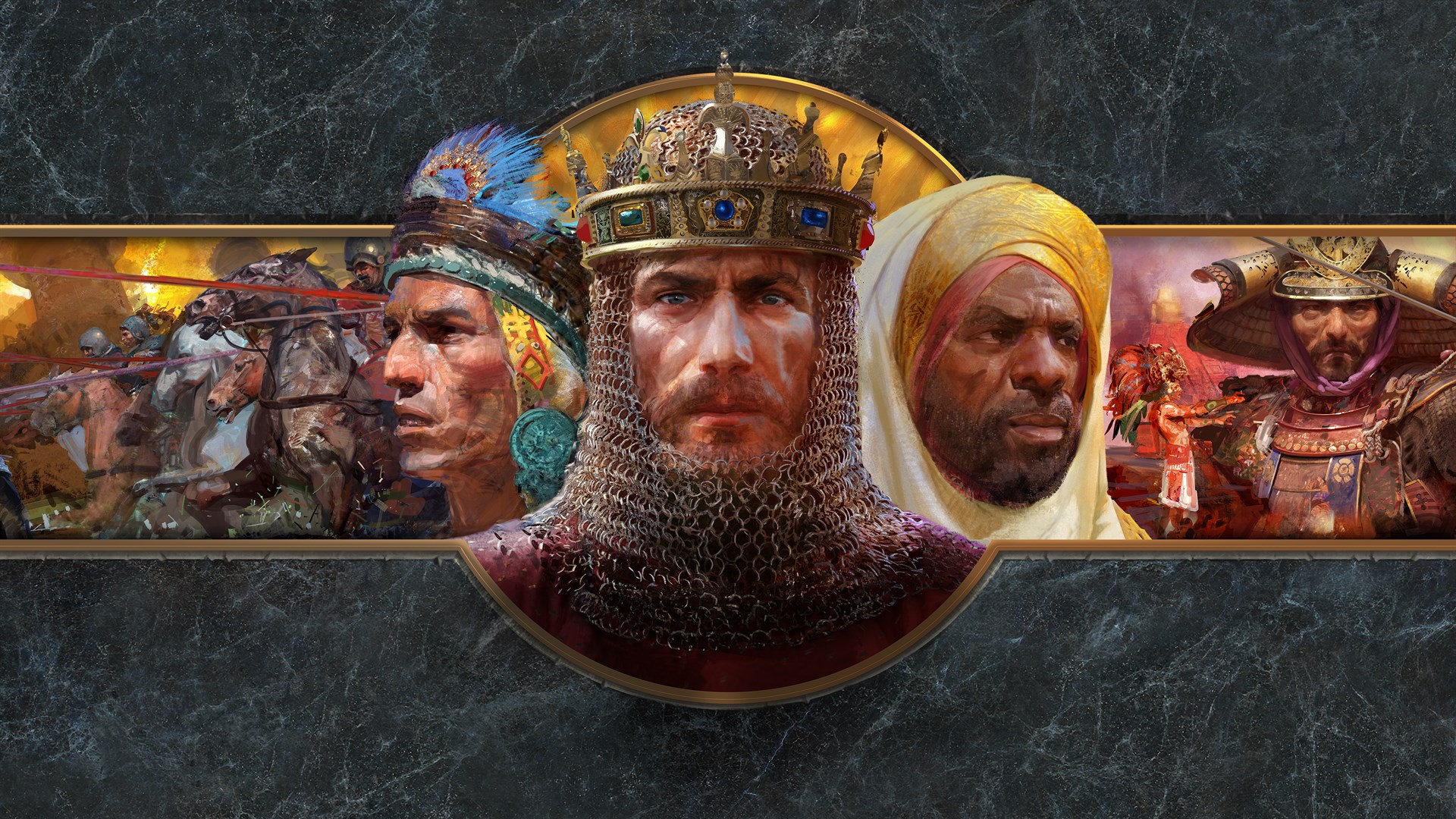
This real time strategy classic spans medieval civilizations with distinct bonuses and tech trees. Players gather resources, advance through ages, and build combined arms armies for sieges and field battles. The edition adds new civilizations, pathfinding improvements, and quality of life tools. Historical campaigns provide scenarios based on notable leaders and conflicts.
Age of Empires IV
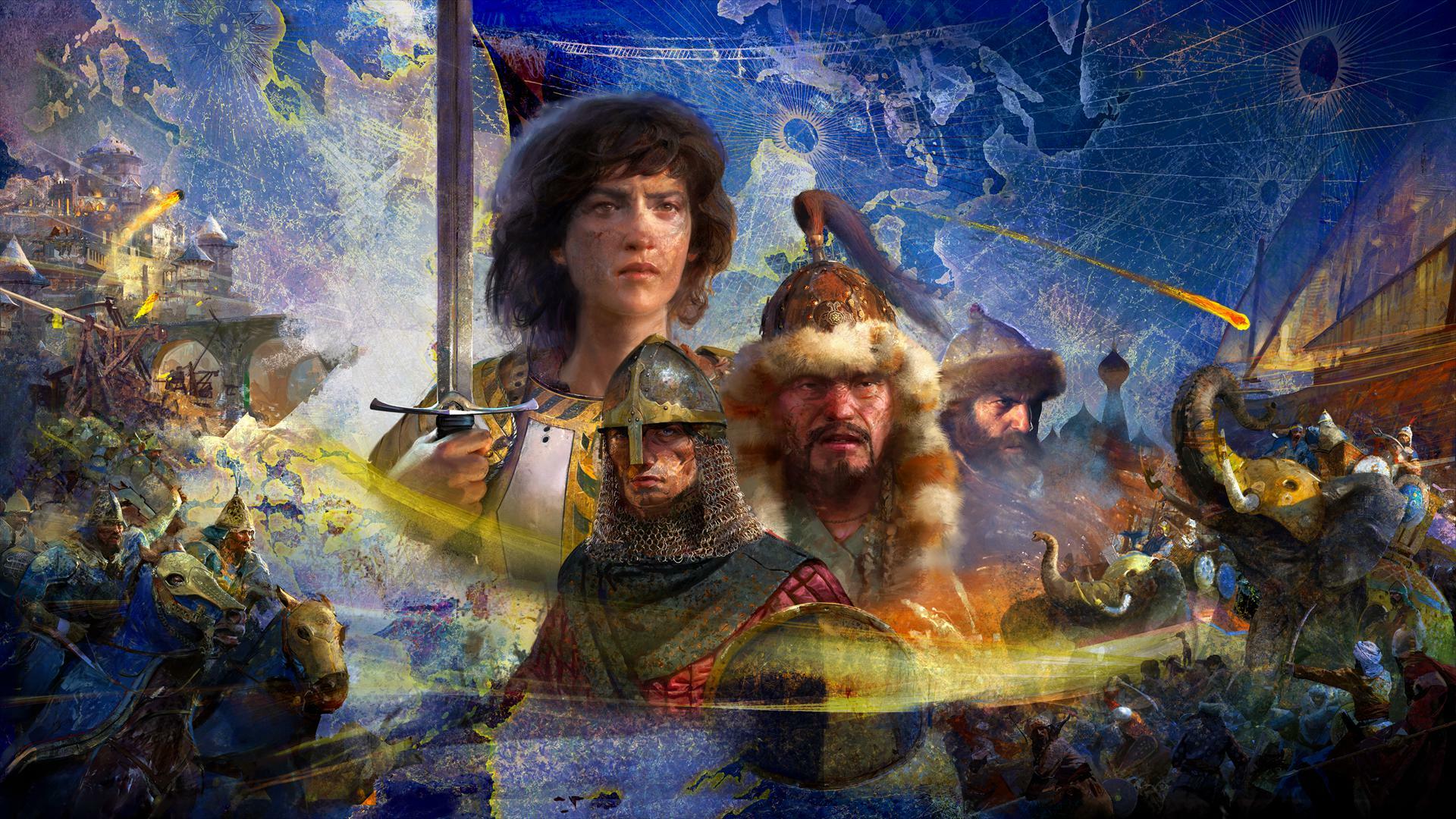
This entry refines medieval warfare with landmarks, asymmetric civ design, and unique mechanics per faction. The English use defensive longbow tactics while the Mongols pack up buildings to move their economy. Documentary style missions tie scenarios to real sites and artifacts. Naval play, stealth forests, and landmarks add tactical variety to skirmishes and campaigns.
Rise of Nations Extended Edition
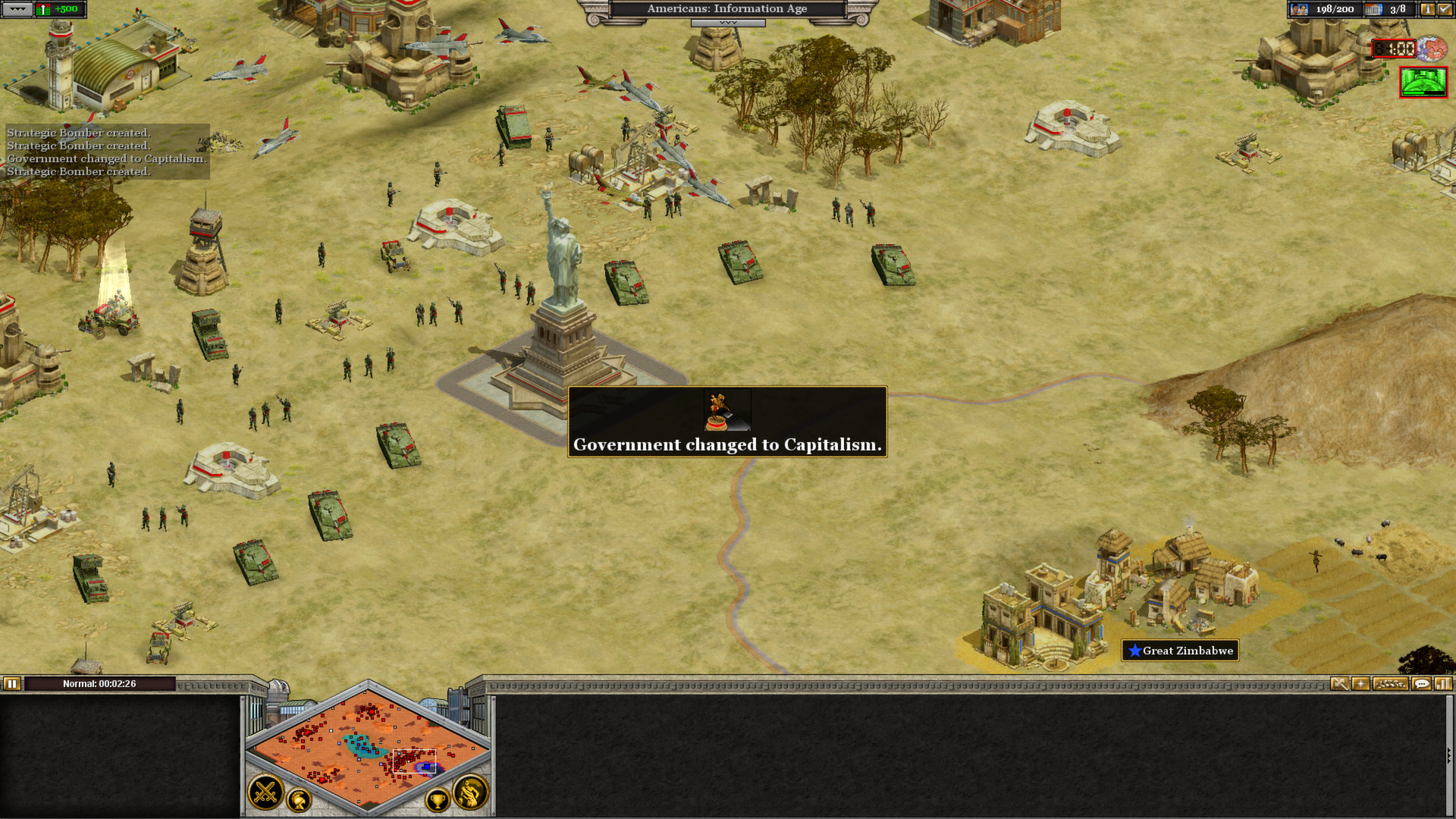
Spanning from ancient times to the modern era, this RTS blends territory control with a national border system. Cities anchor expansion, while research across multiple categories unlocks age advances and new units. The resource model includes rare materials and attrition to encourage strategic positioning. Conquer the World campaigns connect battles with a light strategic layer.
Company of Heroes 2
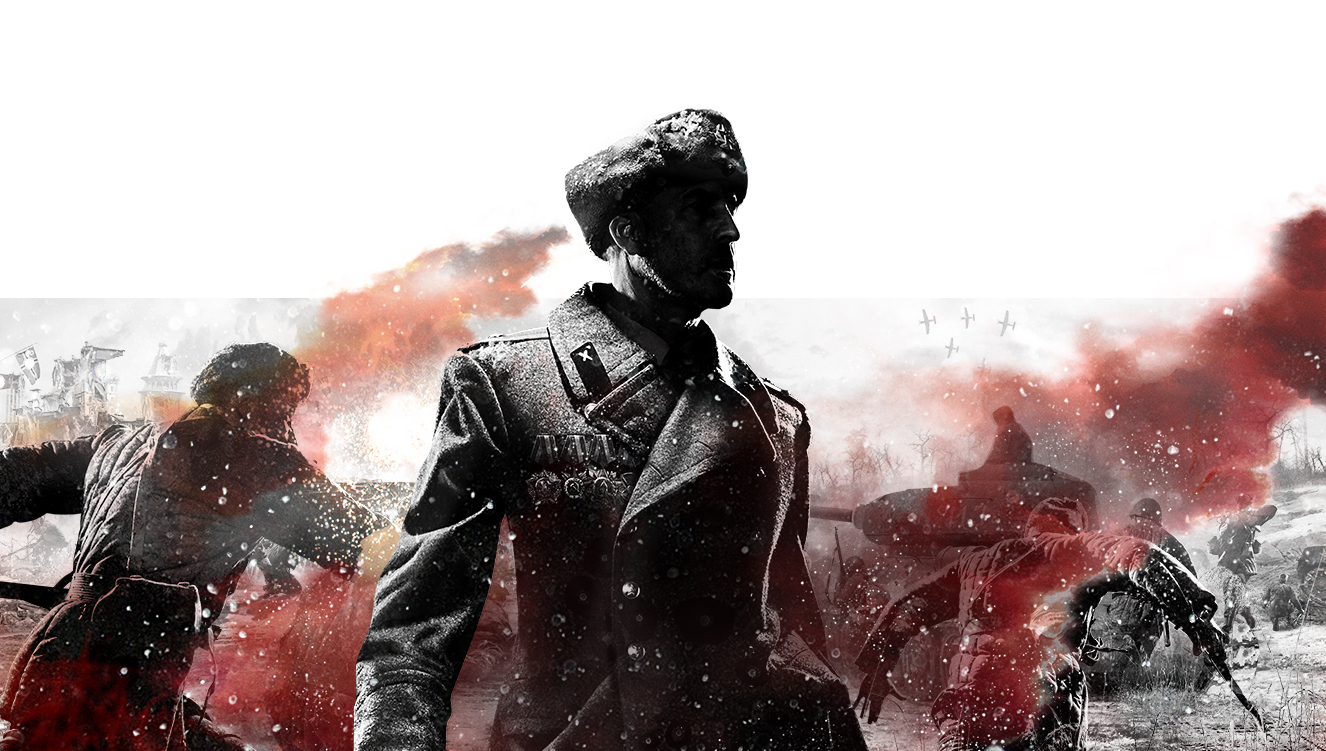
Set on the Eastern Front of World War II, this RTS emphasizes cover, line of sight, and combined arms tactics. Dynamic weather can freeze rivers and affect unit performance, while supply and territory control shape momentum. Infantry, armor, and support weapons interact through counters and positioning. Commanders provide doctrine abilities that alter unit access and battlefield options.
Steel Division Normandy 44
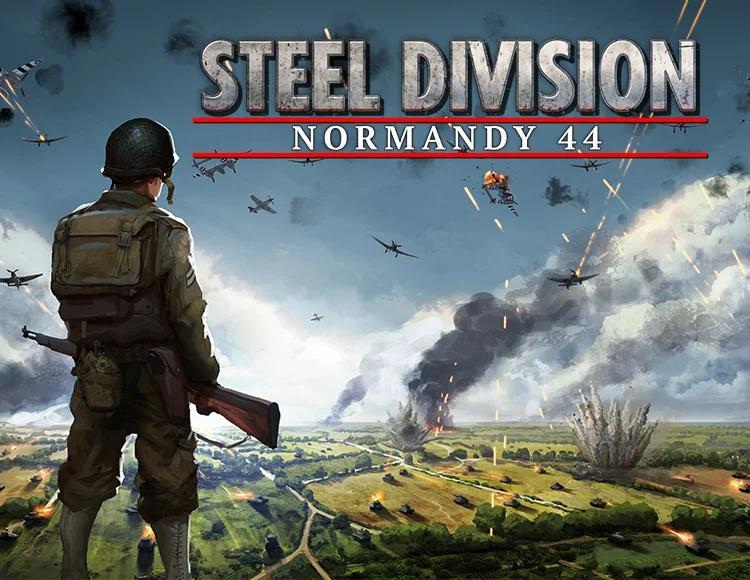
This tactical wargame models World War II divisions with historical battlegroups and unit cards. Battles unfold across phases that unlock heavier assets over time, encouraging planned escalation. Line of sight, suppression, and recon play key roles in engagements. The game uses realistic map scales and vehicle behavior to reflect period tactics.
Panzer Corps 2
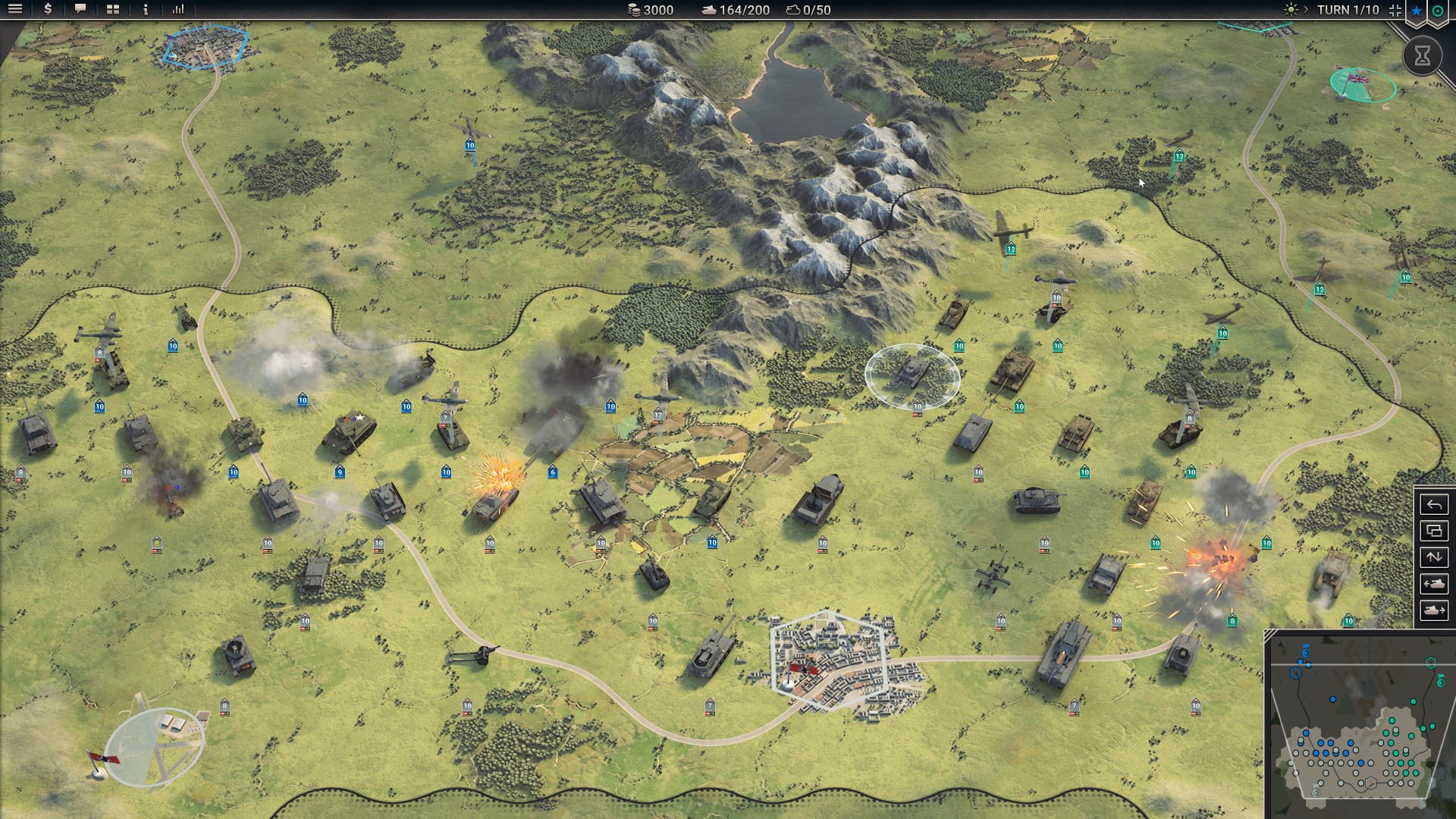
A turn based operational wargame, it features hex based movement, unit upgrades, and a prestige economy. Scenarios cover European theaters with branching paths based on performance. Unit classes include infantry, armor, artillery, aircraft, and naval elements with clear strengths and counters. Weather, terrain, and supply influence movement and combat outcomes.
Field of Glory II
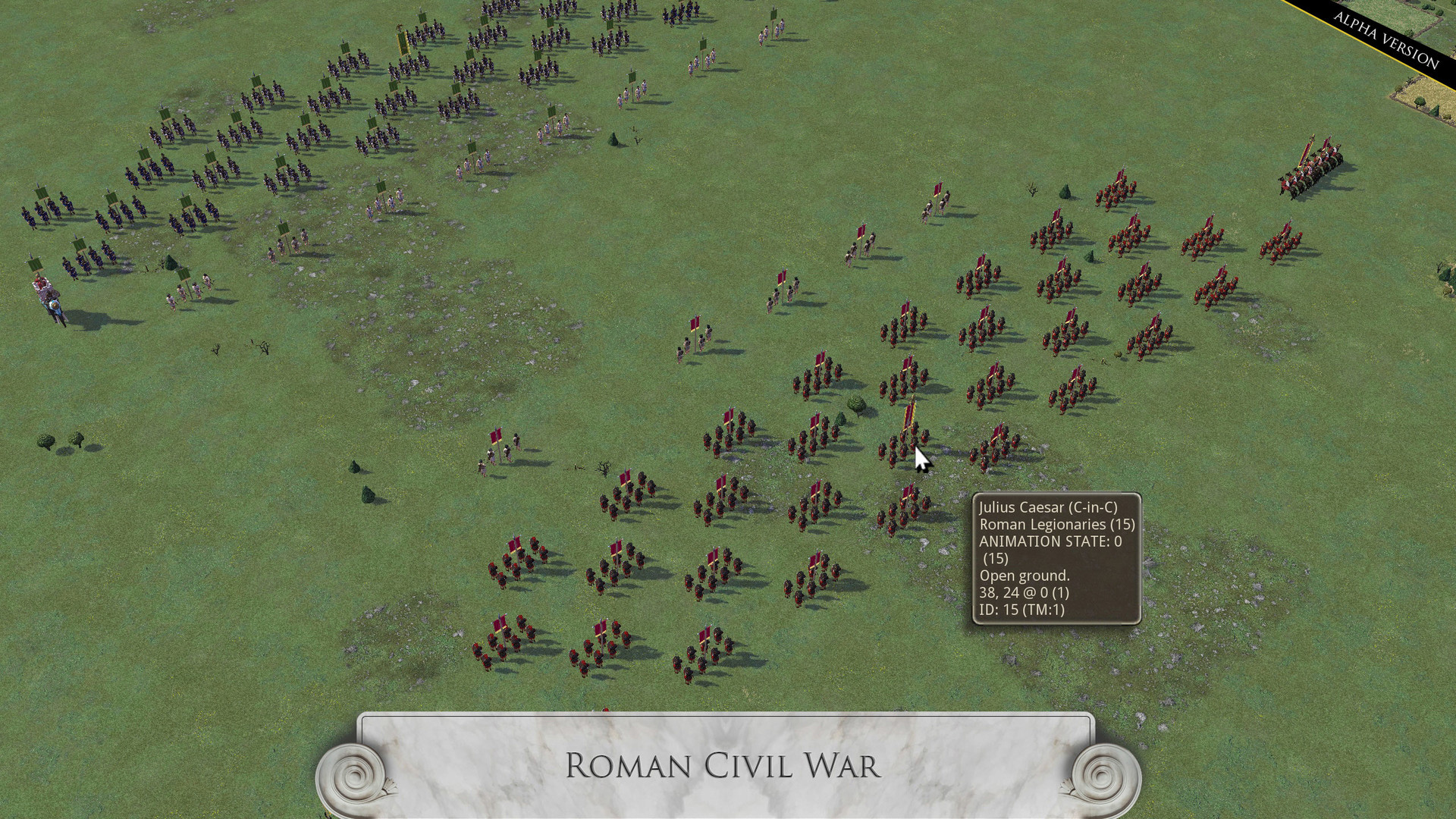
Focused on ancient and medieval warfare, this turn based system models morale, cohesion, and unit interactions. Armies are built from historically grounded lists that reflect cultural tactics. The combat engine uses impact, melee, and pursuit to capture shock and momentum. Campaigns and skirmish generators provide varied matchups across many eras.
Ultimate General Civil War
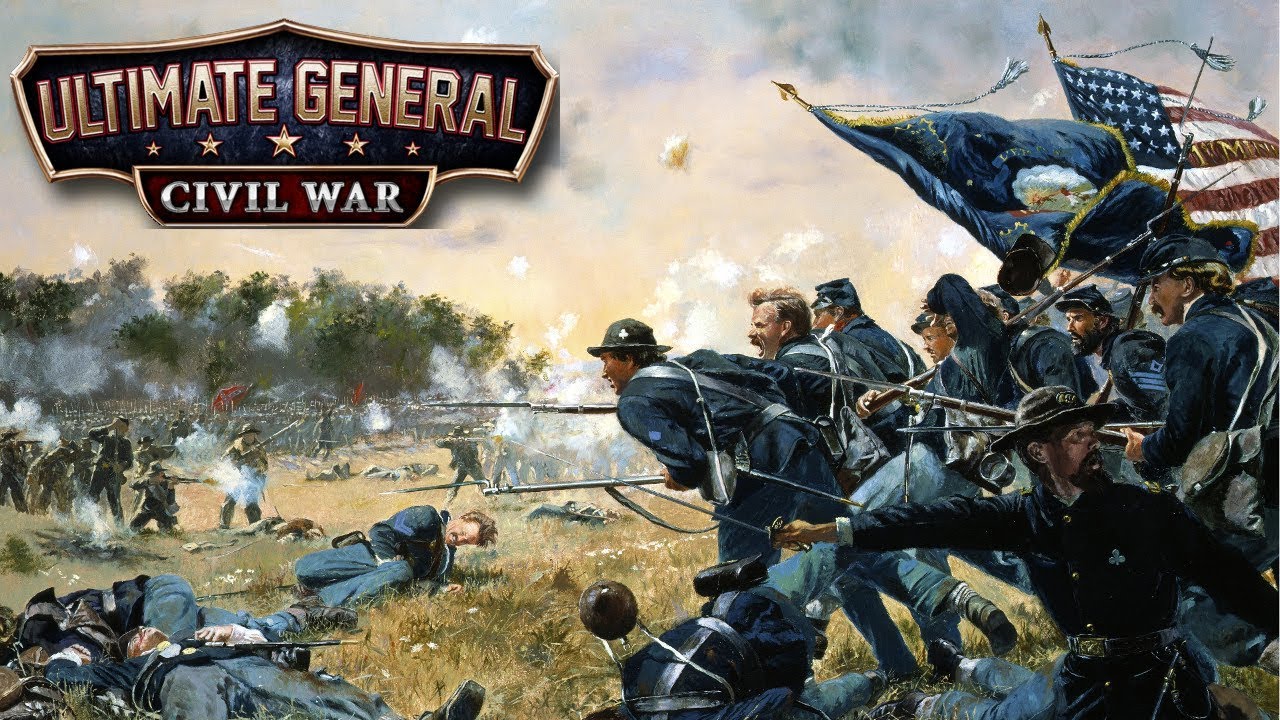
This tactical game recreates American Civil War battles with attention to line of battle, fatigue, and ammunition. Players manage brigades and corps across linked scenarios where losses and experience carry forward. Terrain, elevation, and artillery arcs drive positioning and timing. The army camp layer lets you reorganize units and invest in training and equipment.
Imperator Rome
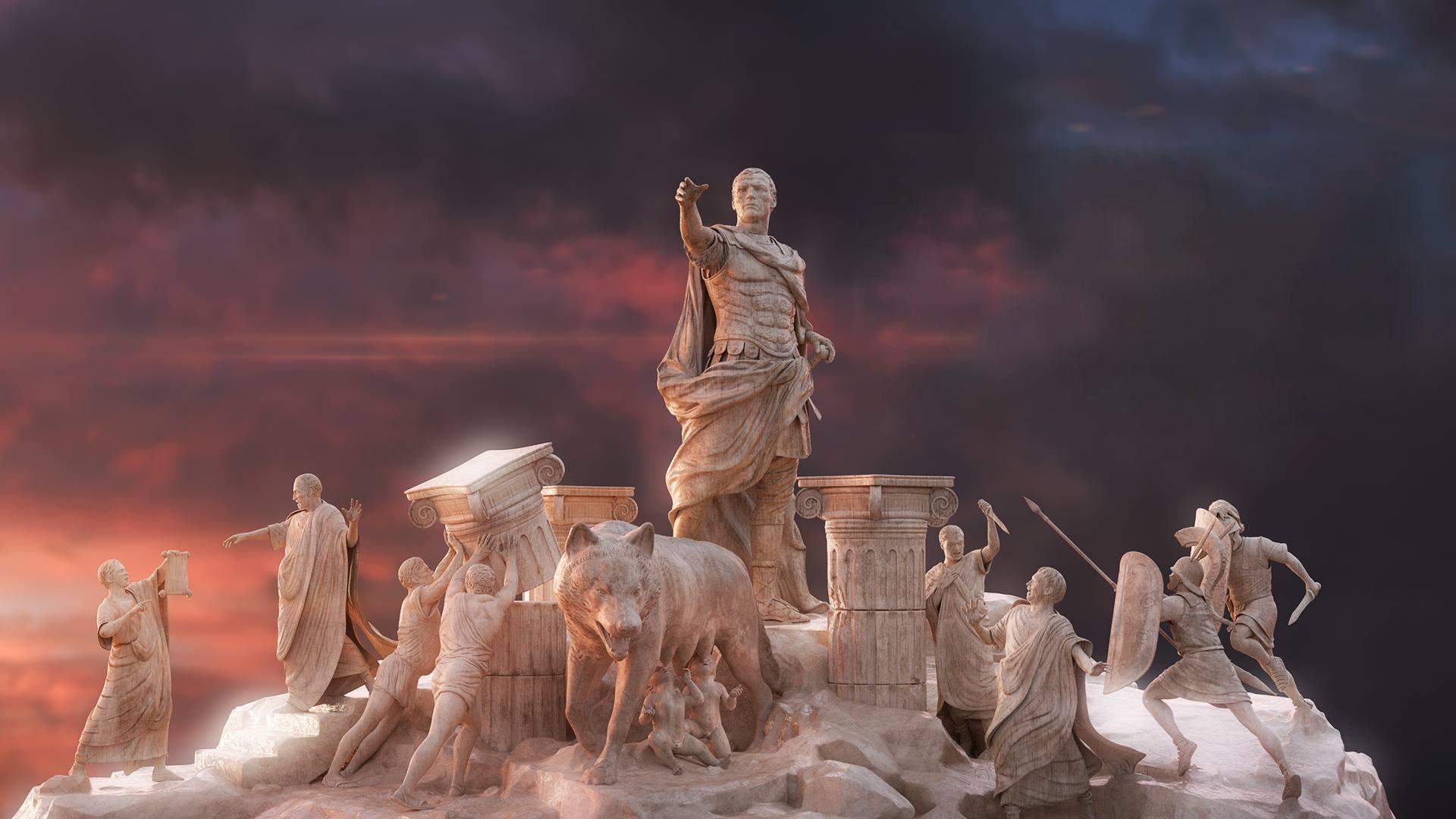
Covering the classical world, this grand strategy game models pops, trade goods, and provincial governance. Players manage senates or monarchies, integrate cultures, and maintain loyalty among governors and generals. Military traditions and inventions guide long term development of armies and states. Migration, assimilation, and commerce routes shape demographic and economic change.
Anno 1800
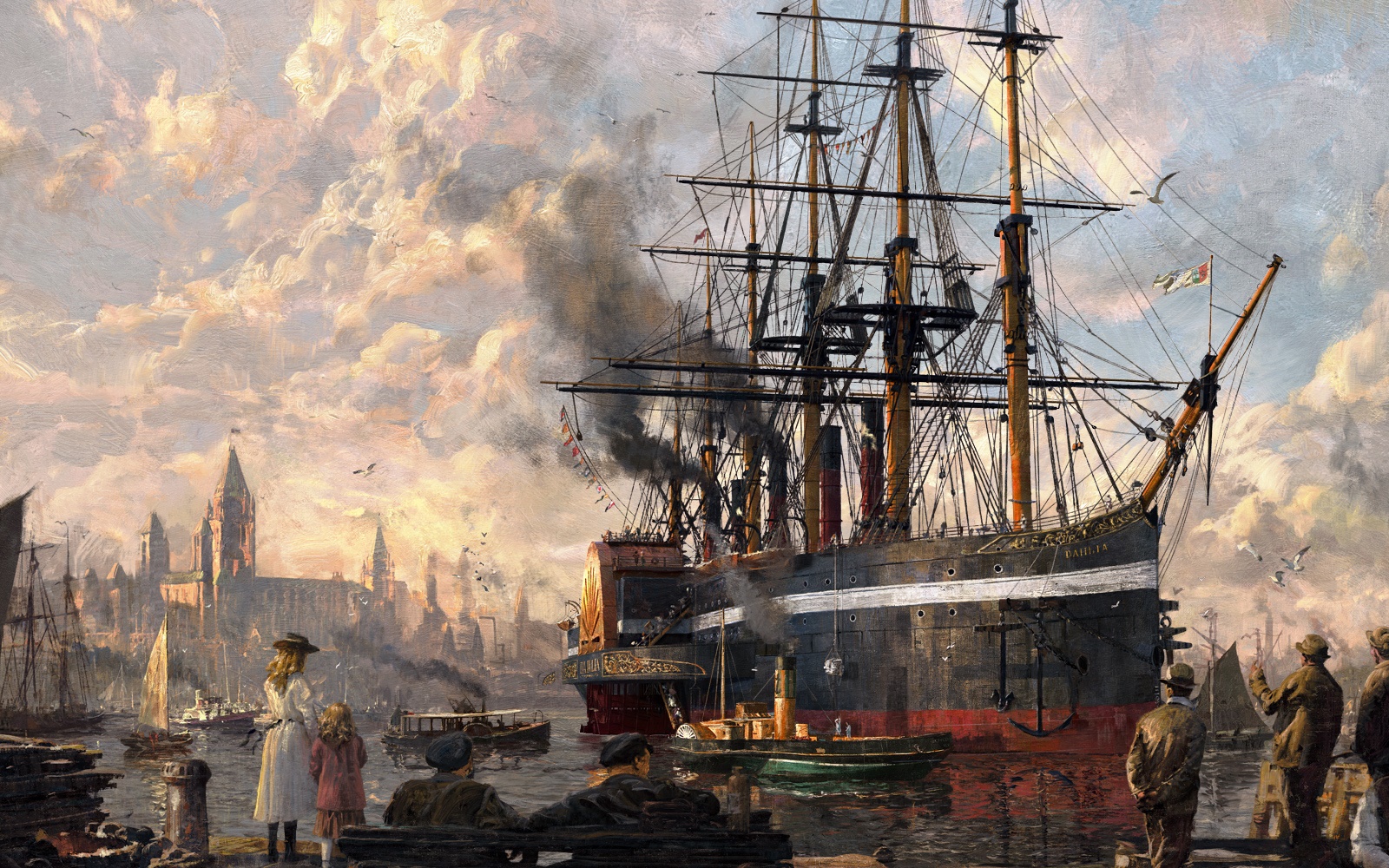
Set in the industrial age, this city builder focuses on production chains, workforce tiers, and trade routes. Players balance pollution, public services, and cultural needs while expanding to new regions. The Old World and New World provide complementary resources that complete advanced goods. Expeditions and tourism add exploration and prestige systems to the economy.
Pharaoh A New Era
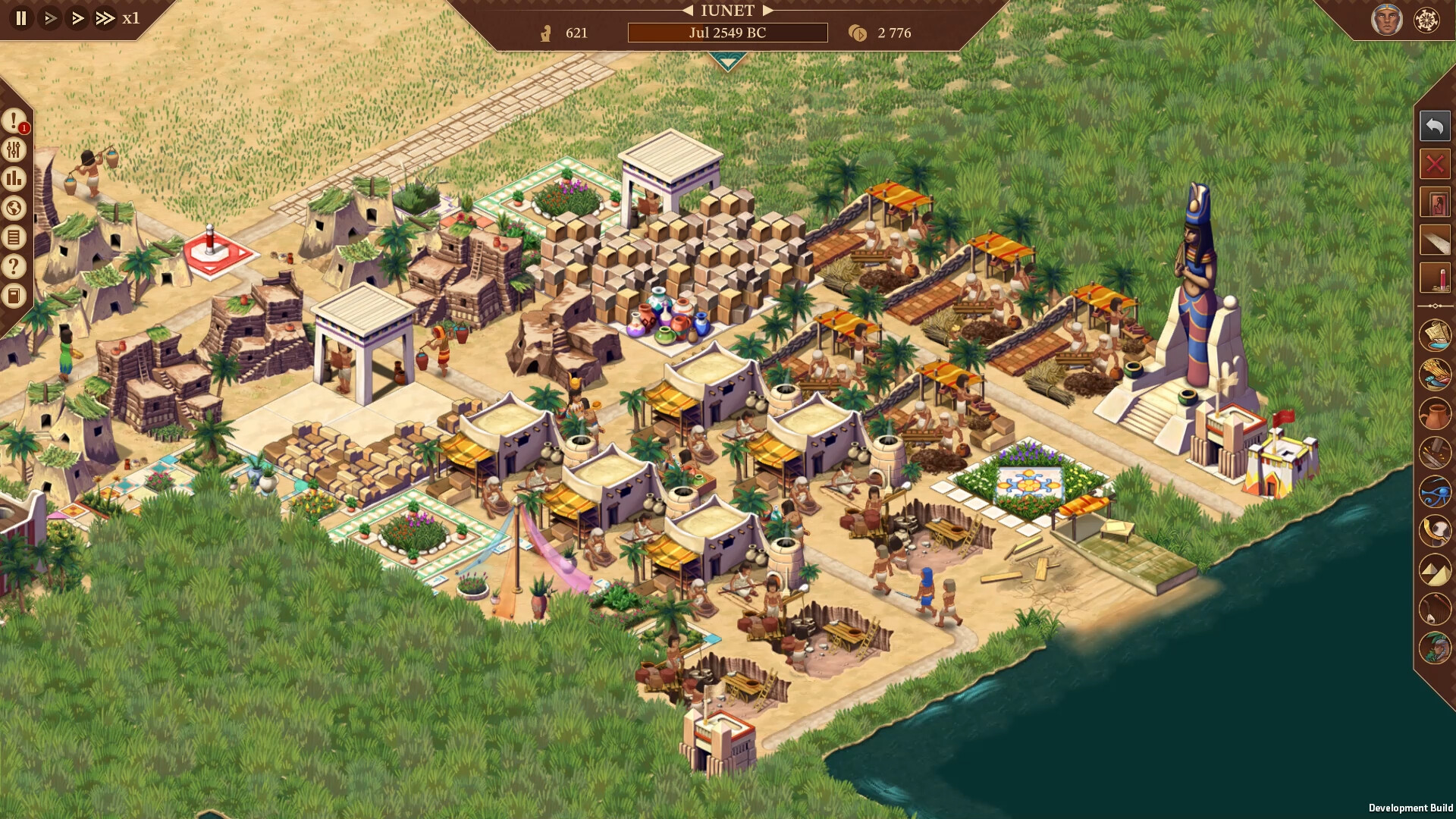
This remake of the classic city builder models ancient Egyptian administration with monuments, irrigation, and labor management. Players plan housing, services, and industry to meet evolving city needs. The Nile’s flood cycle affects agriculture and storage planning. Monument construction requires careful logistics of stone, workers, and time.
Stronghold Crusader HD
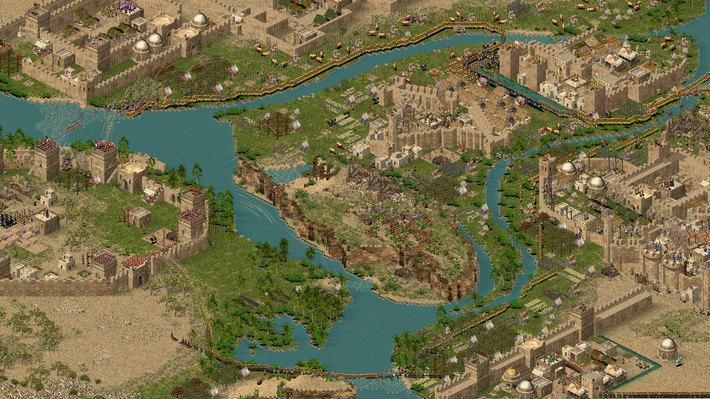
This castle sim emphasizes fortress design, sieges, and economic support chains in desert settings. Players build walls, towers, and traps while managing food, weapons, and population happiness. Skirmish trails offer structured challenges with varied enemy lords and maps. Unit matchups and wall integrity make positioning and construction choices crucial.
Scourge of War Waterloo
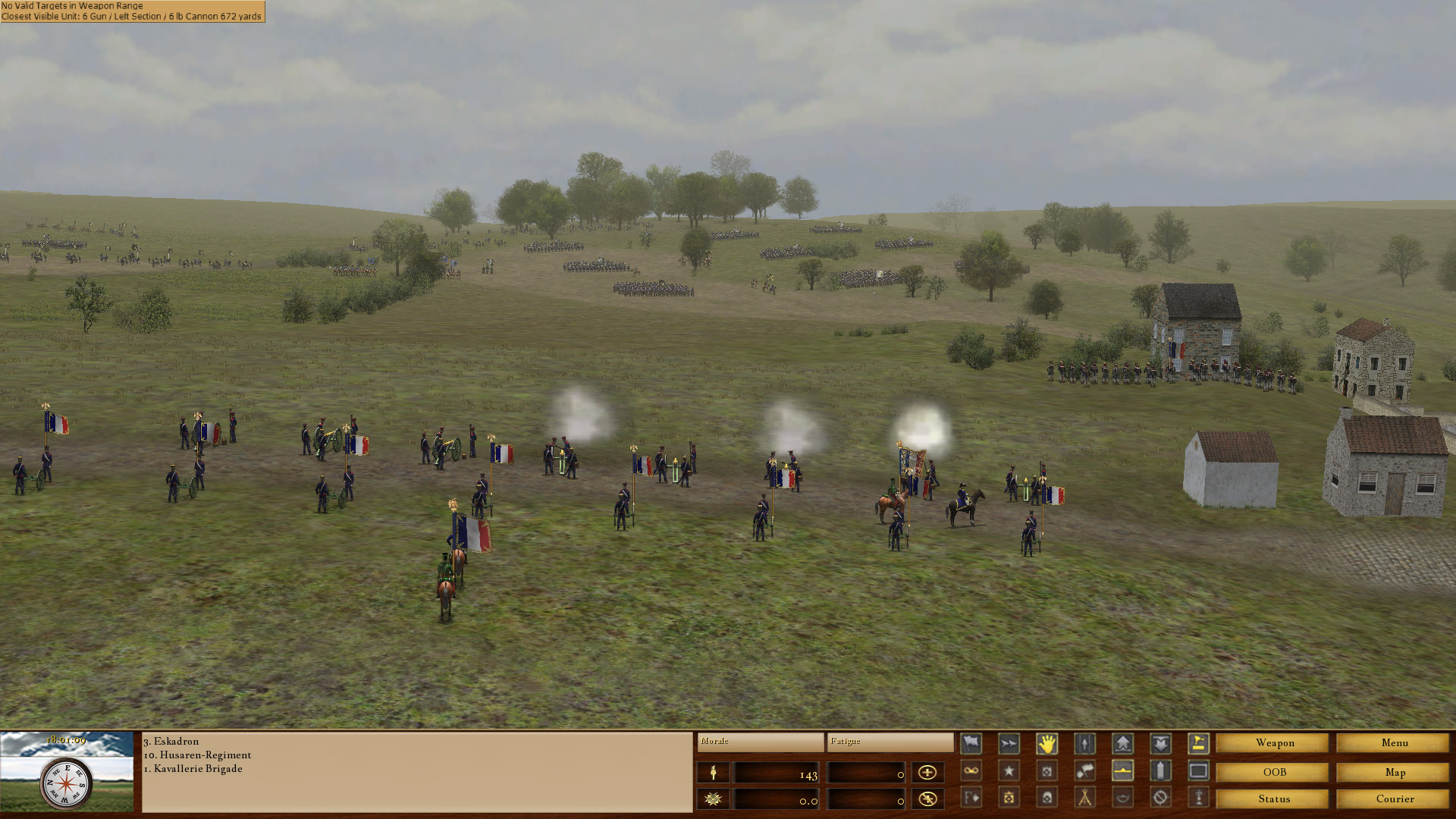
This real time tactical game recreates Napoleonic command with courier orders and realistic battlefield visibility. Formations, facing, and chain of command influence how units respond and maneuver. Maps mirror historical terrain, and scenarios follow the timelines of the Waterloo campaign. The command delay system encourages planning and delegation rather than micromanagement.
Share your favorite historical strategy game in the comments and tell us which era you like to command most.