Top 20 Indie Multiplayer Games

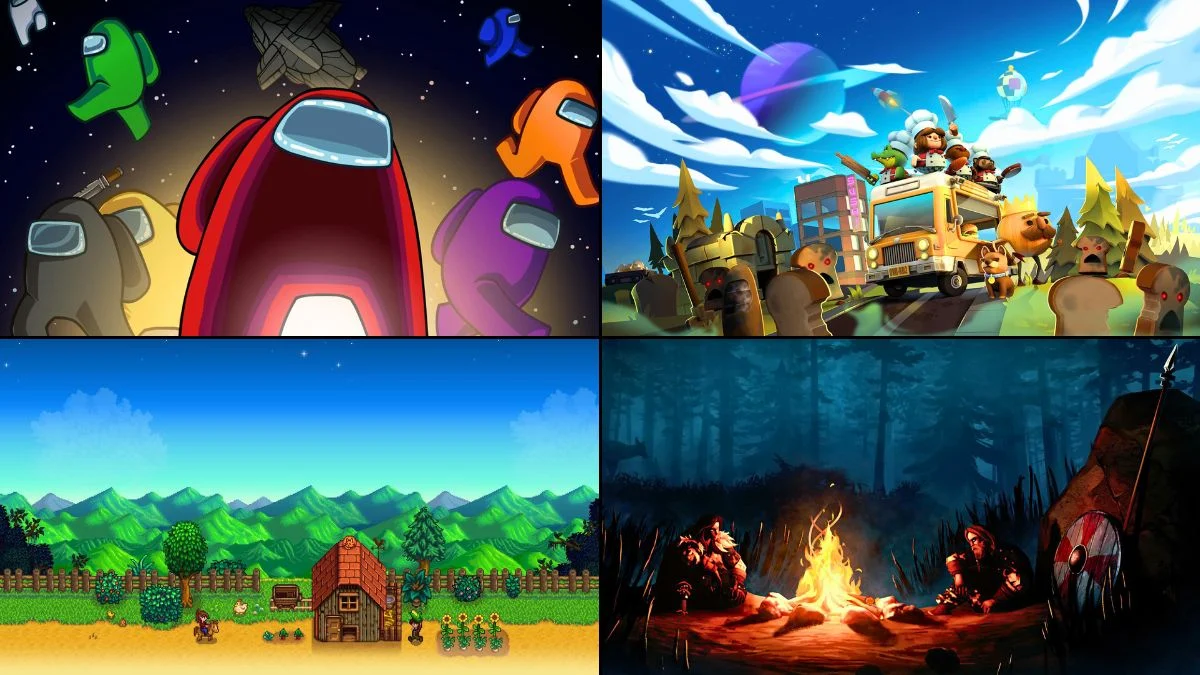

Indie multiplayer games keep things fresh with creative ideas, flexible playstyles, and plenty of ways to team up or face off with friends. This list spans cozy farming, spooky co-op, chaotic kitchens, and deep survival sandboxes, so there is something for every group size and skill level. Expect a mix of online and local options, short party rounds, and long running worlds that you can keep coming back to together. Pick a vibe, set up voice chat, and dive in.
Among Us
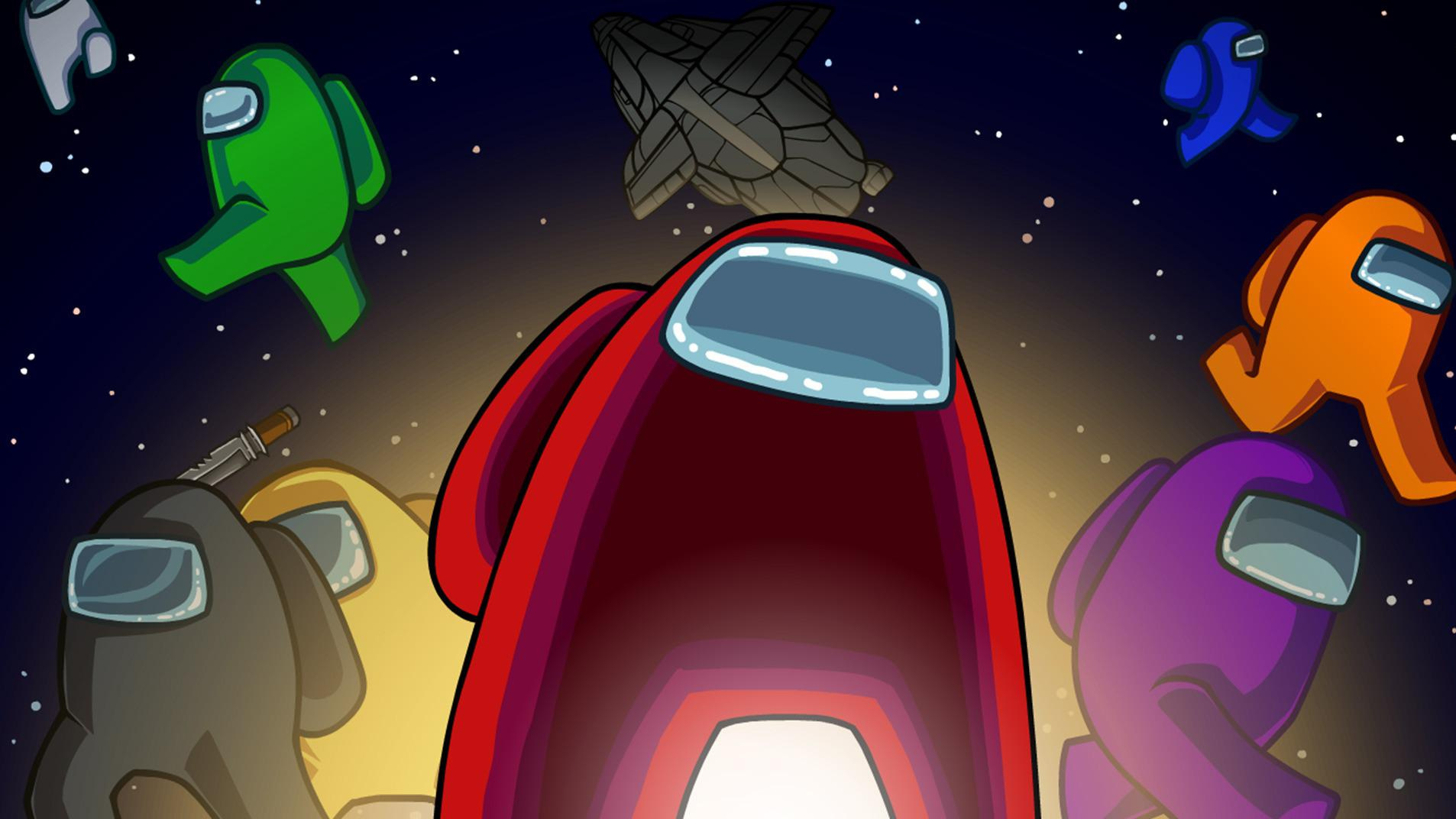
This social deduction hit supports 4 to 15 players in quick sessions where Crewmates complete tasks while Impostors try to sabotage and eliminate them. Meetings and voting give everyone a chance to talk through suspicions and coordinate. You can customize rules like task counts, vision, and movement speed to change the pace. Cross platform play makes it easy to gather friends across devices.
Stardew Valley
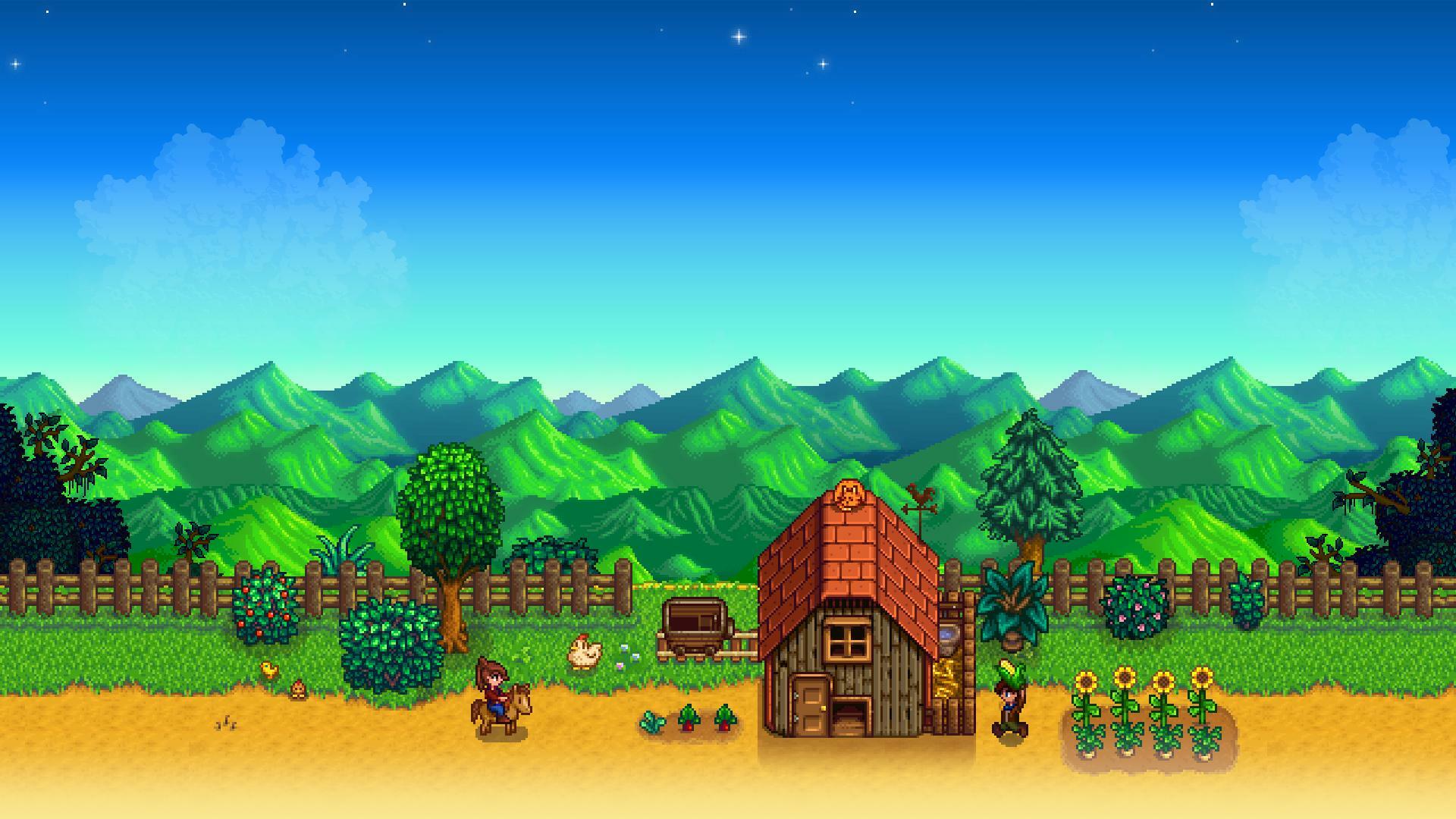
Co-op farming lets up to four players share one farm with separate cabins and wallets that can be split or combined. Progression covers crops, animals, mining, fishing, and community bundles, all synced for the group. Split screen is available on several platforms alongside online and LAN options. The calendar keeps seasons and festivals moving so your team can plan harvests and outings together.
Valheim
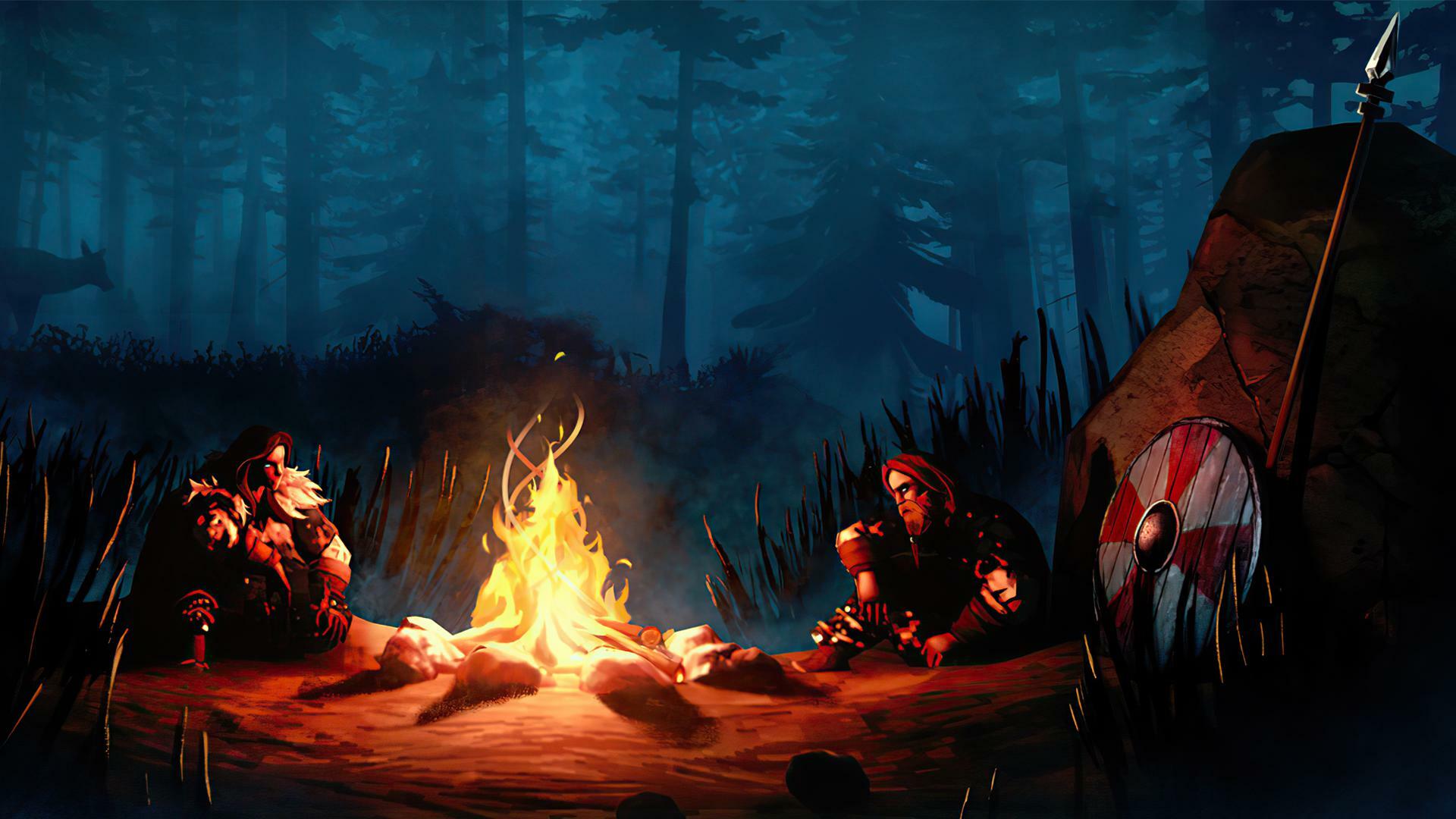
Up to ten players can share a procedurally generated world focused on exploration, base building, and boss hunts. Dedicated servers help persistent progress and keep the world online even when the host is away. Crafting and portals make long journeys and resource runs manageable as your settlement grows. Biomes ramp difficulty in clear steps so groups can progress at a steady pace.
Deep Rock Galactic
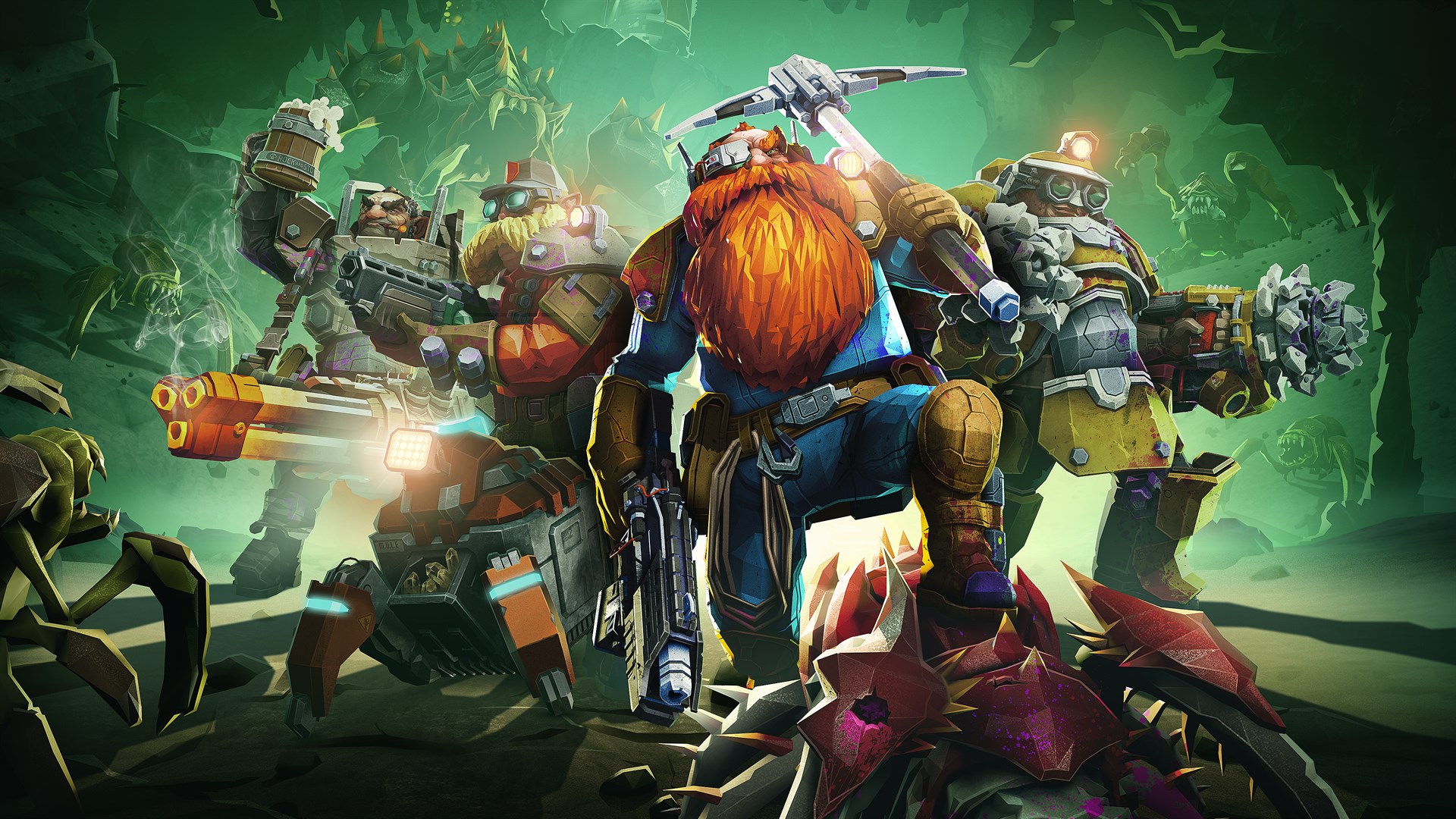
Four player squads take on mining missions with fully distinct classes that complement each other. Procedural caves, destructible terrain, and mission modifiers keep runs varied. A clear loop ties together objectives, optional secondary goals, and resource extraction to upgrade gear. Built in matchmaking and mission boards make it easy to jump in for a quick assignment.
Don’t Starve Together
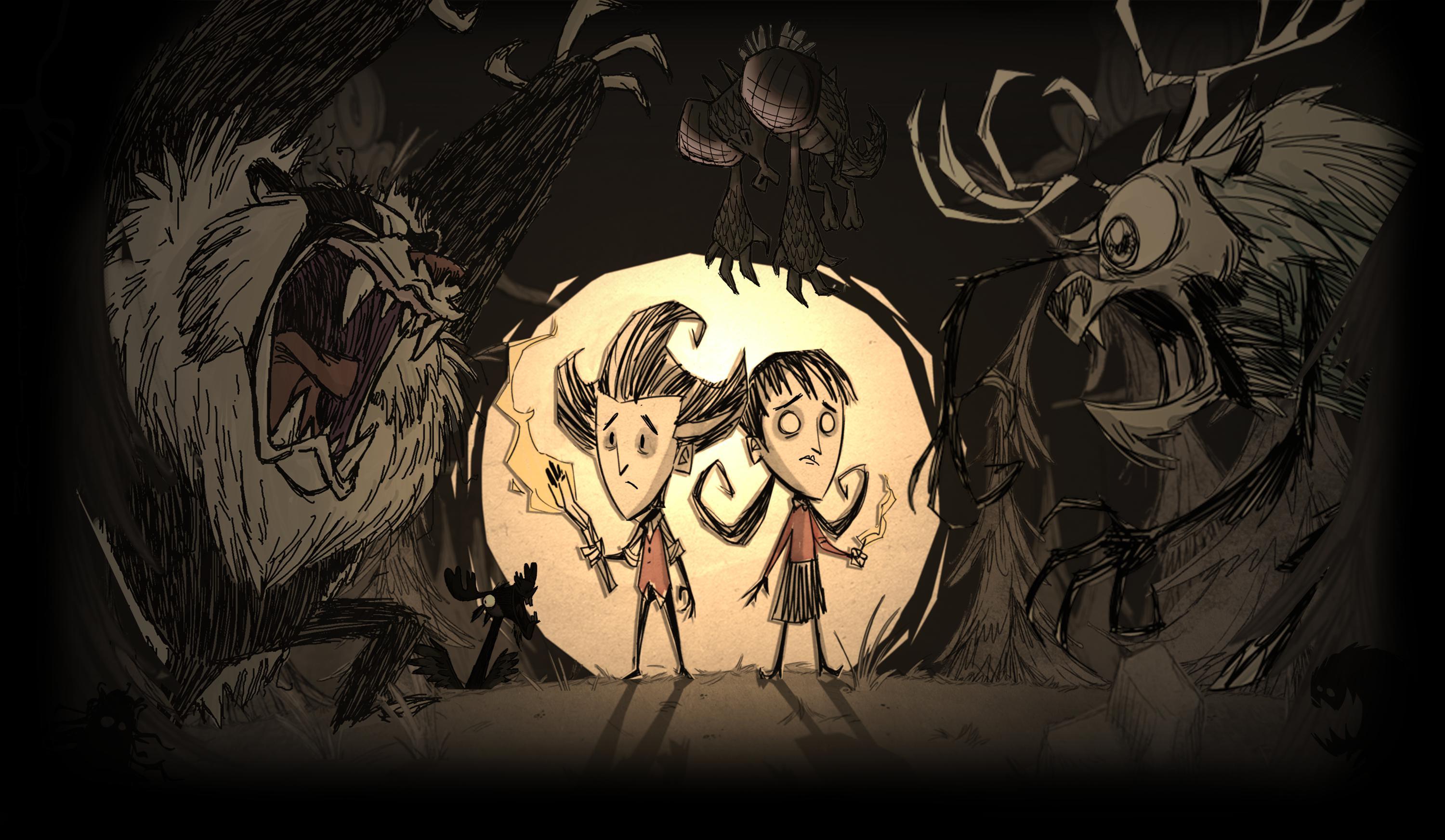
This standalone version of the survival classic supports cooperative worlds with configurable difficulty. Players gather food, craft tools, and prepare for seasonal threats like winter and hound attacks. Worlds can be customized for resource abundance and enemy frequency to fit your group. Resurrection mechanics and character perks encourage teamwork and planning.
Overcooked 2
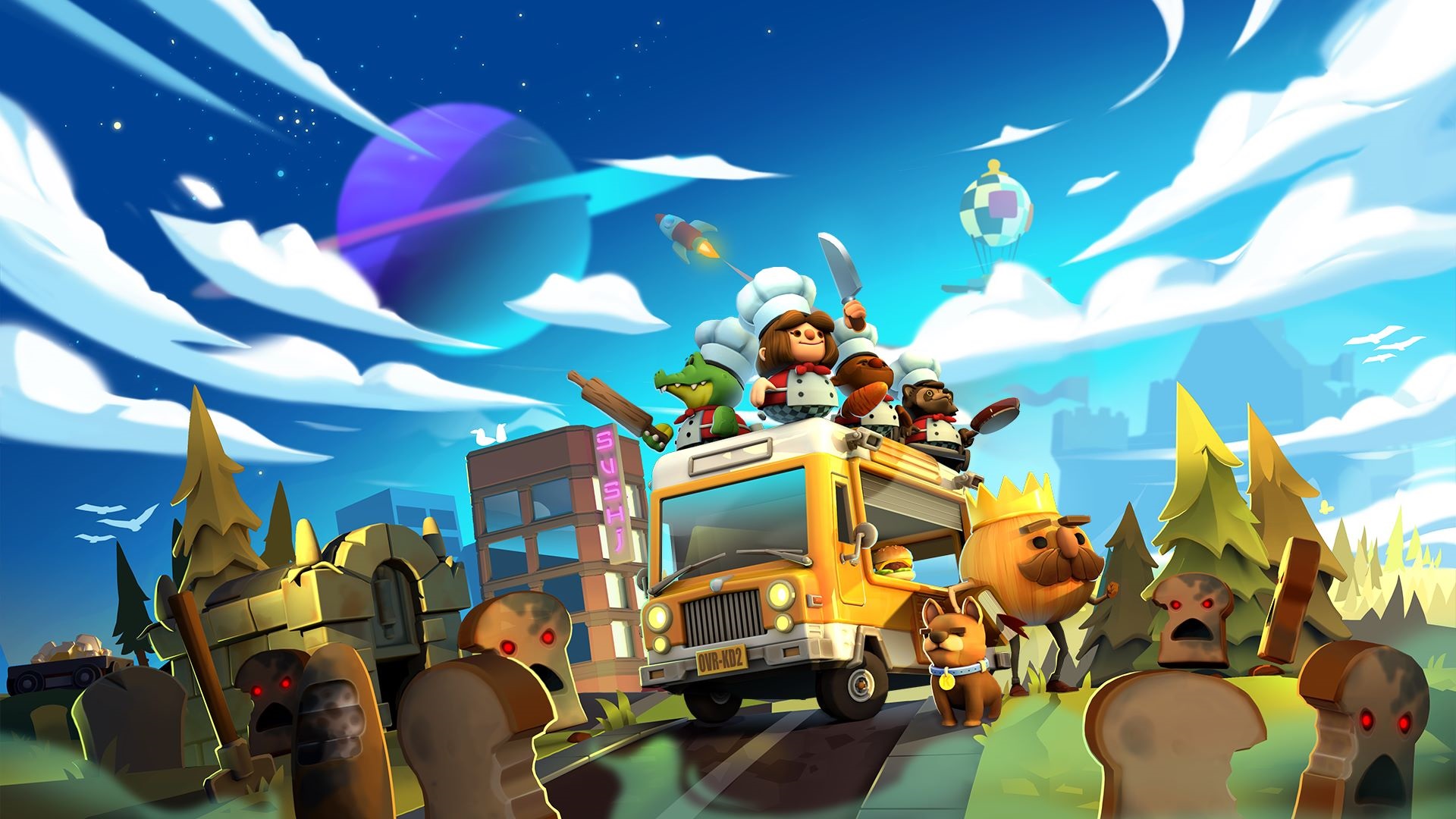
Up to four players cooperate in fast kitchen levels that require chopping, cooking, and serving under tight timers. Stages introduce moving platforms, portals, and hazards that force coordination. A simple control scheme keeps things accessible while recipes and station roles add depth. Local and online play are both available, including versus modes.
Risk of Rain 2
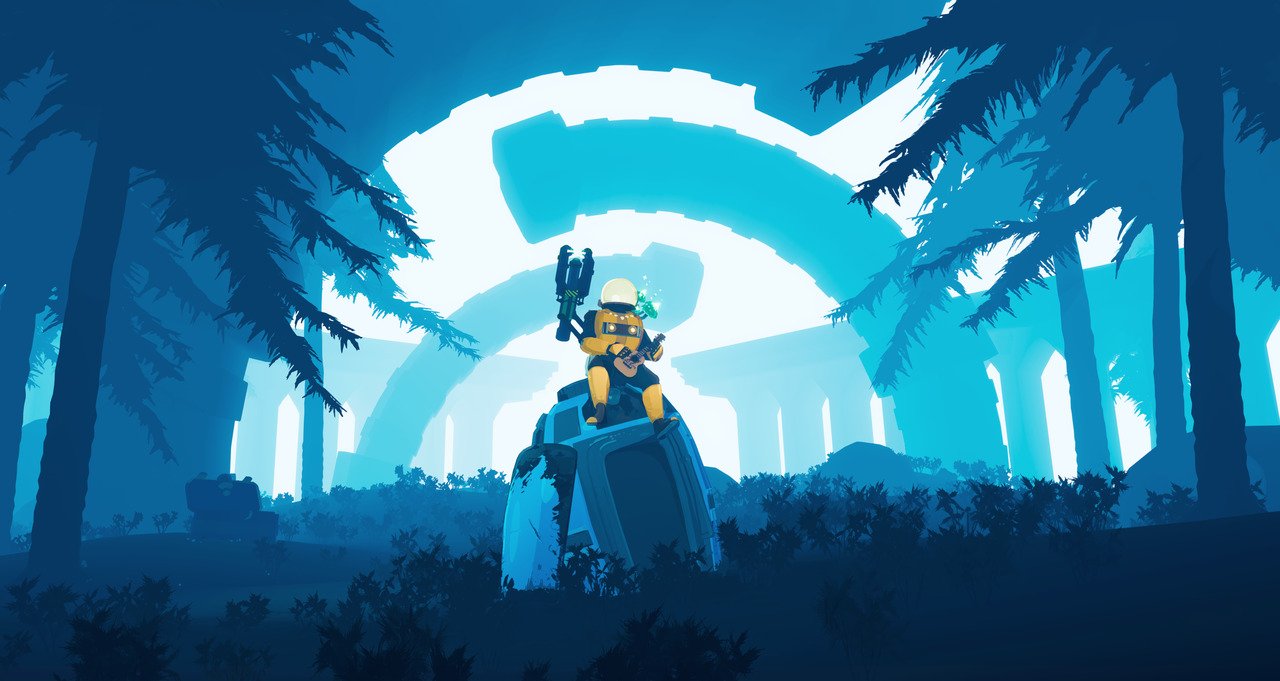
This third person roguelike supports four player co-op runs across procedurally generated stages. Characters have unique kits and unlockable skills that change how teams approach combat. Difficulty scales over time so groups must balance looting with moving forward. Permanent meta progression unlocks items and survivors between sessions.
Terraria
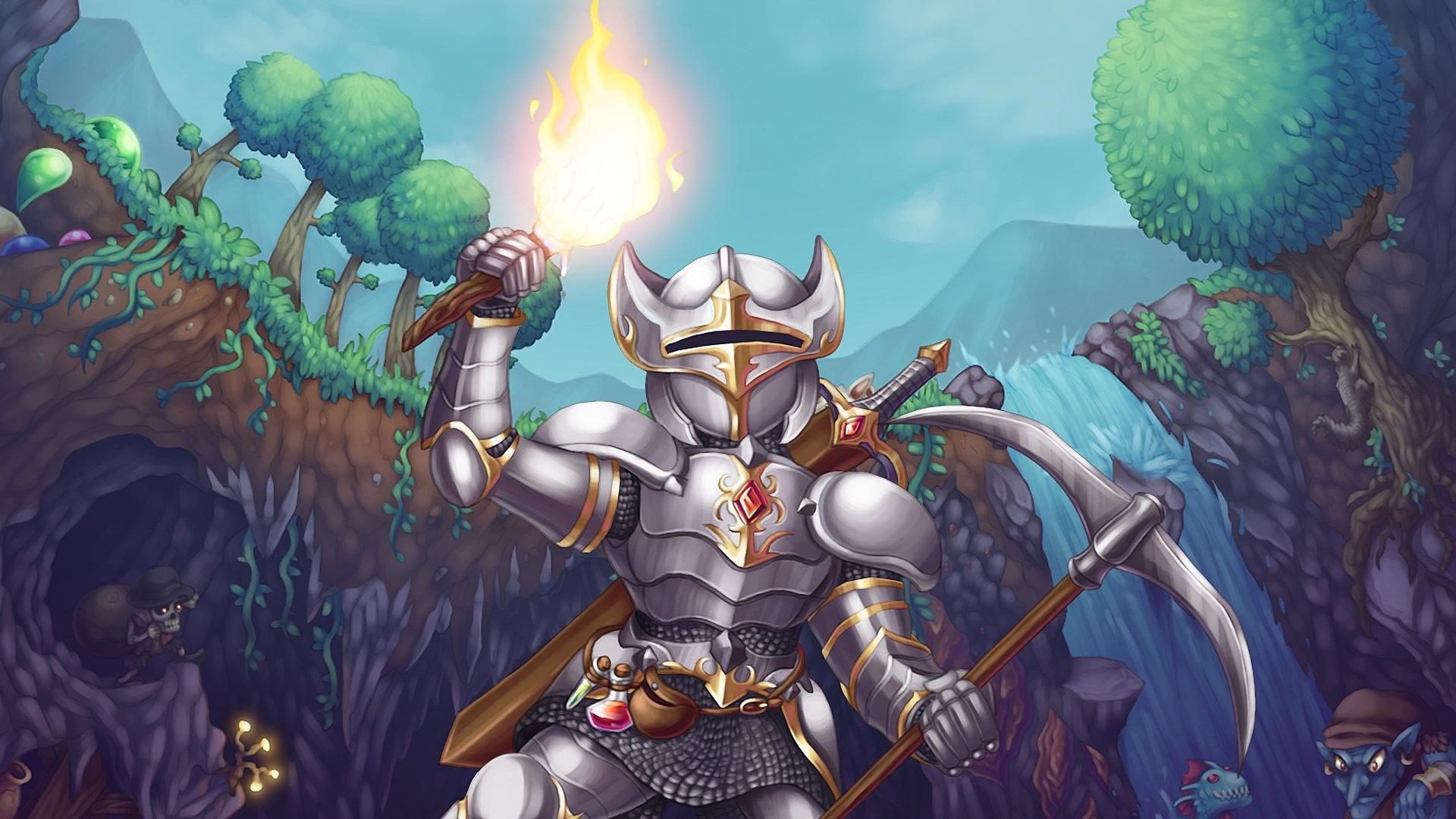
Players can join shared worlds with building, crafting, and boss fights across many progression tiers. The sandbox supports cooperative base construction and long term storage for group projects. Worlds and characters can be transferred so friends can hop between servers. Item variety and events keep multiplayer sessions busy far into late game.
Phasmophobia
Four player teams investigate haunted locations with voice recognition and specialized equipment. Evidence collection ties directly into tools like EMF readers and spirit boxes, promoting clear task division. Cash rewards and levels fund better gear for tougher contracts. Optional objectives add variety without dragging out runs.
Lethal Company
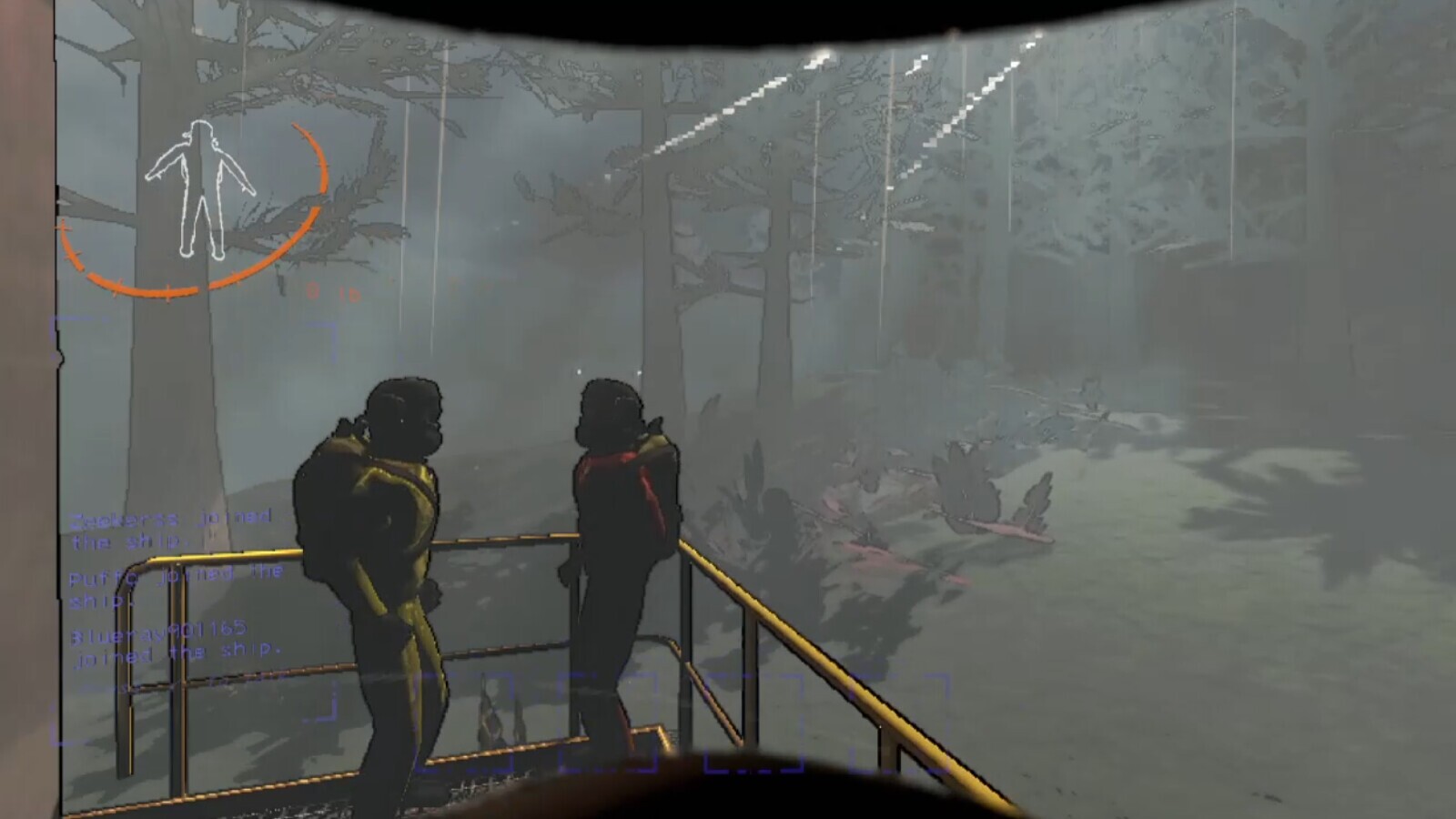
Groups of up to four explore industrial moons to salvage items while avoiding dangerous creatures and hazards. Missions have strict time limits that force quick planning and clean execution. Profits from successful runs unlock better equipment and ship upgrades. Proximity voice and line of sight add tension and encourage sticking together.
Castle Crashers
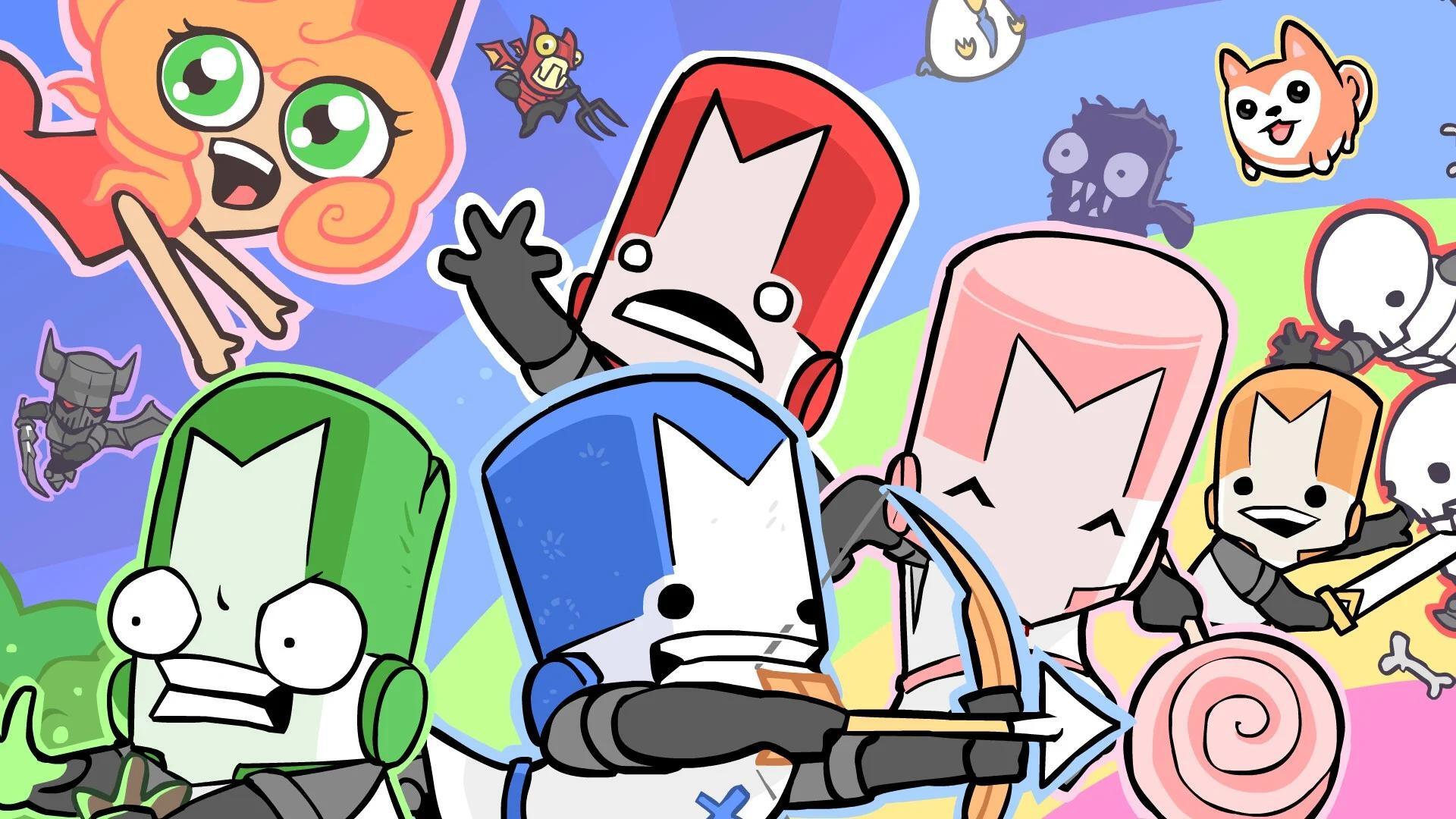
This side scrolling brawler supports up to four players in cooperative campaign stages and arena modes. Simple combos and character leveling keep progression steady across sessions. Collectible weapons and animal orbs provide small build tweaks for variety. Drop in co-op makes it easy for friends to join without setup.
Ultimate Chicken Horse
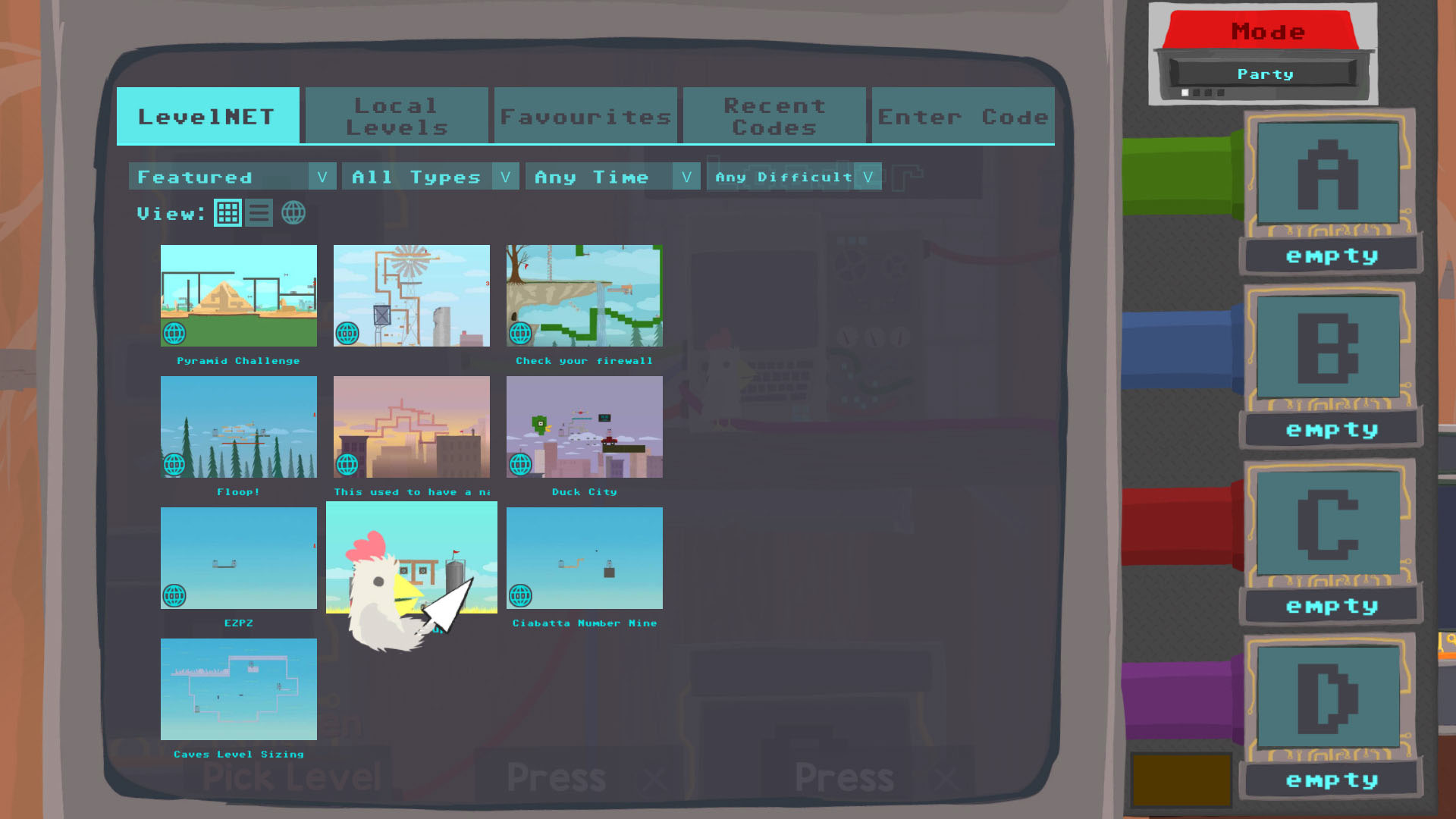
Players build the level while playing, placing traps and platforms between rounds. The goal is to create paths that you can clear but your friends cannot. Rotating rule sets keep matches fresh as you unlock new parts. Local and online play both support quick party sessions.
Golf With Your Friends
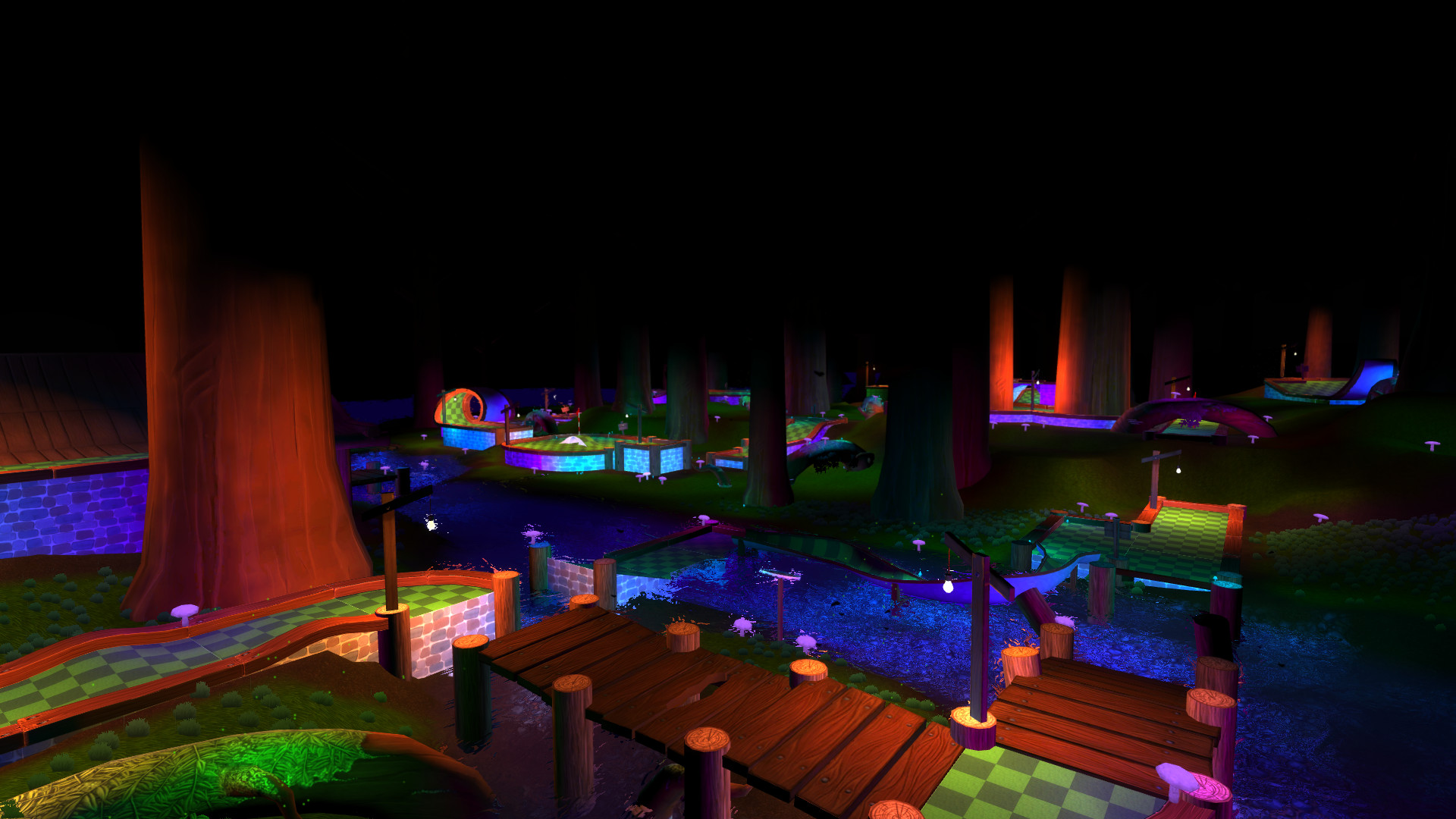
This mini golf party game supports large lobbies with simultaneous turns for quick pacing. Courses use power ups, moving obstacles, and themed hazards to mix up shots. Custom rules and collisions let groups dial in serious or chaotic play. Spectator cameras and scoreboard tracking keep everyone engaged.
Keep Talking and Nobody Explodes
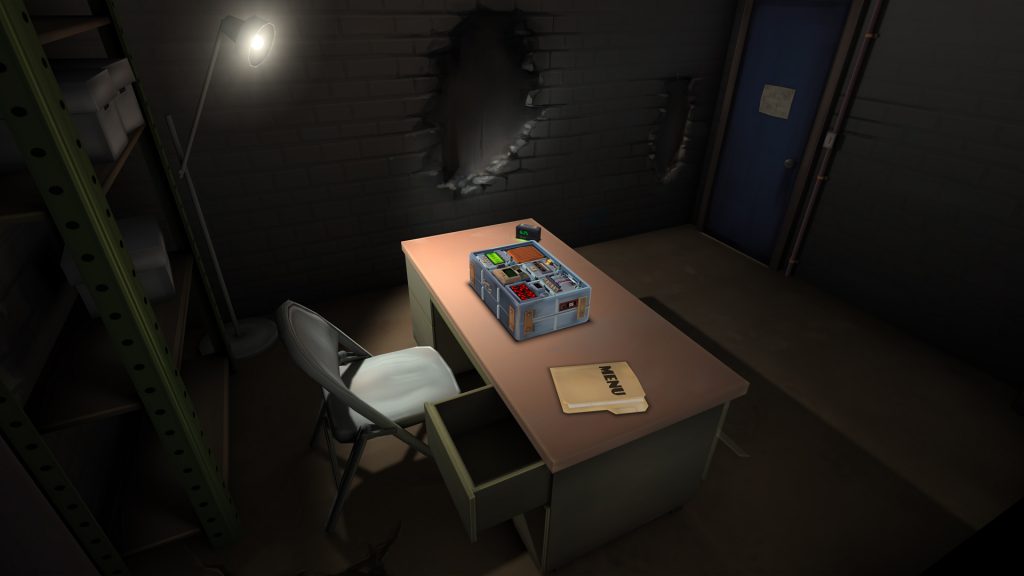
One player defuses a bomb on their screen while others read the manual and guide them through modules. The setup encourages clear communication and defined roles without needing multiple copies of the game. Time pressure and randomized puzzles make each session different. It works well both in person and over voice chat.
For The King
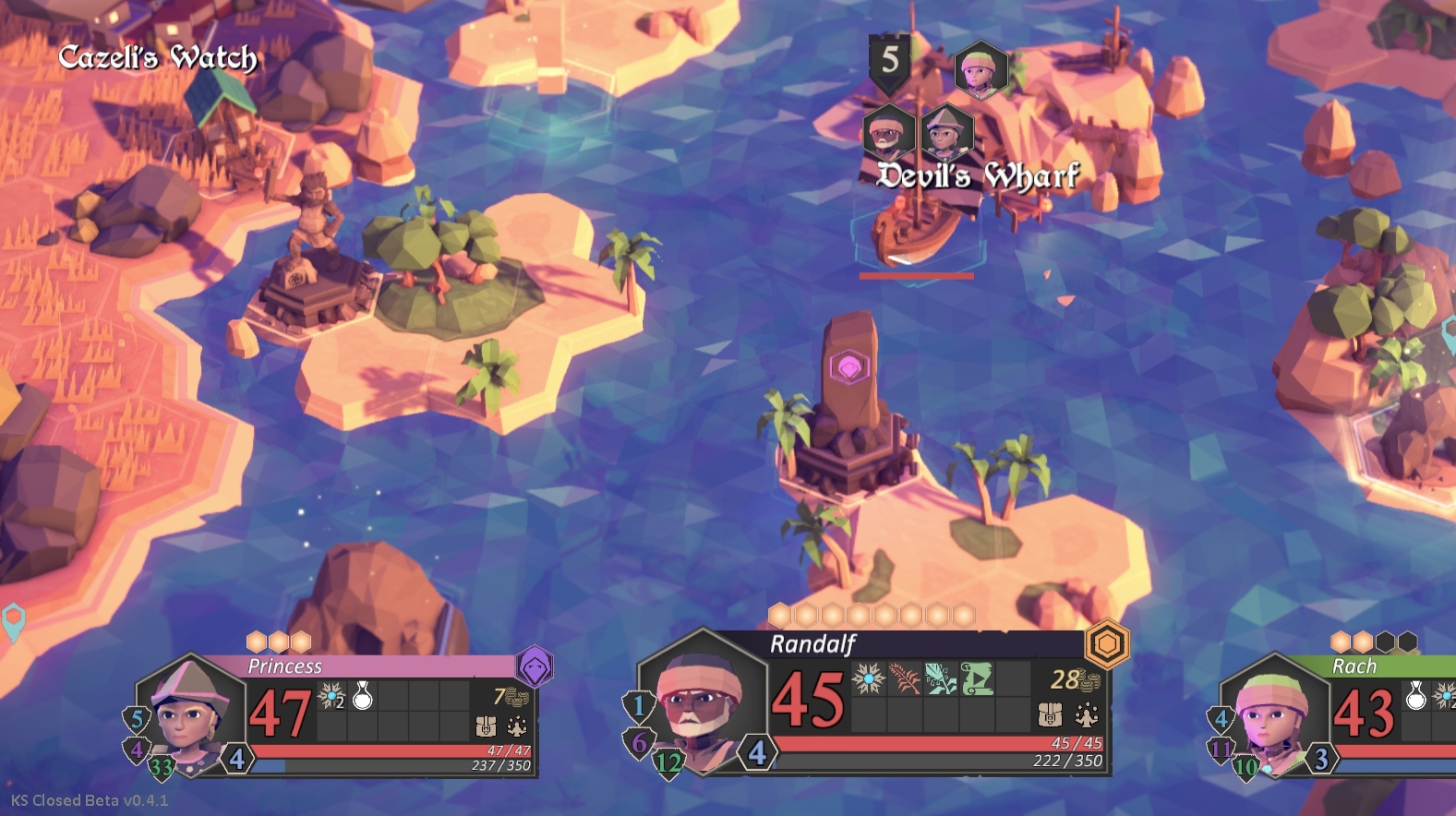
This tabletop inspired adventure supports up to three players in a shared campaign. Hex based movement, turn order, and party roles create a clear rhythm for cooperative planning. Procedural maps and multiple campaign modes extend replay value. Shared resources and focus points encourage careful risk management.
Lovers in a Dangerous Spacetime
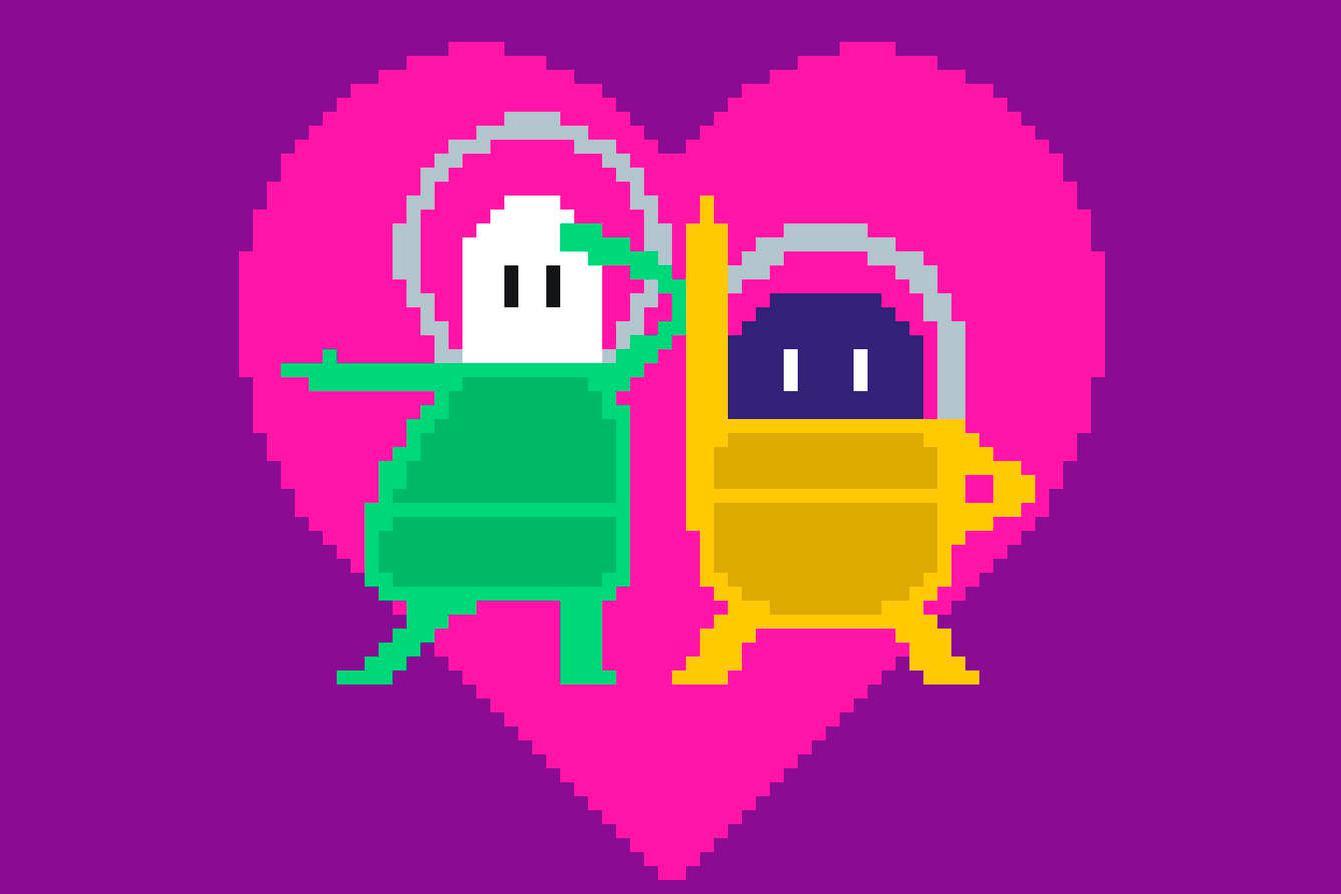
One to four players crew a single ship by running between stations like shields, weapons, and thrusters. Levels emphasize coordination as hazards and enemies push the team to prioritize tasks. Power gem upgrades let you modify station behavior for different strategies. Local co-op is the primary mode and works well with varied skill levels.
Barotrauma
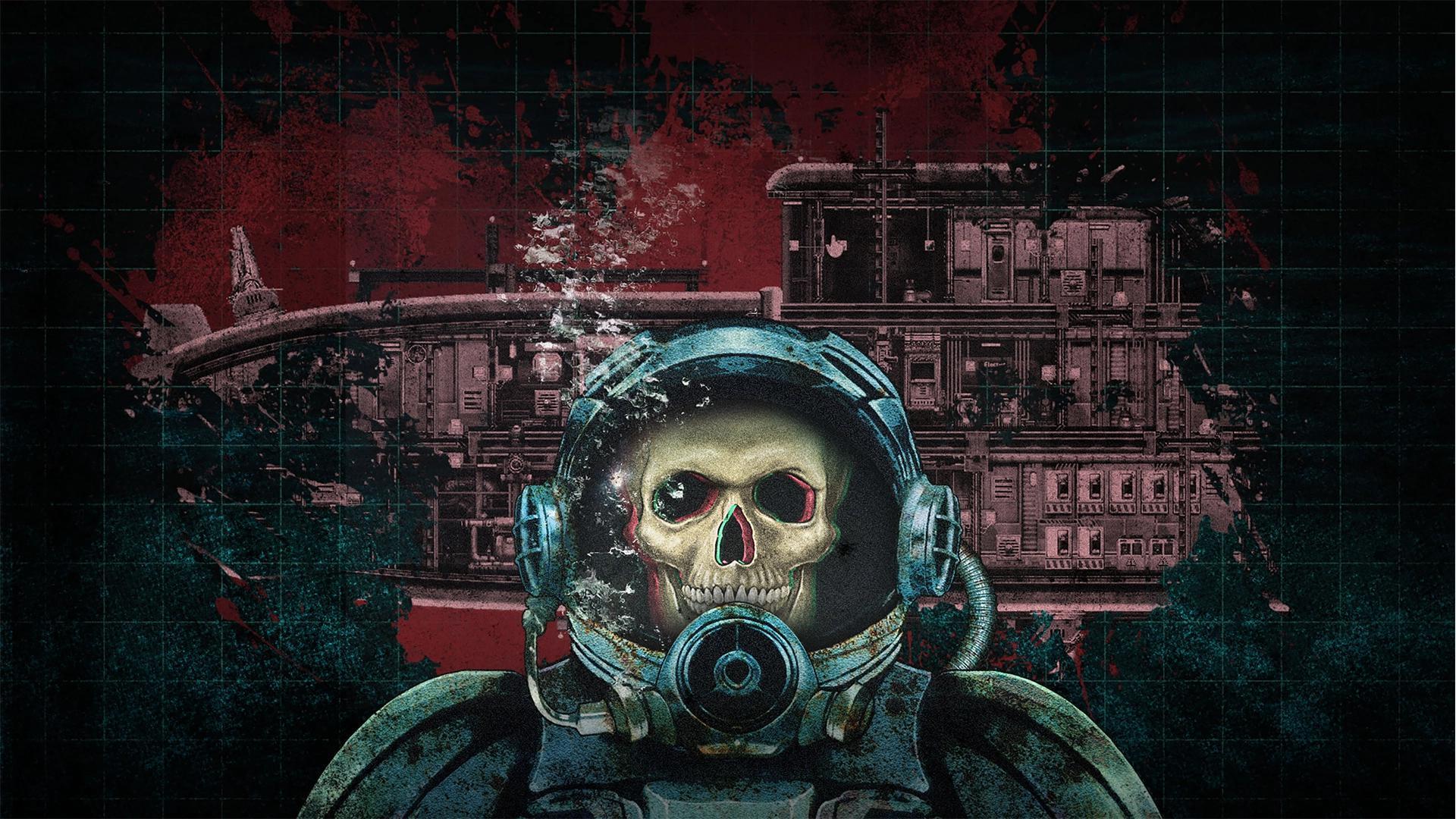
Teams operate a submarine on Europa with complex systems like reactors, pumps, and sonar. Up to sixteen players can take on roles that cover engineering, medical, security, and navigation. Missions and emergent events demand quick fixes and resource management. Mod support and scenario variety keep long term servers active.
Project Zomboid
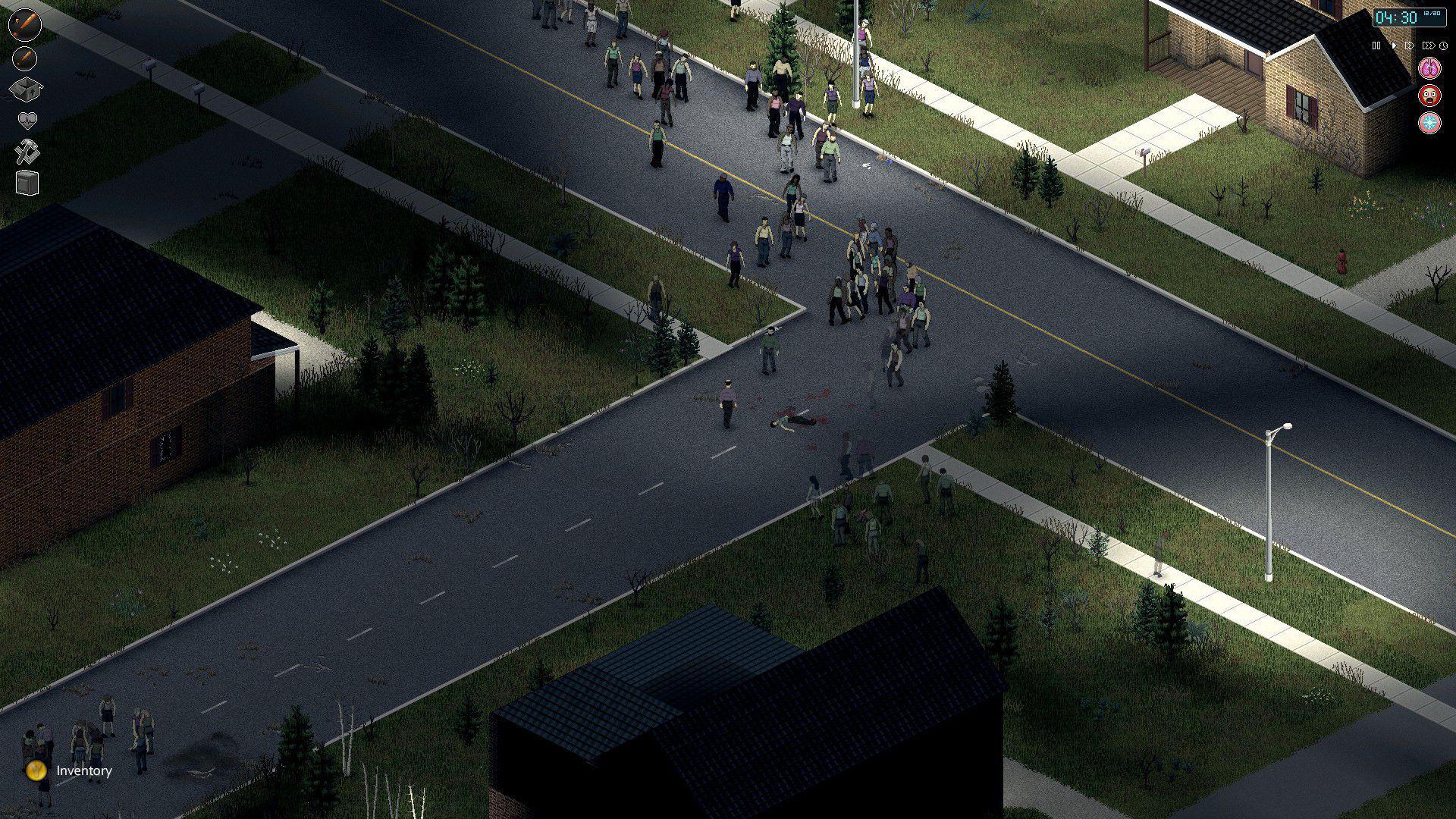
This is a deep isometric survival sandbox with persistent servers and extensive crafting. Players can establish safehouses, coordinate supply routes, and manage long term food and power needs. Server settings allow fine tuning for loot, zombie behavior, and respawns. Skill systems and injuries reward careful teamwork.
TowerFall Ascension
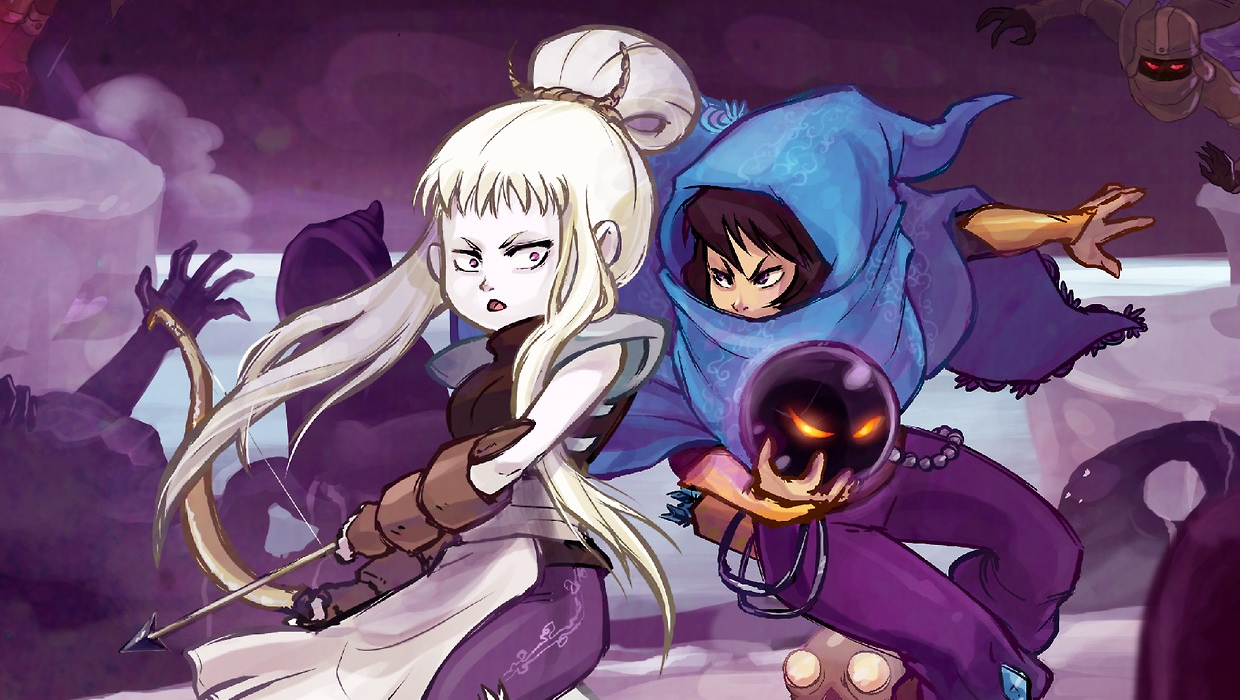
Local multiplayer for up to four players focuses on archery duels with limited arrows and platforming arenas. Matches are short with precise controls that reward timing and positioning. Co-op quest modes let pairs take on waves for a different pace. Simple maps and pickups keep the focus on player skill.
Human Fall Flat

Up to eight players can solve physics based puzzles using intentionally wobbly controls. Levels are open ended so groups can stack objects, swing across gaps, or find alternate routes. Community maps expand the selection beyond official stages. Drop in online lobbies make it easy to start playful sessions quickly.
Tell us your favorite indie multiplayer picks in the comments and share what you are playing with friends right now.