


Top 20 Insanely Expensive Sci-Fi Movies Ever Made




Big sci fi spectacles are built on vast teams, cutting edge effects, and long shoots, and all that adds up fast. Studios pour hundreds of millions into world building, creature design, and new camera tech to make these stories feel real. Many of these productions also carry hefty reshoot schedules and globe hopping locations. Here are some of the most expensive sci fi movies ever made and what pushed their costs into the stratosphere.
‘Avatar: The Way of Water’ (2022)

James Cameron’s return to Pandora carried an eye watering production budget reported well north of three hundred million dollars. The film pioneered underwater performance capture, which required custom rigs, new software, and months of testing. Weta FX delivered thousands of shots built around complex fluid simulations and detailed digital characters. Production took place mainly in New Zealand with long stretches of post to finalize the new toolsets.
‘Avengers: Endgame’ (2019)

This culmination of the Infinity Saga required an enormous ensemble cast and lengthy overlapping shoots that drove costs into the mid hundreds of millions. Massive sets were constructed alongside full digital environments to realize the final battle. The project involved extensive motion capture and heavy effects integration for multiple hero suits. Post production ran on a tight timeline with dozens of vendors working in parallel.
‘Avengers: Infinity War’ (2018)

Filmed largely back to back with its sequel, this chapter carried a production budget that soared due to two unit schedules and a huge cast. Thanos was brought to life with advanced facial capture and dense animation passes. Location work stretched from Georgia soundstages to on site shoots in Scotland. Visual effects houses delivered thousands of shots to blend practical builds with CG worlds.
‘Star Wars: The Rise of Skywalker’ (2019)
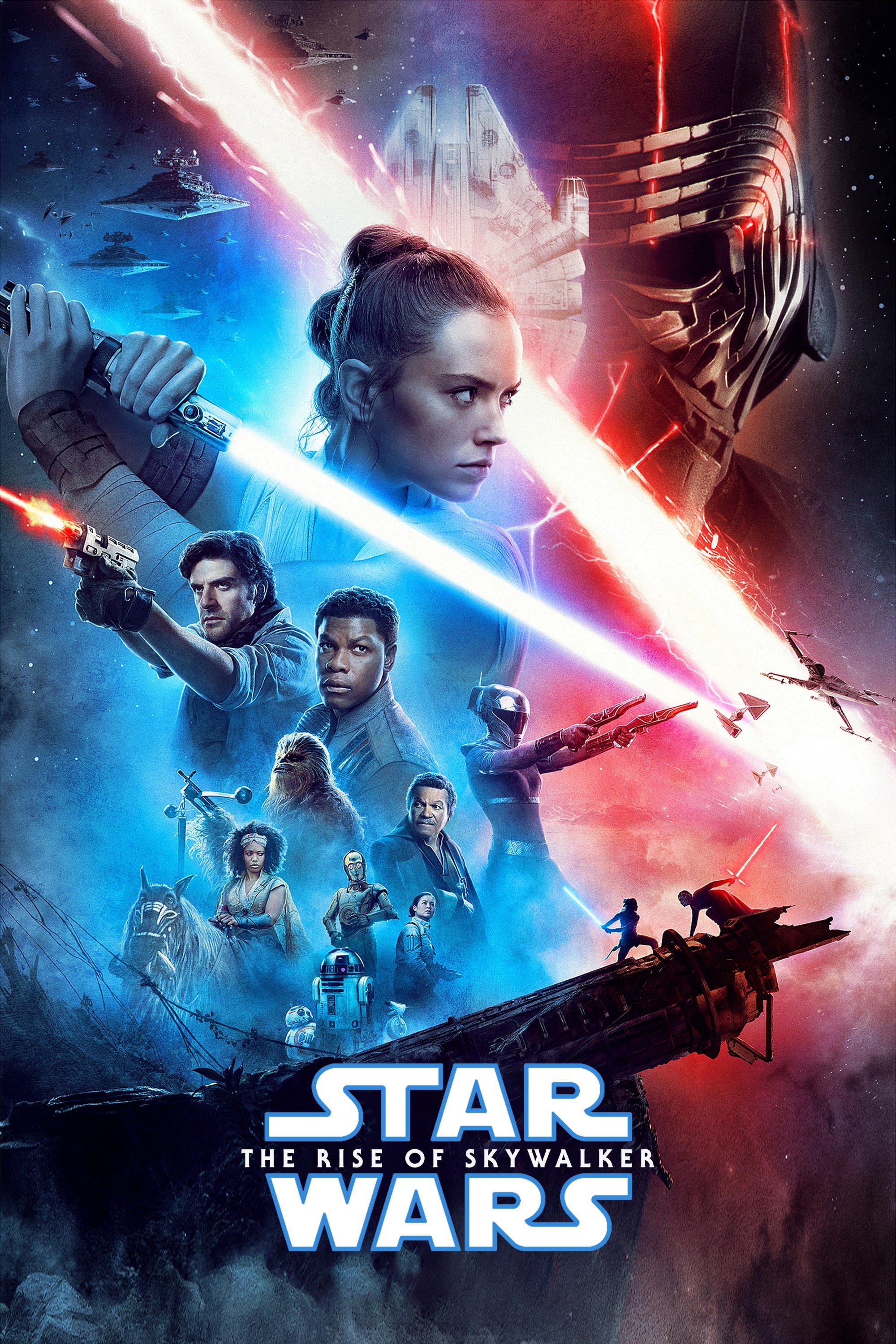
The final entry in the sequel trilogy built sprawling sets at Pinewood and used real world locations in Jordan that required large scale logistics. The film featured extensive reshoots and editorial work to shape the story, which added time and cost. Hundreds of creature and droid designs were fabricated alongside full CG sequences. Effects vendors handled space battles, environments, and digital doubles across an enormous shot count.
‘Solo: A Star Wars Story’ (2018)
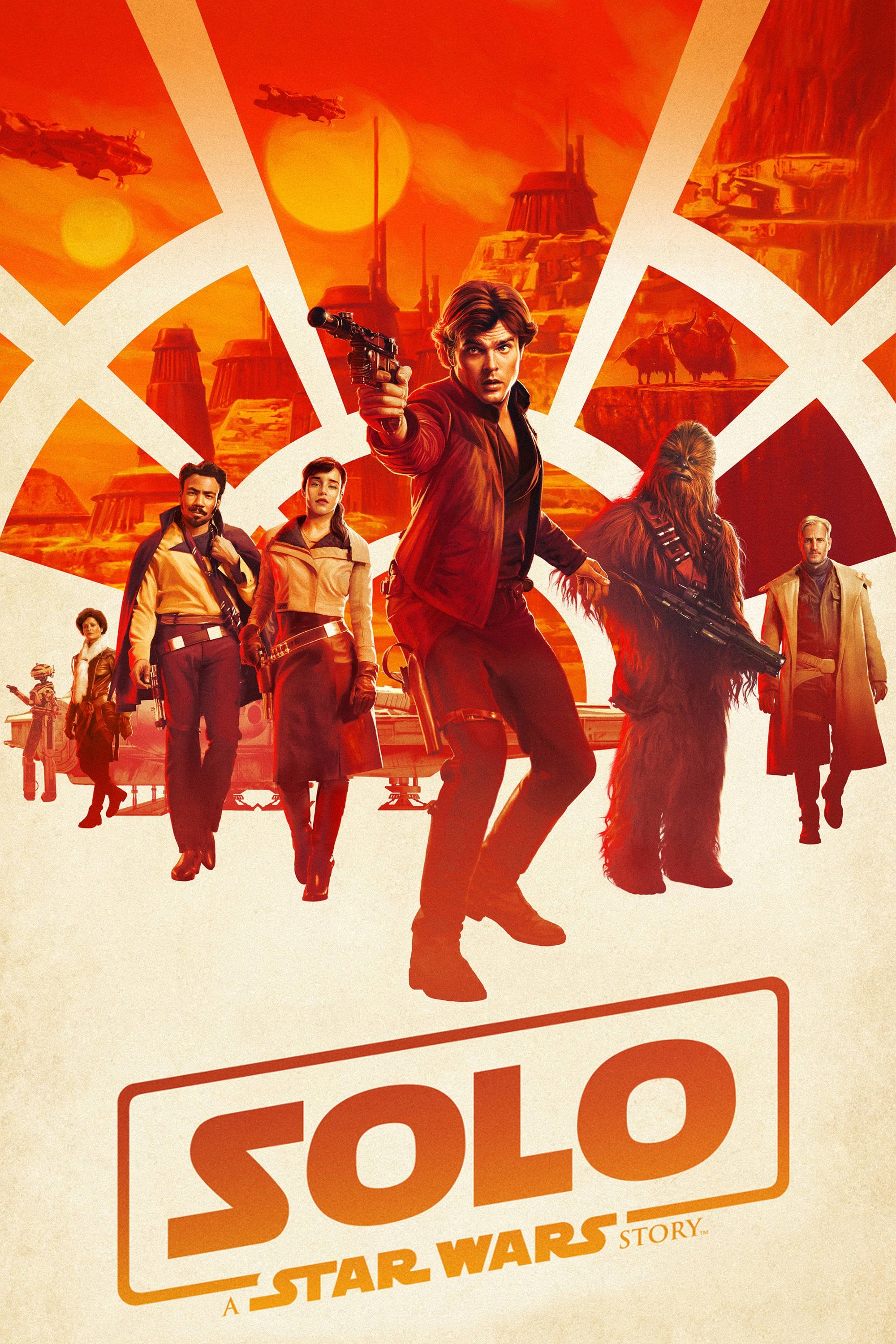
A mid production director change led to significant reshoots, which pushed the budget far higher than initially planned. Elaborate practical builds like the Millennium Falcon interiors were paired with large exterior locations in Spain and the UK. Complex chase sequences demanded heavy stunt coordination and VFX augmentation. The schedule expansion increased crew weeks, equipment rentals, and post production costs.
‘Star Wars: The Force Awakens’ (2015)

The franchise relaunch mixed large scale practical sets with modern digital effects, driving a budget in the mid two hundreds. IMAX sequences required specialized cameras and additional planning. Filming spanned multiple countries, including lengthy work at Pinewood and desert shoots in Abu Dhabi. The production also carried the cost of launching a new trilogy with new leads and extensive marketing tie ins.
‘Star Wars: The Last Jedi’ (2017)

Production centered at Pinewood used massive stages and water tanks to execute space battles and island sequences. Location work in Ireland involved moving crew and gear to remote coastal sites with limited access. The film combined practical creatures with advanced animatronics and heavy CG enhancements. Post production coordinated numerous vendors to finish complex hyperspace and throne room sequences.
‘John Carter’ (2012)
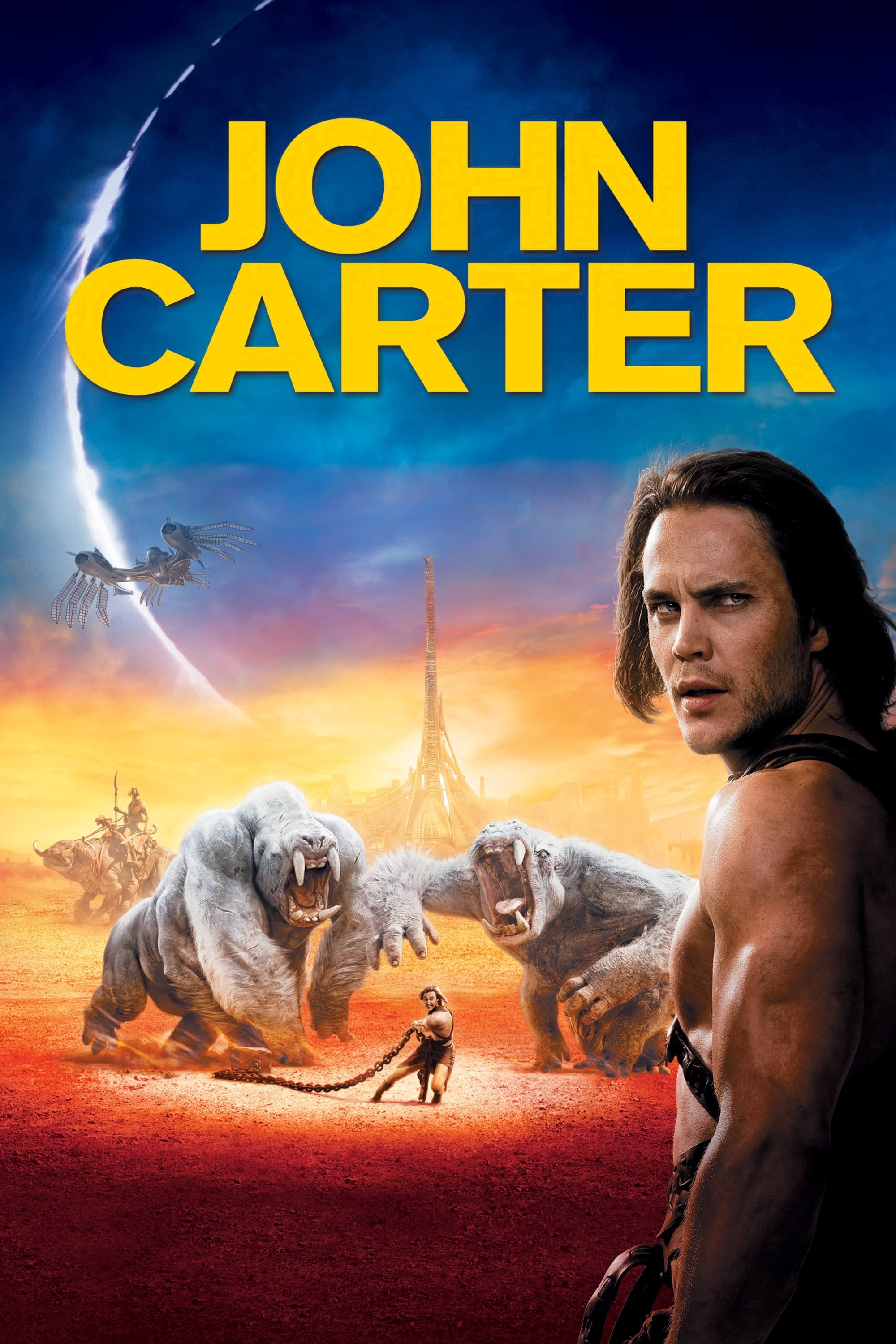
This Mars adventure invested heavily in creature effects and environment creation to depict Barsoom. Filming used both Utah locations and UK stages, with extensive performance capture for the Tharks. The long post schedule focused on integrating live action plates with full CG vistas. Cost overruns came from reshoots and the challenge of building a new franchise from the ground up.
‘Avatar’ (2009)

The first visit to Pandora set new standards for performance capture and stereoscopic 3D, which required custom camera rigs and software. Years of R and D preceded principal photography, adding significant expense before a frame was shot. Weta FX developed new pipelines for skin, foliage, and bioluminescence. The film’s detailed world building demanded huge render times and an extended post process.
‘Transformers: The Last Knight’ (2017)
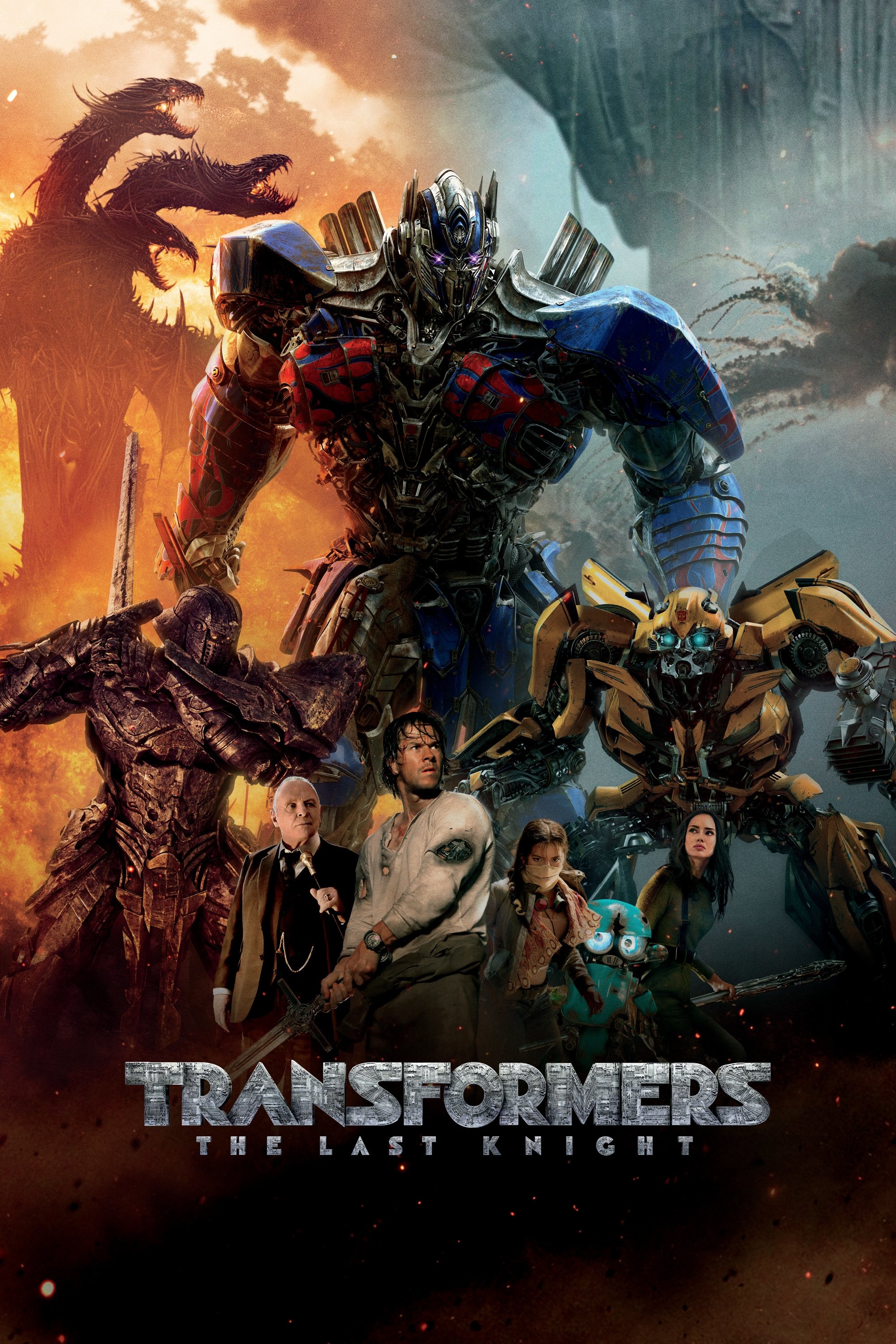
This entry traveled across multiple countries and involved large scale practical destruction paired with heavy CG robotics work. The production used IMAX cameras for many sequences, increasing equipment and data management costs. Complex car chases and pyrotechnics required extensive safety planning and resets. Post production coordinated dozens of effects vendors to animate and composite the intricate robot battles.
‘Transformers: Age of Extinction’ (2014)

The franchise soft reboot introduced a new human cast and a redesigned Autobot lineup, which meant fresh models and rigging across the board. Location shoots in the United States and China added travel and logistics costs. Practical stunts were combined with CG transformations that demanded detailed simulations. The film’s long effects schedule kept multiple facilities engaged for months.
‘Transformers: Revenge of the Fallen’ (2009)
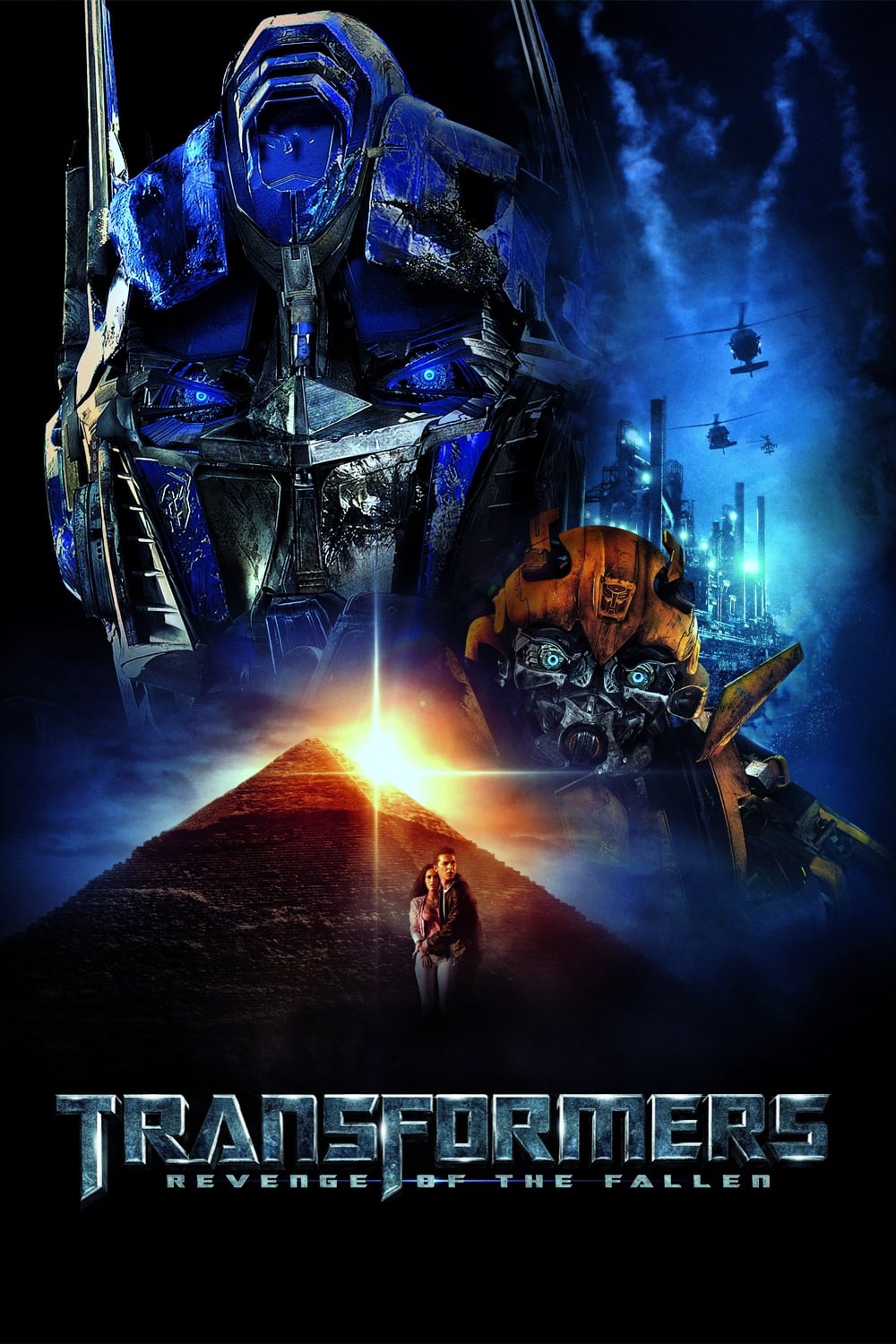
A quick turnaround after the first film meant overlapping development and an intense production calendar. Large desert shoots brought sizable transportation and housing needs for cast and crew. Effects heavy set pieces like the Devastator sequence required complex animation and compositing. The film expanded the robot roster, increasing asset creation and lighting work.
‘Transformers: Dark of the Moon’ (2011)
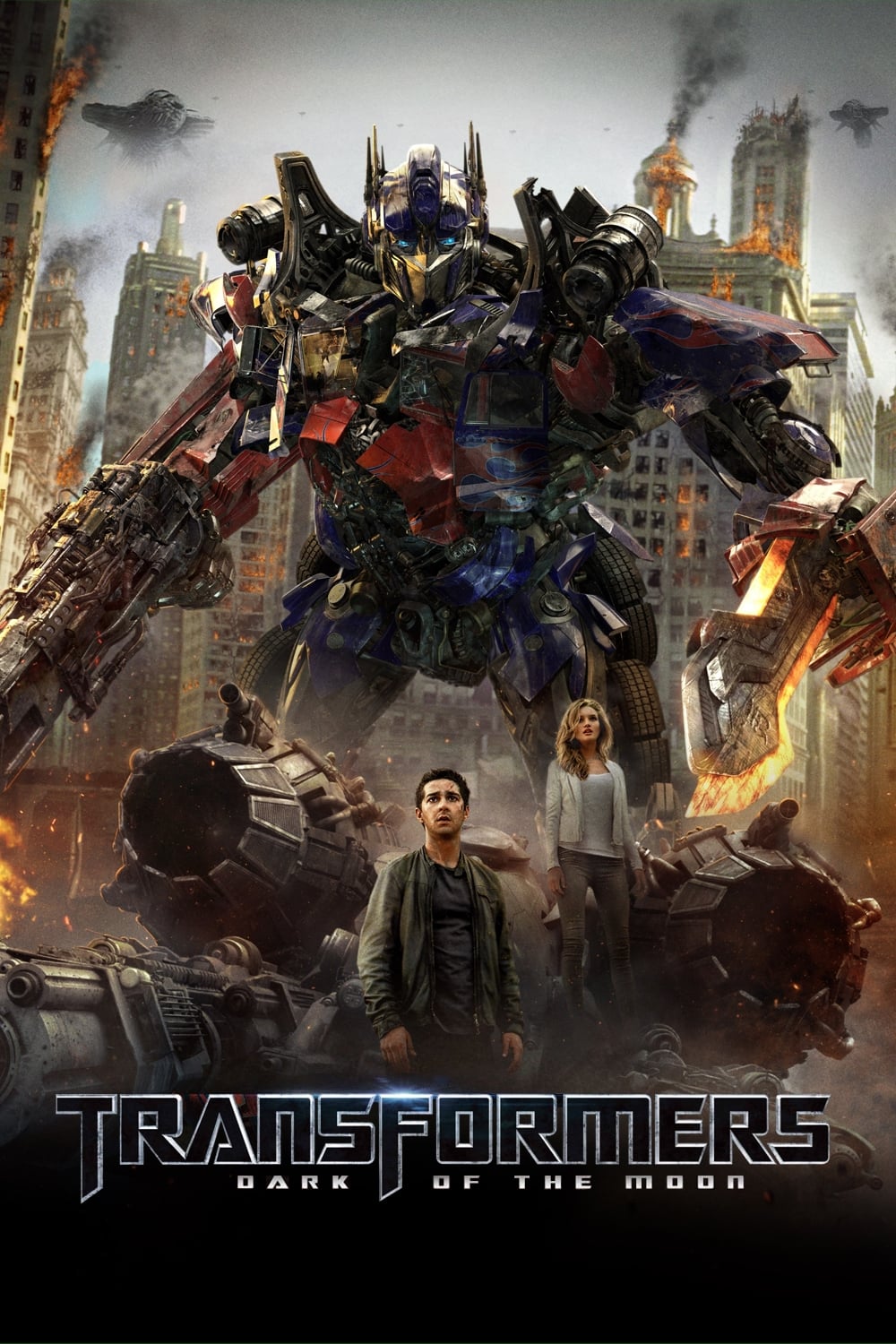
Extensive city scale sequences demanded full digital doubles and large environment rebuilds. The production shot stereoscopic 3D, which raised camera, rigging, and data costs. Practical aerial work and wingsuit jumps added specialty teams and insurance. Effects teams delivered towering shot counts to support the Chicago battle and space based scenes.
‘The Matrix Resurrections’ (2021)
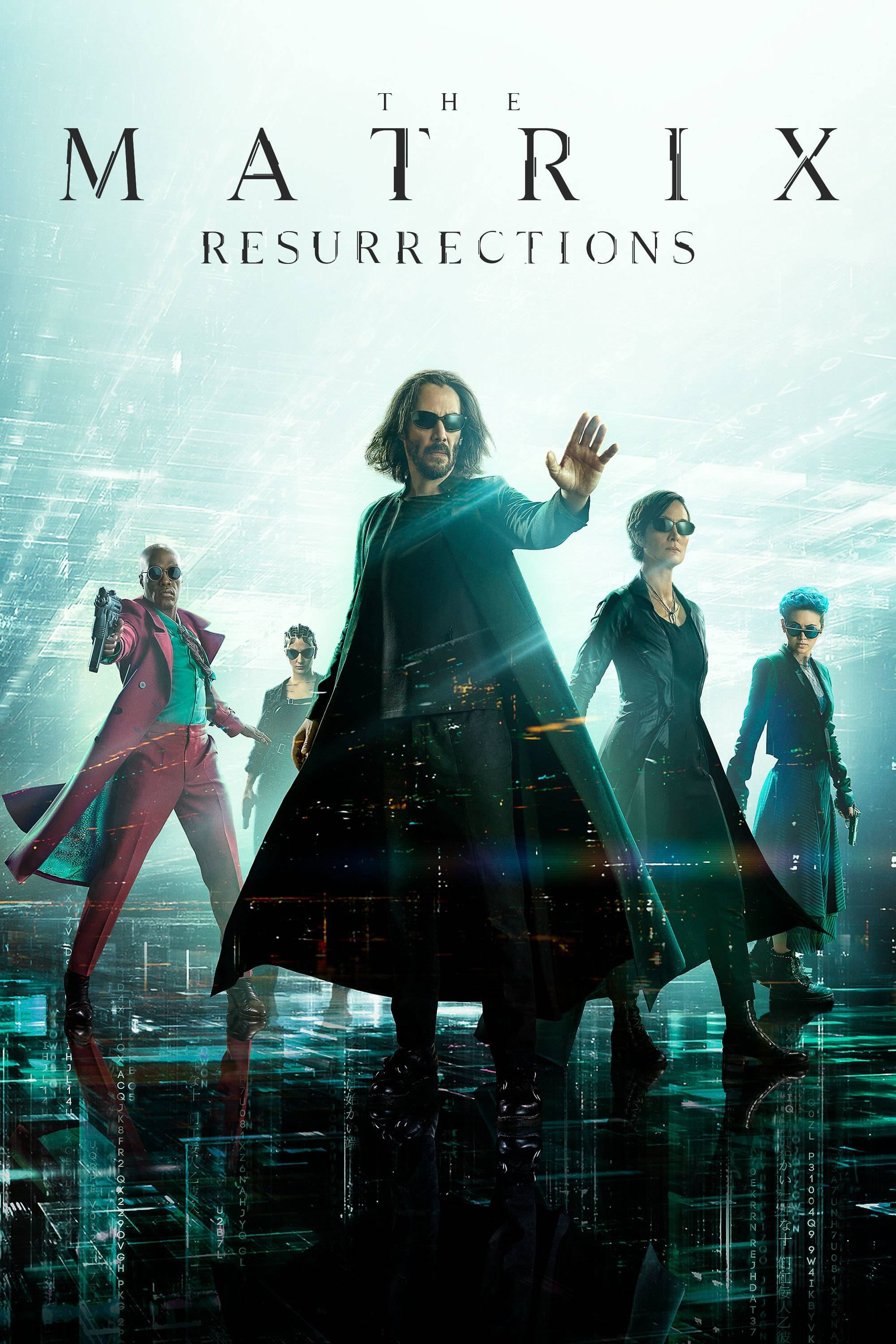
Filming in San Francisco and Berlin included major street closures and wire work that required detailed planning. The production balanced practical stunts with CG enhancements to maintain the series’ visual identity. Health protocols during the period added logistics and schedule complexity. Post production focused on blending new footage with the franchise’s established look and feel.
‘Terminator Salvation’ (2009)
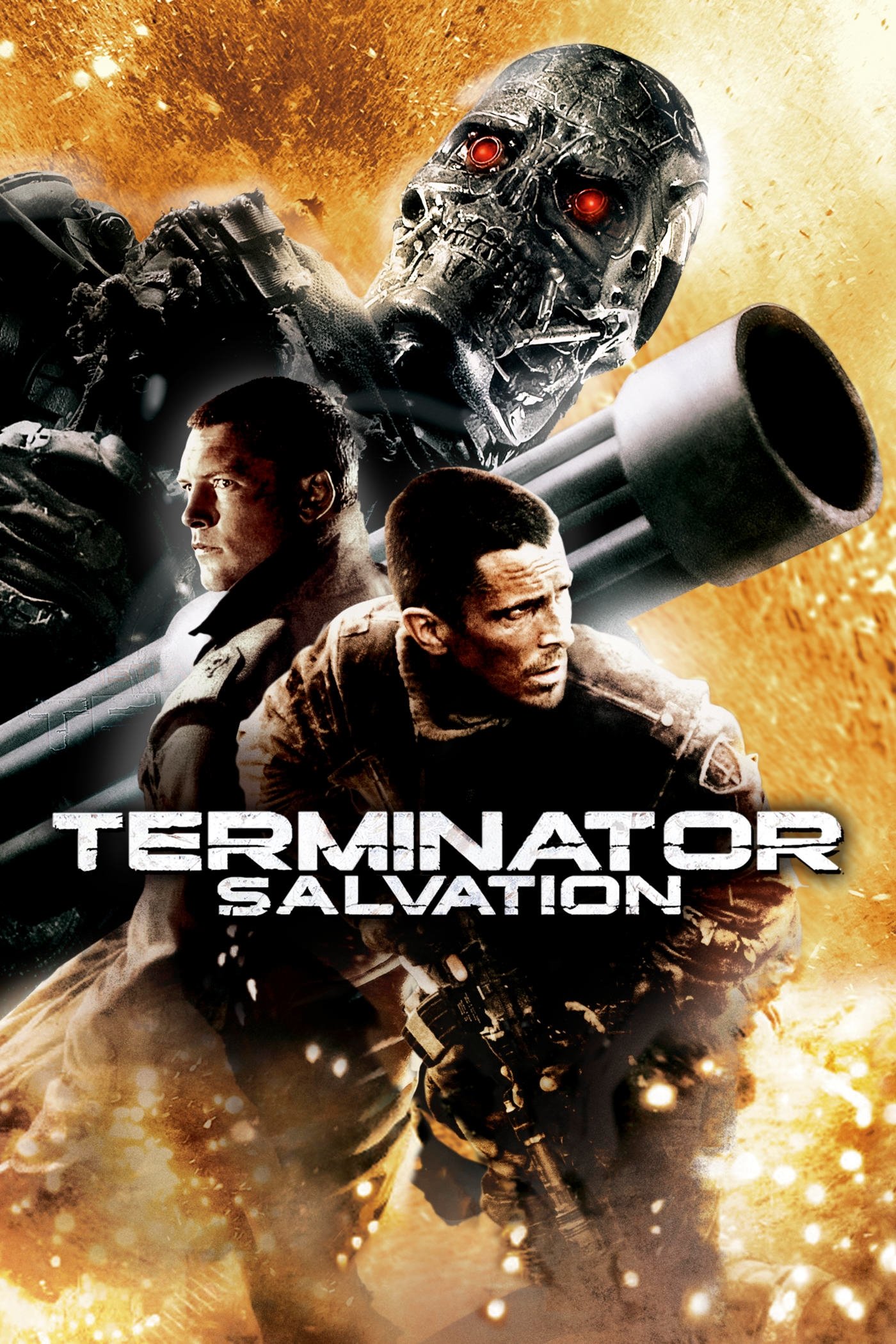
This installment emphasized large scale practical explosions and vehicle chases, which carry high reset costs. Extensive set builds recreated a post apocalyptic landscape across multiple locations. Visual effects created Skynet machines and future war sequences with dense particle and debris work. The shoot relied on both day and night units to capture action at scale.
‘Star Trek Into Darkness’ (2013)
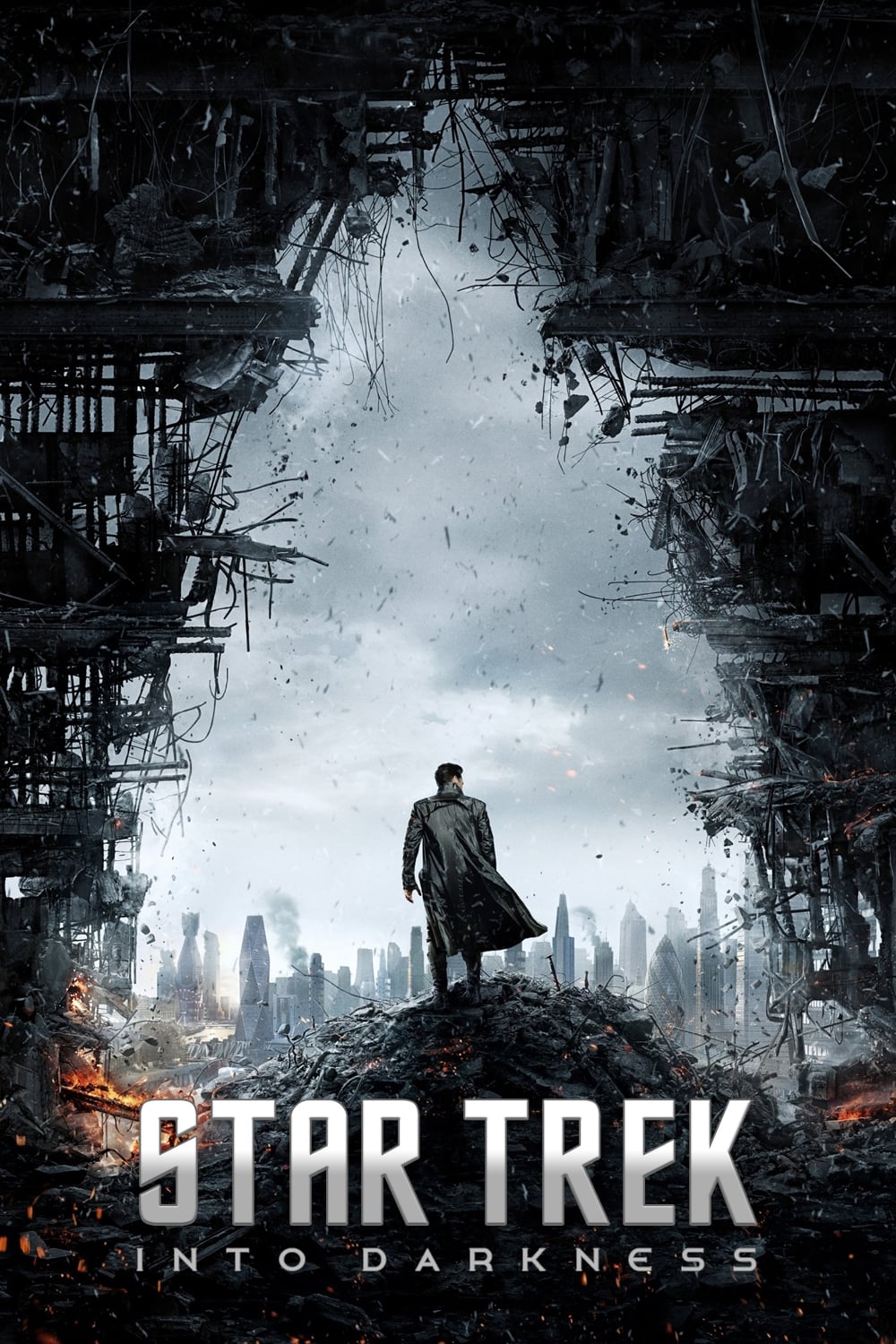
The film combined elaborate starship interiors with location shoots at secure facilities like the Lawrence Livermore National Laboratory stand in. IMAX work increased camera and data costs, while space sequences required heavy CG rendering. The production invested in new creature makeup and practical props to expand the universe. Post production refined warp effects, phaser blasts, and large scale destruction.
‘Star Trek Beyond’ (2016)

A mid franchise shift brought new alien worlds that required fresh environment builds and digital assets. Filming moved to Vancouver with large outdoor sets and complex stunt work. The villain’s swarm attack involved heavy simulation and crowd effects. Additional photography extended the schedule and kept post teams engaged longer.
‘Ready Player One’ (2018)
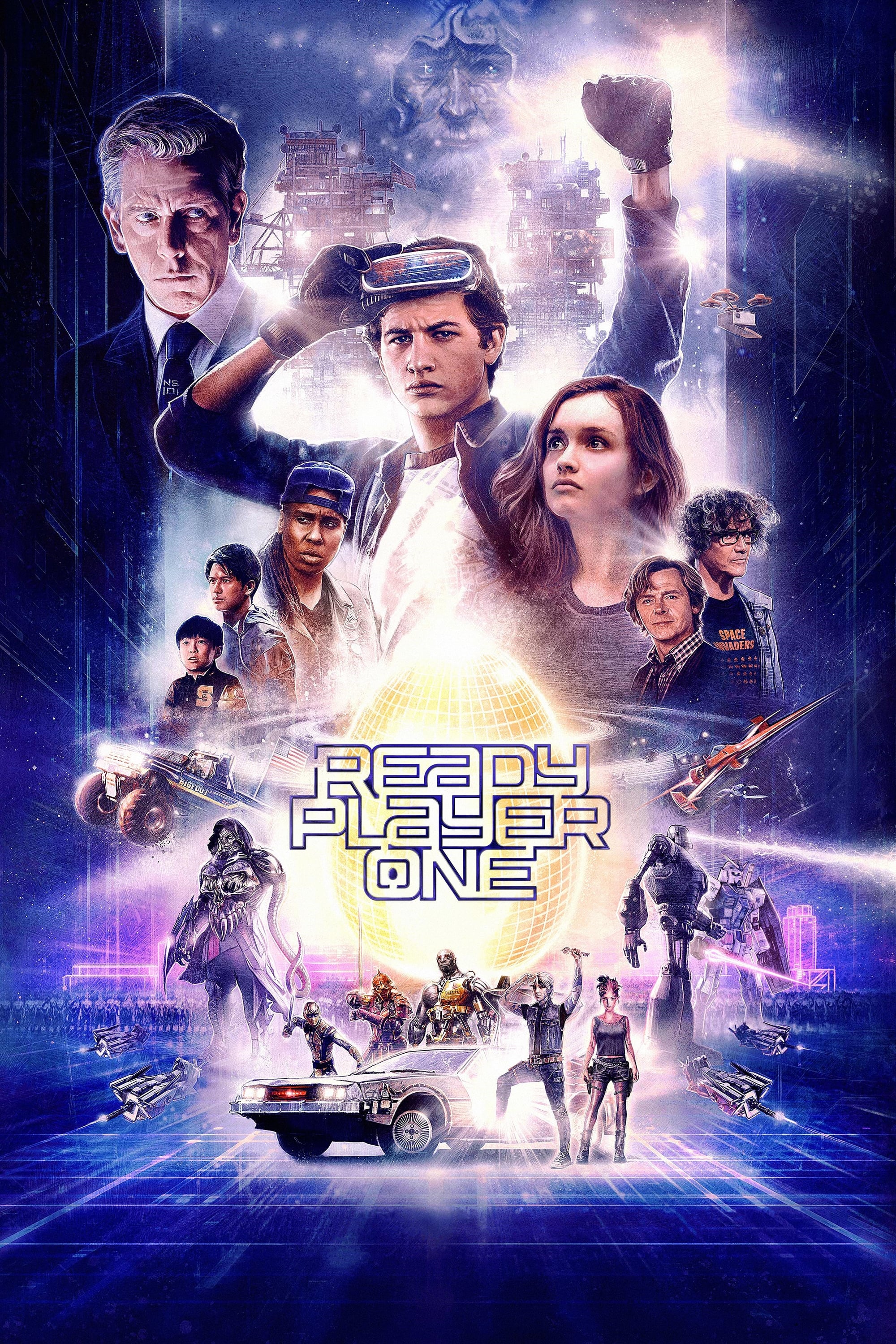
Much of the story takes place inside a virtual world, so the budget leaned into motion capture stages and fully CG environments. The film used detailed digital doubles to handle intricate action beats. Numerous licensed elements were integrated, adding time for approvals and asset coordination. The final renders required significant compute resources to handle dense crowd and lighting scenes.
‘Edge of Tomorrow’ (2014)
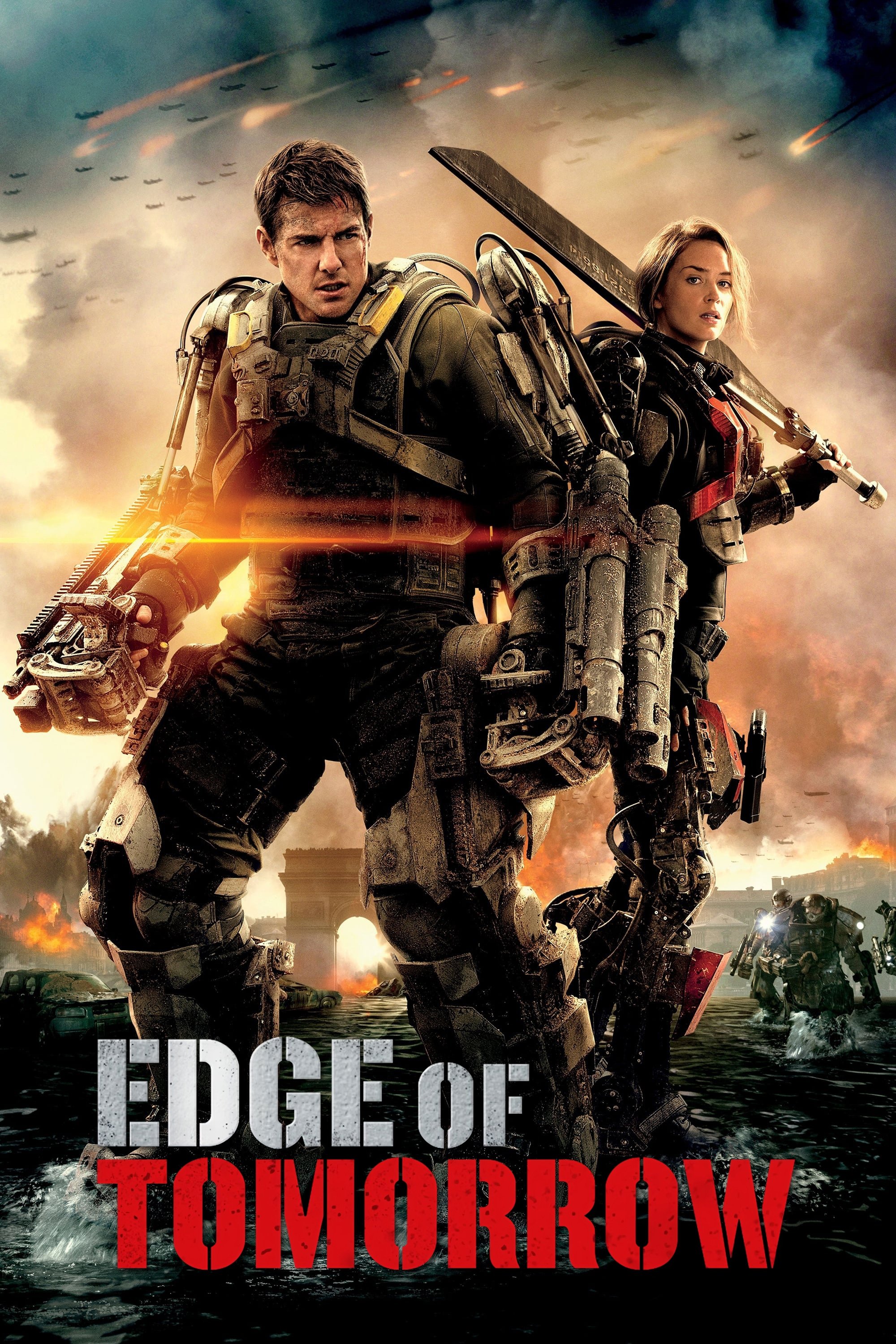
Location shoots in the UK and on coastal sites brought heavy gear moves and complex battlefield choreography. The exo suit armor was built practically, which increased fabrication and stunt training costs. Visual effects enhanced the alien designs and time loop resets with precise continuity. Multiple reshoot periods helped refine the story, extending post and editorial time.
‘Dune: Part Two’ (2024)

Production returned to large desert locations that required careful logistics for crew, vehicles, and equipment. Massive sets like Giedi Prime and the arenas were paired with detailed digital environments. Creature and sand simulation work pushed effects teams to iterate on the first film’s toolset. Long post schedules supported complex battle sequences and extensive sound design.
Share your favorite big budget sci fi spectacle in the comments and tell us which production details surprised you most.