

Top 15 Lamest Powers in Anime



Some anime abilities are built to crush mountains and change the world. Others exist on the oddball end of the spectrum, where the mechanics are strangely specific, hilariously situational, or just so limited that they mostly work as comic relief. These powers still matter to their stories and they often save the day in roundabout ways. They just do it without the usual flash and thunder.
Below are anime characters whose abilities lean heavily on quirks, loopholes, or awkward constraints. For each entry you will see what the power actually does, the ways it is used on screen, and the natural limits that keep it from dominating a fight. When it helps, you will also see how the anime studio presented the ability in action so you know what to expect when you watch.
Minoru Mineta from ‘My Hero Academia’
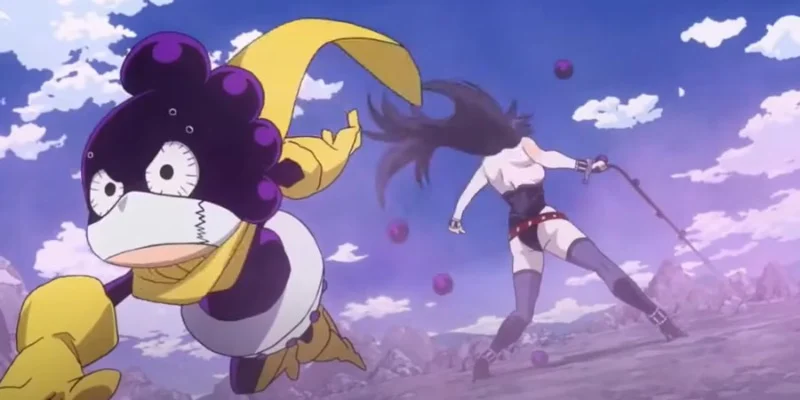
Mineta’s Quirk is called Pop Off. He pulls sticky purple spheres from his head and throws them so they adhere to surfaces and trap opponents. The spheres do not stick to his own body, which lets him hop on them for short bursts of mobility. Overuse can cause scalp bleeding and he has to manage the number of spheres he can deploy during a scene.
The anime shows plenty of crowd control setups with these projectiles rather than raw striking power. Bones animates the bouncing movement clearly so you can follow how he zones an area or delays a rush, and the direction emphasizes teamwork where his adhesive traps create openings for classmates.
Koji Koda from ‘My Hero Academia’
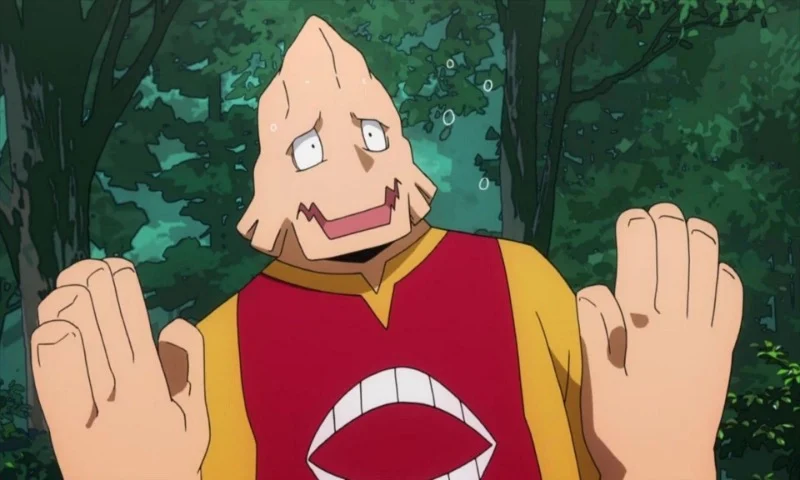
Koda’s Quirk is Anivoice. He can communicate with animals and ask for help, which ranges from guiding birds through a tunnel to calling insects for surveillance. The ability depends on local wildlife, so indoor arenas or sterile environments can reduce its impact.
Bones leans on creative staging to make the calls for aid readable, like flocks forming visible patterns or insects swarming across the frame. The series treats Anivoice as utility support rather than a finishing move, which keeps the focus on positioning and planning.
Hanta Sero from ‘My Hero Academia’
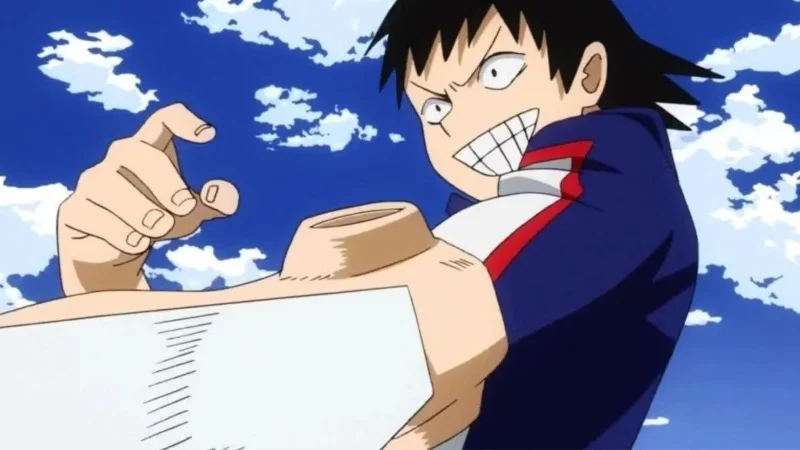
Sero’s Quirk is Tape. He ejects tape from elbow ports to swing, bind, and pull. The tape can anchor to walls and opponents, which helps in mobility and capture scenarios. The material can be cut or burned, and his range and reel speed determine how quickly he can change directions.
The anime frames his movement like a grappling traversal path, which Bones uses to add speed and height to classroom exercises and rescue drills. Many of his highlights involve setting lines for allies or sealing a target to a surface while someone else lands the decisive blow.
Toru Hagakure from ‘My Hero Academia’
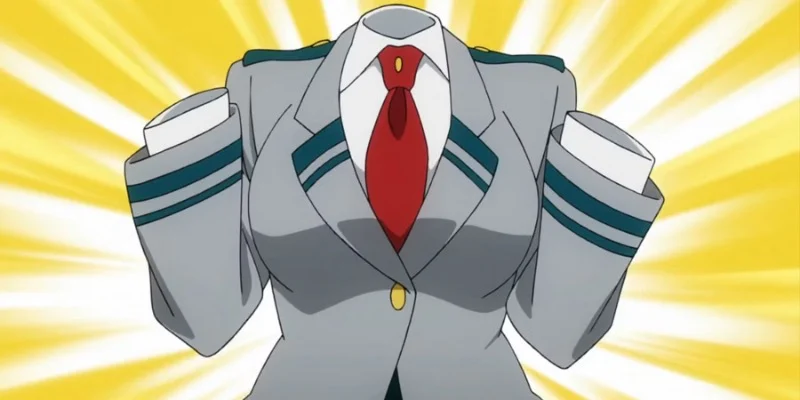
Hagakure’s Quirk is Invisibility. Her body is permanently unseen to the naked eye, which lets her hide and ambush. The drawback is that clothing and gear stay visible unless made from special fabric, and she still makes sound and leaves footprints. Light refraction can also create tells in the environment.
Bones presents her presence through floating gloves or shimmering outlines so the audience can track the action. Scenes use invisibility for flanking, scouting, and distraction, and the direction often pairs her with partners who can capitalize on the moment she reveals an enemy’s position.
Kiba Inuzuka from ‘Naruto’

Kiba uses the Inuzuka clan’s beast mimicry techniques with Akamaru. One specific move is Dynamic Marking, a scent tagging method that lets him track targets by smell during high speed spins. The technique is about target acquisition, not raw damage, and it is usually a setup for Fang Over Fang or a follow up strike.
Studio Pierrot animates the scent tracking as clear trails and quick camera pushes so viewers understand why Kiba can pinpoint a foe. Action beats highlight how the marking supports the next combo rather than ending an exchange on its own.
Konohamaru Sarutobi from ‘Naruto’

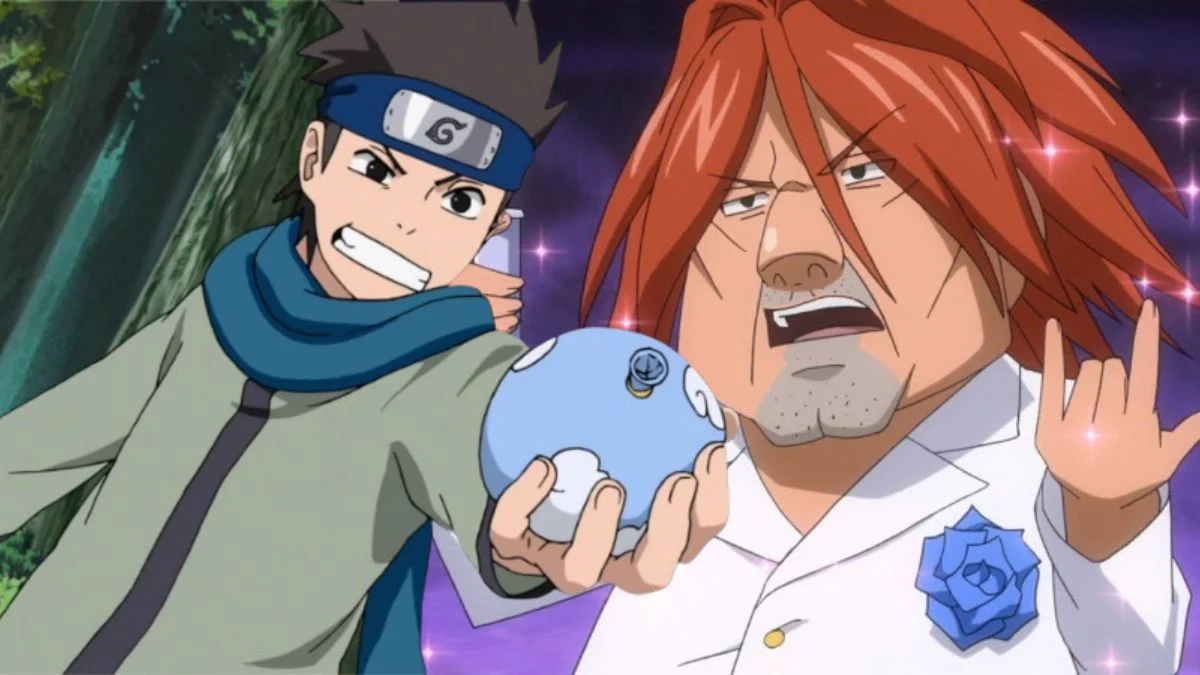
Konohamaru learned the Sexy Technique as a transformation prank that weaponizes distraction. It is a variant of the basic Henge that replaces a normal disguise with an attention grabbing form to create openings. Against serious opponents it functions as a feint that works only when the target is caught off guard.
Pierrot treats these gags as tempo breaks inside training or sparring scenes. The cuts are quick, the reactions are exaggerated, and then the story moves right back to standard ninjutsu once the distraction has served its purpose.
Jango from ‘One Piece’

Jango’s hypnosis works through a pendulum disc and spoken cues. He can put people to sleep or even boost strength if they accept the suggestion, but misfires can hypnotize allies or himself. Weather, distance, and noise can interrupt the setup, so timing and attention are everything.
Toei Animation stages these moments with swirling backgrounds and tight close ups on the pendulum so you see when the suggestion takes hold. The power thrives in chaotic crowds or surprise situations and loses steam when opponents know to look away.
Kelly Funk from ‘One Piece’

Kelly Funk uses the Jacket Jacket Fruit. He turns into a living jacket that someone else wears, which lets him control the wearer’s body and combine strengths. It requires a cooperative or overpowered host, and he is vulnerable while seeking a target to wear him.
Toei Animation often plays the fusion beat as a quick cut with a snap to a new silhouette so you can tell who is in control. The ability becomes a tactical gambit that depends on positioning and consent rather than a direct offensive tool.
Don Kanonji from ‘Bleach’

Don Kanonji’s spiritual techniques revolve around a basic spirit energy blast and ritual theatrics. His moves can interact with weak Hollows and wandering souls, but he lacks formal Shinigami training and has limited combat efficacy against stronger threats.
Studio Pierrot uses bright effects and crowd reactions to sell his showmanship while keeping the scale below the main sword clashes. His scenes underline the difference between entertainment and battlefield technique without removing his earnest desire to help.
Joseph Joestar from ‘JoJo’s Bizarre Adventure’

Joseph’s Stand is Hermit Purple. It manifests as thorny spirit vines that can bind or swing and can produce spirit photos by smashing a camera or TV to reveal information. The vines have short reach and low striking force, which pushes Joseph to rely on tactics and Hamon knowledge in earlier arcs.
David Production depicts the spirit photography with glitchy frames and static, and the vines with clear lines that wrap or tug rather than punch through. The presentation keeps the Stand’s role as a tool for intel and restraint rather than direct offense.
Mumen Rider from ‘One Punch Man’

Mumen Rider has no supernatural powers. He relies on a bicycle, protective gear, and a strong sense of duty. His arsenal includes basic throws and a named tackle that depends on momentum. Against major monsters he functions as a rescuer and delay specialist until heavy hitters arrive.
Season one by Madhouse frames his entries with grounded motion and steady camera work, and season two by J.C.Staff keeps that street level style. The focus stays on civic response and time buying rather than damage output.
Mr. Satan from ‘Dragon Ball’

Mr. Satan, also known as Hercule, has human level martial arts skills and showman flair. He uses props, publicity, and opportunistic timing to maintain his champion status. When real ki battles erupt he serves as a liaison for the public and a vehicle for small but important assists.
Toei Animation gives him broad expressions and crowd cutaways that underline the spectacle around him. The action places him at the edge of world shaking fights where persuasion and morale matter more than beams and blasts.
Ichiya Vandalay Kotobuki from ‘Fairy Tail’

Ichiya uses Perfume Magic, which applies buffs and debuffs through scented mixtures. Effects can increase speed or toughness or cause dizziness, but they depend on getting the fragrance to the target and on carrying the right bottle for the moment. Wind or distance can ruin an application.
A-1 Pictures presents the perfumes with visible clouds and quick labels so you can read the intended effect during a skirmish. The magic works best as support for Blue Pegasus teams and rarely serves as a finishing move by itself.
Reigen Arataka from ‘Mob Psycho 100’

Reigen markets exorcism services with made up special moves like Salt Splash and Self Defense Rush. The techniques are ordinary actions wrapped in confidence, and he relies on negotiation and timing until Mob steps in. He occasionally channels borrowed power through Mob’s help, which turns the tide for a short window.
Bones plays these scenes with sharp comedic cuts and crisp sound so the faux techniques land with style even when the action is mundane. The contrast between presentation and effect is the point, and the direction makes that split easy to follow.
Sailor Chibi Moon from ‘Sailor Moon’

Chibi Moon’s early finisher is Pink Sugar Heart Attack. It releases a stream of heart shaped bursts that can sputter or fail, and the impact often amounts to a short stun rather than decisive damage. Later upgrades improve reliability, but the first version is infamous for inconsistent output.
Toei Animation animates the hearts with bright trails and a playful rhythm so you can see when the attack connects and when it fizzles. The move functions as a setup that opens space for other Sailor Guardians to land a stronger follow up.
Share your picks in the comments and tell us which unusual abilities you think belong on this list.