


Top 20 Medieval Movies

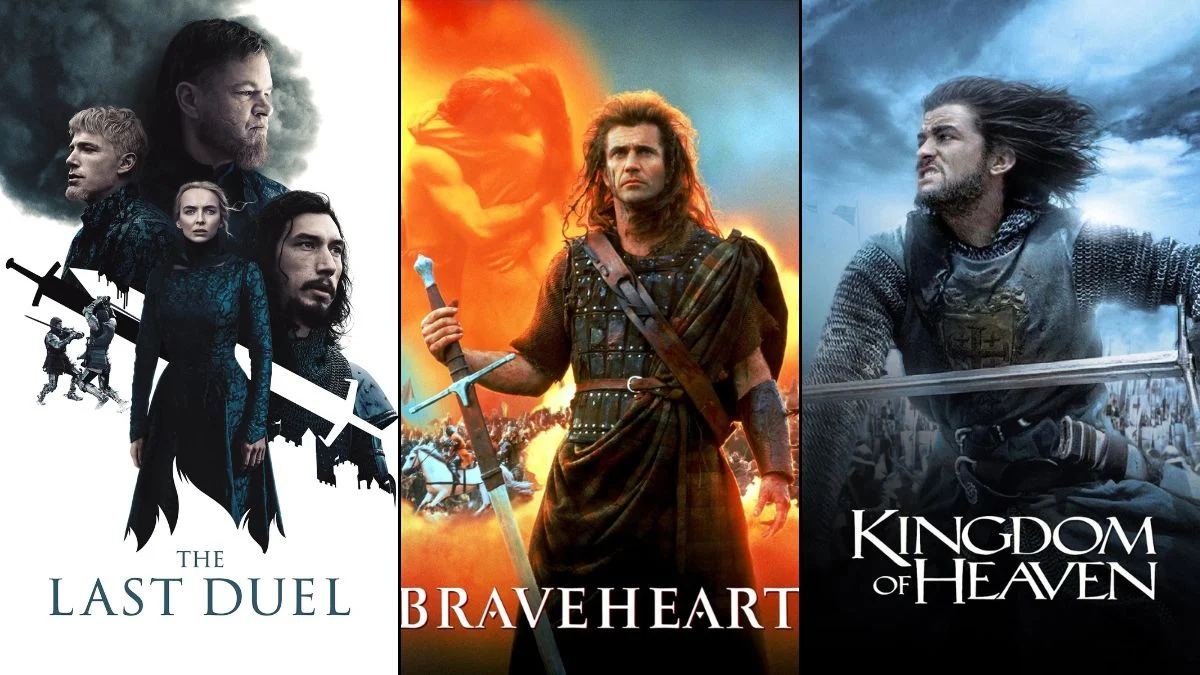


Medieval stories cover real events, legendary figures, and timeless literature, and they do it across many styles and languages. This list gathers films that take viewers into castles, cloisters, battlefields, and royal courts, with settings that span from the age of crusades to the rise of longbow warfare and chivalric romance. Every pick focuses on a world shaped by crowns, faith, fealty, and the codes that defined life between the fifth and fifteenth centuries.
You will find biographies of rulers and rebels alongside adaptations of epics and chronicles. Some titles track documented campaigns and legal customs while others bring Arthurian myths and knighthood to life through fantasy or satire. Each entry includes clear details about the period, people, and production so you can decide what to watch when you are in the mood to travel back to the Middle Ages.
‘Braveheart’ (1995)
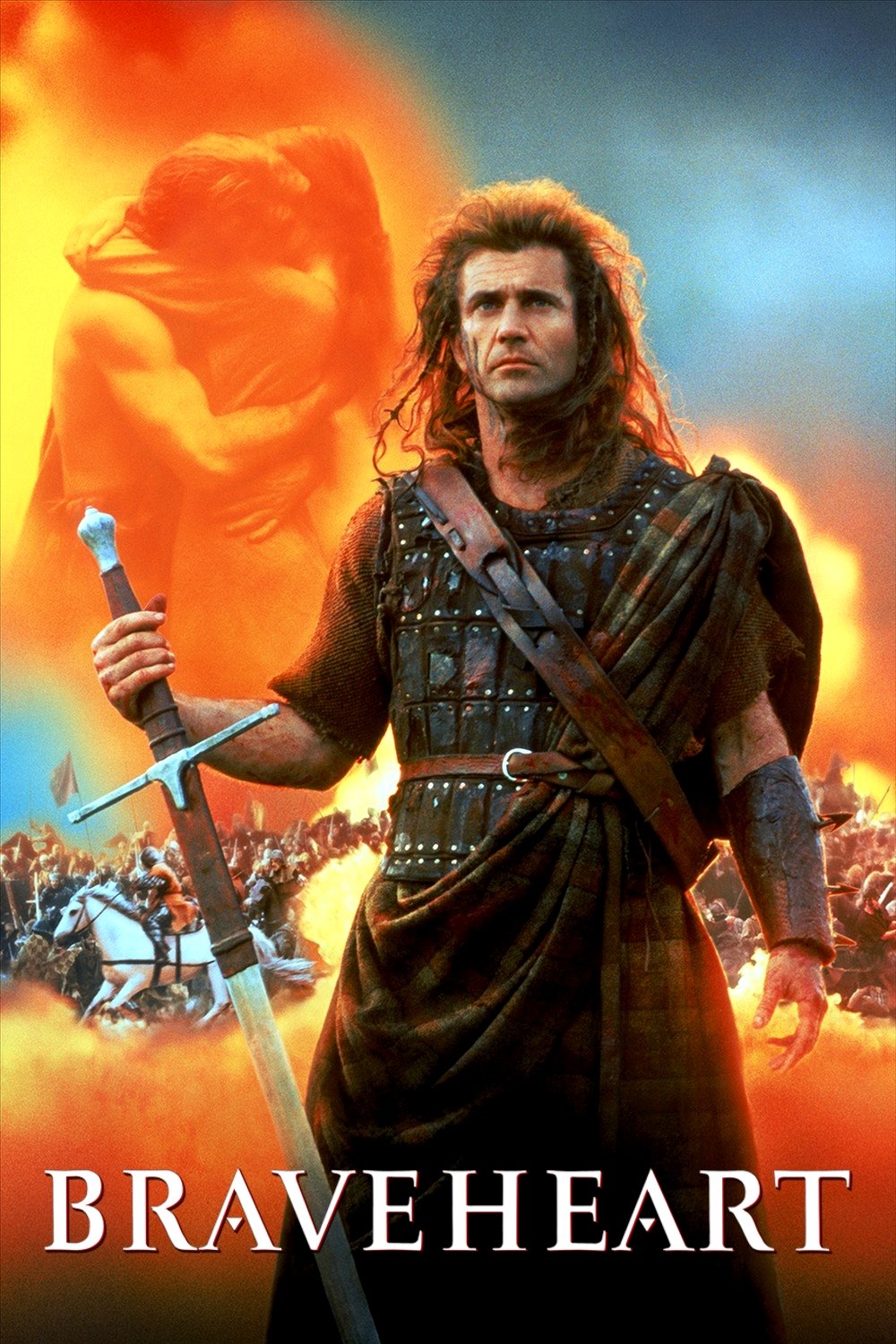
Mel Gibson directed and starred in this account of the Scottish leader William Wallace during the First War of Scottish Independence. The film covers events around the battles of Stirling and Falkirk and shows the political struggle with King Edward I of England. It was produced across locations in Scotland and Ireland to depict the countryside and fortified towns.
The production used large scale infantry formations with cavalry and practical effects to stage the clashes. It received major awards recognition including Best Picture and Best Director and helped renew interest in medieval warfare on screen. The score by James Horner uses choral and folk textures to match the period setting.
‘Kingdom of Heaven’ (2005)
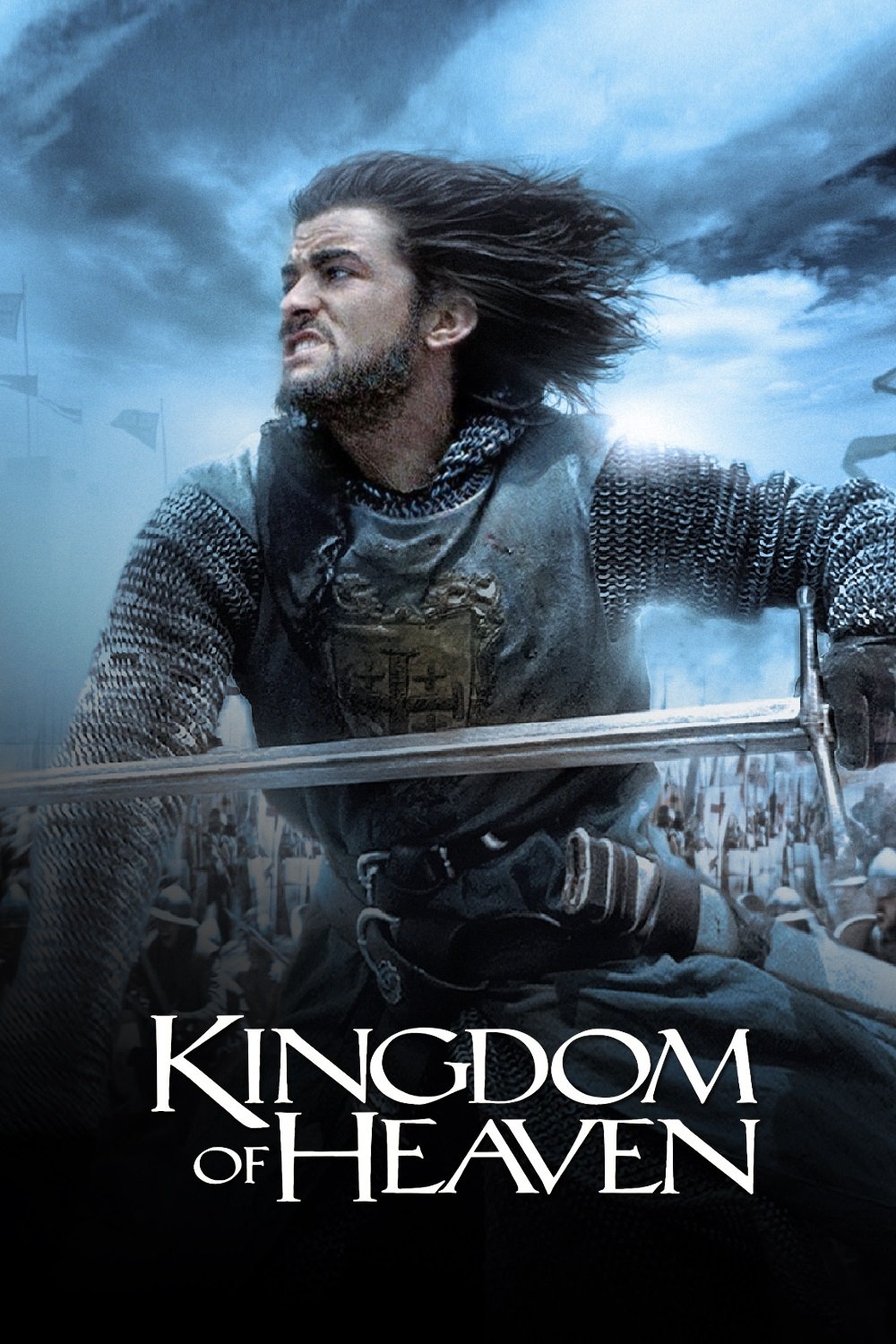
Ridley Scott’s film follows the blacksmith Balian of Ibelin and the politics of the Latin Kingdom of Jerusalem in the late twelfth century. It stages the approach to the 1187 siege and the encounter with Saladin while showing the roles of the Templars, Hospitallers, and court factions. Principal photography took place in Spain and Morocco to stand in for crusader cities and desert routes.
A later director’s cut expanded character backgrounds and added plot material that clarifies the balance of power in the Jerusalem court. The production team built large sets for fortified walls and used thousands of extras for the siege sequences. The score by Harry Gregson Williams blends orchestral writing with Middle Eastern instrumentation.
‘The Name of the Rose’ (1986)
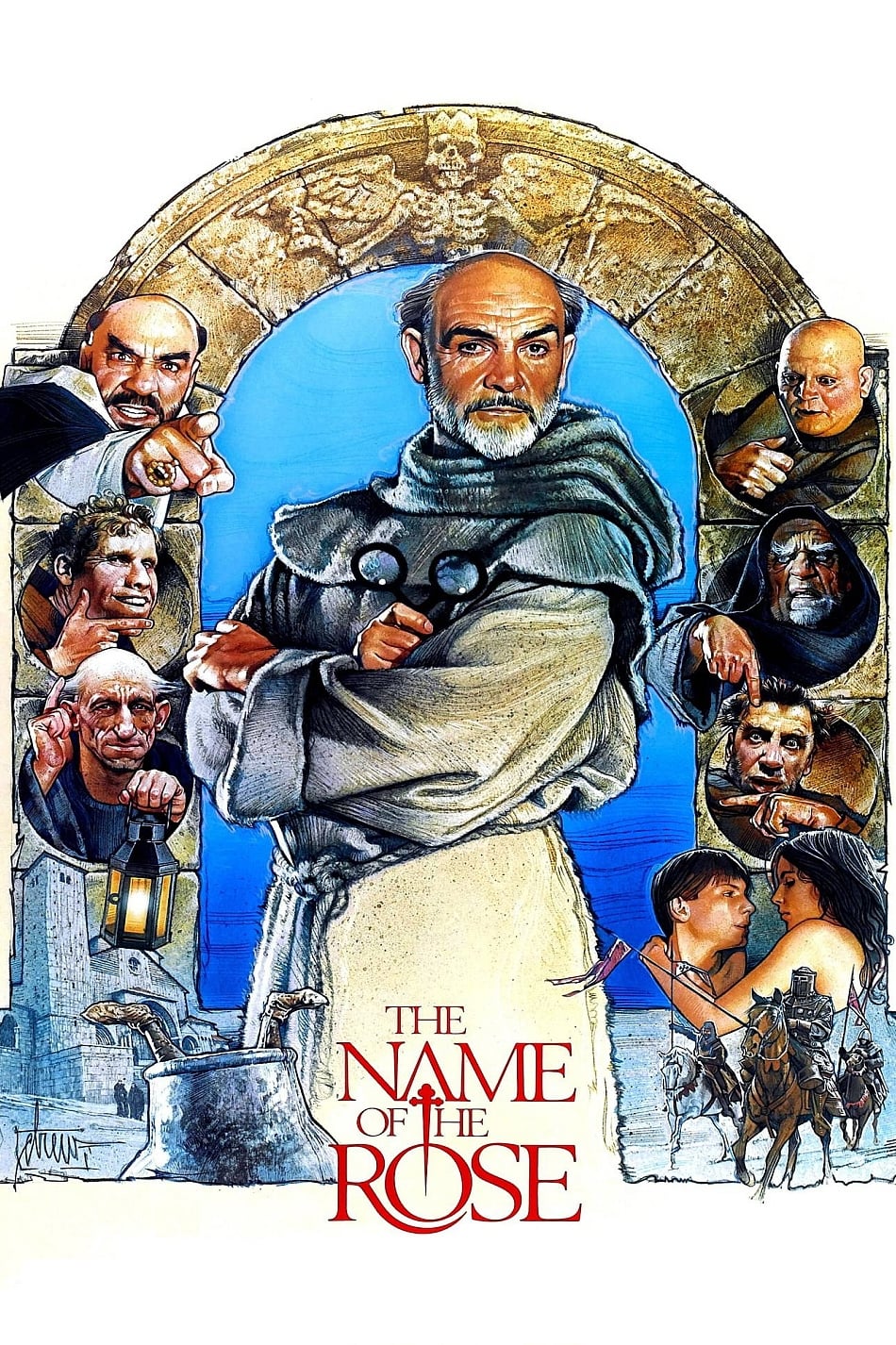
Jean Jacques Annaud adapts Umberto Eco’s novel about a Franciscan friar investigating deaths in a Benedictine abbey in 1327. Sean Connery plays William of Baskerville with Christian Slater as Adso and F Murray Abraham as the inquisitor Bernardo Gui. The story moves through scriptoriums, libraries, and courtyards while referencing monastic rules and scholastic debates of the period.
The film was shot in European monasteries and purpose built sets that recreate a labyrinthine library. It uses Latin and vernacular languages within dialogue and inscriptions. Costumes and props emphasize the differences between mendicant orders and local lay servants to ground the mystery in its historical setting.
‘A Knight’s Tale’ (2001)
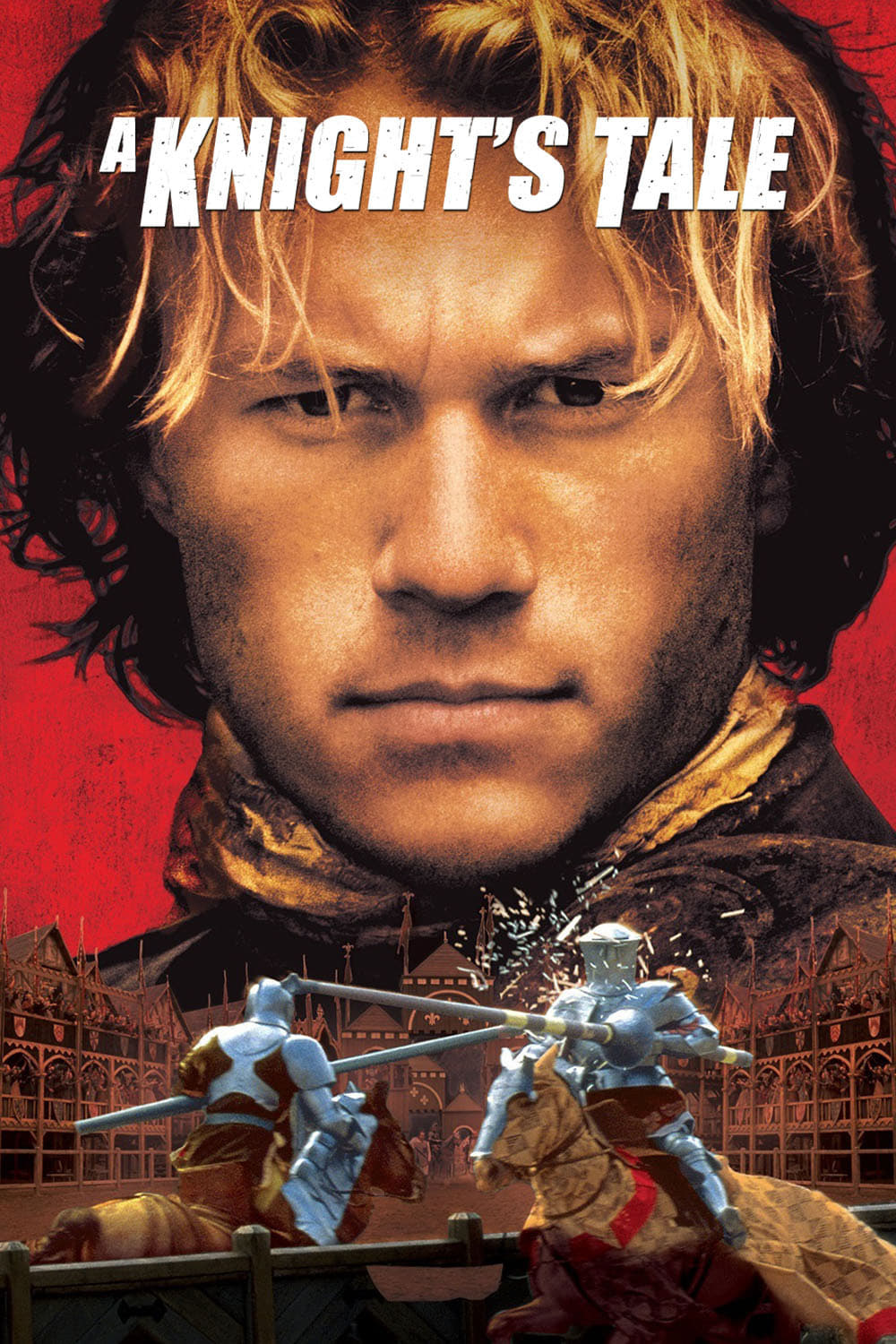
Brian Helgeland’s film follows a peasant who assumes a knightly identity to compete in tournaments across fourteenth century Europe. Heath Ledger leads the cast with Paul Bettany portraying Geoffrey Chaucer as a herald and writer. The plot moves from village jousts to grand circuits attended by nobles and foreign competitors.
Production focused on jousting as the central sport with trained riders and breakaway lances built for repeated impacts. The film intercuts market life, armor forging, and heraldic ceremony to explain how a competitor sustains a team through a season. The soundtrack and editing create a bridge between medieval spectacle and modern pacing.
‘The Seventh Seal’ (1957)
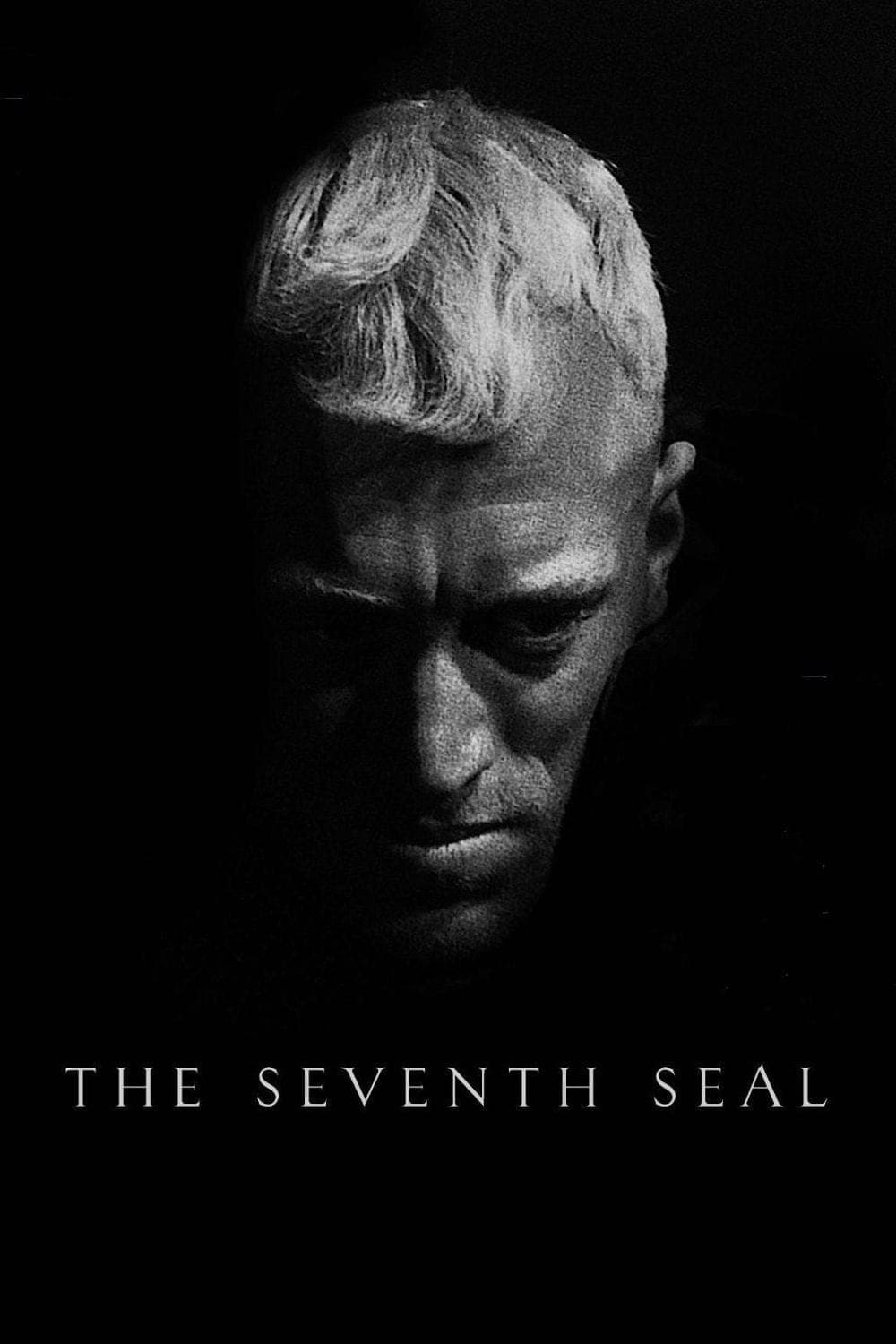
Ingmar Bergman sets this story during the Black Death in Sweden and follows a returning crusader who meets the personification of Death. Max von Sydow and Gunnar Björnstrand lead an ensemble that crosses villages, coastal cliffs, and plague stricken roads. The script references medieval theology and folk performance through its itinerant actors.
The production was shot in stark black and white on Swedish locations and stages the chess motif as a repeated visual device. It uses liturgical music and silence to underline religious and existential themes that were common to the era. The imagery of processions and trials mirrors source materials from medieval art.
‘Henry V’ (1989)
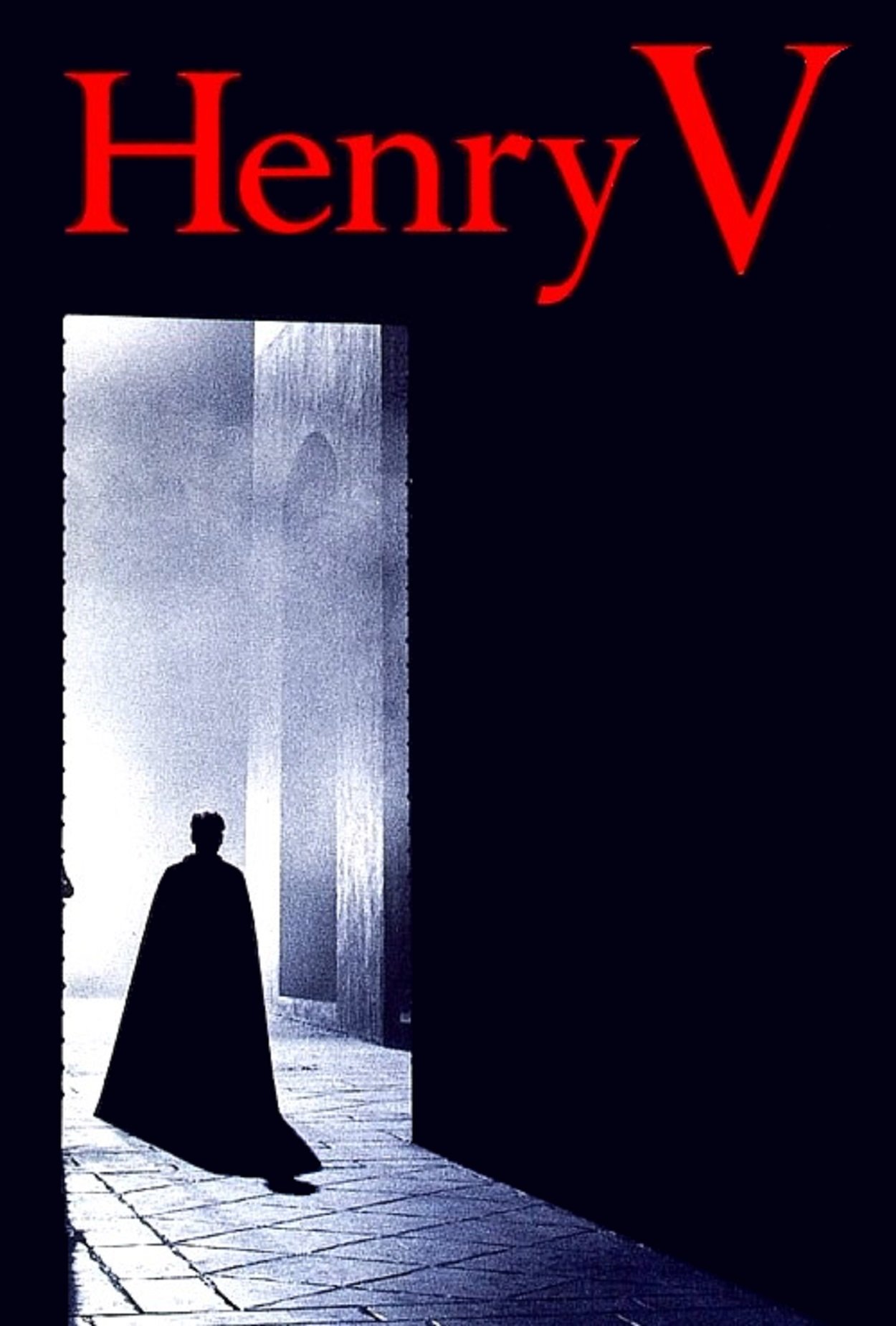
Kenneth Branagh directs and stars in this adaptation of Shakespeare’s play about the 1415 campaign in France and the Battle of Agincourt. The film compresses preparations, the march, and the battle into a focused narrative that highlights logistics, command structure, and the role of archers. It features a supporting cast that includes Emma Thompson, Brian Blessed, and Ian Holm.
Costume and armament designs track early fifteenth century harness and livery. Muddy terrain and narrow field positions are used to show how tactics and weather affected heavily armored troops. The production received awards for its design work and brought renewed attention to battlefield realism in this period.
‘The Lion in Winter’ (1968)
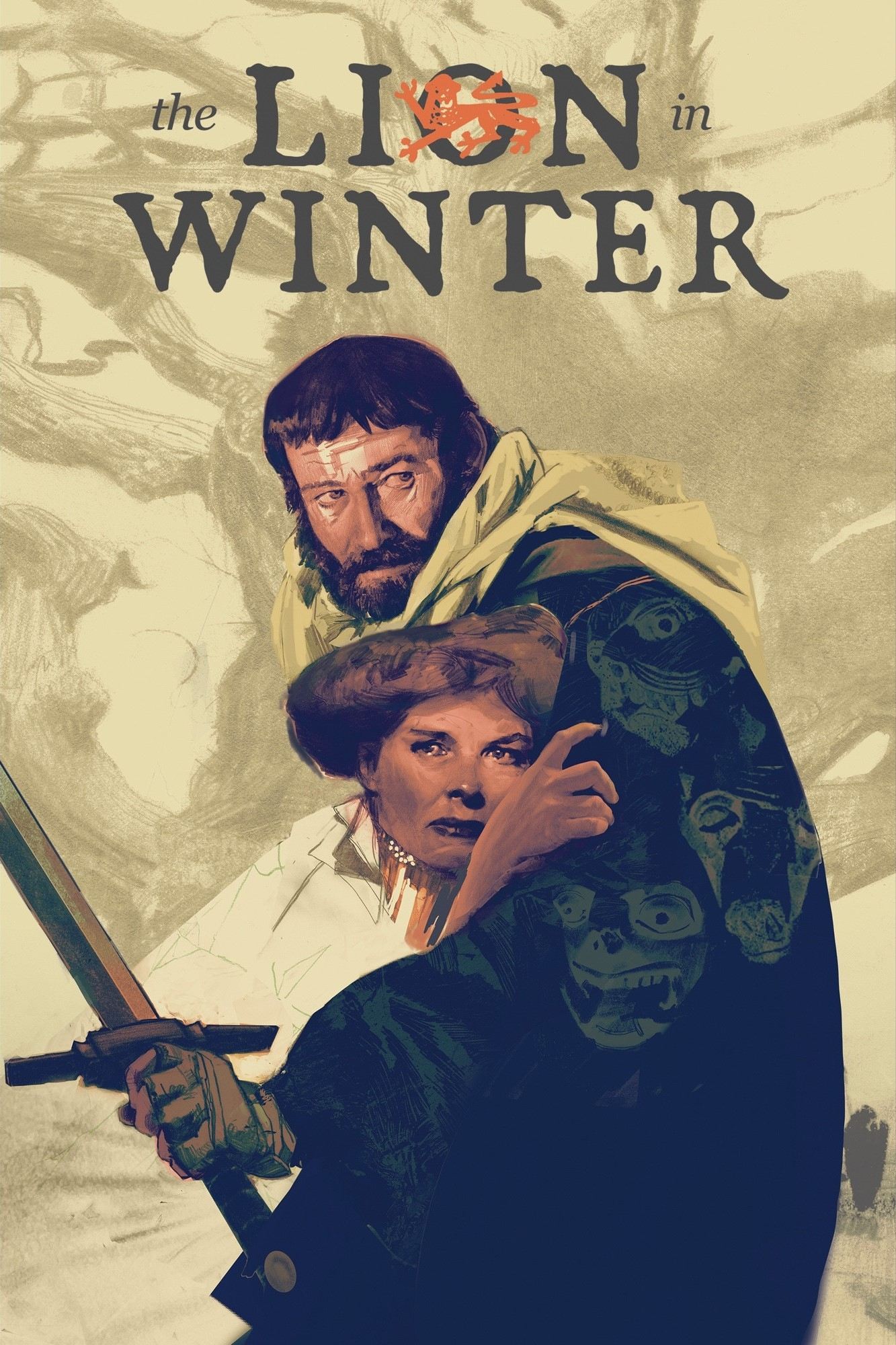
Anthony Harvey’s drama takes place over Christmas in 1183 and centers on King Henry II, Eleanor of Aquitaine, and their sons Richard, Geoffrey, and John. The script covers inheritance disputes and alliances with the French crown and sets all negotiations within fortresses and chambers. Peter O’Toole and Katharine Hepburn lead a cast that also features Anthony Hopkins and Timothy Dalton.
Filming took place in French and Irish locations to capture Romanesque and early Gothic architecture. The production uses chamber scenes to detail dynastic strategies and marriage arrangements. The film won multiple Academy Awards including Best Actress and Best Adapted Screenplay.
‘The Last Duel’ (2021)
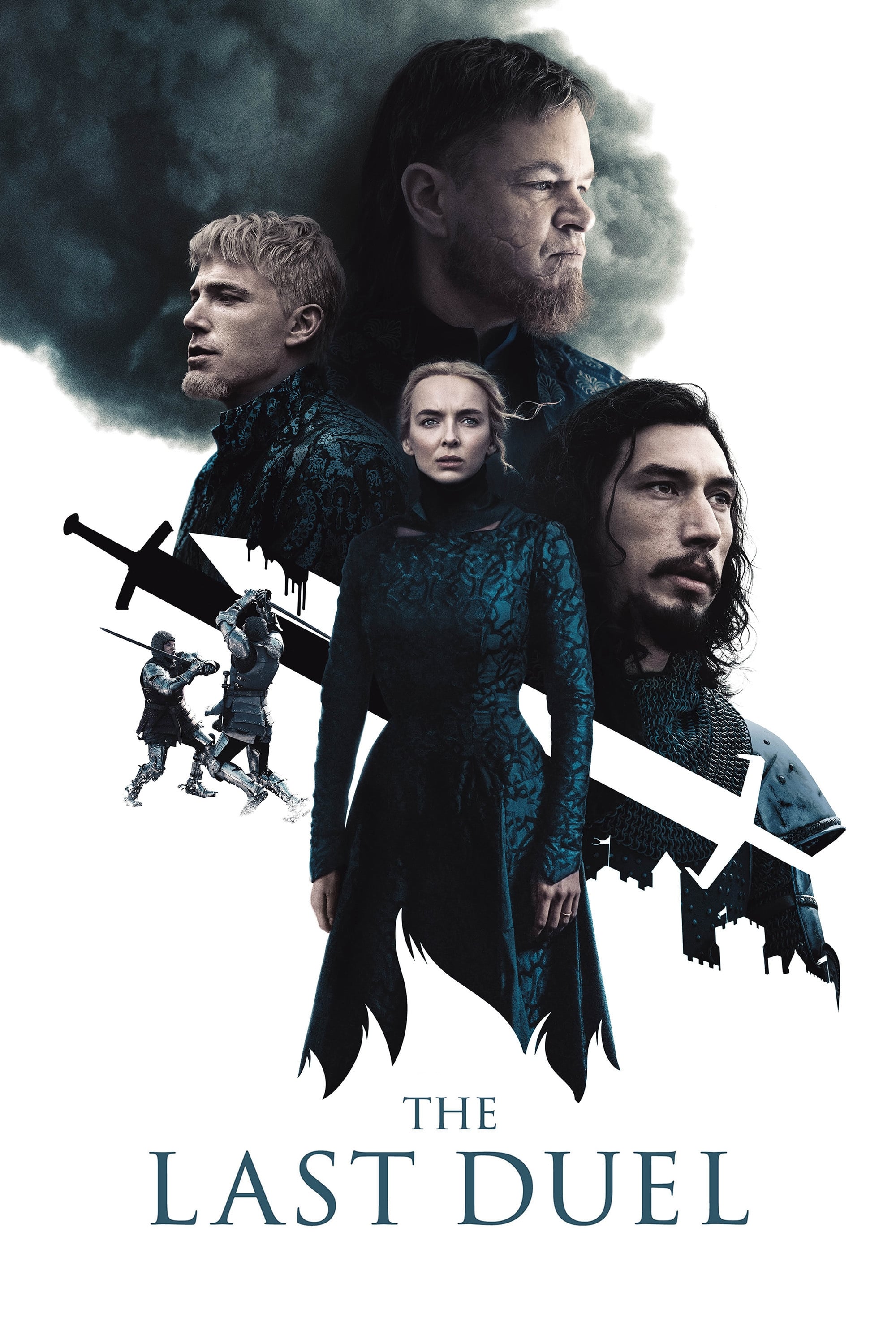
Ridley Scott’s film is based on the historical account of the 1386 judicial duel between Jean de Carrouges and Jacques Le Gris in France. The narrative is presented in three chapters to show differing perspectives on the accusation that triggered the legal combat. Jodie Comer, Matt Damon, and Adam Driver play the central figures with Ben Affleck in a supporting role.
Principal photography took place in France and Ireland with castles and walled towns dressed for late fourteenth century life. The climactic duel follows period rules for armor, mounted passes, and ground fighting. The film draws on documented procedures for appeals to the king and the role of witnesses and clerics.
‘Outlaw King’ (2018)
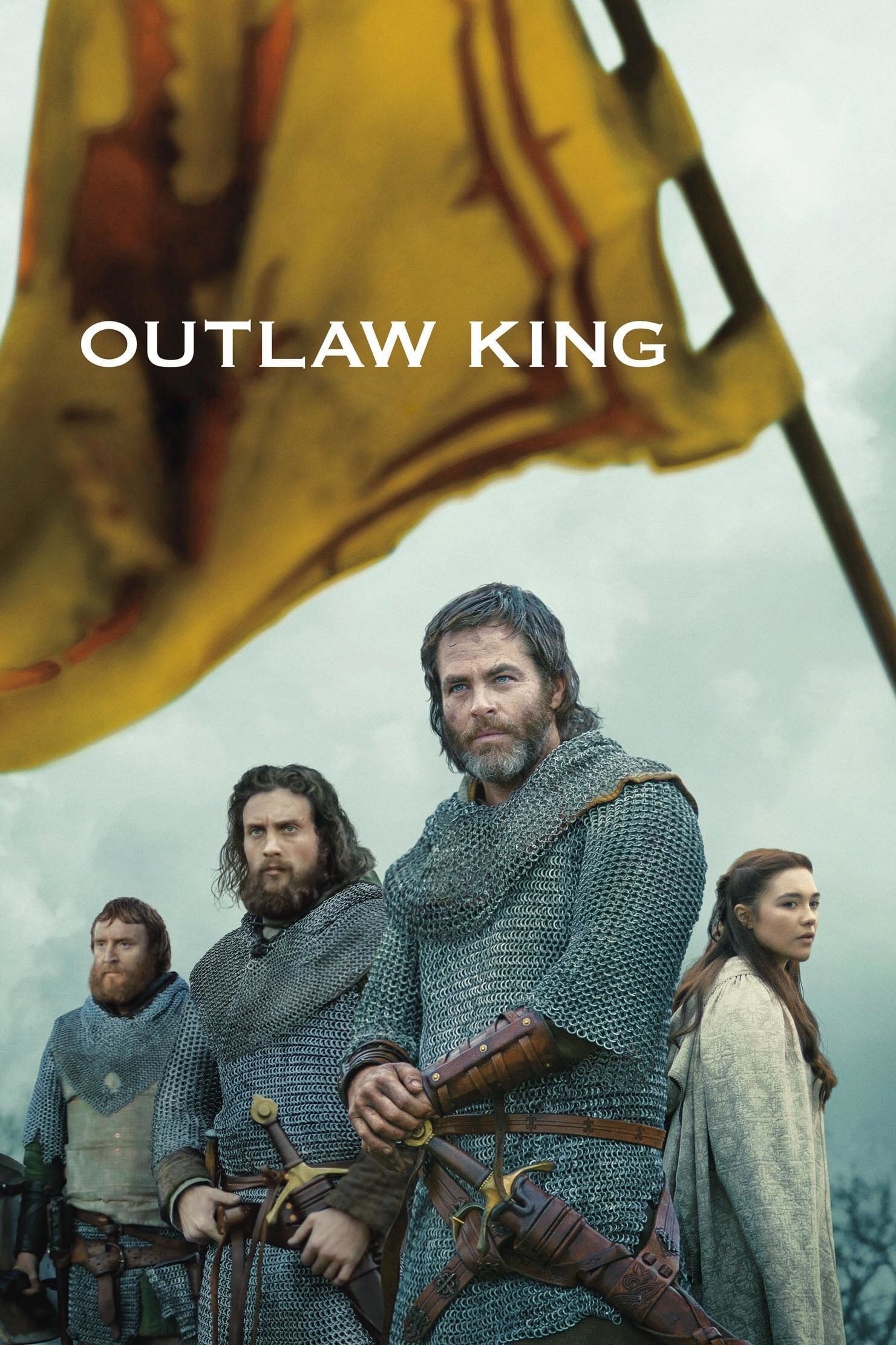
David Mackenzie directs this account of Robert the Bruce after the death of William Wallace and the conflict with English forces. Chris Pine portrays Robert with Aaron Taylor Johnson as James Douglas. The plot follows the coronation, setbacks, and the build up to the engagement at Loudoun Hill.
The production filmed across Scottish locations with attention to terrain that influenced ambushes and pitched battles. It premiered with a longer cut and was trimmed for release to sharpen the campaign timeline. Armor and weapons were built to reflect early fourteenth century design and the use of schiltron formations.
‘The Green Knight’ (2021)
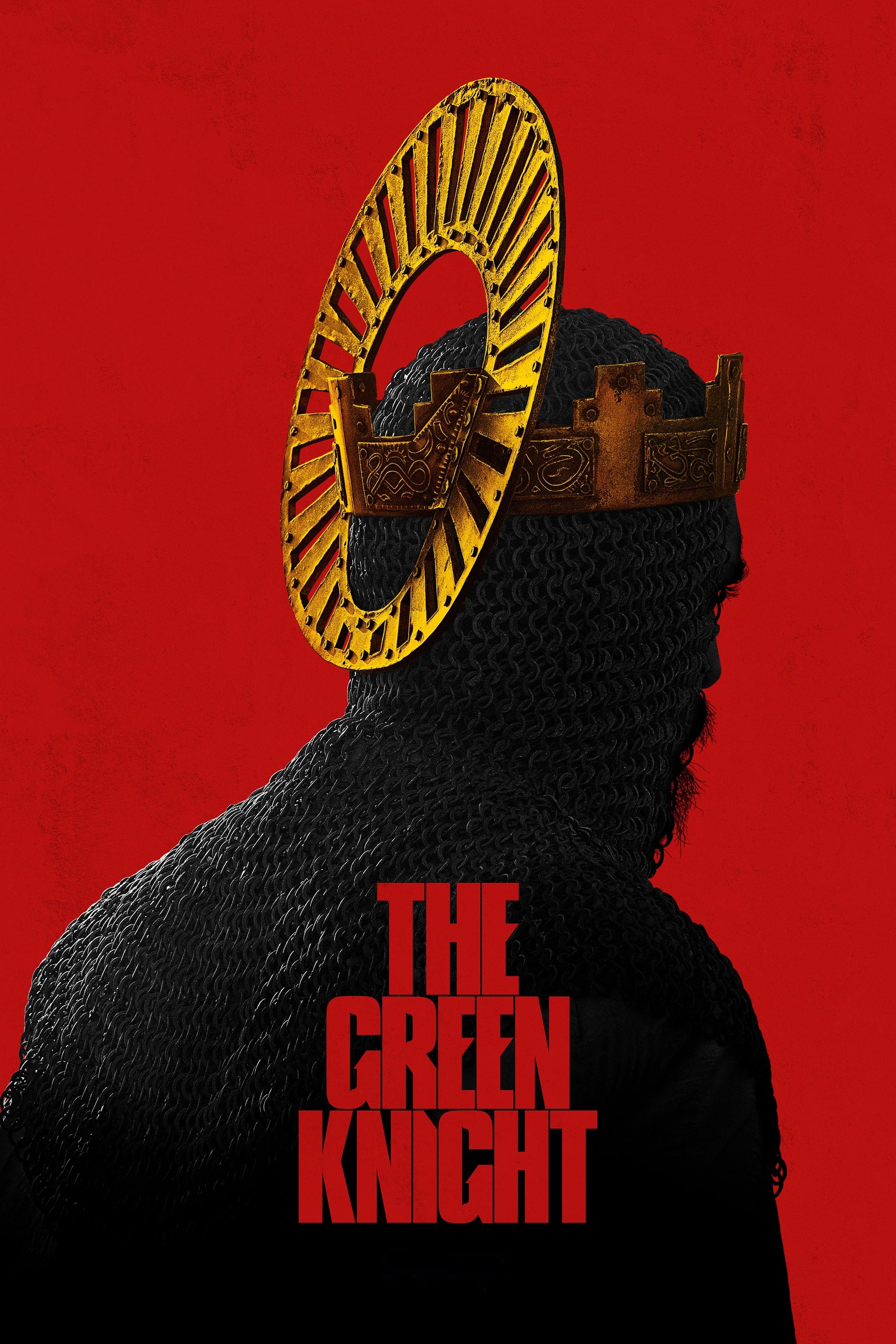
David Lowery adapts the Middle English poem about Sir Gawain and his quest after accepting a challenge from the Green Knight. Dev Patel leads a cast that includes Alicia Vikander and Joel Edgerton. The film picks up courtly customs and chivalric tests that come from Arthurian literature.
Shooting took place in Ireland with natural locations and constructed interiors that evoke illuminated manuscript aesthetics. Practical effects and in camera techniques support the atmosphere around miracles and omens. The production design references tapestries, reliquaries, and seasonal rites associated with medieval storytelling.
‘Excalibur’ (1981)
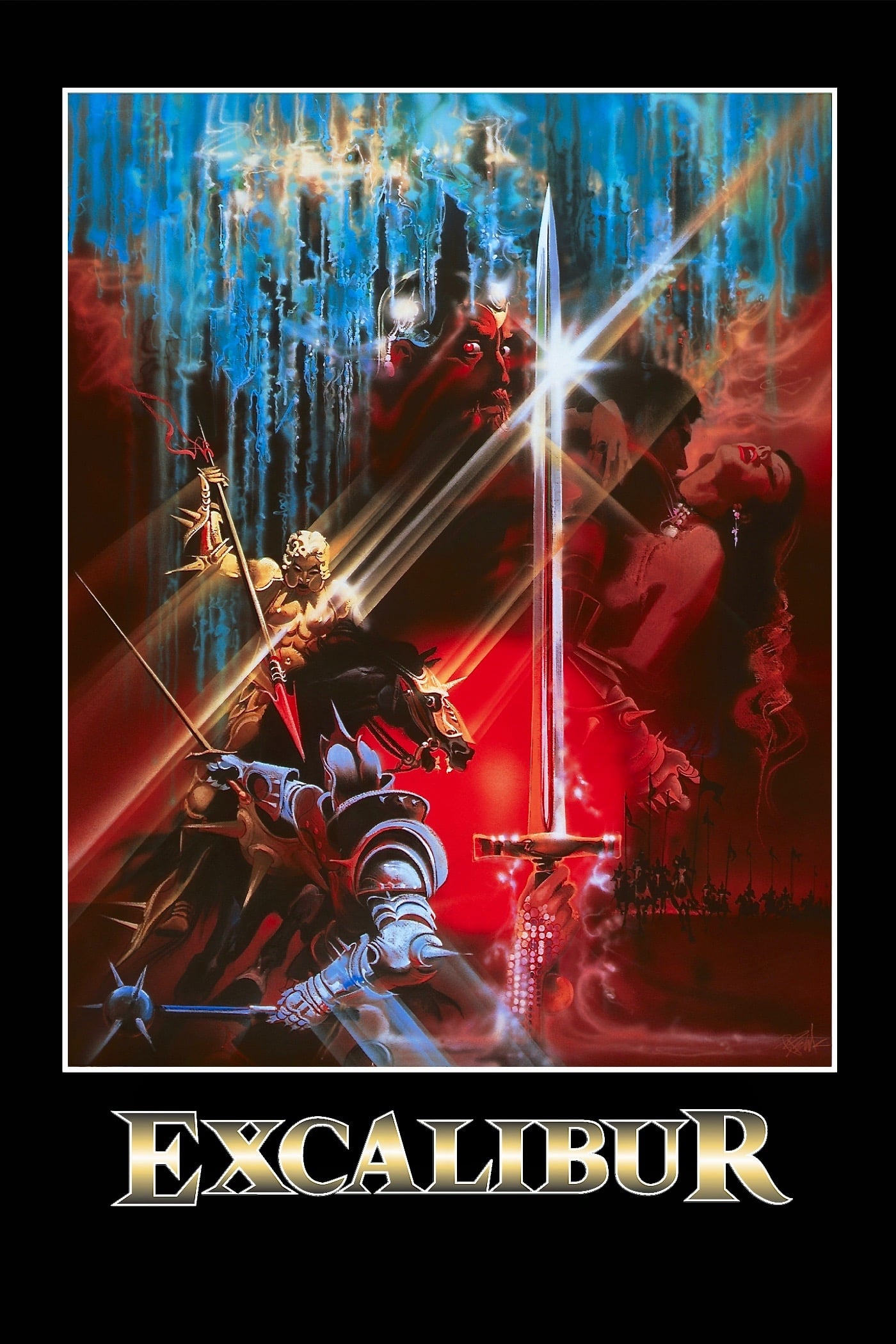
John Boorman retells the Arthurian cycle from the sword in the stone through the fall of Camelot. Nigel Terry plays Arthur with Nicol Williamson as Merlin and Helen Mirren as Morgana. The story adapts sections from Malory and includes the creation of the Round Table, the Grail quest, and the final battle.
The film was shot in Ireland with castles, forests, and rivers used to stage feasts and combats. Its score draws on Richard Wagner and Carl Orff to frame mythic episodes. The cast features early appearances by actors who later became widely known including Liam Neeson and Gabriel Byrne.
‘Monty Python and the Holy Grail’ (1975)
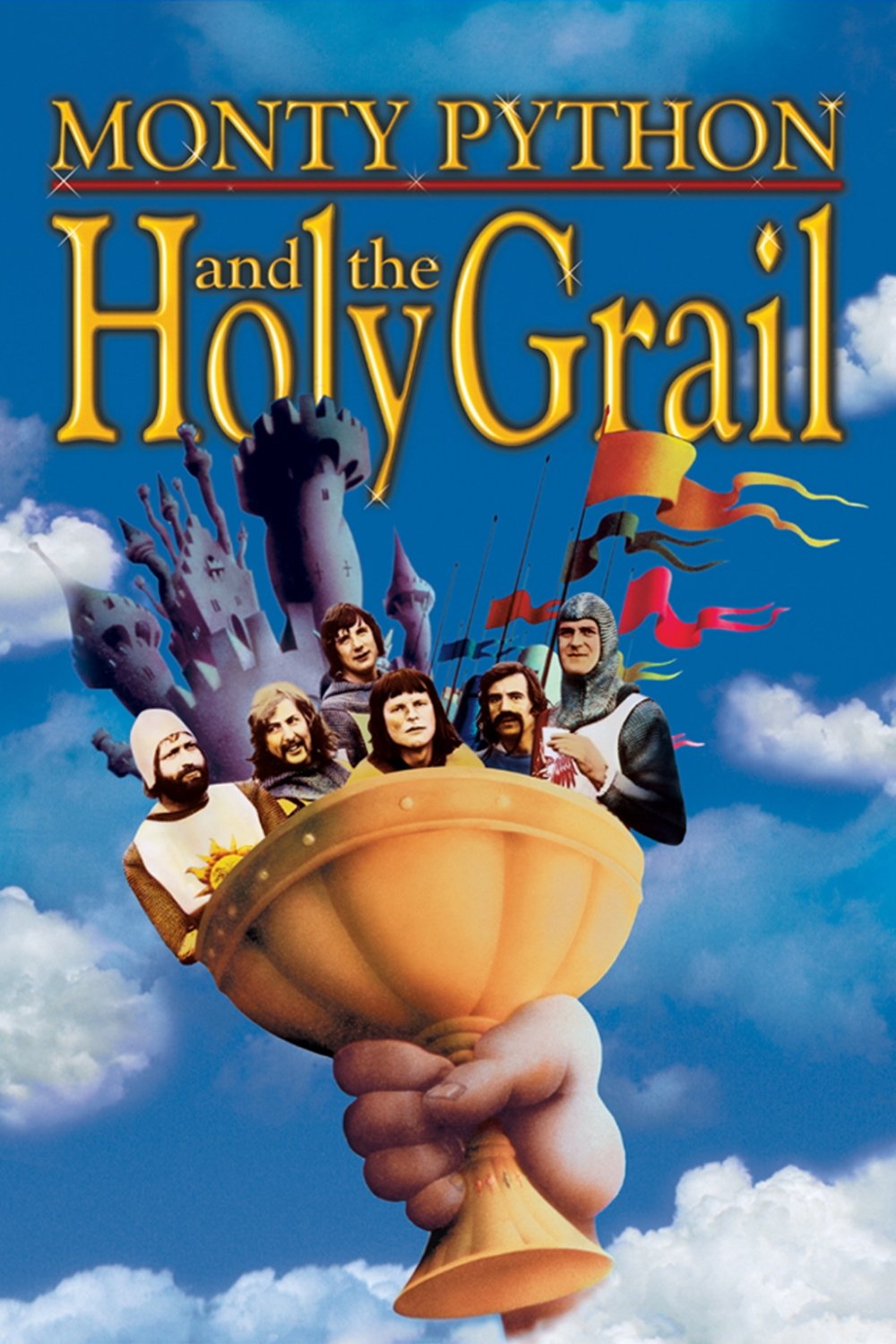
Terry Gilliam and Terry Jones direct this satire of Arthurian legend with the entire Python troupe in multiple roles. The plot tracks King Arthur’s search for the Grail and threads together vignettes about knights, enchanters, and castle keepers. The script uses anachronistic devices to comment on medieval customs and belief.
Filmed largely in Scotland, the production relied on location castles and countryside rather than extensive studio sets. The minimalist approach to horses and props became a recurring sight gag that also reflected budget constraints. The film’s format made it a reference point for later comedies set in historical periods.
‘El Cid’ (1961)
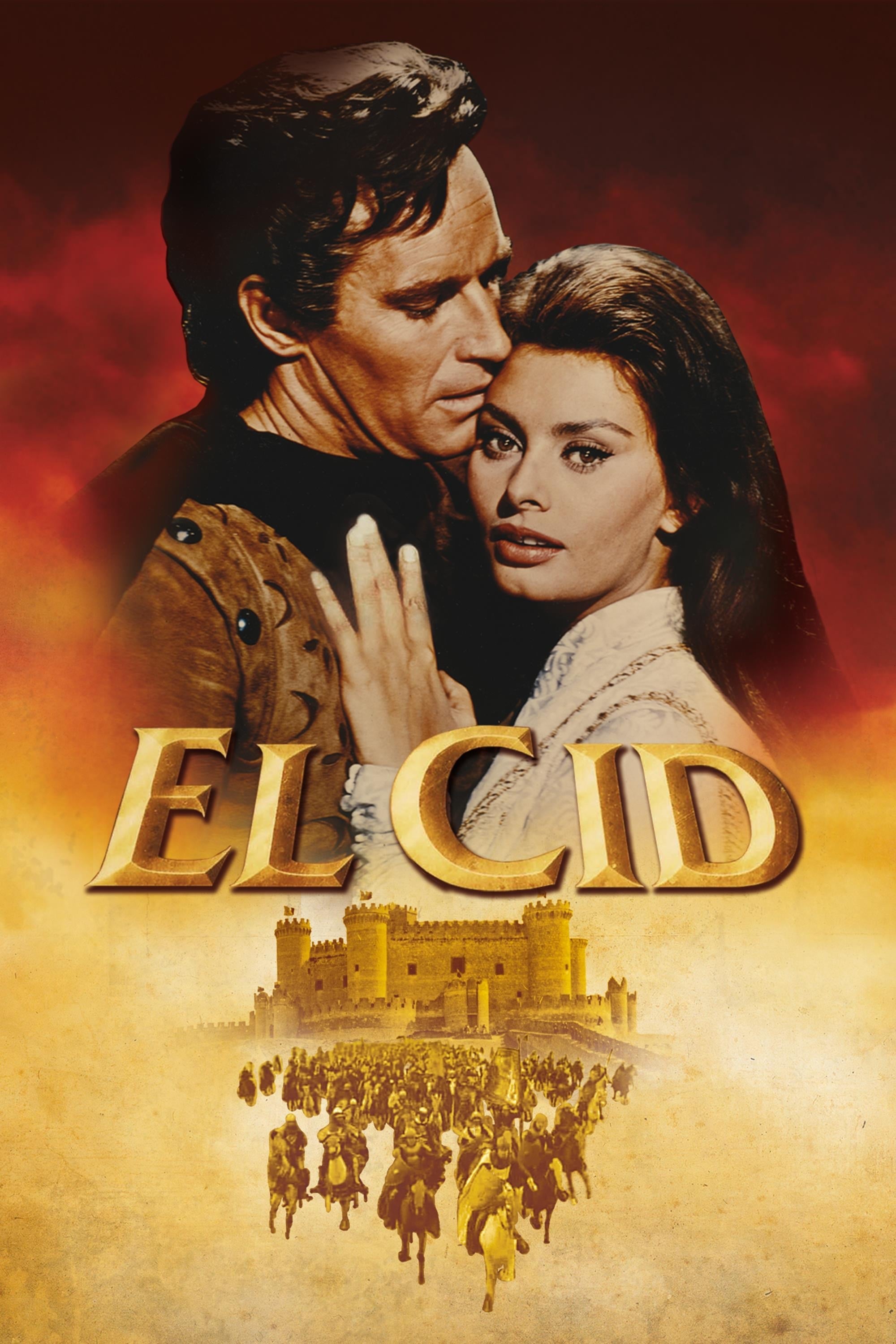
Anthony Mann directs this epic about Rodrigo Díaz de Vivar and the campaigns on the Iberian Peninsula in the eleventh century. Charlton Heston and Sophia Loren play the leads with a narrative that moves from court politics to sieges and field engagements. The plot includes the shifting alliances among Christian and Muslim rulers of the region.
The production filmed across Spanish locations and used thousands of extras for city assaults and cavalry charges. Miklós Rózsa composed a large scale score that supports ceremonial scenes and battles. Sets and costumes emphasize Moorish and Castilian design to distinguish factions and courts.
‘Becket’ (1964)
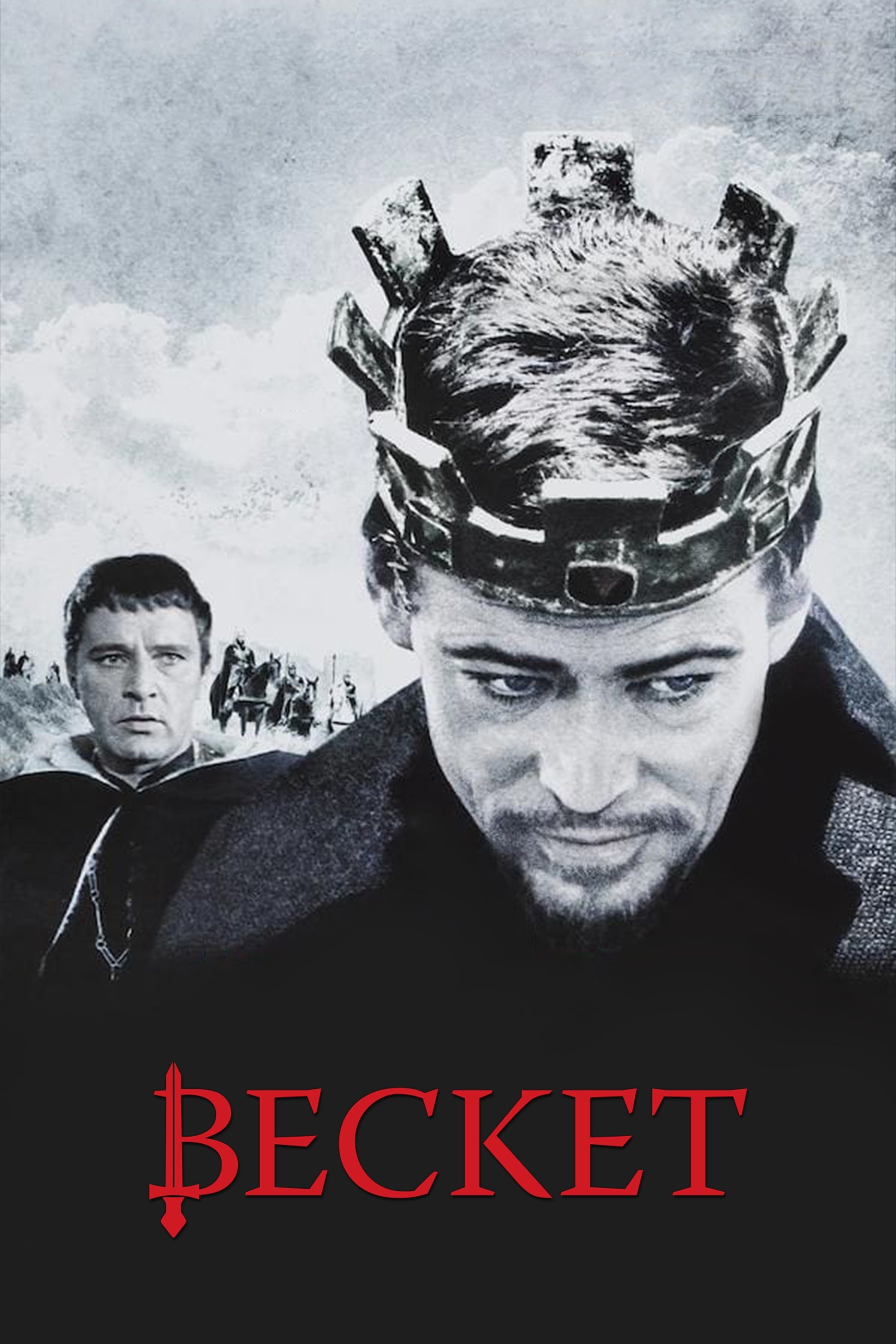
Peter Glenville’s film adapts Jean Anouilh’s play about the conflict between Henry II and Archbishop Thomas Becket. Richard Burton plays Becket with Peter O’Toole as Henry and John Gielgud as King Louis VII. The story follows the political and spiritual confrontation that culminated at Canterbury Cathedral.
The production uses cathedral interiors, council chambers, and royal apartments to frame debates on law and church authority. Dialogues draw on historical records and dramatic texts to present the legal issues of the twelfth century. Costuming tracks ecclesiastical vestments and royal attire of the period.
‘The Passion of Joan of Arc’ (1928)
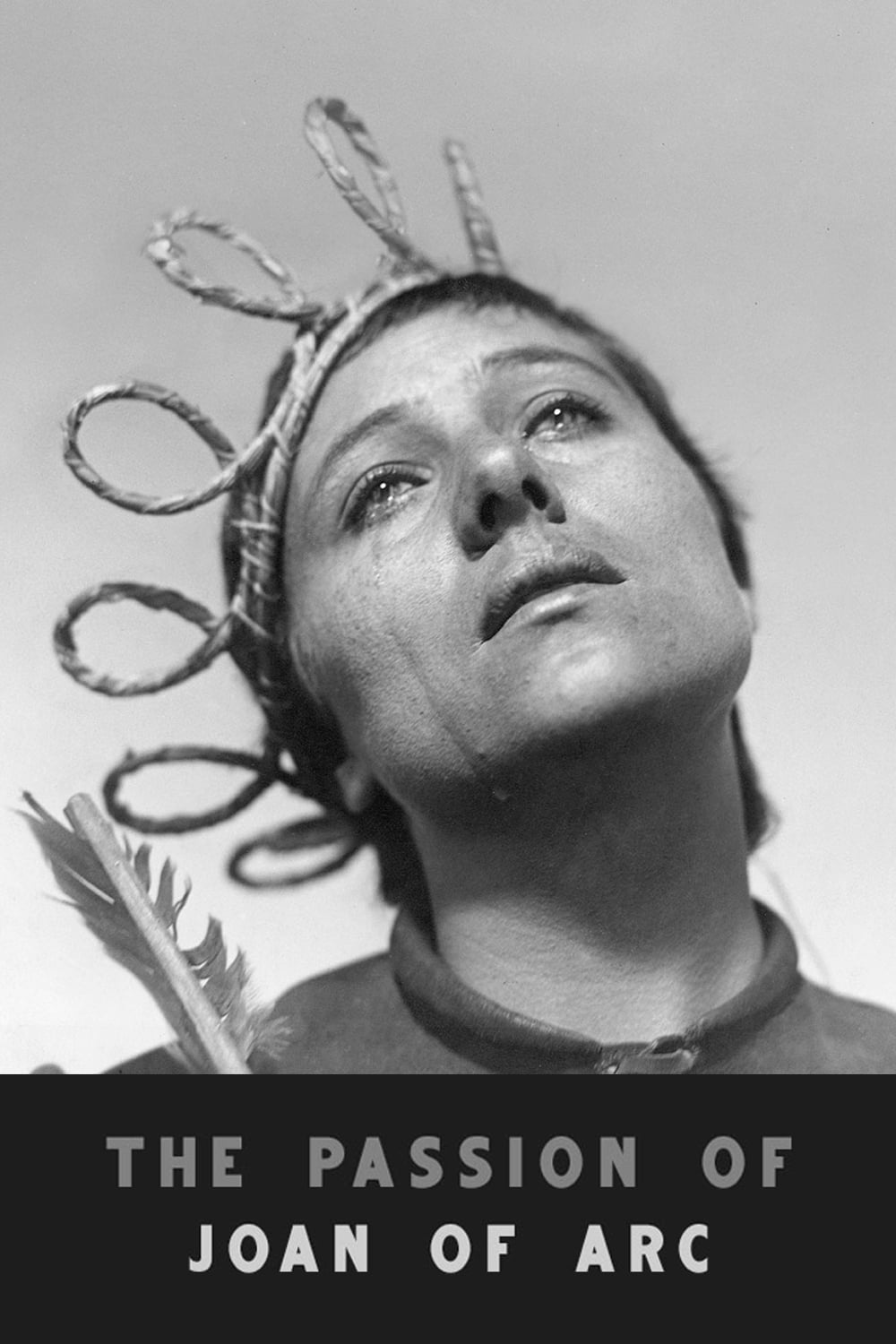
Carl Theodor Dreyer’s silent film focuses on the trial of Joan of Arc using transcripts from the fifteenth century proceedings. Renée Jeanne Falconetti’s performance is captured through extreme close ups that emphasize each question and answer. Sets were built with stark walls and arches to concentrate attention on faces and text.
The original cut was long believed lost to fire and later prints were reconstructed from alternate negatives. Modern restorations use discovered elements to present the intertitles and editing choices as intended. The film remains a primary reference for the depiction of medieval legal process on screen.
‘The Messenger: The Story of Joan of Arc’ (1999)
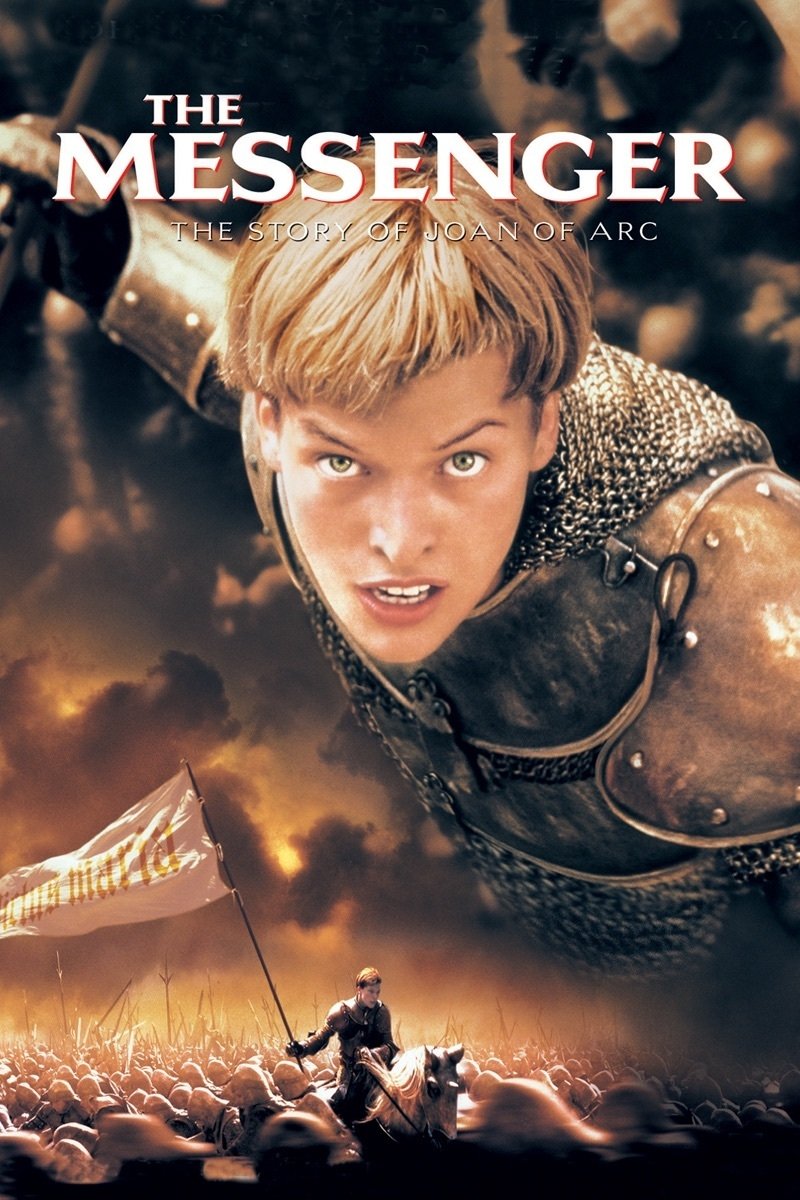
Luc Besson’s production follows Joan from her youth to the campaigns around Orléans and the subsequent trial. Milla Jovovich plays Joan with John Malkovich as Charles VII and Dustin Hoffman appearing as a conscience figure. The film stages assaults with artillery, scaling ladders, and field maneuvers common to early fifteenth century warfare.
Shooting took place in France and other European locations with large sets for walls, gates, and town squares. The production features extensive armory and period banners to identify units and commanders. The score by Éric Serra underscores both religious ceremony and battlefield movement.
‘The Adventures of Robin Hood’ (1938)
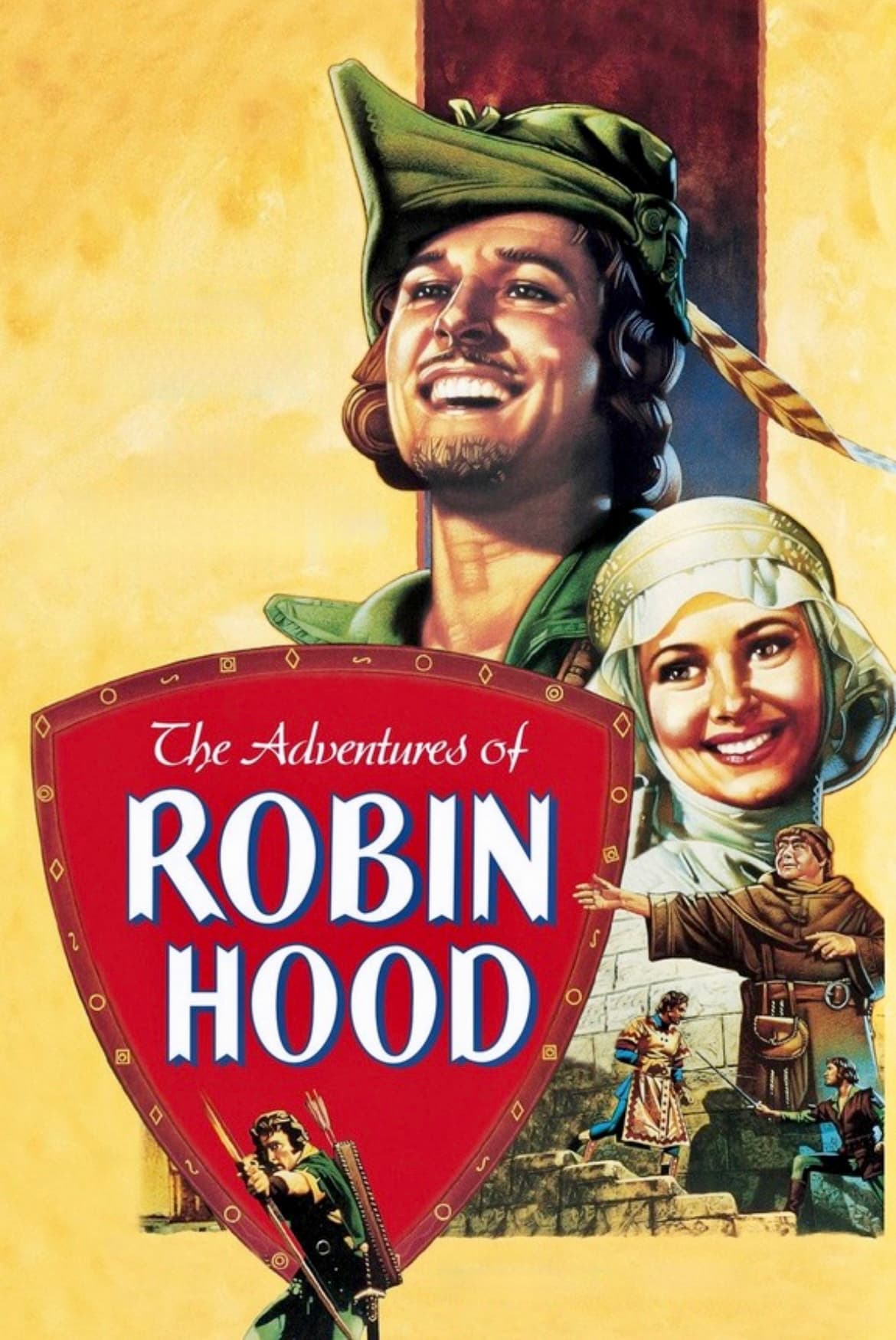
Michael Curtiz and William Keighley direct this Technicolor take on the Robin Hood legend set during the reign of Richard the Lionheart. Errol Flynn and Olivia de Havilland star with Claude Rains as Prince John and Basil Rathbone as Sir Guy of Gisbourne. The story includes archery contests, ambushes in Sherwood, and a final duel.
Erich Wolfgang Korngold’s music won an Academy Award and became a template for adventure scoring. The film also received Oscars for Art Direction and Film Editing. Elaborate sets, matte paintings, and location work combine to portray Nottingham, castles, and forest camps.
‘The 13th Warrior’ (1999)
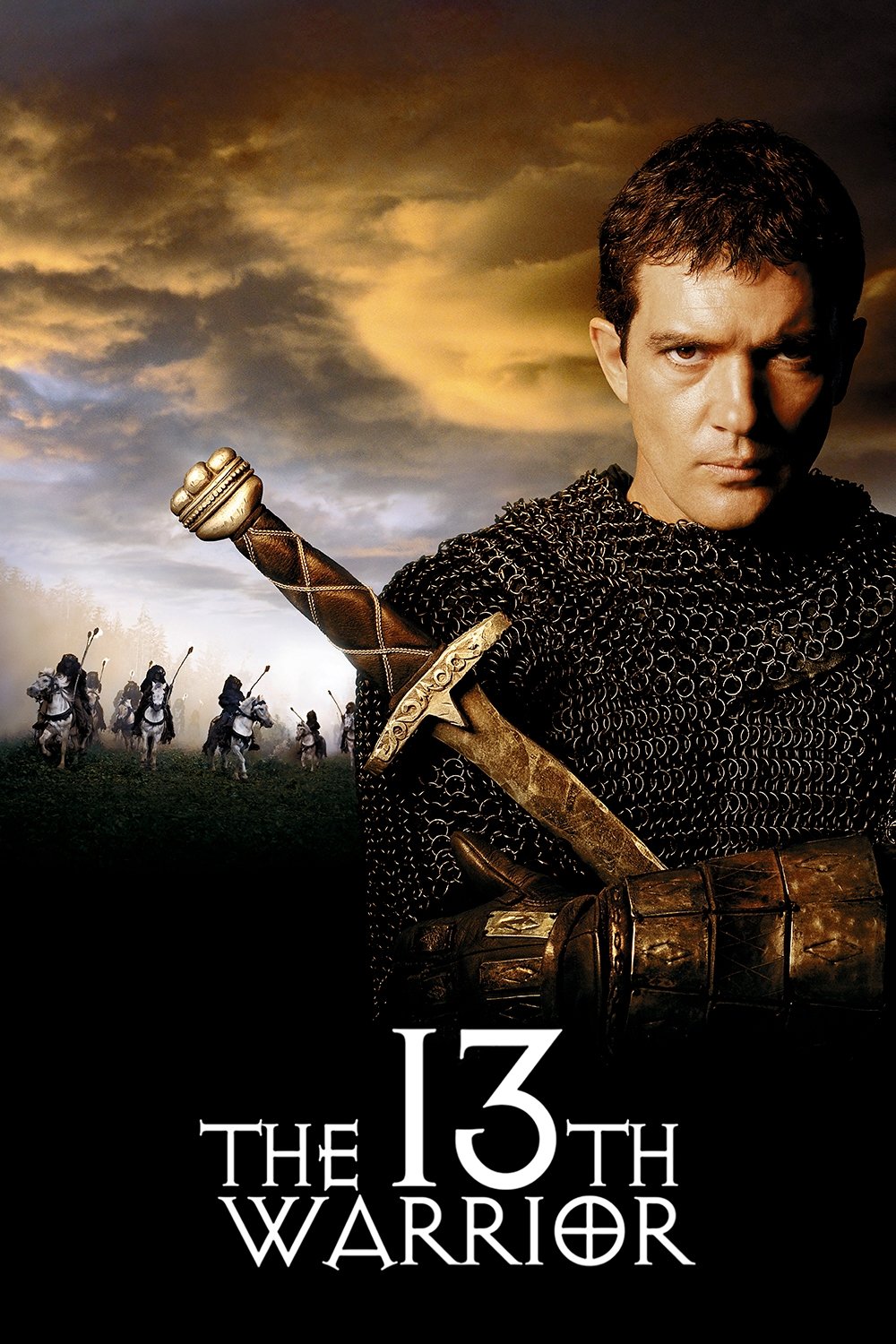
John McTiernan adapts Michael Crichton’s novel about a tenth century emissary from Baghdad who joins a band of Norse warriors. Antonio Banderas plays Ahmad ibn Fadlan and the plot references the real travel account while adding a hostile tribe for dramatic conflict. Languages and customs are shown as the group moves from river routes to northern settlements.
The production used Scandinavian style longhouses and ships along with practical creature effects for night raids. Additional photography and editing were overseen by Crichton before release. The film includes training sequences and ritual scenes that outline cultural exchange during the period.
‘Black Death’ (2010)
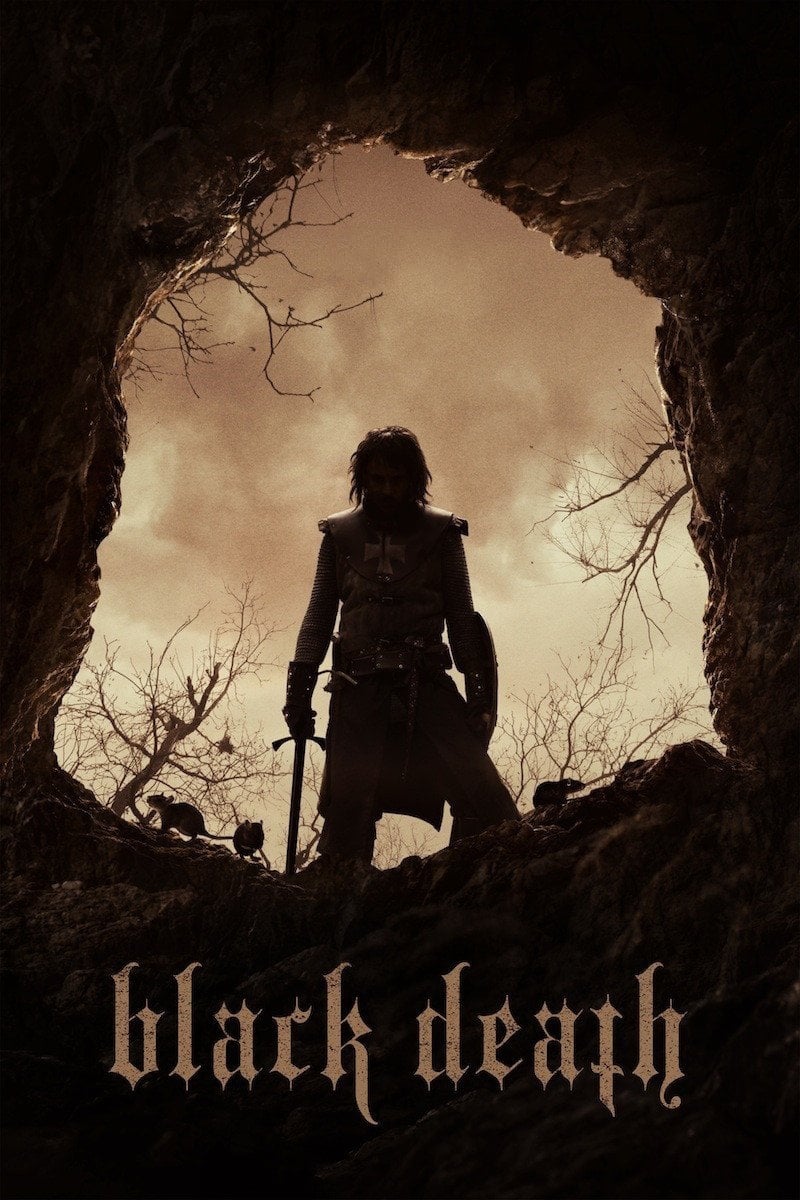
Christopher Smith sets this story in 1348 as a band of soldiers escorts a young monk to a village rumored to be spared by the plague. Sean Bean and Eddie Redmayne lead the cast as they cross marshes and forests and confront rival explanations for the disease. The film touches on folk medicine, superstition, and the authority of church officials.
It was shot in Germany and uses misty woodland locations to suggest remote parishes and frontier communities. The production favors grounded combat and simple gear to fit the budget and the social standing of the characters. The plot structure follows a journey format that ends in a contained confrontation.
‘Ironclad’ (2011)
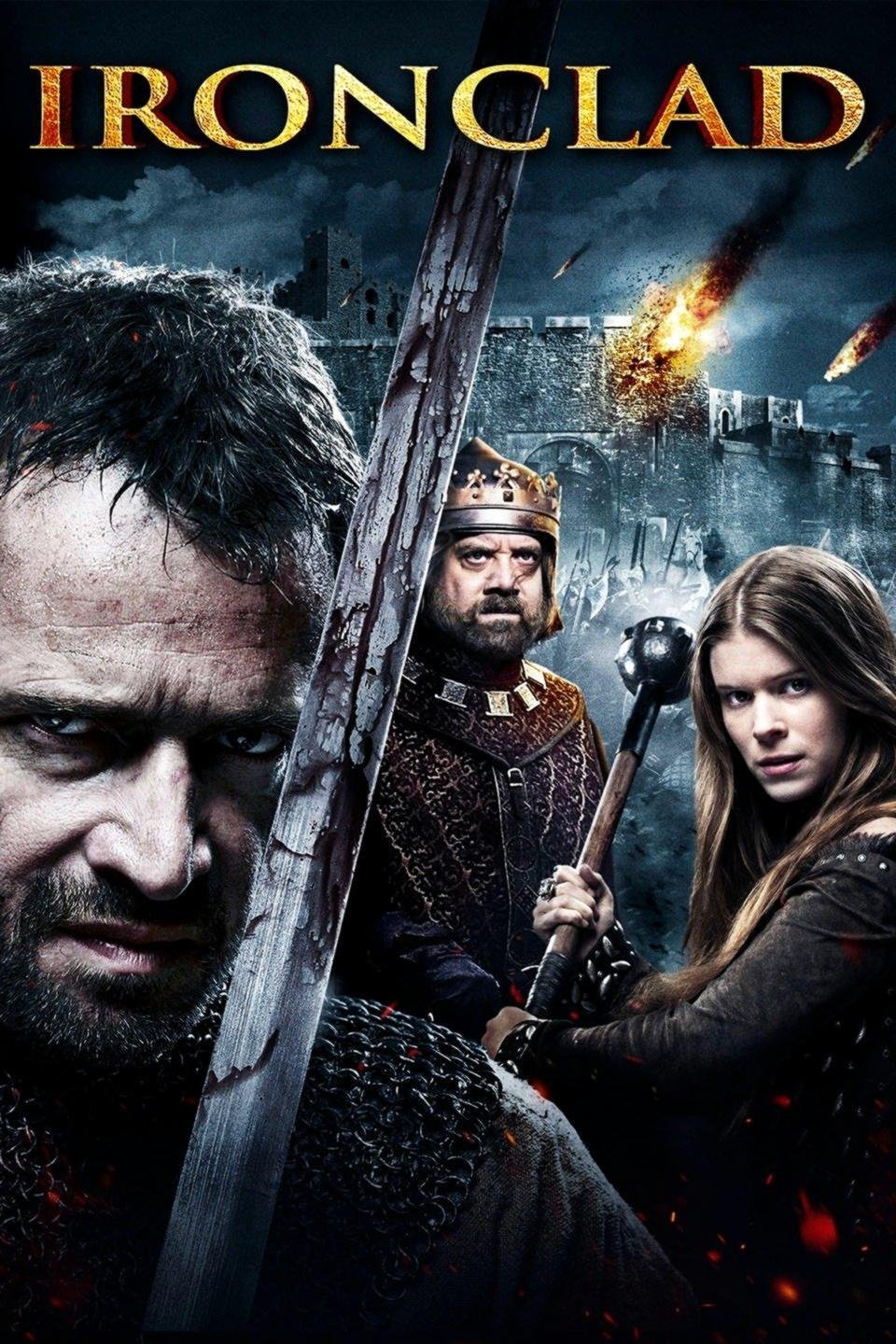
Jonathan English directs this account of the 1215 siege of Rochester Castle during the conflict that followed Magna Carta. James Purefoy plays a Templar aligned with barons opposing King John, portrayed by Paul Giamatti. The film shows mercenaries recruited from abroad and focuses on siege towers, sappers, and bombardment.
Sets were built to represent the keep and yard so the crew could stage repeated assaults and breaches. The cast also includes Brian Cox, Derek Jacobi, and Kate Mara. Weaponry and armor correspond to early thirteenth century styles and the script references the charter and shifting allegiances.
Share your favorite medieval movie picks in the comments and let everyone know which ones you think deserve a spot here.