

Top 15 Moments That Ruined an Anime




Some anime hit a turning point where a single decision changes how the rest of the series plays out. These are the moments that shifted story direction, production approach, or broadcast plans in ways that viewers still talk about today. Each entry explains what happened and where it fits in the larger run of the show.
You will also see where studios and producers stepped in with scheduling calls, staff handoffs, or format choices that shaped the outcome. The details below stick to what occurred on screen and behind the scenes so you can place each moment in context.
The experimental TV ending in ‘Neon Genesis Evangelion’
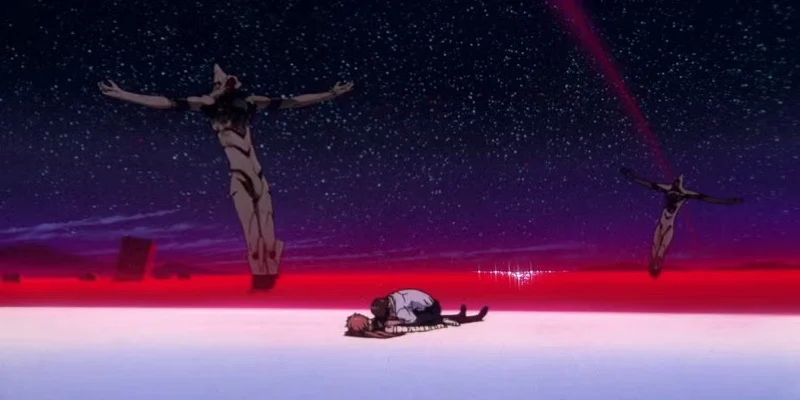
The television run concluded with two introspective episodes that replaced the planned external climax. Gainax delivered a dialogue heavy finale that reassembled existing cuts and new material into character focused sequences that wrapped the broadcast without depicting the battle events that had been set up.
The production decision came late in the schedule and closed the TV version with a psychological focus. The ending was later supplemented in a separate feature project from the same production group, which shows how the studio addressed unresolved plot threads after the broadcast.
Kaneki joining Aogiri in ‘Tokyo Ghoul √A’
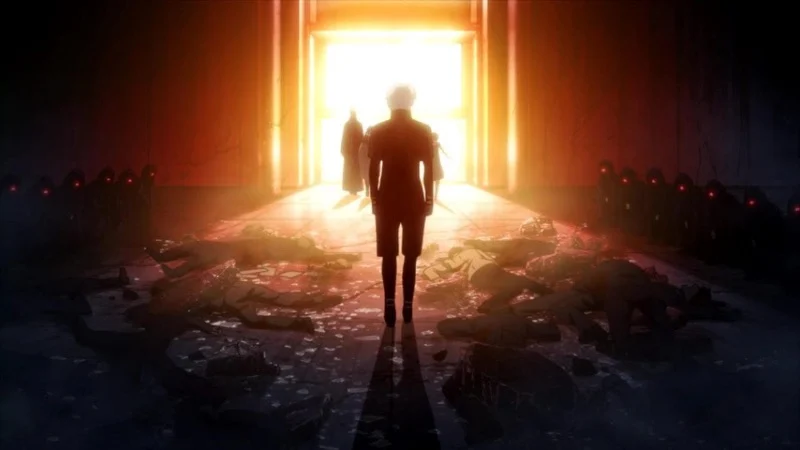
Studio Pierrot charted an anime original route that placed Ken Kaneki with Aogiri Tree rather than following the source storyline. This altered the character’s immediate alliances and moved several manga plot beats out of order.
The change set up new confrontations and shifted the path for supporting characters inside the same season. It also created continuity issues that had to be managed in the follow up series when Pierrot reintroduced material that had been set aside.
The skipped Goldy Pond arc in ‘The Promised Neverland’

CloverWorks condensed a large portion of the story with a time jump and montage that referenced events rather than adapting them at length. The broadcast advanced Emma and the group beyond a major conflict location and removed several characters who were central in print.
This restructure impacted story stakes and world building because the survival challenges and antagonists from that section were only summarized. The studio’s streamlined approach changed the tone of the season and left limited room for later arcs that relied on what had been omitted.
The heavy CG rollout in ‘Berserk’
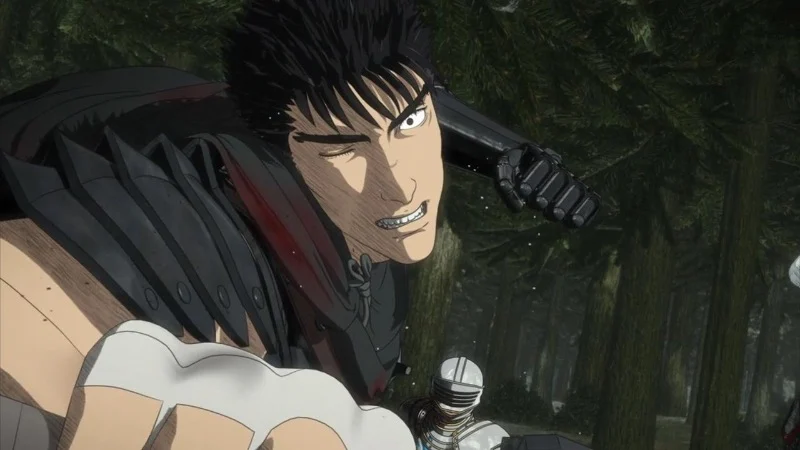
The next televised adaptation arrived with a computer driven pipeline led by studios GEMBA and Millepensee. The first episode introduced a look and motion style that contrasted with earlier hand drawn presentations of the same material.
The production approach continued across action scenes and character moments throughout the run. The technical direction became part of the viewing experience and influenced how set pieces were staged and edited from that point forward.
The studio handoff in ‘One Punch Man’ Season 2
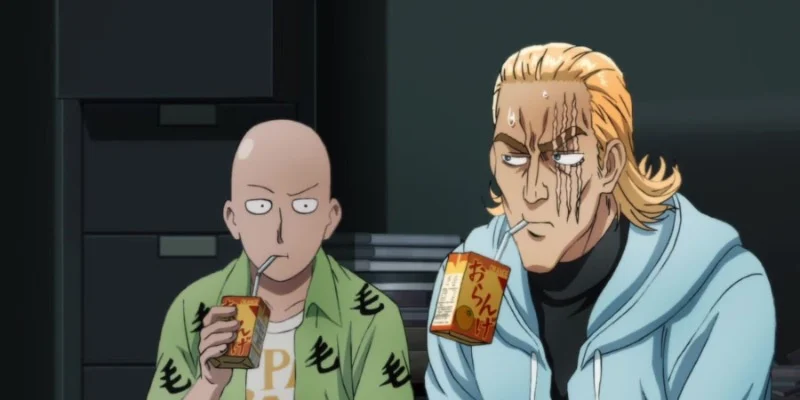
The series returned with J C STAFF managing animation and scheduling after the first season had been handled by Madhouse. The premiere revealed different shot planning and fight choreography that reflected the new team’s pipeline and timelines.
This handoff affected pacing and the presentation of Saitama’s battles with new opponents. The season also rearranged certain encounters to fit the production plan, which is a typical result when a new studio organizes staff and episode delivery.
The studio change in ‘The Seven Deadly Sins’ Season 3
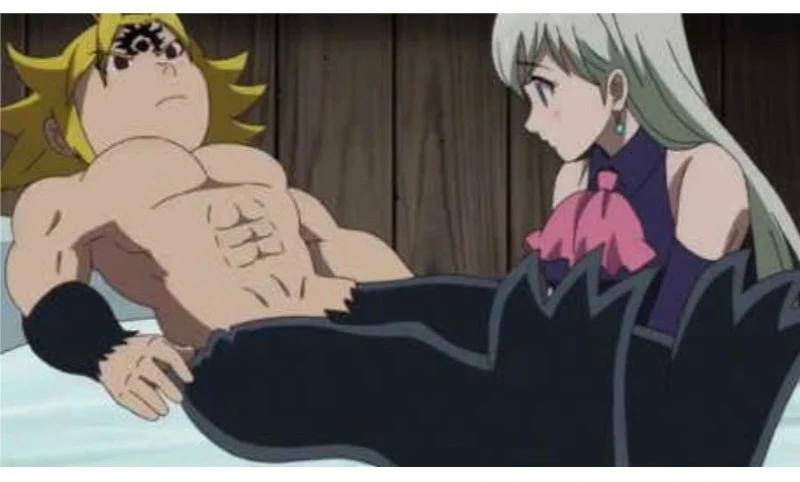
Production moved to Studio Deen following earlier seasons from A 1 Pictures. Viewers immediately saw differences in effects work, color design, and action cuts when the season opened with high stakes fights.
Those differences persisted across major confrontations and character reveals. The change in producer meant new schedules and leads on the animation floor, which influenced how key moments were boarded and completed.
The Fourth Great Ninja War filler stretch in ‘Naruto Shippuden’
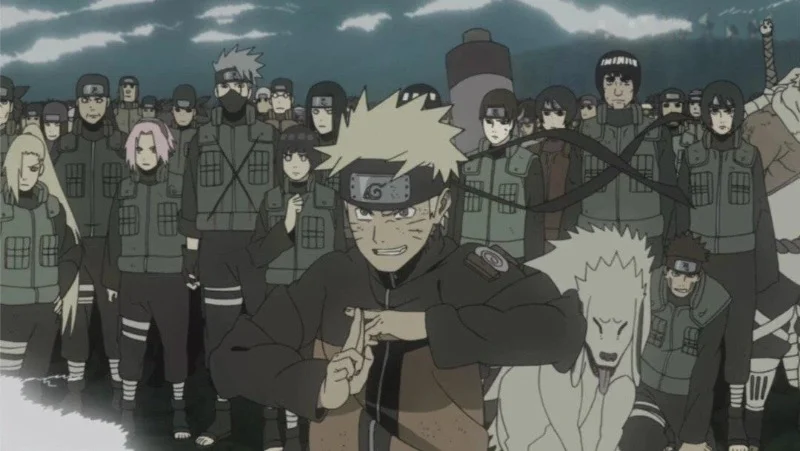
Studio Pierrot inserted long side stories during the late war storyline while the main plot waited for additional material. Entire broadcast blocks explored backstories and alternate scenarios with minimal movement in the frontline conflict.
These detours expanded character histories and filled timeslots, yet they delayed the resolution of the central arc. The scheduling strategy is common in long running adaptations and is one of the most documented examples of extended filler programming.
The broadcast halt after the Lost Agent arc in ‘Bleach’

The television run wrapped after the Lost Agent storyline without adapting the final arc that had already begun in print. Studio Pierrot concluded the show on television with no immediate follow up announced at the time.
This left the anime without the concluding Quincy war on screen for years. The gap became a notable case of a major shonen title stepping away from TV before the story’s endpoint was animated, which set the stage for a later revival.
L’s death and the new investigators in ‘Death Note’
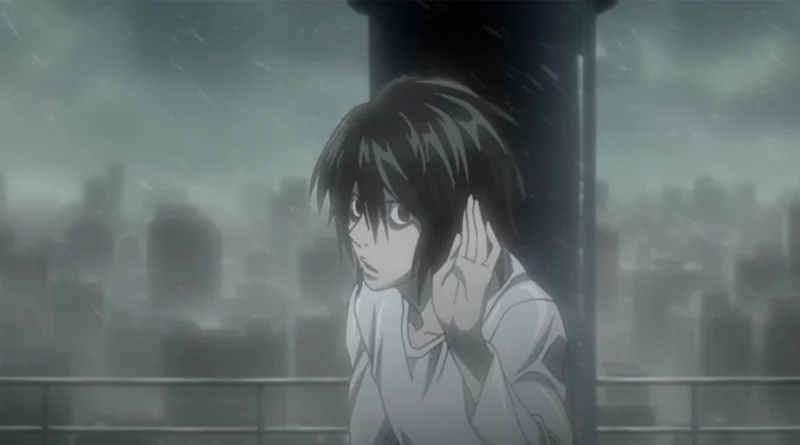
Madhouse produced the pivotal episode where L dies and then introduced Near and Mello to take up the investigation. The handover shifted the core dynamic between the lead and his rival and replaced the familiar detective mind games with a new structure.
The narrative then tracked two successors working separately with different methods. This change also reorganized supporting character roles and altered how confrontations were framed in the episodes that followed.
The anime original ending in ‘Akame ga Kill!’

White Fox concluded the broadcast with a resolution that diverged from the source material. Several character fates were decided on screen in ways that did not align with later developments outside the anime.
By closing the story independently, the production provided finality for television viewers while separating the show from the continuing print storyline. That choice shaped how future conversations compared the two versions.
The season two creative shift in ‘Psycho Pass’
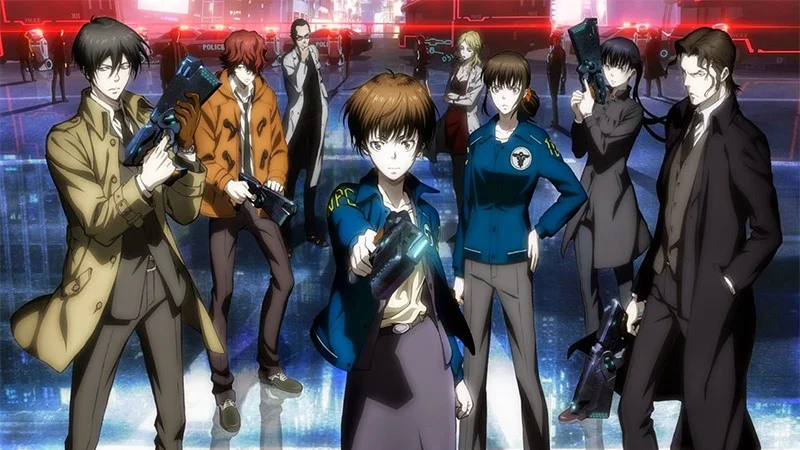
Season two arrived from Tatsunoko Production with a new head writer and a different approach to case structure after season one had been produced by Production I G. The early episodes established a new antagonist and leaned on a mystery format that contrasted with the original build.
The change in studio and writing leadership influenced character focus and the way the Sibyl System was explored. It also altered the balance between philosophical debate and procedural beats across the season.
The original TV conclusion in ‘Fruits Basket’

The first adaptation ended with a television only resolution that condensed threads while the manga was still ongoing. Studio Deen wrapped character arcs with a composed finale that did not include later revelations from the source.
This approach left multiple families and backstories only partially addressed on screen. It later became a clear example of an anime concluding ahead of the source and provided the motivation for a full remake that followed the complete narrative.
The anime original finale in ‘Soul Eater’
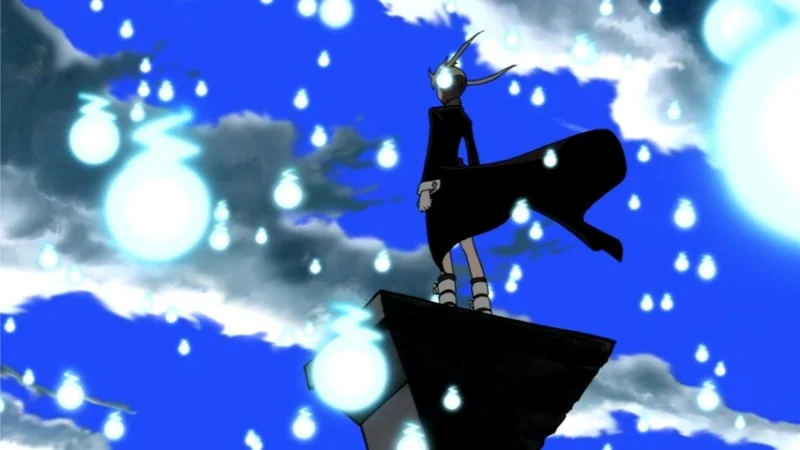
Bones guided the series to a television exclusive ending rather than continuing to adapt subsequent arcs. The closing episodes rearranged conflicts and delivered a final confrontation created for the show.
This gave the broadcast a definitive endpoint while placing the anime on a separate track from the continuing print version. The decision influenced how later home releases and guides listed canon events for viewers.
The character focus change in ‘Mobile Suit Gundam SEED Destiny’

Sunrise structured the sequel around a new lead and then shifted focus back to returning pilots partway through the run. The change became evident after recap blocks and large battles reorganized the cast hierarchy.
This reorientation affected mecha deployment scenes, theme songs, and promotional materials that followed the new emphasis. It remains a noted case of a franchise entry adjusting its protagonist balance during broadcast.
The Endless Eight broadcast in ‘The Melancholy of Haruhi Suzumiya’
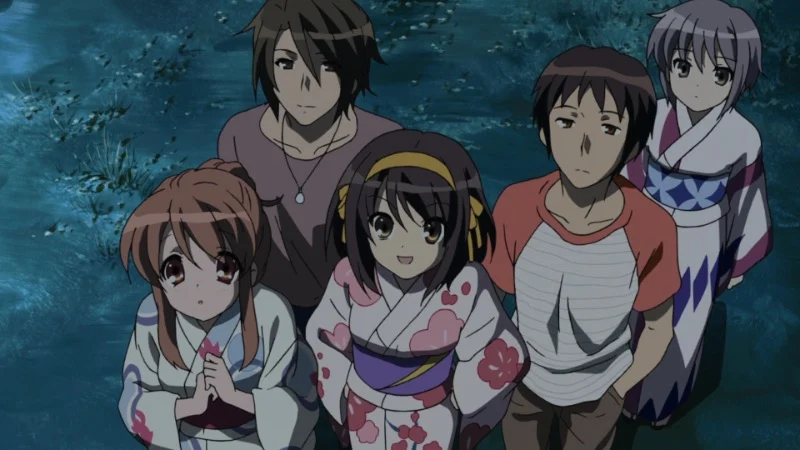
Kyoto Animation aired eight consecutive episodes that presented the same summer loop with minor scene variations. Each week advanced the loop count inside the story while repeating the core events with fresh animation.
The structure aimed to depict repetition as a narrative device and filled a major portion of the season. The choice fixed the schedule for weeks and delayed other plotlines that had been anticipated for that broadcast window.
Share the moments you would add to this list in the comments.