

Top 20 Most Atmospheric Games

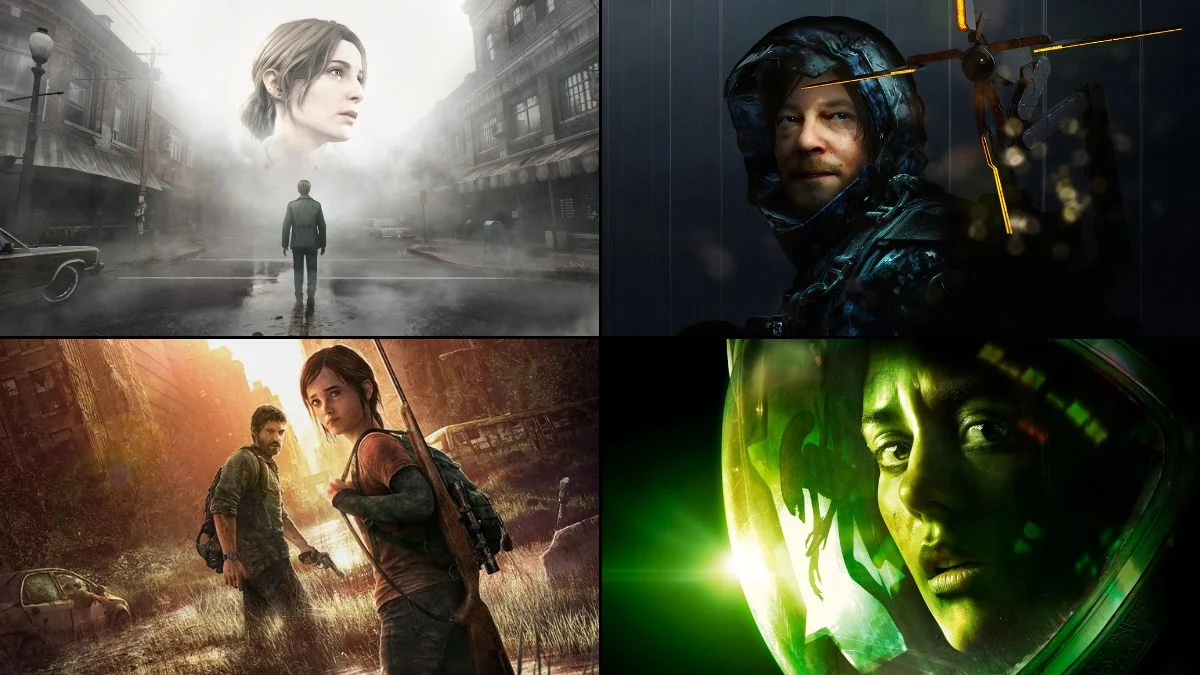


From sound design that hums under your skin to worlds that feel strangely lived in, some games pull you in and never let go. These titles use lighting, level design, music, and pacing to build a mood that sticks long after you put down the controller. You will see everything from slow-burn mysteries to survival horror and contemplative adventures. Each entry below highlights what it does to create that unmistakable sense of place and presence.
‘Silent Hill 2’
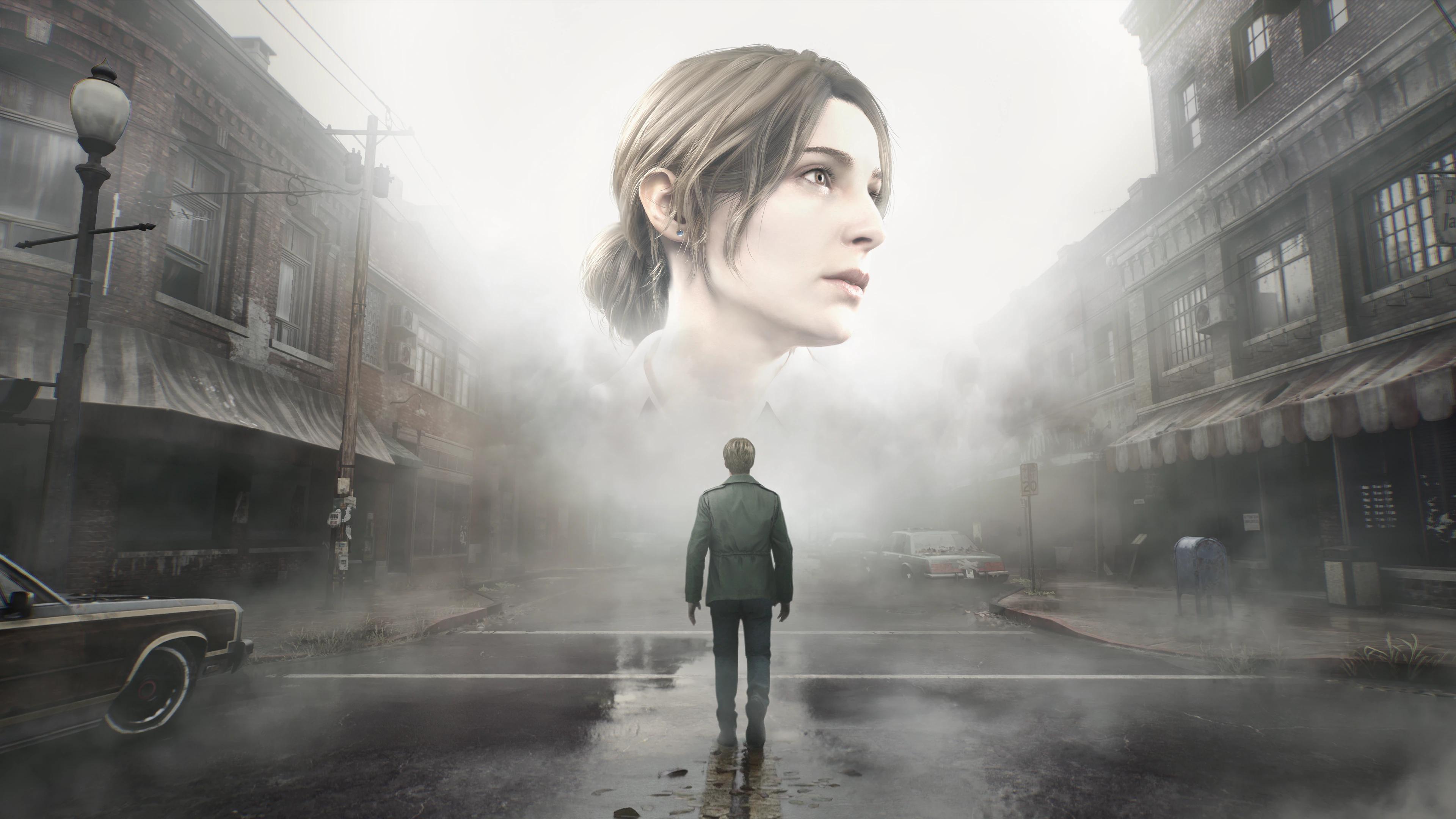
Released in 2001 by Konami Team Silent, this survival horror game pairs fixed cameras and dense fog to control what you can see and hear at any moment. The town layout funnels you through narrow streets and silent interiors that amplify radio static and creature sounds. Akira Yamaoka’s soundtrack blends industrial noise and melancholy melodies to set an uneasy tone. Environmental storytelling in apartments, hospitals, and the lakefront fills in the narrative through props and notes.
‘Bloodborne’
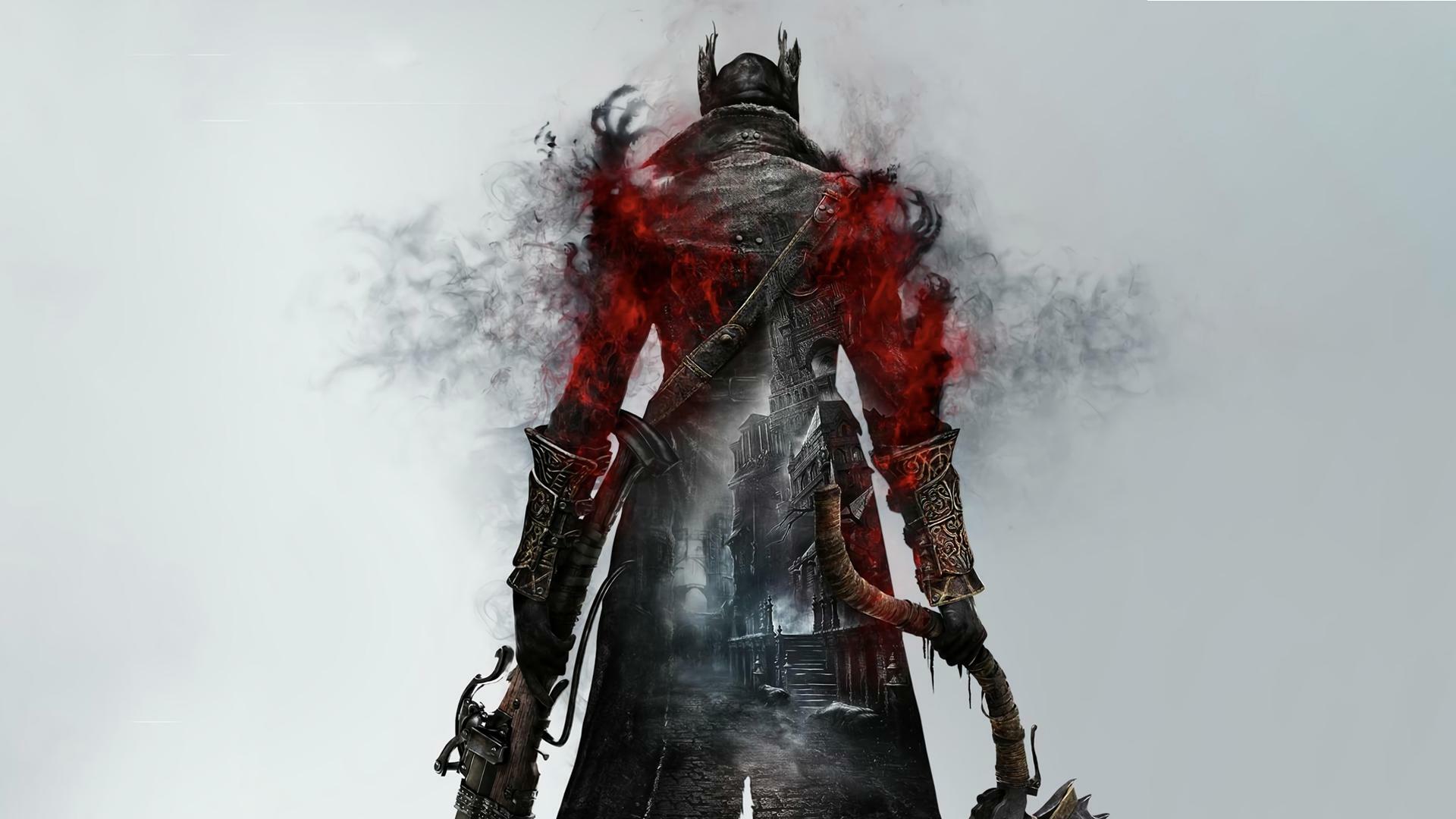
FromSoftware’s 2015 action RPG builds atmosphere through Gothic architecture, tight alleyways, and day-to-night transitions across Yharnam. The rally combat system keeps you aggressive, which heightens tension in cramped spaces filled with ambient snarls and bells. Boss arenas use verticality and lighting to silhouette threats against moonlit skies. Cleric Beast roars, choir motifs, and distant lamplight together create a coherent Victorian horror mood.
‘Alien: Isolation’

Creative Assembly’s 2014 survival game recreates Sevastopol Station with retro-futurist panels, CRT monitors, and clattering doors that echo every step. The xenomorph runs on reactive AI that hunts by sight and sound, forcing careful use of lockers and motion trackers. Sparse resources and manual save stations keep pressure steady. Music cues follow the creature’s states, and muffled ventilation noise sells the station’s failing life support.
‘SOMA’

Frictional Games released this sci-fi horror story in 2015 and set it in an underwater facility called PATHOS-II. Low visibility, water distortion, and distorted radio chatter make every corridor feel unstable. The game removes combat and leans on stealth and ethical choices to keep you moving. Audio logs and scanned consciousness terminals fill out the setting without breaking immersion.
‘Return of the Obra Dinn’

This 2018 mystery from Lucas Pope uses a one-bit art style and a pocket watch mechanic to reconstruct frozen death scenes aboard a merchant ship. Monochrome visuals strip away distractions and let footsteps, creaking wood, and ocean surf do the heavy lifting. You identify crew by accents, tattoos, and roles, which turns observation into atmosphere. The ship’s layout and stormy soundscape make every deck feel like a preserved crime scene.
‘Inside’
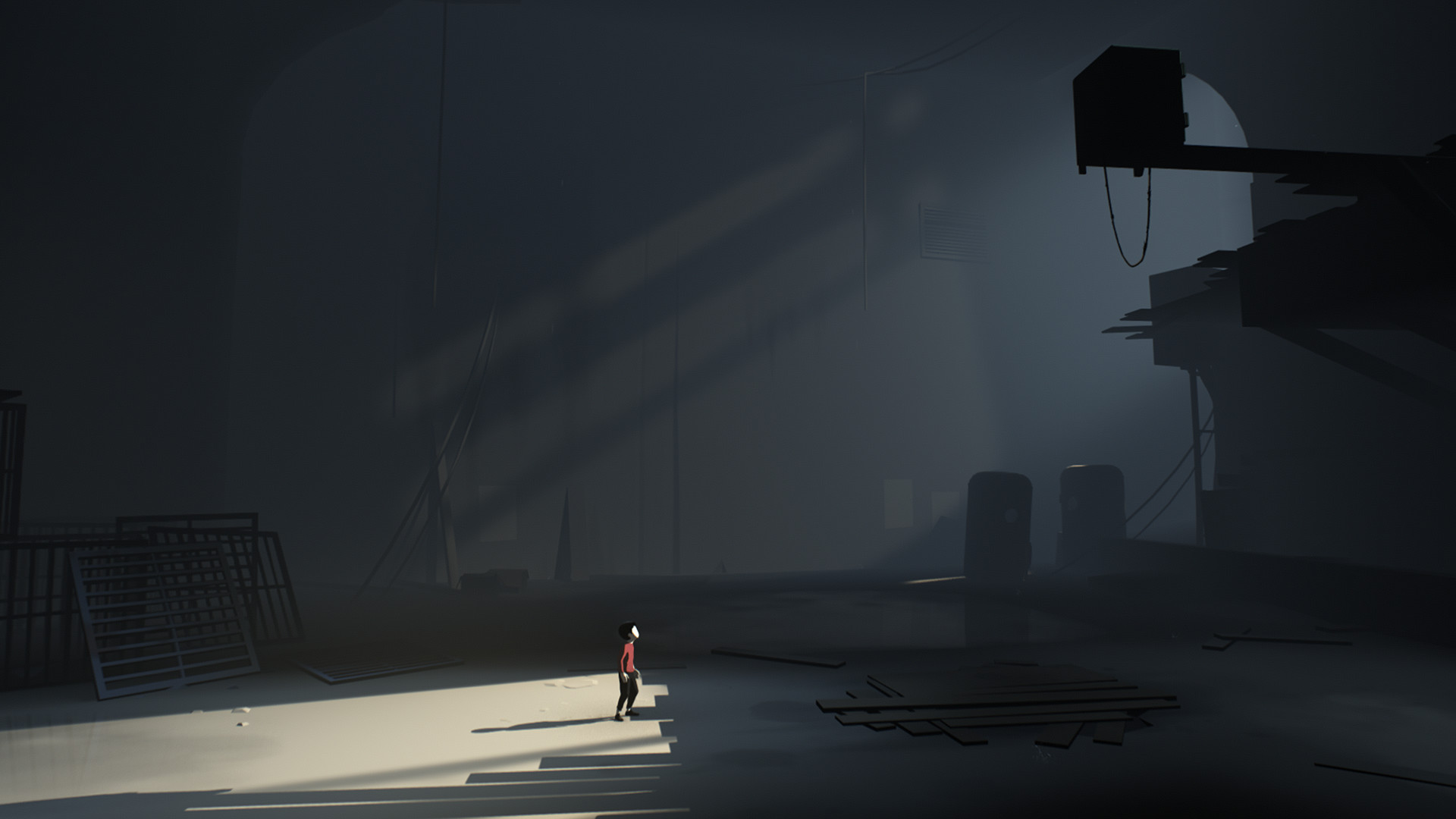
Playdead’s 2016 side-scrolling adventure uses minimal UI, subdued color, and precise animation to convey danger and control. Rain, floodlights, and industrial rumble tell you about the world’s systems without dialogue. The camera frames silhouettes and depth to emphasize vulnerability in wide concrete spaces. A dynamic soundtrack swells at key set pieces to reinforce dread.
‘Limbo’
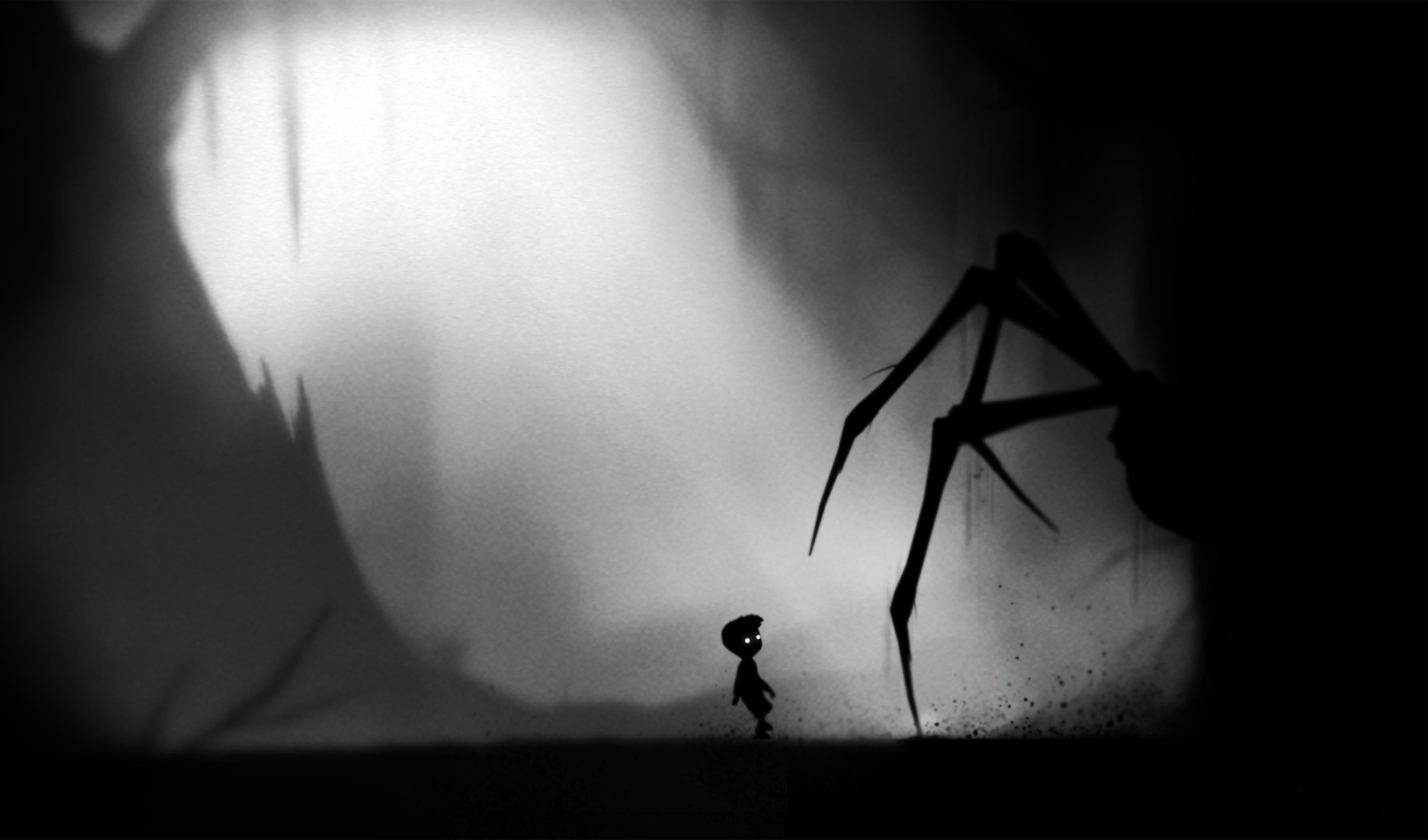
This 2010 Playdead title presents a grayscale forest and abandoned machinery with film grain and heavy vignette. Physics puzzles encourage slow movement, which lets ambient sounds like wind and skittering create tension. The stark lighting hides hazards until the last second. Minimal narrative elements invite players to read mood from the environment alone.
‘Amnesia: The Dark Descent’

Frictional Games launched this first-person horror game in 2010 with a sanity mechanic that reacts to darkness and monster sightings. Players rely on tinderboxes and oil to manage light, which makes every hallway choice meaningful. The castle layout layers laboratories, prisons, and torture chambers that piece together backstory. Distant screams and scraping metal mix with dynamic music to cue pursuit.
‘BioShock’
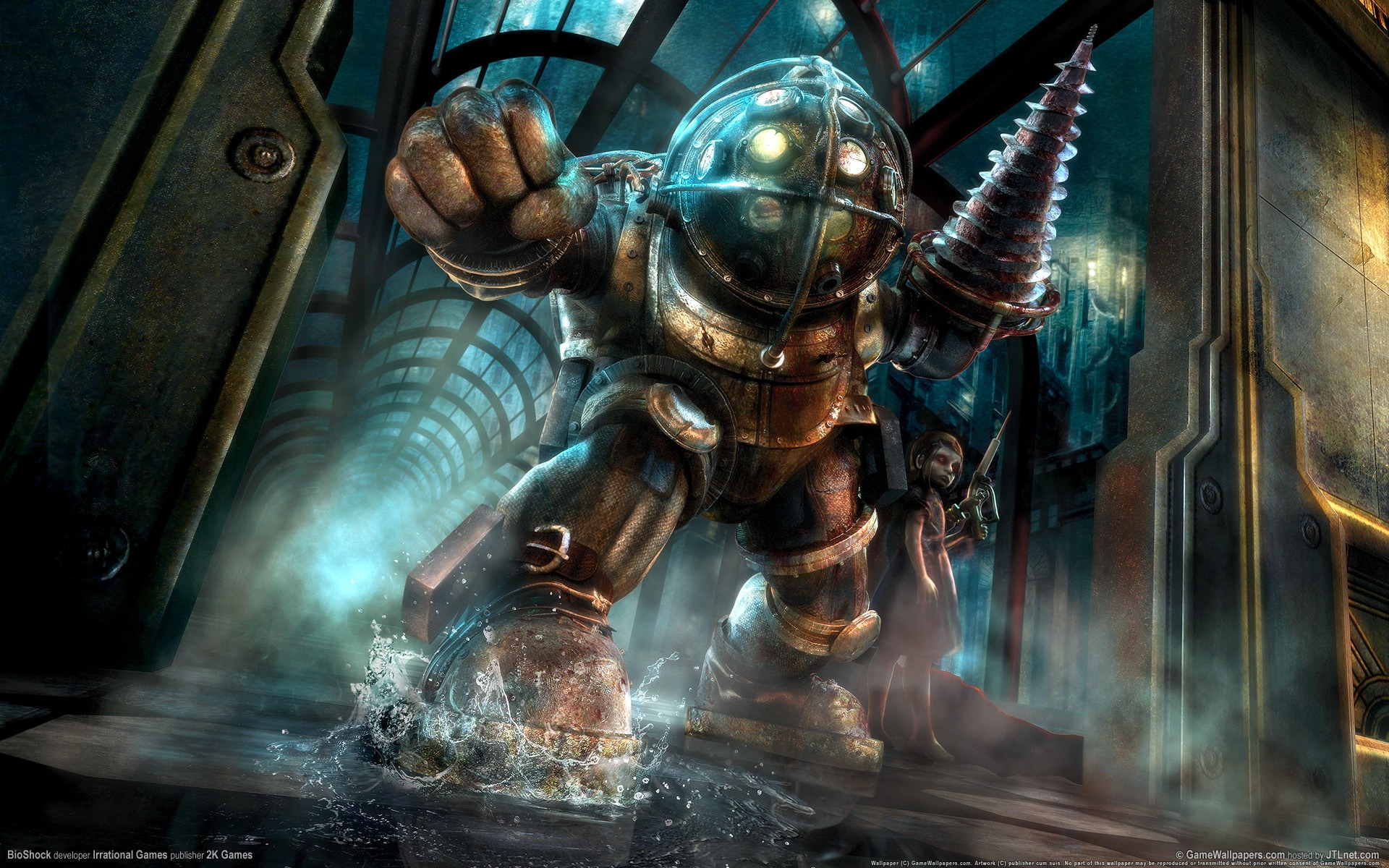
Irrational Games’ 2007 shooter sets you in Rapture, an art deco city under the Atlantic with leaking tunnels and propaganda banners. Audio diaries populate nearly every area to explain its fall and to humanize its citizens. Systems like plasmids and Big Daddy patrols shape how you traverse dim corridors and flooded plazas. Reverb-heavy sound design and period songs anchor the retro setting.
‘Shadow of the Colossus’
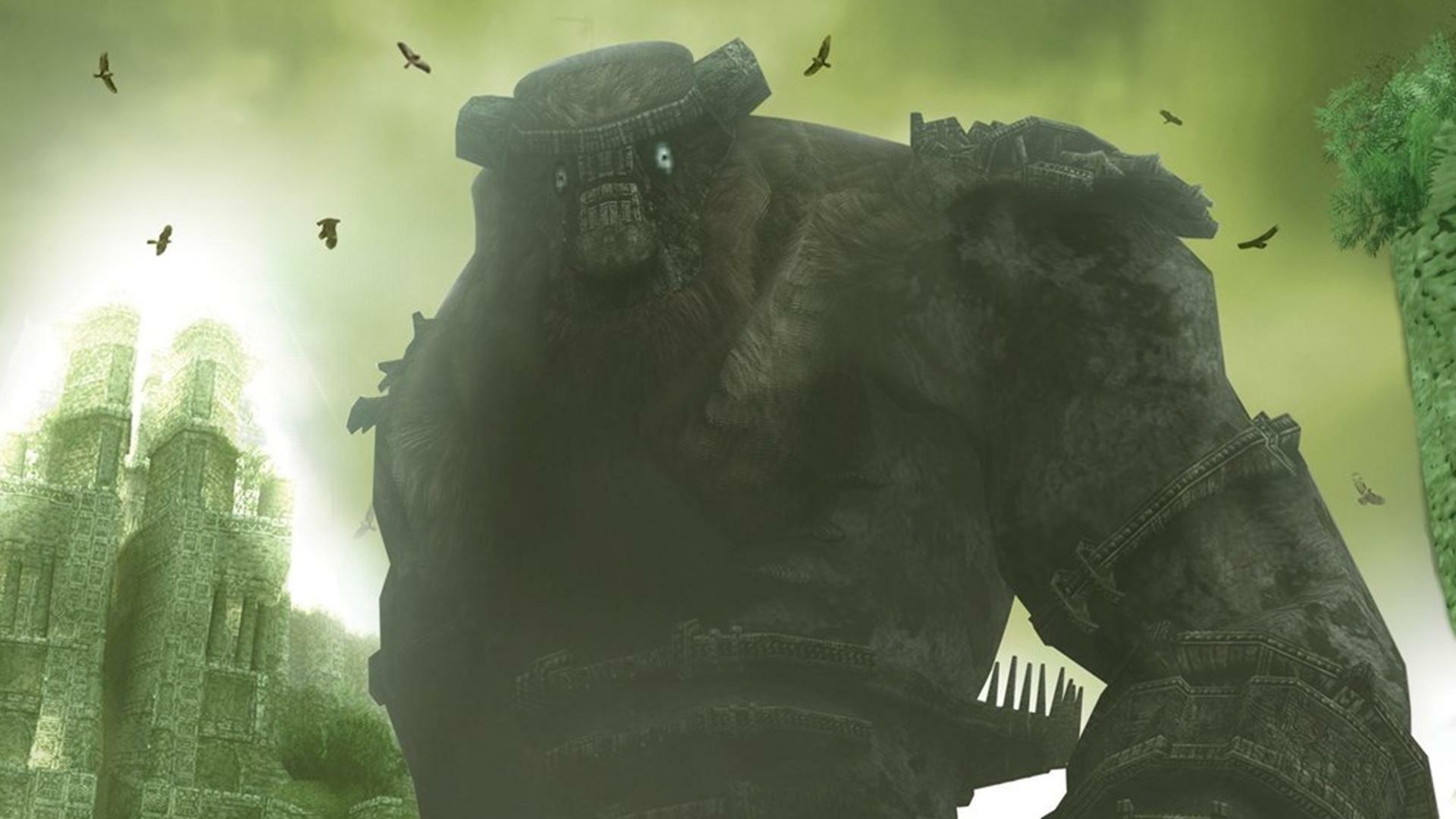
Team Ico’s 2005 adventure uses vast empty plains and ruins to emphasize scale and loneliness. The world is mostly quiet except for wind, hoofbeats, and the swell of strings during colossus encounters. Climbing mechanics and stamina force deliberate movement on stone and fur. The desaturated palette and sun shafts create a mythic, ancient feel.
‘Journey’

Thatgamecompany’s 2012 title guides you across a desert with seamless online co-play that uses only musical chirps to communicate. Sand physics and cloth animations turn movement into visual storytelling. The score follows your progress from dunes to ruins and snowy peaks without spoken words. Environmental cues like sliding slopes and glowing tapestries lead you naturally through the world.
‘Firewatch’
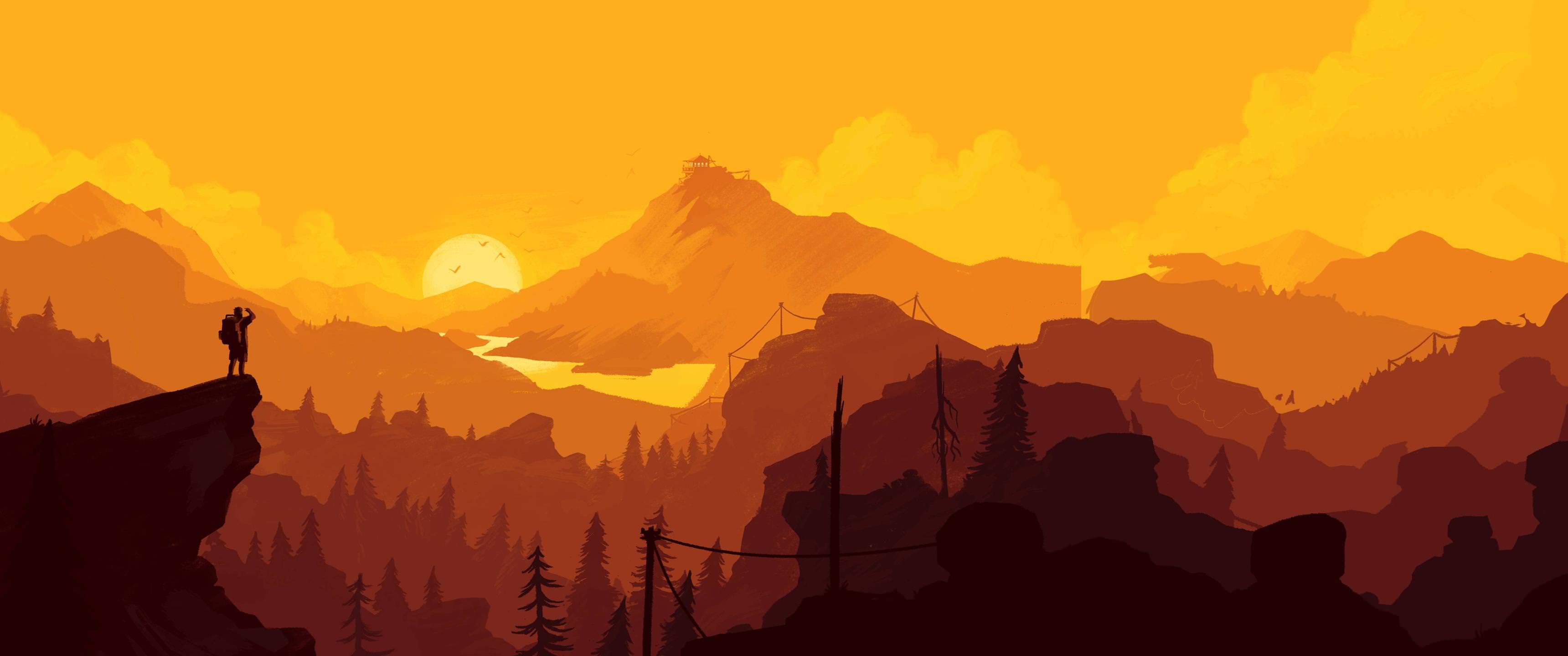
Campo Santo’s 2016 narrative adventure places you in Wyoming’s Shoshone National Forest with a handheld radio as your lifeline. Day-night cycles and weather shifts change how trails feel even when you revisit them. The low-poly art and warm color grading evoke summer heat and isolation in a lookout tower. Environmental props and map navigation build a believable park system.
‘Control’

Remedy’s 2019 action game sets the Federal Bureau of Control inside the Oldest House, a brutalist labyrinth that rearranges itself. SCP-style files and Hotline calls build a catalog of anomalies that inform level themes. Reactive debris, floating bodies, and diegetic signage contribute to an institutional yet uncanny mood. The soundtrack blends droning synths with diegetic performances to mark major moments.
‘The Last of Us’
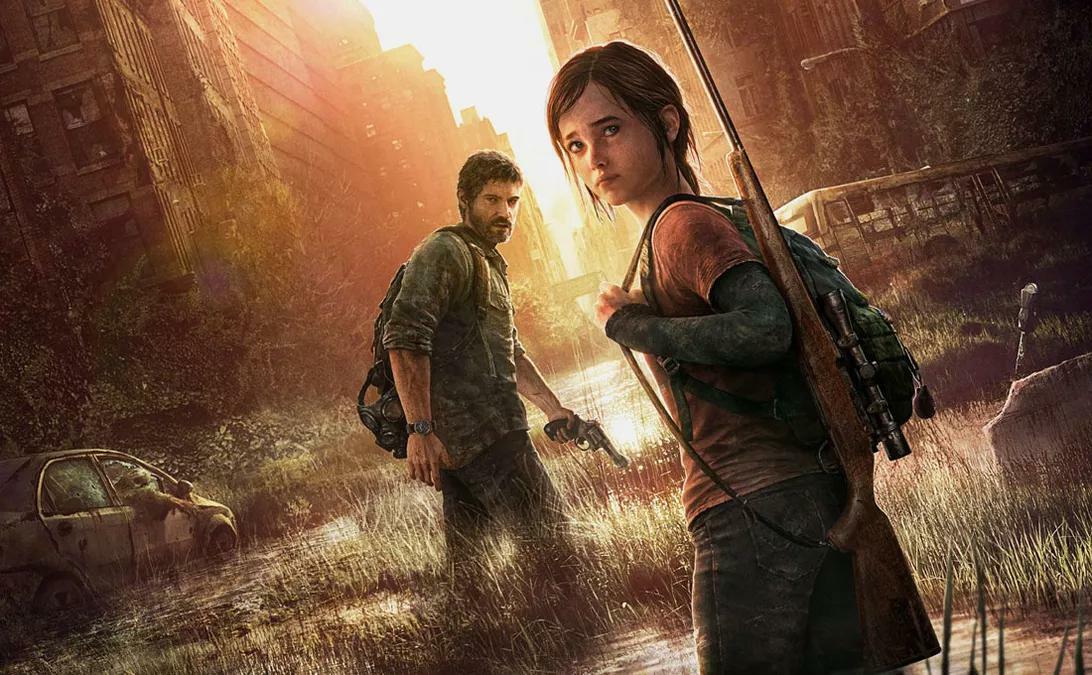
Naughty Dog’s 2013 survival action game uses overgrown American towns to show the passage of time after a pandemic. Companion dialogue, murals, and abandoned belongings communicate history in each area. Stealth encounters rely on clicker audio cues and bottle or brick distractions, which tie atmosphere to mechanics. Licensed and original music underscore seasonal shifts across the journey.
‘Outer Wilds’
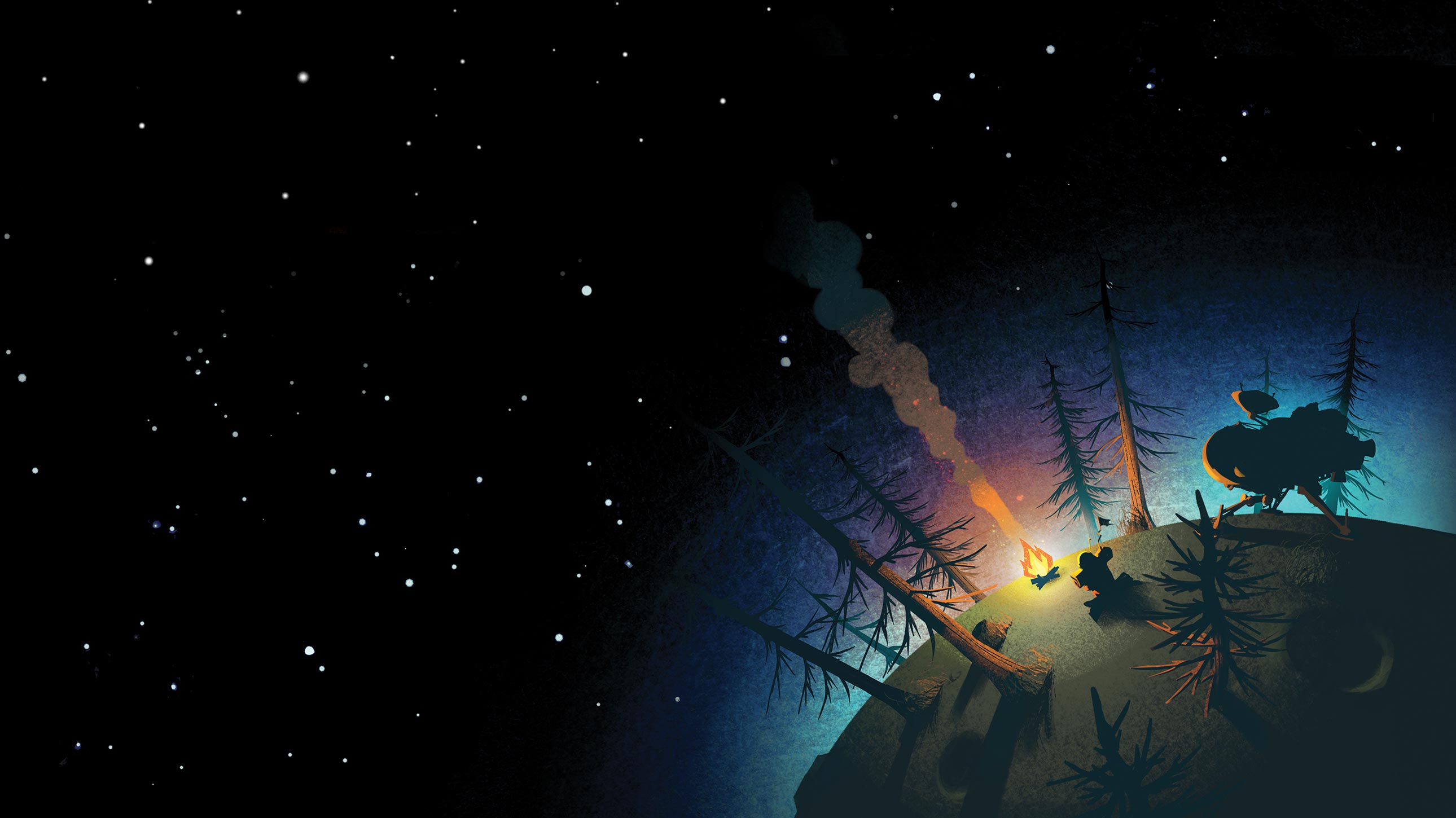
Mobius Digital’s 2019 exploration game runs on a time loop across handcrafted planets with unique physical rules. Natural phenomena like sand streams, brittle crusts, and quantum rocks define each location. The ship’s instruments and campfire songs provide gentle direction without waypoints. Discoveries are logged in a rumor map, which turns knowledge itself into a mood of curiosity.
‘Death Stranding’
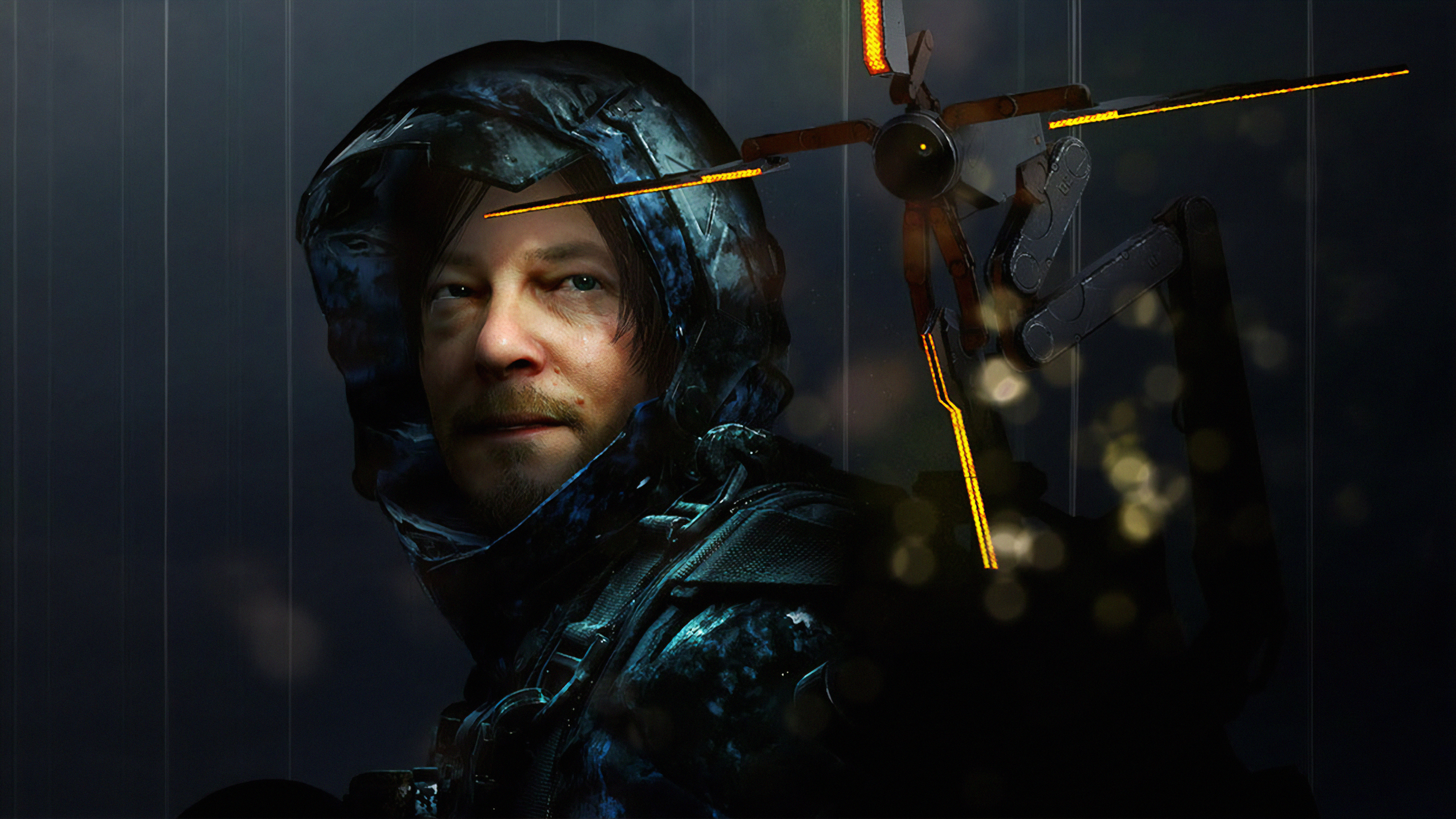
Kojima Productions released this 2019 open-world courier game with barren landscapes inspired by Icelandic terrain. Terrain scanning, stamina, and cargo balance make footsteps and rain feel consequential. Timefall ages objects and changes routes, while BTs add tension in foggy valleys. Sparse licensed tracks trigger during hikes to create reflective interludes.
‘What Remains of Edith Finch’
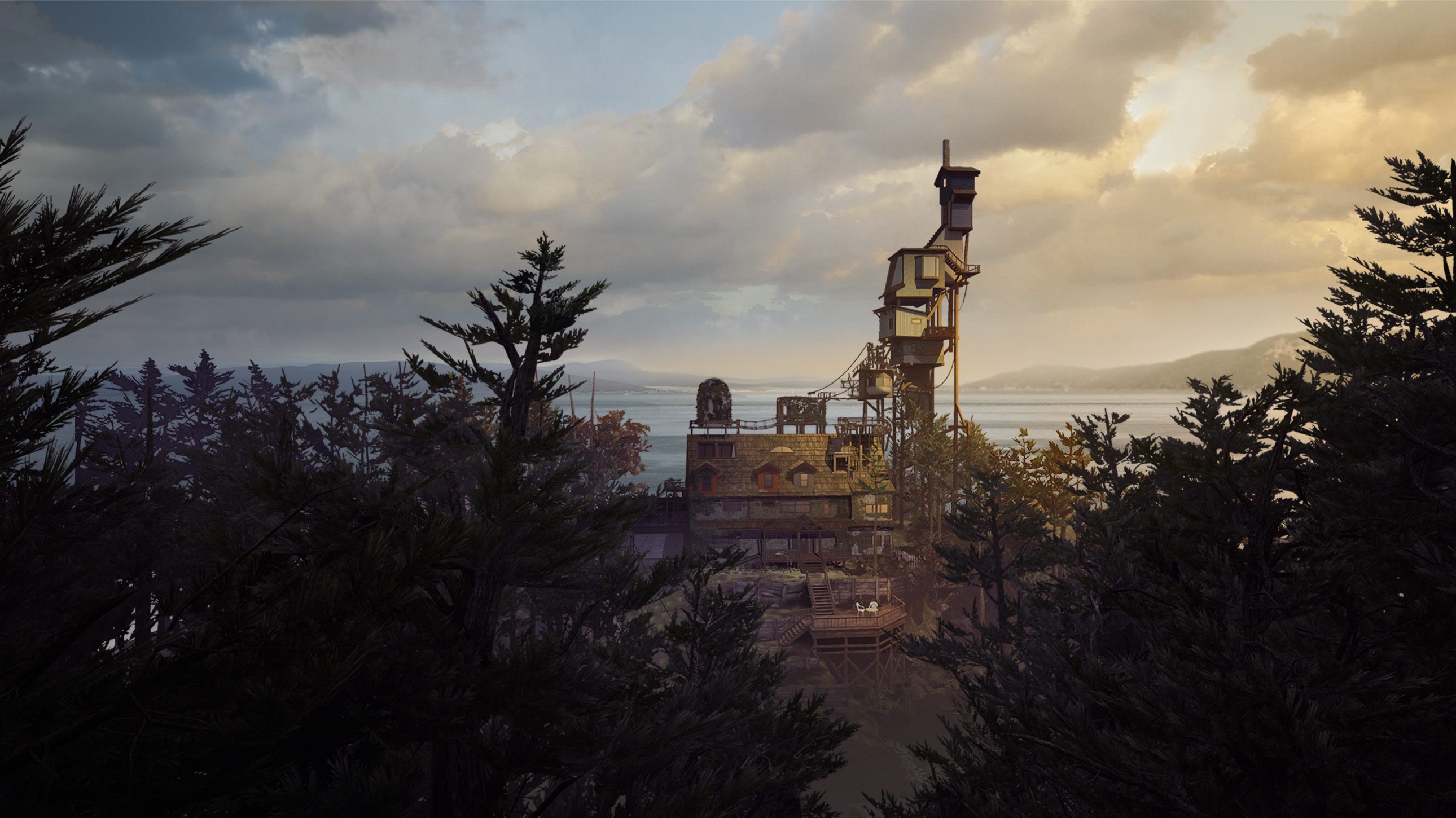
Giant Sparrow’s 2017 anthology explores a family home where each bedroom preserves a person’s story. The house architecture funnels you through secret passages that frame self-contained vignettes. Each story changes mechanics and visuals to match its subject, which keeps mood shifting while remaining cohesive. Environmental clutter and dated technology timestamp the family’s history.
‘Metroid Prime’

Retro Studios’ 2002 first-person adventure uses visor modes, scanning logs, and ambient music to sell a lonely alien world. Environmental hazards like heat and Phazon pools shape cautious movement. The HUD reflects condensation and electricity to make the suit feel physical. Area transitions and save rooms punctuate long stretches of exploration.
‘Dear Esther’
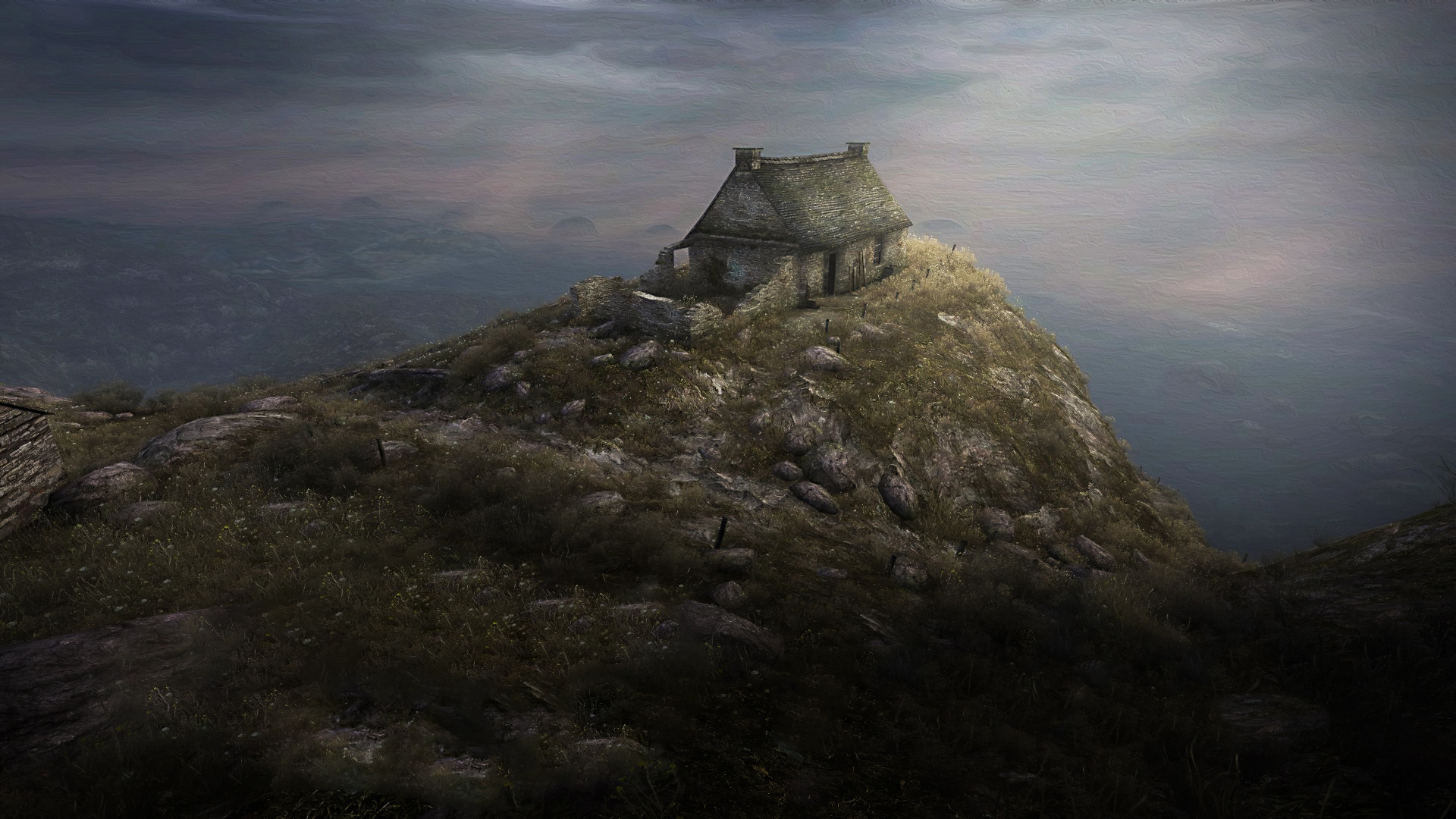
The Chinese Room’s 2012 narrative walk takes place on a remote Hebridean island with derelict structures and crashing waves. A narrated script triggers based on where you wander, which alters pacing and tone between playthroughs. Sparse interactions keep attention on landscape, sound, and language. The score and distant lighthouse glow create a meditative cadence.
‘Control: AWE’

Remedy’s 2020 expansion bridges ‘Control’ with content tied to another Remedy universe and adds new sectors to the Oldest House. New lighting setups, altered departments, and hotline updates continue the theme of bureaucratic supernatural research. Enemy variants and mission structure lean on suspenseful exploration over constant combat. Environmental documents and altered item exhibits extend the feeling of a living institution.
Share your own atmospheric favorites in the comments so everyone can discover a few more mood-soaked worlds to explore.