Top 20 Most Cloned Video Games

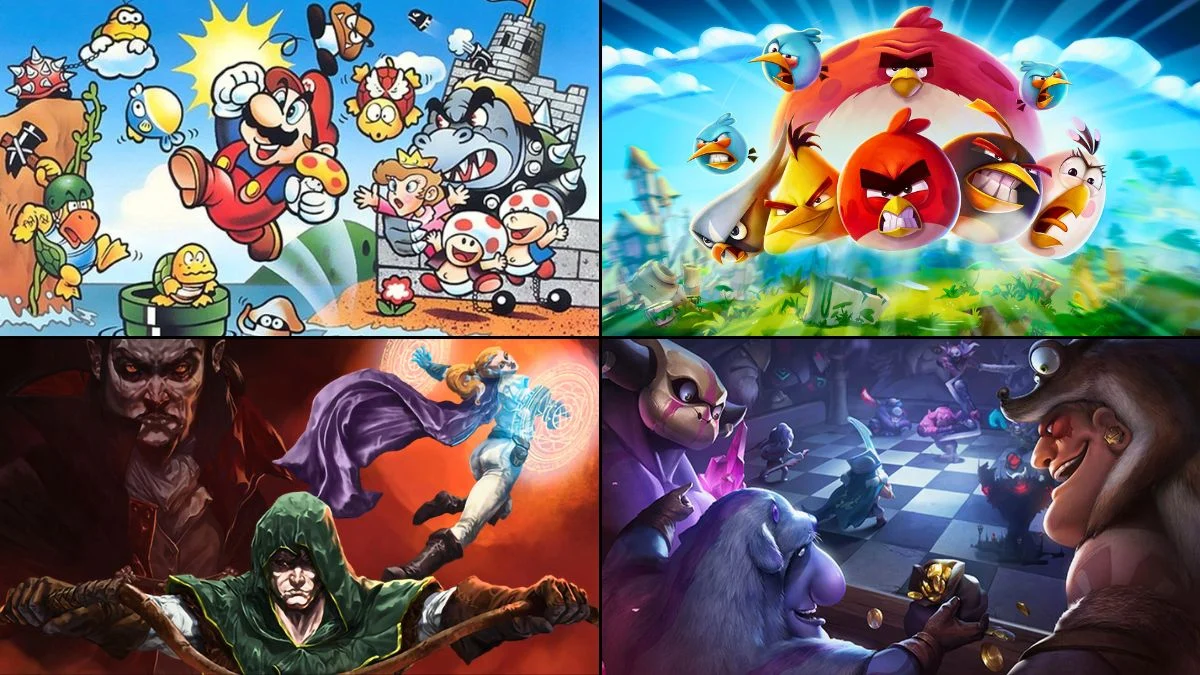

Some games become templates that countless developers try to recreate because their rules are simple to copy and their appeal is easy to sell. From arcade pioneers to mobile hits and indie sensations, these titles sparked waves of near identical releases across storefronts and app charts. Many inspired entire subgenres while others spawned short lived frenzies that filled stores with lookalikes. Here are the games that attracted the most imitators and the reasons they were so widely copied.
Tetris
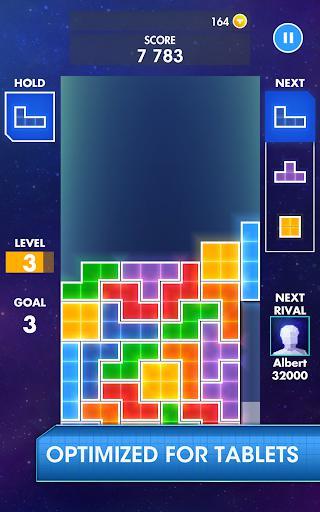
Falling blocks and line clears created a universal language that worked on any screen and any input. After the original spread from PCs to handheld consoles, unofficial versions appeared on home computers and early mobile phones. Its minimalist design made it trivial to reskin with new tiles and backgrounds. Licensed variants and unlicensed clones both flooded catalogs across the 80s, 90s, and the first mobile era.
Flappy Bird
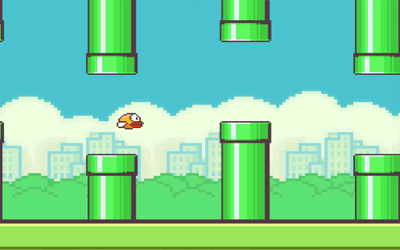
A one tap control scheme and instant restarts let anyone replicate the feel with basic physics. The overnight popularity on smartphone charts drove a surge of near identical bird and pipe games within days. Many clones reused art and sound effects or swapped the character while keeping the same obstacle spacing. App stores were briefly dominated by copycats before enforcement tightened.
Minecraft
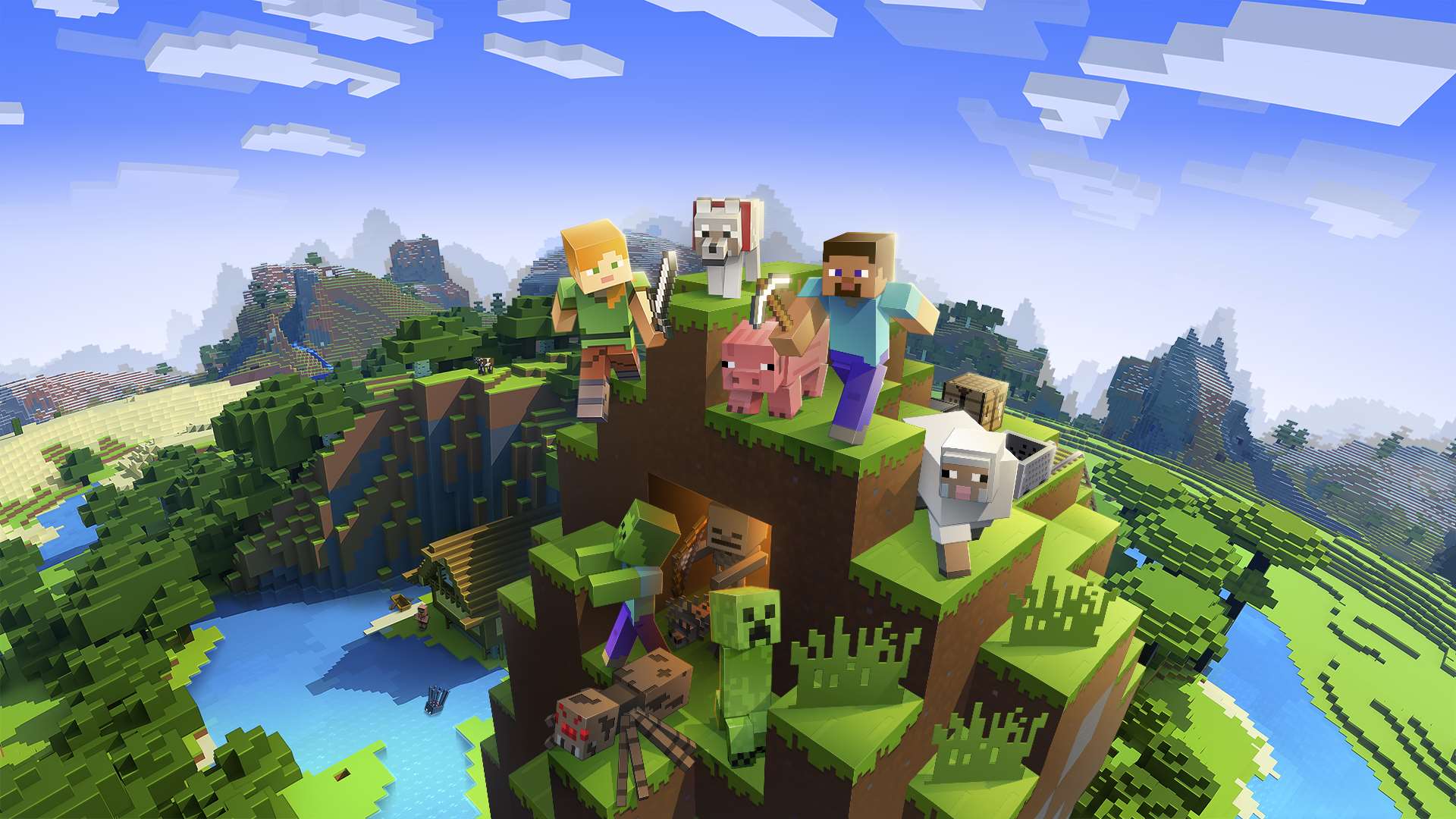
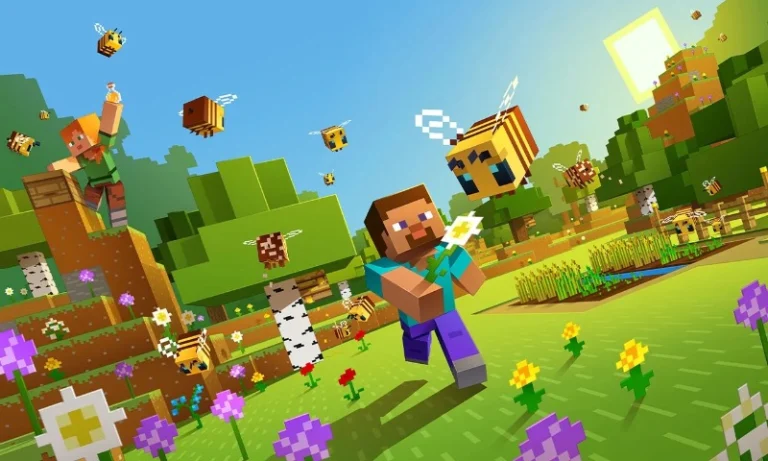
Block based worlds with crafting and survival loops encouraged developers to mimic the formula for every platform. Free to play mobile versions appeared with similar mining and building systems and often borrowed the same visual look. Multiplayer servers and mod support showed a path for community driven growth that clones tried to capture. Education themed and sandbox focused copies also proliferated for classrooms and tablets.
PlayerUnknown’s Battlegrounds
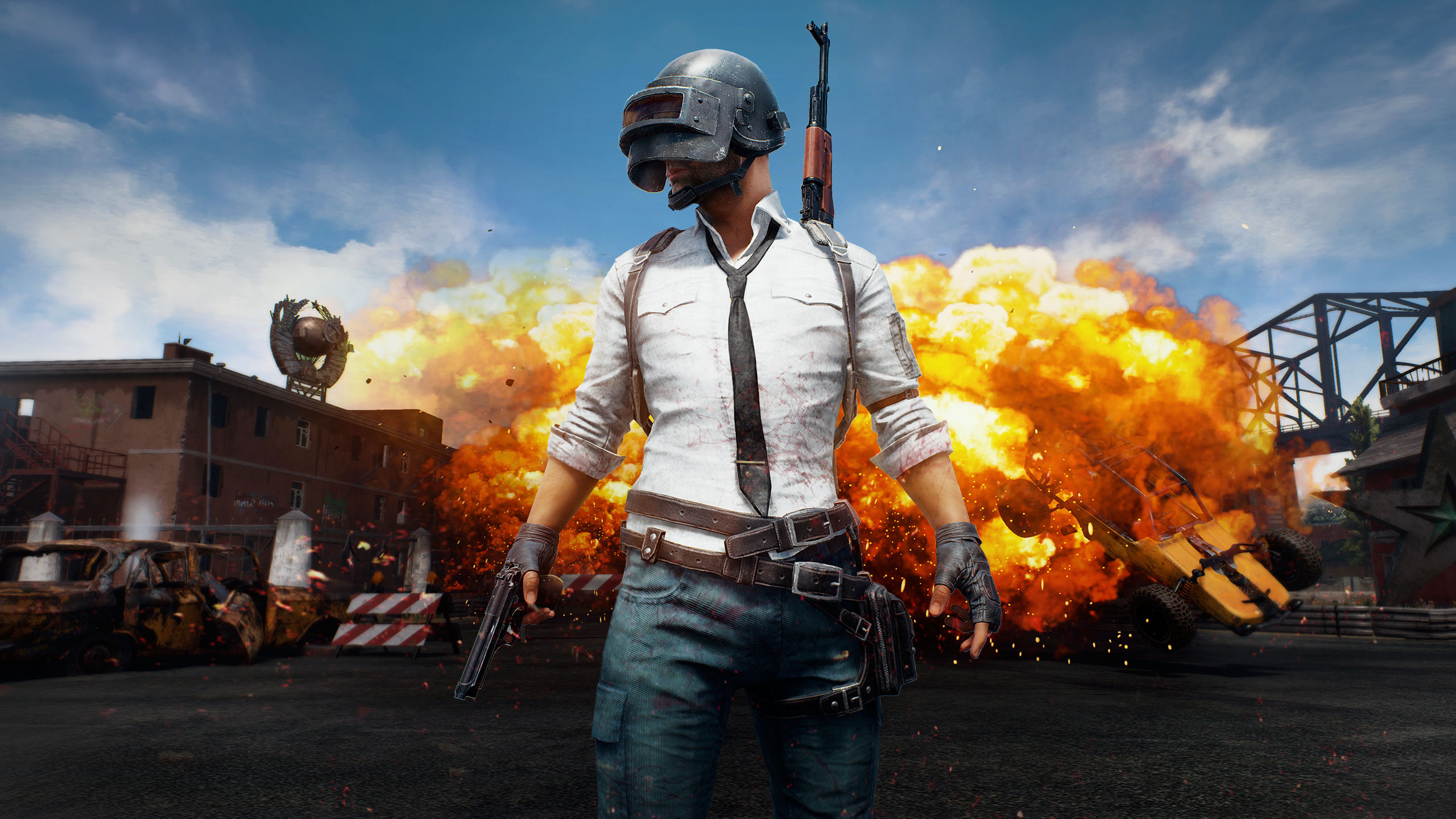
The last player standing rules and shrinking safe zone became a blueprint for battle royale games. Competitors reproduced large maps, loot drops, and jump from aircraft starts to match the pacing. Mobile ports of the concept triggered hundreds of lightweight copies with similar lobbies and cosmetics. Seasonal passes and crate systems were adopted widely by imitators.
Among Us
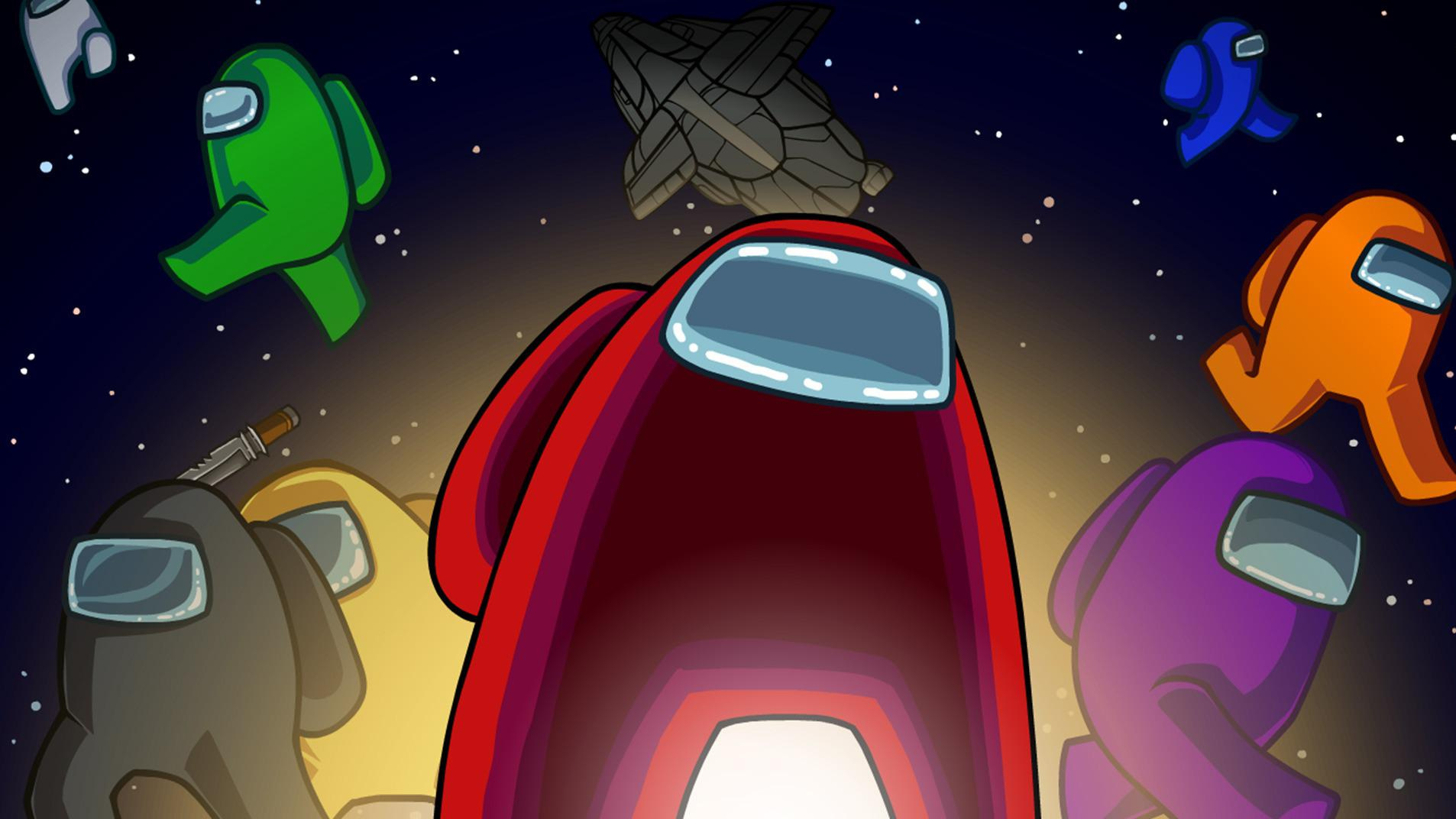
Social deduction with quick tasks and emergency meetings proved easy to rebuild with basic lobbies and chat. As streaming exposure surged, many mobile and browser versions surfaced that mirrored tasks, vents, and voting. Developers reused small maps and skins to keep scope low and release fast. Cross play lobbies and customizable rules were copied to attract the same party crowds.
2048
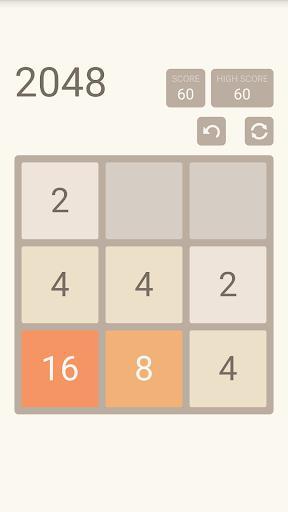
Sliding numbered tiles on a 4 by 4 grid could be coded in a weekend, which invited countless copies. The game itself echoed earlier design, and then it generated variants with larger boards and new merge rules. Clones changed tile themes and animations but kept identical swiping behavior. Browser portals and app stores filled with versions using nearly the same math.
Doodle Jump
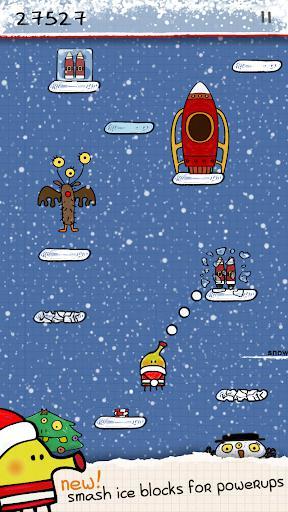
Vertical endless jumping with platforms and hazards created a template for quick touch sessions. Many copies duplicated tilt controls, springs, and monsters while swapping backgrounds. The compact scope suited early smartphones with limited performance. Seasonal reskins and character swaps extended the clone wave for years.
Bejeweled
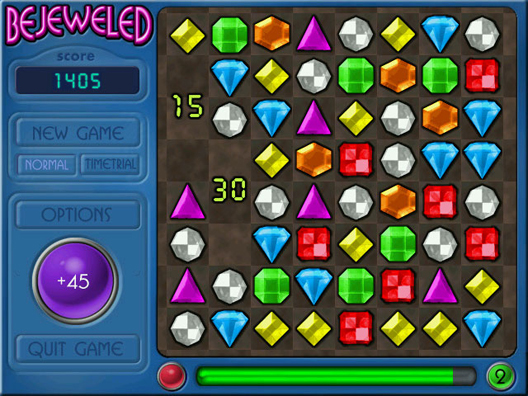
Match three swapping with cascades set the standard for puzzle monetization and level goals. Later hits followed the same tile matching core while layering boosters and move limits. Power up shapes and board blockers were replicated almost verbatim. The format became the backbone of countless themed puzzle apps.
Pac-Man
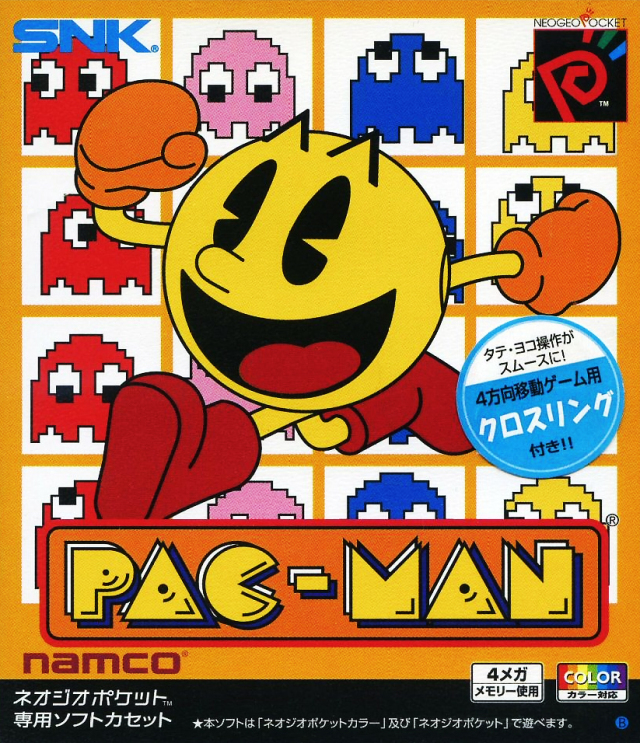
Maze chasing with collectible dots and patterned enemies invited simple recreations on home systems. Early microcomputers and consoles saw unofficial versions that changed sprites but preserved the loop. Power pellet mechanics and corner routing were reused across many maze games. Licensed conversions and unlicensed copies arrived side by side in the arcade era.
Space Invaders
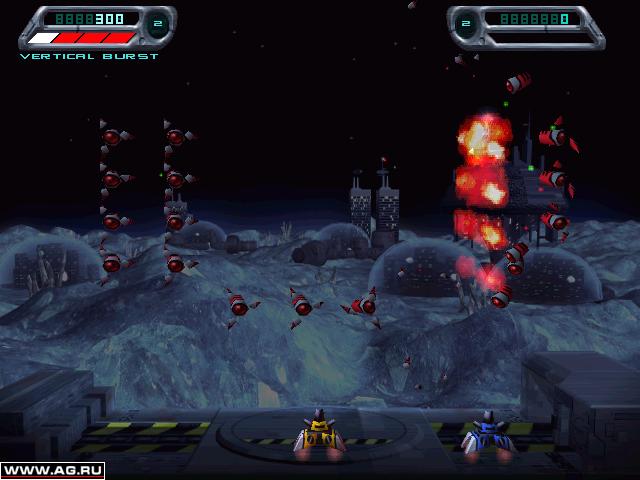
Fixed shooters with descending enemies were cloned by manufacturers worldwide during the early arcade boom. Rows of attackers, shields, and the advancing march became common features in copies. Home console catalogs added multiple versions with minor changes in sprites and speed. The design also seeded follow ups that kept the same structure with different themes.
Doom
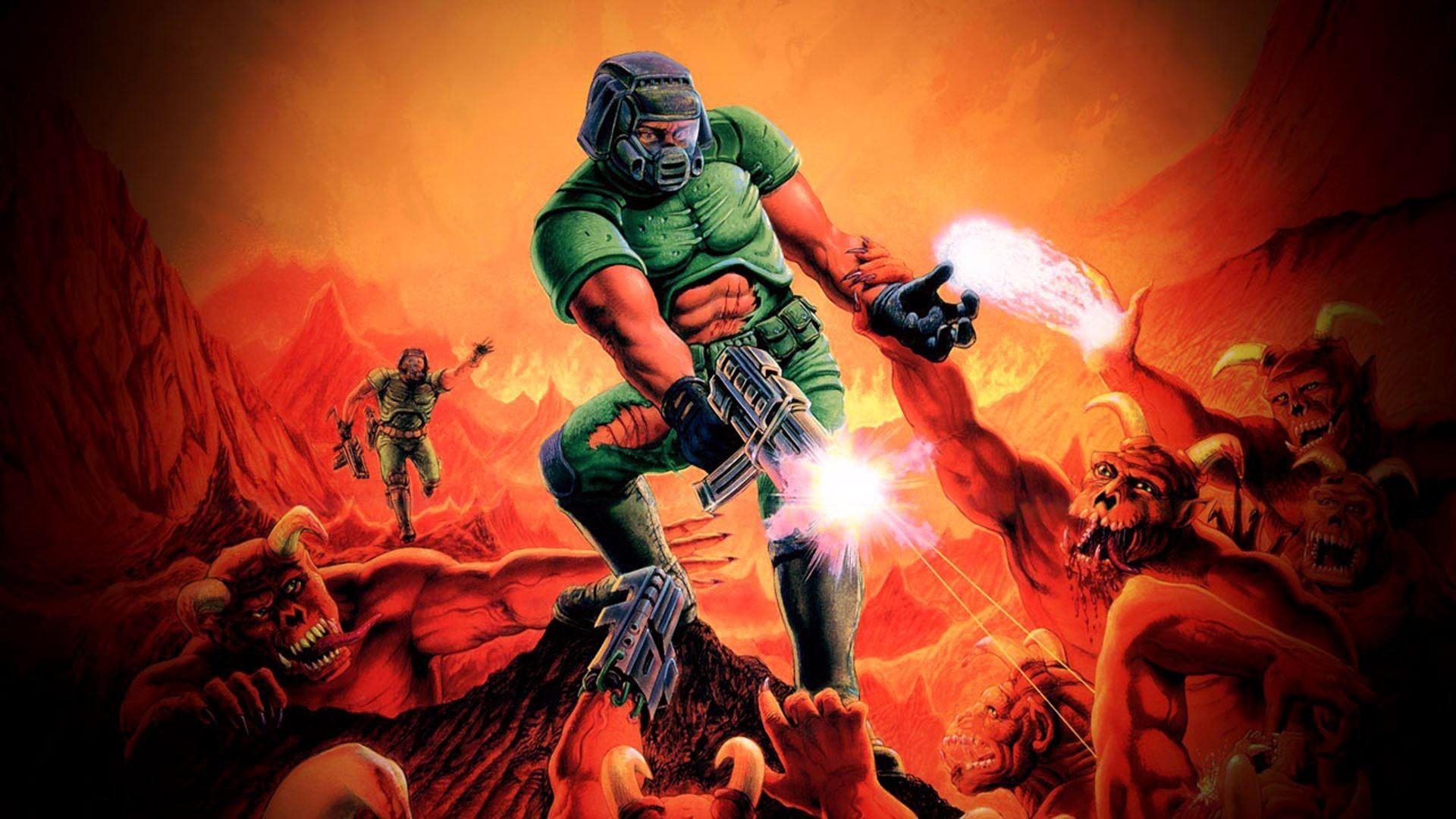
First person shooting with fast movement and mod friendly files produced a wave of early 90s shooters. Developers emulated texture mapped corridors, keycard gating, and monster closets. Shareware distribution encouraged many small studios to release similar episodes. The term doom clone was widely used before the genre label settled.
Super Mario Bros.
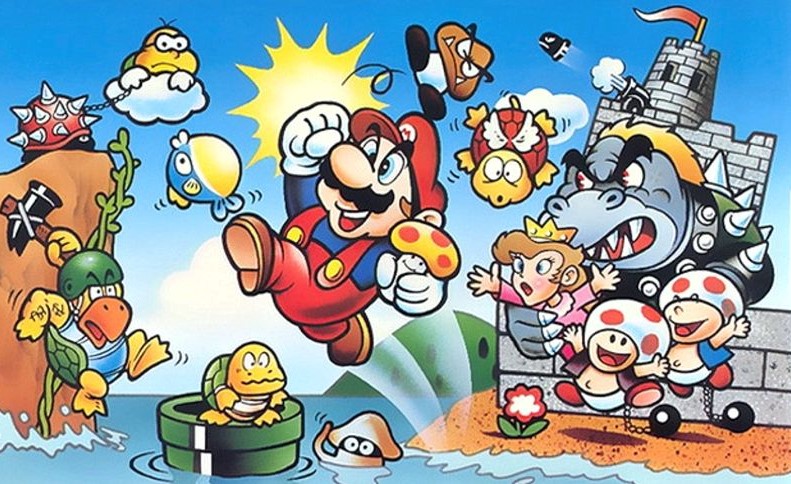
Side scrolling platforming with precise jumps and power ups set patterns that many developers mirrored. Mascot led adventures on consoles borrowed level pacing, flagpole endings, and secret blocks. Map worlds with themed stages were duplicated in numerous releases. Platform physics and enemy patrols became standard references for designers.
Angry Birds
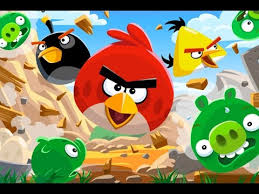
Touch based slingshot physics offered a clear loop that worked on all phones. Clones reused destructible structures, pig like targets, and star ratings for each level. Seasonal packs and theme tie ins were copied to keep content flowing. The simple art style made it easy for small teams to match the presentation.
Temple Run
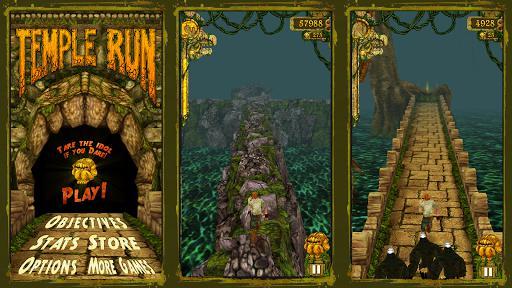
Swipe and tilt controls for an endless runner through lanes created a highly repeatable format. Competitors launched similar obstacle timing, coin lines, and character upgrades. Procedural track segments kept scope manageable and suited quick development. Branded tie ins used the same formula with new skins.
Wordle
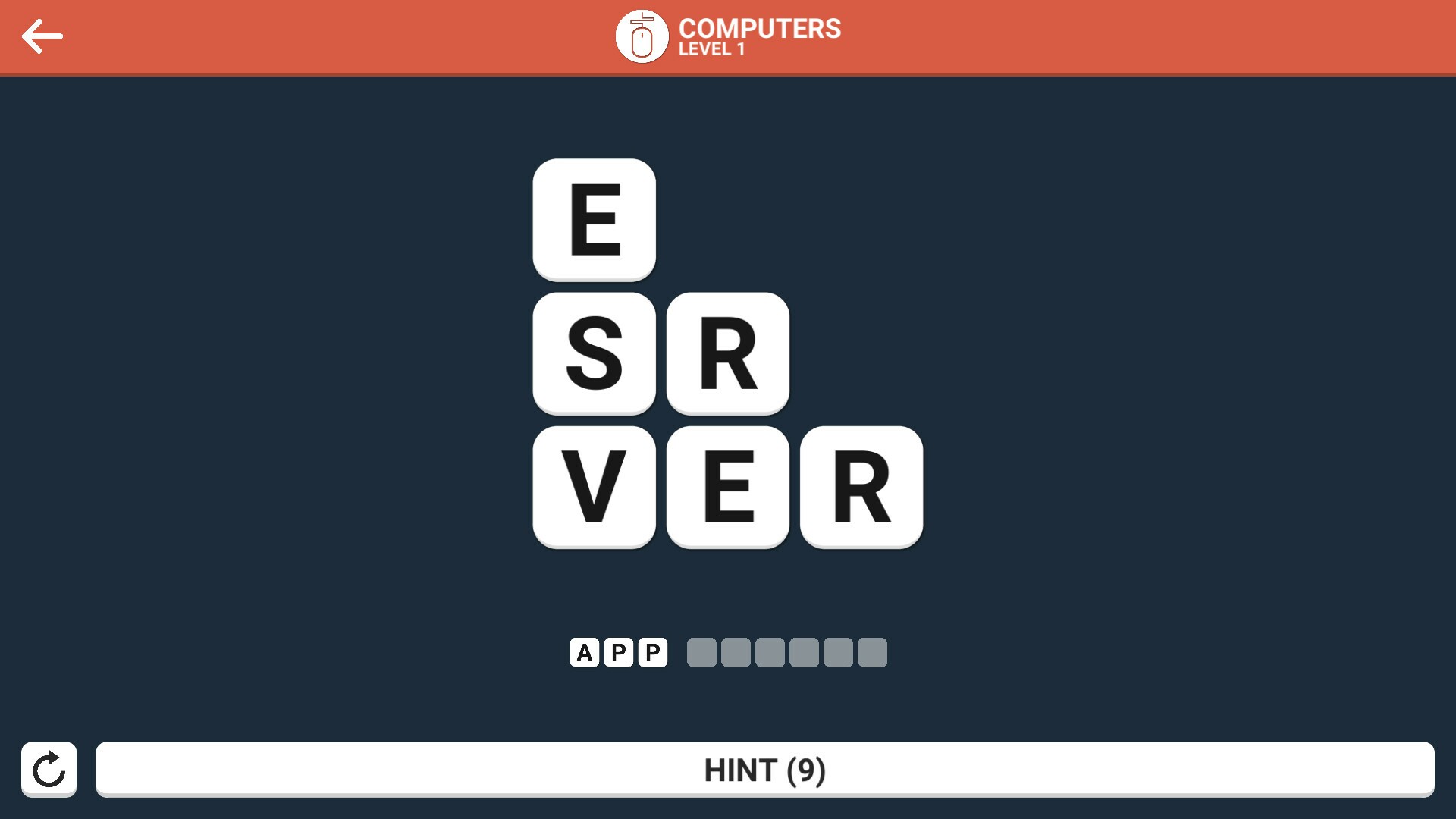
Daily word guessing with shared grids produced a social sharing loop that copycats adopted. Clones replicated the five letter target, color feedback, and one puzzle per day cadence. Many introduced unlimited modes to boost engagement while keeping the same rules. App stores quickly filled with near identical titles after the browser version spread.
Vampire Survivors
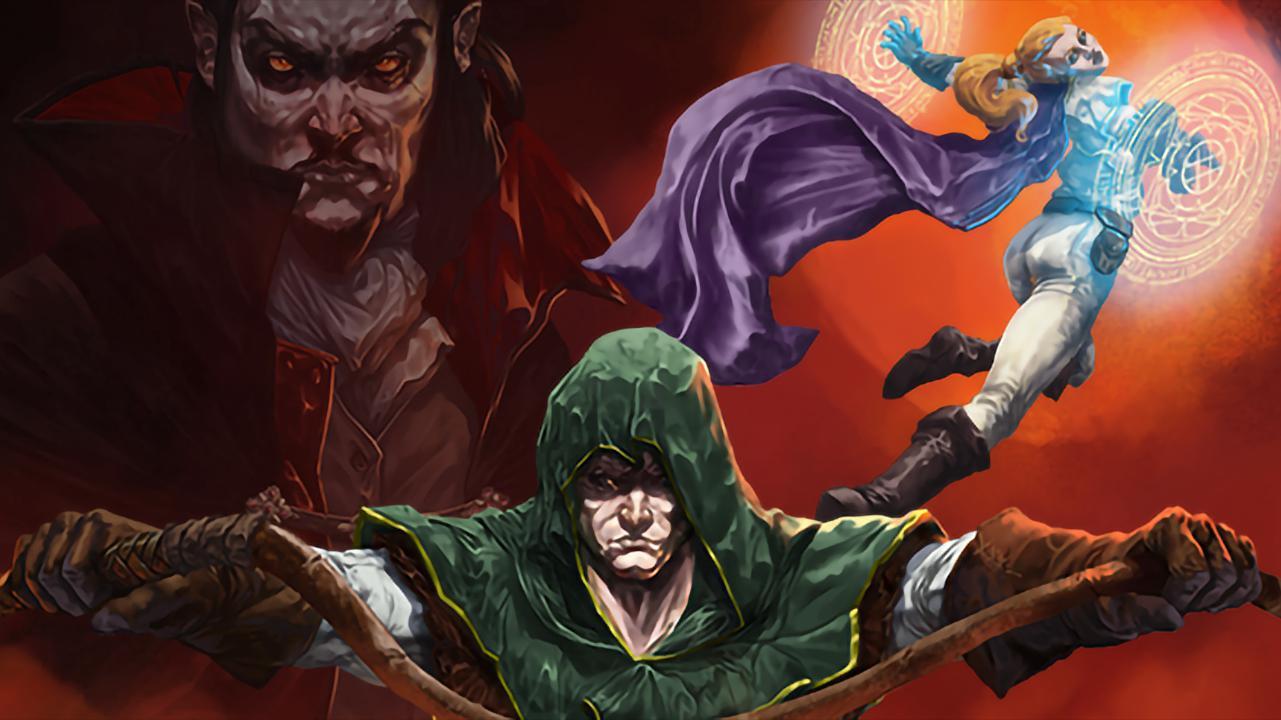
Horde survival with auto attacks and exponential upgrades inspired the survivors like wave. New games mirrored timed stages, evolving weapons, and synergy based build paths. Pixel art and low spec demands let small teams ship rapidly. Meta progression and relic unlocks were copied to extend runs.
Auto Chess
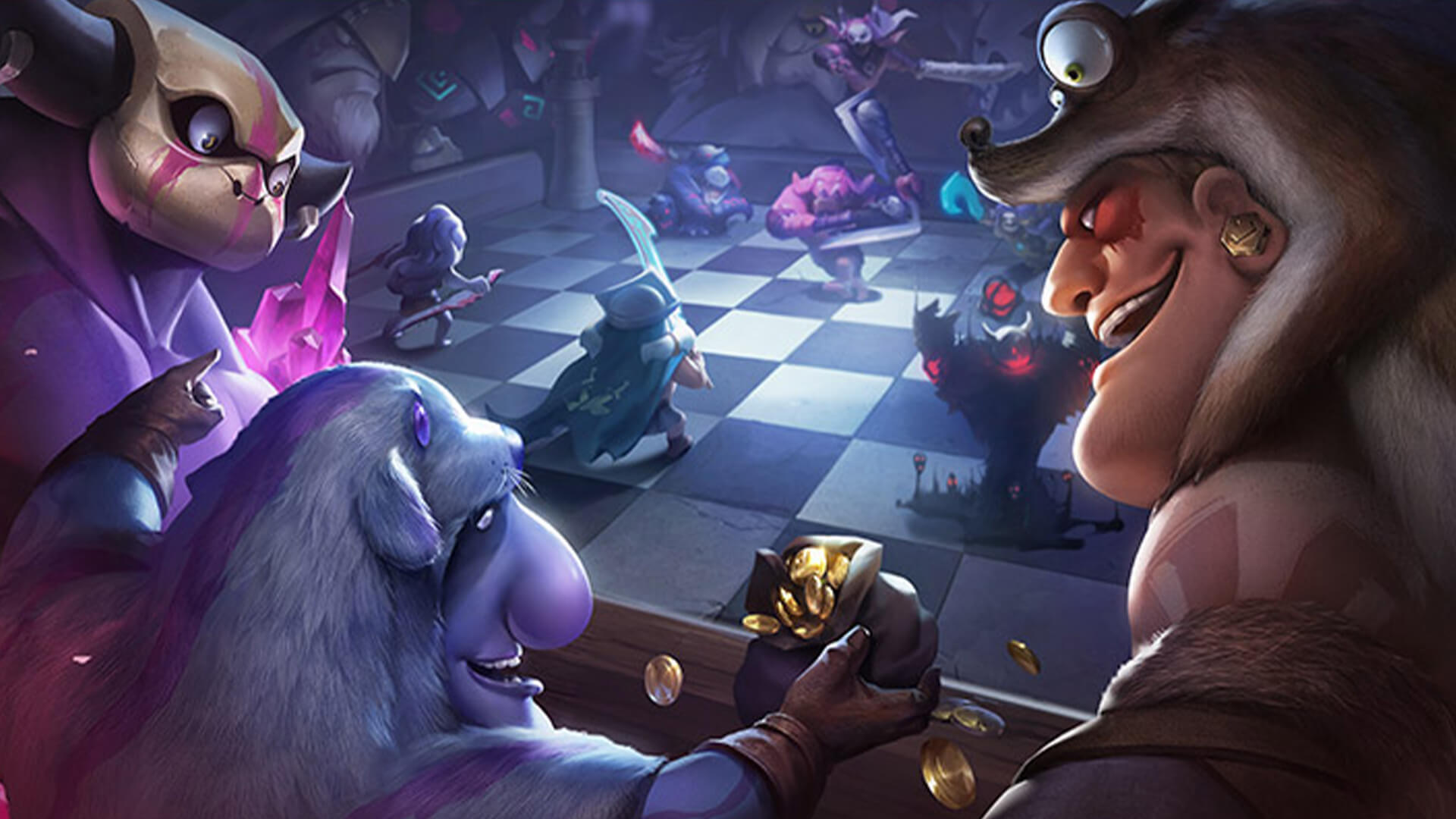
Unit drafting onto a grid and automatic battles created the auto battler template. Multiple studios recreated item combinations, synergies, and round economies. Shared lobbies, interest income, and shop rolls became standard components. Seasonal hero pools and ranked ladders were widely adopted.
Clash of Clans
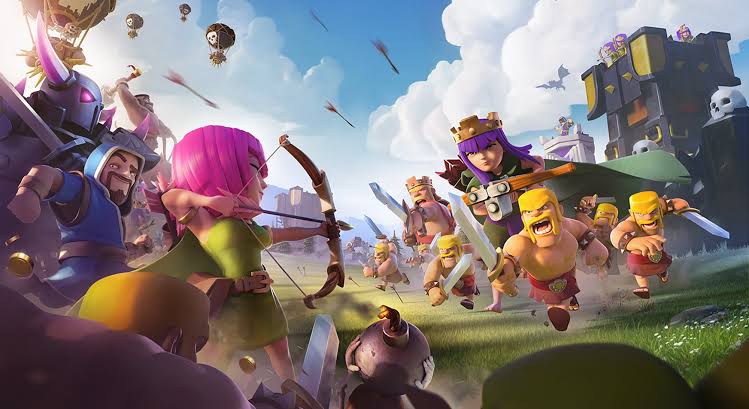
Asynchronous base building with shield timers and troop training spawned many strategy clones. Similar layouts, resource collectors, and clan wars appeared across mobile stores. Timers and premium currencies were implemented with near identical values. Clan donation systems and raid matchmaking were copied to grow communities.
Grand Theft Auto III
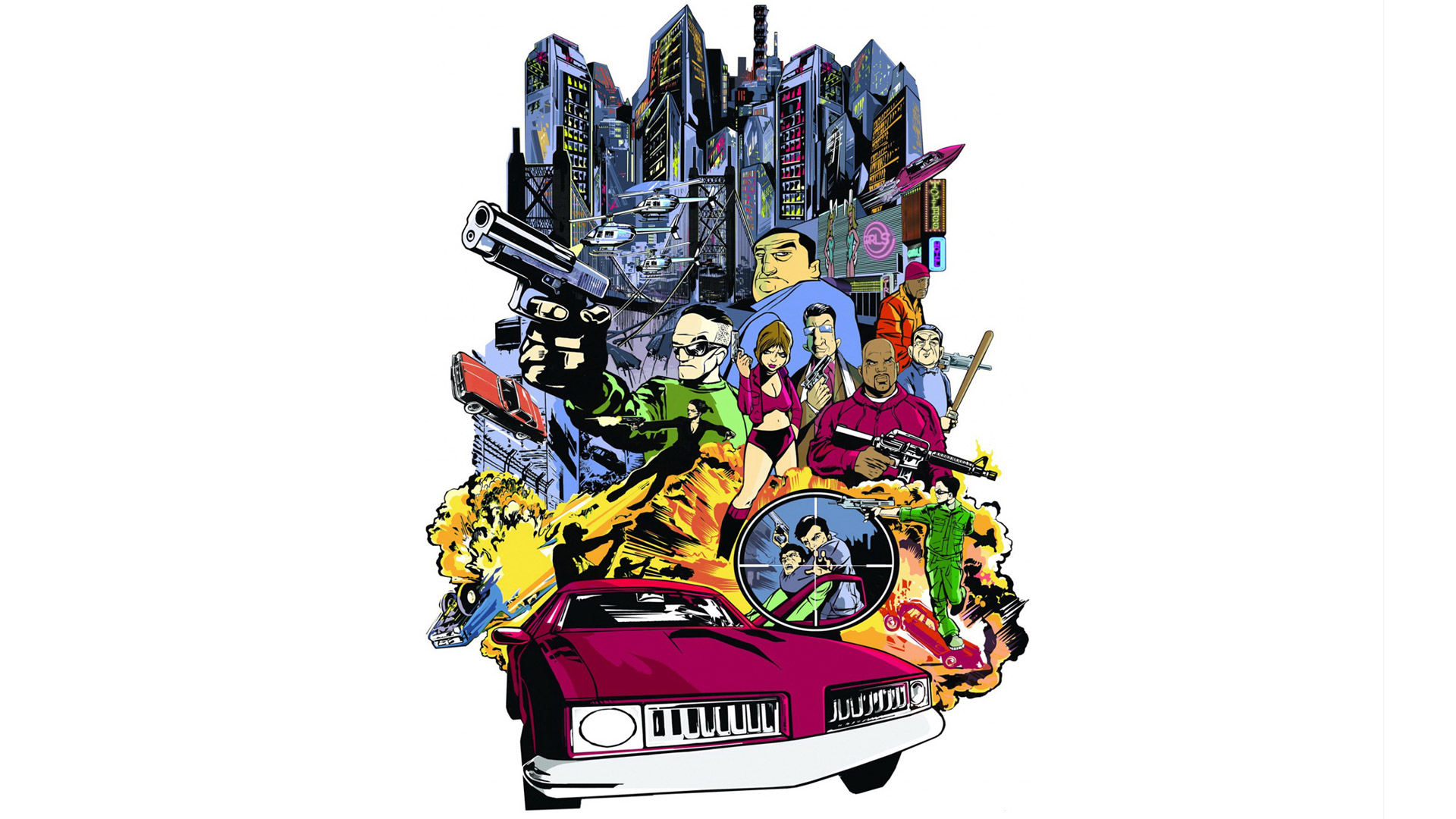
Open world city play with mission hubs and radio backed driving set a model for urban sandboxes. Many releases duplicated waypoint navigation, wanted levels, and side activities. Radio styled soundtracks and mini maps became expected features. Mission structure with branching tasks and vehicle variety was extensively imitated.
The Legend of Zelda Breath of the Wild
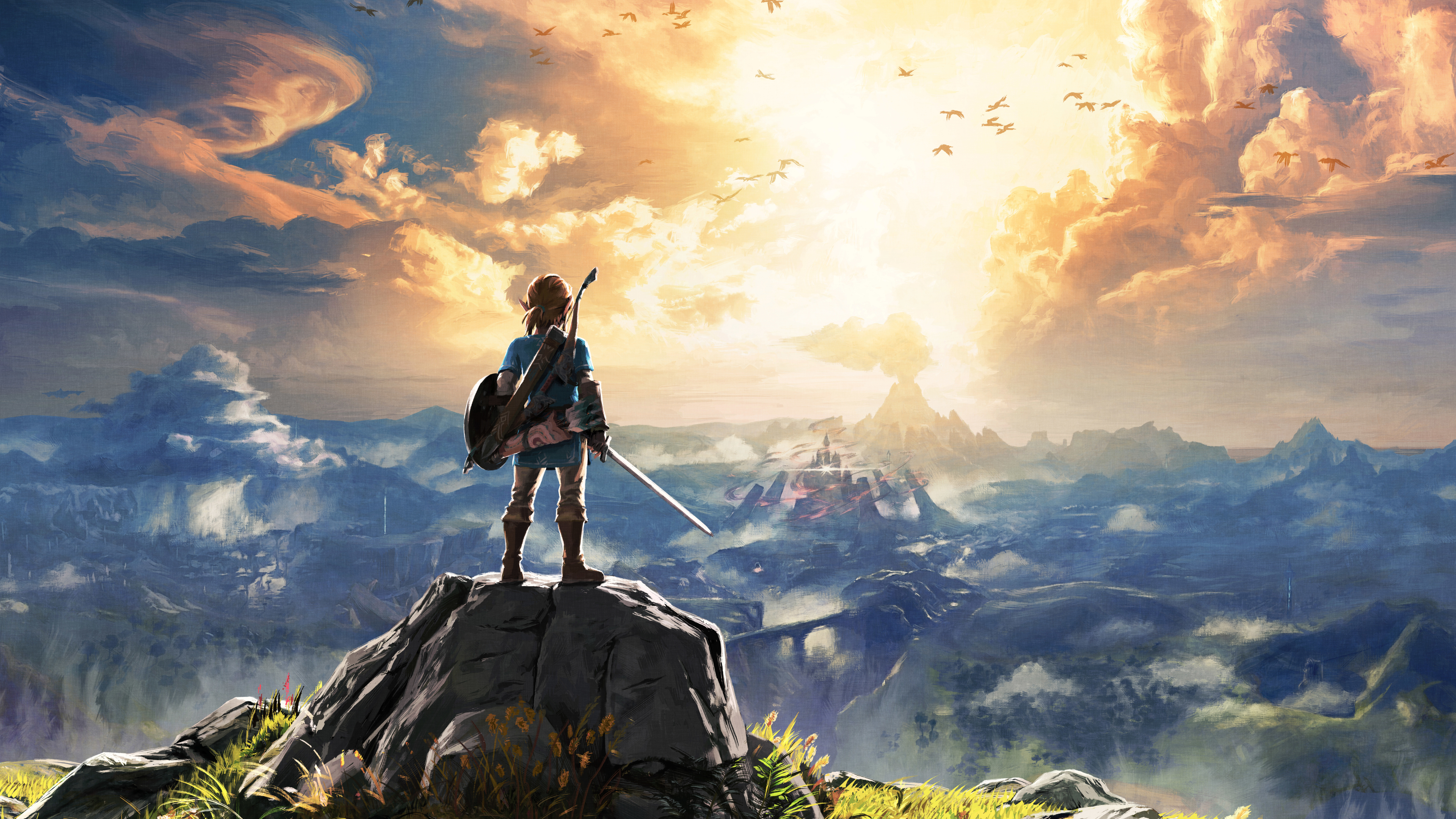
Climb anywhere exploration and systemic physics interactions defined a new adventure template. Developers adopted stamina based traversal, paraglider travel, and shrine style micro dungeons. Open ended problem solving with elemental reactions was recreated across large maps. Cooking systems and environmental survival loops became common in later releases.
Share your pick for the most copied game and tell us which clones you actually enjoyed in the comments.