


Top 20 Most Copied Movies




Some movies don’t just succeed at the box office. They set a template that other filmmakers keep using in new settings and genres. From storytelling structures to signature shots and character types, these films sparked long chains of remakes, riffs, and homages. Here are twenty titles whose DNA you can find scattered across decades of cinema and television.
‘Seven Samurai’ (1954)
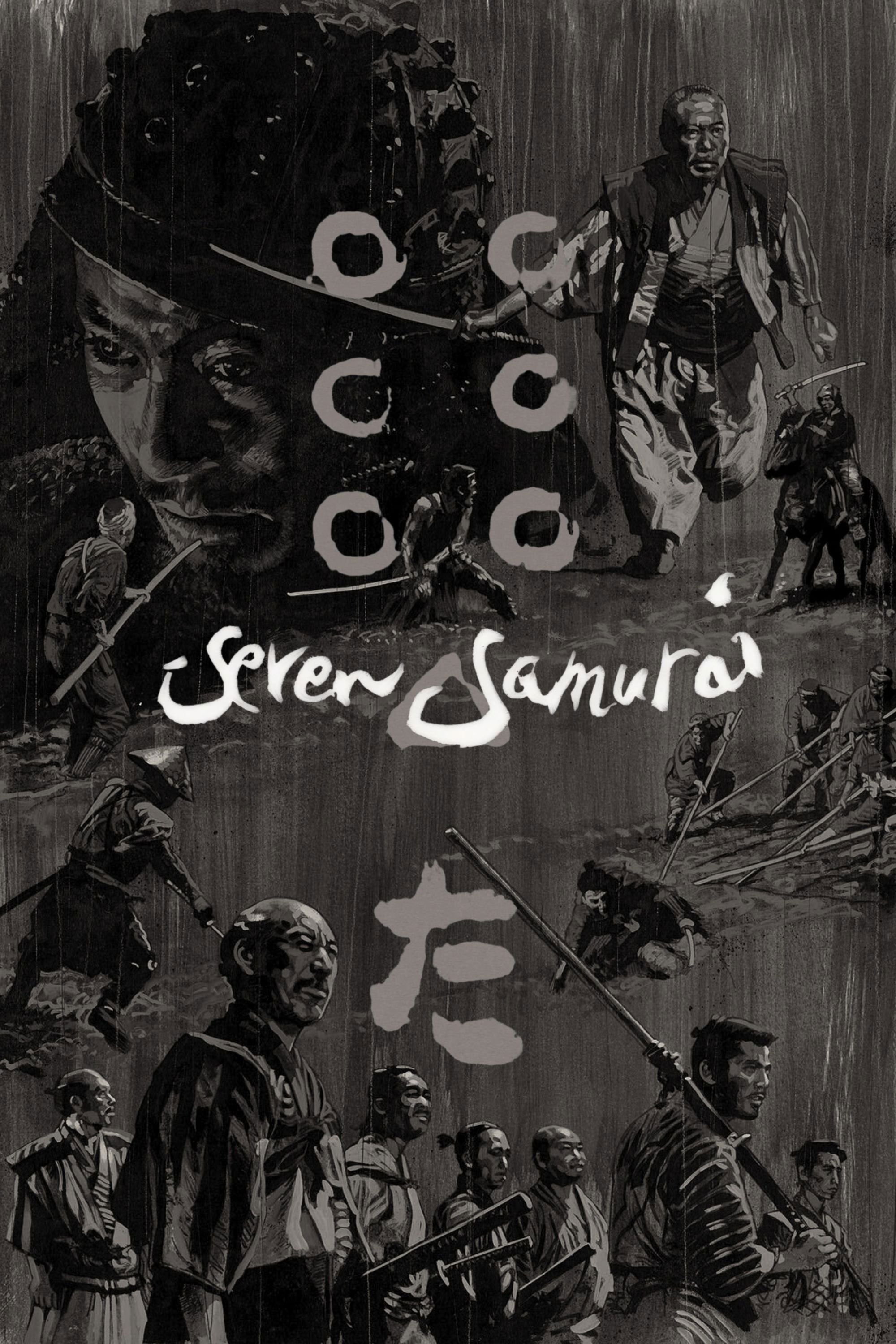
Akira Kurosawa’s ensemble rescue saga became the blueprint for the team-up mission movie. It was officially remade as ‘The Magnificent Seven’ and then reworked in everything from ‘A Bug’s Life’ to countless TV episodes where a group defends a village. The structure of recruiting specialists with distinct skills shows up in heist films and war films. Directors often cite its action geography and weather-punctuated battles when planning large-scale set pieces.
‘Rashomon’ (1950)
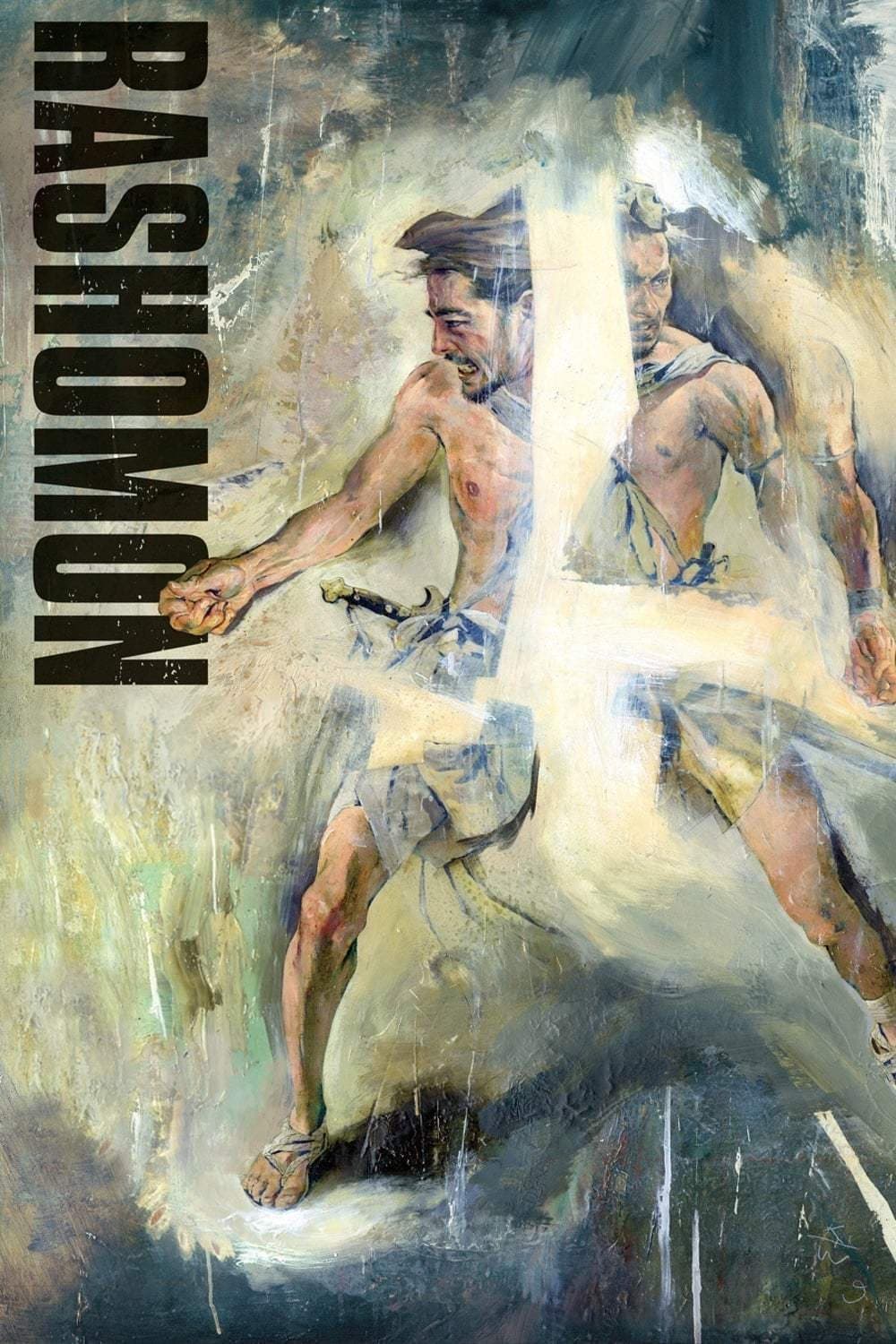
The multiple-perspective mystery introduced a now standard narrative device where the same event is retold by different witnesses. It inspired direct nods like ‘Hero’ and ‘Vantage Point’ and shaped TV episodes across crime and medical dramas. Courtroom dramas adopted its unreliable testimony approach to question memory and truth. The term “Rashomon effect” entered everyday language and academic writing.
‘Psycho’ (1960)
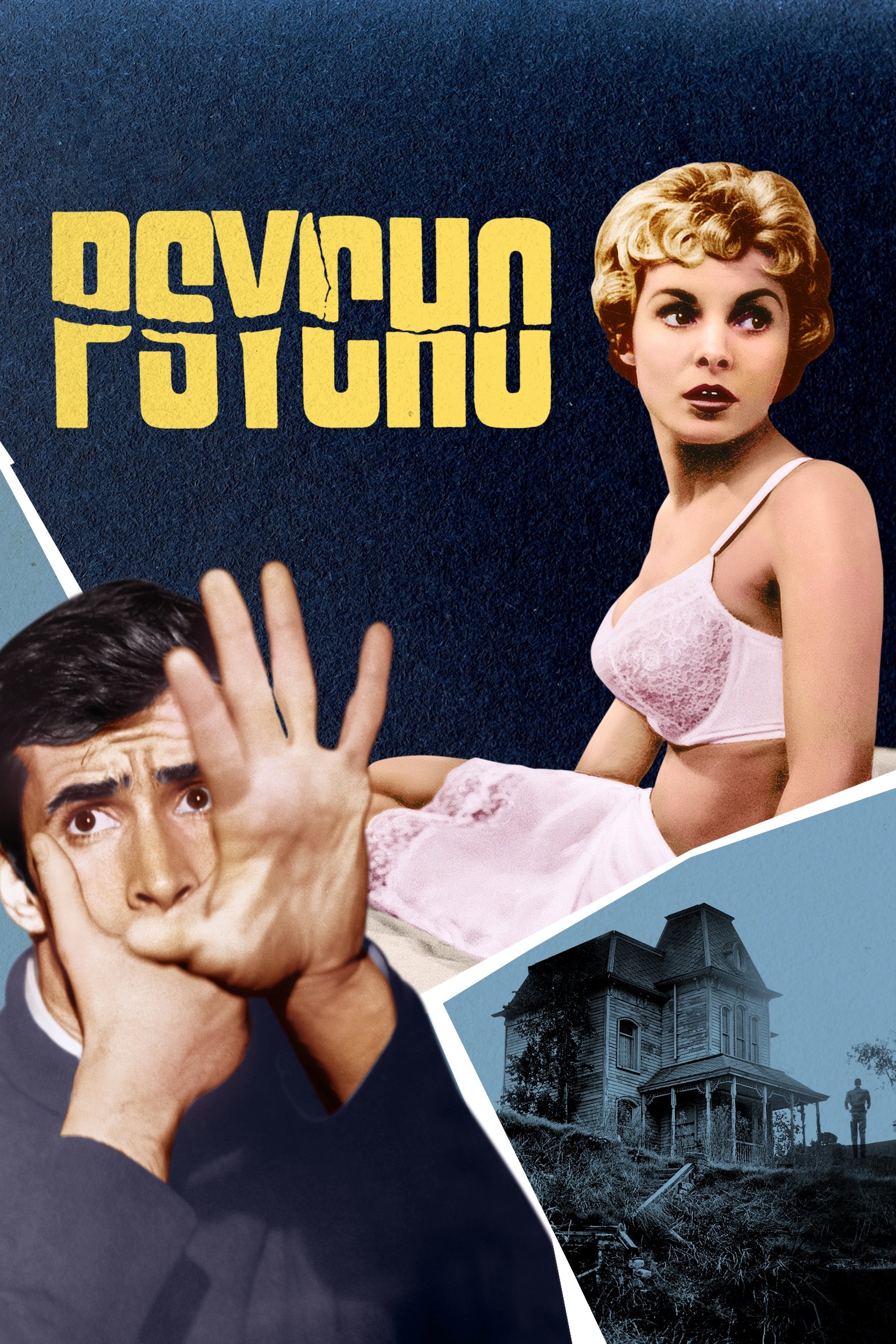
Alfred Hitchcock’s shock thriller rewired slasher storytelling and marketing tactics that hide twists. Its early protagonist switch and shower scene have been referenced in ‘Dressed to Kill’, ‘American Psycho’, and numerous parodies. The motel killer trope fueled a wave of psycho-thrillers and exploitation titles. Its use of music stings and quick cuts influenced horror editing for decades.
‘Halloween’ (1978)
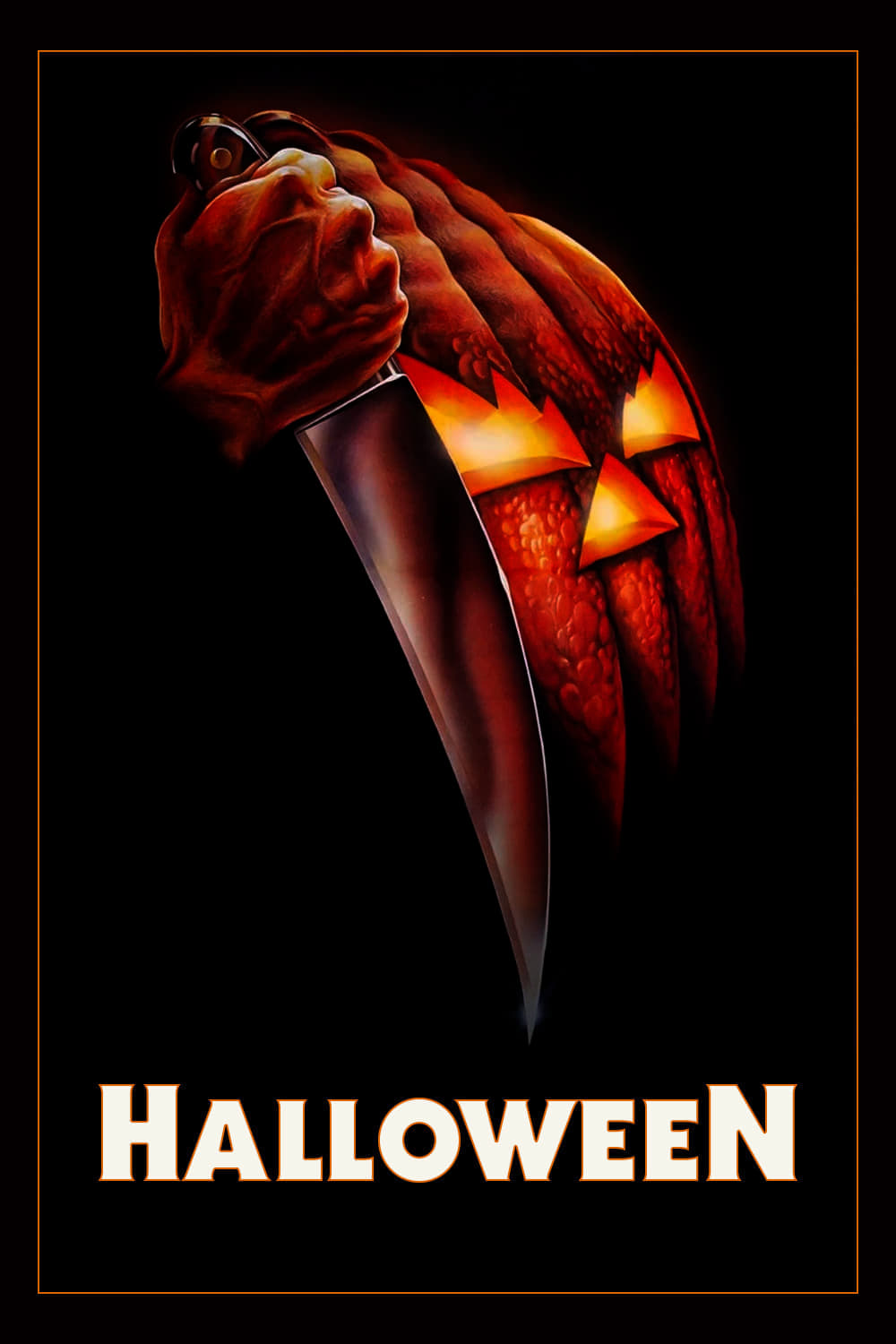
John Carpenter’s suburban boogeyman codified the modern slasher formula. The masked killer, final survivor, and holiday setting were copied by ‘Friday the 13th’, ‘Prom Night’, and many regional slashers. Point-of-view stalking shots and minimalist synthesizer scores became genre staples. Independent filmmakers also followed its low-budget production model and targeted seasonal releases.
‘Jaws’ (1975)
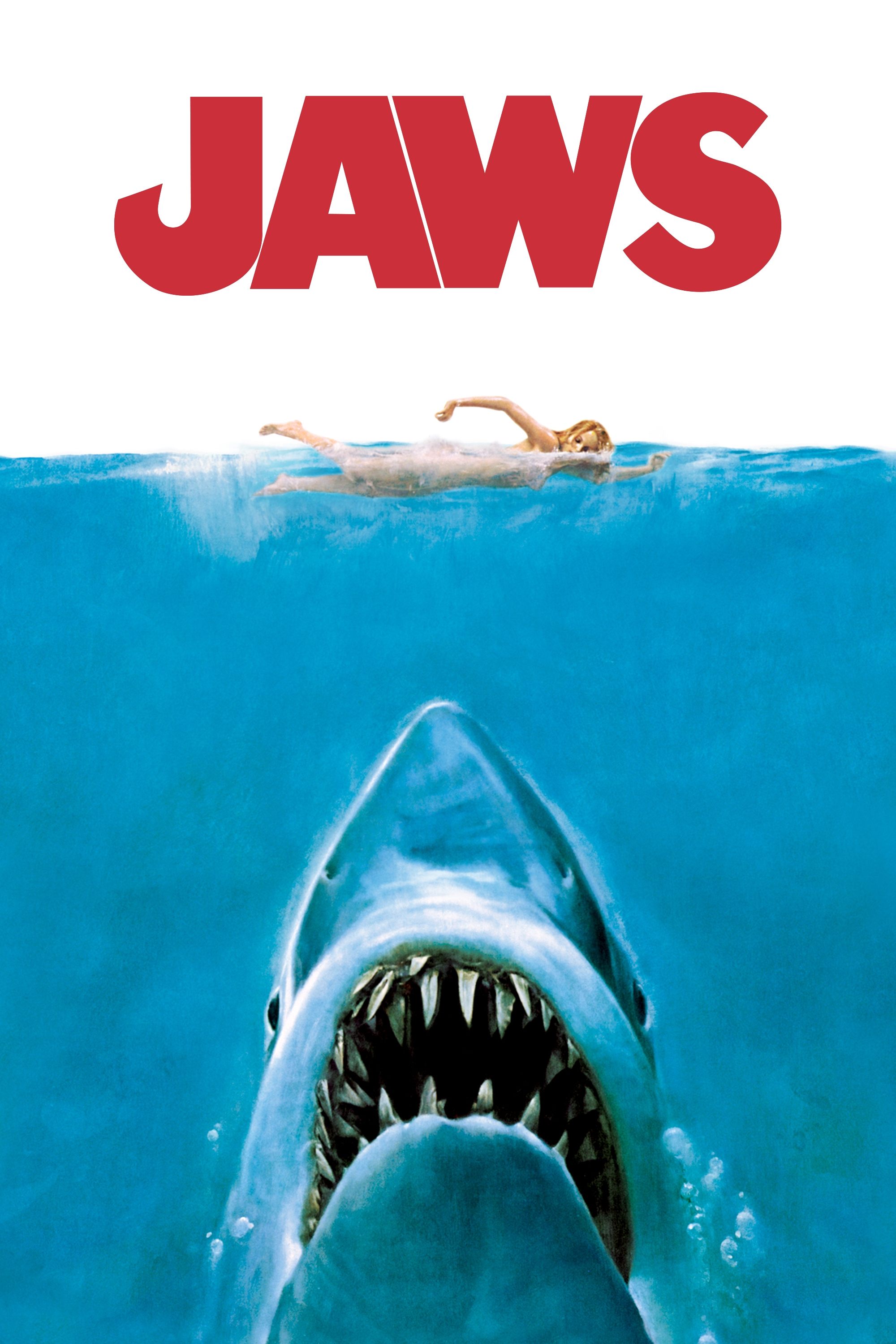
The summer event thriller created the wide-release blockbuster playbook. Creature features like ‘Piranha’, ‘Alligator’, and ‘The Meg’ trace their suspense beats to its slow reveals and town-under-siege plot. Studios adopted its platform of teaser campaigns, merchandising, and national rollouts. Filmmakers still emulate its use of offscreen menace to build tension.
‘Star Wars’ (1977)
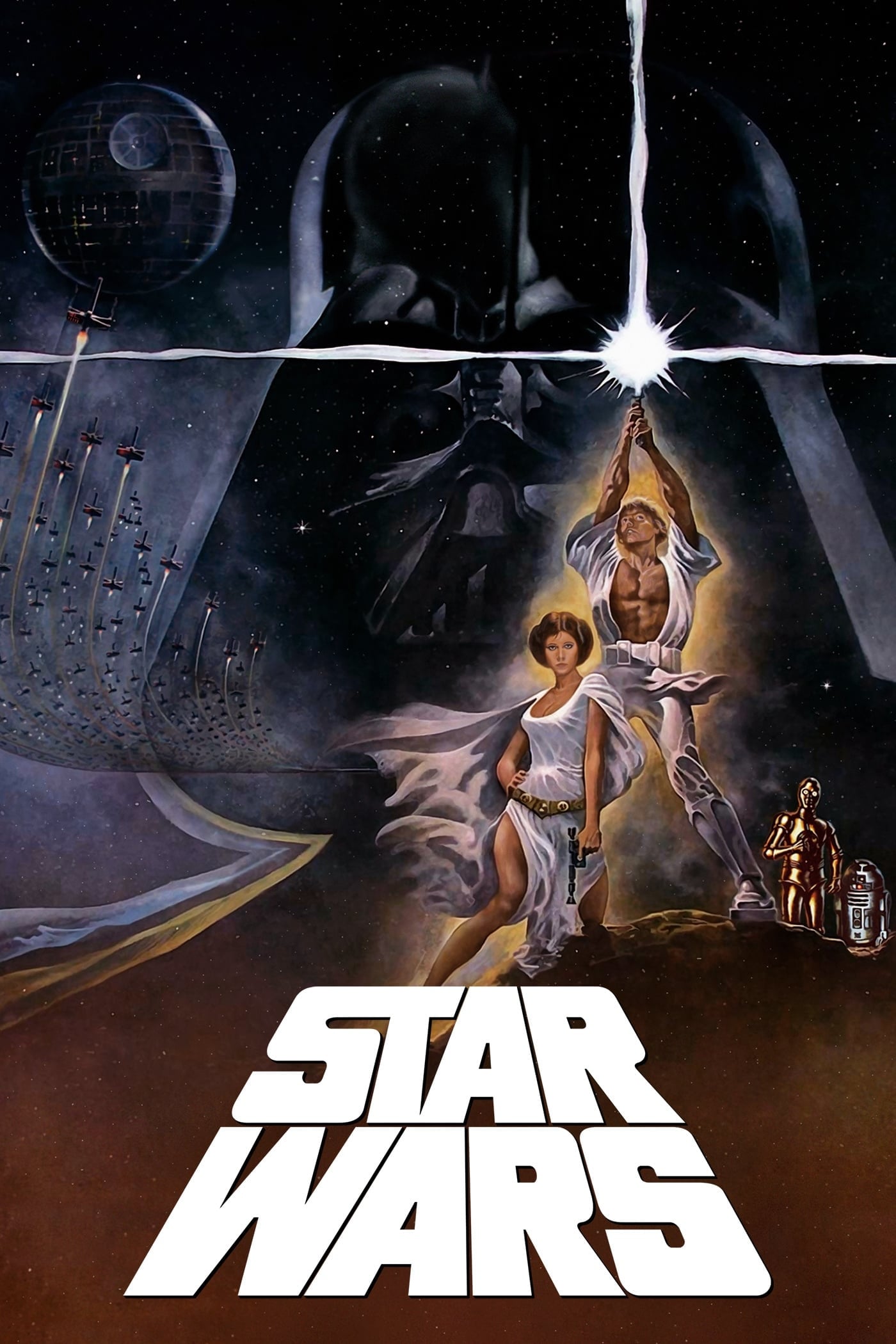
George Lucas fused mythic structure with space opera and reshaped franchise storytelling. Space adventure movies and shows borrowed its used-future design, mentor-hero arcs, and dogfight cinematography. Its model of expanded universes pushed studios to develop trilogies, spin-offs, and cross-media worlds. Visual effects houses standardized techniques first advanced on its production.
‘Alien’ (1979)
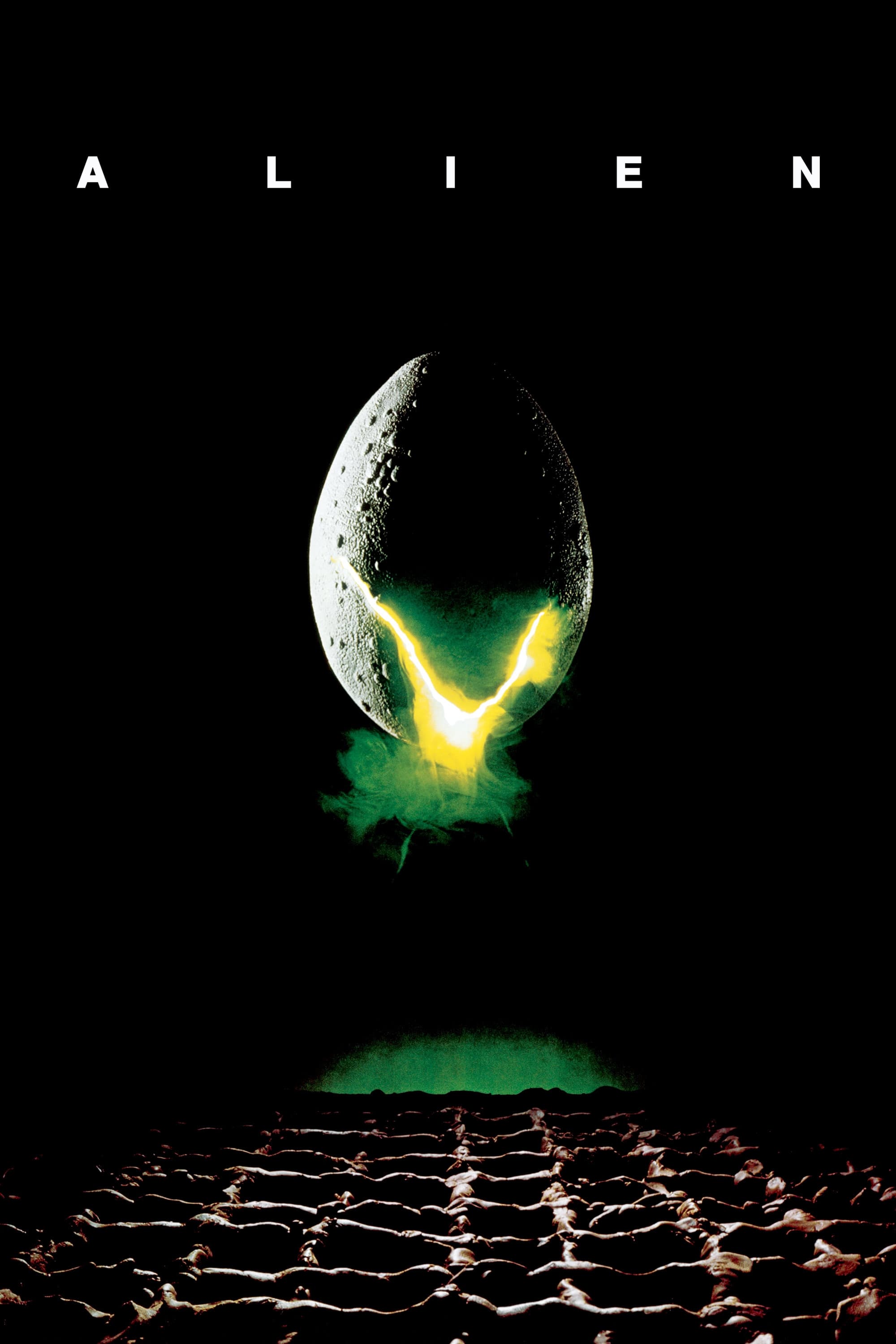
The haunted-house-in-space concept set the template for isolated crew survival stories. Films like ‘Event Horizon’, ‘Pitch Black’, and ‘Life’ echo its production design and creature-reveal pacing. Its industrial corridors, motion trackers, and corporate subplot became sci-fi horror staples. Video games and comics lifted its biomechanical aesthetic and blue-collar space setting.
‘Die Hard’ (1988)
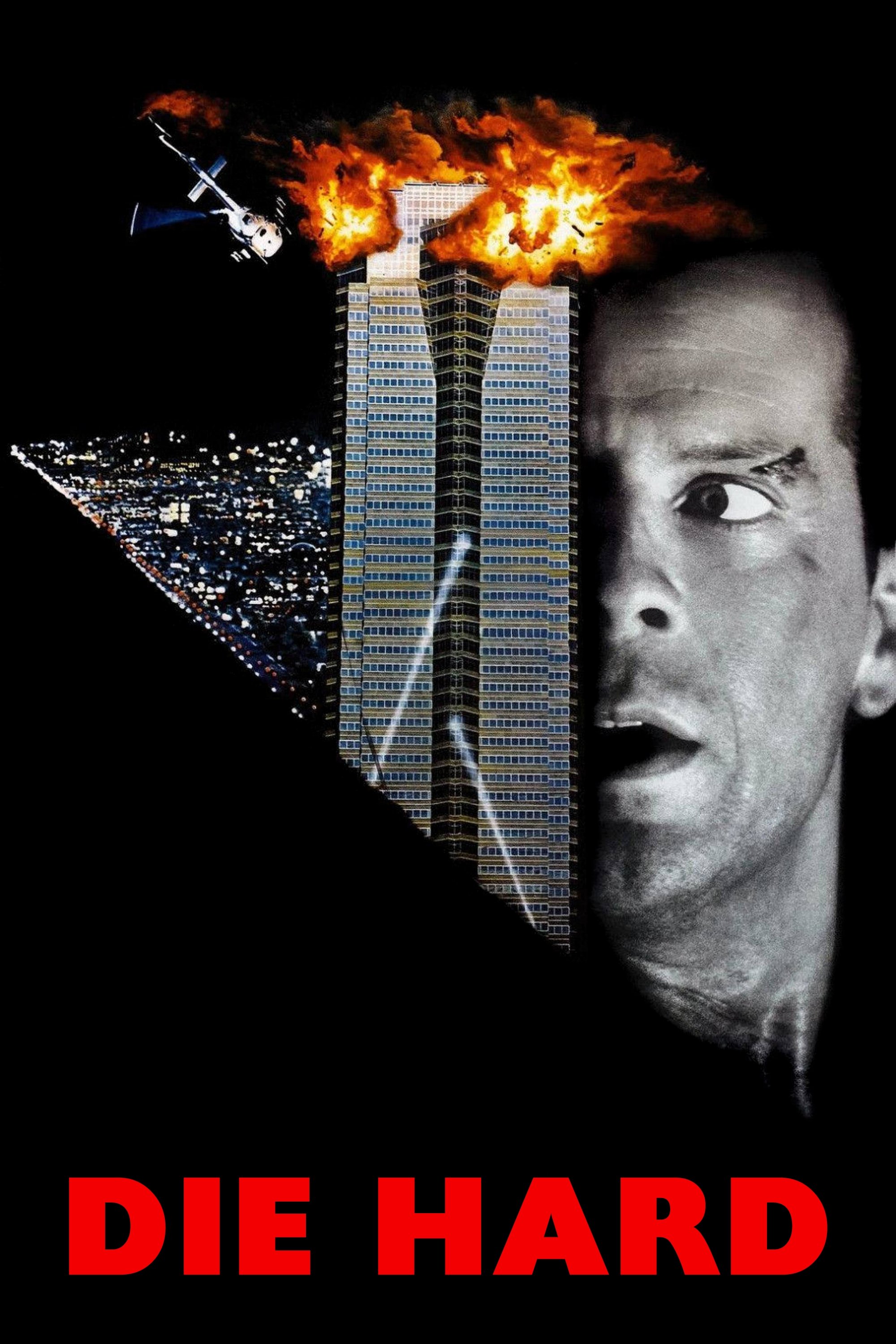
This single-location action thriller spawned a whole shorthand for pitches. Studios sold projects as ‘Die Hard on a bus’ like ‘Speed’, on a plane like ‘Passenger 57’, or on a mountain like ‘Cliffhanger’. The underdog hero against organized villains in a confined space became a reliable formula. Holiday timing and real-time escalation also influenced network TV action episodes.
‘The Matrix’ (1999)
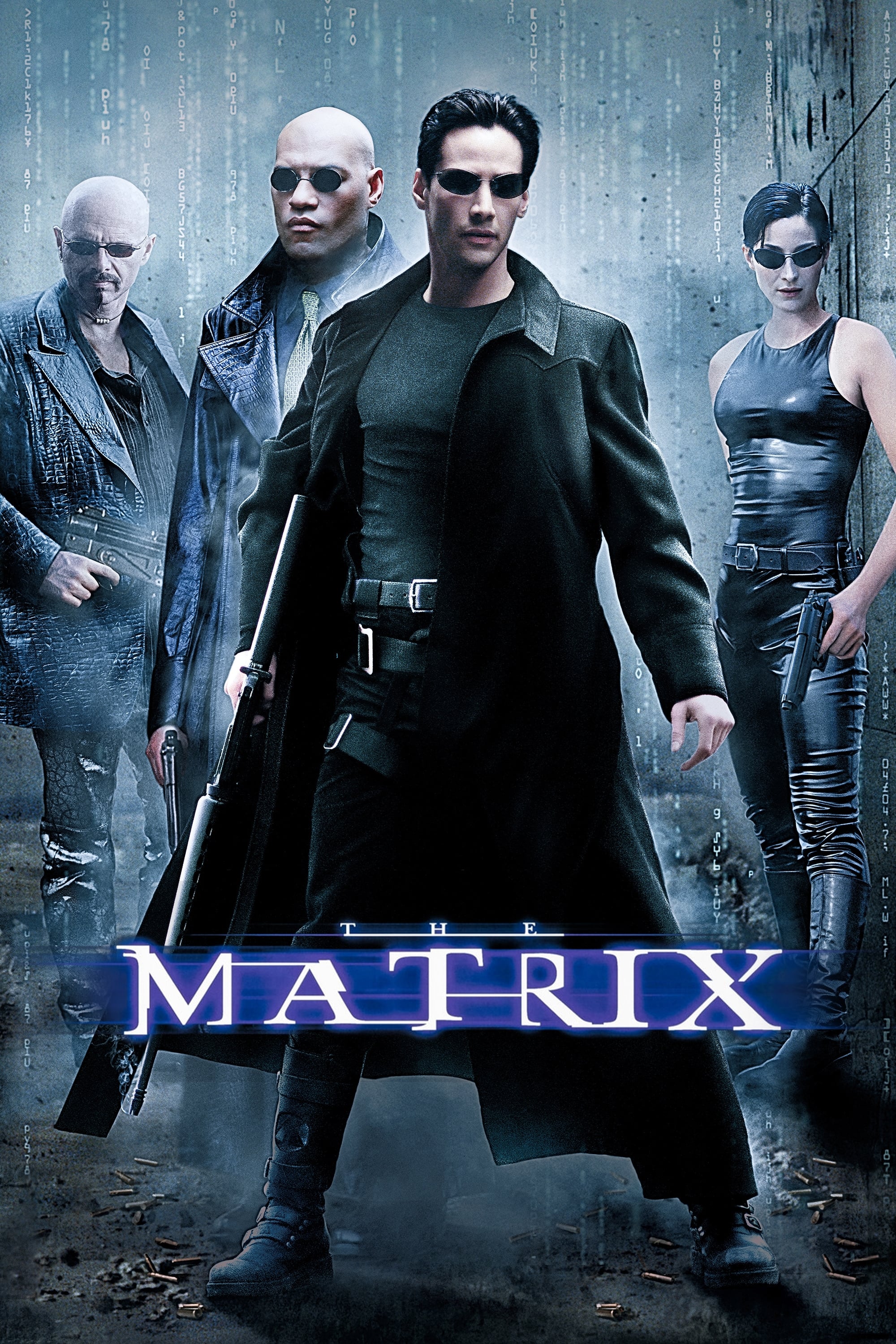
Its bullet-time visuals and reality-questioning narrative were copied across action and advertising. Films such as ‘Equilibrium’, ‘Underworld’, and ‘Inception’ borrowed its leather-clad gun-fu and hacker mystique. Choreographers imported its wire work into mainstream Western productions. The green-tinted palette and cascading code became instantly recognizable design cues.
‘Groundhog Day’ (1993)

The time-loop premise became a popular framework across genres. Movies like ‘Edge of Tomorrow’, ‘Palm Springs’, and ‘Happy Death Day’ use its repeat-and-learn mechanic for action, romance, and horror. TV series adopted loop episodes to reset character arcs and explore choices. The structure enables tight plotting with escalating variations on a single scenario.
‘The Blair Witch Project’ (1999)
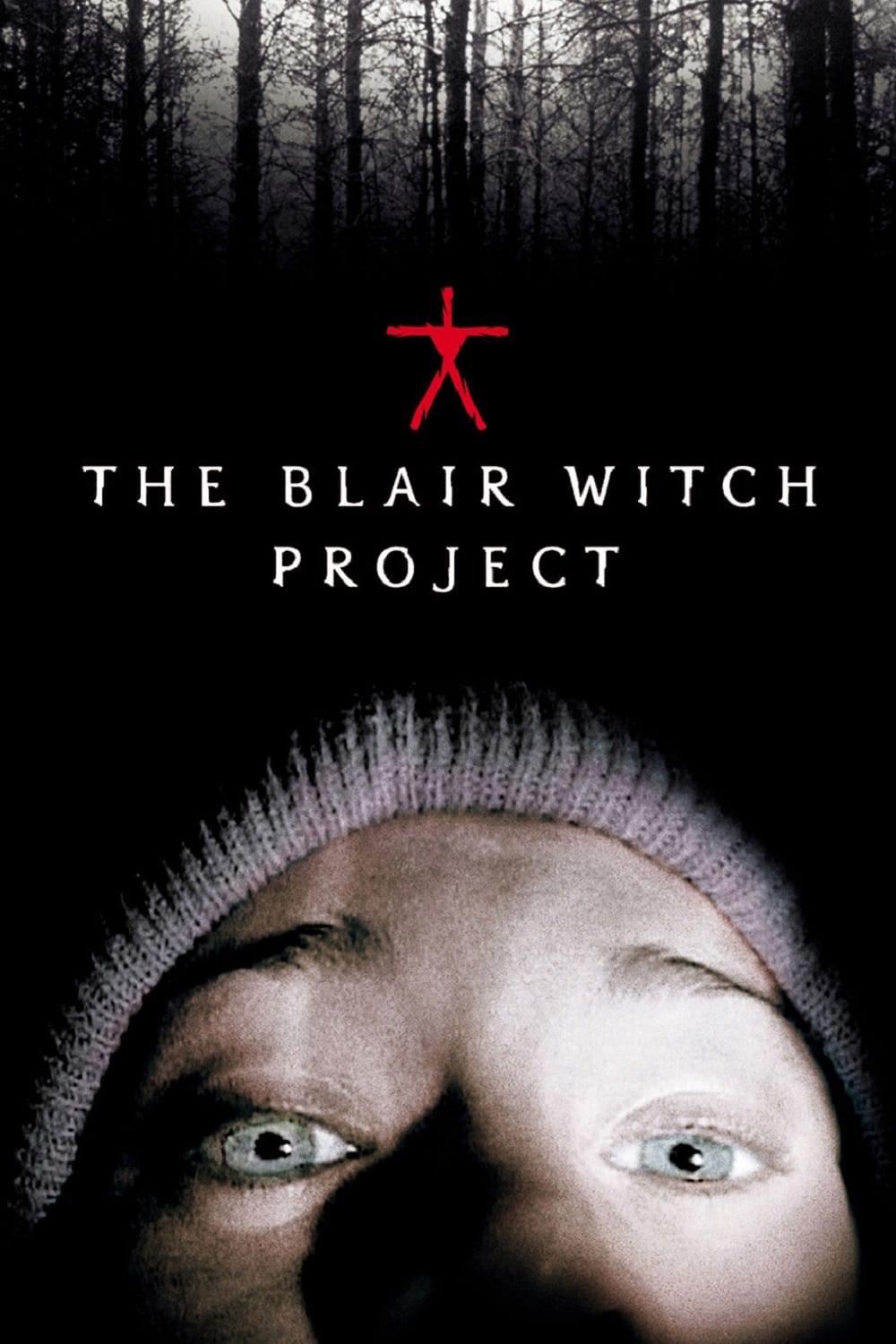
This found-footage hit popularized the faux documentary horror format. Its camcorder immediacy influenced ‘Paranormal Activity’, ‘REC’, and ‘Cloverfield’. Viral marketing campaigns for genre films took cues from its website teases and missing-person framing. Low-budget filmmakers adopted its small cast, location shooting, and improvised dialogue approach.
‘Night of the Living Dead’ (1968)
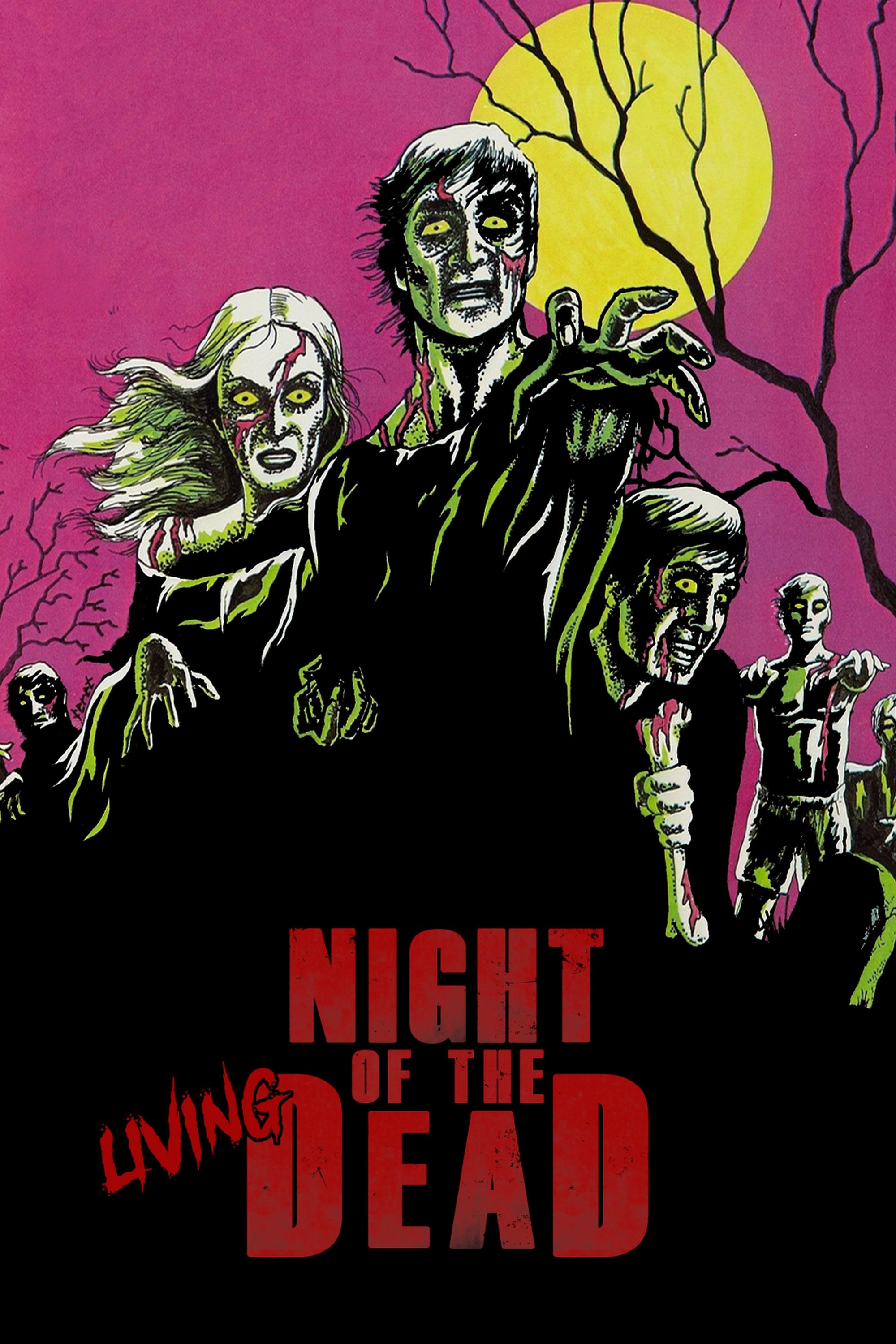
George A. Romero’s modern zombie rules spread across film, TV, and games. The concept of reanimated ghouls, headshots, and siege settings informed ‘Dawn of the Dead’, ’28 Days Later’, and ‘The Walking Dead’. Social commentary baked into horror became a repeatable model. Public domain status helped imitators and homages proliferate quickly.
‘The Exorcist’ (1973)

This possession drama standardized religious horror beats like Latin rites and skeptical investigators. Films and shows from ‘The Omen’ to ‘The Conjuring’ use its medical tests versus supernatural signs progression. Sound design with subliminal audio and sudden quiet spikes became a toolkit norm. The image of a priest at a foggy doorway turned into an enduring visual motif.
‘Rocky’ (1976)
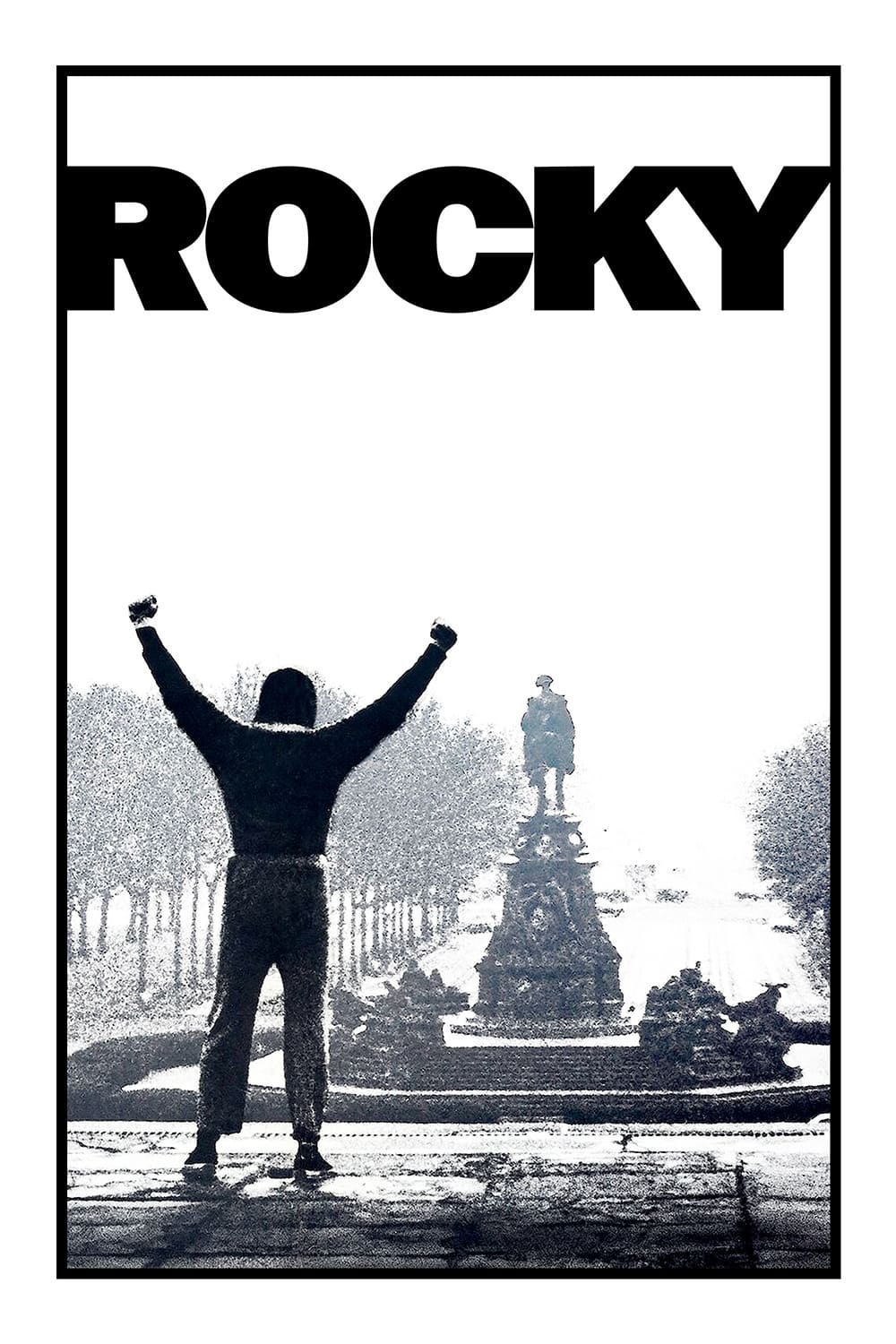
The underdog sports drama shaped training-montage storytelling and comeback arcs. Franchises like ‘The Karate Kid’, ‘Creed’, and many boxing biopics follow its rise-fall-rise rhythm. Editors copied its music-driven montage language for competition films. The humble neighborhood setting and mentor bond became staples of sports narratives.
‘Rear Window’ (1954)
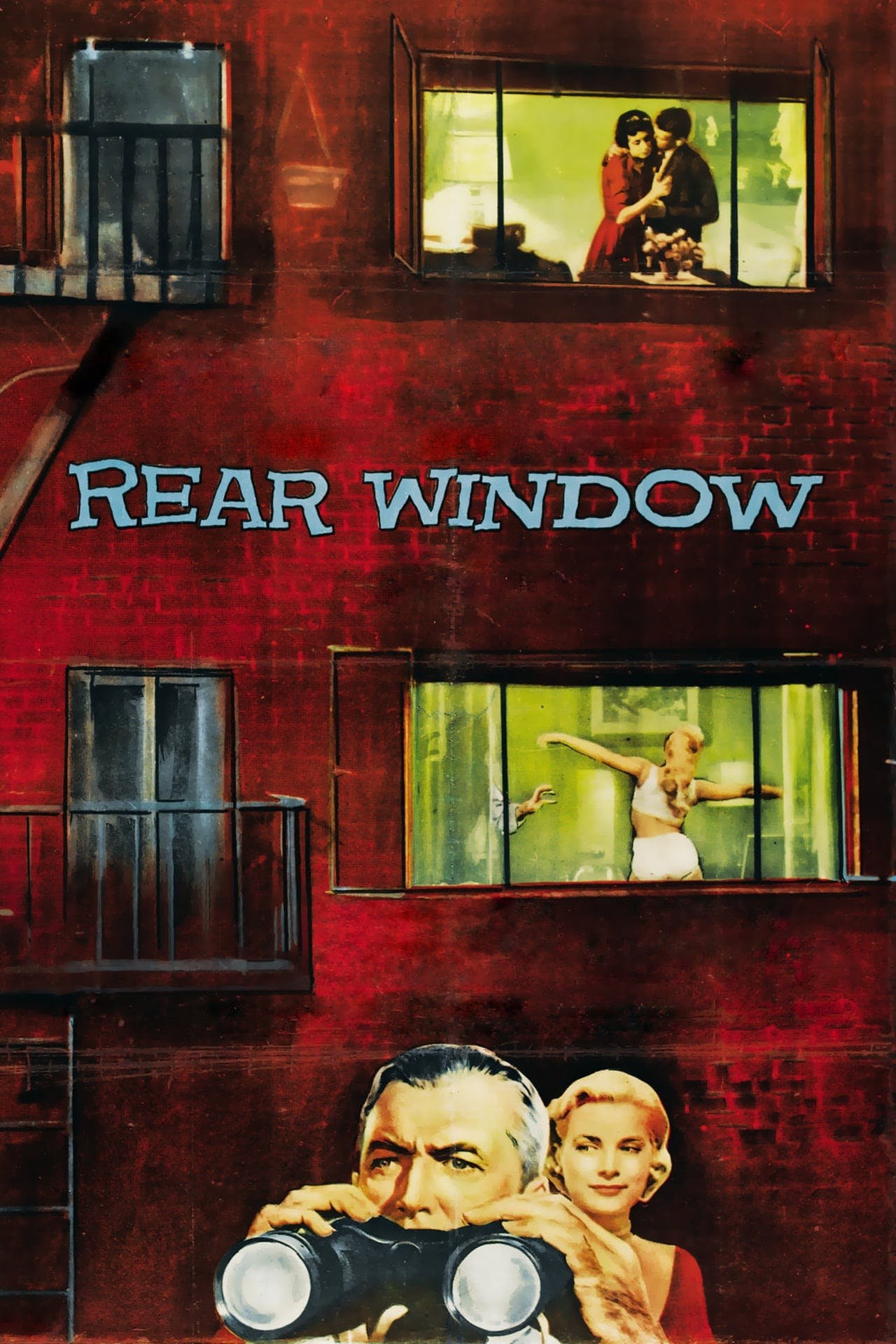
Hitchcock’s voyeur thriller popularized the witness-from-home mystery. Remakes and riffs include ‘Disturbia’, ‘The Woman in the Window’, and numerous TV bottle episodes centered on surveillance. Filmmakers reuse its courtyard mosaic to build parallel subplots. The camera-as-binoculars grammar shaped how thrillers depict looking and being watched.
‘The Bourne Identity’ (2002)
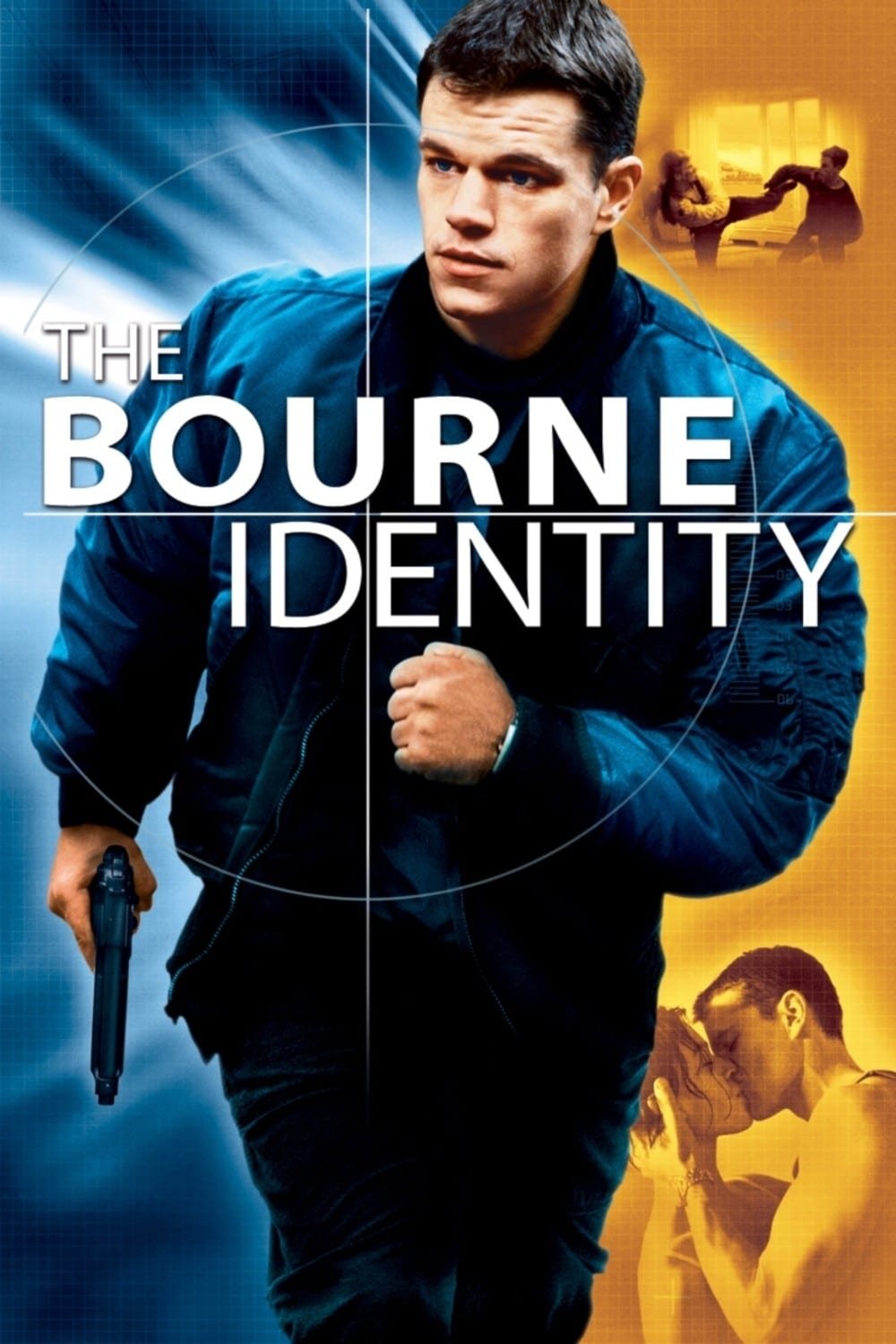
This spy reboot changed action coverage with handheld cameras and practical stunts. Competitors from ‘Casino Royale’ to ‘Taken’ adopted its close-quarters fights, location hopping, and amnesiac operative hook. The tone pulled espionage away from gadgets to gritty tradecraft. Editors embraced its fast cutting while sound teams leaned into diegetic intensity.
‘Battle Royale’ (2000)
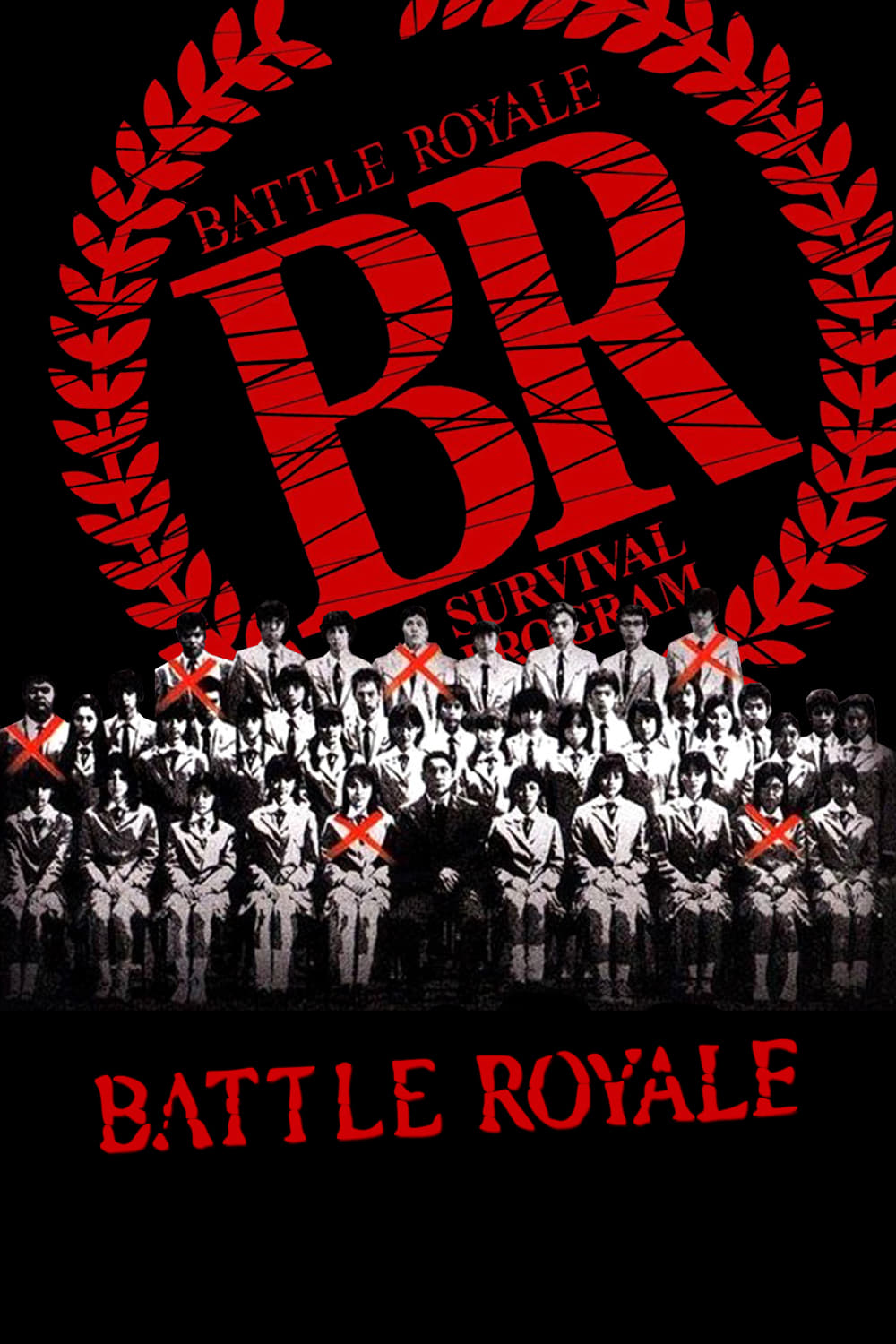
The lethal game setup influenced survival competitions across media. ‘The Hunger Games’ brought the core premise to global mainstream audiences, while shows and games echoed its rules and social satire. Costuming with numbered uniforms and explosive collars became shorthand for the subgenre. Class conflict framed through youth combat became a recurring theme.
‘Mad Max’ (1979)
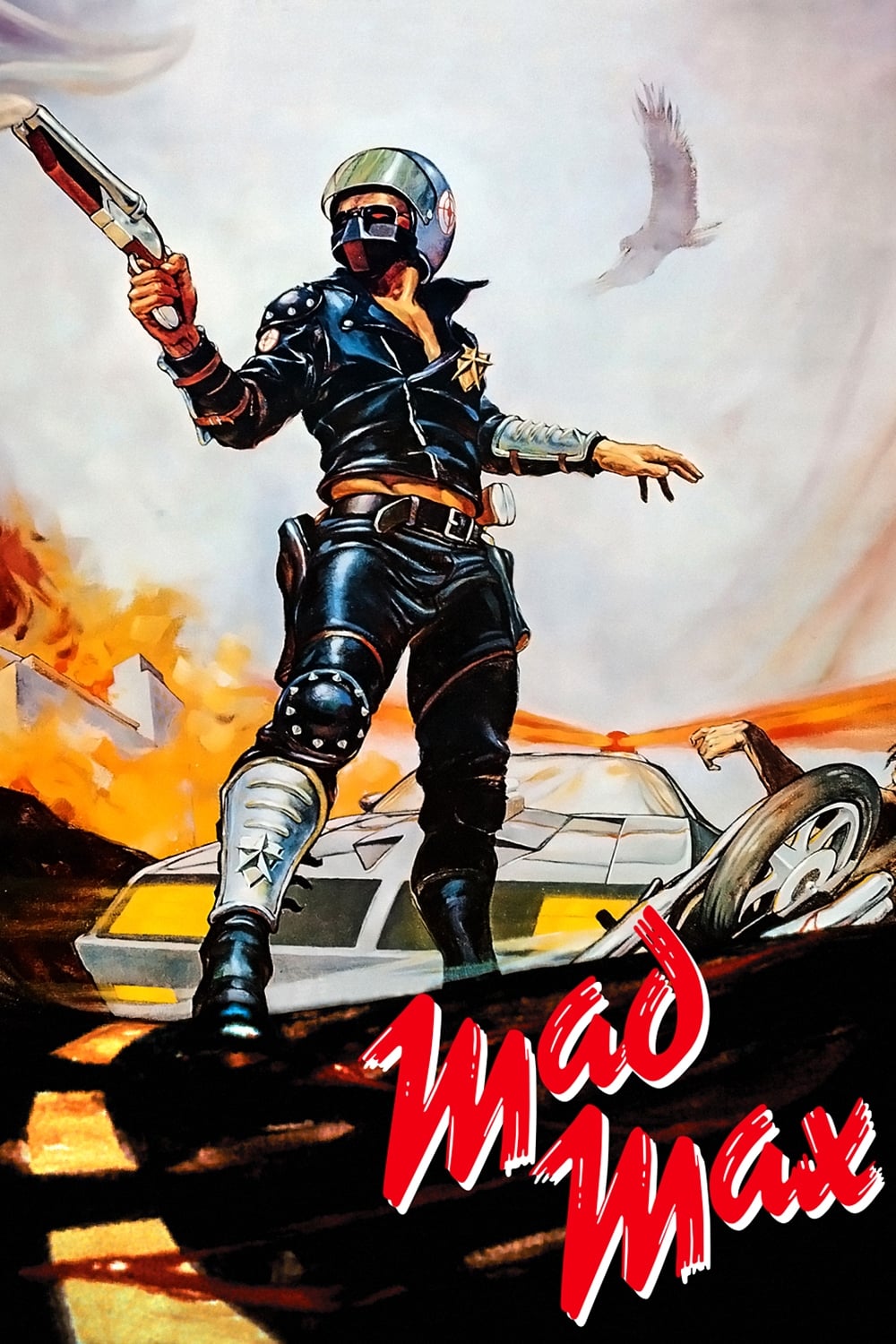
Post-apocalyptic road warfare drew a map for desert-set action cinema. Films like ‘The Book of Eli’ and ‘Turbo Kid’ and many music videos echo its cobbled vehicles, leather gear, and mobile clans. Stunt teams worldwide cite its vehicular chases and practical crashes. Production designers repeat its scrapyard world-building and fuel-scarcity stakes.
‘Pulp Fiction’ (1994)
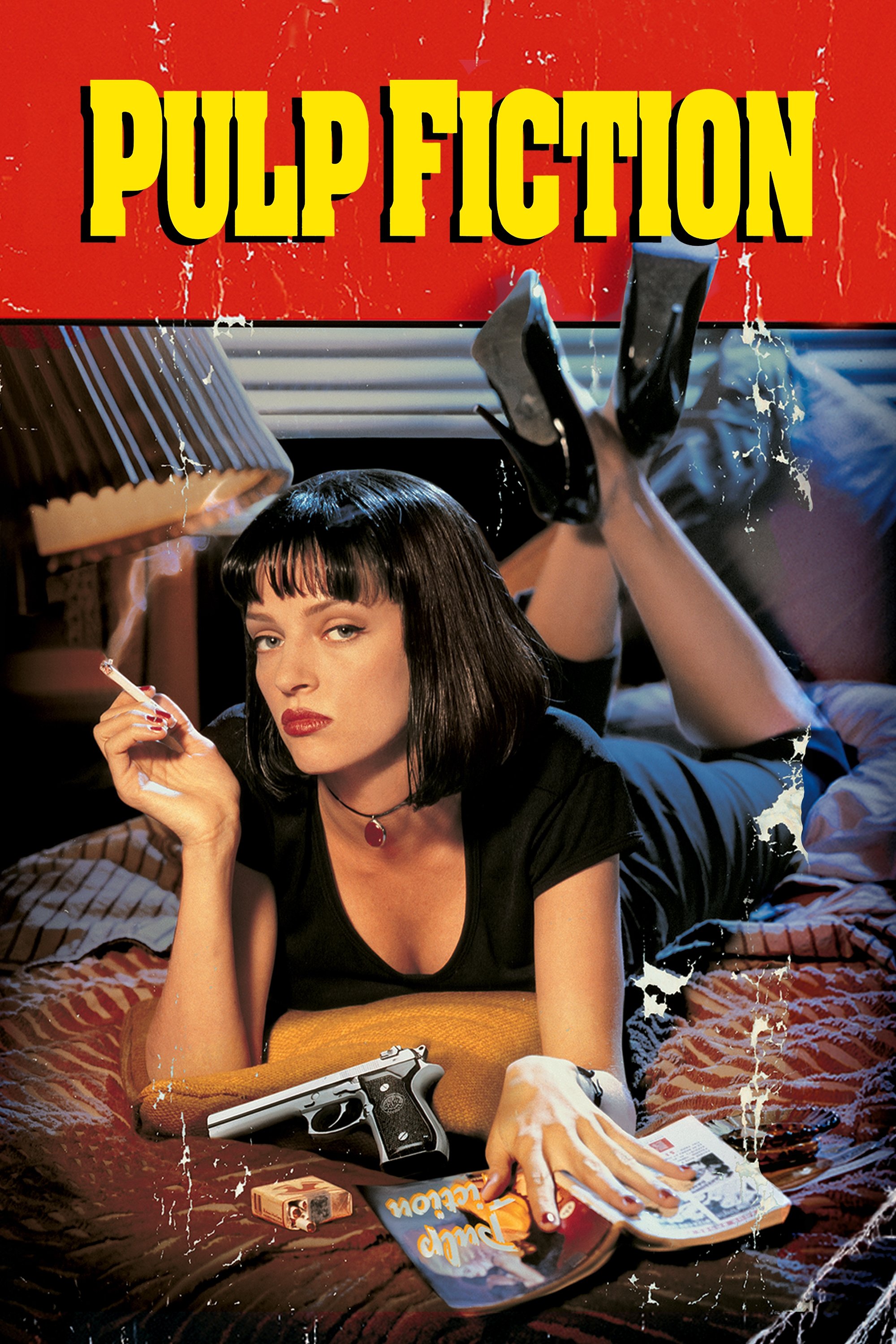
Its nonlinear chapters and intersecting crime stories became a favored indie structure. Imitators used pop-culture dialogue, needle-drop soundtracks, and mysterious briefcases in films like ‘Go’ and ‘Amores perros’. Anthology storytelling with title cards and circular endings showed up across festivals. The revival of retro suits and diner settings influenced visual branding.
‘The Godfather’ (1972)
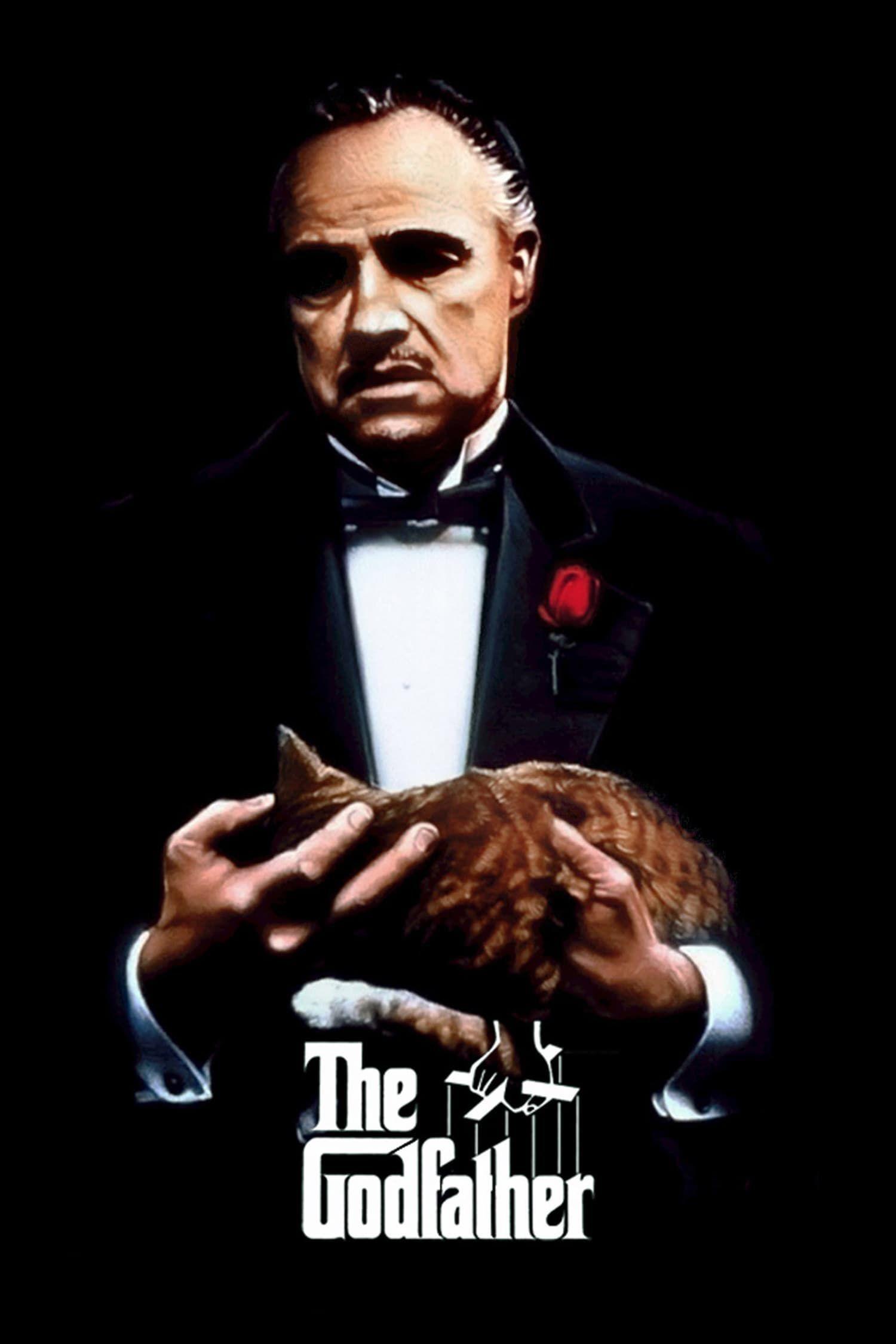
This crime epic set the standard for mafia family sagas. Series like ‘The Sopranos’ and films such as ‘Scarface’ and ‘A History of Violence’ drew from its codes of loyalty, initiation, and succession plotting. Filmmakers reused its darkened interiors, hushed meetings, and ritual scenes. Dialogue about offers, favors, and family councils became part of crime storytelling shorthand.
Share your own picks for the most copied movies in the comments.