


Top 30 Most Dangerous Films Ever Made



Filmmaking usually involves controlled environments where safety protocols protect the cast and crew from harm. There are times when ambition or negligence leads to catastrophic accidents that leave a permanent mark on cinema history. Some productions become infamous for the sheer number of injuries or the tragic loss of life that occurred during filming. The following movies represent the most perilous sets in the history of the medium. These films pushed boundaries at a terrible human cost that forever changed how movies are made.
‘The Wizard of Oz’ (1939)
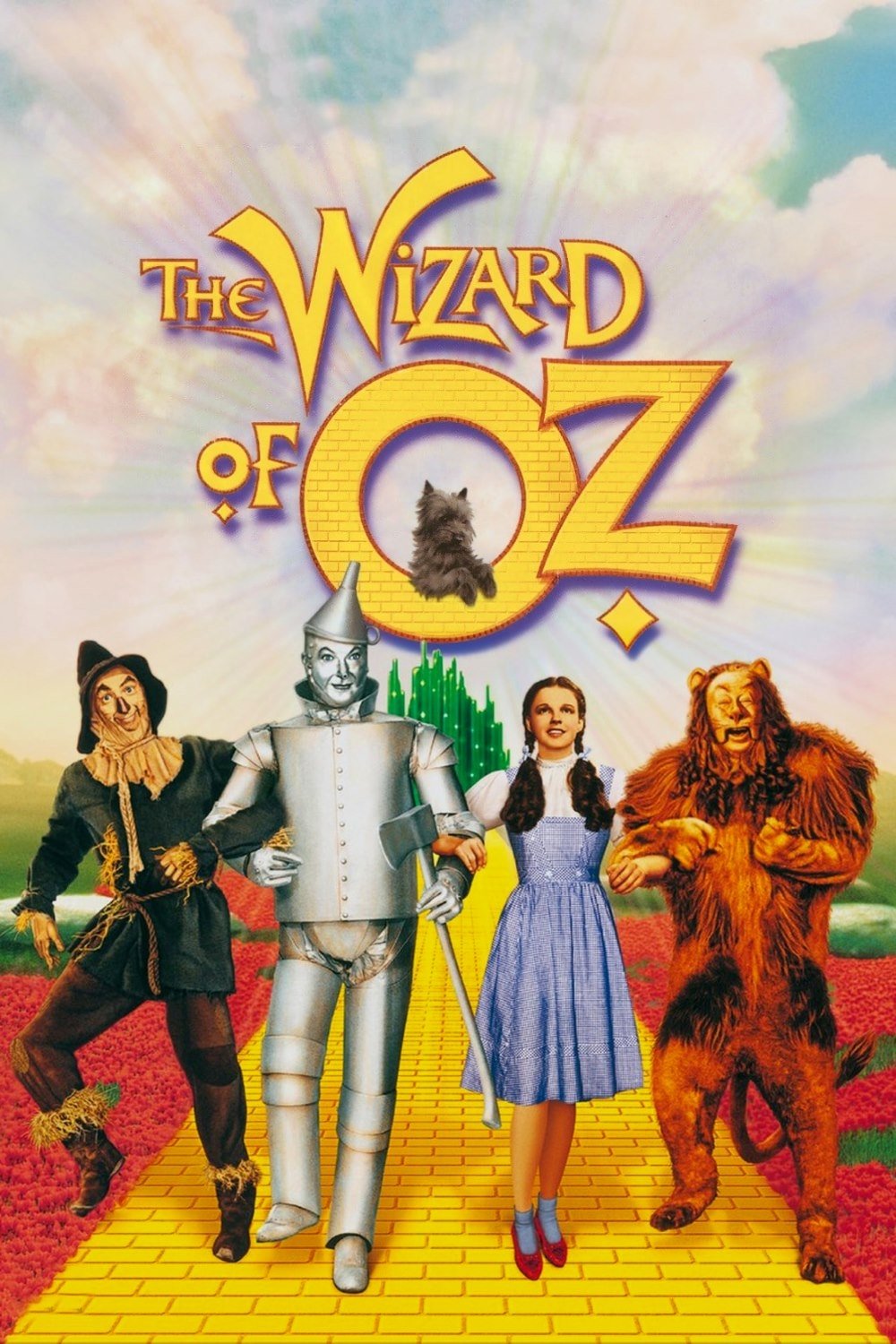
The production of this fantasy classic was plagued by toxic makeup and pyrotechnic accidents. Buddy Ebsen originally played the Tin Man but had to be hospitalized after coating his lungs with aluminum dust. Margaret Hamilton suffered severe burns on her face and hands when a trapdoor malfunctioned during a fiery exit. Even the Wicked Witch stunt double Betty Danko sustained permanent leg injuries from an exploding broomstick. The chaotic set conditions underscore the lack of safety regulations in early Hollywood.
‘Titanic’ (1997)
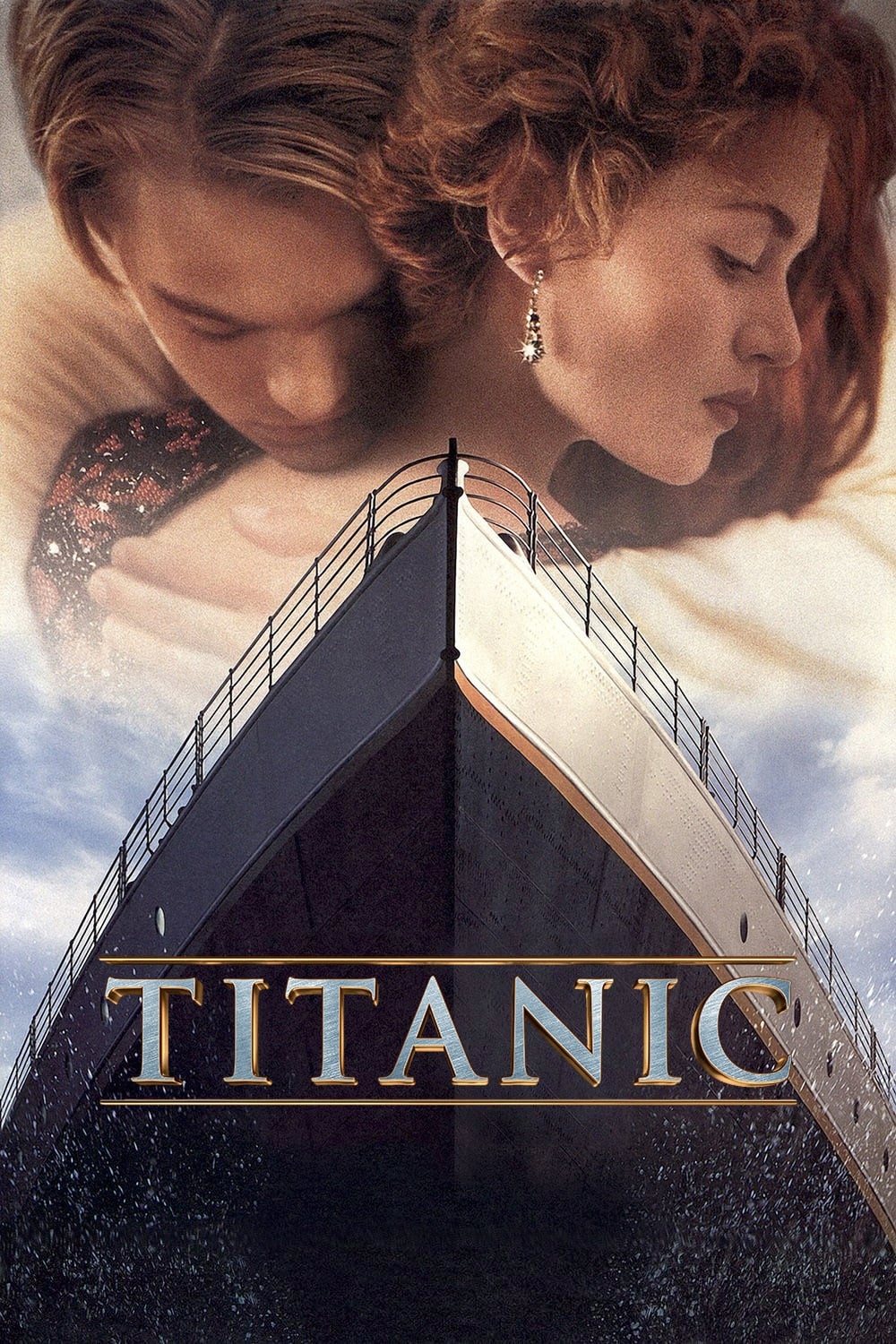
James Cameron is known for his demanding shoots and this aquatic epic was no exception. Several stunt performers fractured bones while filming the chaotic sinking sequences in the massive water tanks. Kate Winslet contracted pneumonia and nearly drowned when her coat snagged on a gate underwater. The most bizarre incident involved someone spiking the crew chowder with PCP which sent dozens of people to the hospital with hallucinations. The shoot was physically exhausting and fraught with potential drowning hazards for the entire cast.
‘The Exorcist’ (1973)

Many believe a curse plagued the set of this horror masterpiece due to the number of mishaps. A mysterious fire burned down the entire set of the MacNeil home except for the bedroom of the possessed girl. Ellen Burstyn suffered a permanent spinal injury when a rig pulled her too violently during a stunt. Linda Blair also fractured her lower back when a piece of rigging broke during a trashing scene. The production was delayed repeatedly while priests were brought in to bless the location.
‘The Passion of the Christ’ (2004)
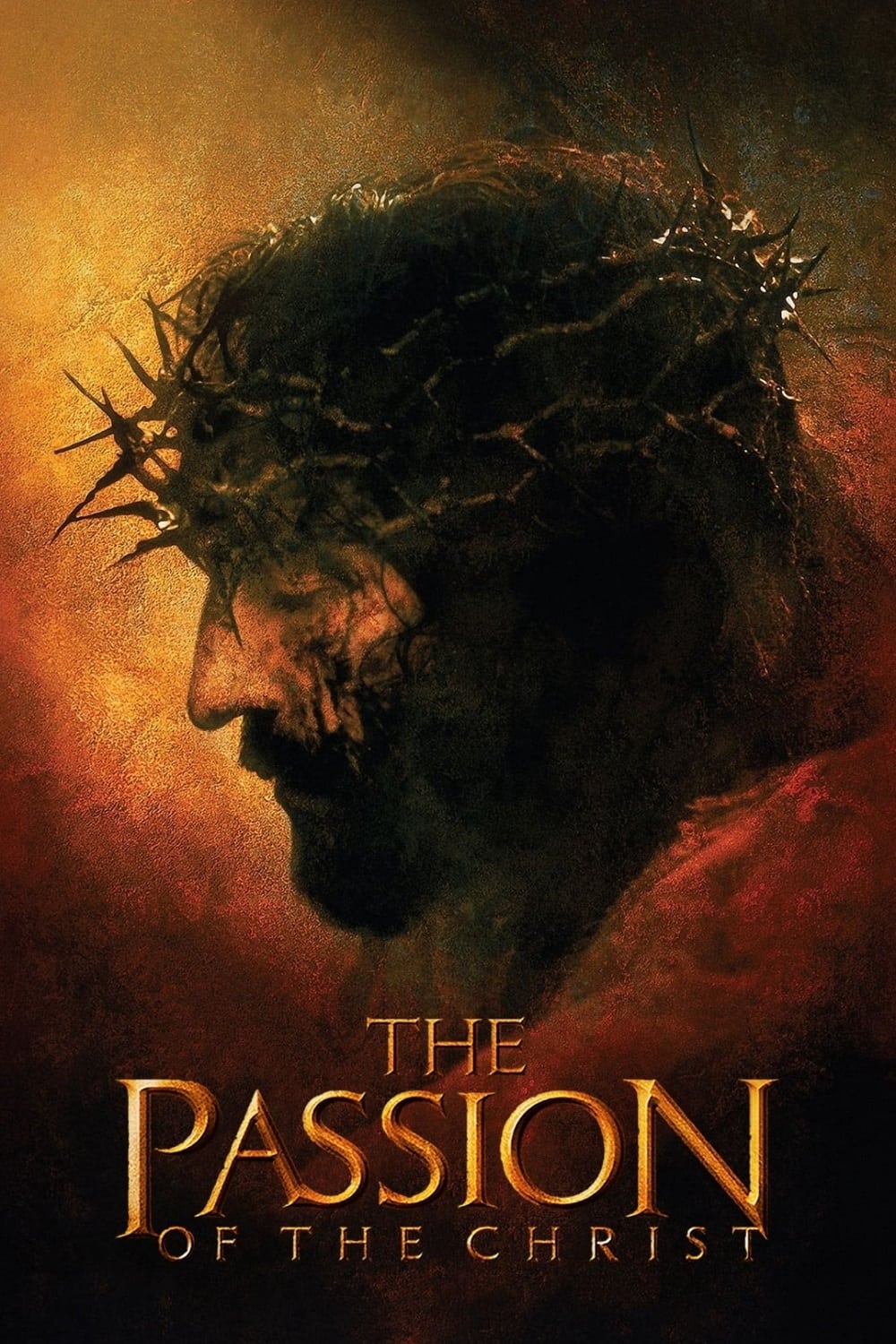
Jim Caviezel endured immense physical suffering while portraying Jesus during the production in Italy. The actor was struck by lightning while filming the Sermon on the Mount sequence. He also suffered a separated shoulder and hypothermia from hanging on the cross in near-freezing winds. An accident during the scourging scene left him with a deep gash on his back that required medical attention. The physical toll on the lead actor was visible in the final cut of the film.
‘Apocalypse Now’ (1979)
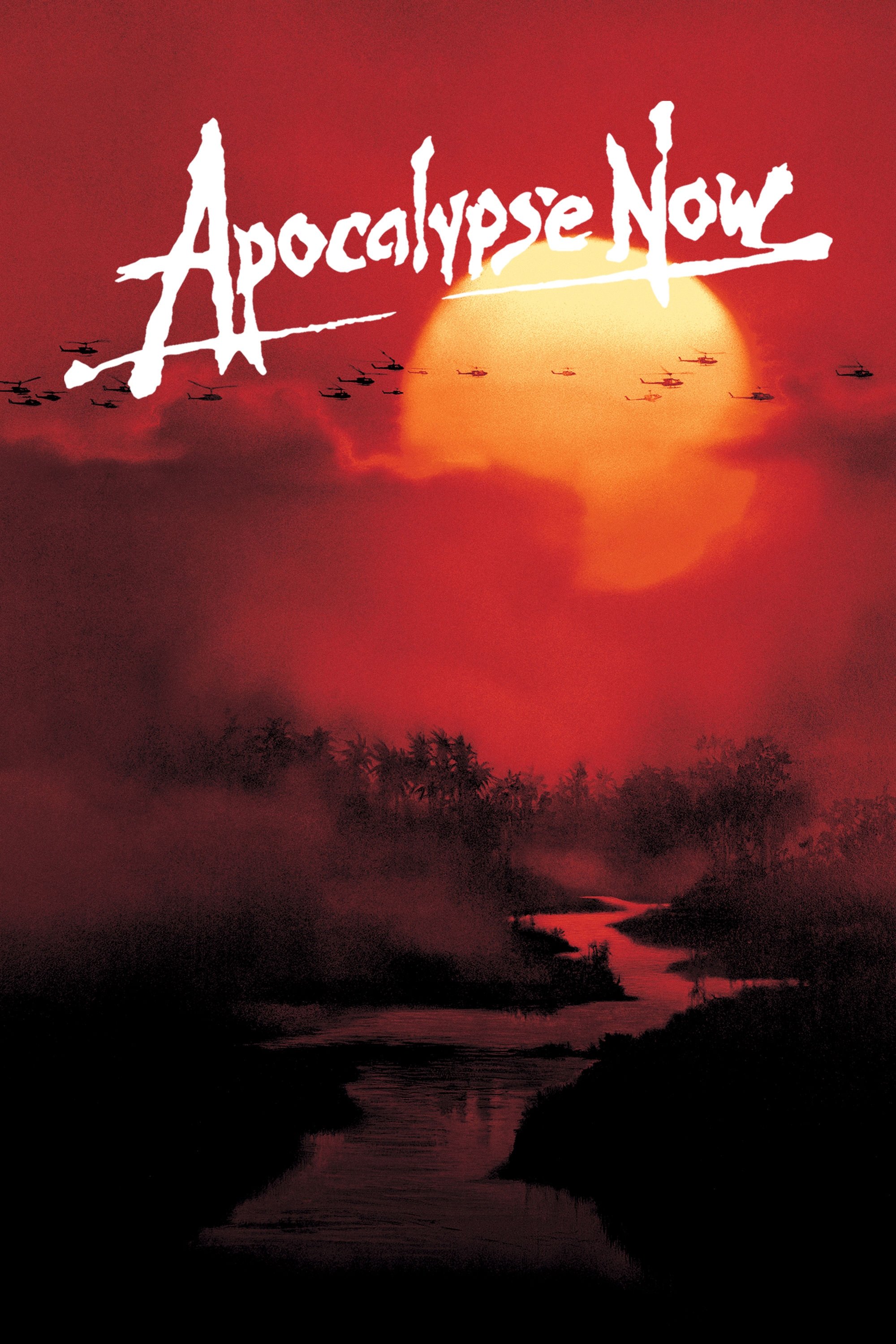
The shoot in the Philippines was a disaster of epic proportions that nearly killed its leading man. Martin Sheen suffered a severe heart attack and had to crawl to a road for help. A typhoon destroyed the expensive sets and forced the production to shut down for months. Director Francis Ford Coppola threatened suicide multiple times as the budget ballooned and the schedule spiraled out of control. Tropical diseases and drug abuse were rampant among the cast and crew throughout the filming.
‘Fitzcarraldo’ (1982)

Werner Herzog insisted on hauling a 320-ton steamship over a hill in the Amazon without special effects. The hazardous operation led to numerous injuries among the indigenous extras who worked on the rigging. Tensions flared to the point where the local chief offered to kill the lead actor Klaus Kinski for the director. Several crew members were injured and the harsh jungle conditions caused widespread dysentery. Two small planes involved in the production also crashed during the shoot resulting in severe injuries.
‘Waterworld’ (1995)
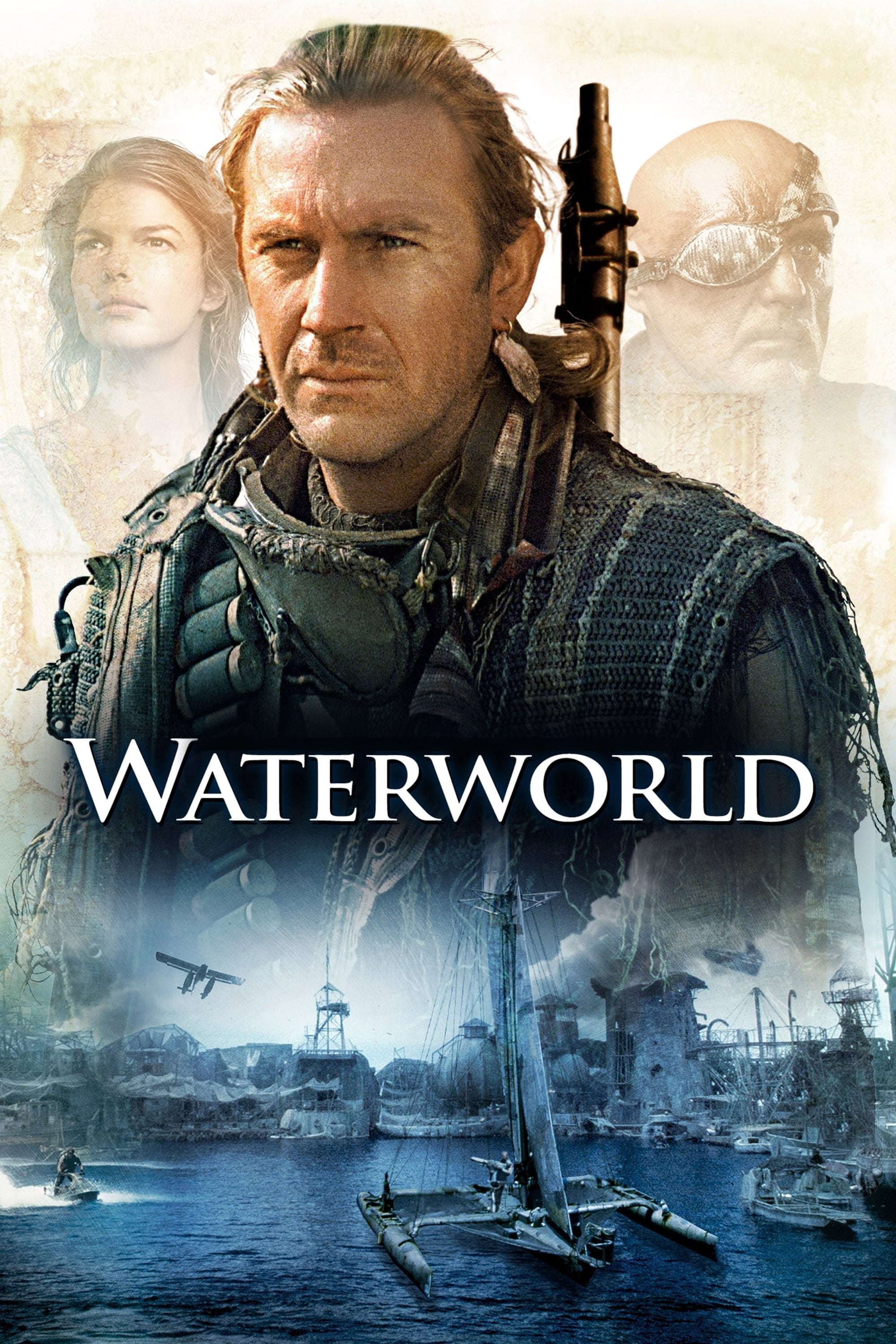
Filming on open water proved to be a logistical nightmare that put everyone at risk. Kevin Costner nearly died when a squall trapped him while he was strapped to the mast of his trimaran. Stunt double Tina Majorino was stung by jellyfish so severely that she nearly drowned before being rescued. Another diver almost died from an embolism after surfacing too quickly from the deep set. The unpredictable ocean weather constantly destroyed multi-million dollar sets and threatened the safety of the crew.
‘The Revenant’ (2015)
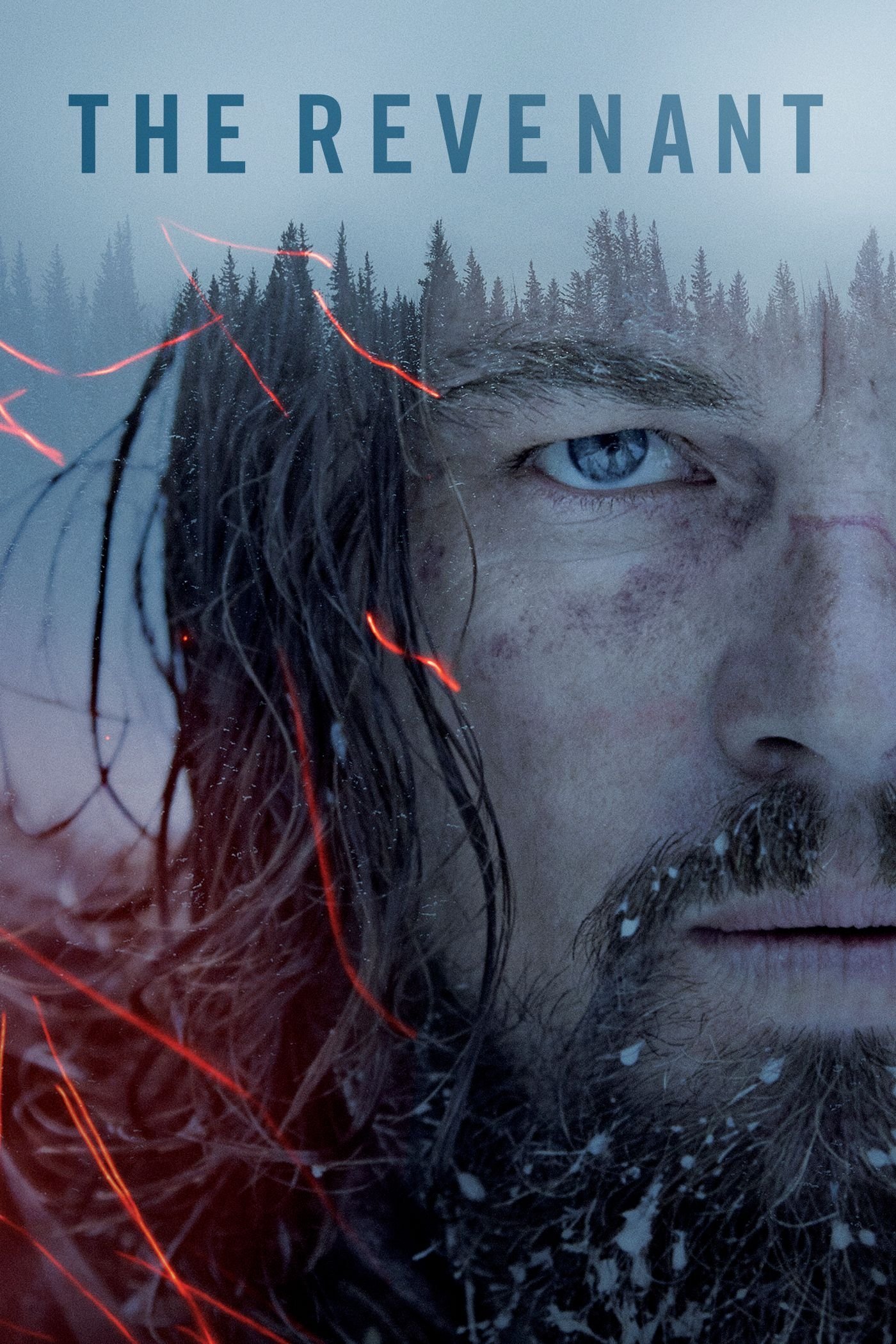
Leonardo DiCaprio ate raw bison liver and slept in animal carcasses to achieve total authenticity. The crew endured temperatures as low as forty degrees below zero in the Canadian wilderness. Equipment frequently froze and malfunctioned which forced the production to move to Argentina to find snow. Several crew members quit the production due to the brutal conditions and the director’s uncompromising demands. The resulting film captured the genuine physical struggle of survival against the elements.
‘Ben-Hur: A Tale of the Christ’ (1925)

The chariot race in this silent era epic remains one of the most dangerous sequences ever filmed. A crash during the race threw a stuntman into the air and reportedly caused a fatality that was covered up by the studio. Dozens of horses were killed during the production due to the reckless nature of the stunts. The lack of modern animal welfare laws allowed for brutal treatment of the livestock. It stands as a grim reminder of the lack of regulation in early cinema.
‘Mad Max 2’ (1981)
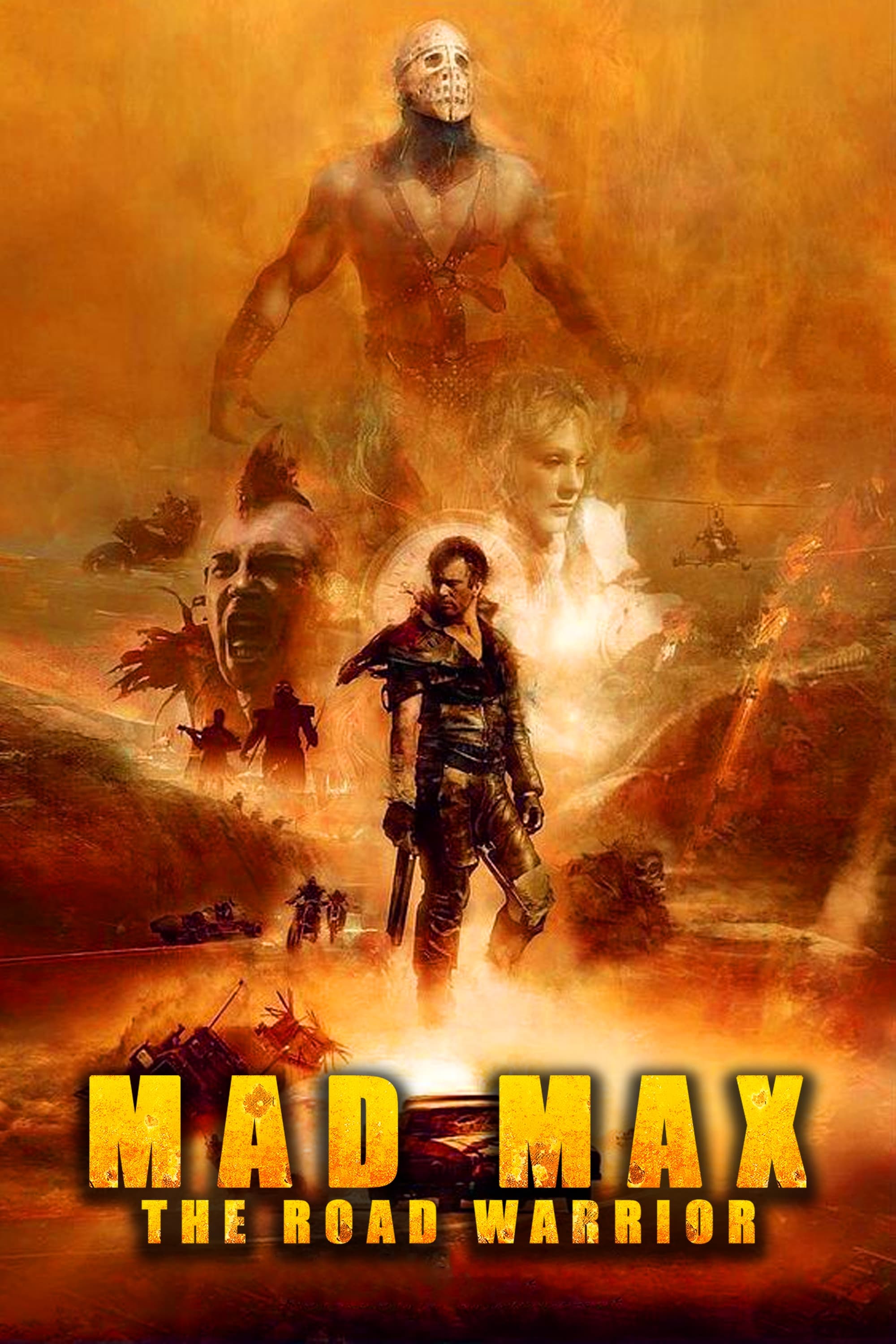
The stunts in this post-apocalyptic sequel were performed with practical effects and high speeds. One stuntman shattered his ankle and broke his leg when a motorcycle stunt went wrong. Another performer broke a vertebra when a dune buggy flew off a ramp and landed disastrously. The remoteness of the Australian outback location made medical evacuation difficult for the injured crew. George Miller created a visceral masterpiece by putting his stunt team in genuine peril.
‘Resident Evil: The Final Chapter’ (2016)
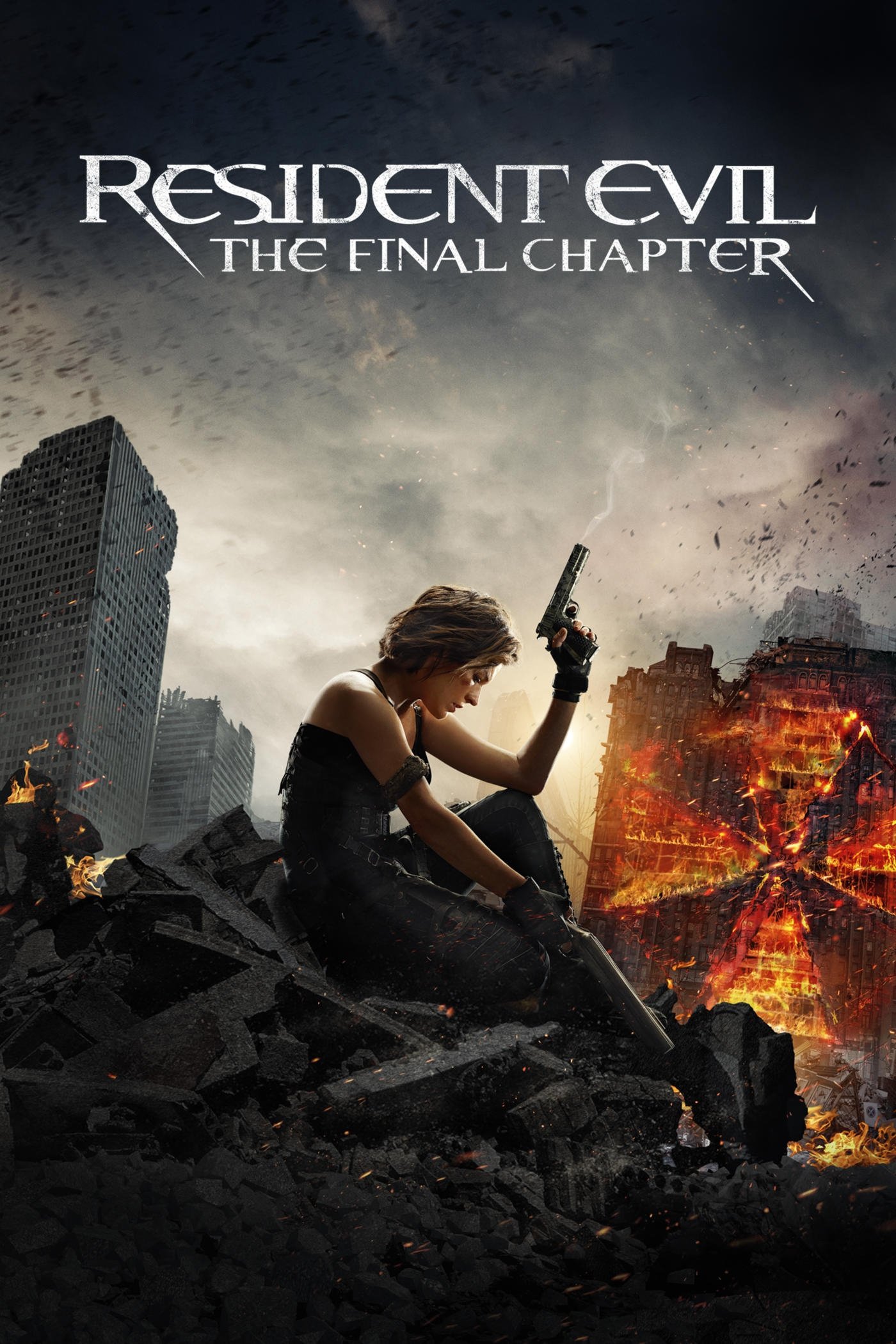
This action sequel faced two terrible tragedies during its production in South Africa. Stuntwoman Olivia Jackson lost her arm and suffered severe facial injuries after colliding with a camera crane while riding a motorcycle. Crew member Ricardo Cornelius died later when a Humvee slid off a rotating platform and crushed him. The production highlighted the extreme risks involved in modern action franchises. These accidents sparked a major conversation about safety standards for stunt performers.
‘Deadpool 2’ (2018)
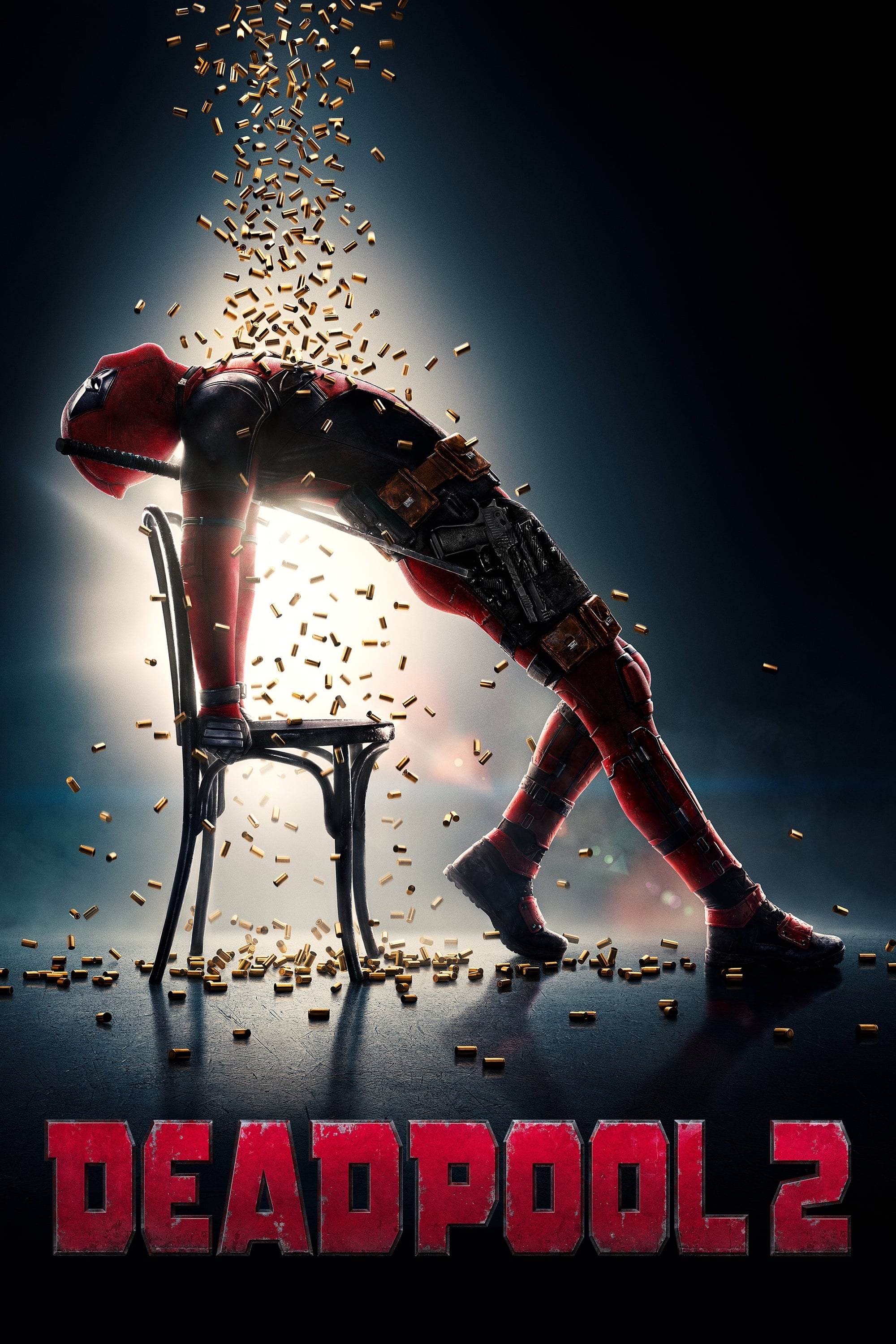
A tragic motorcycle accident claimed the life of stuntwoman Joi Harris during filming in Vancouver. Harris lost control of her bike and crashed through a plate-glass window while performing a stunt without a helmet. The production was halted immediately as investigations looked into the safety protocols on set. It was her first time working as a stunt performer for a feature film. The incident emphasized the need for stricter qualifications and safety measures for vehicle stunts.
‘xXx’ (2002)
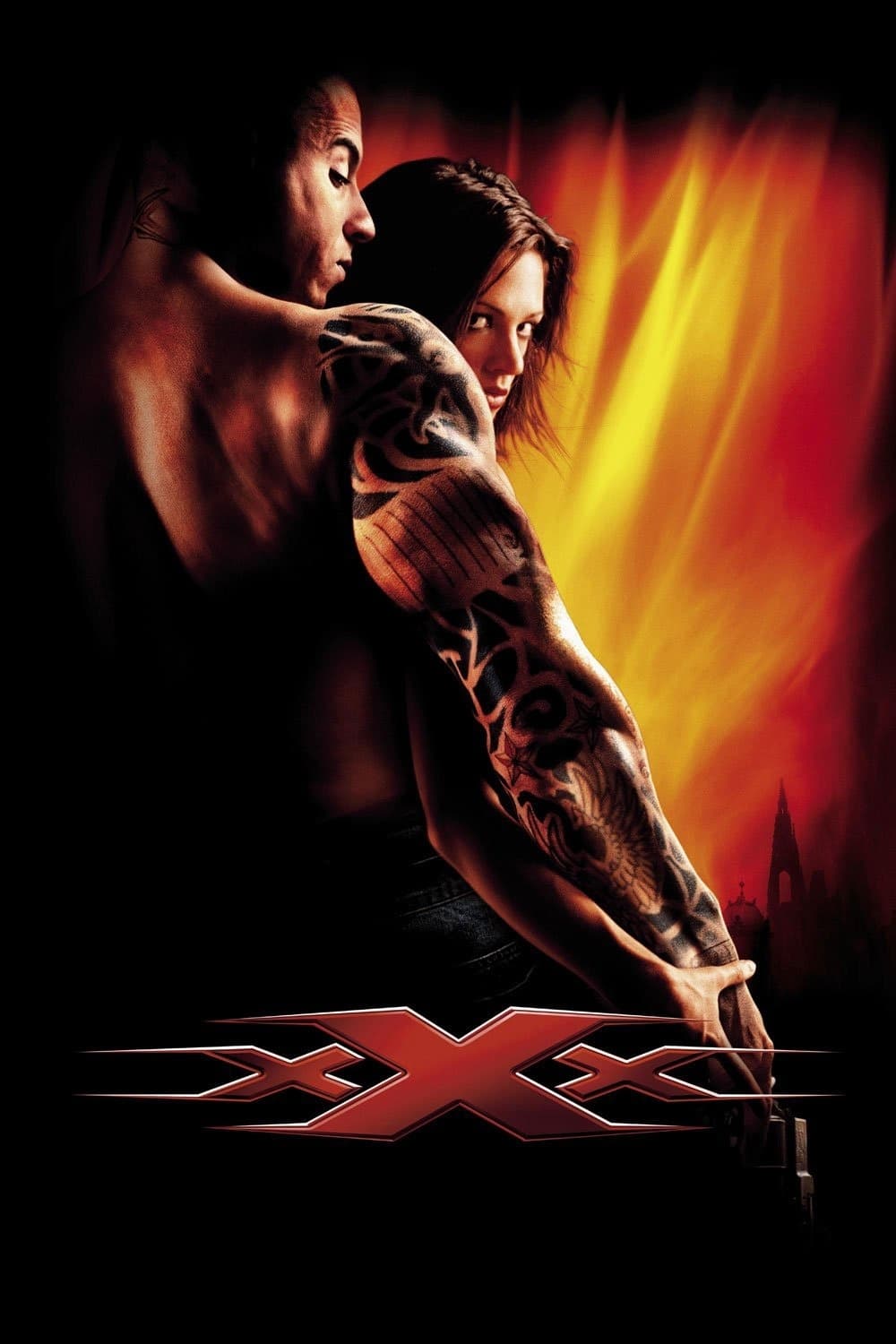
Vin Diesel’s stunt double Harry L. O’Connor was killed while performing a paragliding stunt in Prague. He was supposed to rappel down a parasail line and land on a submarine but he hit a bridge pillar at high speed. The impact killed him instantly and the production was left in shock. The filmmakers actually kept the footage of his descent in the final movie but cut away before the fatal impact. The film remains dedicated to his memory.
‘Top Gun’ (1986)
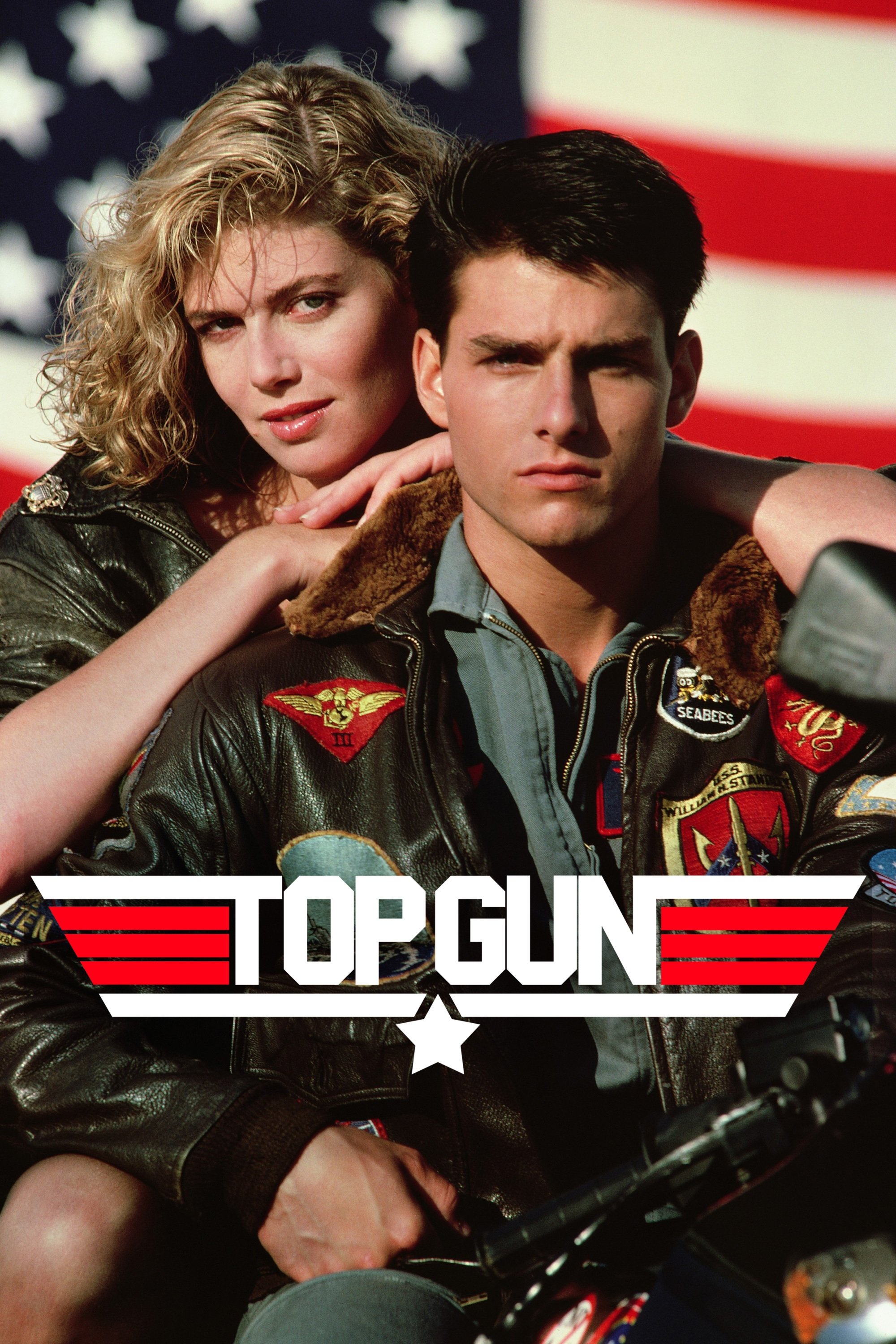
Renowned aerobatic pilot Art Scholl died while capturing background footage for the aerial dogfights. His plane entered an inverted flat spin and crashed into the Pacific Ocean. Neither the aircraft nor his body was ever recovered from the deep water. The last words heard over the radio indicated he had a problem he could not correct. The film is dedicated to Scholl who was a legend in the aviation community.
‘Jumper’ (2008)
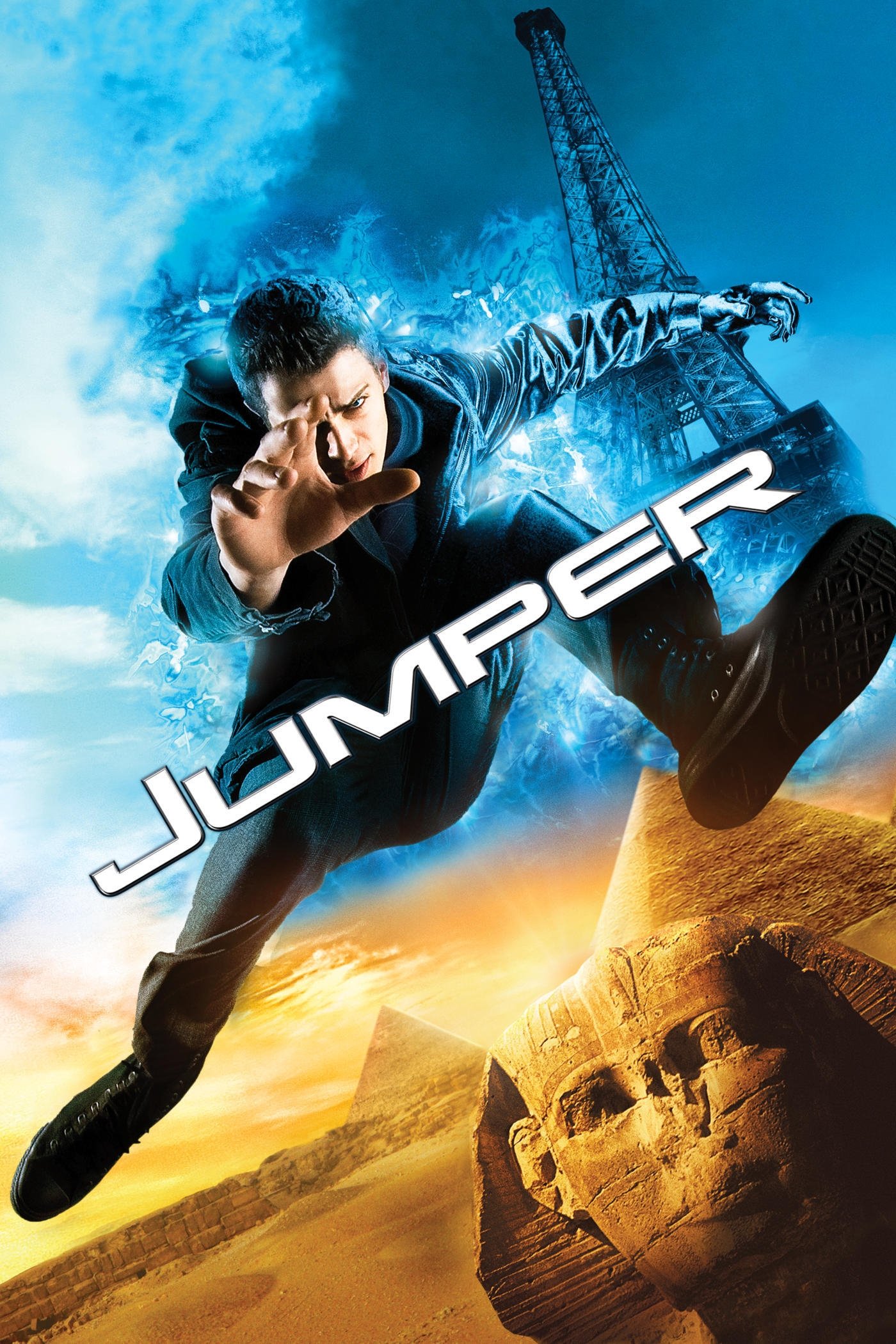
A set dresser named David Ritchie was killed instantly when frozen sand and gravel fell on him. The crew was dismantling a sci-fi set in Toronto during severe winter conditions. A large chunk of the frozen mixture detached from a wall and crushed him while injuring another worker. The accident was attributed to the unstable nature of the materials used to create the icy aesthetic. It was a freak accident that highlighted the dangers of set deconstruction.
‘Troy’ (2004)
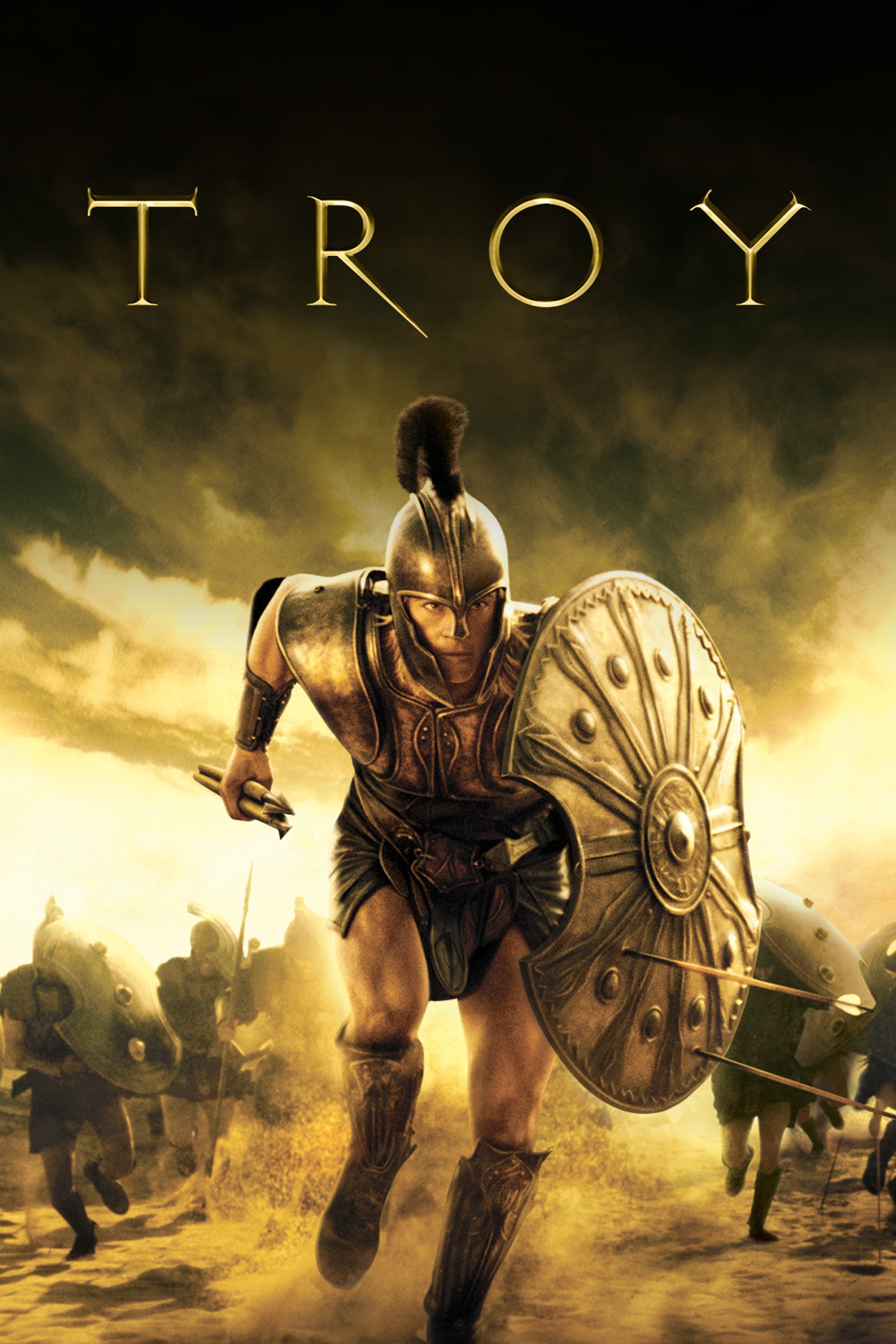
The production of this historical epic was marred by a series of unfortunate events. Brad Pitt tore his Achilles tendon while playing the character Achilles which delayed production for weeks. A hurricane struck the set in Mexico and destroyed the massive walls of Troy. Bodybuilder George Camilleri broke his leg during an action sequence and died weeks later from complications. The sheer scale of the production created numerous hazards for the hundreds of extras involved.
‘The Dark Knight’ (2008)
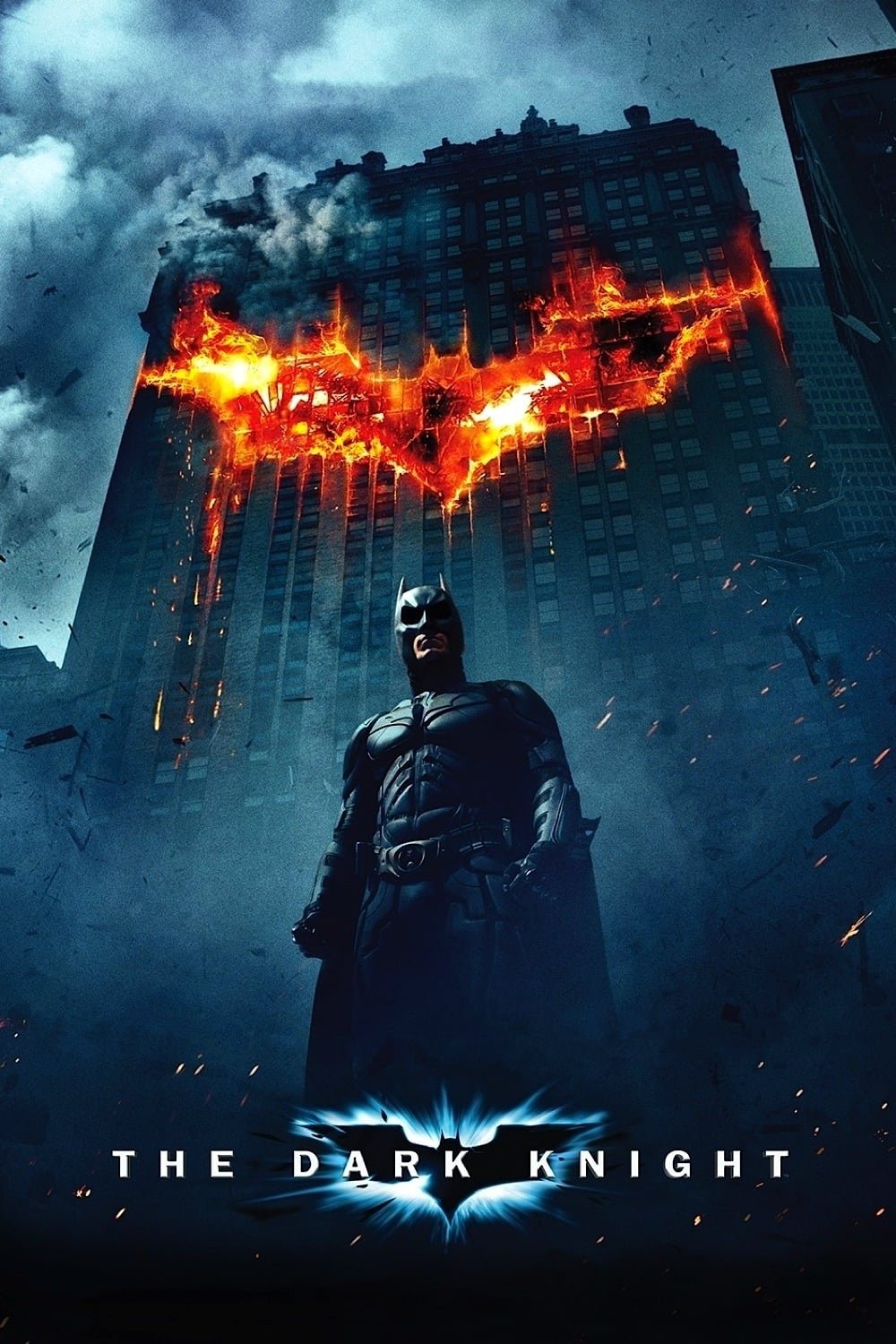
The stunt community was devastated by the death of Conway Wickliffe during a rehearsal. He was leaning out of a vehicle to operate a camera when the driver crashed into a tree. The car missed the 90-degree turn required for the stunt and the impact was fatal. The film is dedicated to both Heath Ledger and Wickliffe. This tragedy showed that even rehearsals for high-budget blockbusters carry lethal risks.
‘Harry Potter and the Deathly Hallows: Part 1’ (2010)
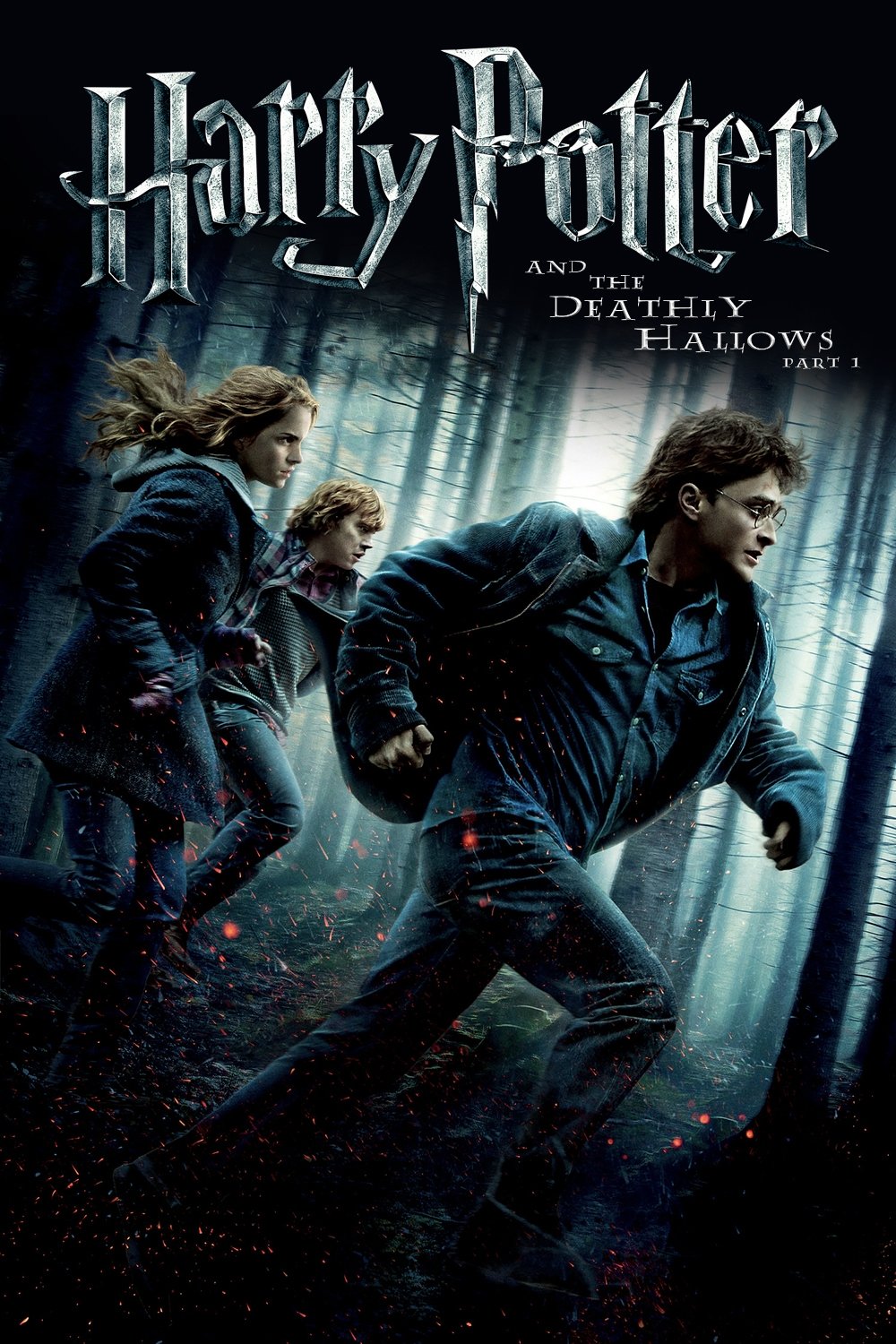
David Holmes served as the stunt double for Daniel Radcliffe for nearly a decade before a tragic accident paralyzed him. He was rehearsing a flying scene when an explosion pulled him into a wall with excessive force. The impact broke his neck and left him paralyzed from the chest down. Holmes has since become an advocate for stunt safety and maintains a friendship with the cast. The accident cast a somber shadow over the final films of the series.
‘The Expendables 2’ (2012)
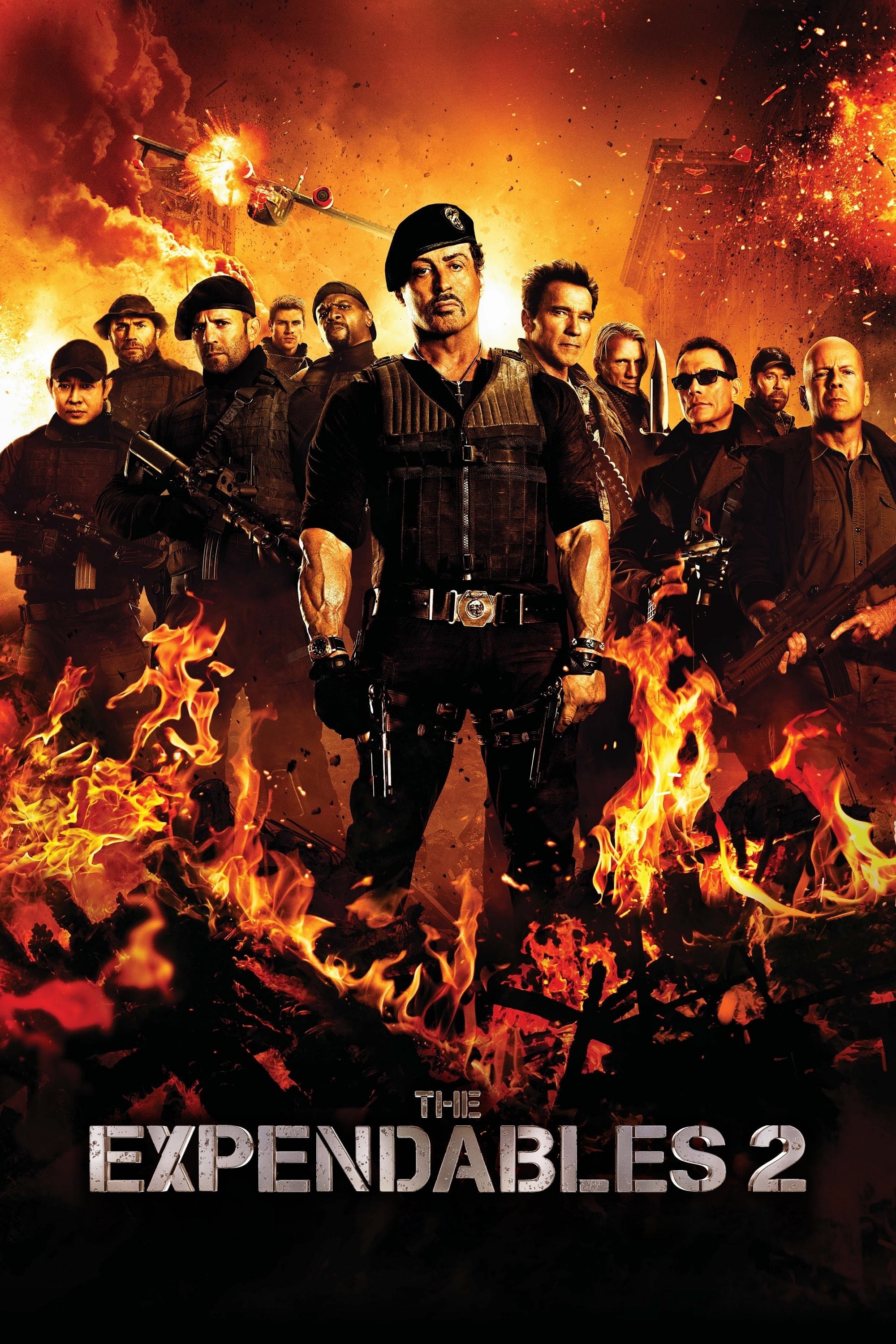
An explosion on a rubber boat in Bulgaria went wrong and killed stuntman Kun Liu. Another stuntman named Nuo Sun was critically injured in the same blast and required hours of surgery. The pyrotechnics were detonated too close to the performers during a second unit shoot. The family of the deceased sued the production company for negligence regarding the safety setup. It was a sobering reminder that practical explosions are inherently dangerous.
‘Midnight Rider’ (2014)
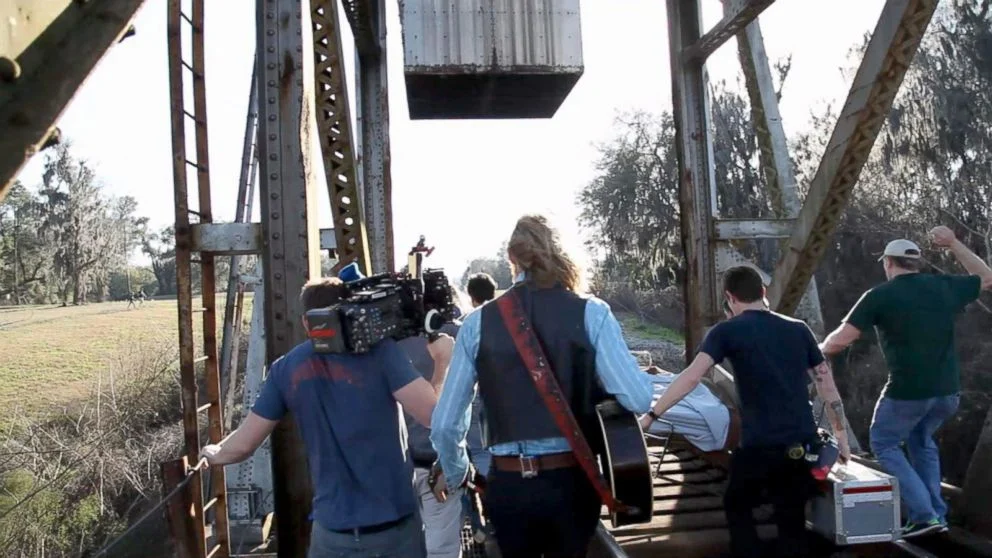
This biographical film about Gregg Allman was canceled after the very first day of shooting due to criminal negligence. Camera assistant Sarah Jones was killed when a train struck the crew on a trestle bridge. The production did not have permission to be on the active tracks when the train arrived. Director Randall Miller served jail time for involuntary manslaughter as a result of the incident. The tragedy launched the Safety for Sarah movement to improve set safety globally.
‘The Crow’ (1994)
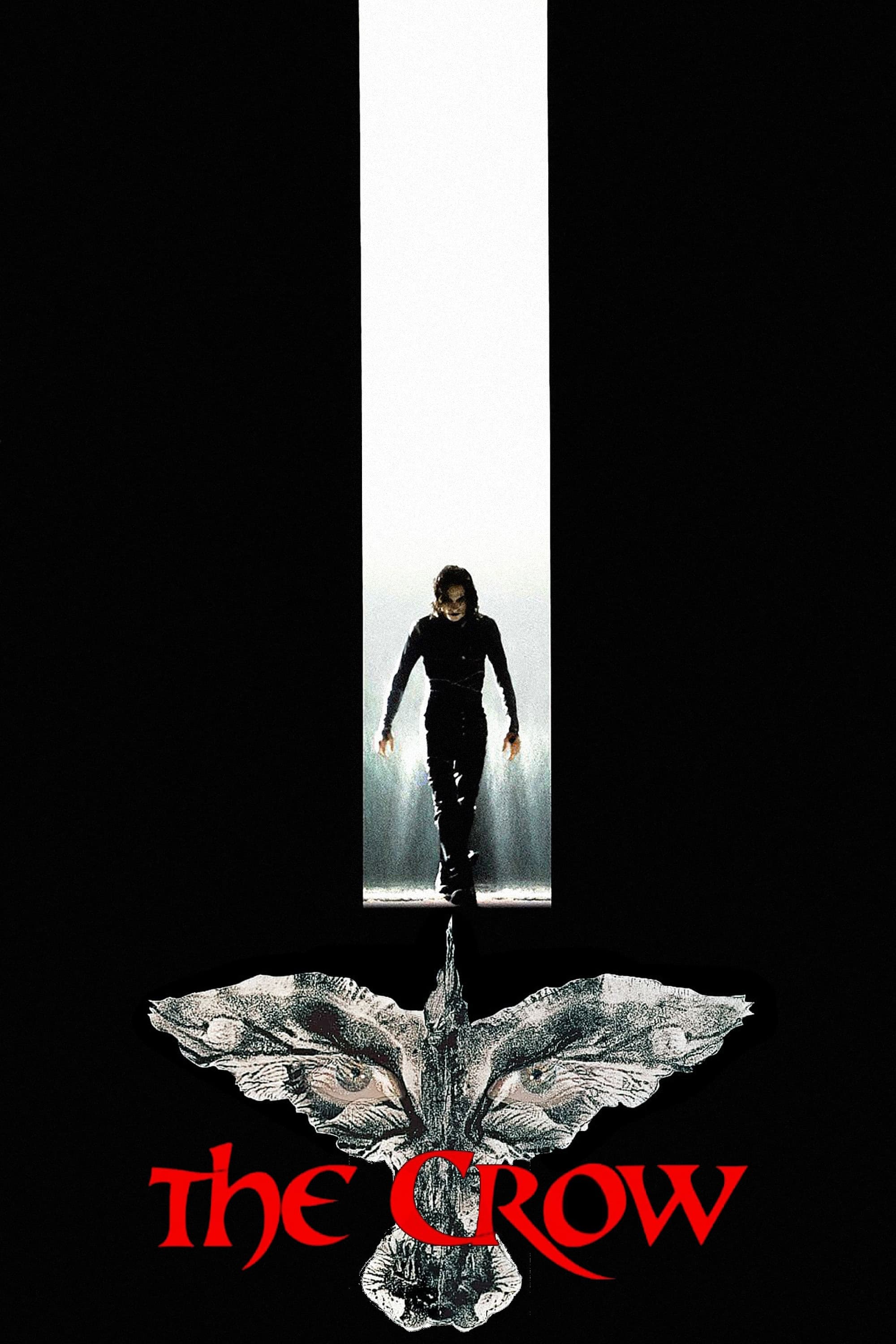
Brandon Lee was killed days before completing the film due to a mishandled prop gun. A fragment of a dummy bullet had become lodged in the barrel and was propelled out by a blank cartridge. The projectile struck Lee in the abdomen and caused fatal internal bleeding. The tragedy ended the life of a rising star and changed firearm protocols on movie sets forever. The film was completed using body doubles and digital effects.
‘Catch-22’ (1970)
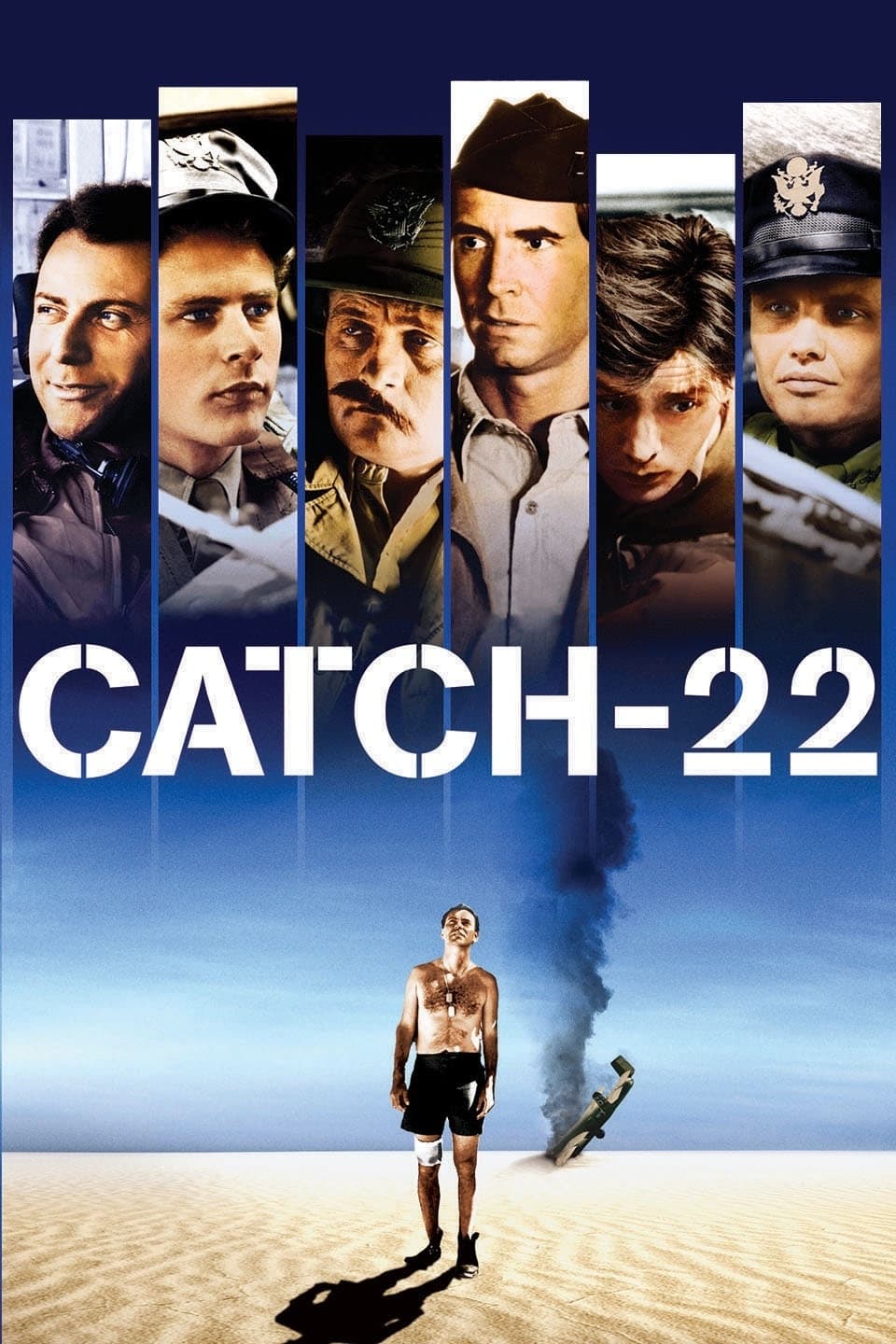
Second unit director John Jordan refused to wear a harness while filming from an open B-25 bomber. He was sucked out of the plane when another aircraft passed too closely and created turbulence. Jordan fell thousands of feet to his death into the Gulf of Mexico. He had previously lost a leg during the filming of another movie but continued to work in dangerous conditions. The accident cast a dark cloud over the production of the satirical war film.
‘The Flight of the Phoenix’ (1965)
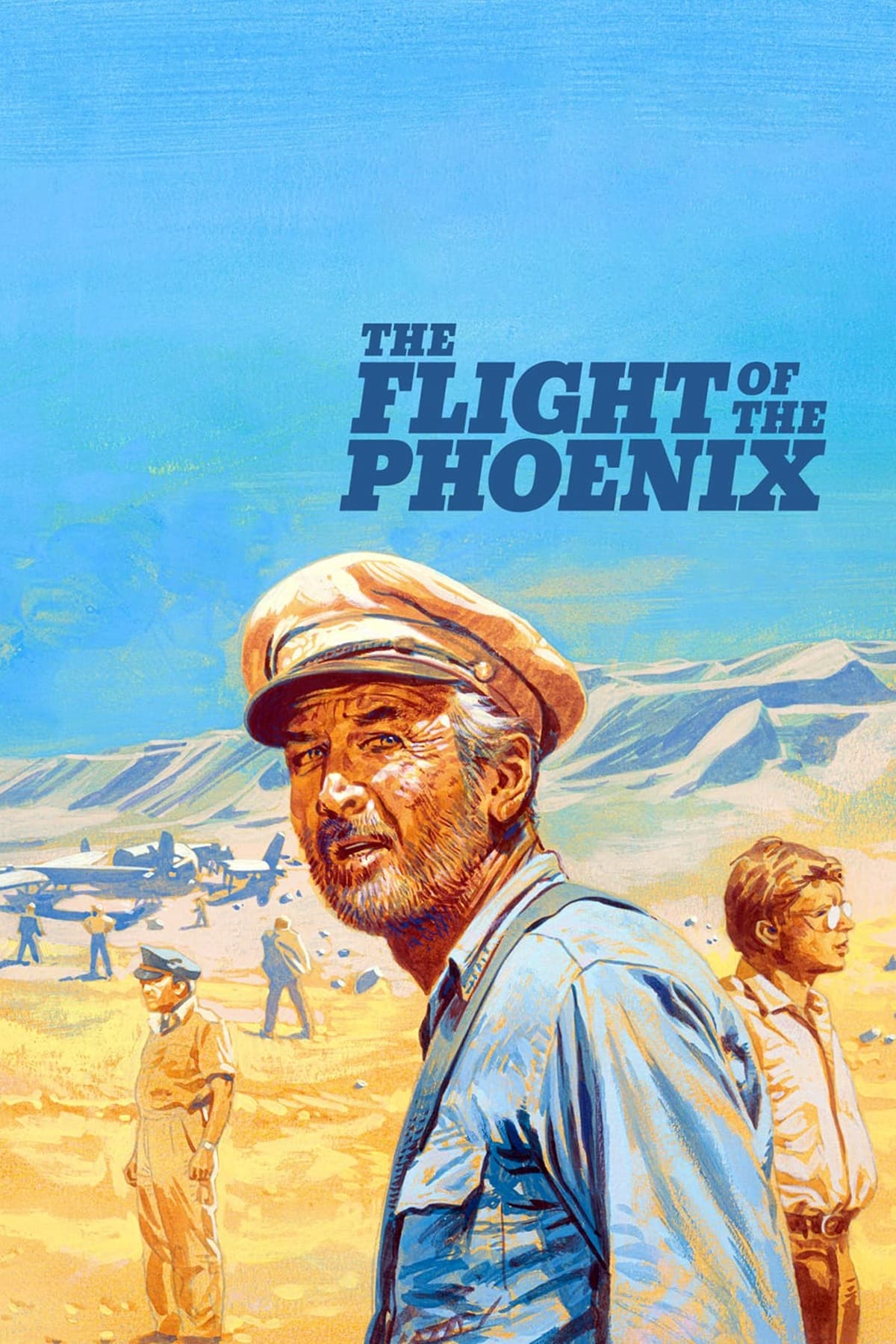
Legendary stunt pilot Paul Mantz came out of retirement to fly the Tallmantz Phoenix P-1 for the movie. The plane was a custom-built aircraft that was structurally questionable for the maneuvers required. Mantz hit a small hillock during a low pass which caused the fuselage to buckle and cartwheel. He was killed instantly by the crushing impact of the disintegration. The film ends with a tribute to Mantz for his contribution to aviation cinema.
‘Noah’s Ark’ (1928)
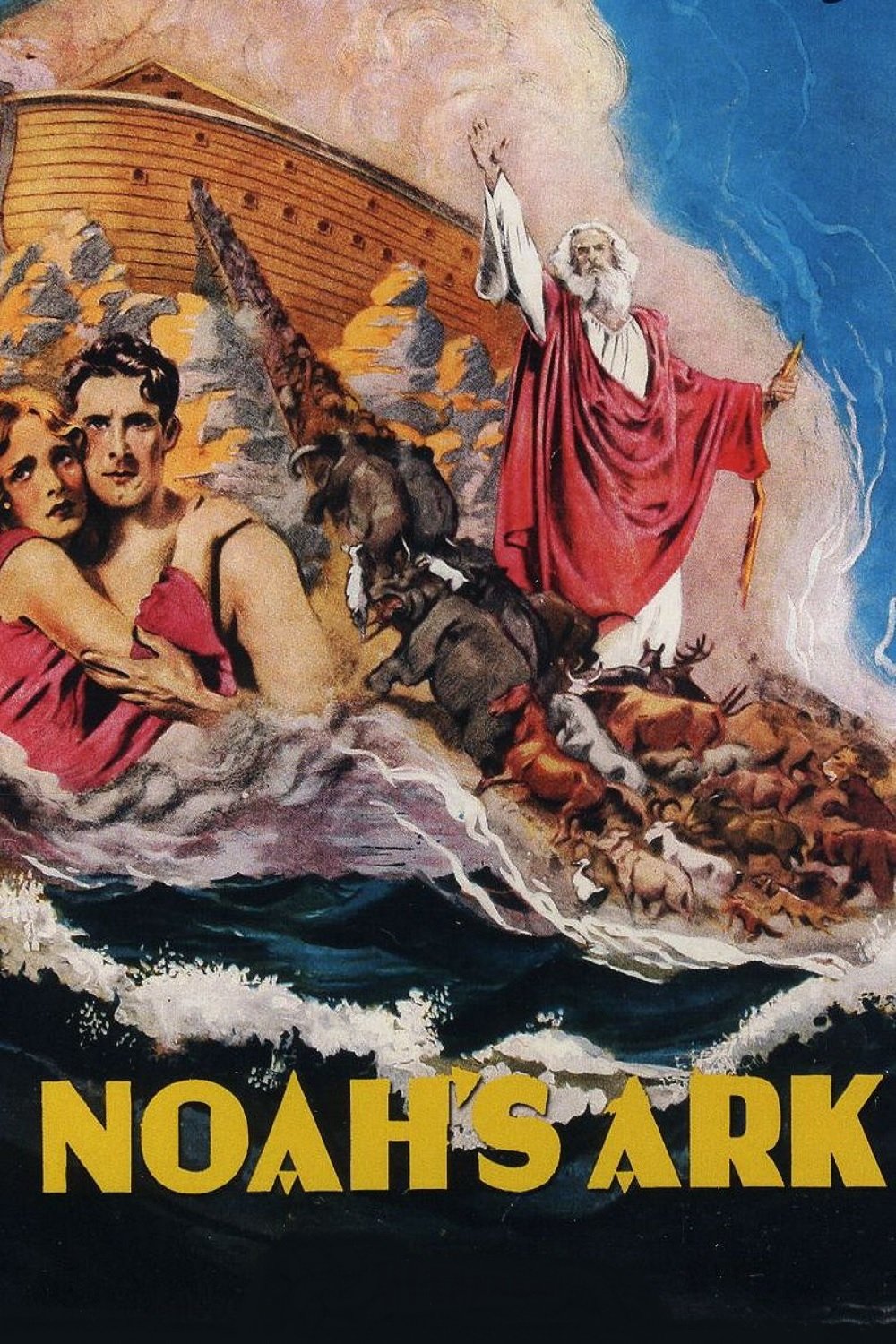
Director Michael Curtiz ordered massive tanks of water to be dumped on hundreds of extras to simulate the Great Flood. The volume of water was far greater than anticipated and swept actors away in a violent torrent. Three extras reportedly drowned during the chaos and many others suffered broken limbs. One woman had her leg amputated as a result of the injuries sustained in the deluge. This incident eventually led to the implementation of stricter safety regulations for extras.
‘The Conqueror’ (1956)

The production filmed in Utah downwind from a nuclear testing site in Nevada. The government assured the cast and crew that the radiation levels were safe for humans. Over the next decades nearly half of the cast and crew developed cancer including John Wayne and director Dick Powell. Ninety-one out of the two hundred and twenty crew members contracted the disease. It is considered one of the most devastating examples of negligence in Hollywood history.
‘The Viking’ (1931)
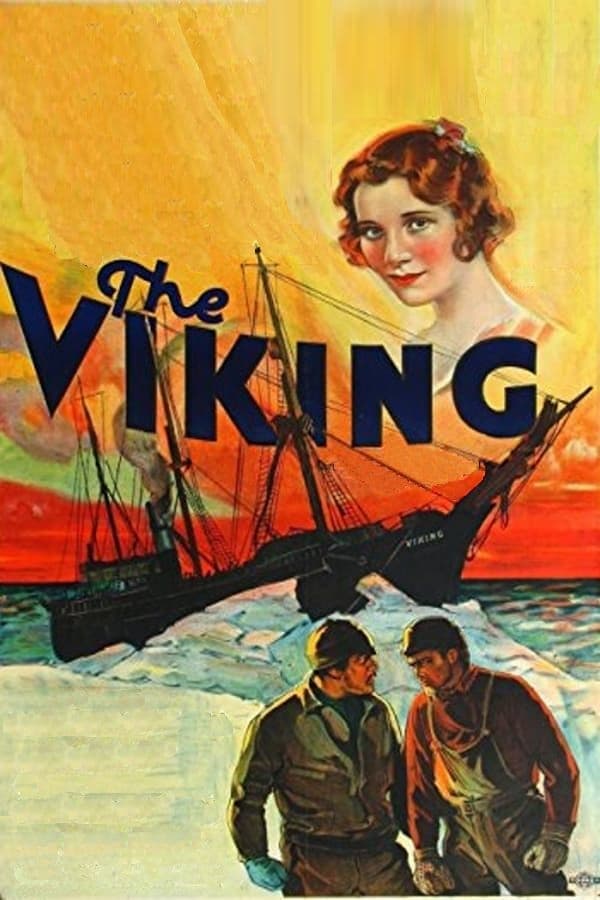
Filmmaker Varick Frissell wanted to capture authentic footage of seal hunting in Newfoundland. The production ship became trapped in ice and the onboard explosives detonated accidentally. The massive explosion killed Frissell and twenty-six other people on the expedition. It remains the largest loss of life in a single film production incident. The surviving footage was eventually released as a feature film despite the disaster.
‘Shark’ (1969)
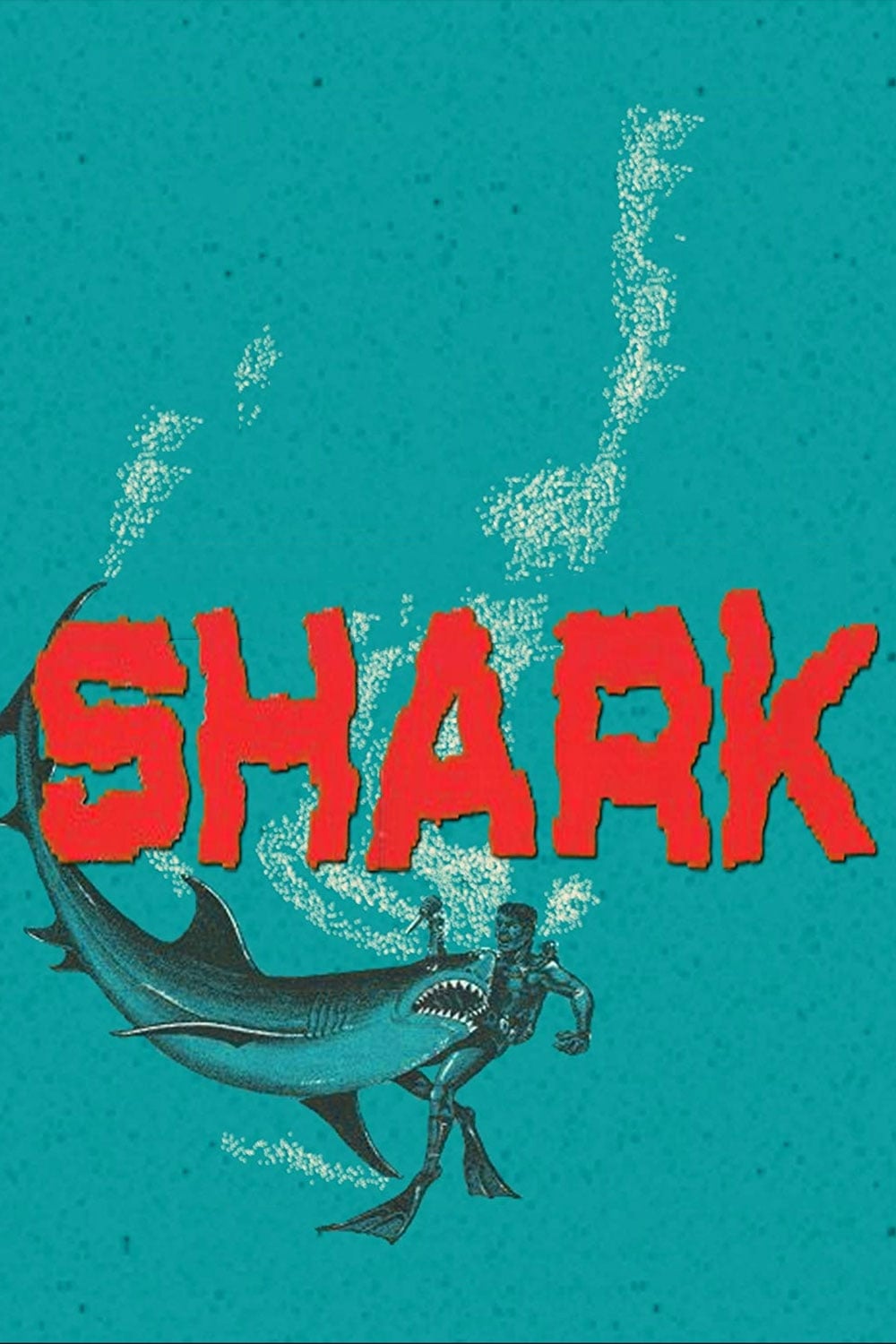
A stuntman named Jose Marco was killed on camera by a white shark during an underwater take. The production had sedated the shark but the sedative wore off sooner than expected. The animal attacked Marco and the crew could not intervene in time to save him. The producers controversially used the death to promote the film which caused a massive outcry. It stands as a grotesque example of exploitation in the film industry.
‘Stalker’ (1979)

Andrei Tarkovsky filmed this sci-fi classic near a toxic chemical plant in Estonia. The crew spent months wading through poisoned water and breathing in hazardous fumes from the factory runoff. Tarkovsky and his wife both died of the same type of lung cancer years later. The film’s lead actor Anatoly Solonitsyn also succumbed to cancer likely caused by the location. The beauty of the film effectively cost the lives of its primary creators.
‘Twilight Zone: The Movie’ (1983)
Actor Vic Morrow and two child actors were killed when a helicopter crashed on top of them. A pyrotechnic explosion damaged the tail rotor of the helicopter causing it to spin out of control. The spinning blades decapitated Morrow and one of the children instantly. The tragedy resulted in a high-profile lawsuit and changed child labor laws in California. It remains one of the most horrifying on-set accidents caught on film.
‘Roar’ (1981)
Noel Marshall and Tippi Hedren decided to live with dozens of untrained lions and tigers to film this movie. The production resulted in over seventy documented injuries to the cast and crew. Cinematographer Jan de Bont was scalped by a lion and required over one hundred stitches. Tippi Hedren suffered a fractured leg and deep scratches while her daughter Melanie Griffith needed facial reconstruction. The lack of safety protocols makes ‘Roar’ the most physically dangerous film ever completed.
Share your thoughts on which of these production stories shocked you the most in the comments.