

Top 20 Most Expensive Video Games Ever Made, Ranked



Making a blockbuster game now rivals the biggest films in size and scope, and the budgets show it. Studios pour years of work and huge teams into technology, art, music, and marketing to reach players worldwide. The figures below combine reported development and promotional spending where available, and in some cases reflect credible industry estimates. Here is a countdown of the priciest projects in gaming history and what those eye watering totals covered.
‘Shenmue’
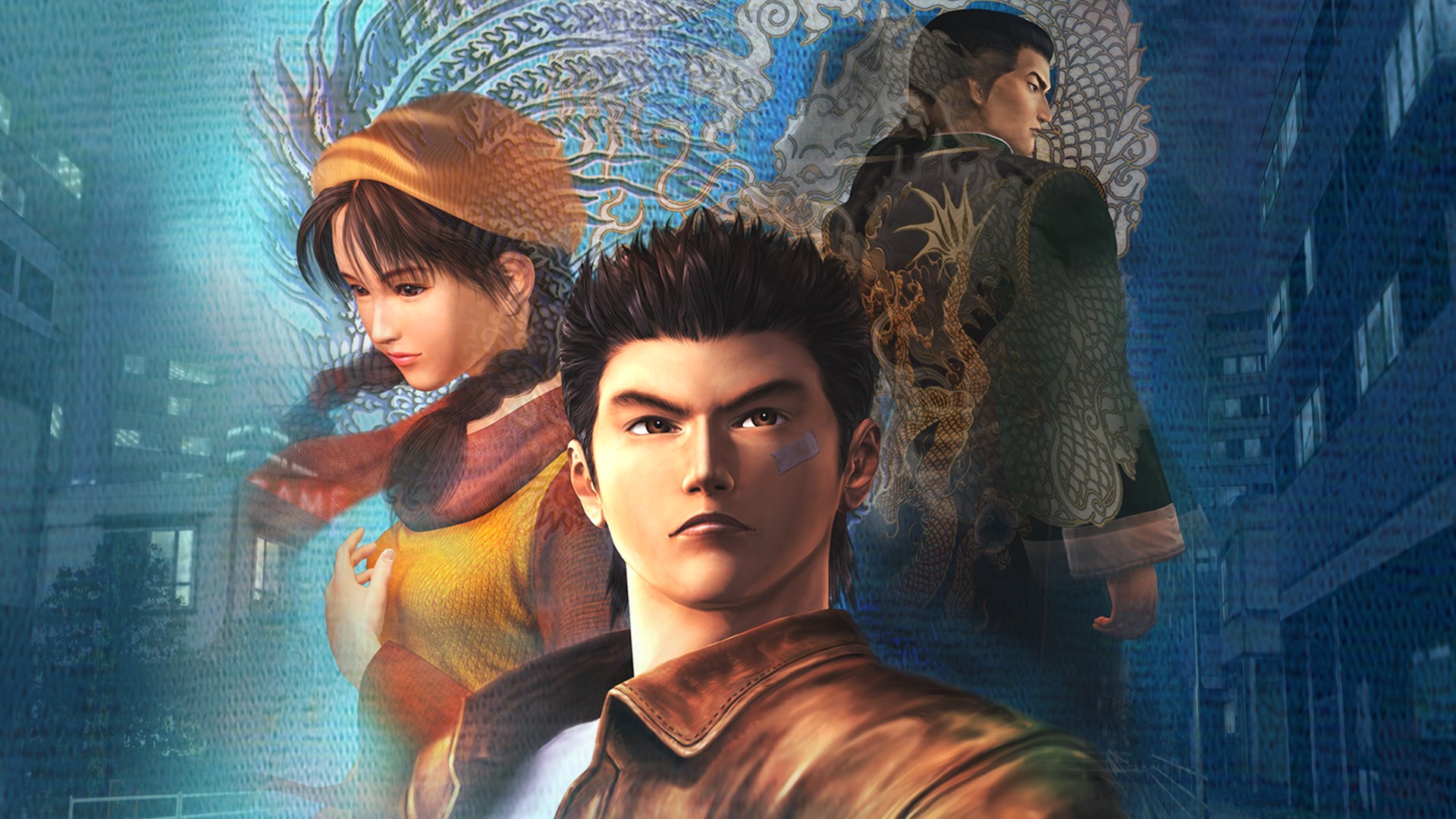
This Dreamcast epic pushed open world detail and daily life simulation far beyond its time. Development and voice work across languages raised the total to about $70 million. The budget covered bespoke tech for weather systems and schedules for hundreds of NPCs. Sega also funded substantial arcade perfect minigames and cinematic cutscenes at film level quality.
‘Death Stranding’
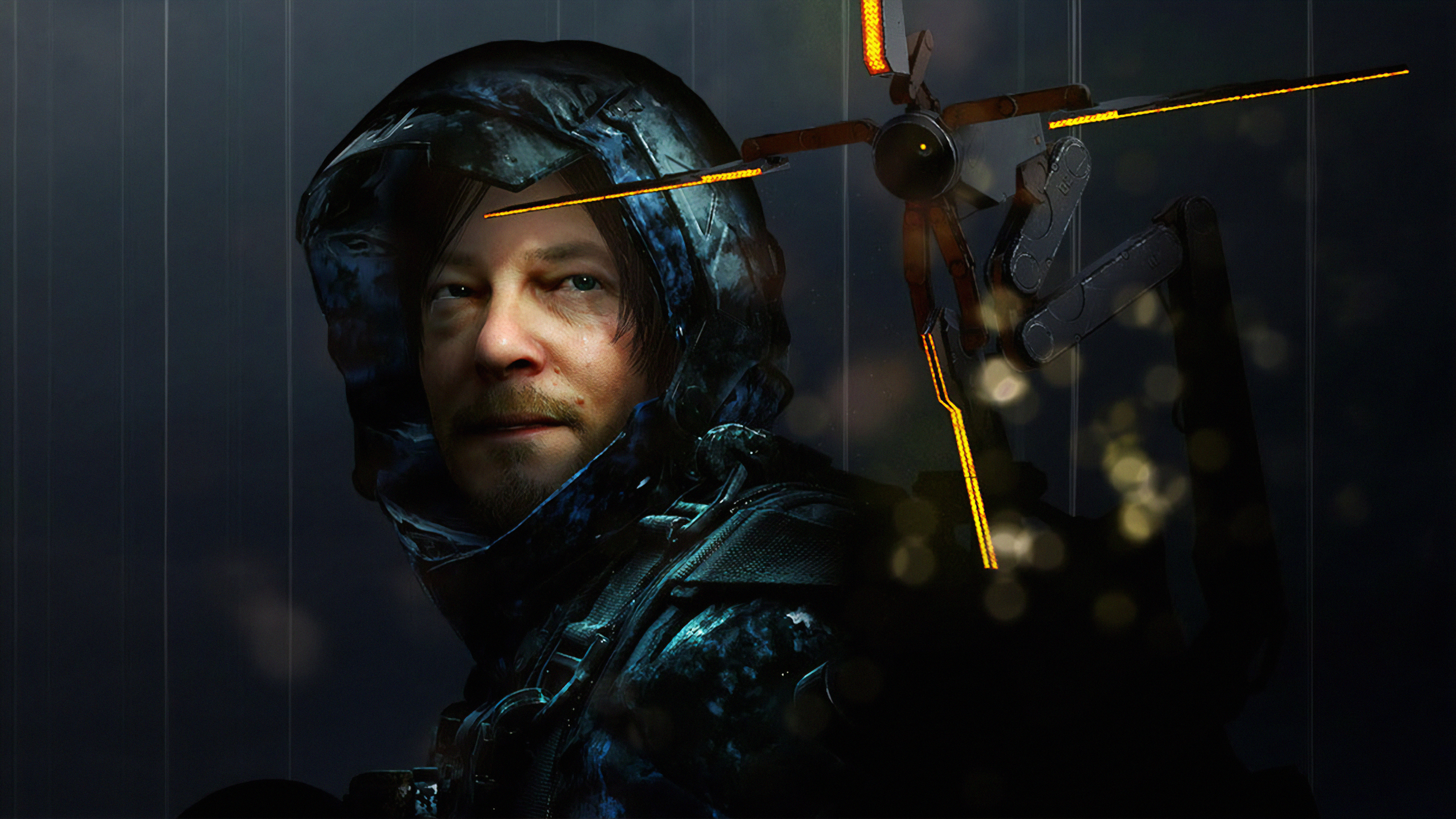
Kojima Productions built a new studio pipeline and leveraged performance capture for a Hollywood level cast. The project drew on licensed engine tech and multi year world building, bringing costs to around $80 million. Extensive location scanning and bespoke traversal systems added to the bill. Global marketing campaigns and special editions pushed the figure higher.
‘Metal Gear Solid V The Phantom Pain’
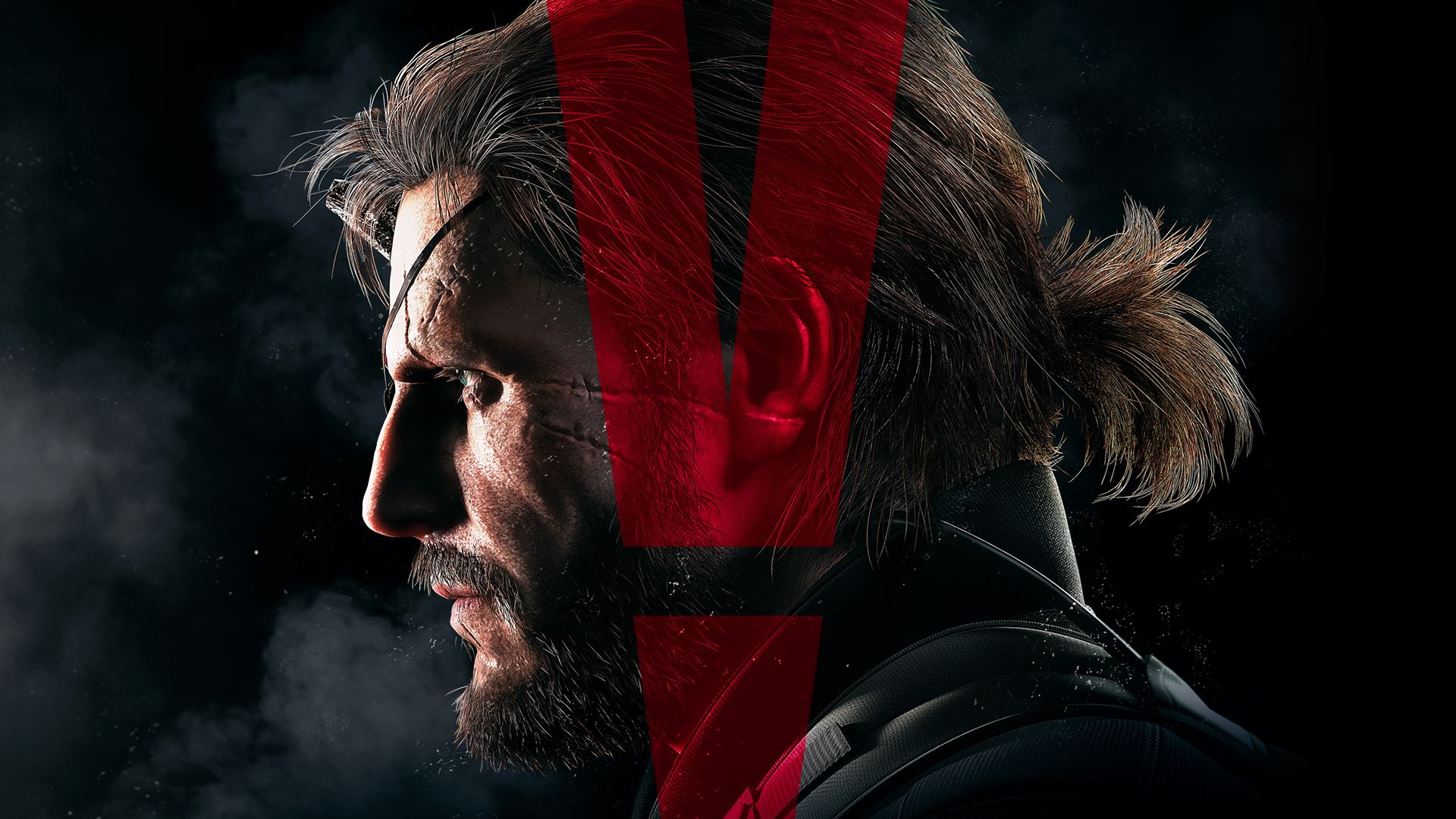
Fox Engine development and large scale motion capture ran throughout a long production cycle. The combined cost is widely placed near $80 million. Complex AI for stealth sandbox gameplay required large QA efforts. Worldwide promotion and companion projects added to the total.
‘Tomb Raider’
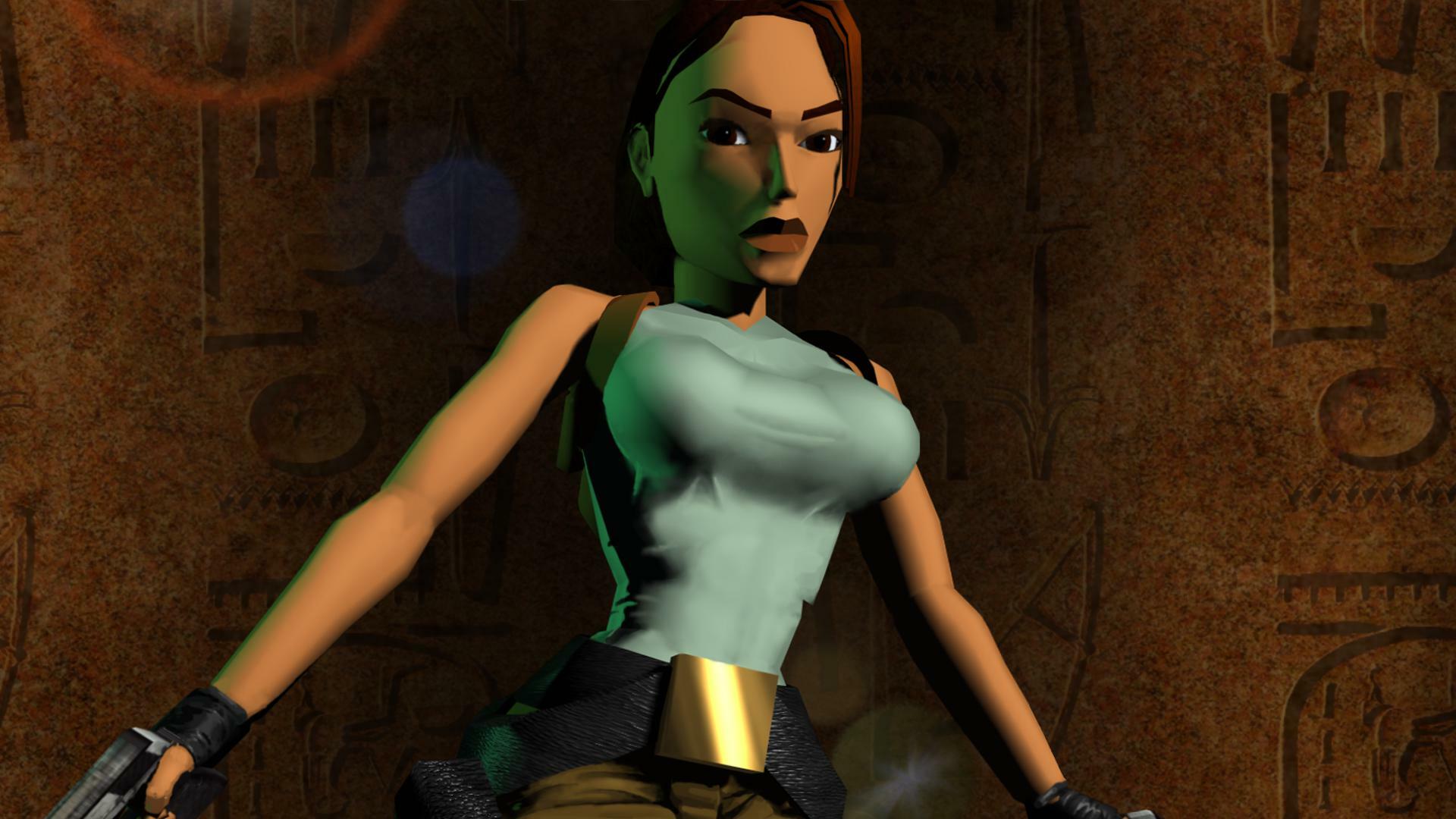
Crystal Dynamics rebooted an iconic series with cinematic action and high end performance capture. Reports place total spending near $100 million. The project funded a new survival systems framework and a robust multiplayer mode. A global marketing push introduced a more grounded version of the lead character to new audiences.
‘Max Payne 3’
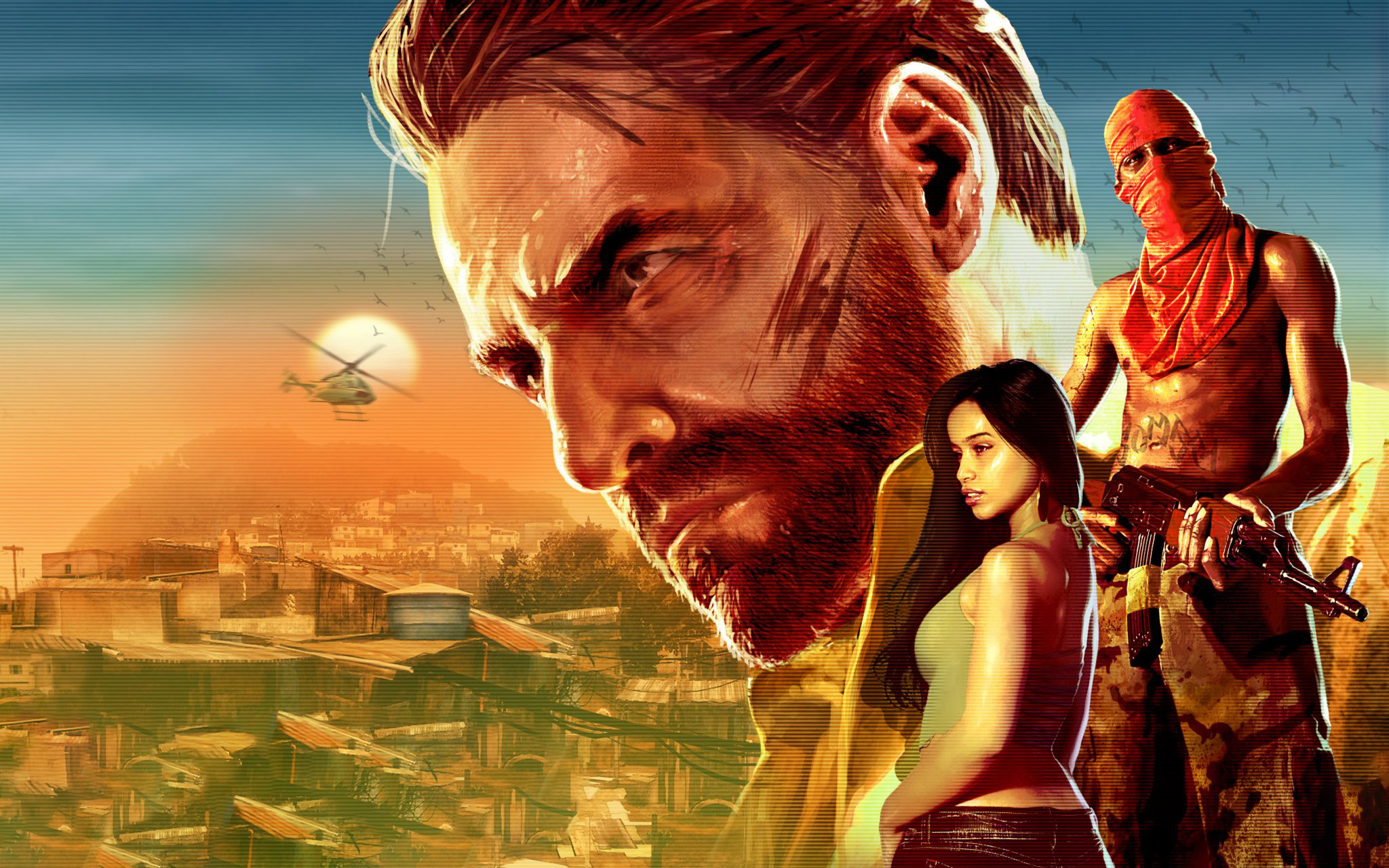
Rockstar invested heavily in motion capture and gunplay systems that simulated bullet physics and animation blending. Spending is often cited at about $105 million. Extensive location work and licensed music added to costs. A large marketing rollout supported a return to a classic franchise name.
‘Final Fantasy XIII’
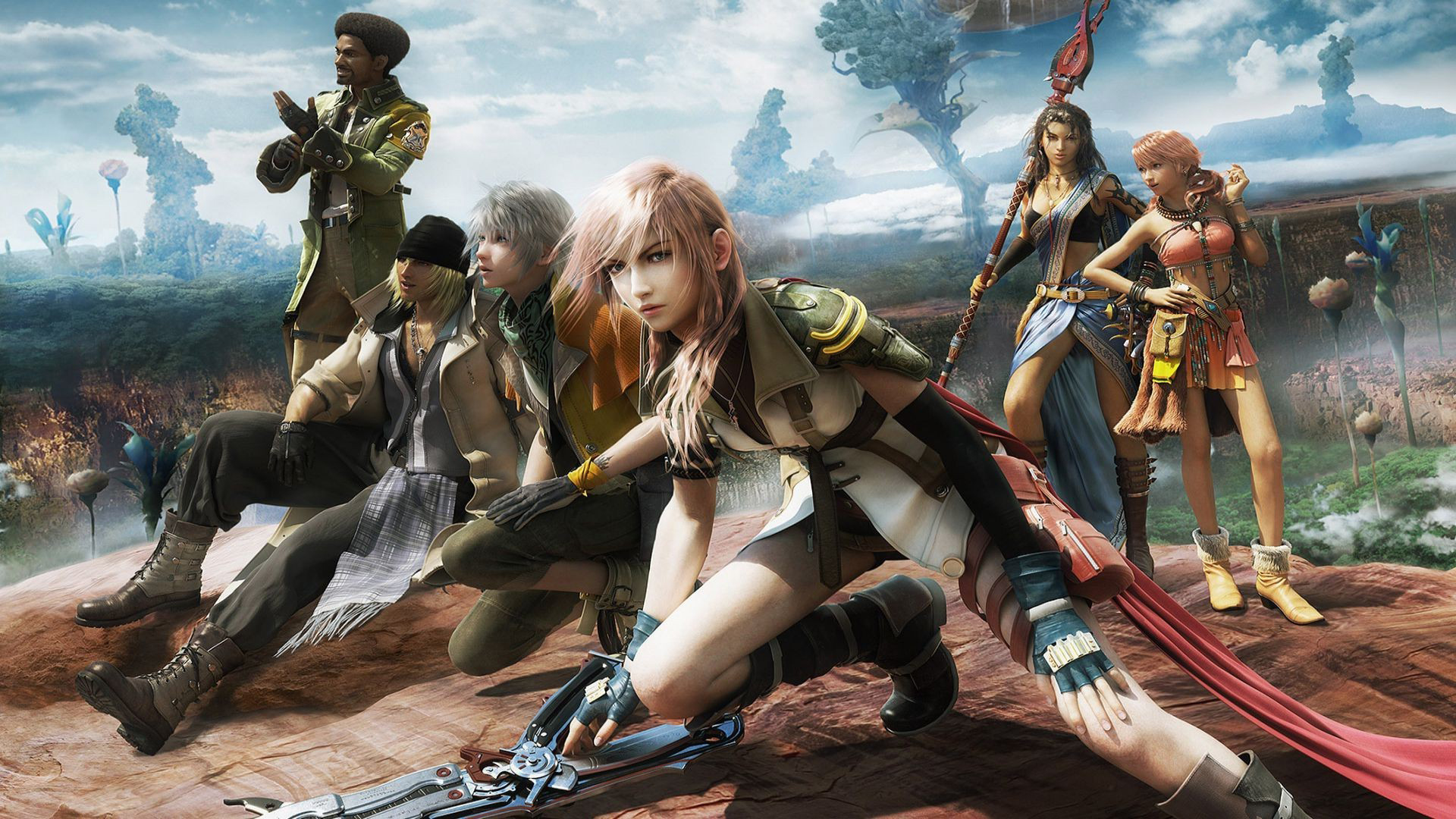
Square Enix built new tools for HD consoles and produced feature film grade cutscenes. Estimates put the total near $120 million. Multiple years of asset creation for detailed costumes and environments drove spending. Global voice dubbing and promotion across regions increased costs further.
‘Watch Dogs’
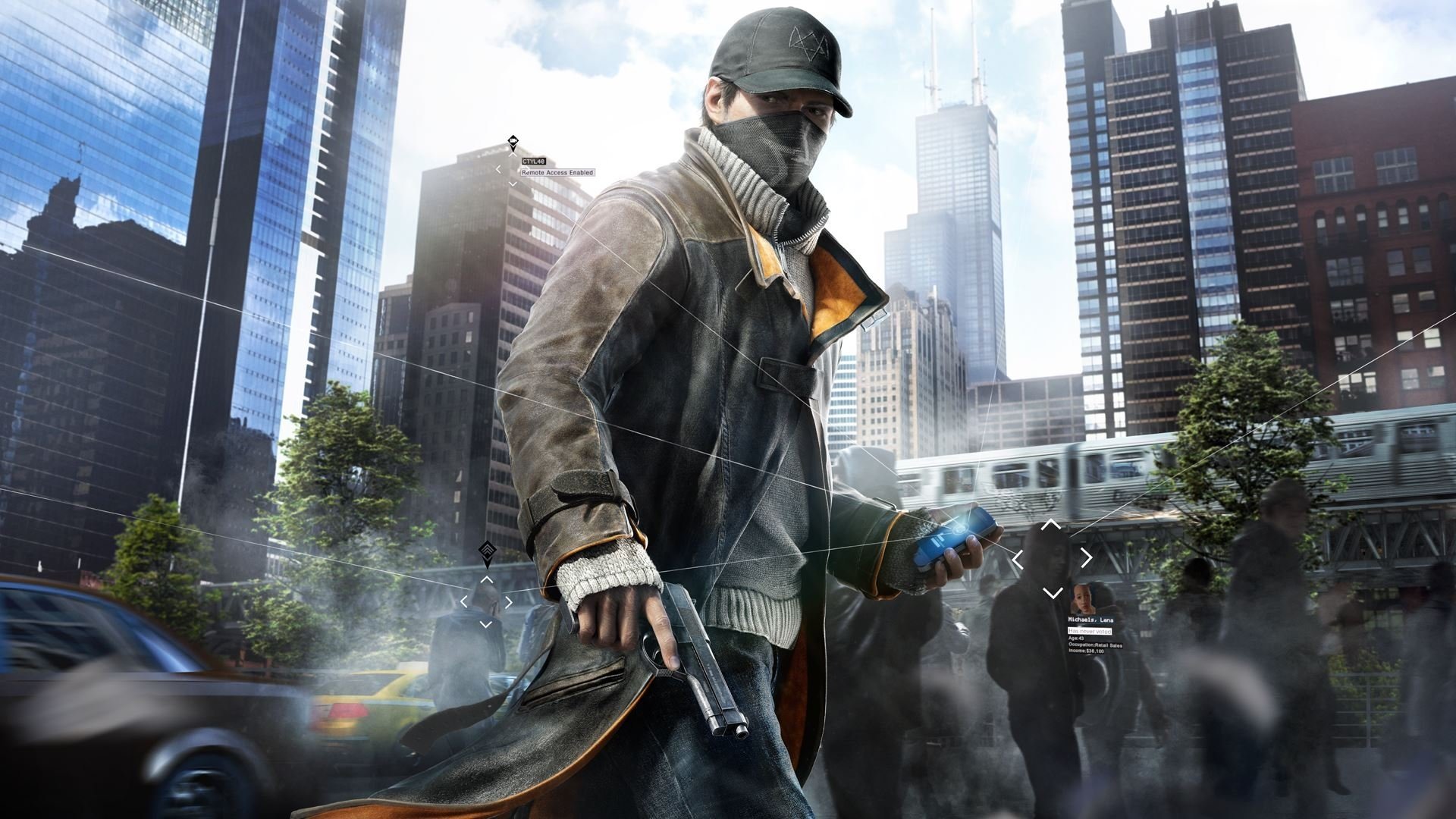
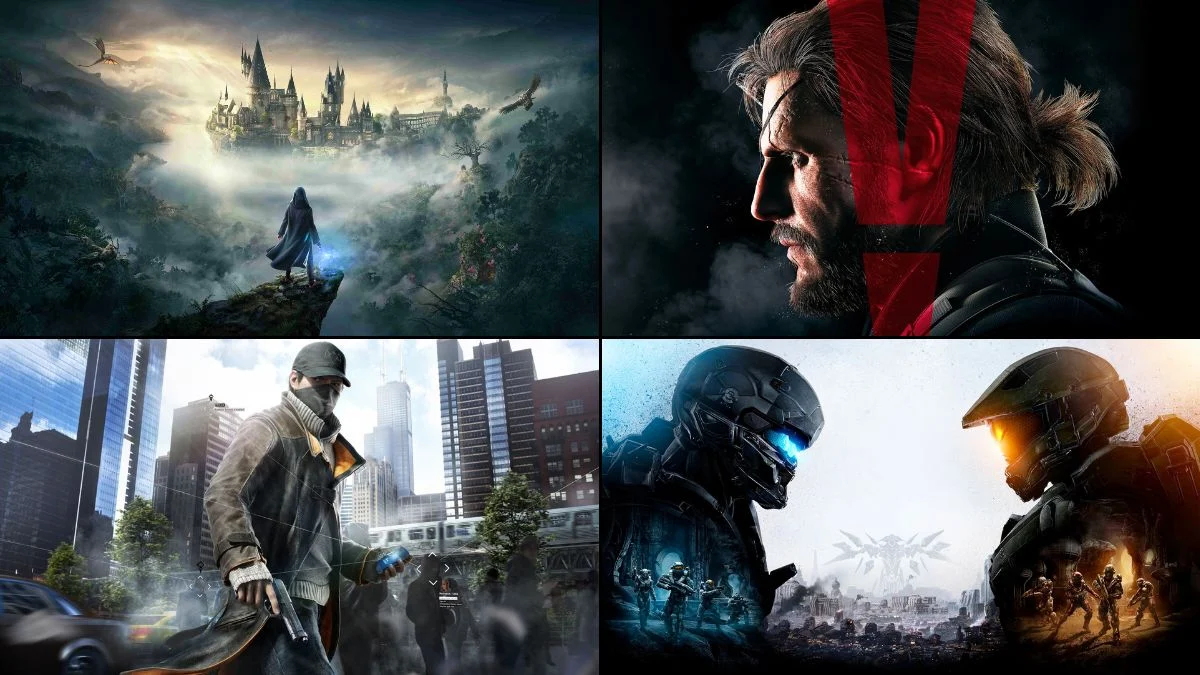
Ubisoft created a new brand around urban hacking and systemic city simulation. The budget is commonly placed around $120 million. Investment covered a new animation and driving stack across platforms. Marketing ran global preview tours and large launch events in several major cities.
‘Halo 5 Guardians’

A new engine, large multiplayer infrastructure, and extensive cinematics raised the price significantly. Industry estimates place the total near $150 million. Competitive focused features like dedicated servers and Forge tools added engineering time. Microsoft backed the release with esports initiatives and wide promotion.
‘Hogwarts Legacy’
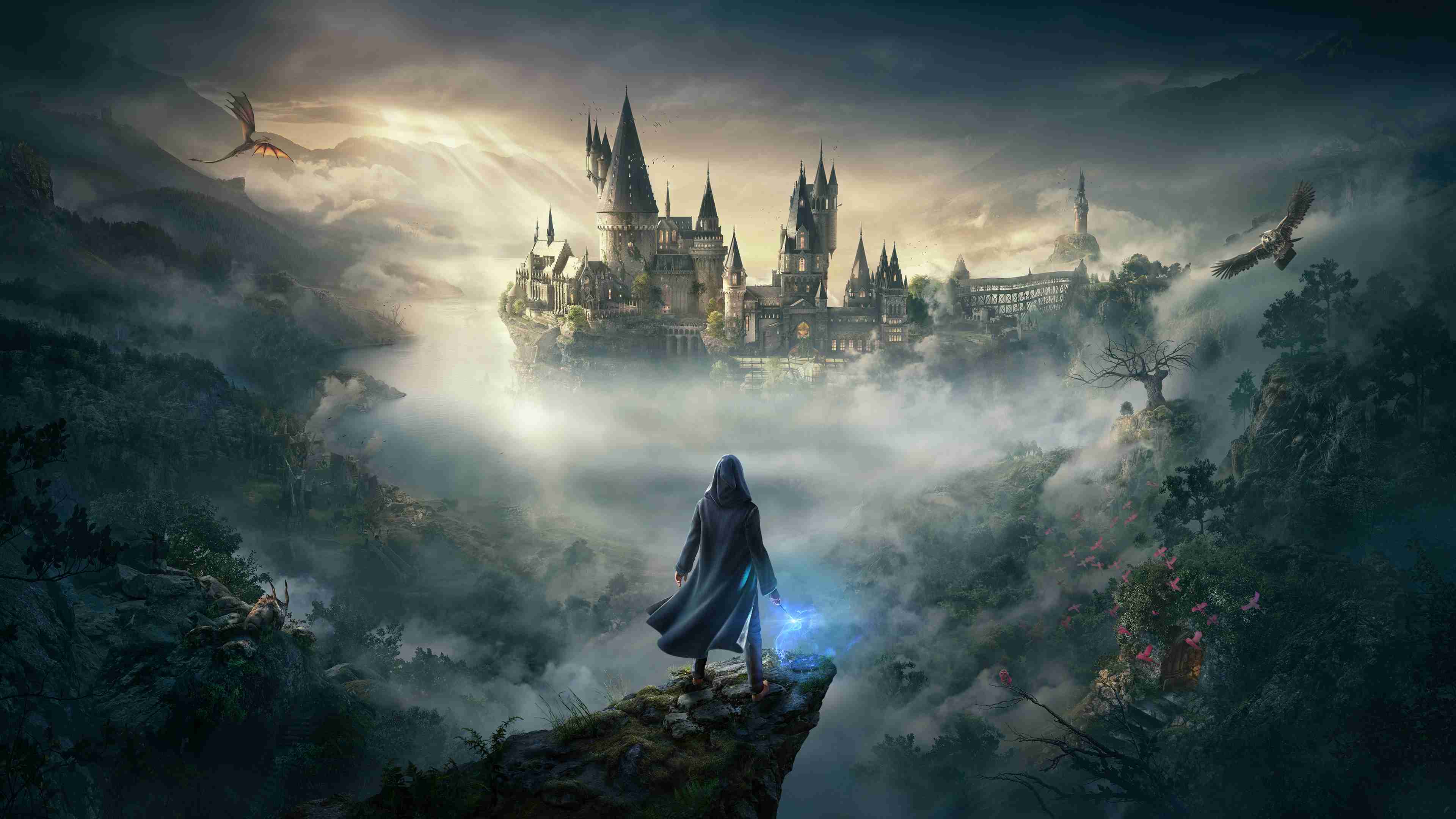
Avalanche built a vast licensed world with bespoke creatures, spells, and house systems. Development and marketing have been estimated above $150 million. The team produced extensive voice work and narrative content across houses. Global licensing approvals and tie in merchandise support added overhead.
‘The Last of Us Part II’
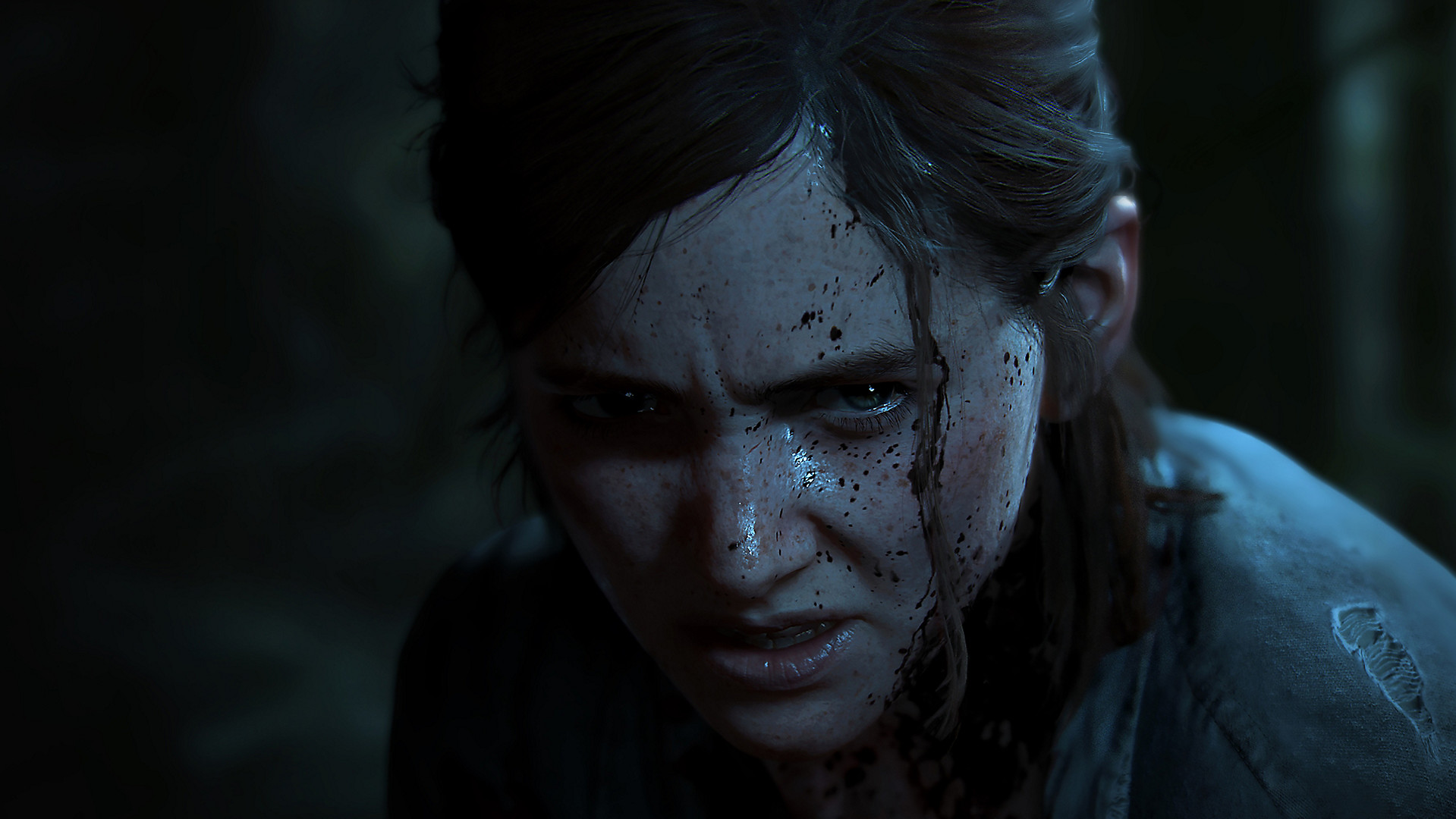
Naughty Dog staffed hundreds of developers for years to realize advanced animation and accessibility features. Industry reporting places costs around $200 million. Meticulous performance capture and detailed environments drove the figure upward. Sony supported a broad campaign with trailers, events, and collector editions.
‘Final Fantasy XV’
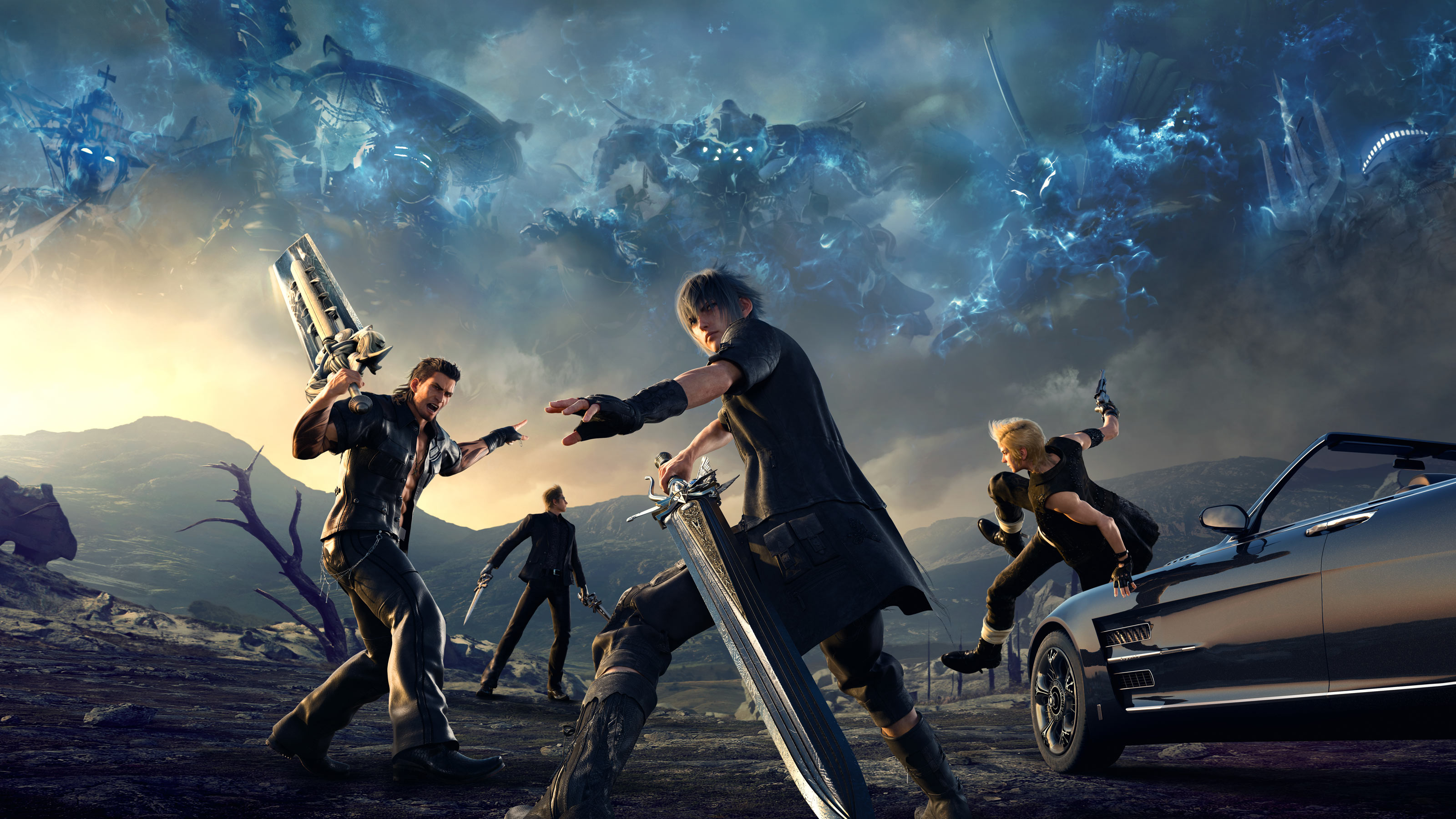
A long production and a platform shift expanded scope over time. Total spending is widely estimated near $200 million. Systems for open world travel, real time combat, and elaborate cinematics required large teams. Cross media projects and a worldwide push contributed to the final tally.
‘Star Wars The Old Republic’
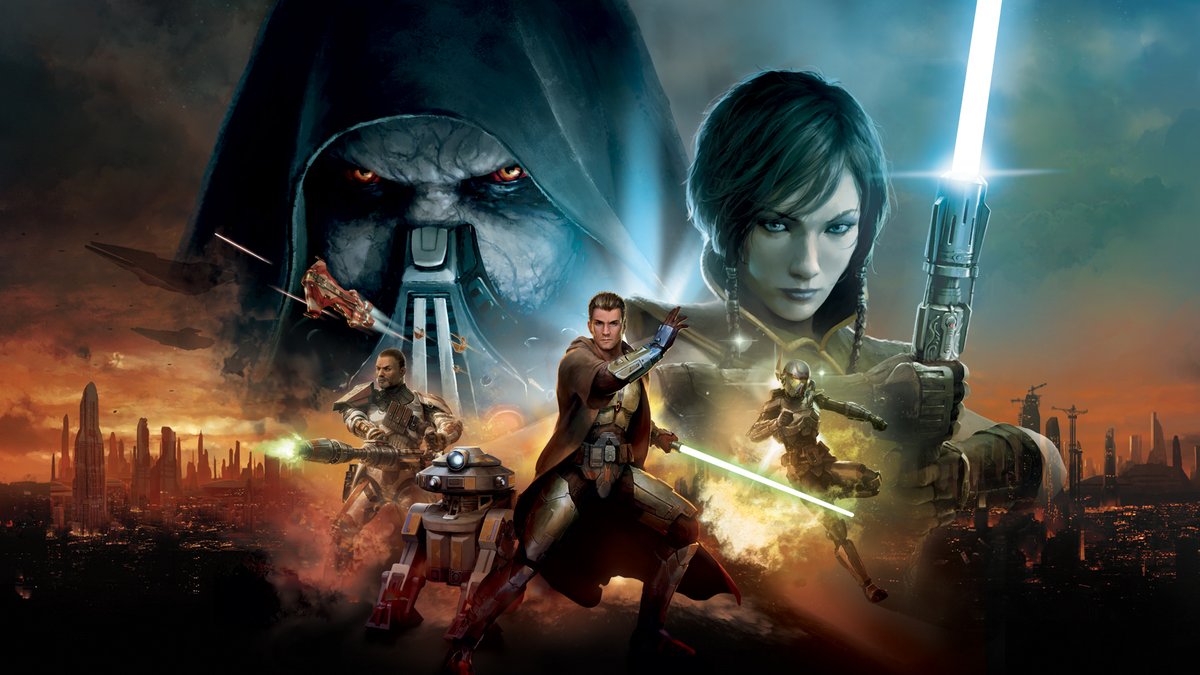
BioWare Austin produced a fully voiced MMO with class specific storylines and cinematic dialogue. The project’s total has been reported at about $200 million. Server infrastructure and live service tools required substantial upfront costs. Ongoing content pipelines and a major launch campaign rounded out the spend.
‘Halo Infinite’
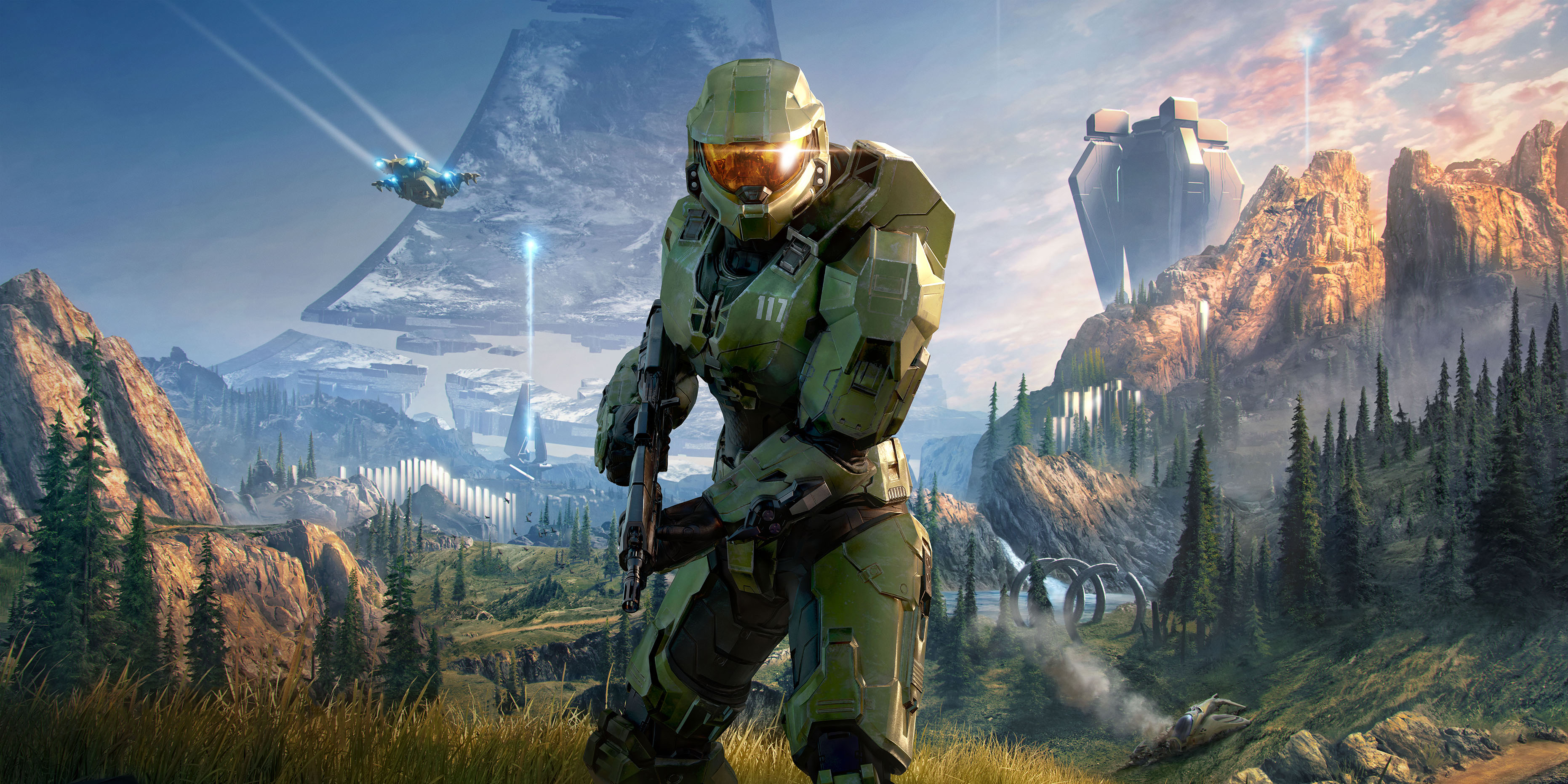
Engine redevelopment and a multiyear live service plan raised the cost considerably. Estimates place the combined figure above $200 million. Open world design and large scale multiplayer features needed extended testing. A long marketing runway and platform bundling added to expenses.
‘Call of Duty Modern Warfare 2’
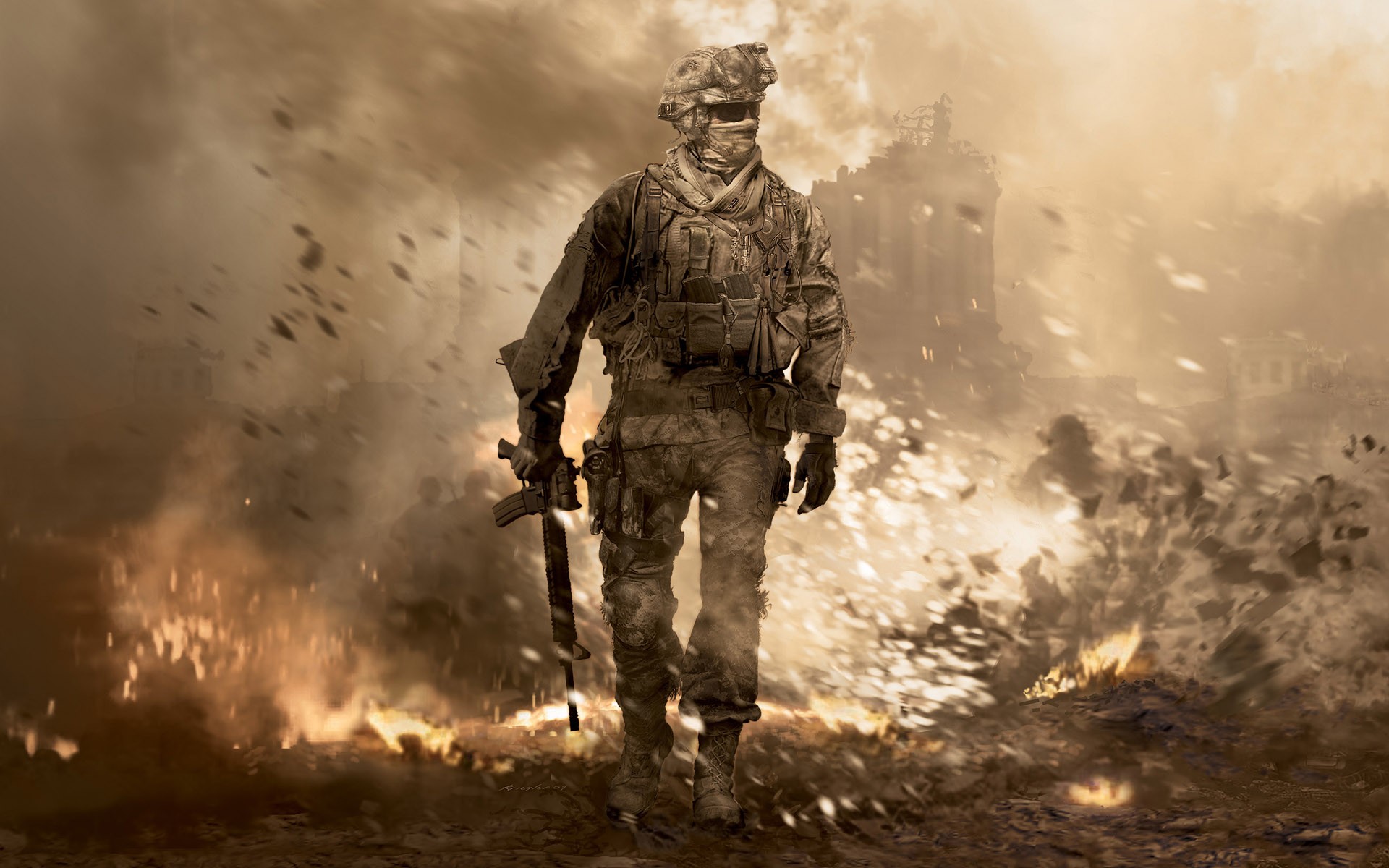
Activision supported development and one of the largest promotional efforts in gaming at the time. The combined total is commonly cited at about $250 million. Investment covered cinematic set pieces and extensive multiplayer infrastructure. Global advertising across TV and outdoor channels formed a significant portion.
‘Final Fantasy VII Rebirth’
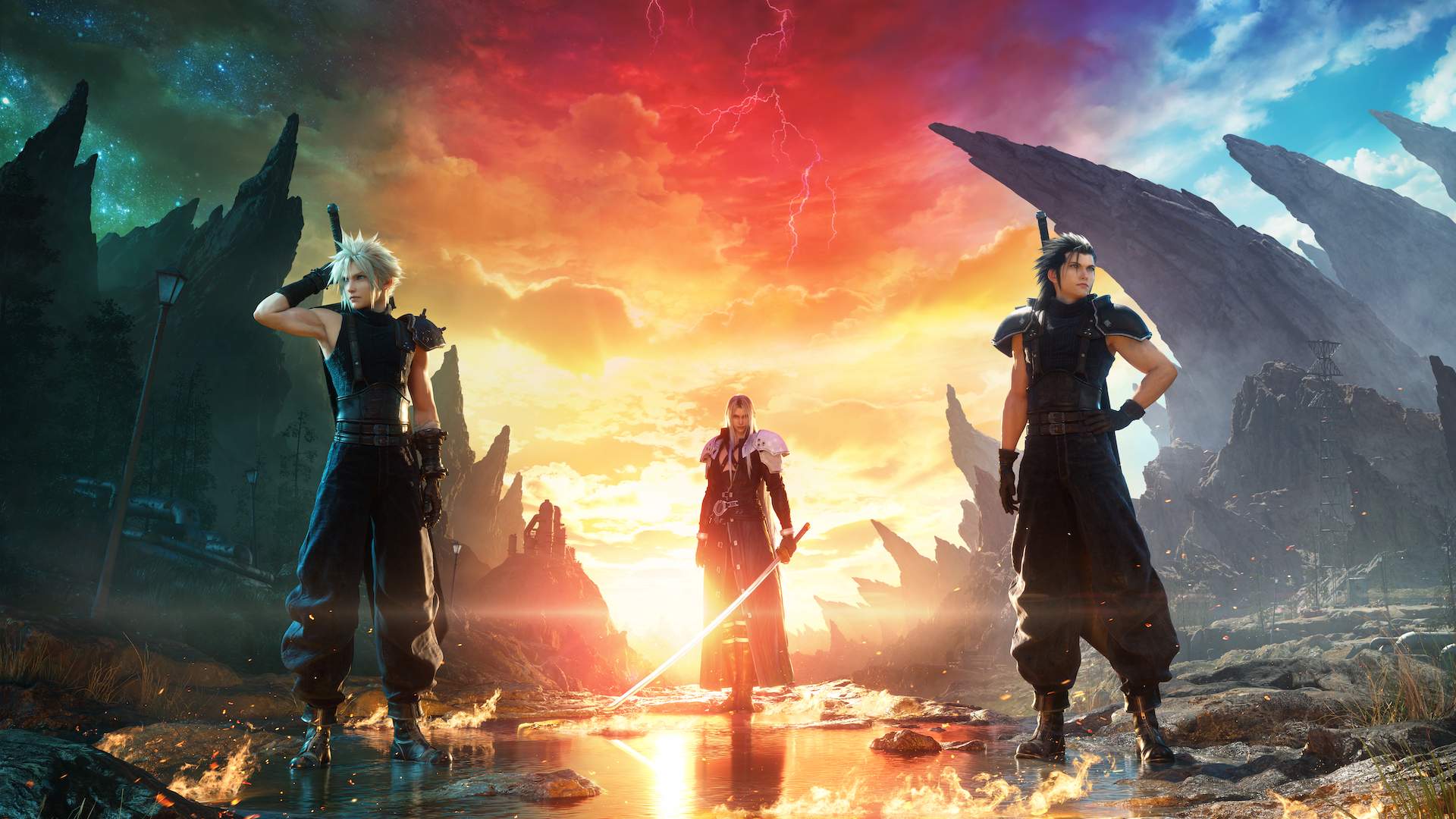
Square Enix continued a high end remake effort with large scale set pieces and performance capture. Industry estimates put the spending near $250 million. The project funded new systems for open zone exploration and intricate boss design. Broad promotion and multiple physical editions grew the total.
‘Grand Theft Auto V’
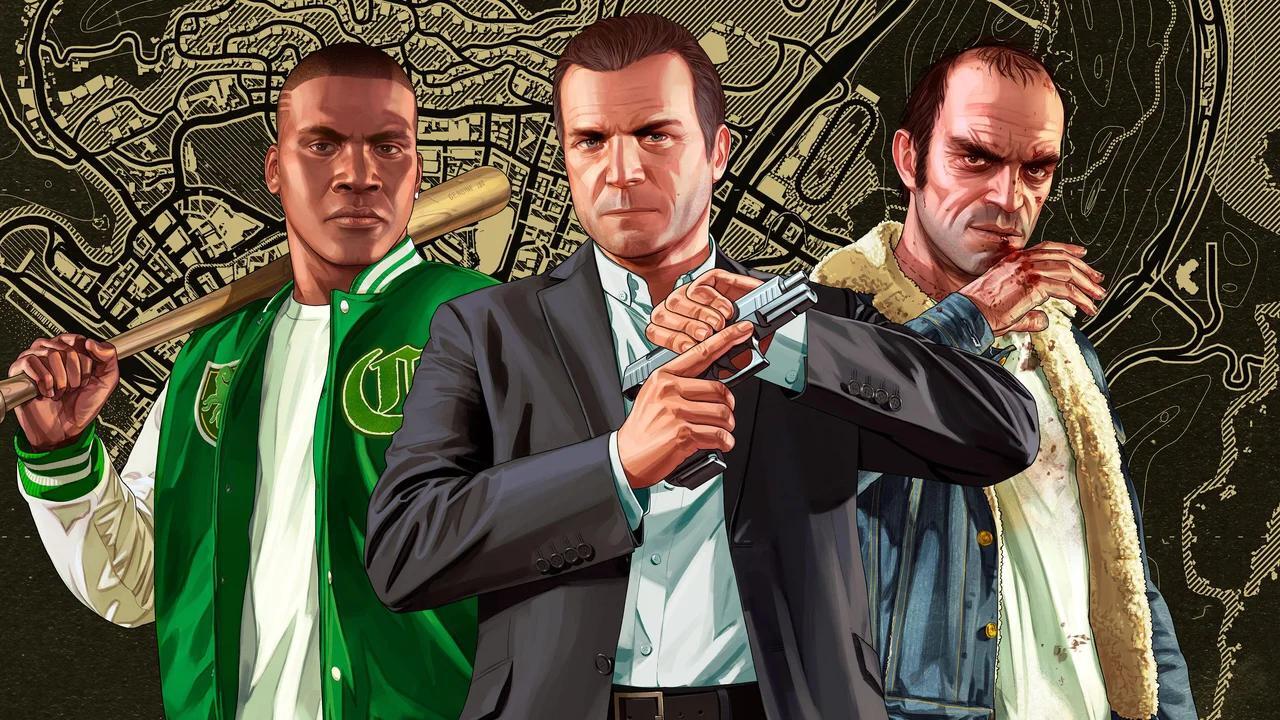
Rockstar built three protagonists, a massive city, and online foundations in one package. Reported spending reached about $265 million. The studio invested in extensive voice acting, licensed music, and long term tools. A large launch campaign and platform relaunches added further cost.
‘Cyberpunk 2077’
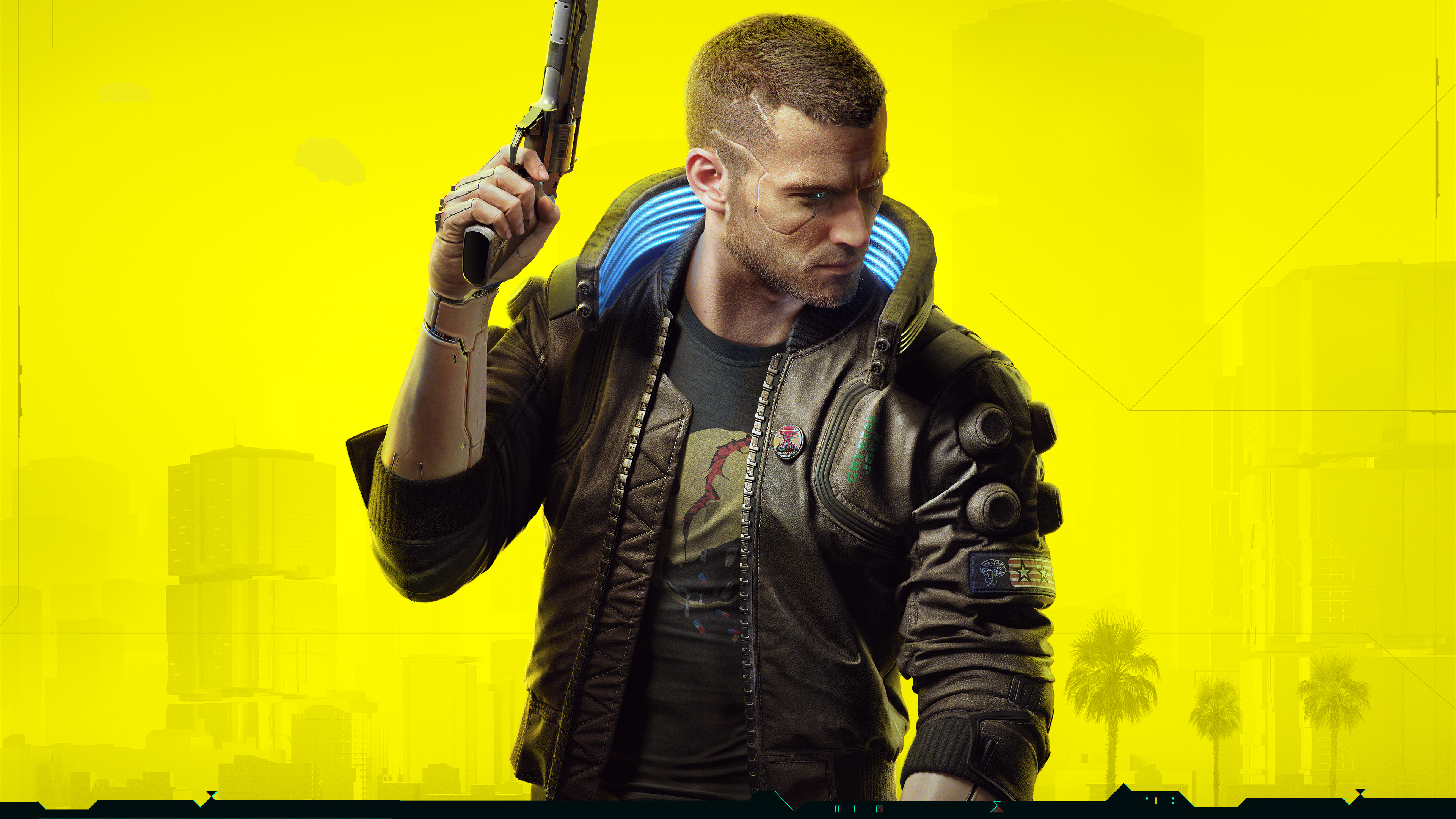
CD Projekt Red funded years of tech and content creation for a dense first person RPG. Company filings and reporting place total spending near $316 million. Major updates and expansions required continued investment after launch. Global advertising and high profile partnerships contributed to the overall figure.
‘Destiny’
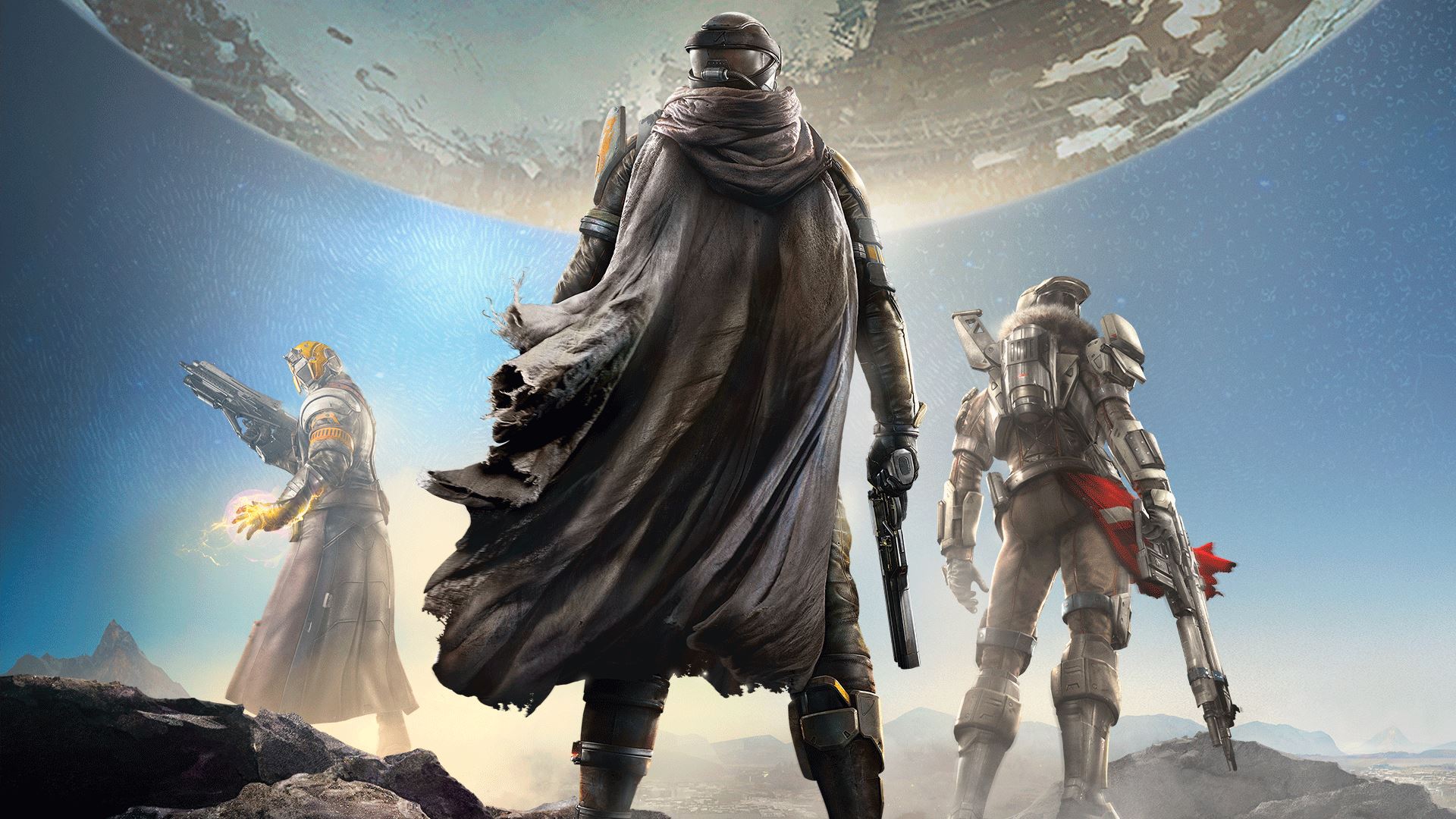
Bungie and Activision planned a decade long franchise with shared tech and content pipelines. The overall investment often cited for development and marketing is about $500 million. Server infrastructure and tools for ongoing releases formed a large part of the cost. Major launch campaigns and platform deals increased the total.
‘Red Dead Redemption 2’
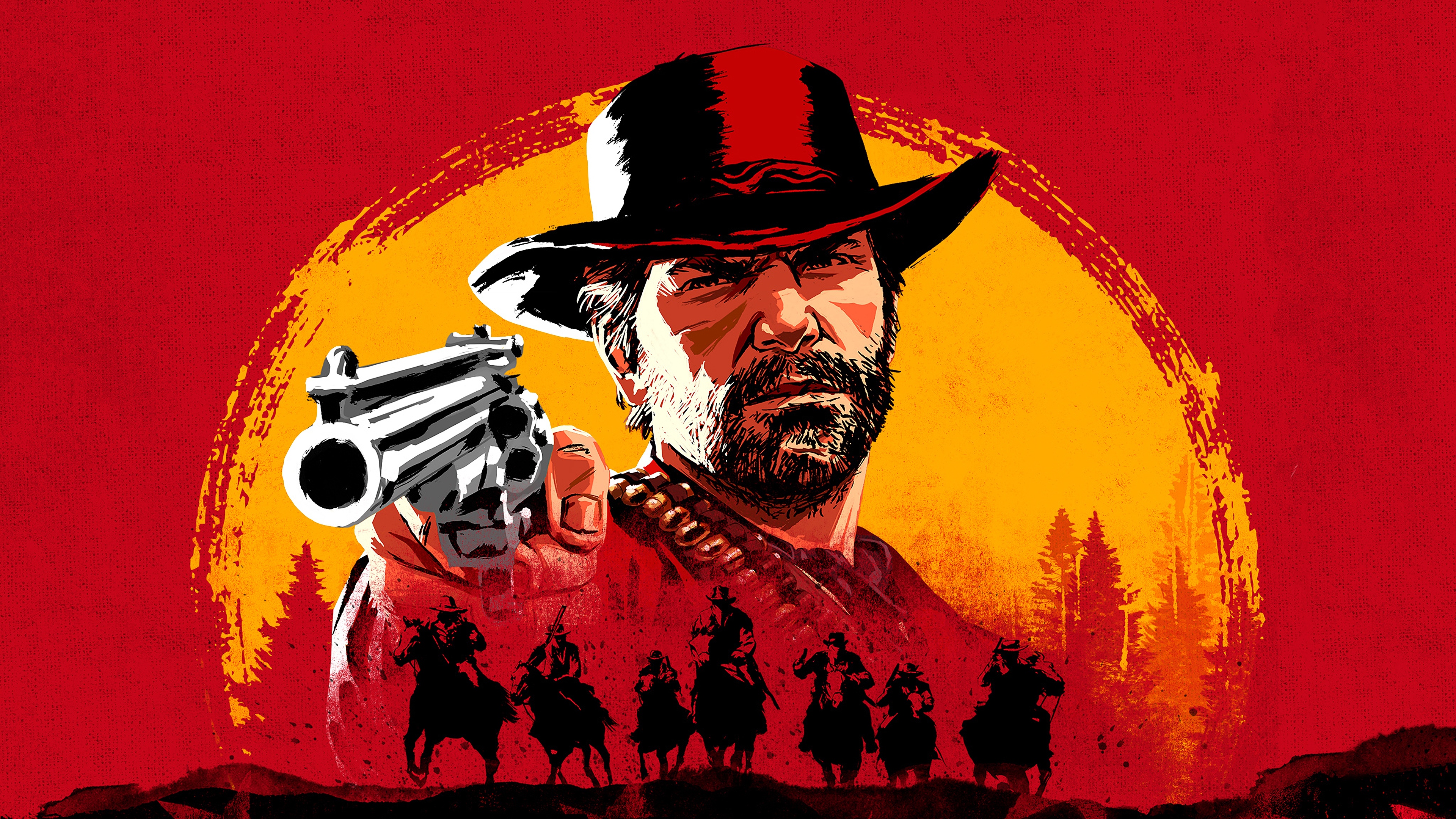
Rockstar staffed multiple studios worldwide to build expansive systems for wildlife, physics, and AI. Industry reporting places the combined budget near $540 million. The project involved extensive motion capture and a vast narrative script across thousands of performances. A large scale global marketing campaign supported the release.
‘Star Citizen’
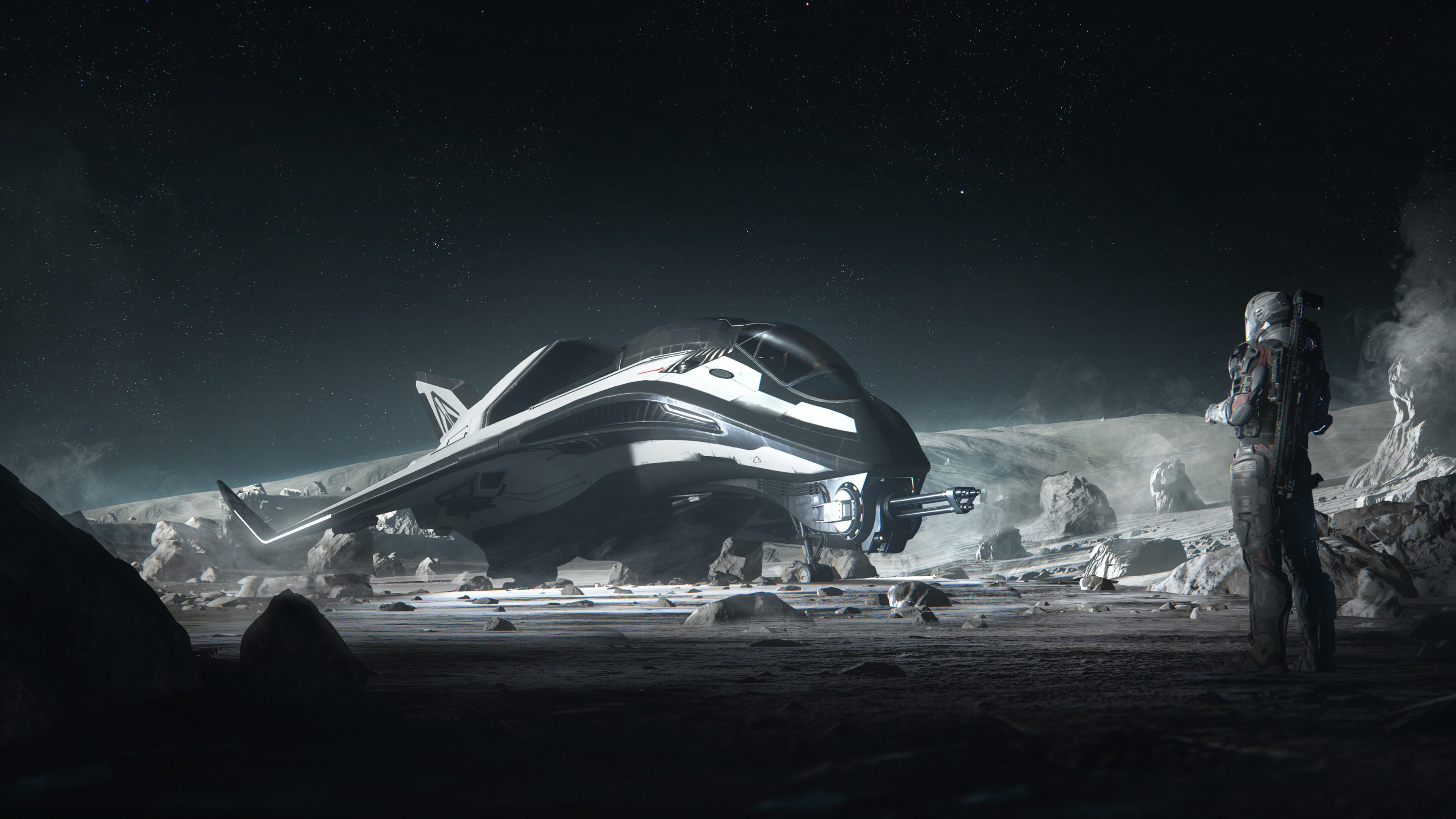
Cloud Imperium has continued development with persistent updates and large scale feature work. The project has attracted more than $700 million in funding and spending has surpassed that threshold over time. Technology for server meshing, space and atmospheric flight, and high fidelity assets are significant cost drivers. Ongoing events, ship showcases, and promotional efforts contribute to the total.
‘Grand Theft Auto VI’
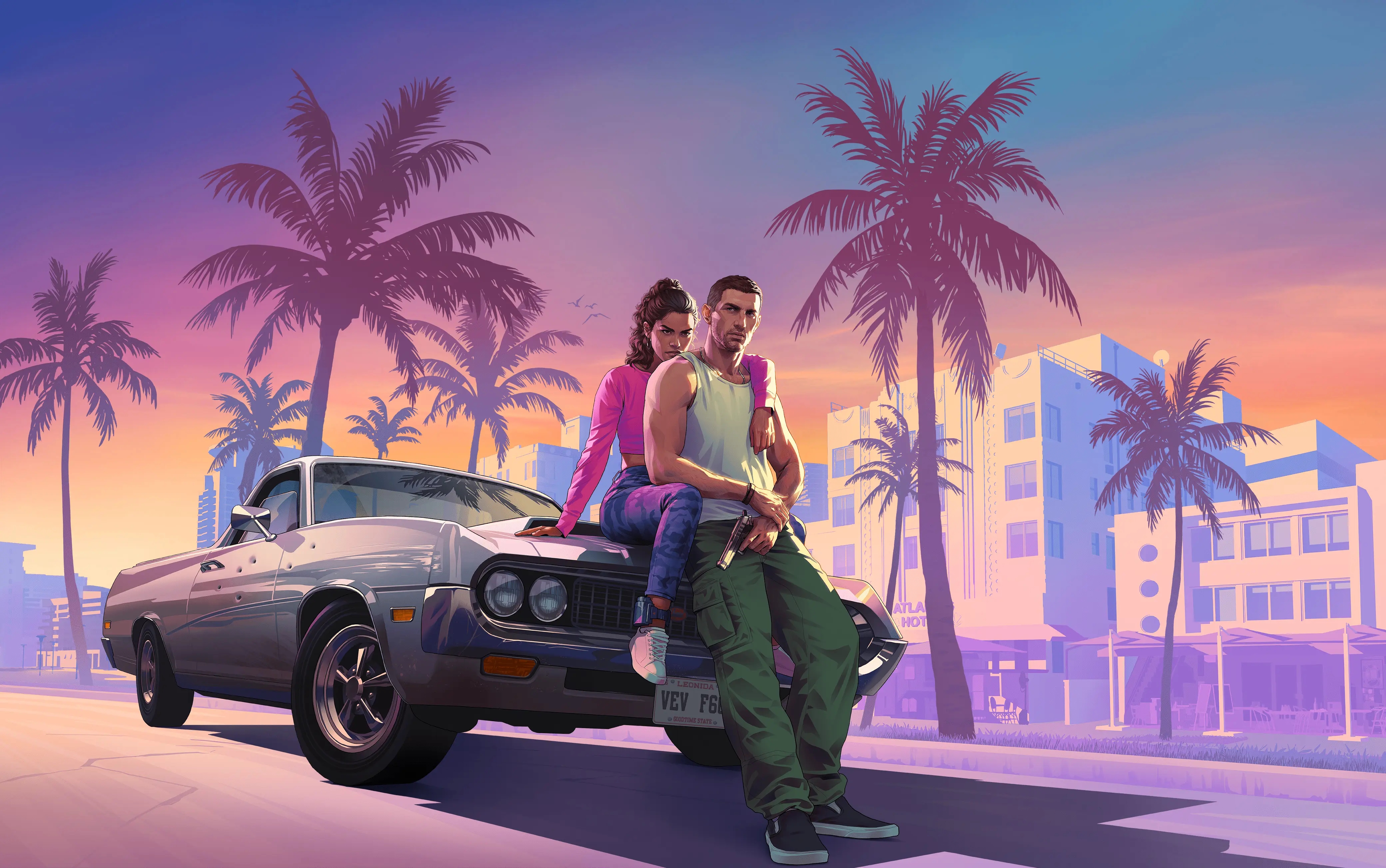
Rockstar’s next entry has required many years of development across multiple global teams. Industry reporting and analyst estimates place the combined development and marketing total around $1 billion. The budget supports advanced open world systems, animation pipelines, and long term online features. A worldwide launch plan and extended live service roadmap are included in that number.
Share your own estimates and picks for the priciest games ever in the comments.