


Top 40 Most Politically Incorrect Movies

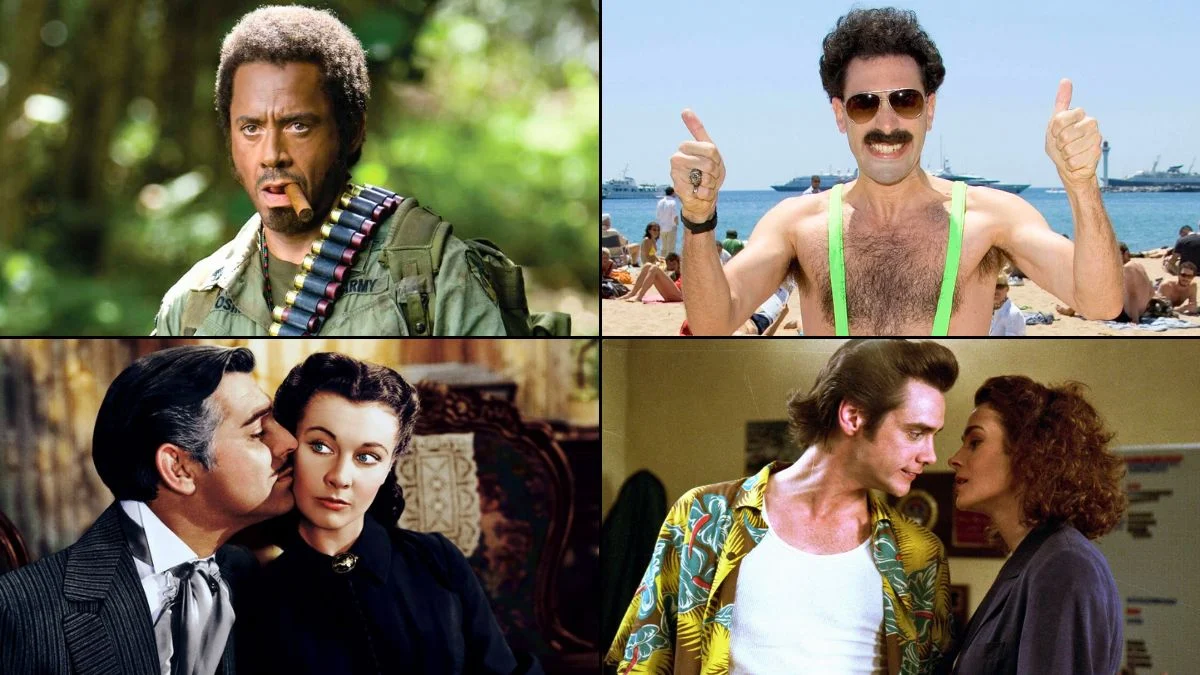


These films sparked outrage, bans, edits, lawsuits, and long debates about what should or should not be shown on screen. Each one drew fire for how it portrays race, gender, religion, sexuality, violence, or politics, and many still arrive with disclaimers or classroom discussions attached. Whether they were censored by boards, pulled by studios, or defended as satire or historical artifacts, they are touchstones in the conversation about representation and free expression in cinema.
‘The Birth of a Nation’ (1915)
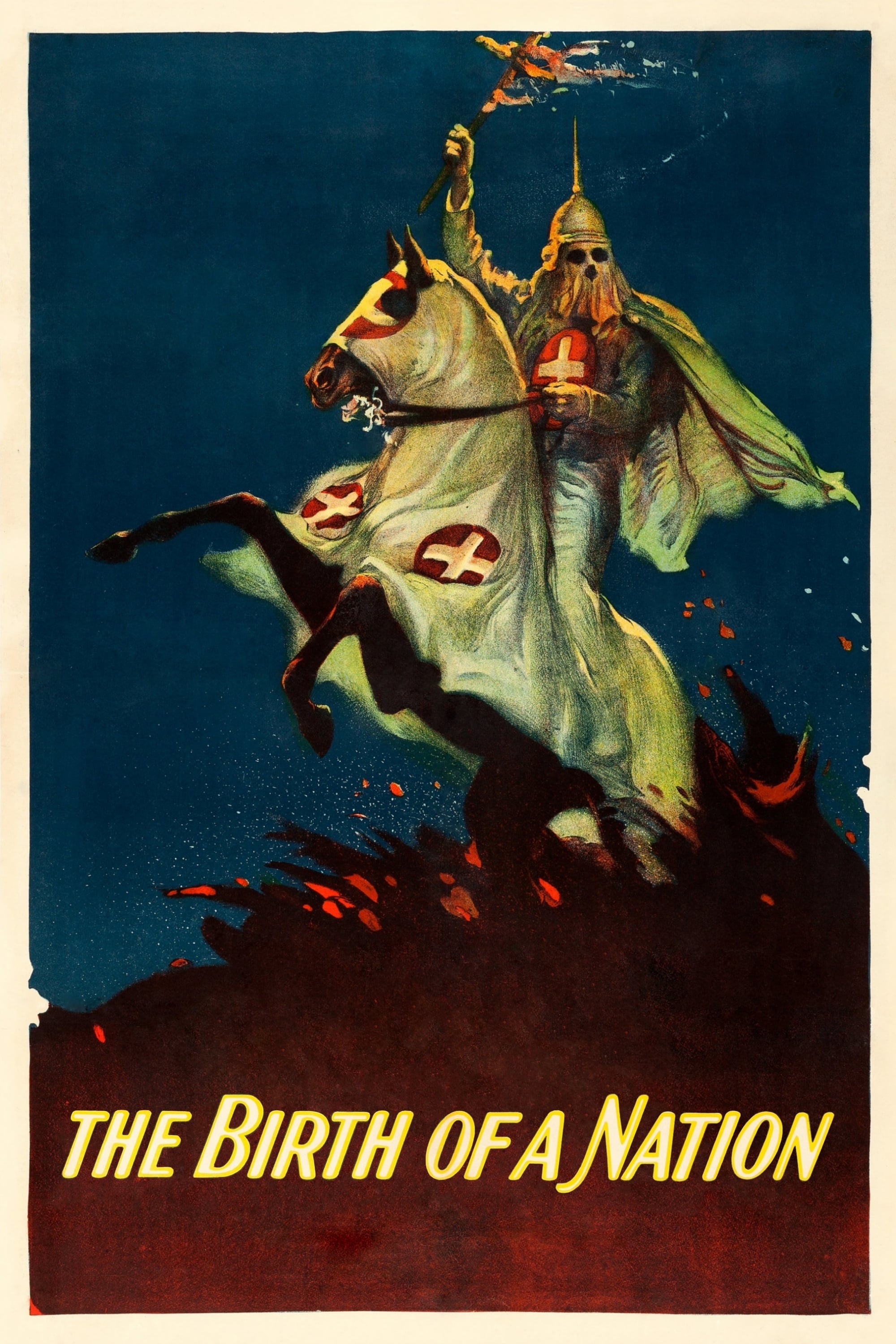
D.W. Griffith’s epic helped establish modern film grammar with large scale battle sequences and cross cutting. It depicts the Reconstruction era through a white supremacist lens and glorifies the Ku Klux Klan, which led to protests and organized boycotts. The NAACP distributed pamphlets and pushed for censorship in multiple cities. Many contemporary screenings include scholarly introductions and historical context notes.
‘Triumph of the Will’ (1935)
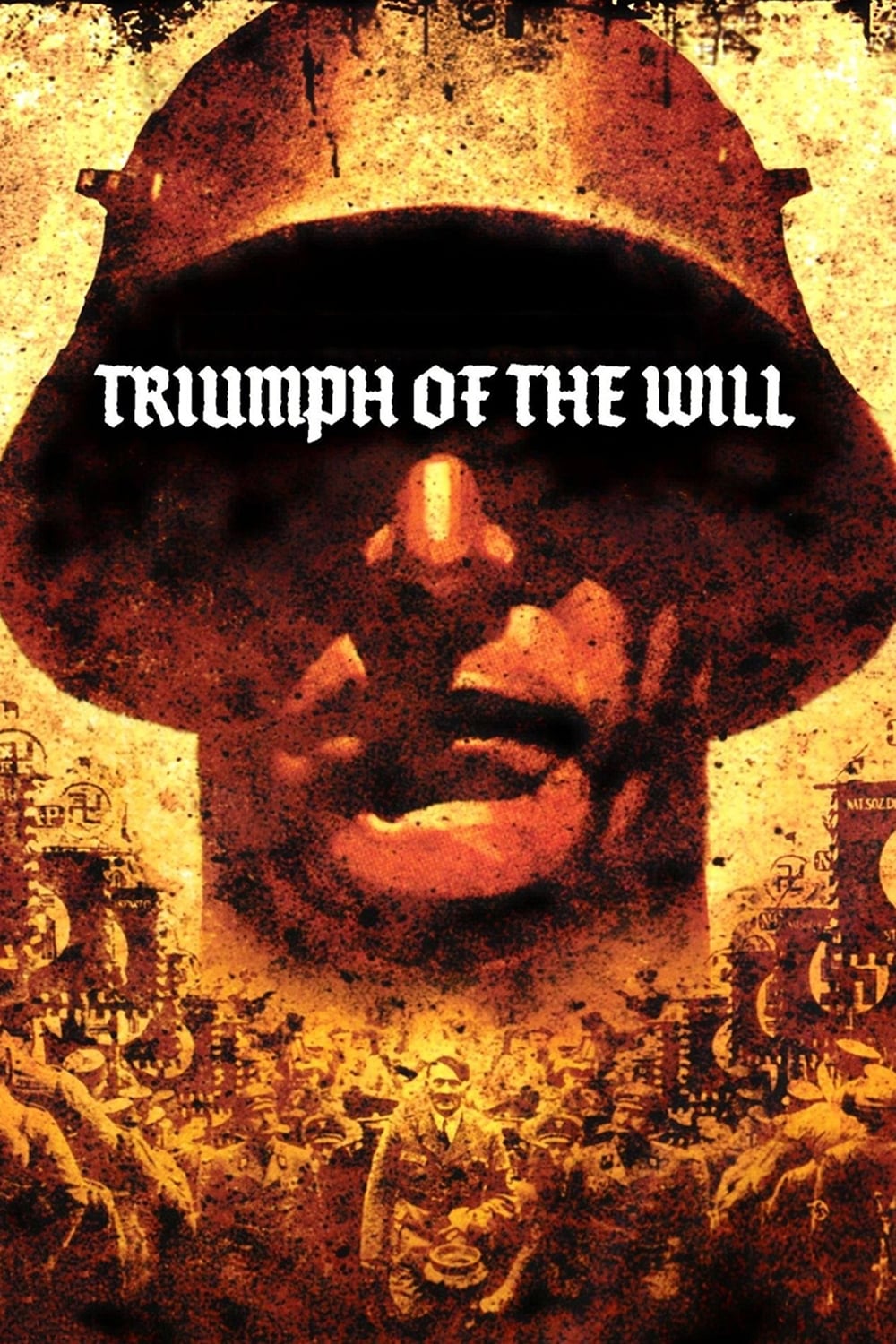
Leni Riefenstahl’s documentary chronicles a Nazi Party rally in Nuremberg with sweeping camera moves and monumental staging. It is considered a masterclass in propaganda technique and is frequently used in media studies courses. Several countries restricted it or required contextual framing because of its messaging. Archives and universities often limit access or accompany viewings with critical commentary.
‘Gone with the Wind’ (1939)
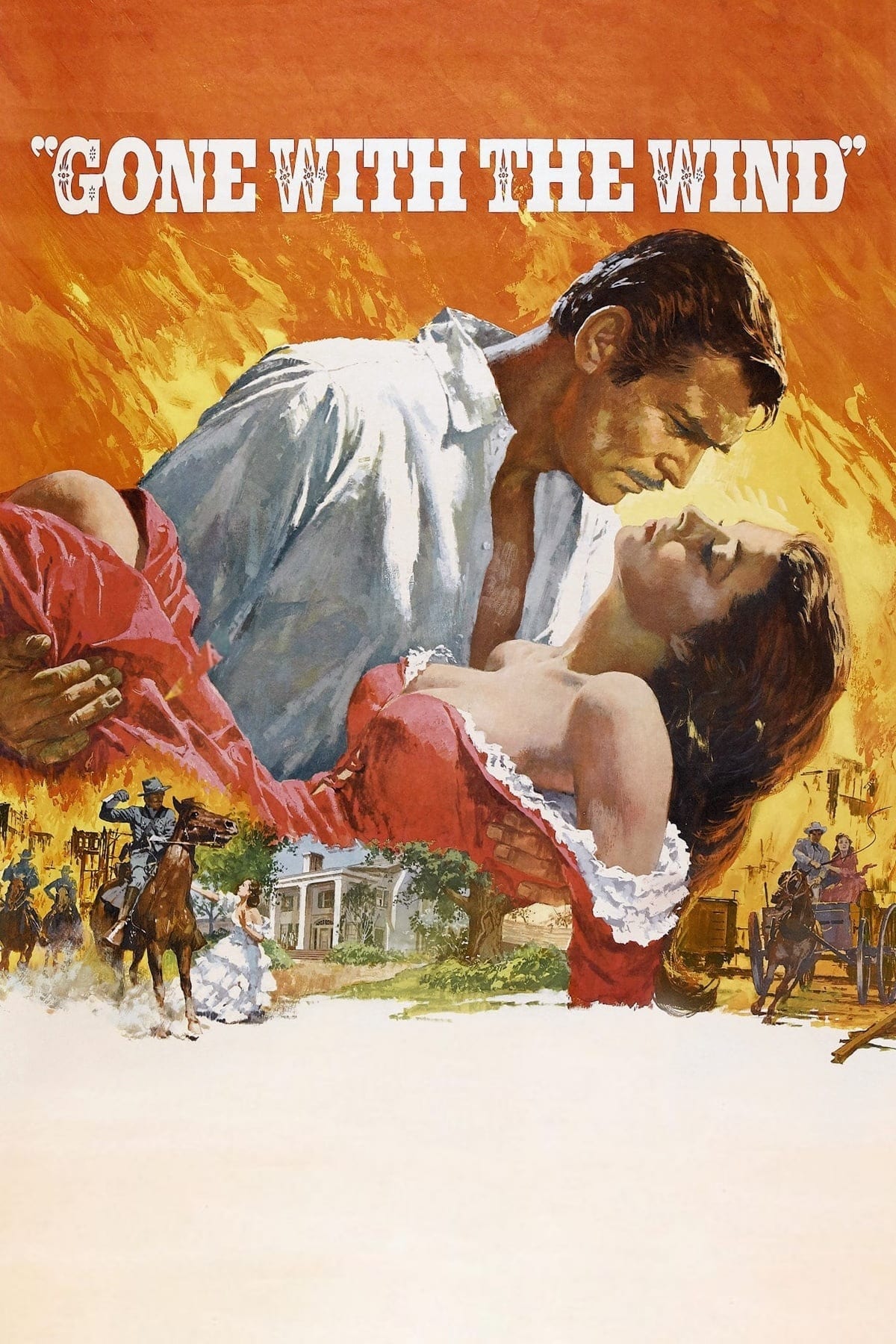
This Civil War melodrama won multiple Academy Awards and became one of the highest grossing films adjusted for inflation. Its depiction of enslaved people and the romanticizing of the Old South have drawn sustained criticism. Modern broadcasts and repertory screenings often add introductions discussing its historical context. Some home releases include featurettes that address the film’s legacy and representation.
‘Song of the South’ (1946)
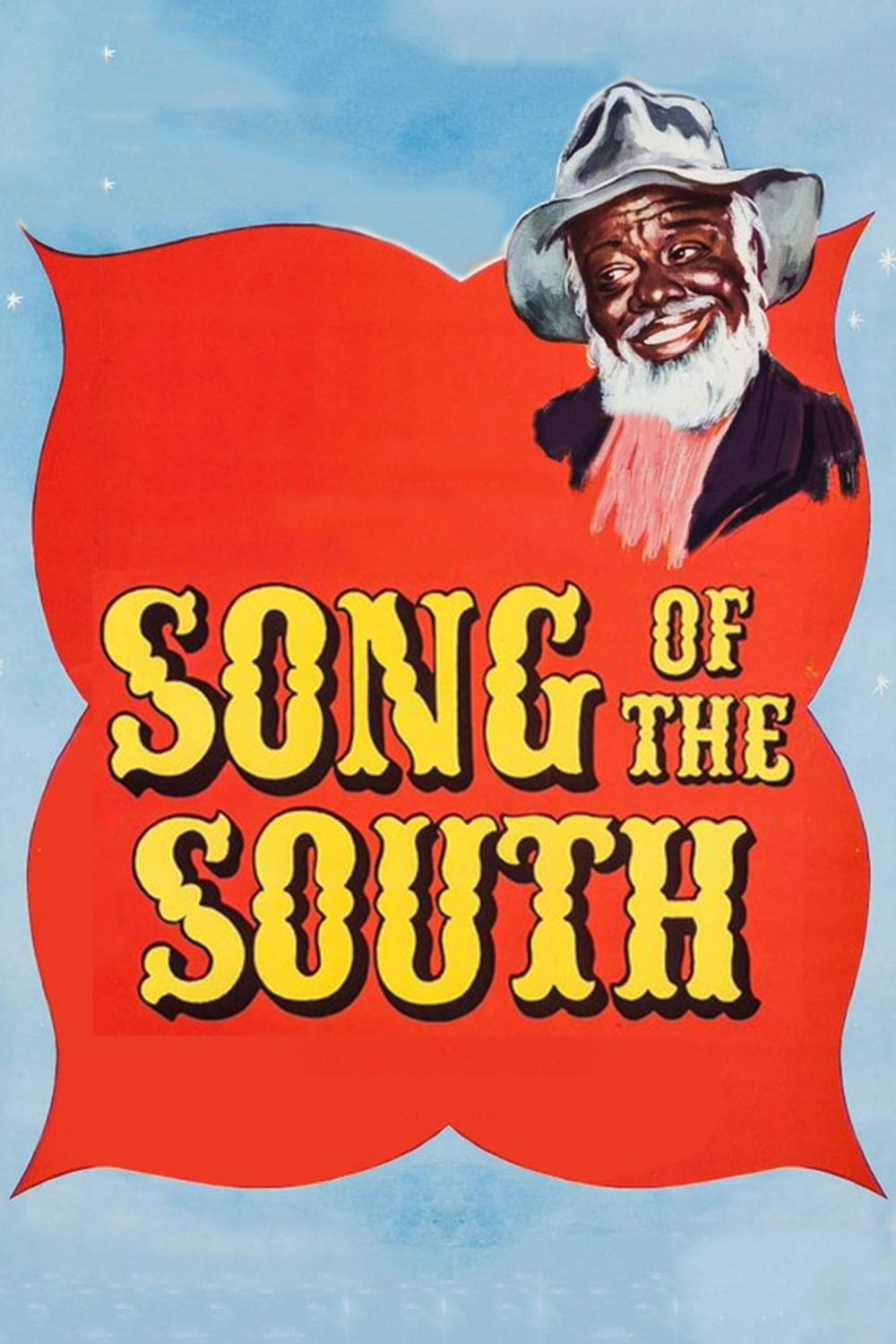
Disney mixed live action and animation to adapt Joel Chandler Harris stories centered on Uncle Remus. The film’s portrayal of plantation life and dialect has been widely condemned by scholars and activists. It has not been made available on the company’s streaming service and remains out of print in many regions. Theme park references tied to the property have been reworked or retired.
‘The Jazz Singer’ (1927)
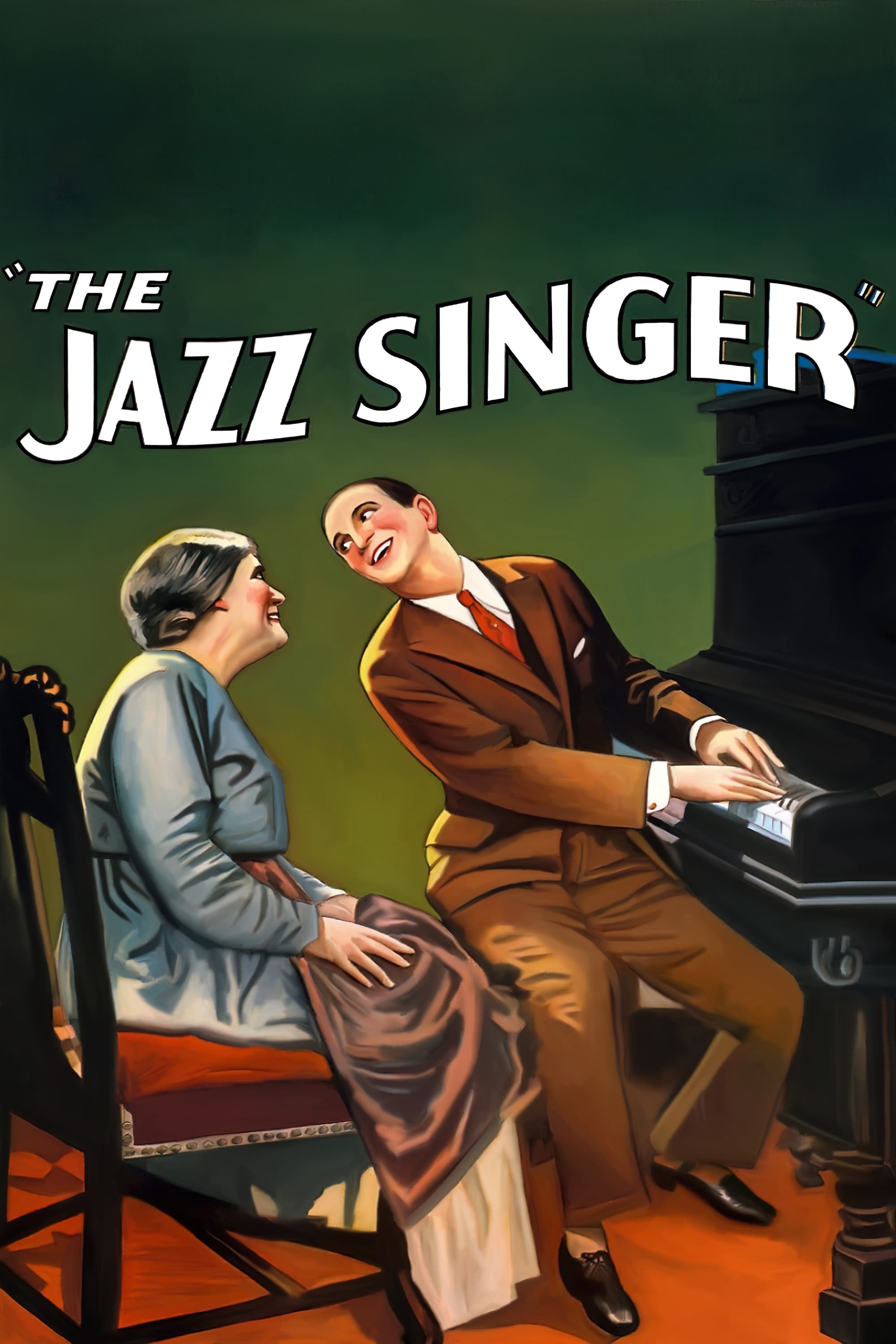
This musical drama is credited as the first feature with synchronized dialogue and songs using a sound process. The star performs several numbers in blackface, which has become a focal point of criticism in studies of early Hollywood. Film histories frequently examine how the production transformed the industry’s transition to sound. Restorations and retrospectives typically address the racial implications directly.
‘Breakfast at Tiffany’s’ (1961)

Audrey Hepburn’s romantic comedy includes a caricatured portrayal of a Japanese neighbor played by Mickey Rooney. The performance has drawn apologies from participants and is regularly cited in discussions of offensive screen stereotypes. The film’s music and fashion influence are often taught alongside critiques of representation. Newer releases sometimes feature interviews and essays that unpack the controversy.
‘A Clockwork Orange’ (1971)
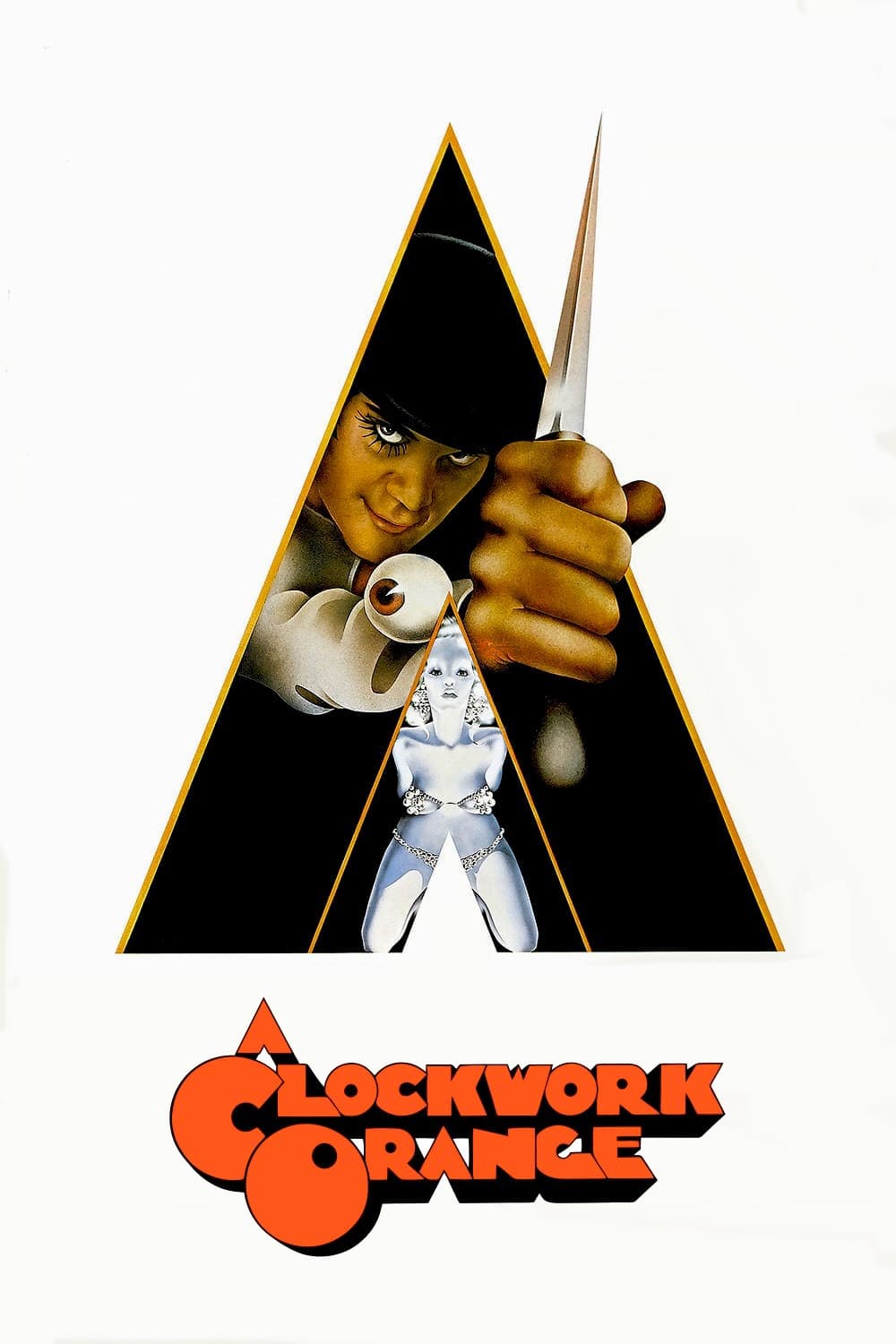
Stanley Kubrick’s adaptation of Anthony Burgess’s novel follows a violent gang leader subjected to aversion therapy. The film faced accusations of inspiring copycat crimes and underwent rating battles in the United States. Kubrick later requested the distributor pull it from general circulation in the United Kingdom for an extended period. It returned with extensive debate about censorship and media effects.
‘Straw Dogs’ (1971)
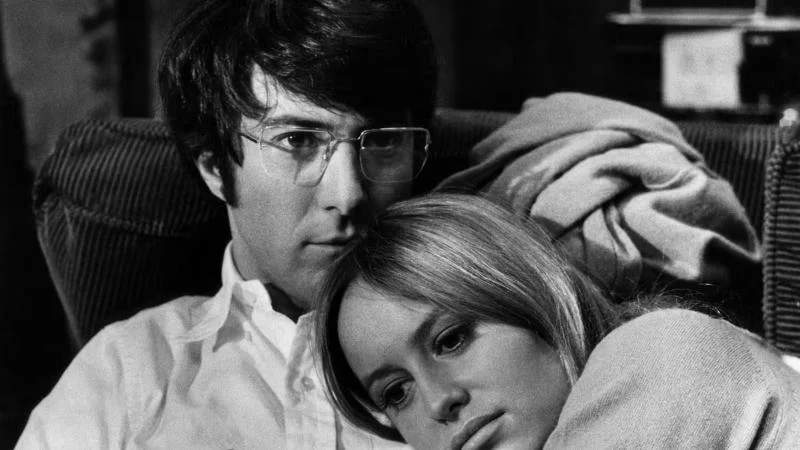
Sam Peckinpah’s thriller centers on a couple terrorized in a rural village and contains a sexual assault sequence that provoked intense scrutiny. British censors demanded cuts and issued shifting classifications over time. Critics and academics still analyze its representation of masculinity and consent. Home video editions often include notes detailing the different versions and edits.
‘Last Tango in Paris’ (1972)
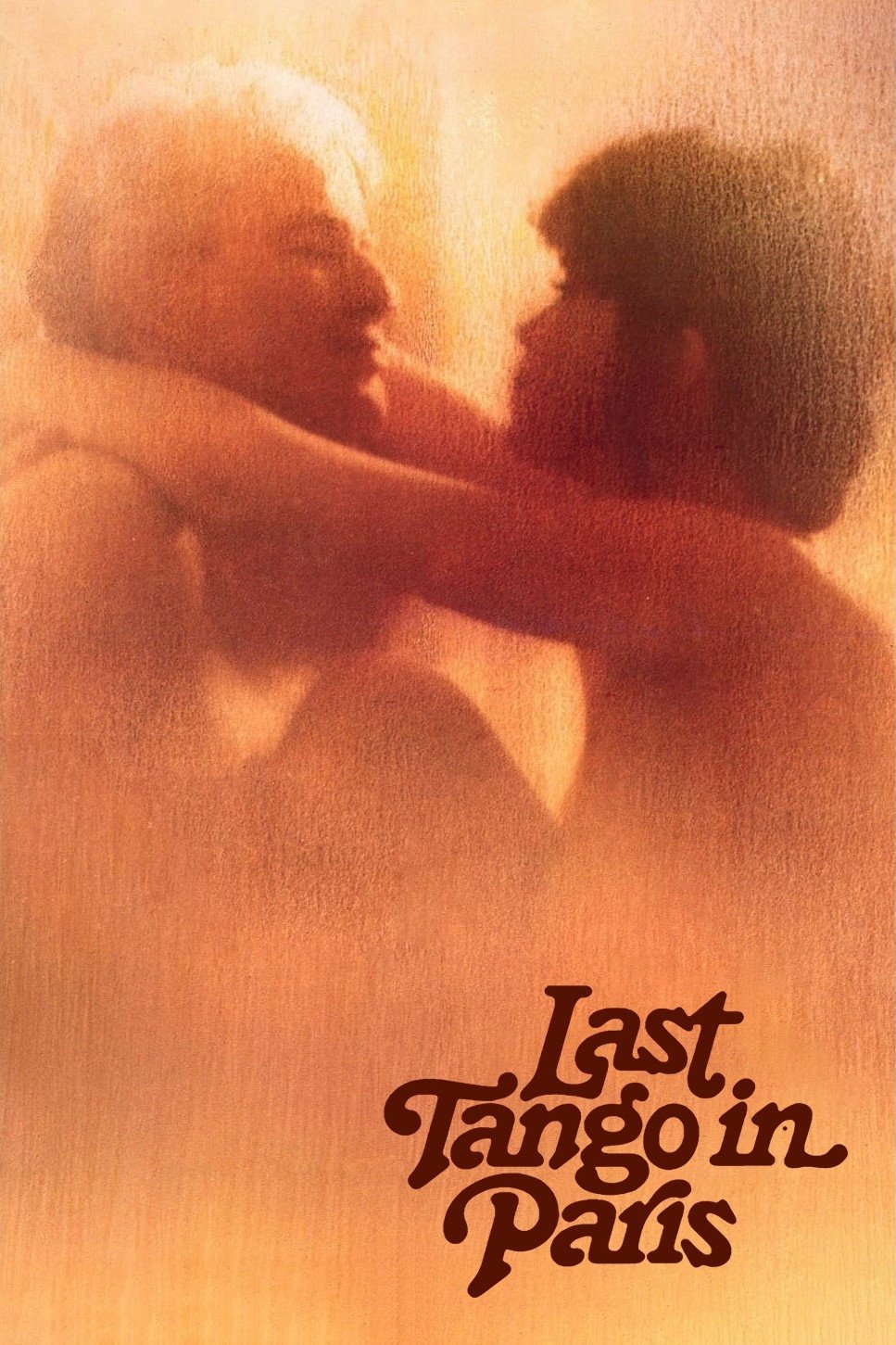
Bernardo Bertolucci’s drama stars Marlon Brando and Maria Schneider in a story of an anonymous affair. The film triggered bans and obscenity rulings in several countries and faced legal challenges in Italy. Schneider later described aspects of a notorious scene as non consent from a performer’s perspective, which renewed calls for reassessment. Restorations typically include documentaries addressing production ethics.
‘Pink Flamingos’ (1972)
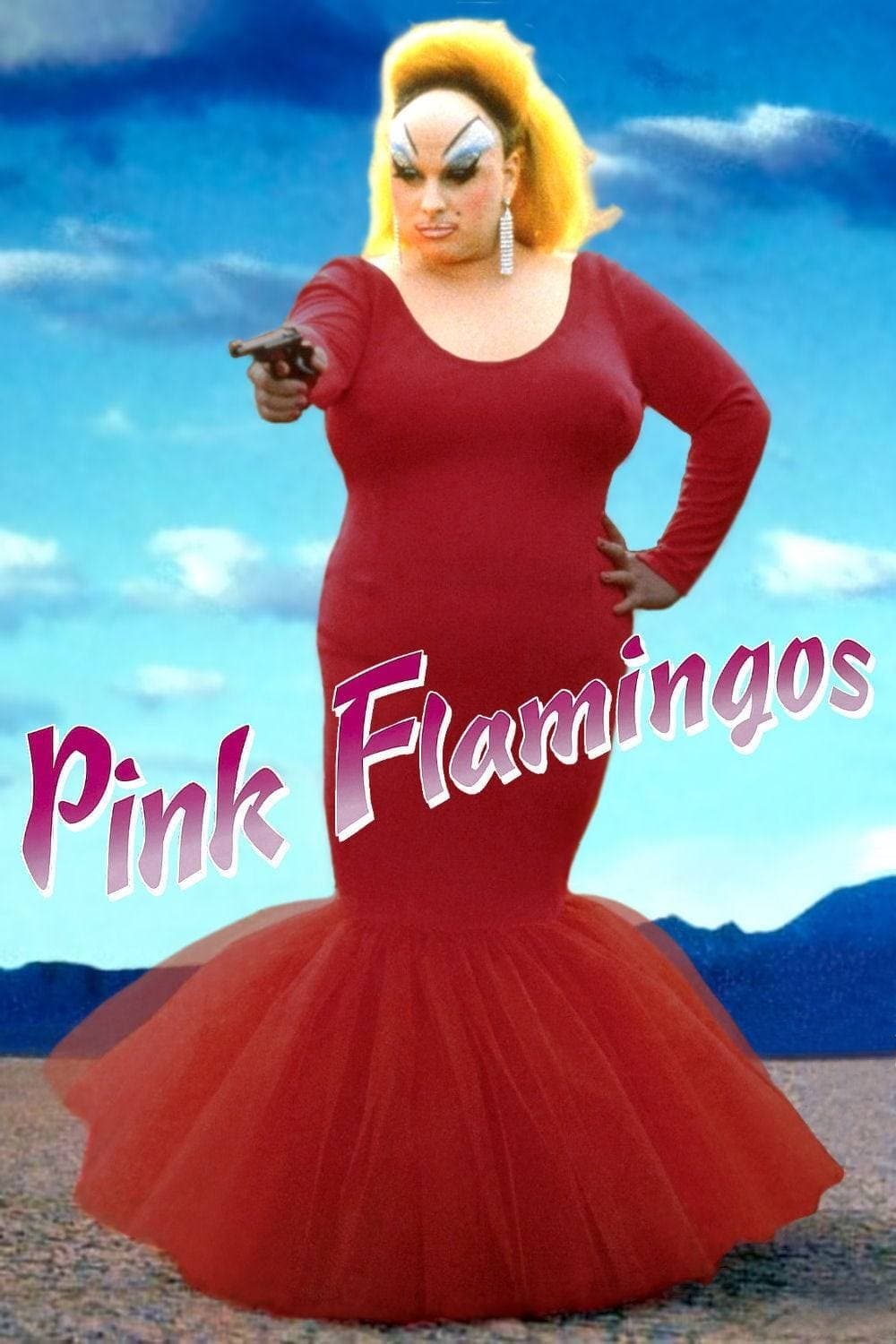
John Waters’ underground cult film became a midnight movie sensation with transgressive set pieces. It was refused classification or shown only in specialty cinemas in numerous markets. Police raids and seized prints are part of its exhibition history. The movie is now studied for its role in shaping camp aesthetics and independent distribution.
‘Blazing Saddles’ (1974)
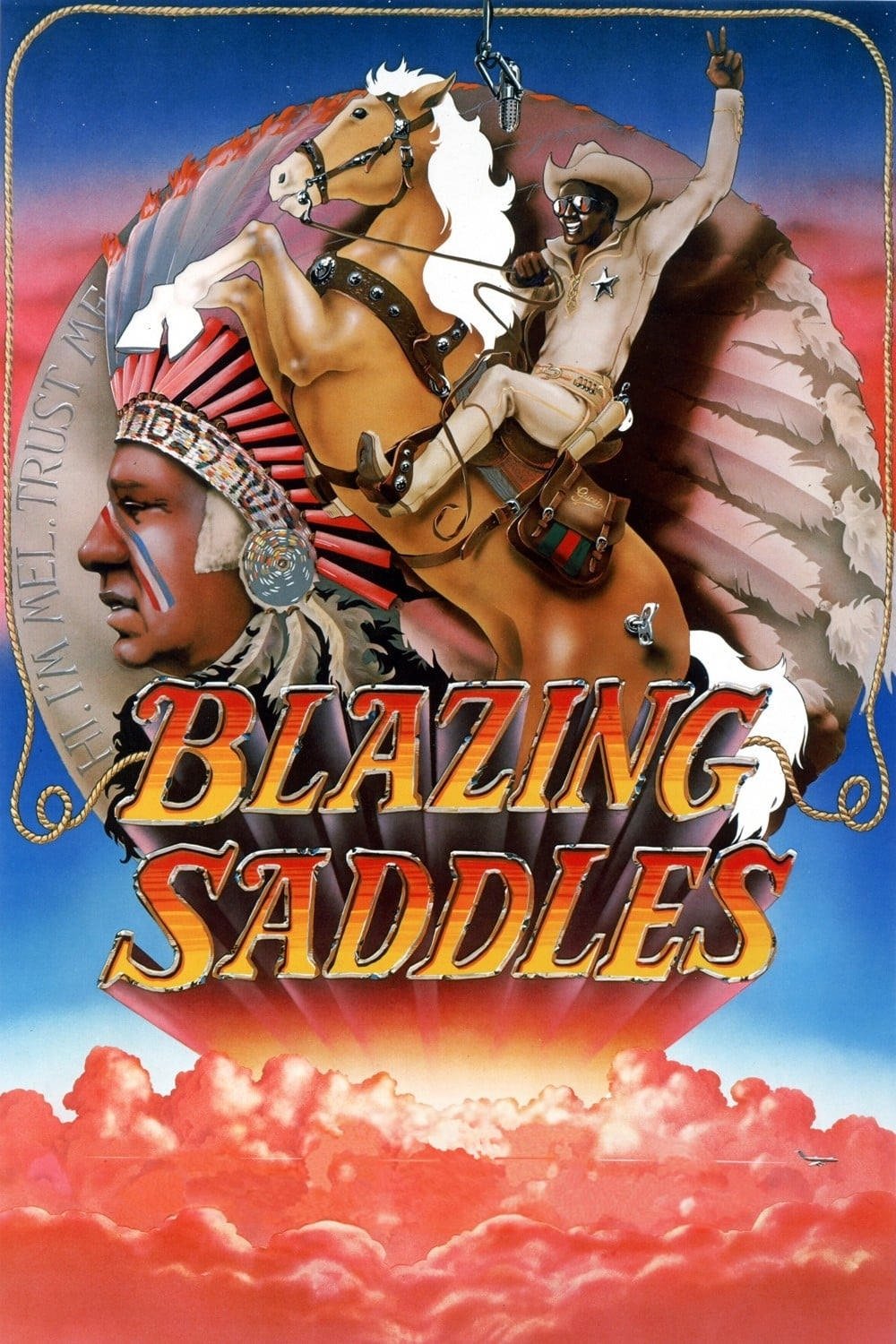
Mel Brooks’ Western spoof uses slurs and shock humor to lampoon racism and Hollywood clichés. Studio memos reveal fierce internal debates over language and content, with some scenes nearly cut. Television airings traditionally employed heavy editing and disclaimers. Contemporary retrospectives often include panels that frame the satire for new audiences.
‘Salò, or the 120 Days of Sodom’ (1975)

Pier Paolo Pasolini relocates the Marquis de Sade’s tale to a fascist microstate and depicts systematic abuse. Multiple countries banned the film or permitted only censored versions for decades. Film archives keep it under restricted access policies and pair screenings with scholarly analysis. Restorations document extensive legal histories in their supplemental materials.
‘Cannibal Holocaust’ (1980)
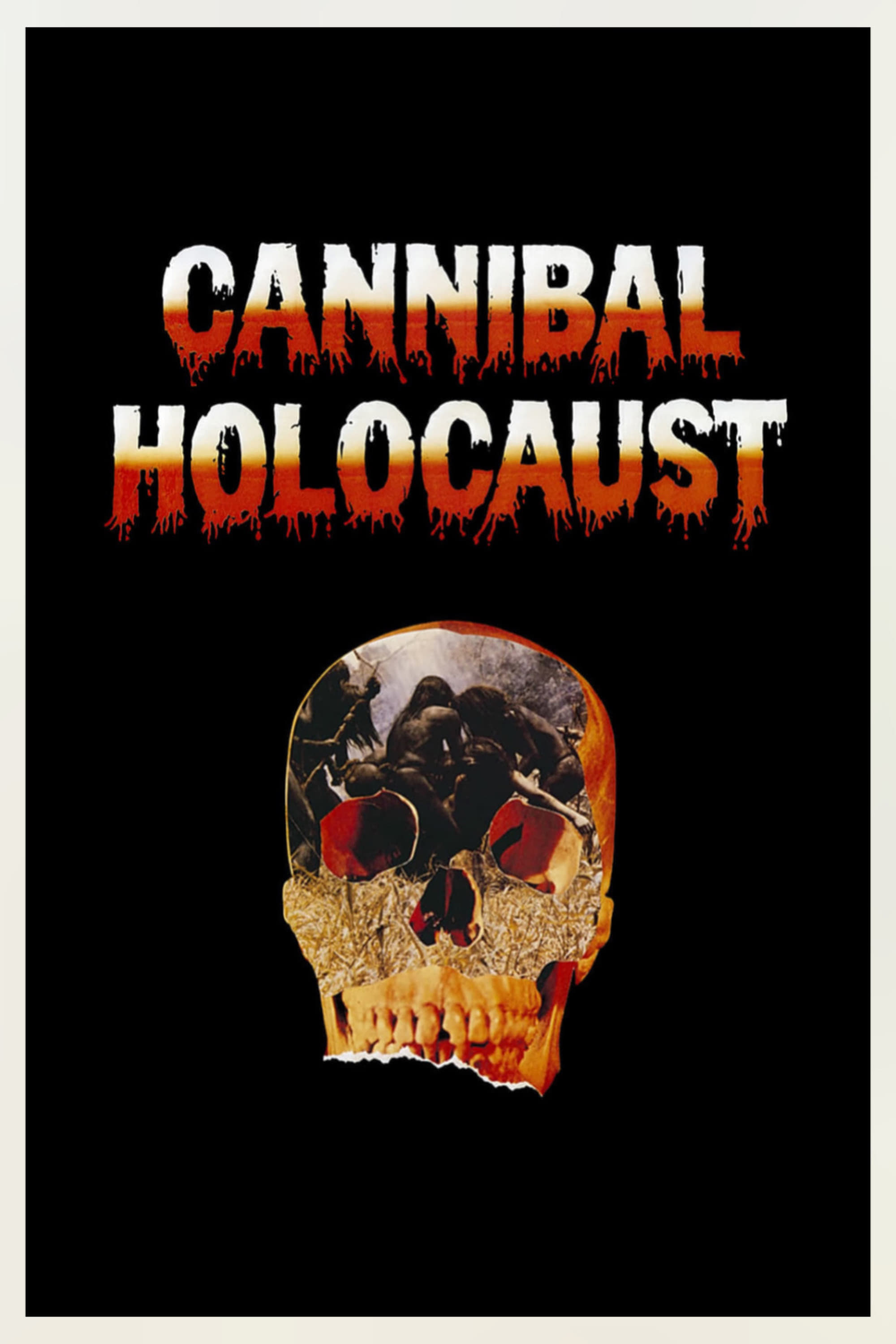
Ruggero Deodato’s found footage shocker was seized by authorities in Italy and the director was charged with obscenity. The production involved real animal killings, which led to ongoing protests and content warnings. The filmmaker had to prove his actors were alive after rumors that sequences were genuine. Many releases carry both legal context documentaries and animal cruelty advisories.
‘Sixteen Candles’ (1984)
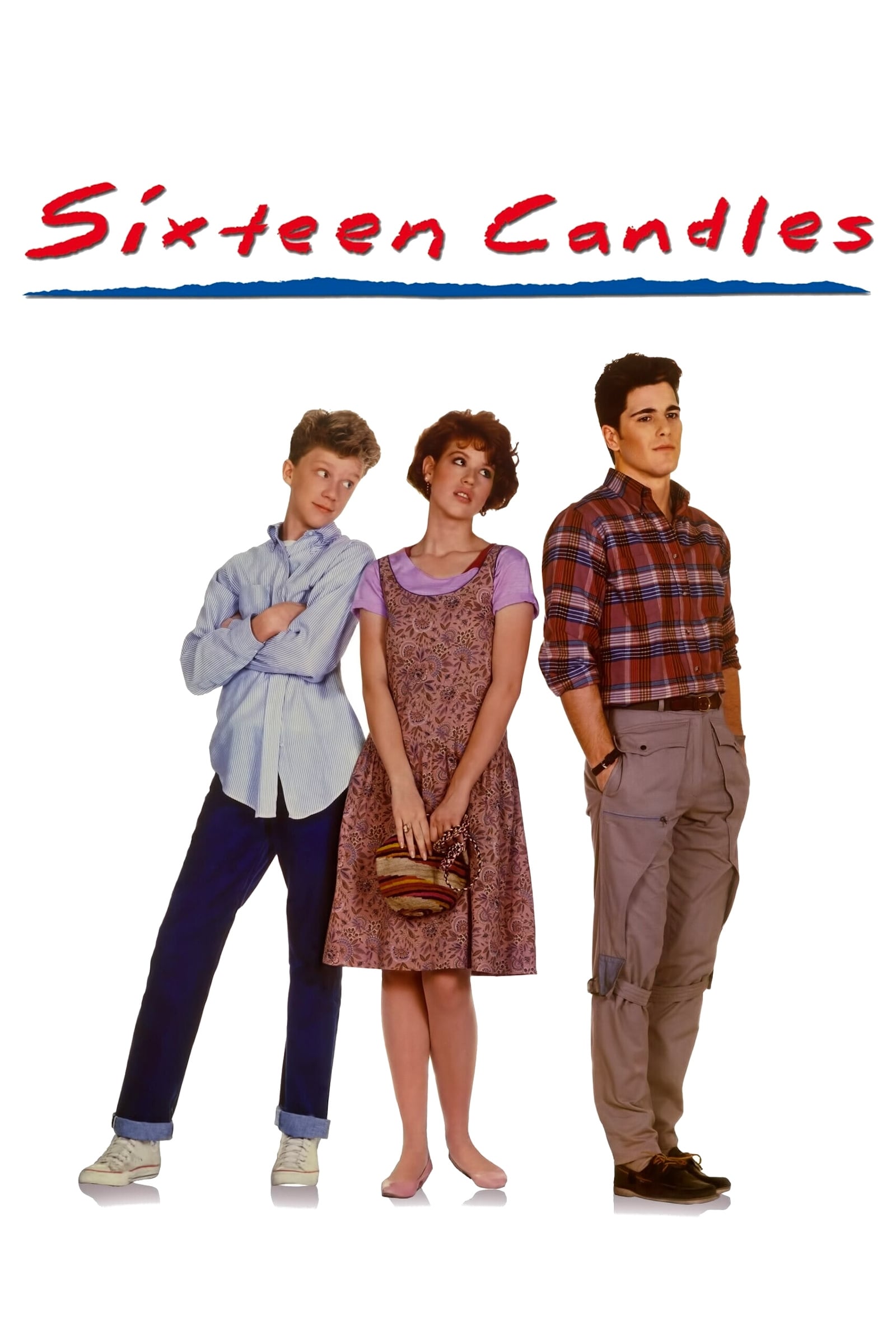
John Hughes’ teen comedy includes a character named Long Duk Dong whose portrayal has been criticized as racist. The story also features a subplot involving alcohol and consent that has been revisited by commentators and educators. Television versions often adjust language to meet standards. Cast and crew have publicly reflected on how certain jokes have aged.
‘The Last Temptation of Christ’ (1988)
Martin Scorsese’s adaptation of Nikos Kazantzakis’s novel interprets Jesus with human doubts and desires. Religious groups organized protests and some exhibitors cancelled bookings. Several regions restricted screenings or required age limits beyond standard classifications. Later home editions include roundtables with theologians and filmmakers discussing artistic freedom.
‘Kids’ (1995)
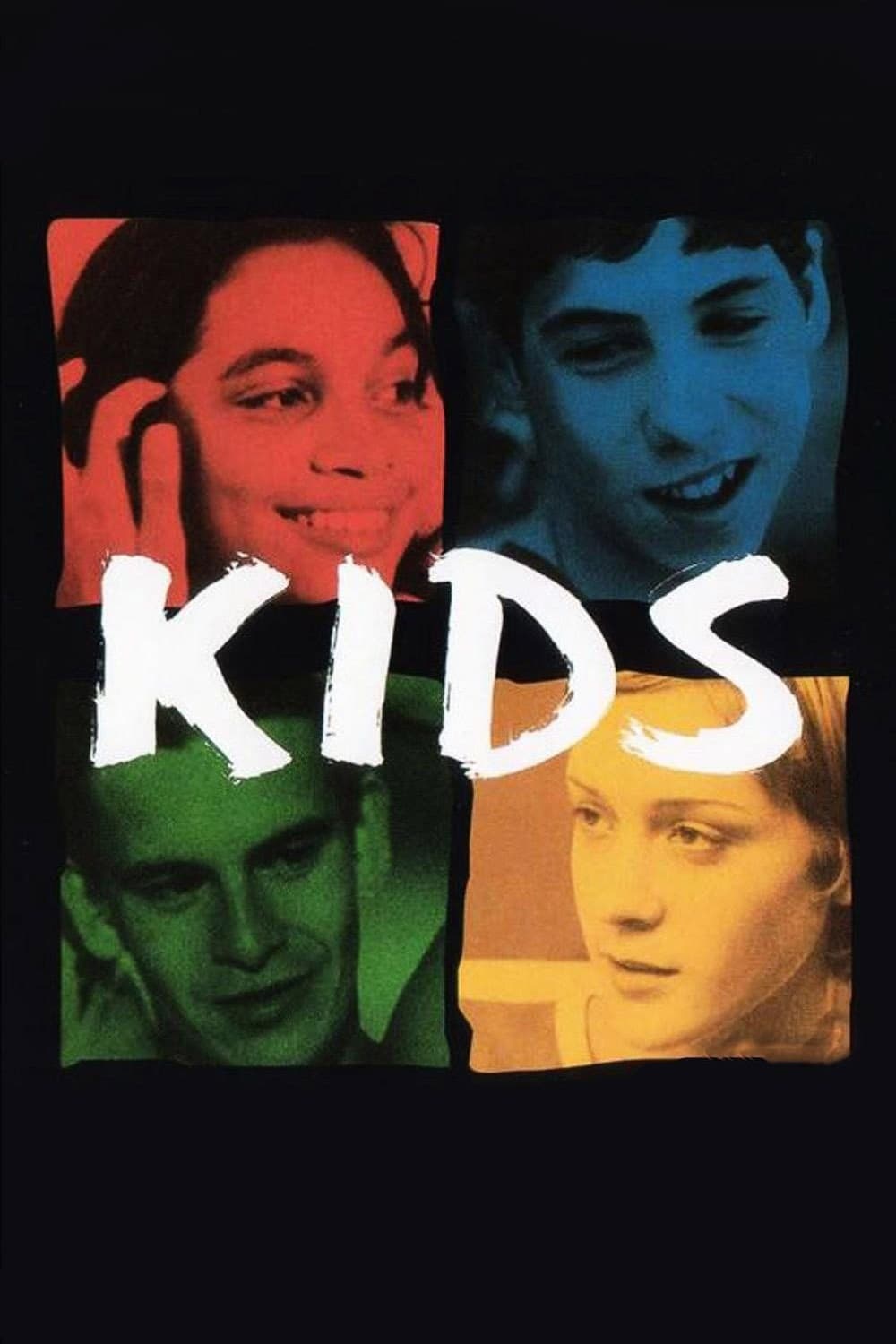
Larry Clark’s drama follows New York City teenagers through a day of sex, drugs, and consequences related to HIV. It was released unrated after a distributor set up a specialty label to handle it outside the studio system. The film ignited debates about exploitation versus realism in youth portrayals. Its soundtrack and casting of non professionals became case studies in independent film production.
‘Team America: World Police’ (2004)
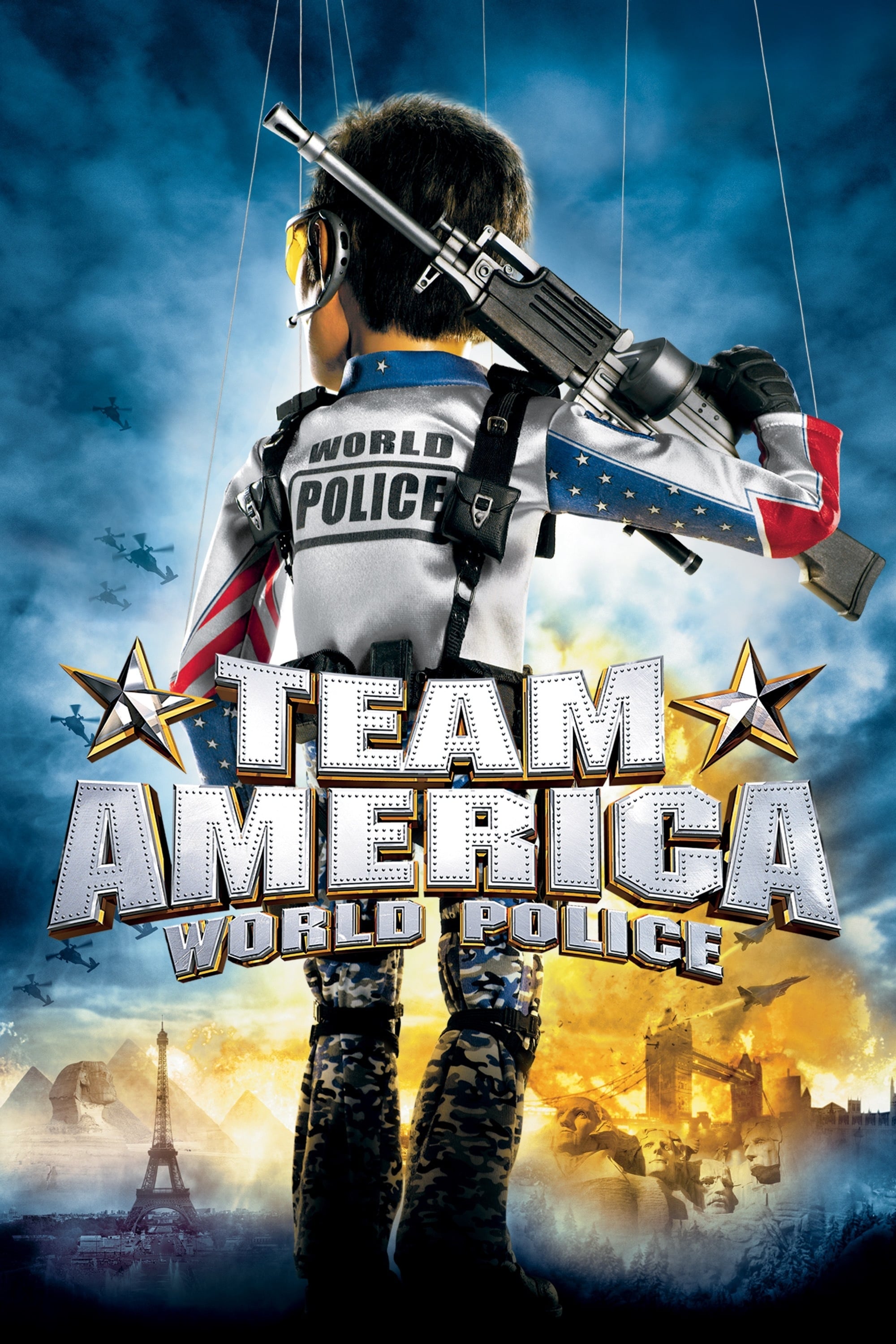
Trey Parker and Matt Stone’s puppet action comedy targets global politics, Hollywood activism, and dictatorship iconography. The ratings board required edits for theatrical release and some countries blocked or trimmed the film. The production’s miniature sets and marionette work are documented in extensive behind the scenes features. Home media includes both censored and uncensored cuts with commentary.
‘Borat’ (2006)
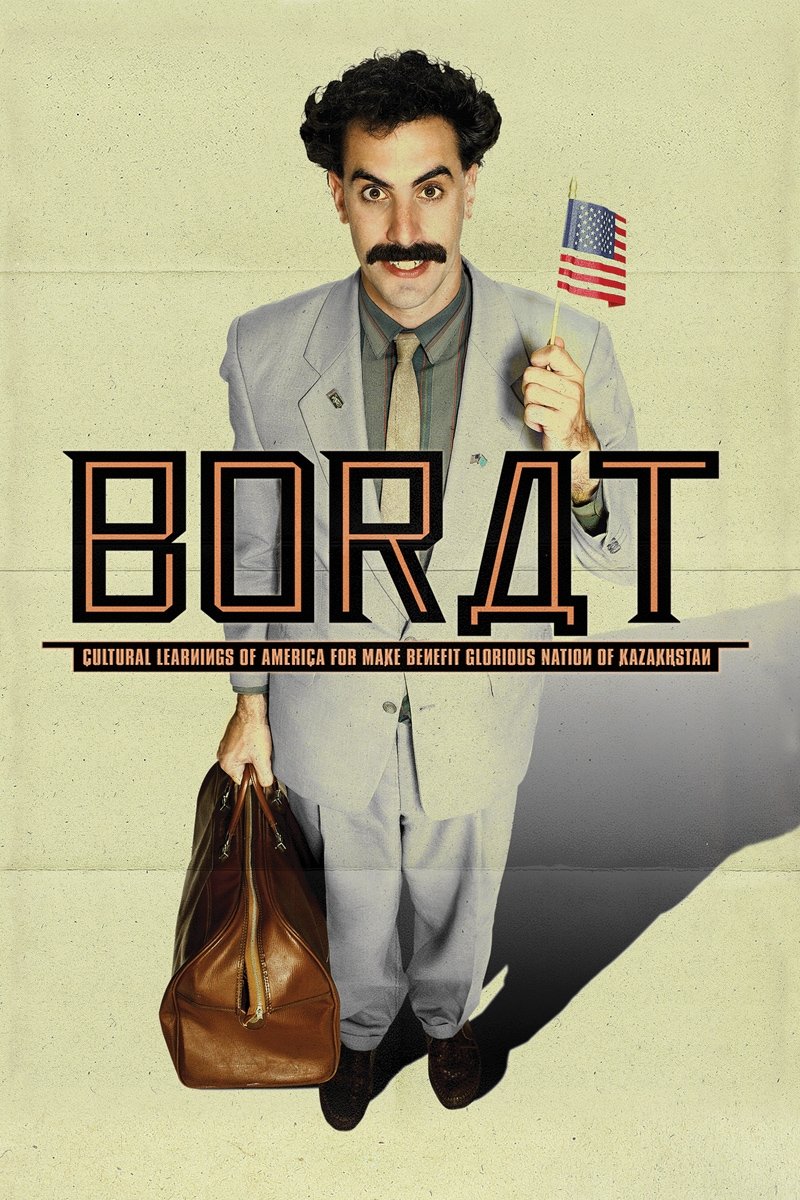
Sacha Baron Cohen’s mockumentary follows a fictional Kazakh journalist traveling across the United States. Several featured participants filed lawsuits, most of which were dismissed, and a foreign ministry publicly objected to the portrayal of the country. The film’s guerilla style led to on camera confrontations and last minute location changes. It became a major box office success and revived debates about informed consent in documentary style comedy.
‘Tropic Thunder’ (2008)
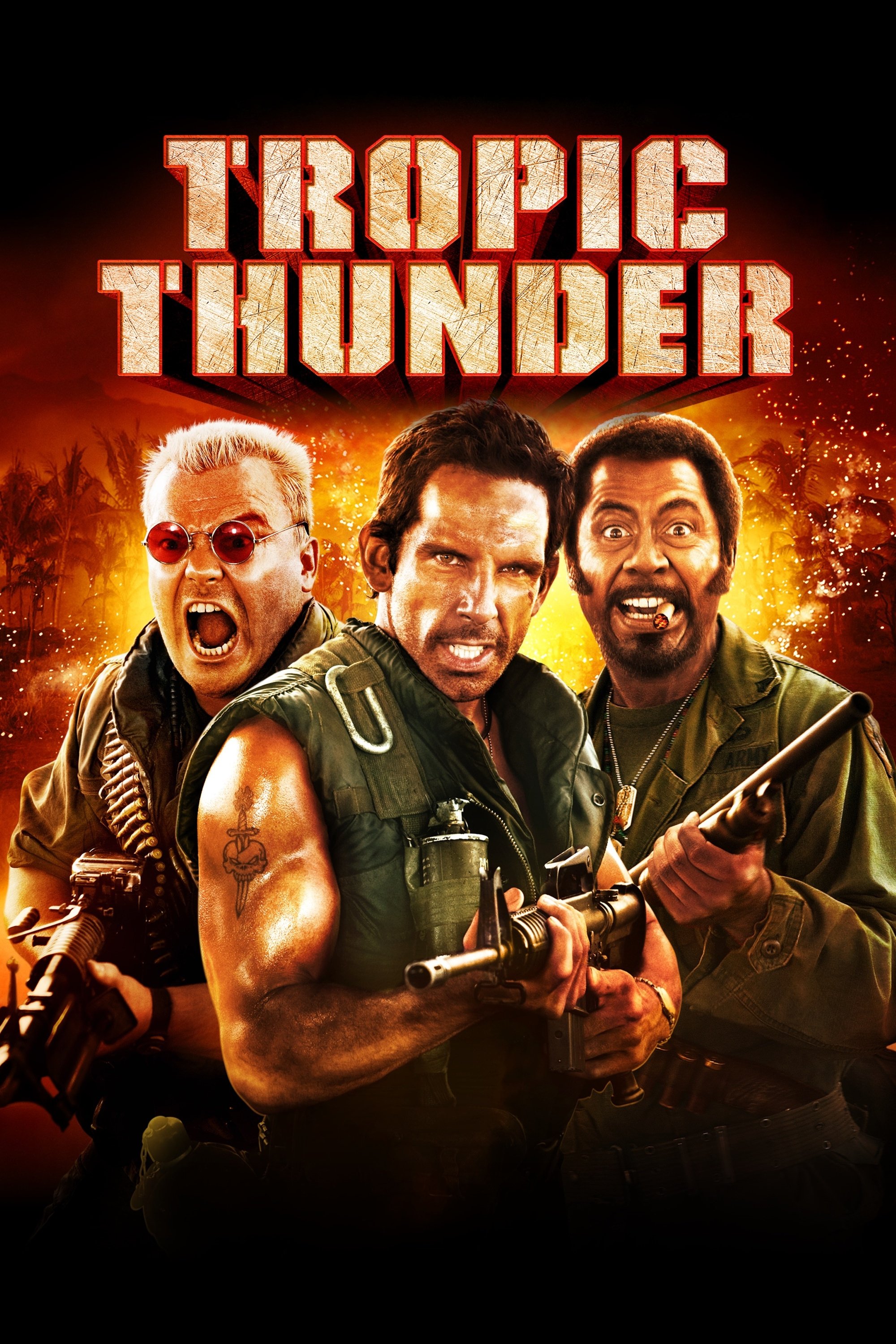
Ben Stiller’s Hollywood satire includes a character who undergoes a controversial makeup transformation for a role. Disability advocacy groups protested another character’s dialogue and marketing tie ins. The studio issued statements and adjusted promotional materials in response. Commentaries and press materials discuss the film within a tradition of show business self parody.
‘The Green Berets’ (1968)
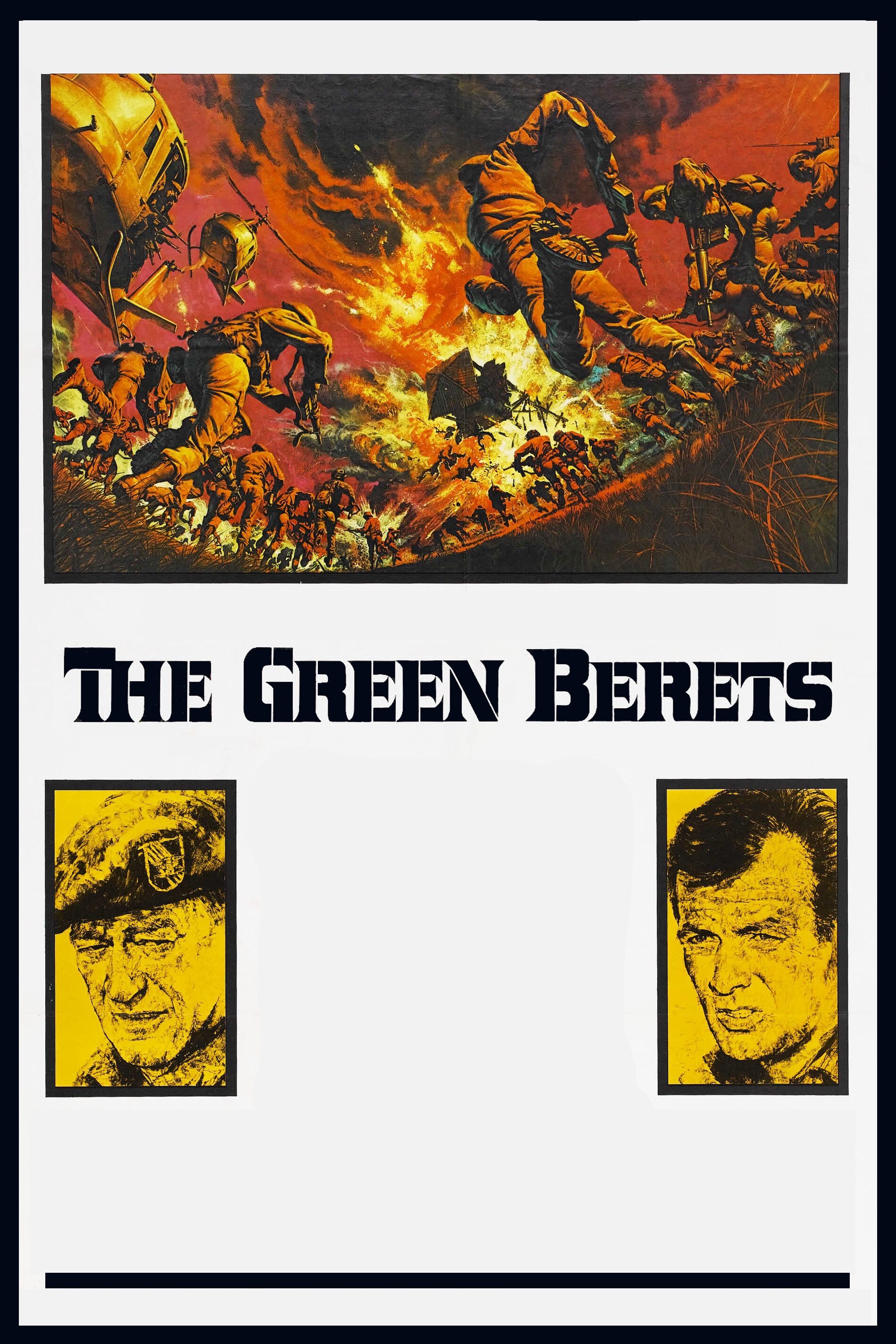
John Wayne co directed and starred in this Vietnam War film that presented a strongly supportive view of American involvement. Contemporary critics called out its portrayal of the conflict and its simplified depiction of Vietnamese characters. The Pentagon provided cooperation that included equipment and logistical help. The movie became a touchpoint in debates about propaganda and accuracy in war cinema.
‘The Party’ (1968)
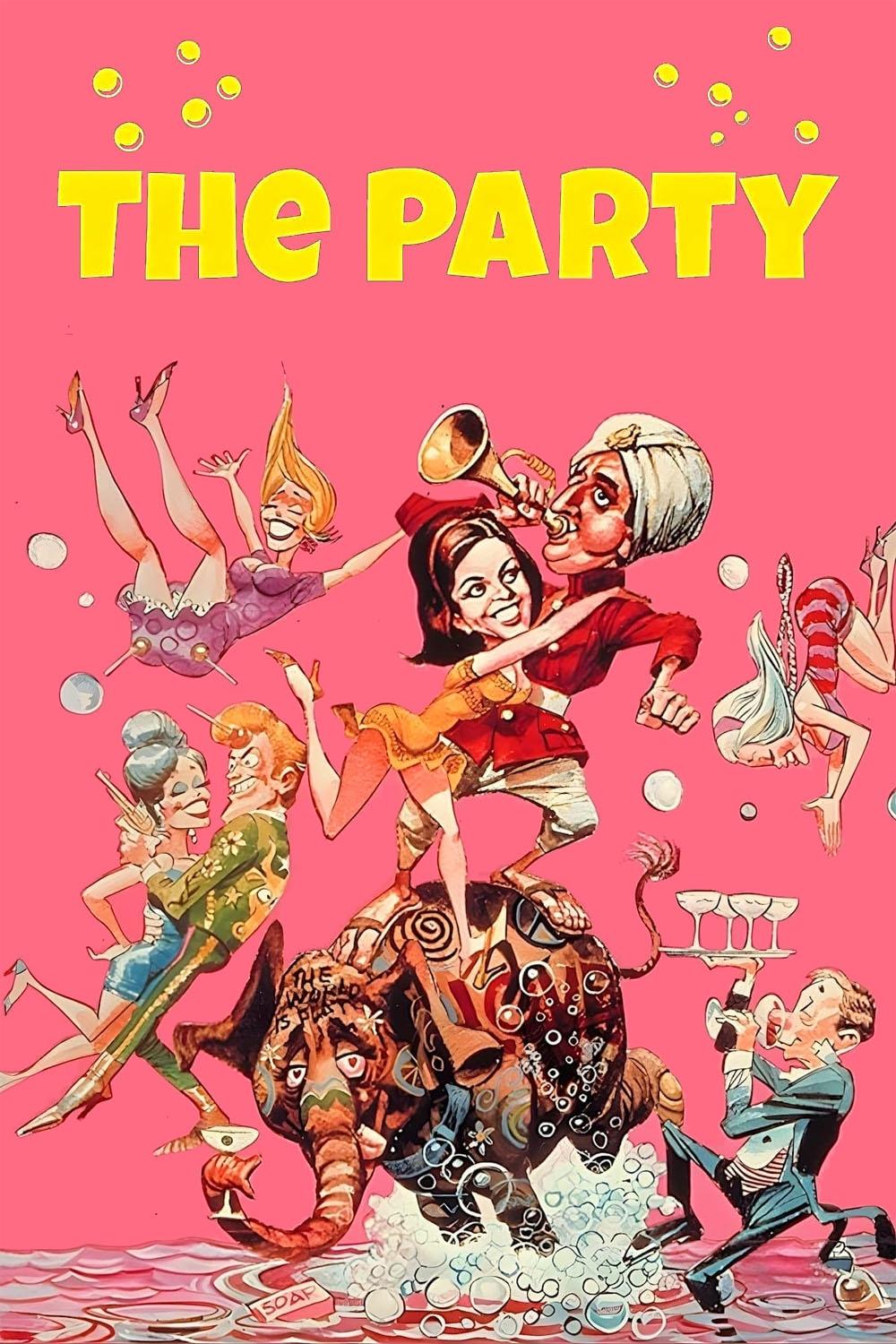
Peter Sellers plays an Indian actor and appears in brownface with an exaggerated accent. The production used makeup and costuming that later drew sustained criticism from advocacy groups and historians. The movie’s release history includes renewed discussions whenever retrospectives highlight Sellers’s work. Modern screenings often address representation in pre show notes or panel conversations.
‘Dirty Harry’ (1971)

Clint Eastwood’s cop hunts a serial killer while clashing with judicial restraints and department policies. Civil liberties organizations criticized the film’s depiction of police conduct and due process. Sequels and merchandising amplified the character’s cultural footprint. The series is frequently referenced in legal and criminology courses when examining media effects on policing.
‘The Deer Hunter’ (1978)
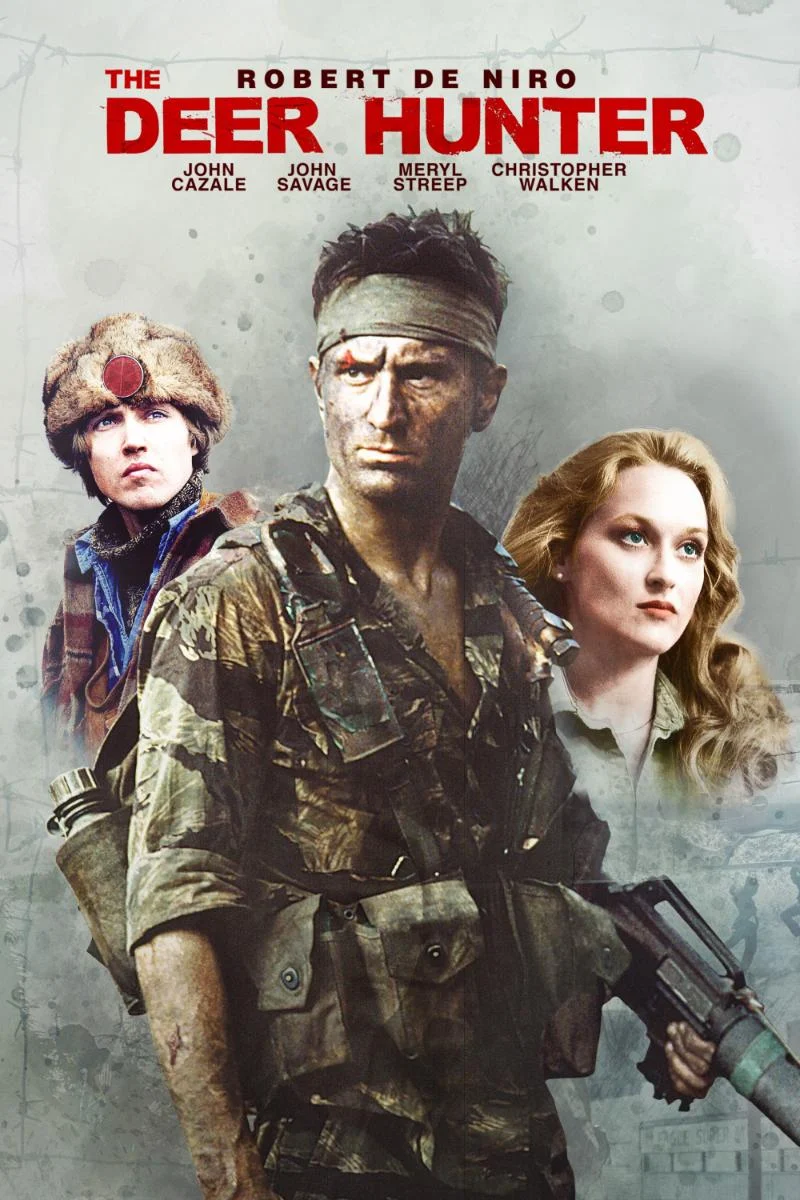
The film features a Russian roulette motif during the Vietnam War that generated protests from veterans’ groups. Some organizations challenged the accuracy of those scenes and the depiction of Vietnamese captors. The movie won multiple Academy Awards and remained a lightning rod during televised ceremonies. Festival screenings abroad faced organized objections and venue security measures.
‘Trading Places’ (1983)
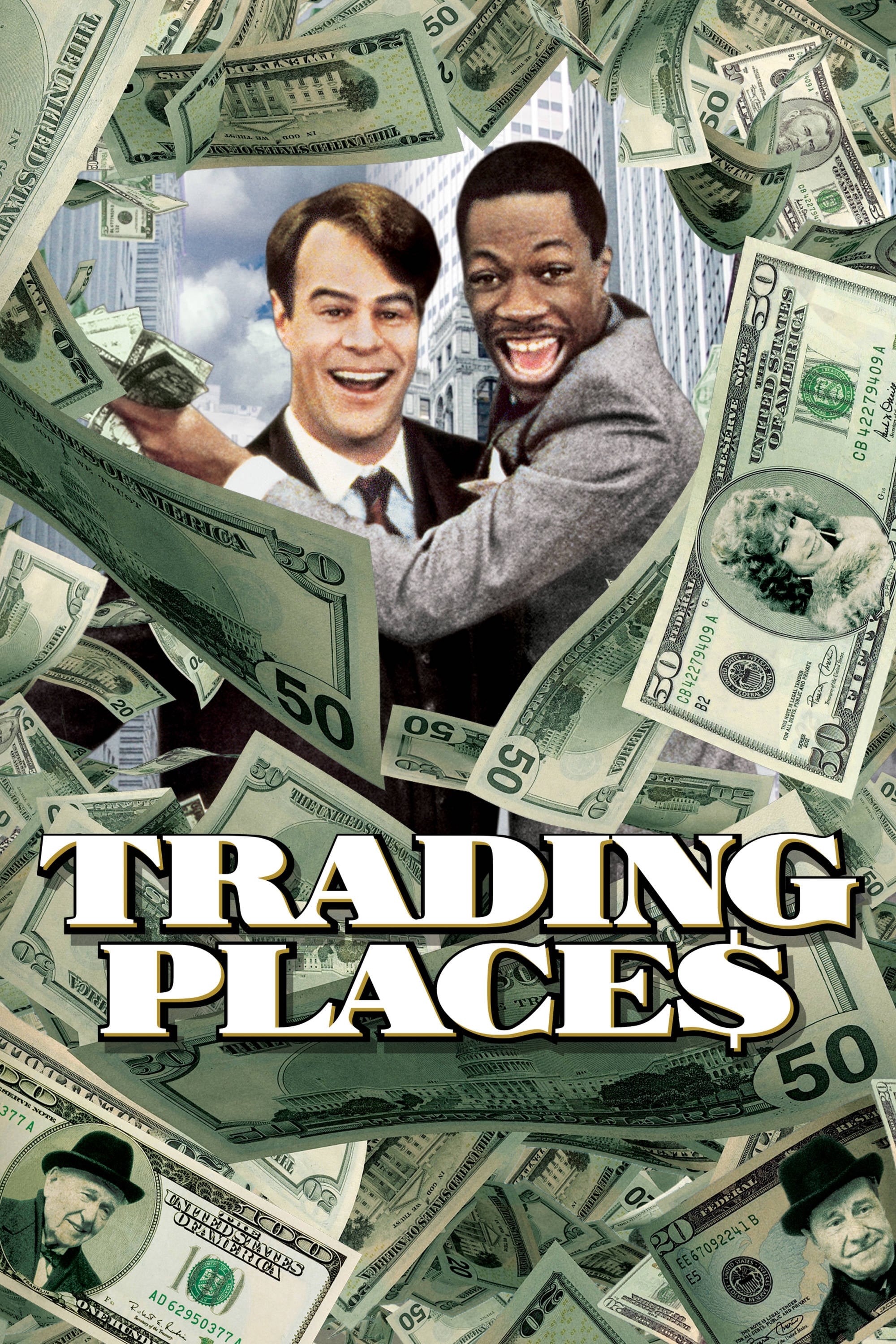
This comedy uses a social experiment plot that swaps a rich broker with a street hustler. It includes a New Year’s Eve sequence featuring a character in blackface and another in a stereotyped disguise. Broadcast versions have trimmed or reframed parts of that party sequence. Reappraisals often cite the film when outlining how 1980s studio comedies handled race and class.
‘Indiana Jones and the Temple of Doom’ (1984)
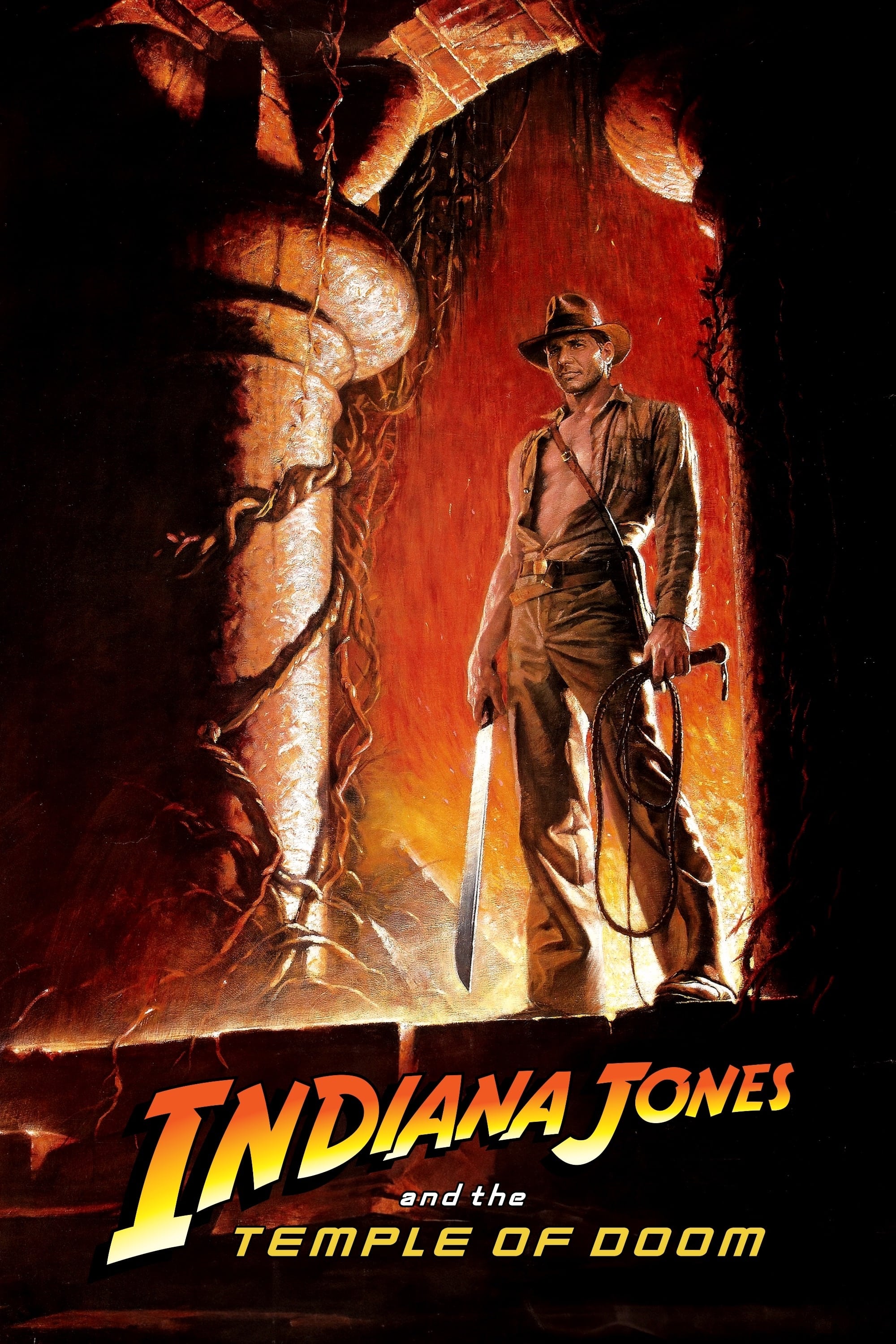
The second Indiana Jones adventure drew protests in India for its depiction of a fictional cult and its portrayal of local customs. Graphic elements contributed to the creation of the PG 13 rating in the United States. The Indian government denied permission to film on location and the production moved to other countries. Later interviews from the creative team acknowledged that some portrayals reflected period serials rather than real cultures.
‘Police Academy’ (1984)
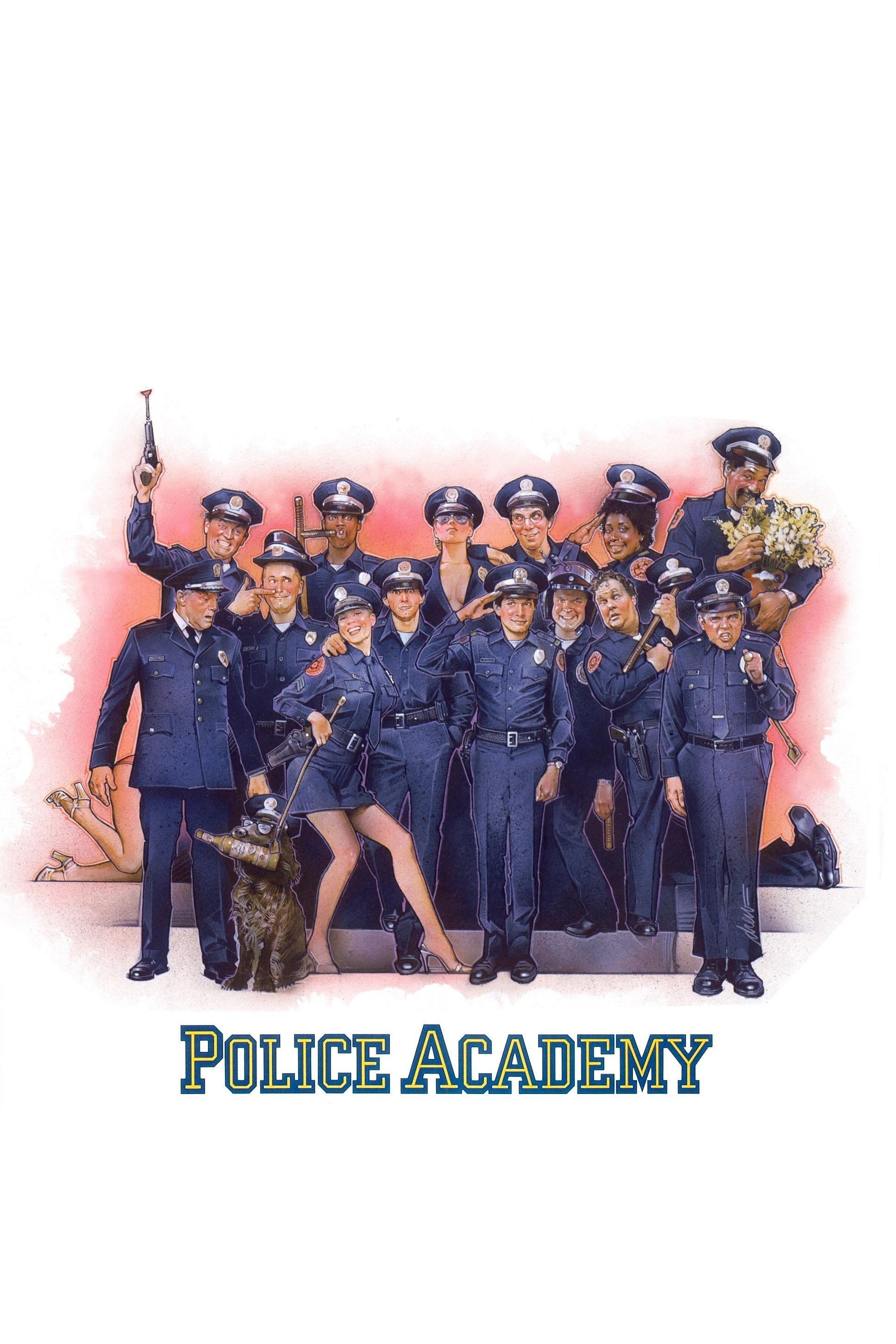
The movie follows a group of misfit recruits and leans on gags that target various groups. Critics flagged running jokes that rely on stereotypes and slurs. Television and airline edits removed or softened several bits to meet standards. The franchise spawned numerous sequels that carried forward similar humor and faced repeated content adjustments.
‘Soul Man’ (1986)
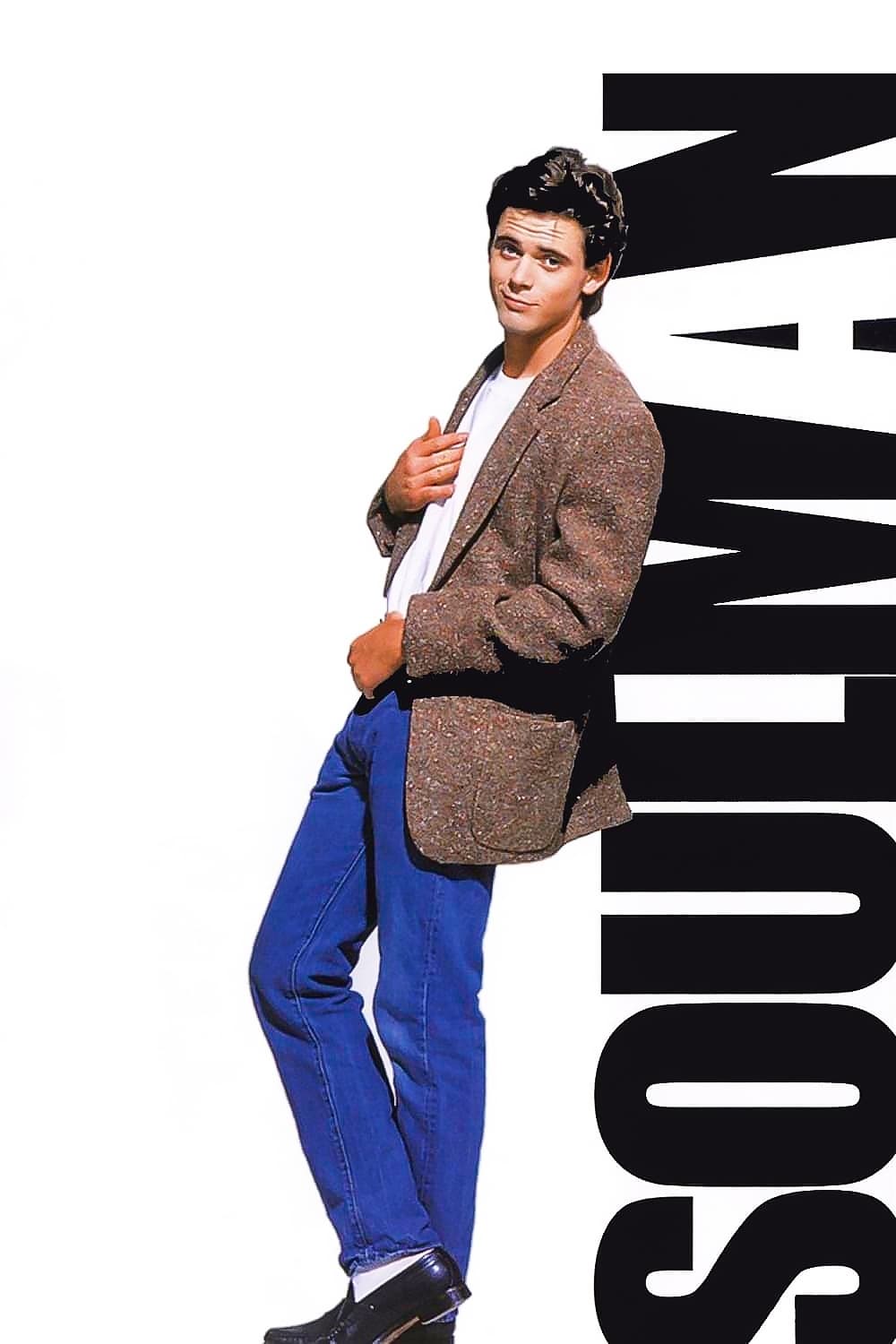
A college student takes tanning pills to pose as Black in order to receive a scholarship. Civil rights organizations condemned the premise and protested early screenings. The distributor added statements from the filmmakers explaining their intent during press tours. Home video releases have frequently arrived without promotional pushes due to the continuing backlash.
‘Mississippi Burning’ (1988)
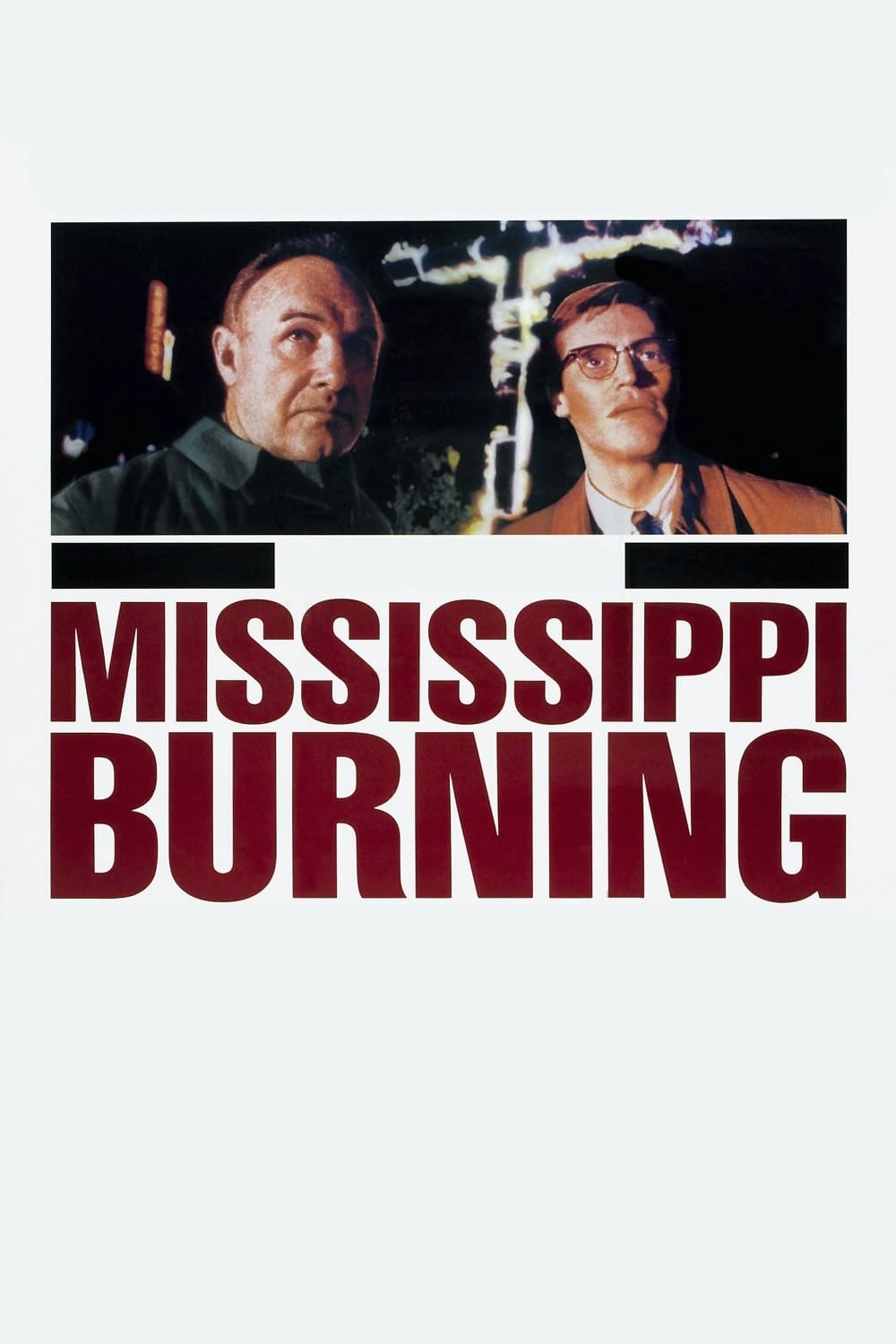
The drama fictionalizes the FBI investigation into the murders of three civil rights workers. Historians and activists criticized the way Black organizers were sidelined in favor of two white agents leading the story. Community groups staged demonstrations at select theaters during its awards season. Classroom use often pairs the film with primary sources to address omissions and artistic license.
‘The Silence of the Lambs’ (1991)
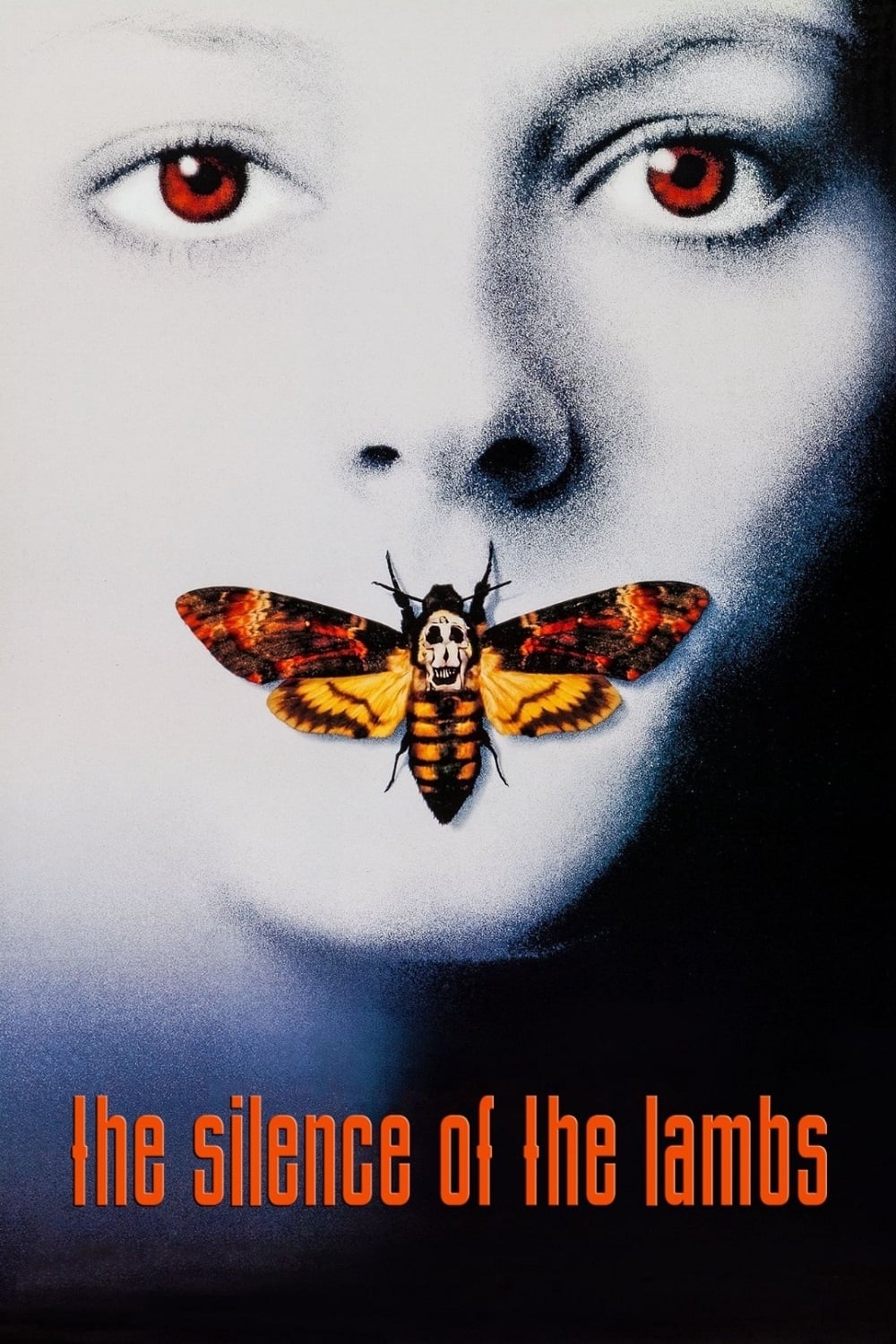
The character of Buffalo Bill drew criticism from LGBTQ advocates who argued the portrayal reinforced harmful tropes. The film’s creators later discussed intentions and the script’s distinctions about identity within interviews and commentary tracks. Protests occurred outside early screenings in several cities. The movie’s awards run kept the debate in mainstream news coverage for months.
‘Falling Down’ (1993)
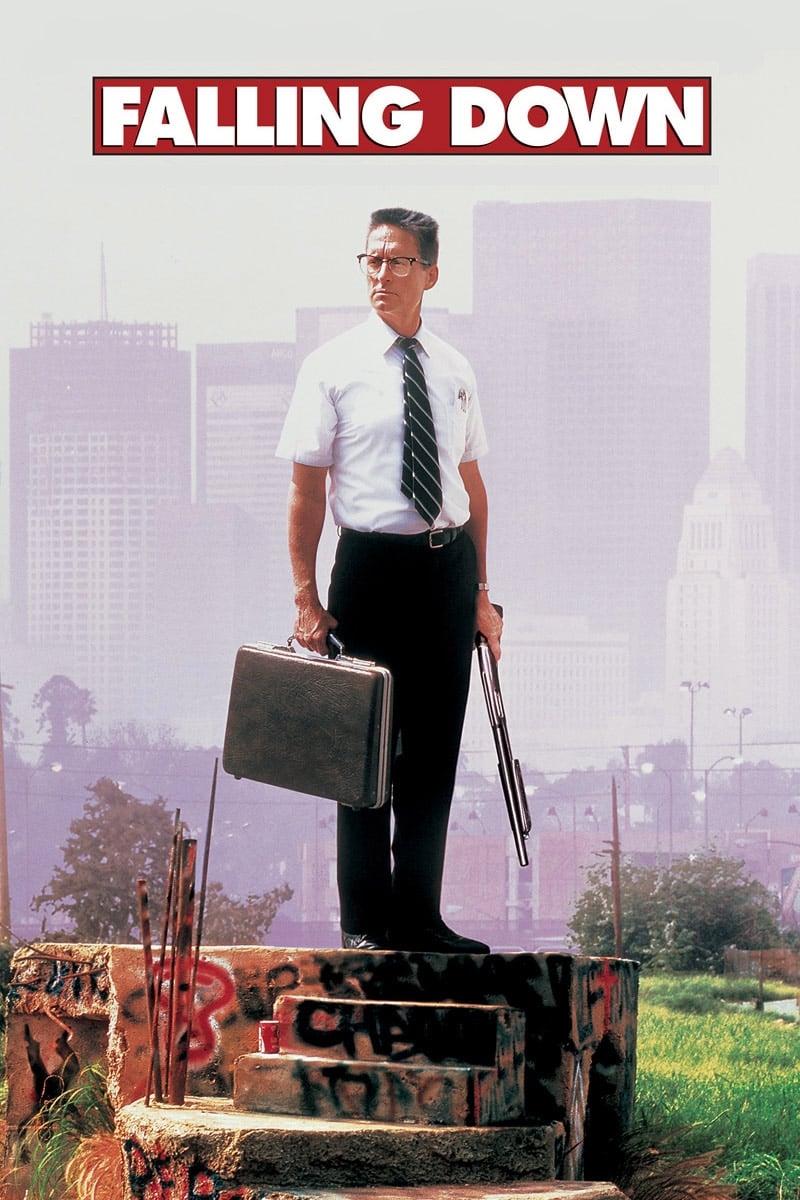
A laid off defense worker traverses Los Angeles while confronting strangers and authorities. Scene by scene conflicts depict immigrants, workers, and law enforcement in ways that drew accusations of xenophobia and vigilantism. Police departments prepared advisories for potential copycat incidents during the release. The film became a frequent case study in courses on urban policy and media representation.
‘Ace Ventura: Pet Detective’ (1994)
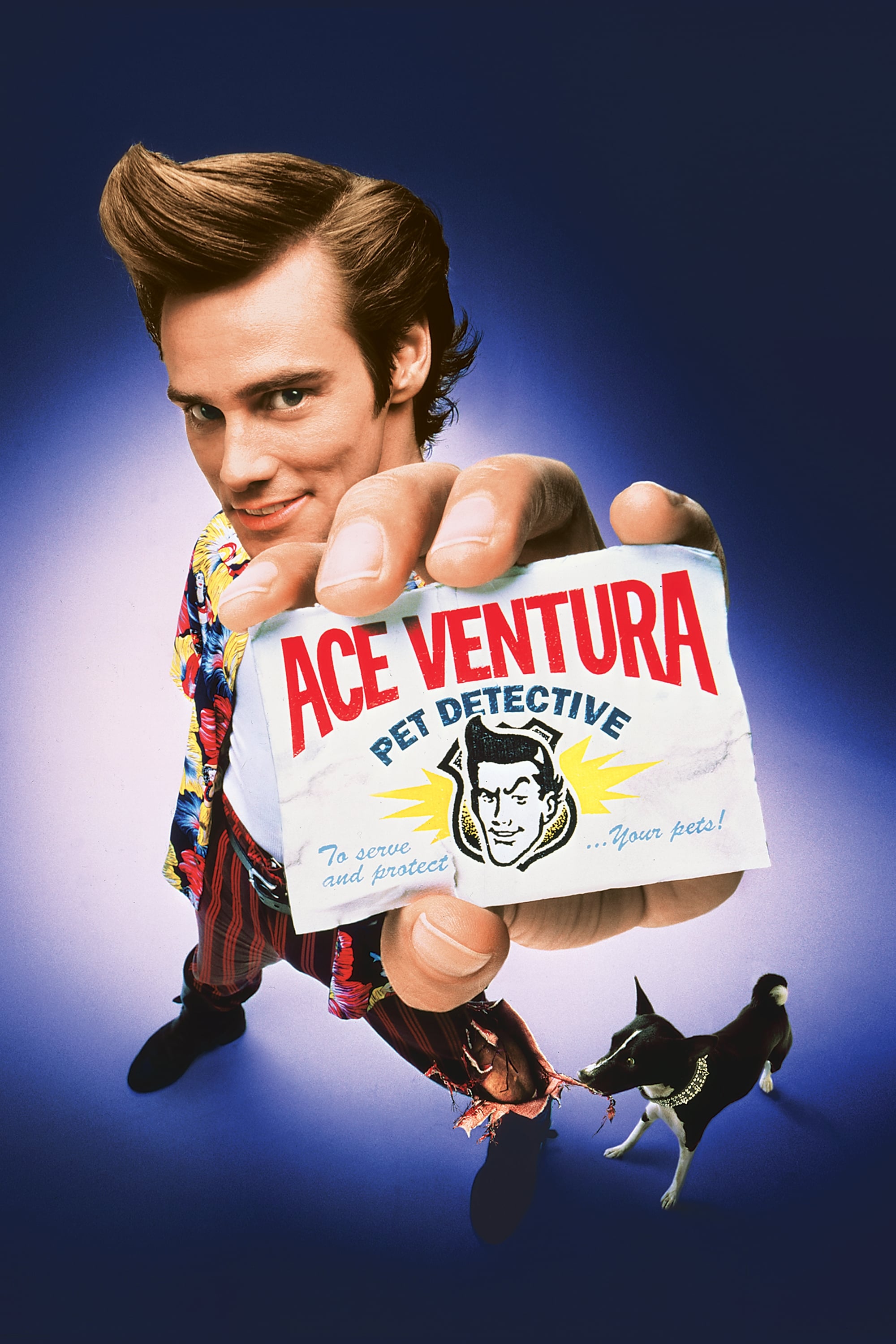
The plot twist involving a transgender character prompted criticism from advocacy groups for transphobic humor. Television airings later removed or shortened scenes tied to that reveal. Cast and crew have addressed the material in anniversary interviews and retrospectives. Streaming platforms include content advisories for certain regions.
‘True Lies’ (1994)
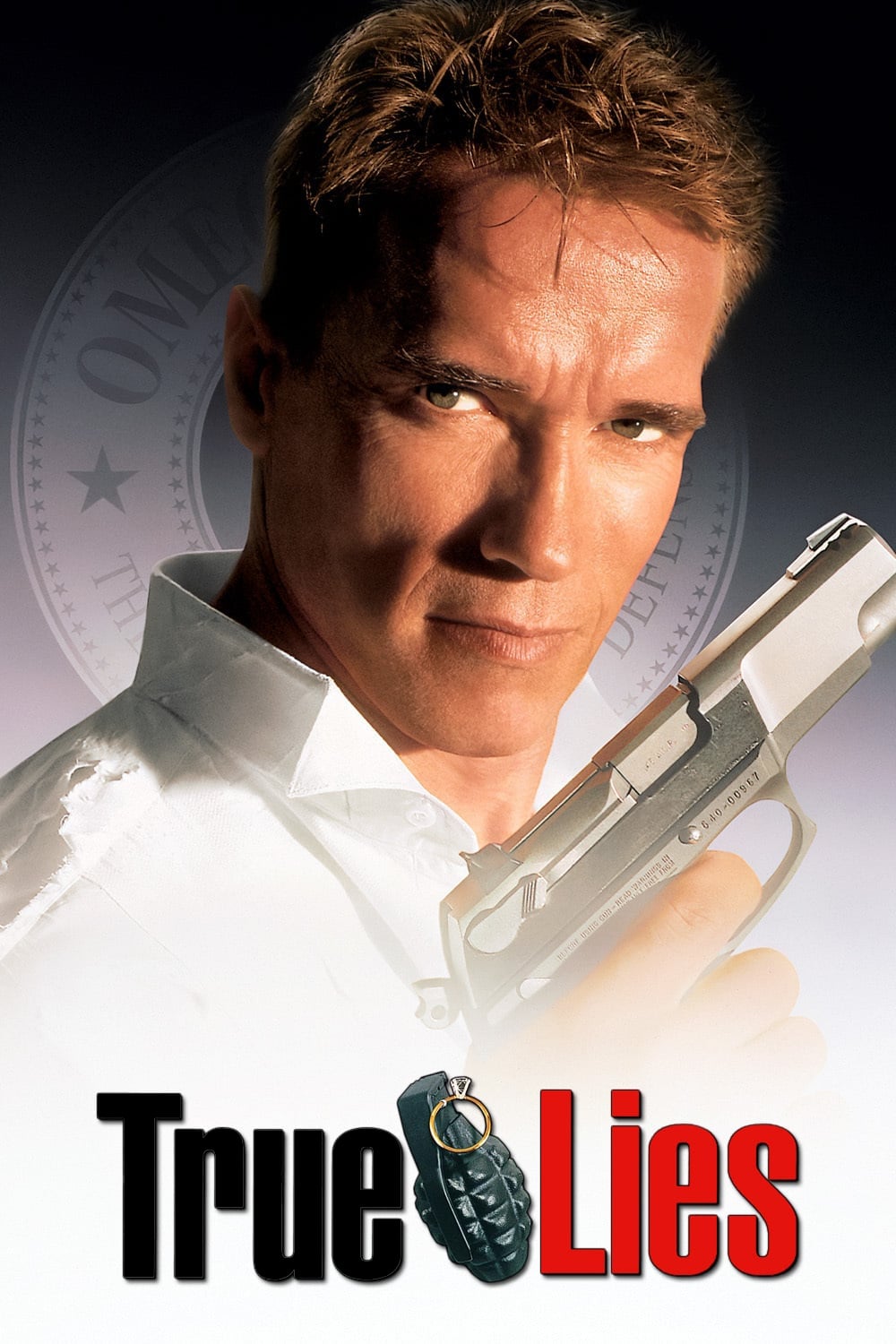
This action comedy was protested by Arab American organizations for its portrayal of Middle Eastern villains. The production partnered with the Department of Defense for aircraft and sets, which drew scrutiny from some commentators. International releases used different marketing materials to avoid inflaming specific concerns. Discussions about a planned television remake revived debate about the original’s characterizations.
‘Aladdin’ (1992)
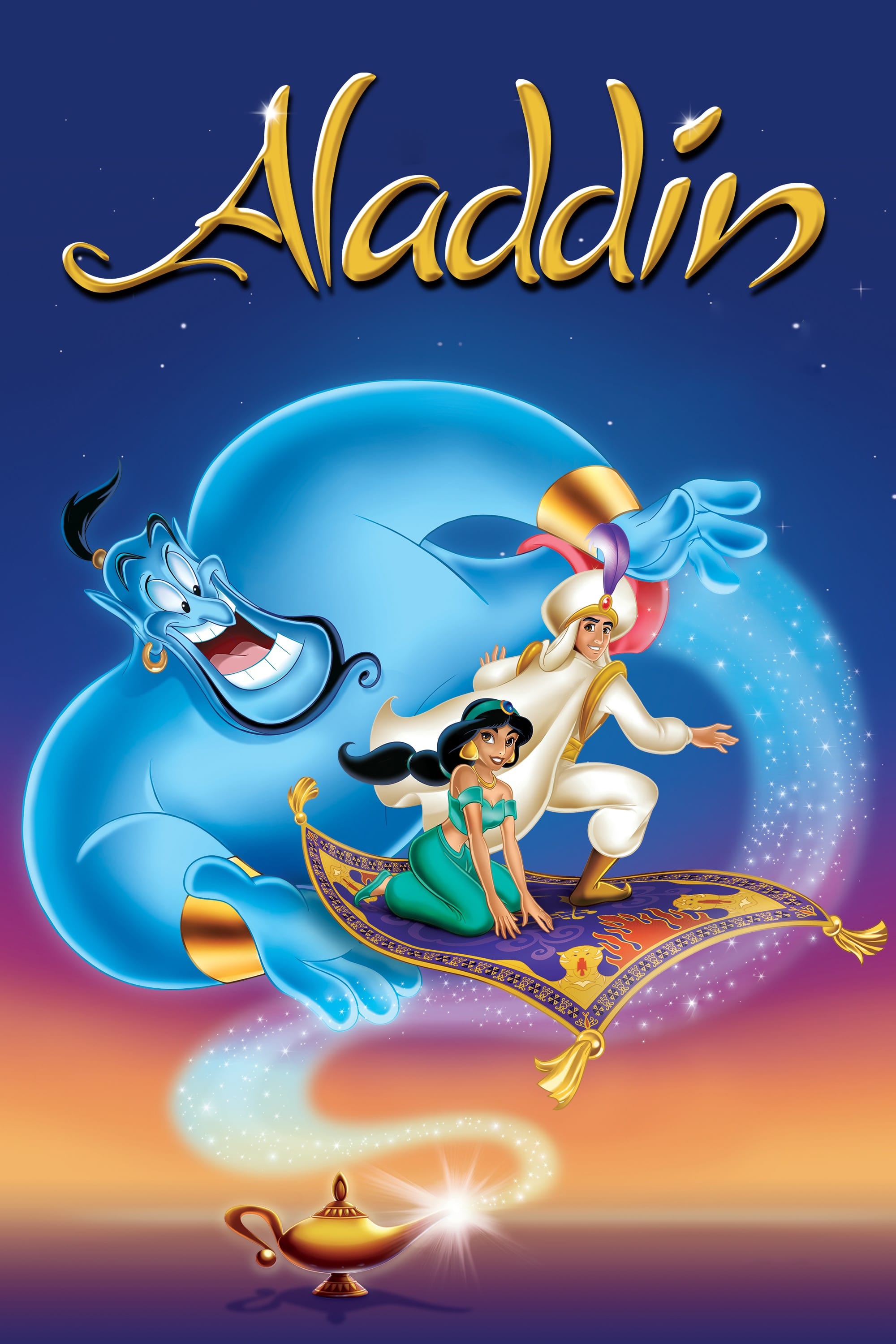
The animated feature originally opened with a lyric that was later altered due to its wording about the setting. Advocacy groups objected to character designs and accents that signaled stereotypes. Subsequent soundtracks and home releases replaced or edited the lyric. Modern editions frequently include a note about outdated cultural depictions.
‘The Passion of the Christ’ (2004)
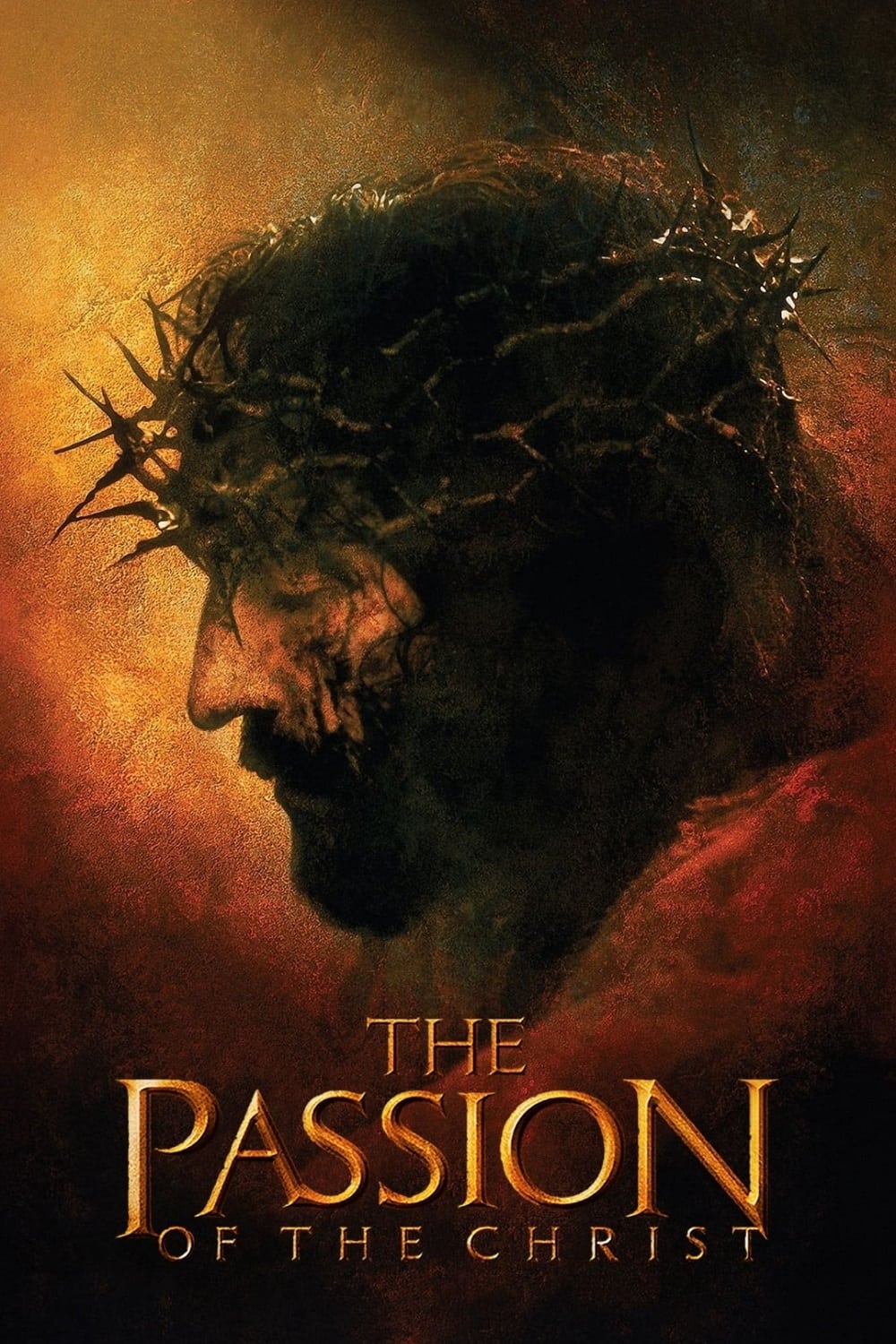
Religious leaders and scholars debated charges of antisemitism tied to the film’s interpretation of events. The extreme violence triggered stricter age classifications worldwide and prompted special church hosted screenings. The production used Aramaic and Latin dialogue with subtitles which became part of marketing and controversy. Special editions include documentaries that chronicle protests and box office responses.
‘300’ (2006)
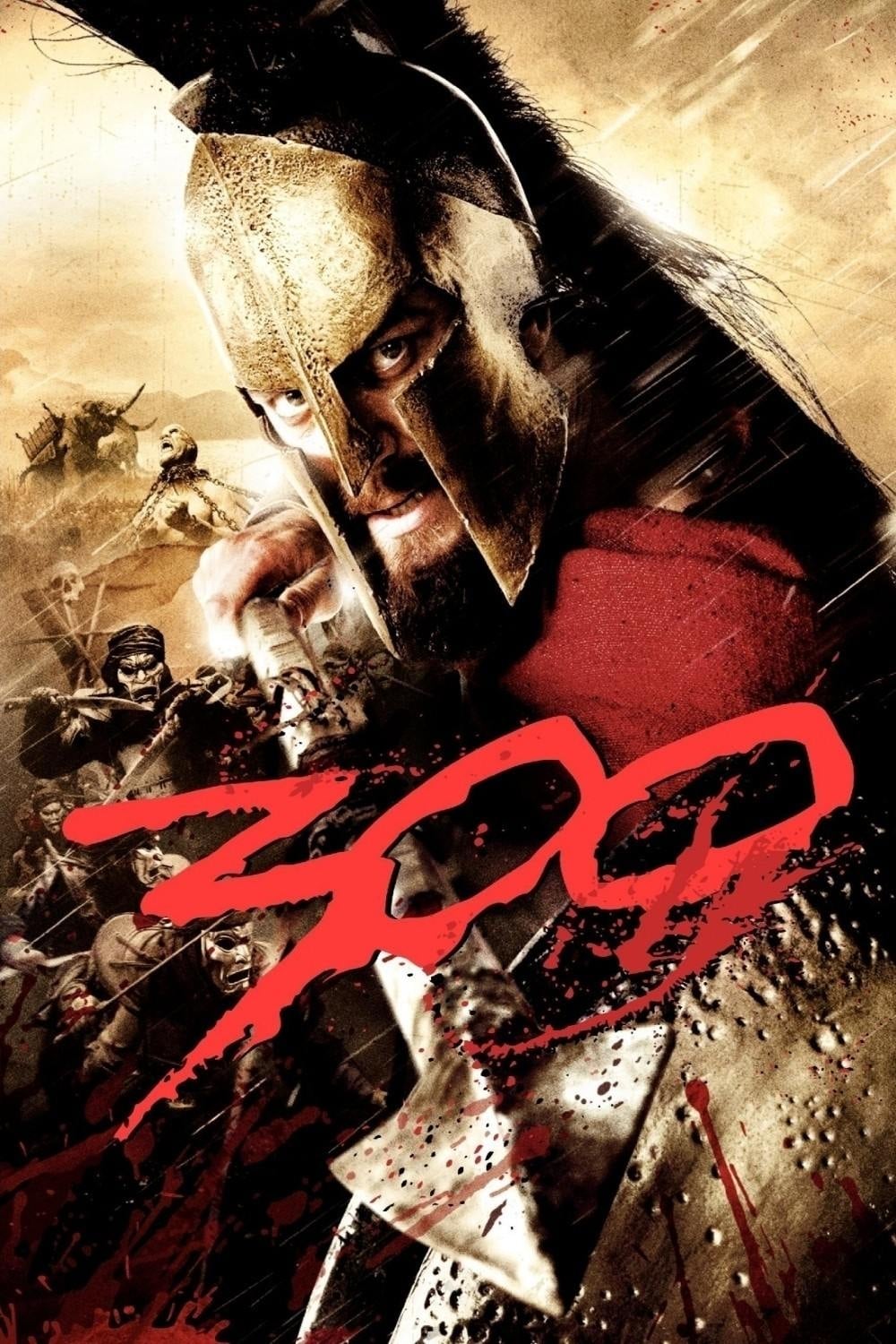
The stylized retelling of Thermopylae drew complaints from Iranian officials and cultural commentators about its depiction of Persians. The film’s graphic novel origins were often cited by the studio in addressing accuracy concerns. Academic conferences used the release to discuss ancient history in popular media. Merchandise and spin offs extended debates into education and fandom spaces.
‘I Now Pronounce You Chuck & Larry’ (2007)
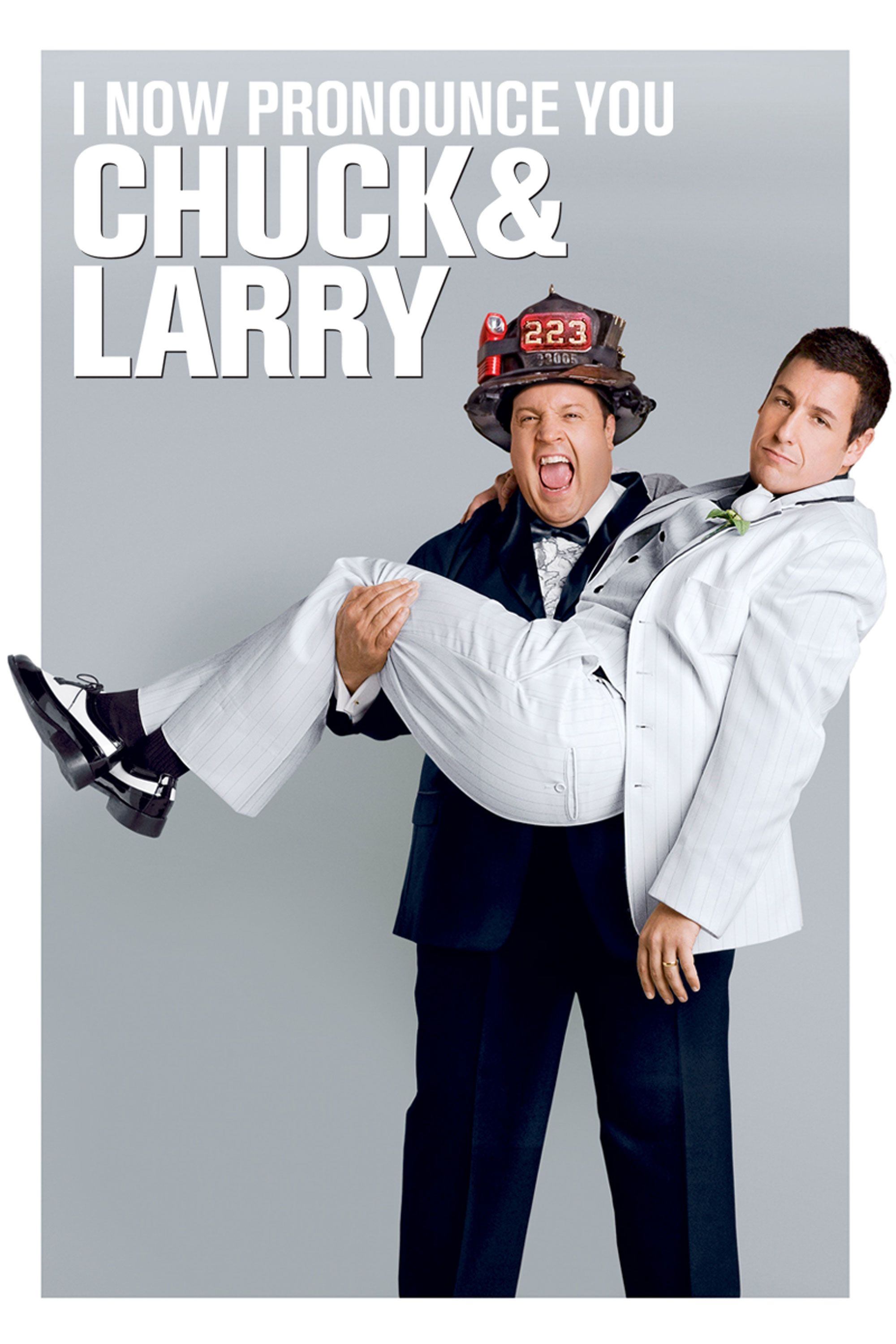
Two firefighters enter a domestic partnership for benefits and encounter a range of stereotypes and jokes. LGBTQ organizations consulted with the studio after early backlash to suggest changes. The final cut included script tweaks and a closing message that referenced equality themes. Critics continued to cite examples of caricature in reviews and think pieces.
‘Gran Torino’ (2008)
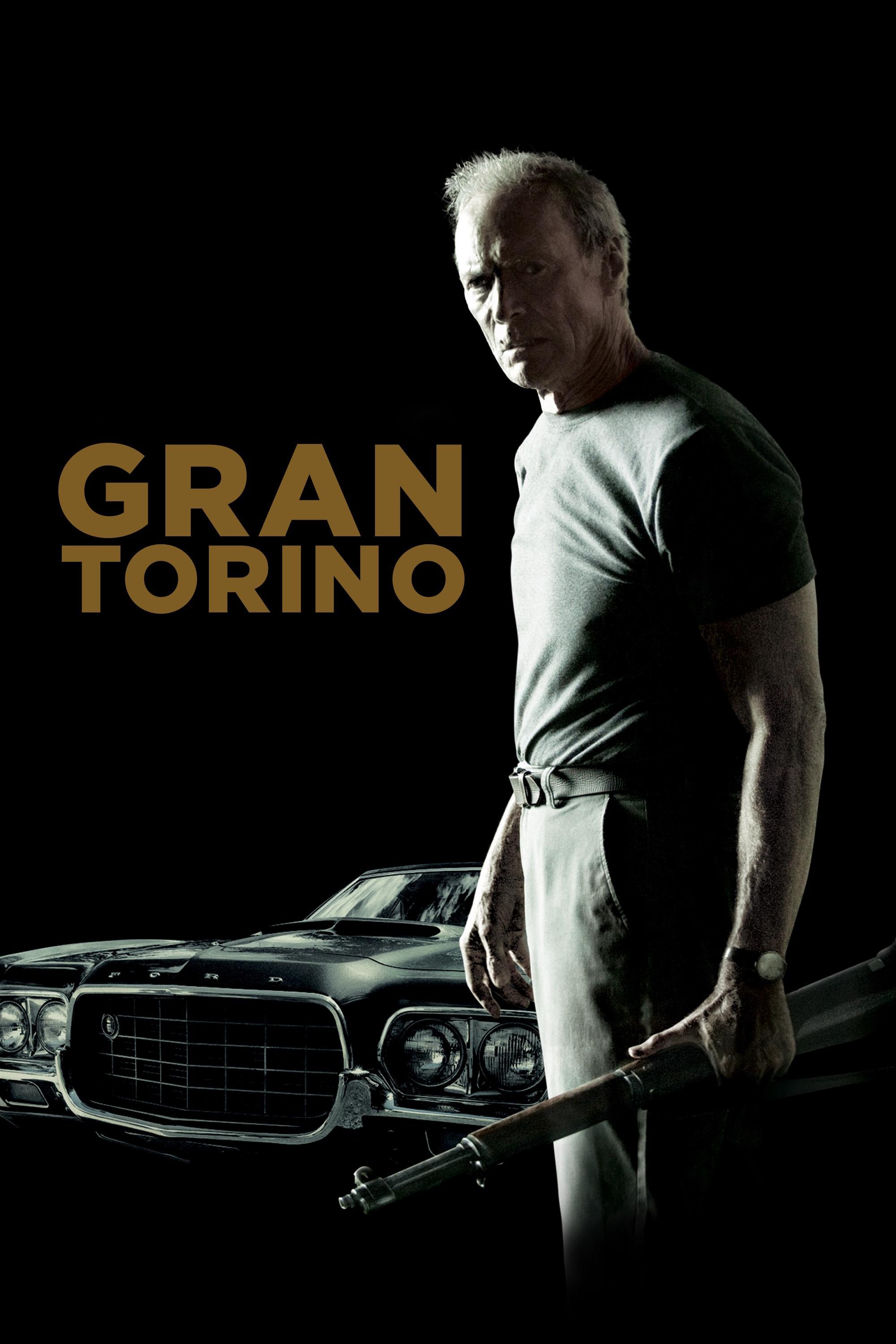
The story centers on a Korean War veteran whose dialogue includes repeated slurs directed at his neighbors. Community leaders and scholars criticized the language and the portrayal of Asian American characters. The film’s release inspired town halls and campus forums on media representation. International markets sometimes added advisories in their ratings summaries.
‘Zero Dark Thirty’ (2012)

This thriller portrays the hunt for a terrorist leader and depicts interrogation techniques associated with torture. Lawmakers and human rights groups challenged the film’s implication about the role of those methods. Government agencies released letters and statements disputing elements of the narrative. Awards bodies hosted panels that aired competing views about accuracy and ethics.
‘American Sniper’ (2014)
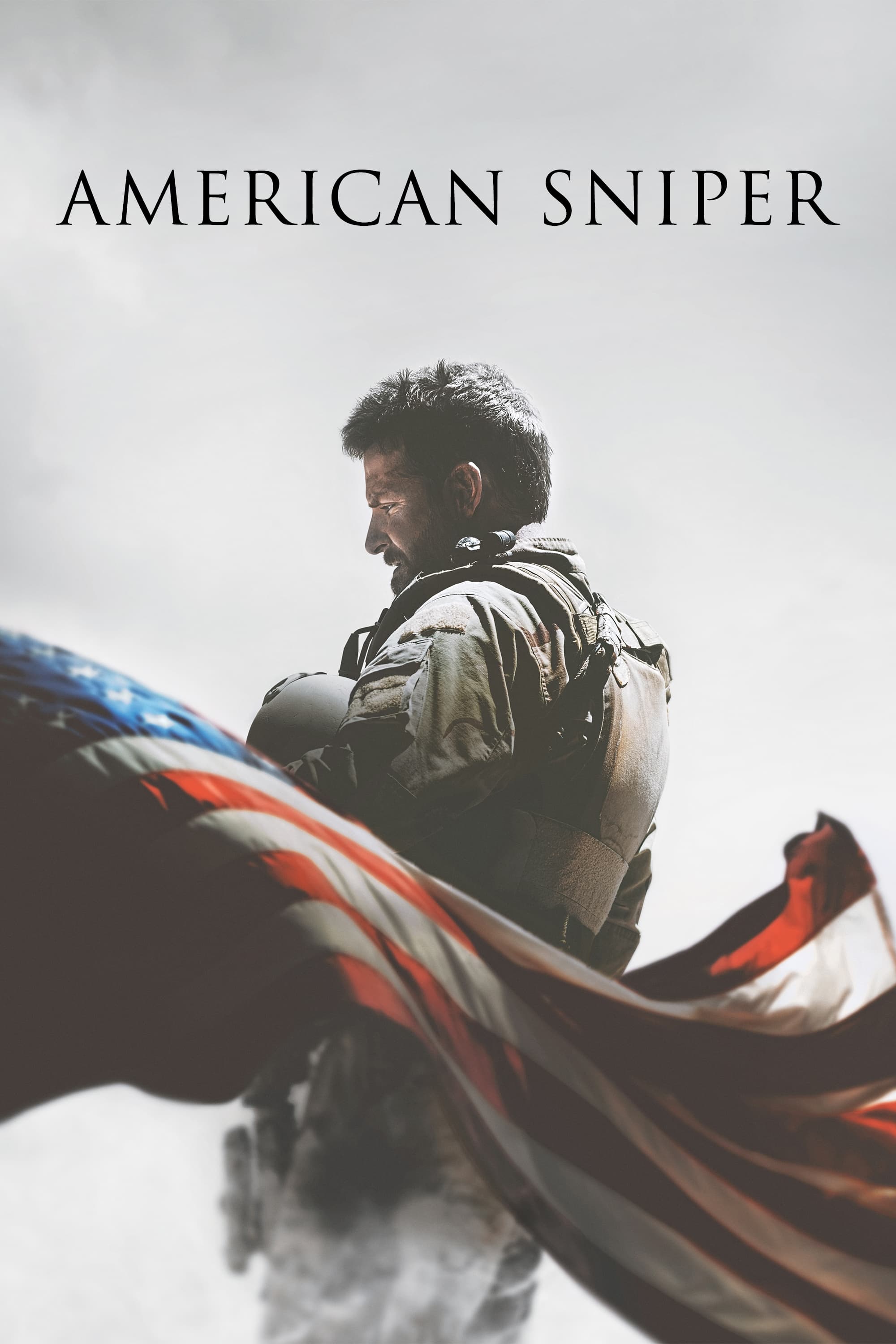
The biographical war film prompted protests and counter protests at college screenings and theaters. Commentators challenged its portrayal of the Iraq War and the human cost shown on both sides. Military families and veterans’ groups organized events around the release that included security protocols. Box office records and televised debates kept the movie in headlines for months.
‘The Interview’ (2014)
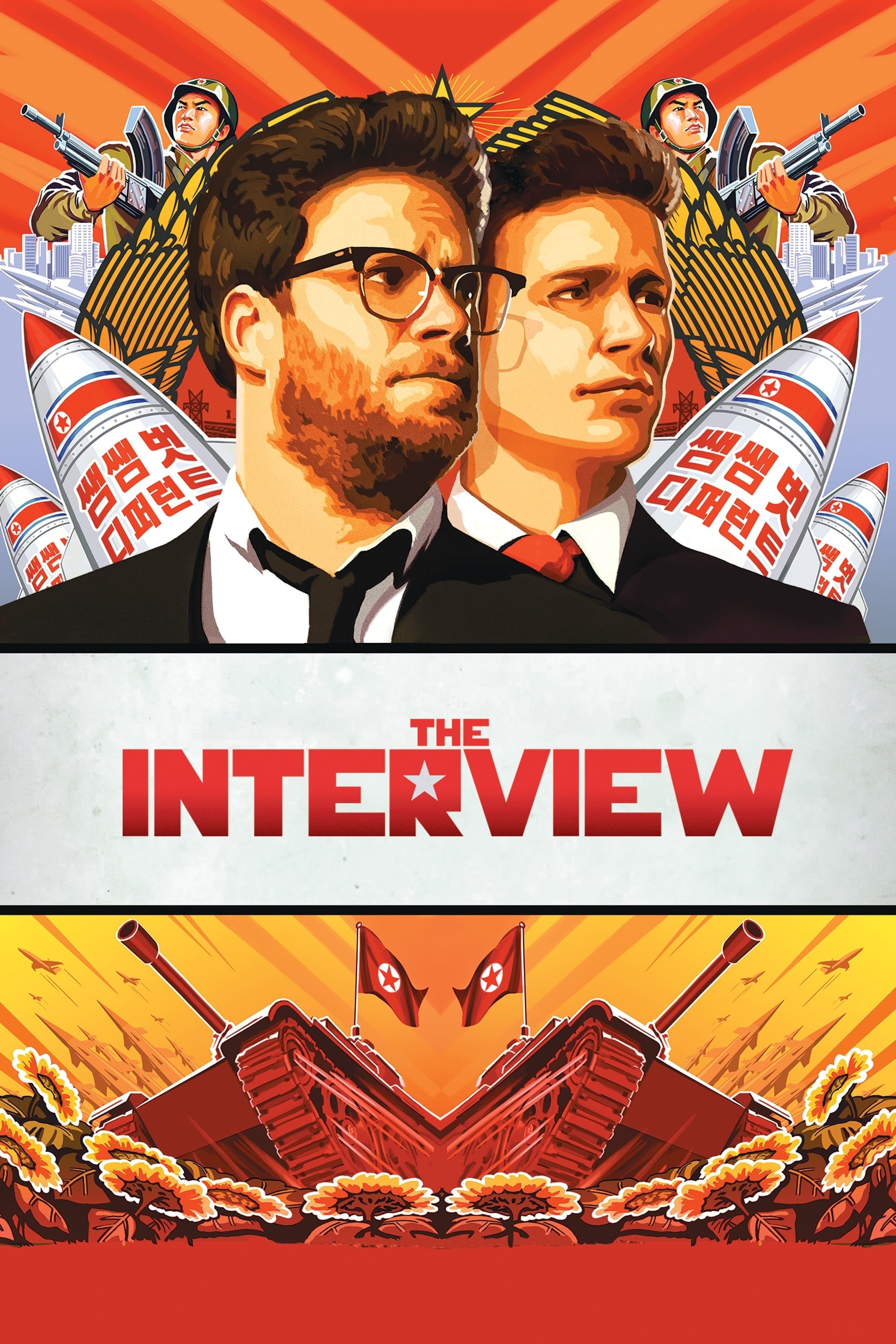
This comedy about an assassination plot against a sitting dictator triggered a cyberattack attributed by federal investigators to a foreign state. Major exhibitors cancelled planned runs after threats, and the studio shifted to a limited theatrical and digital release strategy. The incident prompted industry wide reviews of security and risk assessment. Government statements and trade reports documented the unprecedented distribution changes.
Share the titles you think we missed in the comments so we can keep the conversation going.