

Top 20 Most Toxic Video Game Communities

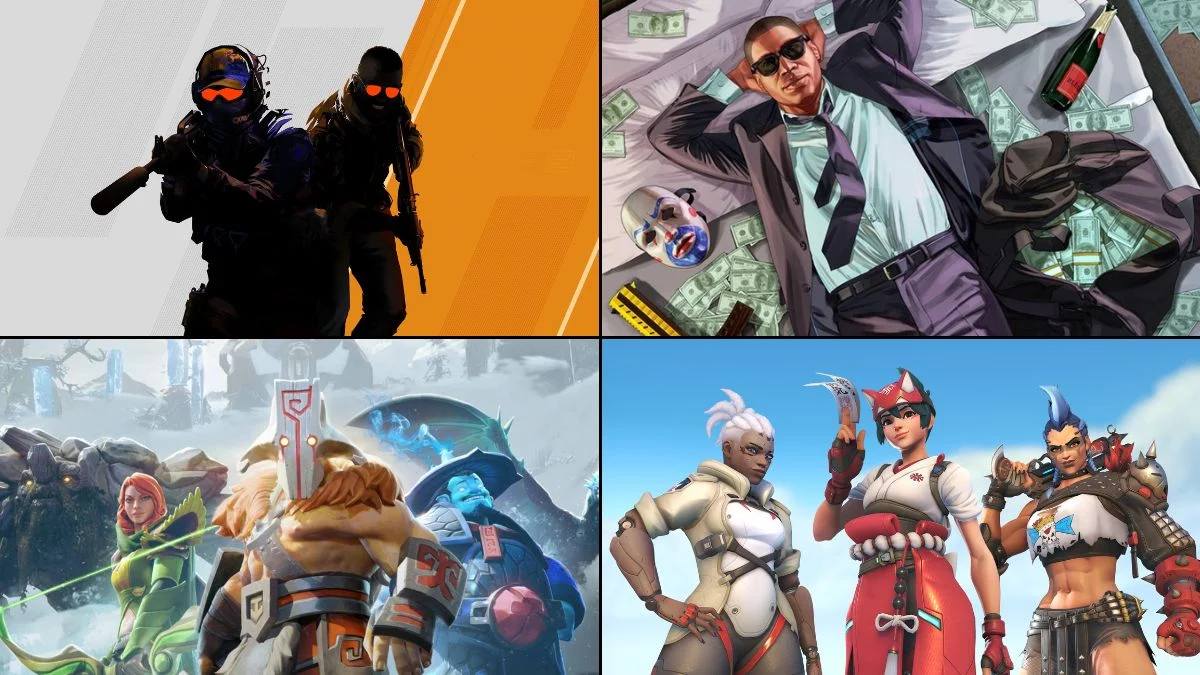


Every big online game attracts millions of players, and with that scale comes behavior that can turn lobbies and chats sour fast. Certain titles draw intense competition, heavy voice chat use, and constant team coordination, which creates more opportunities for flame wars and griefing. Many developers have reporting tools, mutes, and escalating penalties, yet problems still surface during peak hours and ranked play. Below are communities where moderation tools and player education matter a lot because the mix of high stakes and open communication often leads to friction.
League of Legends
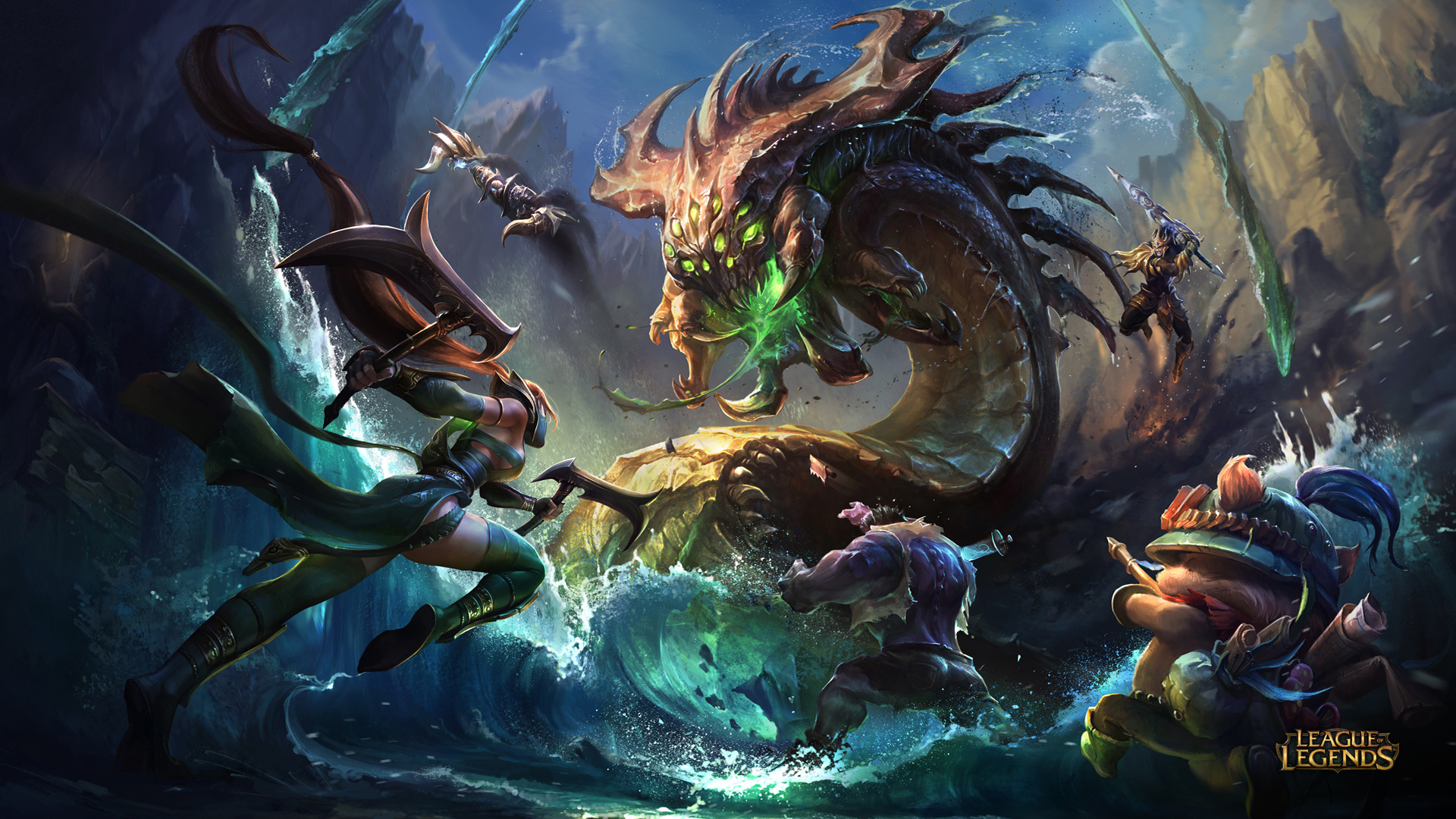
Matches require strict teamwork across roles, so mistakes are easy to call out in all chat and pings. The ranked ladder pushes long sessions where tilt builds over time. Riot provides text and voice mutes, automatic chat detection, and penalties for feeding and leaving. Queue dodging and role conflicts are frequent flashpoints, and honor and rewards aim to encourage better conduct.
Dota 2
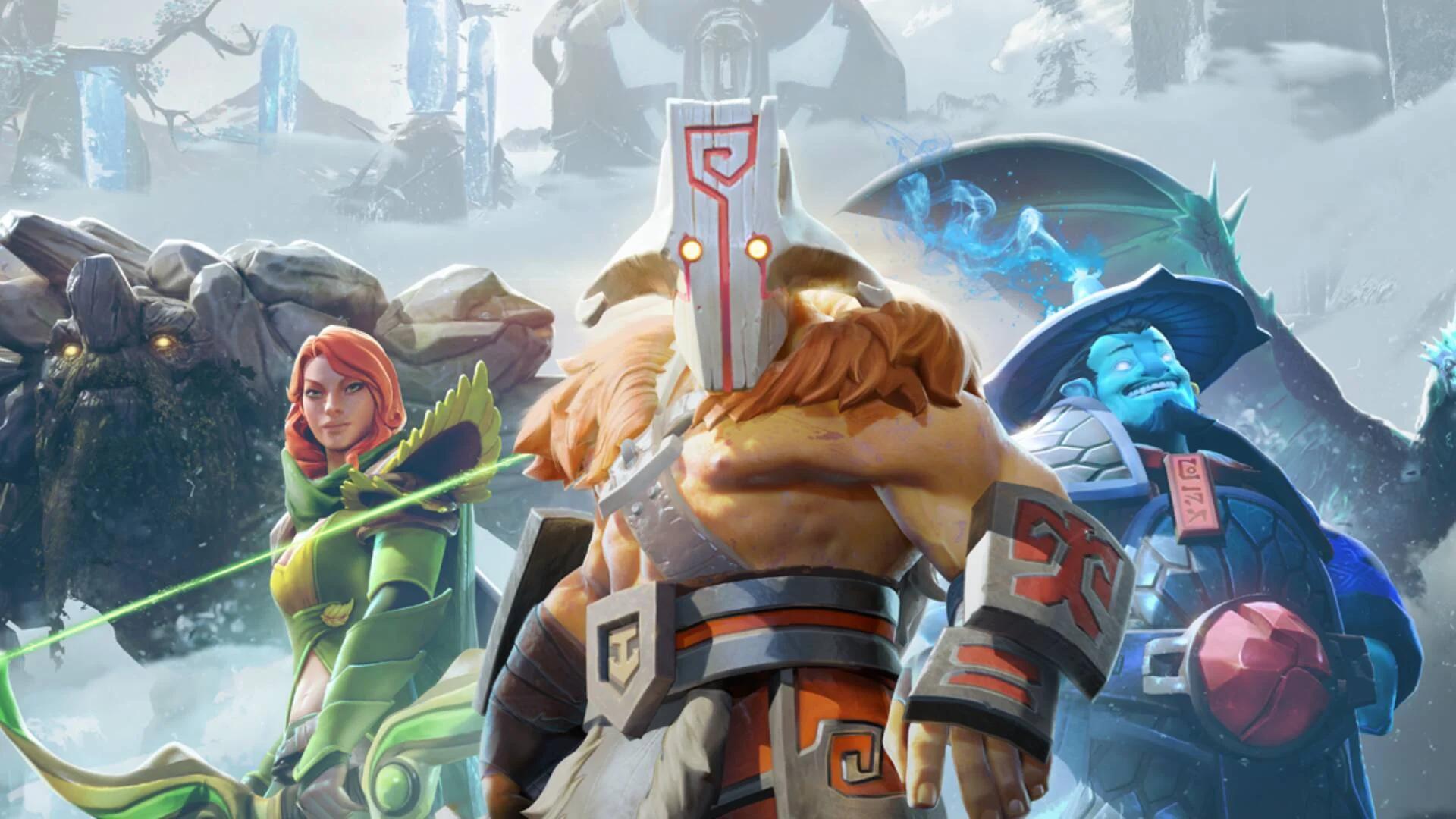
Complex mechanics and long match times raise the stakes on coordination. Players rely on precise timing and item choices, which leads to harsh criticism when calls are missed. Valve uses low priority queues, behavior scores, and communication bans to manage repeat issues. Coaching tools and role preferences help, but public matchmaking still sees heated disputes about farm and objectives.
Call of Duty
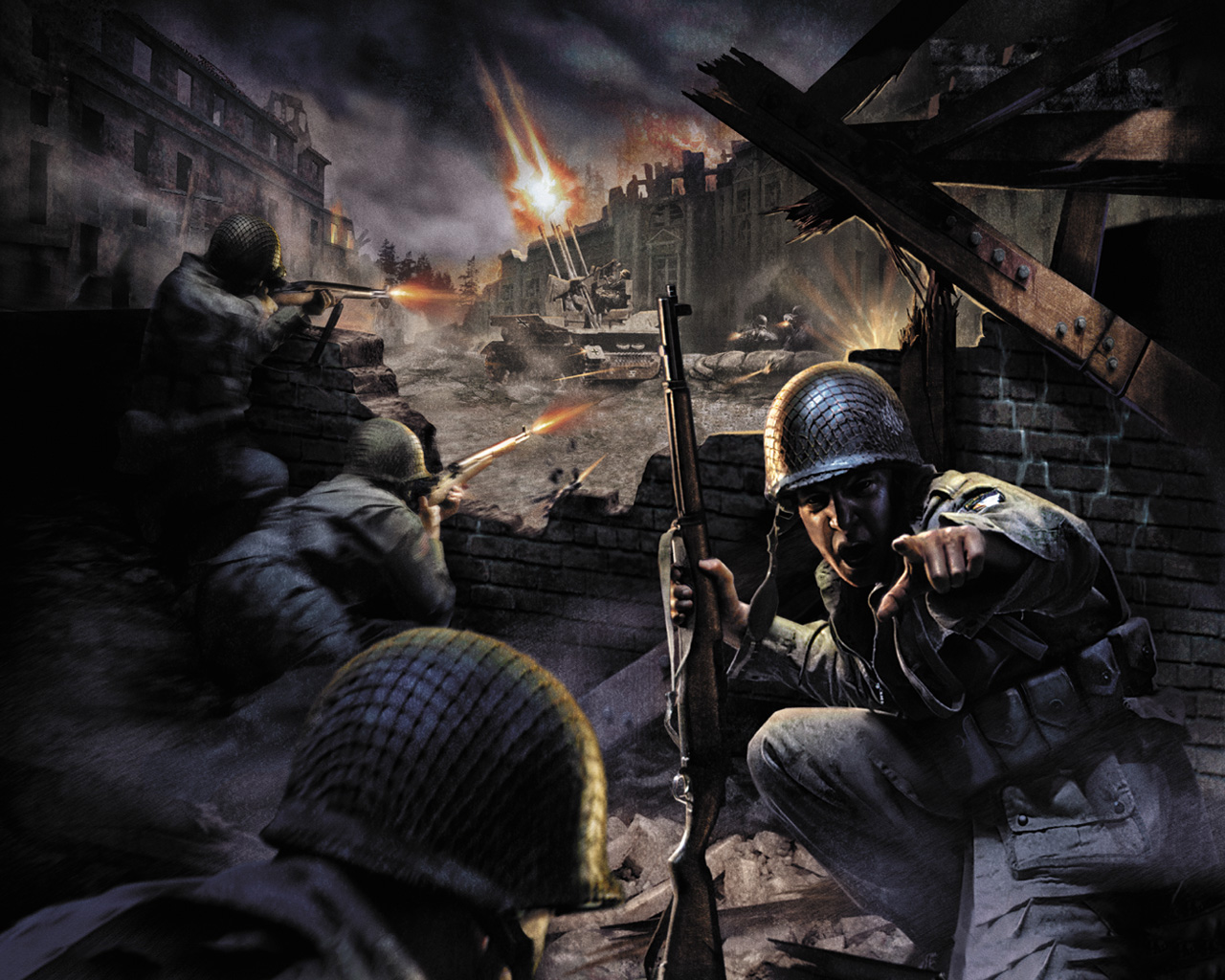
Quick time to kill and constant lobbies make trash talk and postgame chatter common. Cross play voice chat brings different platforms together with varied settings and filters. The series includes reporting systems, text filters, and account restrictions for repeat violations. Skill based matchmaking and camo grinding create pressure that often spills into chat.
Counter-Strike 2
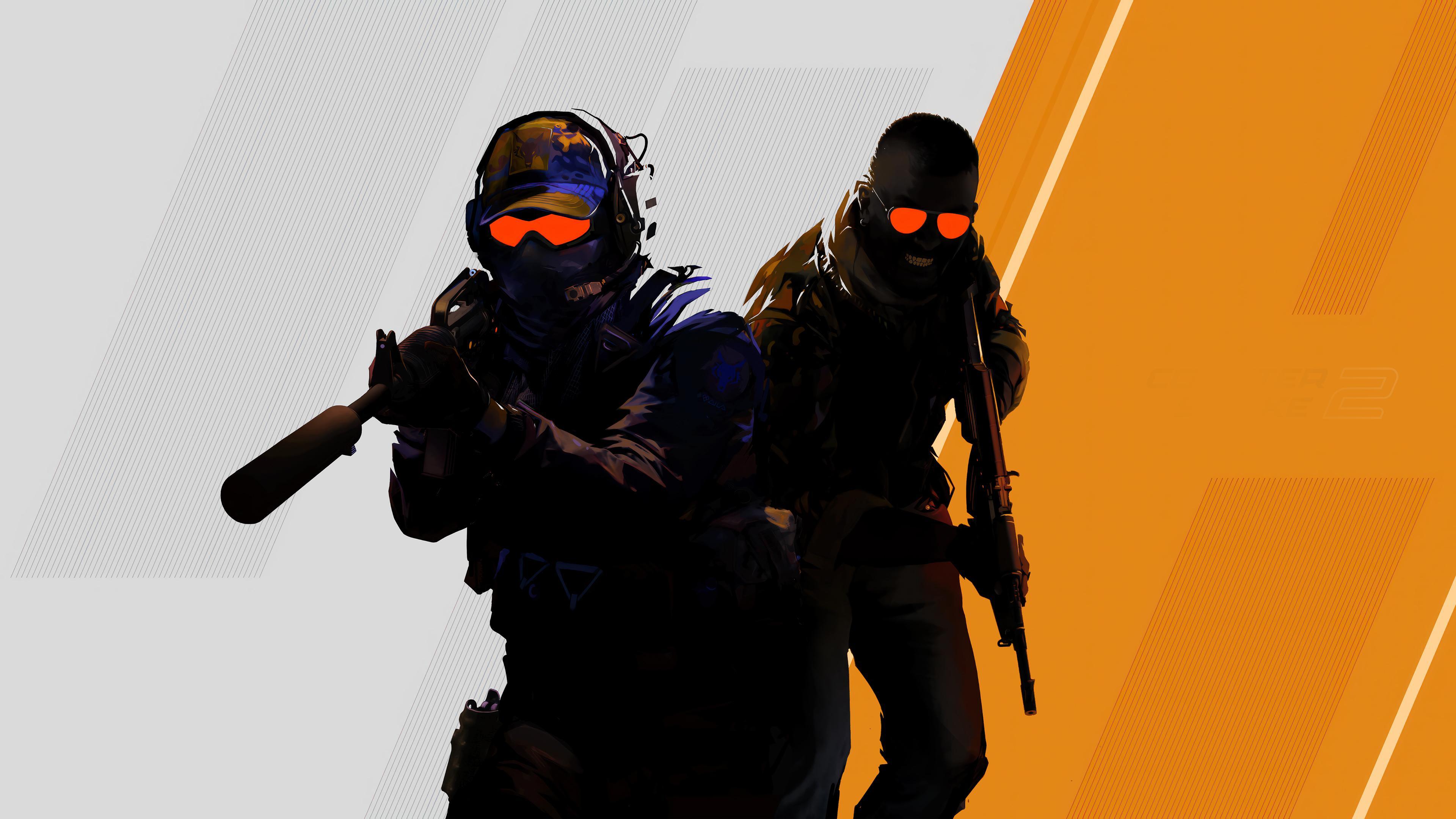
Team economics and utility usage demand coordination, which sparks arguments about buys and strategy. Voice chat is central to callouts, so misplays are heard immediately. Valve uses trust factor, overwatch reviews, and communication cooldowns to curb problems. Friendly fire and vote kicks can be abused in casual modes, so many players stick to premade groups.
Valorant
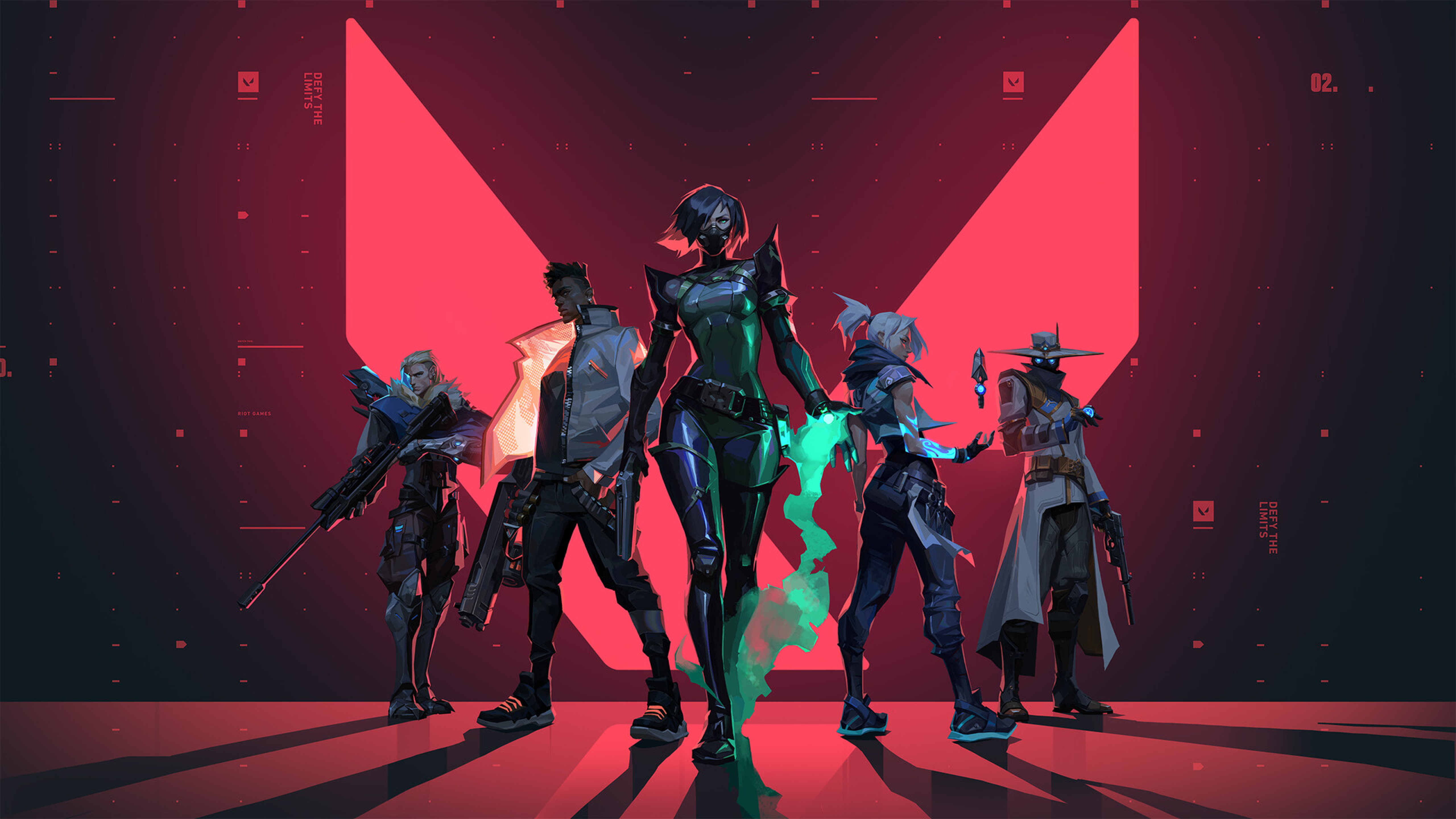
Role based agents and set plays make miscommunication costly. Ranked mode expects disciplined utility use, which drives criticism when lineups fail. Riot applies real time voice and text moderation, hardware bans, and strict penalty tiers. Pre and post match lobbies often see disputes about instalocking agents and map preferences.
Overwatch 2
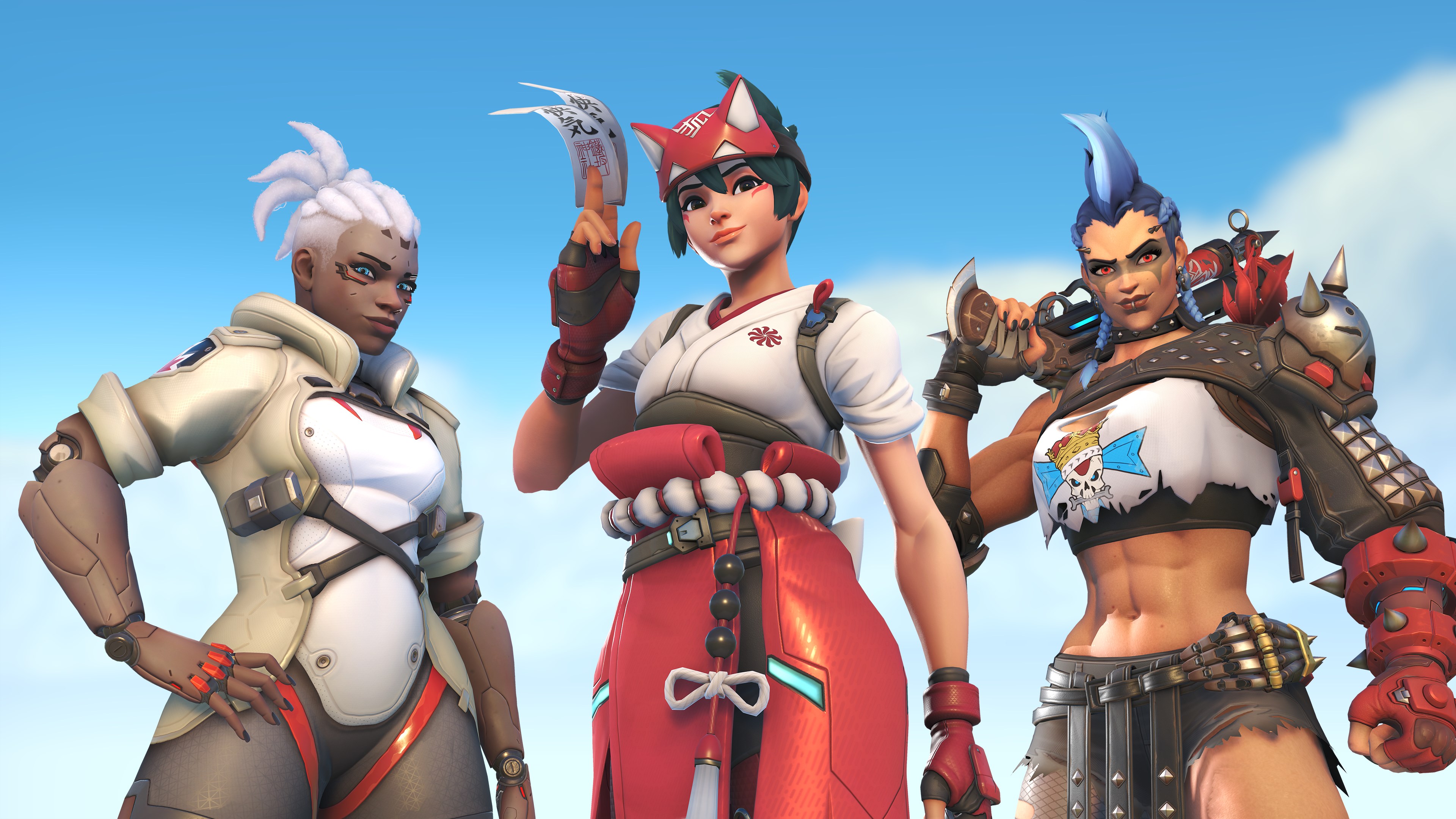
Flexible hero swapping invites debates about team composition throughout a match. Role queue reduces some conflicts, yet players still clash over ult timing and target focus. Blizzard provides endorsements, avoid as teammate, and silence penalties for chat abuse. Quick play and competitive both show friction when players ignore objectives or stagger fights.
Rainbow Six Siege
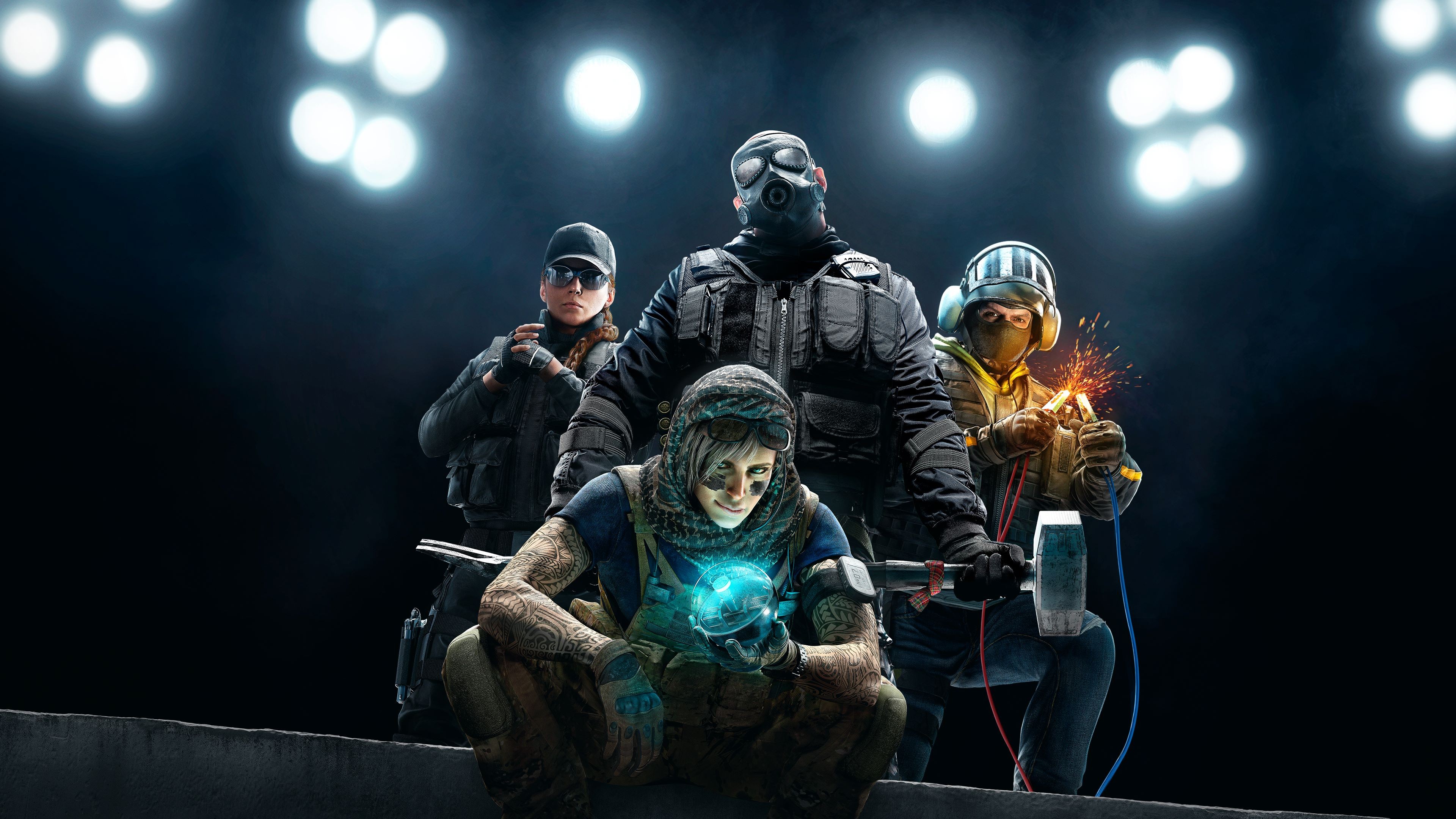
Destruction mechanics and intricate site setups punish mistakes quickly. Callouts matter, and open mics make criticism immediate during clutch moments. Ubisoft uses reputation scores, sanctions, and voice chat moderation to discourage harassment. Spawn peeks, team damage, and late round pressure remain frequent triggers for arguments.
Fortnite

Large player counts and rotating modes attract a wide age range, which challenges voice chat moderation. Creative and custom lobbies introduce varied social spaces with inconsistent rules. Epic offers parental controls, voice reporting, and text filters to limit abuse. Competitive playlists and endgame building often elevate tension among squads.
Apex Legends
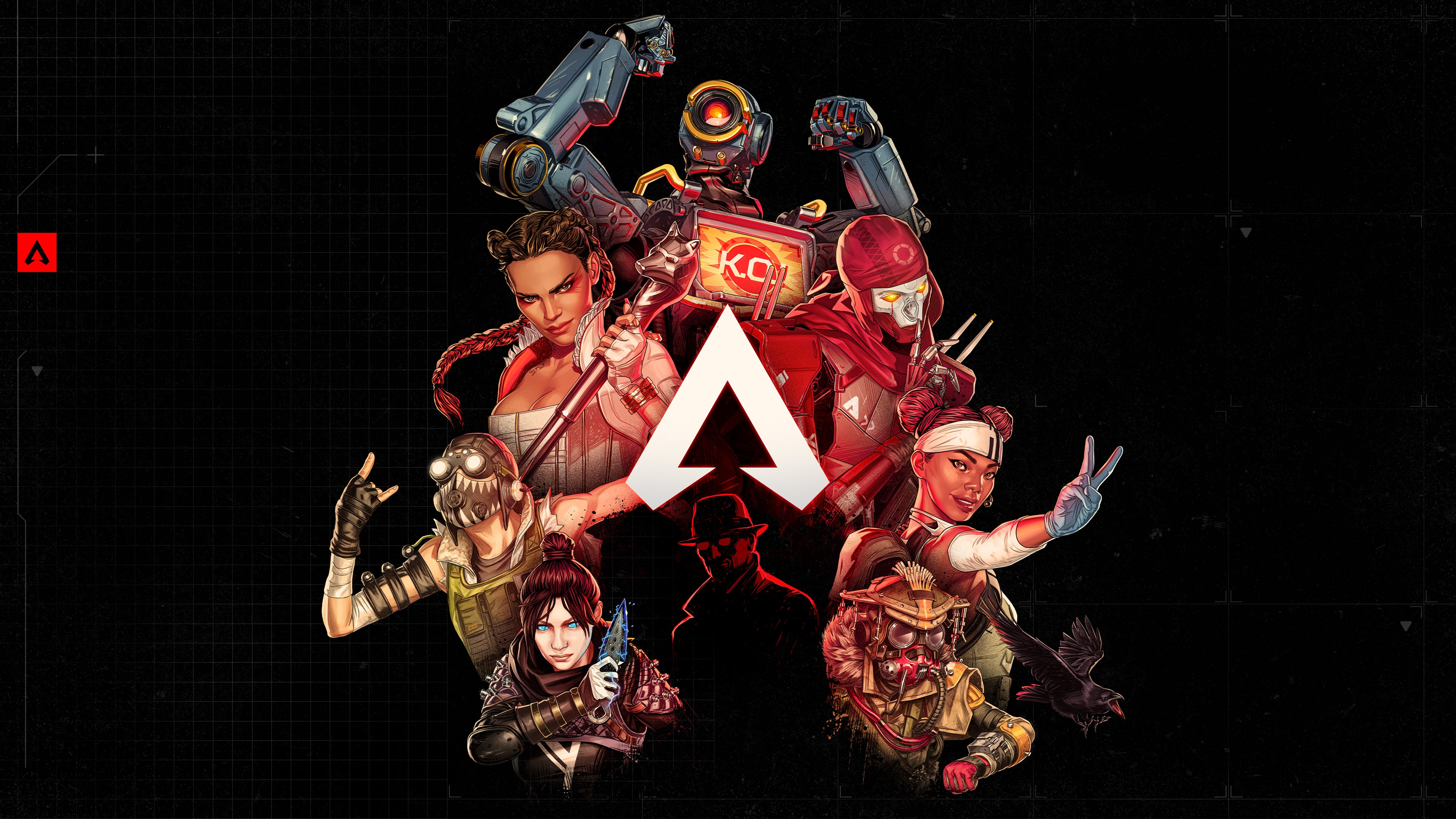
Trios rely on coordinated rotations and ability combos, which makes abandoned fights a common complaint. The ping system lowers voice reliance but heated mid fights still push players to voice chat. Respawn includes reporting tools, audio mutes, and restrictions for serial leavers. Solo queue frustrations center on hot drops, banner recoveries, and contested loot.
Rocket League

Short matches and visible mistakes make blame common after whiffs or own goals. Quick chat messages are fast yet easily used to taunt opponents and teammates. Psyonix enforces bans for harassment and allows chat filters and muting. Ranked promotions and demotions happen rapidly, so tilt can escalate across several games.
Dead by Daylight

Asymmetrical design creates tension between killer and survivors over camping and tunneling tactics. Postgame chat is a frequent venue for arguments about playstyle. The game includes text filters, reports, and penalties for repeat offenders. Meta changes around perks and maps often reignite debates in public lobbies.
World of Warcraft

Group content like mythic plus and raiding requires strict coordination, which fuels disputes over routes and mechanics. Looking for group tools bring strangers together with varied expectations. Blizzard applies squelch systems, silence penalties, and automated chat scanning. Guild culture can help, but pug runs remain a hotspot for conflicts.
Grand Theft Auto Online
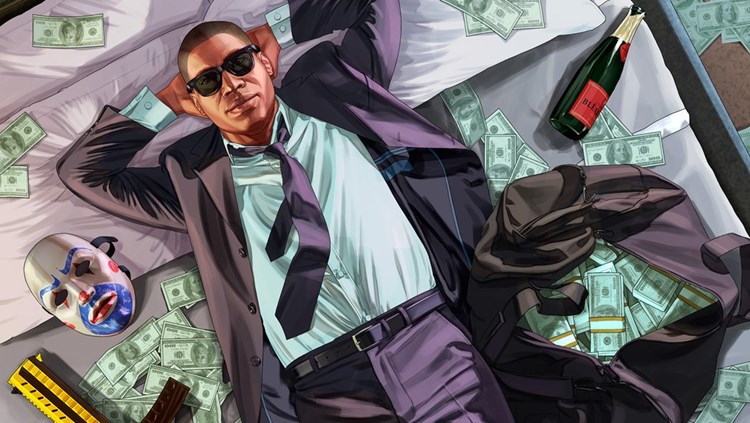
Open world sessions mix cooperative and adversarial play, so griefing tools like explosives and vehicles are often misused. Public lobbies create frequent confrontations over businesses and events. Rockstar provides invite only sessions, reporting, and filters for voice chat. The economy and progression systems can also spark scamming attempts in social spaces.
Rust

Full loot survival creates high stakes around base raids and resource control. Proximity voice and signs allow persistent harassment if not moderated. Server admins and community rules vary widely, so experiences differ by shard. Wipes, offline raids, and clan territory disputes are predictable catalysts for arguments.
Ark: Survival Evolved

Tribe politics and tame theft lead to long running server feuds. Global chat often becomes the hub for threats and alliances. Private servers use admin tools and rulesets to keep order, but official servers can be chaotic. Offline raiding and alpha tribe dominance are common sources of conflict.
DayZ
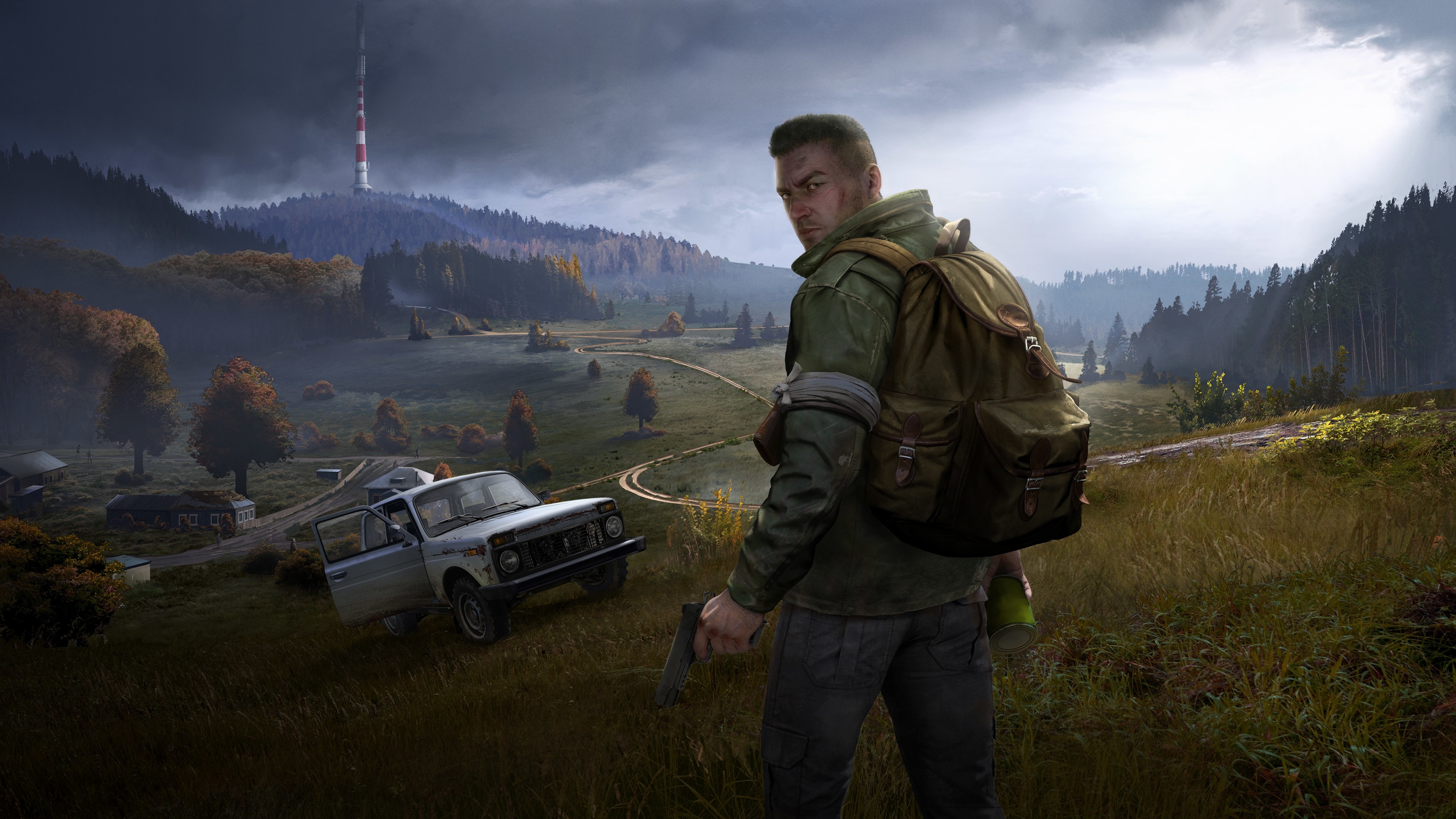
Scarce resources and permadeath style stakes drive mistrust in voice encounters. Kill on sight behavior is common, which leads to heated post encounter chat where available. Community and modded servers enforce different standards through admins and whitelists. Base raiding rules and combat logging accusations often fuel disputes.
Escape from Tarkov
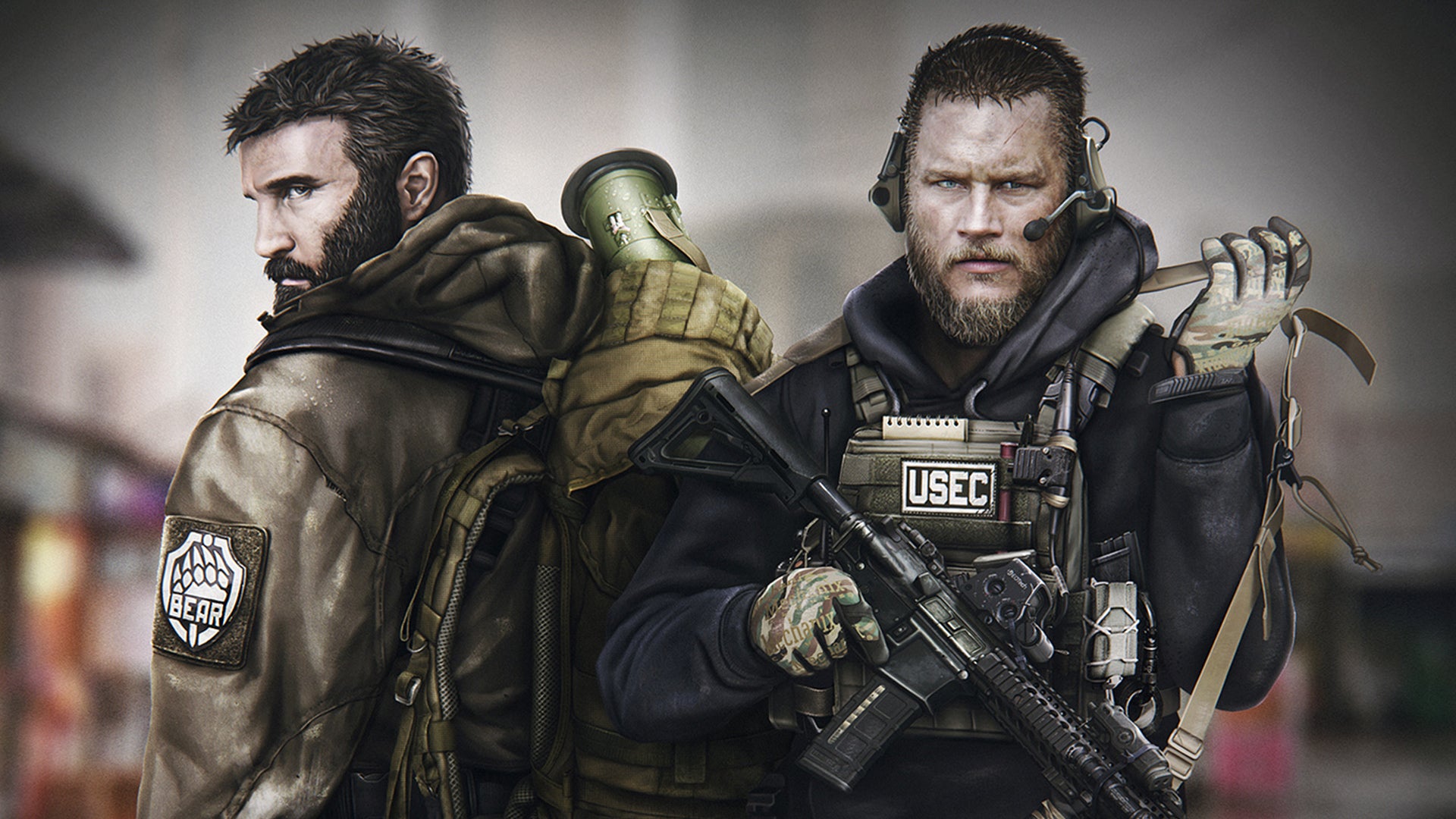
High value gear and extraction mechanics magnify frustration after quick deaths. VoIP and text channels see accusations about camping and third partying. Developers issue chat restrictions and bans for harassment and real money trading. Wipes and economy changes can spike tension around quests and key locations.
PlayerUnknown’s Battlegrounds
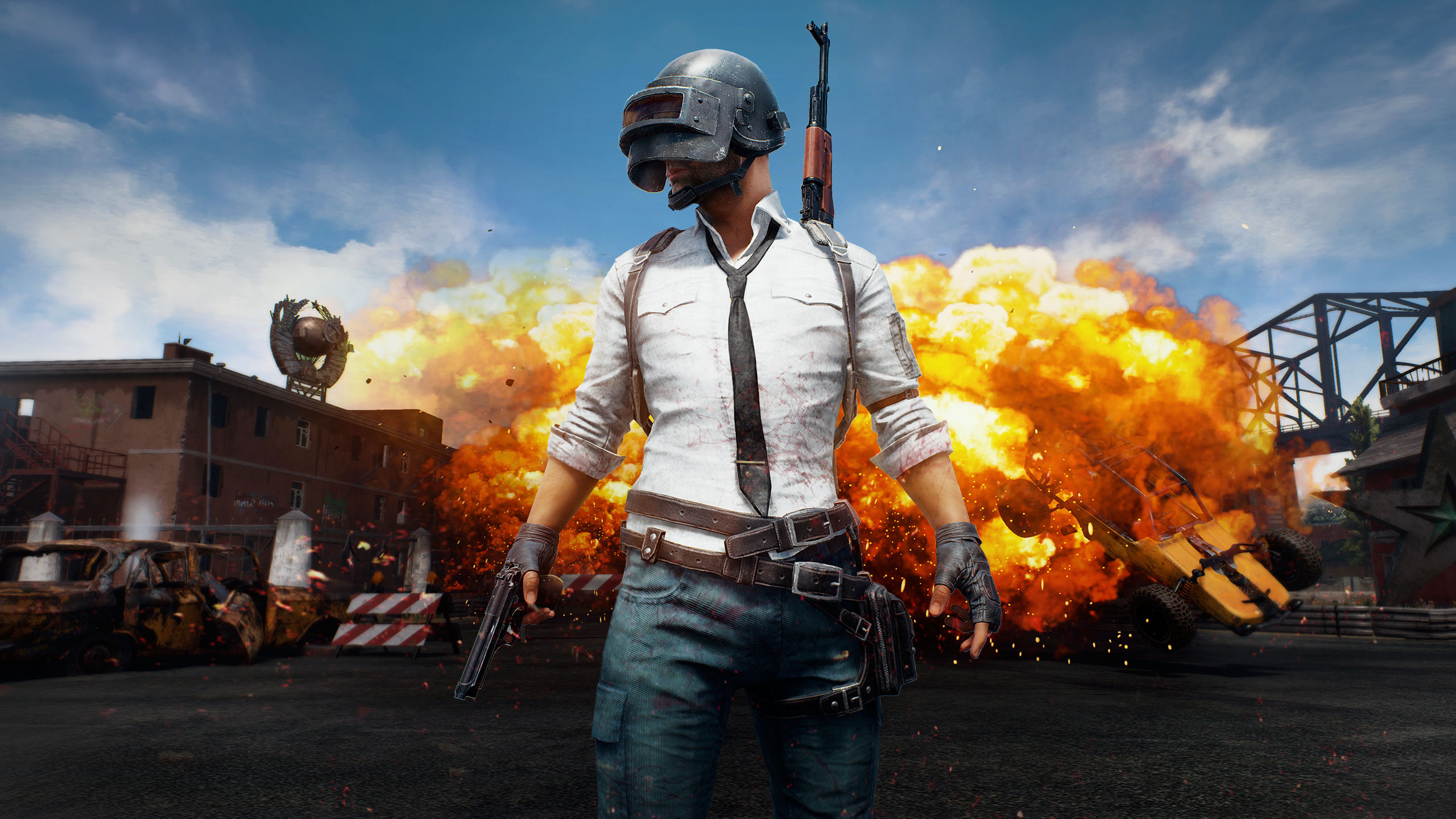
Large lobbies and hot drop spots lead to frequent early eliminations and trash talk. Voice chat spans regions and languages, which complicates communication filters. Reporting, muting, and restricted queues are used against repeat offenders. Stream sniping and teaming accusations remain common in public matches.
EA FC

Ultimate Team trading and competitive seasons raise stress around matchmaking and disconnects. In game celebrations and quick messages can provoke opponents during tight matches. The game offers chat filters, reporting, and parental controls to curb abuse. Weekend league schedules often concentrate high pressure sessions that spark arguments.
NBA 2K
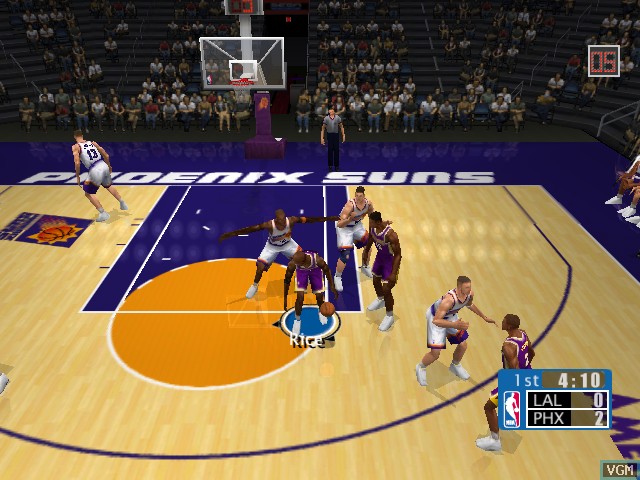
Park and Rec modes rely on pickup teams, so mismatched roles and ball hogging create friction. Voice chat in small courts amplifies criticism after missed shots or turnovers. Visual Concepts provides reporting and muting tools, along with restrictions for repeat violations. Build metas and rep grinds push long play sessions where tempers shorten late at night.
Share your experiences and suggestions in the comments so everyone can learn how to handle tough lobbies better.