Top 20 Most Underappreciated Anime Of All Time

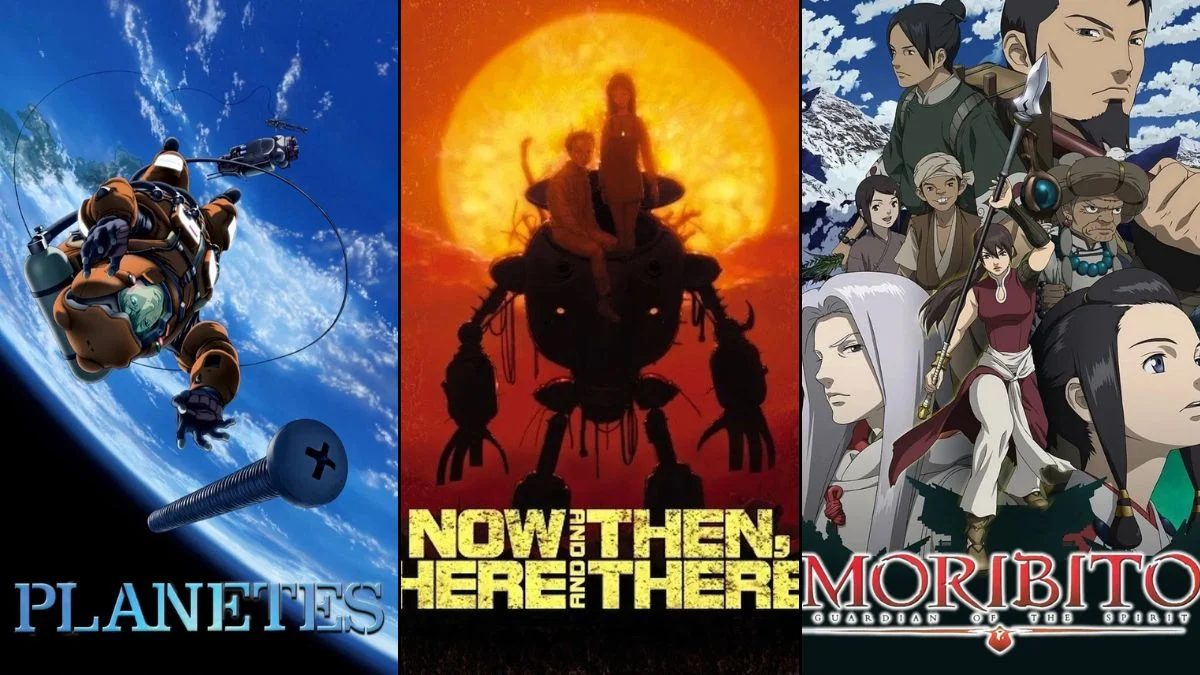

There are so many excellent series that slipped past the spotlight when they first aired, and a lot of them are easy to miss even today. This list highlights shows that deliver rich worldbuilding, strong craft, or fresh ideas yet never quite became mainstream staples. You will find thoughtful sci fi, historical drama, and quiet slice of life stories that reward patient viewing. Use this as a guide to discover titles that have been waiting in plain sight.
‘Kaiba’ (2008)
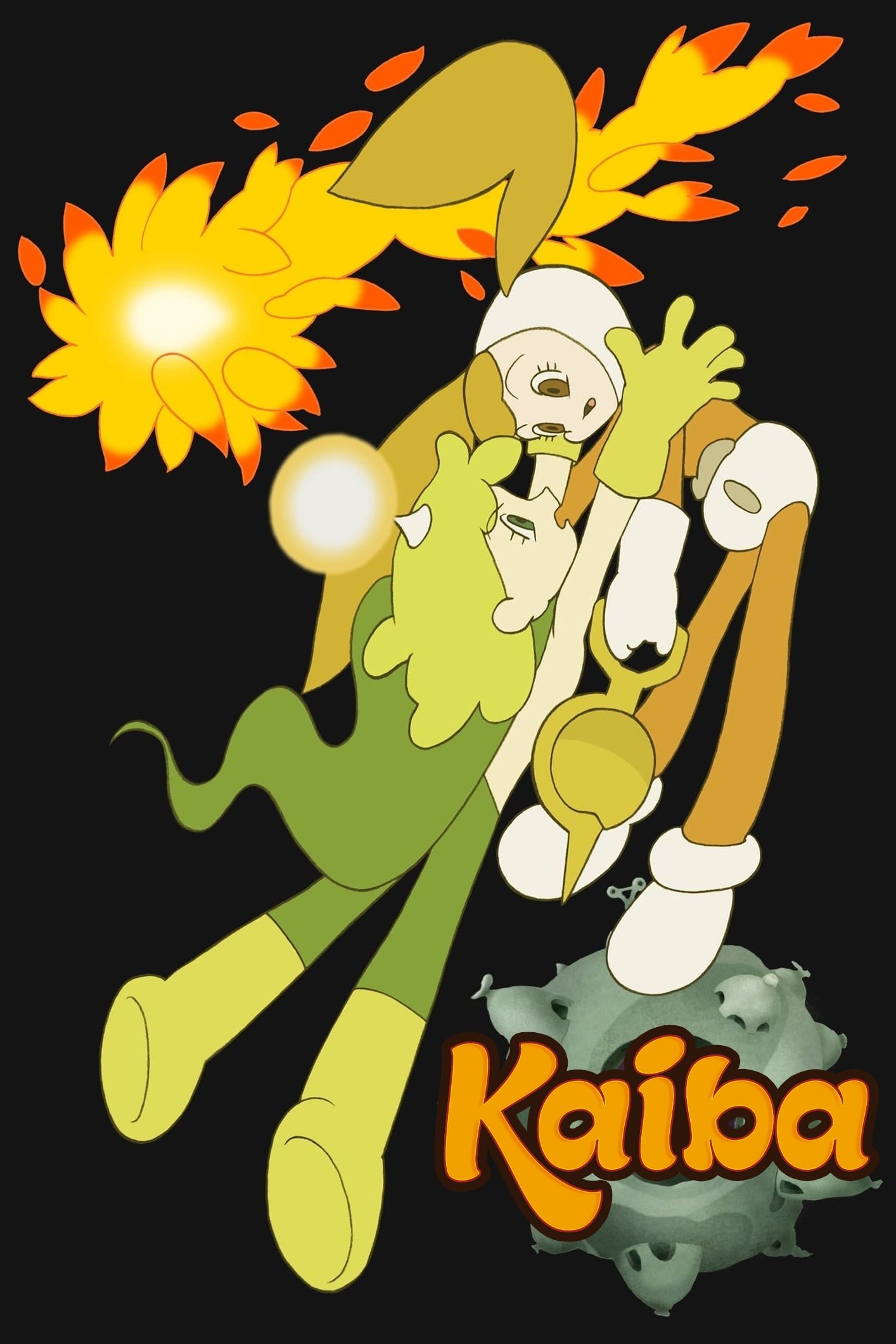
This science fiction story is directed by Masaaki Yuasa and animated by Madhouse. It follows a traveler who wakes without memories in a future where minds can move between bodies. The show uses simplified designs to explore identity, class, and memory markets. It runs 12 episodes and tells a complete narrative.
‘Den-noh Coil’ (2007)
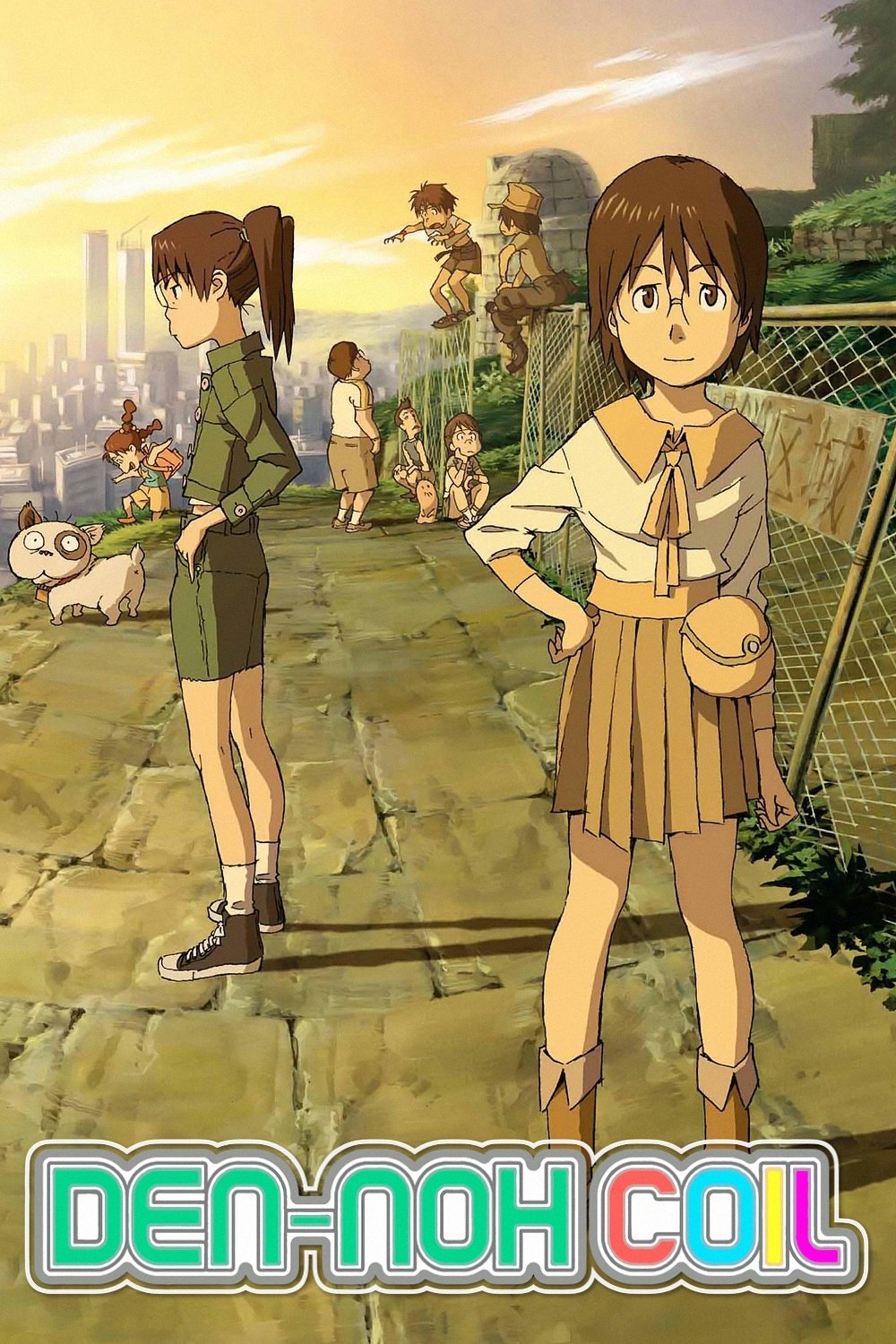
Created and directed by Mitsuo Iso, this series imagines a near future town saturated with augmented reality. Children uncover glitches, lost data, and urban legends that spill into daily life. The show blends mystery and tech concepts with careful worldbuilding. It spans 26 episodes and concludes its main plot.
‘Planetes’ (2003–2004)
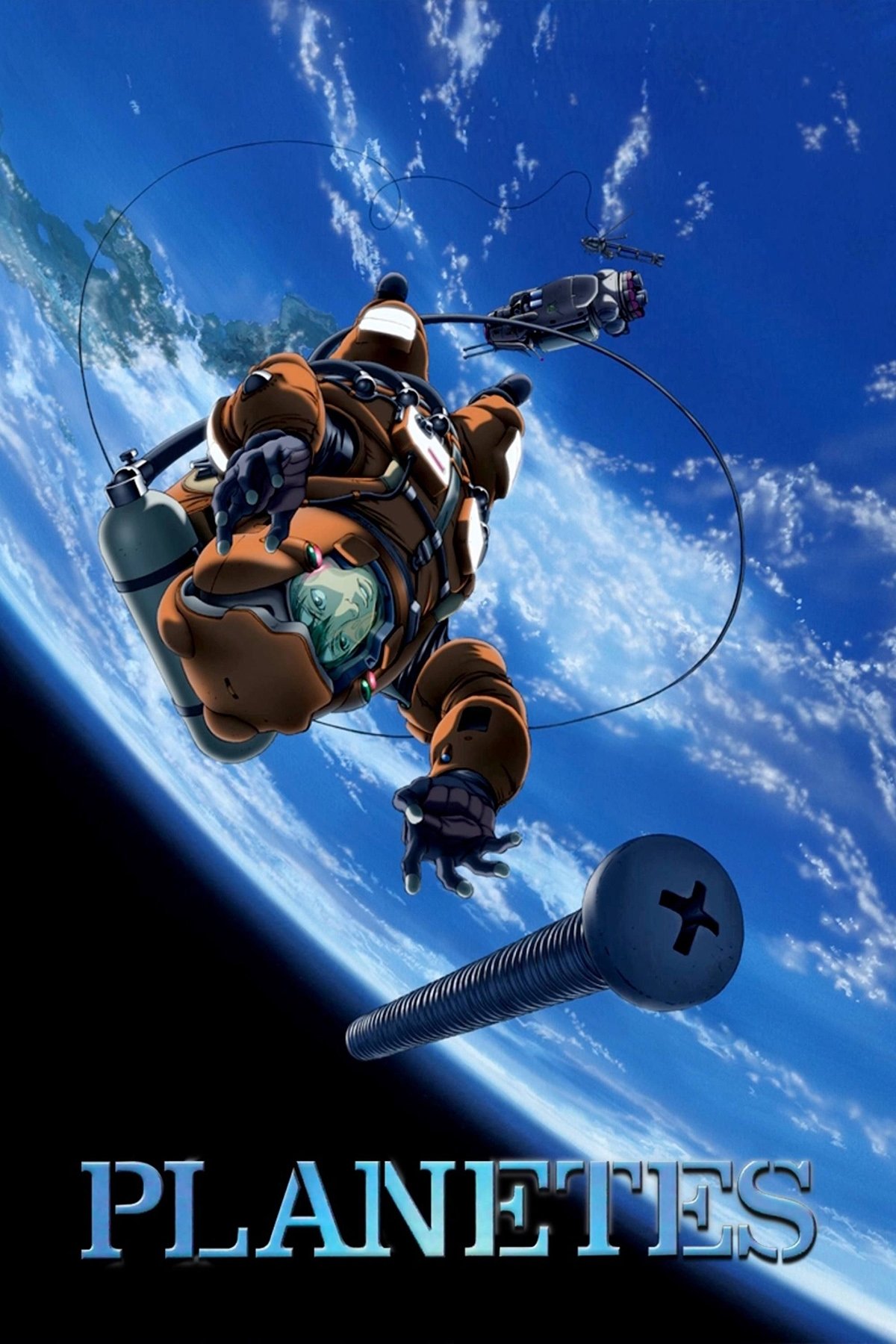
Produced by Sunrise and based on Makoto Yukimura’s manga, this series follows a debris collection crew in low Earth orbit. The show treats space work with practical detail and real engineering concerns. Character arcs track career pressures, corporate politics, and the cost of ambition. It runs 26 episodes and is known for grounded science.
‘Moribito: Guardian of the Spirit’ (2007)
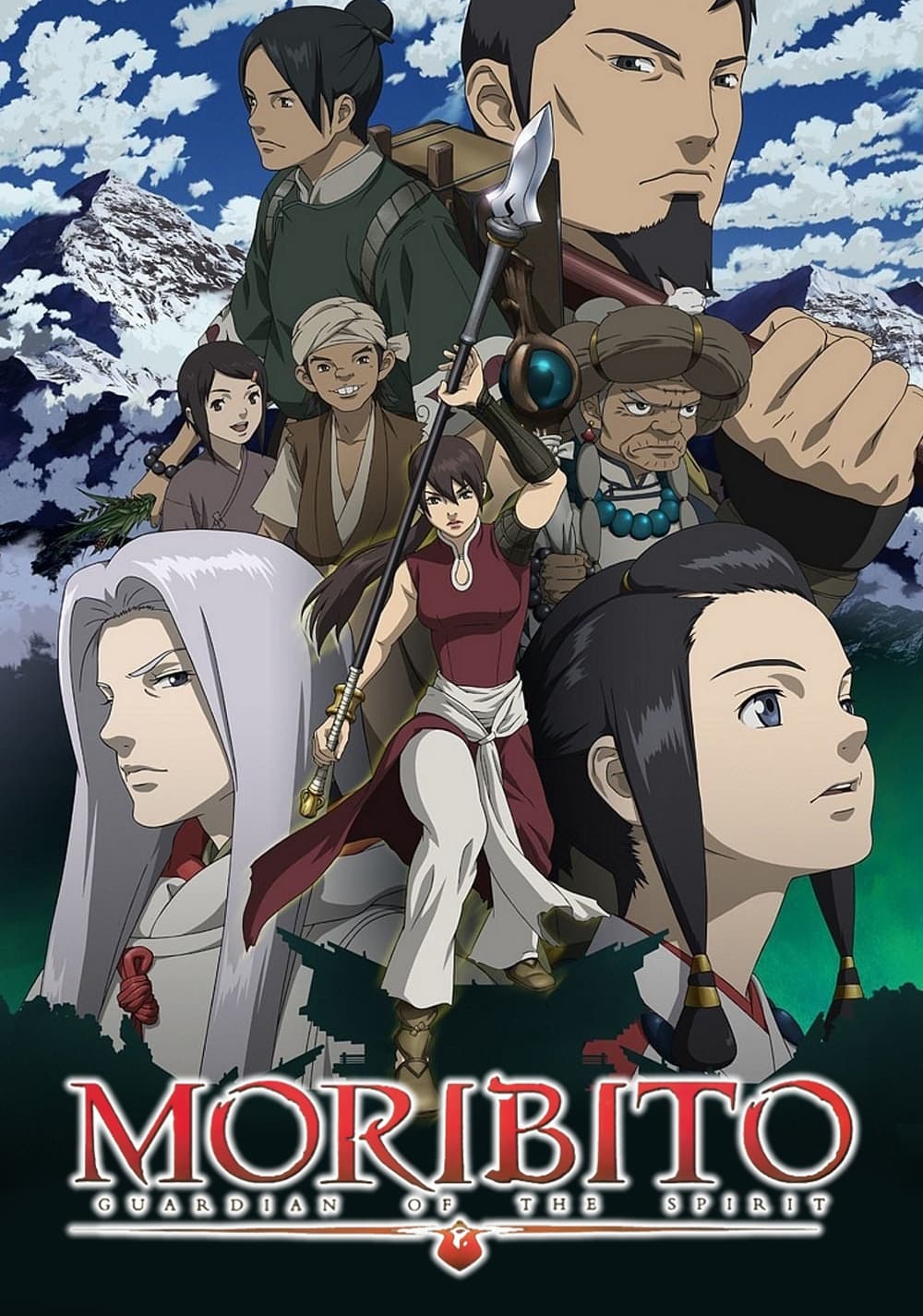
Animated by Production I.G and directed by Kenji Kamiyama, this fantasy centers on a spear wielding bodyguard. She protects a prince marked by an ancient spirit while on the run from court forces. The series invests in travel, culture, and folklore with measured pacing. It delivers its full story in 26 episodes.
‘Haibane Renmei’ (2002–2003)
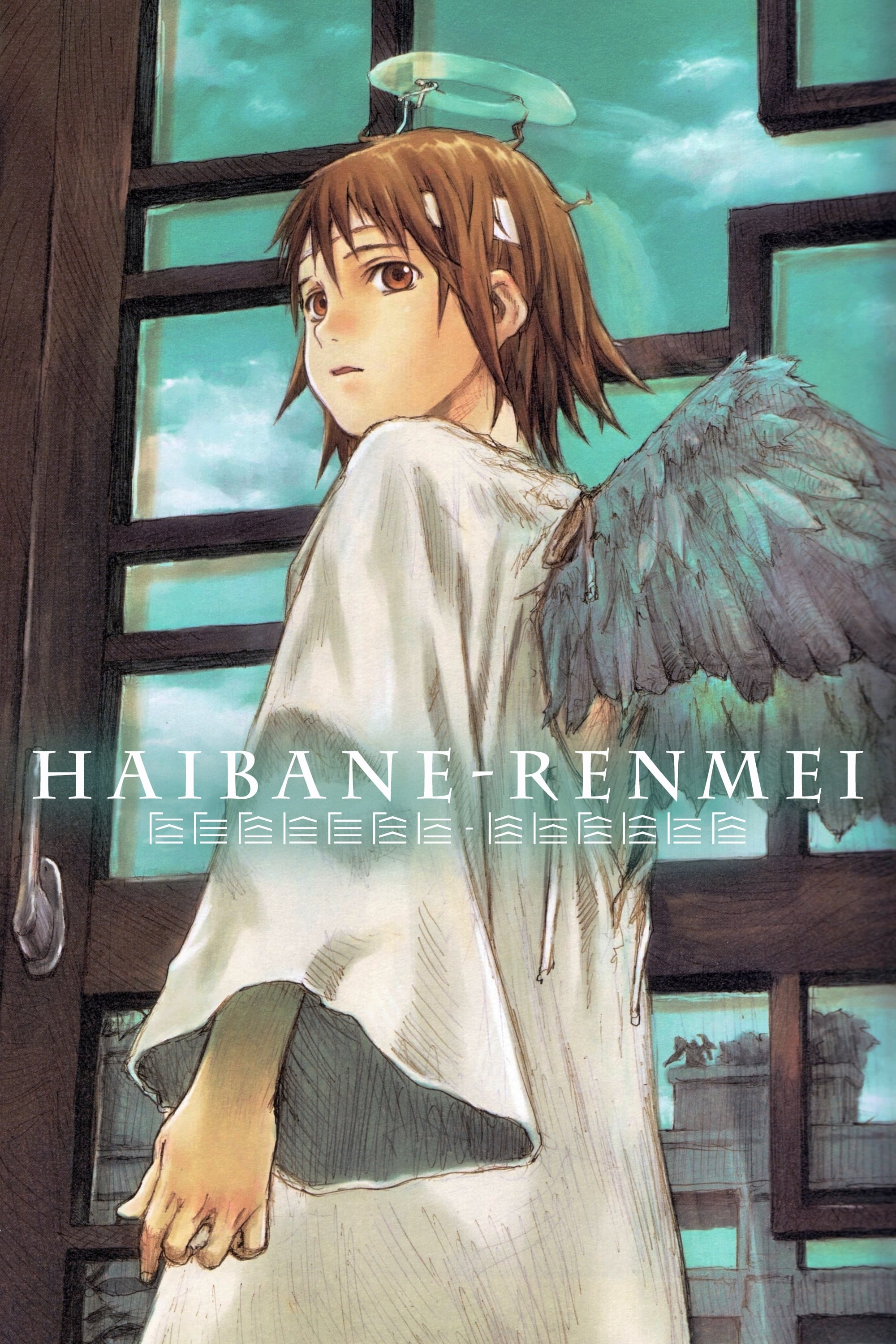
Created by Yoshitoshi ABe, this contemplative series takes place in a walled town with haloed residents called Haibane. It examines community rules, guilt, and redemption through quiet daily routines. The music and sound design reinforce a gentle yet eerie tone. The story wraps in 13 episodes.
‘Texhnolyze’ (2003)
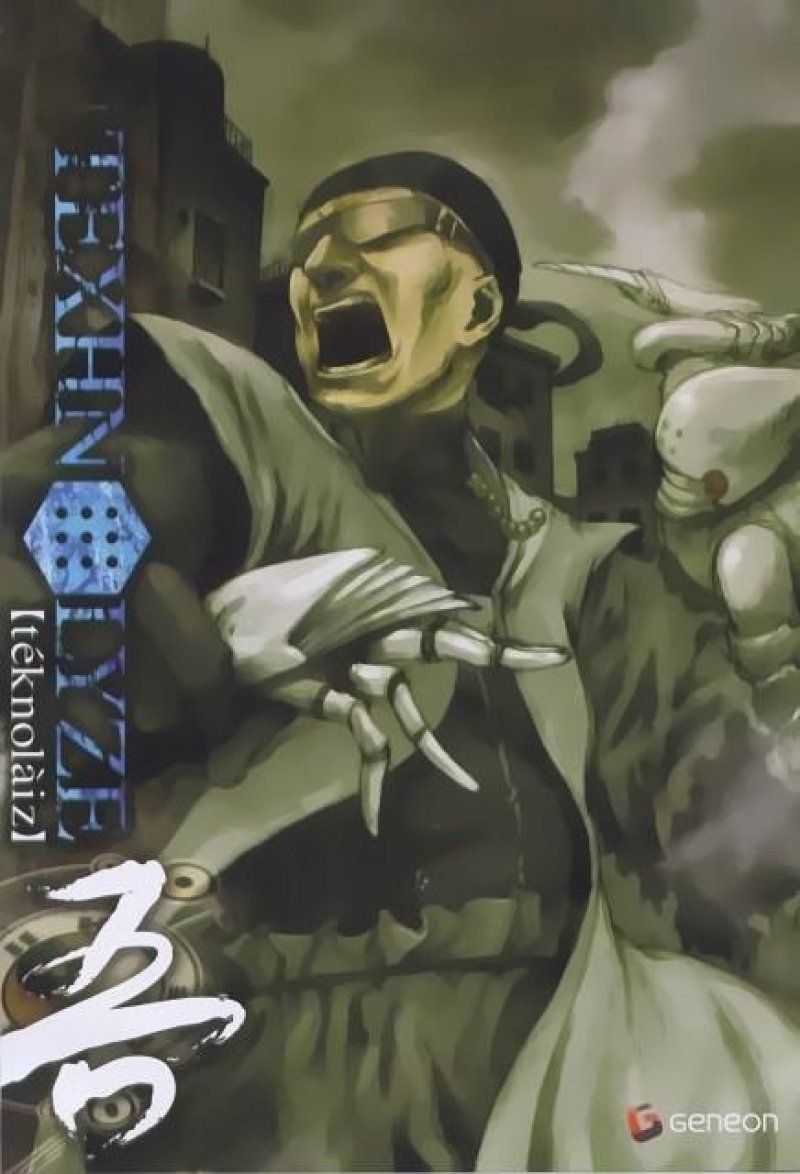
This dystopian drama from Madhouse presents a decaying underground city controlled by rival factions. A fighter with prosthetic limbs becomes entangled in shifting power and existential questions. The series is sparse with dialogue and leans on atmosphere and visual storytelling. It spans 22 episodes with a definitive ending.
‘Now and Then, Here and There’ (1999–2000)
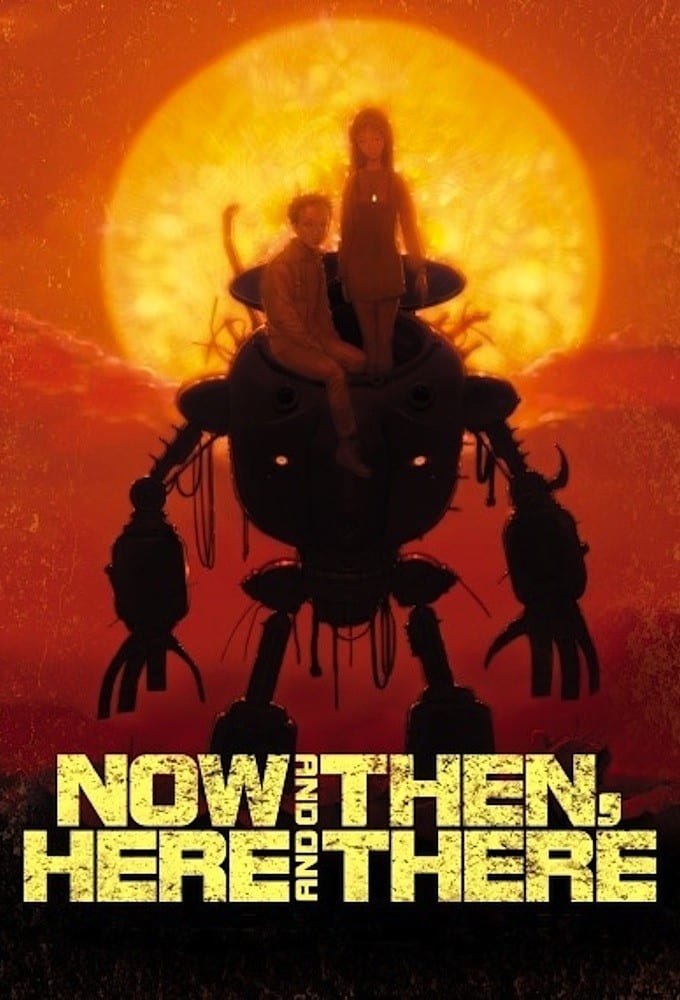
Animated by AIC and directed by Akitaro Daichi, this isekai sends a boy to a war torn desert world. The show addresses child soldiers, resource scarcity, and authoritarian rule with unflinching honesty. Its focus stays on survival, empathy, and moral choice under pressure. The narrative concludes in 13 episodes.
‘Kaiji’ (2007–2011)
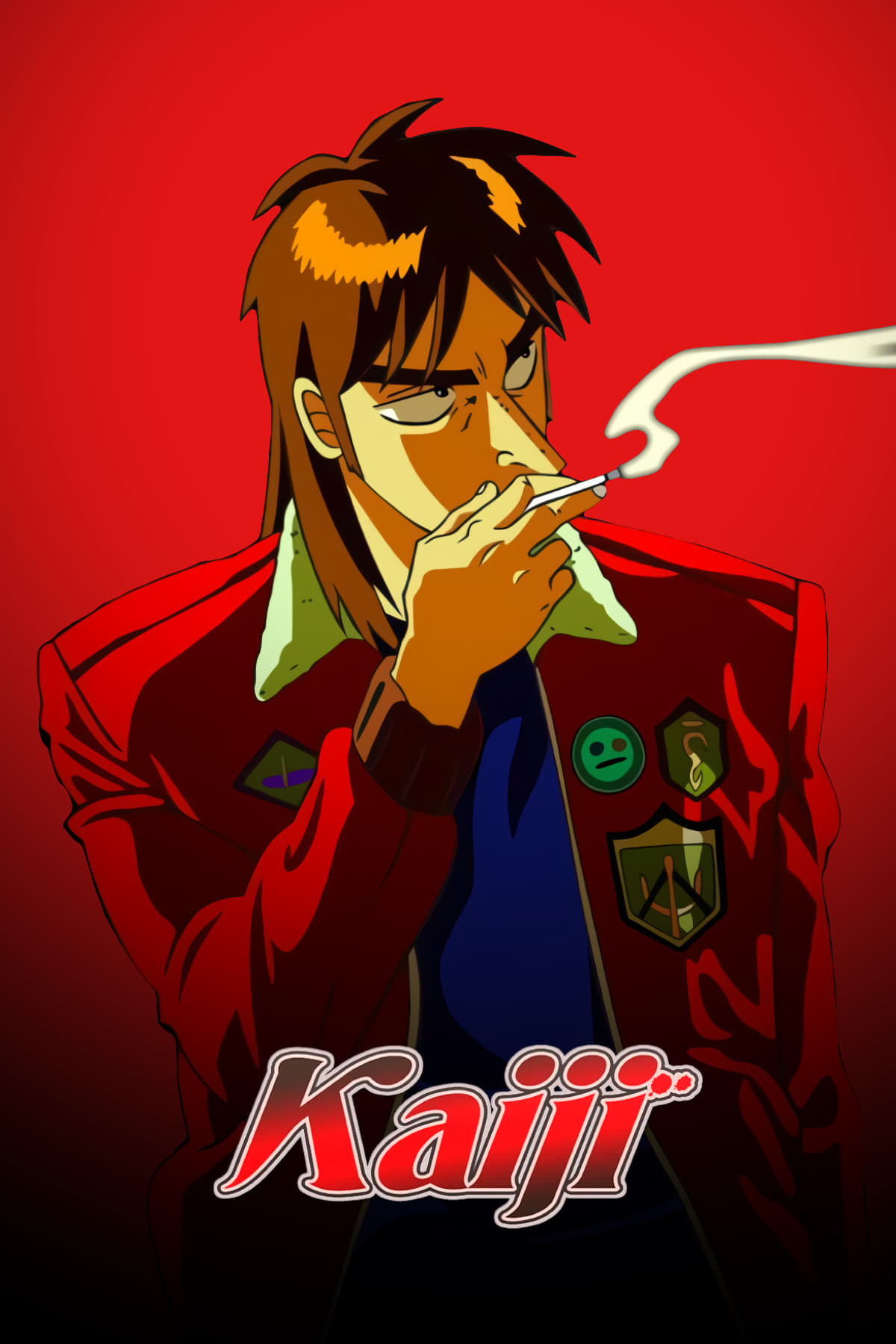
Based on Nobuyuki Fukumoto’s manga and produced by Madhouse, this series follows a drifter drawn into high stakes gambling. Games turn on psychology, group dynamics, and nerve rather than flashy action. The angular art style matches its tense and desperate tone. Two seasons cover major arcs with 52 episodes total.
‘Gankutsuou: The Count of Monte Cristo’ (2004–2005)
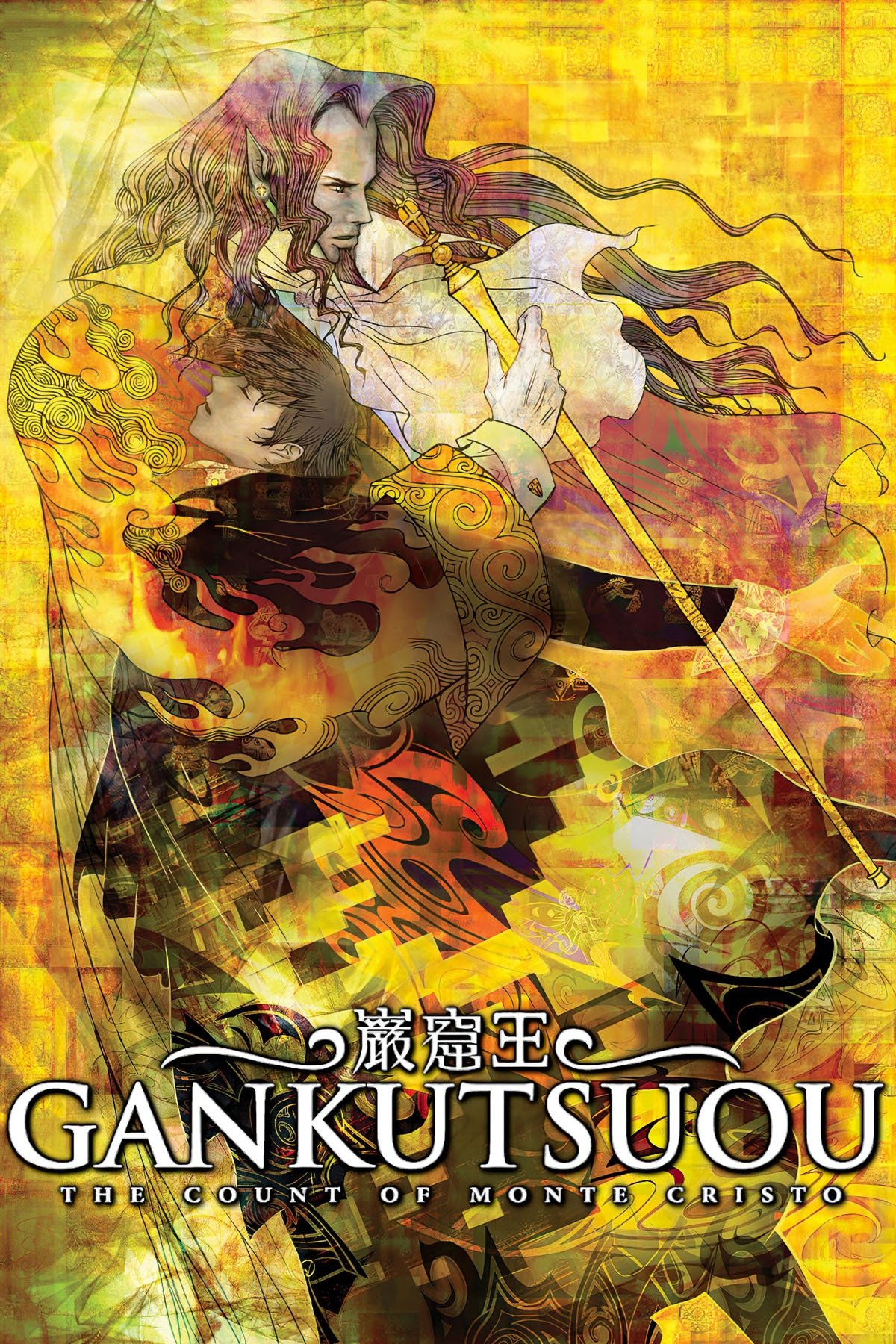
Gonzo adapts the classic novel into a futuristic aristocratic setting. The series uses bold digital textures and layered patterns for a distinctive look. It tracks debts, betrayals, and elaborate revenge among Parisian elites. The story runs 24 episodes and reaches a clear resolution.
‘Mononoke’ (2007)
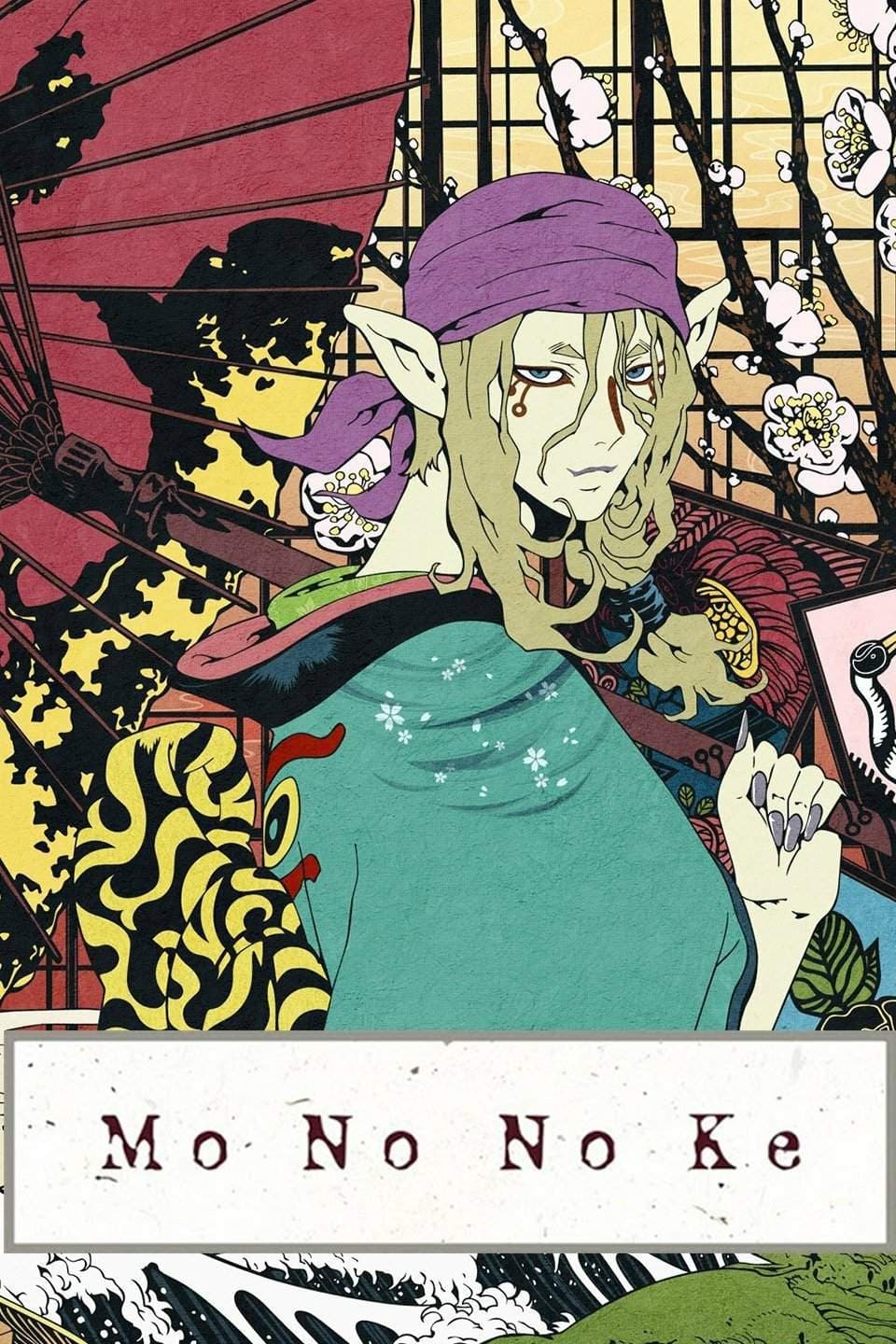
This supernatural anthology from Toei Animation features a traveling exorcist known as the Medicine Seller. Each arc investigates a spirit born from powerful human emotions through ritual and deduction. The visual design draws on traditional art motifs and experimental framing. The series contains 12 episodes with self contained cases.
‘House of Five Leaves’ (2010)

Animated by Manglobe, this period drama follows a timid ronin who joins a kidnap for ransom group. It explores found family, criminal ethics, and Edo era city life. The gentle pacing allows nuanced character study and quiet tension. The story completes in 12 episodes.
‘The Eccentric Family’ (2013–2015)
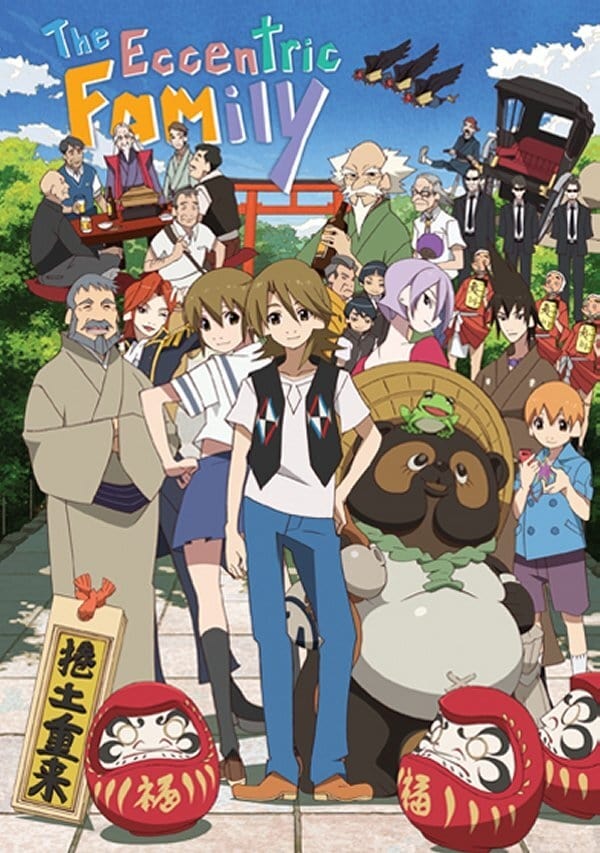
Produced by P.A. Works and based on Tomihiko Morimi’s novel, this series portrays tanuki, tengu, and humans in modern Kyoto. It blends family politics, seasonal festivals, and city landmarks with folklore. The show is known for affectionate city detail and layered relationships. Two seasons tell a full multi generational tale.
‘Time of Eve’ (2008–2009)
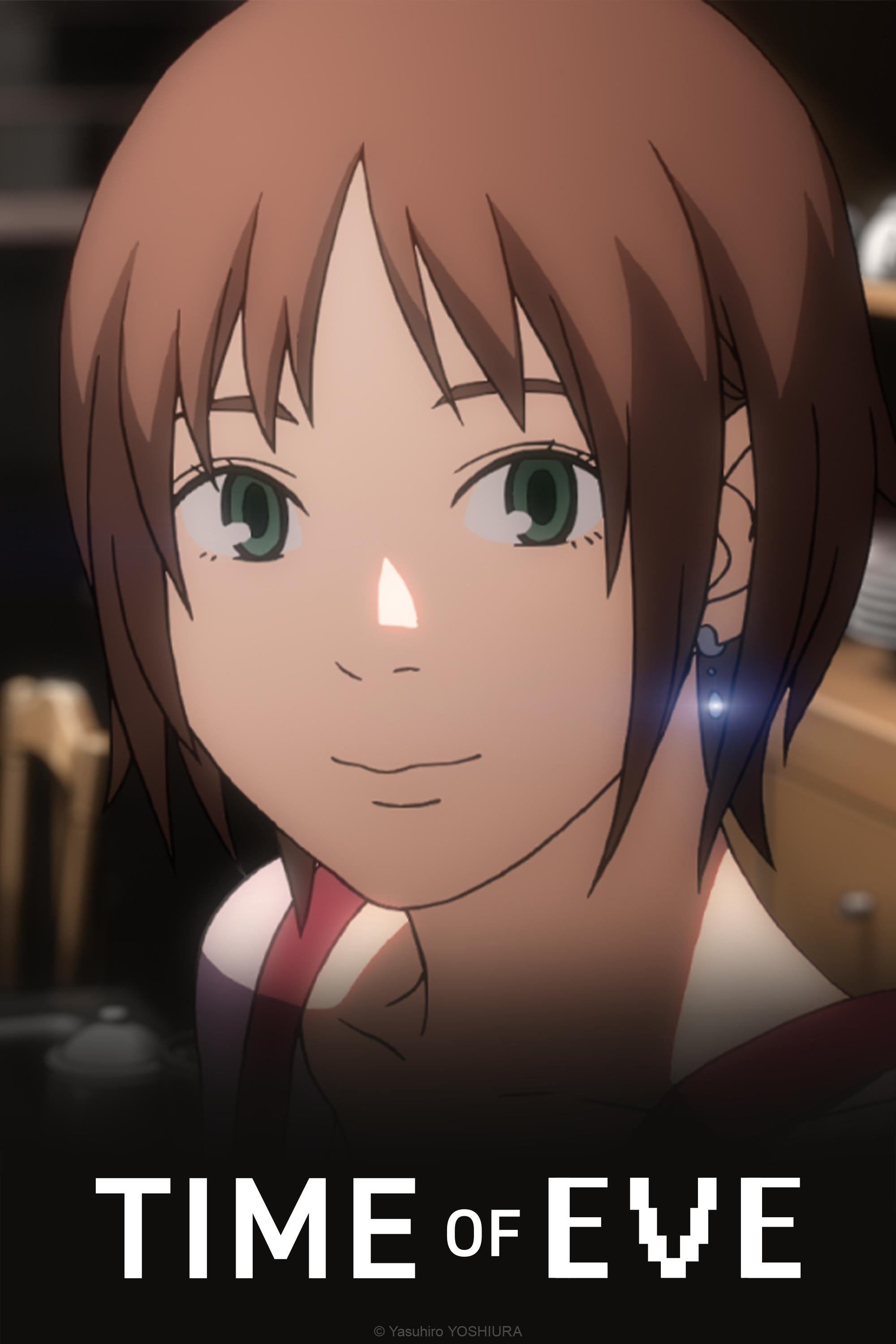
Directed by Yasuhiro Yoshiura, this series began as a set of ONAs later compiled as a film. It takes place in a cafe where humans and androids interact without visible markers. Each visit reveals social rules around robotics and personal prejudice. The core arc completes across six episodes.
‘Space Brothers’ (2012–2014)
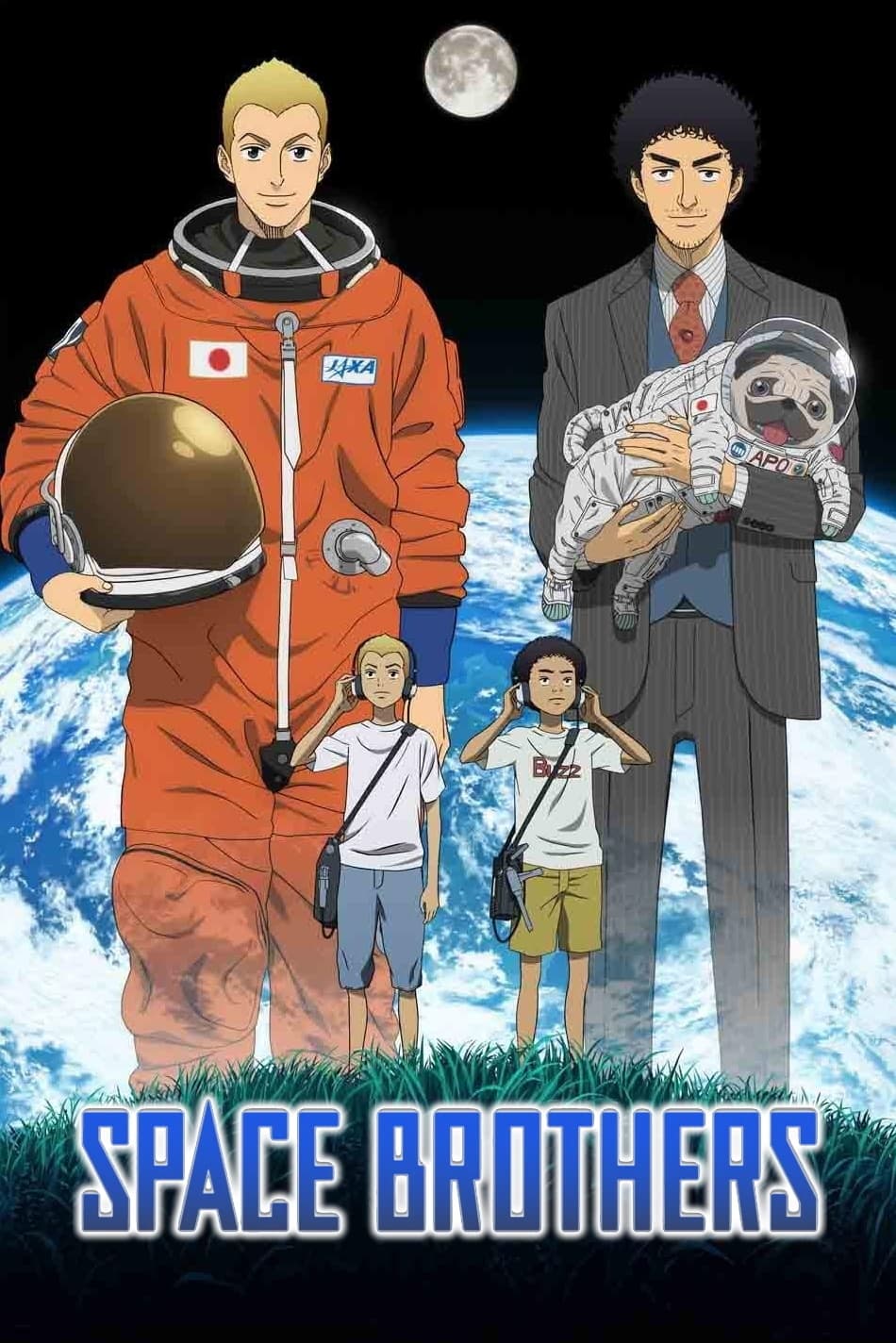
Animated by A 1 Pictures, this long running adaptation follows two siblings chasing astronaut careers. It details exams, training, and international collaboration with procedural care. Real world space agency processes inform much of the plot. The series spans 99 episodes and tracks steady professional growth.
‘Silver Spoon’ (2013–2014)

From the creator of ‘Fullmetal Alchemist’, this school drama is set at an agricultural high school in Hokkaido. Students learn livestock care, crop cycles, and food business realities. The show treats farming with respect and practical detail. Two seasons cover the main beats of the manga’s early arcs.
‘Girls’ Last Tour’ (2017)
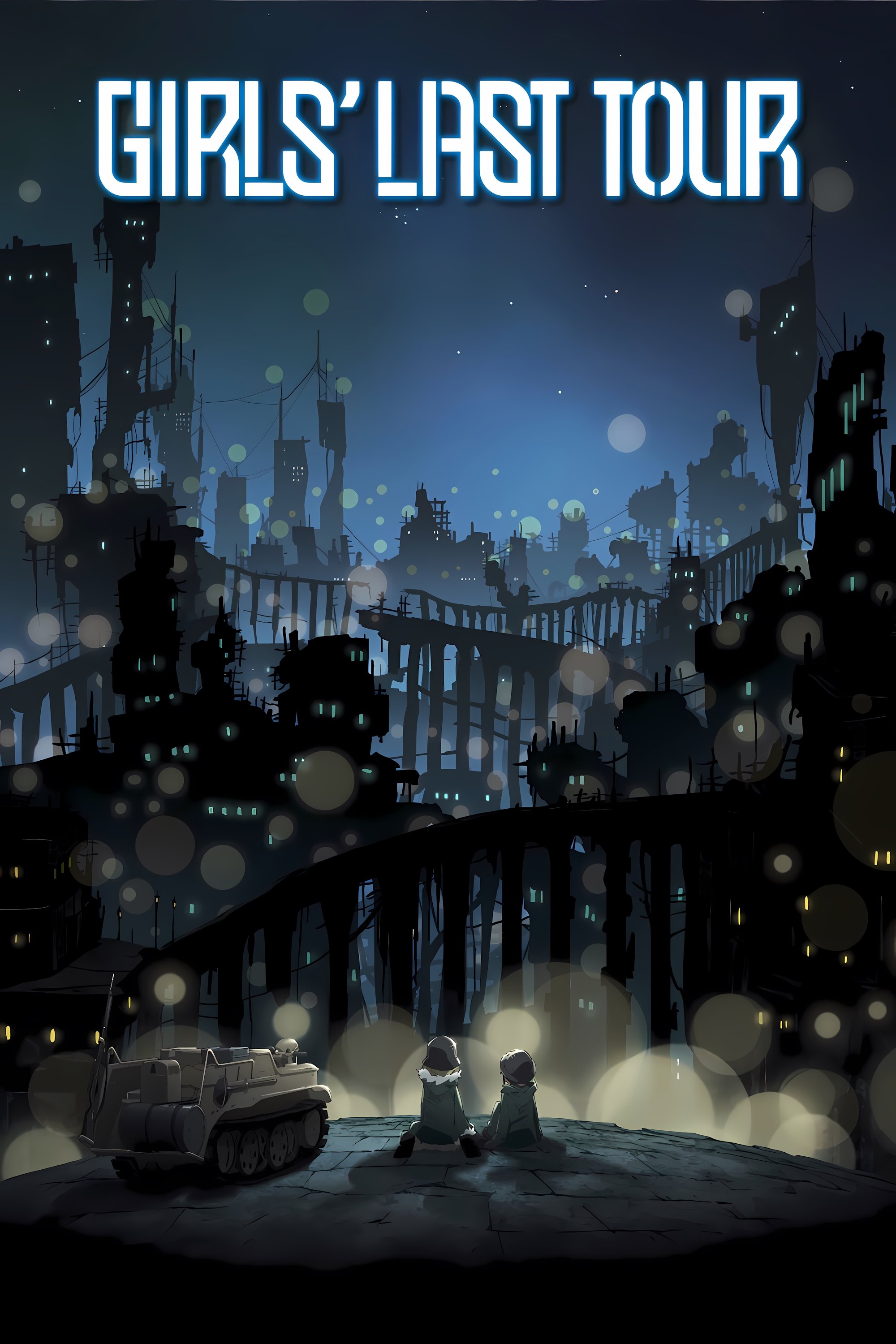
Produced by White Fox, this post apocalyptic travelogue follows two girls exploring empty industrial cities. The worldbuilding focuses on machines, rations, and traces of lost society. Episodes mix quiet survival tasks with discoveries about history and technology. The story runs 12 episodes and adapts key chapters of the manga.
‘Aoi Bungaku Series’ (2009)
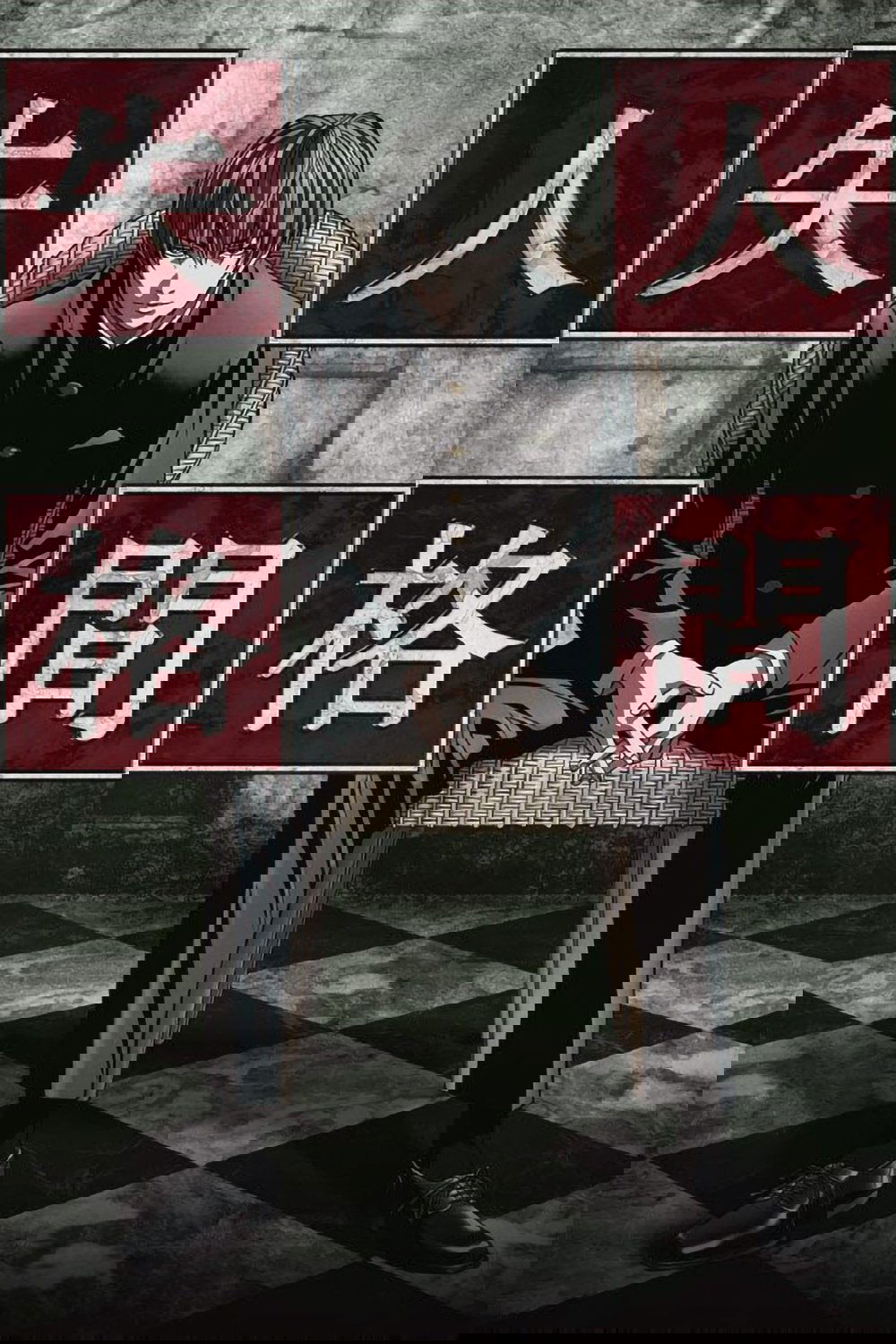
This anthology adapts classic Japanese literature with different directors and styles. Stories include works by Osamu Dazai and other noted authors. The production uses bold visual approaches to match each text. It contains 12 episodes that stand alone or pair into short arcs.
‘The Beast Player Erin’ (2009–2010)
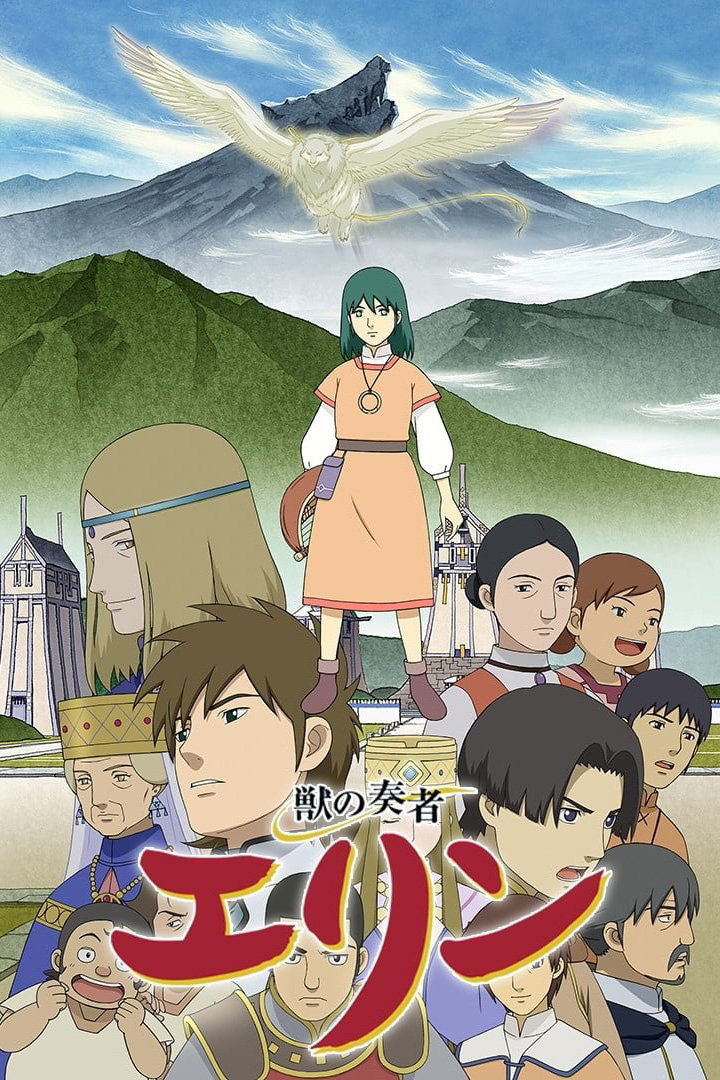
Based on novels by Nahoko Uehashi, this fantasy chronicles a girl who studies and cares for powerful beasts. The show examines animal handling, state power, and ecological balance. It aired on NHK and targets a wide audience without losing depth. The series totals 50 episodes and follows Erin from childhood to adulthood.
‘Bokurano’ (2007)
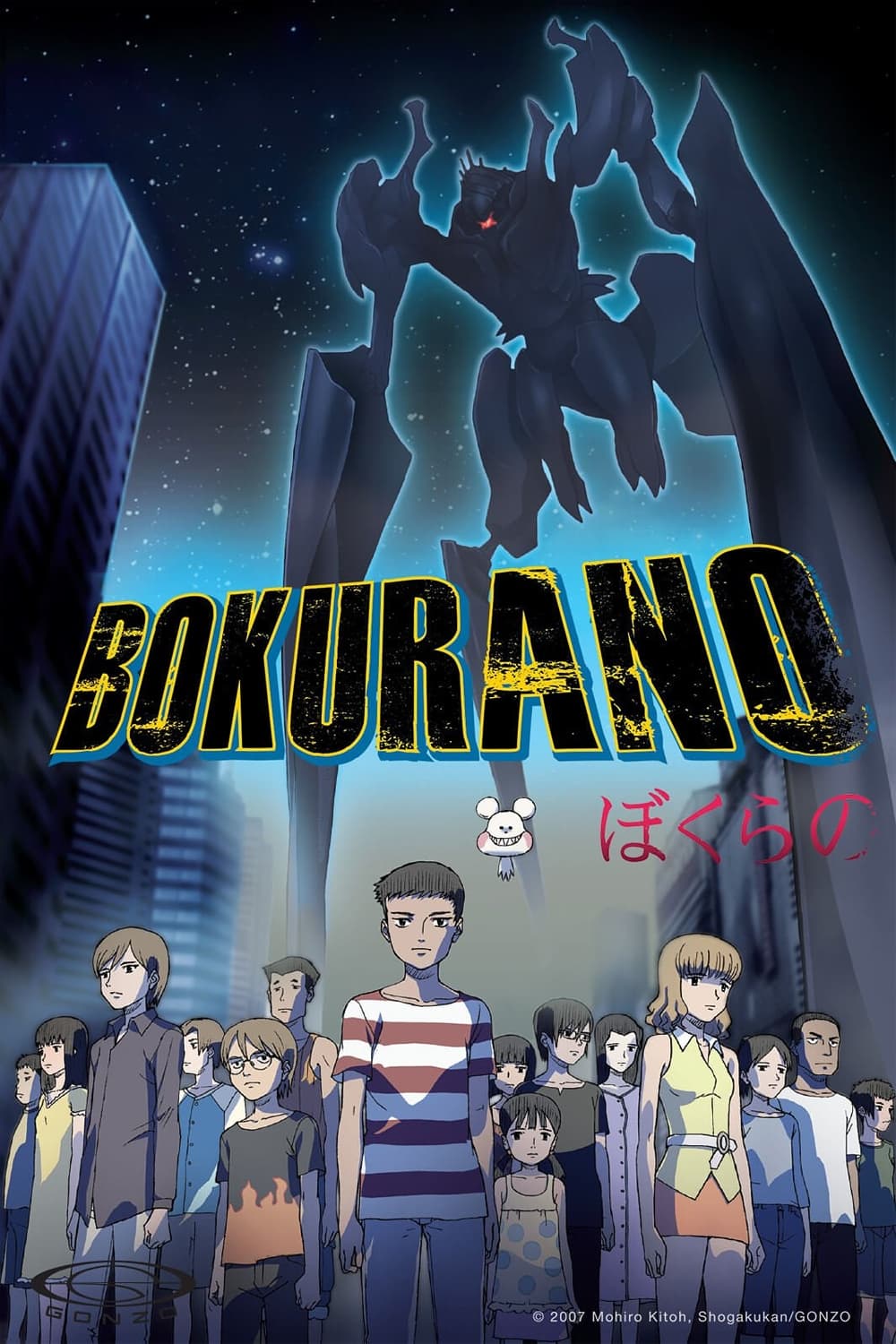
Gonzo adapts Mohiro Kitoh’s deconstruction of the giant robot premise. A group of children pilot a mecha in battles that demand heavy personal costs. The narrative looks at consent, secrecy, and the impact on families. It spans 24 episodes and completes its central conflict.
‘Hyouge Mono’ (2011–2012)
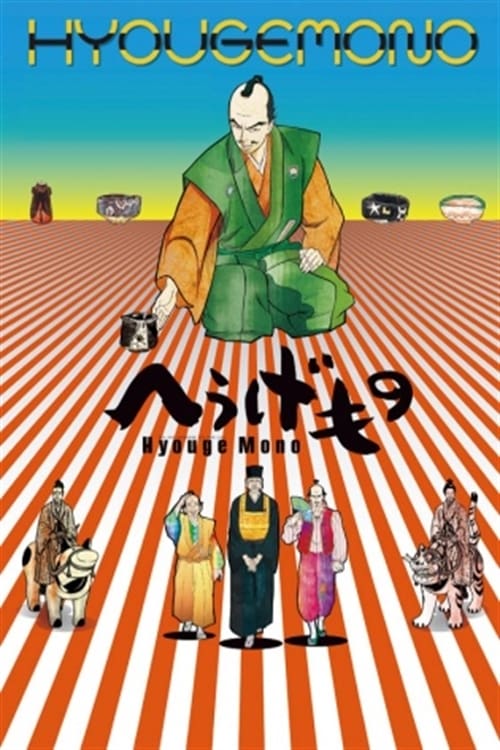
Animated by Bee Train, this historical series focuses on tea ceremony, aesthetics, and politics during the Sengoku period. It follows Furuta Oribe as he navigates art, ambition, and loyalty. The show presents utensils, kilns, and wabi sabi ideals with unusual specificity. It runs 39 episodes and adapts a significant portion of the manga.
Share the overlooked gems you would add to the list in the comments.