


Top 20 Movie Crime Epics

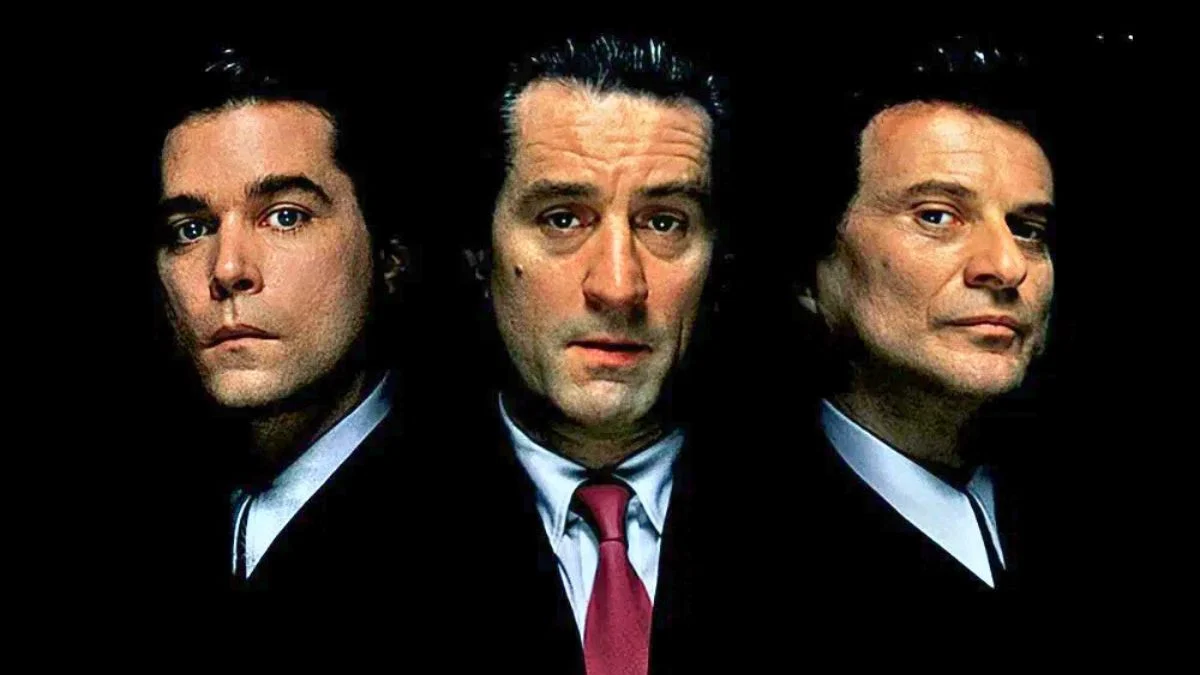


Crime stories scale up beautifully when they stretch across families, cities, and generations. The best film epics in this space follow the rise and fall of bosses and foot soldiers, cops and informants, and the systems that bind them together. These movies build entire worlds, tracing how power moves through money, loyalty, and betrayal, and they make time feel like another character in the story.
The entries below range across countries and styles, from sprawling gangster sagas to undercover cat and mouse tales. You will find true crime inspirations, literary adaptations, and original screenplays that became touchstones for the genre. Each pick includes what it covers, who made it, and what it accomplished, so you can decide what to watch next.
‘The Godfather’ (1972)
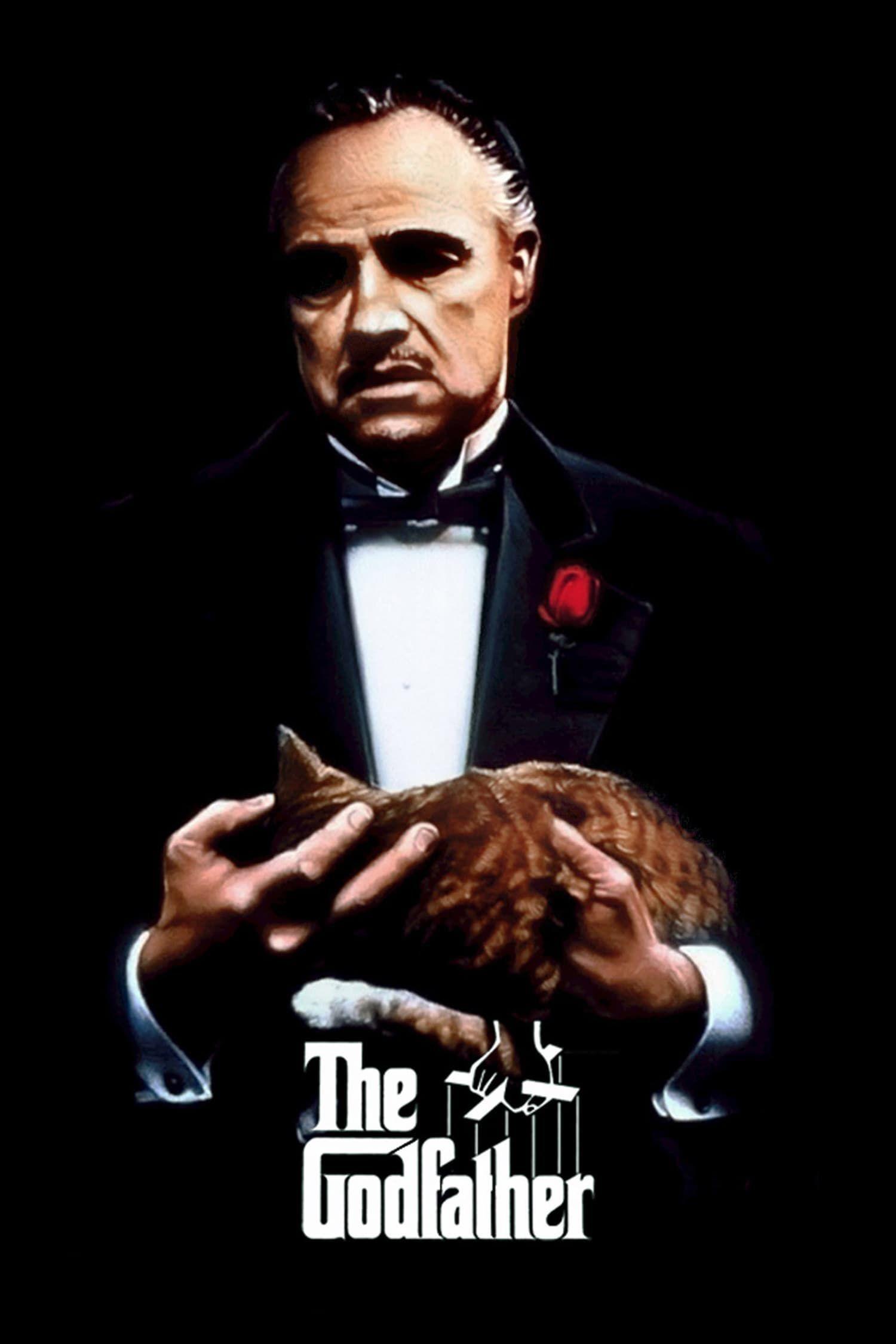
Francis Ford Coppola directs this adaptation of Mario Puzo’s novel, centering on the Corleone family’s shift in leadership from Vito Corleone to his son Michael. The film follows interfamily alliances and rivalries within organized crime in New York, charting the business decisions and personal costs that secure the family’s future.
The production features Marlon Brando, Al Pacino, James Caan, Robert Duvall, and Diane Keaton, with Nino Rota’s score and Gordon Willis’s cinematography shaping its mood. The film won multiple Academy Awards including Best Picture, and it influenced depictions of organized crime across film and television for decades.
‘The Godfather Part II’ (1974)
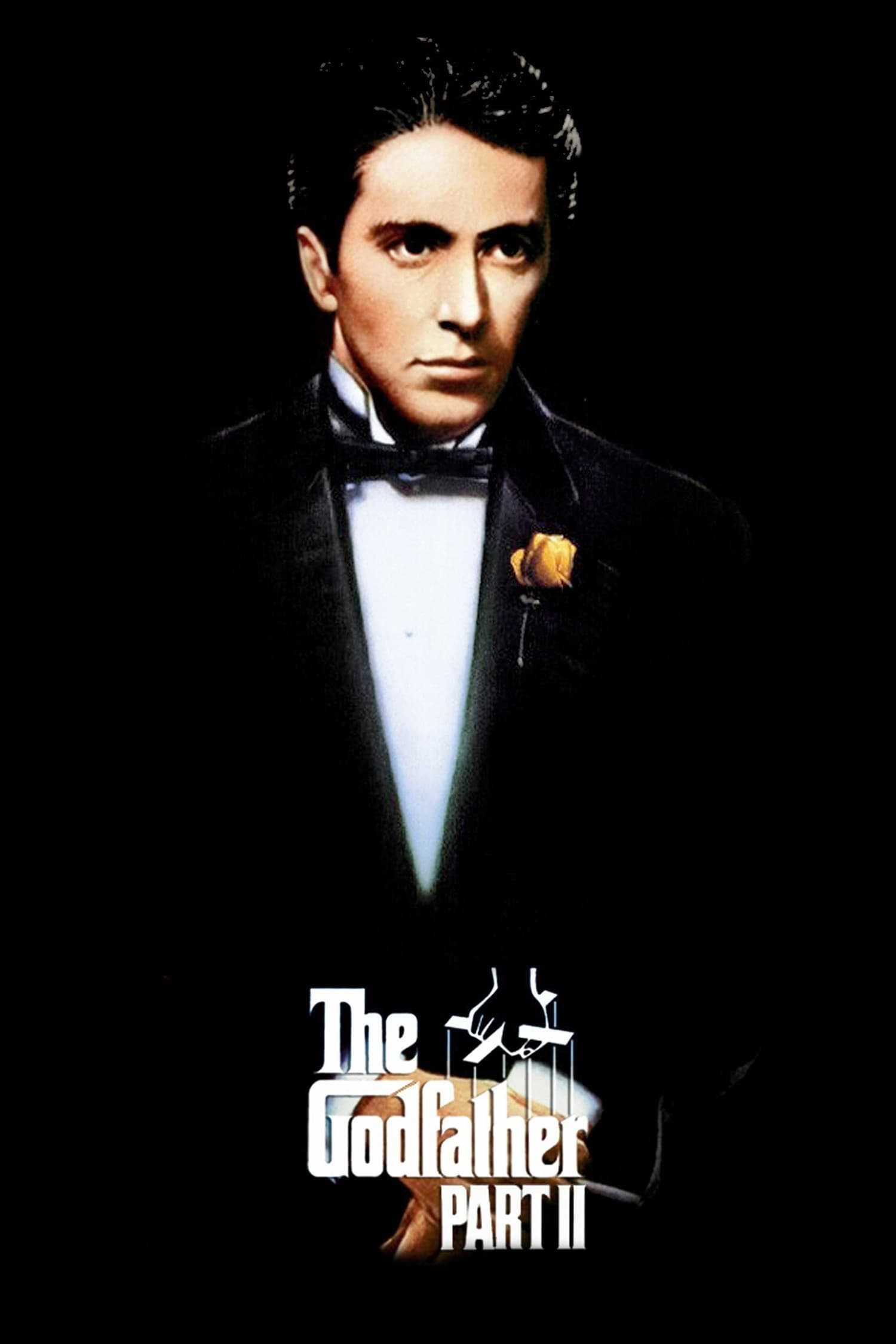
Francis Ford Coppola intercuts Michael Corleone’s consolidation of power with flashbacks to the early life of Vito Corleone, portrayed by Robert De Niro. The dual structure shows how immigration, opportunity, and violence formed the family’s empire and the methods used to maintain it.
Al Pacino leads a cast that includes Robert Duvall and Diane Keaton, with locations spanning the United States, Cuba, and Sicily. The film received Academy Awards including Best Picture and Best Director, and it set a benchmark for sequels that expand scope while deepening character arcs.
‘Goodfellas’ (1990)
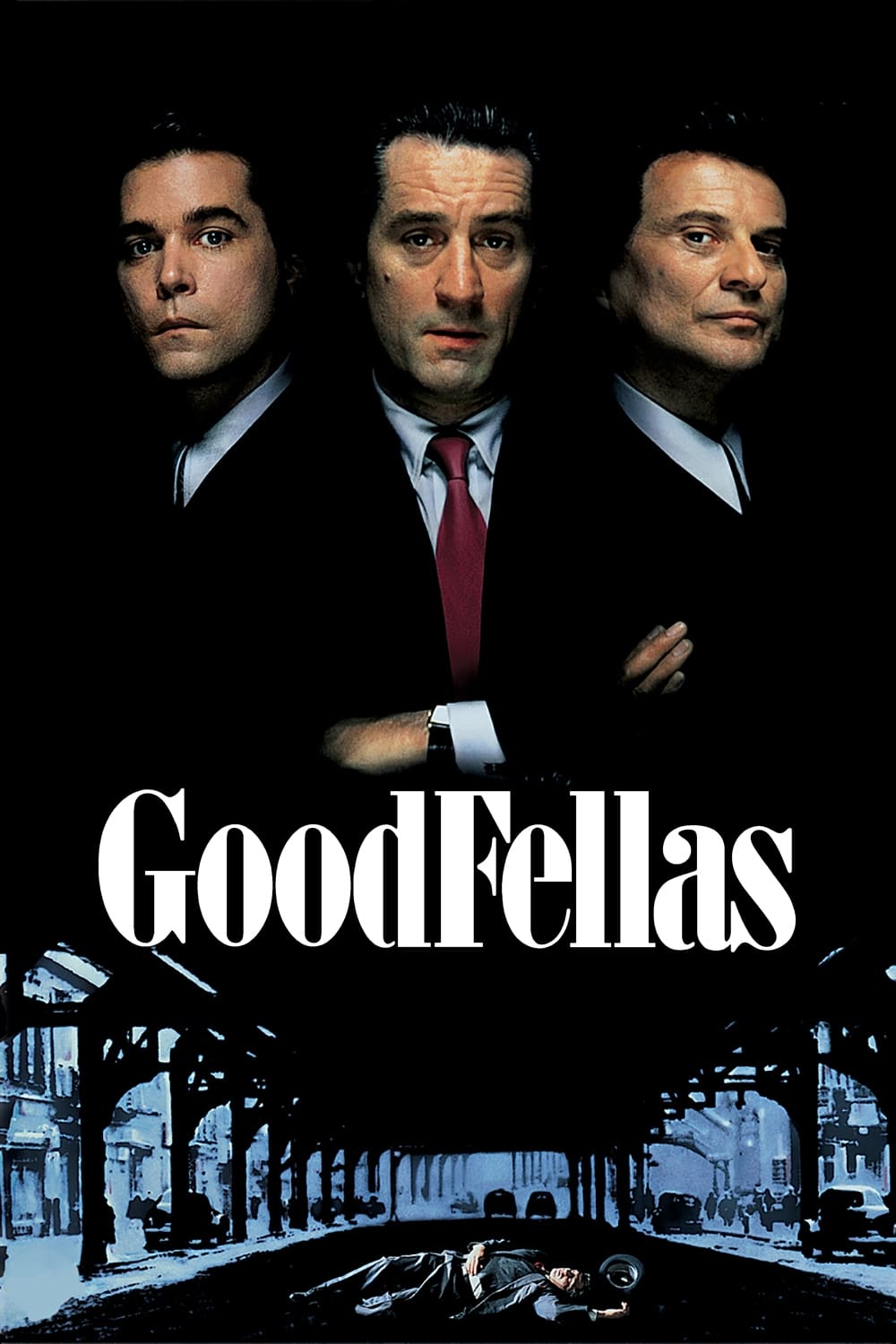
Martin Scorsese adapts Nicholas Pileggi’s nonfiction book about mob associate Henry Hill, mapping daily operations within the Lucchese crew. The story tracks recruitment, heists, drug trafficking, and the consequences that follow when members break internal rules.
The film stars Ray Liotta, Robert De Niro, and Joe Pesci, and it is known for dynamic editing by Thelma Schoonmaker and a wide range of needle drops. Joe Pesci won the Academy Award for Best Supporting Actor, and the film’s long takes and voiceover approach became widely studied techniques.
‘Heat’ (1995)
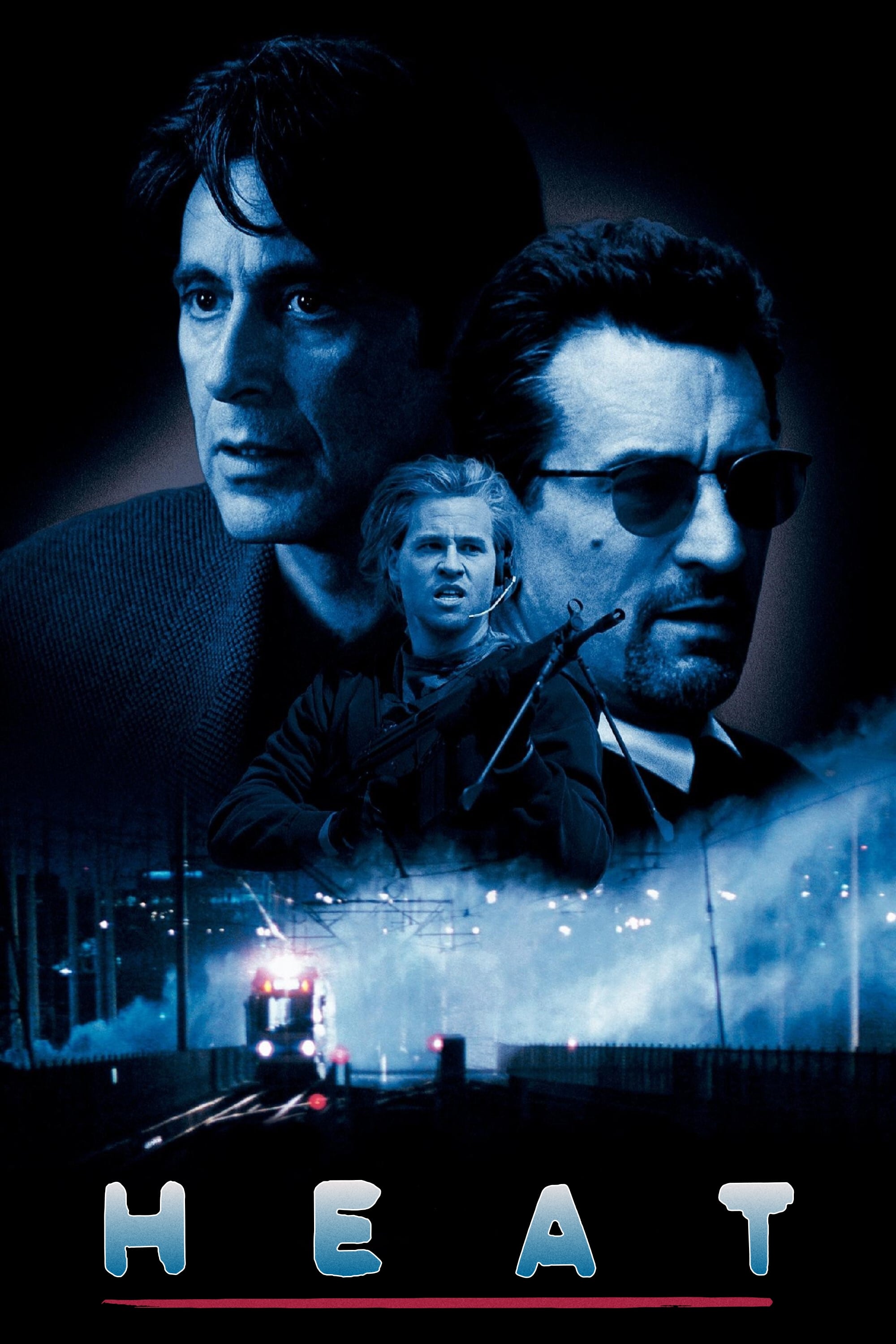
Michael Mann stages a conflict between a meticulous thief and a relentless detective in Los Angeles. The narrative follows a crew planning a final score while law enforcement builds an interagency operation to stop them.
Robert De Niro and Al Pacino headline alongside Val Kilmer, with extensive location shooting across the city. The downtown shootout sequence was coordinated with detailed sound design and tactical consultation, and the film influenced later portrayals of urban police and robbery procedures.
‘Once Upon a Time in America’ (1984)
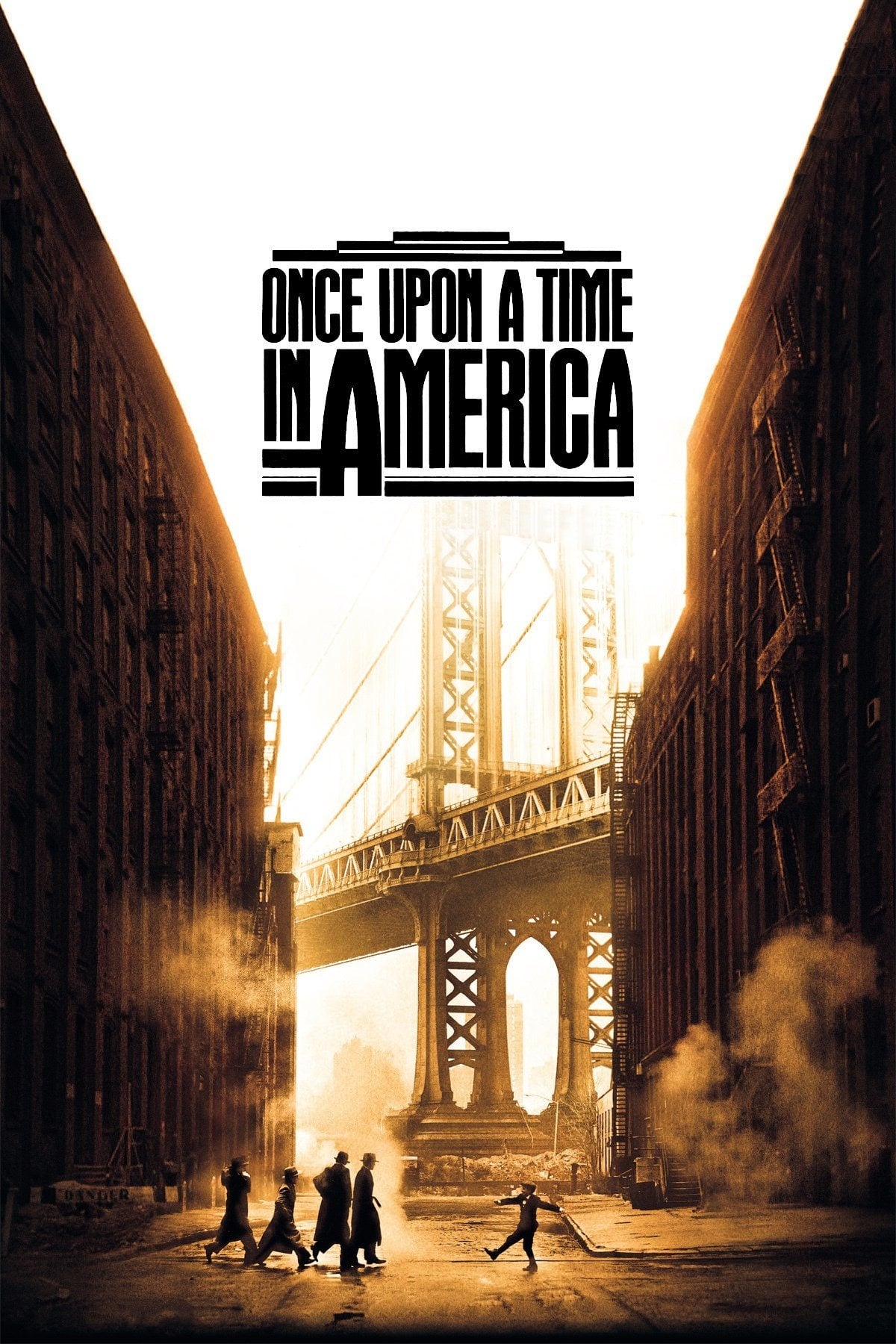
Sergio Leone crafts a multi decade story about a group of Jewish gangsters from childhood through adulthood. The film examines friendship, betrayal, and the changing face of organized crime across Prohibition and beyond.
Robert De Niro and James Woods lead the cast, with Ennio Morricone providing an expansive score and Tonino Delli Colli handling cinematography. The film originally faced competing cuts for different markets before a restored version brought back its intended structure and running time.
‘City of God’ (2002)
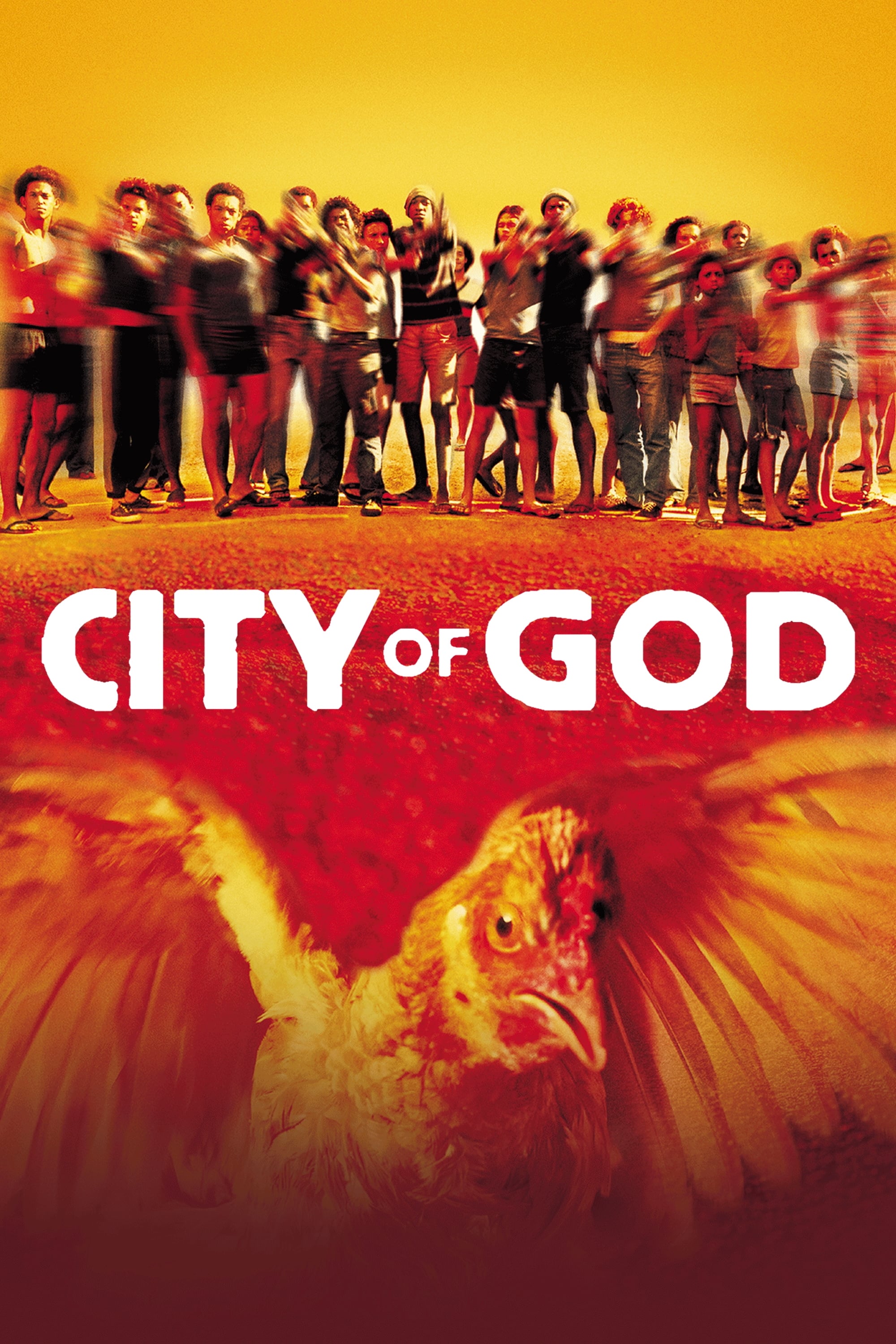
Fernando Meirelles and Kátia Lund depict the rise of criminal factions in the favelas of Rio de Janeiro through the perspective of a budding photographer. The story follows neighborhood kids as they become gang leaders, couriers, and witnesses to cycles of retaliation.
The production used a mix of professional and non professional actors and filmed on location to capture local detail. The film earned multiple Academy Award nominations, and its kinetic style, ensemble storytelling, and social context made it a reference point for international crime cinema.
‘Scarface’ (1983)

Brian De Palma chronicles the ascent of Tony Montana from refugee to Miami drug kingpin. The plot charts turf expansion, cartel conflicts, and the internal pressures that come with rapid power accumulation.
Al Pacino stars with Michelle Pfeiffer and Steven Bauer, working from a screenplay by Oliver Stone. The film’s production design by Ferdinando Scarfiotti and Giorgio Moroder’s music defined its look and sound, and the work became a cultural touchpoint widely quoted and referenced.
‘The Departed’ (2006)
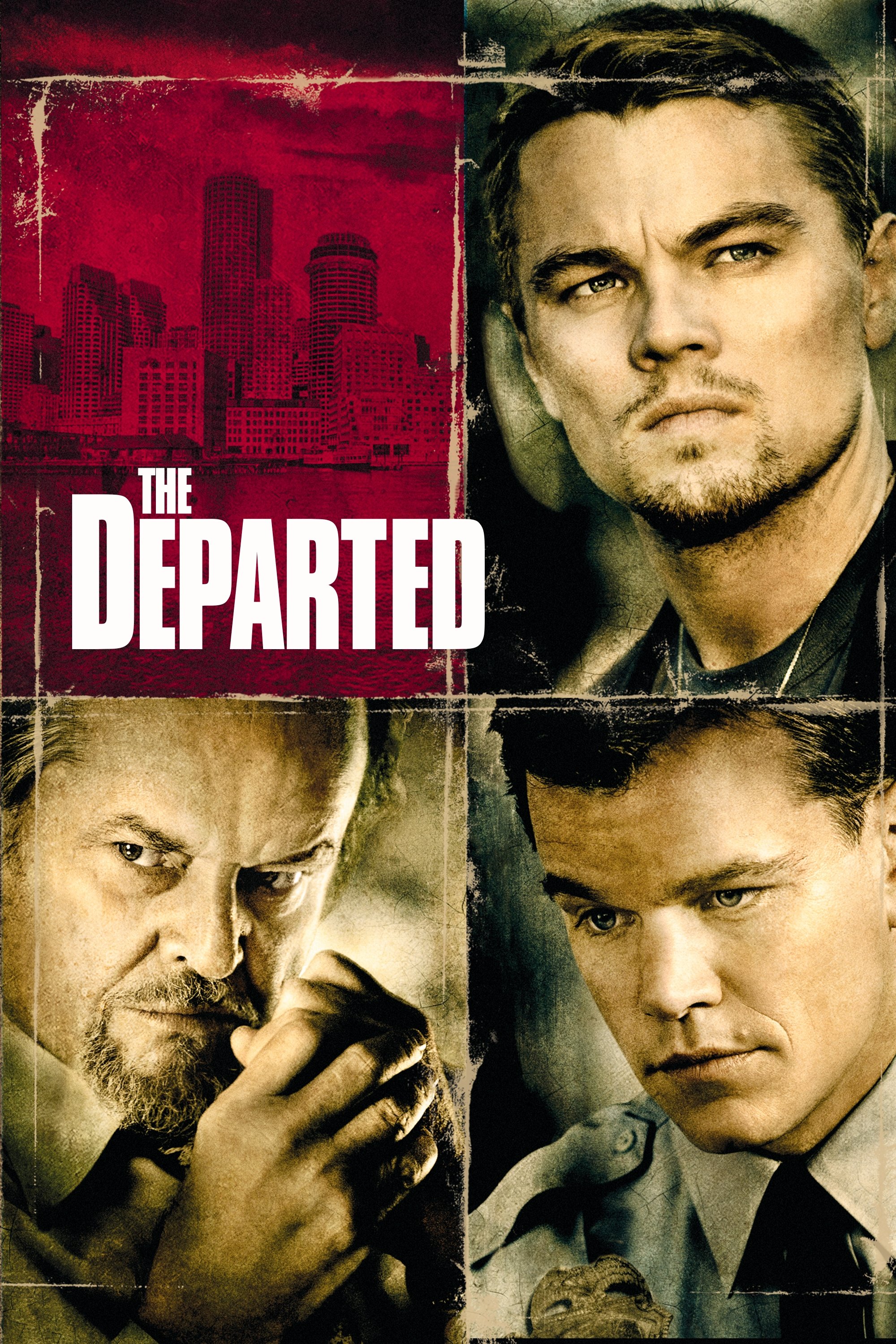
Martin Scorsese sets an undercover officer and a mob mole on a collision course within the Massachusetts State Police and an organized crime outfit. The story builds parallel investigations as both sides try to identify the other’s embedded agent.
Leonardo DiCaprio, Matt Damon, Jack Nicholson, and Mark Wahlberg lead the ensemble, with William Monahan’s screenplay adapting the Hong Kong film ‘Infernal Affairs’. The film won Academy Awards including Best Picture and Best Director, and it demonstrates cross cultural adaptation from one crime tradition to another.
‘Casino’ (1995)
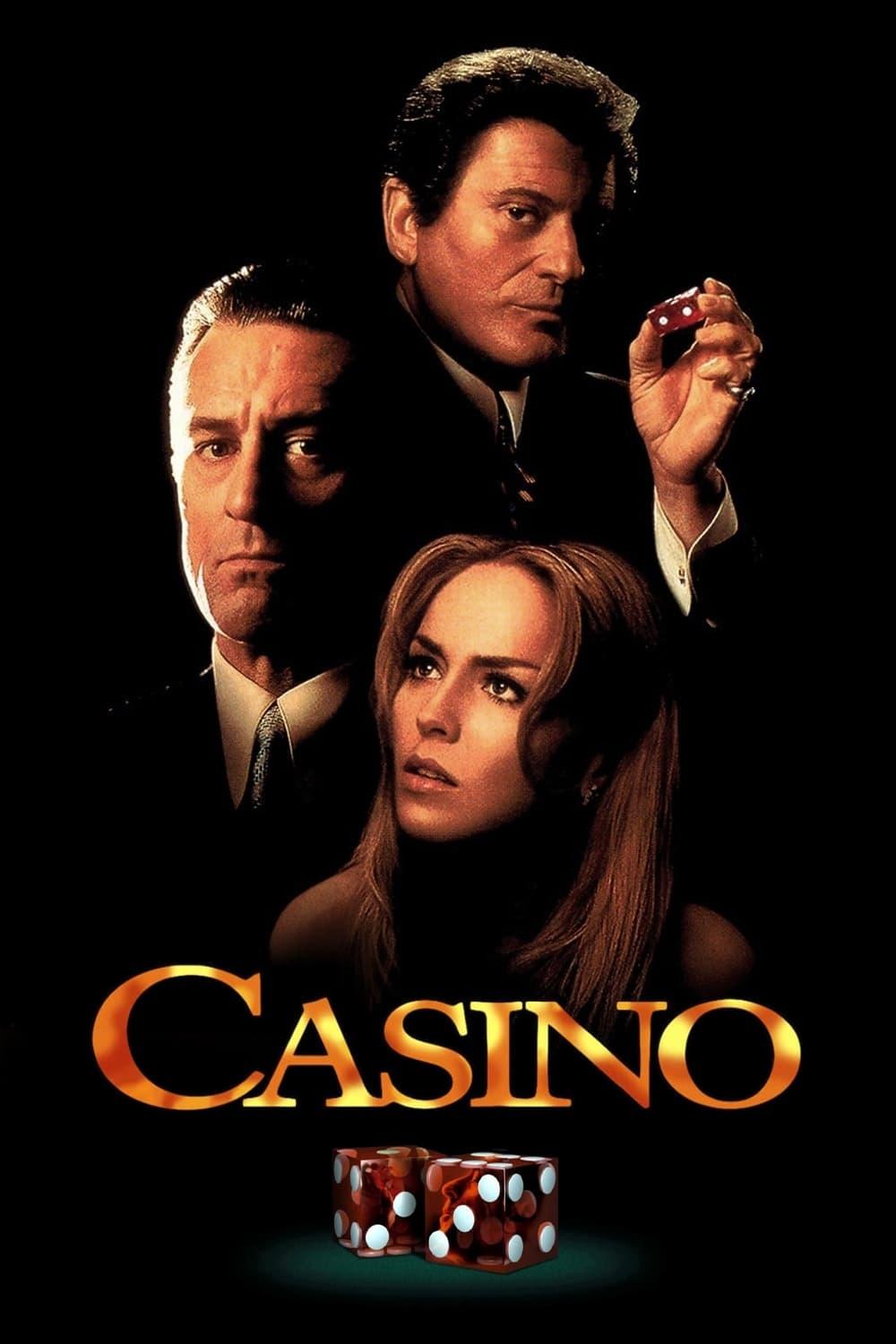
Martin Scorsese explores the partnership between a professional oddsmaker and a volatile enforcer as they run a Las Vegas casino for Midwestern mob interests. The plot covers skimming operations, gaming oversight, and the shift in the city’s business model.
Robert De Niro, Sharon Stone, and Joe Pesci star, with production design recreating period casino floors and back office spaces. Sharon Stone received major award recognition for her performance, and the film provides detailed depictions of casino operations and organized crime finance.
‘The Irishman’ (2019)
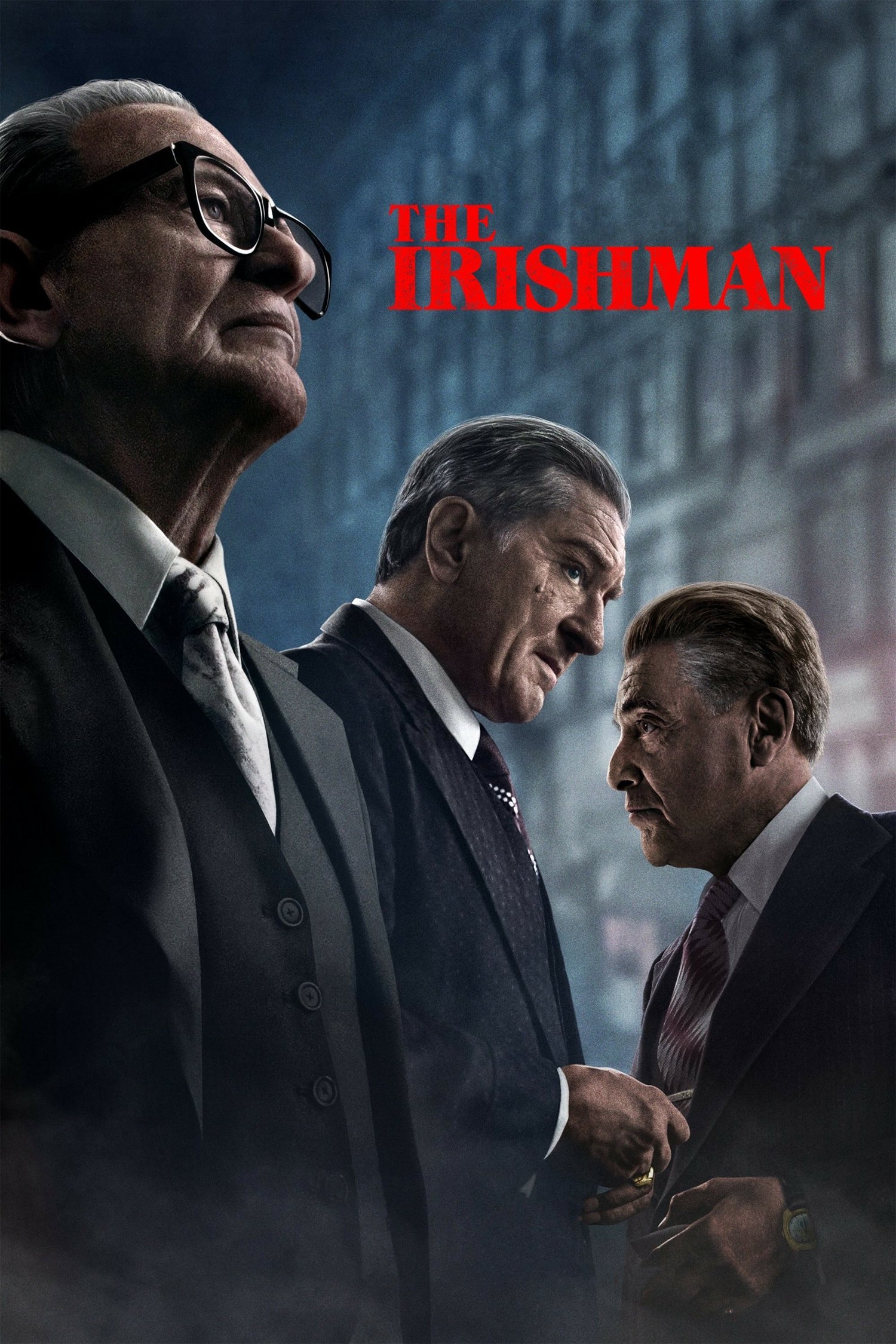
Martin Scorsese adapts Charles Brandt’s nonfiction account about hitman Frank Sheeran and his connection to labor leader Jimmy Hoffa. The narrative spans trucking unions, political connections, and internal mob discipline.
Robert De Niro, Al Pacino, and Joe Pesci reunite with digital de aging techniques used to portray characters across decades. The film was distributed by a streaming platform with a limited theatrical run, and it secured multiple award nominations for its direction and performances.
‘The Untouchables’ (1987)
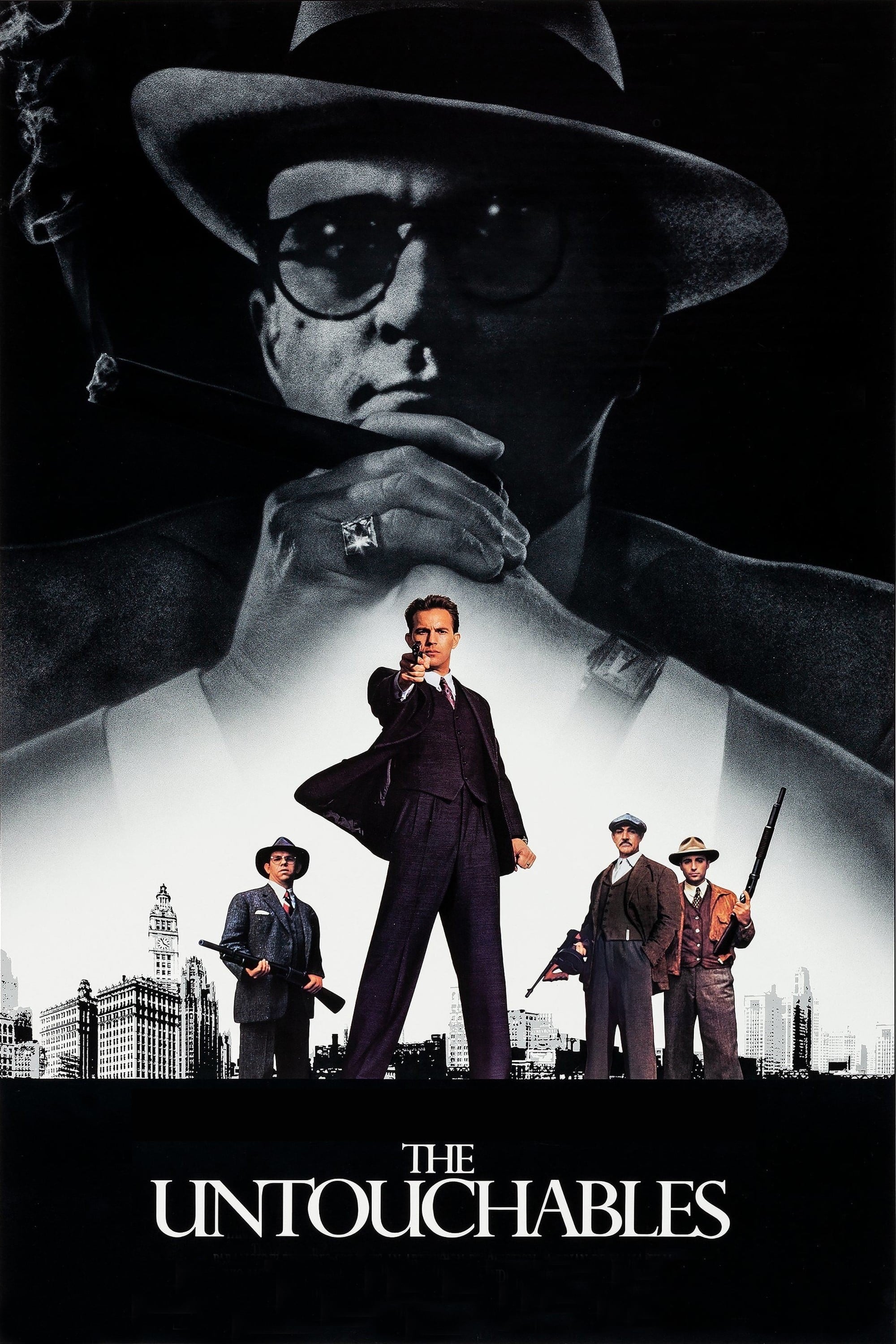
Brian De Palma dramatizes the campaign of federal agent Eliot Ness against Al Capone during Prohibition. The story follows the formation of a small team that pursues evidence of tax evasion and bootlegging.
Kevin Costner, Sean Connery, and Robert De Niro headline, with a screenplay by David Mamet and a score by Ennio Morricone. Sean Connery won the Academy Award for Best Supporting Actor, and several set pieces were staged with homages to silent era cinema.
‘A Prophet’ (2009)
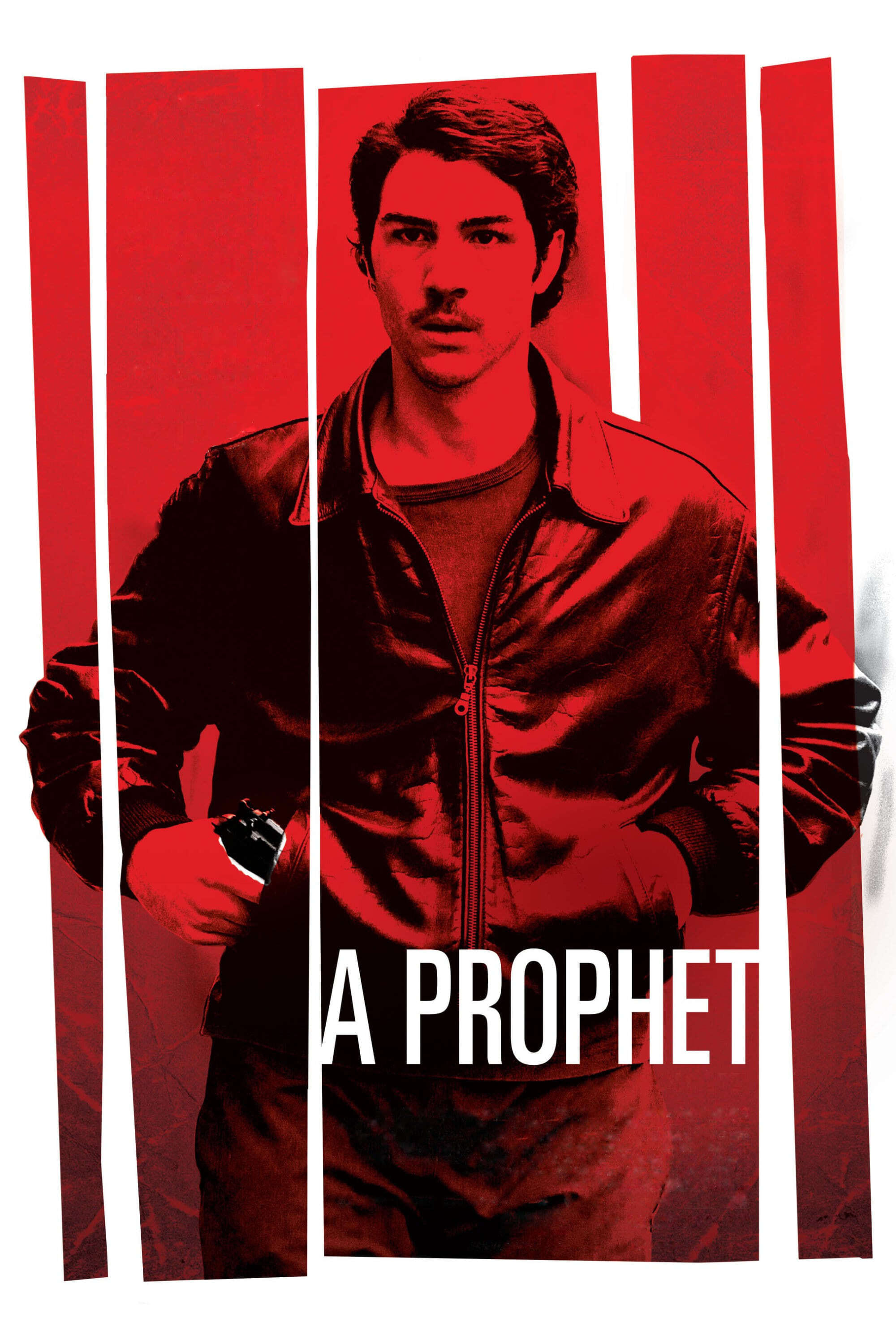
Jacques Audiard’s film follows a young French Algerian inmate who rises within a prison’s Corsican and Muslim factions. The plot shows how institutions outside and inside the walls interact through contraband networks and contract work.
Tahar Rahim leads the cast with Niels Arestrup, and the production shot in controlled environments to replicate prison structures. The film won the Grand Prix at Cannes and received extensive international recognition, bringing renewed attention to French crime storytelling.
‘Infernal Affairs’ (2002)
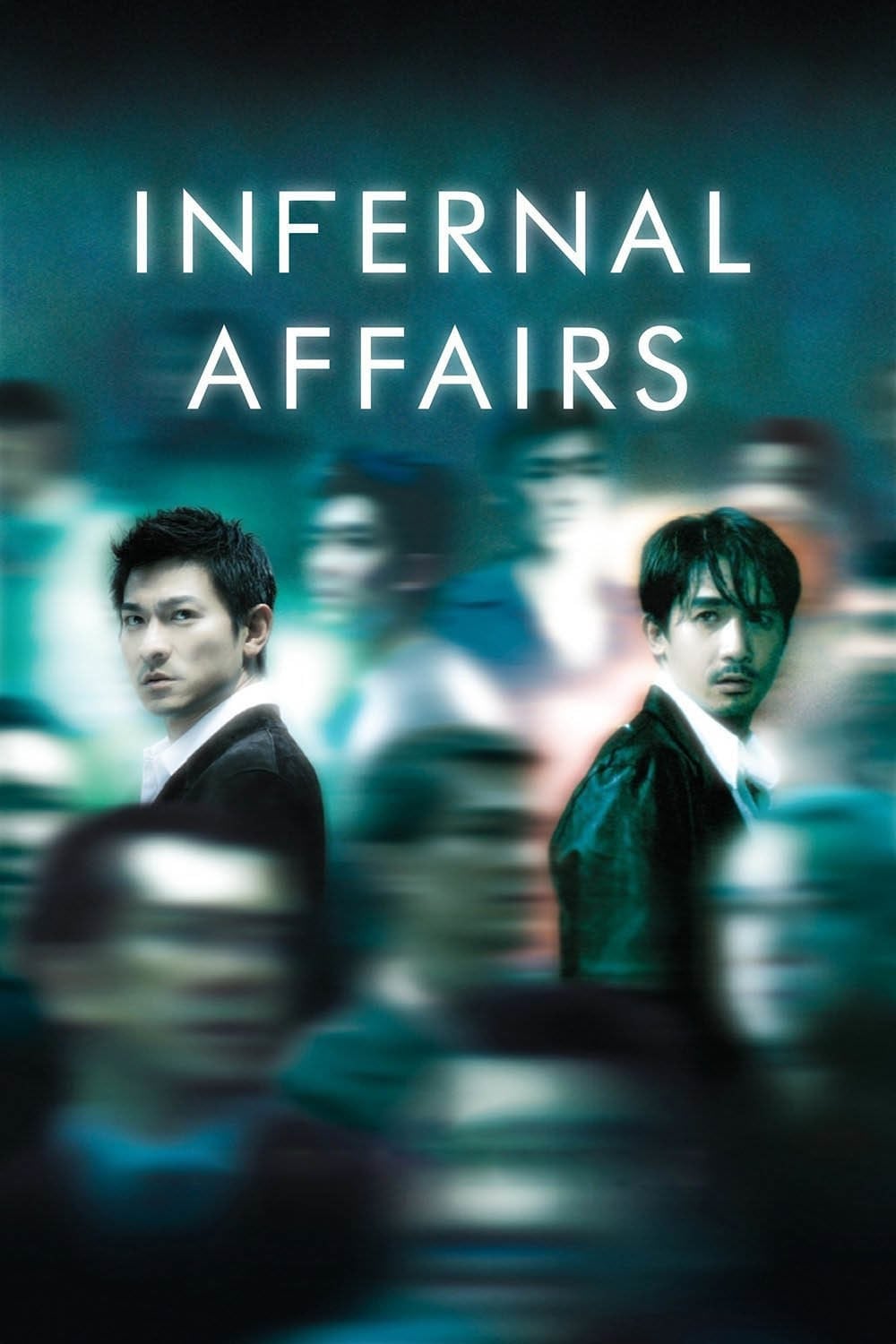
Andrew Lau and Alan Mak present parallel narratives of an undercover cop and a triad mole operating within the Hong Kong Police Force. The tension comes from both sides racing to expose the other before their covers collapse.
Tony Leung and Andy Lau star, with a tight running time that emphasizes surveillance methods and communication protocols. The film launched a successful series and inspired the American remake ‘The Departed’, creating a lasting bridge between Asian and Western crime cinema.
‘The French Connection’ (1971)
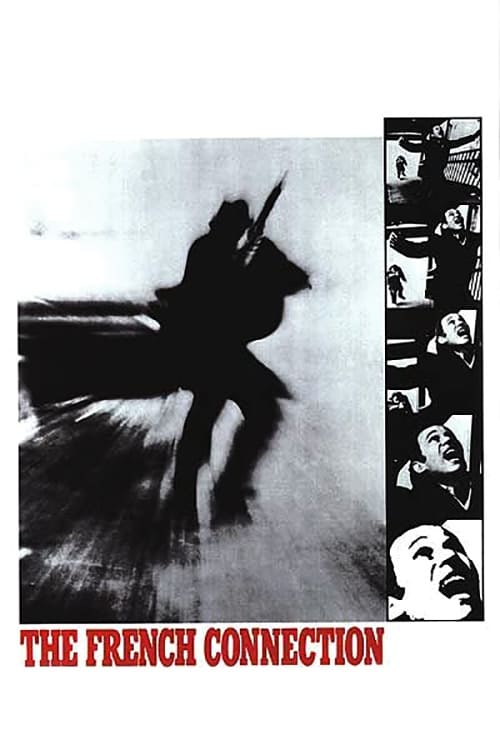
William Friedkin’s film follows narcotics detectives as they track an international heroin pipeline into New York. The investigation uses wiretaps, stakeouts, and street level informants to build a case.
Gene Hackman and Roy Scheider star, with a notable pursuit sequence staged with practical traffic and camera rigs. The film won major Academy Awards including Best Picture and Best Director, and it helped shape the modern police procedural on film.
‘American Gangster’ (2007)
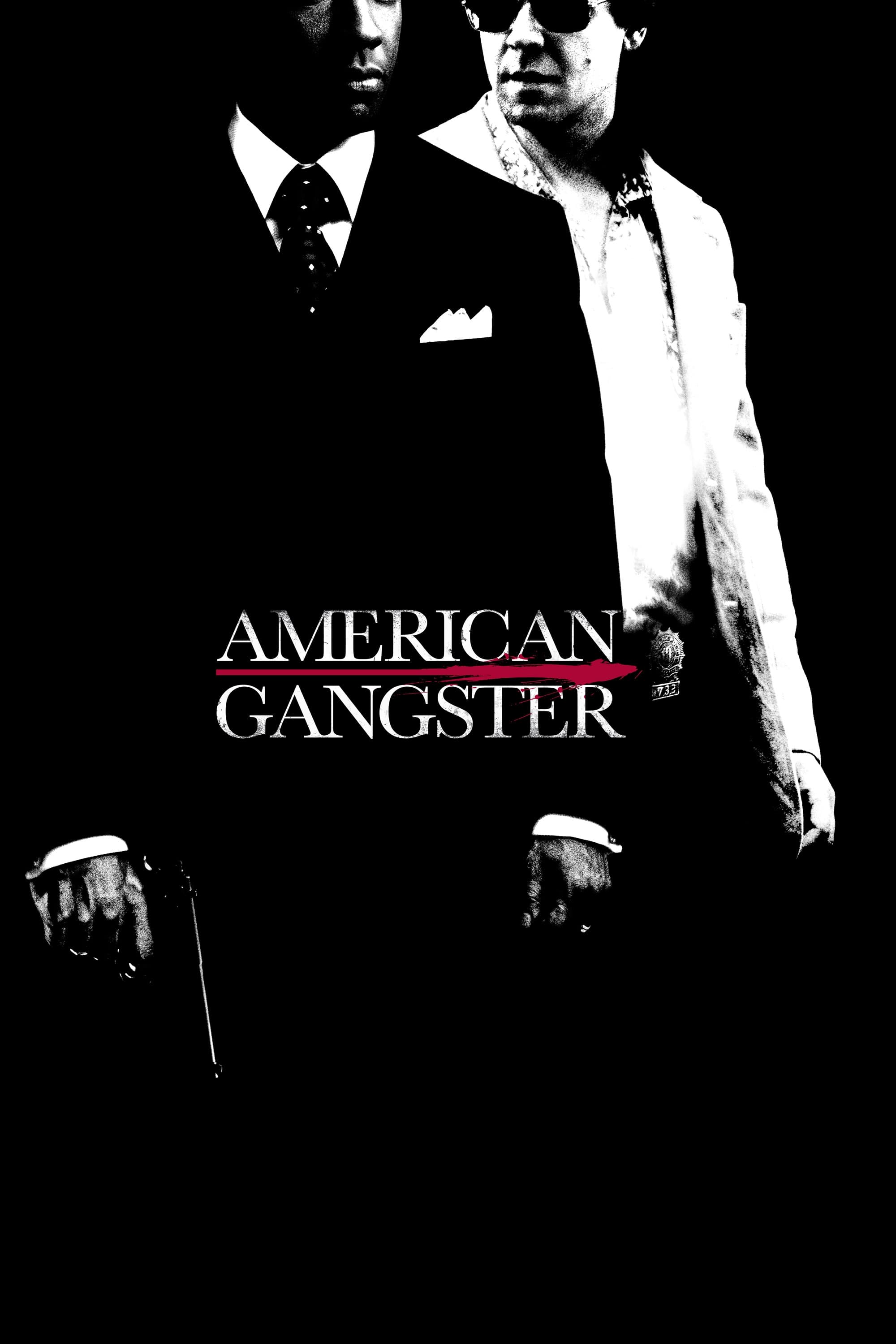
Ridley Scott tells parallel stories of entrepreneur Frank Lucas and detective Richie Roberts in New York and New Jersey. The film traces supply chains, distribution methods, and legal strategies that eventually intersect.
Denzel Washington and Russell Crowe lead an ensemble that includes Josh Brolin and Chiwetel Ejiofor. The production recreates period neighborhoods and courtrooms, and the release included an extended cut that added scenes expanding character backgrounds.
‘Bonnie and Clyde’ (1967)
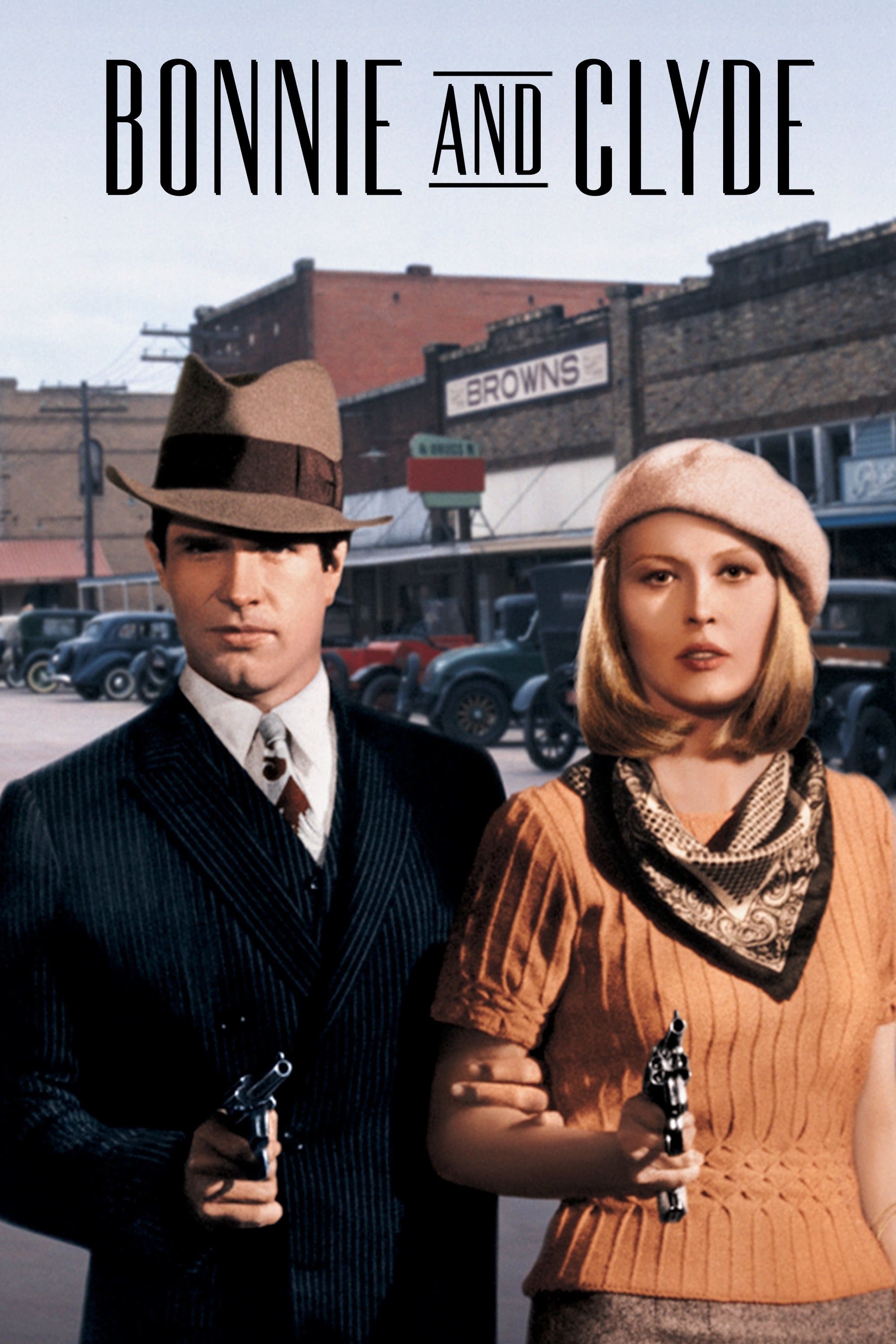
Arthur Penn recounts the partnership of Bonnie Parker and Clyde Barrow as they rob banks and evade law enforcement across several states. The film details changing public perception of the pair through newspapers and word of mouth.
Warren Beatty and Faye Dunaway star, with groundbreaking editing and staged shootouts that influenced later depictions of screen violence. The film earned multiple Academy Award nominations and became a marker for the shift toward the New Hollywood era.
‘Gangs of New York’ (2002)
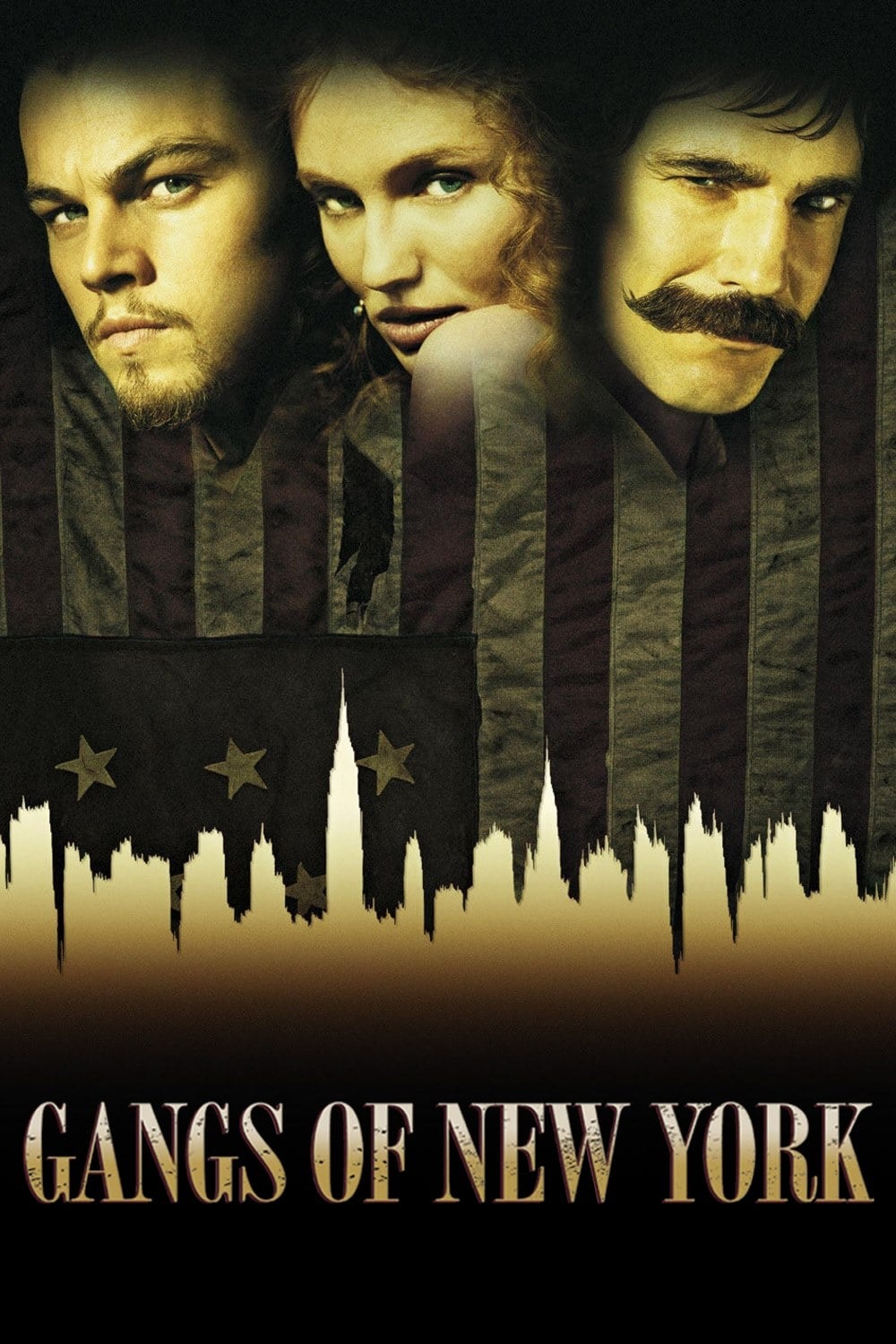
Martin Scorsese explores organized violence in mid nineteenth century Manhattan, focusing on rival groups in the Five Points district. The story connects political machines, immigrant communities, and street level power brokers.
Leonardo DiCaprio, Daniel Day Lewis, and Cameron Diaz star, with large scale sets built at Cinecittà Studios to recreate the period cityscape. The film received numerous award nominations for direction, acting, and design, and it situates crime within the formation of urban America.
‘Nayakan’ (1987)
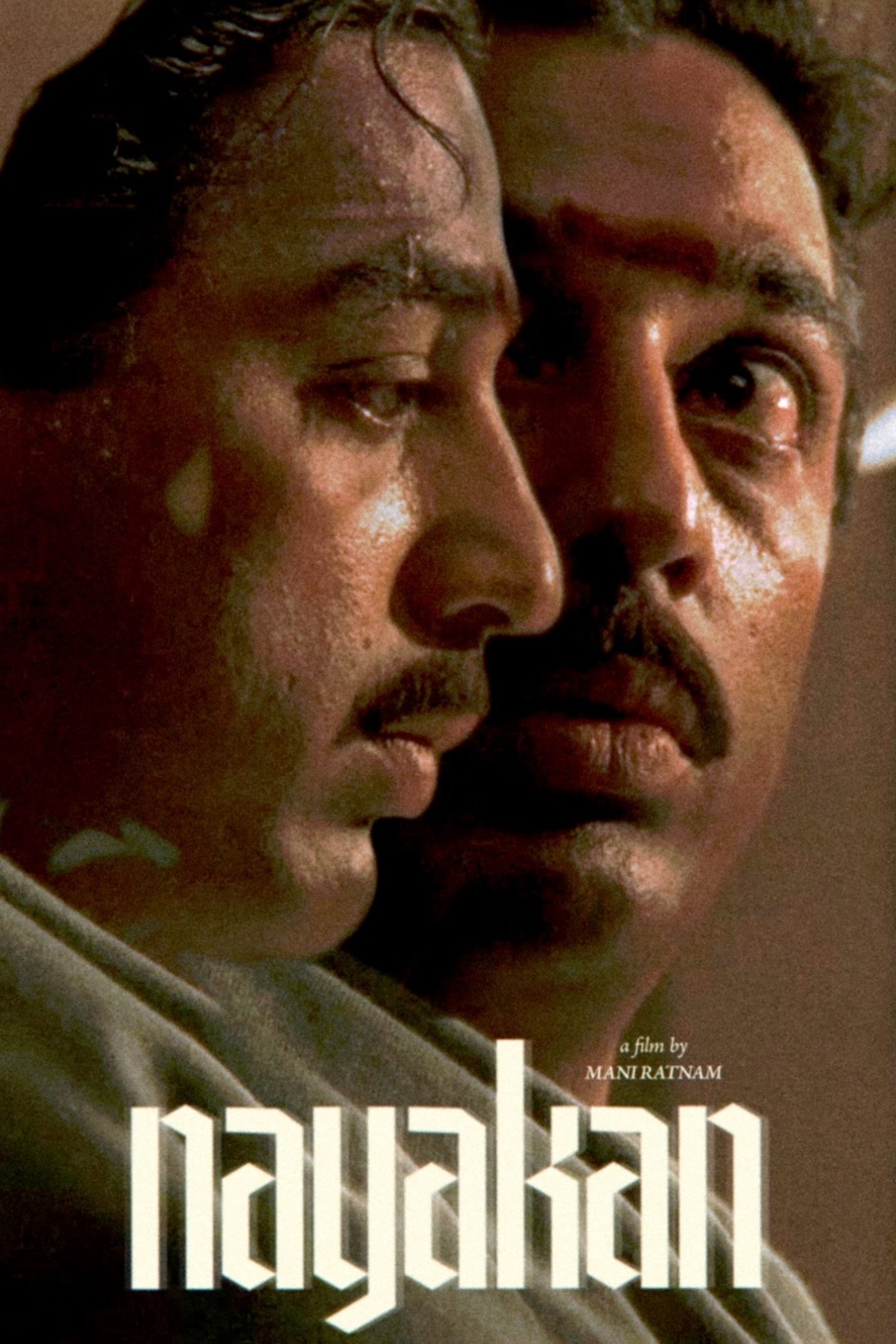
Mani Ratnam’s Tamil language film traces the rise of Velu Nayakan, inspired by real underworld figures in Mumbai. The plot shows how immigrant communities turn to informal protection and how those systems evolve into organized power.
Kamal Haasan delivers a central performance under the cinematography of P. C. Sreeram and music by Ilaiyaraaja. The film is frequently cited in Indian cinema histories, and it brought international attention to Tamil crime storytelling through festival screenings and retrospectives.
‘Gomorrah’ (2008)
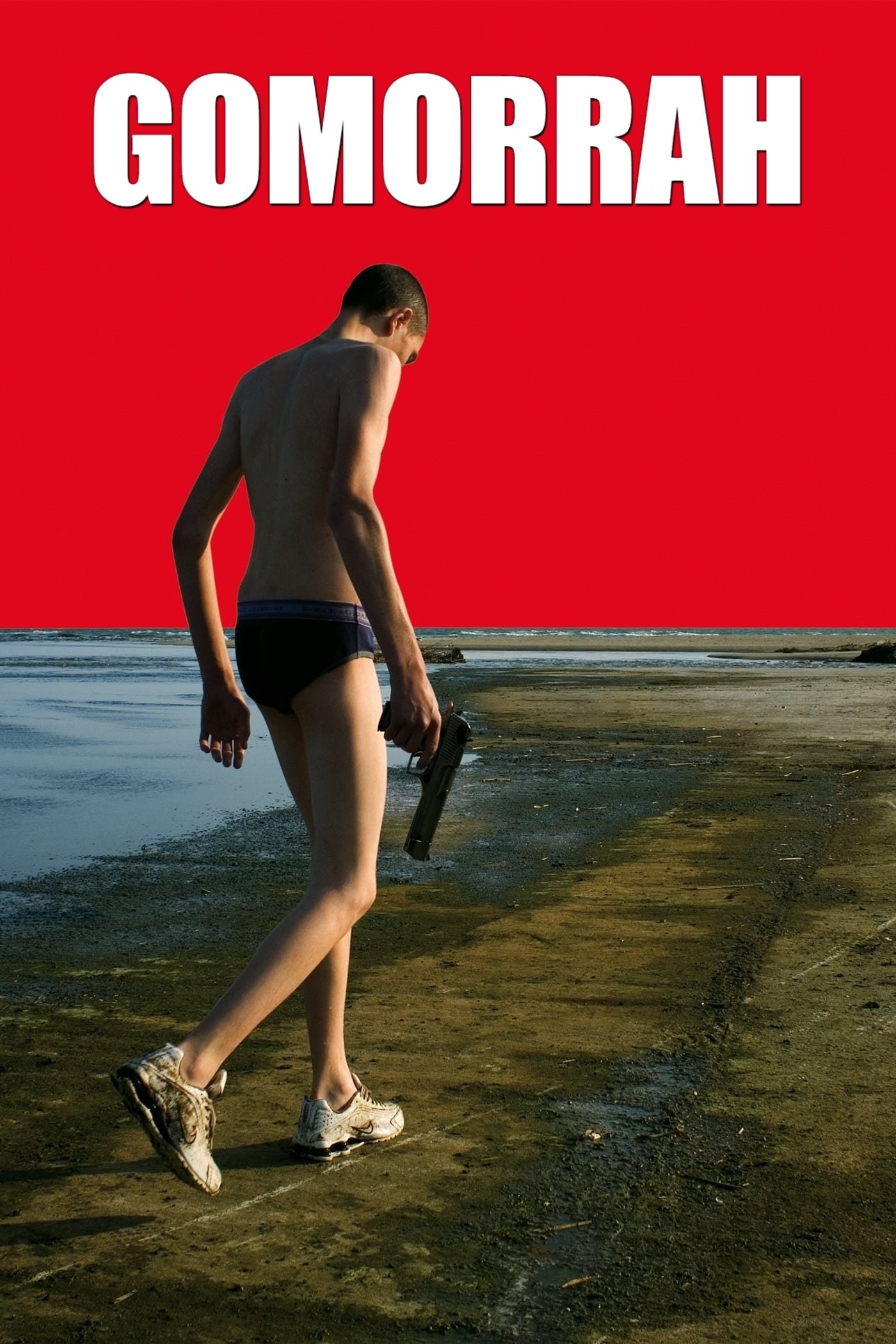
Matteo Garrone adapts Roberto Saviano’s book about the Camorra in Naples, presenting interlocking stories about waste management, fashion, and street level crews. The structure emphasizes how legitimate businesses and criminal enterprises overlap.
Non professional actors and location shooting contribute to a documentary like texture, and the film won the Grand Prix at Cannes. The project later expanded into a television series with new characters, while the film stands on its own as a concentrated portrait of a regional crime system.
‘The Wolf of Wall Street’ (2013)
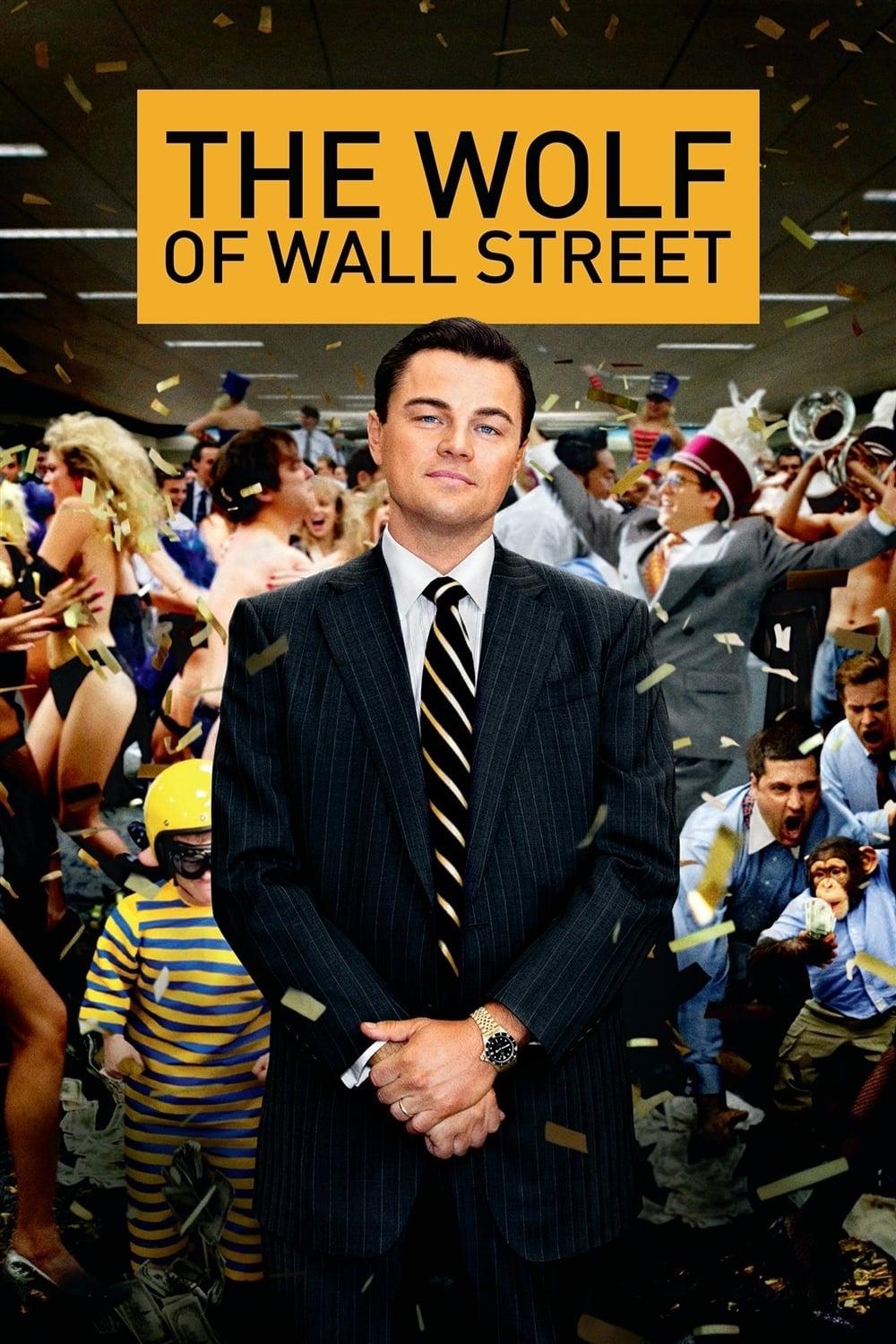
Martin Scorsese charts the career of broker Jordan Belfort, covering penny stock operations, pump and dump schemes, and money laundering. The narrative shows how corporate structures, offshore accounts, and employee culture support financial crimes.
Leonardo DiCaprio and Jonah Hill lead the cast with Margot Robbie and a wide ensemble. The film earned multiple Academy Award nominations and sparked public discussion about financial regulation and the entertainment industry’s depiction of white collar crime.
Share your favorite crime epic and the one you think more people should watch in the comments.