


Top 20 Movie Depictions of the Future

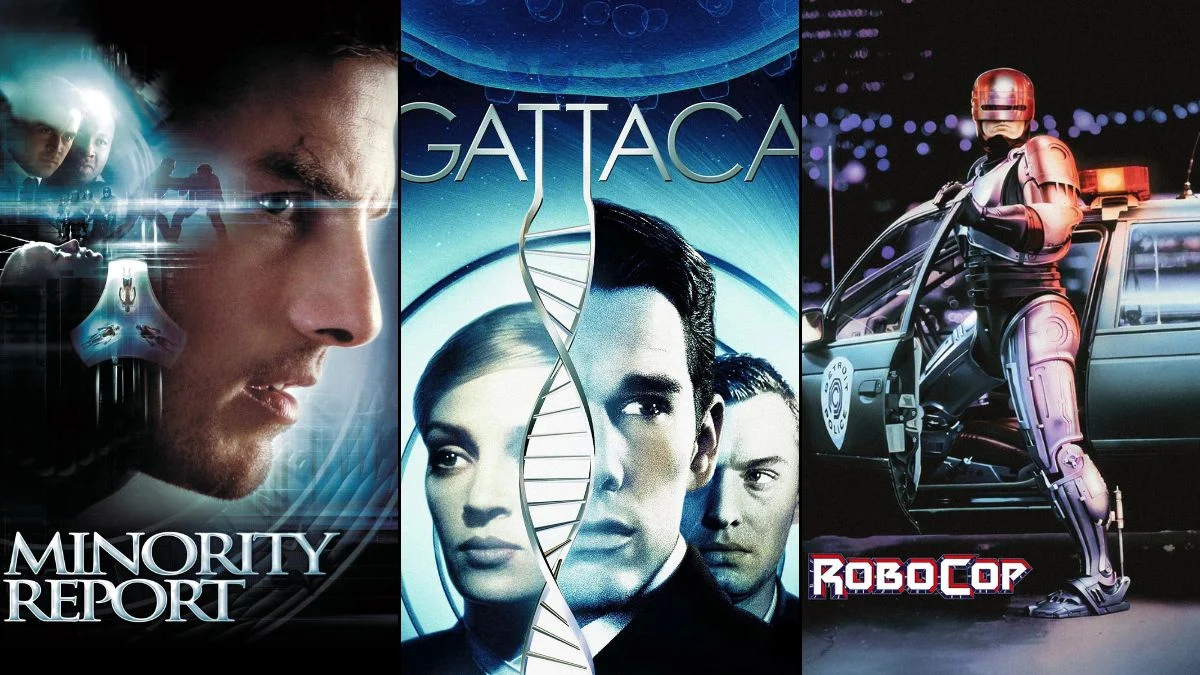


The future has been imagined in many different ways on screen. Some films picture sleek cities and seamless technology. Others show hard survival and strained societies. All of them use worldbuilding to explain how people live, travel, work, and govern themselves in times ahead.
This list gathers twenty films that spend real time on how tomorrow might function. Each one lays out systems and tools that define daily life in its setting. You will find details on the tech that characters use, the institutions that shape their choices, and the production facts that helped bring these futures to life.
‘Metropolis’ (1927)
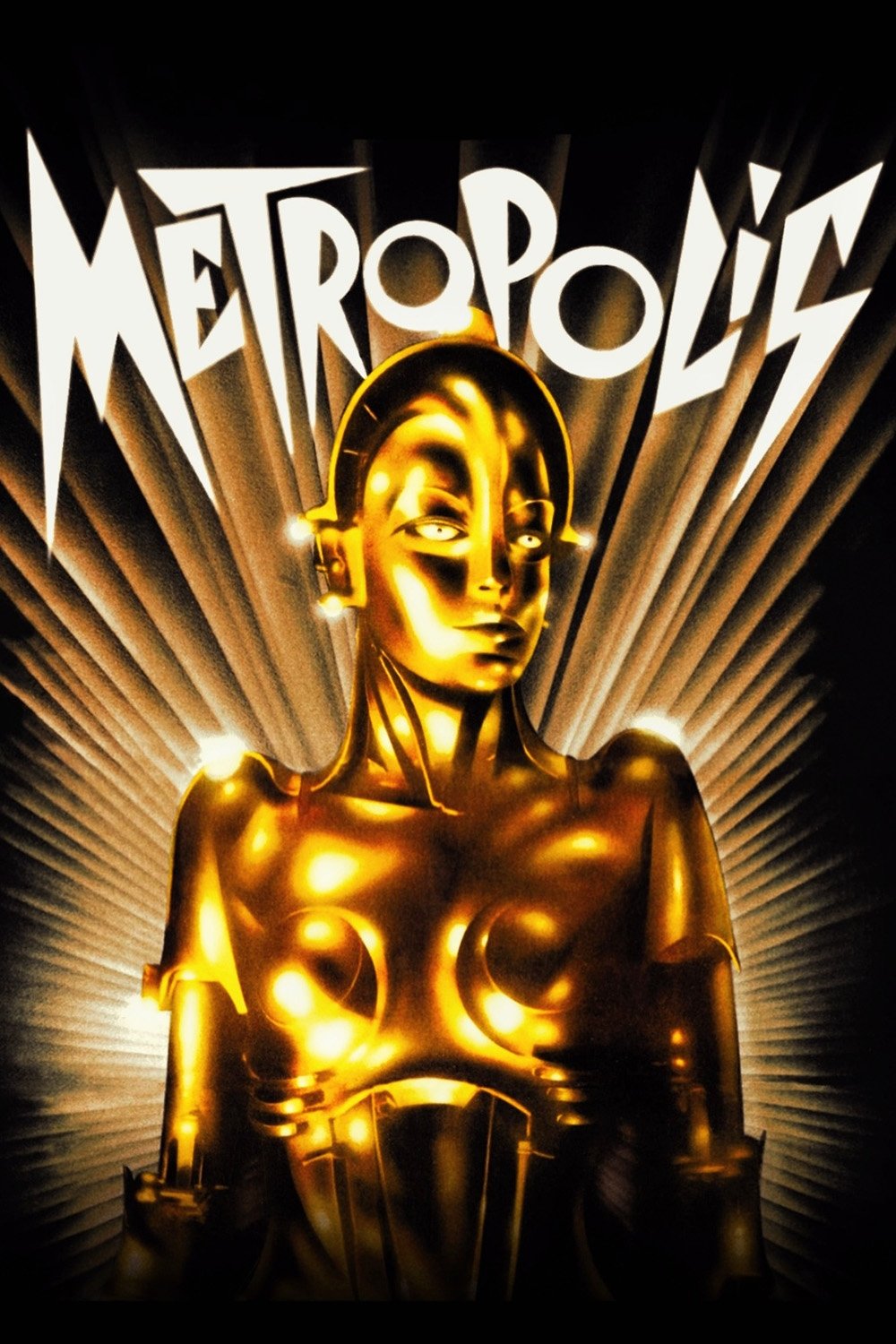
Fritz Lang’s film presents a vertical city where workers maintain massive machines below while elites live in towers above. The story follows a mediator who crosses the divide and reveals the controls that keep the engines running. Miniatures, matte paintings, and large crowd choreography show transport networks, elevators, and factory rhythms.
The production used the Schüfftan process to blend actors with models. The robot design created by Walter Schulze Mittendorf became a reference point for later androids. The film’s restored versions reintroduced missing scenes that clarify the social order and the transmission of power in the city.
‘2001: A Space Odyssey’ (1968)
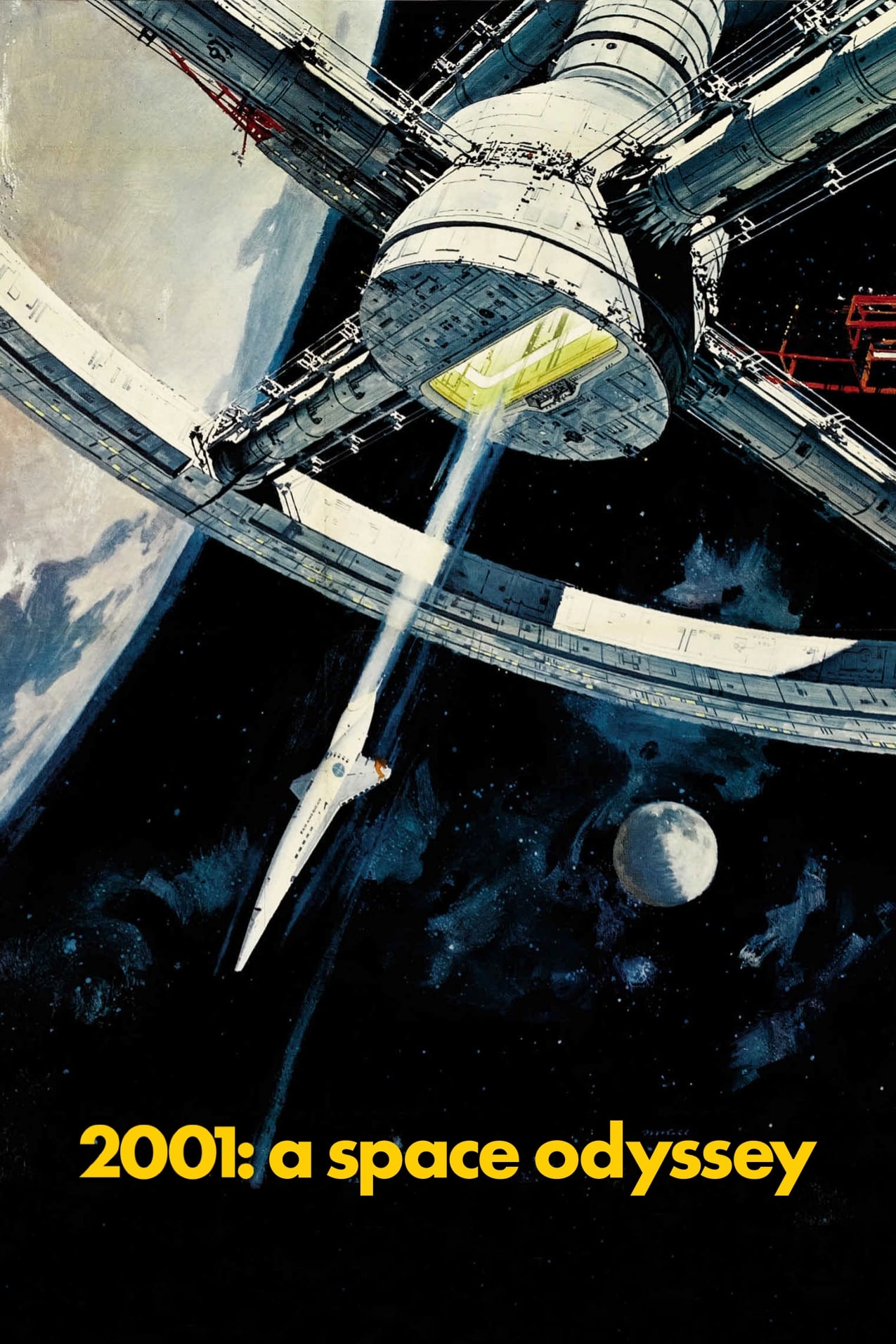
The film maps a progression from early tool use to interplanetary travel. It details commercial spaceflight procedures, orbital stations, and long duration missions supported by artificial intelligence. The HAL 9000 system manages life support and navigation while crew protocols outline checks and overrides.
Douglas Trumbull led visual effects that built rotating sets for artificial gravity and front projection for lunar vistas. The narrative uses minimal dialogue and documented hardware operation to ground space travel. The production collaborated with aerospace consultants to model cockpit layouts and mission profiles.
‘A Clockwork Orange’ (1971)

The story outlines a state response to violent crime through behavioral conditioning. It depicts a youth subculture with its own clothing, slang, and gathering places. The Ludovico technique sequence explains step by step how aversion therapy is administered and monitored.
Anthony Burgess’s source novel supplies the invented language and social structure. Stanley Kubrick’s location choices in modernist housing estates present a near future without new skylines. The film’s design uses existing architecture and modified interiors to show policy change rather than technological leaps.
‘Blade Runner’ (1982)
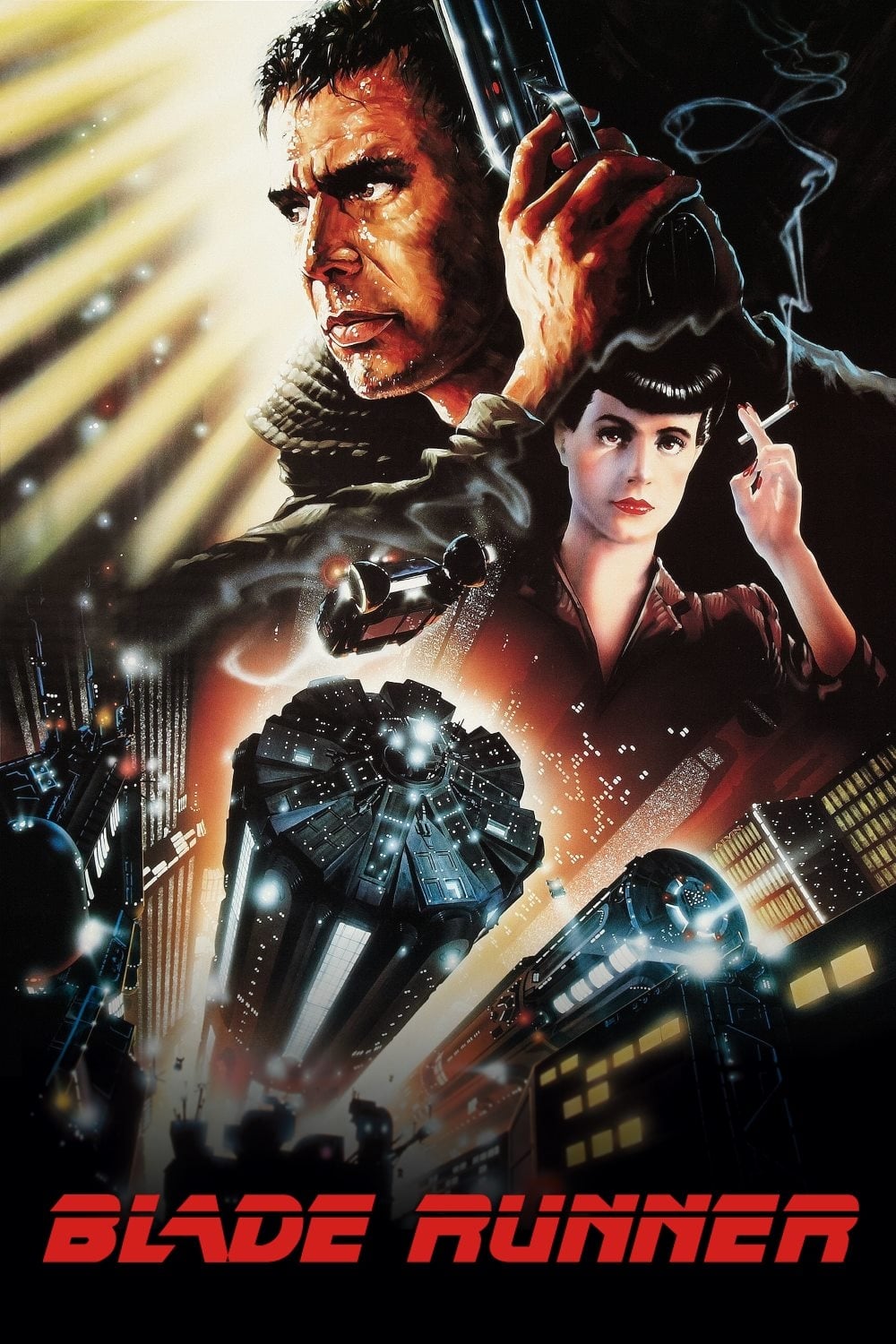
Los Angeles is pictured with off world advertising, multinational megacorps, and synthetic humans called replicants. The Voight Kampff test evaluates empathy through controlled stimuli, and the Esper machine reconstructs scenes from photographs. Environmental conditions drive constant rain and street level crowds.
Ridley Scott’s team built layered miniatures and practical neon signage to create dense streets. Syd Mead’s concept art guided vehicle forms and corporate towers. The film’s multiple cuts adjusted narrative emphasis while maintaining a consistent industrial ecology of biotech and surveillance.
‘RoboCop’ (1987)
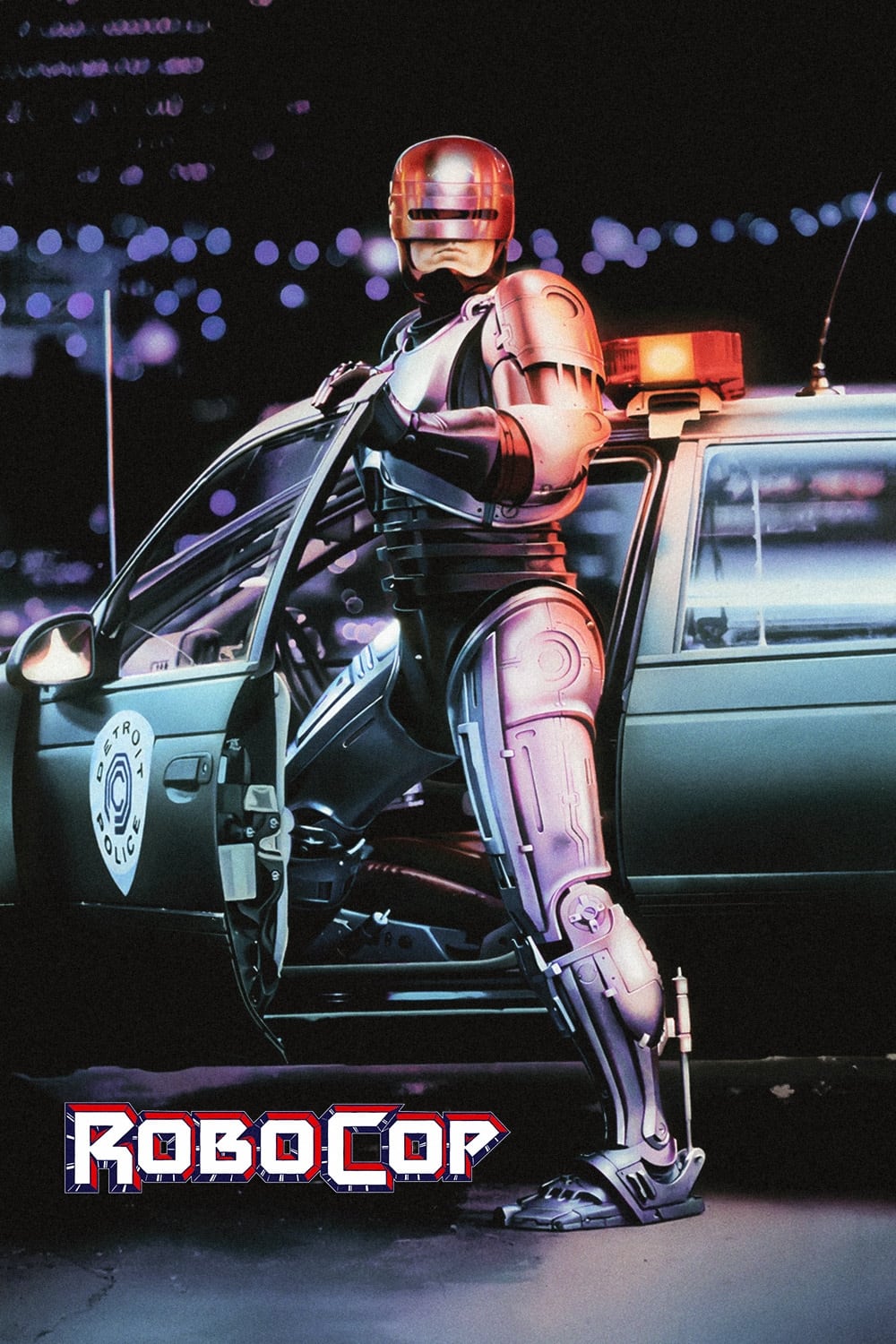
The film sets corporate governance inside a city police contract. Omni Consumer Products pilots privatized law enforcement, urban redevelopment, and defense technology. The ED 209 platform and the RoboCop program show two approaches to force and compliance software.
Paul Verhoeven’s production uses in universe news segments and ads to explain corporate plans and public response. The suit built by Rob Bottin defines the interface between human memory and machine directives. Location work in Dallas stands in for Detroit to present boardrooms, factories, and streets in one civic system.
‘Brazil’ (1985)
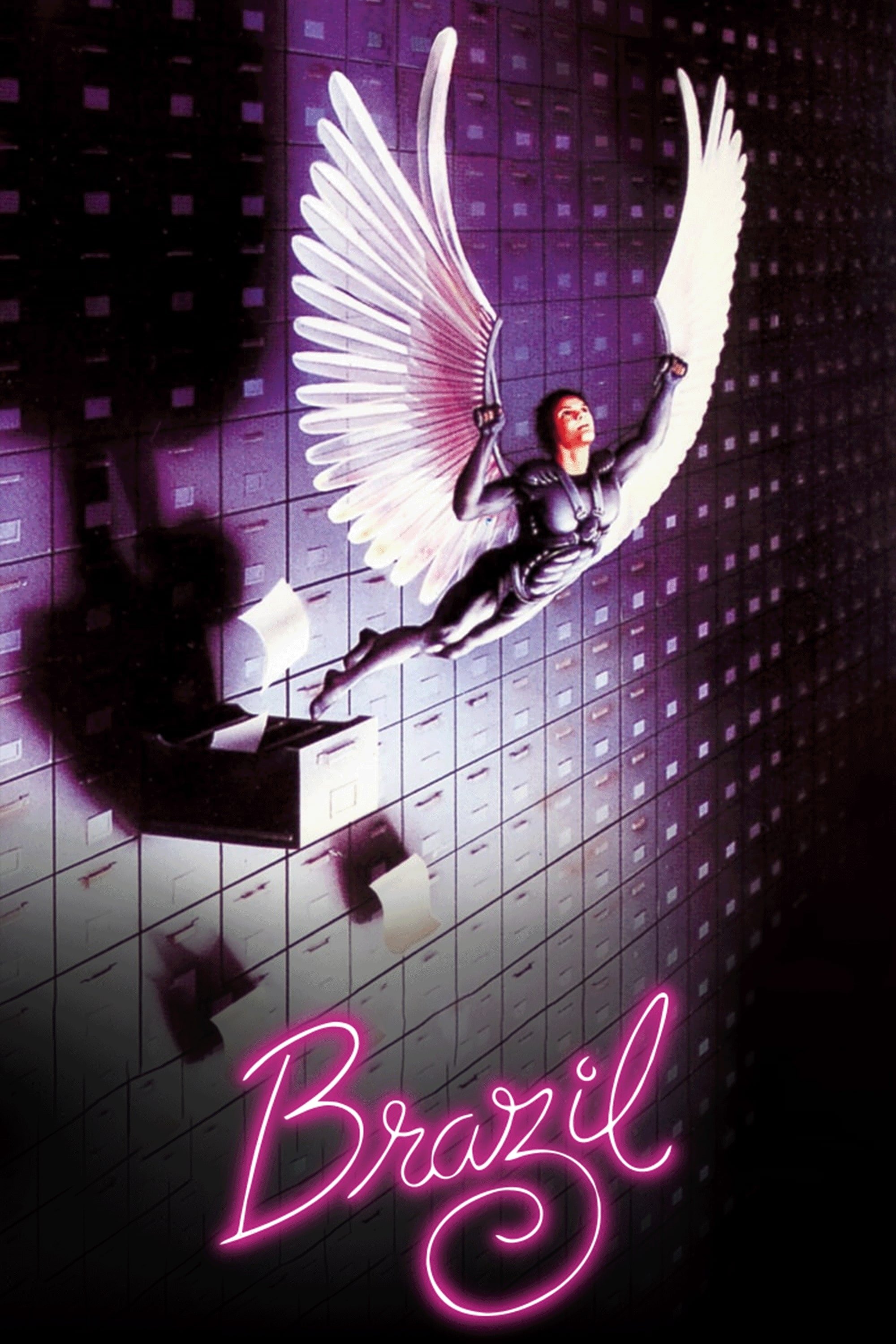
A bureaucratic state manages daily life with paperwork, ducts, and rigid forms. A single clerical error sets off a chain of official actions that cannot be reversed without stamps and codes. Technology includes pneumatic message tubes and repair crews who control access to utilities.
Terry Gilliam’s design blends retro machines with sprawling office sets. The narrative shows how citizens request services and how maintenance crews assert jurisdiction. The film’s departments and procedures mirror an organization chart that explains who can sign what and when.
‘Akira’ (1988)

Neo Tokyo is built on the ruins of a disaster site with military research ongoing under stadium foundations. The plot tracks two friends pulled into a program that studies psychic power and its instability. Motorcycle gangs, protest groups, and security forces move through districts with distinct rules and checkpoints.
Katsuhiro Otomo’s adaptation compresses a longer manga while preserving institutional layers. The animation details signage, transit maps, and police equipment. Crowd scenes and infrastructure failures reveal how the city responds to emergency orders and containment decisions.
‘Terminator 2: Judgment Day’ (1991)
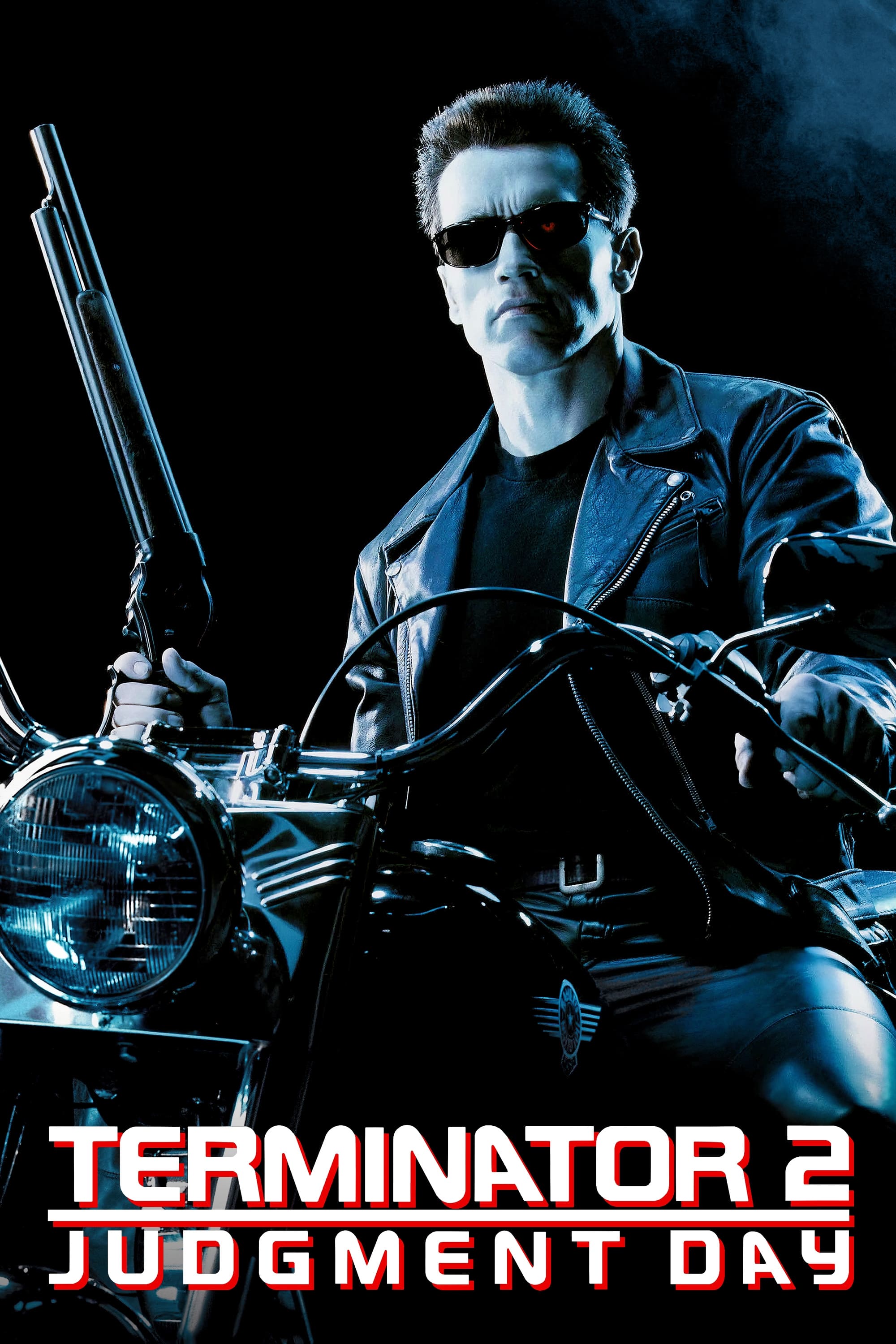
The film defines a machine led war where automated systems identify and target humans. Time displacement provides a method to influence earlier decision points. The T 1000 introduces a liquid metal platform that can mimic appearance and reform after damage.
Industrial Light and Magic developed computer generated morphing that integrates with practical effects. The script explains access to source code, chip destruction, and the logic of preventing an AI defense network from coming online. Scenes in research labs and steel mills show how materials and processes affect the combatants.
‘Gattaca’ (1997)

Society sorts people by genetic screening at birth and during hiring. Identity checks rely on samples taken from everyday contact points like keyboards and door plates. The protagonist demonstrates how blood, hair, and skin trace management can defeat constant testing.
Andrew Niccol’s production places clean lines and mid century architecture to show order and selection. Workplace routines include launch schedules, biometric gates, and sample audits. The film outlines legal categories for valid and invalid status and the career ceilings that follow.
‘The Fifth Element’ (1997)
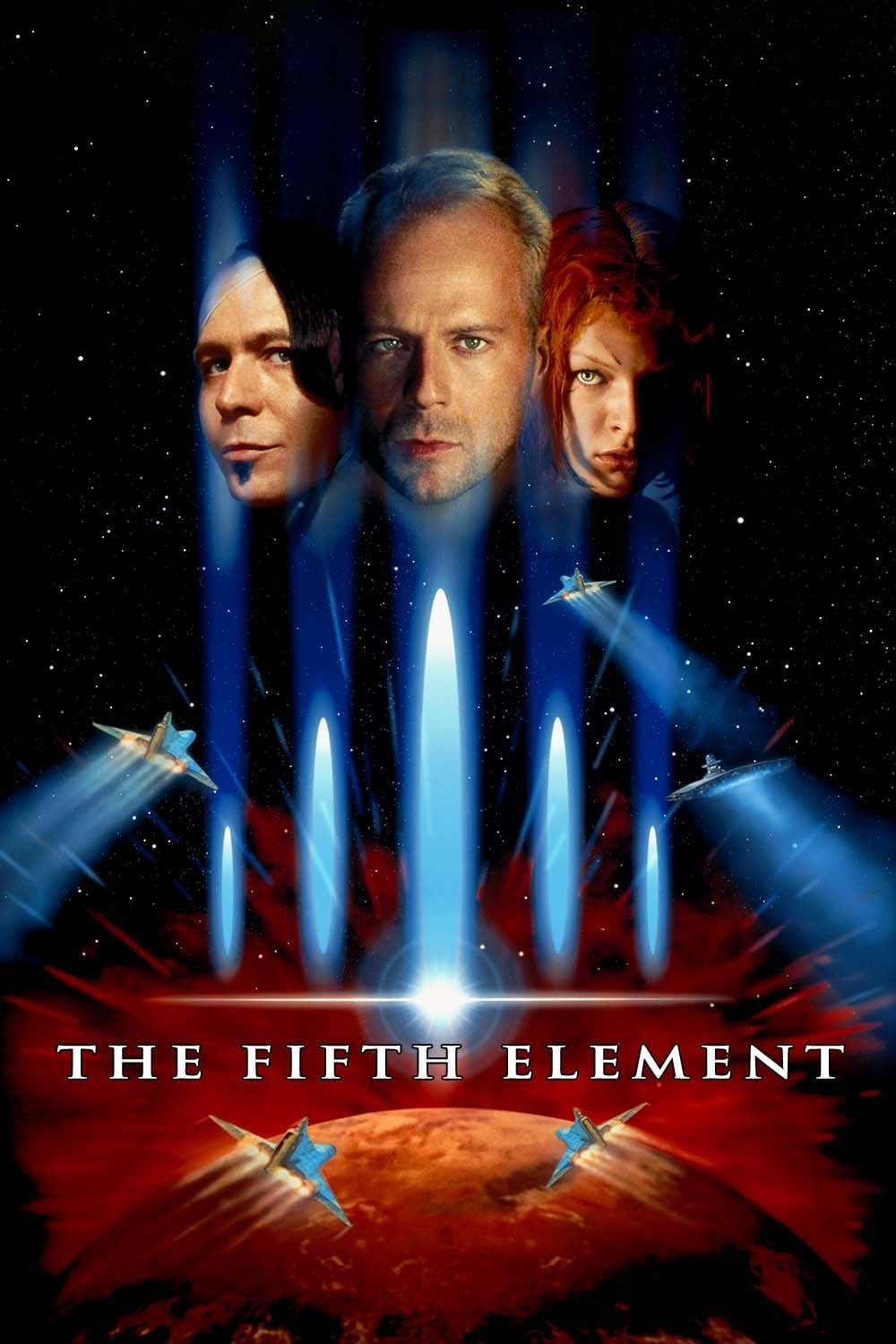
A future Earth faces a cyclical threat that is countered by a combination of ancient artifacts and advanced travel. The story introduces vertical traffic, cruise starliners, and integrated communication in clothing and apartments. Police procedures and corporate competition intersect during a high profile operation.
Luc Besson’s team collaborated with fashion and comic artists to design uniforms, taxis, and passenger decks. Miniatures and digital composites build a city with stacked lanes and docking platforms. The film explains how tickets, passports, and security clearances move characters between locations.
‘The Matrix’ (1999)
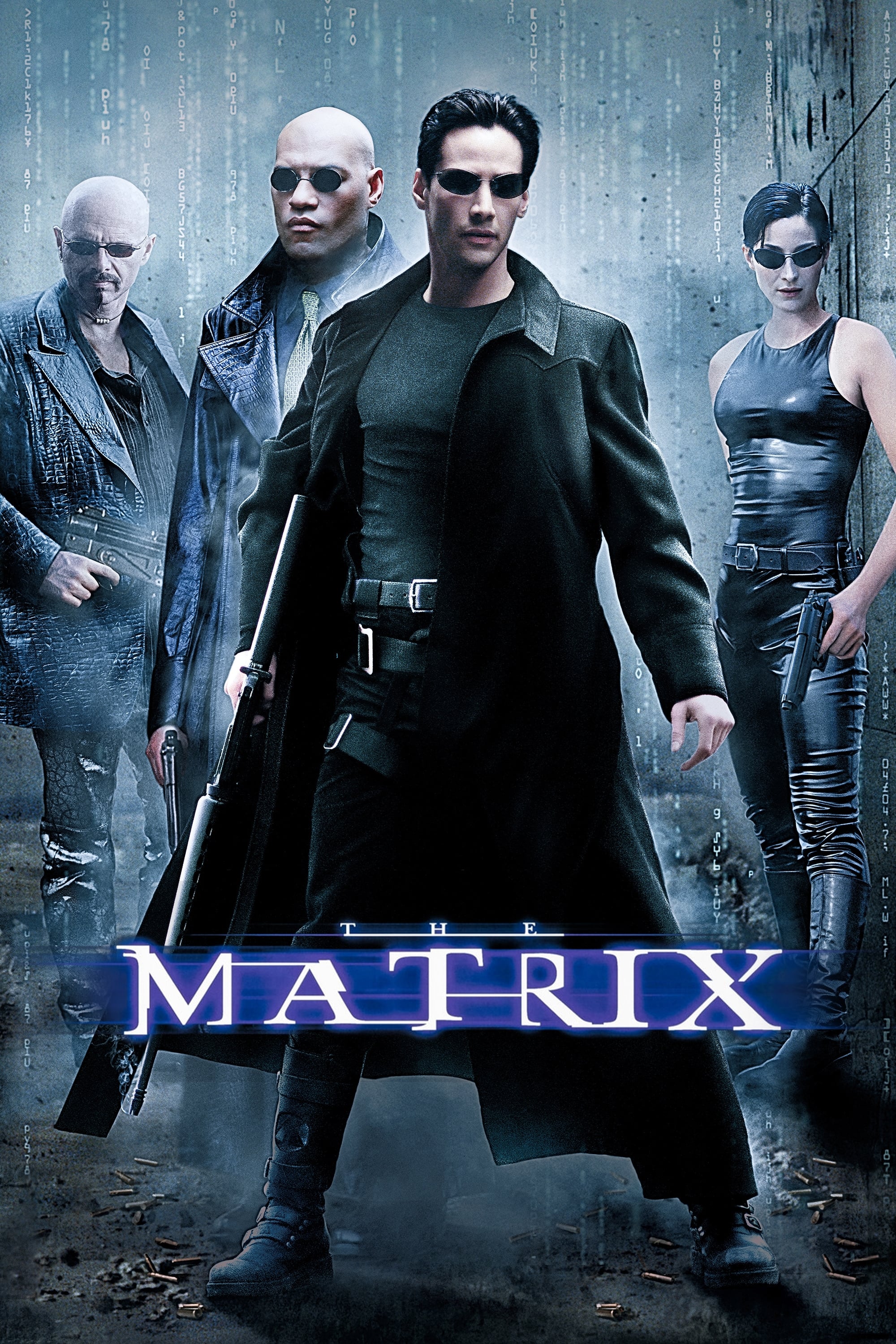
Humanity lives inside a simulated environment while machines harvest energy in the physical world. Operators interface with the construct through hardline connections and loading programs that grant skills. Agents act as system guardians that rewrite space and pursue intruders.
The production pairs wire work with bullet time photography to visualize code manipulation. The narrative details ship crews, EMP weapons, and access points that hide in everyday infrastructure. The future city of Zion appears with maintenance tunnels and command protocols for defense.
‘Minority Report’ (2002)

The Precrime division uses precognitive visions to allocate officers before a murder occurs. Interfaces rely on gesture control, personalized advertising, and optical identification. Data is recorded on holographic displays that can be scrubbed, paused, and reframed for analysis.
Steven Spielberg consulted with technologists to map consumer tracking and smart homes. The film shows legal oversight through warrants and hearings that test chain of evidence. Transportation includes automated highways and vehicle factories that assemble cars around passengers.
‘Children of Men’ (2006)
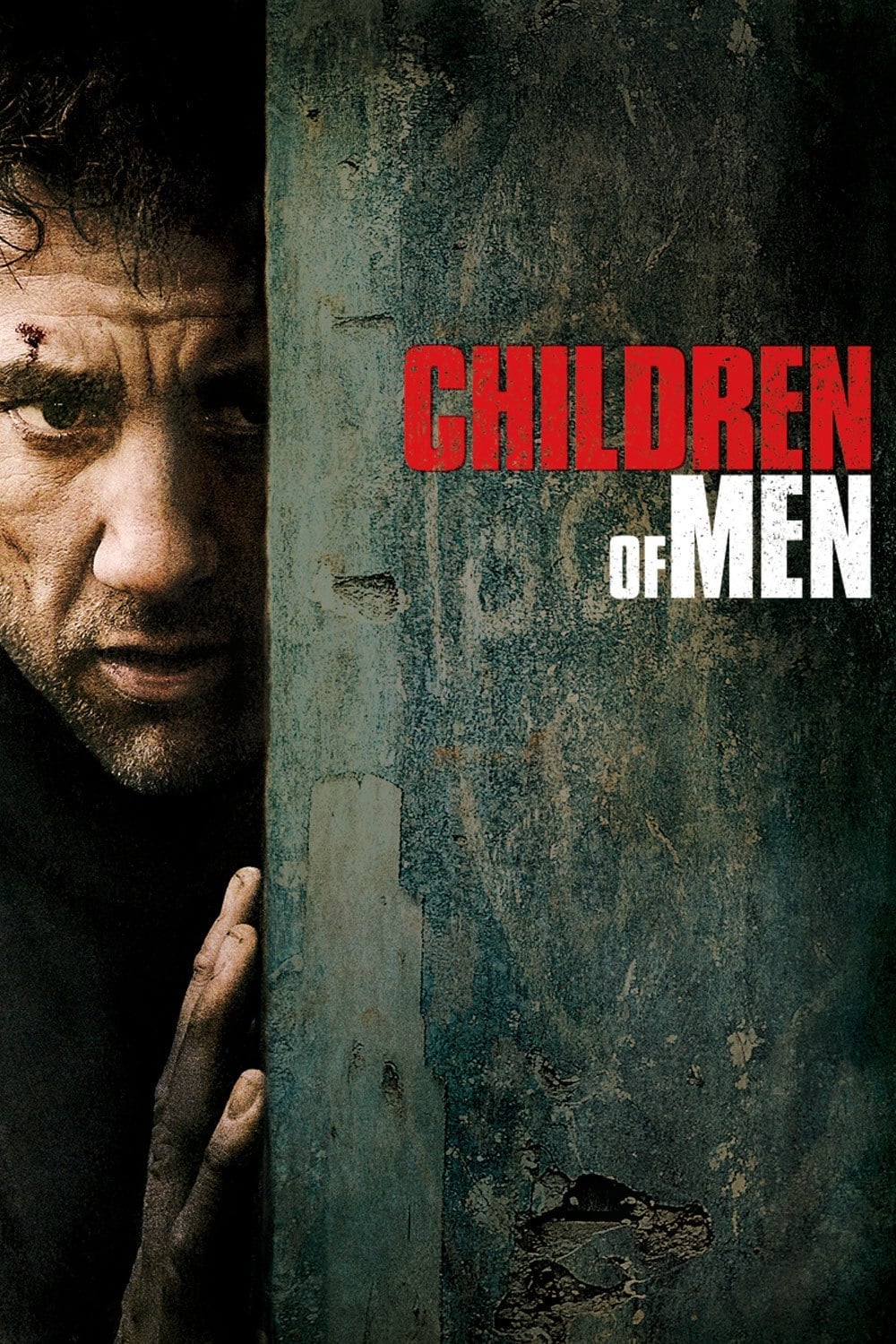
The setting describes a world with no new births and strict border controls. Government services include refugee camps, ID checks, and armored transport. Media bulletins, public notices, and propaganda outline security levels and travel restrictions.
Alfonso Cuarón’s team staged extended takes that keep vehicles, checkpoints, and urban combat readable. The film’s background details list medicinal trials and immigration policies. Resistance cells coordinate routes through safe houses while officials escalate curfews and raids.
‘WALL E’ (2008)

Earth is covered in waste while humans live on an automated ship run by a central autopilot. Service robots maintain corridors, vending, and sanitation. Personal screens deliver communication, shopping, and entertainment with minimal movement required from passengers.
Pixar designed a language of sounds and icons for robot communication. The ship’s command structure shows ranks, captains logs, and directives that cannot be altered without authorization. The film explains repair bays, charging stations, and airlock procedures that govern daily routines.
‘The Road’ (2009)

An unspecified catastrophe leaves supply chains broken and ecosystems collapsed. The story follows a parent and child who move along highways and search abandoned stores. Tools include carts, tarps, and fire starting kits with constant attention to food and clean water.
The production uses real locations to present empty towns and eroded coastlines. The film lists hazards like armed bands, contaminated goods, and severe weather. The characters use maps and memory to mark safe routes and stash points that support travel.
‘Her’ (2013)

An operating system with adaptive intelligence becomes a personal assistant that manages mail, schedules, and creative tasks. Voice interaction and small wearable devices replace larger screens in many daily uses. The city remains recognizable while services shift to invisible software.
Spike Jonze filmed in modern towers and transit hubs that already support pedestrian flow. The script documents how consent and privacy are handled in contracts with digital agents. Music composition, publishing, and dating all interface with the OS in ways that scale beyond one to one relationships.
‘Snowpiercer’ (2013)
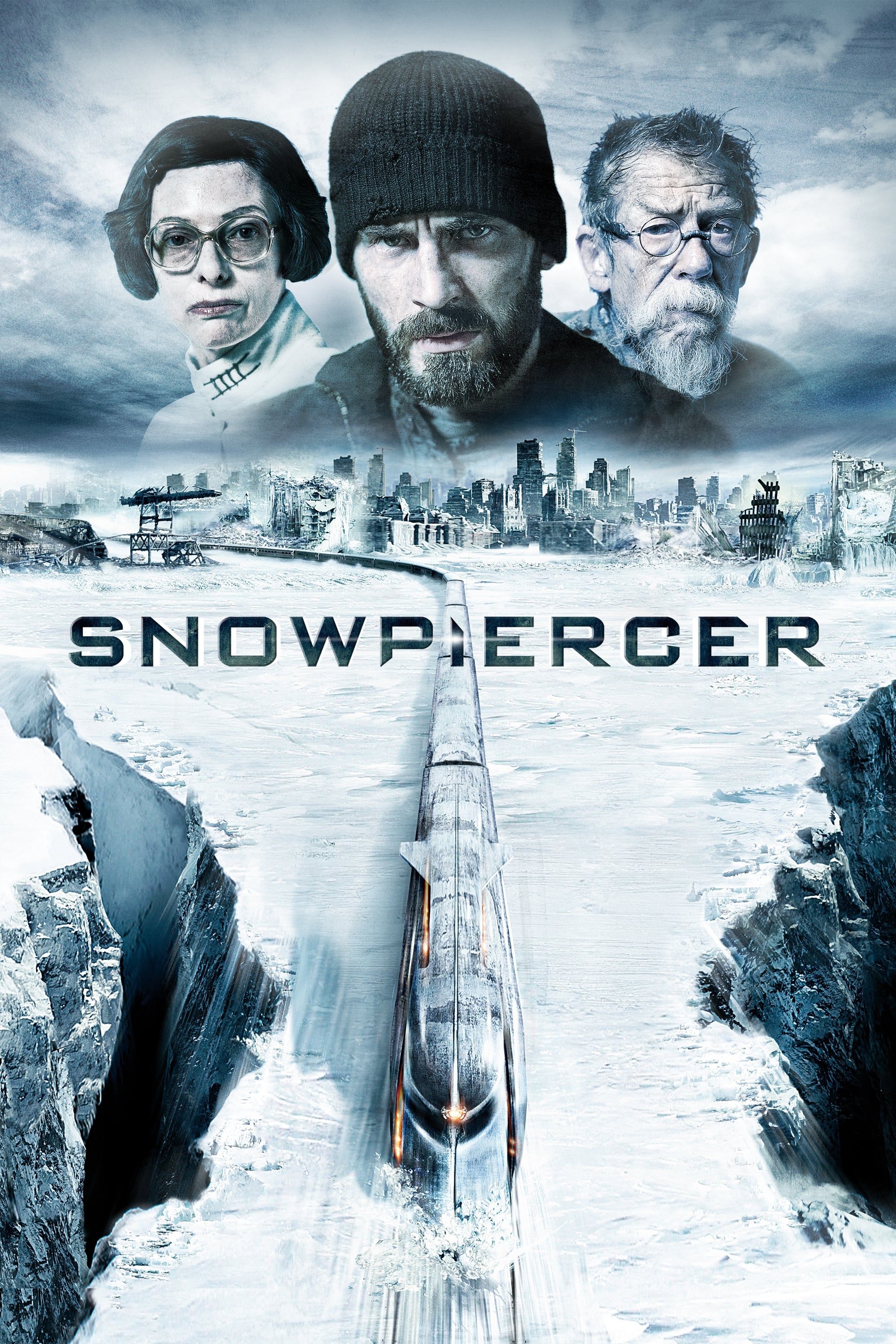
A failed climate intervention freezes the planet and survivors live on a train that circles the globe. Carriages are divided by function and status with strict control over food, education, and movement. Security teams enforce order while maintenance crews keep the engine running.
Bong Joon Ho’s layout moves from tail to engine to reveal agriculture, water systems, and manufacturing on board. The film specifies ration formulas and classroom instruction that reinforce hierarchy. The engine room explains power generation and the parts that limit repair options.
‘Mad Max: Fury Road’ (2015)

Water scarcity drives a desert civilization ruled by a warlord who controls wells and fuel. The citadel organizes labor, agriculture, and military convoys. Vehicles are modified for combat and maintenance with on the move repairs and interchangeable parts.
George Miller’s production emphasizes practical stunts and modular rigs that demonstrate how machines are kept running. The film identifies resource nodes like the fuel town and the bullet farm. Signals, steering poles, and supply hooks show communication and logistics during high speed travel.
‘Blade Runner 2049’ (2017)
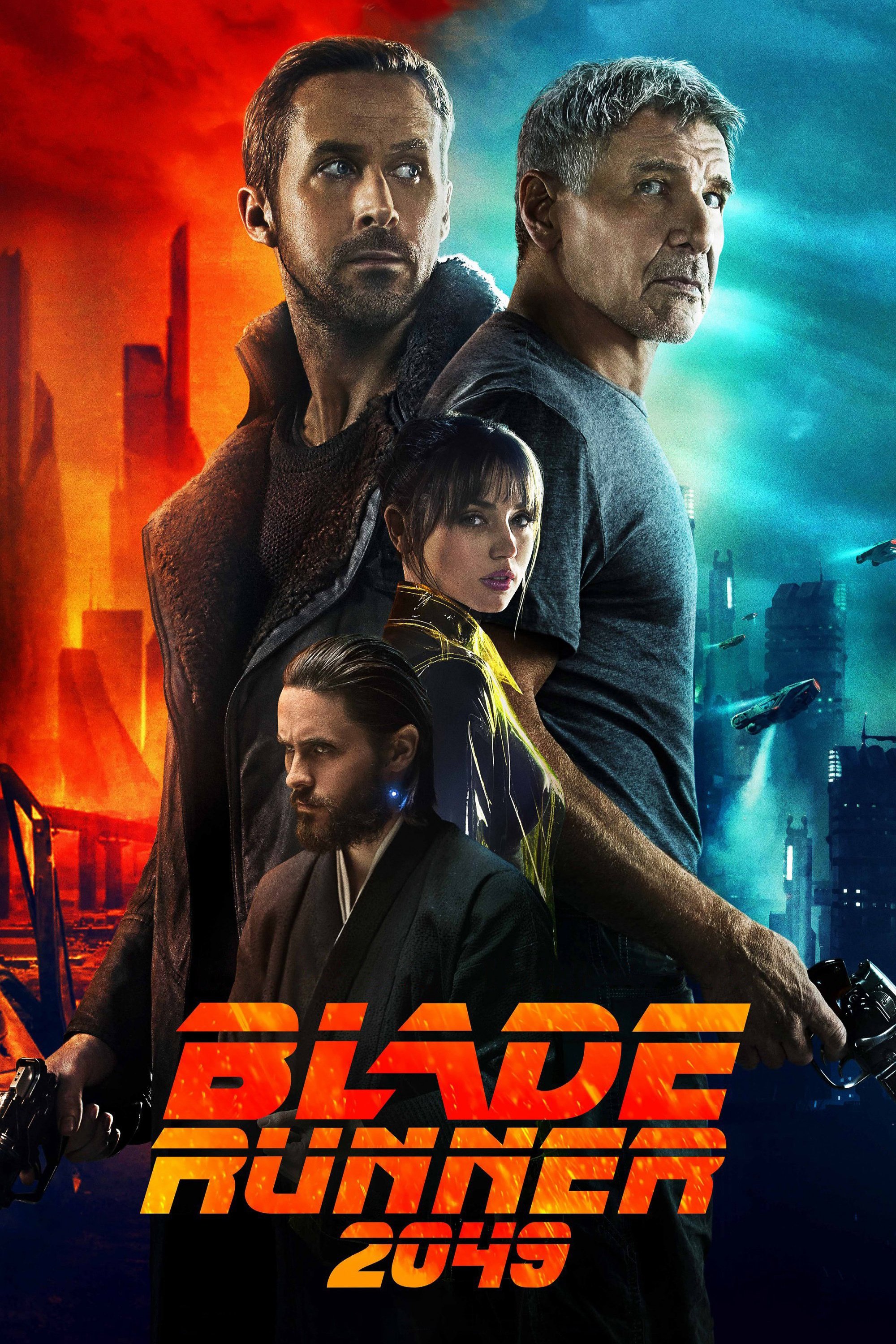
The sequel shows a reorganized world where replicant models are registered and policed by specialized officers. Farming uses protein farms and solar arrays while cities expand with large scale holographic advertising. Memory production involves lab grown modules that pass authenticity tests.
Denis Villeneuve’s team built real sets with atmospheric effects to preserve scale. Aerial shots combine miniatures and digital work to track districts and waste zones. The plot outlines corporate records, blackout data loss, and retrieval protocols that affect investigations.
‘Elysium’ (2013)

Earth’s surface population lives with limited access to healthcare while an orbital habitat maintains advanced services. The habitat uses rotating gravity and strict border enforcement. Medical pods diagnose and repair many conditions within minutes.
Neill Blomkamp’s film contrasts factory floors with gated space communities. The story shows forged IDs, shuttles, and defense networks that intercept unauthorized flights. Corporate systems run labor quotas and parole monitoring that influence every decision characters make.
‘The Hunger Games’ (2012)

A central government divides the land into districts that deliver specific goods. Annual contests serve as both entertainment and control mechanism. Media training centers teach performance and survival while sponsors transmit aid during events.
The production maps rail corridors, uniforms, and resource deliveries. The Capitol manages lotteries, mentors, and scoring that affect outcomes. District economies and black markets explain how families secure food, medicine, and extra supplies.
Share your favorite screen versions of tomorrow in the comments and tell us which film future felt the most fully built.