


Top 10 Movie Psychopaths

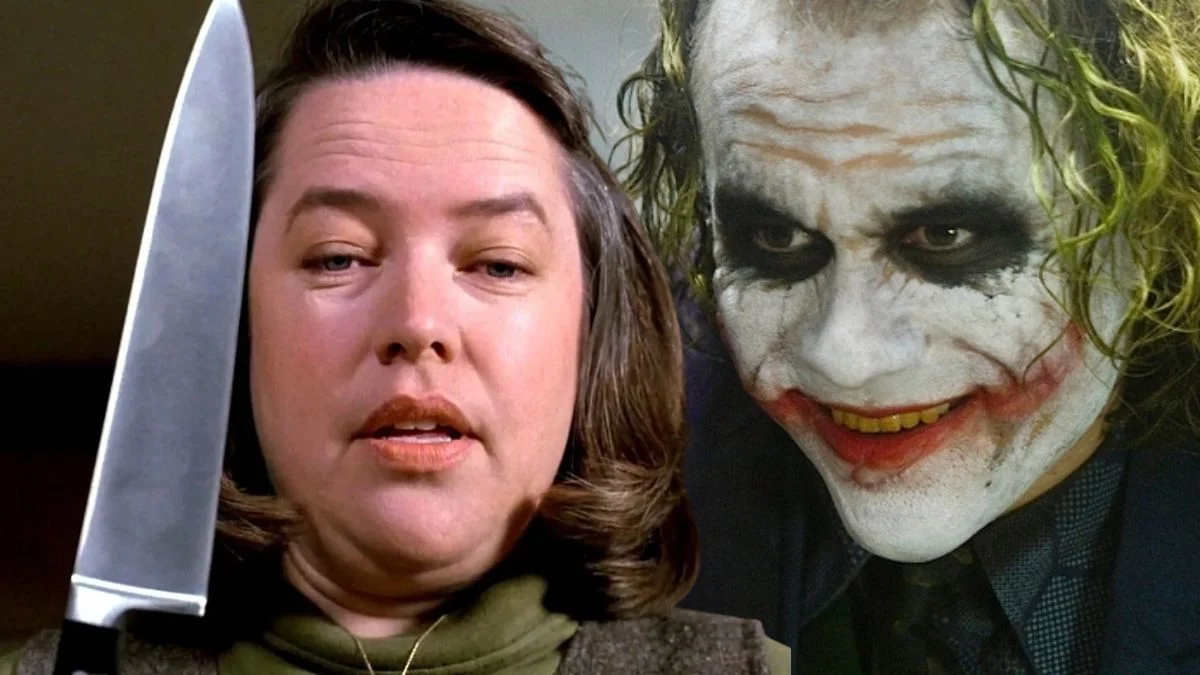


Psychopathic characters have a way of anchoring entire stories. They plan with precision, move without remorse, and pull everyone around them into their orbit. Filmmakers often build plots around their choices, and even the smallest gesture can shift an entire scene. When these characters appear, the story’s rules change and the stakes climb fast.
These roles are defined by deliberate action, distinct methods, and a calm approach to violence or manipulation. Many are drawn from novels, while others were invented directly for the screen. Each one leaves a clear trail in the narrative, whether through meticulous schemes, unusual tools, or a chilling kind of logic that never seems to crack.
Norman Bates in ‘Psycho’
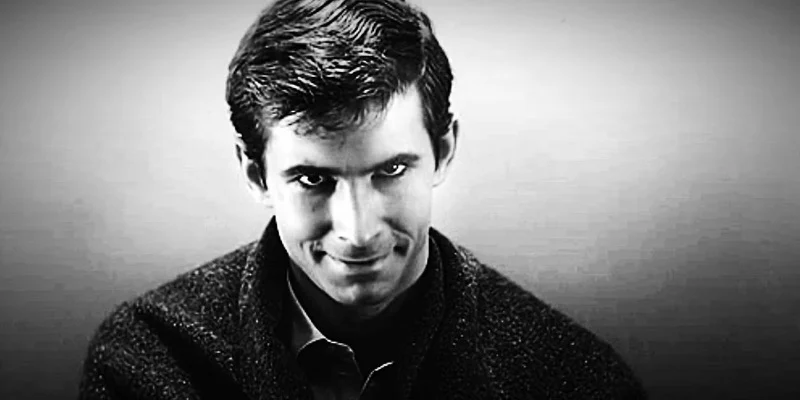
Norman Bates runs the Bates Motel and lives in the house above it. He presents himself as a polite caretaker to travelers who pull off the highway during a storm. His mother is the name everyone hears, yet she is not the one greeting guests at the desk. The setting allows him to isolate victims and hide evidence inside the property.
The film uses a peephole, a shower curtain, and a basement to reveal Norman’s double life. Taxidermy and a second voice tie into his split identity. Investigators, including a private detective and a concerned sister, track a missing person to the motel. The truth is uncovered through a hidden staircase and a final reveal inside the fruit cellar.
Hannibal Lecter in ‘The Silence of the Lambs’
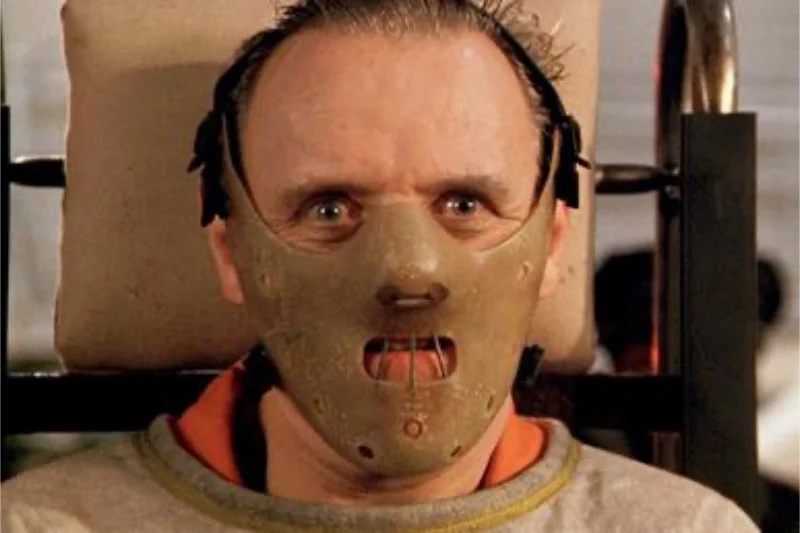
Hannibal Lecter is a former psychiatrist held in a high security cell for multiple murders and cannibalism. He engages in a structured exchange with an FBI trainee who seeks insight into another active killer. Lecter observes details others miss and leverages that information for better conditions and access to personal artifacts. His medical training gives him fluency in anatomy and behavioral cues.
He engineers an escape by turning his restraints and surroundings into weapons. A face mask and a transfer to a city jail become key parts of his plan. The story shows him using patient files, case materials, and precise language to manipulate officials. Once free, he relocates with a new identity and follows the movements of former adversaries.
Patrick Bateman in ‘American Psycho’
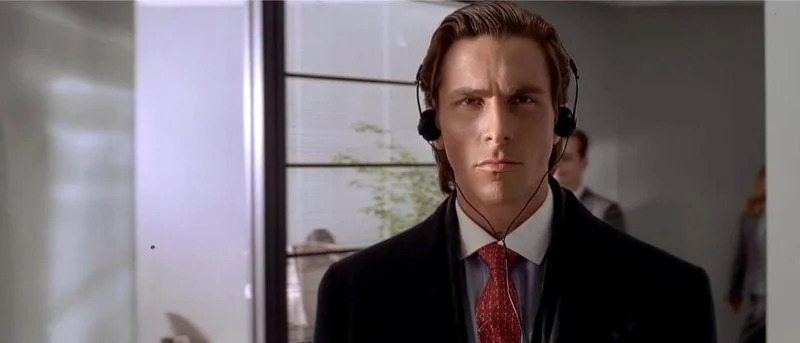
Patrick Bateman works at an investment firm and maintains a meticulous daily routine that fixes on appearance and status. He catalogs brands, tracks restaurant reservations, and compares business cards in meetings. His narration documents violent acts alongside casual social interactions. The contrast between elite settings and his crimes forms the spine of his scenes.
He uses a transparent raincoat, axes, and elaborate plastic coverings to prepare for attacks. His apartment doubles as a showroom for curated taste and a place to stage or conceal evidence. Media, pop music, and fitness tie into his self image and rituals. The story leaves official records and eyewitness accounts in a state that blurs fact and fantasy.
Anton Chigurh in ‘No Country for Old Men’
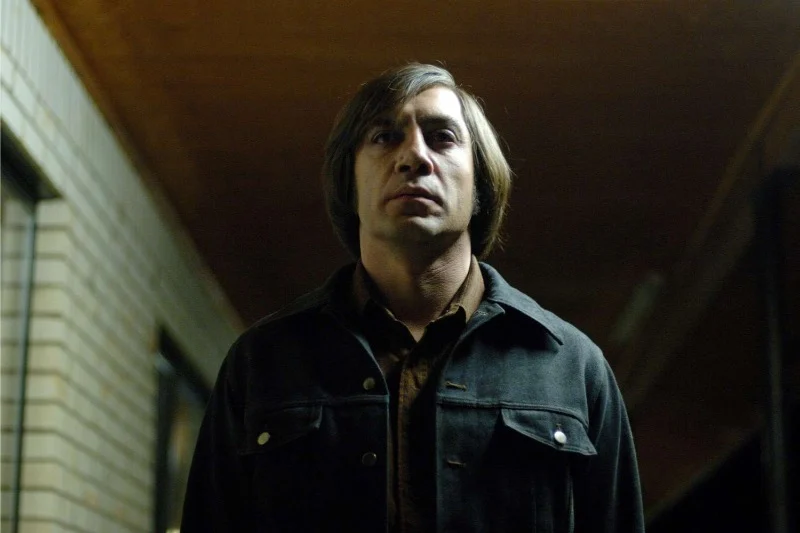
Anton Chigurh is a contract killer who treats every step as part of a strict personal code. He carries a captive bolt pistol for forced entry and executions, which reduces ballistic evidence and defeats standard locks. He also uses a suppressed shotgun and a tracking device to close distance on his target. A coin toss becomes his method for deciding a stranger’s fate.
He moves across small towns, hospitals, and border areas with forged credentials and stolen vehicles. He treats injuries on his own using supplies from a pharmacy he robs. Law enforcement and a weary sheriff study his path through crime scenes and roadside stops. He completes tasks with little expression and leaves survivors with instructions that they rarely understand.
The Joker in ‘The Dark Knight’
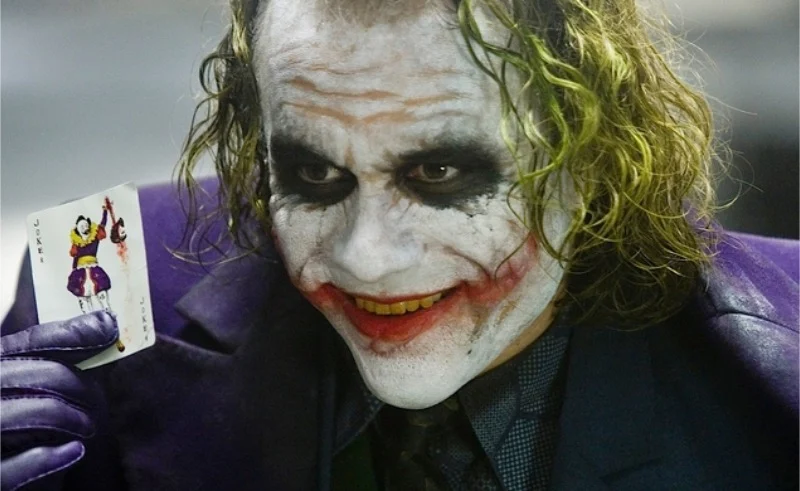
The Joker arrives in Gotham during a bank heist that introduces his approach to crew management and division of spoils. He uses face paint, a purple suit, and a pocketful of homemade devices to brand his presence. His crimes target institutions such as banks, city officials, and the police. He sets up elaborate traps that force public figures into choices with no safe outcome.
He disrupts the city with timed explosions, phone based triggers, and staged kidnappings. He burns stacks of cash to remove a typical motive and to unsettle organized crime. The story shows him turning cell phones into surveillance tools and bombs. His final plan involves two ferries and a test of whether strangers will sacrifice one another to live.
Annie Wilkes in ‘Misery’
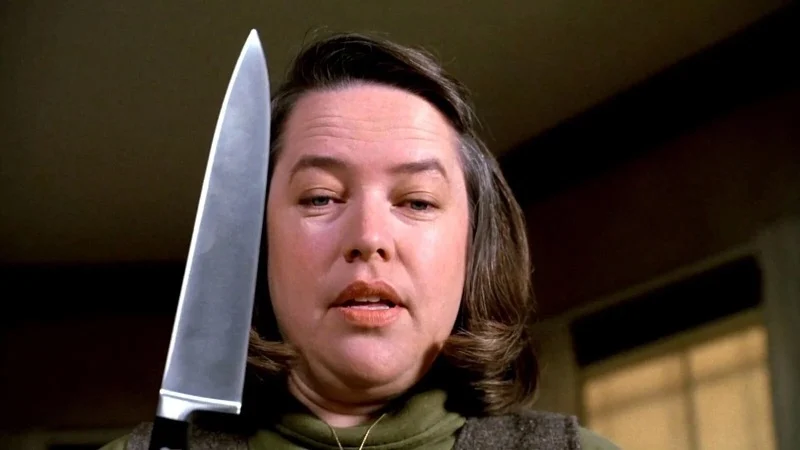
Annie Wilkes is a former nurse who rescues a bestselling novelist after a car crash near her rural home. She identifies herself as his number one fan and takes control of his recovery. She withholds outside help and keeps him bedridden while demanding rewrites of his new manuscript. Medical experience and access to drugs give her a practical advantage over her patient.
She disables him further with a brutal method that prevents escape. She monitors his movement with household tricks such as a tilted figurine and a stray hair across a door frame. Local law enforcement slowly closes in through library records and roadside clues. The final confrontation uses the writer’s own tools and a staged ending to their locked room standoff.
Alex DeLarge in ‘A Clockwork Orange’
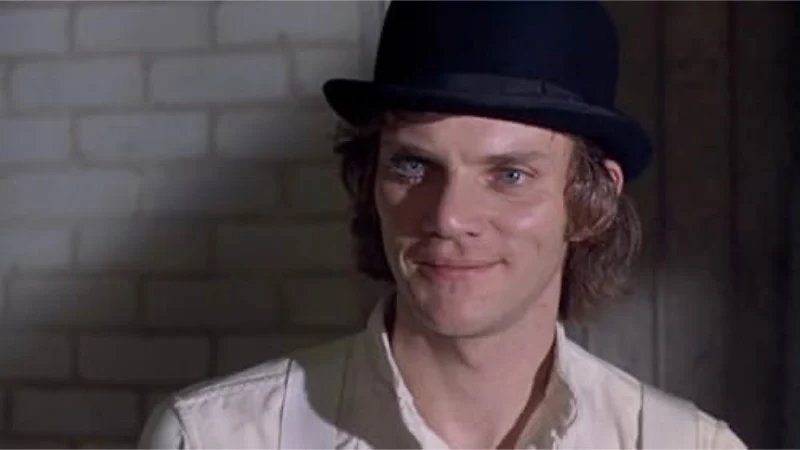
Alex DeLarge leads a small gang that roams at night committing assaults and robberies. He narrates his love of classical music and adopts a costume of white clothing, bowler hat, and eye makeup. After arrest, he volunteers for an experimental treatment that conditions him against violent impulses. The state presents the procedure as a shortcut to rehabilitation.
The treatment uses films, medication, and physical sickness to associate cruelty with pain. Once released, Alex faces former victims and former friends who now wear uniforms. He cannot defend himself without the conditioning making him ill. The story follows his interactions with a government eager to show results and with a writer seeking payback through a trap at home.
John Doe in ‘Se7en’
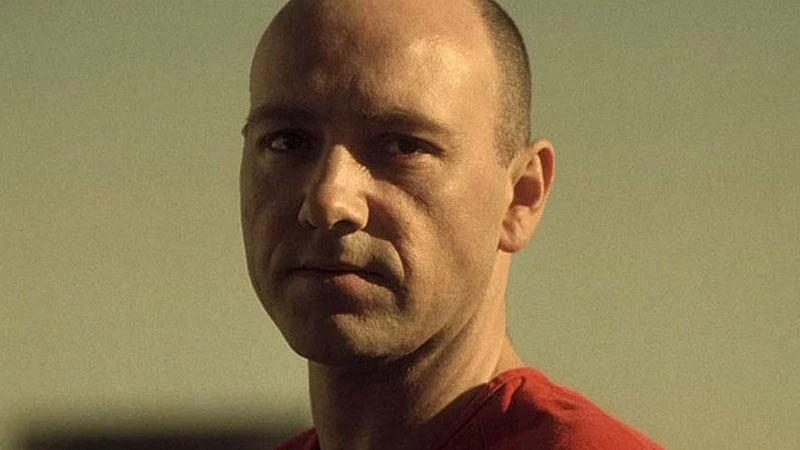
John Doe designs a series of murders based on the seven deadly sins. He leaves handwritten notes and staged crime scenes that require forensic work and literary knowledge to decode. Detectives build a case using library records, fingerprints, and a suspect list drawn from bookstore receipts. Doe stays a step ahead by researching his pursuers and their personal histories.
He eventually turns himself in and offers to guide police to the final bodies. The trip leads out of the city to a remote spot chosen for privacy and control. A delivery truck arrives with a box that changes the outcome of the investigation. Doe explains his plan in measured terms and accepts the exact result he calculated.
Amy Dunne in ‘Gone Girl’
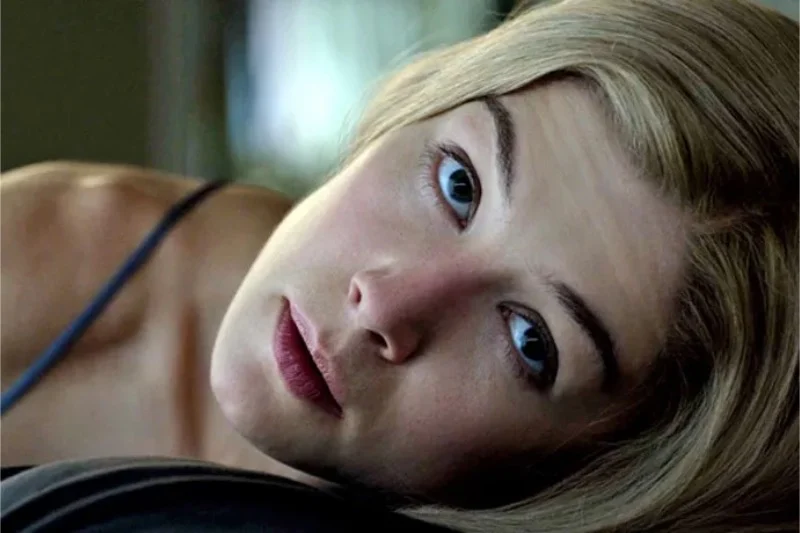
Amy Dunne vanishes from her suburban home, leaving traces that point to foul play. Police find a disturbed living room and a diary that charts marital problems and fear. The media builds a narrative around her disappearance and her husband’s behavior. Amy’s history as the inspiration for a children’s book character adds public interest.
The story reveals that she designs the entire event herself, including staged blood evidence and planted purchases. She hides in plain sight using cash, disguises, and a new haircut. Later she returns by crafting a new story that implicates a former boyfriend. She controls the press, the police, and her spouse by managing public sympathy and written records.
Hans Landa in ‘Inglourious Basterds’
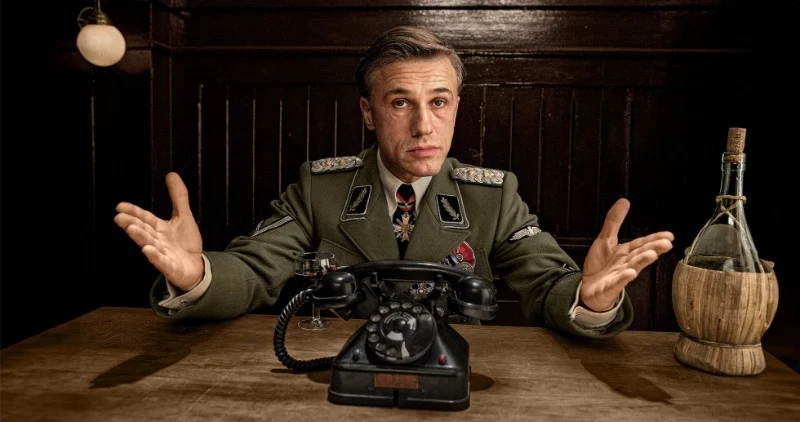
Hans Landa is an SS officer assigned to track Jewish families in occupied France. He introduces himself with polite conversation, a pipe, and paperwork that seems routine. He requests milk, studies floorboards, and cross checks names on forms. Language skills allow him to switch tongues mid sentence to test who understands what is being said.
He later moves to Paris and inspects a cinema that becomes central to a propaganda premiere. He negotiates with both the resistance and Allied operatives, always positioning himself for a favorable outcome. He collects evidence such as shoes and a carved object that ties a suspect to a prior crime. At the end, he bargains for immunity and a new life, only to receive a permanent mark that records his service.
Share the movie psychopaths you think belong on this list in the comments.