


Top 20 Movies Most People Dont Know Were Based on Books

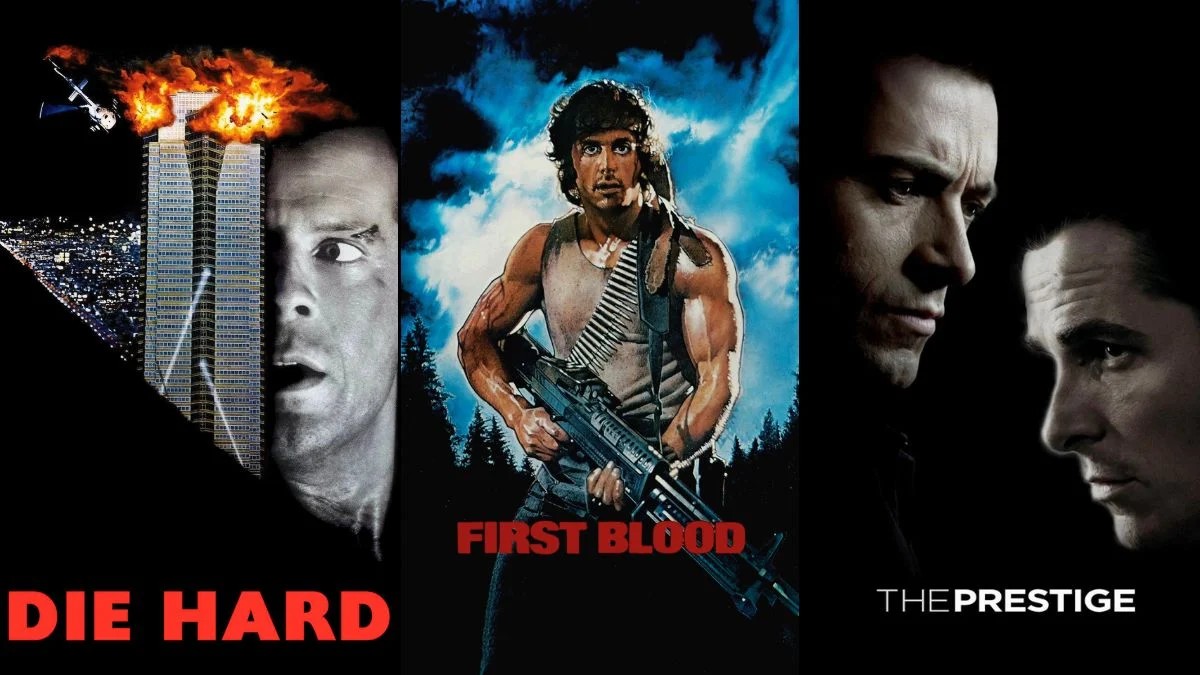


Surprising movie origins hide in plain sight, and plenty of beloved films actually started on the page. From thrillers and sci fi to heartfelt dramas and comedies, these stories were first mapped out in novels, non fiction works, or short stories before hitting the screen. Knowing the source can reveal character changes, alternate endings, and themes the camera only hints at. Here are twenty films whose book roots might catch you off guard.
‘Die Hard’ (1988)
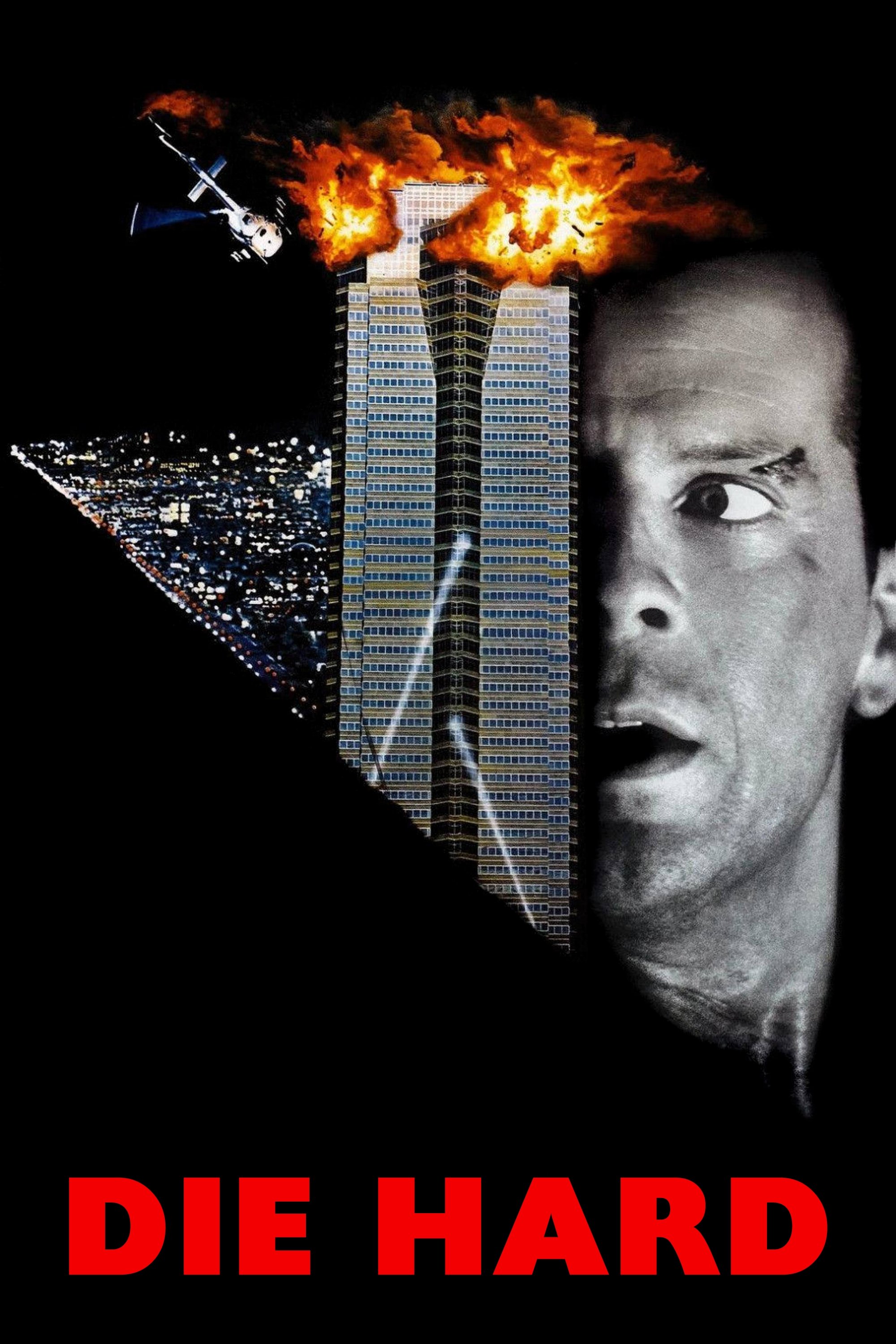
This action classic is adapted from Roderick Thorp’s novel ‘Nothing Lasts Forever’. The book was a sequel to ‘The Detective’, which had already been filmed with Frank Sinatra. Its hero is Joe Leland rather than John McClane, and the plot is darker with a more tragic resolution. The skyscraper setting and terrorist takeover come straight from the novel.
‘First Blood’ (1982)
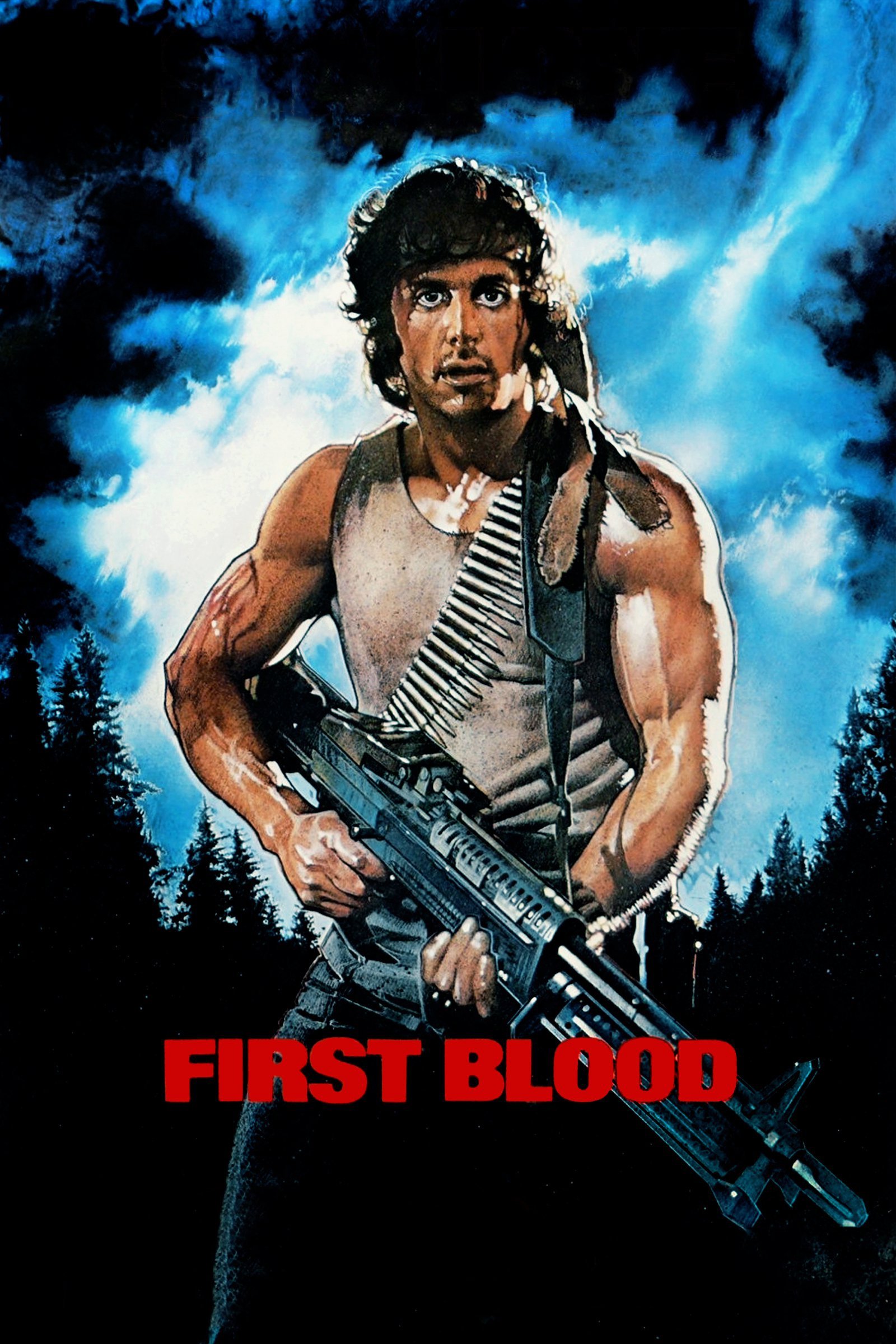
David Morrell’s novel ‘First Blood’ introduced John Rambo years before the film. The book presents a bleaker portrait of a traumatized veteran clashing with a small town sheriff. It alternates perspectives between Rambo and Sheriff Teasle to show how the feud escalates. The story’s ending is significantly different from what audiences saw on screen.
‘Forrest Gump’ (1994)
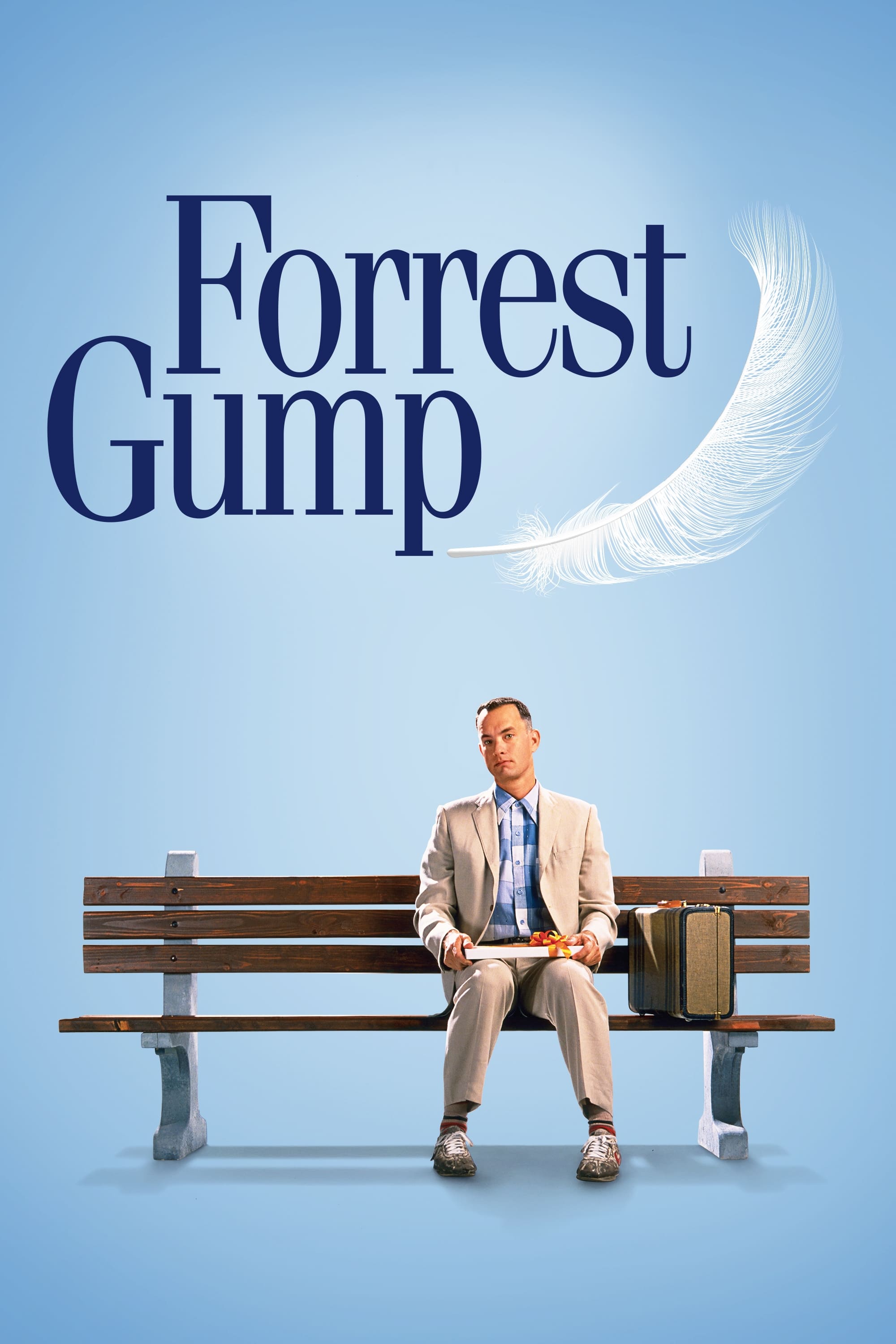
Winston Groom’s novel ‘Forrest Gump’ follows the same title character through a long series of adventures. The book’s Forrest has more outlandish episodes, including time in outer space and a stint as a chess prodigy. The tone leans more satirical than sentimental. Groom later wrote a follow up novel that continues Forrest’s misadventures.
‘The Prestige’ (2006)
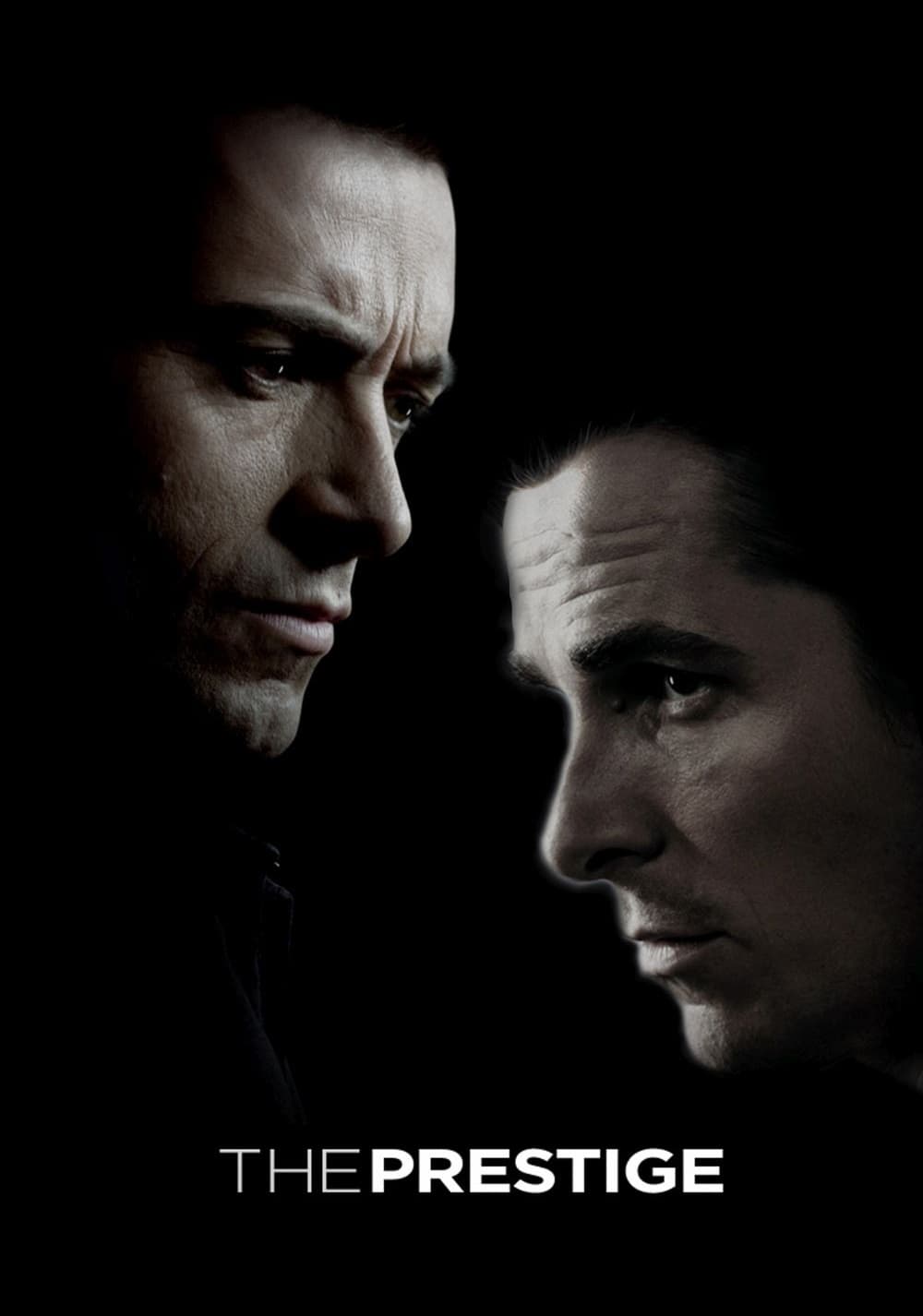
Christopher Priest’s novel ‘The Prestige’ tells the tale of rival magicians through diaries and nested accounts. The book digs into generational consequences and family secrets tied to the feud. It also leans further into speculative science surrounding the famed transport illusion. The epistolary structure shapes how revelations arrive to the reader.
‘Planet of the Apes’ (1968)
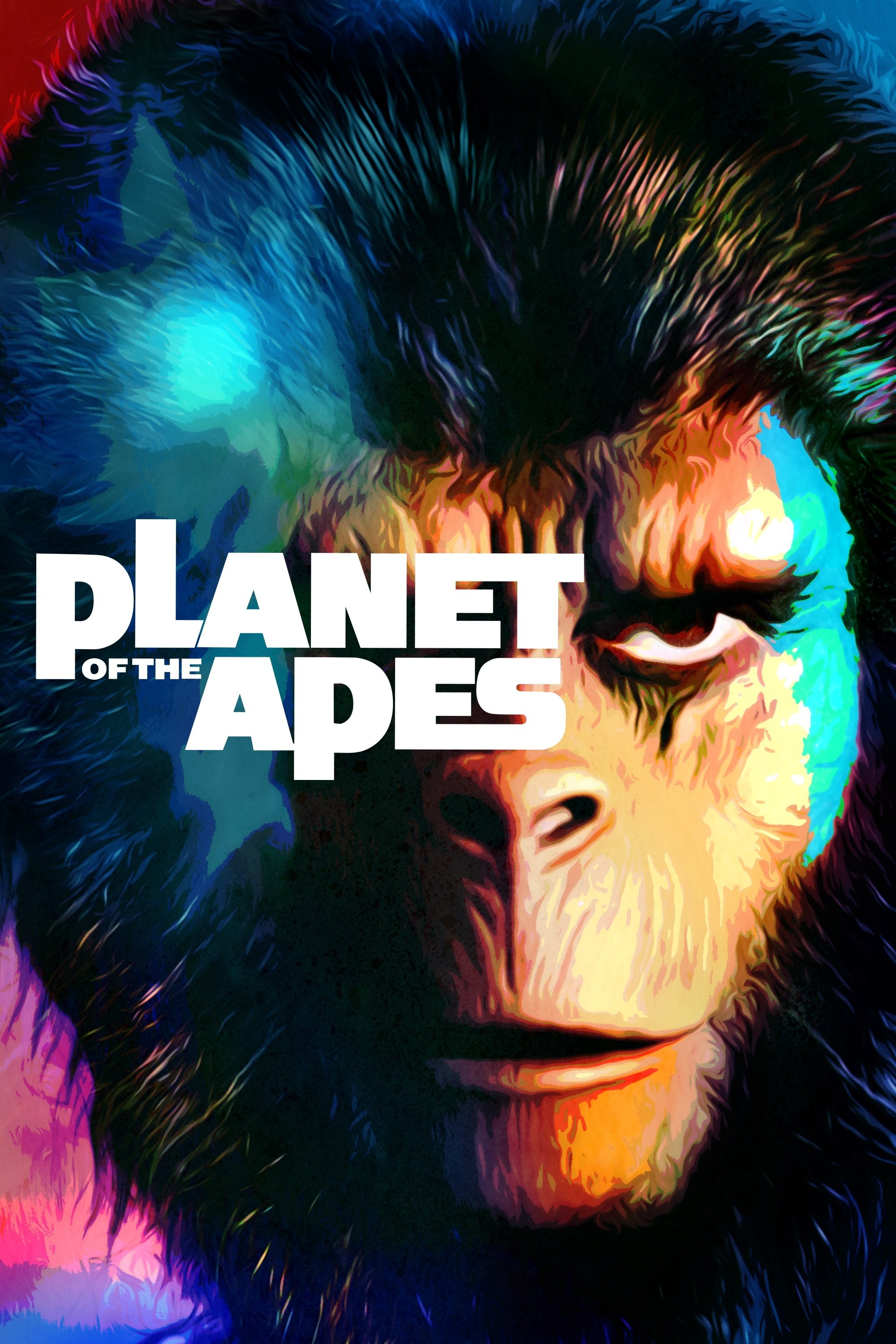
Pierre Boulle’s novel ‘La Planète des singes’ provided the foundation for this sci fi landmark. The book places the story on a distant world rather than a future Earth. Its narrative uses a frame story that leads to a different twist ending. Social satire and role reversals are emphasized throughout the original text.
‘Edge of Tomorrow’ (2014)
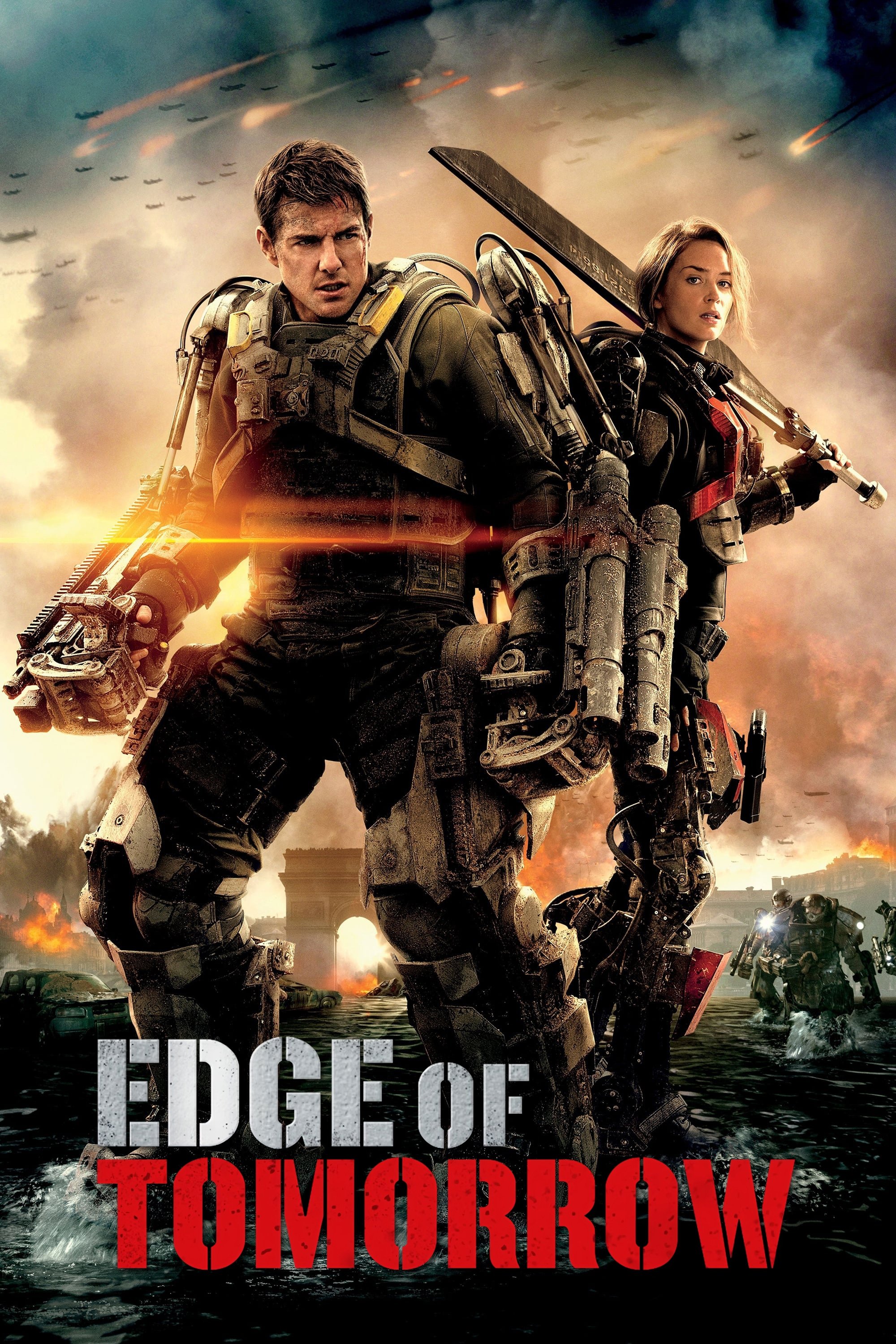
This film comes from Hiroshi Sakurazaka’s light novel ‘All You Need Is Kill’. The protagonist in the book is Keiji Kiriya, a recruit caught in a time loop during an alien war. The novel details the powered armor and battlefield tactics with more technical depth. A manga adaptation also expanded the story for readers.
‘Shrek’ (2001)
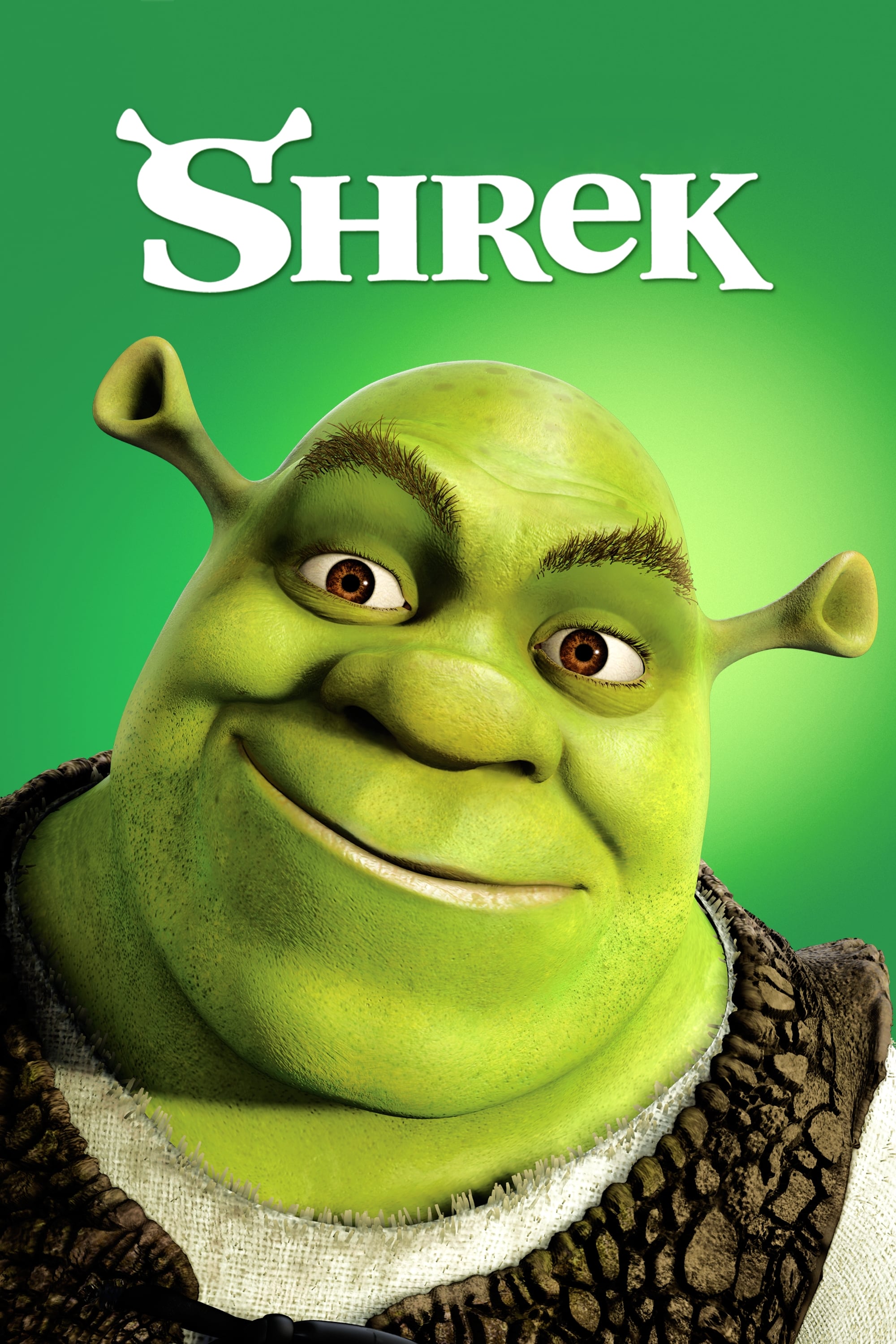
DreamWorks drew inspiration from William Steig’s illustrated book ‘Shrek!’. The original is a short and irreverent picture book about a gleefully fearsome ogre. The film keeps the core ogre character while inventing the sprawling fairy tale world. Many supporting characters and the rescue quest were created for the screen.
‘Mean Girls’ (2004)
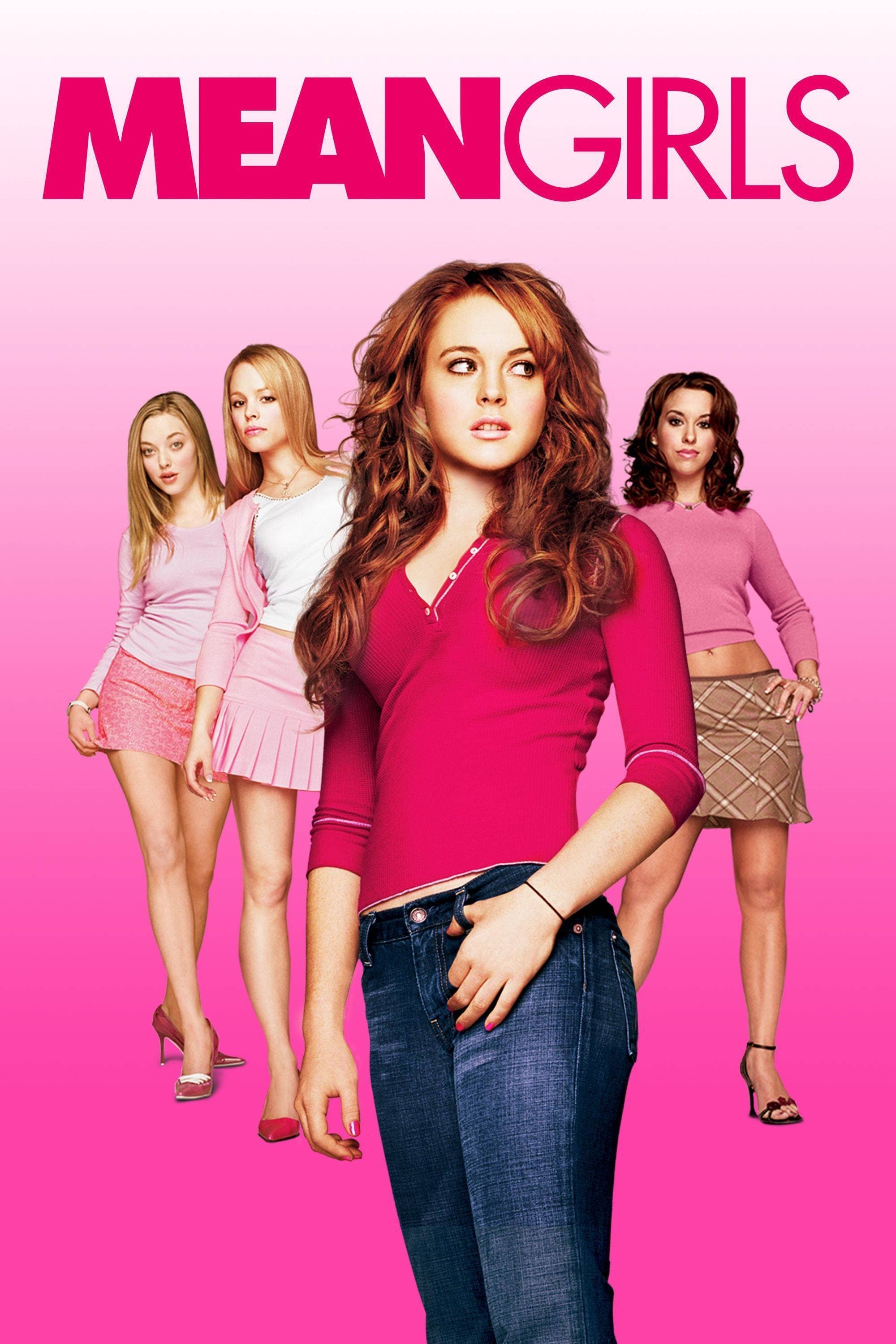
This high school favorite is based on Rosalind Wiseman’s non fiction book ‘Queen Bees and Wannabes’. The source is a guide for parents about teen social dynamics and cliques. Tina Fey used its research and anecdotes to craft a fictional story and characters. The book has no linear plot, so the screenplay builds one from the themes.
‘Goodfellas’ (1990)
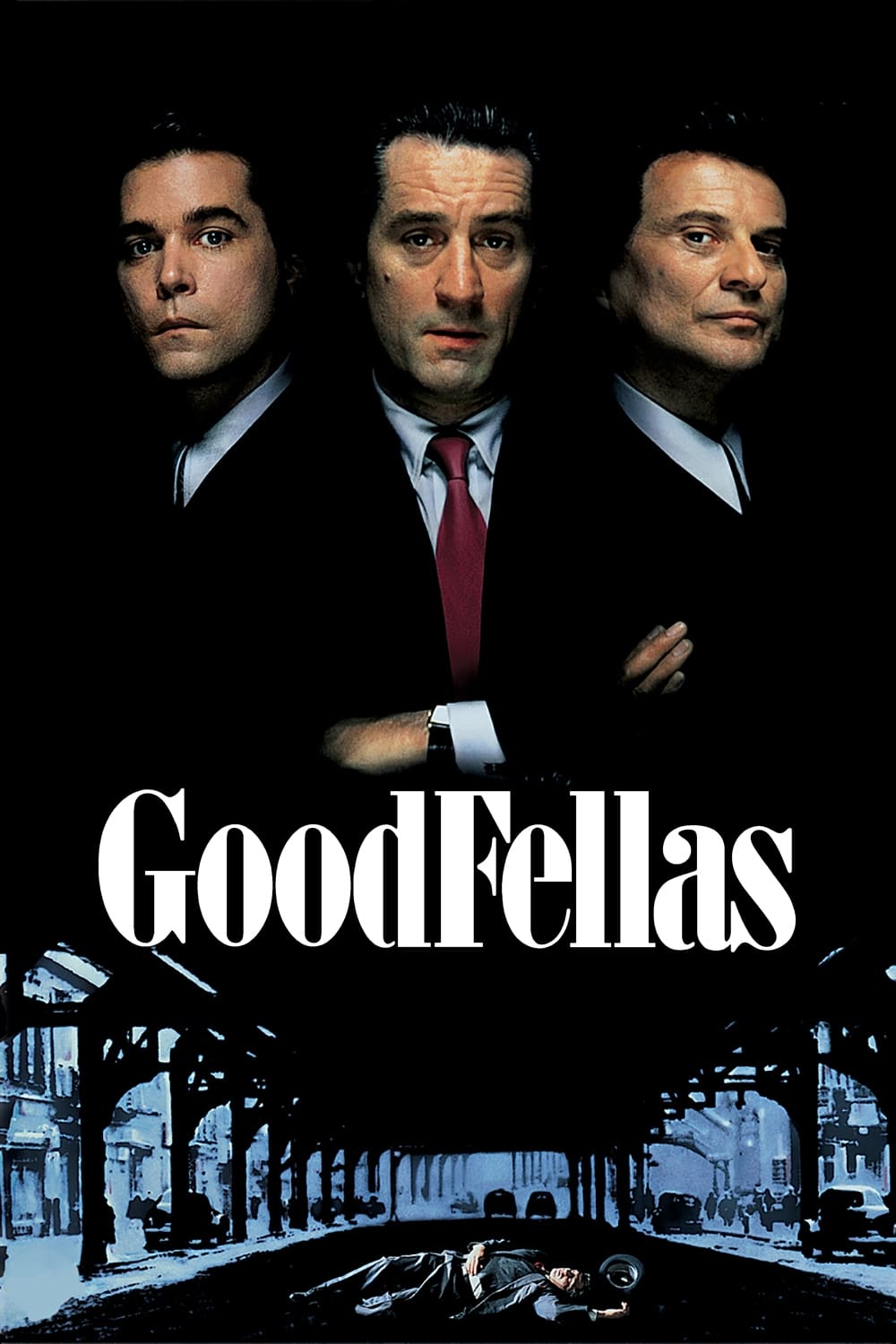
Nicholas Pileggi’s true crime book ‘Wiseguy’ chronicles the criminal life of Henry Hill. The film uses Hill’s accounts for many scenes and lines. Pileggi collaborated closely on the screenplay to preserve details from interviews. The book tracks the crew’s rise and fall inside New York organized crime.
‘There Will Be Blood’ (2007)
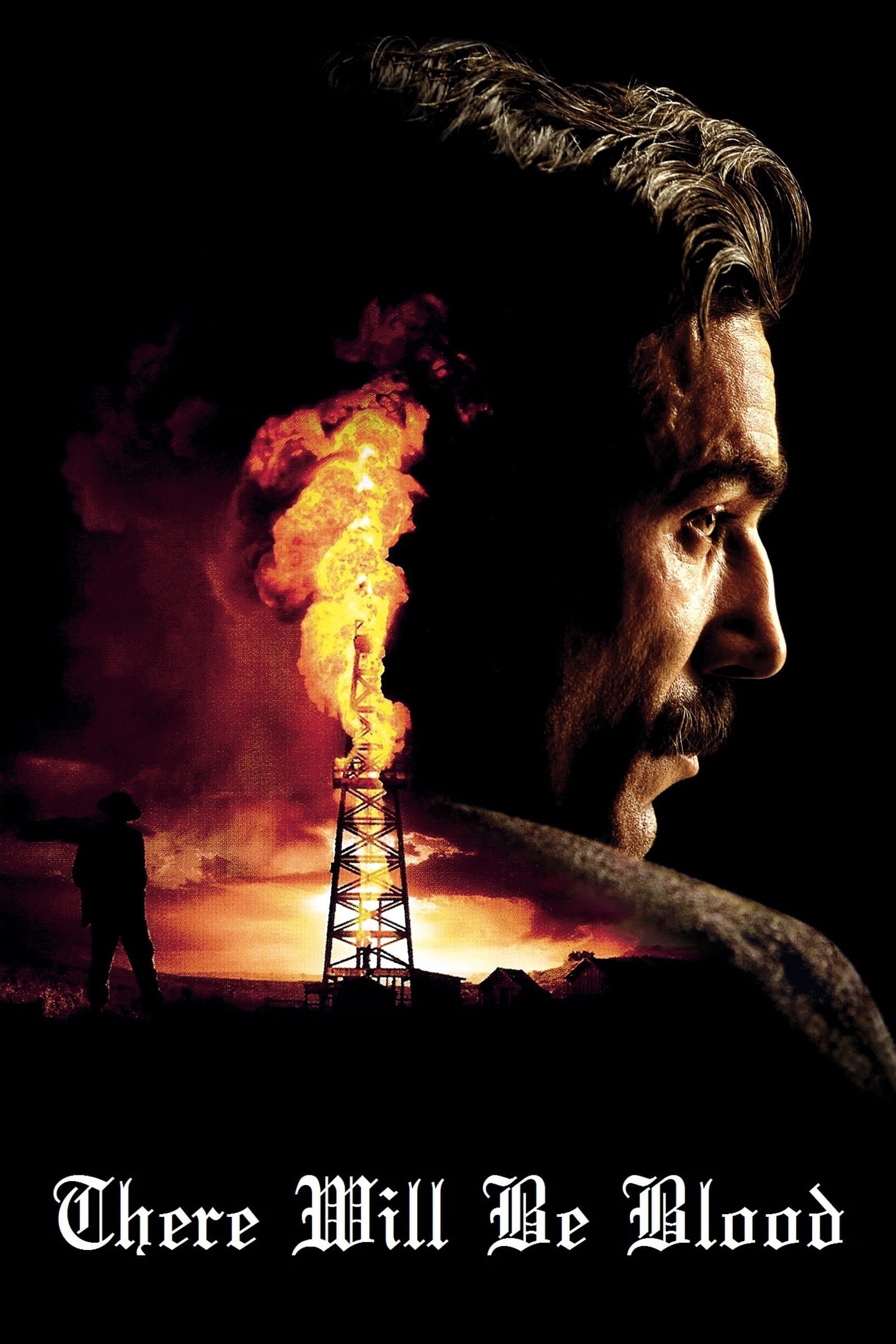
Upton Sinclair’s novel ‘Oil!’ inspired this portrait of early petroleum fortunes. The book follows a young man and his oilman father through boomtown politics and labor struggles. The film draws from the novel’s opening sections and themes of ambition and power. Names and plotlines were reshaped while keeping the industry backdrop.
‘Who Framed Roger Rabbit’ (1988)
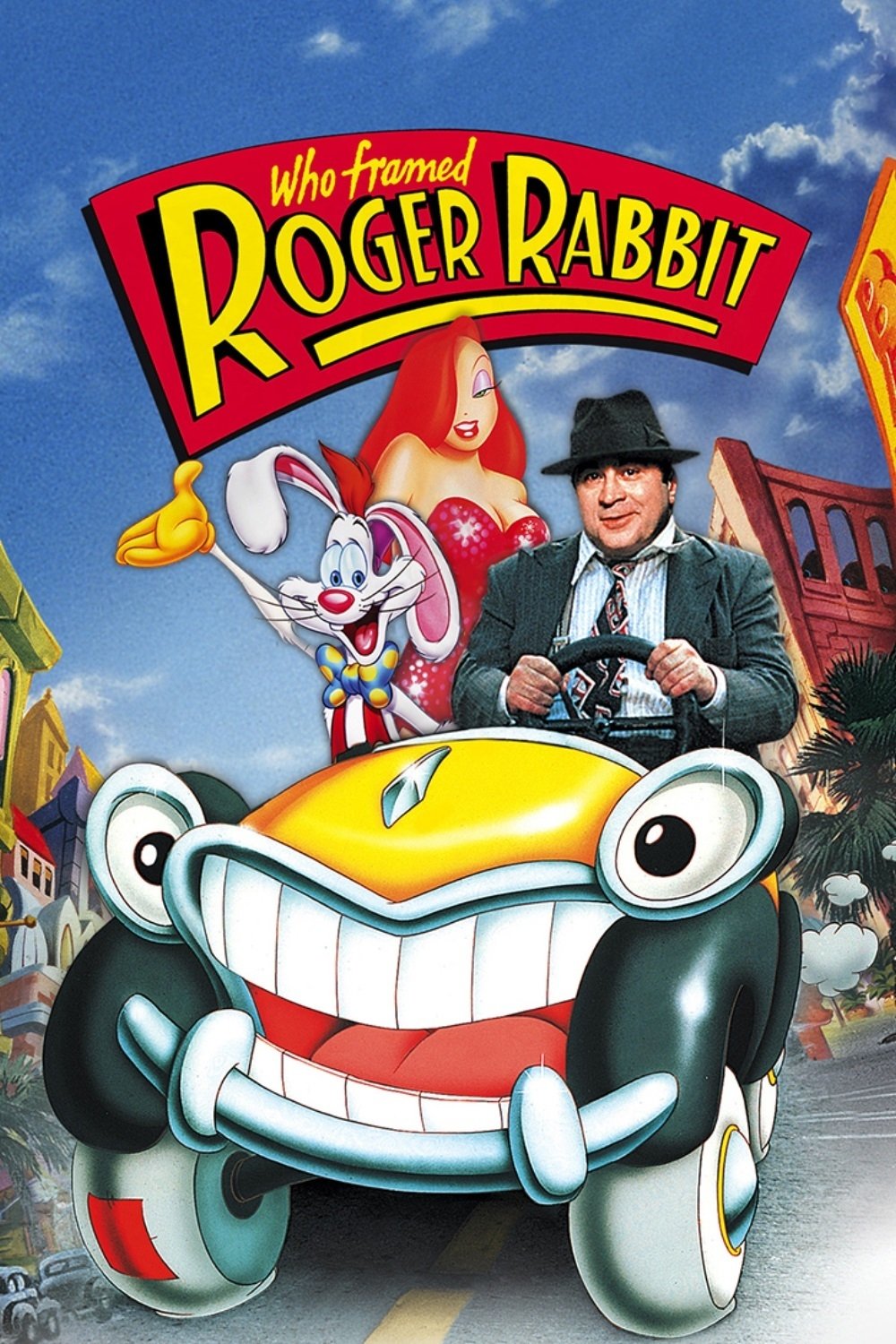
Gary K. Wolf’s novel ‘Who Censored Roger Rabbit?’ supplied the core premise of a toon and human world. The book features comic strip characters who speak in printed word balloons that appear in the air. Its mystery tone is darker and the plot diverges in key reveals. The movie reimagined elements to suit animated slapstick and noir homage.
‘Field of Dreams’ (1989)
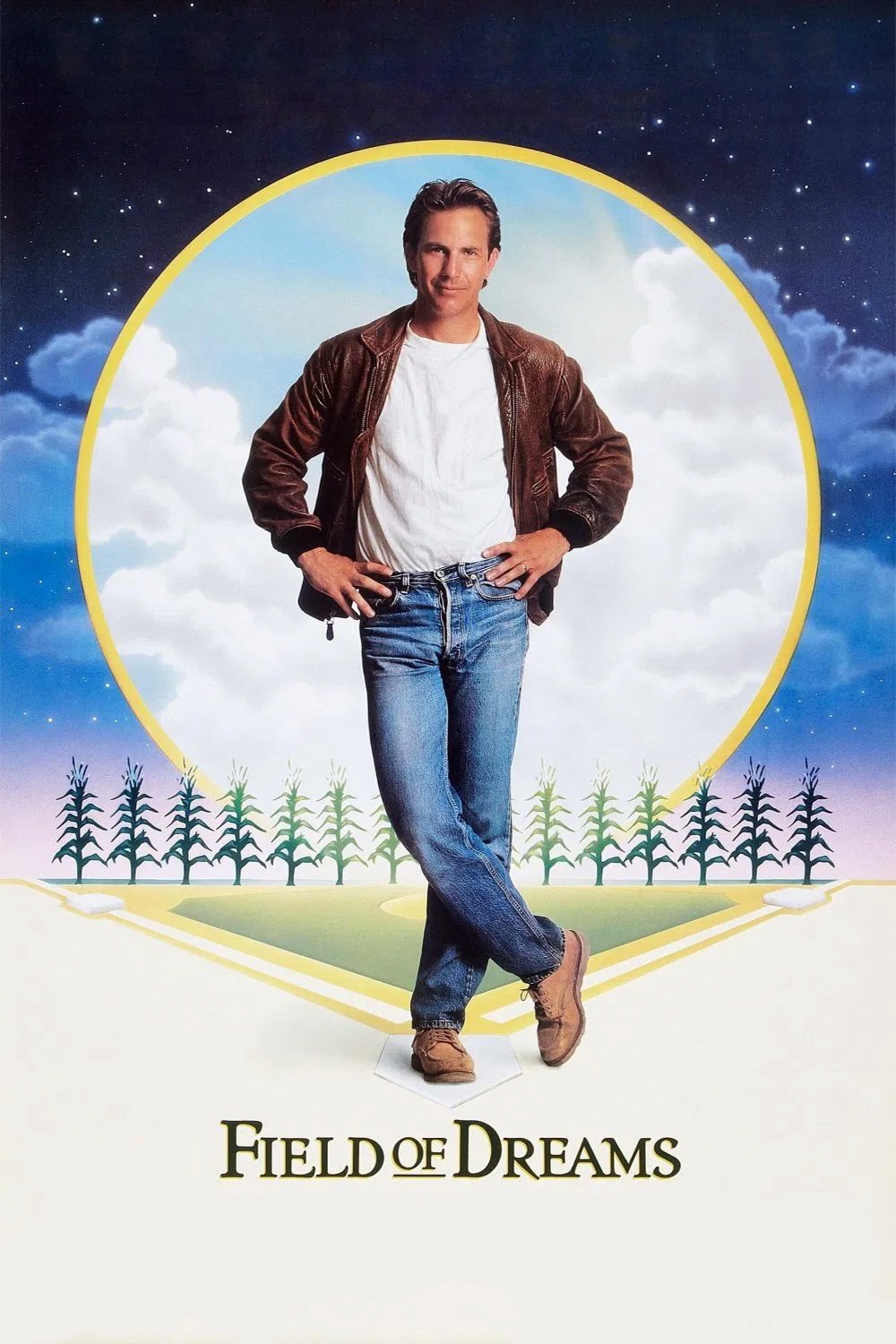
W. P. Kinsella’s novel ‘Shoeless Joe’ is the source for this baseball fantasy. The book sends Ray Kinsella on a quest that includes a meeting with J. D. Salinger. The film changes that figure to the fictional author Terence Mann. Magical realism and family reconciliation are present in both versions.
‘Dr. Strangelove or: How I Learned to Stop Worrying and Love the Bomb’ (1964)
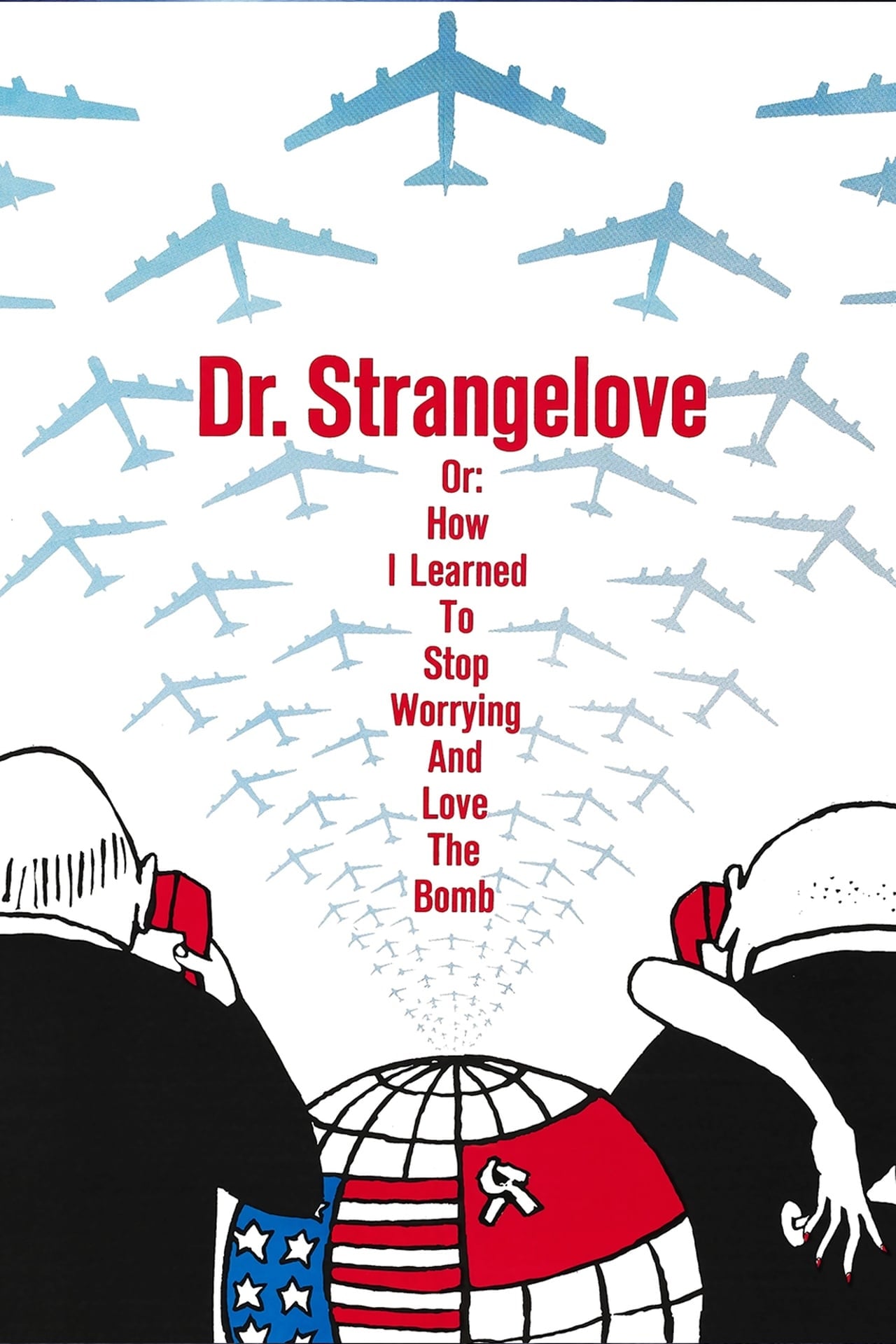
The screenplay began with Peter George’s nuclear thriller ‘Red Alert’, also known as ‘Two Hours to Doom’. The book treats an accidental path to war with a sober tone. Stanley Kubrick worked with George to transform the scenario into dark comedy. Key plot mechanics about command protocols come straight from the novel.
‘The Illusionist’ (2006)
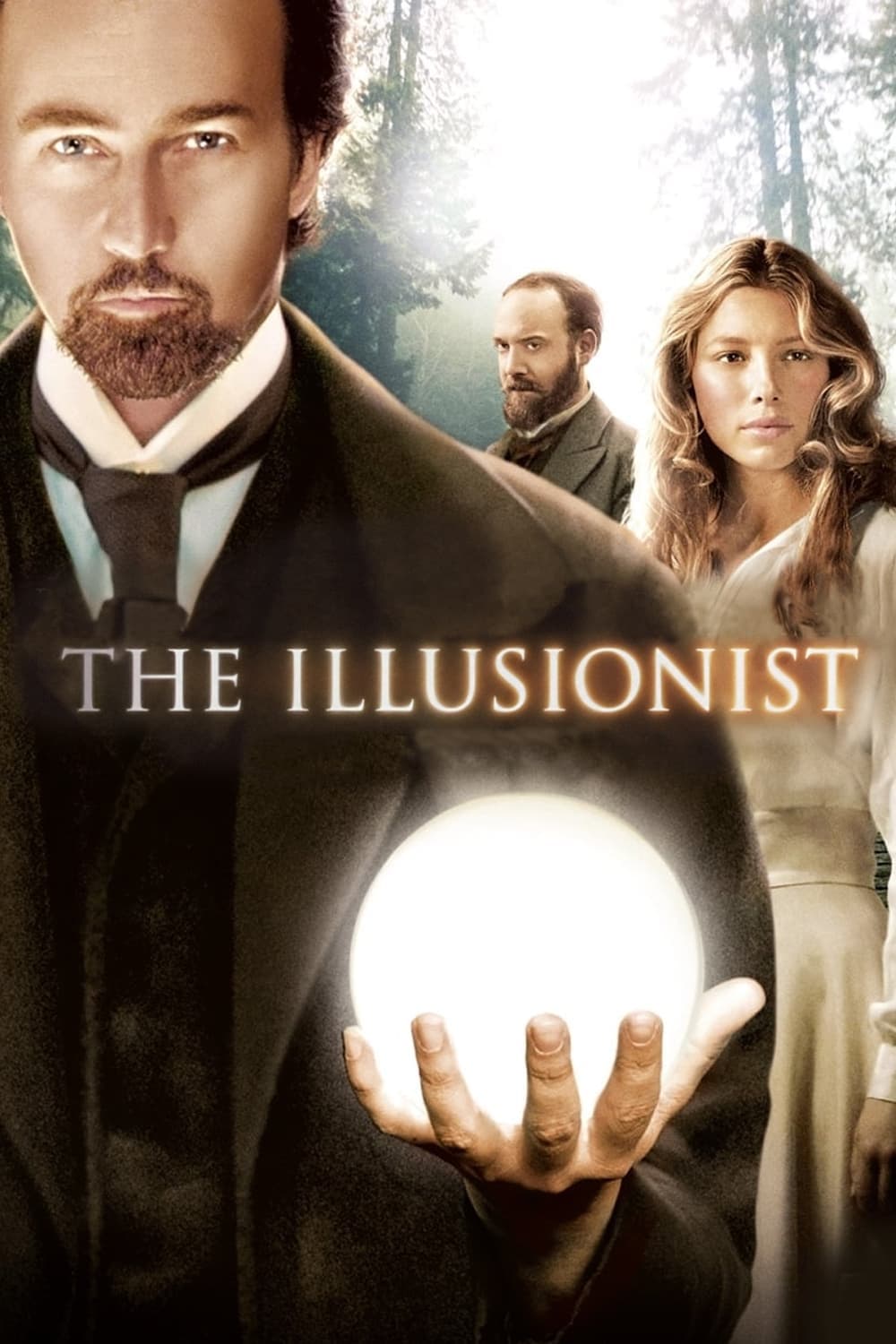
This period mystery is adapted from Steven Millhauser’s short story ‘Eisenheim the Illusionist’. The story is a concise account of a magician whose feats confound Vienna. The film expands the narrative with a royal scandal and a romance. Millhauser’s fascination with performance and perception anchors both versions.
‘Children of Men’ (2006)
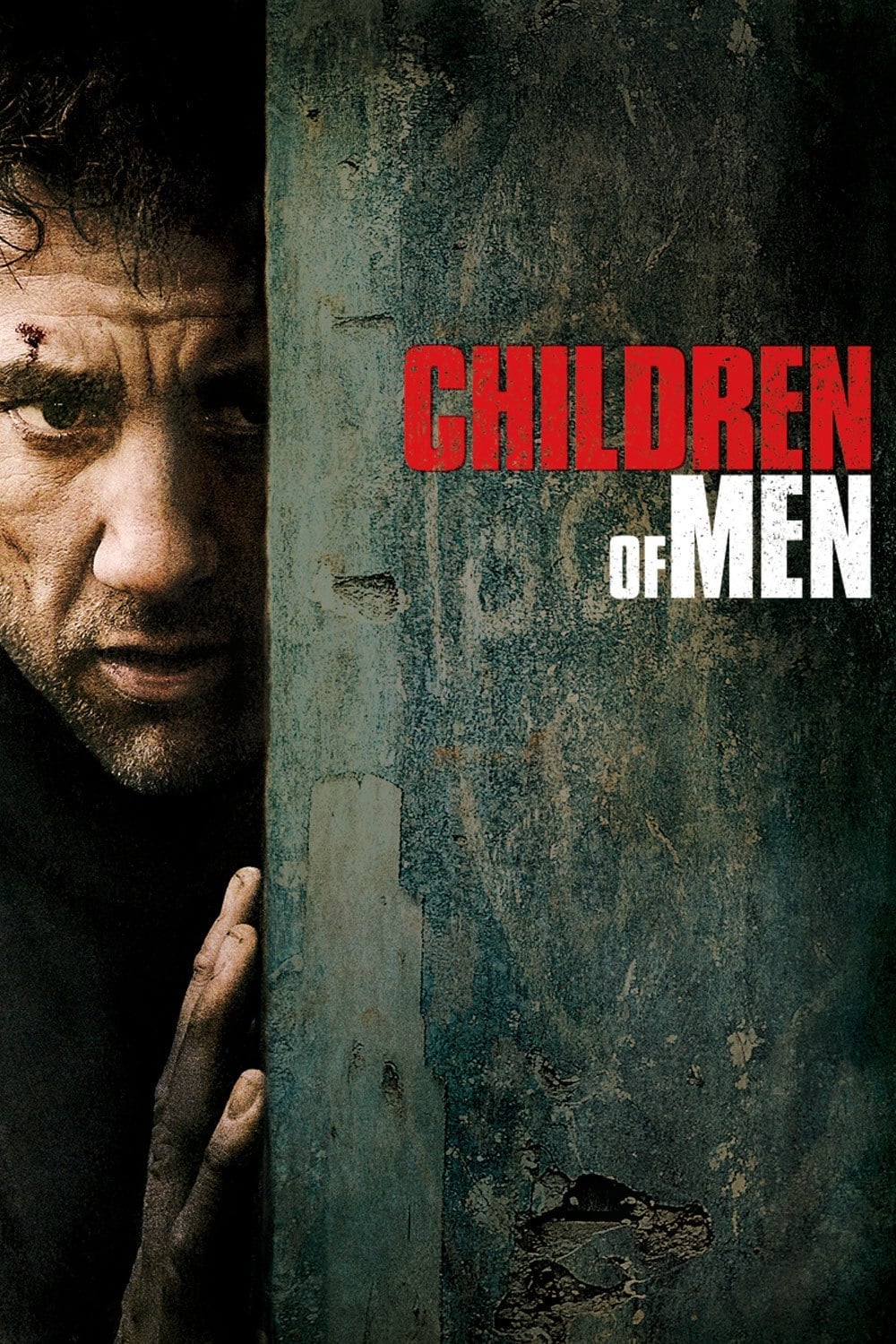
P. D. James’s novel ‘The Children of Men’ imagines a world facing human infertility. The book lays out political structures and a powerful leader with a different role in the plot. Characters’ relationships and motivations diverge from the film’s take. Questions about authority, faith, and hope run through the original text.
‘Slumdog Millionaire’ (2008)
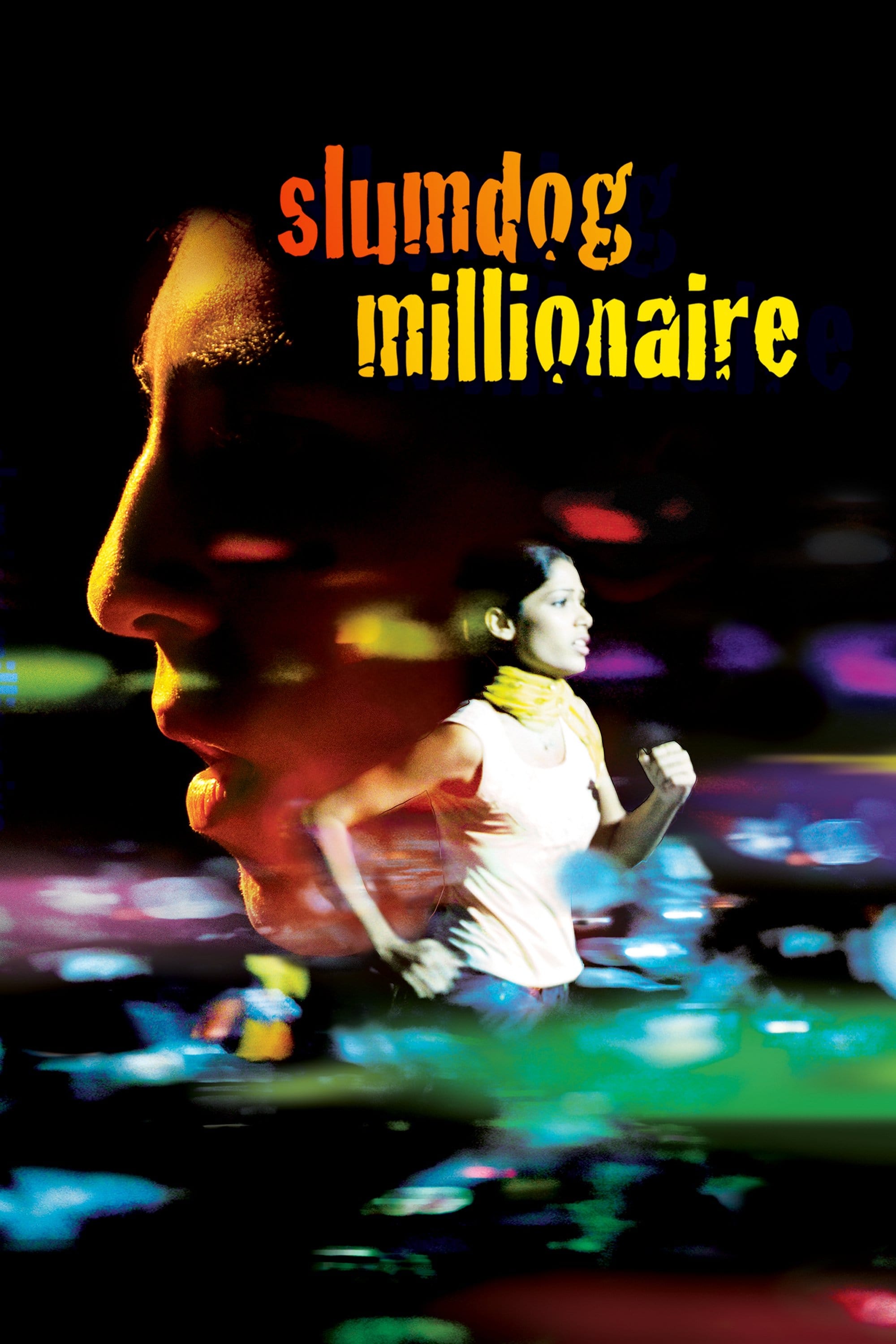
Vikas Swarup’s novel ‘Q and A’ is the basis for this quiz show saga. Its hero narrates how life experiences taught him the answers to game questions. The book structures the story around episodes tied to each question. Names and some incidents were changed for the film while keeping the central device.
‘The Iron Giant’ (1999)
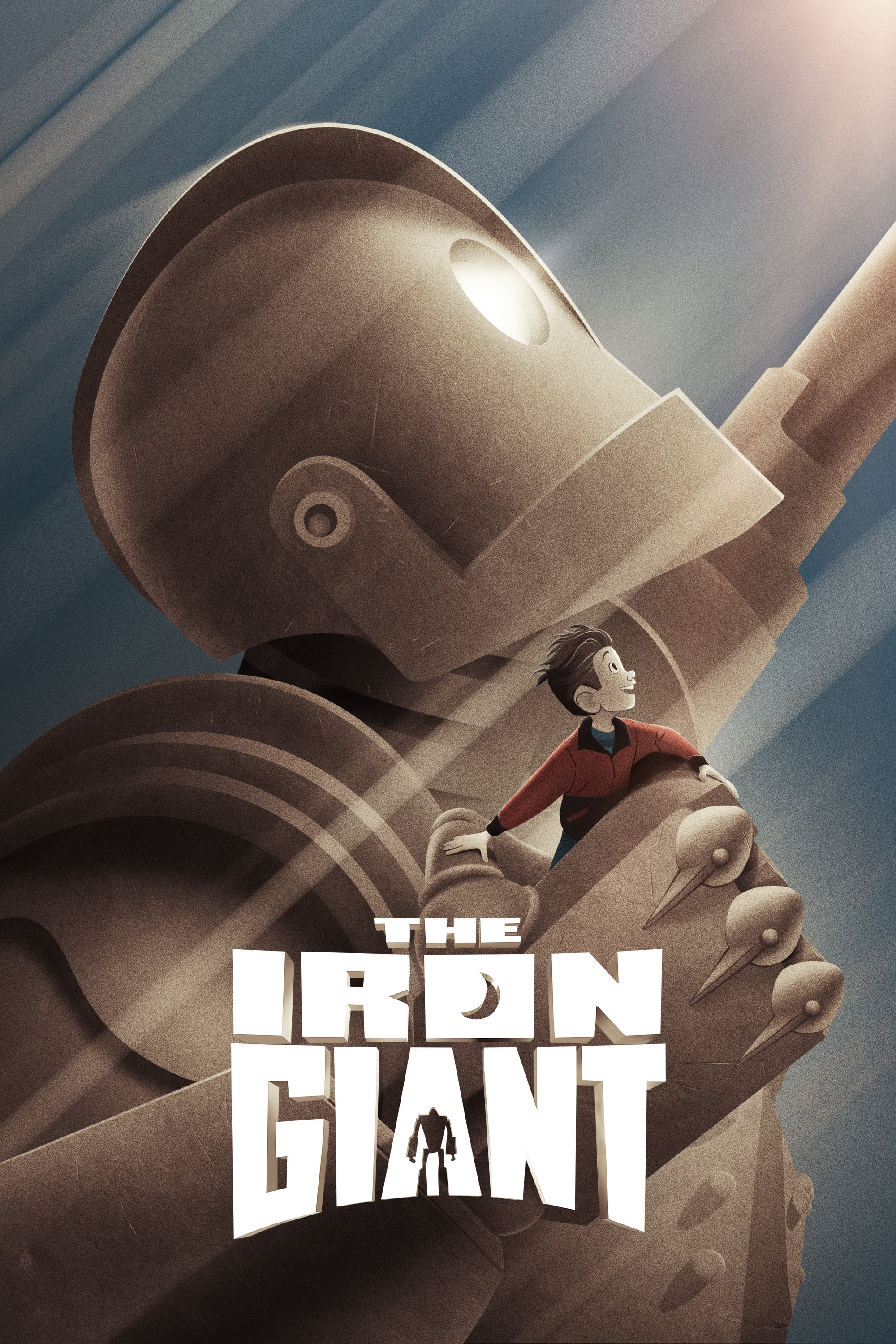
Ted Hughes wrote the children’s novel ‘The Iron Man’, which inspired the movie. The book unfolds in episodic chapters and includes a cosmic foe that never appears on screen. The film relocates the tale to a coastal American town and adds Cold War context. Both versions explore friendship between a boy and a towering metal visitor.
‘Arrival’ (2016)
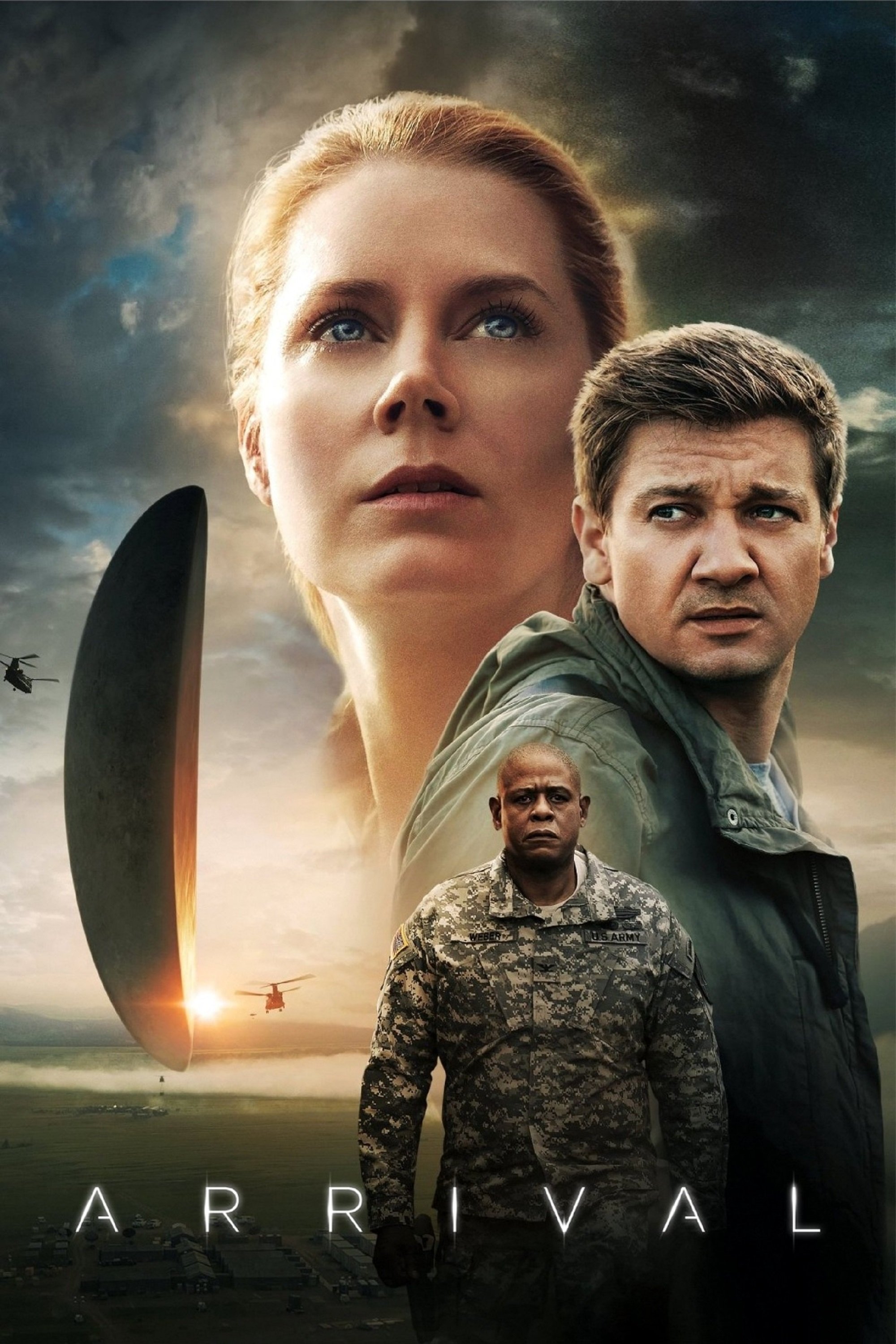
This cerebral sci fi drama adapts Ted Chiang’s novella ‘Story of Your Life’. The text focuses on linguistics and how language can shape perception of time. The movie adds global stakes and military pressure while keeping the core idea. Heptapod writing and the protagonist’s translation process come from the source.
‘Jackie Brown’ (1997)
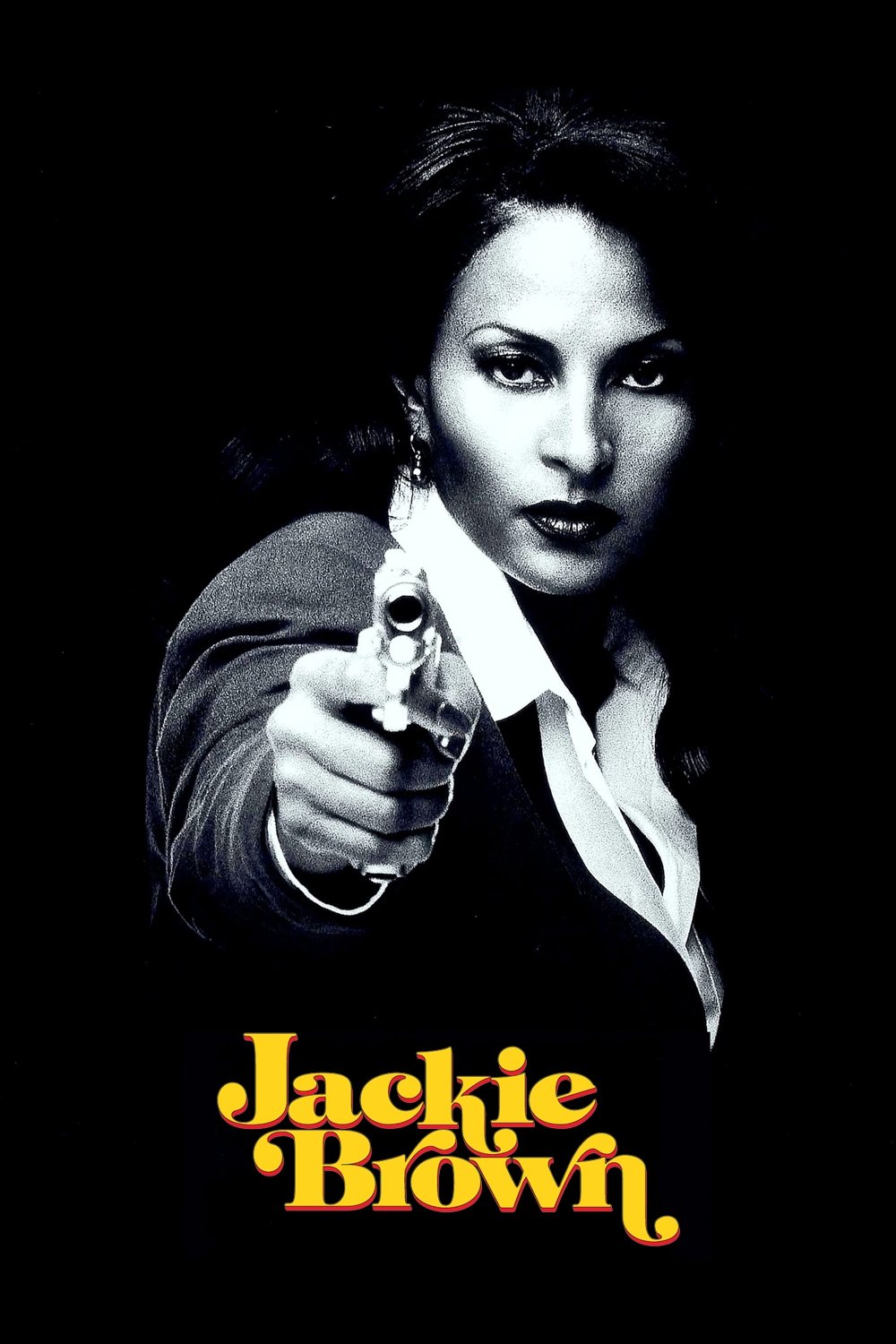
Elmore Leonard’s novel ‘Rum Punch’ supplies the plot of this crime caper. The lead character is named Jackie Burke in the book and works for a small airline. The film shifts the setting and renames several figures while preserving the double cross scheme. Dialogue rhythms and the smuggler setup reflect Leonard’s style.
‘Hunt for the Wilderpeople’ (2016)

Taika Waititi’s film is drawn from Barry Crump’s novel ‘Wild Pork and Watercress’. The story follows a foster boy and his reluctant guardian on the run in the New Zealand bush. The film adds comic set pieces and new character beats while keeping the chase structure. Names and relationships were adjusted to fit the screen version.
Share your favorite surprising page to screen discoveries in the comments.