


Top 20 Movies Teachers Show in High School

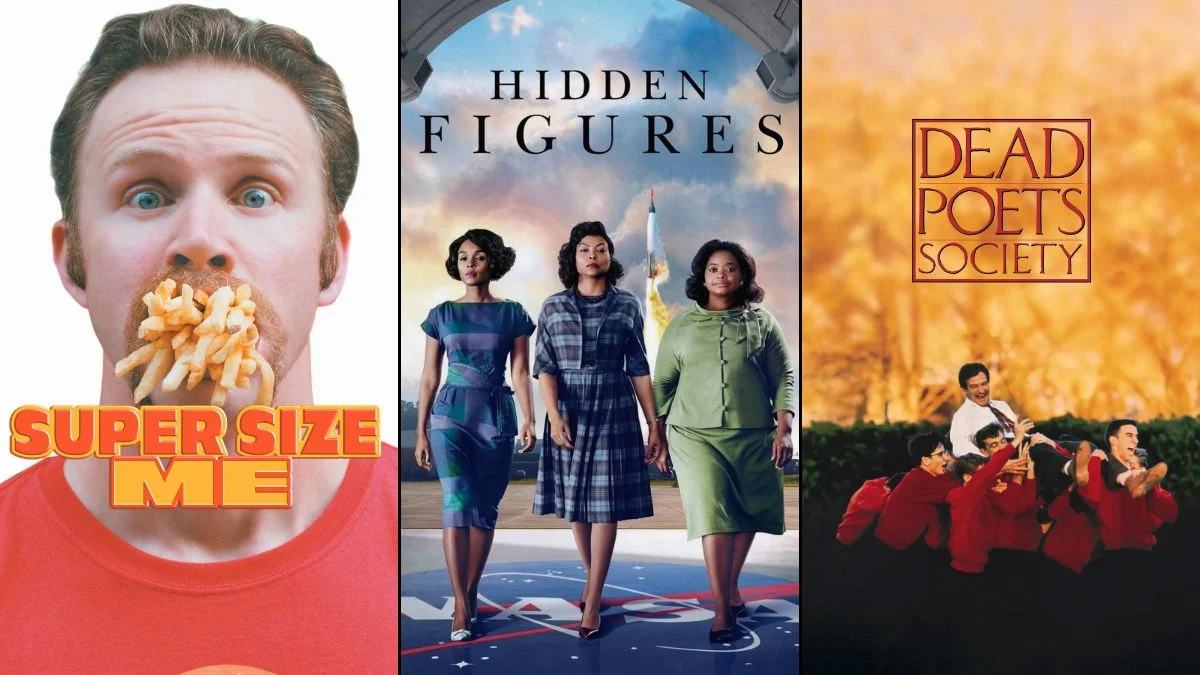


Teachers often choose films that connect directly to literature, history, science, and social studies so students can see complex ideas in action. The right movie can spark discussion, build empathy, and make tough concepts easier to grasp. Many of these titles pair with common curricula or reinforce essential skills like analysis and evidence based argument. Here are widely used classroom staples that help lessons stick long after the credits roll.
‘To Kill a Mockingbird’ (1962)
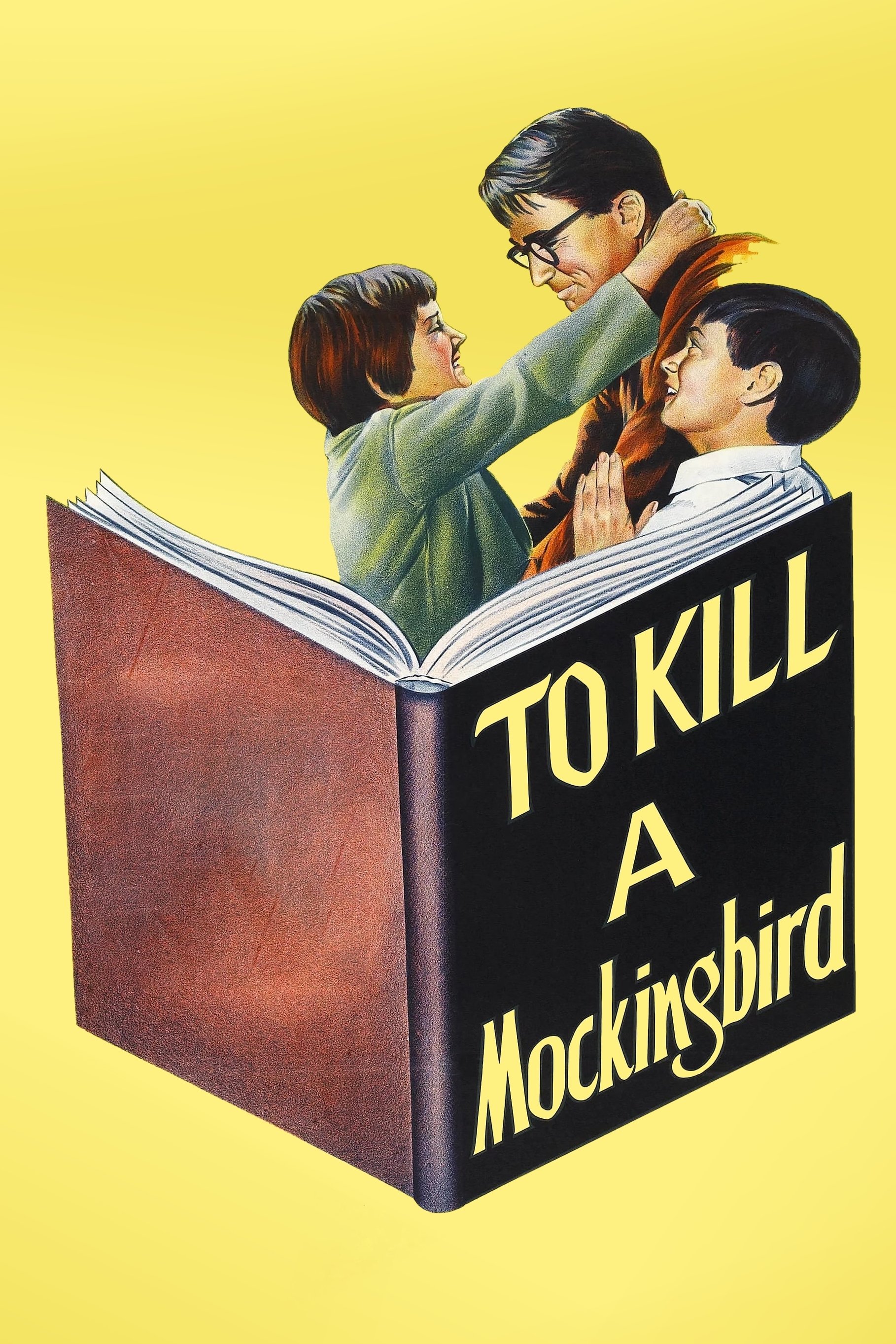
This adaptation supports units on American literature and civil rights by bringing courtroom scenes and moral courage to life. Students examine character motivations, point of view, and symbolism to strengthen close reading skills. Teachers often pair key scenes with passages from the novel for text to film comparison. Discussions focus on justice, empathy, and the impact of prejudice on communities.
‘Schindler’s List’ (1993)
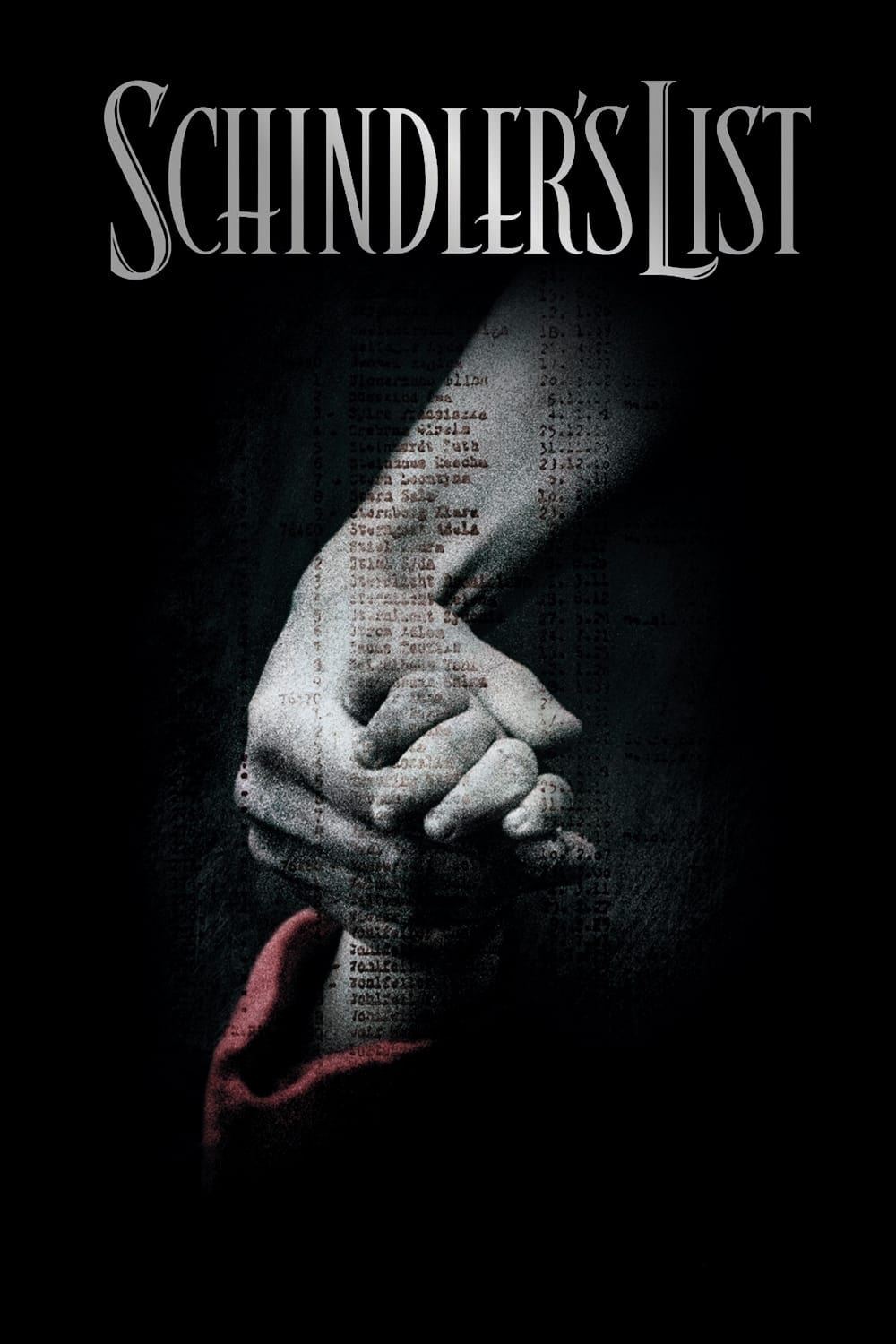
History classes use this film to study the Holocaust through personal stories and primary style imagery. Teachers prepare students with context on World War II and genocide to support responsible viewing. Post viewing activities include survivor testimony excerpts and reflective writing on moral choices. Many classrooms use selected scenes with guided questions to handle sensitive content.
’12 Angry Men’ (1957)
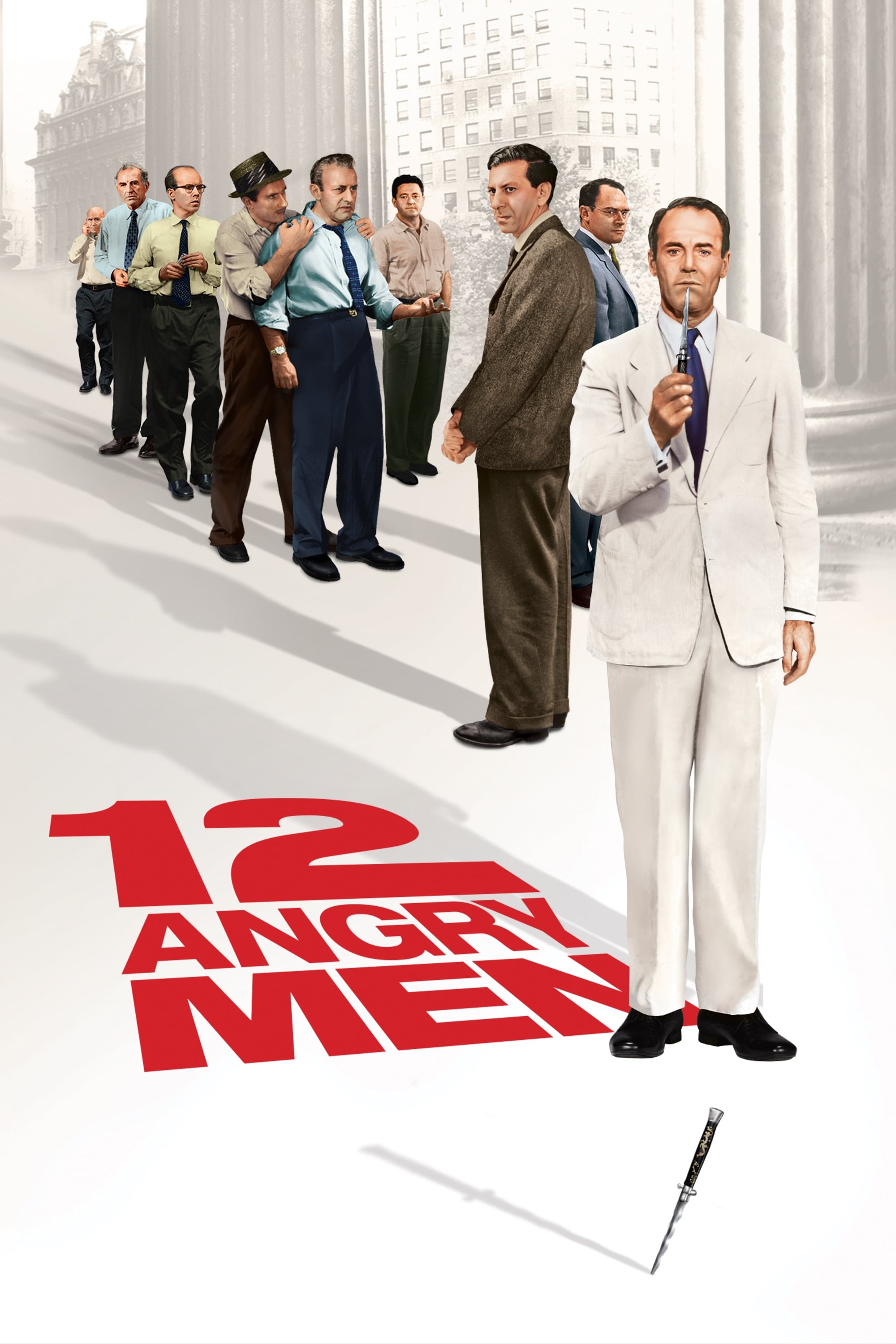
Government and civics courses use this film to explore jury deliberation and the burden of proof. It provides a clear look at rhetoric, bias, and logical fallacies within a single setting. Teachers assign note taking on argument structure and evidence as the jurors debate. Students practice identifying claims, counterclaims, and the role of reasonable doubt.
‘Dead Poets Society’ (1989)
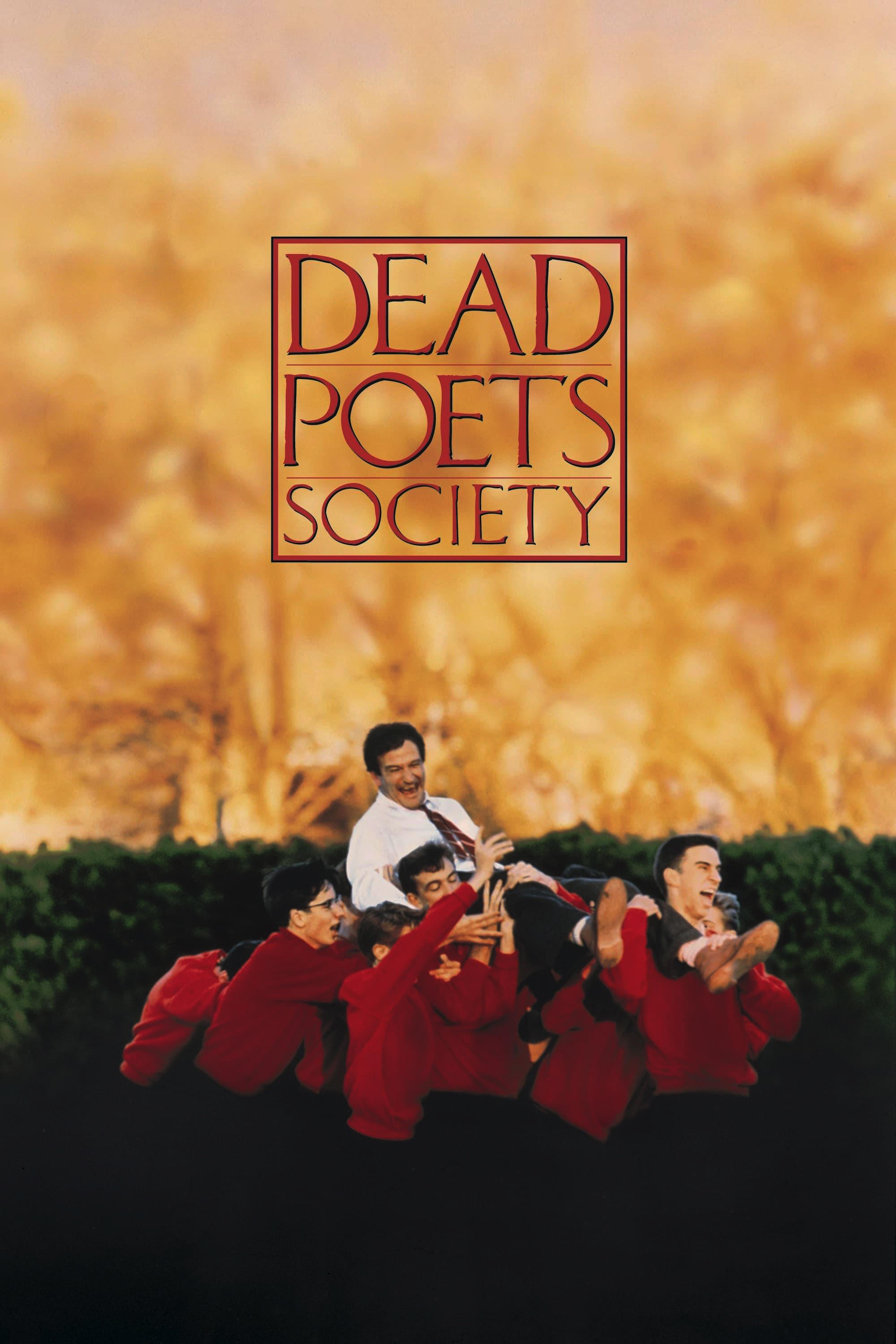
English classes use this story to discuss voice, conformity, and the power of poetry. Teachers connect selected poems to scenes to analyze tone and theme. Students write personal responses that link textual analysis with character choices. The film supports lessons on figurative language and the influence of mentorship on learning.
‘The Outsiders’ (1983)
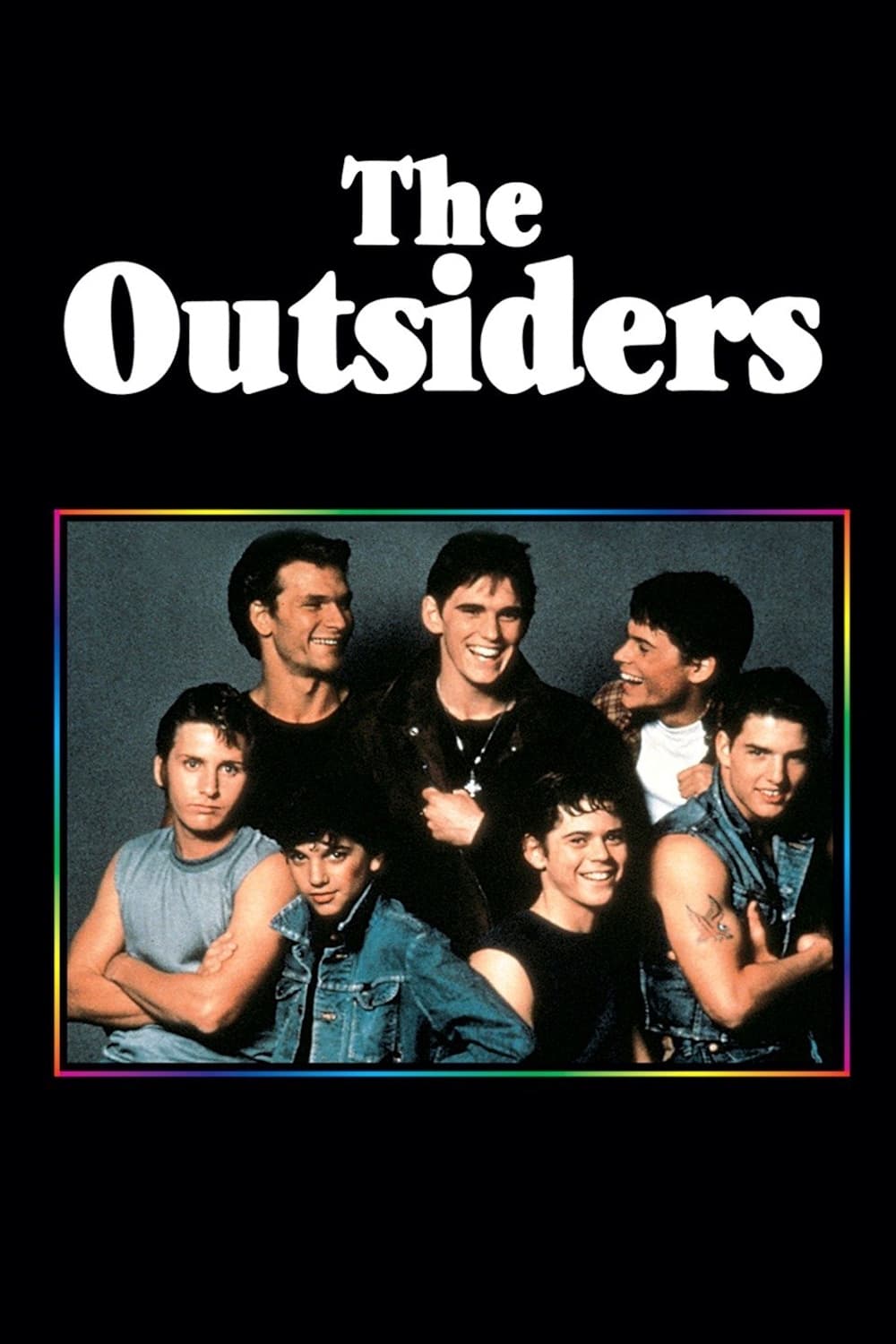
This adaptation helps middle and early high school readers transition into literary analysis. Teachers use it to reinforce plot, character arcs, and themes of class and belonging. Side by side comparisons with the book develop skills in citing evidence. Students often create character maps and discuss how conflict drives change.
‘Remember the Titans’ (2000)

Social studies and physical education classes use this film to discuss integration, leadership, and team building. Teachers highlight real world historical context on school desegregation. Students track how collaboration and trust develop across differences. Group activities often include goal setting and conflict resolution exercises.
‘October Sky’ (1999)
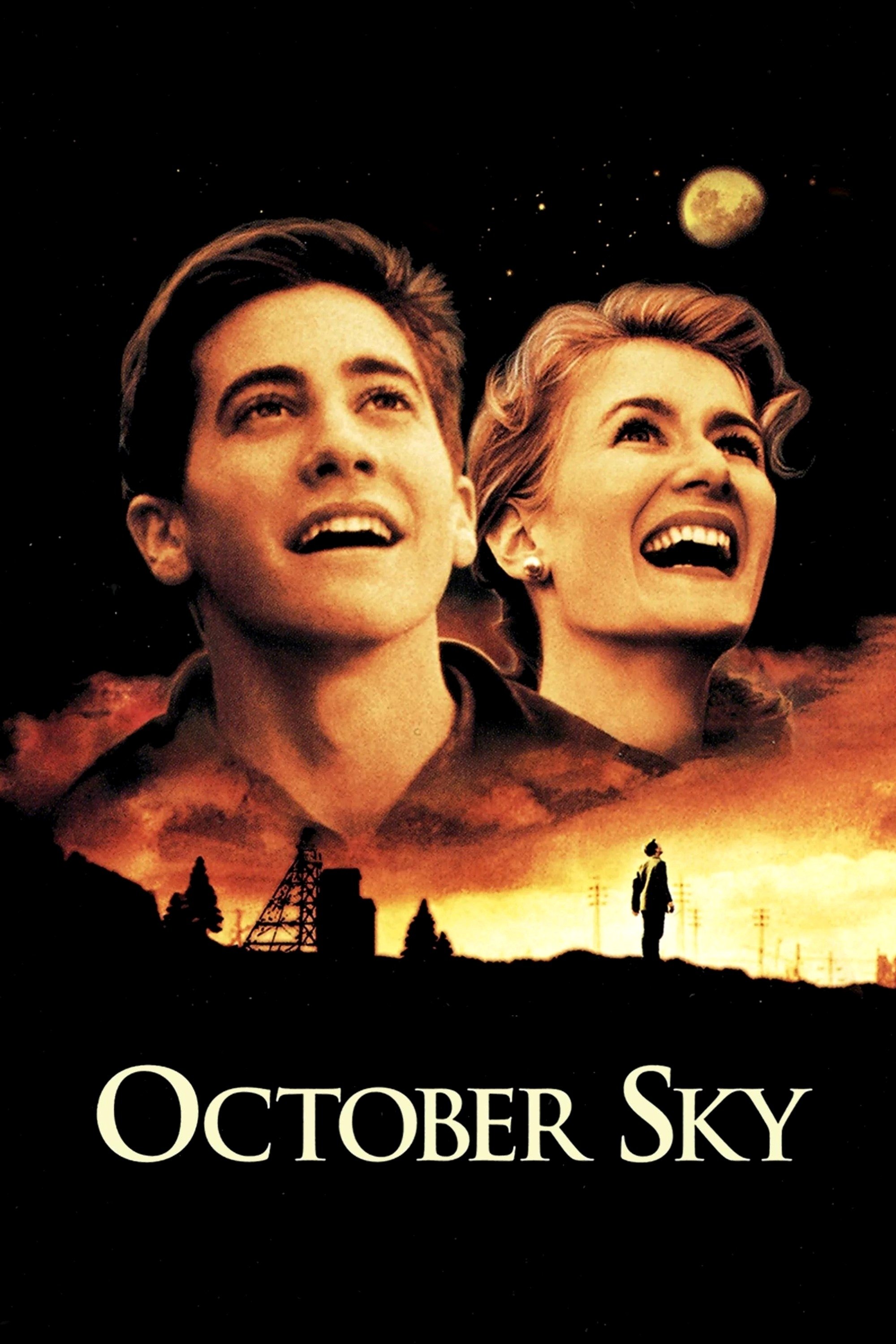
Science classes use this film to inspire interest in rocketry and the scientific method. Teachers connect scenes to physics concepts like thrust and trajectory. Lab activities involve simple model rockets or data analysis from launch trials. The story helps students see how perseverance and mentorship support STEM learning.
‘The Great Gatsby’ (2013)
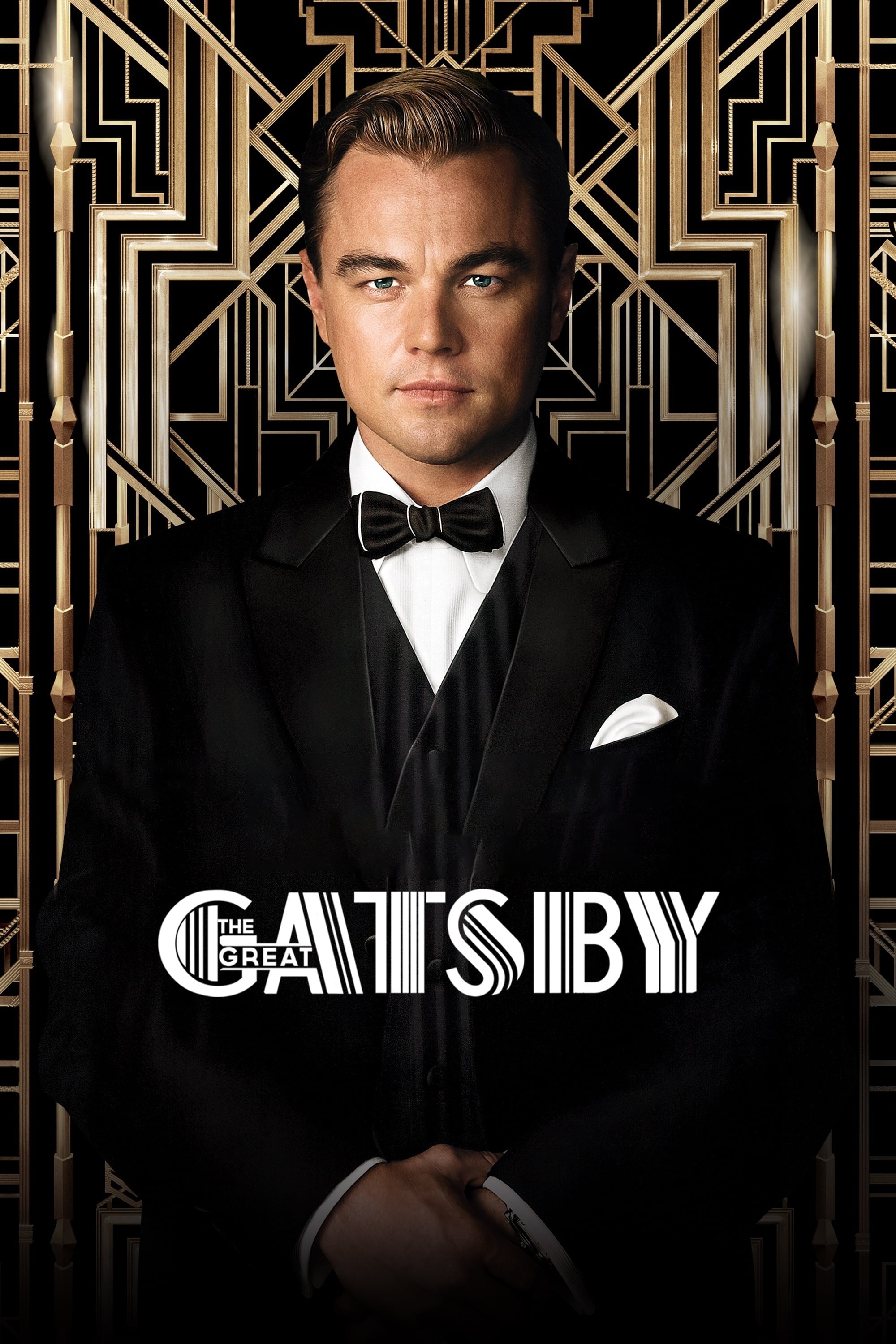
English teachers use this adaptation to examine symbolism, unreliable narration, and social ambition. Students compare visual motifs with imagery in the novel to deepen interpretation. Lessons focus on wealth, identity, and the American Dream across different characters. Close reading of key passages pairs with scene analysis for evidence based discussion.
‘Of Mice and Men’ (1992)
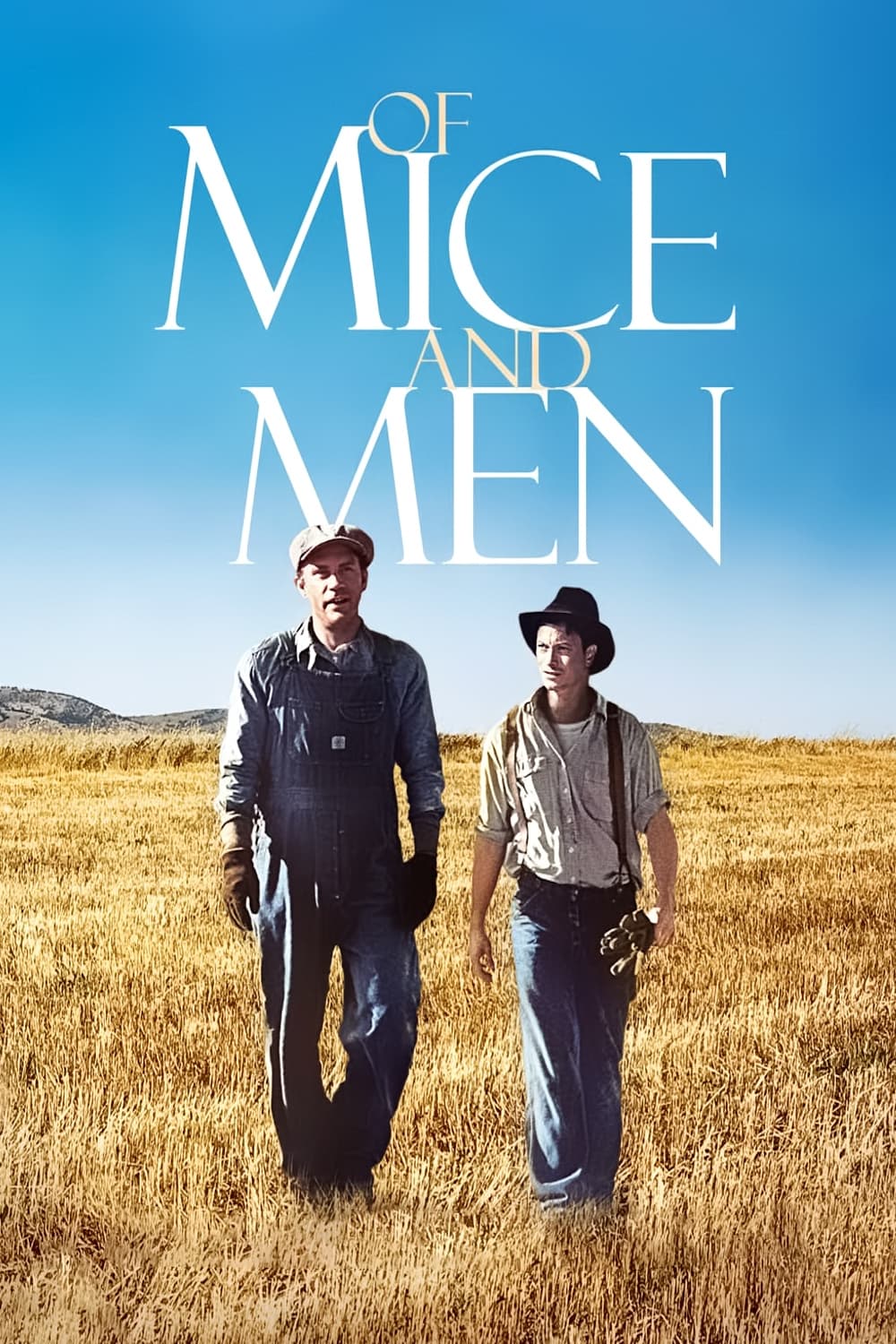
This film helps classes explore friendship, power dynamics, and the challenges of economic hardship. Teachers emphasize foreshadowing and theme development alongside character study. Students practice citing dialogue and actions to support claims. Writing prompts often address moral responsibility and the cost of isolation.
‘The Crucible’ (1996)

History and English curricula use this film to study the Salem witch trials and mass hysteria. Teachers connect the plot to themes of accusation, reputation, and fear. Students analyze how authority and evidence are portrayed in the courtroom. Many classes compare historical documents with scenes to evaluate accuracy and purpose.
‘Hidden Figures’ (2016)

Math and science classes highlight problem solving and collaboration through this true story. Teachers connect scenes to topics like orbital mechanics and computing. Students research the historical barriers faced by the protagonists to understand context. Activities include data based challenges and profiles of contributors to aerospace progress.
‘Glory’ (1989)
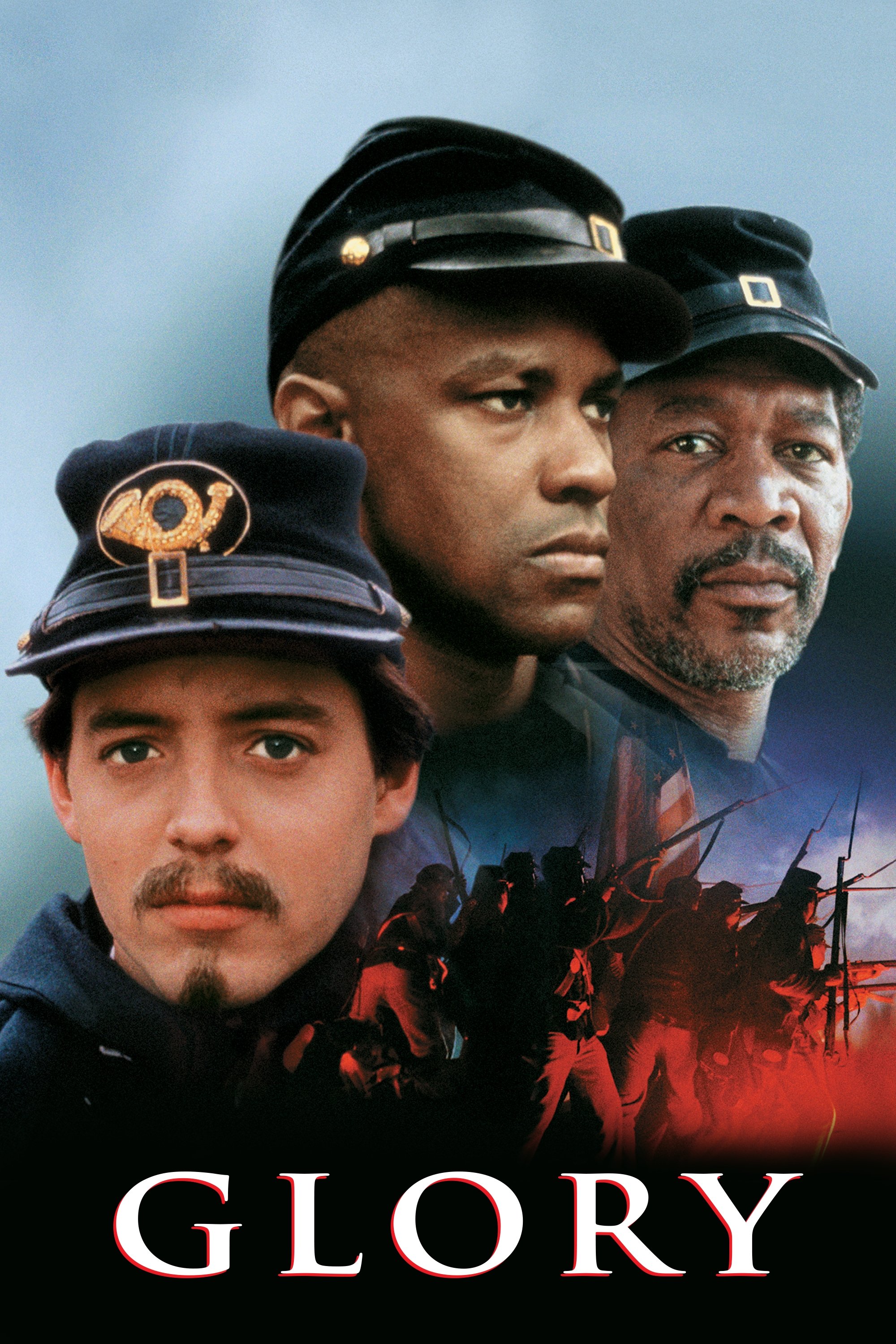
U.S. history courses use this film to study the Civil War and the role of the United States Colored Troops. Teachers provide background on military structure and the fight for equal pay and recognition. Students analyze leadership decisions and primary sources from the period. Class discussions focus on courage, sacrifice, and citizenship.
‘Stand and Deliver’ (1988)
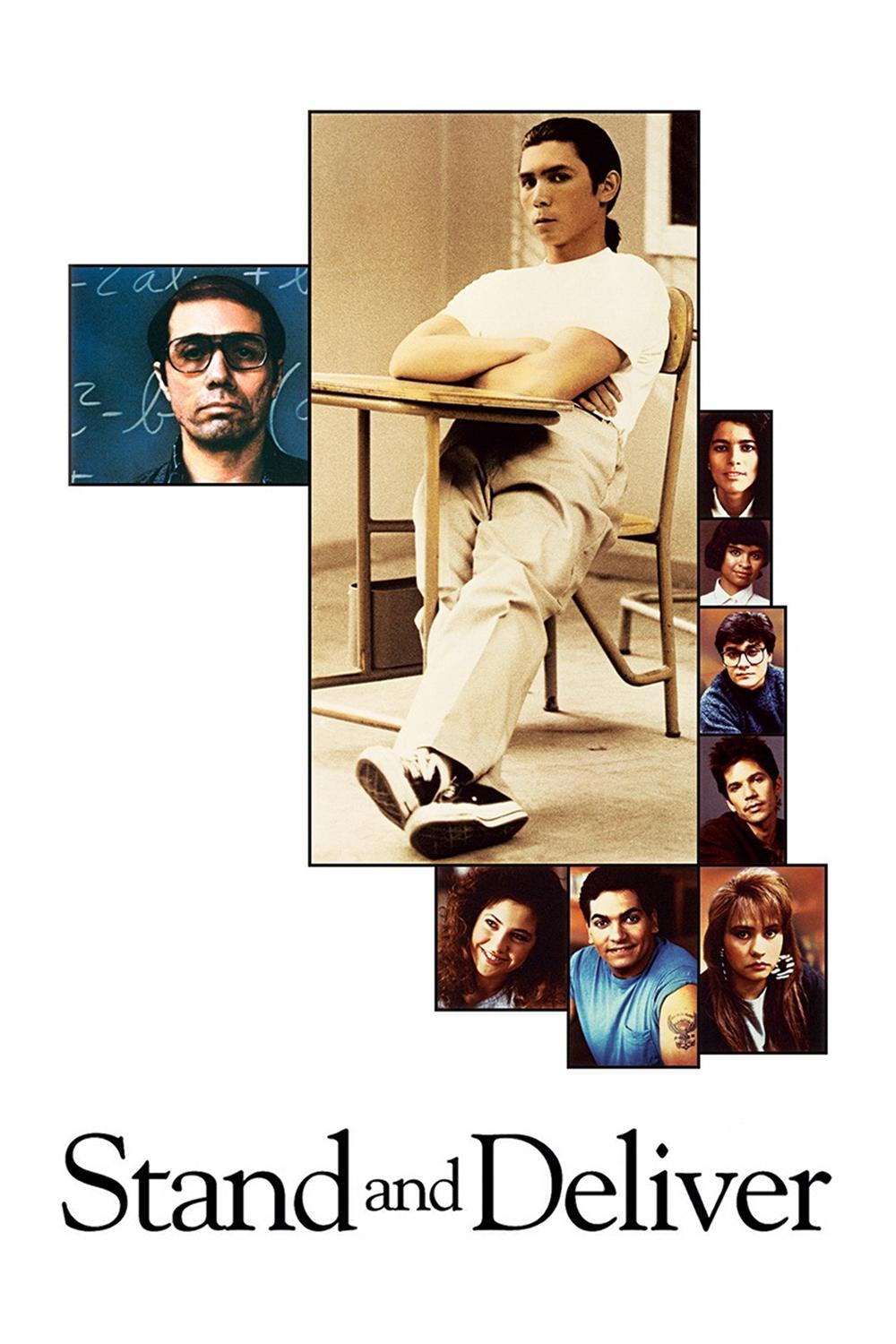
This classroom story supports algebra and calculus units by showing perseverance in mathematics. Teachers use it to discuss growth mindset and effective practice strategies. Students set learning goals and reflect on problem solving habits. The film encourages peer tutoring and step by step reasoning in complex tasks.
‘Gattaca’ (1997)
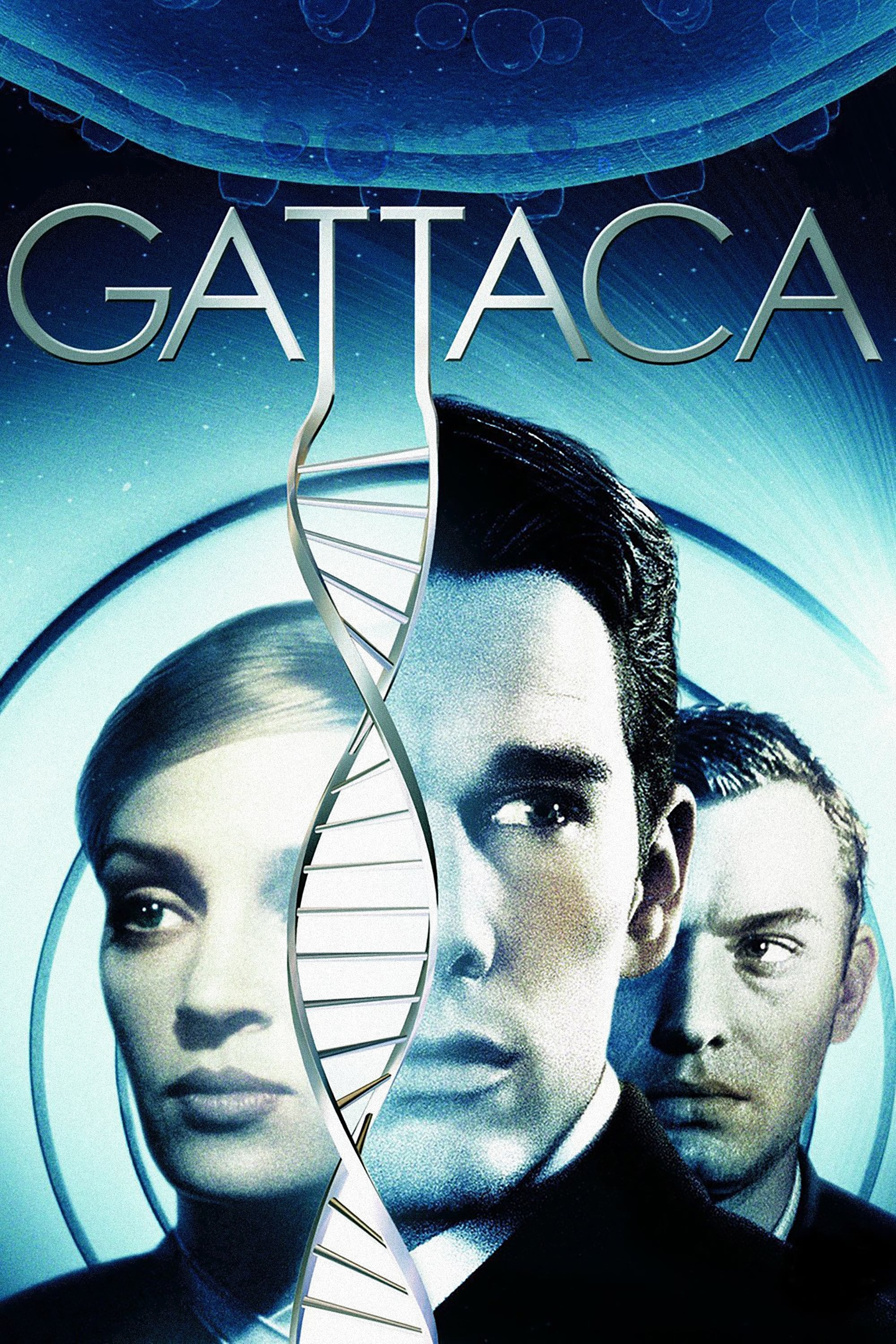
Biology and ethics units use this film to discuss genetics, privacy, and discrimination. Teachers introduce concepts like genetic screening and heredity before viewing. Students debate policy implications and analyze how technology shapes opportunity. Writing assignments often ask for position statements supported by evidence.
‘The Diary of Anne Frank’ (1959)
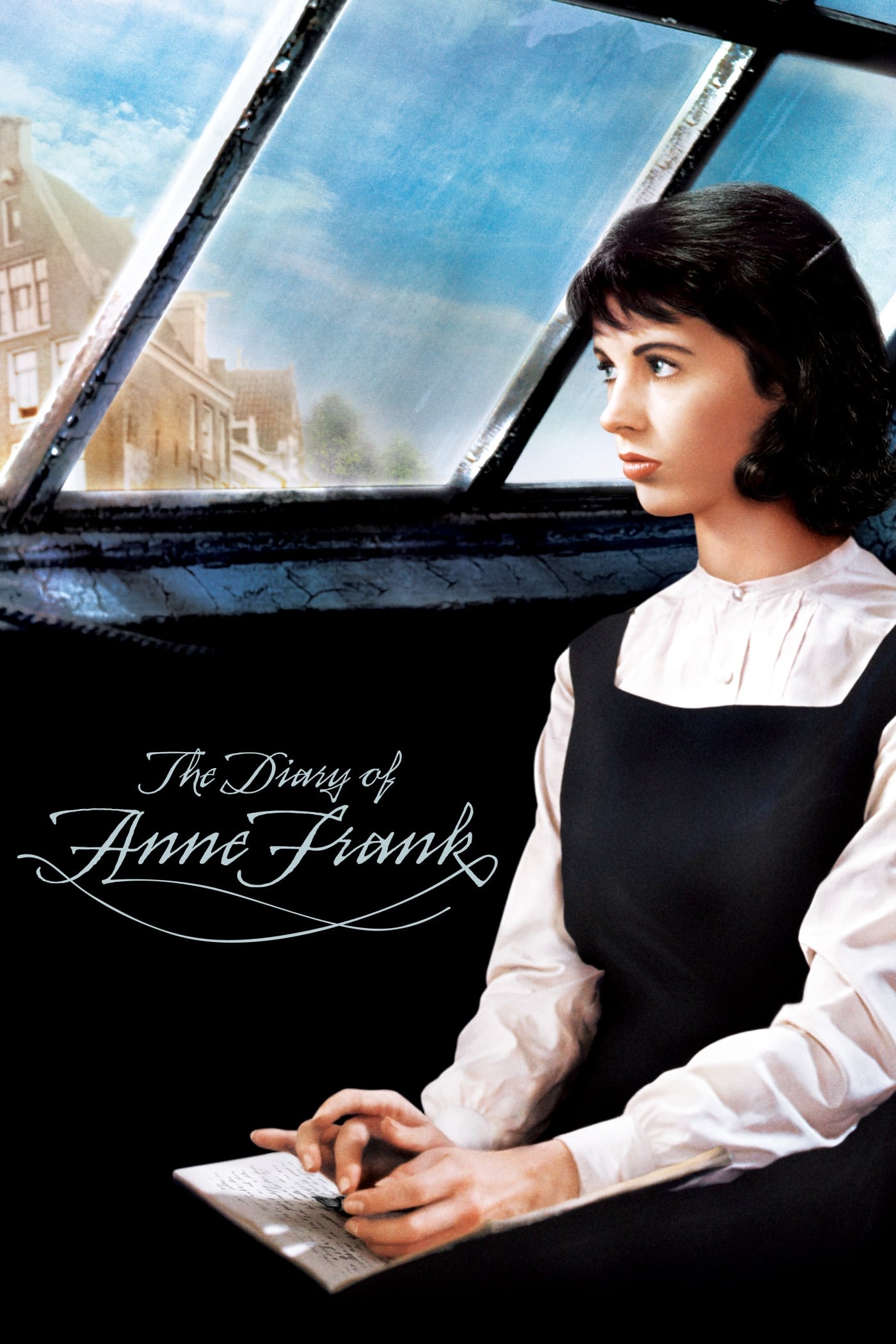
Literature and history classes use this adaptation to connect personal narrative to broader events. Teachers pair scenes with diary excerpts to practice voice and perspective analysis. Students research daily life under occupation and the risks faced by families in hiding. Reflection prompts encourage empathy and connections to human rights.
‘An Inconvenient Truth’ (2006)
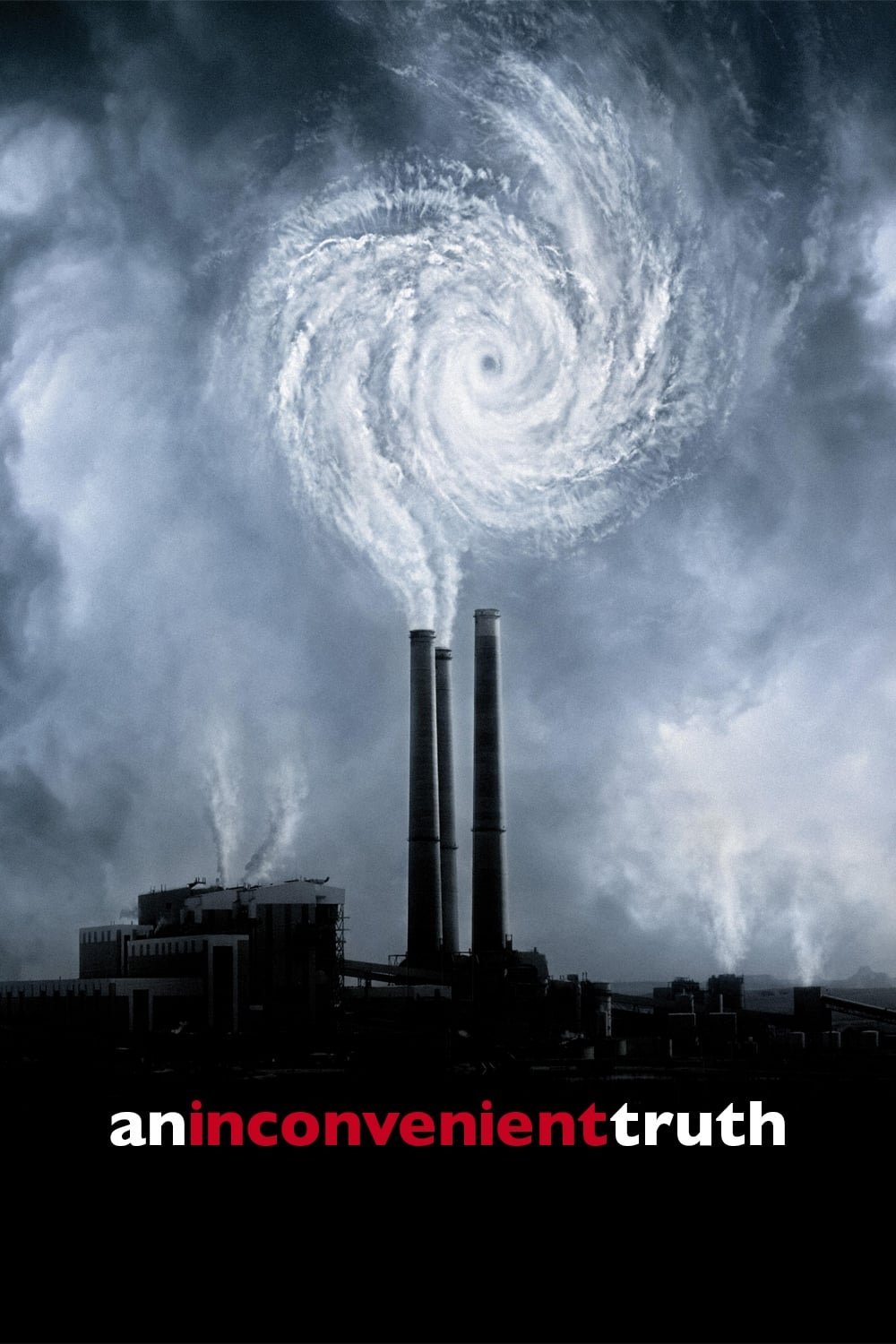
Environmental science classes use this documentary to discuss climate data and evidence based reasoning. Teachers guide students through graphs, trends, and sources to evaluate claims. Activities include carbon footprint auditing and local solutions planning. Discussions focus on mitigation, adaptation, and civic participation.
‘Supersize Me’ (2004)

Health and nutrition courses use this documentary to examine diet, advertising, and lifestyle choices. Teachers encourage scrutiny of methodology and potential bias to build media literacy. Students analyze food labels, daily intake, and long term health outcomes. Projects often include meal planning and persuasive presentations on wellness.
‘Hotel Rwanda’ (2004)
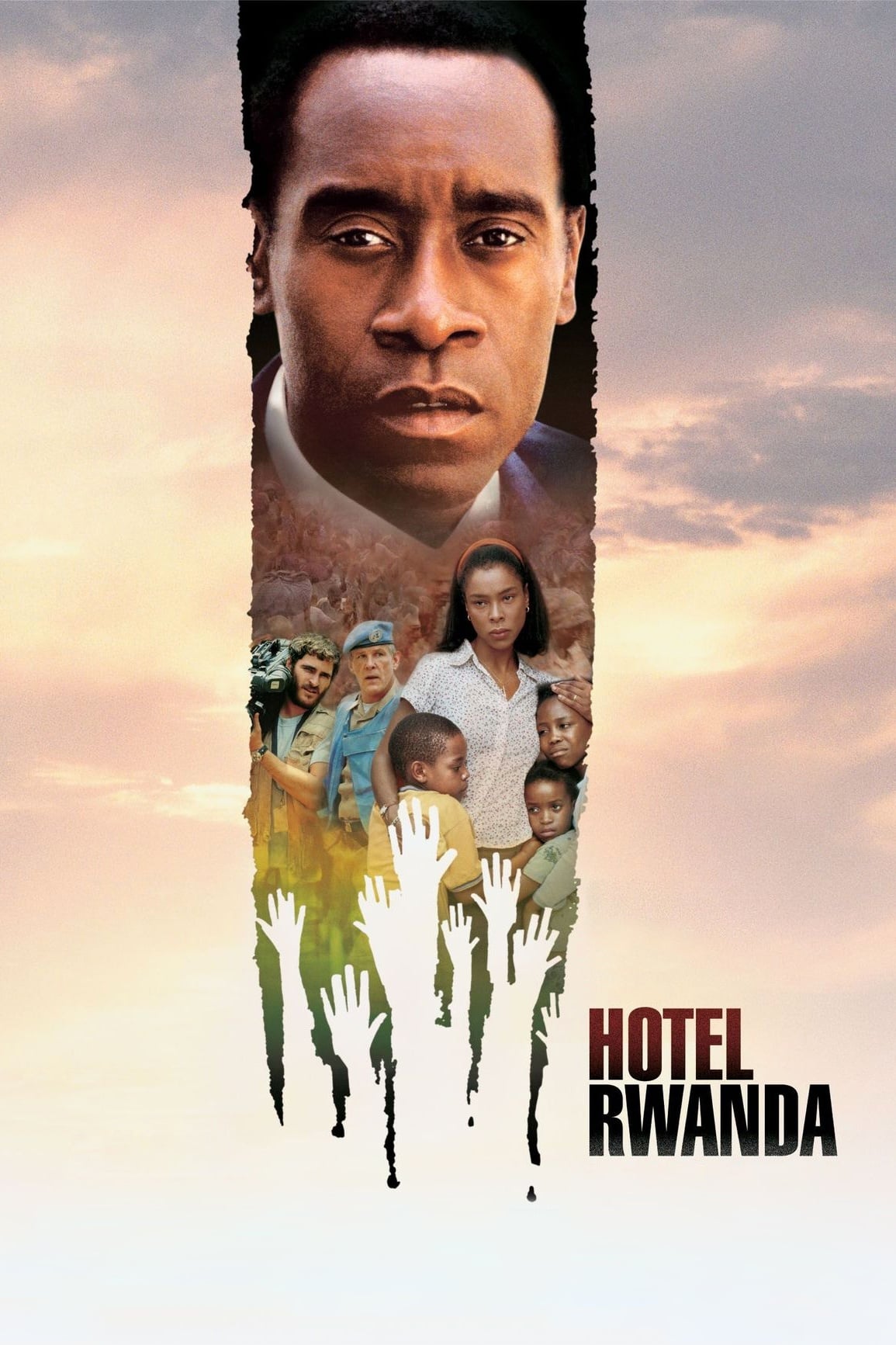
World history and global studies classes use this film to study genocide and international response. Teachers provide background on the region and the role of media and peacekeeping. Students analyze how individual actions can influence outcomes during crises. Guided discussions emphasize the importance of early warning and humanitarian law.
‘Selma’ (2014)
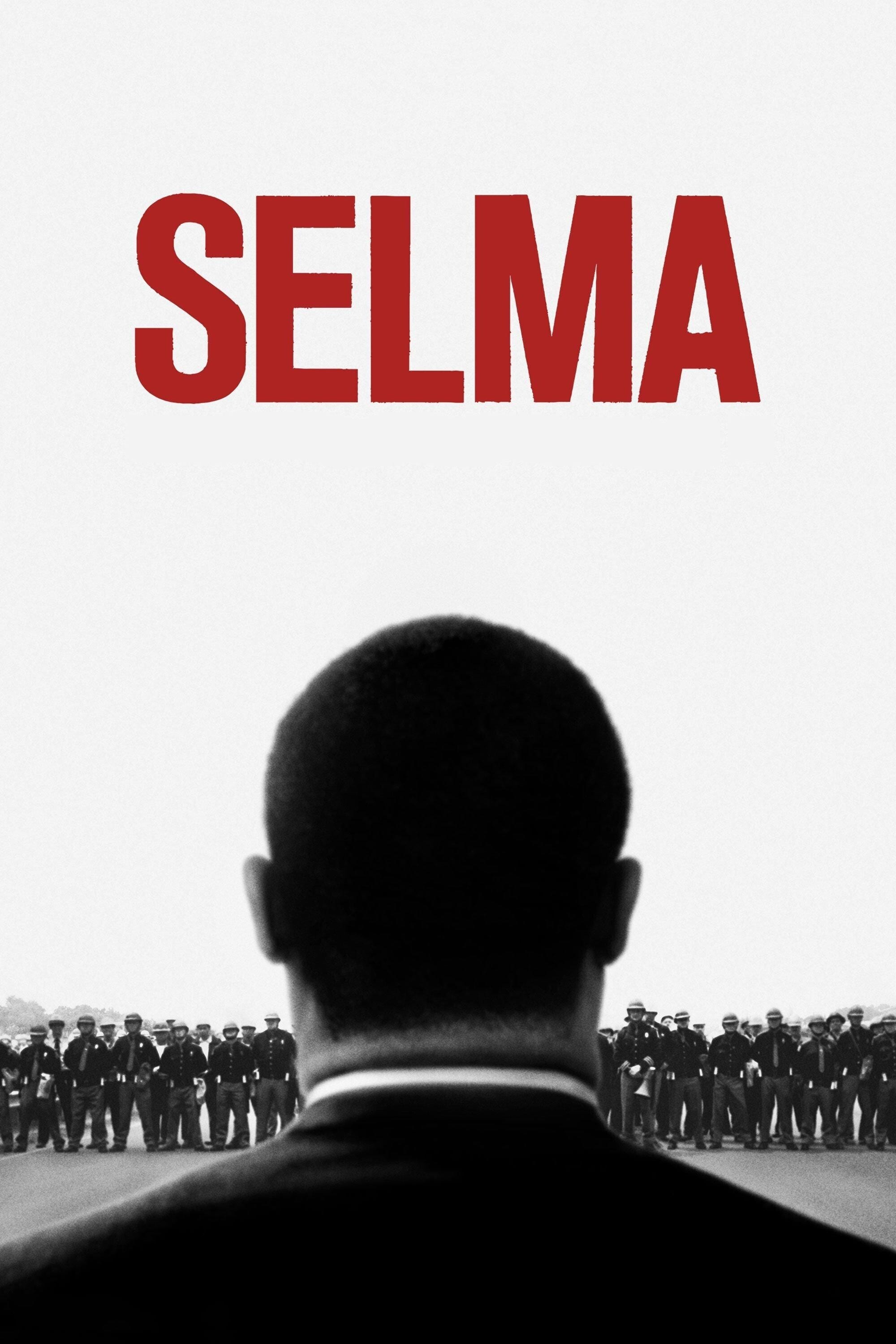
This film supports civil rights units by focusing on organizing, strategy, and voting rights. Teachers introduce key figures and legislation to frame the events. Students examine speeches and archival materials alongside selected scenes. Class activities include timelines and analysis of nonviolent protest tactics.
‘A Beautiful Mind’ (2001)
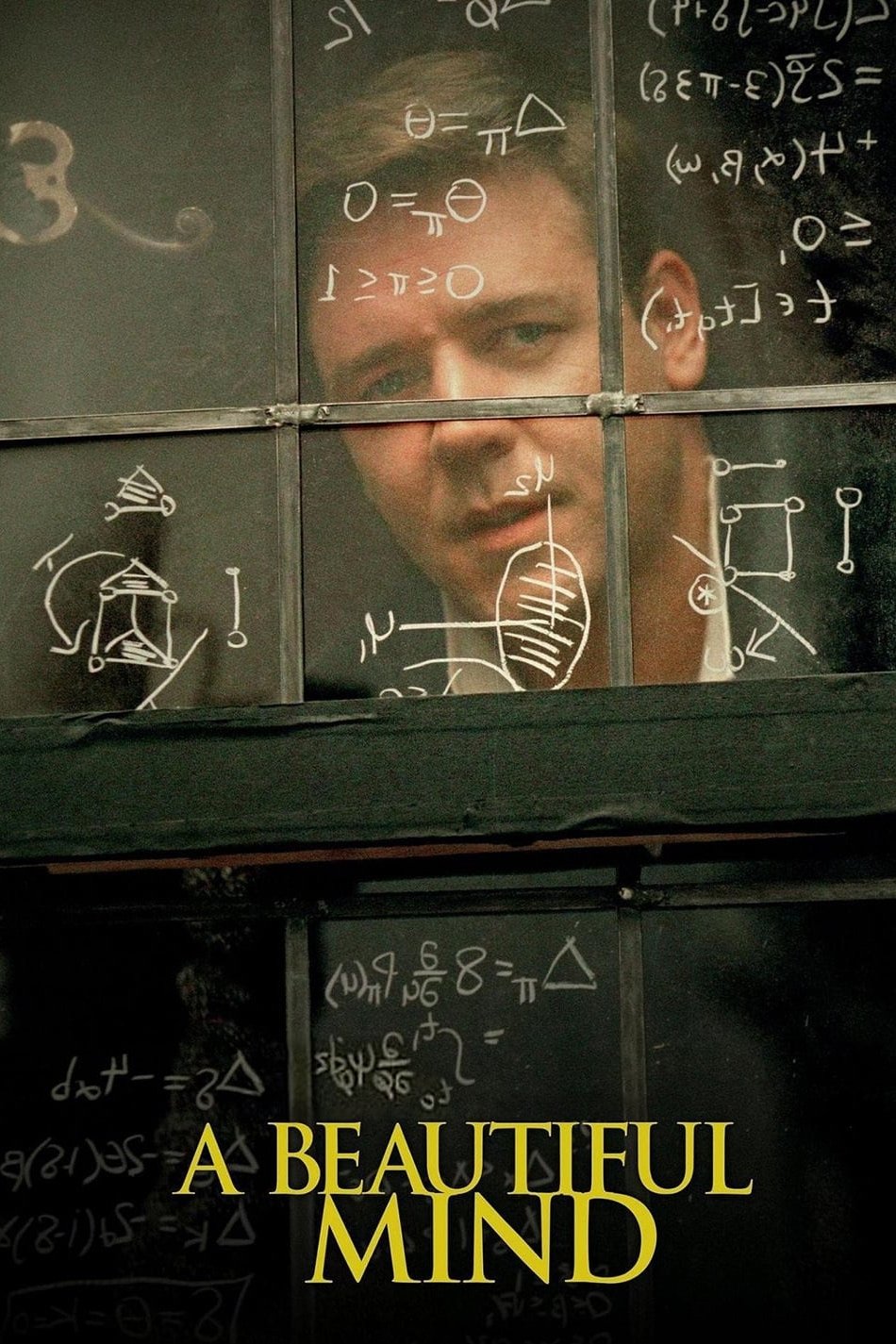
Math and psychology classes use this film to discuss game theory concepts and mental health. Teachers connect scenes to equilibrium models and decision making. Students analyze how perception and reality interact in problem solving. Discussions include support systems and approaches to collaborative research.
Share the movies your teachers showed and why they worked in the comments.