


Top 20 Movies That Blended Reality and Fantasy




Cinema has a unique ability to blur the lines between the world we know and the impossible realms of imagination. These films seamlessly integrate magical elements into grounded settings or present psychological narratives where the distinction between what is real and what is hallucinated becomes difficult to discern. Audiences are often left questioning the nature of the events on screen as characters navigate surreal landscapes or impossible circumstances within otherwise normal lives. This genre often utilizes these fantastical components to explore deep human emotions and complex philosophical questions about existence. The following list highlights twenty films that masterfully merge the ordinary with the extraordinary.
‘Birdman or (The Unexpected Virtue of Ignorance)’ (2014)
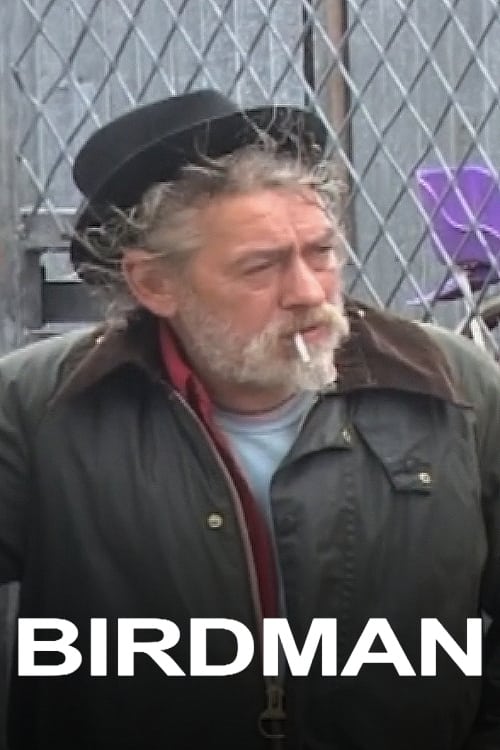
Riggan Thomson is a washed up actor famous for playing a superhero who attempts to revive his fading career by writing and directing a Broadway play. The story follows his mental struggle as he hears the mocking voice of his alter ego and seemingly possesses telekinetic powers that manifest during moments of stress. Director Alejandro G. Iñárritu constructed the film to look like one continuous shot which immerses the audience in the chaotic backstage environment. This technique blurs the boundary between the protagonist’s internal delusions and the actual events unfolding around him in the theater.
‘Midnight in Paris’ (2011)
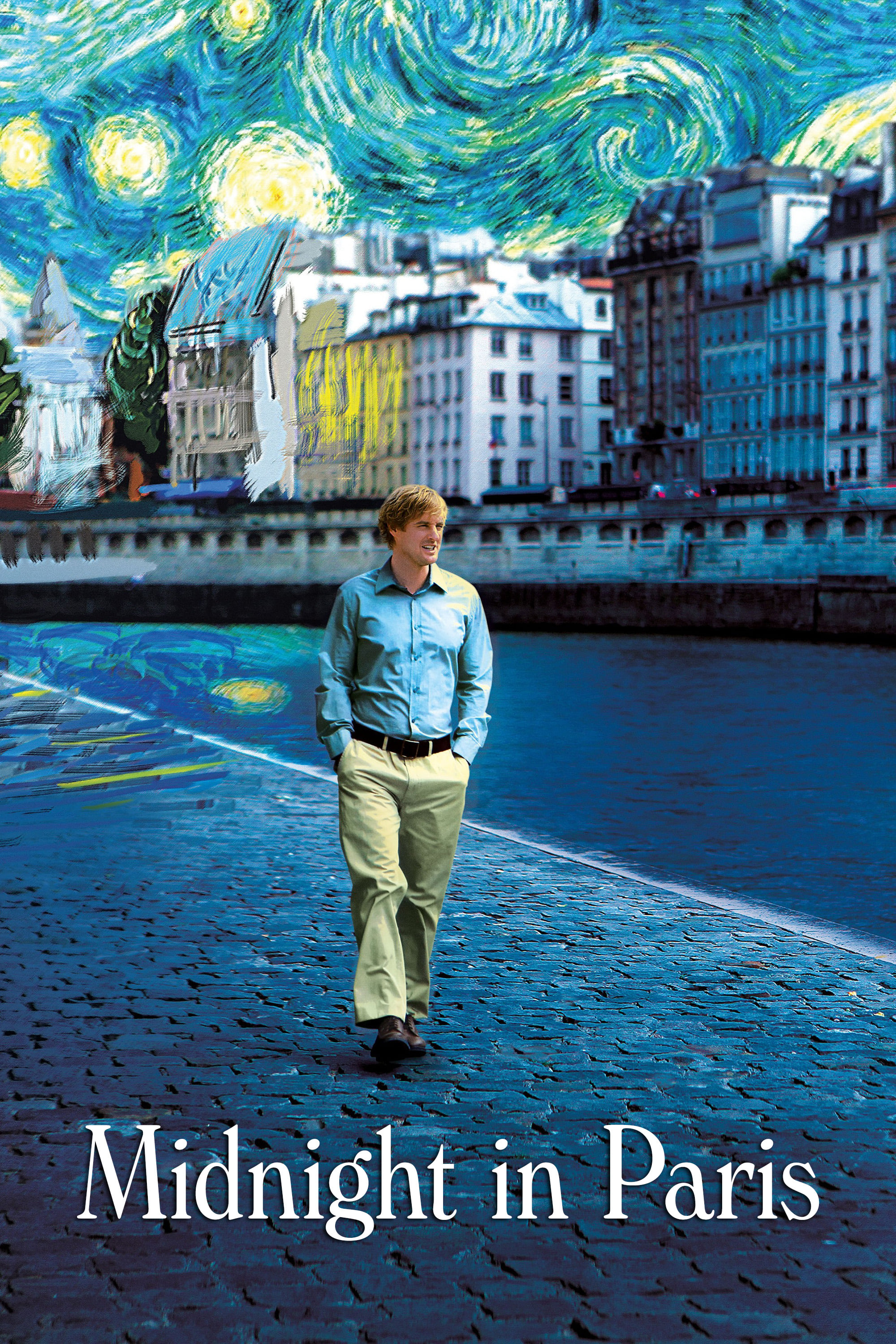
A screenwriter named Gil Pender struggles with his relationship and creative stagnation during a trip to Paris with his fiancée. Every night at midnight he encounters a mysterious antique car that transports him back to the 1920s where he meets literary and artistic icons like Ernest Hemingway and Salvador Dalí. The film juxtaposes his dissatisfaction with the modern world against the allure of a golden age that may not be as perfect as he imagines. Woody Allen uses this magical time travel mechanism to explore the seductive nature of nostalgia and the importance of living in the present.
‘Who Framed Roger Rabbit’ (1988)
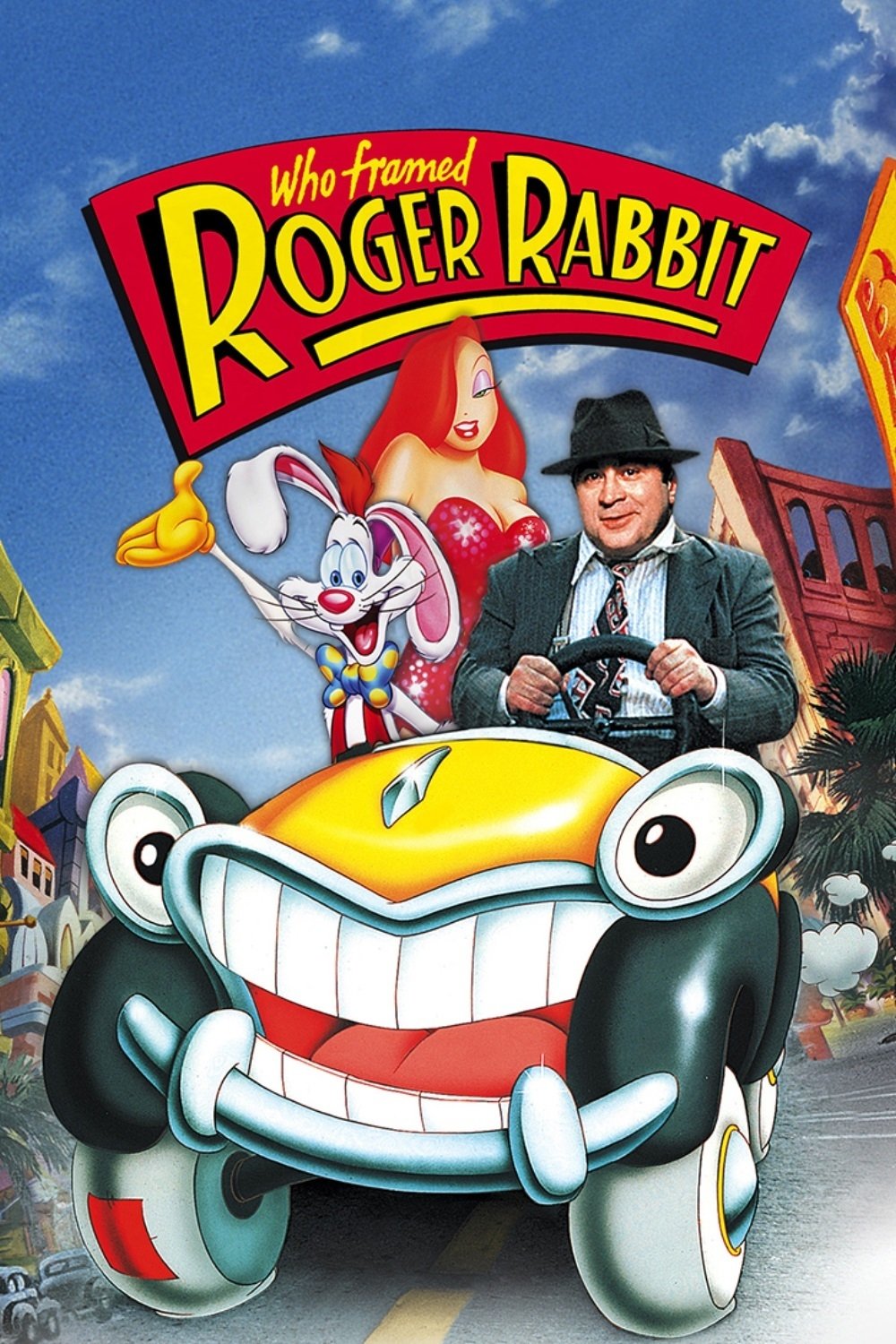
This groundbreaking film establishes a noir version of 1947 Hollywood where animated characters interact directly with real people. Private investigator Eddie Valiant holds a grudge against Toons but reluctantly takes a case to exonerate Roger Rabbit who has been accused of murder. The production combined live action performance with extensive animation work to create a believable physical space occupied by both humans and drawings. It treats the existence of animated characters as a mundane fact of life while weaving a gritty mystery narrative.
‘Everything Everywhere All At Once’ (2022)
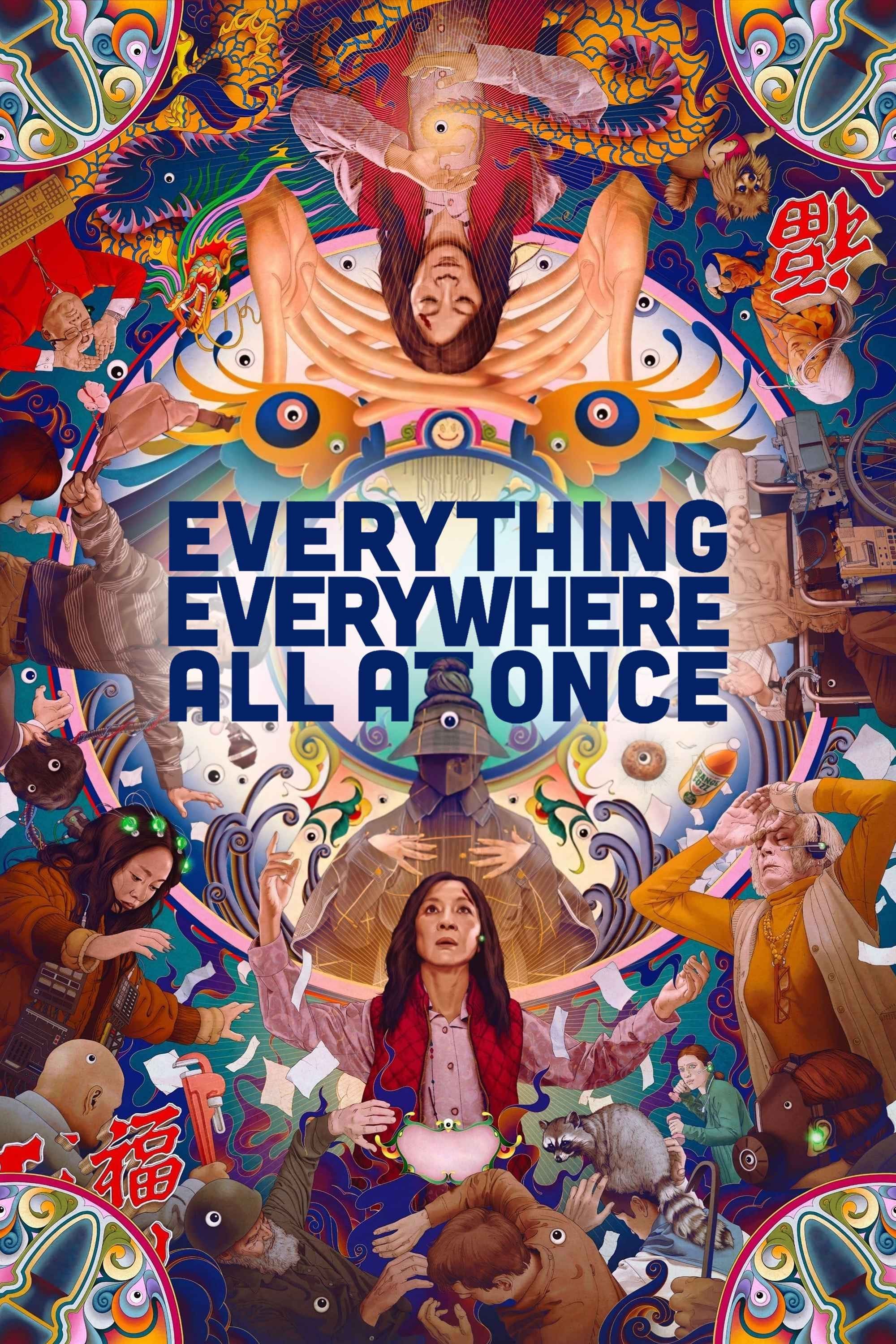
Evelyn Wang is an overwhelmed laundromat owner facing a tax audit when she is suddenly pulled into a conflict spanning multiple dimensions. She learns that she can access the skills and memories of alternate versions of herself to fight a powerful entity threatening the multiverse. The narrative uses absurd elements like hot dog fingers and talking rocks to explore themes of generational trauma and existential nihilism. Directors Daniel Kwan and Daniel Scheinert anchor the chaotic visual effects in a deeply emotional family drama.
‘Being John Malkovich’ (1999)
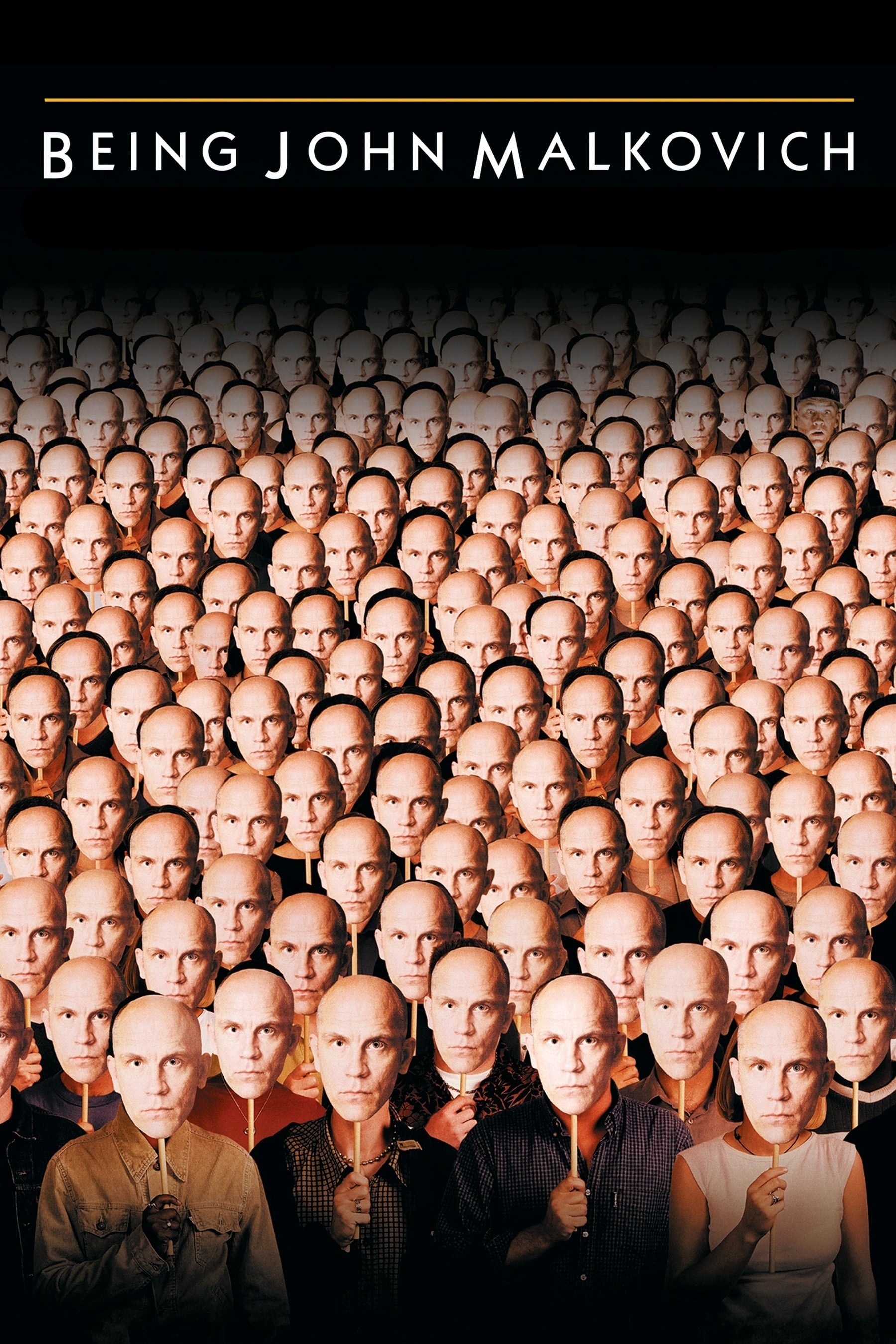
A struggling puppeteer named Craig Schwartz discovers a small door behind a filing cabinet on the low ceilinged floor of an office building. This portal leads directly into the mind of actor John Malkovich and allows travelers to control his body for fifteen minutes before being ejected onto the New Jersey Turnpike. The film treats this surreal metaphysical anomaly with a dry and bureaucratic tone that heightens the absurdity of the premise. It raises disturbing questions about identity and celebrity worship as various characters become obsessed with inhabiting someone else’s life.
‘Mulholland Drive’ (2001)
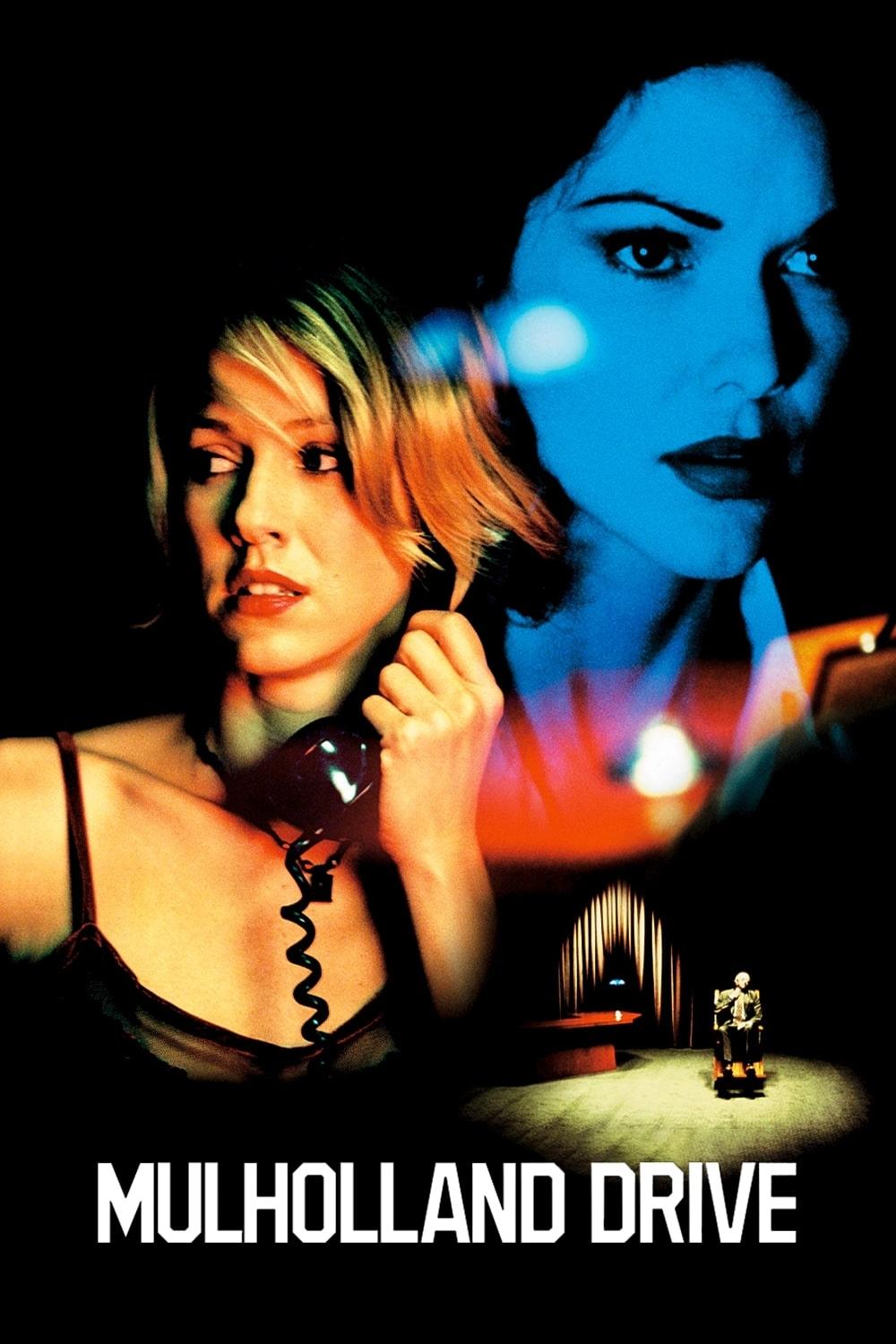
A woman with amnesia stumbles into the apartment of an aspiring actress named Betty who tries to help her uncover her true identity. The narrative unfolds as a disjointed dreamscape filled with cryptic clues and bizarre characters that seem to represent the dark underbelly of Hollywood. Director David Lynch crafts a nonlinear story where identities shift and reality fractures into nightmarish delusions. The film resists easy interpretation and forces viewers to surrender to its emotional logic rather than a traditional plot structure.
‘Edward Scissorhands’ (1990)
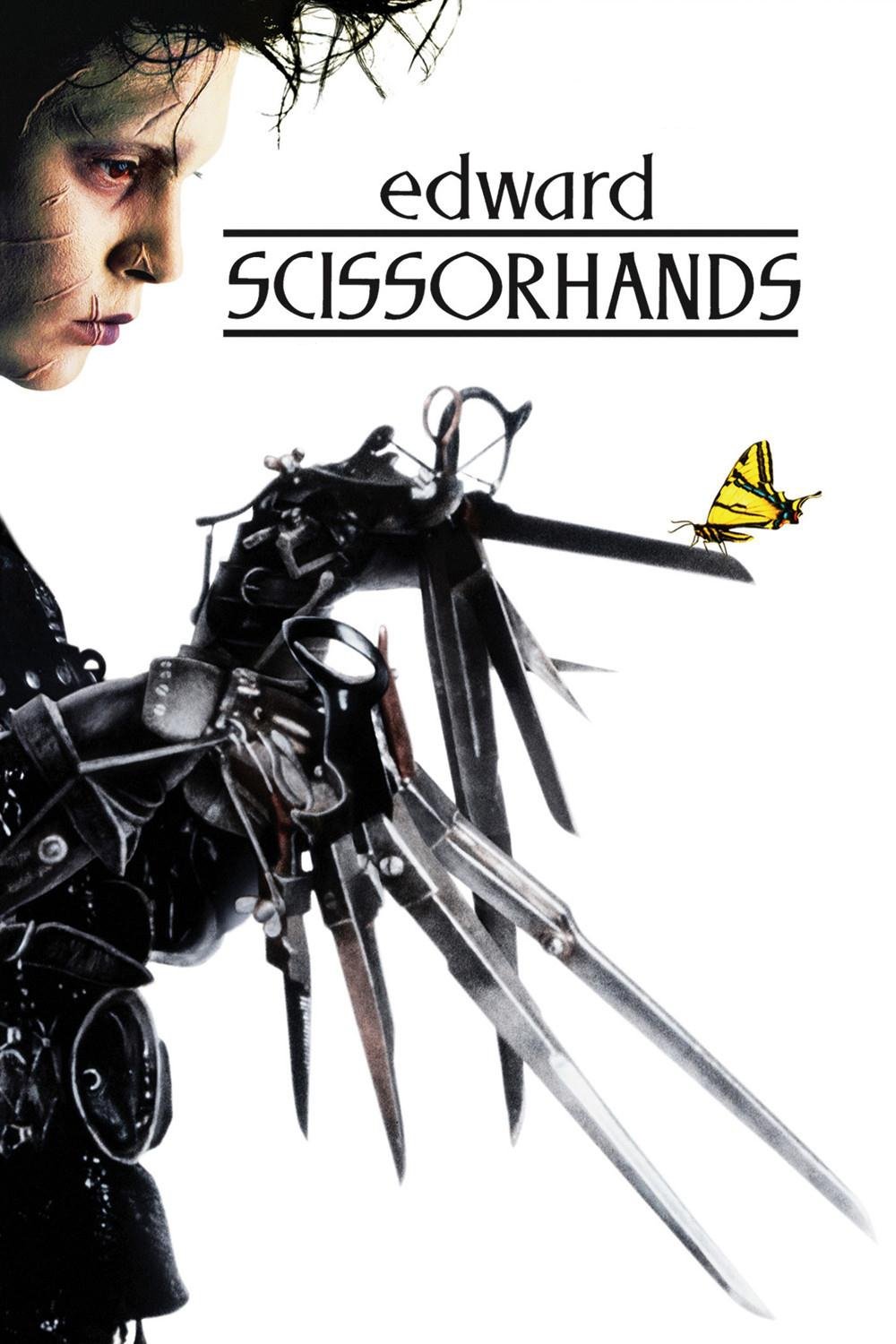
An inventor dies before completing his creation and leaves a young man named Edward with sharp metal shears instead of hands. A kind saleswoman discovers him living alone in a gothic mansion and brings him down to her pastel colored suburban neighborhood. The film contrasts the exaggerated conformity of the town with the gentle but dangerous nature of the outcast. Tim Burton uses this modern fairy tale to examine how society exploits and ultimately rejects those who are different.
‘Life of Pi’ (2012)
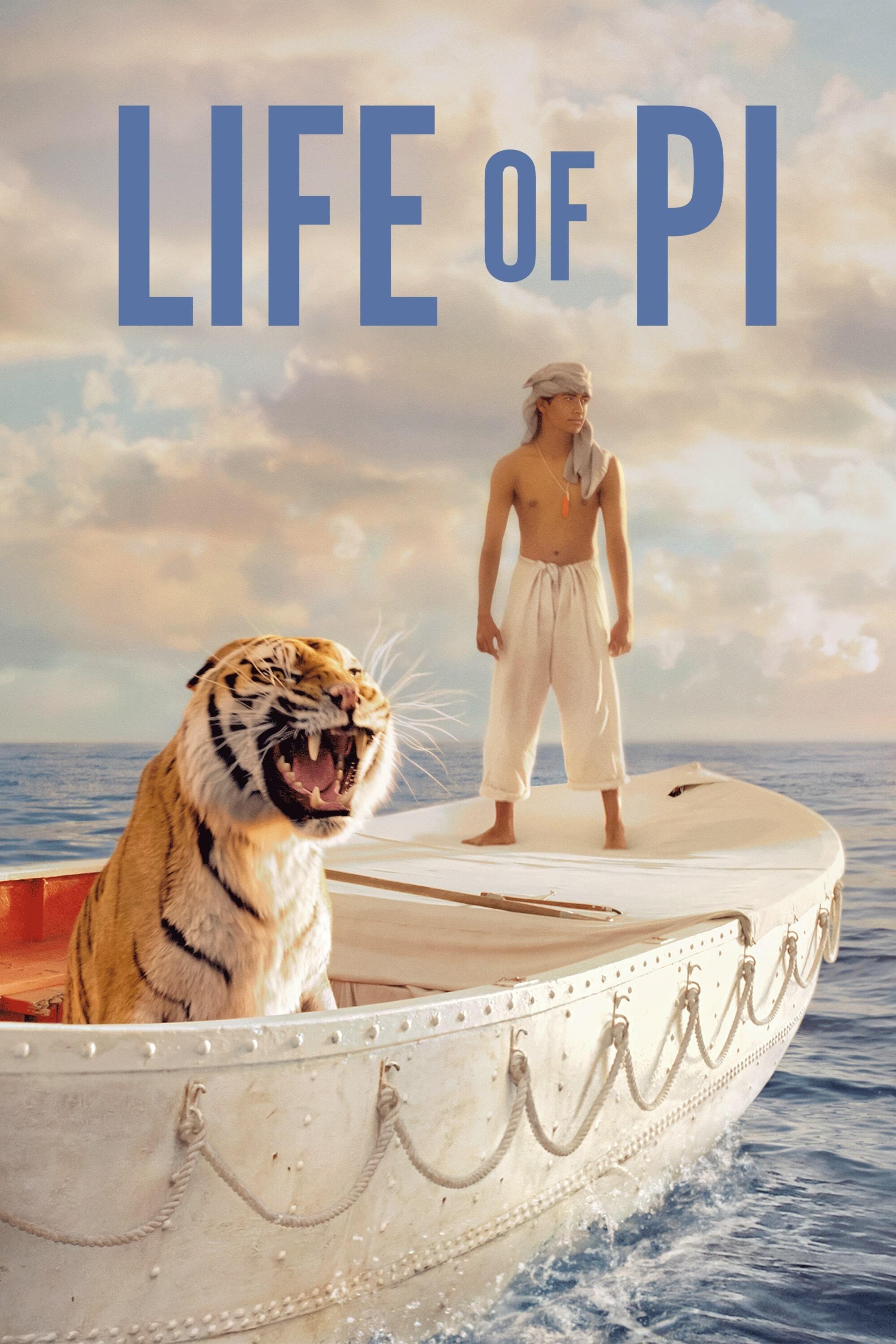
Young Pi Patel survives a shipwreck in the Pacific Ocean and finds himself stranded on a lifeboat with a Bengal tiger named Richard Parker. The visual narrative presents a dazzling journey of survival where the ocean glows with bioluminescence and meerkats inhabit a floating carnivorous island. Ang Lee directs this adaptation which questions the nature of truth by offering two different accounts of the events. The story suggests that the fantastical version may be a coping mechanism to deal with a much darker reality.
‘Groundhog Day’ (1993)

Weatherman Phil Connors travels to Punxsutawney for an assignment and finds himself trapped in a time loop where he relives February 2nd repeatedly. He initially uses the lack of consequences to indulge in hedonism and manipulation before falling into despair and eventually seeking self improvement. The film uses the supernatural premise to explore Buddhist philosophies regarding enlightenment and the human capacity for change. It remains a definitive example of how a fantasy construct can facilitate a character study grounded in authentic human growth.
‘Donnie Darko’ (2001)
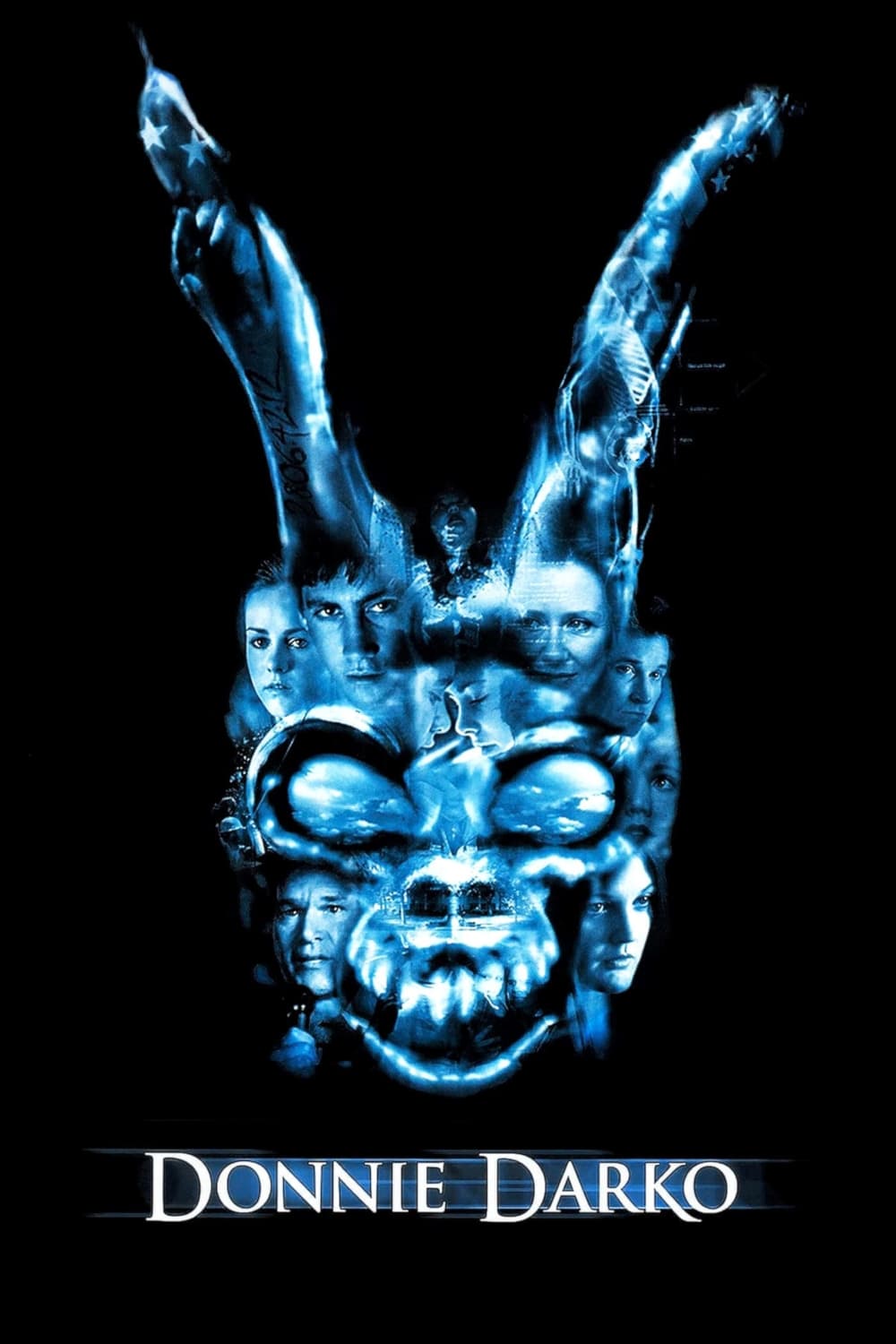
A troubled teenager named Donnie survives a freak accident involving a jet engine crashing into his bedroom after sleepwalking out of the house. He begins seeing a figure in a monstrous rabbit suit named Frank who tells him the world will end in twenty eight days. The narrative blends elements of science fiction and psychological thriller as Donnie investigates time travel and tangent universes. Director Richard Kelly creates an atmosphere of suburban dread where the hallucinations may actually be prophecies of a predestined path.
‘Black Swan’ (2010)
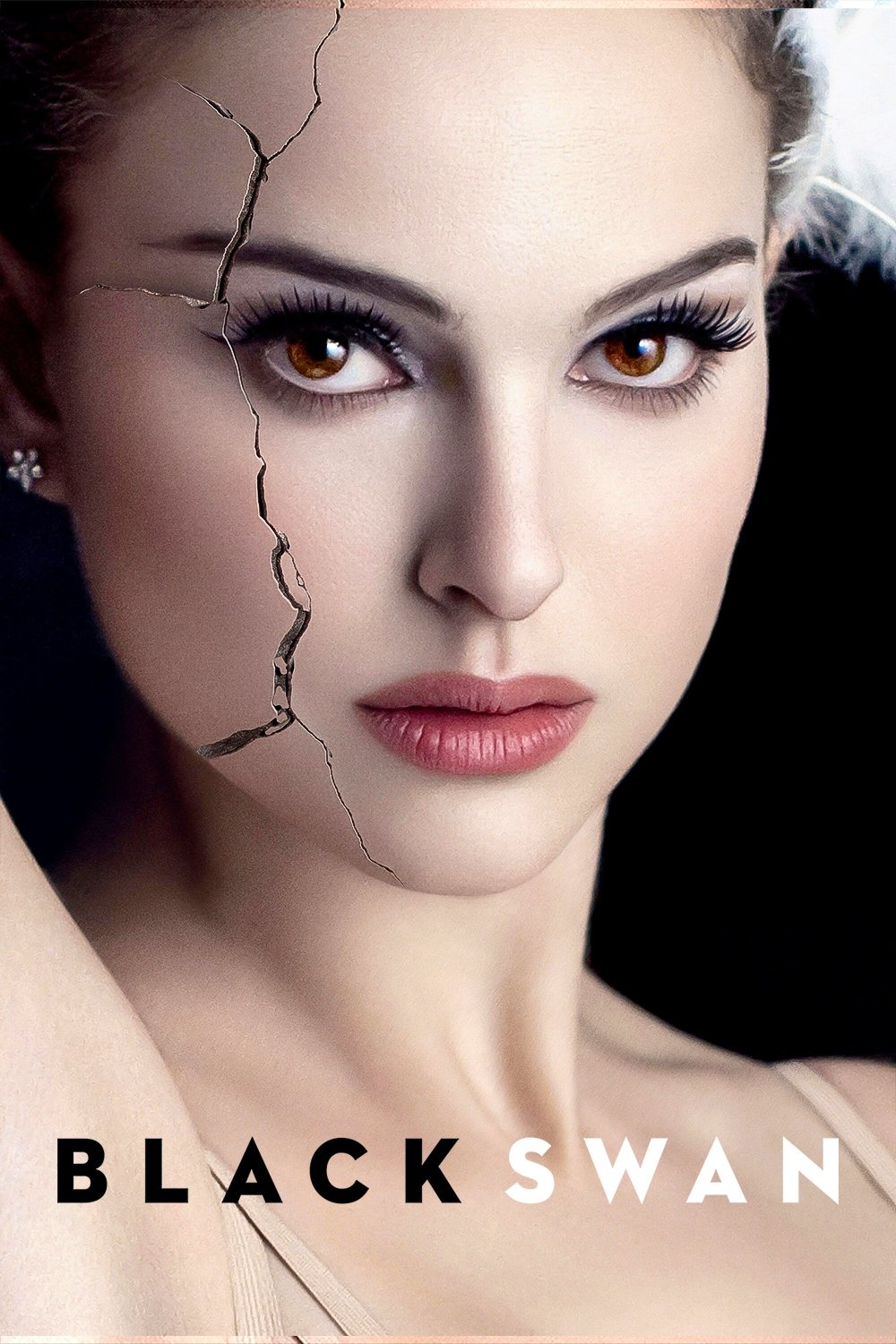
Nina Sayers is a dedicated ballerina in a New York City company who wins the lead role in a production of Swan Lake. The pressure to embody both the innocent White Swan and the sensual Black Swan causes her grip on reality to slip as she hallucinates physical transformations. Director Darren Aronofsky visualizes her psychological breakdown through body horror elements that mirror the plot of the ballet she performs. The film portrays the destructive pursuit of artistic perfection where the line between the performer and the role is completely erased.
‘Big Fish’ (2003)
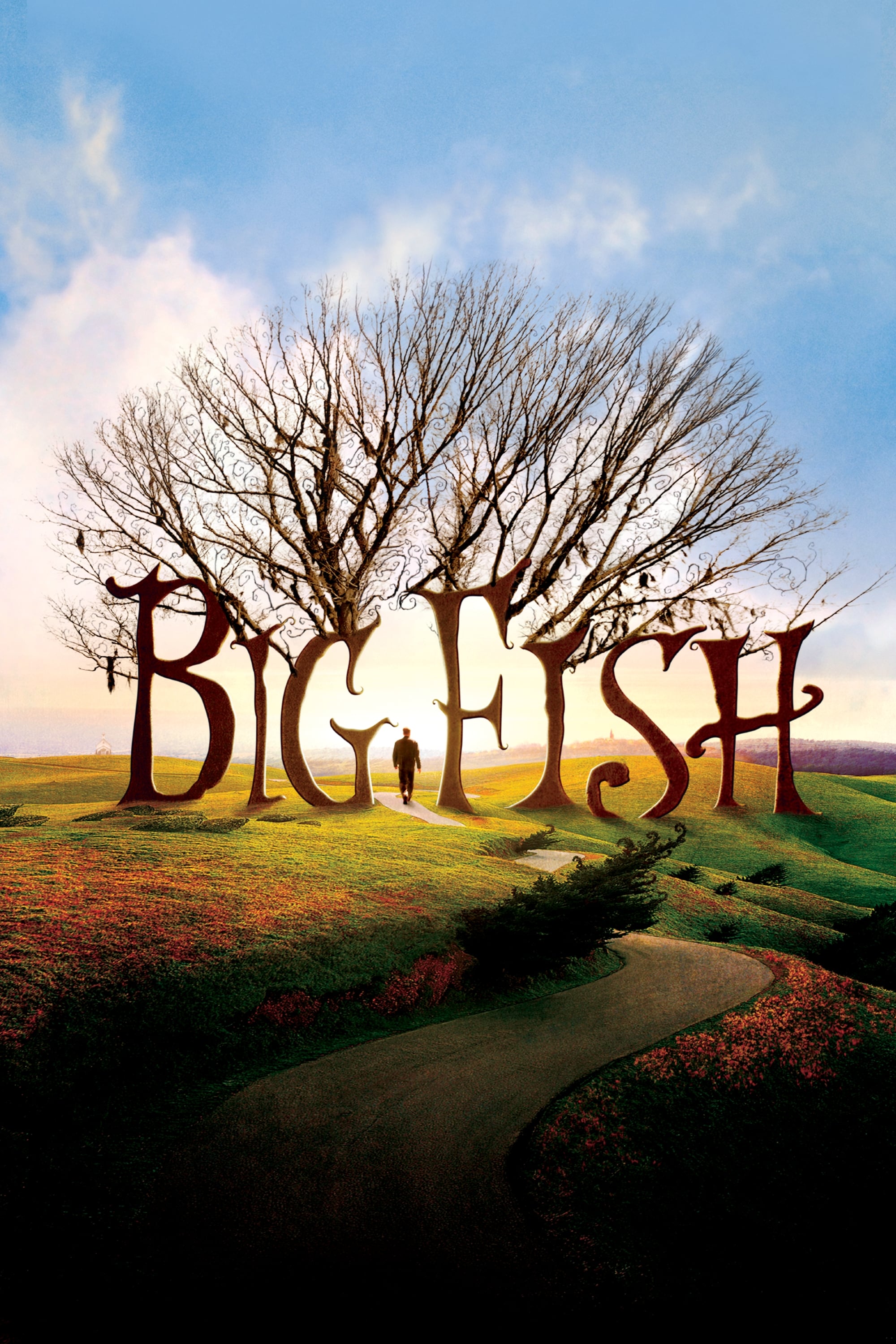
Will Bloom travels to be with his dying father Edward who has spent his life telling tall tales about his past adventures. The flashbacks depict Edward encountering witches and giants and joining a circus while the present day scenes show Will trying to find the truth behind the myths. Tim Burton weaves these exaggerated stories together with a grounded drama about reconciliation between a father and son. The film suggests that the fantasy version of a life can sometimes be more truthful than dry facts.
‘The Wizard of Oz’ (1939)
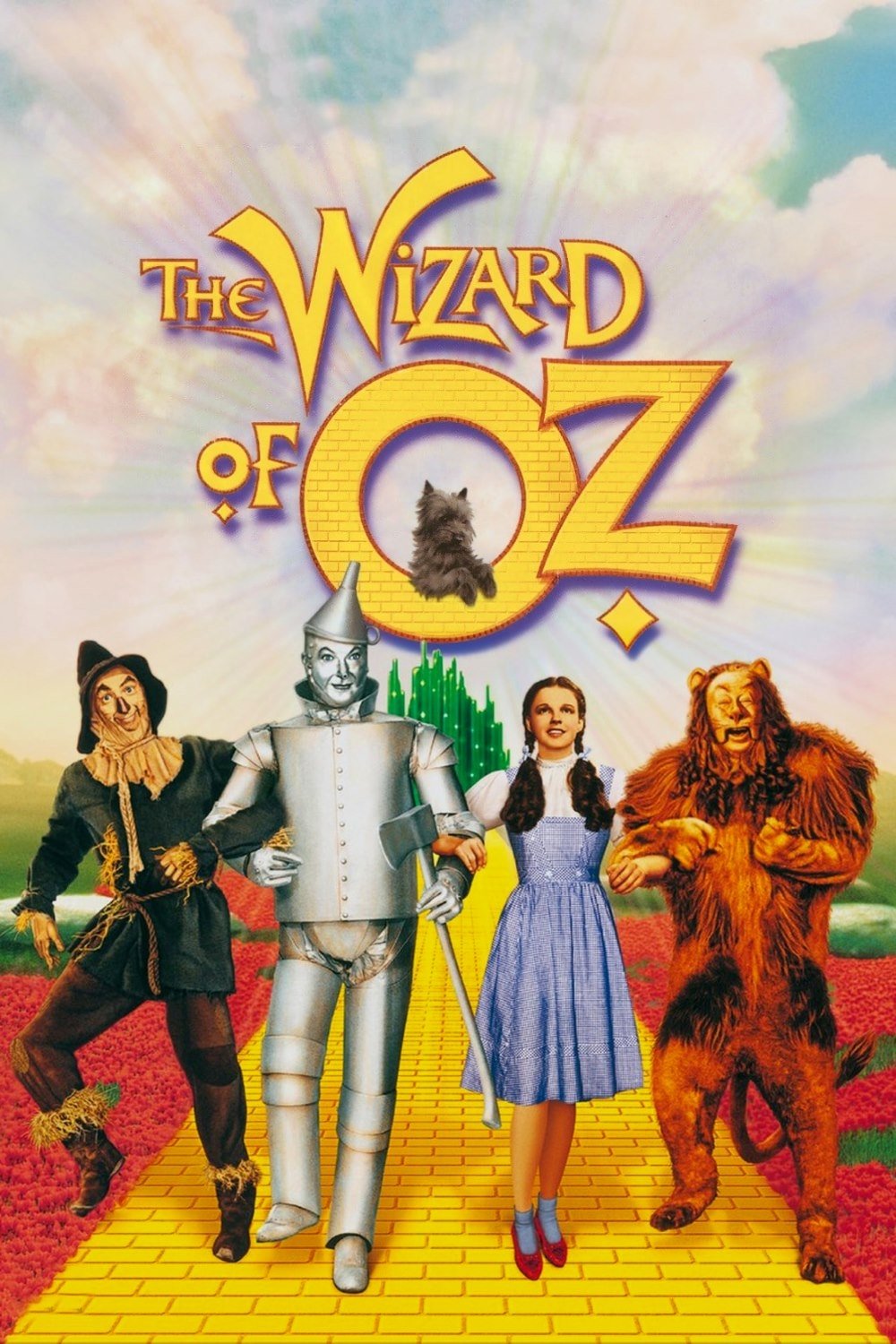
Dorothy Gale runs away from her home in Kansas and is swept up by a tornado that deposits her in the magical land of Oz. The transition from sepia toned reality to the Technicolor fantasy world remains one of the most famous visual cues in cinema history. She travels the Yellow Brick Road with three companions who mirror the farmhands she knows in her real life. The film functions as a classic dream narrative where the protagonist processes her real world anxieties through a fantastical journey.
‘Pan’s Labyrinth’ (2006)
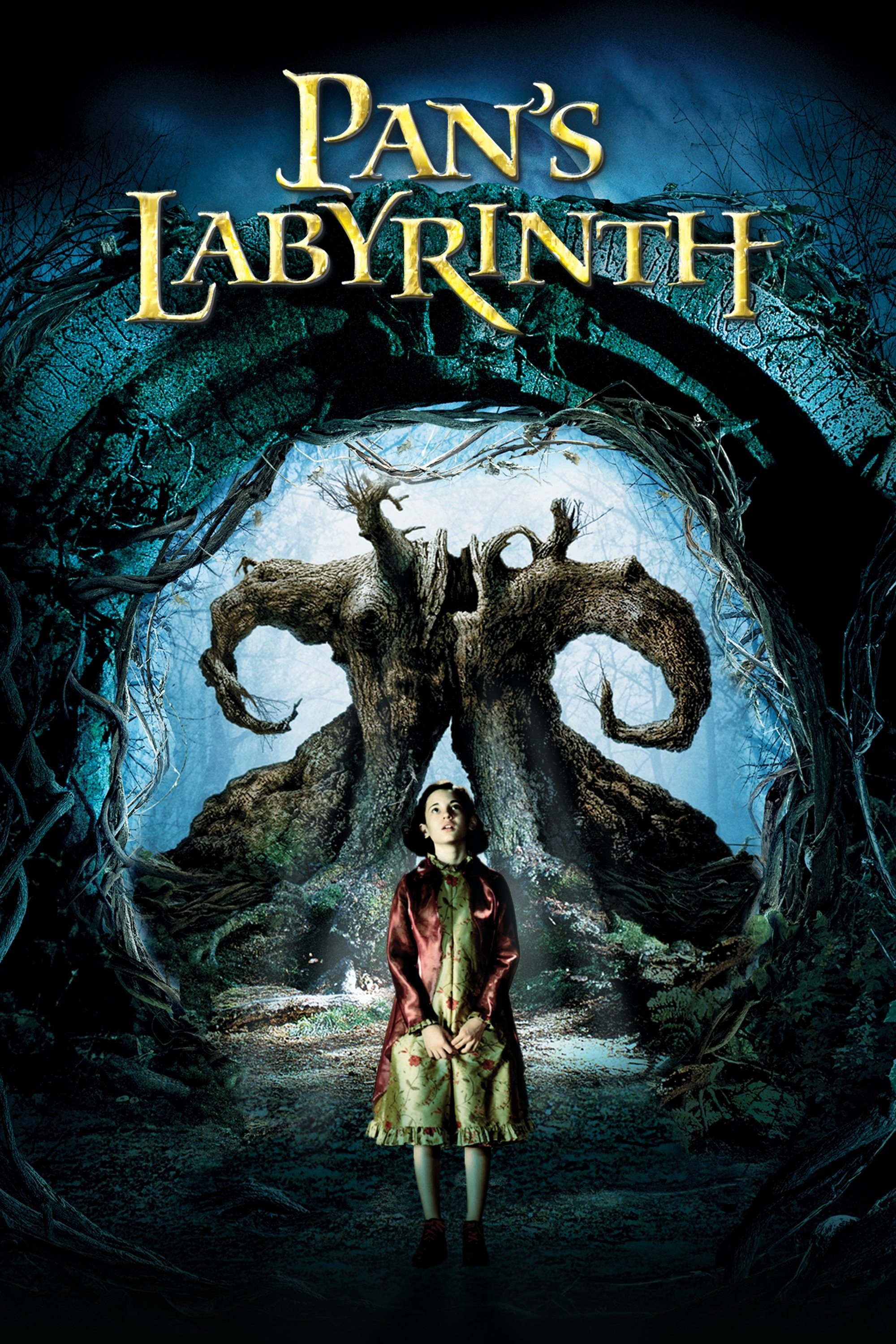
A young girl named Ofelia moves to a military outpost in post Civil War Spain with her pregnant mother and sadistic stepfather. She discovers an ancient stone labyrinth and meets a faun who claims she is the reincarnation of an underworld princess. Guillermo del Toro intertwines the brutal reality of the fascist resistance with a dark fairy tale world of monsters and magic tasks. The fantasy elements provide Ofelia with a way to comprehend and escape the terrifying violence of her daily existence.
‘Eternal Sunshine of the Spotless Mind’ (2004)
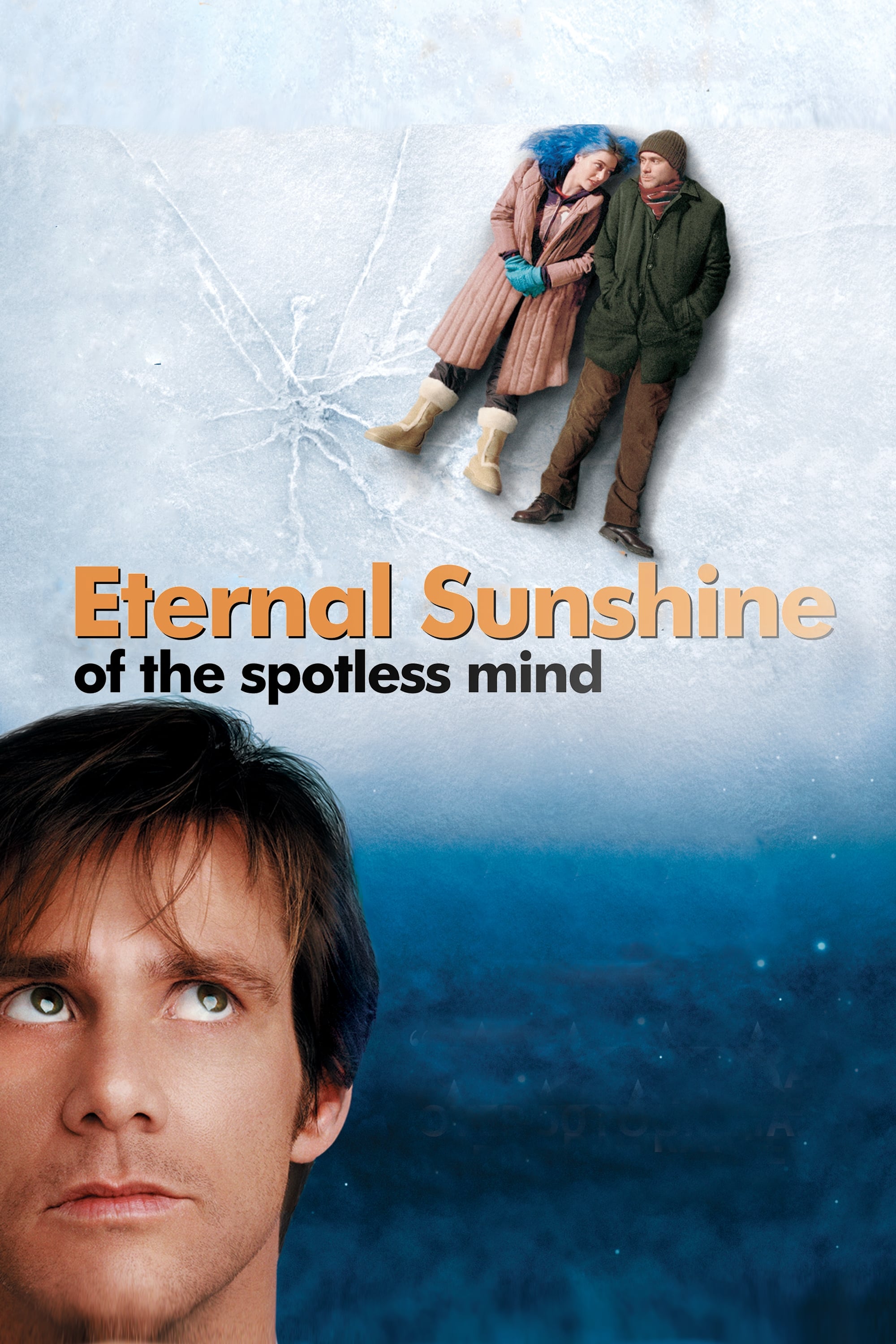
Joel Barish discovers that his ex girlfriend Clementine has undergone a medical procedure to erase him from her memory. He decides to have the same procedure done but tries to hide her in different parts of his subconscious as the memories begin to disintegrate. The film visualizes the internal architecture of the mind with surreal imagery like crumbling houses and faceless people. Director Michel Gondry uses practical effects to ground the high concept sci fi premise in a deeply relatable story about heartbreak.
‘Amélie’ (2001)
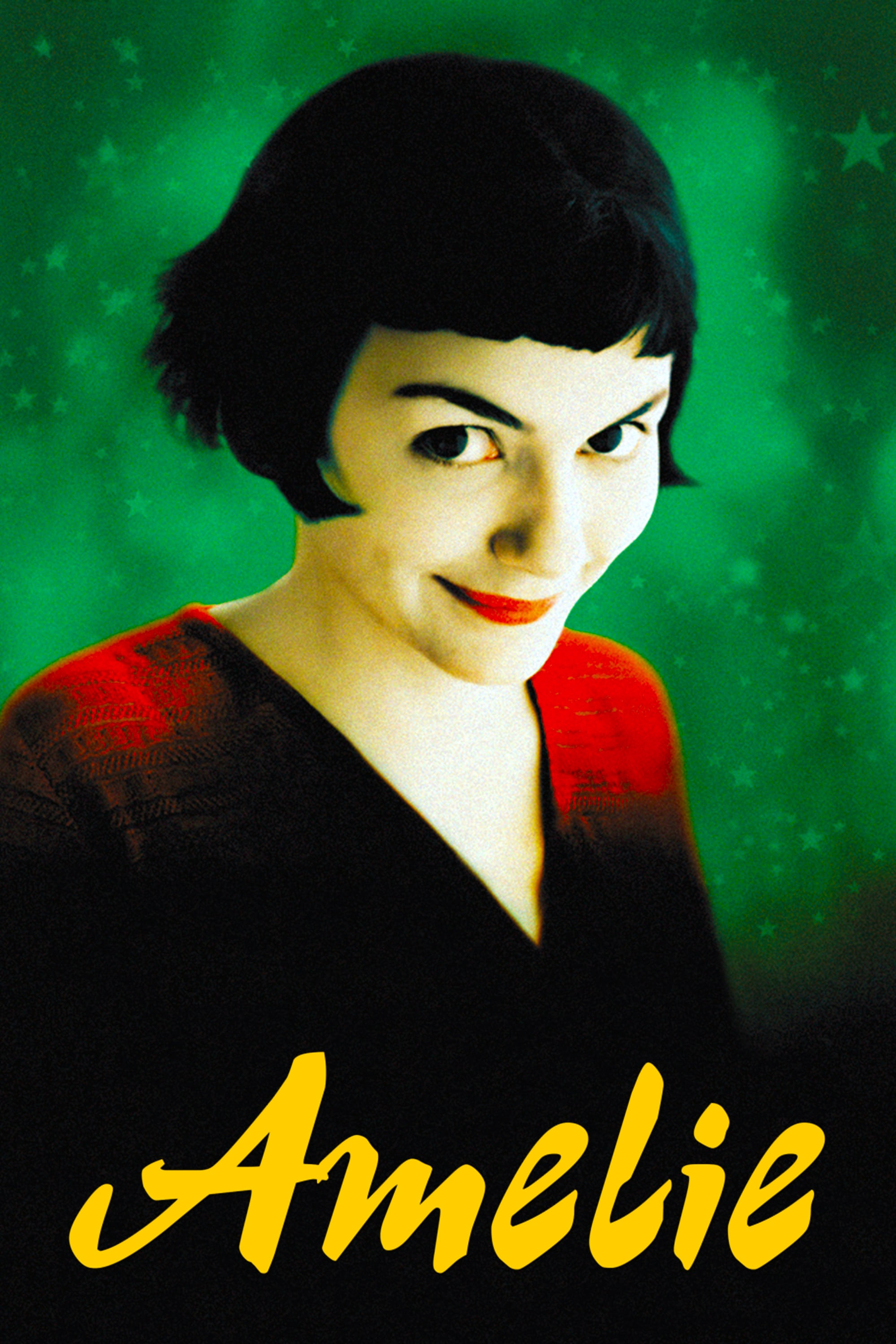
Amélie Poulain is a shy waitress in Montmartre who decides to improve the lives of those around her through elaborate anonymous schemes. The film presents Paris through a whimsical lens where photographs talk and heartache manifests physically. Director Jean-Pierre Jeunet uses vibrant colors and fast paced editing to reflect the active imagination of the protagonist. It celebrates the magic found in small details and the profound impact of kindness in a somewhat lonely world.
‘The Green Mile’ (1999)
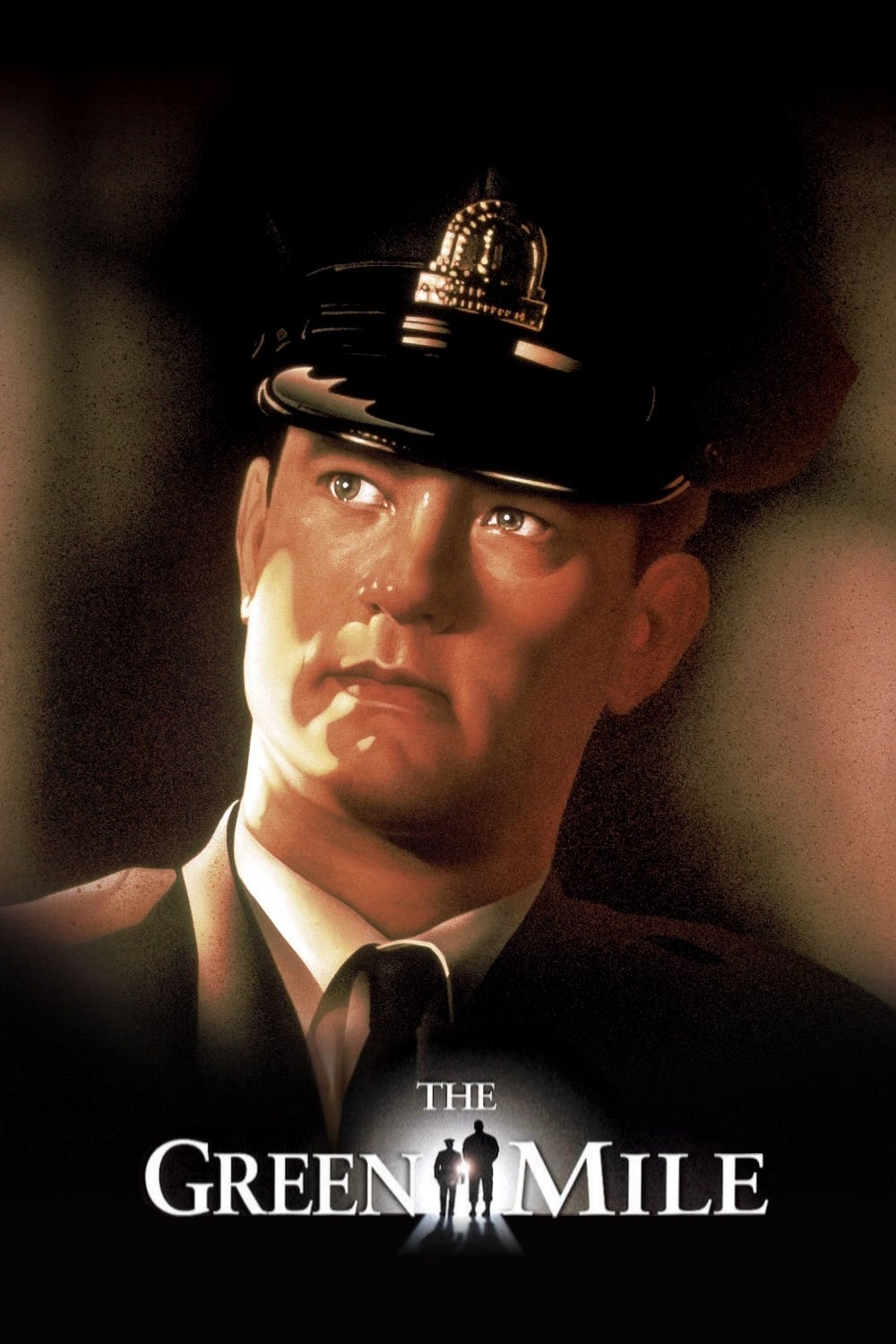
Paul Edgecomb is a death row corrections officer who encounters an inmate named John Coffey possessing miraculous healing abilities. The story is set in a gritty Depression era prison but introduces supernatural elements that challenge the cynical worldview of the guards. Stephen King’s narrative juxtaposes the harsh reality of capital punishment with the divine mystery of Coffey’s powers. The film explores themes of compassion and justice within a system designed for retribution.
‘It’s a Wonderful Life’ (1946)
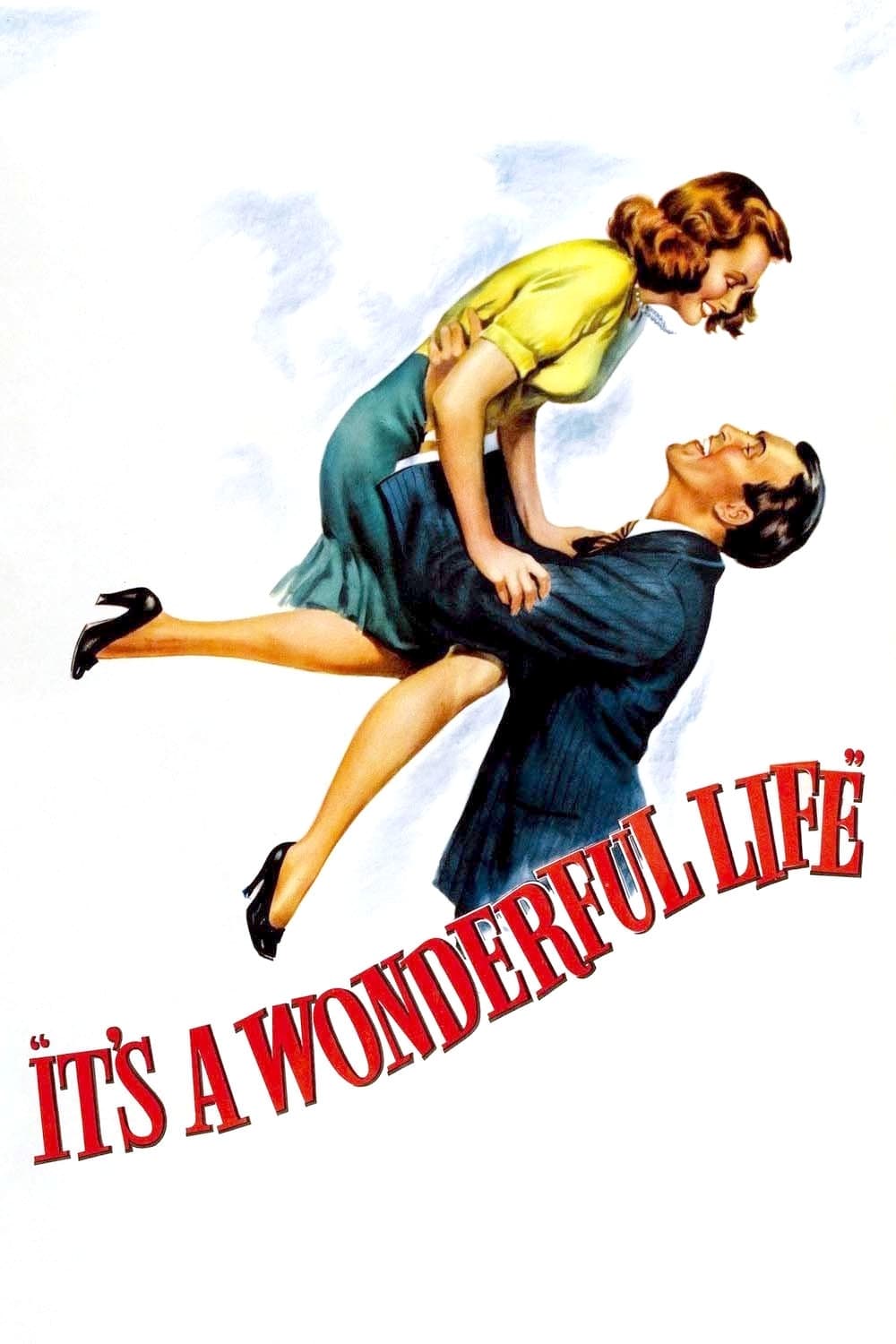
George Bailey contemplates suicide on Christmas Eve before an angel named Clarence Odbody intervenes to save him. Clarence shows George an alternate timeline of his town Bedford Falls as it would have existed had George never been born. The film grounds its fantasy element in a stark depiction of financial ruin and societal decay to highlight the value of a single human life. It remains a quintessential example of using a supernatural device to provide perspective on reality.
‘Spirited Away’ (2001)
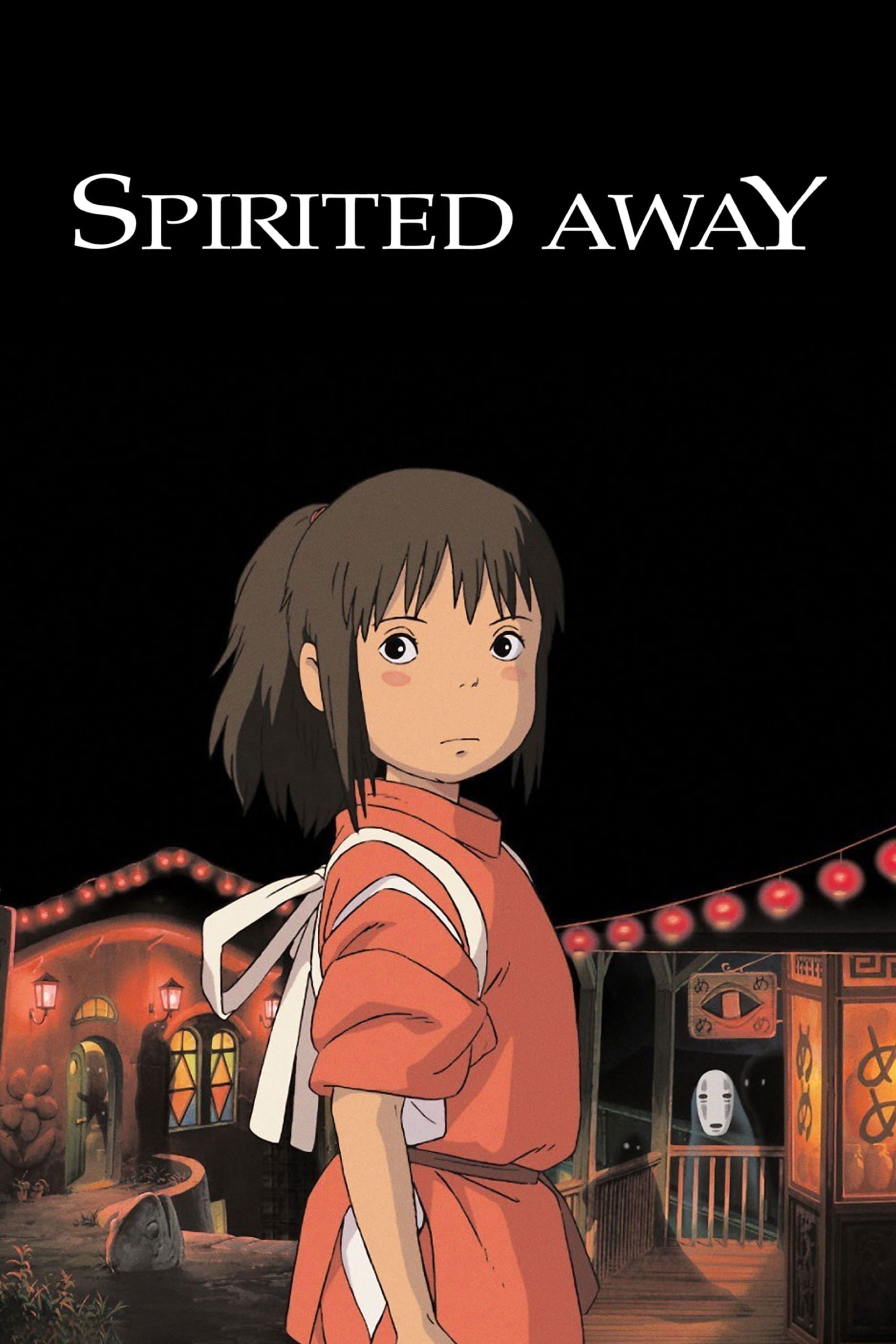
A young girl named Chihiro becomes trapped in a mysterious spirit realm after her parents wander into an abandoned theme park and are turned into pigs. She must work in a bathhouse for the gods while navigating a world filled with shapeshifting spirits and ancient witches. Hayao Miyazaki anchors the fantastical setting with realistic character behavior and the protagonist’s journey toward maturity. The film uses its magical environment to critique consumerism and environmental destruction while telling a coming of age story.
‘Inception’ (2010)
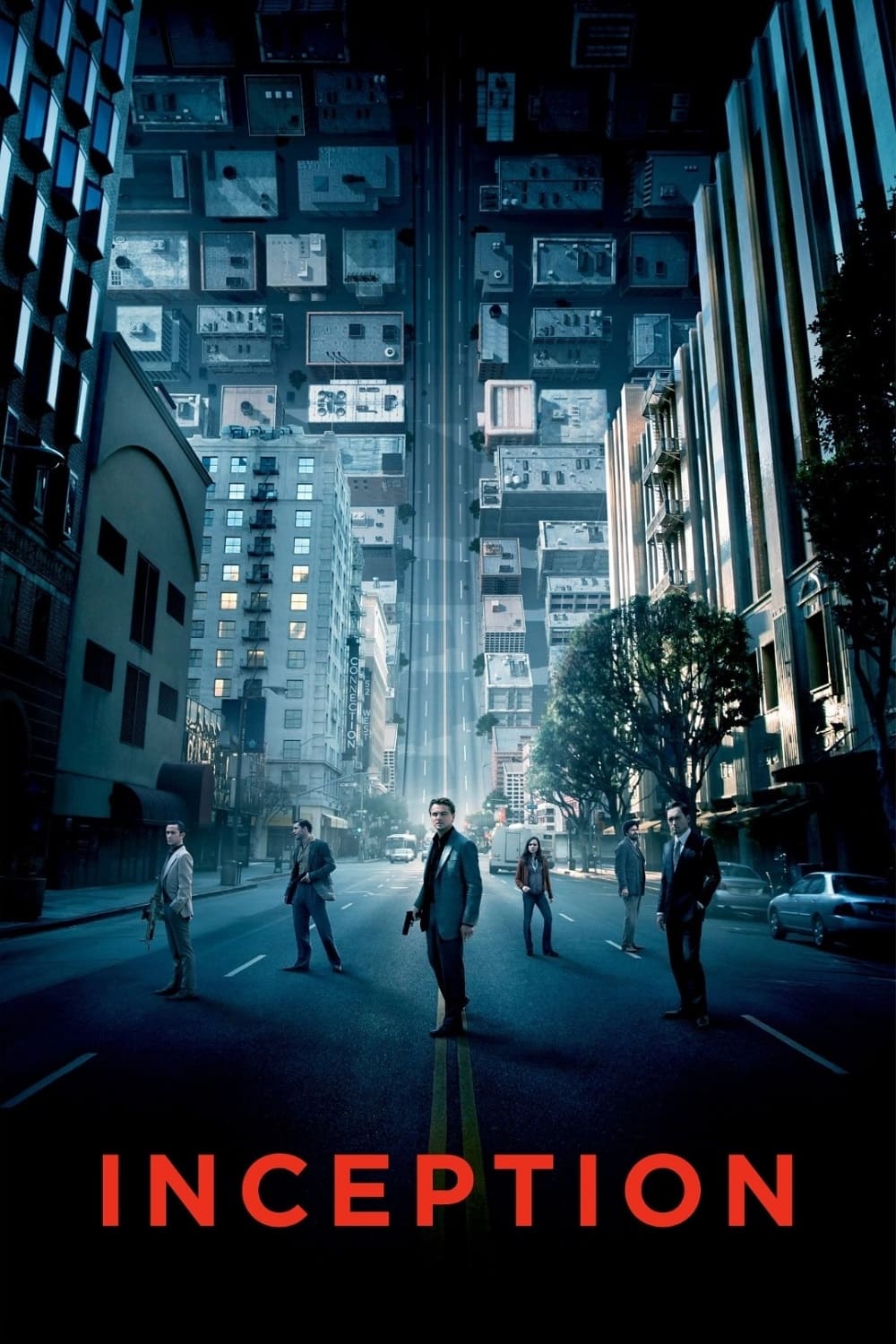
Dom Cobb leads a team of corporate spies who infiltrate the subconscious minds of their targets to steal secrets through shared dreams. The plot complicates when they are hired to plant an idea rather than remove one which requires them to construct a multilayered dream within a dream. Christopher Nolan establishes strict rules for the dream world which makes the bending physics and paradoxes feel grounded and logical. The film constantly questions the nature of reality as the characters struggle to distinguish the dream state from the waking world.
Tell us which of these reality-bending masterpieces is your favorite in the comments below.