


Top 15 Movies That Define the Baby Boomer Generation

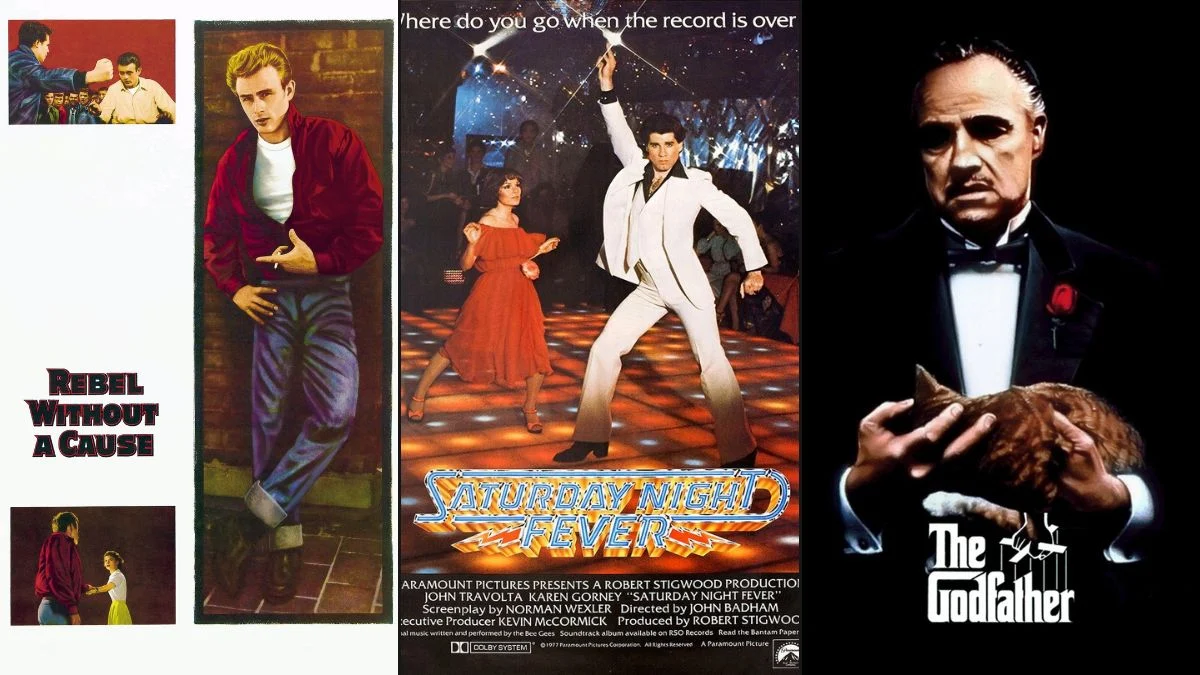


The Baby Boomer generation includes people born between 1946 and 1964. They grew up in a world recovering from a major war and saw great economic growth, social change, and technological advancement. This generation was the first to grow up with television, but movies remained a powerful force. Films helped shape their views and reflected their experiences in a rapidly changing society.
Certain movies captured the key moments and feelings of the Boomers. From teenage rebellion in the 1950s to the counter-culture of the 1960s, and from the political distrust of the 1970s to the self-reflection of the 1980s, cinema told their story. These films were not just entertainment; they were cultural touchstones that showed the generation’s journey, its questions, and its search for meaning in a complex world.
‘Rebel Without a Cause’ (1955)
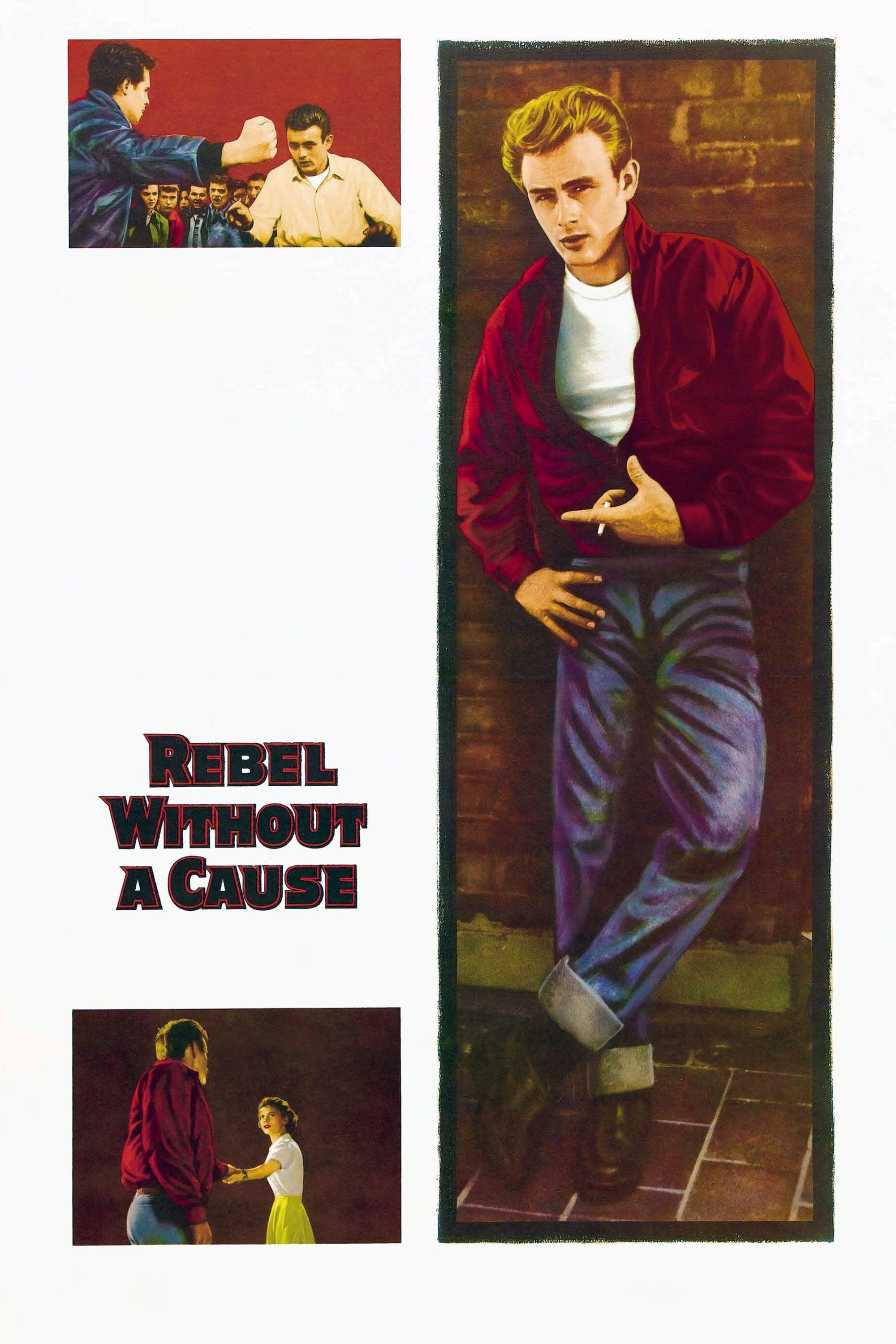
This movie tells the story of Jim Stark, a troubled teenager who moves to a new town and tries to fit in. He finds it difficult to connect with his parents and finds himself in conflict with local high school bullies. The film follows his intense 24-hour journey of making new friends, falling in love, and facing tragedy.
‘Rebel Without a Cause’ gave a voice to the restlessness of post-war teenagers. It was one of the first films to portray teenage angst and the feeling of being misunderstood by the older generation. For the earliest Baby Boomers, James Dean’s character was an icon of rebellion against the quiet conformity of the 1950s.
‘The Sound of Music’ (1965)
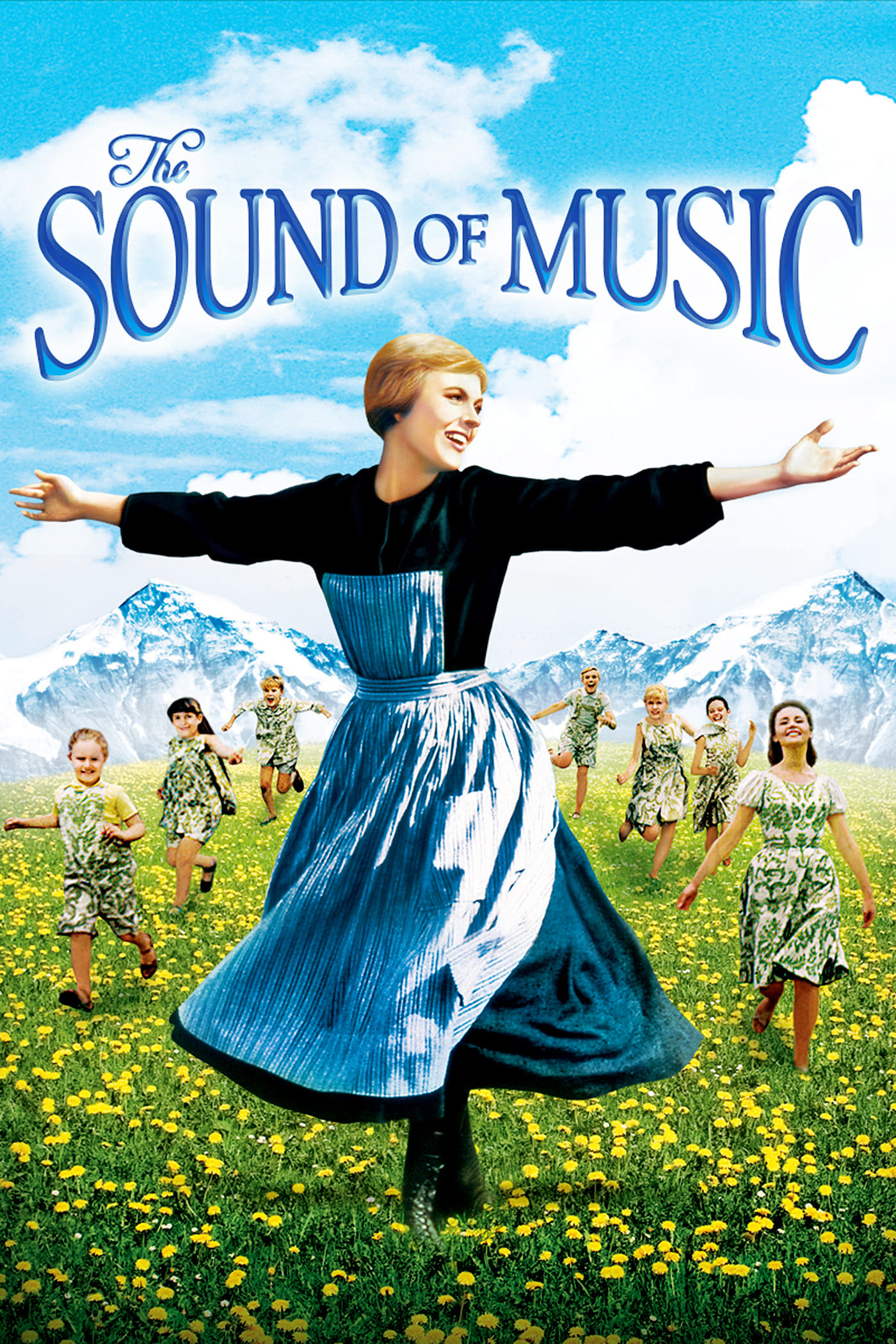
Based on a true story, this musical follows Maria, a young woman who leaves an Austrian convent to become a governess for the seven children of a naval officer, Captain von Trapp. She brings music and joy back into their lives and eventually falls in love with the Captain as the threat of World War II looms.
‘The Sound of Music’ was a massive cultural event that offered a wholesome and optimistic view of family and perseverance. It became one of the most beloved films for many Boomers, representing traditional values and the triumph of hope over darkness. Its success showed the generation’s desire for uplifting stories amidst the growing social unrest of the era.
‘Dr. Strangelove or: How I Learned to Stop Worrying and Love the Bomb’ (1964)
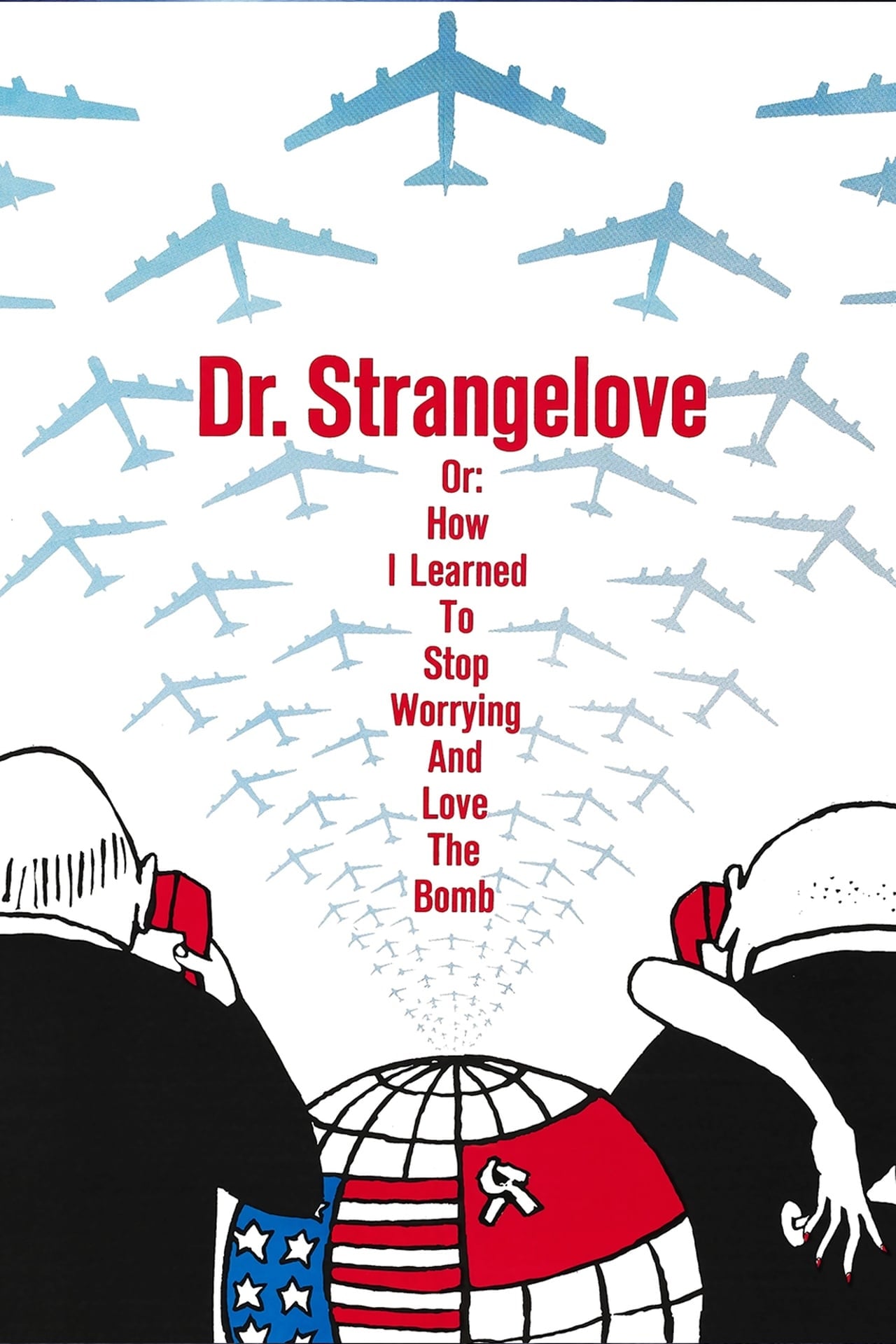
This film is a dark comedy about a potential nuclear catastrophe. An unhinged U.S. Air Force general orders a nuclear attack on the Soviet Union, and the President of the United States has to work with his advisors and the Soviet premier to try and stop it. The movie satirizes the political and military attitudes of the Cold War.
Baby Boomers grew up under the constant threat of nuclear war, with drills like “duck and cover” being part of their school lives. ‘Dr. Strangelove’ perfectly captured this anxiety with sharp humor. It questioned authority and the logic of the Cold War, reflecting a growing skepticism that would become a hallmark of the generation.
‘The Graduate’ (1967)
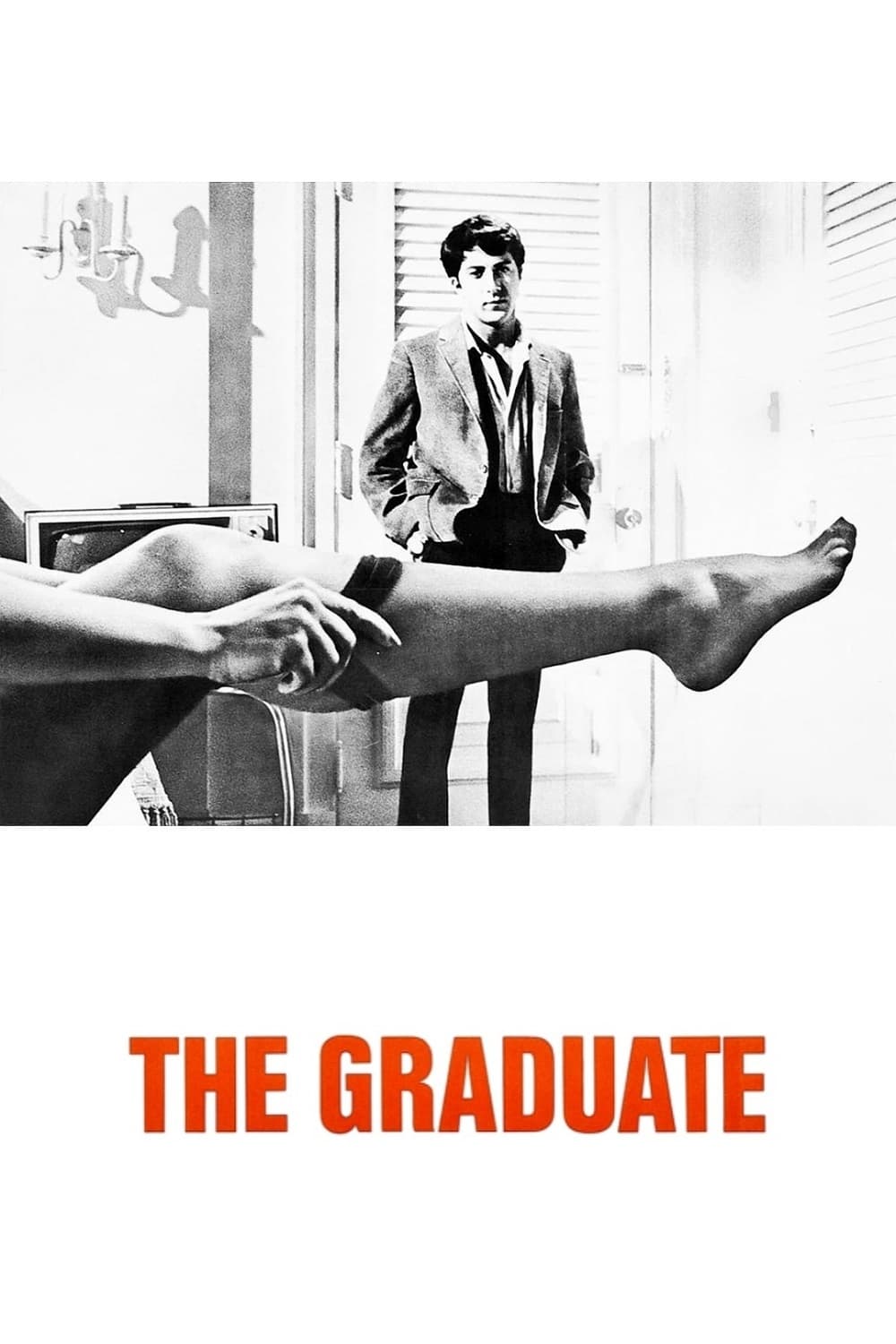
Benjamin Braddock has just finished college and has no idea what to do with his life. He feels alienated and disconnected from the world of his parents. He begins an affair with an older married woman, Mrs. Robinson, but then falls for her daughter, Elaine.
‘The Graduate’ perfectly captured the feeling of uncertainty and the generation gap that defined the 1960s. Benjamin’s famous line, “Plastics,” symbolized a future he didn’t want. The film, along with its Simon & Garfunkel soundtrack, became an anthem for young Boomers questioning the values of their parents and searching for their own path.
‘2001: A Space Odyssey’ (1968)
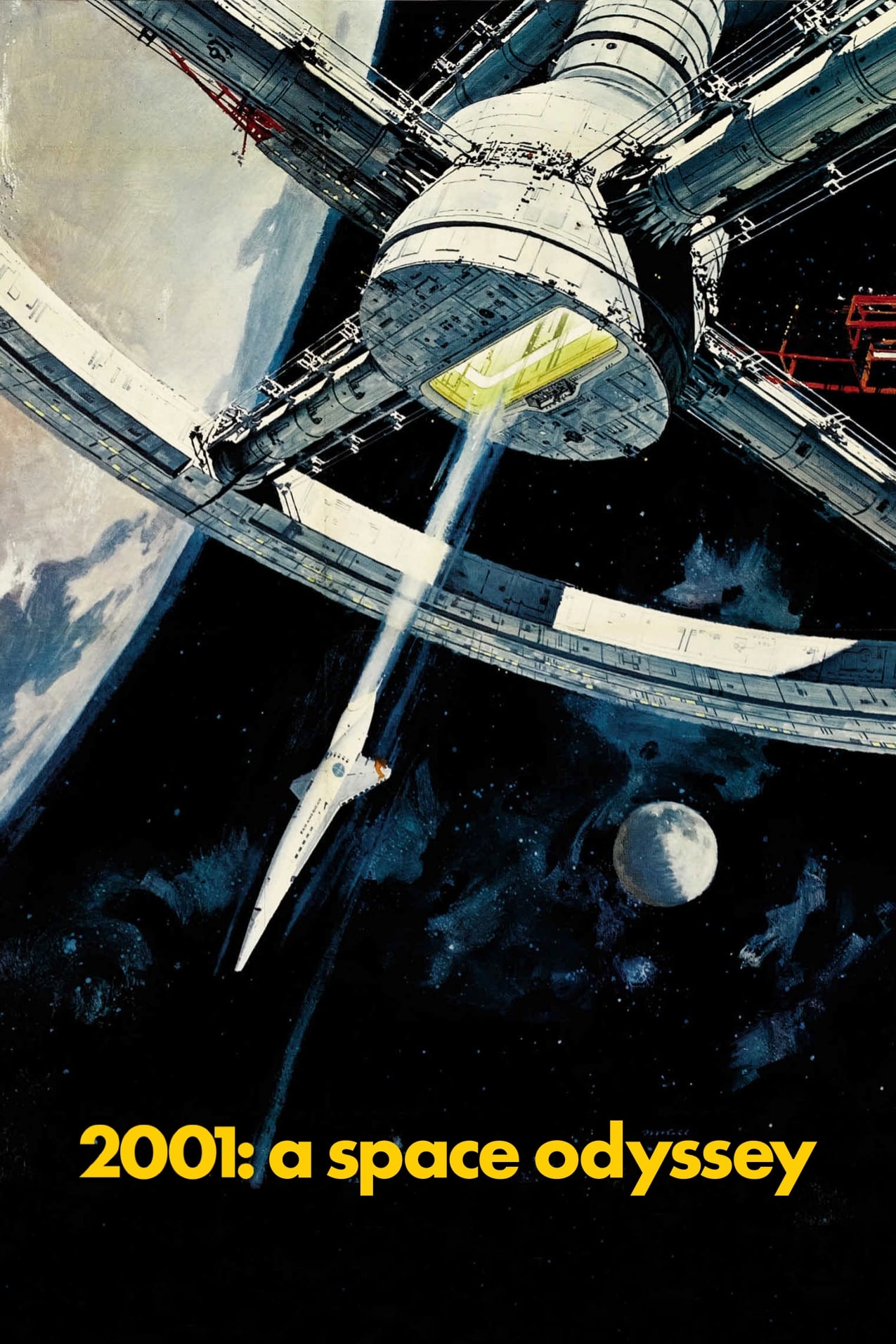
This is a science-fiction epic that travels from the dawn of man to a futuristic journey to Jupiter. The story involves a mysterious black monolith that appears to guide humanity’s development. In the main segment, two astronauts on a mission must deal with their ship’s sentient computer, HAL 9000, which begins to act against them.
The film was released during the height of the Space Race, just before the real moon landing. ‘2001: A Space Odyssey’ tapped into the era’s fascination with technology and the future. It was a visual masterpiece that encouraged audiences to think about big questions like humanity’s place in the universe, the nature of consciousness, and evolution.
‘Easy Rider’ (1969)
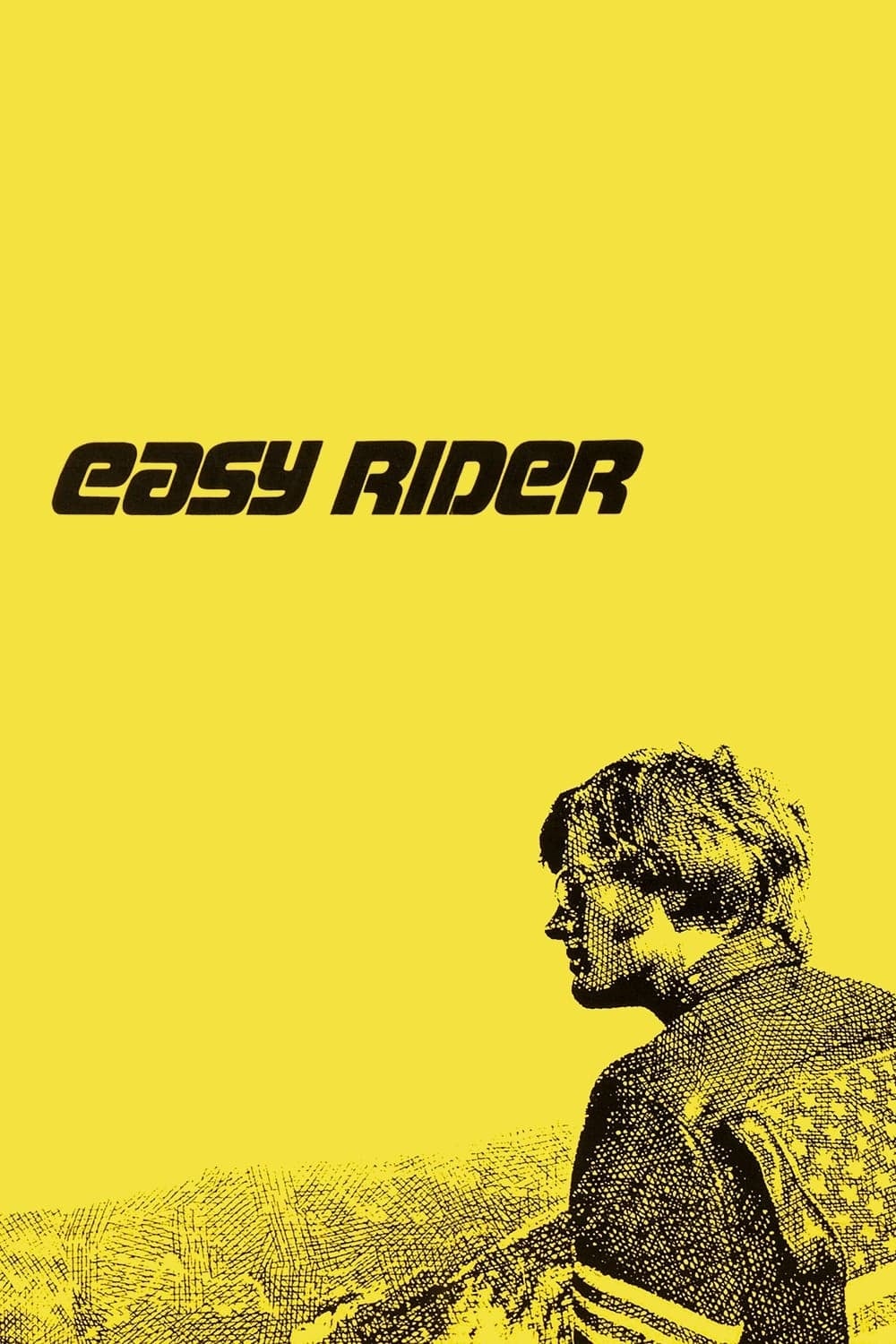
Two counter-culture bikers, Wyatt and Billy, travel across the country after making money on a drug deal. They are searching for freedom and hope to reach New Orleans in time for Mardi Gras. Along the way, they encounter a range of characters who represent different sides of America, from hippies in a commune to prejudiced locals in small towns.
‘Easy Rider’ became the definitive film of the counter-culture movement. It showed the clash between the hippie ideal of freedom and the intolerance of mainstream America. The film’s tragic ending reflected the growing disillusionment of the late 1960s and the feeling that the dream of a new, better society was fading.
‘Guess Who’s Coming to Dinner’ (1967)
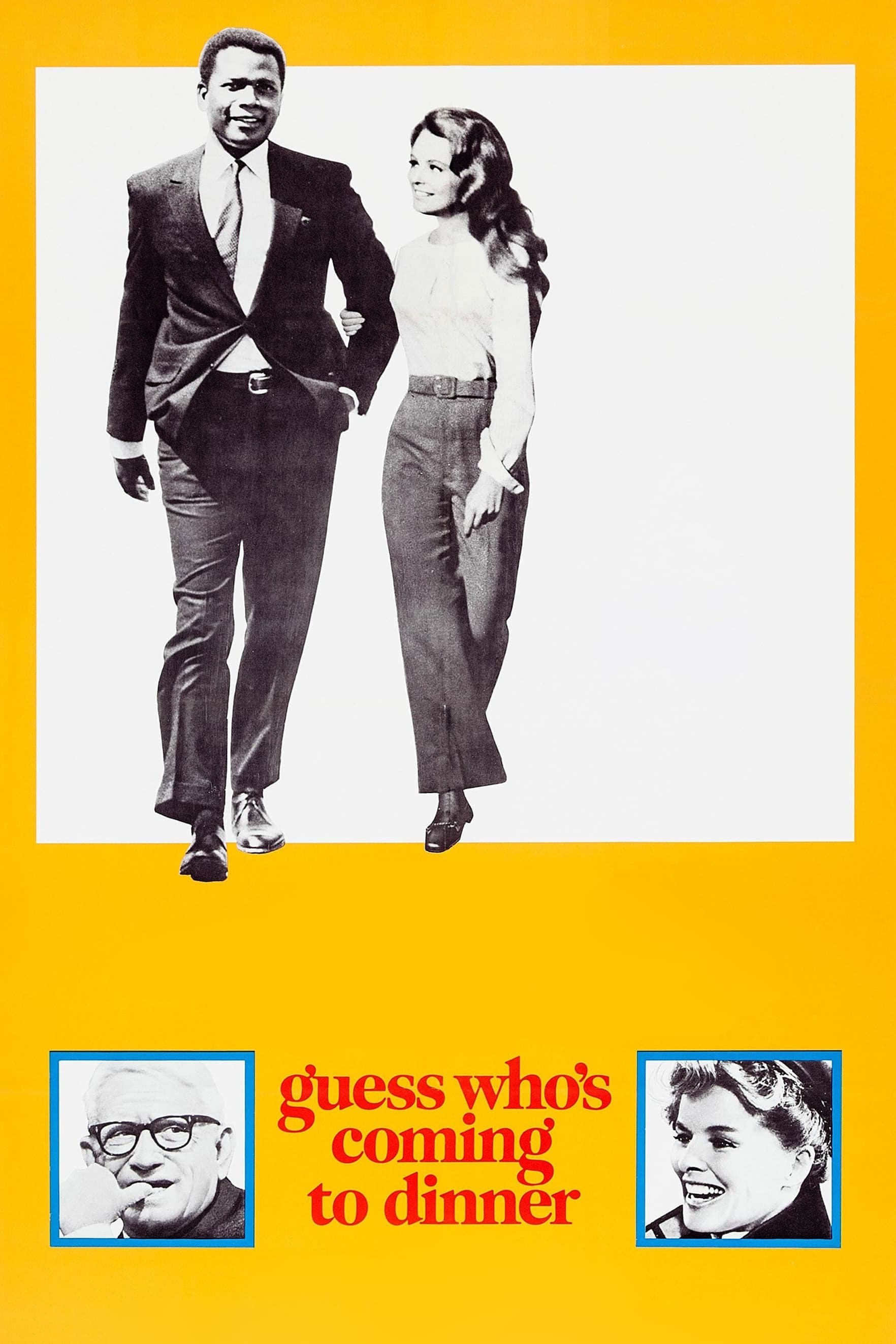
A young white woman brings her fiancé, a successful Black doctor, home to meet her liberal-minded parents. Her parents have always taught her about equality, but they are shocked when faced with the reality of their daughter’s interracial relationship. The film takes place over one evening as both families confront their hidden prejudices.
This movie tackled the controversial topic of interracial marriage head-on. Released at a time when the Civil Rights Movement was making major strides, it forced audiences to examine their own beliefs. For Baby Boomers, it was a landmark film that addressed the changing social landscape of America and the gap between progressive ideals and personal feelings.
‘Butch Cassidy and the Sundance Kid’ (1969)

This film tells the story of two real-life outlaws from the Old West. Butch Cassidy is the friendly leader, and the Sundance Kid is his quiet, fast-drawing partner. As the law closes in on them, they decide to flee to Bolivia with Sundance’s lover, Etta Place, hoping to continue their criminal careers.
While set in the past, the movie’s themes of friendship, anti-authoritarianism, and trying to escape a world that no longer has a place for you resonated with the late 1960s. Butch and Sundance were charming anti-heroes who represented a desire for freedom from rules. The film’s blend of humor, action, and sadness made it a huge hit with the Boomer generation.
‘The Godfather’ (1972)
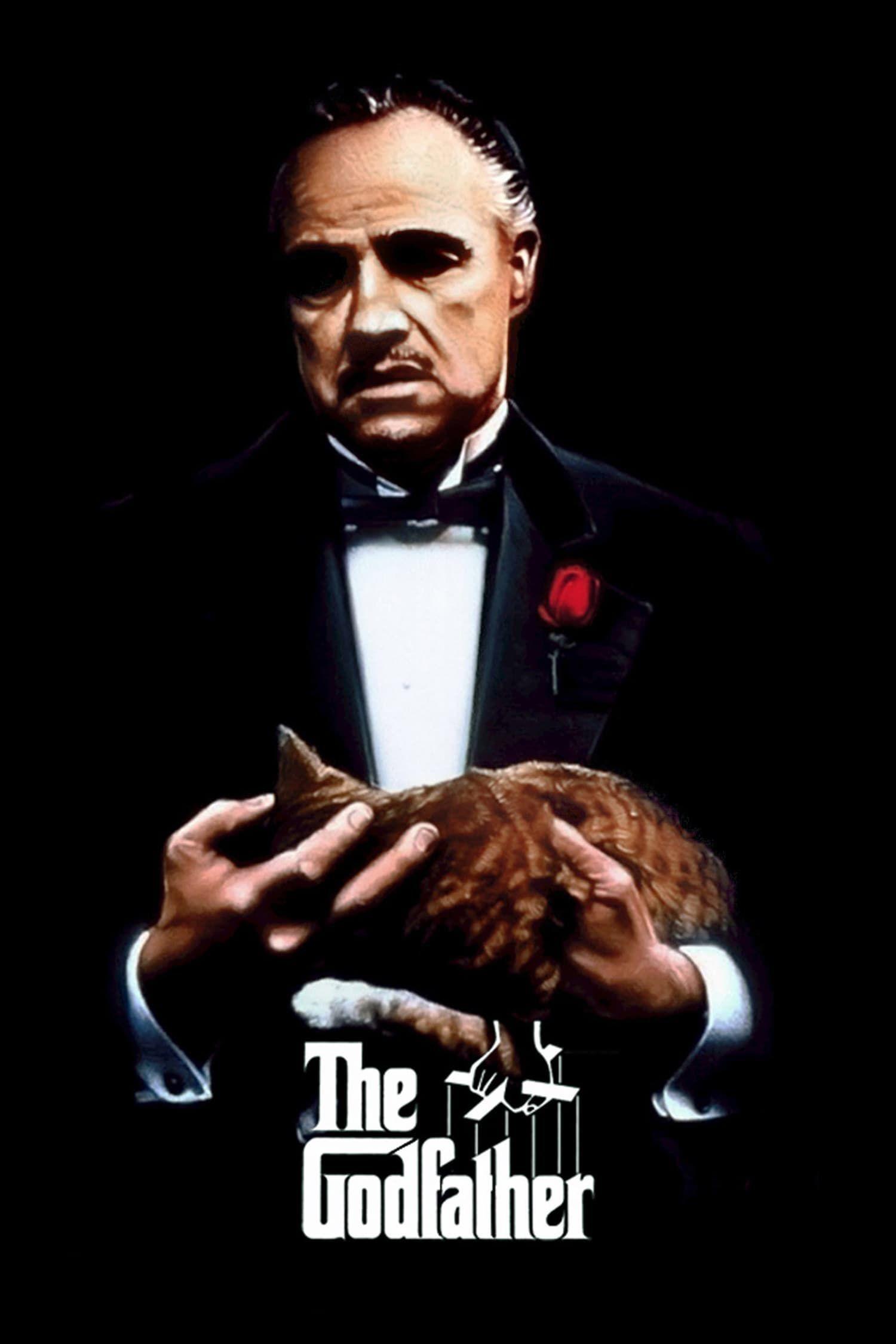
The film follows the Corleones, a powerful Italian-American crime family. When the head of the family, Vito Corleone, is nearly killed, his youngest son, Michael, is pulled into the family business. Michael, a decorated war hero who initially wanted nothing to do with his family’s criminal life, slowly transforms into a ruthless leader.
‘The Godfather’ was more than a gangster movie; it was a cinematic event that explored themes of family, power, and the dark side of the American dream. Baby Boomers were young adults when it was released, and it represented a new, more serious and complex era of filmmaking. The film’s epic story and iconic performances left a lasting mark on their cultural consciousness.
‘American Graffiti’ (1973)
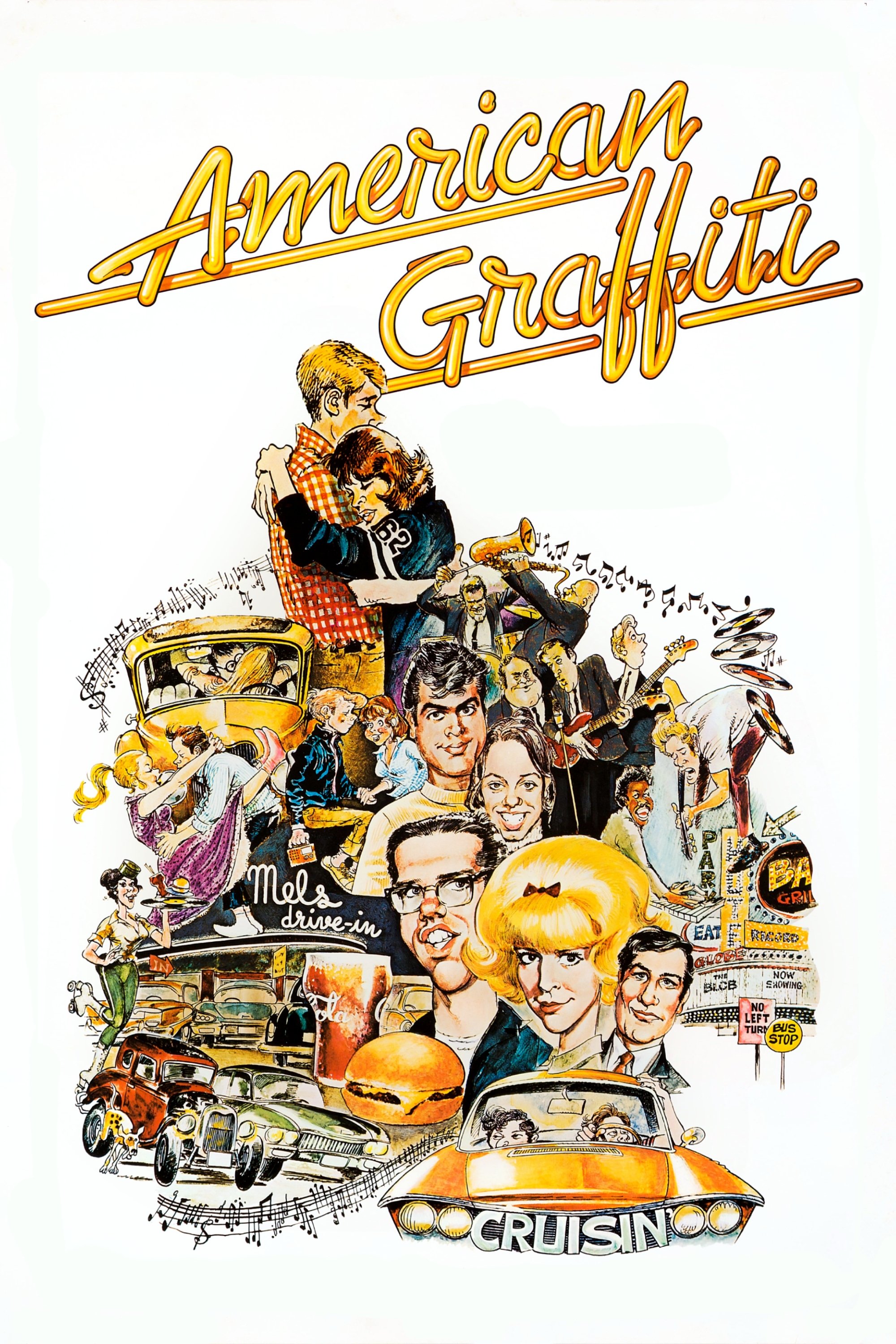
Set on the last night of summer vacation in 1962, the film follows a group of recent high school graduates. They spend the night cruising in their cars, listening to rock and roll on the radio, and figuring out their futures. The characters deal with decisions about leaving for college, staying behind, and saying goodbye to their youth.
This movie was a powerful dose of nostalgia for Baby Boomers. It looked back at the seemingly simpler time of the early 1960s, before the Vietnam War and major social upheaval. ‘American Graffiti’ celebrated the cars, music, and innocence of their teenage years, reminding them of the world they knew before everything changed.
‘All the President’s Men’ (1976)
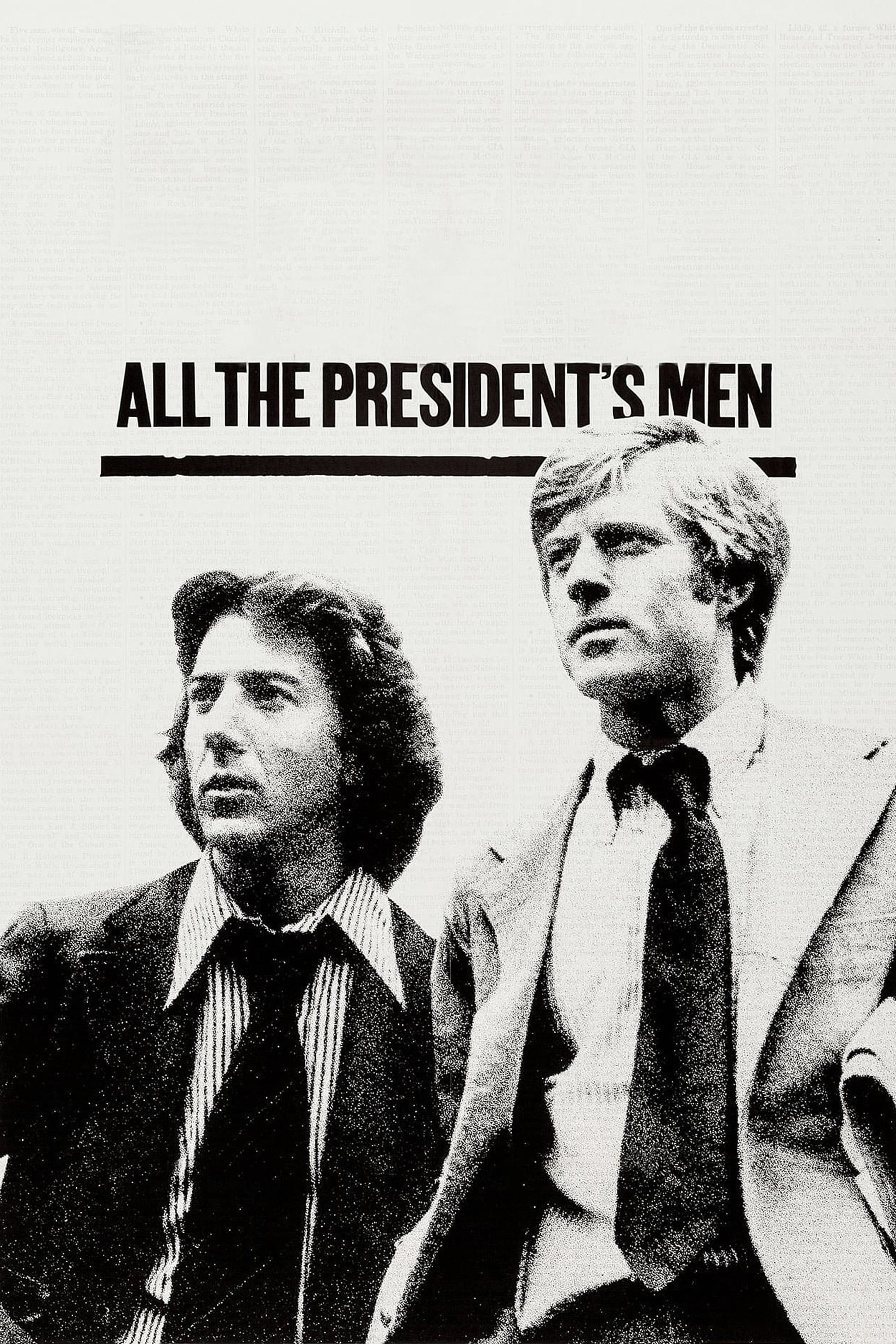
This political thriller tells the true story of two Washington Post reporters, Bob Woodward and Carl Bernstein. They investigate a seemingly minor break-in at the Watergate office building, which slowly unravels a massive political scandal that leads all the way to President Richard Nixon.
The film came out just a few years after the Watergate scandal forced President Nixon to resign. It confirmed the deep sense of distrust in government that many Boomers felt after years of the Vietnam War and political turmoil. The movie portrayed journalism as a heroic profession and showed that a few determined people could hold the powerful accountable.
‘Saturday Night Fever’ (1977)
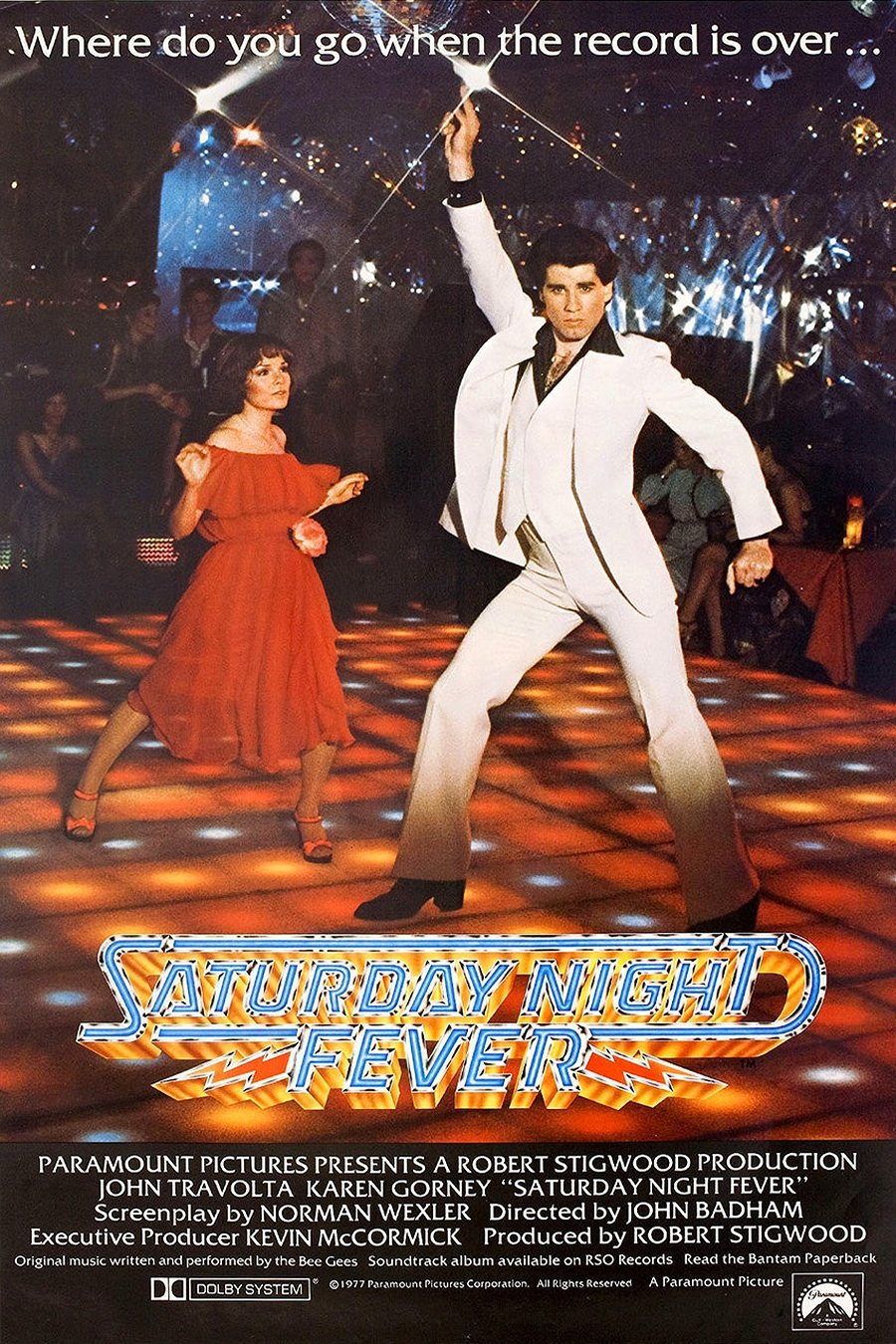
Tony Manero is a young man from Brooklyn who works a dead-end job at a paint store. He lives for the weekend, when he becomes the king of the local disco dance floor. For Tony, dancing is an escape from his difficult family life and limited future, but he soon realizes that the dance floor can’t solve his real-world problems.
‘Saturday Night Fever’ put disco culture on the world stage and captured the desire for escapism in the late 1970s. The film and its bestselling soundtrack by the Bee Gees defined an era. It told a story of working-class ambition and the struggle to find a sense of identity, a theme that resonated with many young Boomers.
‘Star Wars’ (1977)
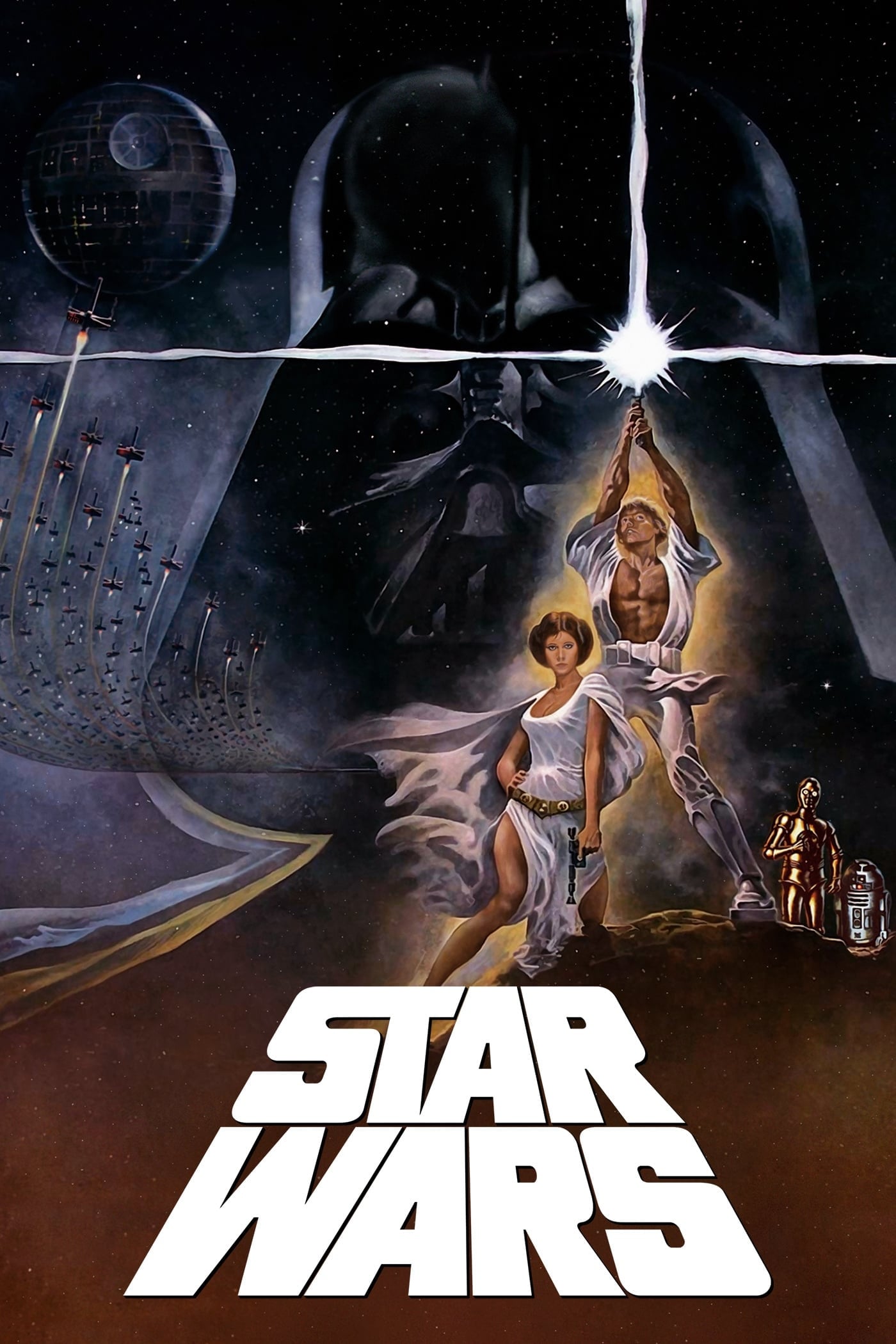
A young farm boy named Luke Skywalker discovers he has a powerful destiny. He joins forces with a charming rogue, a wise old knight, and a princess to fight against the evil Galactic Empire. The film is a classic tale of good versus evil, set in a galaxy far, far away.
‘Star Wars’ was a cinematic phenomenon that brought a sense of wonder and adventure back to movies. After a decade of gritty and cynical films, its optimistic and straightforward story was a welcome change. It became a defining blockbuster for the generation and their children, creating a modern mythology that continues to endure.
‘Kramer vs. Kramer’ (1979)
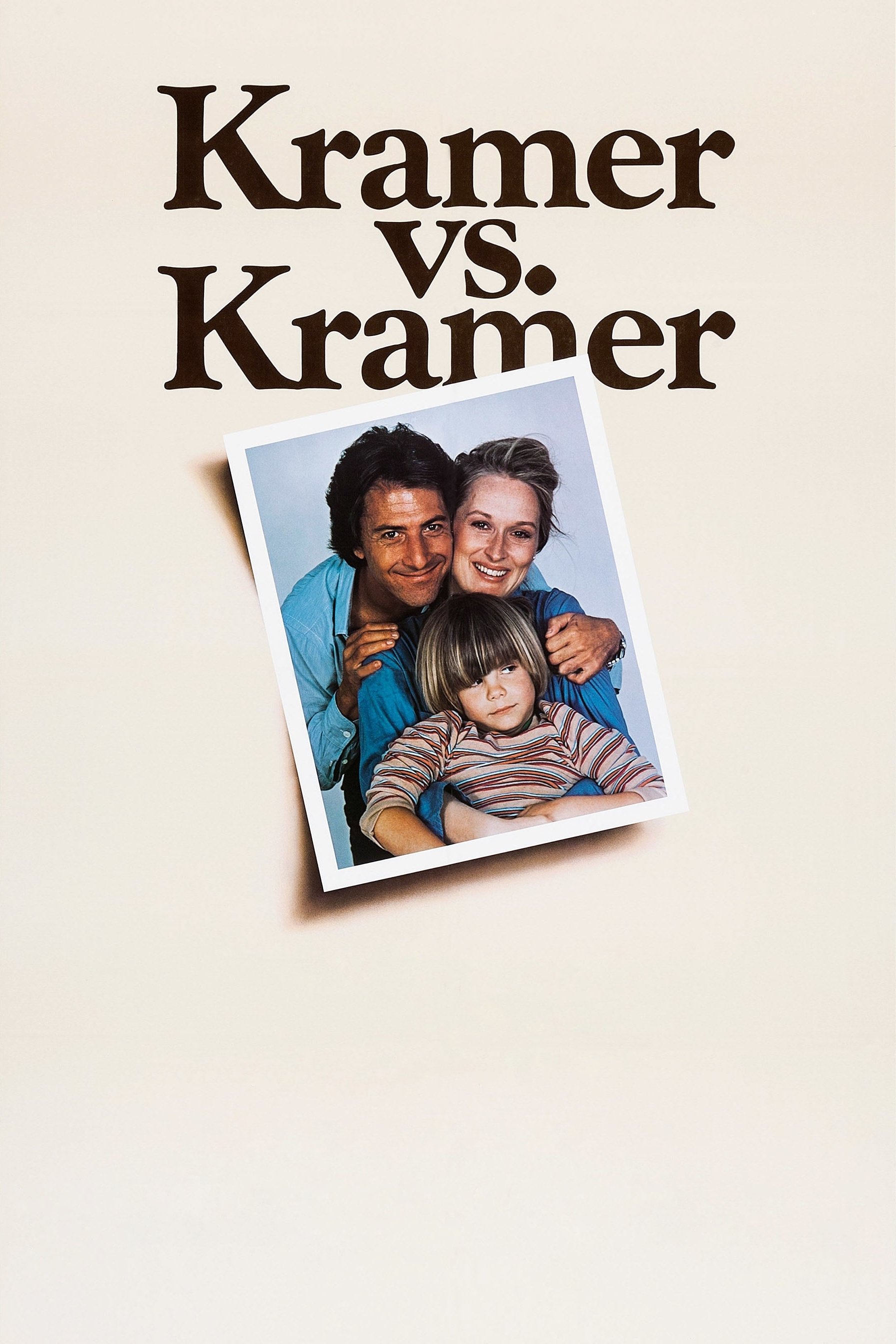
A successful advertising executive, Ted Kramer, is stunned when his wife, Joanna, leaves him and their young son. Ted, who has always focused on his career, must learn how to be a single parent. Just as he and his son build a new life together, Joanna returns and fights for custody of the child.
The film was a powerful and emotional look at the changing nature of the American family. As divorce rates rose in the 1970s, ‘Kramer vs. Kramer’ reflected the real-life struggles that many Boomers were facing. It explored shifting gender roles, the challenges of single parenthood, and the difficult definition of what makes a family.
‘The Big Chill’ (1983)
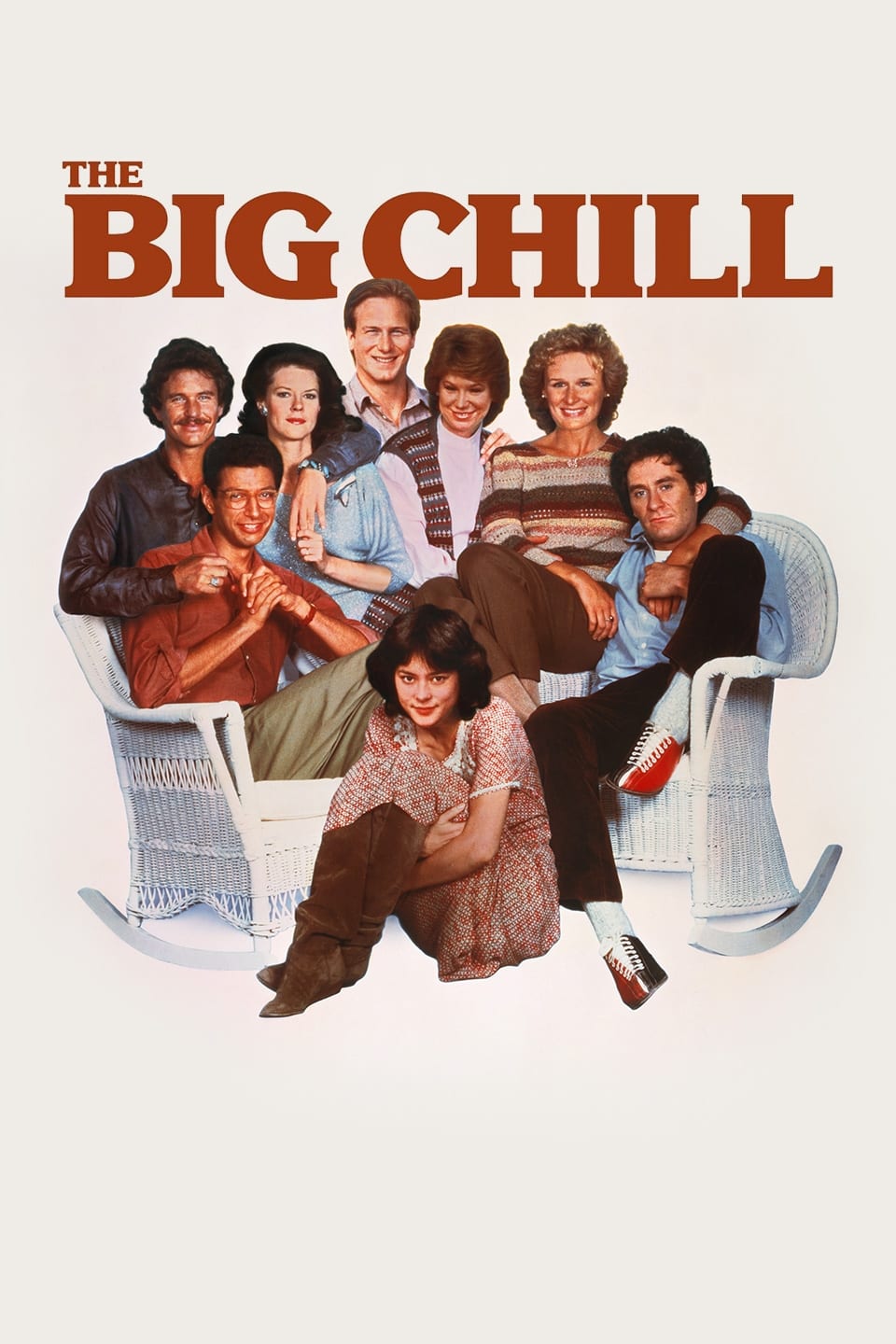
A group of college friends from the 1960s, now in their 30s, reunite for a weekend after one of their friends dies. As they spend time together, they talk about their past, their current lives, and the compromises they have made. They confront the gap between their youthful idealism and their adult realities.
‘The Big Chill’ is perhaps the ultimate Baby Boomer movie. It directly addresses the generation’s journey from the hopeful activism of their youth to the more complicated realities of adulthood in the 1980s. The film, filled with classic Motown music from their college years, served as a moment of collective reflection on love, friendship, and disillusionment.
Let us know in the comments which movie you believe best represents the journey of the Baby Boomer generation.