


Top Movies That Didn’t Live Up to the Hype

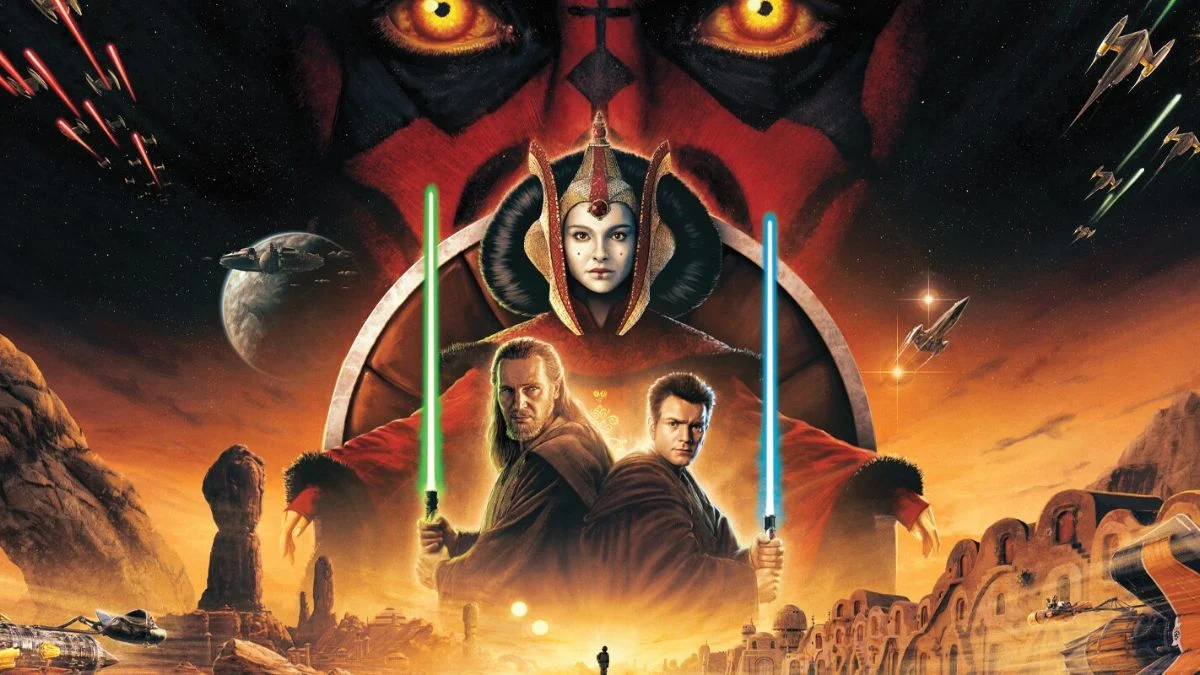


Audience anticipation often reaches a fever pitch months or even years before a major film release. Studios fuel this excitement with massive marketing campaigns that promise a cinematic revolution or a perfect conclusion to a beloved saga. Viewers flock to theaters with high hopes of witnessing a masterpiece that justifies the ticket price and the wait. The final product sometimes fails to align with the promotional promises and leaves fans feeling underwhelmed or disappointed. The following films stand out as significant examples of productions that struggled to meet the immense expectations placed upon them.
‘Star Wars: Episode I – The Phantom Menace’ (1999)
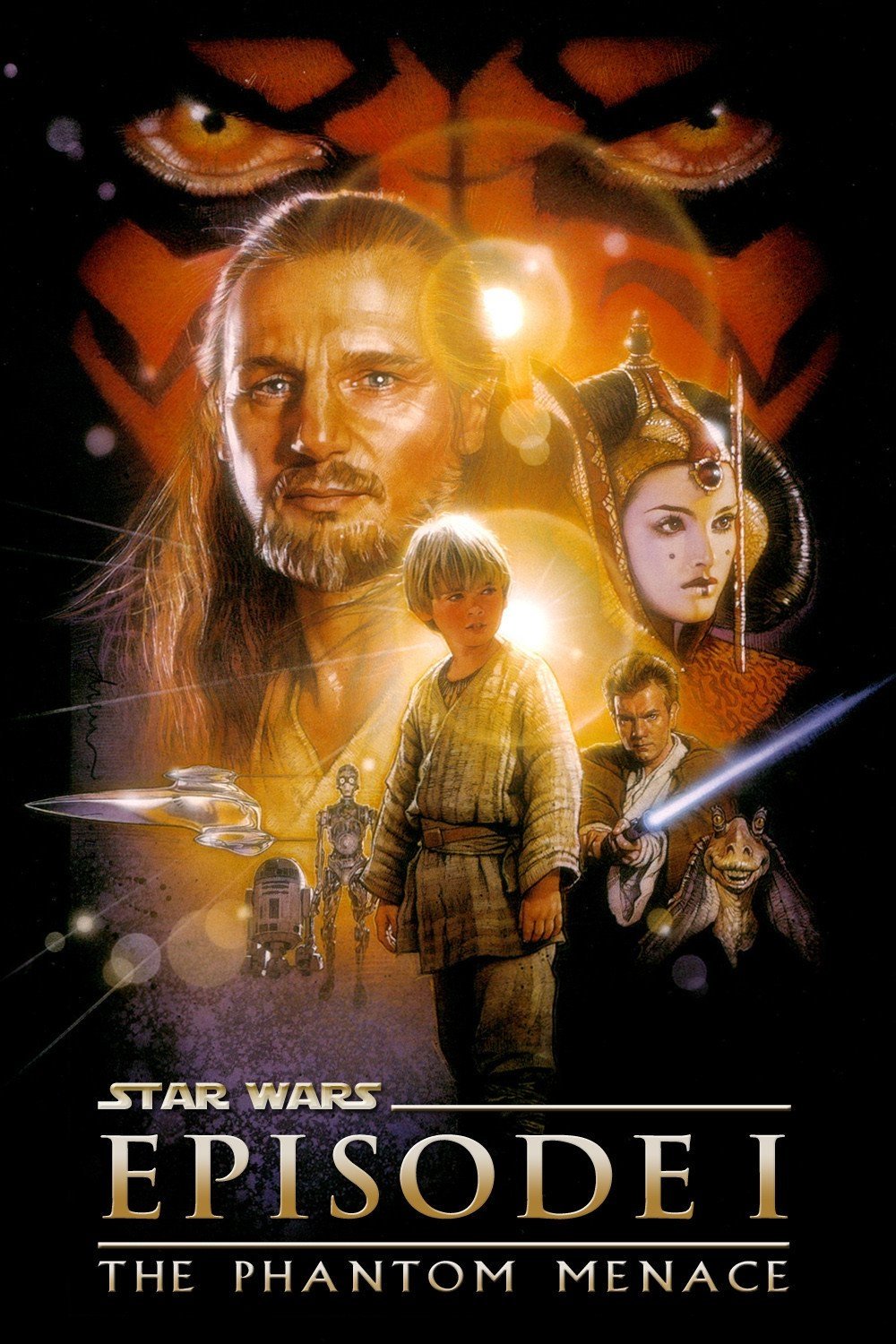
George Lucas returned to directing after a long hiatus to tell the origin story of Anakin Skywalker. The film utilized groundbreaking visual effects to create vast alien worlds and complex battle sequences. Fans criticized the heavy reliance on political exposition regarding trade disputes and taxation. The inclusion of polarizing comic relief characters shifted the tone away from the mystical gravity of the original trilogy. It remains a financially successful but highly divisive entry that changed the trajectory of the franchise.
‘The Godfather Part III’ (1990)
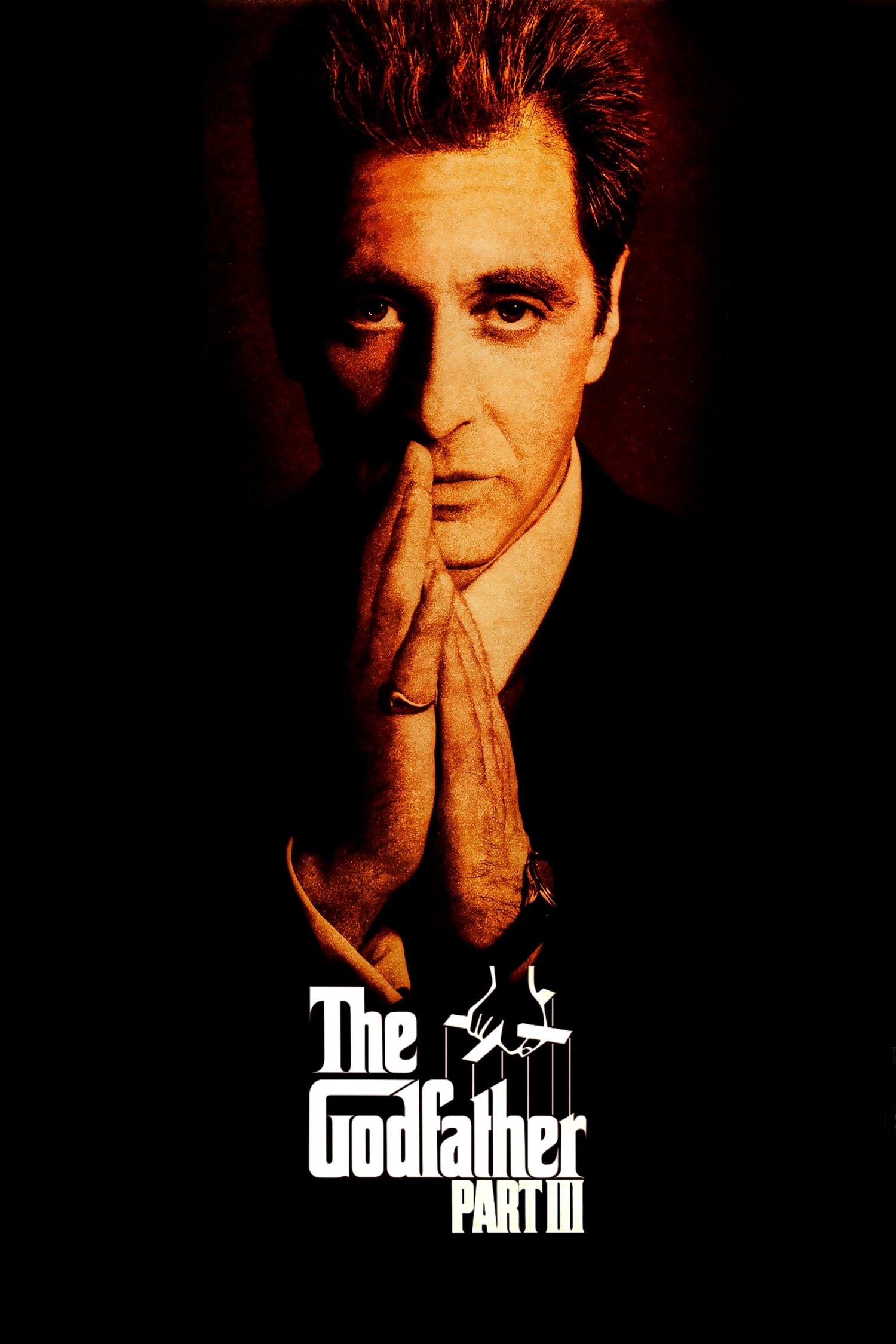
Francis Ford Coppola revisited the Corleone family saga nearly two decades after the previous masterpiece. Michael Corleone seeks to legitimize his family business while grappling with guilt over his past violent actions. The casting of Sofia Coppola as Mary Corleone drew immediate scrutiny from critics and audiences alike. The complex plot involving Vatican politics failed to resonate as deeply as the earlier mob narratives. It is often viewed as a functional epilogue rather than a necessary conclusion to a perfect duology.
‘Spider-Man 3’ (2007)
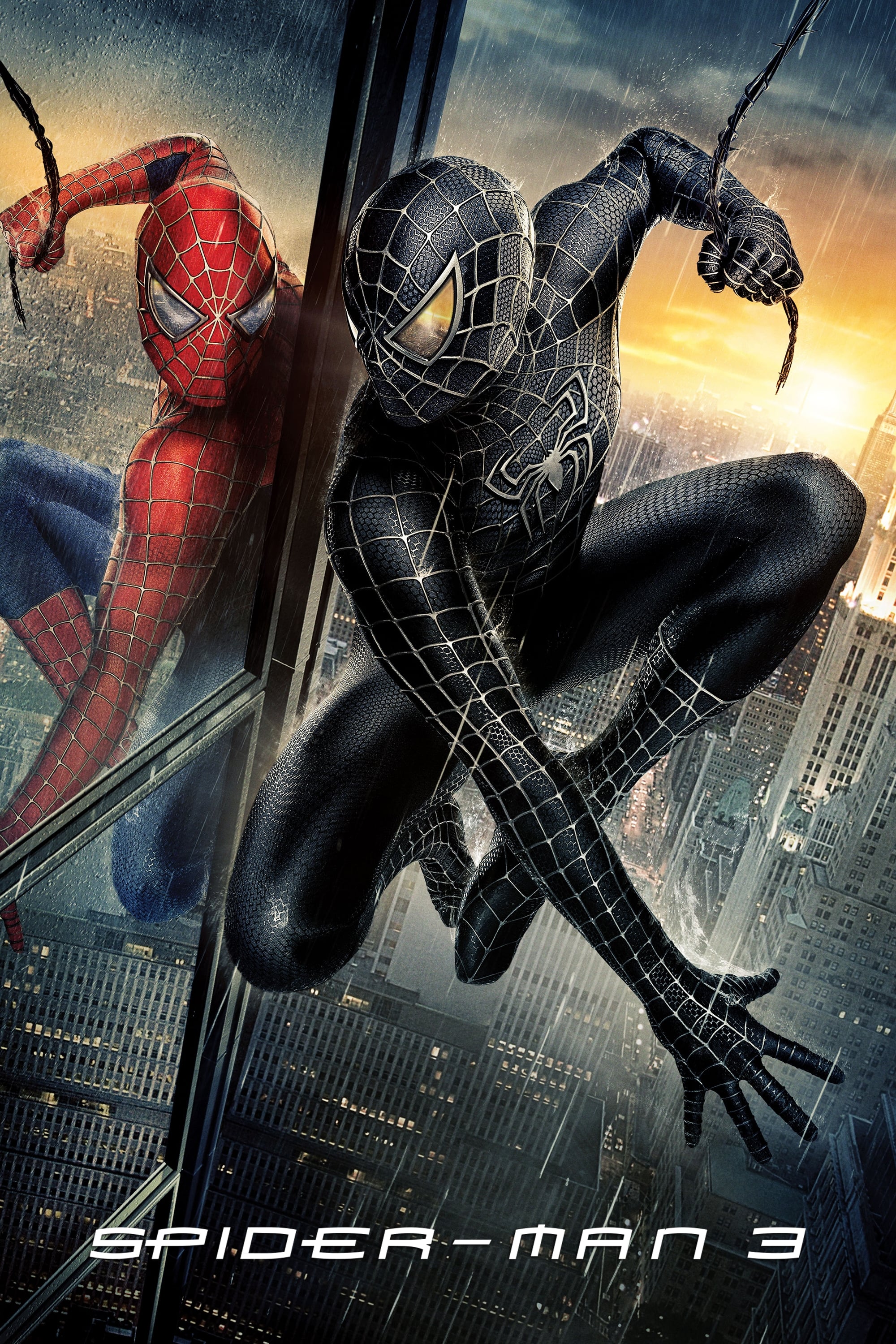
Sam Raimi directed this third installment with the intention of exploring the darker side of Peter Parker. The narrative became overcrowded with the inclusion of three separate villains competing for screen time. Studio interference reportedly forced the inclusion of Venom despite the director’s initial hesitation. The film suffered from tonal inconsistencies and disjointed plot threads that confused viewers. This reception ultimately led to the cancellation of a fourth film and a reboot of the series.
‘Indiana Jones and the Kingdom of the Crystal Skull’ (2008)
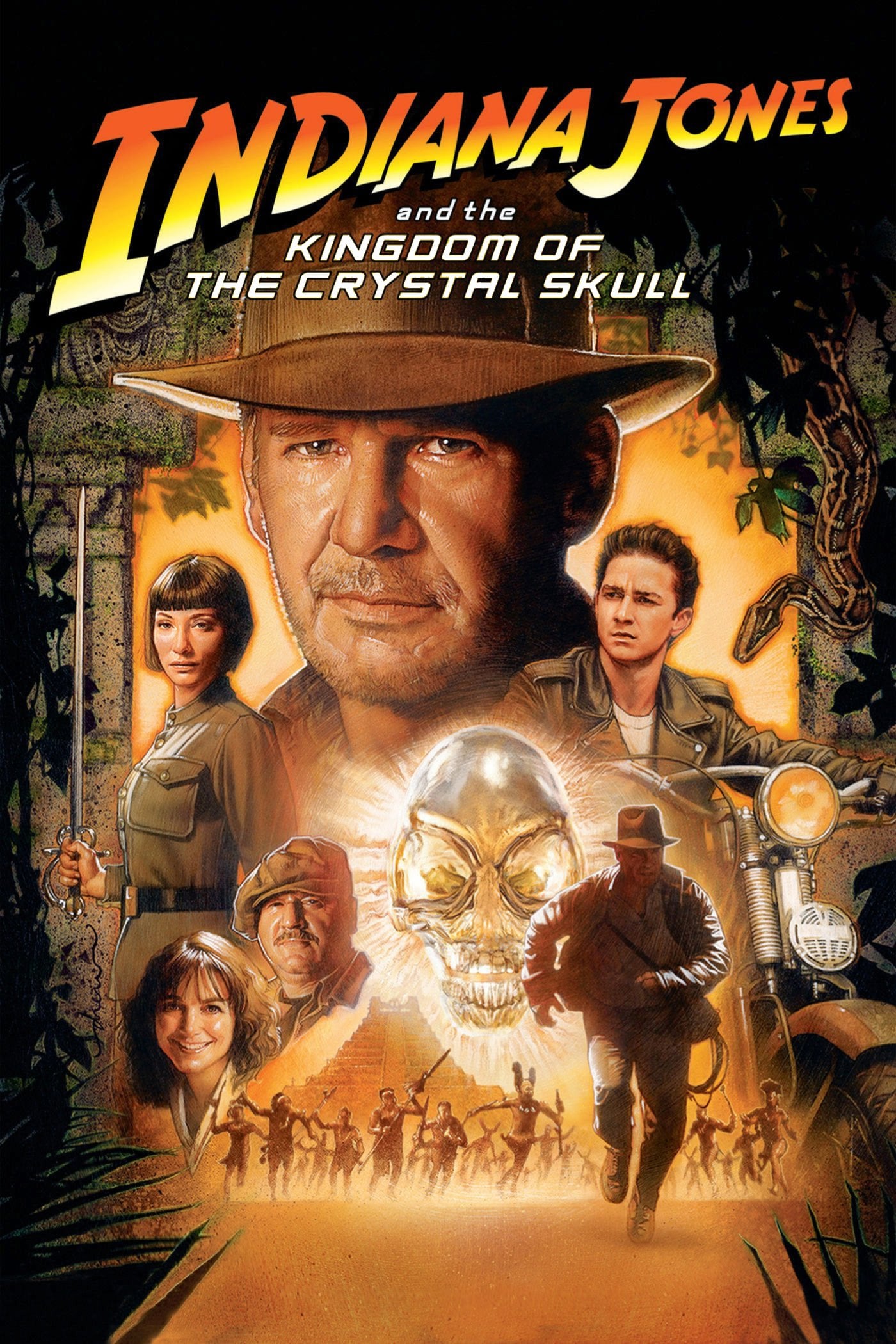
Harrison Ford donned the fedora again for a new adventure set during the Cold War era. The introduction of science fiction elements involving aliens alienated fans of the mystical archeology themes. Viewers criticized the heavy use of computer-generated imagery over practical stunts. Several sequences involving surviving a nuclear blast in a fridge became instant targets of ridicule. The film struggled to capture the gritty charm and pacing that defined the original films.
‘Batman v Superman: Dawn of Justice’ (2016)
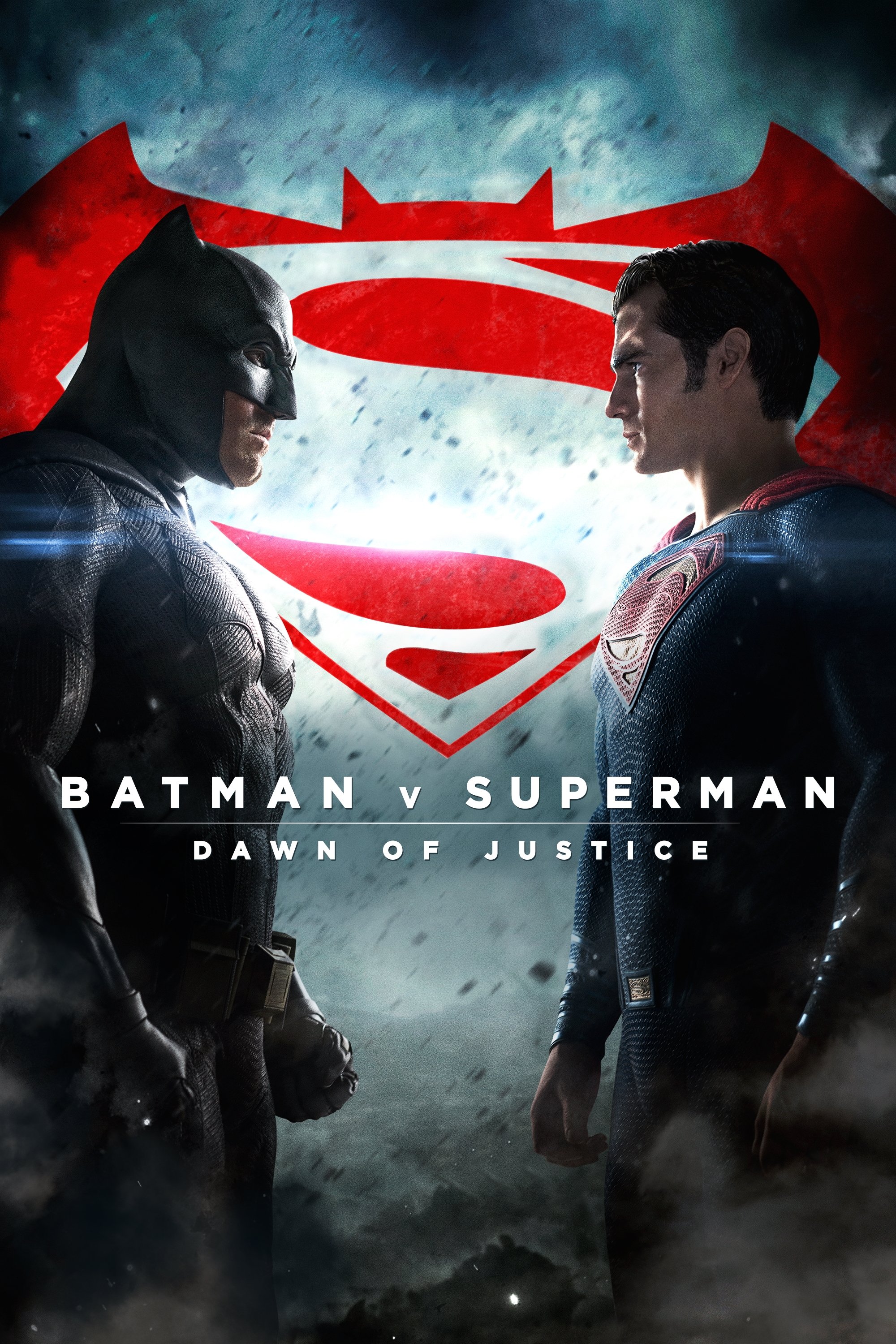
Two iconic DC superheroes clashed on the big screen for the first time in this dark action film. Director Zack Snyder aimed to deconstruct the mythology of these characters within a grounded and gritty setting. The plot struggled to balance the central conflict with the task of setting up a wider cinematic universe. Critics noted the dour tone and pacing issues throughout the extended runtime. The resolution to the titular fight famously hinged on a coincidence involving the names of the heroes’ mothers.
‘Suicide Squad’ (2016)
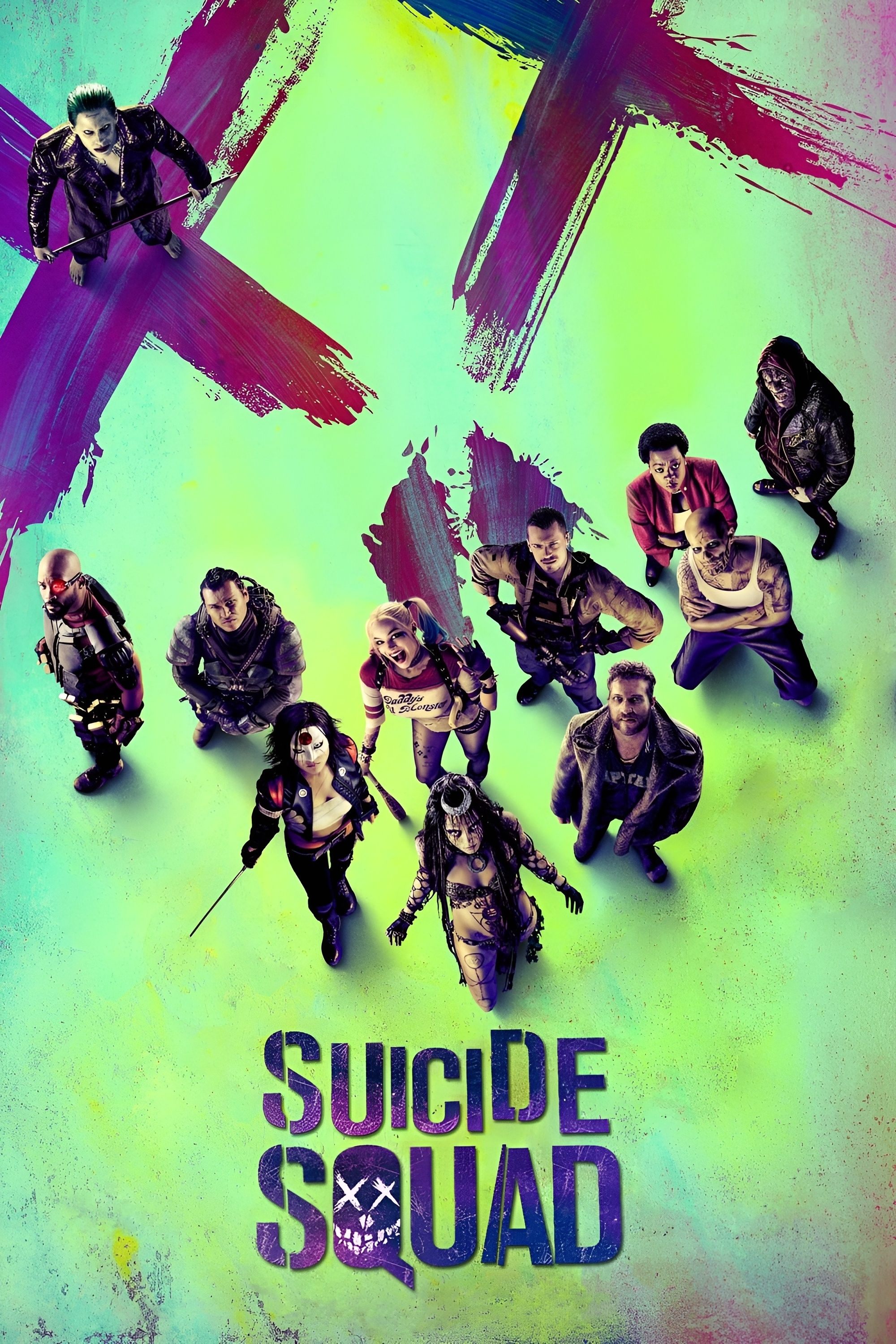
Warner Bros assembled a team of supervillains for a mission that promised an edgy and irreverent take on the genre. The marketing campaign highlighted a unique visual style and a classic rock soundtrack. Studio interference reportedly altered the final cut to lighten the tone after the reception of previous films. The resulting movie suffered from erratic editing and underused characters despite a strong box office opening. Jared Leto’s interpretation of the Joker garnered significant media attention but had limited screen time.
‘The Matrix Revolutions’ (2003)
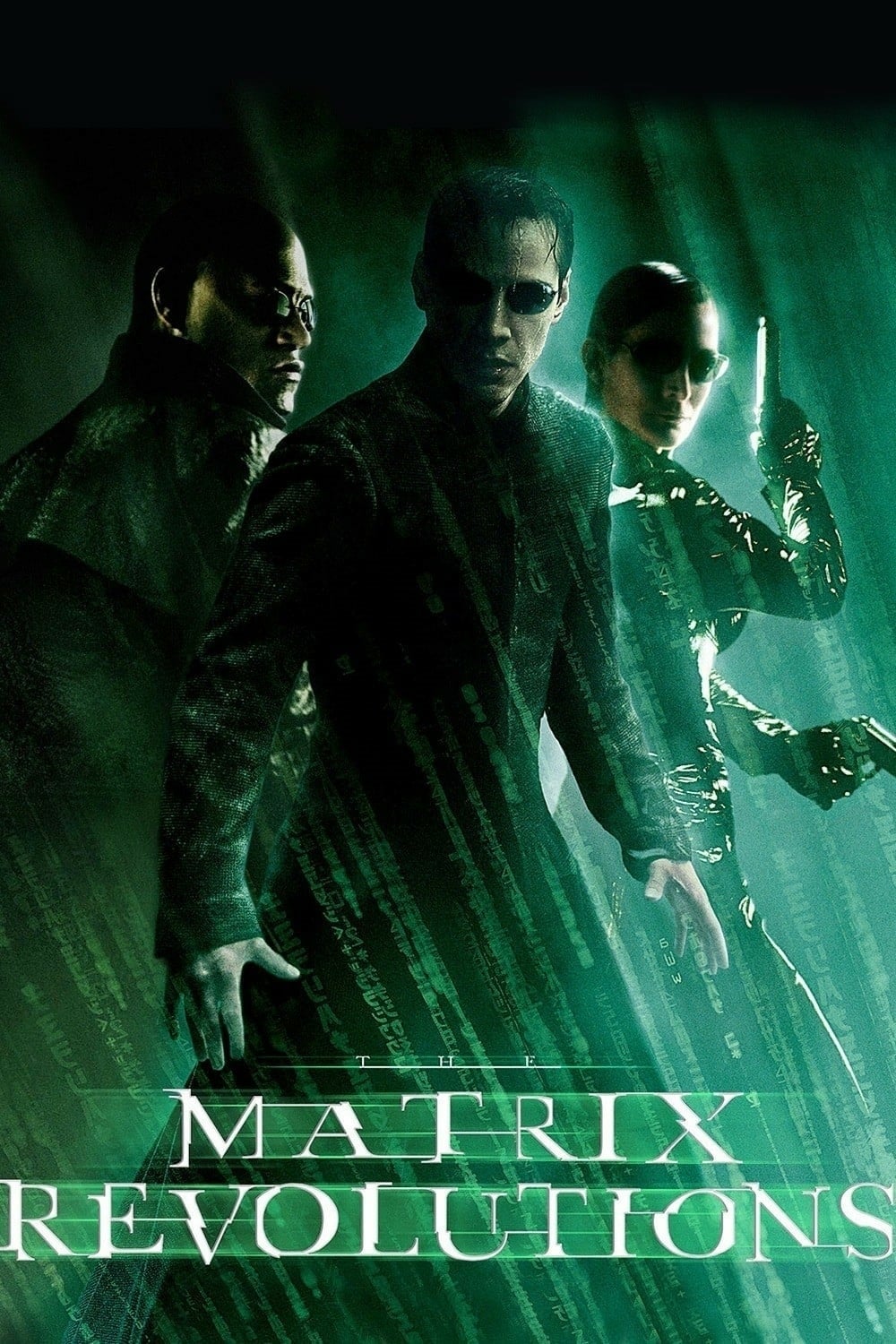
The Wachowskis concluded their cyberpunk trilogy with a heavy focus on the war against the machines. Audiences hoped for a philosophical resolution that matched the ingenuity of the first film. The narrative shifted away from the virtual world of the Matrix to the dreary underground city of Zion. Many viewers felt the climax relied too heavily on CGI spectacle rather than character development. The ambiguous ending left many fans with more questions than answers regarding the fate of Neo.
‘Prometheus’ (2012)
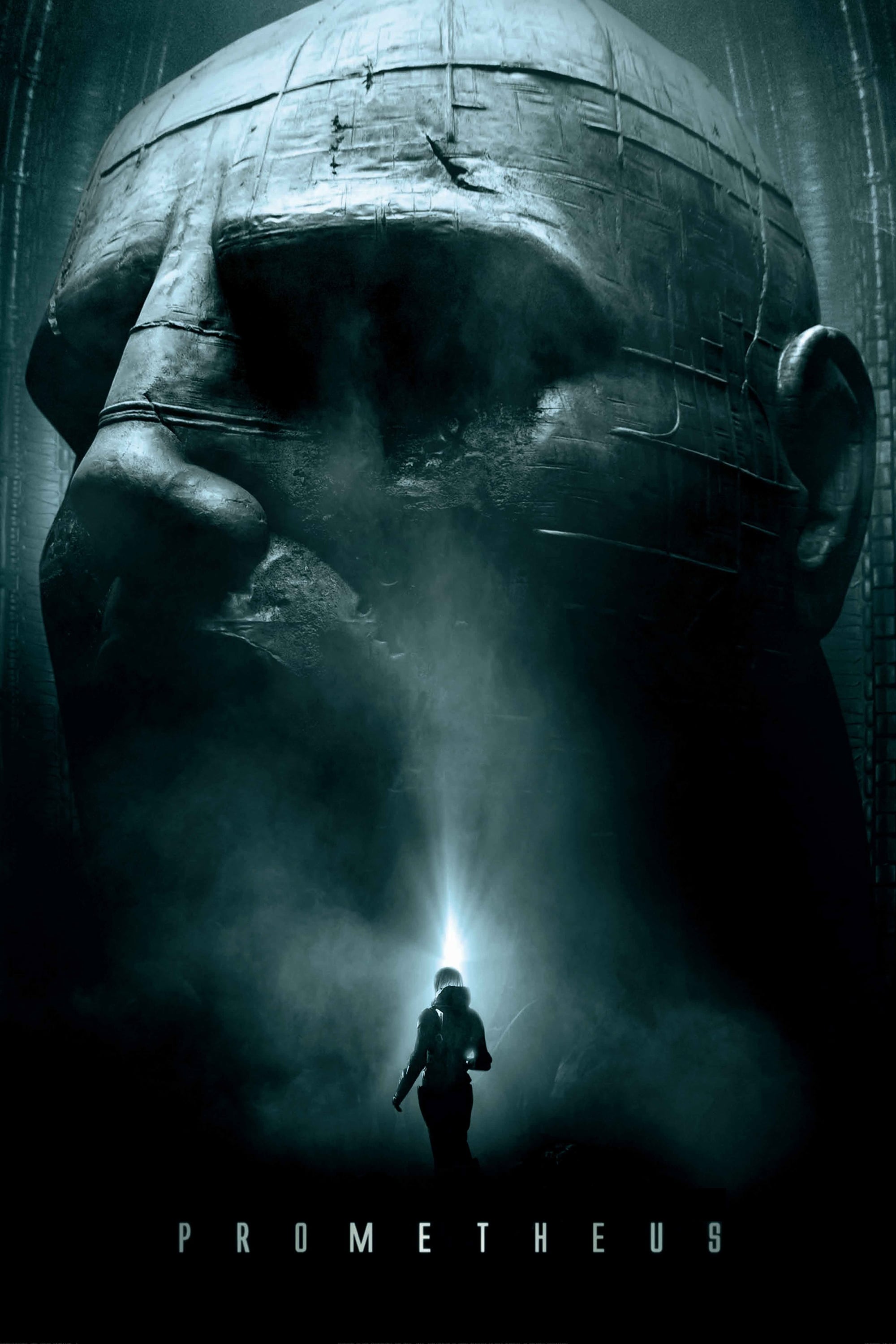
Ridley Scott returned to the universe he created with this prequel to the science fiction classic ‘Alien’. The film explored the origins of humanity and the engineers who created them. The visual effects and cinematography received praise for their stunning beauty and scale. The script drew criticism for characters who made illogical decisions despite their scientific expertise. The connection to the original franchise felt tenuous and left many narrative threads unresolved.
‘Avatar: The Last Airbender’ (2010)
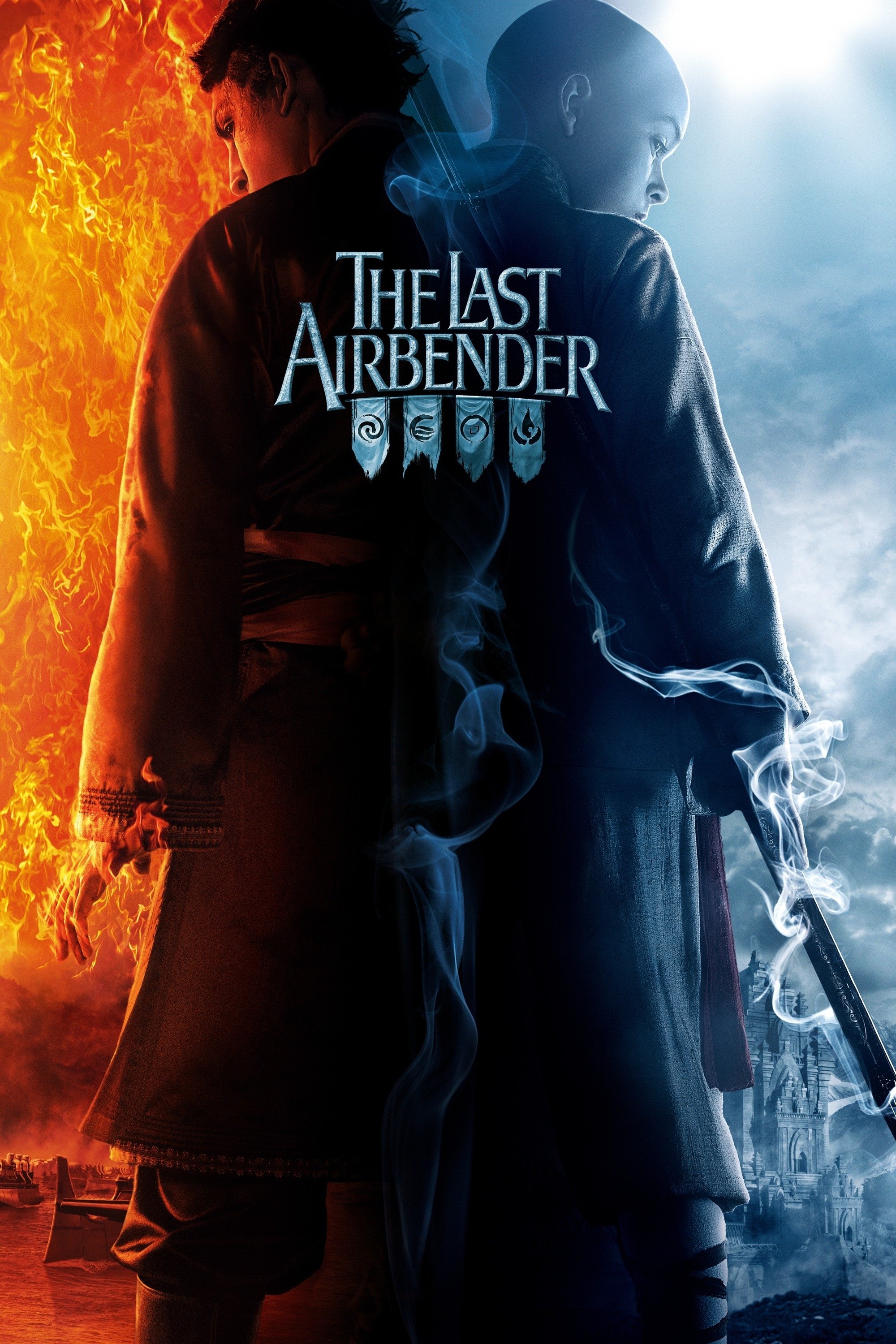
M. Night Shyamalan adapted the beloved animated series into a live-action feature film. The story follows Aang as he attempts to master all four elements to stop the Fire Nation. Fans of the source material immediately took issue with the changes to character pronunciations and casting choices. The visual effects for the elemental bending lacked the impact and fluidity seen in the animation. This adaptation is frequently cited as an example of how difficult it is to translate anime to live-action.
‘Justice League’ (2017)
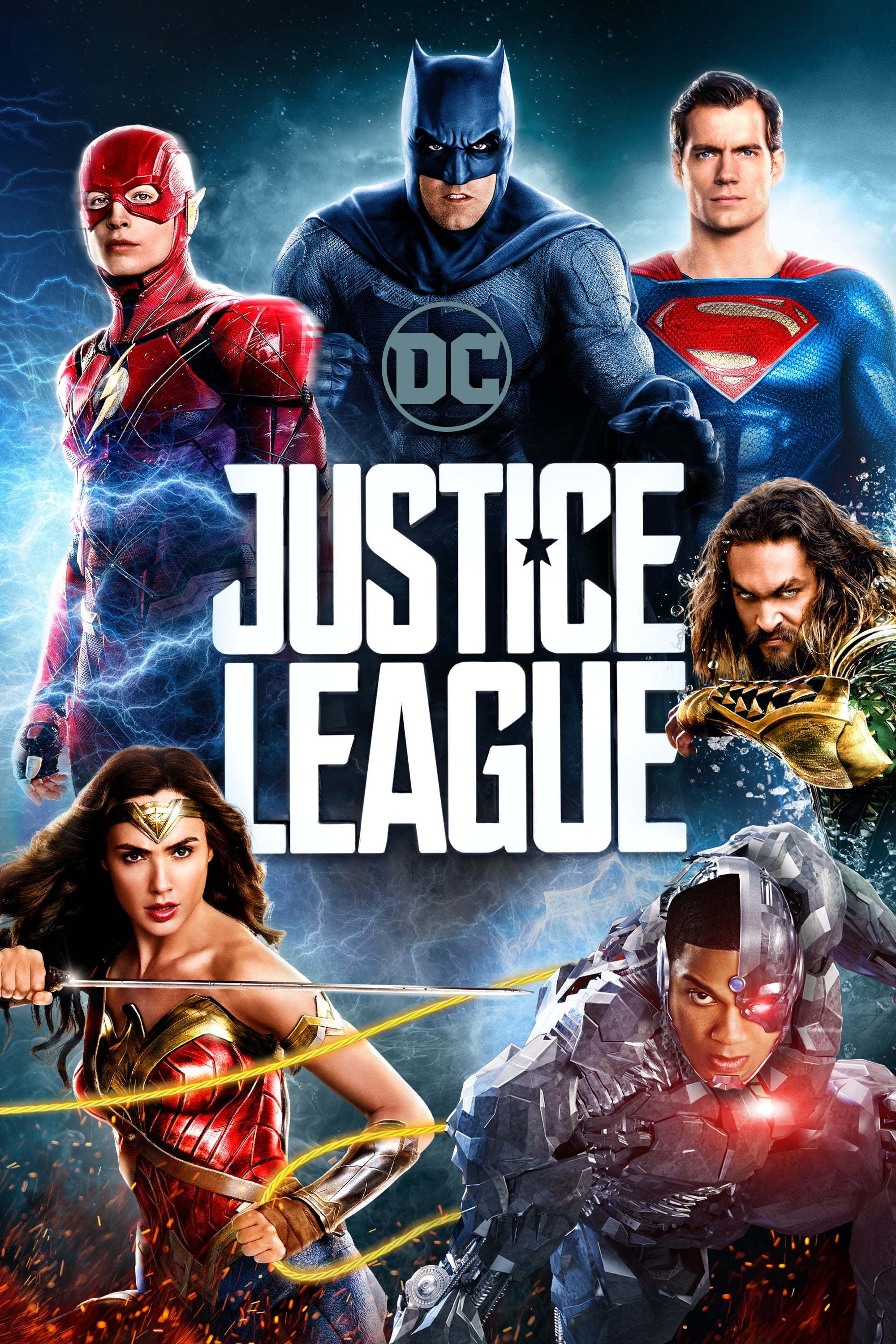
DC’s premier superhero team finally united on screen to battle an alien threat named Steppenwolf. Production troubles occurred when Zack Snyder left the project and Joss Whedon stepped in for reshoots. The final theatrical release displayed a clashing mix of two very different directorial styles. Badly implemented CGI was used to remove Henry Cavill’s mustache during reshoots. The disjointed story and weak villain failed to generate the excitement expected from such a major crossover event.
‘Fantastic Four’ (2015)
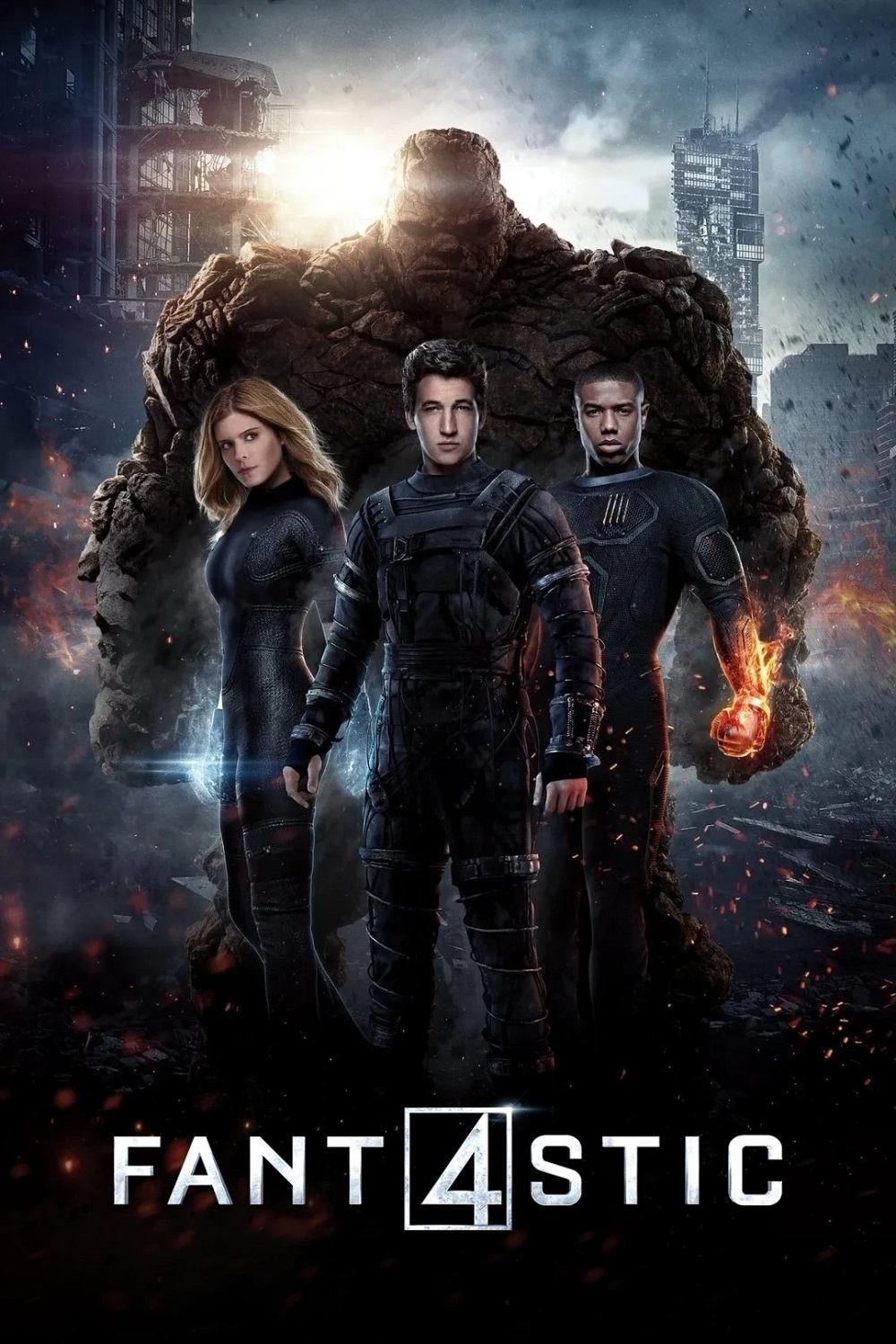
Josh Trank directed this reboot with a focus on body horror and realistic science fiction elements. The production was plagued by reports of conflicts between the director and the studio. The final film featured a jarring tonal shift in the third act that abandoned the setup. Character development was sacrificed for a rushed conclusion that felt incomplete. It became a box office bomb and put the franchise on hold for years.
‘X-Men: The Last Stand’ (2006)
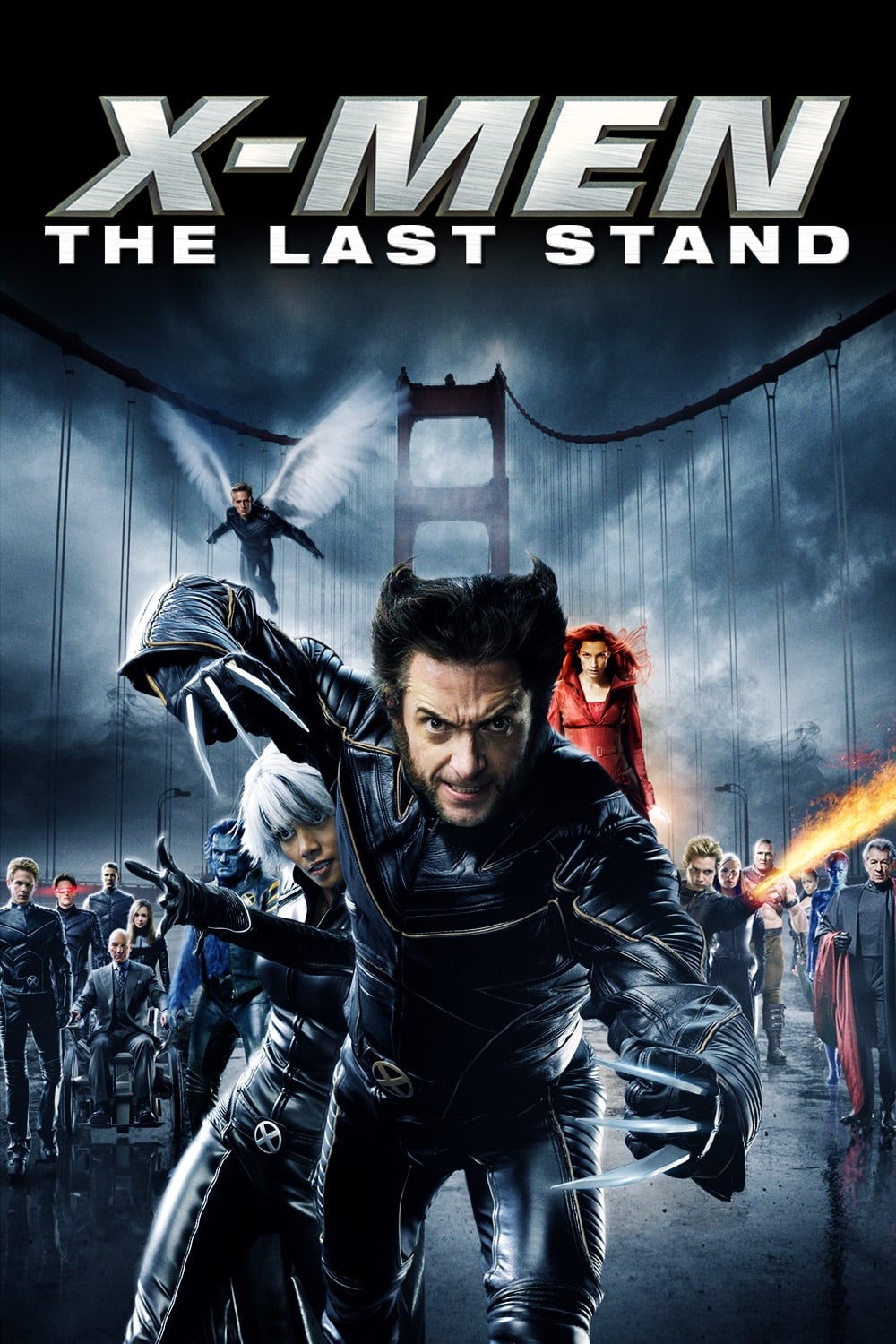
Brett Ratner took over the franchise to adapt the famous Dark Phoenix saga from the comics. The film attempted to juggle the Phoenix storyline with a plot about a mutant cure. Major characters were killed off unceremoniously which angered long-time fans of the series. The emotional weight of the previous films was lost amidst excessive action sequences. This entry is often considered a low point that necessitated a timeline reset in future movies.
‘X-Men Origins: Wolverine’ (2009)
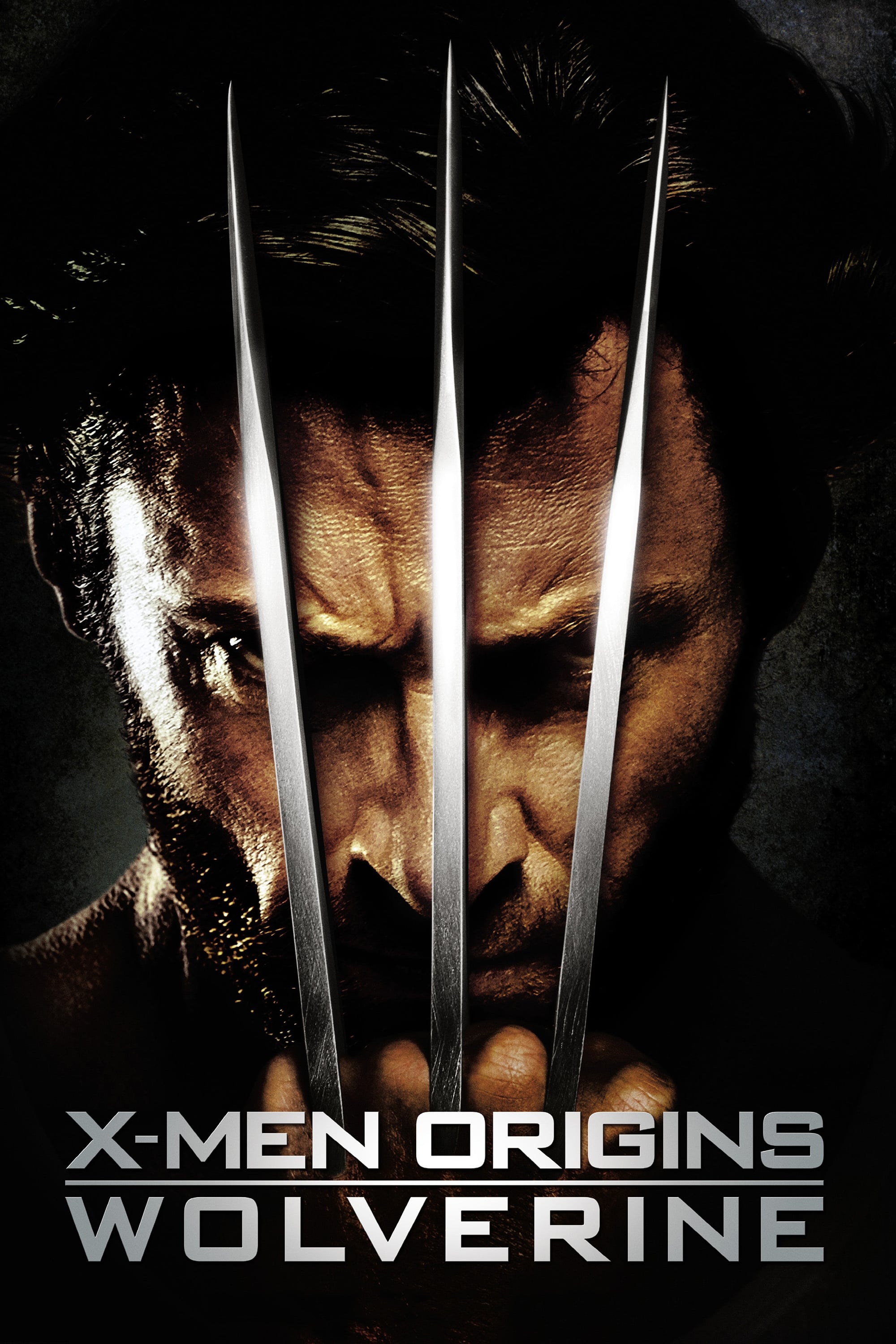
Hugh Jackman returned to explore the mysterious past of the most popular X-Men character. The film suffered from unfinished visual effects appearing in leaked versions before release. The portrayal of Deadpool as a mute weapon with his mouth sewn shut baffled comic book readers. The narrative contradicted established events from the main trilogy and created continuity errors. It failed to deliver the gritty R-rated backstory many fans had hoped to see.
‘Green Lantern’ (2011)
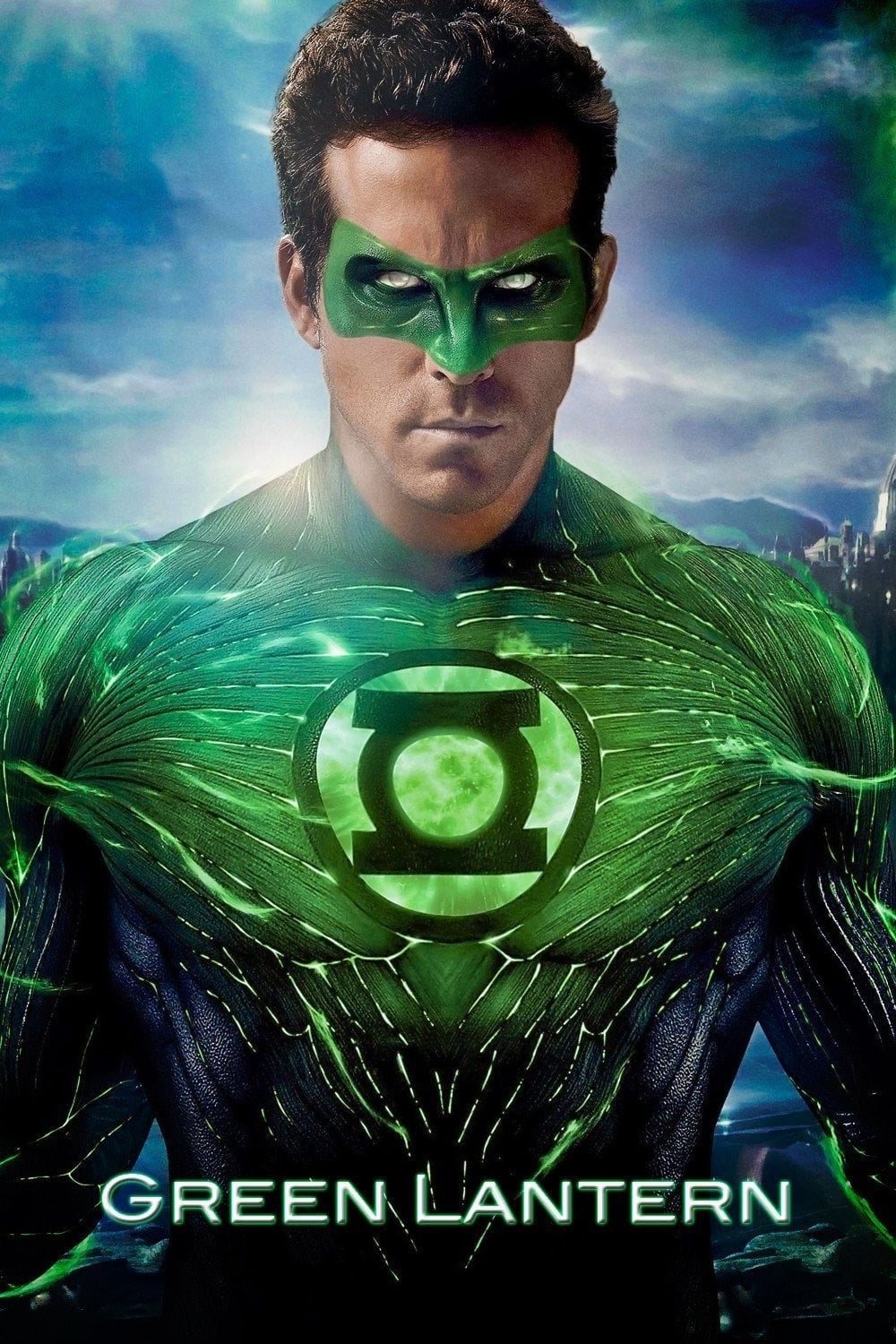
Ryan Reynolds starred as Hal Jordan in this attempt to launch a new cosmic franchise for DC. The film relied heavily on a fully digital costume that looked unnatural on screen. The script followed a formulaic origin story that failed to distinguish itself from other superhero movies. The tone wavered uneasily between serious space opera and goofy comedy. It underperformed at the box office and the planned sequels were immediately cancelled.
‘The Hobbit: The Battle of the Five Armies’ (2014)
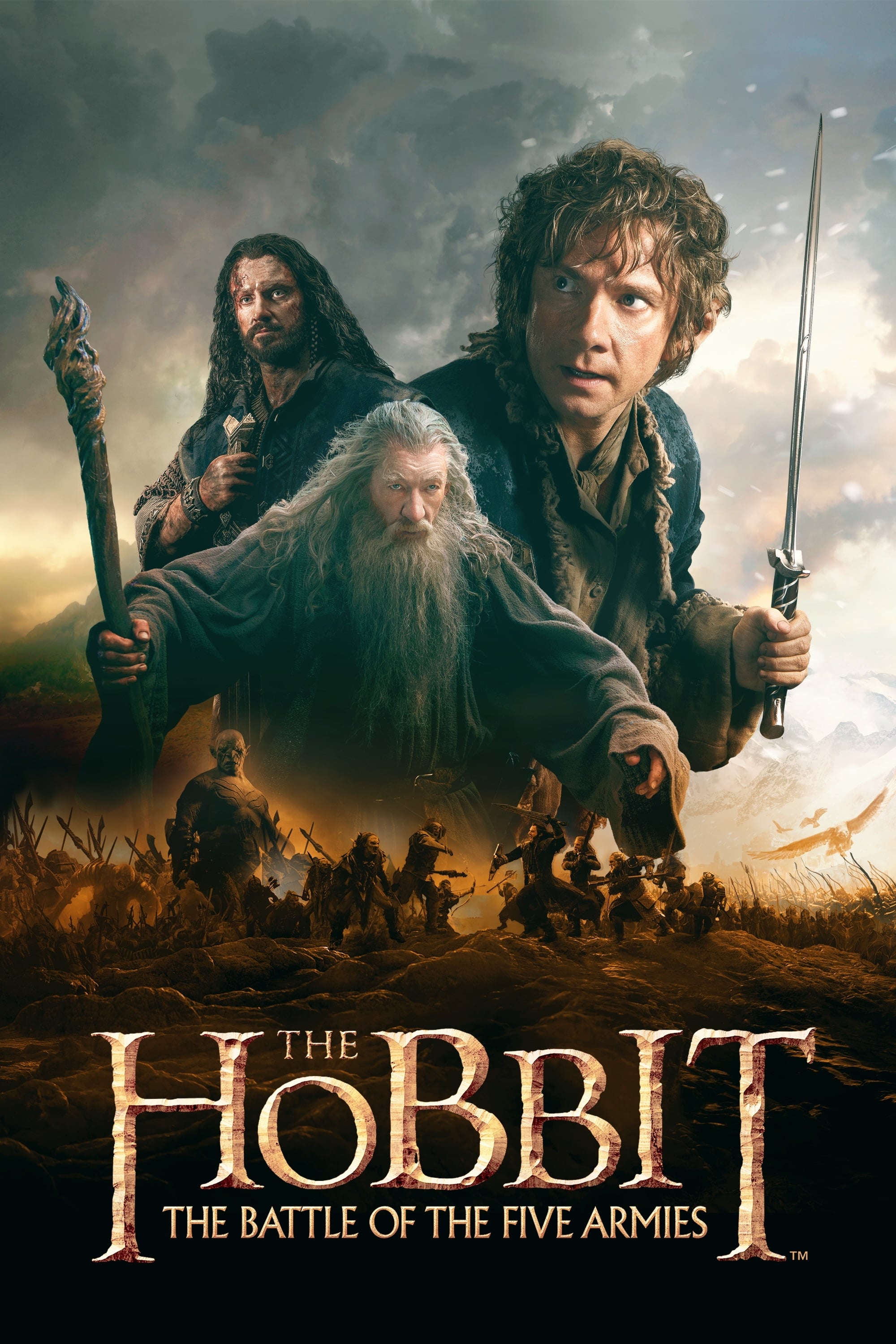
Peter Jackson expanded a short children’s book into three lengthy epic films. This final chapter focused almost entirely on a prolonged battle sequence involving multiple armies. Critics felt the story was stretched too thin to justify the runtime. The reliance on CGI orcs and environments lacked the tactile reality of the ‘Lord of the Rings’ trilogy. The emotional beats of the story were often lost amidst the constant noise and spectacle.
‘Alice in Wonderland’ (2010)
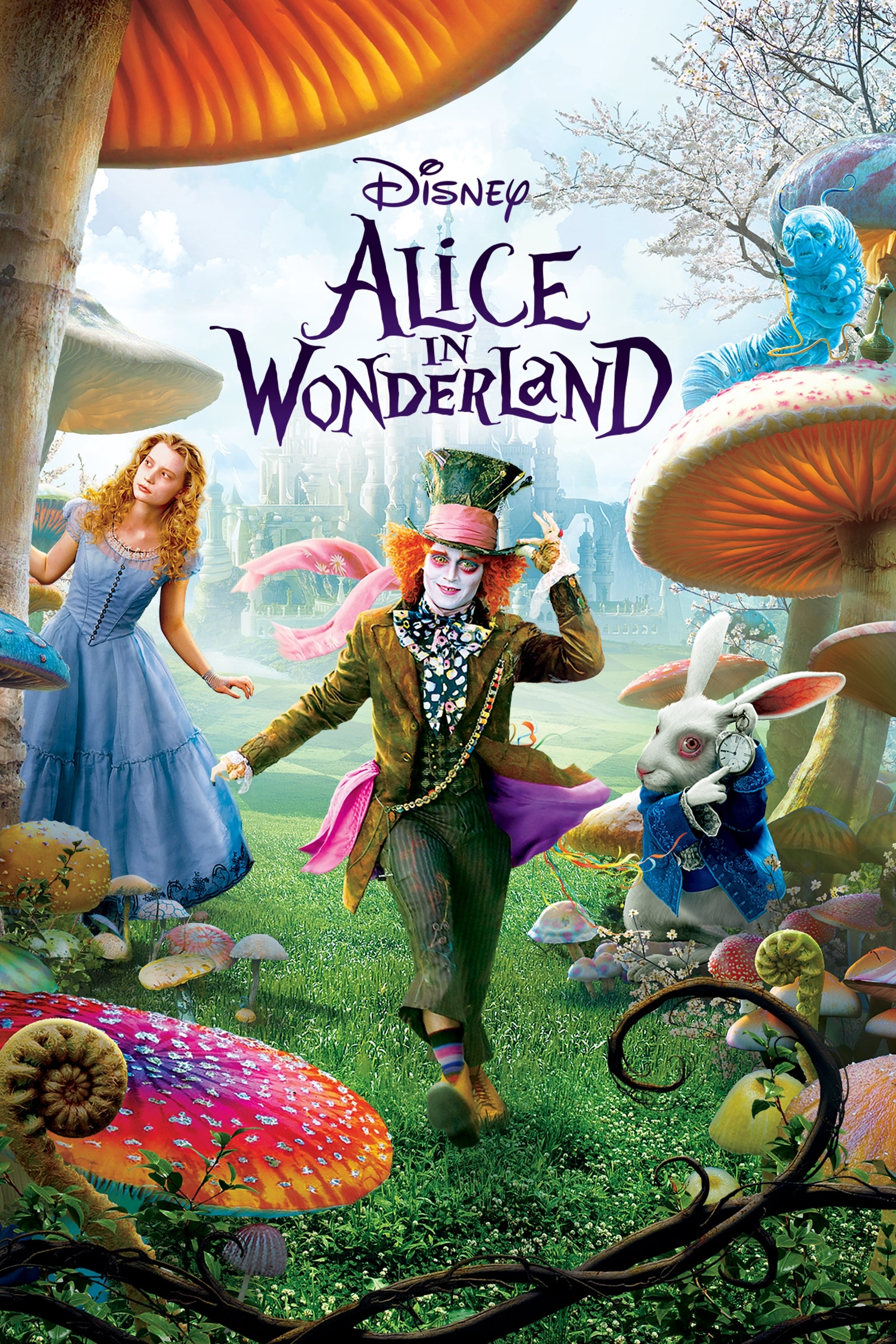
Tim Burton applied his signature gothic style to the classic Lewis Carroll tale. The film functioned as a sequel where an older Alice returns to Underland to slay a dragon. The vibrant visuals and 3D effects drew crowds but the story felt generic and formulaic. Johnny Depp’s eccentric performance as the Mad Hatter dominated the marketing and the screen time. The whimsy of the original book was replaced by a standard “chosen one” fantasy narrative.
‘Eragon’ (2006)
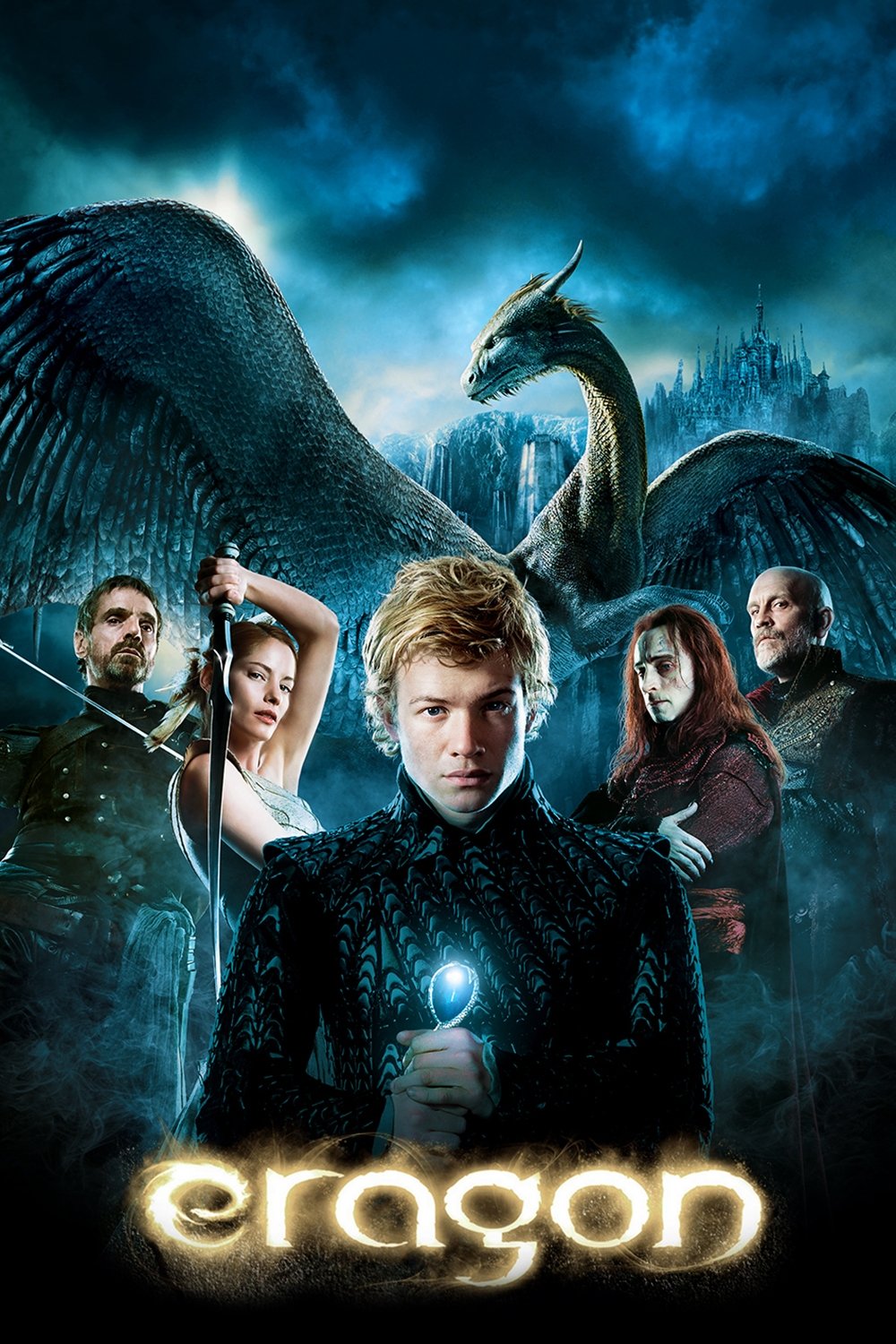
The adaptation of the popular young adult fantasy novel aimed to launch a new franchise. The plot rushed through the events of the book and omitted crucial character development. Fans complained that the magic system and the bond between dragon and rider were poorly explained. The casting and costume design looked inexpensive compared to other fantasy epics of the time. The film performed poorly enough to ensure the planned sequels were never produced.
‘The Golden Compass’ (2007)
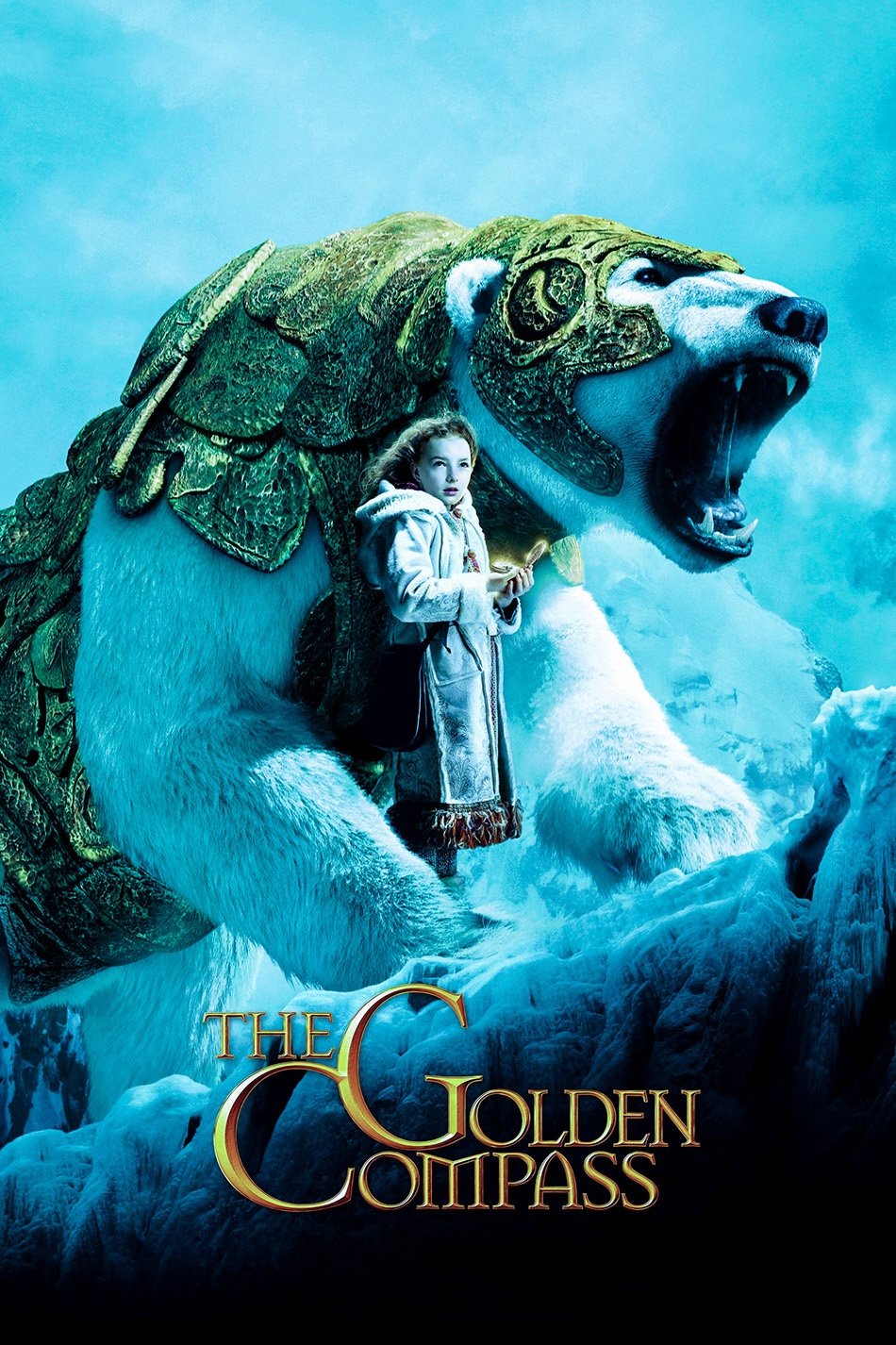
New Line Cinema hoped to replicate the success of ‘The Lord of the Rings’ with this adaptation of Philip Pullman’s work. The studio watered down the anti-religious themes of the book to appeal to a broader audience. The ending of the novel was cut from the film to create a happier conclusion. This decision removed the dramatic impact and confused the narrative arc. The film disappointed financially in the United States and the trilogy remained unfinished.
‘Percy Jackson & the Olympians: The Lightning Thief’ (2010)
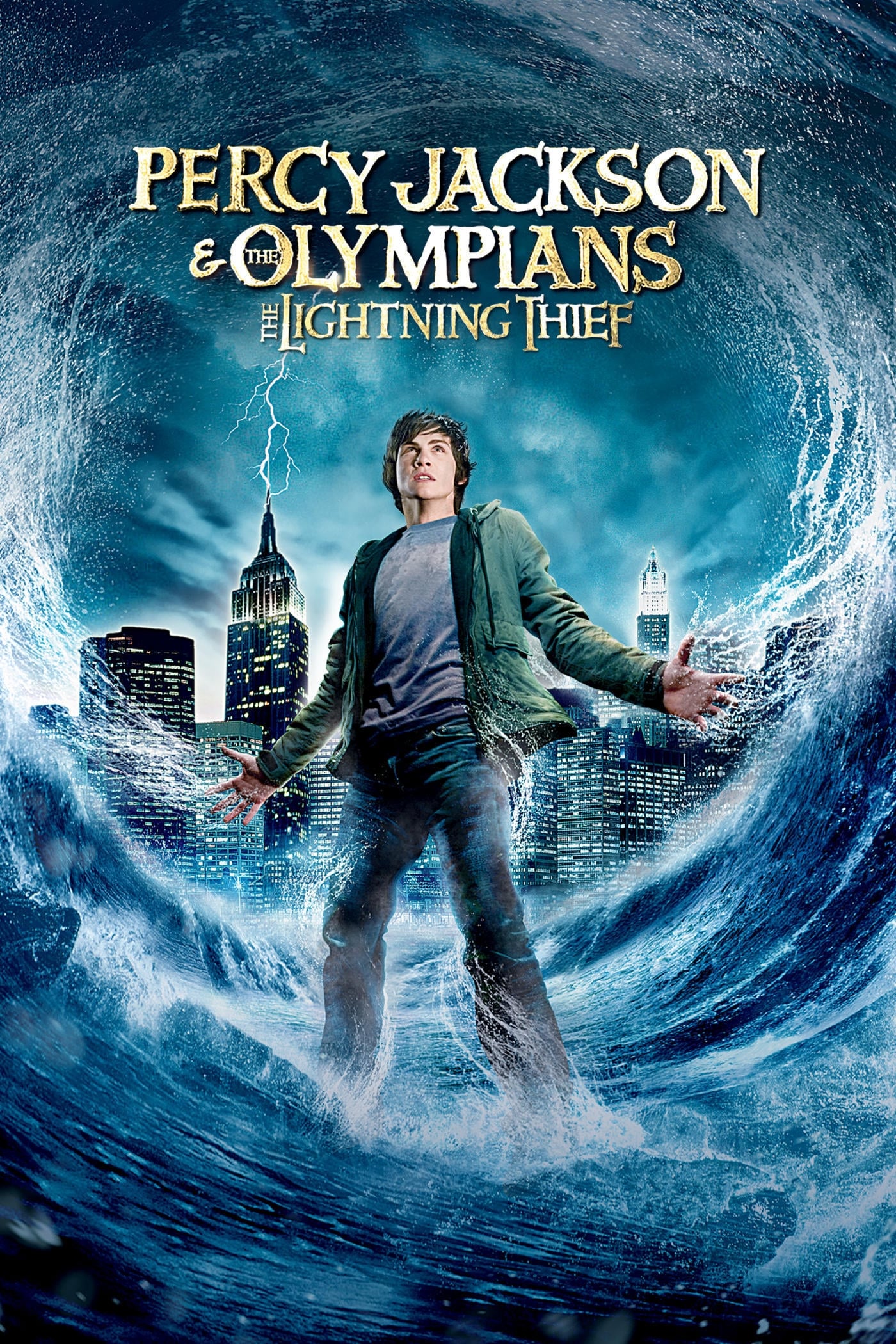
Rick Riordan’s best-selling book series about demigods arrived on screen with significant changes. The characters were aged up from twelve to sixteen to appeal to an older teen demographic. Key plot points and villains from the novel were altered or removed entirely. The film prioritized action set pieces over the road trip atmosphere of the book. The author himself publicly criticized the script and the direction of the adaptation.
‘Dragonball Evolution’ (2009)
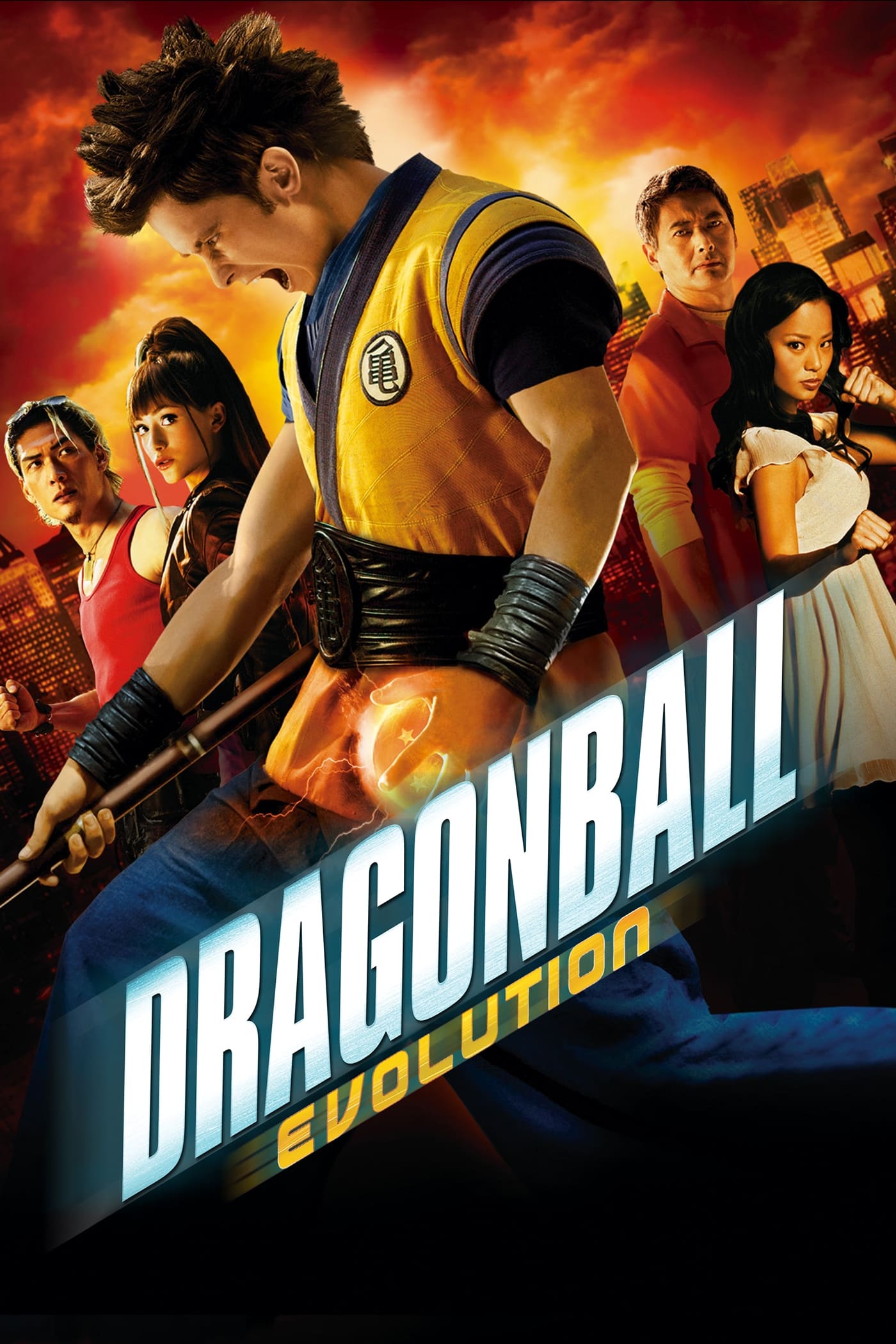
This live-action adaptation of the manga phenomenon completely reimagined the source material. The setting was shifted to an American high school environment which felt out of place. The characters bore little resemblance to their anime counterparts in personality or appearance. The fight choreography and special effects failed to capture the energy of the series. It is widely regarded as one of the worst adaptations of all time.
‘Terminator Salvation’ (2009)
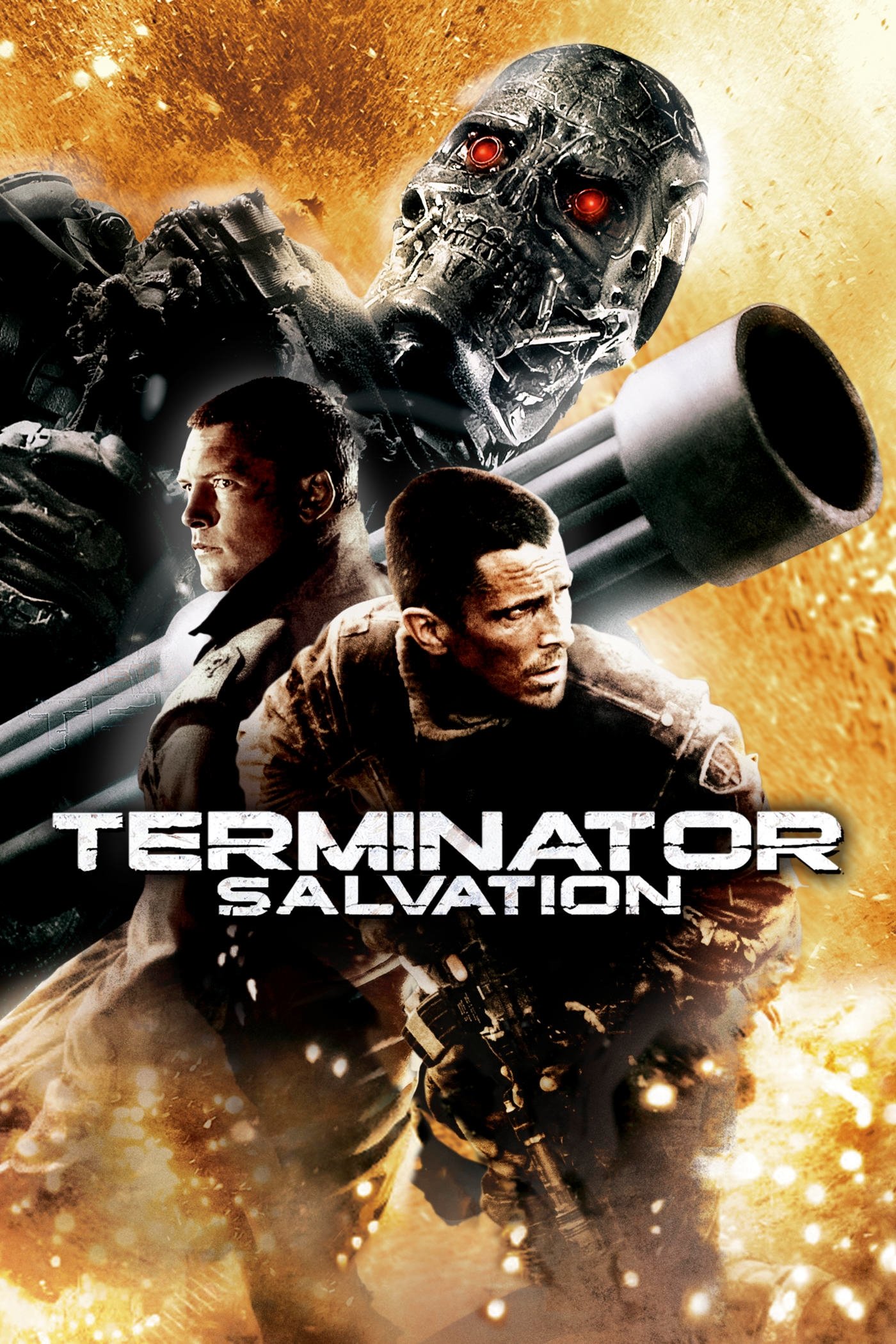
The franchise moved away from time travel to focus on the future war between humans and Skynet. Christian Bale starred as John Connor in a gritty post-apocalyptic setting. The script went through numerous rewrites that resulted in a muddled storyline. The tone was relentlessly grim and lacked the heart of the first two films. A twist involving a hybrid cyborg character failed to reinvigorate interest in the saga.
‘Independence Day: Resurgence’ (2016)
The sequel to the 1996 blockbuster arrived twenty years later with bigger ships and higher stakes. Will Smith did not return and his absence left a void in the cast chemistry. The plot recycled many beats from the original film without capturing the same sense of fun. The visual effects were technically proficient but felt numbing due to the lack of emotional stakes. It failed to resonate with nostalgic audiences or attract a new generation.
‘Jurassic Park III’ (2001)
The third installment was the first in the series not based on a Michael Crichton novel. Production began without a finished script which led to a disjointed narrative. The film famously introduced a Spinosaurus that kills a T-Rex early in the runtime. Fans felt this decision disrespected the iconic dinosaur from the previous movies. The movie felt like a small-scale monster flick rather than a grand adventure.
‘The Mummy’ (2017)
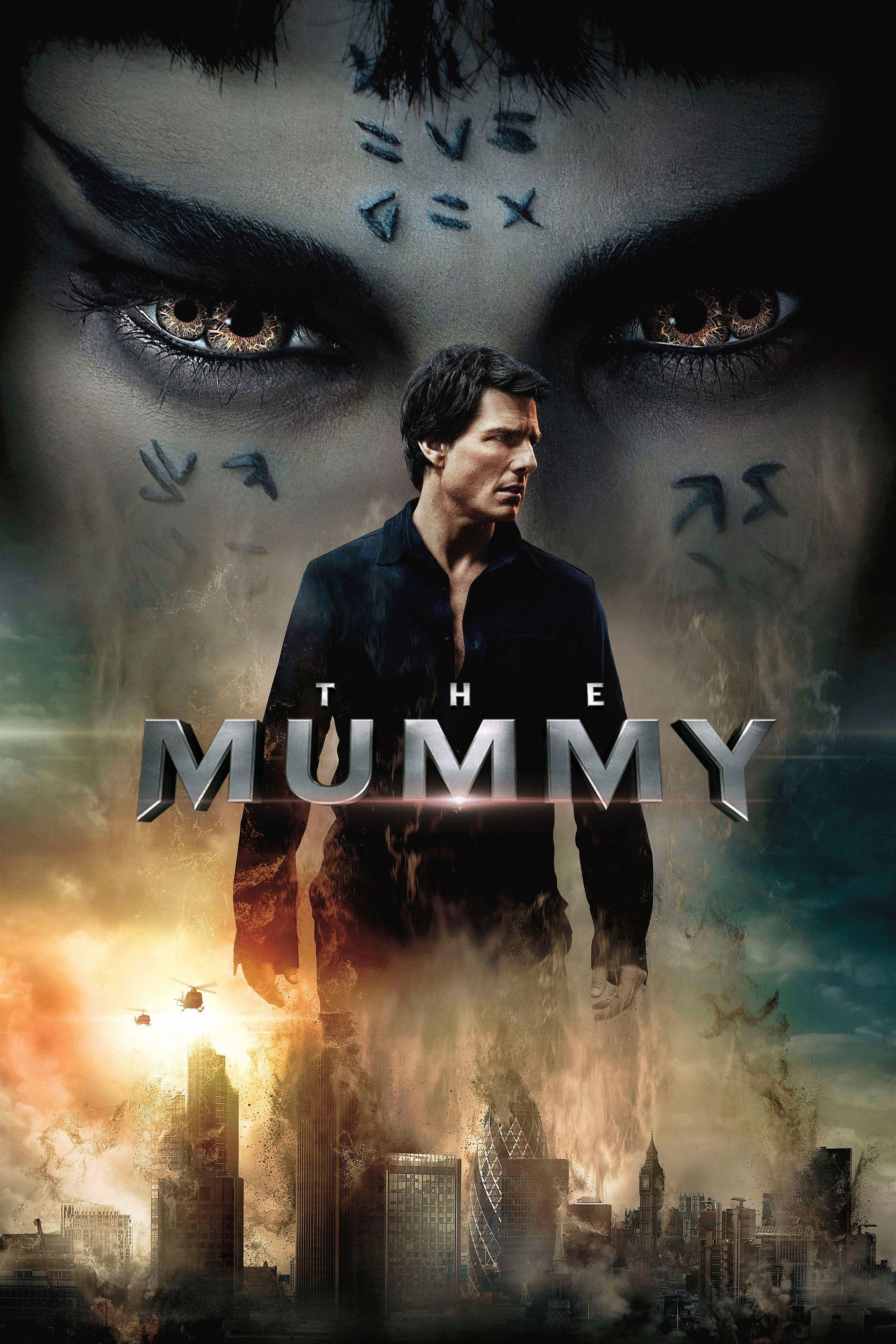
Tom Cruise starred in this action-horror film intended to launch the Dark Universe franchise. The movie spent considerable time setting up future films rather than telling a self-contained story. The tone shifted awkwardly between serious horror and blockbuster action comedy. Russell Crowe’s role as Dr. Jekyll felt forced and distracted from the main antagonist. The critical and commercial failure of this film effectively ended the shared universe before it began.
‘Valerian and the City of a Thousand Planets’ (2017)
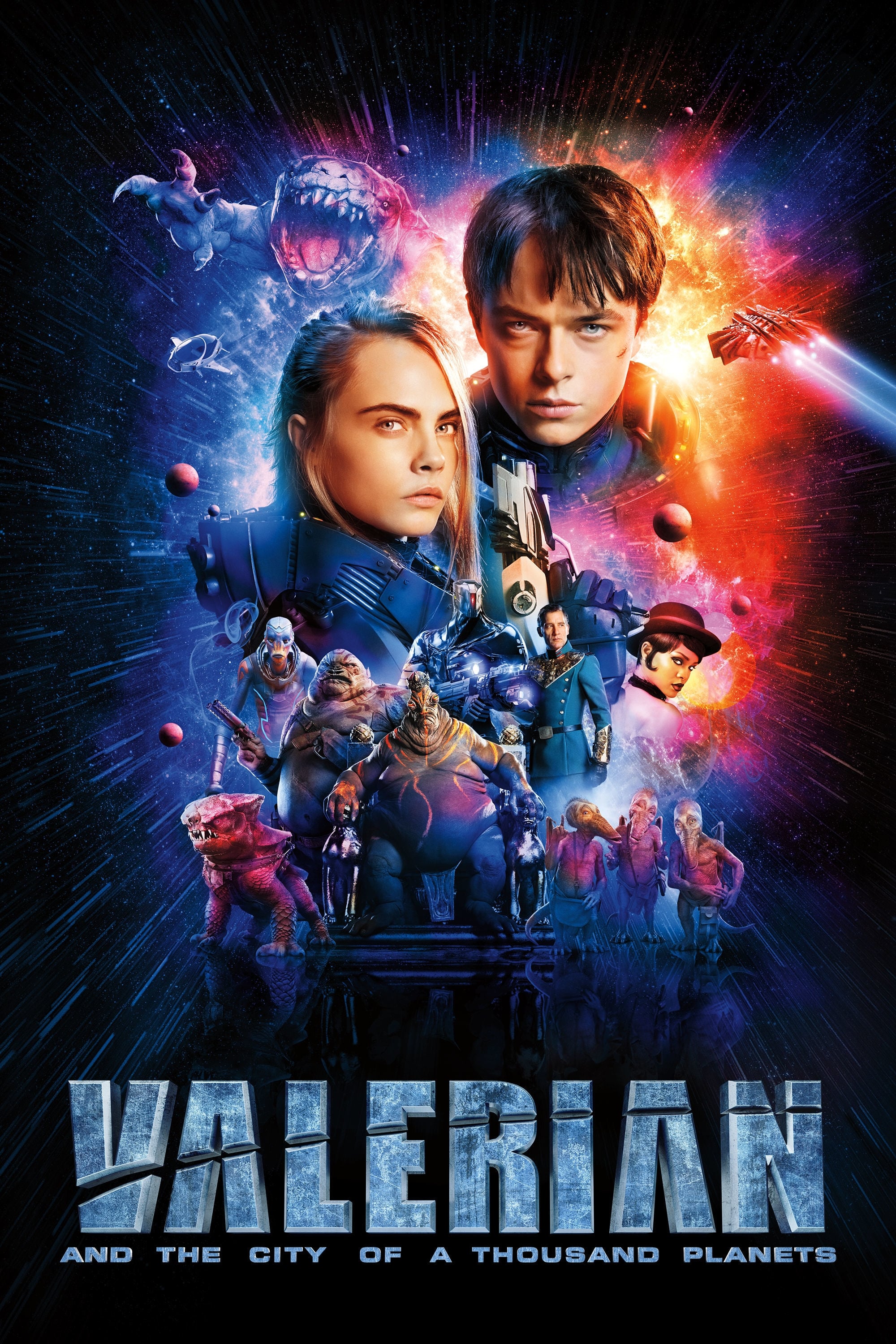
Luc Besson directed this visually spectacular adaptation of a classic French comic series. The film featured incredible world-building and imaginative alien designs. The two lead actors lacked the romantic chemistry required to drive the narrative forward. The plot became overly complicated and lost momentum in the second half. It remains a cult favorite for its visuals but was a major box office disappointment.
‘John Carter’ (2012)
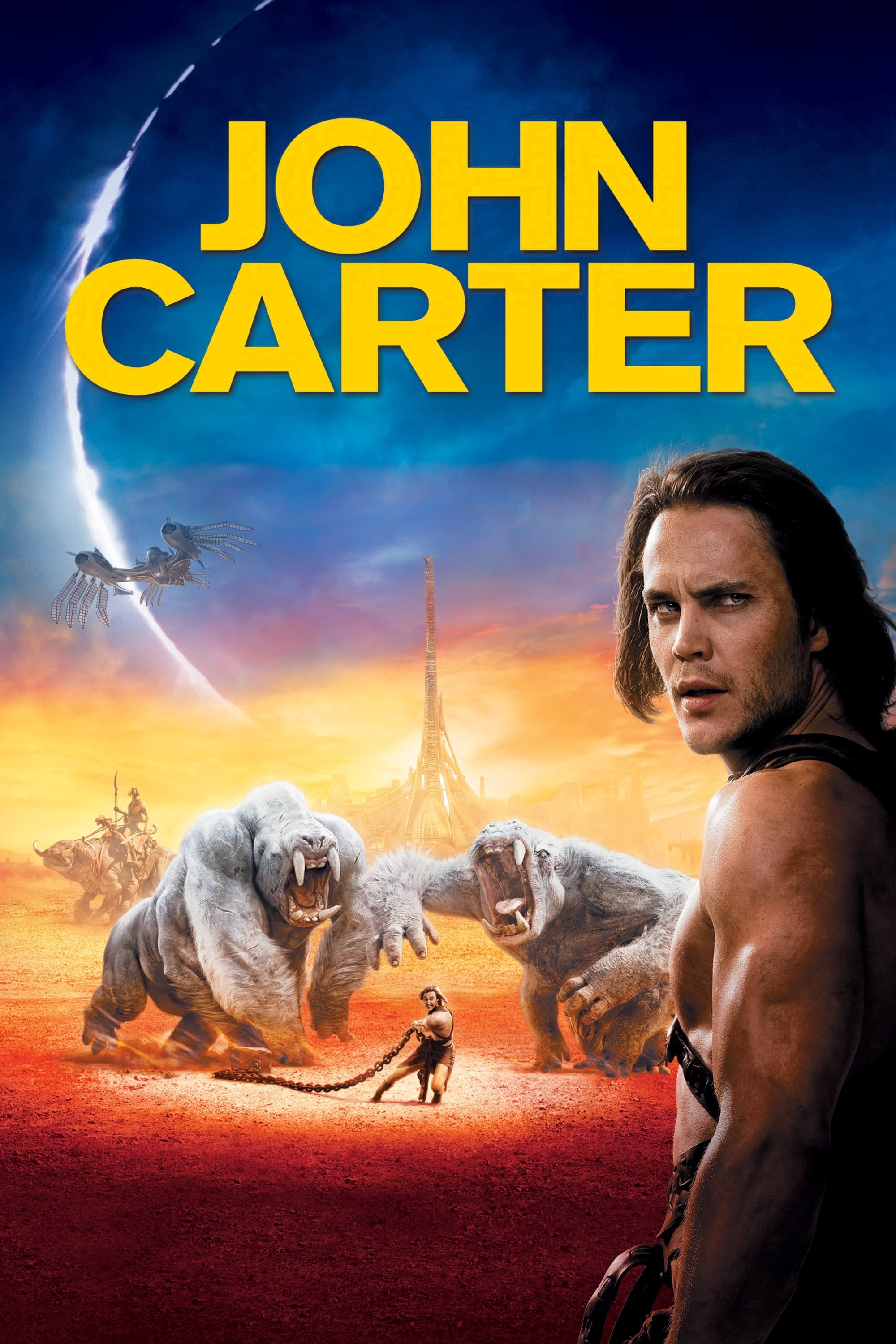
Disney invested heavily in this adaptation of the seminal sci-fi novels by Edgar Rice Burroughs. The marketing campaign failed to explain the story or the setting to general audiences. The generic title gave no indication that the film was a space opera adventure on Mars. While the visual effects were impressive the story felt derivative of movies it had originally inspired. The resulting financial loss was one of the largest in Hollywood history.
‘The Lone Ranger’ (2013)

Director Gore Verbinski reunited with Johnny Depp to update the classic western hero. The film suffered from a bloated runtime and confused tonal shifts. Depp’s portrayal of Tonto drew criticism for its eccentricity and cultural insensitivity. The final action sequence involving trains was spectacular but came too late to save the pacing. It was a massive financial misfire for the studio.
‘Warcraft’ (2016)
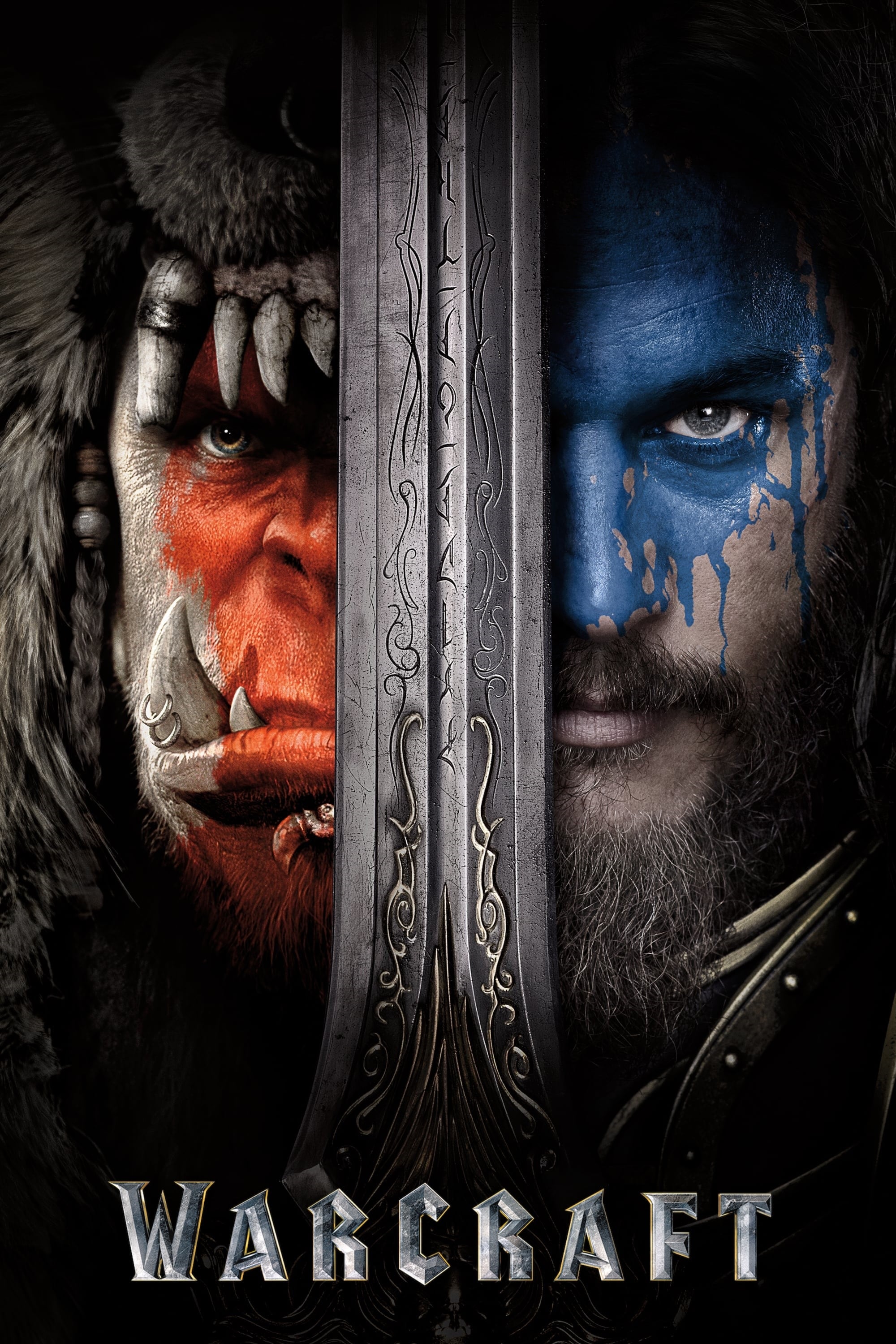
Duncan Jones directed this ambitious adaptation of the massively multiplayer online game. The film attempted to balance the perspectives of both the humans and the orcs. Viewers unfamiliar with the game lore found the fantasy names and politics confusing. The human characters felt underdeveloped compared to the motion-captured orcs. It performed well in China but failed to find a broad audience domestically.
‘Assassin’s Creed’ (2016)
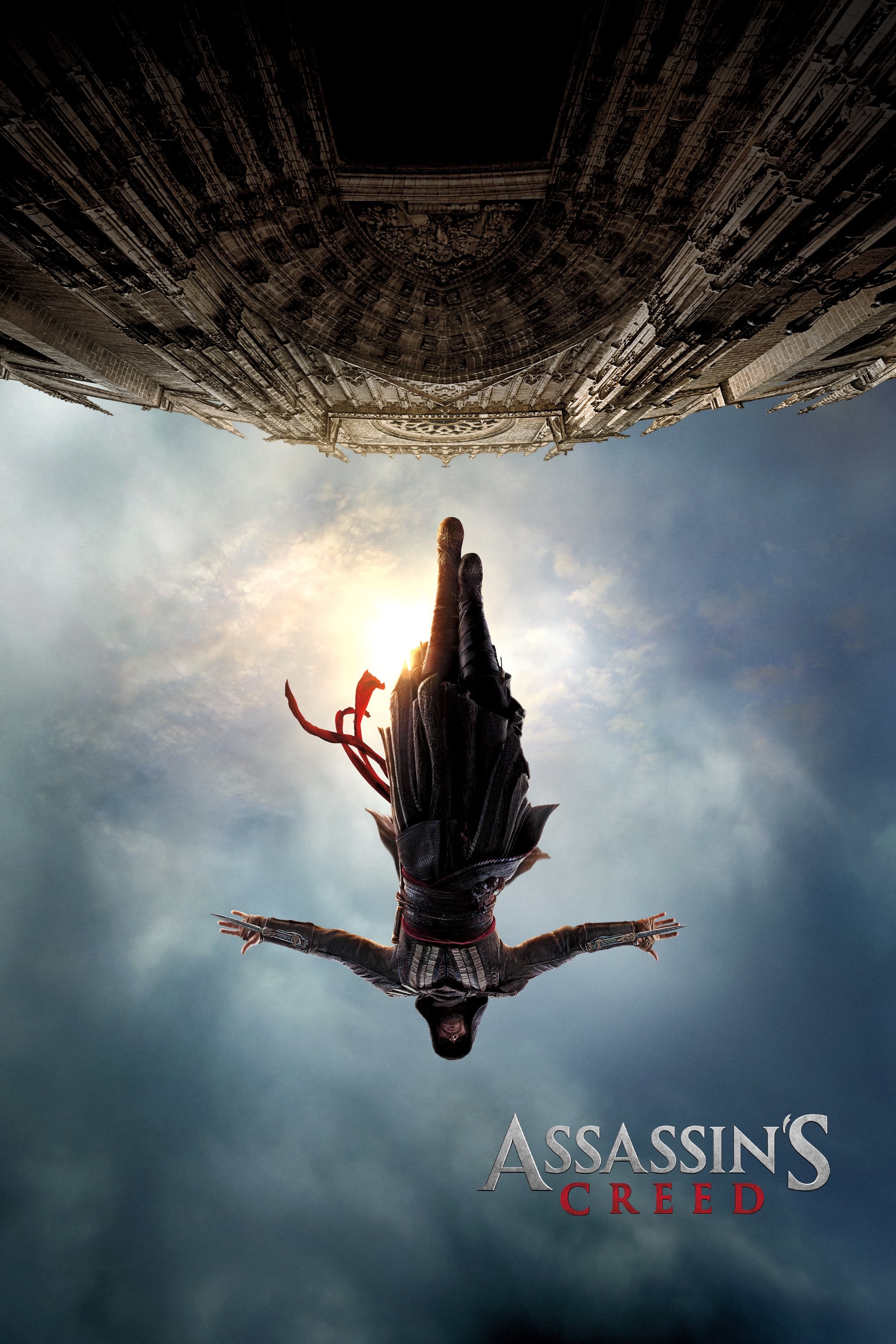
Michael Fassbender starred in and produced this adaptation of the historical sci-fi video game. The film spent a surprising amount of time in the modern-day laboratory setting. The historical action sequences were praised but were too infrequent to sustain interest. The plot became bogged down in exposition regarding the fictional science of genetic memory. It failed to break the so-called curse of video game movie adaptations.
‘Cats’ (2019)
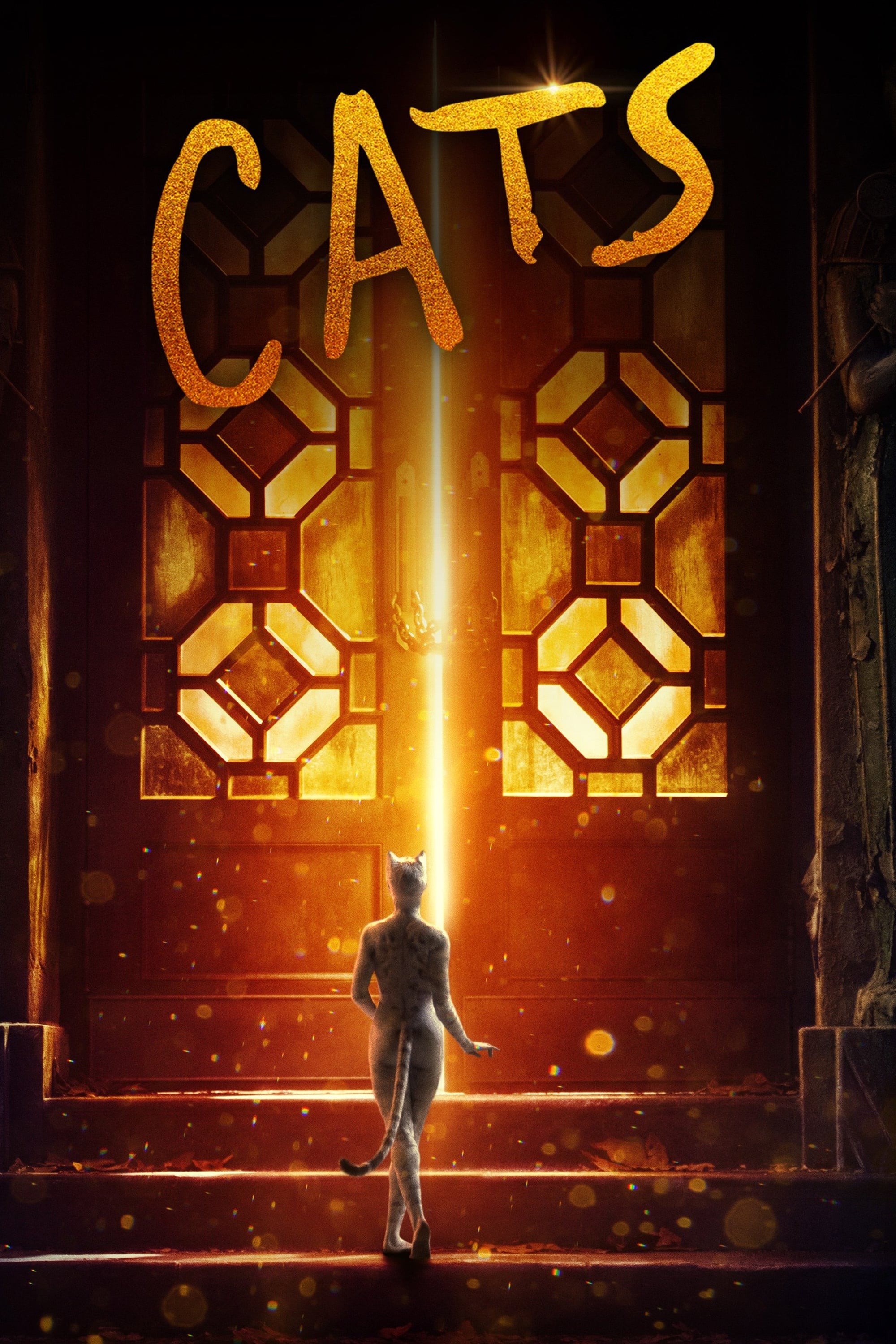
Tom Hooper directed this adaptation of the long-running Andrew Lloyd Webber musical using digital fur technology. The film features an ensemble cast of celebrities portraying Jellicle cats competing for a chance at rebirth. The visual effects created an uncanny valley effect that unsettled many viewers and critics. The plot remained faithful to the loose narrative of the stage show but failed to translate effectively to a cinematic medium. Universal Pictures eventually released a patched version with updated effects while the film was still in theaters.
Please leave a comment to tell us which movie on this list disappointed you the most or if we missed a major flop.