


Top 20 Movies that Need a 3D Remaster




From large format epics to meticulously crafted effects showcases many beloved films were captured on photochemical or IMAX scale formats that preserve remarkable spatial detail. Modern depth grading and high resolution scanning can map that information for stereo presentation while honoring original color timing and grain. The titles below were produced with practical sets ambitious cinematography or pioneering digital work that survives in high quality elements and archives. Each one already circulates in strong restorations or has documented negatives and interpositives that support new remaster pipelines.
‘The Matrix’ (1999)
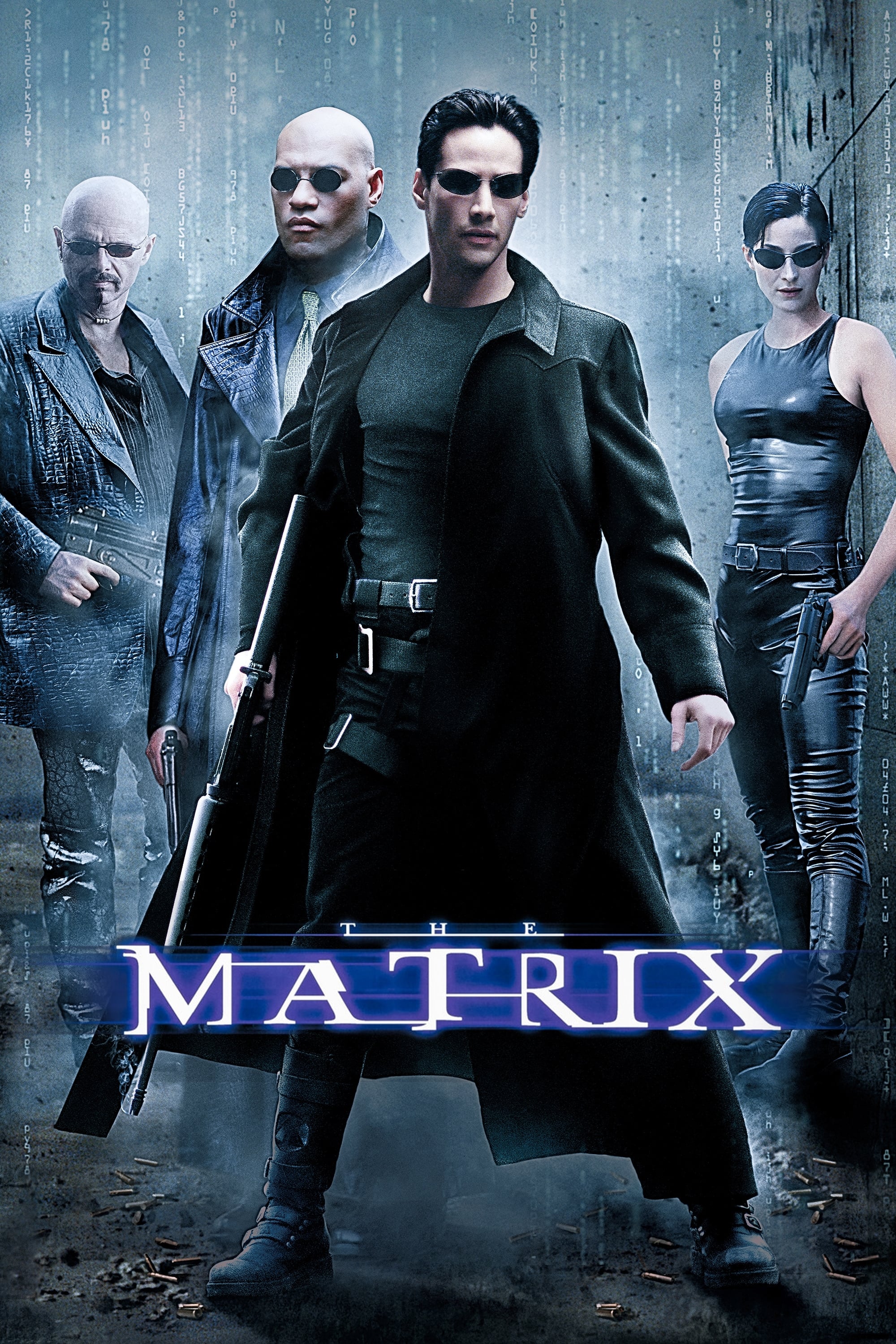
This production was photographed on 35 mm with anamorphic lenses which delivers strong edge detail for depth mapping. Large sequences used wire work practical sets and miniatures that read cleanly in new scans. Warner has produced 4K restorations from the original camera negative which ensures stable sources for any stereo conversion. The film contains long takes and bullet time composites with clear subject separation that align well with parallax grading.
‘Inception’ (2010)
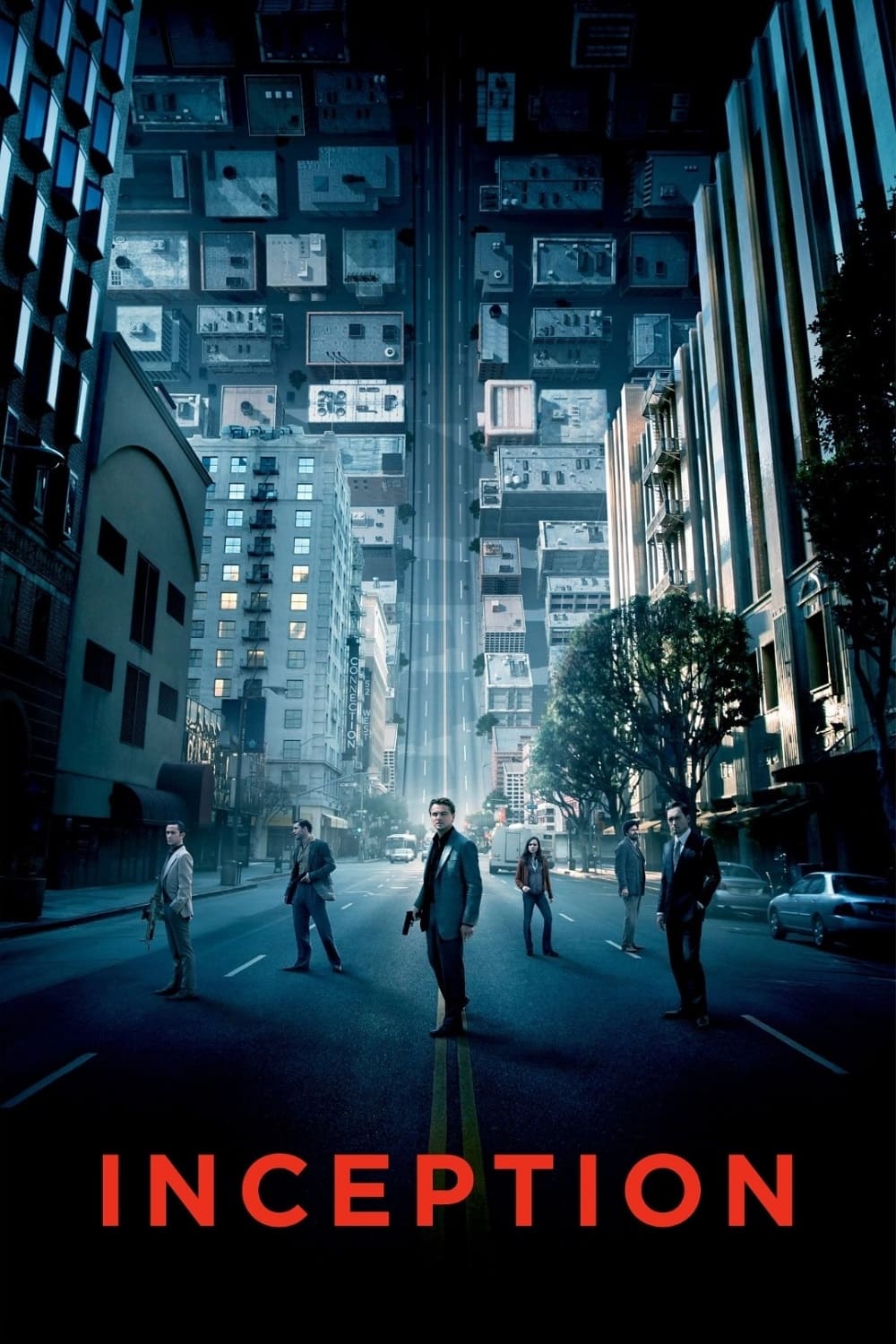
Key set pieces were captured on both 35 mm and 65 mm which provides high resolution frames for dimensional processing. Practical hallway rigs rotating sets and snow location photography provide consistent depth cues in camera. The film already exists in 4K with HDR from high quality scans which secures a reliable baseline. Dialogue scenes use measured blocking and wider lenses that maintain foreground midground and background layers.
‘Interstellar’ (2014)

This feature includes sequences shot on 65 mm and IMAX with variable aspect ratio preserved on home releases. Miniatures for spacecraft plates and on location dust and water elements offer textured depth planes. Original film elements are stored at premium resolution which supports precise convergence and windowing. The score and sound design have discrete stems that can be aligned with a stereo image without compromise.
‘Blade Runner’ (1982)
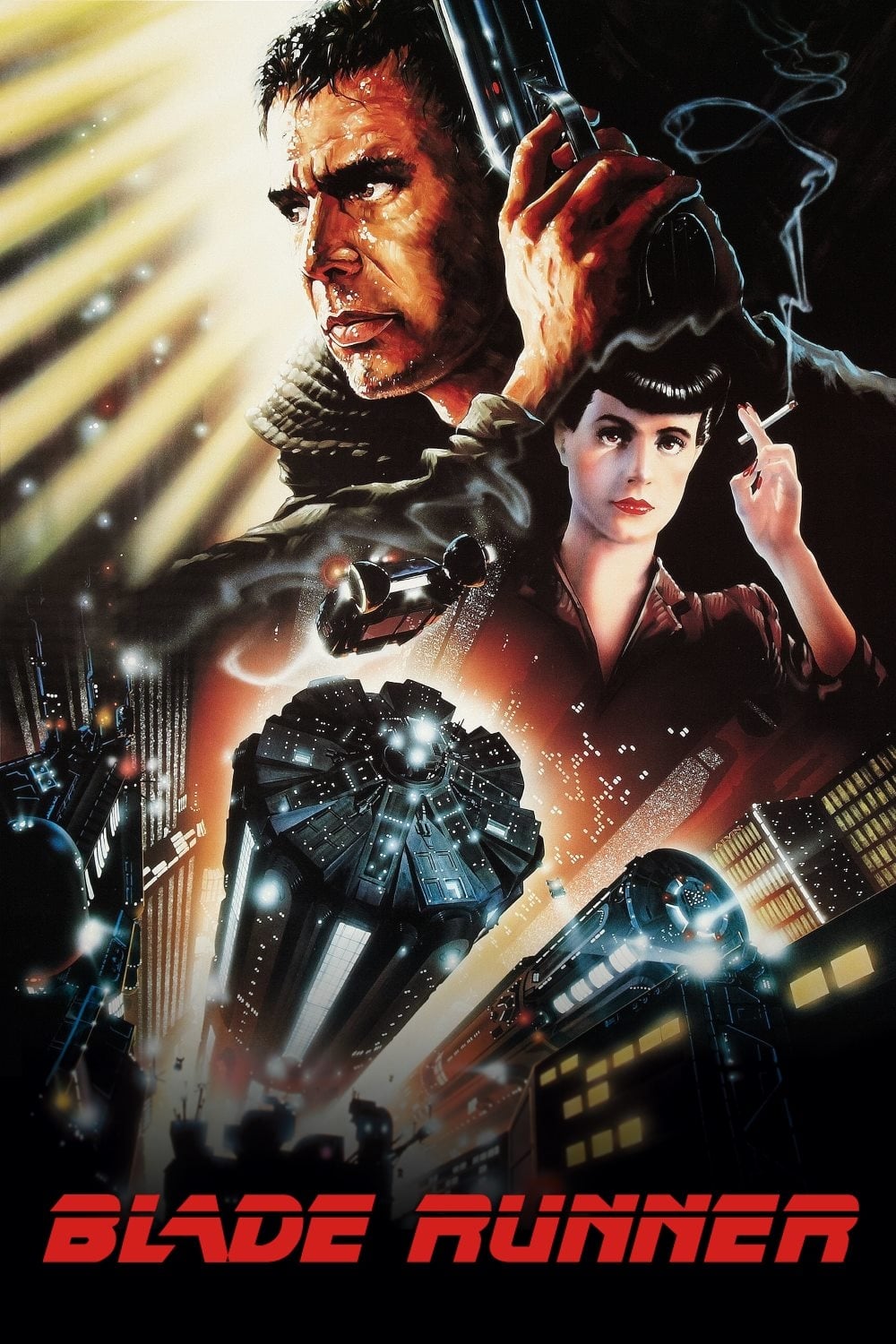
Multiple restorations exist including a Final Cut created from scans of original negative and high quality inserts. Extensive use of miniature cityscapes and optical composites provides layered imagery that can be separated during depth grading. Smoke rain and neon signage create volumetric markers that remain stable after grain management. The production history documents careful preservation of elements which facilitates new remaster passes.
‘Alien’ (1979)
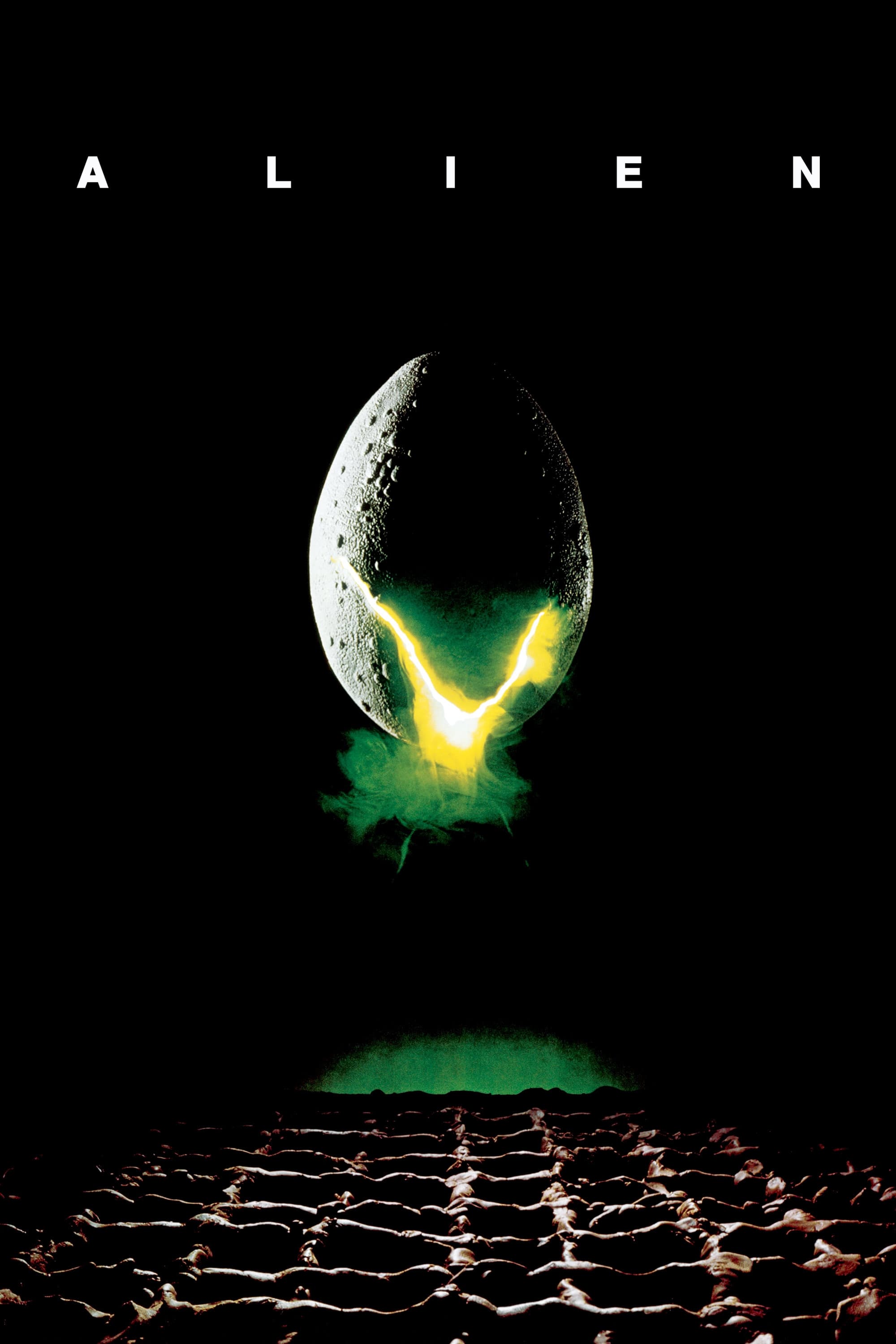
The film was shot on 35 mm with detailed practical sets that retain crisp geometry in modern scans. Model photography for the Nostromo and planetoid landscapes offers true spatial cues without heavy motion blur. A 4K restoration from the original negative is already in circulation which establishes a secure source. Long quiet tracking shots and controlled lighting make depth assignments consistent across cuts.
‘Aliens’ (1986)
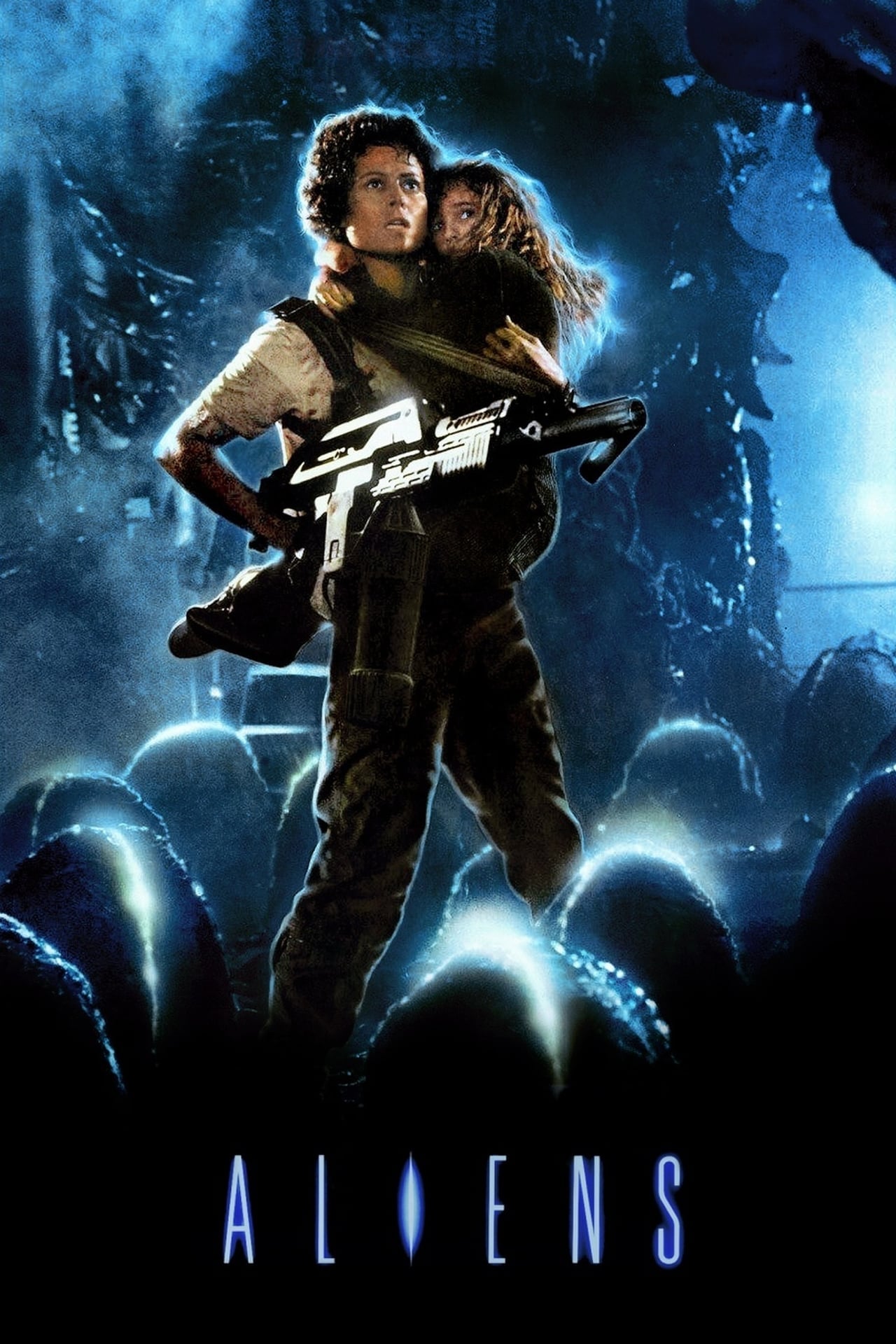
Principal photography used 35 mm with extensive miniature work and on set pyrotechnics that deliver tangible depth markers. The special edition and theatrical cut both exist in high resolution masters which can guide a unified workflow. Production design emphasizes corridors and layered industrial spaces that benefit from parallax clarity. Optical and in camera effects dominate which simplifies separation compared with heavy later generation compositing.
‘Raiders of the Lost Ark’ (1981)

This title was captured on 35 mm with practical stunts and location exteriors that hold strong planar stratification. The franchise received high resolution restorations from original elements that preserve fine detail and color timing. Desert sequences and jungle sets provide atmospheric haze and particulate cues that support comfortable depth. Editing favors continuity and wider coverage that maintains spatial orientation across the frame.
‘Indiana Jones and the Last Crusade’ (1989)
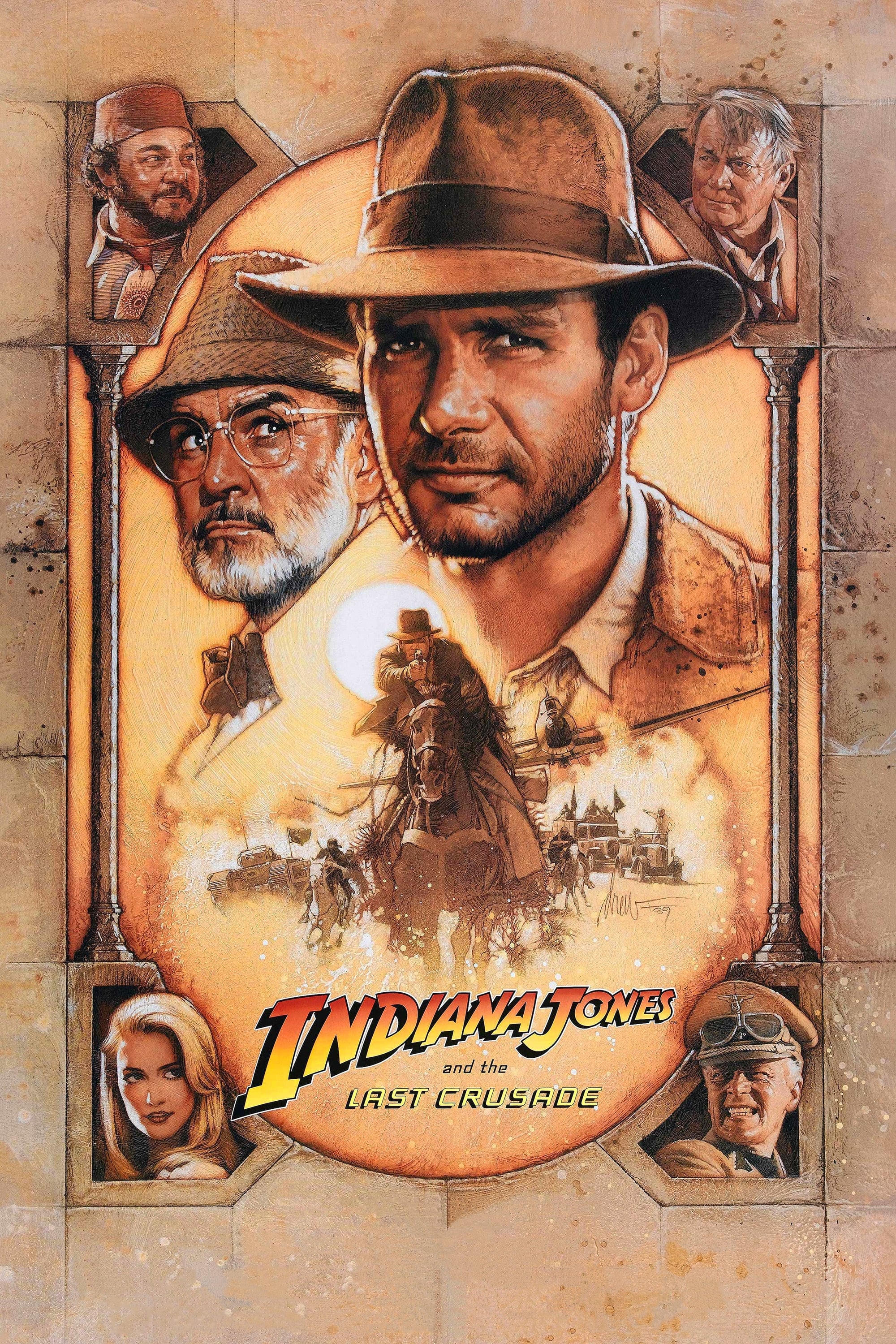
Cinematography employed anamorphic 35 mm with extensive location photography in deserts and European cities. Practical vehicle chases and large scale sets provide hard edges for clean rotoscoping and mapping. Studio archives maintain multiple audio and picture elements that have already supported 4K masters. The finale cavern and library sequences feature architectural lines that guide consistent stereo geometry.
‘Indiana Jones and the Temple of Doom’ (1984)
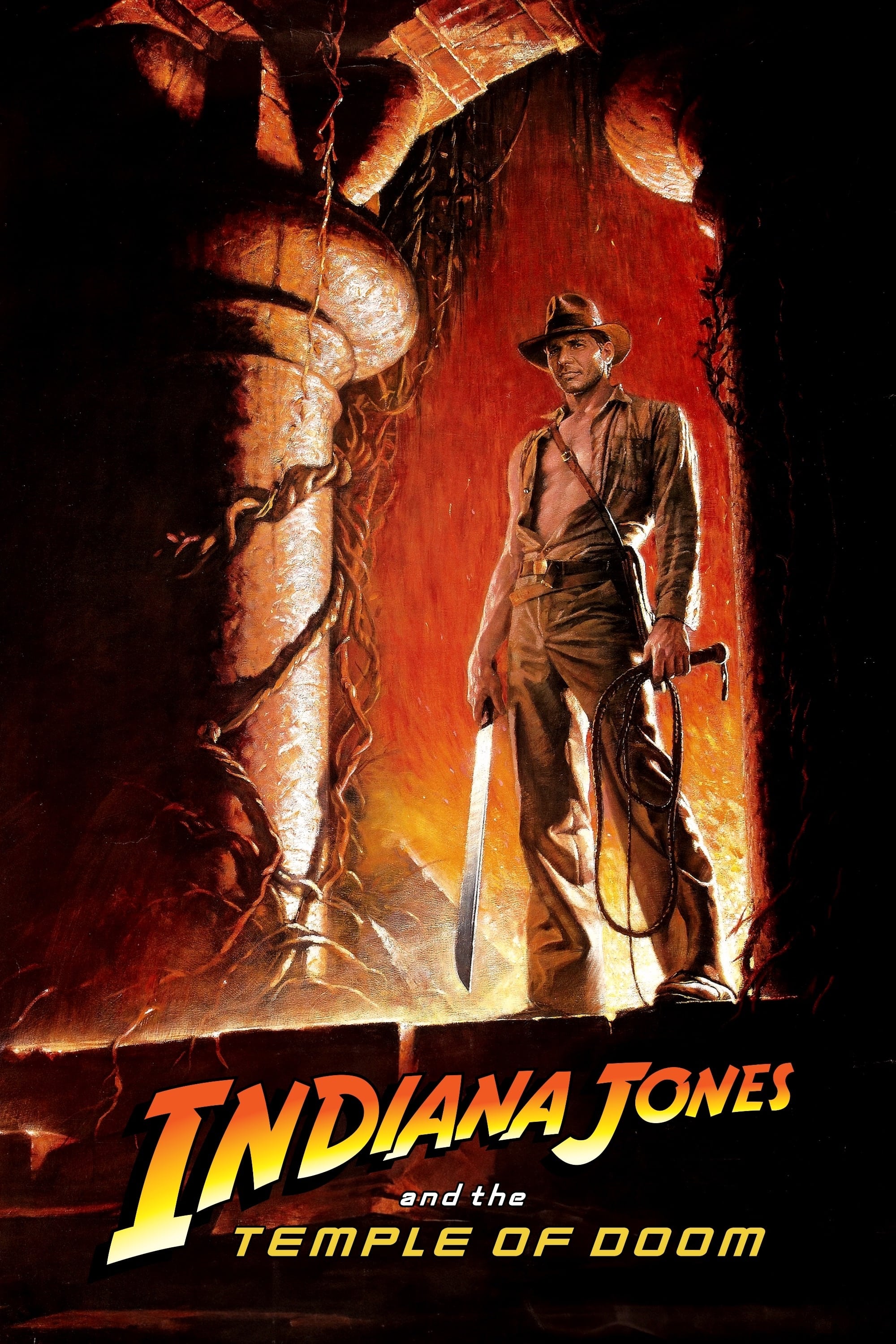
This entry features miniature mine carts motion control passes and practical stunt work that remain sharp in scans. The lighting design uses pools of warm and cool tones that separate subjects from backgrounds for accurate depth layers. Existing restorations confirm stable negative condition and minimal generation loss in key set pieces. Fast action is intercut with sustained shots that simplify depth continuity.
‘The Abyss’ (1989)
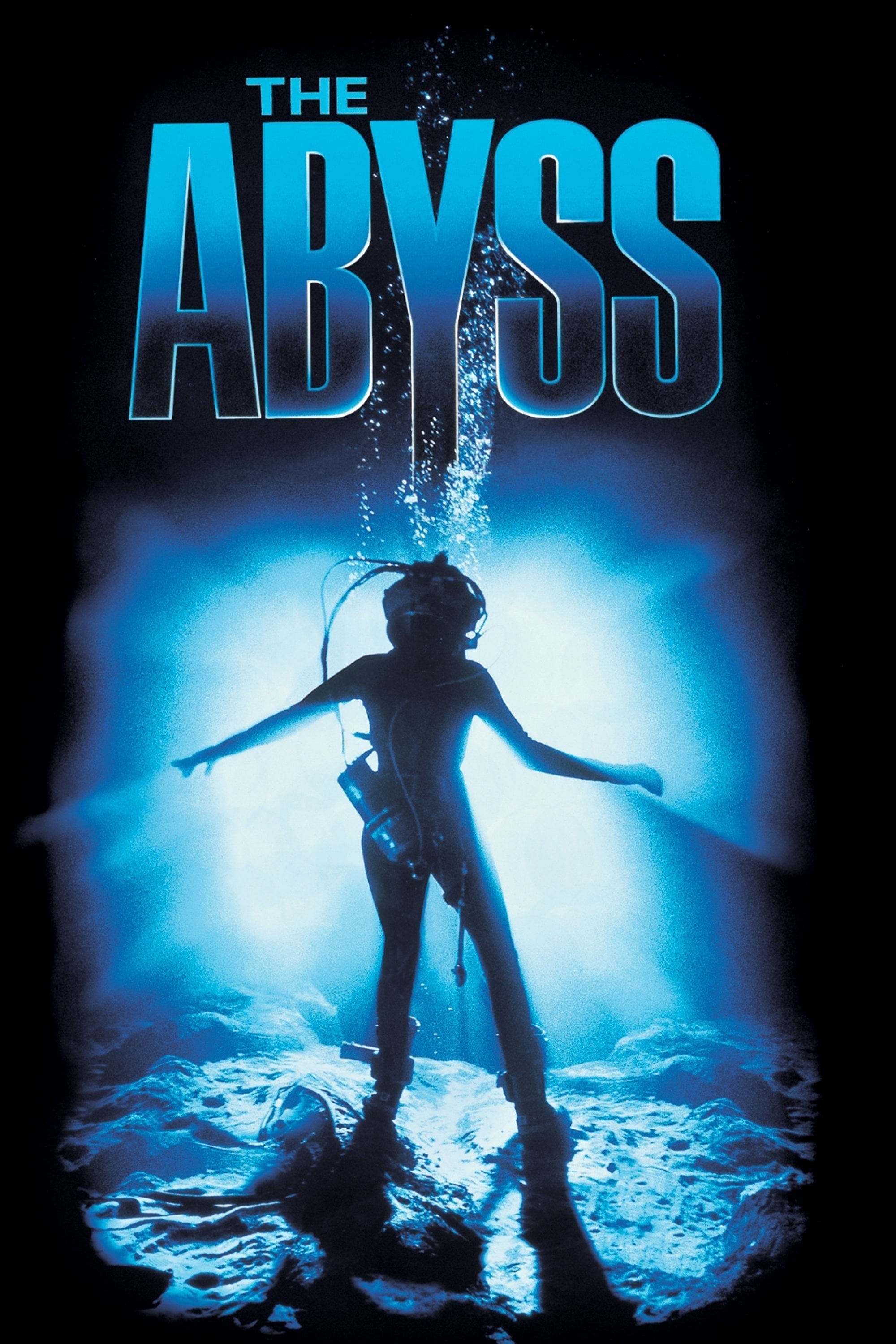
The production integrated pioneering water tank photography with practical models and early digital work. Recent restoration activity has produced new high resolution masters from original elements. The underwater environment includes particulate and volumetric light that provides continuous depth cues. Slow moving camera work across complex sets supports precise parallax grading without artifacting.
‘King Kong’ (2005)

This film combined live action with extensive high resolution digital creatures and miniature city plates. Weta archived effects assets and high quality renders that align well with new stereo finishing. The theatrical master exists in 4K which supports consistent grain and noise profiles across shots. Jungle and city sequences present layered foliage architecture and aerial views that read clearly in depth.
‘Close Encounters of the Third Kind’ (1977)
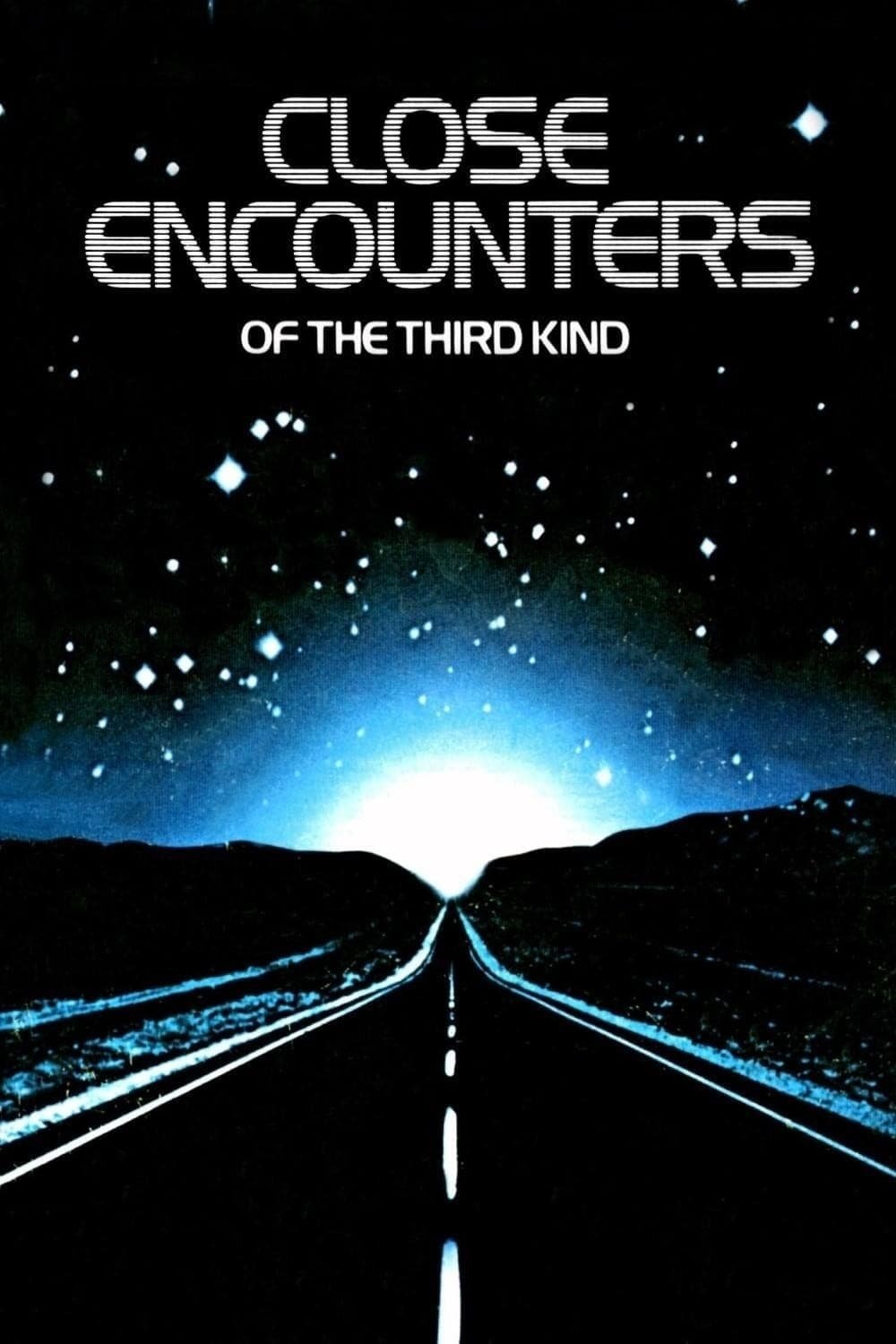
The movie features large scale miniature effects photographed with careful motion control passes. Multiple restorations have been created from original elements including different approved cuts. Night exteriors with backlight and atmospheric haze define planes for gentle depth grading. The finale integrates practical lights and smoke that produce reliable volumetric markers.
‘Planet of the Apes’ (1968)

Shot on 35 mm with extensive location work in desert and coastal landscapes the imagery carries strong texture and horizon lines. Makeup and costume design introduce sharp edges around faces that assist in separation. Library materials include high quality scans and preservation elements used for recent restorations. The score and effects tracks are well documented which eases alignment with a stereo image.
‘Crouching Tiger, Hidden Dragon’ (2000)

Action scenes were staged with wire assisted movement across wide natural vistas. The film was photographed on 35 mm with elegant long lenses that maintain focus planes. Archival materials and award winning sound stems exist in high quality which helps synchronize spatial cues. Bamboo forest and rooftop passages present clean vertical and horizontal lines for depth calibration.
‘Hero’ (2002)

The production used meticulous color coded set pieces with precise choreography across layered compositions. Captured on 35 mm and finished with high quality digital intermediates it holds strong edge fidelity. Wide frames often isolate figures against water sand or sky which provides simple parallax references. Existing restorations showcase stable grain and color that translate well to stereo finishing.
‘House of Flying Daggers’ (2004)

This film blends practical stunts with controlled color palettes and extensive location photography. Slow motion beats and wides on forests and fields create readable depth planes. Master materials and international releases indicate well preserved elements suitable for fresh scans. The echo dance and arrow sequences present clear object trajectories for consistent convergence settings.
‘Minority Report’ (2002)
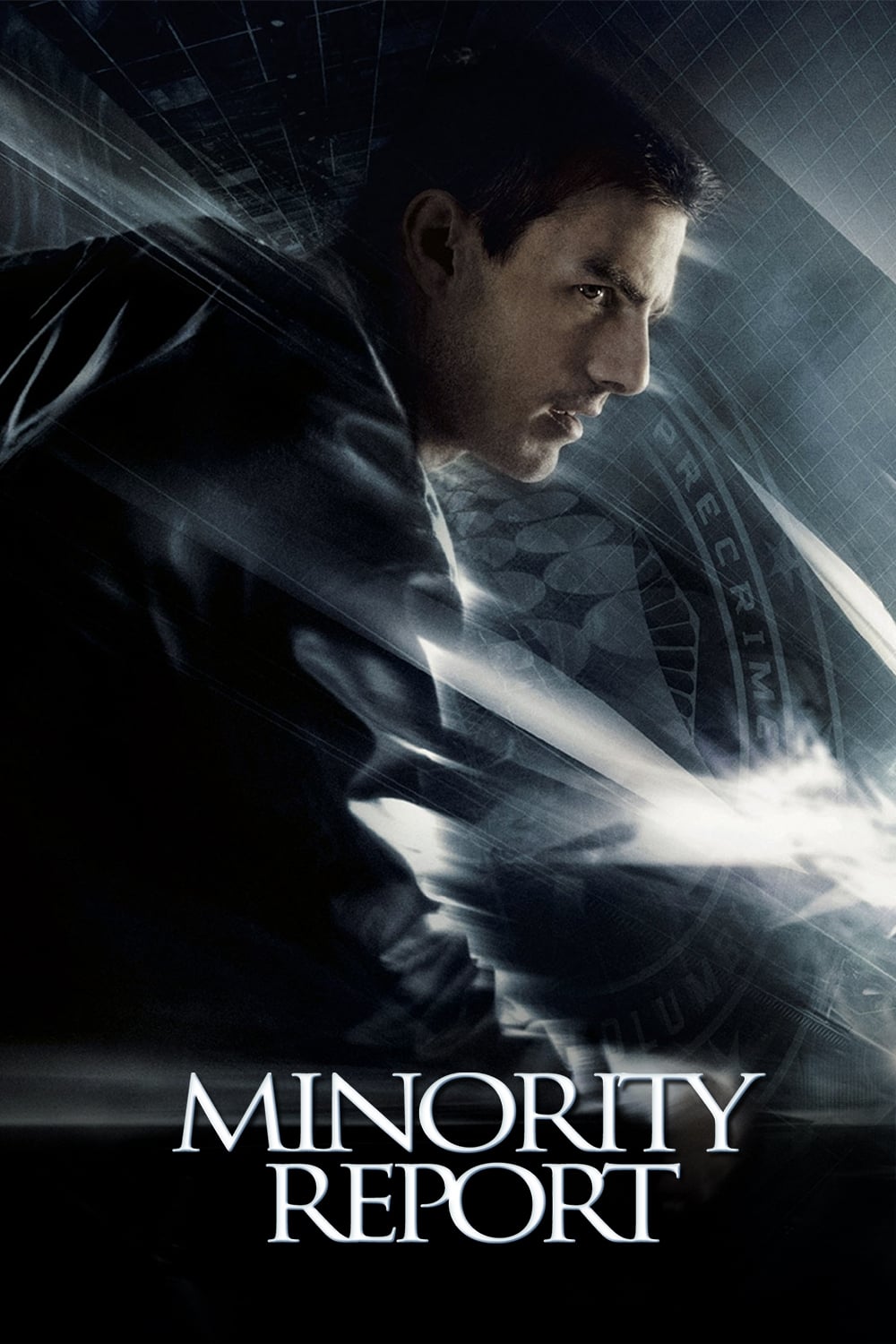
Cinematography features bleach bypass style finishing but underlying scans retain high resolution detail. Practical sets and on location chases supply strong lines and reflective surfaces for depth mapping. The production used a mix of practical and digital composites that are well documented in archives. Updated 4K masters exist that can anchor a modern stereo grade.
‘Dunkirk’ (2017)

Large portions were captured with IMAX and 65 mm cameras which secure exceptional spatial detail. Practical aerial photography on vintage aircraft provides authentic motion parallax. Beachwide compositions and sea rescues offer clear horizon lines and layered crowds. The variable aspect ratio can be preserved while introducing stereo depth consistent with original intent.
‘The Revenant’ (2015)

The film relied on natural light with long takes and wide lenses that maintain stable depth cues. Location photography in snow and forest environments produces strong contrast between subject and background. Digital intermediates and camera originals were archived at high resolution which supports careful grading. The deliberate camera movement enables clean stereo alignment across extended shots.
‘Apollo 13’ (1995)
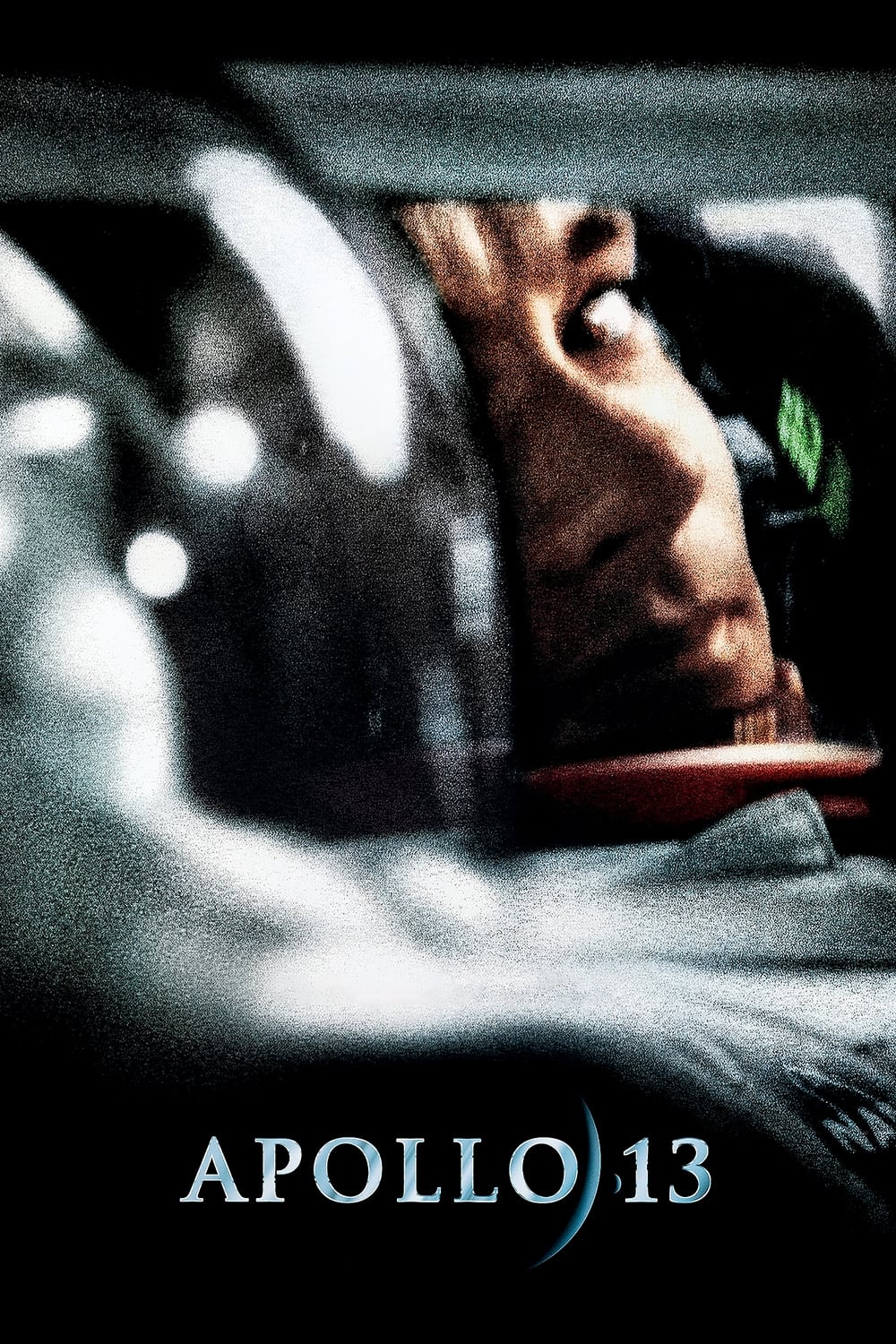
Production combined microgravity stage work with miniature spacecraft and archival footage. Photographed on 35 mm with strong optical clarity it scans well for modern finishing. NASA interiors and control room sets provide clear geometric lines for depth placement. The film has circulated in new restorations which indicates available high quality elements.
‘Godzilla’ (1998)

This title used large scale miniatures practical explosions and early digital creature work with high resolution plates. Urban night photography with rain and smoke yields consistent volumetric depth markers. Master materials have been prepared for 4K which supports grain consistent conversion. Long lens city vistas and helicopter shots provide predictable parallax across the frame.
Share which film you would prioritize for a future stereo remaster in the comments.